














River Cruises
Can You Get Seasick on a River Cruise? Tips to Avoid Nausea
River cruises are known for their calm, steady waters, which significantly reduce the chances of seasickness compared to ocean cruises. The gentle motion of the ship makes for a smoother, more comfortable experience.
However, there may be brief moments, like passing through locks, when you could feel a bit queasy. So, to stay comfortable, opt for a cabin near the middle or back of the boat, where the motion is less noticeable.
Getting fresh air, avoiding strong smells or heavy meals, and trying remedies like acupressure bands or ginger can also help prevent discomfort.
With these tips, you can focus on enjoying the serene journey and stunning scenery without worrying about seasickness.
- Why River Cruises Are Less Likely to Cause Seasickness
- A Comparison: River Cruise vs. Ocean Cruise
- When Seasickness Might Still Happen on a River Cruise
- Tips to Prevent Seasickness on a River Cruise
- How River Cruise Ships Are Made to Be Smooth
- Everyone’s Sensitivity Is Different
- Ready for Your River Cruise Adventure?

Why River Cruises Are Less Likely to Cause Seasickness
River cruises offer a unique experience compared to ocean cruises, primarily due to the difference in the waters they navigate.
Riverboats travel on calm, steady rivers with minimal movement, unlike the open ocean, which can have rough waves and strong currents. This lack of turbulence makes river cruises much smoother, reducing the risk of seasickness.
The gentle rocking of the boat is usually barely noticeable, making it a comfortable option for those who are sensitive to motion.
With fewer changes in motion, river cruises are a more relaxing choice for travelers looking to avoid the discomfort sometimes associated with ocean voyages.
A Comparison: River Cruise vs. Ocean Cruise
Imagine you’re on a river cruise along the scenic Rhine River in Europe. The water is calm, the landscape is stunning, and the boat glides smoothly through the water. This steady motion makes it unlikely for you to experience seasickness, allowing you to fully enjoy the breathtaking views and relaxing atmosphere.
Now, picture yourself on an ocean cruise, where the boat is subject to the swells and waves of the open sea. The rocking and swaying can be much more noticeable, and for some, this motion may lead to seasickness. While ocean cruises offer expansive views and exciting destinations, the movement can be more unpredictable.
Both types of cruises have their advantages and drawbacks. It ultimately comes down to personal preference and what kind of experience you’re seeking on your vacation.
When Seasickness Might Still Happen on a River Cruise
Although river cruises are generally smoother, there may still be moments when you feel a little off. One such instance is when the boat passes through locks.
Locks are structures used to raise or lower the boat to different water levels, often found along rivers with varying elevations. During this process, the boat can experience some unexpected movements, such as slight jolts or shifts in direction. These motions may be more noticeable if you’re sensitive to motion, leading to a brief feeling of discomfort.
However, these moments are typically short-lived, and the overall experience remains quite steady and enjoyable
Tips to Prevent Seasickness on a River Cruise
Here are some tips to help you avoid seasickness on a river cruise:
- Pick the Best Spot on the Boat: Try to choose a cabin in the middle or back of the boat. These areas usually feel less movement, so they can help reduce your chances of getting seasick.
- Get Some Fresh Air: Spending time on the deck can help. If you start to feel sick, fresh air and looking at a fixed point on the horizon can make you feel better.
- Avoid Strong Smells and Heavy Meals: Strong smells and big meals can make seasickness worse. Stick to light, easy-to-digest foods like crackers or dried fruits.
- Use Remedies: Acupressure bands can help by applying pressure to your wrist. Ginger products, like ginger tea or candies, can also help with nausea.
How River Cruise Ships Are Made to Be Smooth
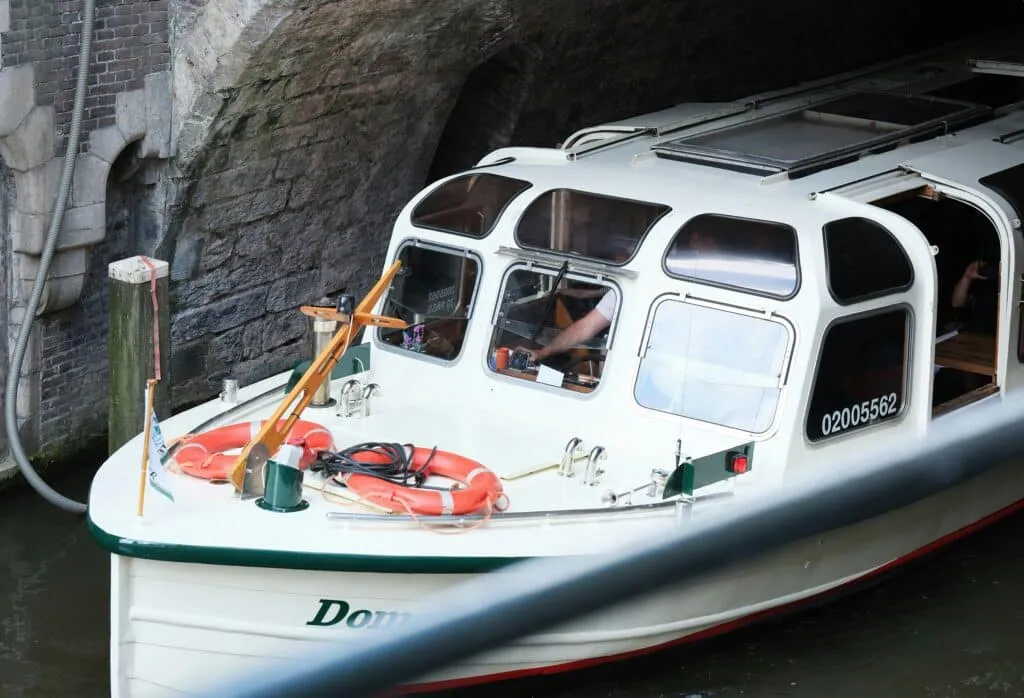
River cruise ships are specifically designed for stability, making them a more comfortable option for travelers.
These ships tend to be smaller and have a lower center of gravity compared to ocean liners, which helps reduce the likelihood of rocking. As a result, cruise passengers can expect a smoother, steadier ride as the boat navigates through calm river waters.
Additionally, many river cruise ships are equipped with stabilizers — mechanisms that further minimize any movement, particularly during more turbulent moments, such as when passing through locks.
Everyone’s Sensitivity Is Different
Not everyone reacts to motion in the same way, and some people may still feel sick, even on a smooth river cruise. Sensitivity to movement varies from person to person, so while the gentle motion of the riverboat might not affect most passengers, it could still lead to discomfort for those who are more prone to seasickness.
If you’re sensitive to motion, it’s a good idea to take extra precautions to prevent feeling unwell. Simple strategies like choosing a cabin in the middle of the boat, getting fresh air, or using remedies like ginger or acupressure bands can help keep discomfort at bay.

Ready for Your River Cruise Adventure?
If you’re excited to explore the serene and picturesque waters of a river cruise, we’re here to help you plan the perfect getaway.
Whether you’re choosing the right cruise line, selecting the ideal cabin, or picking the best itinerary, we’ve got you covered every step of the way.
Our goal is to ensure your river cruise experience is seamless, comfortable, and unforgettable. Let us handle the details so you can focus on enjoying your journey.
Contact us today, and let’s start planning your dream river cruise adventure!
Plan your trip
Inspired? Let's make it real.
Our advisors have walked these routes. Tell us where this story takes you, and we'll handle the rest.
Start Planning