Serengeti National Park
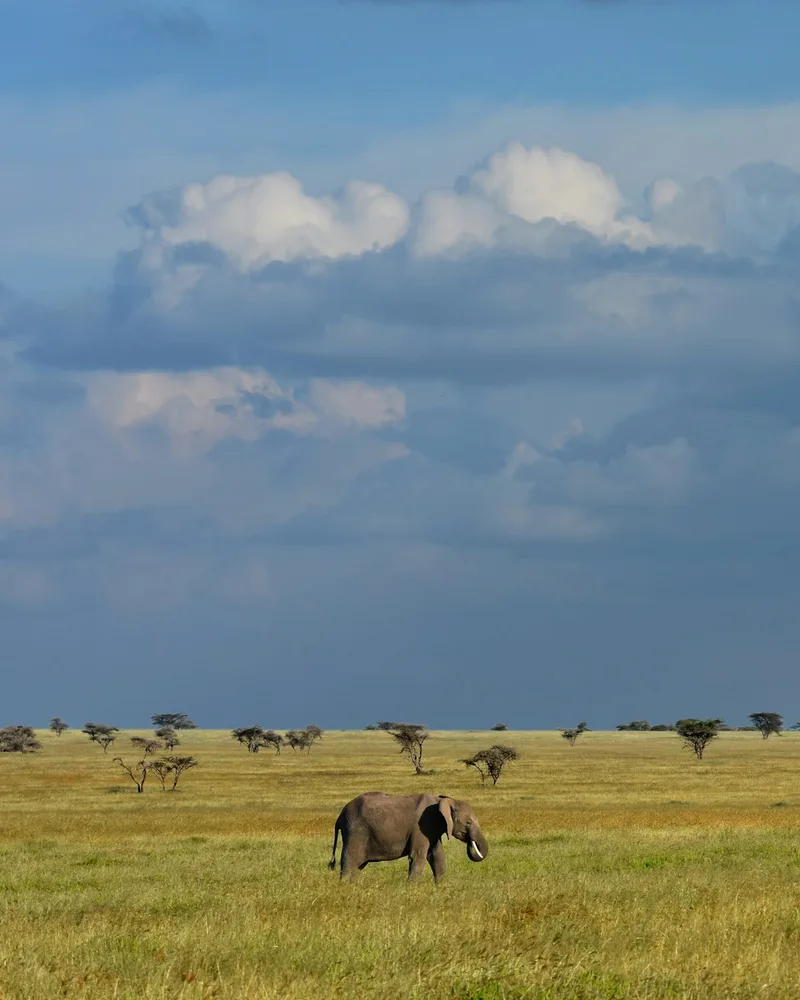
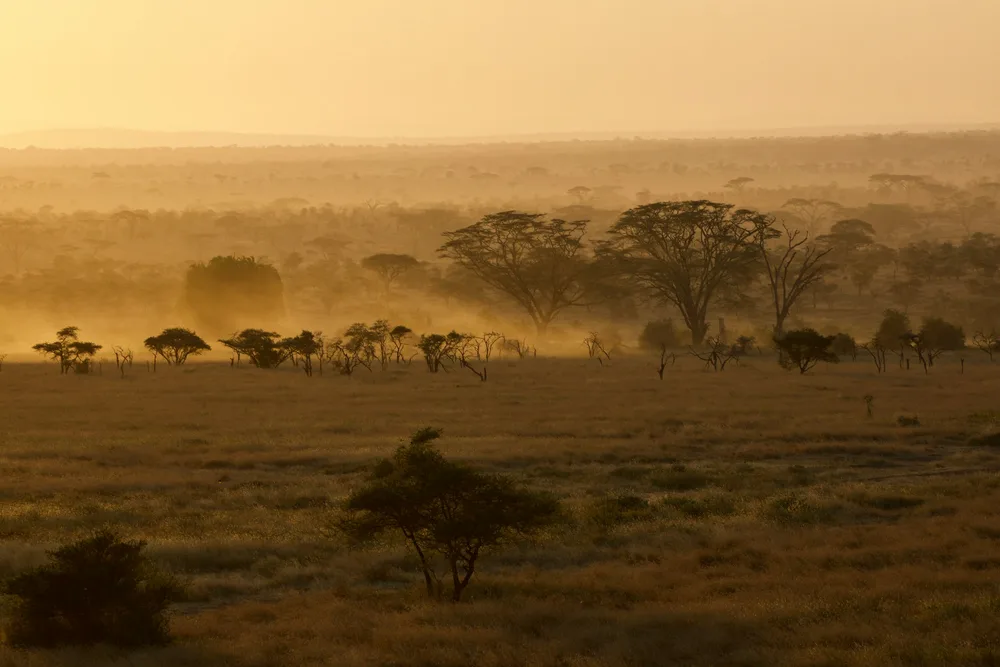
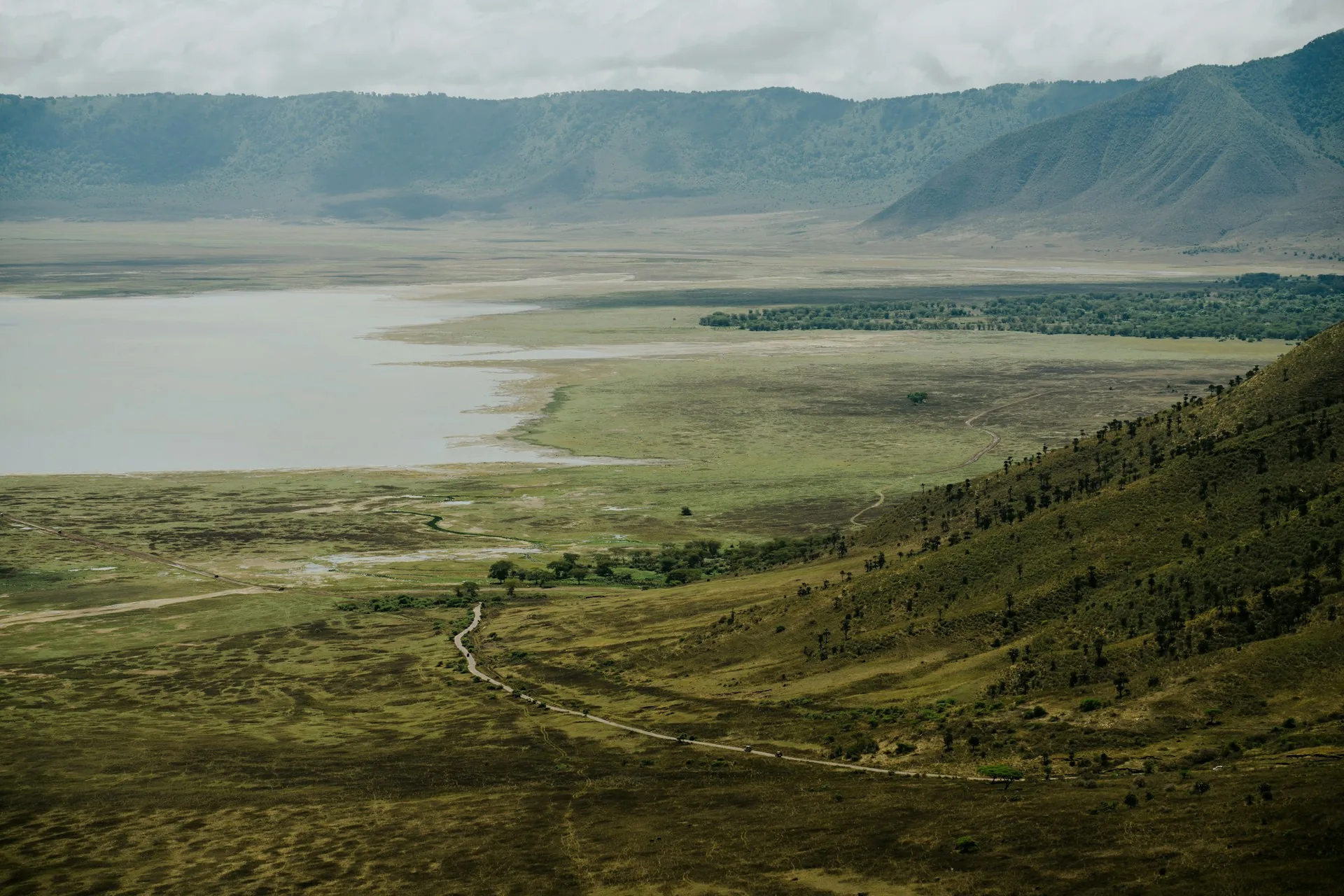
Some landscapes are so vast they rearrange your sense of scale, and the Serengeti is the first of them. The name comes from the Maasai word for endless plains, and once you are out on the grass you understand why. Golden savanna runs to the horizon in every direction, broken only by flat-topped acacia trees, lone granite outcrops and the slow drift of clouds overhead. This is the oldest and most famous safari country on earth, and standing in the middle of it, with nothing man-made in sight, is a feeling that stays with travelers long after they come home.
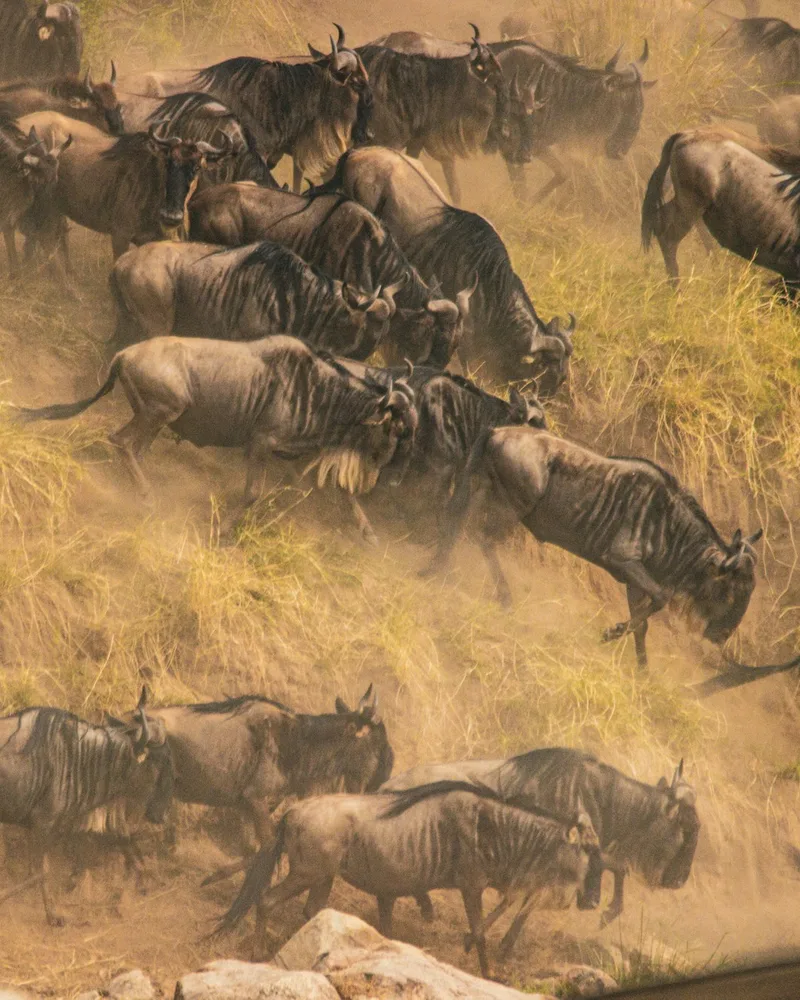
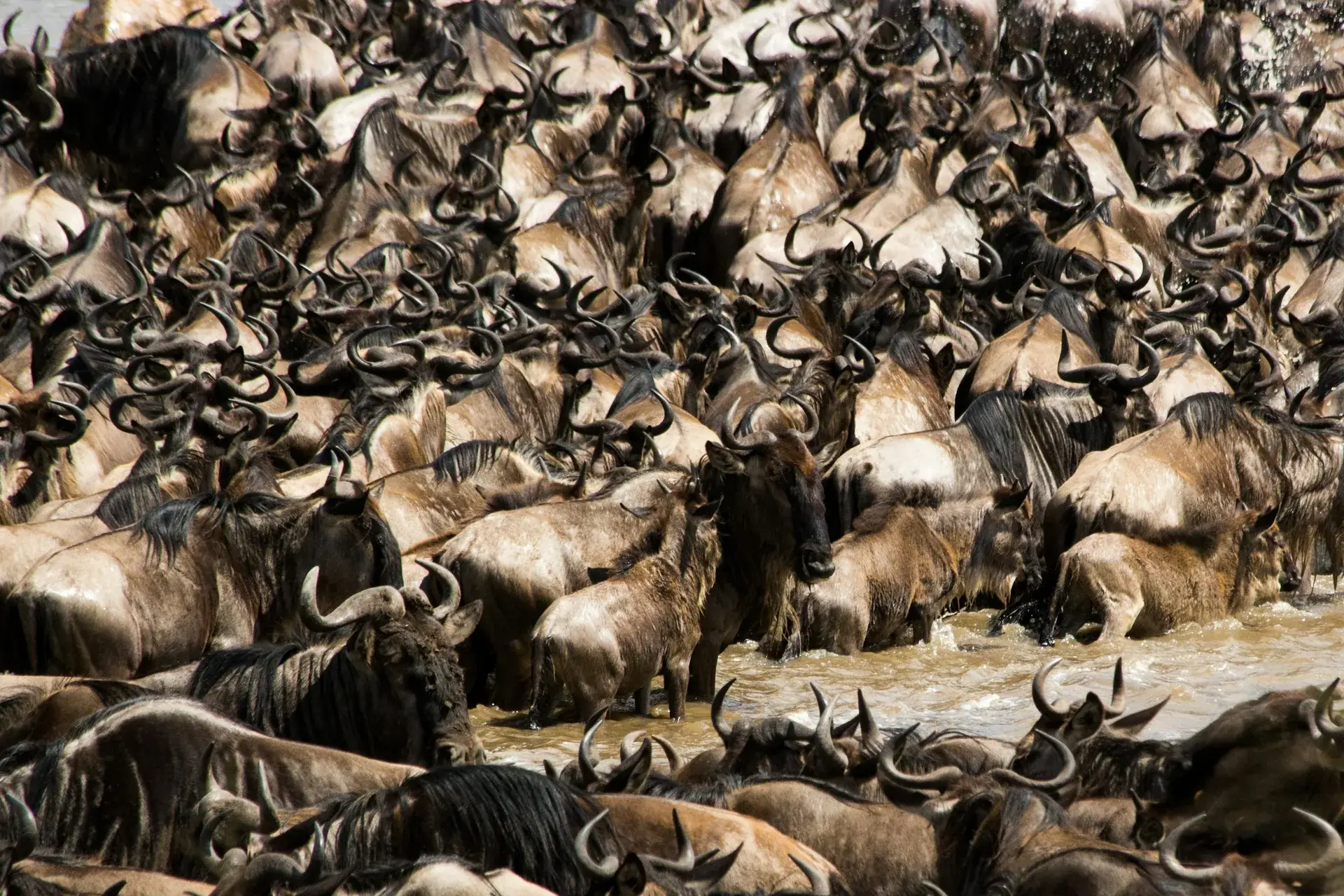
What sets the Serengeti apart is the Great Migration, the largest movement of animals anywhere on the planet. More than a million wildebeest, joined by hundreds of thousands of zebra and gazelle, follow the rains in a vast clockwise circle through the ecosystem across the year. The most dramatic chapter comes in the dry season, when the herds mass on the banks of the Mara River and plunge across the crocodile-filled water in a churning, thundering crossing. In the green months of the southern plains, the same herds gather to calve, and the grass fills with newborns and the predators that follow them.
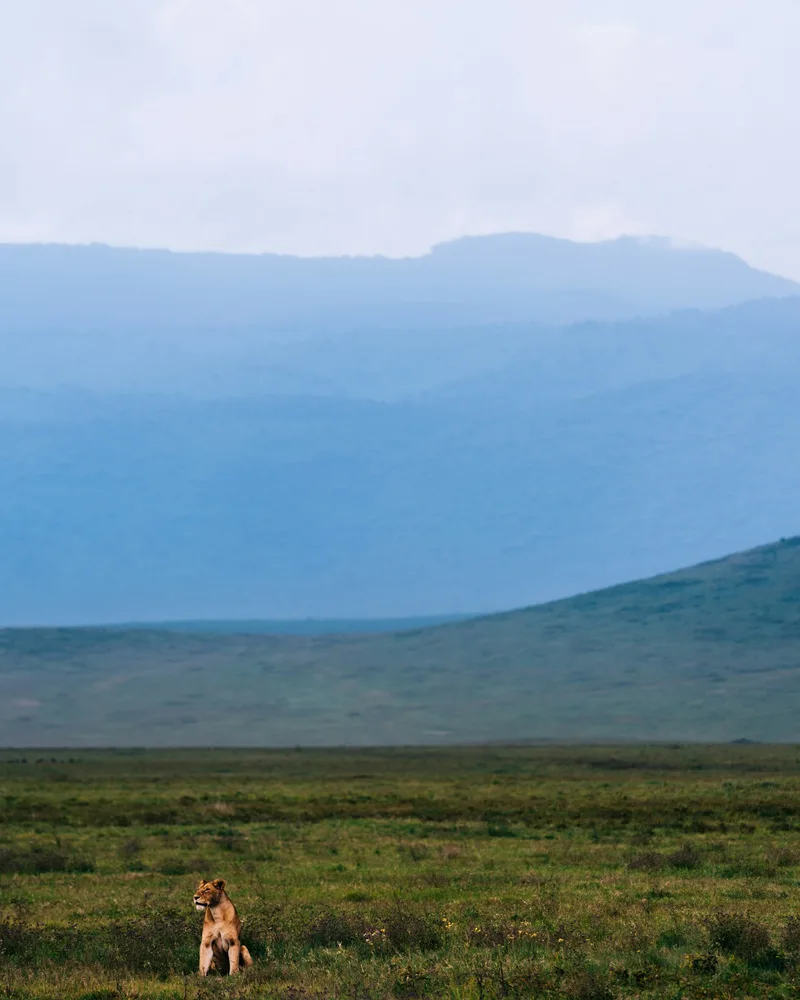
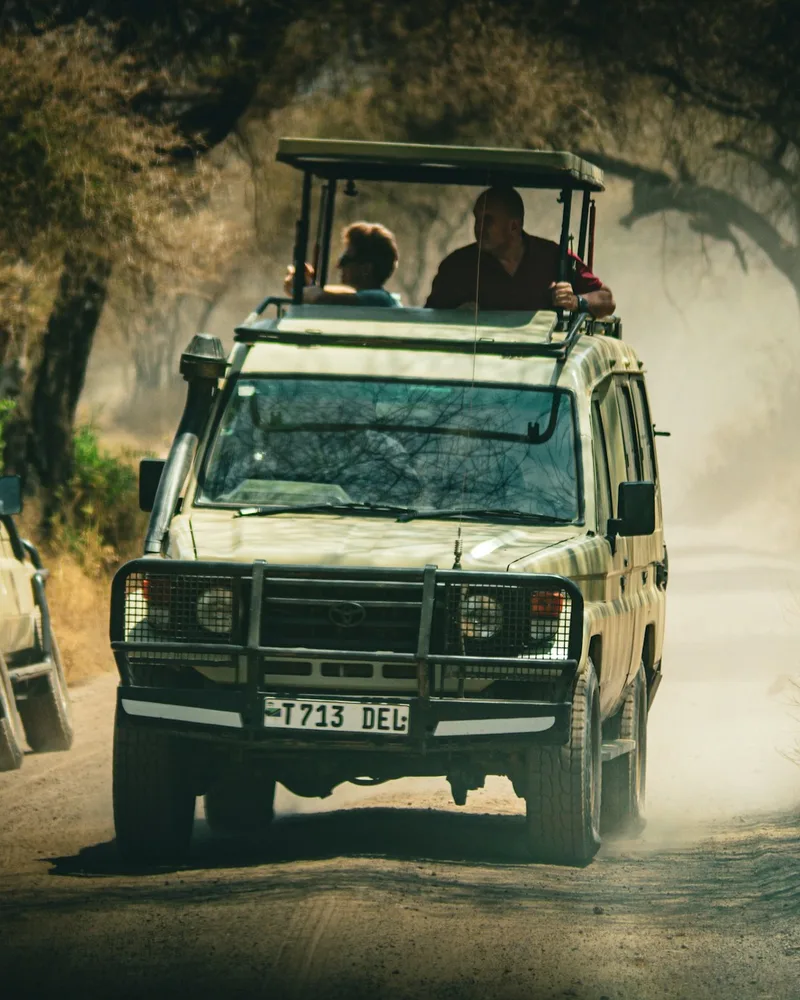
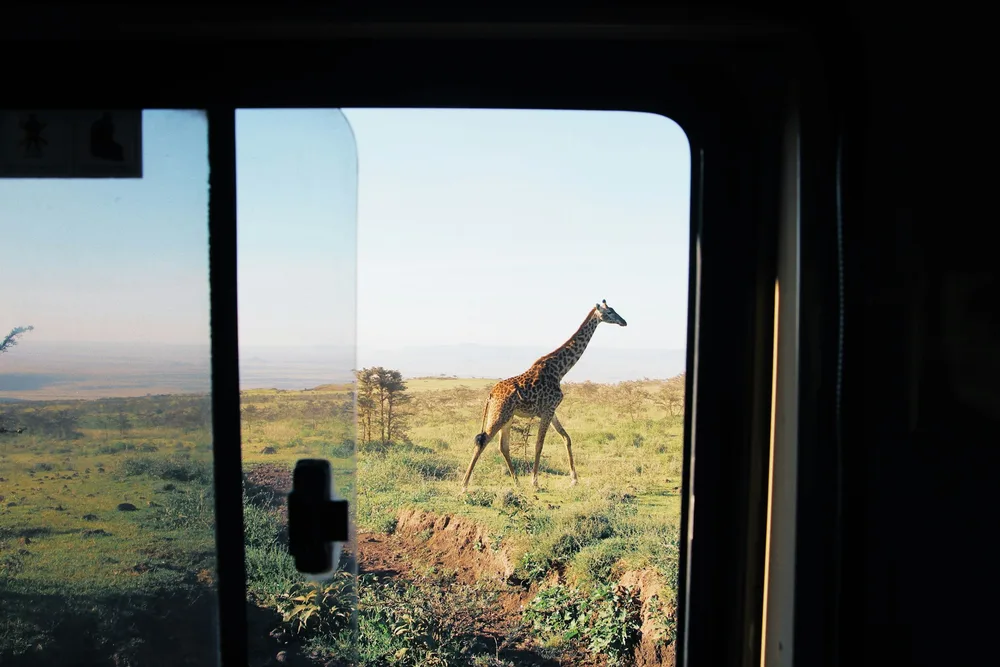
And the predators are everywhere. The Serengeti holds one of the densest concentrations of big cats in Africa, and a good guide will find you lions draped over a kopje at midday, a cheetah scanning the plains from a termite mound, and, if the luck runs your way, a leopard folded into the branches of a sausage tree. Mornings begin before dawn with coffee by the fire and a game drive into the cool blue light when the cats are still on the move, and the days roll on with picnic lunches in the shade and sundowners as the sky turns copper. Whether you stay in a classic tented camp or a mobile fly-camp that follows the herds, we build the route so you are in the right place at the right time of year.