










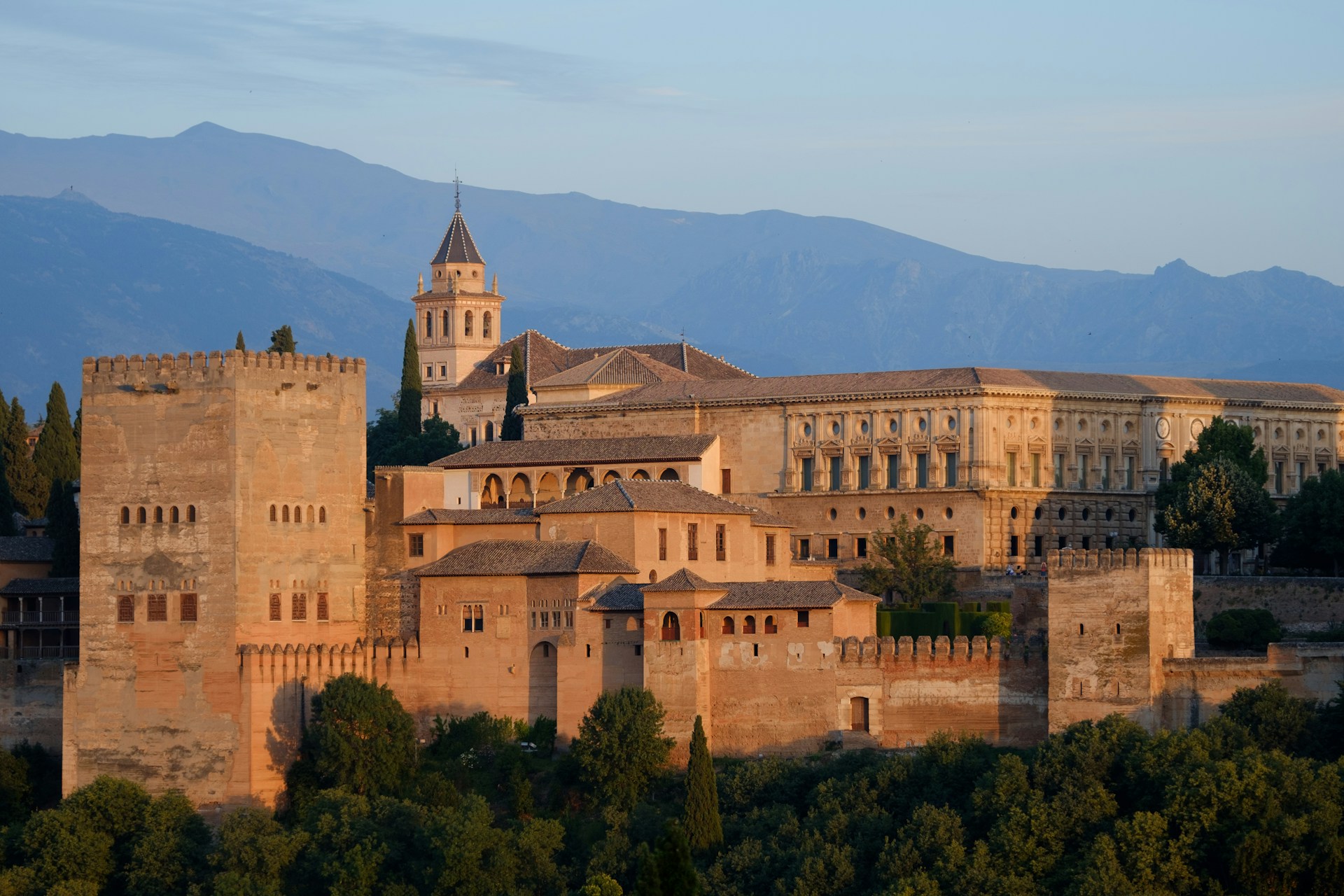
Granada (Andalusia)
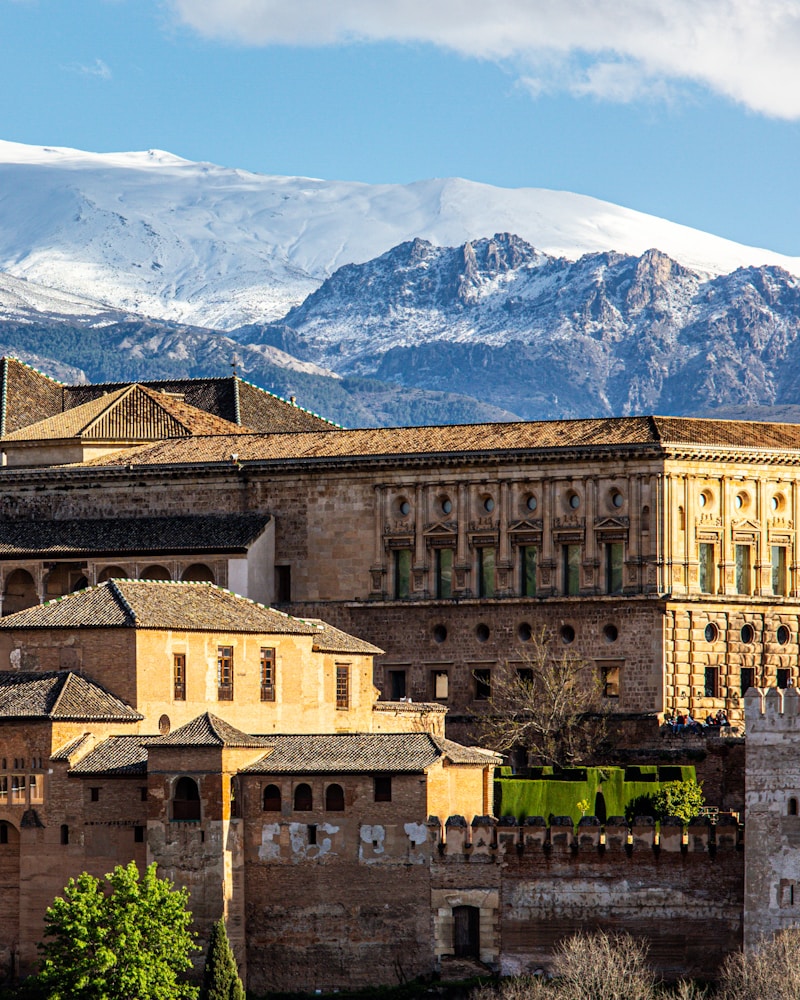
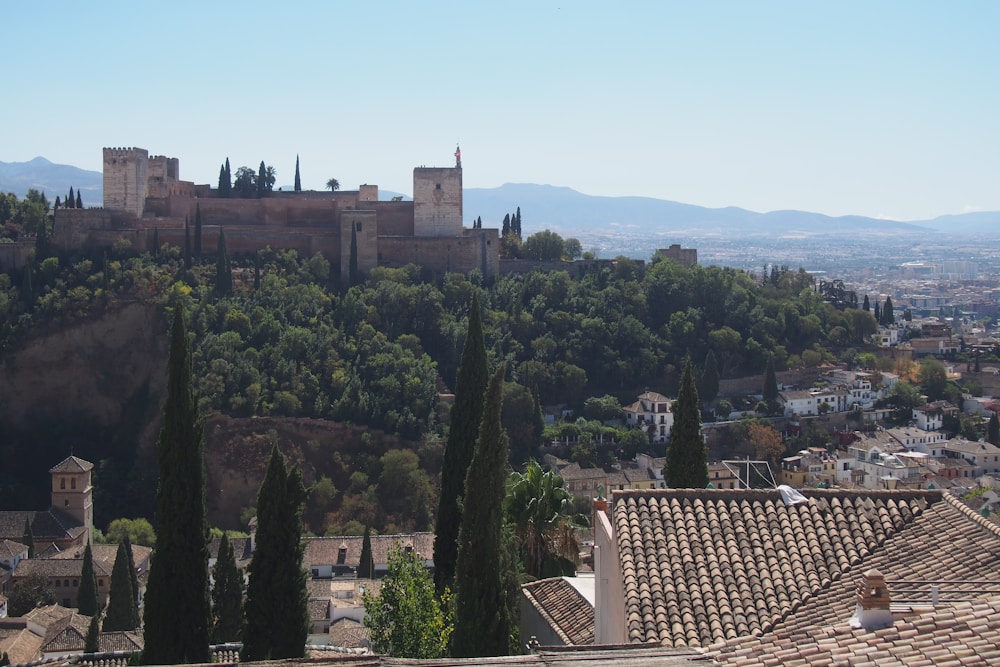
Some places live up to a lifetime of imagining, and the Alhambra is one of them. Rising on a wooded ridge above Granada, this great Moorish palace-fortress was the last and finest seat of the Nasrid sultans, the rulers of the final Muslim kingdom in Spain. From the city below it reads as a long line of honey-colored walls and watchtowers, with the snow-capped peaks of the Sierra Nevada behind, but the wonder of it waits inside, where the warrior fortress gives way to some of the most exquisite architecture ever built.
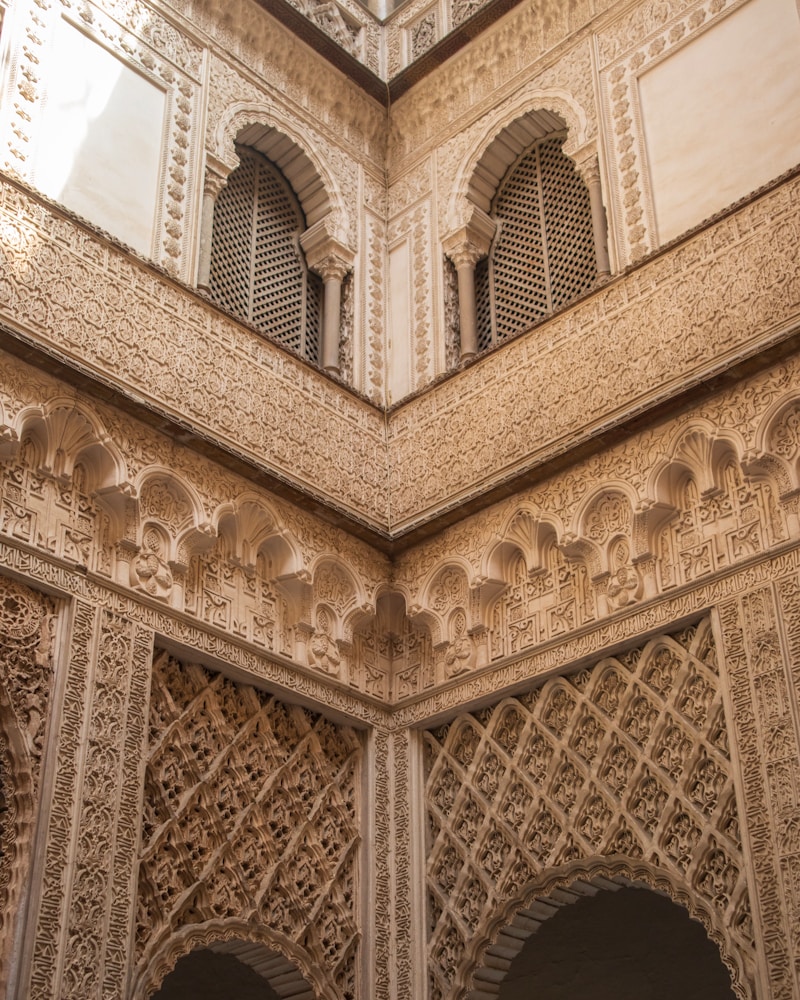
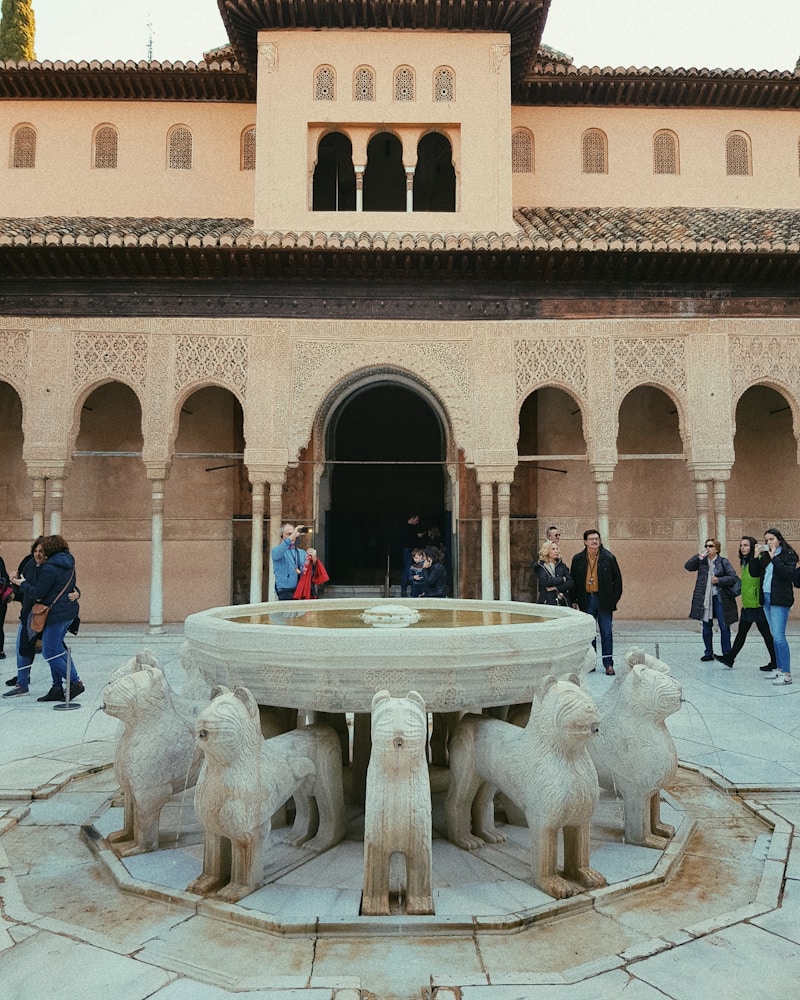
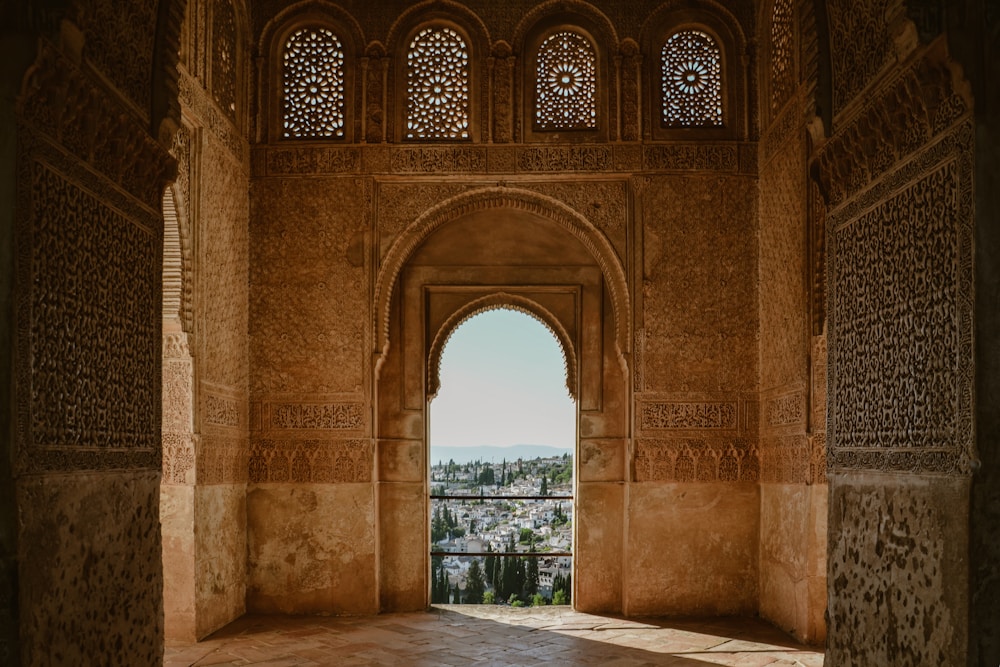
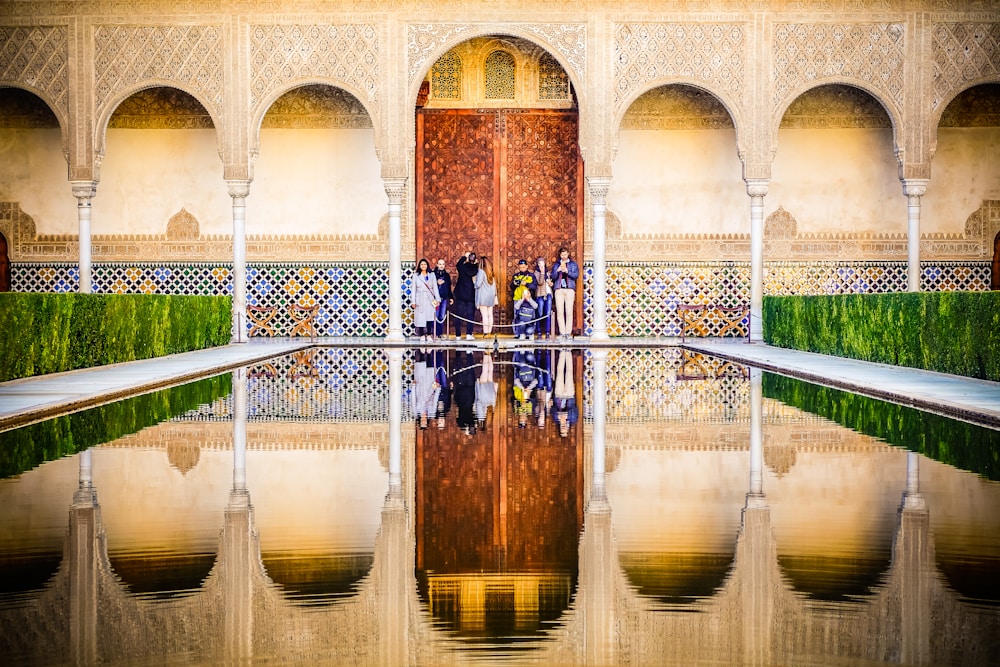
Within the walls lie the Nasrid Palaces, and they are the heart of any visit. Room after room unfolds in a kind of hushed perfection: walls of carved stucco lace as fine as embroidery, dados of glazed tilework in deep blues and greens, ceilings of honeycombed plaster, and inscriptions in flowing Arabic script that repeat, again and again, that there is no victor but God. Light filters through fretted screens, and water threads quietly through the rooms, so that the whole place feels less built than grown. The Court of the Myrtles holds a long reflecting pool that doubles the arches in still water, and the famous Court of the Lions centers on a marble fountain ringed by twelve carved stone lions.
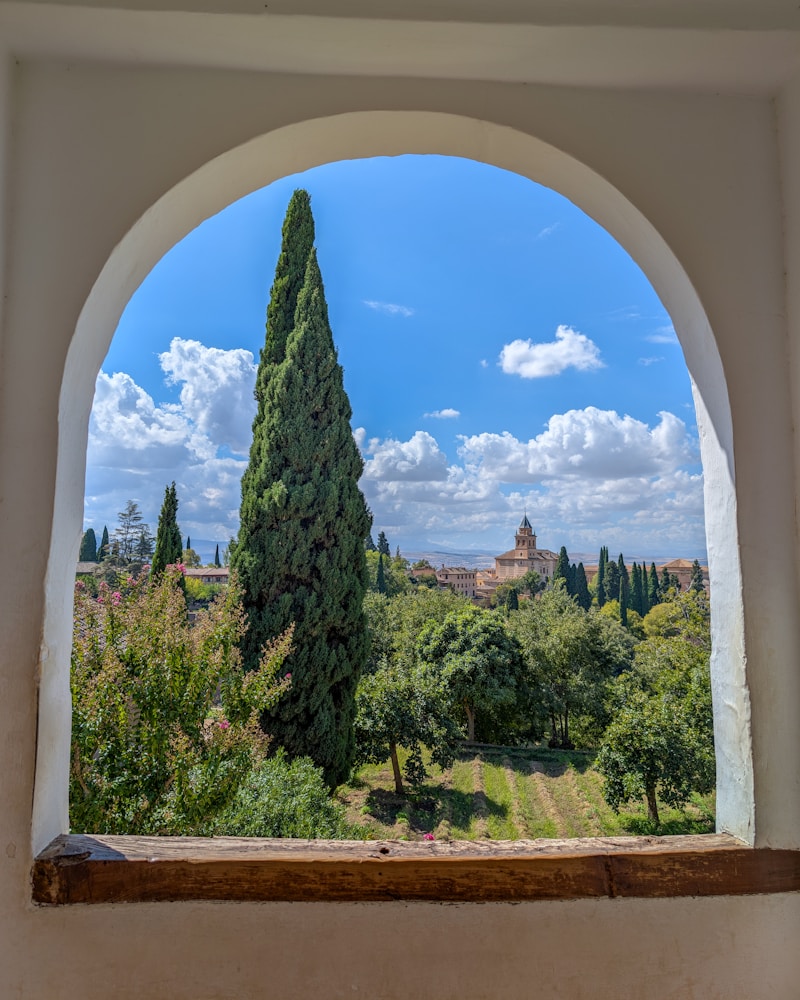
Beyond the palaces, the fortress walls and the great Alcazaba tower open onto a sweeping view back over the rooftops of Granada, while above the complex the Generalife unfolds, the sultans' summer gardens. Here the architecture loosens into terraces of clipped hedges, rose beds and cypress, with fountains and slender water channels playing the length of the courtyards. It is a place to slow right down, and with a private guide to read the walls and the timing set to dodge the crowds, a half day at the Alhambra becomes the kind of memory that anchors an entire trip through Andalusia.