A Kruger Big Five Safari, South Africa

A Kruger Big Five Safari.

Greater Kruger (incl. Sabi Sand)

The Greater Kruger is South Africa's flagship safari, a vast sweep of golden bushveld in the country's northeast that holds one of the richest concentrations of wildlife on the continent. At its heart is the Kruger National Park, nearly the size of a small country, and along its western edge lie the celebrated private reserves, the Sabi Sand foremost among them, where the fences have come down and the animals roam freely between the two. This is the home of the Big Five: lion, leopard, elephant, buffalo and rhino, and the place where many travelers see all five in a single unforgettable few days.

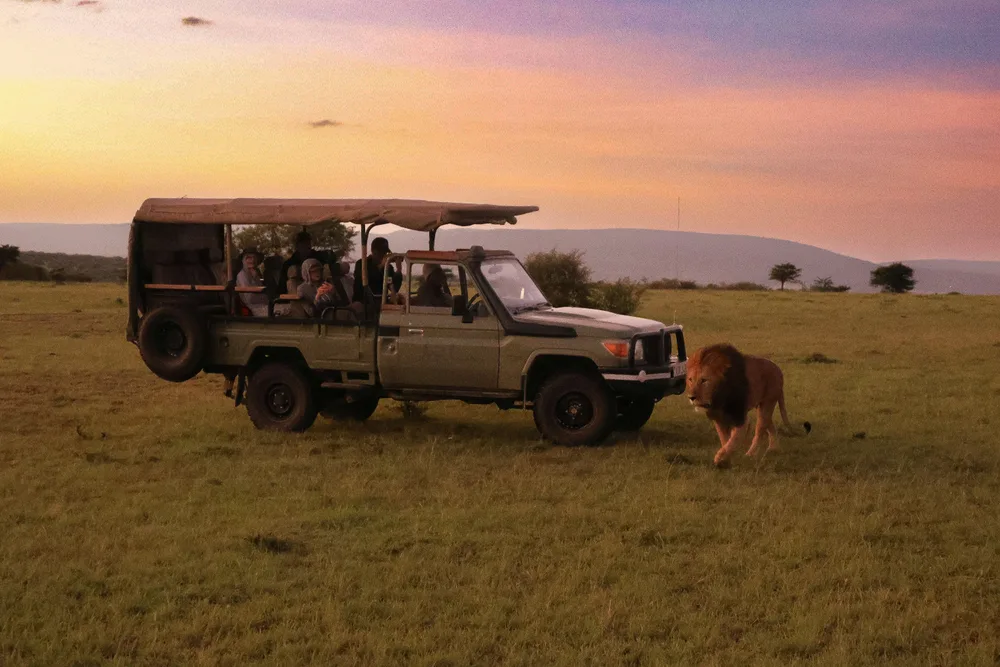
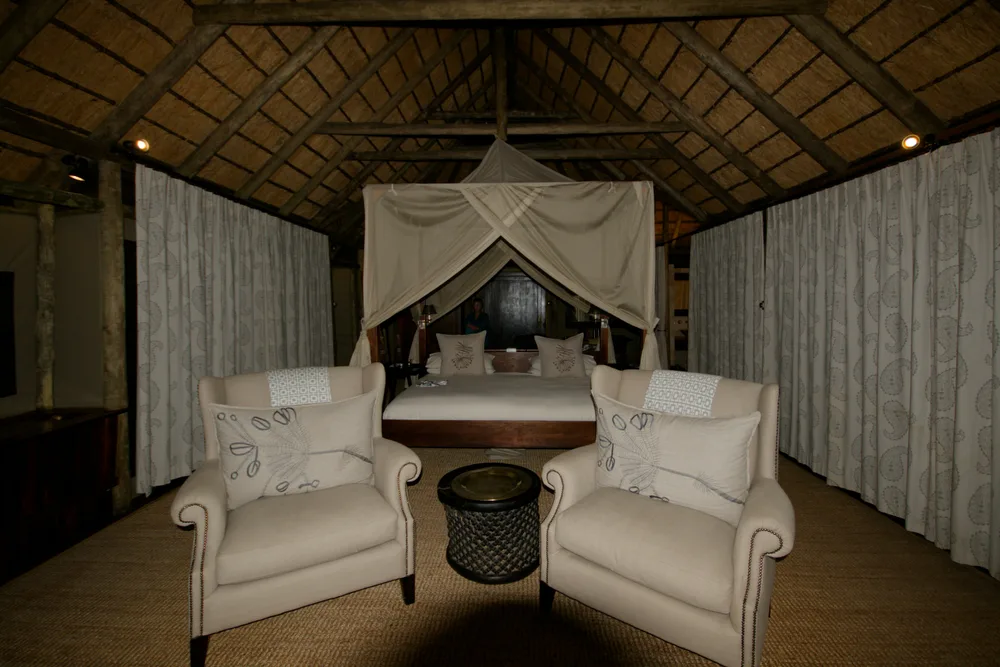
What sets the private reserves apart is the way you experience the bush. In the Sabi Sand and its neighbors, expert ranger-and-tracker teams take you off-road in open 4x4s to follow a leopard on the hunt or a pride of lions at rest, and the strict limit on vehicles means you often have a sighting all to yourself. Mornings begin before dawn with coffee by the fire and a game drive into the cool golden light; the heat of midday is for a long lunch and a rest at the lodge; and the afternoon drive carries you to a sundowner in the bush before a night drive home under a canopy of stars. The lodges range from relaxed family camps to some of the most romantic and luxurious hideaways in Africa.

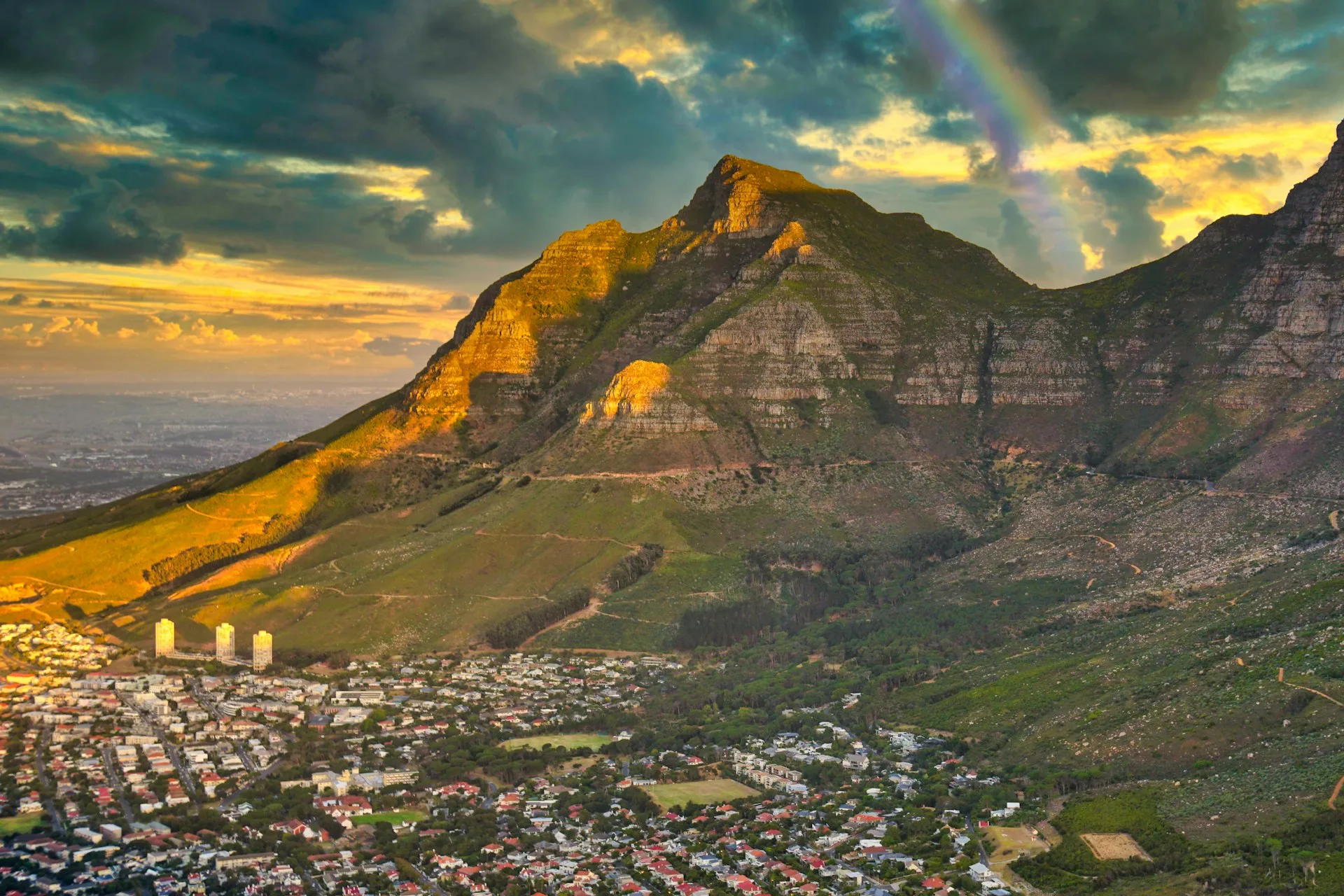
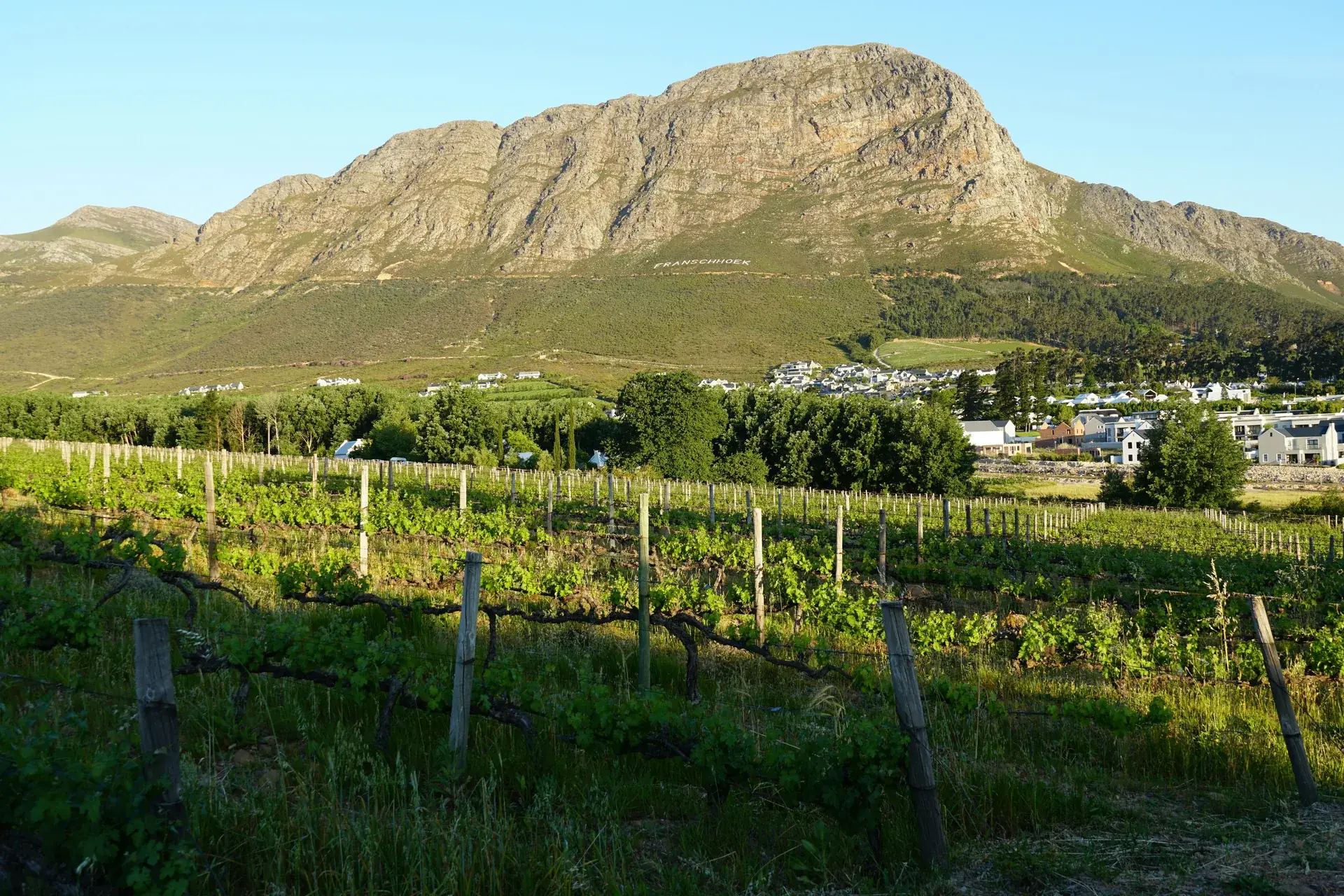
For families and travelers who would rather not take antimalarials, we often point north and west to Madikwe, a malaria-free reserve near the Botswana border that delivers the Big Five and superb lodges without the precaution. Wherever we send you, we match the reserve and the camp to how you like to travel, and we build the safari to slot easily onto the rest of a South Africa trip, most often a few days in Cape Town and the Winelands first, then a flight north to finish in the bush.
Where
The Greater Kruger, northeast South Africa
Best time
The dry winter, May to September, for the best game viewing
Good for
The Big Five & luxury lodges
Pair it with
Cape Town & the Winelands

Where it is

On the map.

The Greater Kruger lies in the northeast of South Africa, along the Mozambique border. Most travelers reach it by a short fly-in from Johannesburg to one of the bush airstrips, where a lodge vehicle is waiting.

Scroll or pinch to zoom

What you'll see

On the route.

The Big Five, South Africa

Stop 01

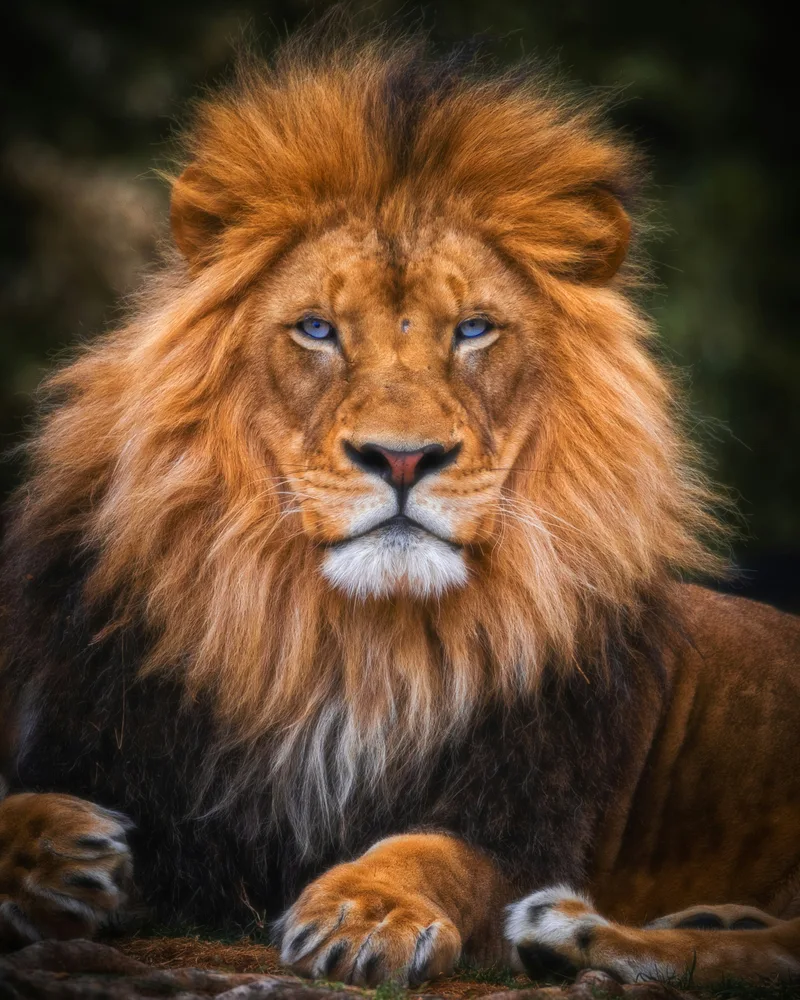
The Big Five

Lion, leopard, elephant, buffalo and rhino: the Greater Kruger holds them all, and a few days in the bush gives you a real chance of seeing every one of Africa's most sought-after animals.

A leopard in a tree, South Africa

Stop 02

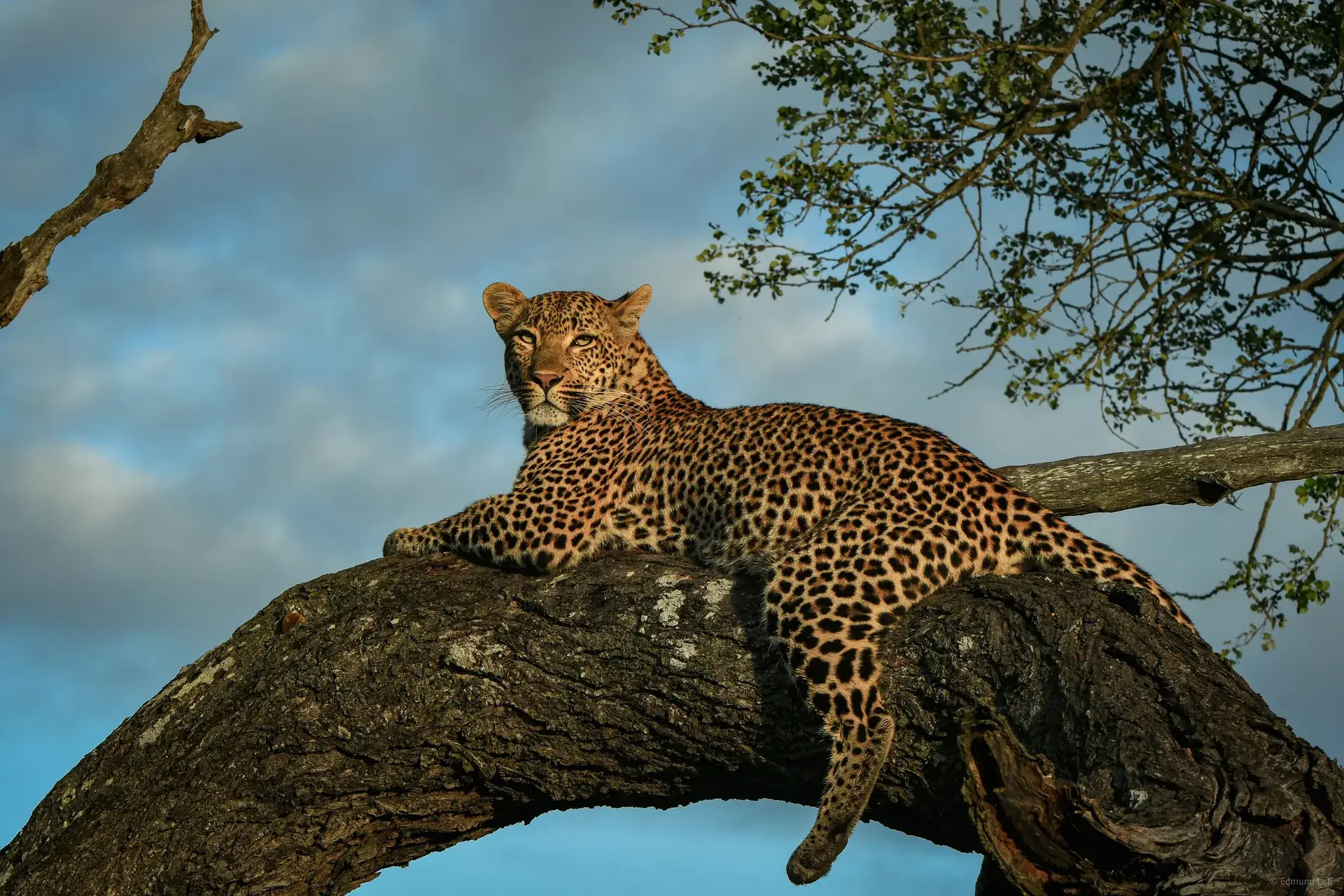
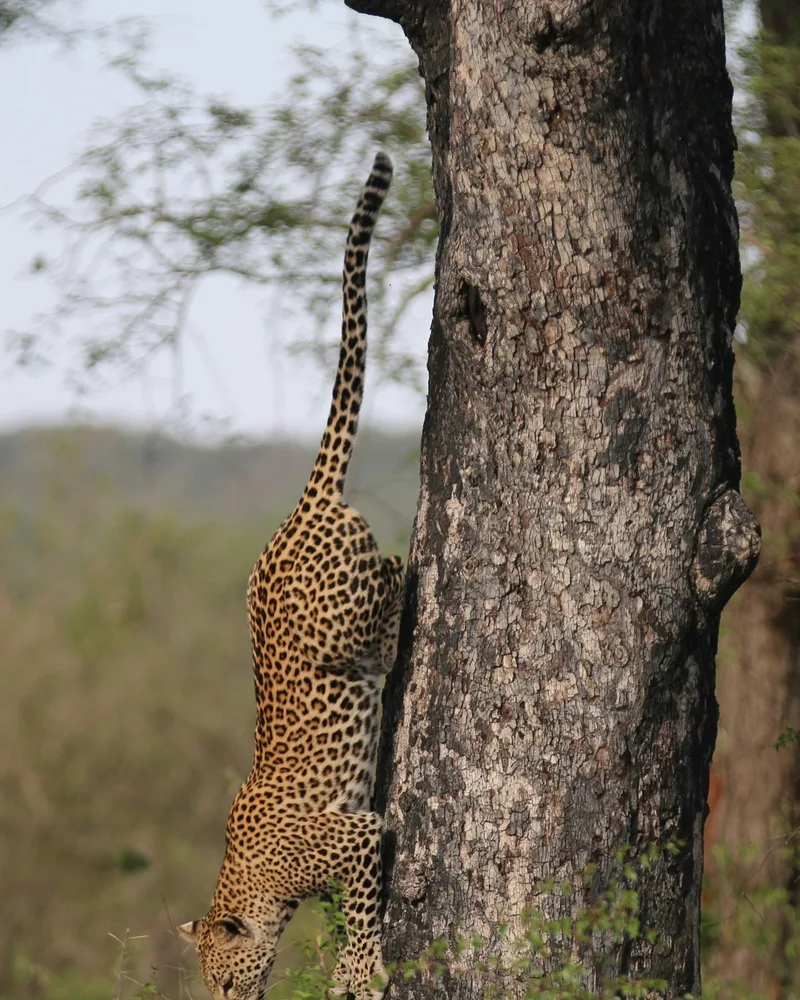
A leopard in a tree

The Sabi Sand is renowned the world over for its leopards, often seen draped along a branch or hauling a kill into the fork of a marula tree, relaxed and unhurried by the vehicles below.

Elephants in the bushveld, South Africa

Stop 03

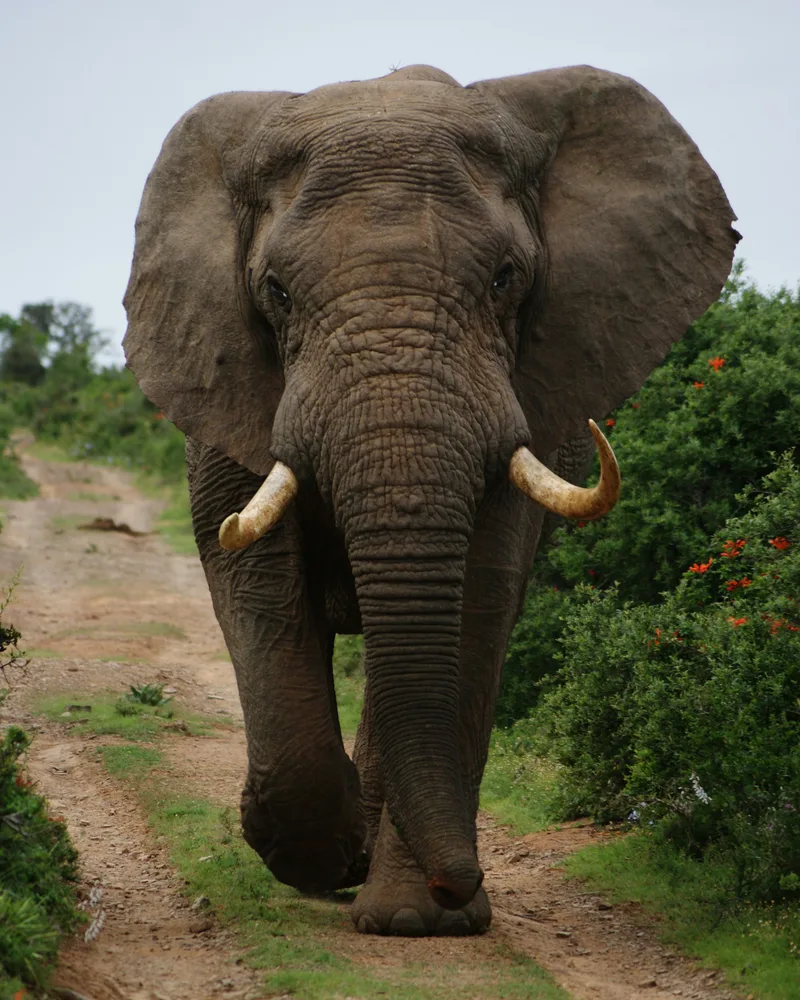
Elephants in the bushveld

Great herds and old tuskers move through the mopane and marula woodland, and an encounter with a big bull crossing the track ahead of you is one of the quiet thrills of a Kruger safari.

A game drive from a safari lodge, South Africa

Stop 04

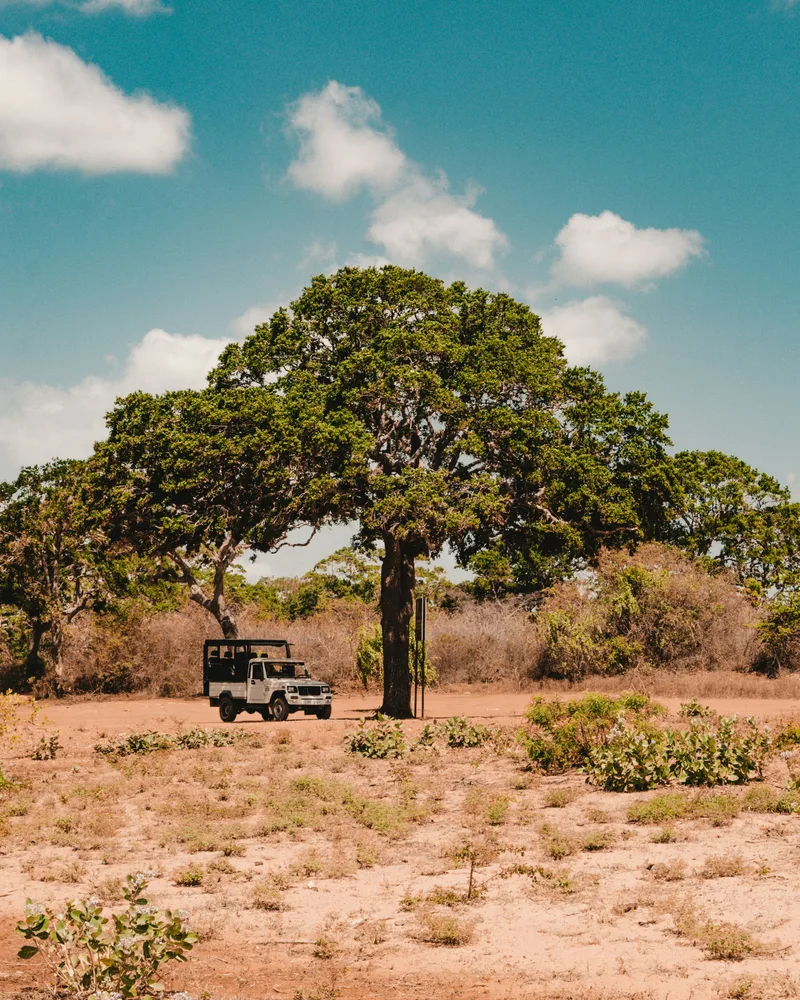
A game drive from a safari lodge

Explore by open 4x4 with a ranger and tracker who read the bush, setting out from a luxury lodge at dawn and dusk and pausing in the wild for a sundowner as the light turns to gold.

Know before you go

The practical details.

National park vs private reserve

Good to know

National park vs private reserve

The Kruger National Park itself is excellent value and easy to self-drive, but vehicles must stay on the roads. The private reserves that border it, above all the Sabi Sand, allow off-road traversing and night drives that bring you closer to the big cats, with far fewer vehicles at a sighting. For most travelers we favor a private reserve.

When to go

Good to know

When to go

The dry winter months of May to September are prime for game viewing: the bush thins out, the grass is low and the animals gather at the waterholes, making them far easier to spot. The green summer of November to March brings lush scenery, newborn animals and superb birding, with afternoon thunderstorms and warmer days.

Getting there & malaria

Good to know

Getting there & malaria

Most travelers fly in from Johannesburg on a short hop to a bush airstrip, with a lodge transfer waiting on arrival. The Greater Kruger is a low-risk malaria area, so we advise taking antimalarials and covering up at dusk; families who prefer to skip the precaution can choose a malaria-free reserve such as Madikwe instead.

Let's begin

Bring A Kruger Big Five Safari
to life.

Our advisors design South Africa journeys by hand. Tell us your dates and we'll do the rest.

Plan Your Trip