The Maasai Mara
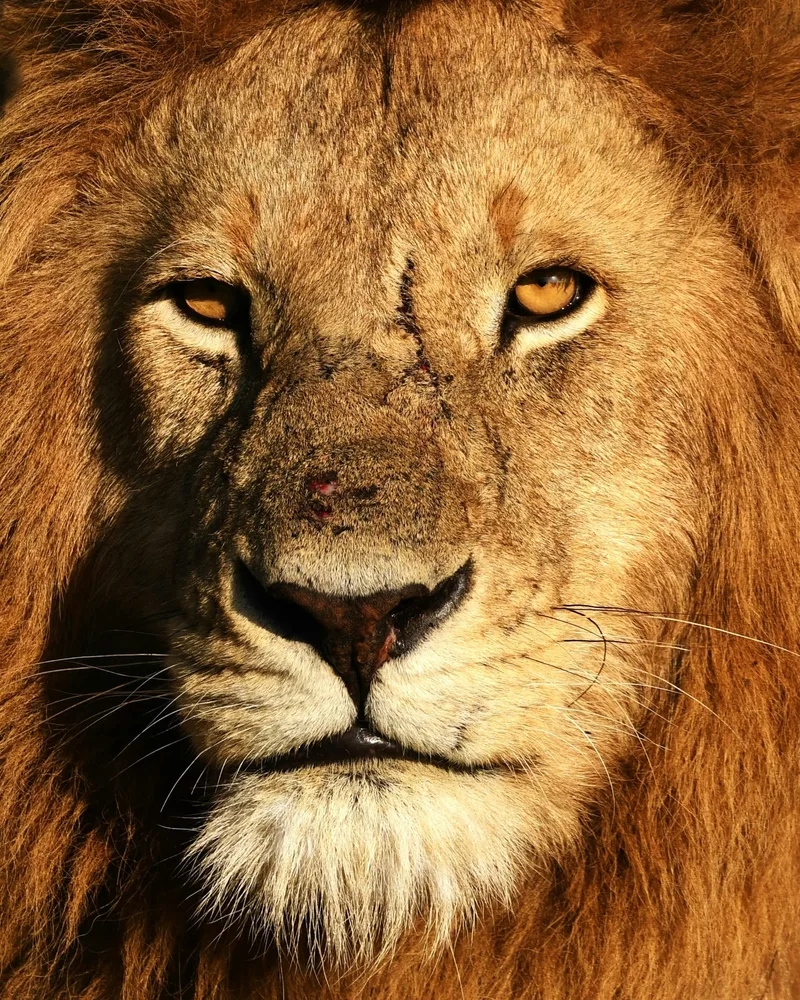
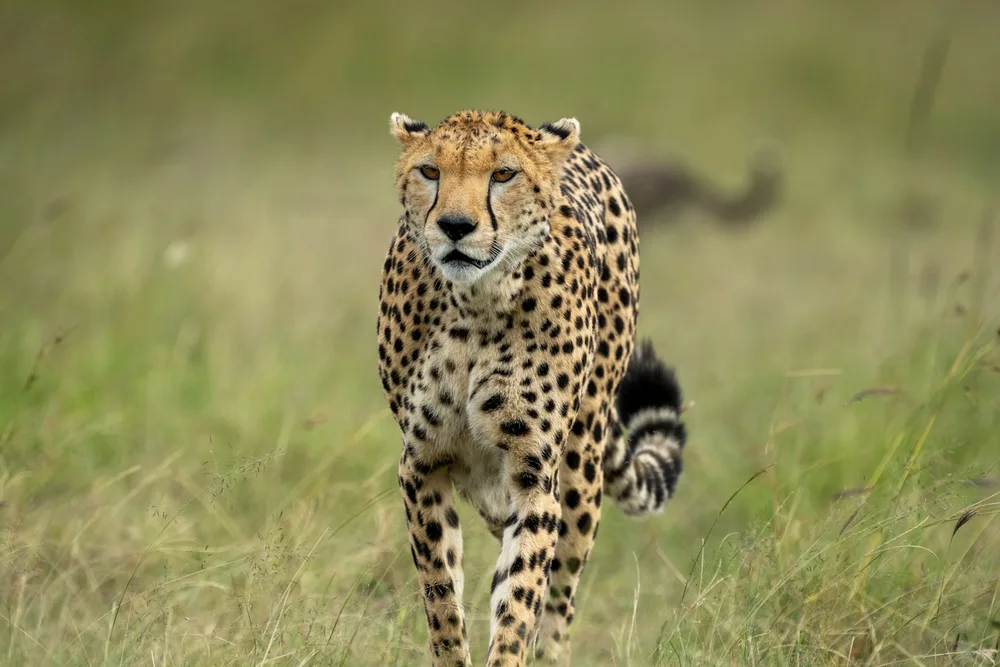
The Maasai Mara is the safari you have pictured all your life. This is Kenya's flagship reserve, a sweep of golden grassland in the country's southwest that runs on into the Serengeti just across the Tanzanian border, and it holds the densest population of big cats anywhere in Africa. Lions doze in the open by day and stride out to hunt at dusk, cheetahs scan the plains from a termite mound, and leopards drape themselves in the riverine trees. For sheer wildlife drama, few places on earth come close.
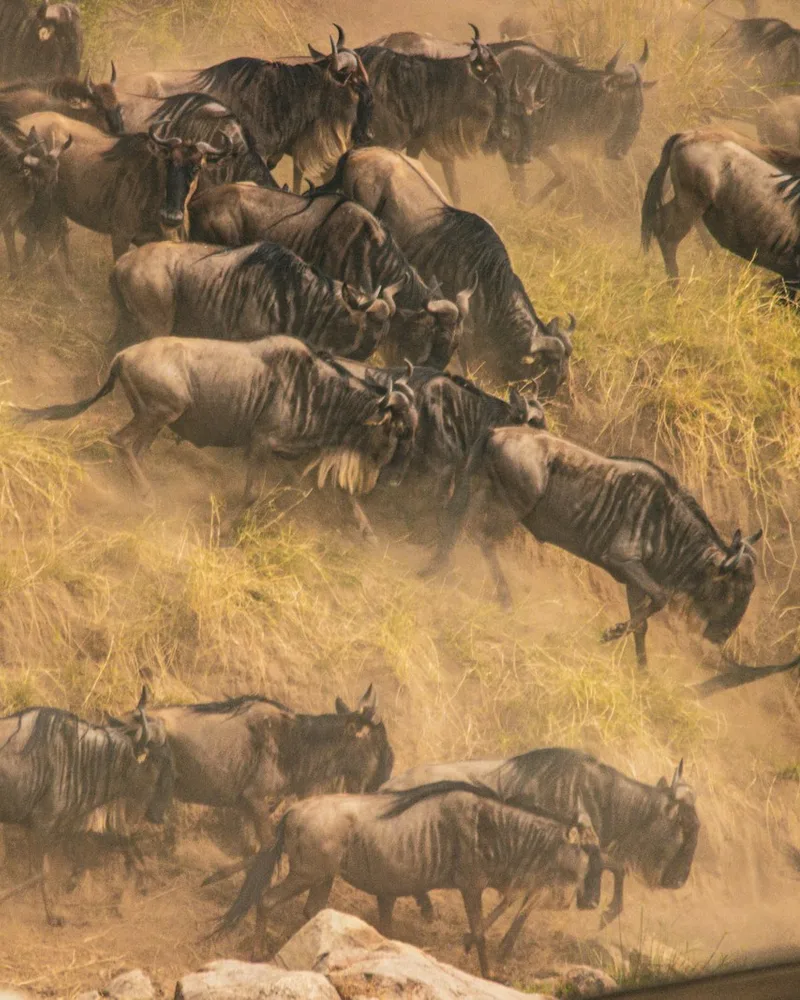
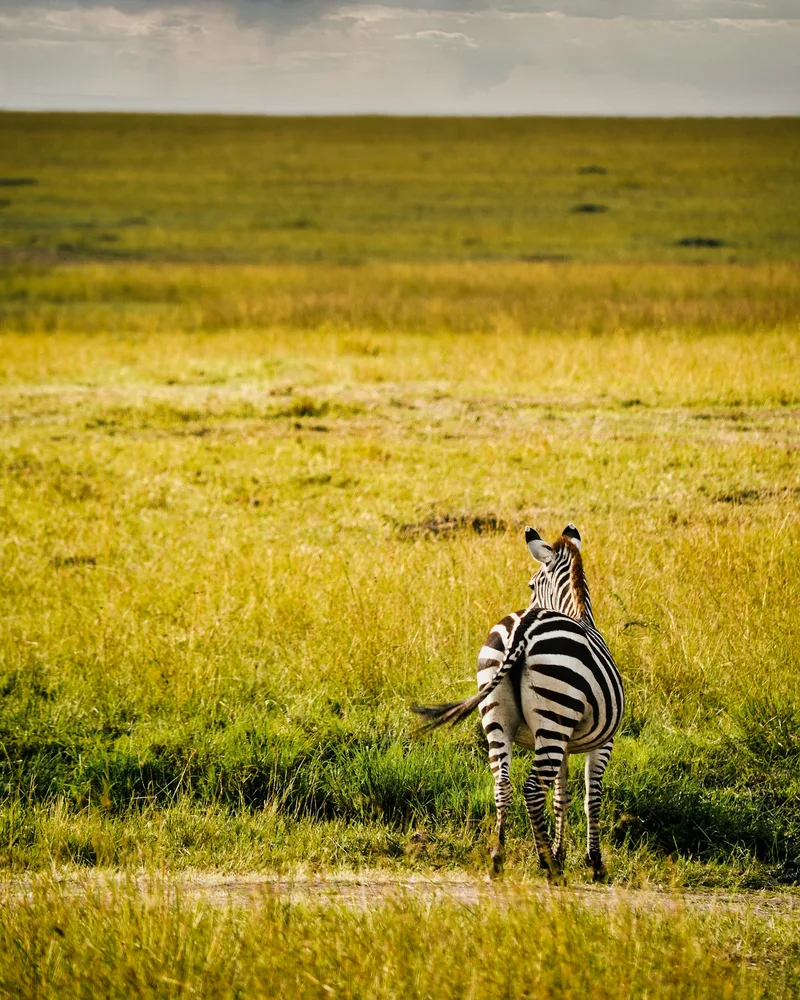
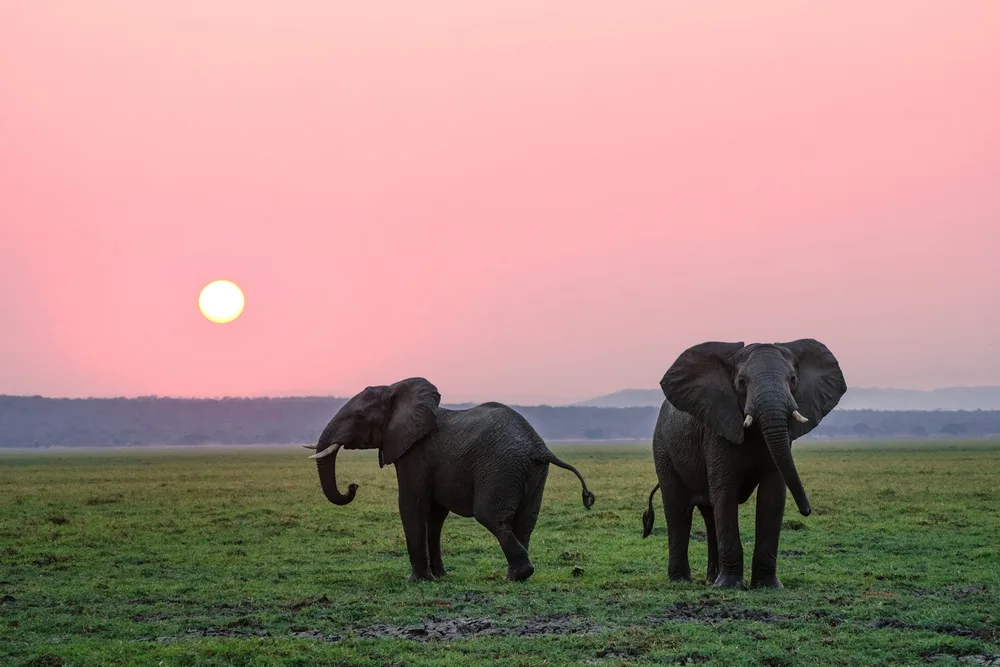
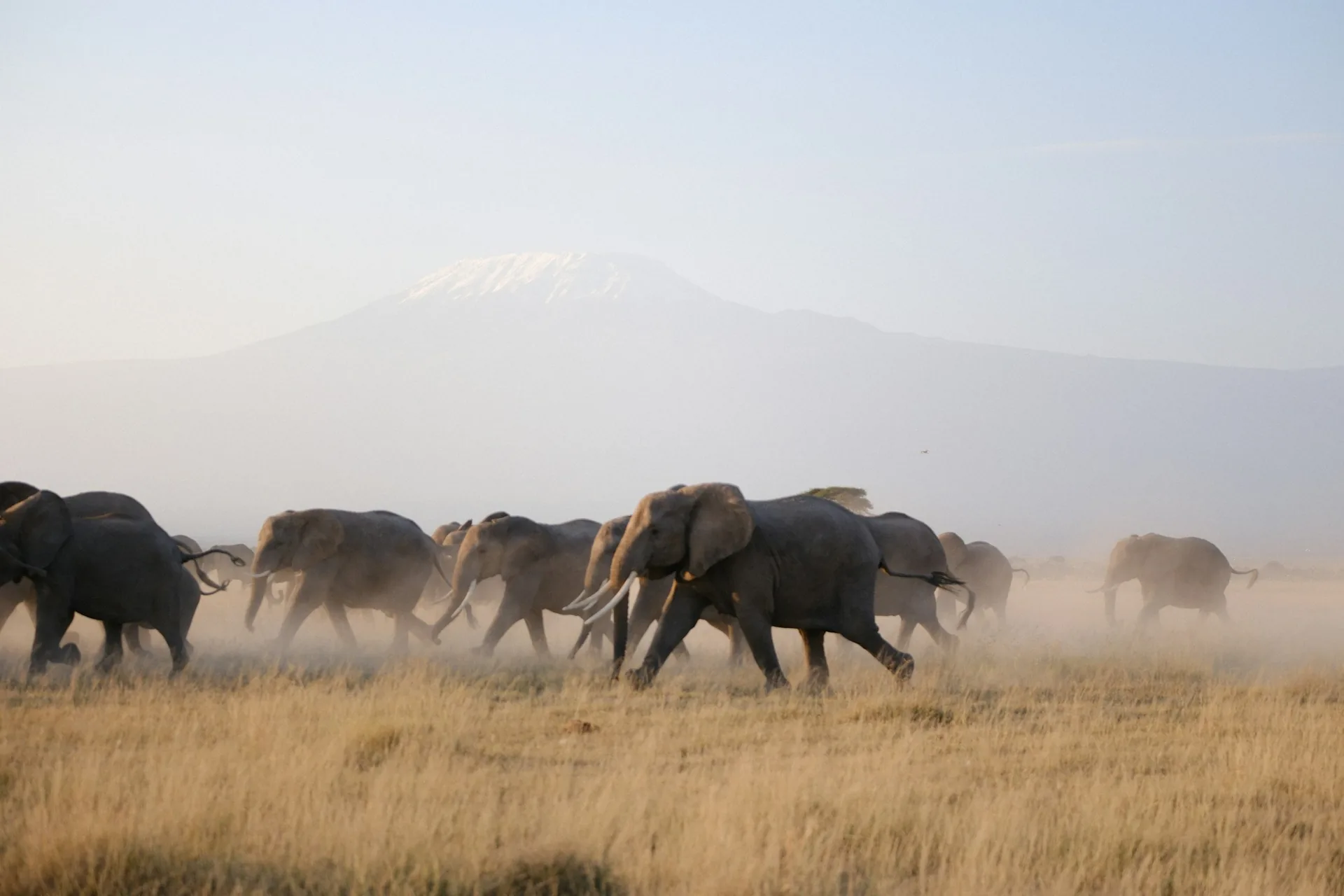
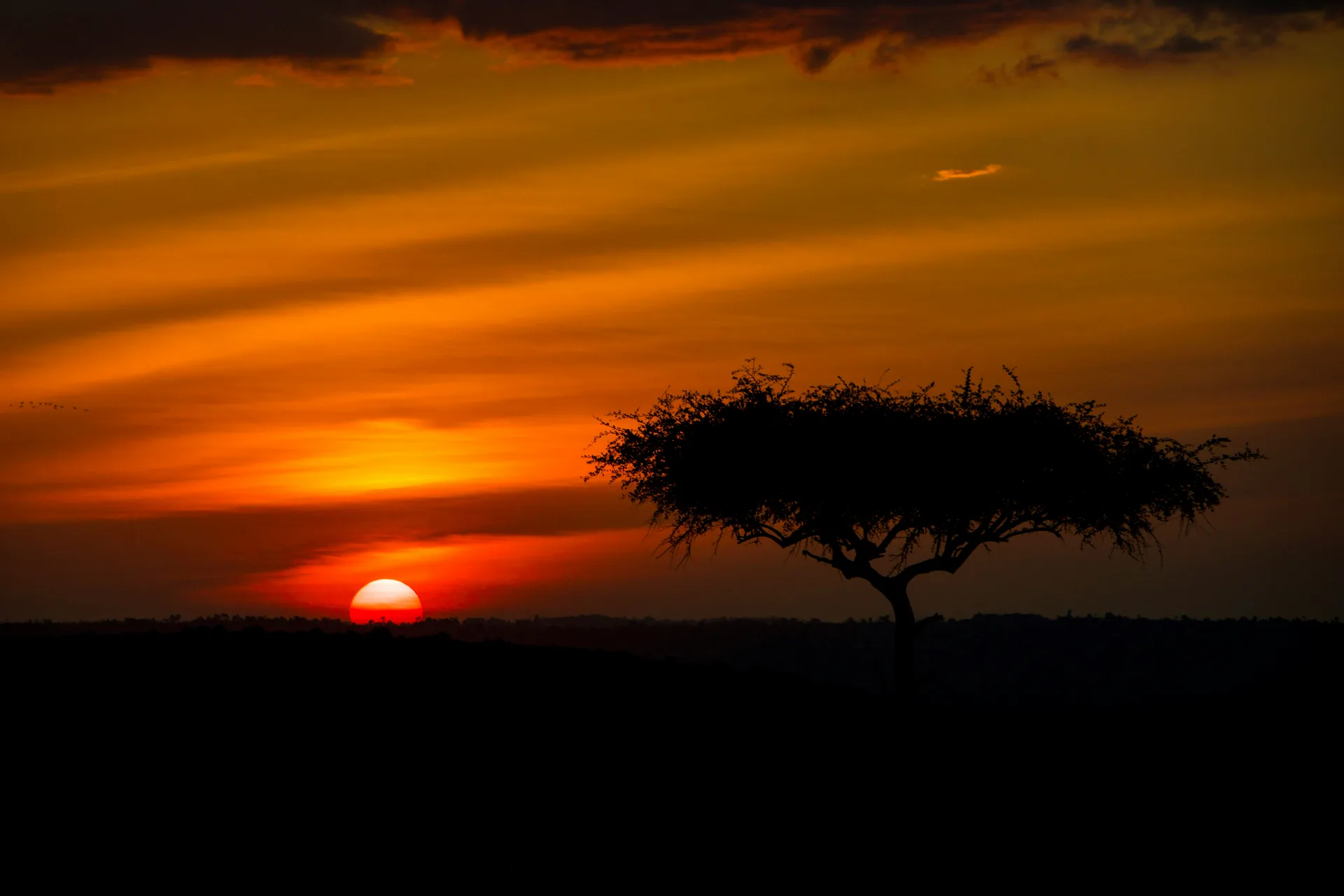
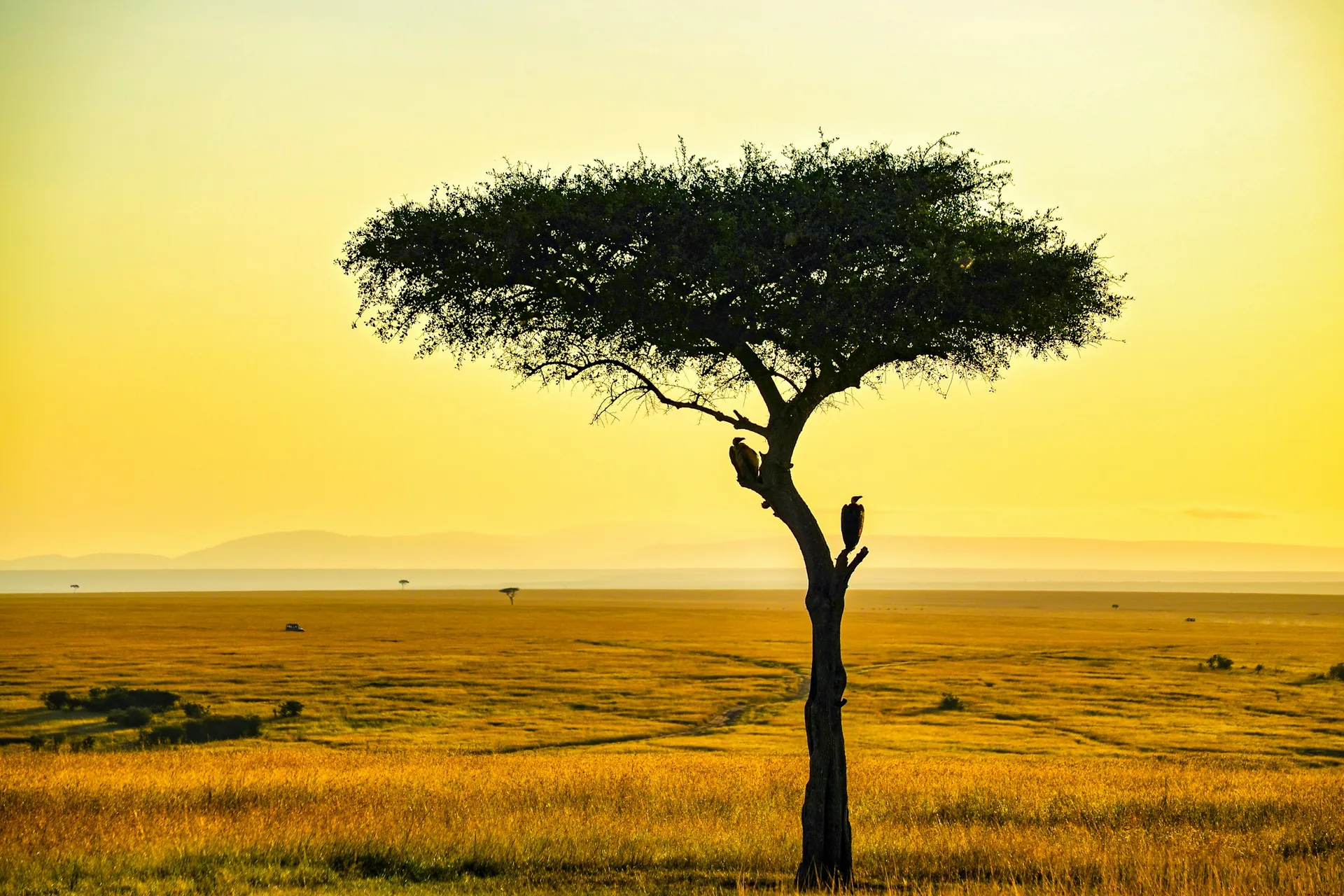
What makes the Mara so special is the scale of it all. The plains roll to the horizon, dotted with flat-topped acacias and grazed by great herds of zebra, gazelle, topi and buffalo, with elephants moving through the long grass and giraffes browsing the treetops. From July to October the reserve becomes the stage for the Great Migration, when more than a million wildebeest pour up from the Serengeti and brave the crocodile-filled Mara River in thundering, churning crossings, one of the most extraordinary natural spectacles in the world.
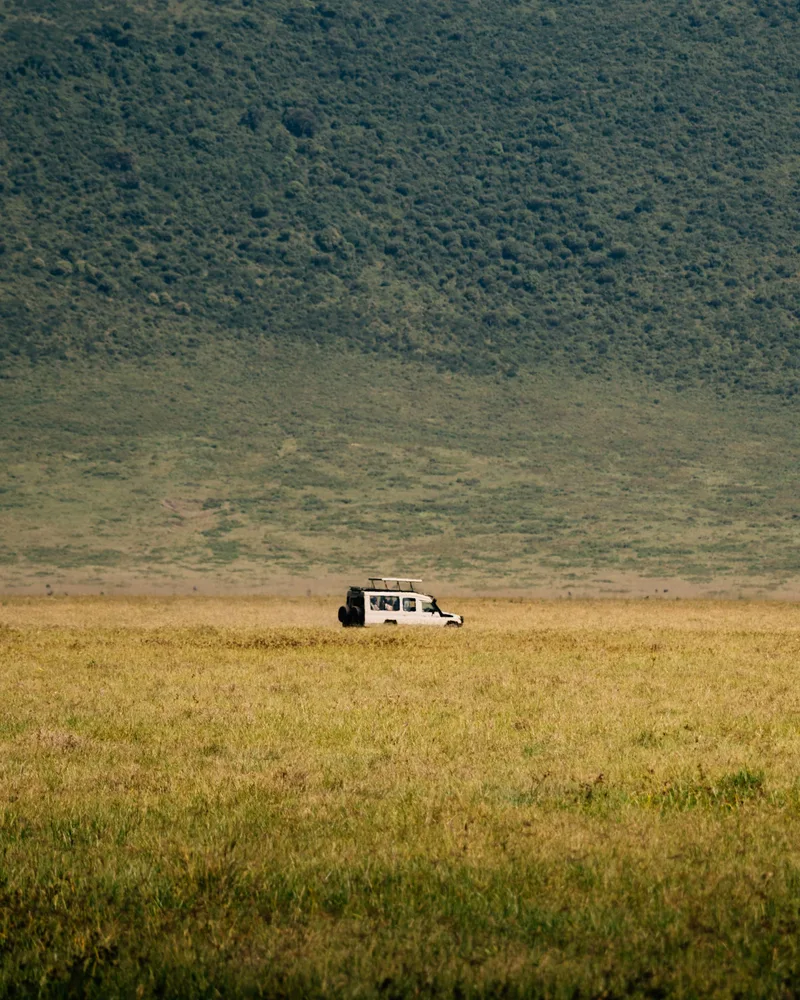
We build a Mara safari around the rhythm of the light. Mornings begin before dawn with coffee by the fire and a game drive into the cool golden hours when the predators are still on the move; the heat of midday is for a long lunch and a rest back at camp; and the afternoon drive carries you to a sundowner on the plains as the sky turns to fire. We favor intimate tented camps, many of them in the private conservancies that border the reserve, where canvas-and-lantern romance meets walking safaris, night drives and far fewer vehicles at a sighting.