Region
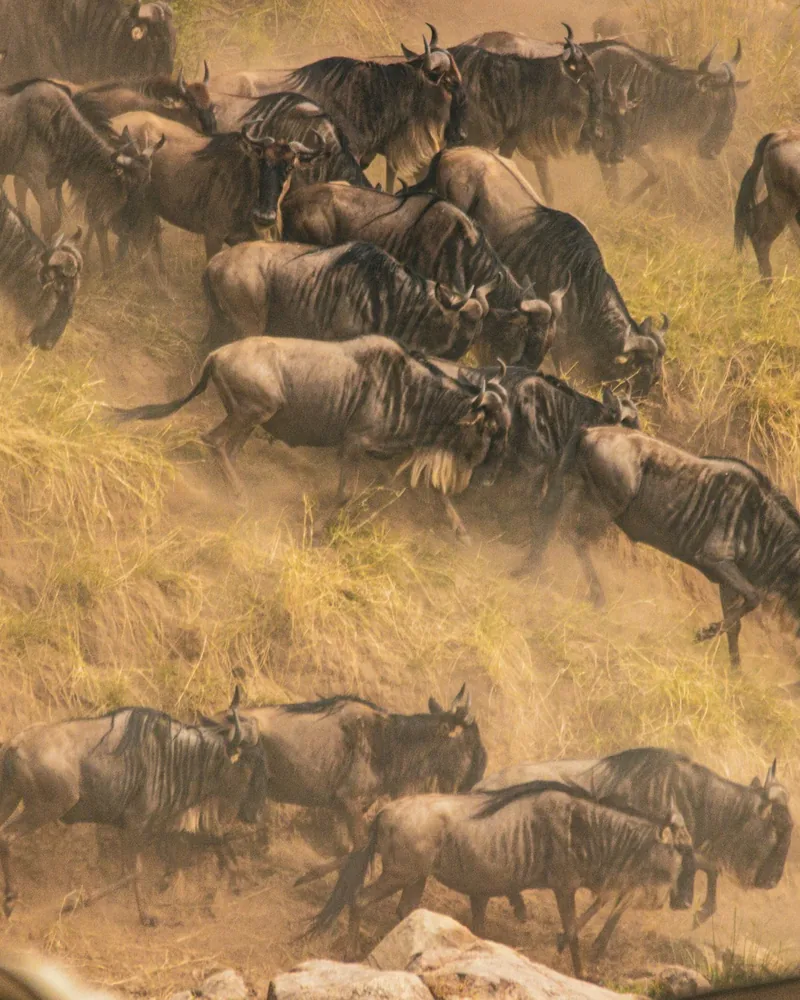
The Maasai Mara
Kenya's flagship reserve and the stage for the Great Migration: rolling grasslands dotted with acacias, the highest density of big cats in Africa, and the thundering river crossings of July to October.

By Continent
Europe Africa Asia North America South America Caribbean Australia & Oceania All destinationsOverview
From the canals of Venice to the black-sand coasts of Iceland, Europe rewards the curious traveler with centuries of art, architecture and unforgettable flavor, all within easy reach of one another.
View all EuropeOverview
From the dunes of the Sahara to the great plains of the Serengeti, Africa is a continent of staggering scale and singular encounters: a place where landscape, wildlife and culture meet at full intensity.
View all AfricaDestinations
Overview
Vast and varied, Asia spans snow-capped peaks and tropical coasts, neon megacities and silent temples. It is a continent that rewards both the first-time traveler and the lifelong returnee.
View all AsiaFeatured
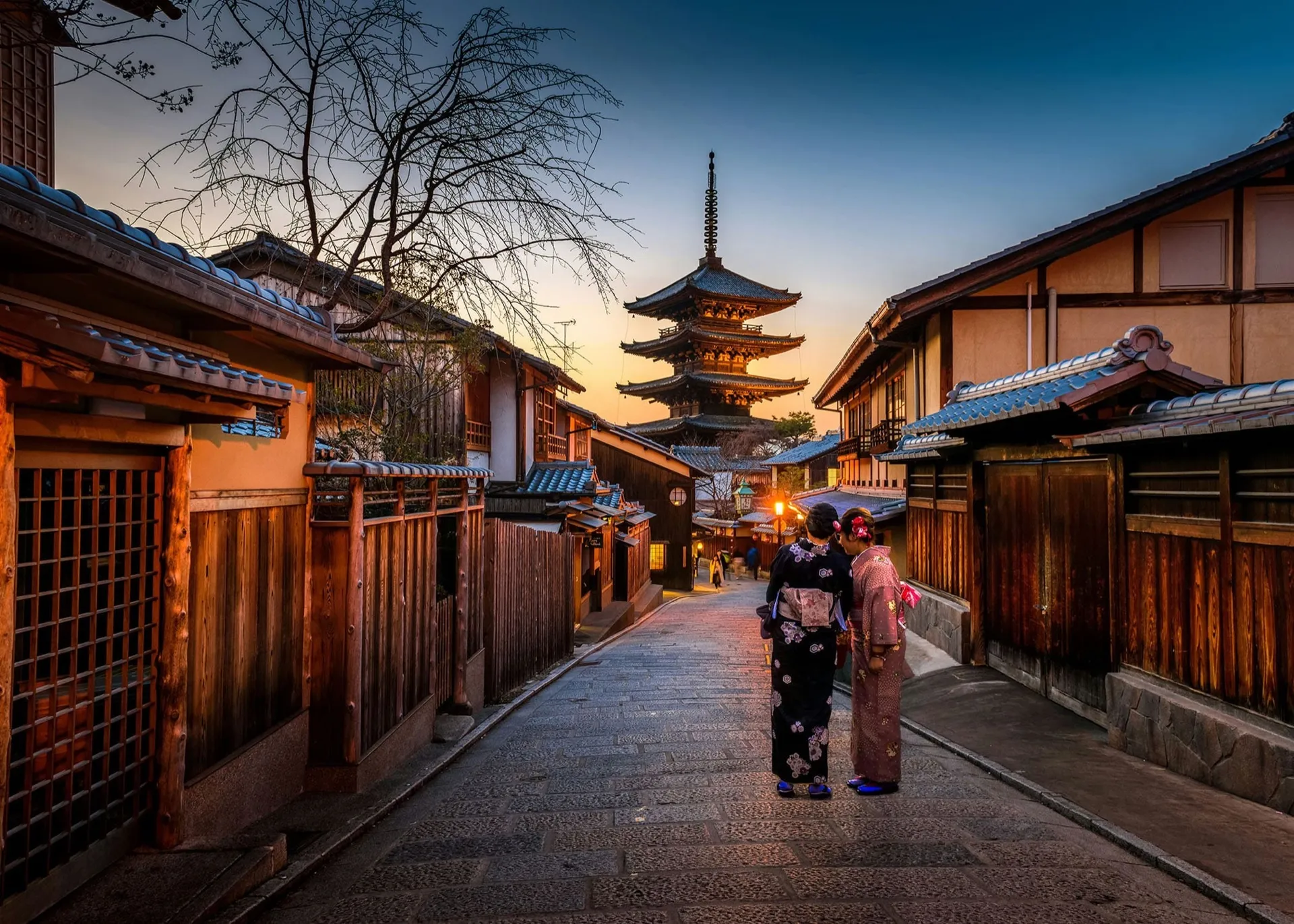 Japan · signature experience Kyoto
 Overview
Close to home and endlessly varied, North America ranges from desert canyons to alpine national parks, from world cities to quiet coastal towns: a continent that contains a dozen vacations within a single border.
View all North AmericaDestinations
Overview
A continent of extremes, from the high Andes and the vast Amazon to glacial Patagonia and the rhythm of its cities, South America rewards the adventurous traveler with some of the planet’s most dramatic scenery and deepest history.
View all South AmericaOverview
A scattering of islands across impossibly blue water, the Caribbean is the art of the easy day perfected: white sand, warm rhythm and hospitality that turns first-time visitors into lifelong returnees.
View all CaribbeanDestinations
Overview
From the Great Barrier Reef to the red heart of the outback, from the fjords of New Zealand to the scattered atolls of the South Pacific, Australia & Oceania offer some of the most remote and rewarding travel on earth.
View all Australia & OceaniaDestinations
Est. 1918 · four generations · 38 countries
How You Travel
River Cruises Ocean & Small-Ship Expedition Flights Tours & Escorted All-Inclusive All travel experiencesFeatured
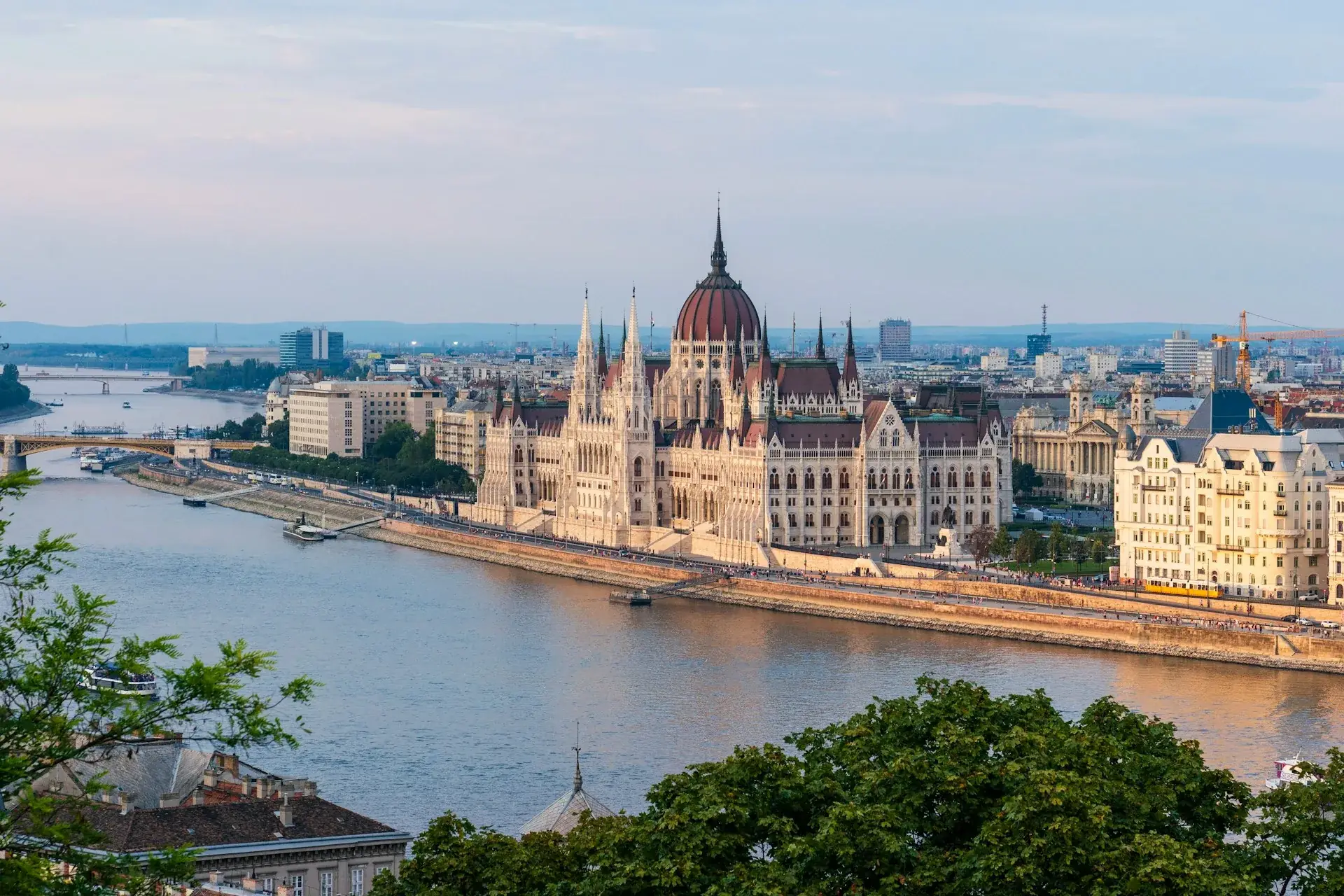 The Danube
 Featured
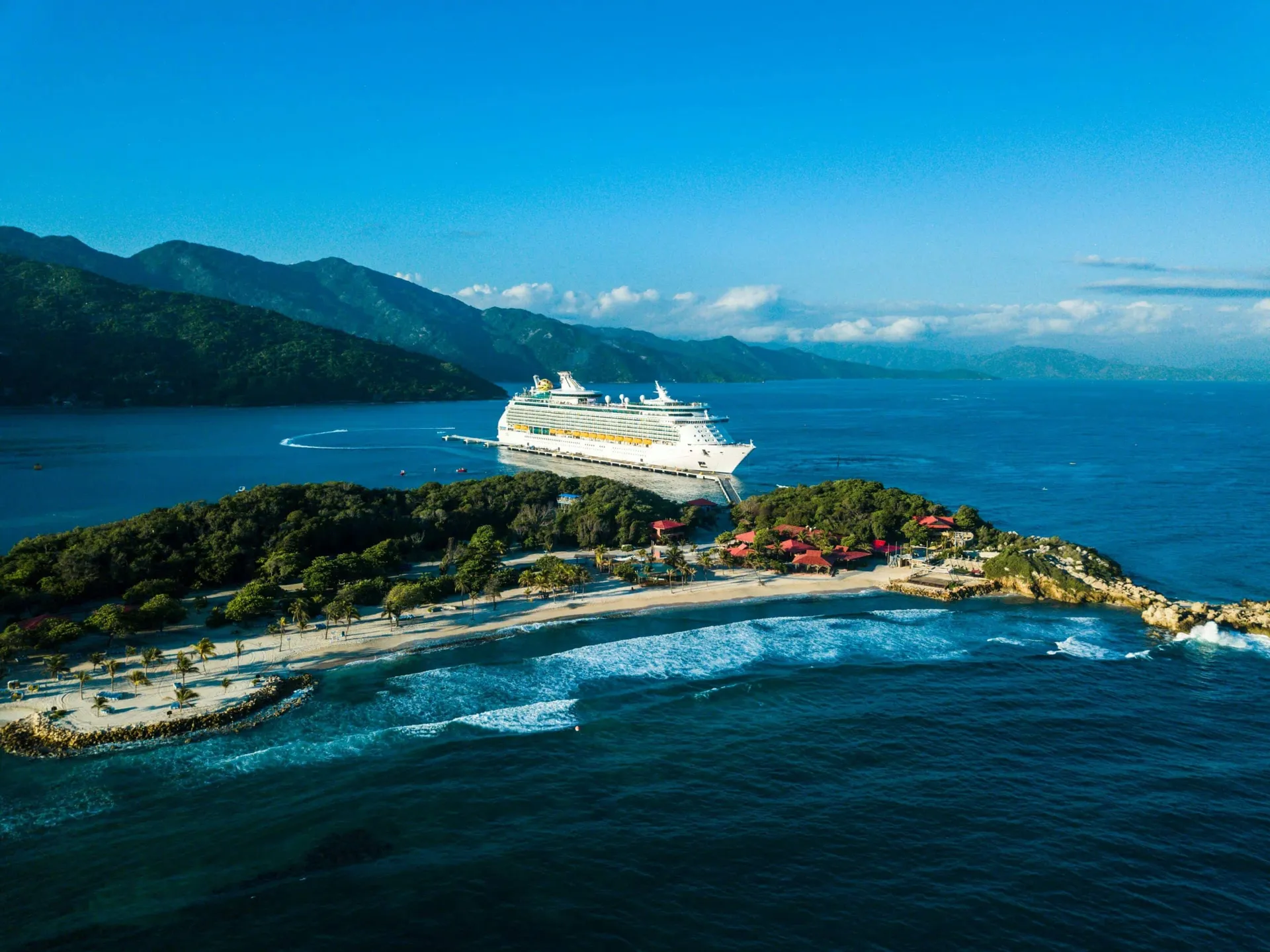 The Caribbean
 Featured
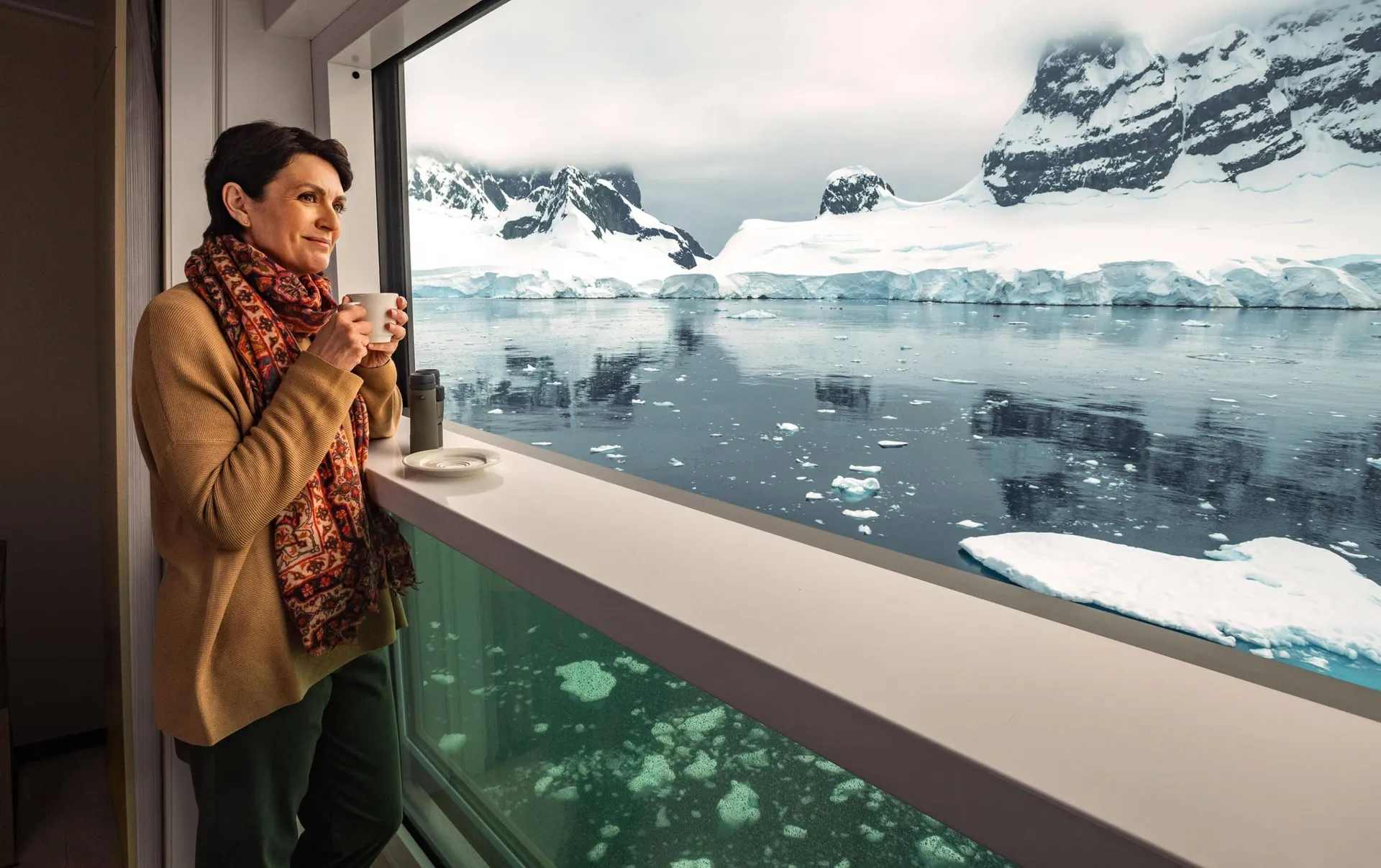 Antarctica
 Overview
Premium-cabin fares, complex routings and around-the-world tickets, booked by people who fly for a living.
Explore flightsFeatured
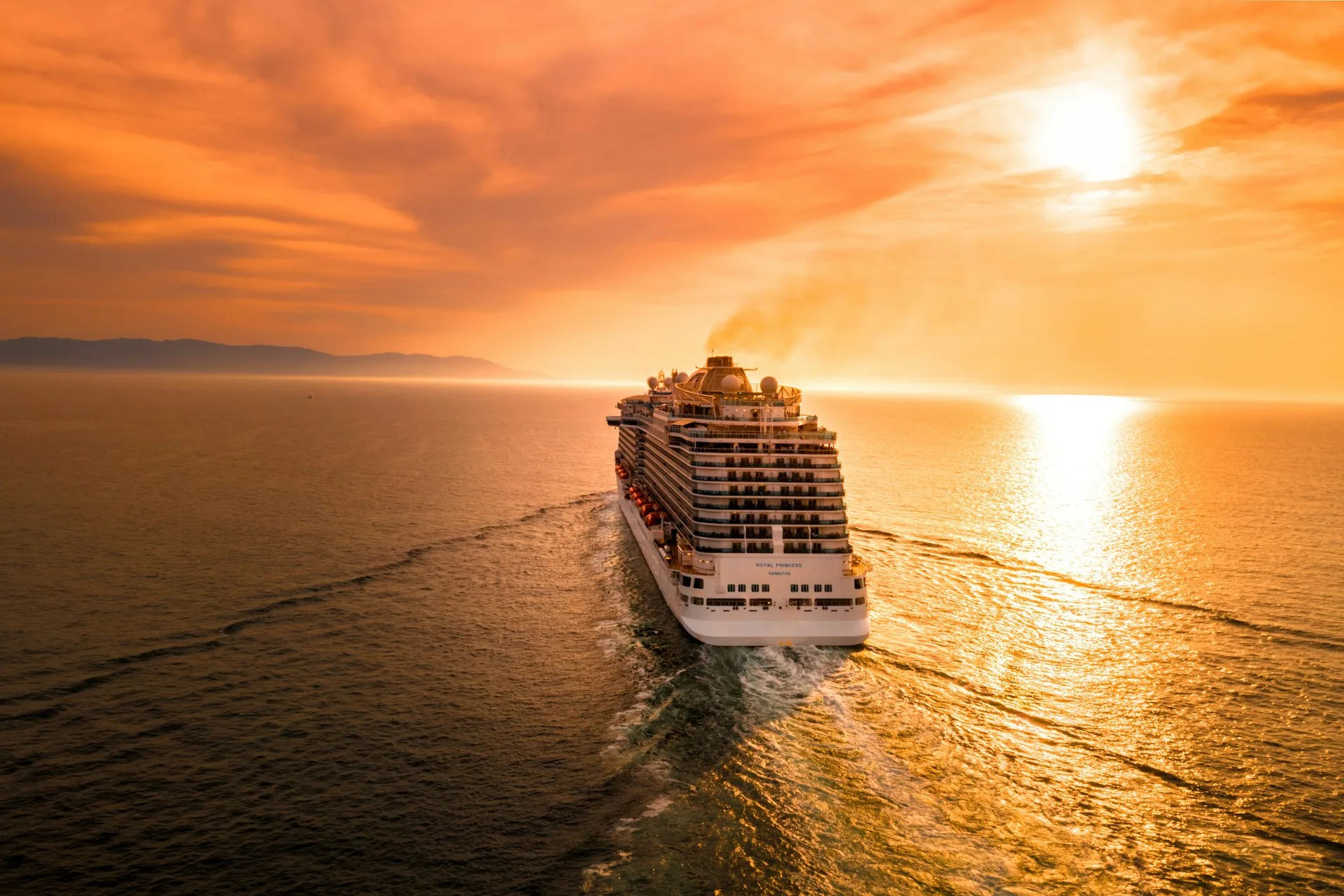 Flights
 Overview
Expertly guided group departures and private escorted itineraries across the world's great regions.
Explore tours & escortedFeatured
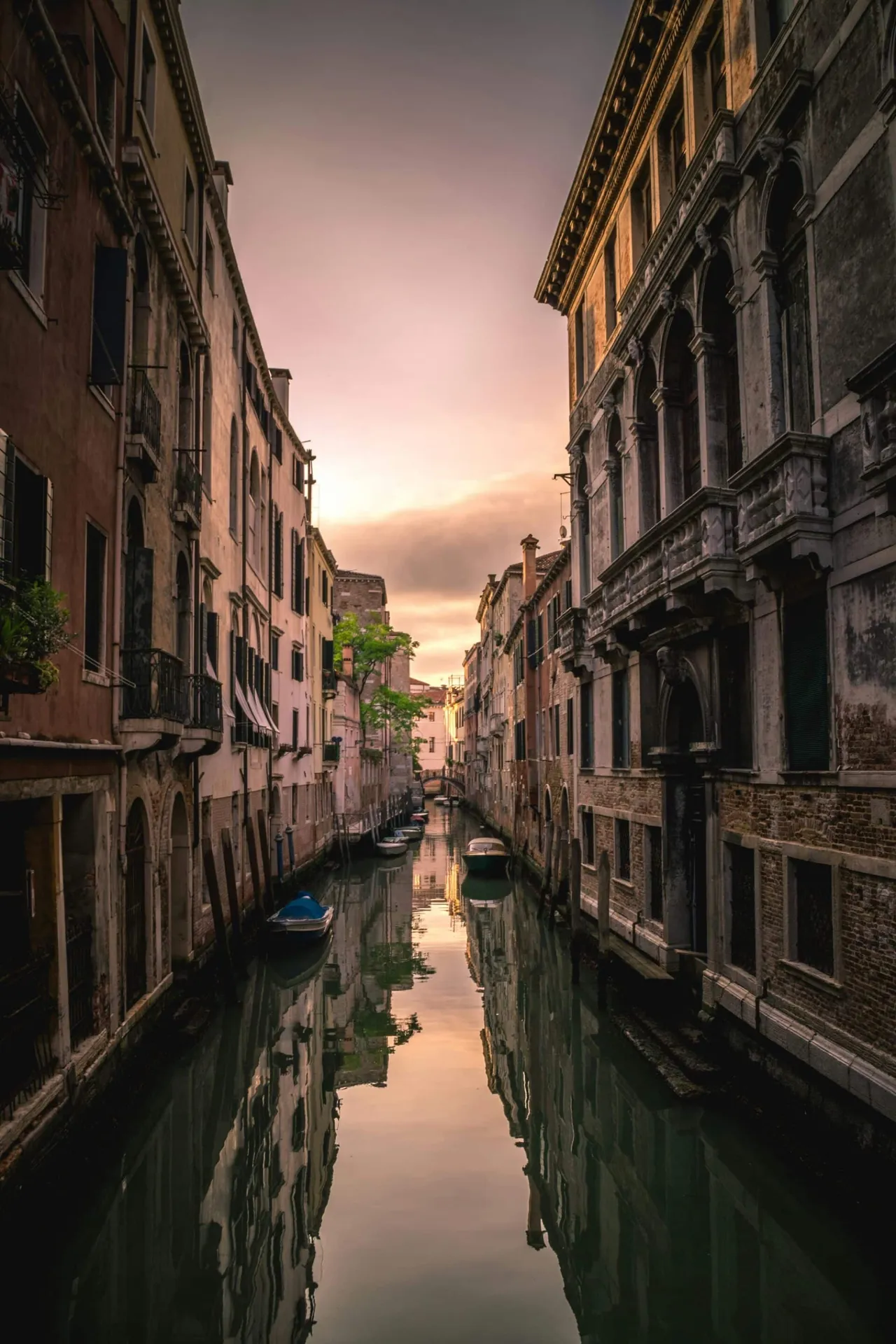 Tours & Escorted Journeys
 Overview
Beach and luxury all-inclusive escapes where flights, meals and more fold into a single, easy fare.
Explore all-inclusiveFeatured
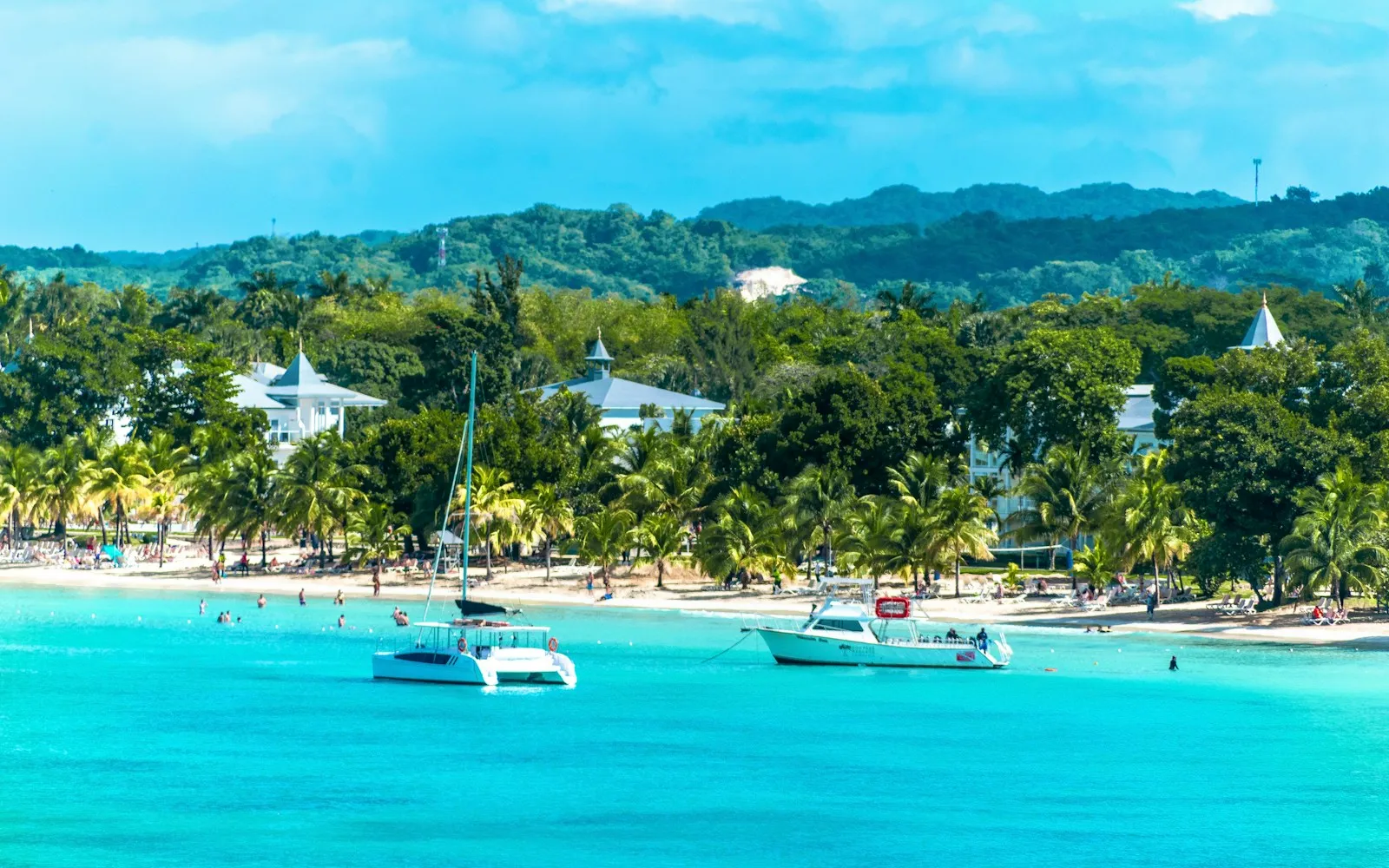 All-Inclusive Resorts
 River, ocean & expedition cruises · flights · tours · all-inclusive
Corporate travel
Destinations · Africa
The great migration, snow-capped Kilimanjaro & the Swahili coast.
The country
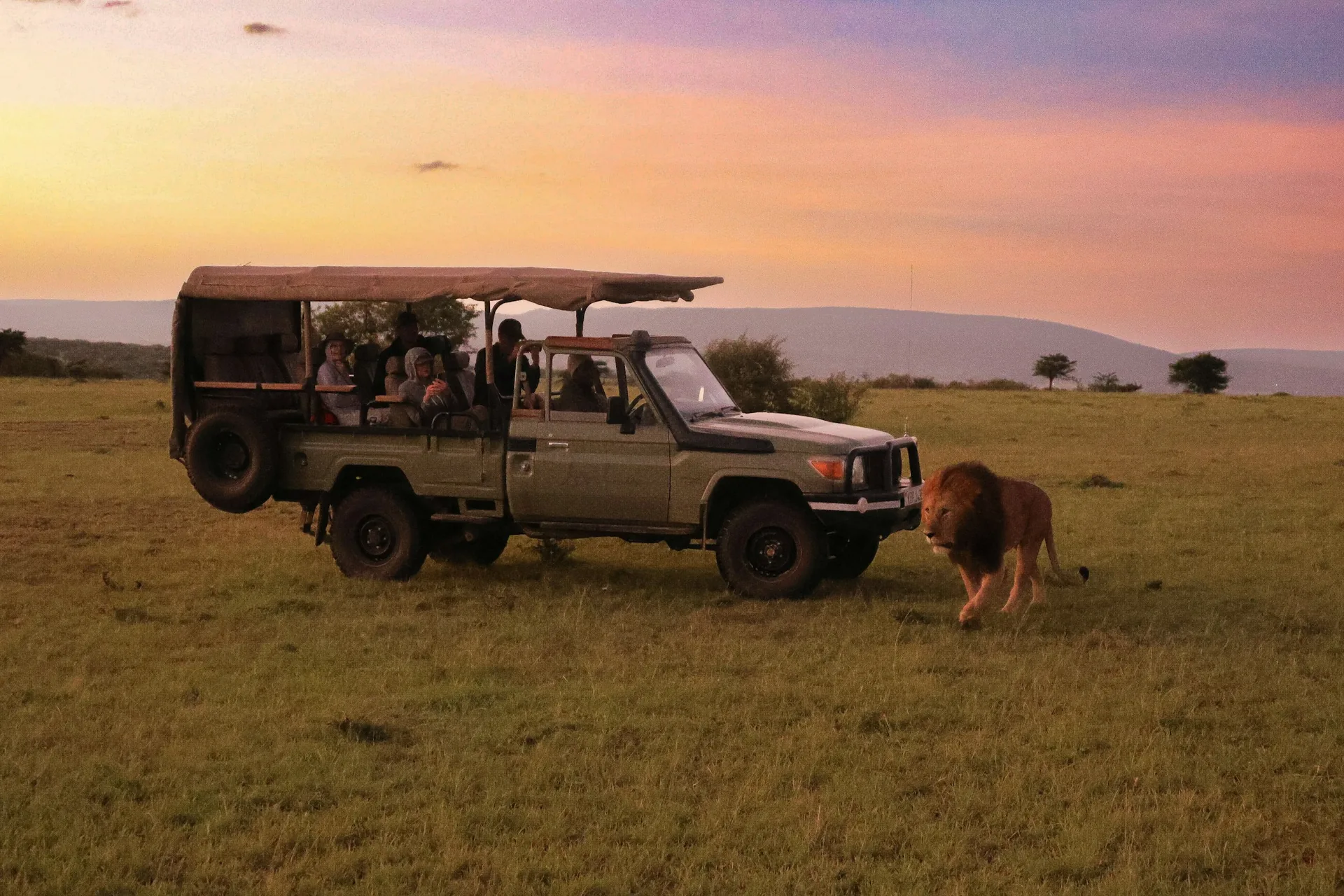
Few countries deliver the drama of the wild quite like Kenya. In the space of a single trip you can watch a lion stride past your vehicle on the plains of the Maasai Mara, breakfast within sight of snow-capped Kilimanjaro as elephants cross the marsh below, and finish with your toes in the warm Indian Ocean on a palm-fringed beach south of Mombasa.
This is the birthplace of the safari, and the rhythm of a Kenyan day is built around the light. Mornings begin before dawn with coffee by the fire and a game drive into the cool, golden hours when the predators are still on the move; the heat of midday is for long lunches and a rest back at camp; and the afternoon drive carries you to a sundowner on the savanna as the sky turns to fire. Between the wildlife, the warmth of Kenyan and Maasai hospitality is the thread that ties it all together.
We design Kenya itineraries that balance the headline reserves with the quieter conservancies and the coast: a private fly-in camp in the heart of the Mara, a morning tracking elephants beneath Kilimanjaro, a dhow at sunset off Diani. However you want to travel it, we build the route so each stop has room to breathe.
When to go
Kenya runs on two dry seasons and two wet ones, and the safari peaks track the dry months — above all the Mara crossings of late summer. This is the year as we'd sketch it across the desk.
The grand prize: the dry season coincides with the Great Migration in the Maasai Mara, when vast herds of wildebeest brave the crocodile-filled Mara River. Game viewing is at its best across the country, so book the marquee camps well ahead.
A short, sunny dry spell between the rains: lush green plains, excellent big-cat sightings, newborn animals and clear views of Kilimanjaro from Amboseli, all with fewer crowds than the migration months.
The shoulder months on either side of the migration peak and the short rains. Skies are mostly clear, the landscapes are green and rates are softer, a fine value window for a first safari.
The long rains bring afternoon downpours, lush scenery and the lowest prices of the year. Some camps close and roads can be muddy, but the green-season birding and solitude reward flexible travelers.
Where to go
Kenya packs an astonishing range of landscapes into a single country, from the open plains of the Mara to the snows of Kilimanjaro and the coral coast. These are the regions we weave together most often, each with its own wildlife, scenery and pace, and we shape the route and the internal flights around the rhythm you have in mind.
Region
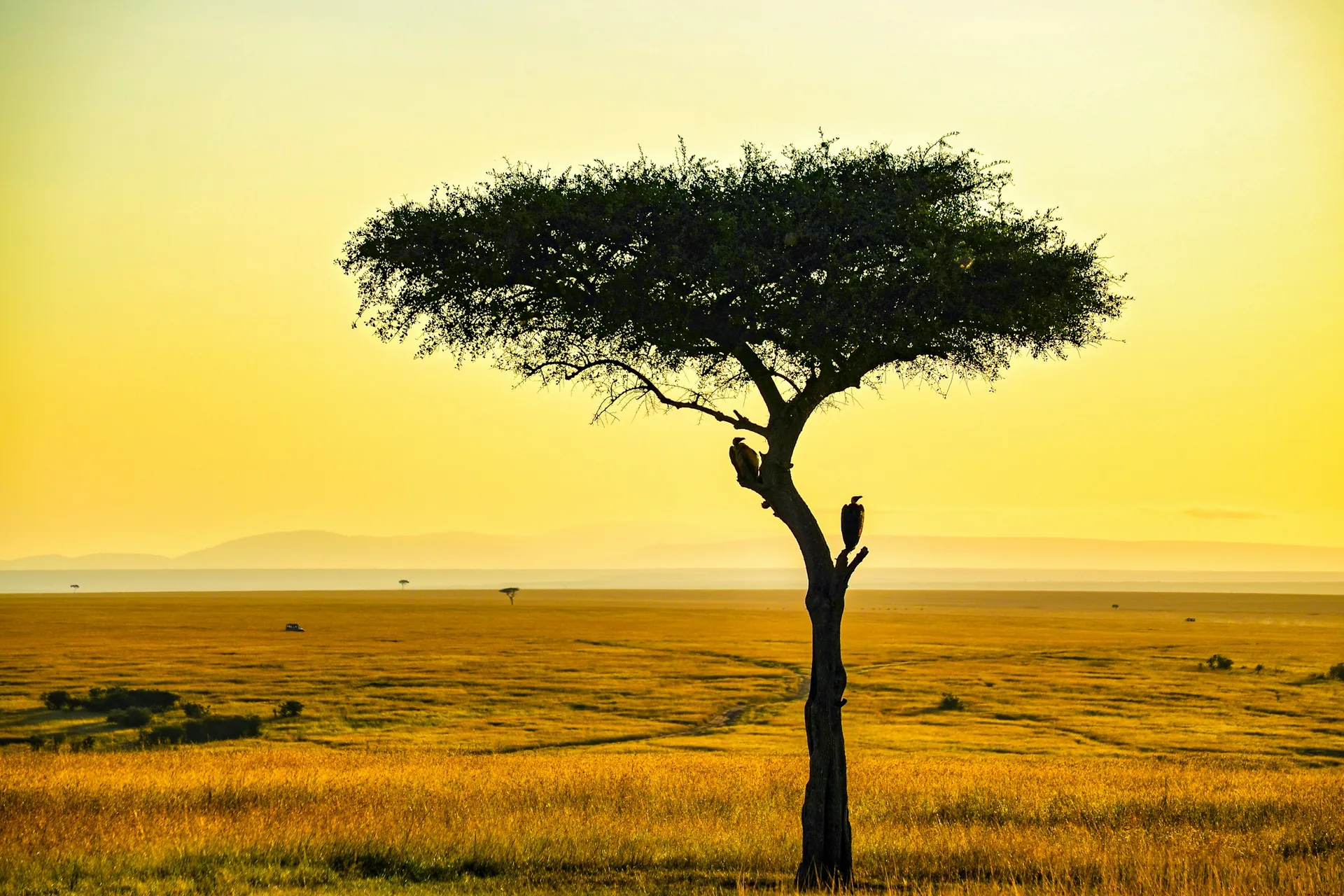
Kenya's flagship reserve and the stage for the Great Migration: rolling grasslands dotted with acacias, the highest density of big cats in Africa, and the thundering river crossings of July to October.
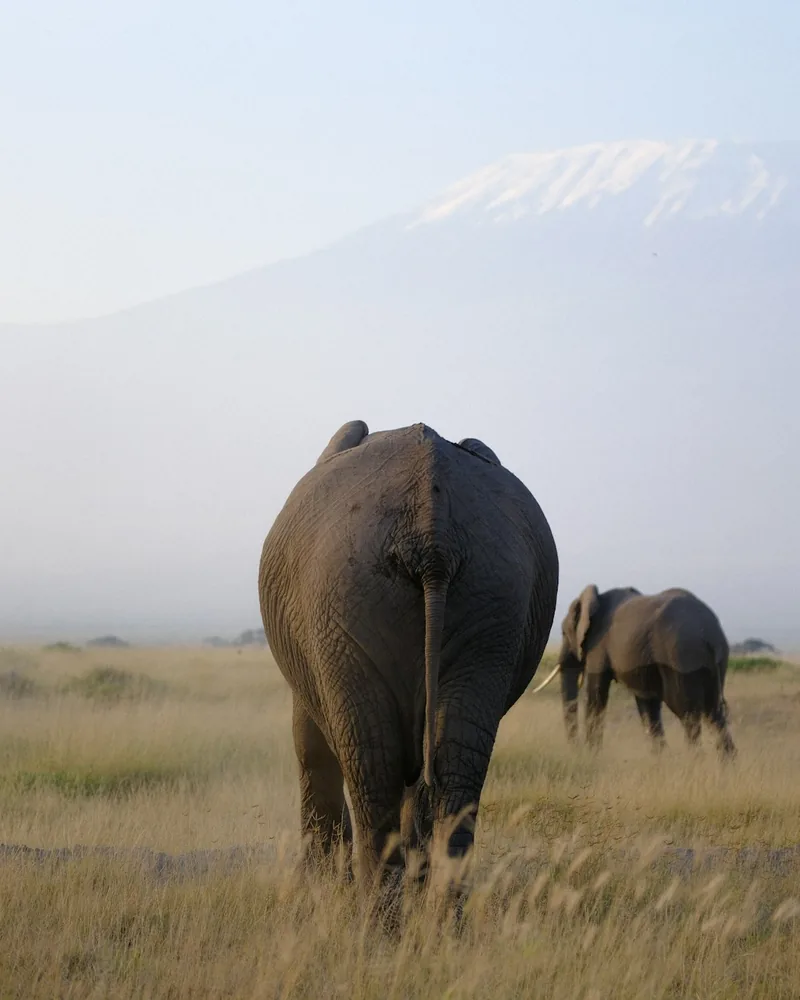
Region
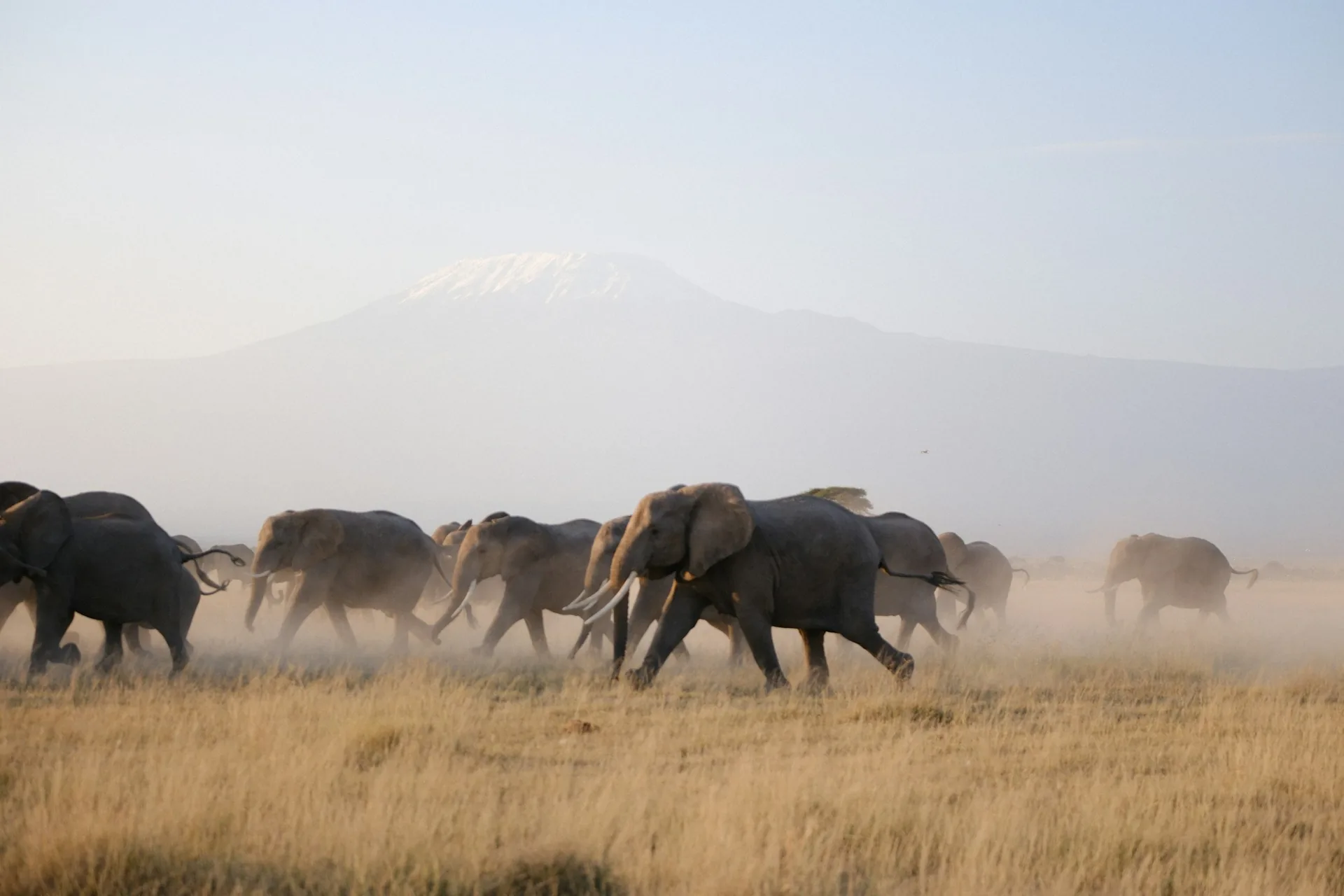
The classic image of safari Africa: great herds of elephants crossing the marshes beneath the snow-capped dome of Mount Kilimanjaro, with some of the finest tuskers and big-sky views on the continent.
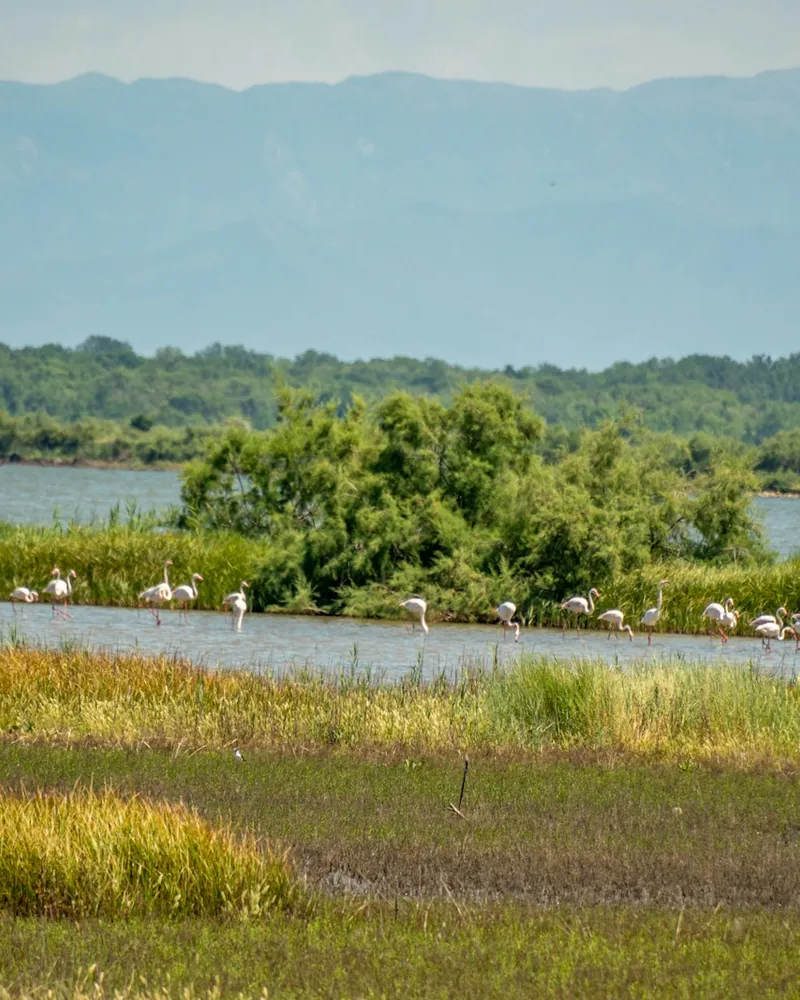
Region
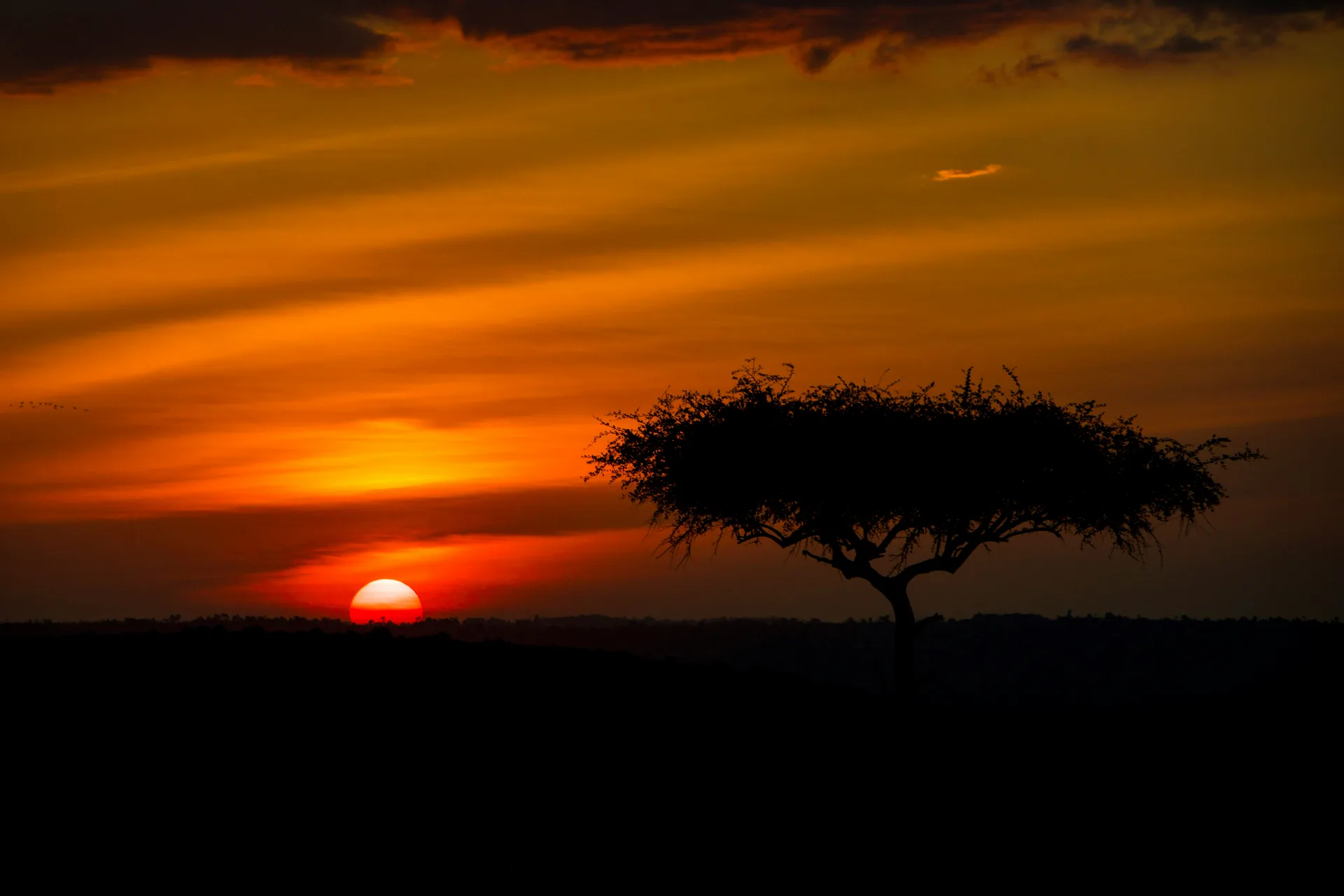
A string of soda and freshwater lakes along the Great Rift Valley: flamingo-pink shallows at Nakuru, the hippos and birdlife of Naivasha, and dramatic escarpment views over the valley floor.
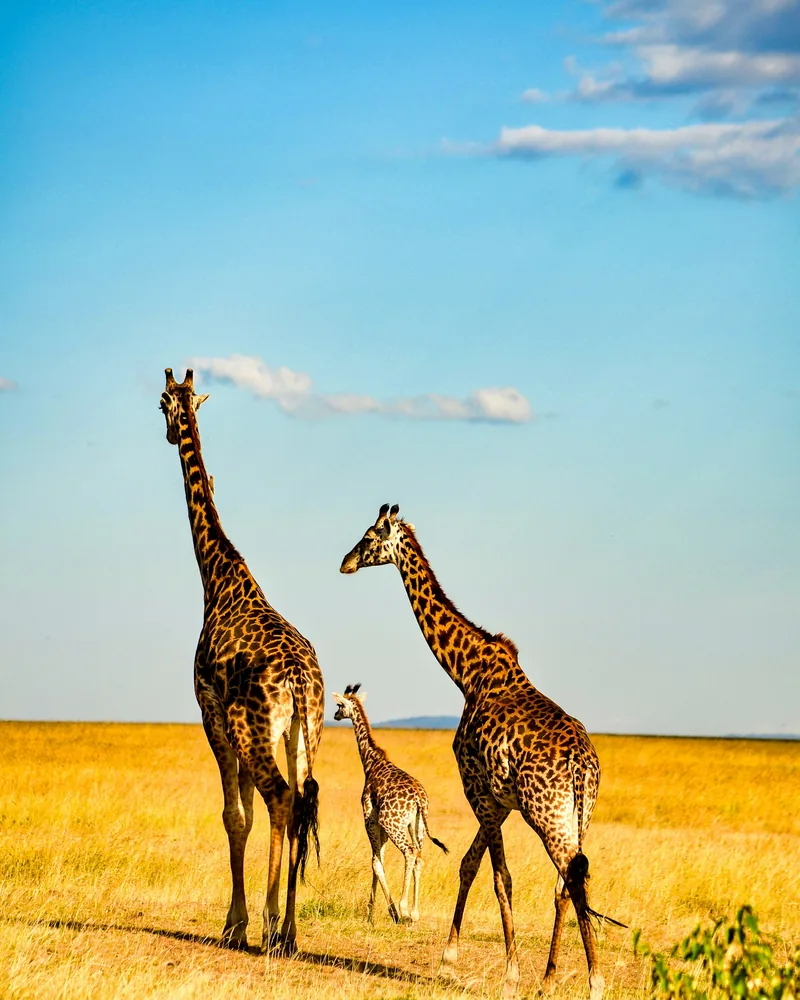
Region
The rugged, arid north, home to species found nowhere else in Kenya, from Grevy's zebra to the reticulated giraffe, plus the pioneering private conservancies of the Laikipia plateau.
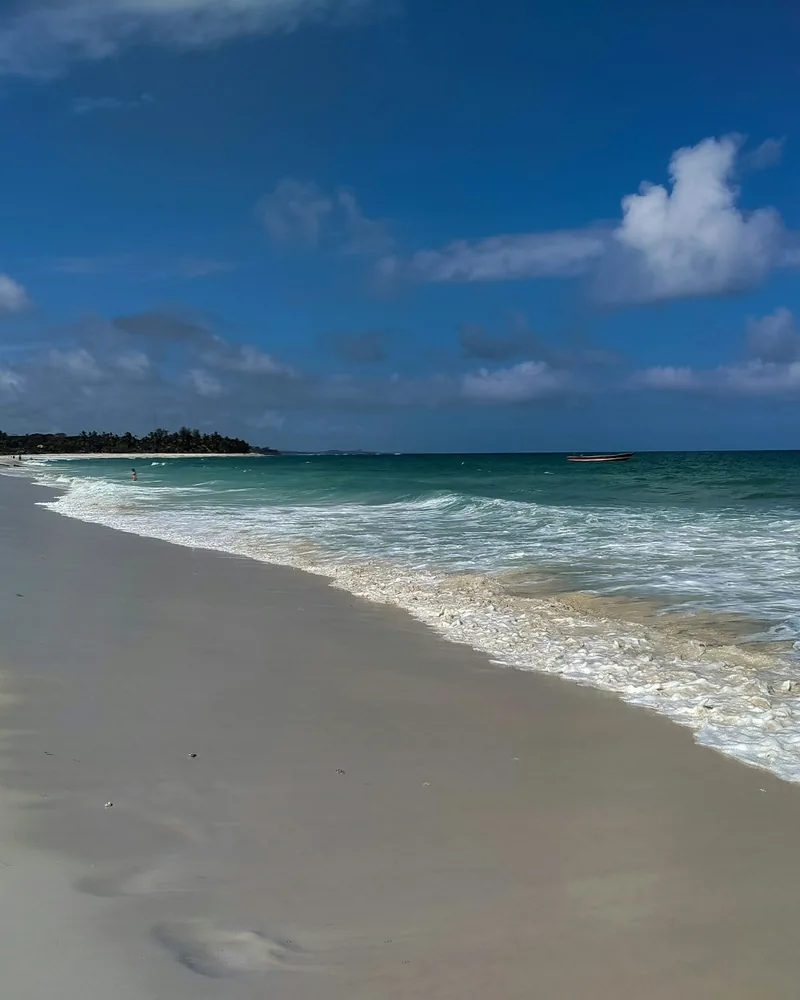
Region
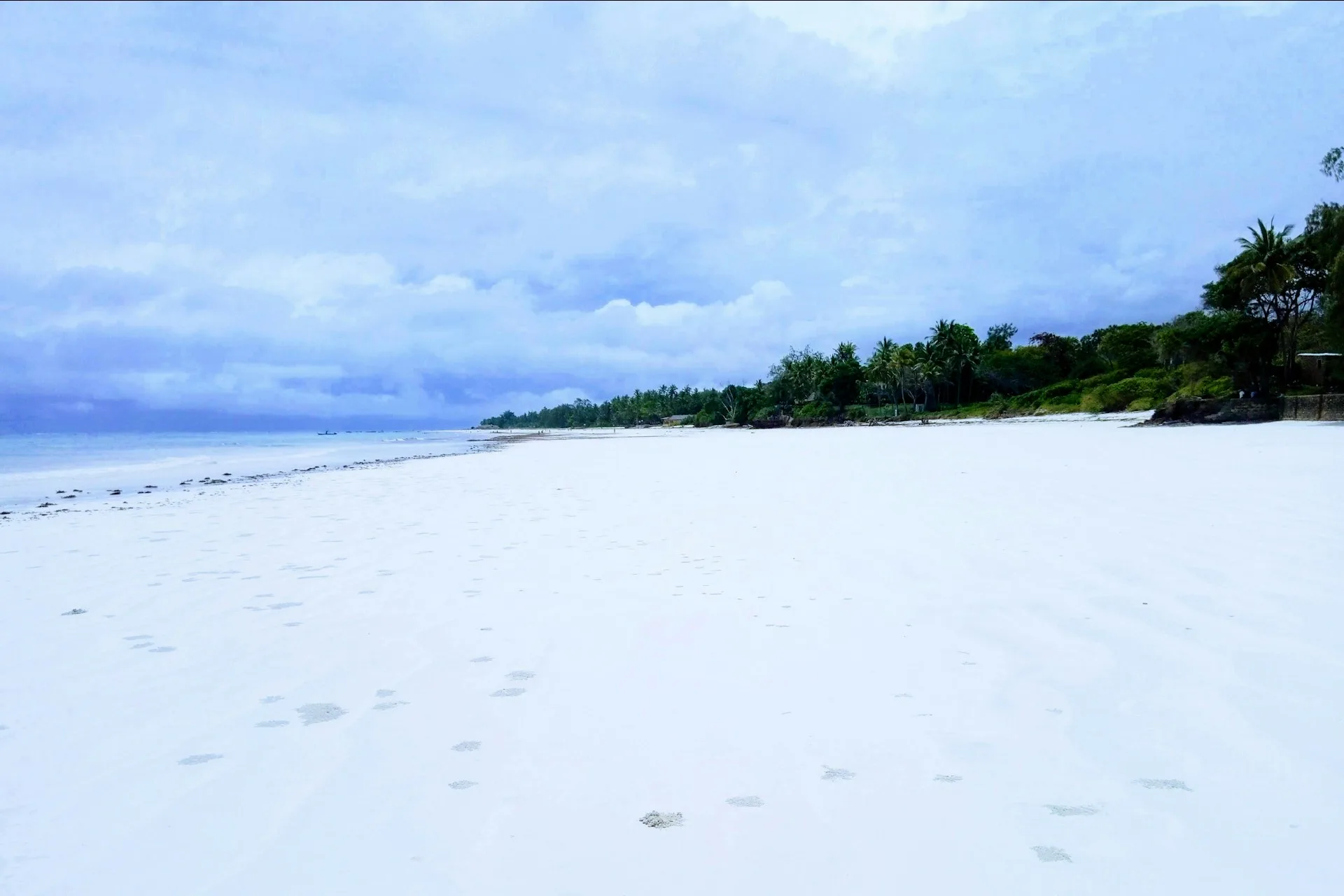
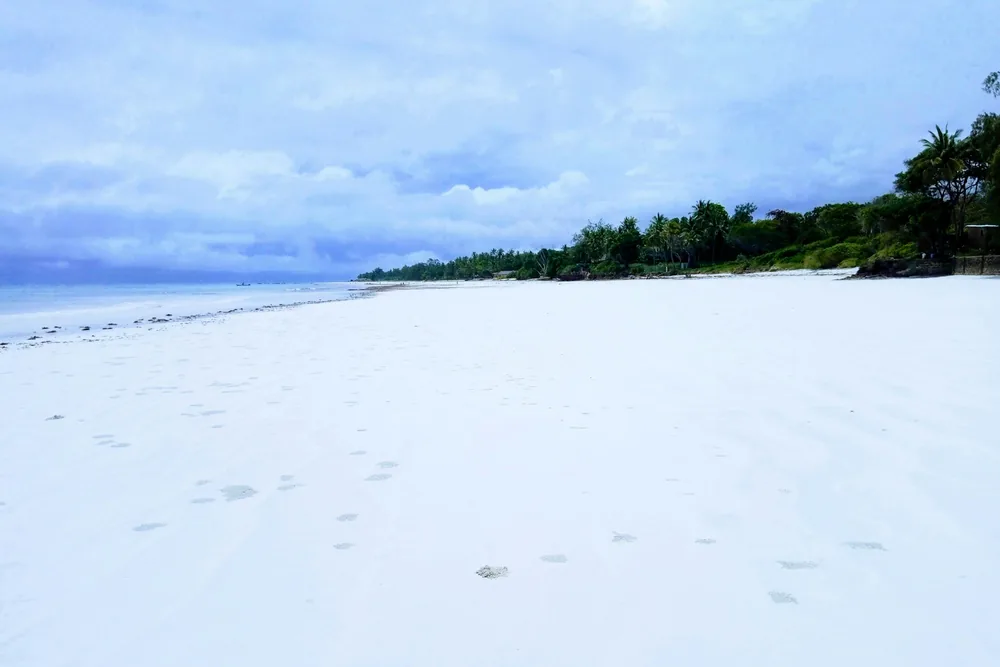
The Swahili coast on the warm Indian Ocean: powder-white sand and turquoise water at Diani, the old town and spice-scented history of Mombasa, and dhows drifting out over the coral reef.
A sample journey
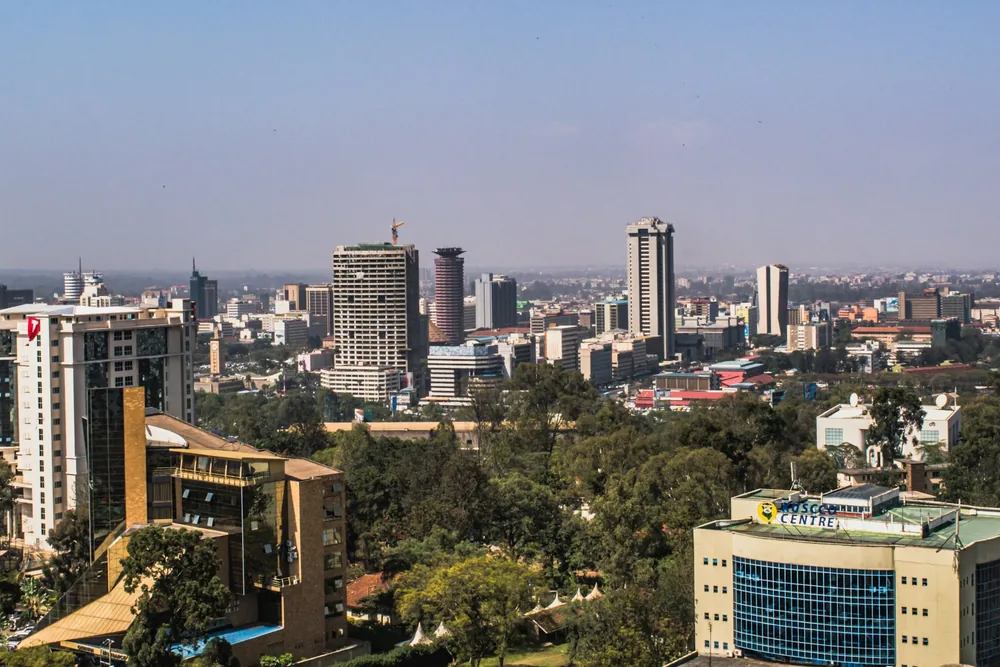 1
1 Arrive in the capital and settle in, with time for the celebrated Sheldrick elephant orphanage and the Giraffe Centre, or a long lunch at a garden restaurant, before an early night ahead of your first flight into the bush.
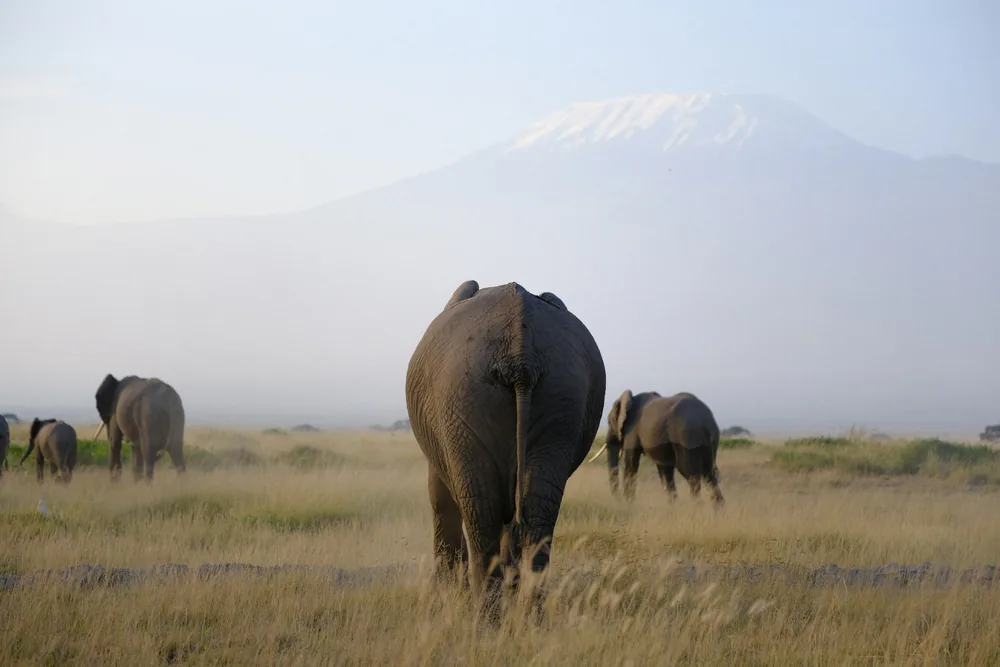 2
2 Fly south to Amboseli for the classic image of safari Africa: great herds of elephants crossing the marshes beneath the snows of Kilimanjaro, with the mountain at its clearest in the cool of dawn and dusk.
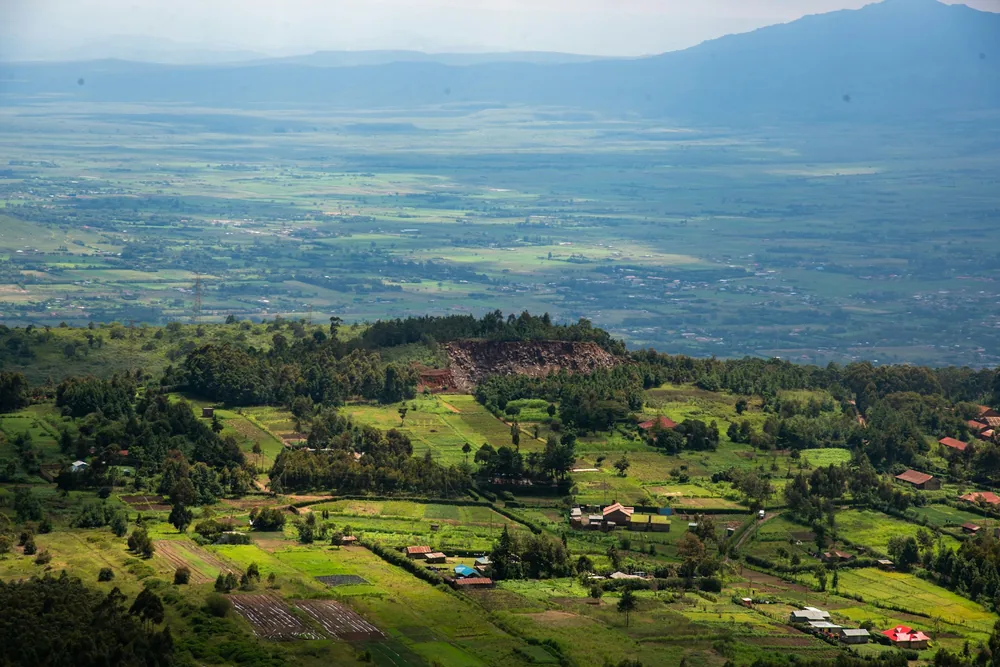 3
3 Travel up into the Great Rift Valley for a change of scene: flamingo-pink shallows and rhino at Lake Nakuru, or a boat among the hippos at Naivasha, with dramatic escarpment views over the valley floor.
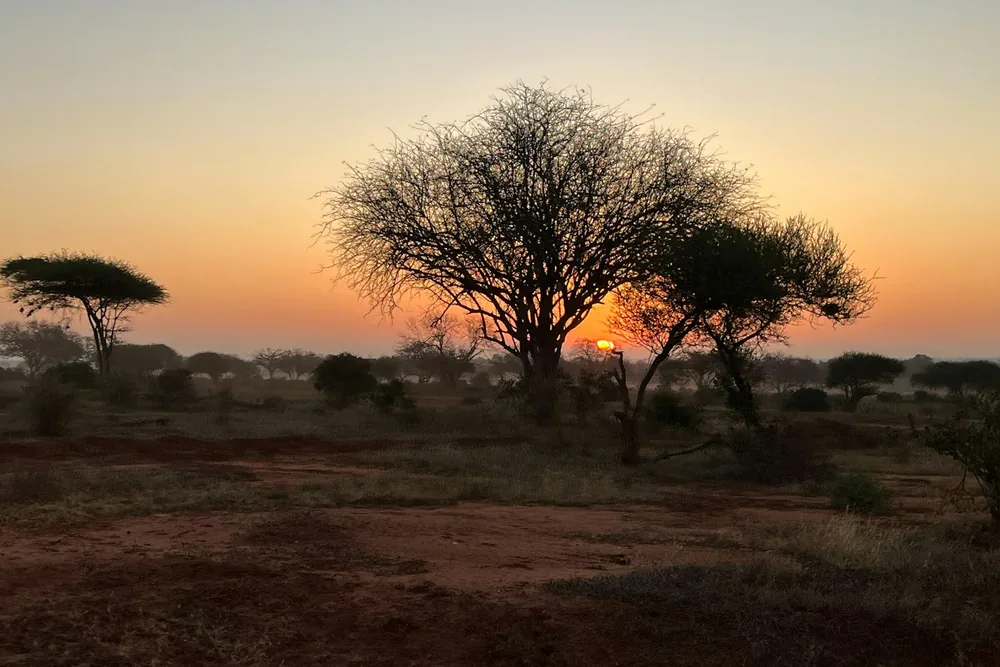 4
4 On to the headline of the trip: the rolling plains of the Mara, with its unrivaled big cats and, from July to October, the drama of the Great Migration and its river crossings. Stay in a private conservancy for walking safaris and night drives.
 5
5 Finish on the Indian Ocean: a flight to the Swahili coast and the powder-white sand of Diani, for snorkeling and diving on the reef, a sunset dhow cruise and a few unhurried days to unwind after the safari.
Every itinerary we build is bespoke: this is a starting point, not a package.
Getting around
Where to stay
The light-aircraft flights, airstrip transfers, expert guides and any train tickets are all arranged as part of every itinerary — the logistics are handled before you arrive.
Good to know
Eight to twelve nights is the sweet spot. A week or so comfortably links two or three reserves, such as Amboseli and the Maasai Mara, by light aircraft; closer to two weeks lets you add the northern conservancies of Samburu or Laikipia and finish with a few days unwinding on the Indian Ocean coast.
The dry months of July to October are prime, coinciding with the Great Migration in the Maasai Mara and the best game viewing of the year. January and February are another excellent window, with lush green plains, clear views of Kilimanjaro and fewer crowds. The long rains of March to May are quieter and greener, with the lowest prices.
The migration reaches the Kenyan side of the ecosystem roughly from July to October, when the herds cross from the Serengeti and brave the crocodile-filled Mara River. The exact timing shifts each year with the rains, so we plan migration trips around the most reliable weeks and base you where the action is most likely.
For most itineraries we fly. Light aircraft link Nairobi to the Mara, Amboseli, Samburu and the coast in under an hour each, sparing you long days on rough roads and maximizing your time with the wildlife. A private road safari is a fine option for travelers who prefer to stay on the ground and want to see the country between the reserves, and we often combine the two.
Absolutely, and it is one of our favorite ways to end a Kenya trip. After the bush, a short flight carries you to the Swahili coast and the white sand of Diani or the historic corners around Mombasa, for snorkeling and diving on the reef, sunset dhow cruises and a few unhurried days to relax before the flight home.
Ways to Explore
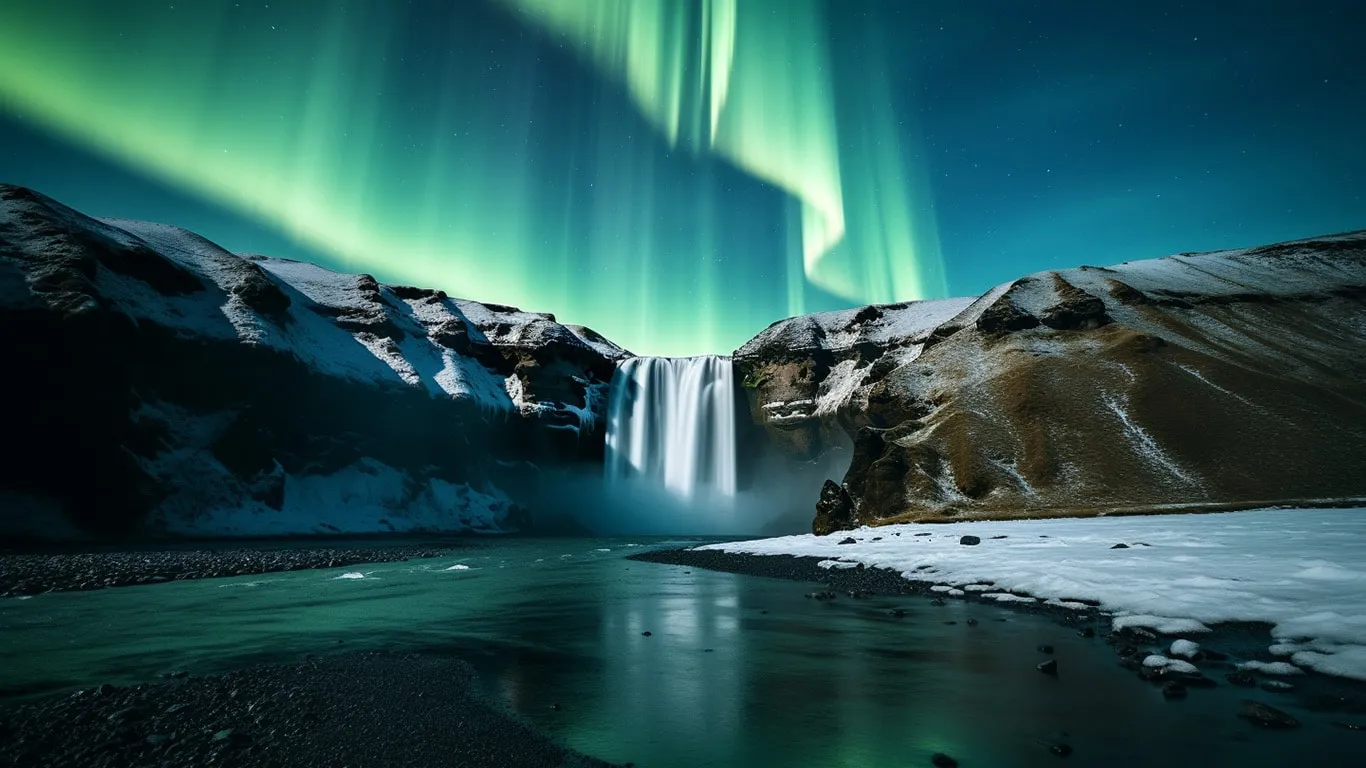
A private journey designed entirely around you, your pace, and your people.
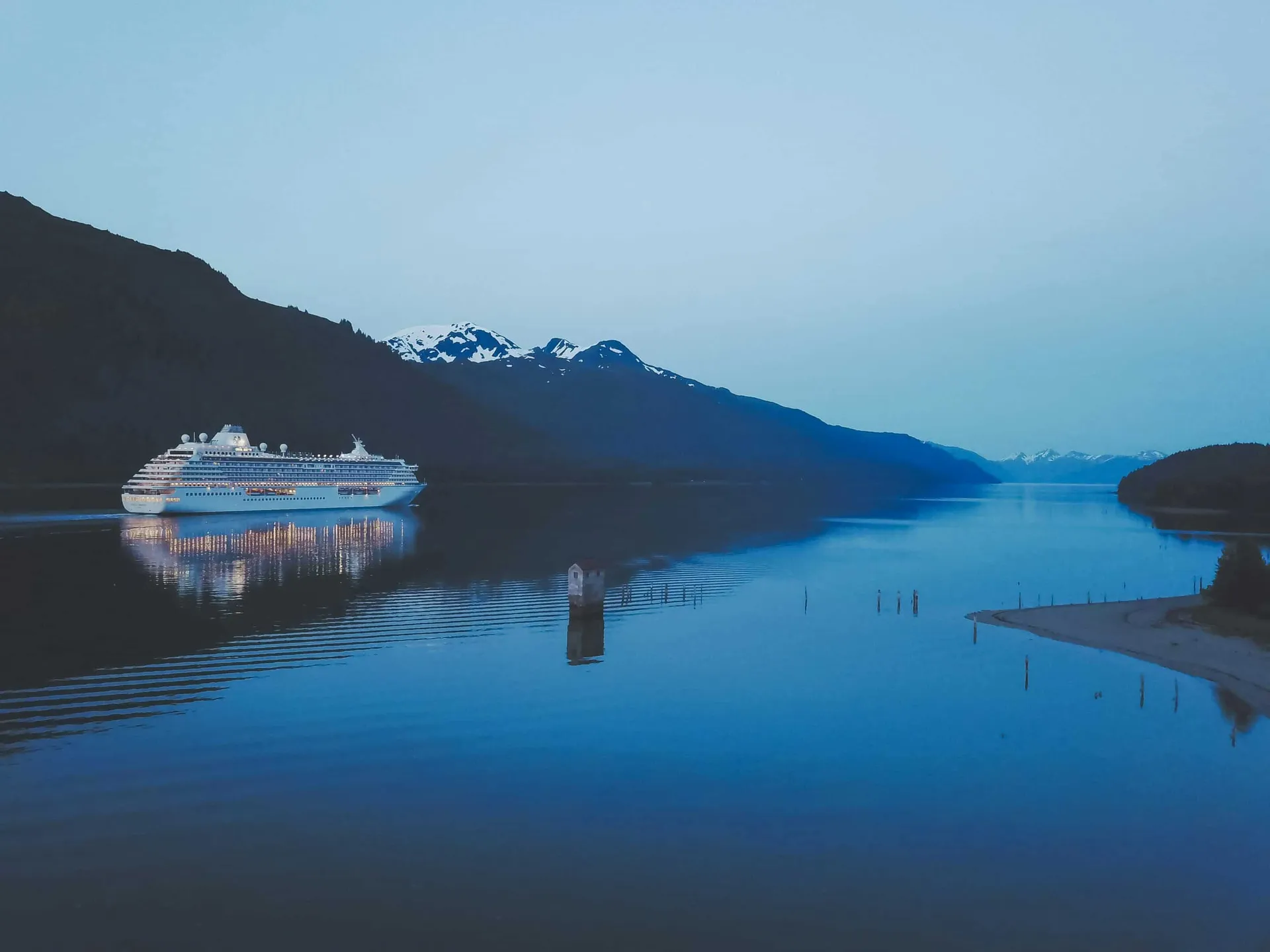
River, ocean and expedition voyages, from the Danube to Antarctica.

Expertly guided, end to end, with the world's finest local operators.
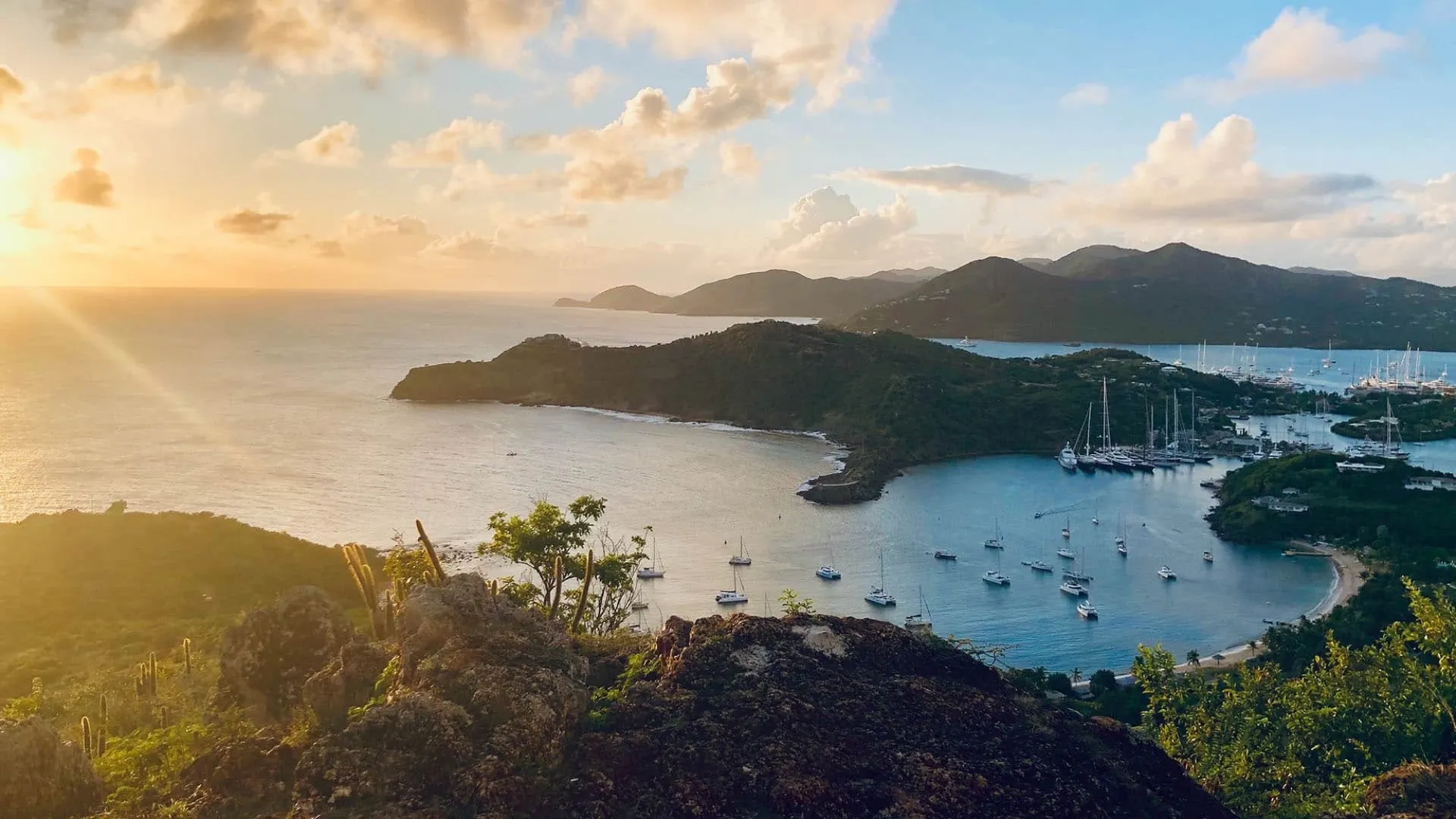
Effortless resort escapes; we cut through the haze to the right one.
Let's begin
Tell us your travel dates and what you love, and we'll handle every detail.
Plan Your TripSearch Chima Travel