





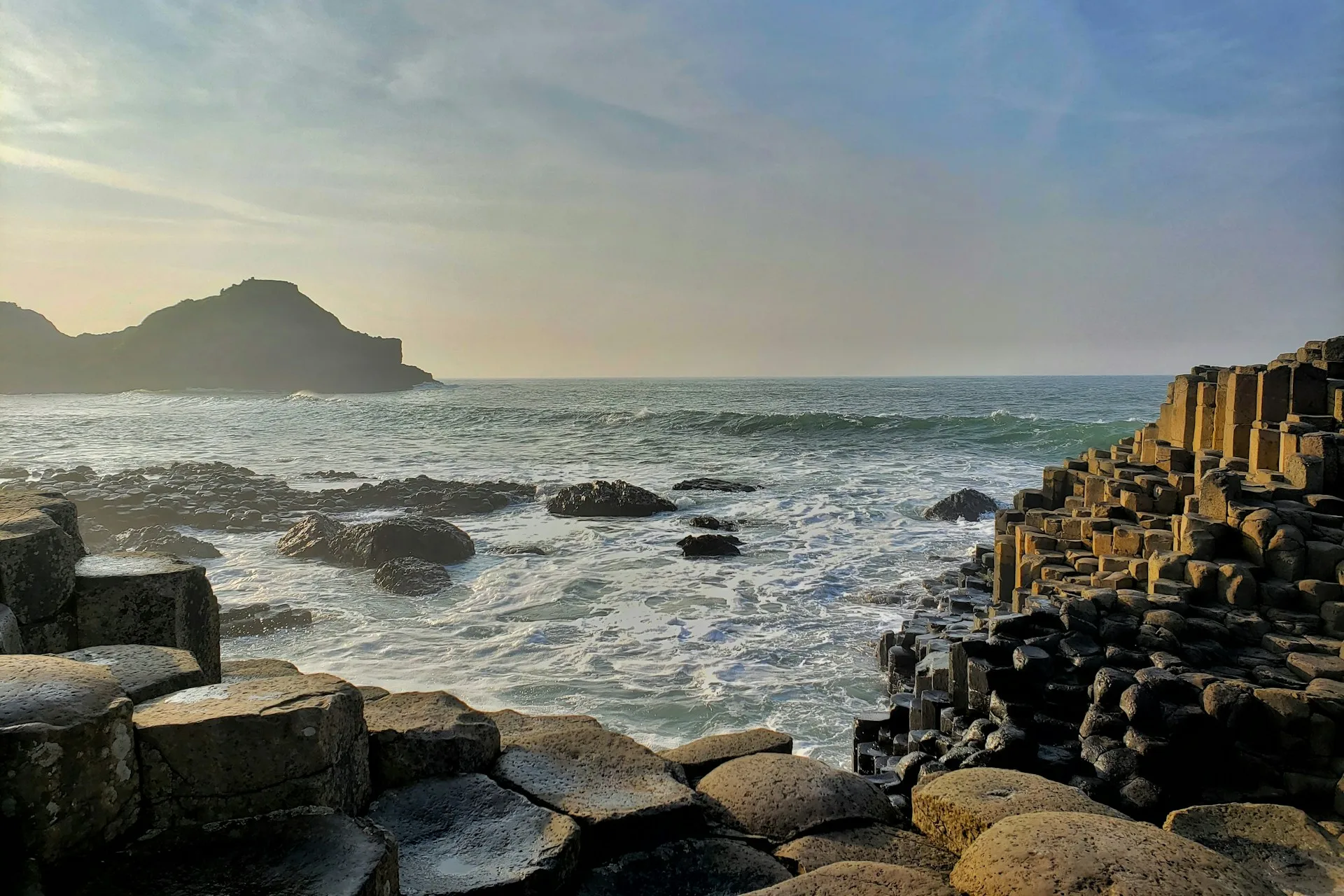
The Giant's Causeway, Northern Ireland

The Giant's Causeway.

The Causeway Coast

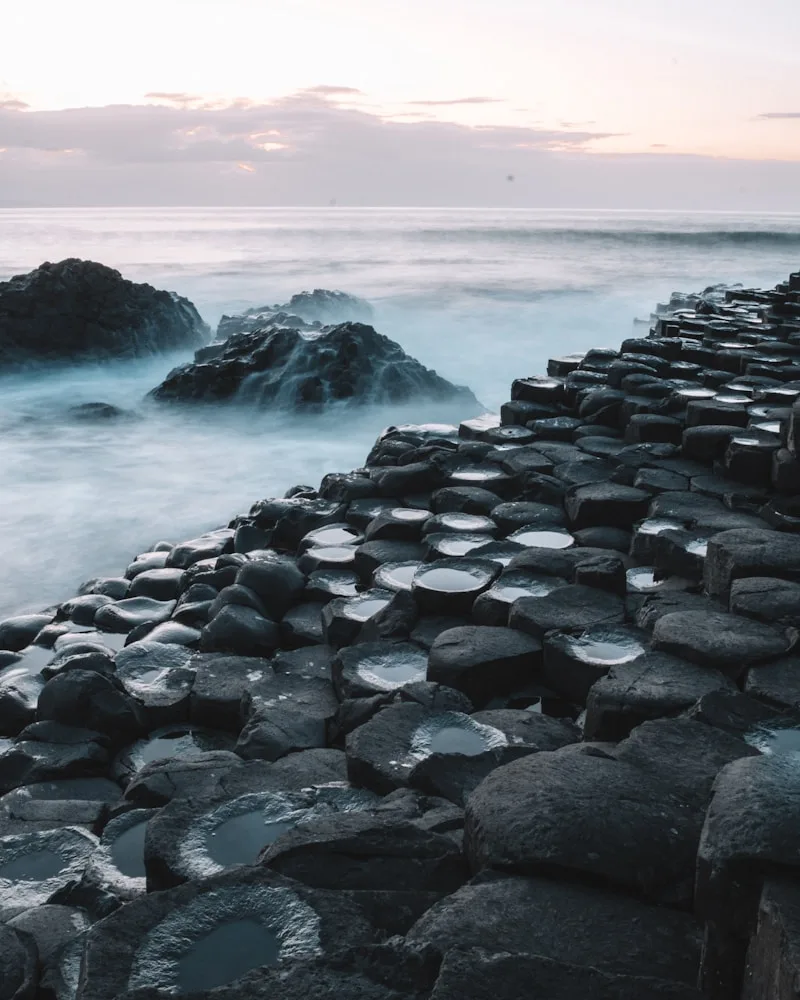
The Giant's Causeway is Northern Ireland's only UNESCO World Heritage Site and one of the natural wonders of the British Isles: some 40,000 interlocking hexagonal basalt columns marching down into the wild Atlantic, formed by a volcanic eruption sixty million years ago. Legend tells it differently. It says the giant Finn McCool built the causeway to cross the sea to Scotland, and stepping out across the stones it is easy to believe a giant had a hand in it.

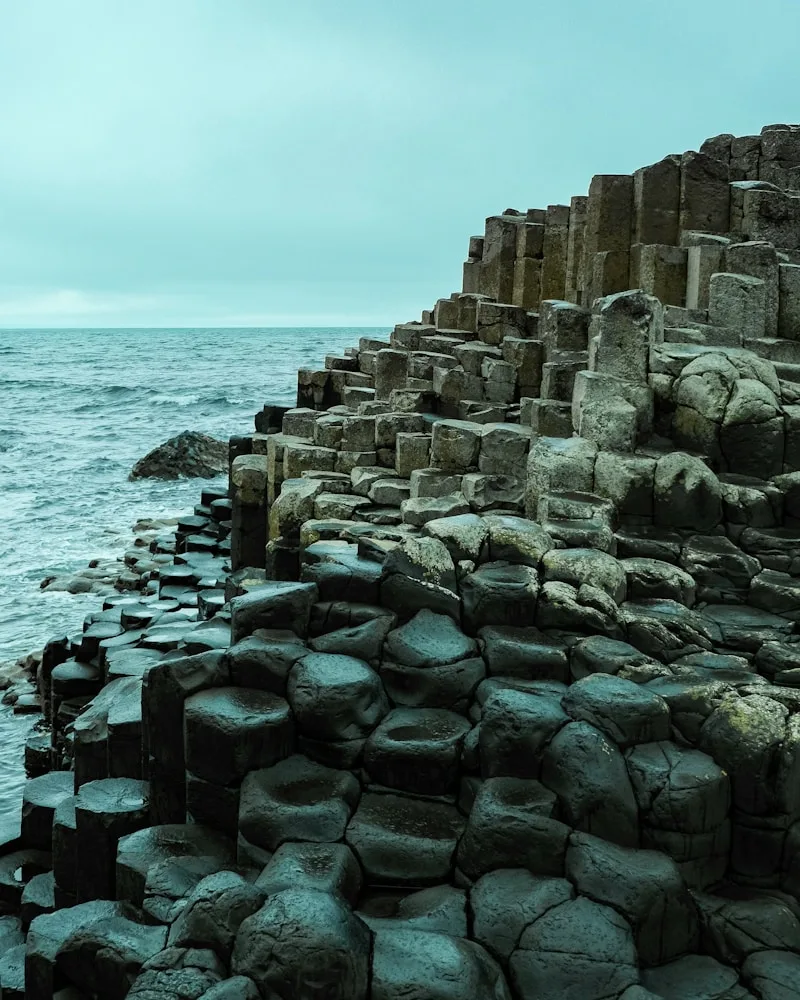
Walking out across the geometric stones, climbing the cliffside paths past formations with names like the Organ, the Giant's Boot and the Chimney Stacks, and feeling the spray of the crashing waves is unforgettable. The columns rise and fall in great honeycombed steps, polished smooth by the sea, and every turn of the path opens onto another view of rock and water that looks as though it was set there on purpose.

The site sits on the spectacular Causeway Coast, a dramatic stretch of cliffs, ruined castles and hidden bays, and a clifftop coastal walk links it to other wonders nearby. It is the highlight of any visit to the north, and with the timing set to beat the coach tours and a little room to wander, a morning here becomes the memory that frames an entire trip.
Where
The north Antrim coast
Best time
Late spring to early fall (May–Sep)
Good for
Natural wonders & coast
Pair it with
Carrick-a-Rede or Belfast

Where it is

On the map.

The Giant's Causeway sits on the north Antrim coast; the Causeway Coastal Route links it to Carrick-a-Rede, Dunluce Castle and Ballintoy.

Scroll or pinch to zoom

What you'll see

On the route.

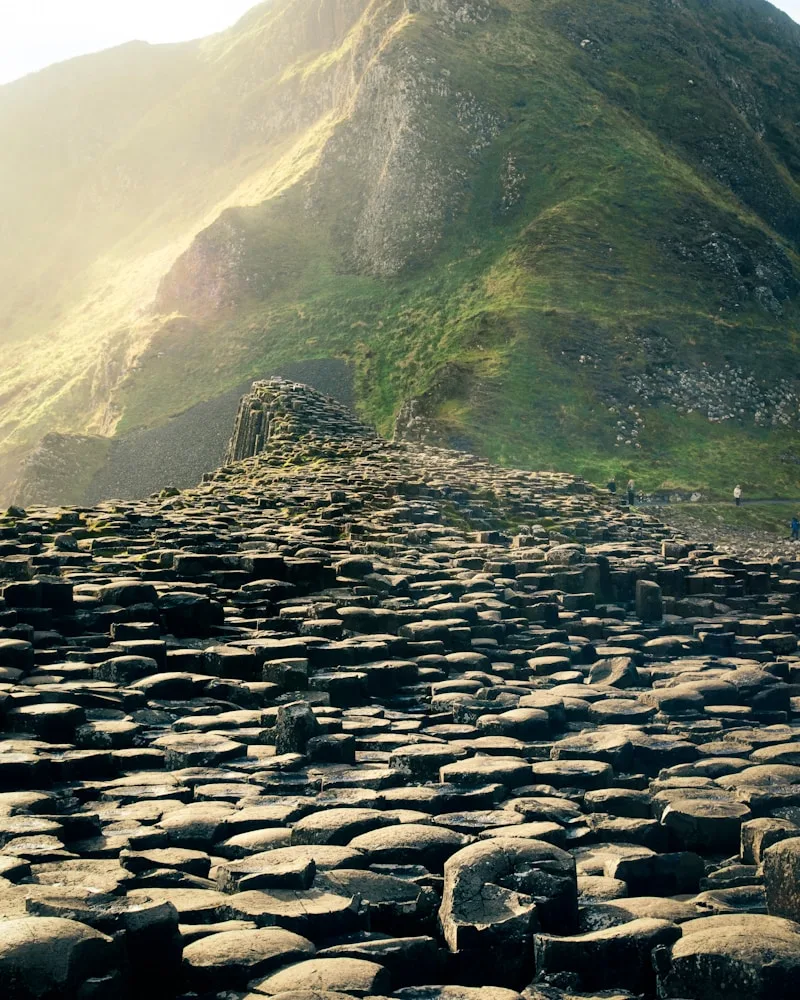
The hexagonal basalt columns, Northern Ireland

Stop 01

The hexagonal basalt columns

Some 40,000 interlocking columns, most of them perfect hexagons, stepping down to the sea in great honeycombed terraces.

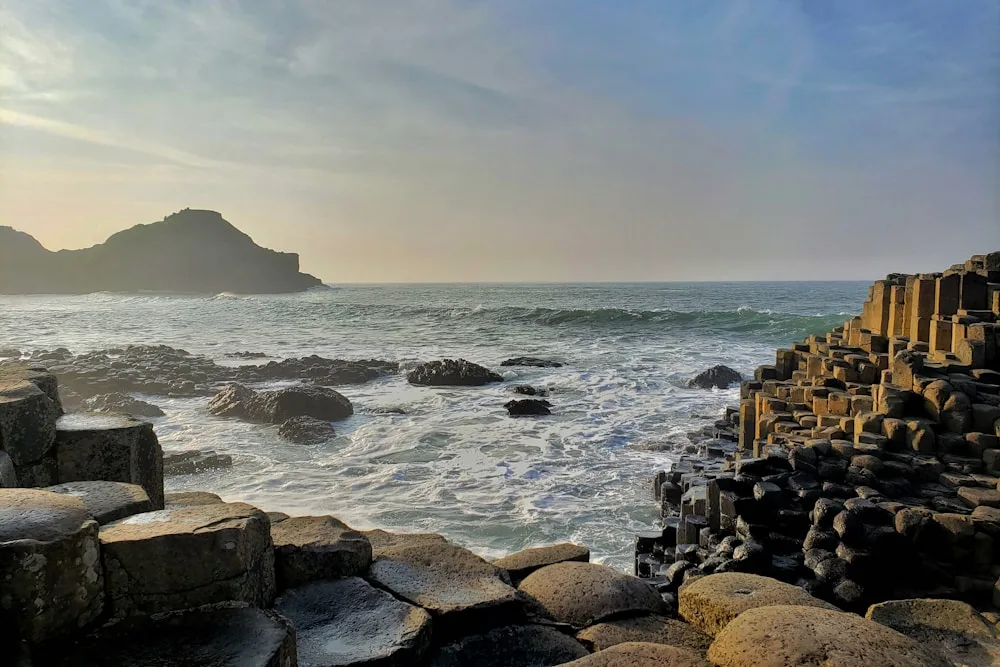
Where the columns meet the sea, Northern Ireland

Stop 02

Where the columns meet the sea

The stones march straight into the wild Atlantic, where the waves break white against the rock and the spray hangs in the air.

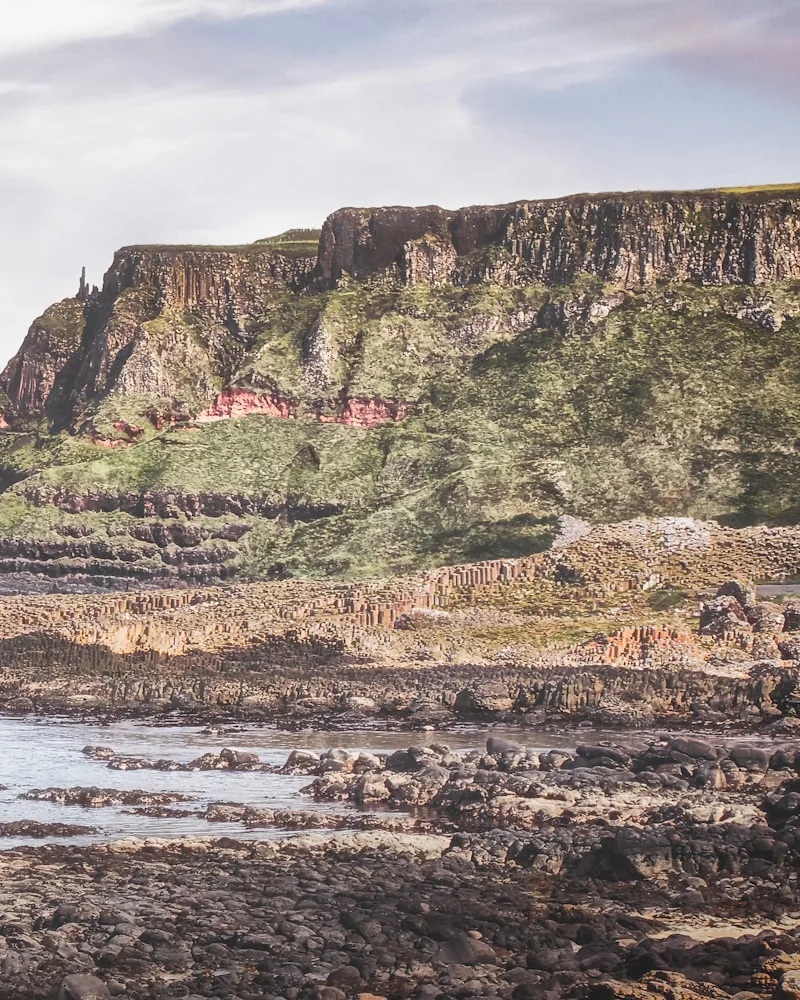
The cliff path and formations, Northern Ireland

Stop 03

The cliff path and formations

Climb the cliffside path past named formations like the Organ, the Giant's Boot and the Chimney Stacks high above the shore.

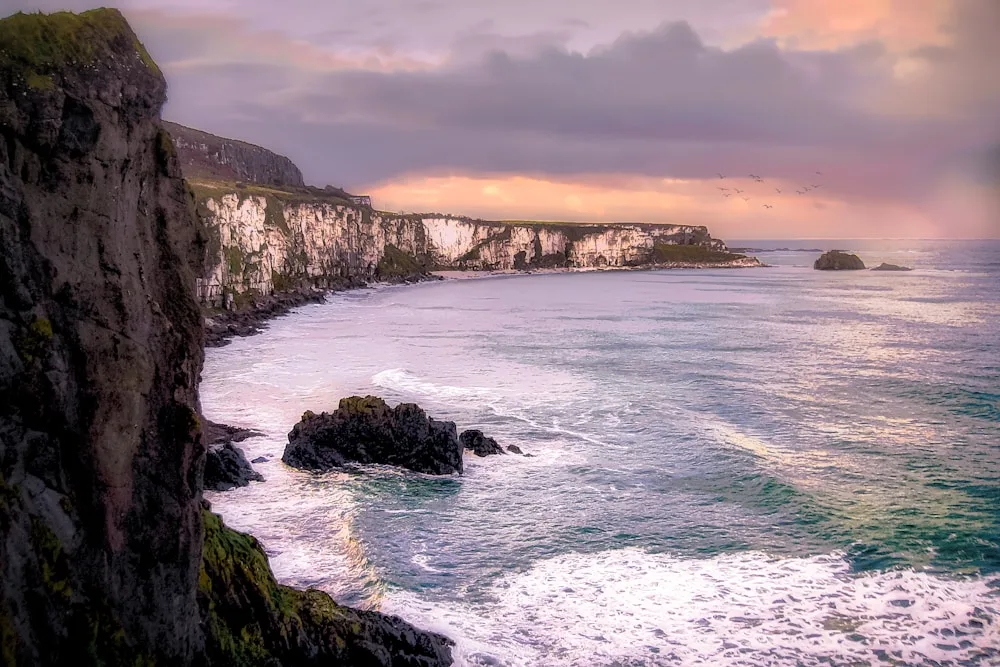
The wild Causeway Coast, Northern Ireland

Stop 04

The wild Causeway Coast

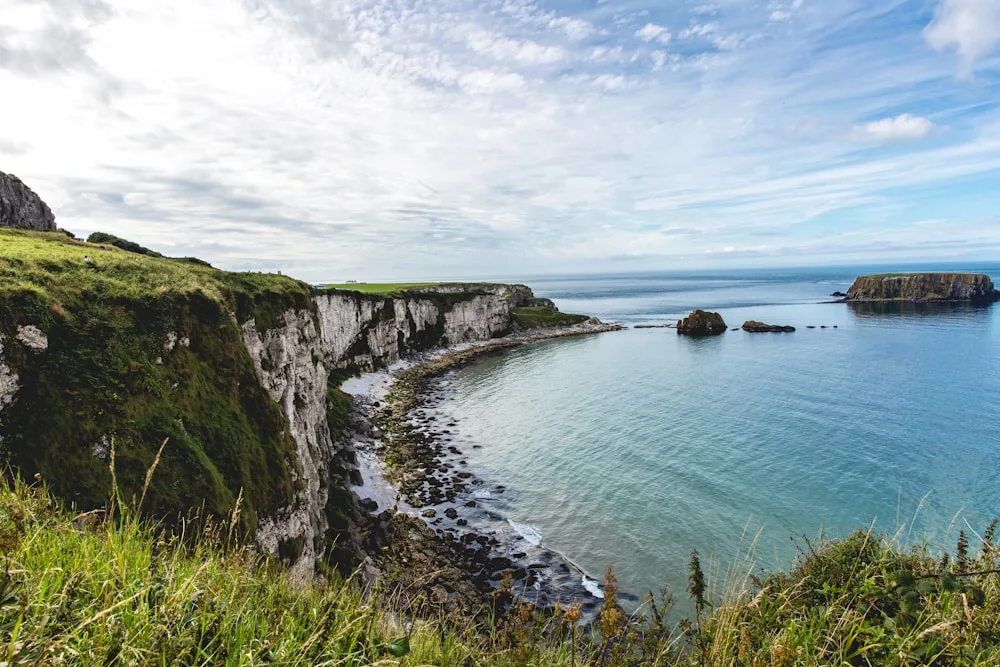
Beyond the stones the coast runs on in dramatic cliffs, hidden bays and headlands, a glorious shore to walk and explore.

Know before you go

The practical details.

Visiting the causeway

Good to know

Visiting the causeway

The stones are free to walk on, but the visitor center, with parking and an audio guide, charges admission; a shuttle runs down to the stones or you can walk the path. Go early or late to beat the coach tours, wear sturdy non-slip shoes as the rocks are uneven and slick, and mind the waves.

The Causeway Coast

Good to know

The Causeway Coast

The causeway is the star of a glorious coastline: combine it with the Carrick-a-Rede rope bridge, the clifftop ruins of Dunluce Castle, the harbor at Ballintoy and the strand at Whiterocks, and walk a stretch of the clifftop path for the best views.

When to go

Good to know

When to go

Late spring through early fall brings the mildest, driest weather and long daylight; the coast is dramatic year-round but exposed and windy, so pack layers and a waterproof jacket whatever the season, and be ready for fast-changing Atlantic weather.

Let's begin

Bring The Giant's Causeway
to life.

Our advisors design Northern Ireland journeys by hand. Tell us your dates and we'll do the rest.

Plan Your Trip