



Jerusalem
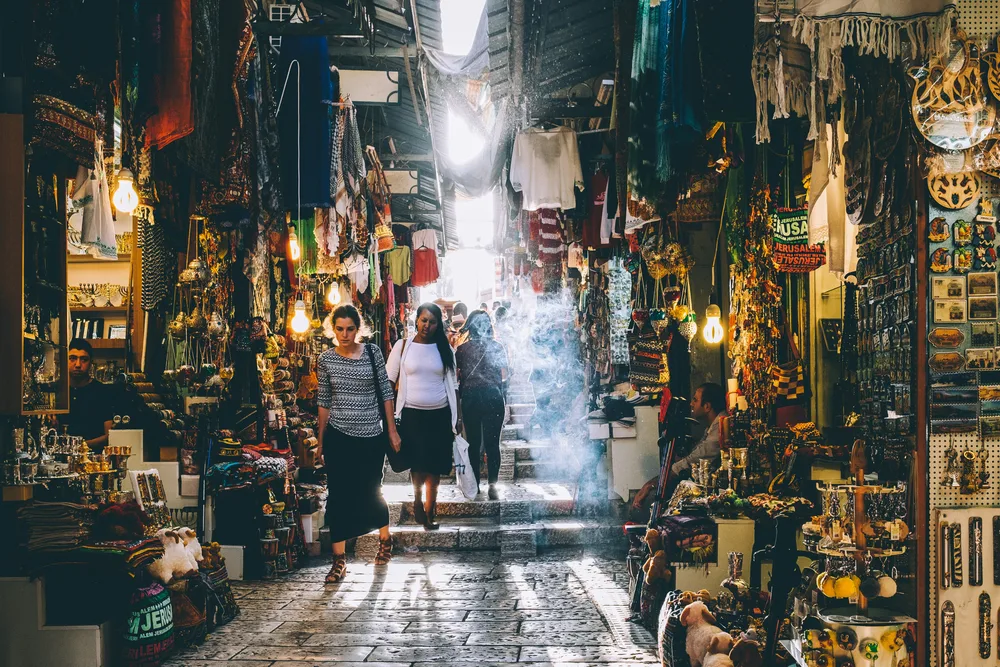
Few places hold as much meaning in so small a space as the Old City of Jerusalem. Inside a ring of honey-colored stone walls, barely a square kilometer across, lie some of the most sacred sites in the world to Jews, Christians and Muslims alike. People have prayed, traded and lived here for thousands of years, and the moment you step through one of the great gates you feel the weight and the wonder of it: the hum of the markets, the bells and the calls to prayer, and the worn limestone underfoot that has carried pilgrims for longer than almost anywhere on earth.
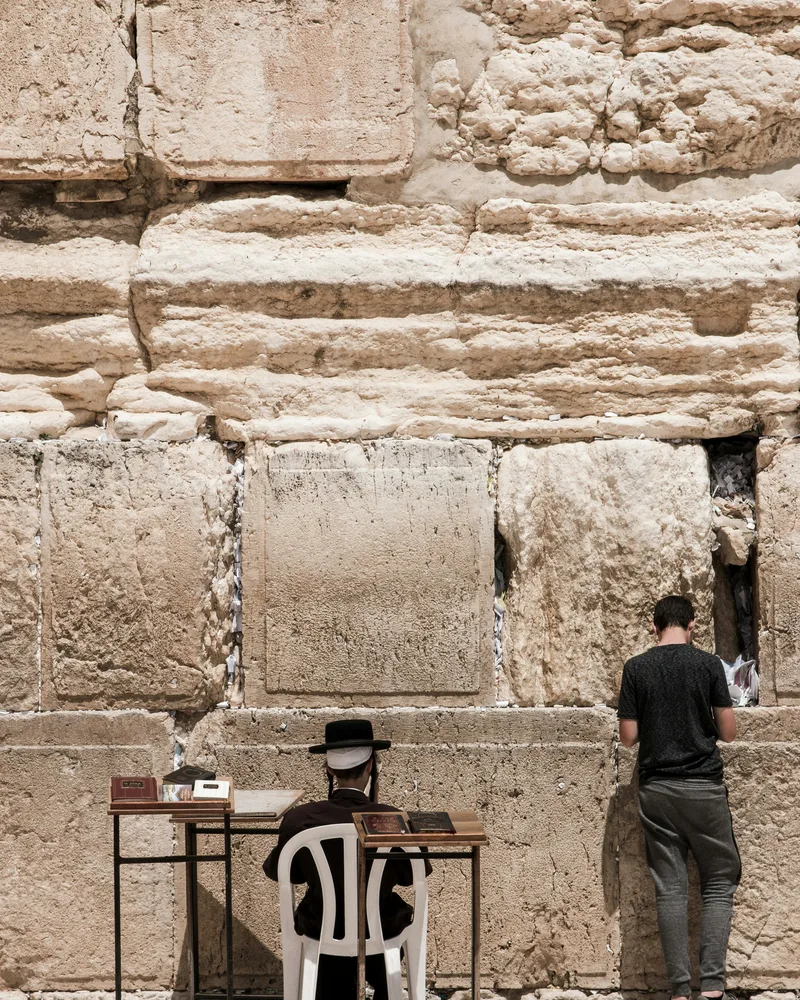
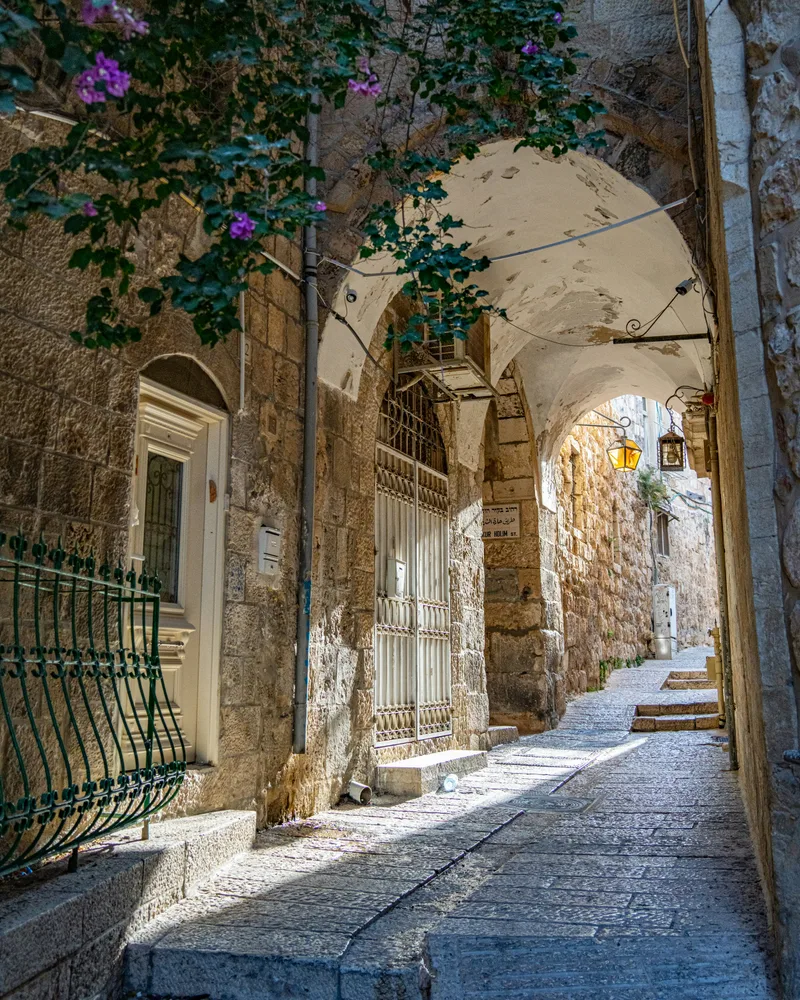
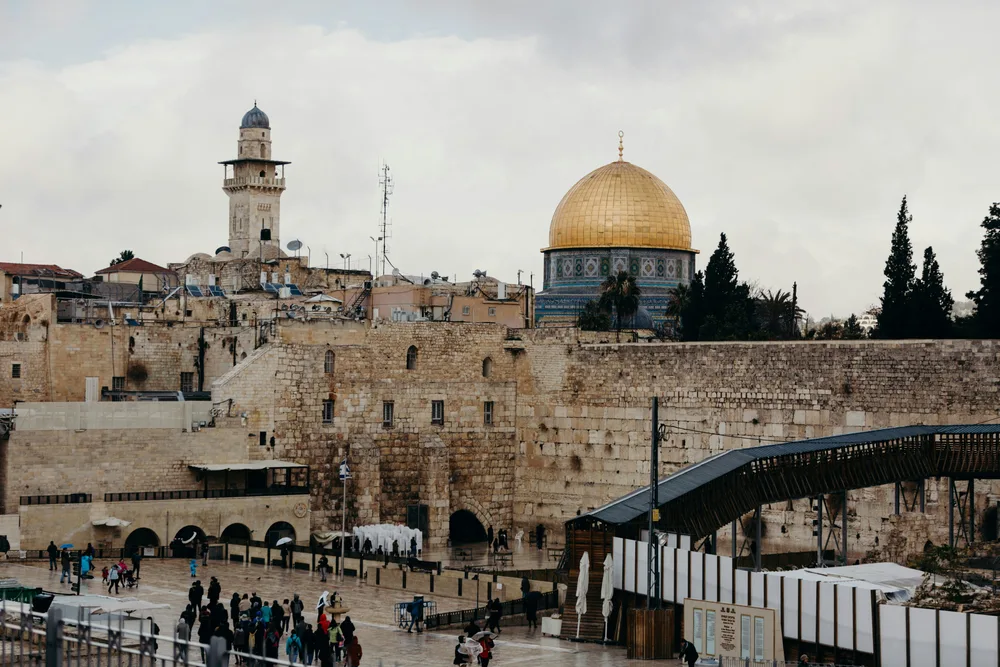
The walled city is divided into four quarters, each with its own character and rhythm. The Jewish Quarter descends to the broad plaza before the Western Wall; the Christian Quarter winds toward the great dome of the Church of the Holy Sepulchre; the Muslim Quarter is the busiest and most atmospheric, its covered lanes crowded with spice stalls and sweet shops; and the Armenian Quarter keeps its quiet behind ancient courtyards. The borders blur as you walk, and half the pleasure is simply losing yourself in the maze and letting it lead you on.
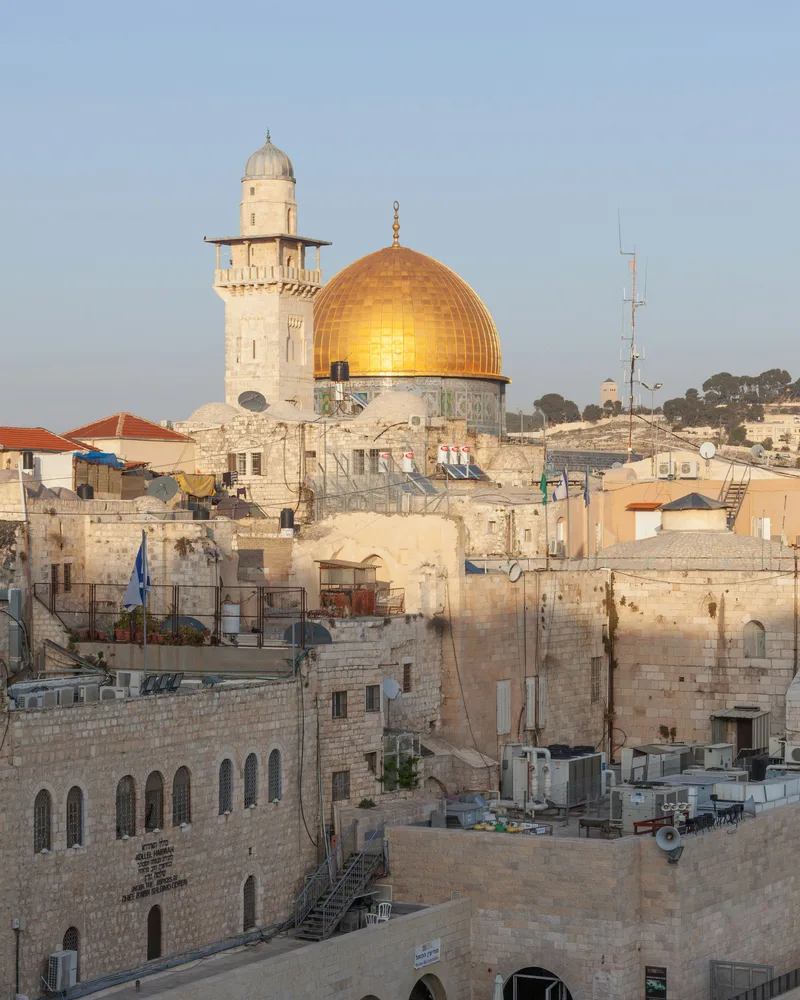
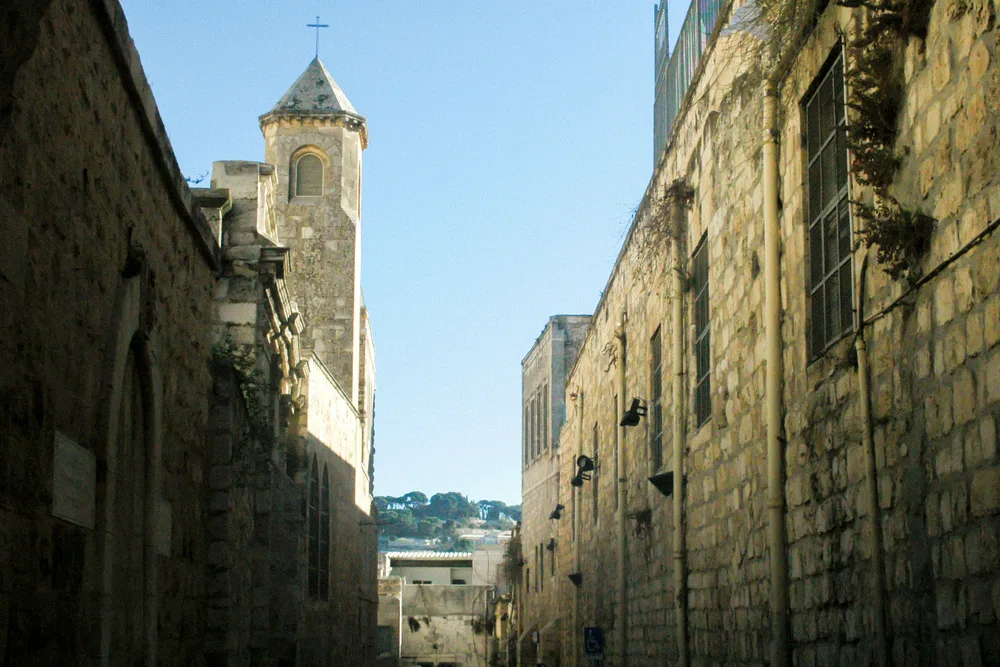
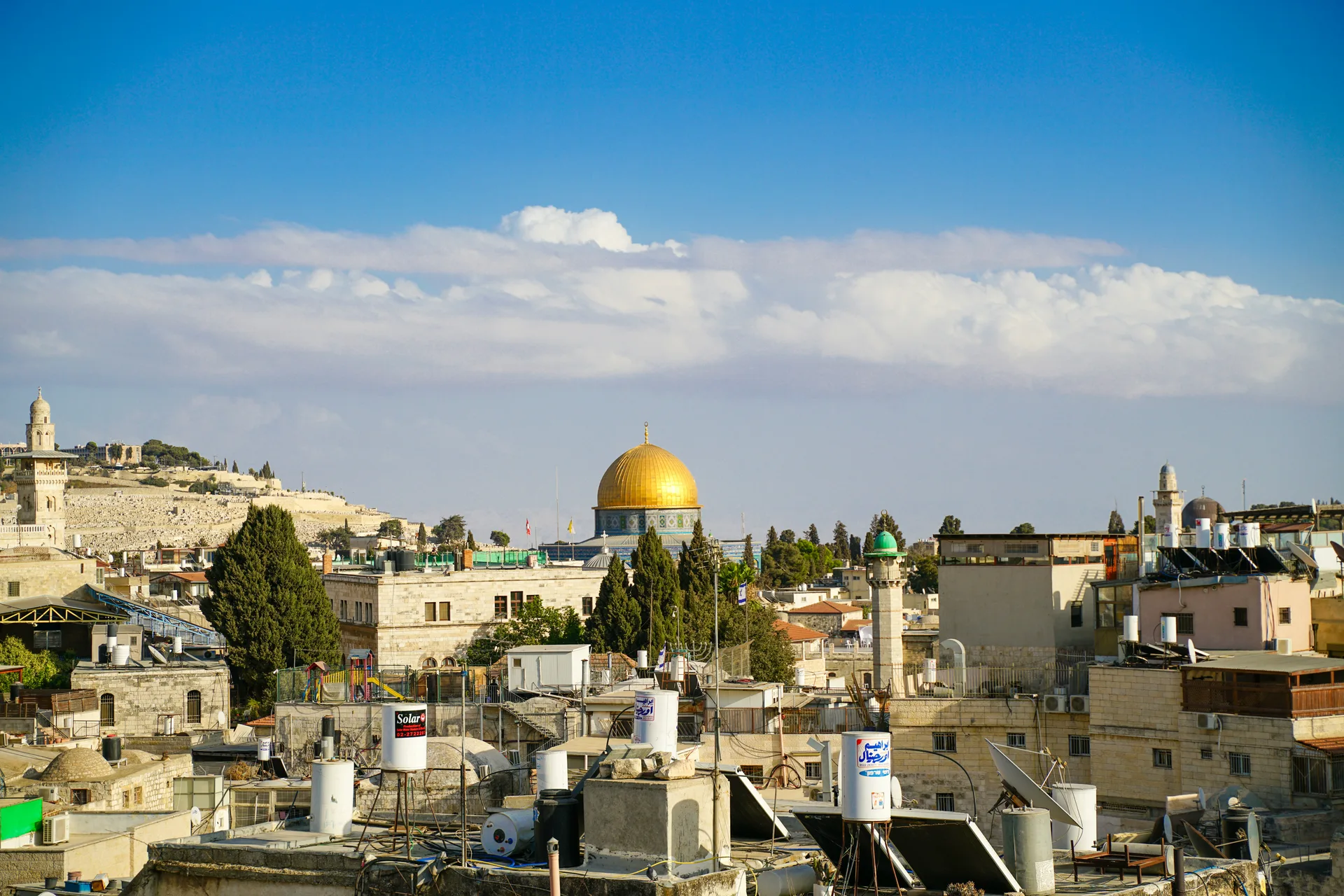
What makes the Old City so moving is how the layers of history stack one upon another. You walk the Via Dolorosa where Christians trace the final steps of Jesus, you stand at the Western Wall that has anchored Jewish prayer for two millennia, and you look up to the golden Dome of the Rock that crowns one of Islam's holiest places. It is a place to move slowly and respectfully, and with a good guide to read the stones, a day here becomes the heart of any journey through Israel.