
Region
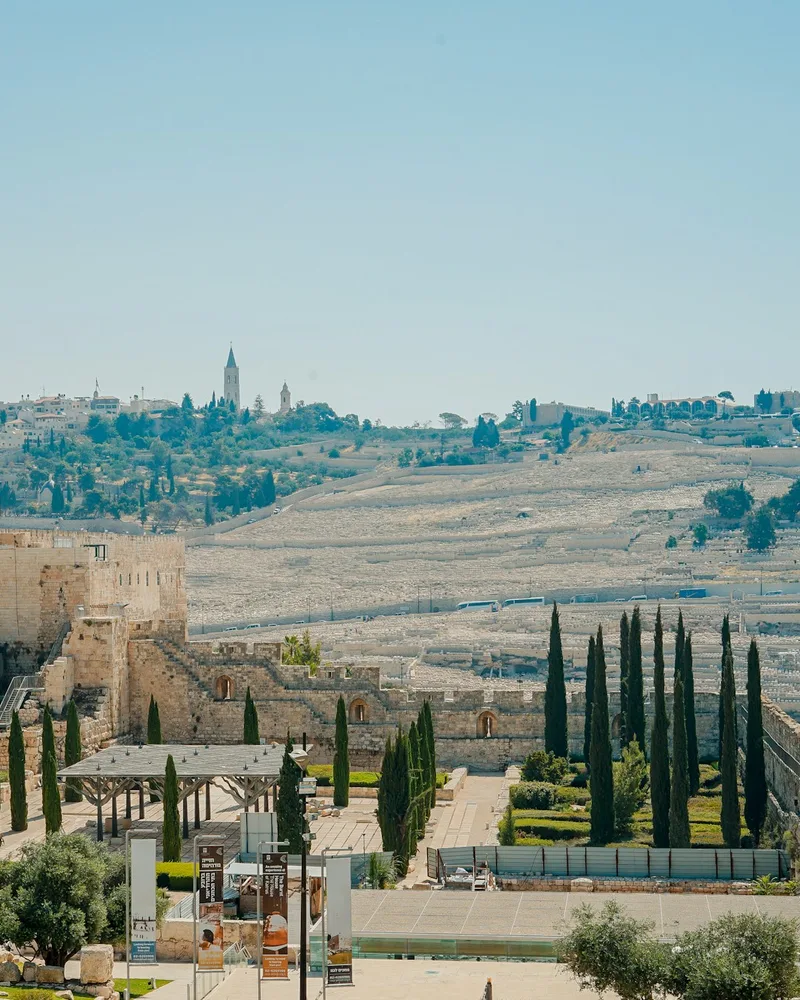
Jerusalem
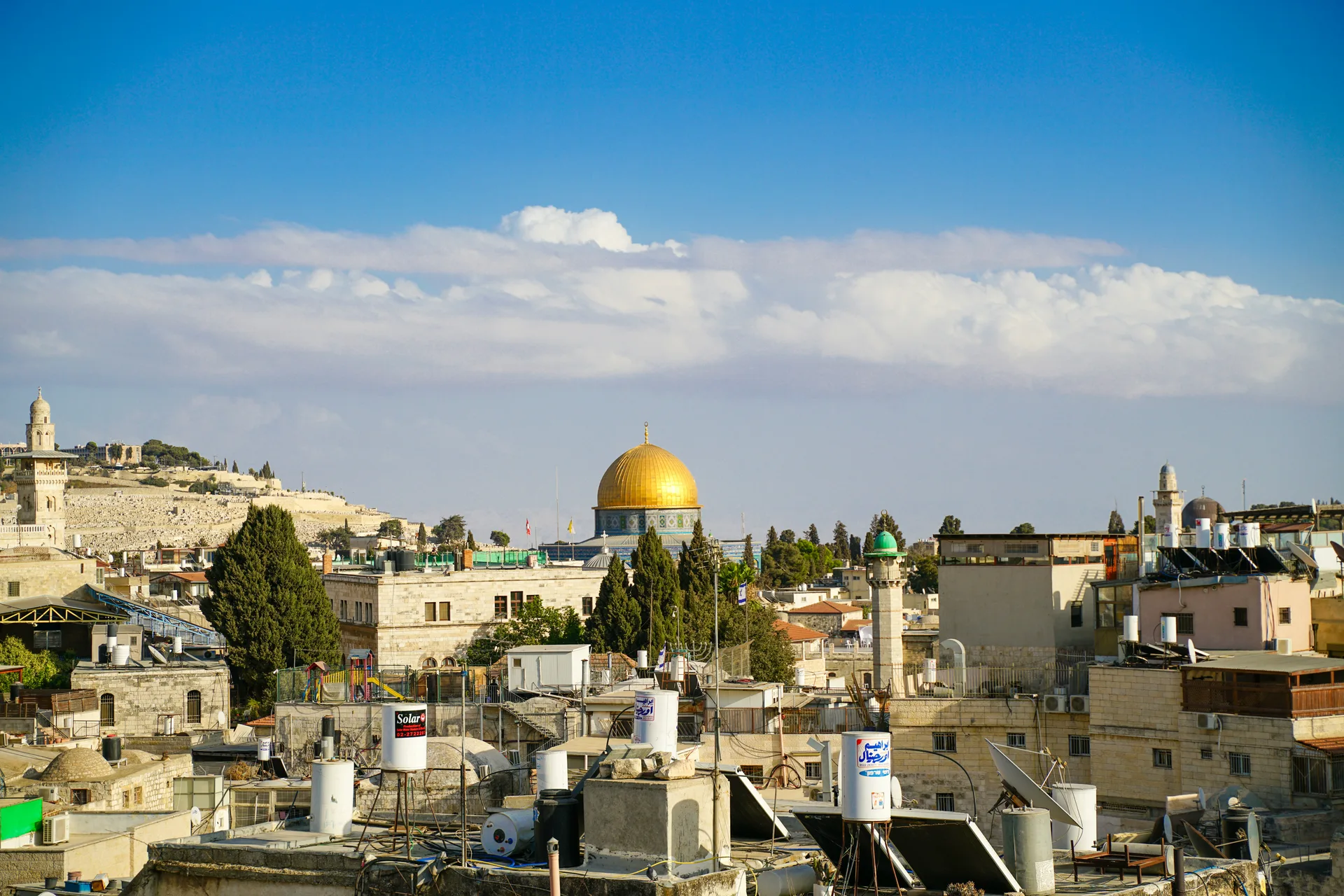
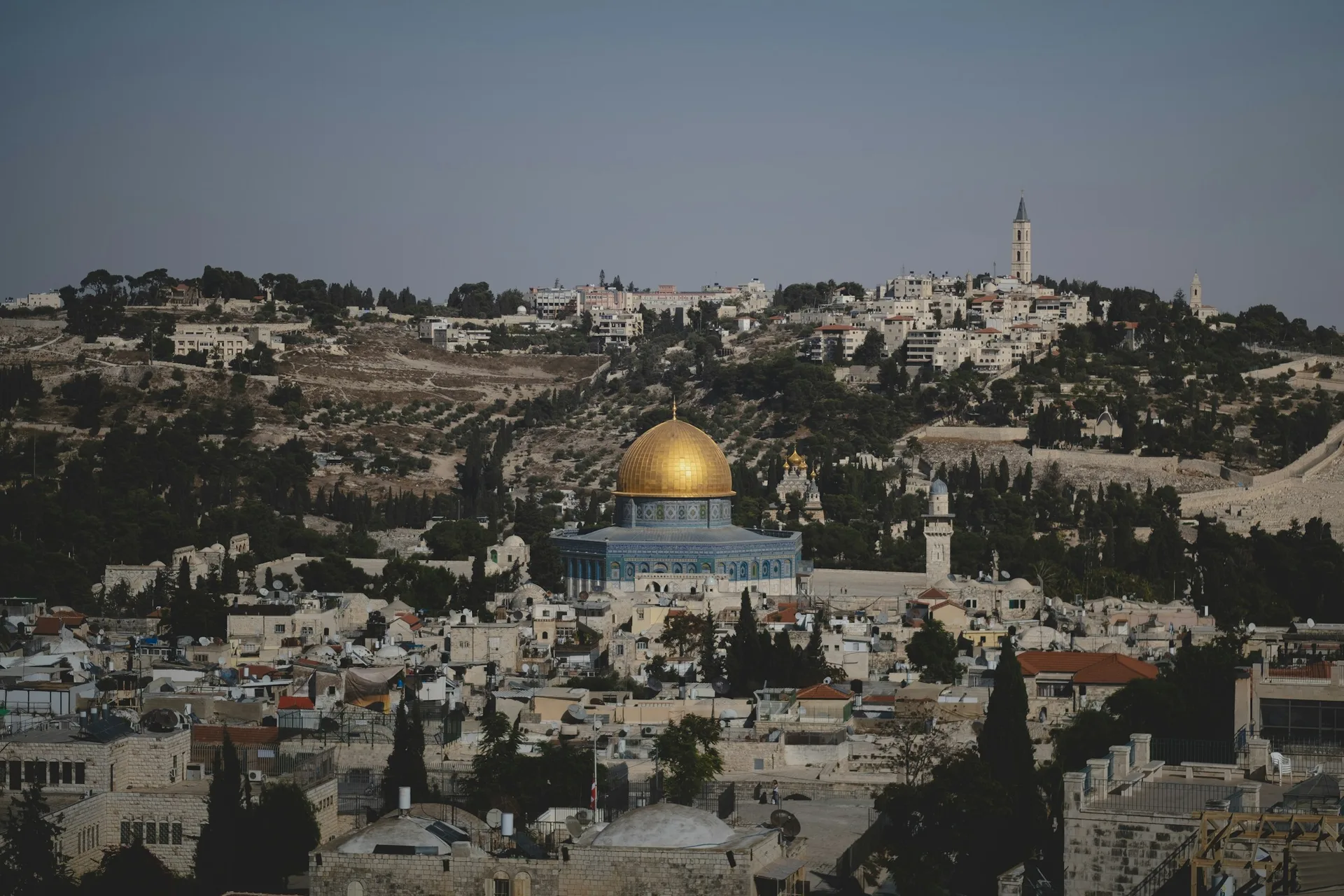
The spiritual heart of three faiths: the walled Old City with the Western Wall, the Church of the Holy Sepulchre and the golden Dome of the Rock, ringed by ancient gates, bustling souks and the olive groves of the Mount of Olives.

By Continent
Europe Africa Asia North America South America Caribbean Australia & Oceania All destinationsOverview
From the canals of Venice to the black-sand coasts of Iceland, Europe rewards the curious traveler with centuries of art, architecture and unforgettable flavor, all within easy reach of one another.
View all EuropeOverview
From the dunes of the Sahara to the great plains of the Serengeti, Africa is a continent of staggering scale and singular encounters: a place where landscape, wildlife and culture meet at full intensity.
View all AfricaDestinations
Overview
Vast and varied, Asia spans snow-capped peaks and tropical coasts, neon megacities and silent temples. It is a continent that rewards both the first-time traveler and the lifelong returnee.
View all AsiaFeatured
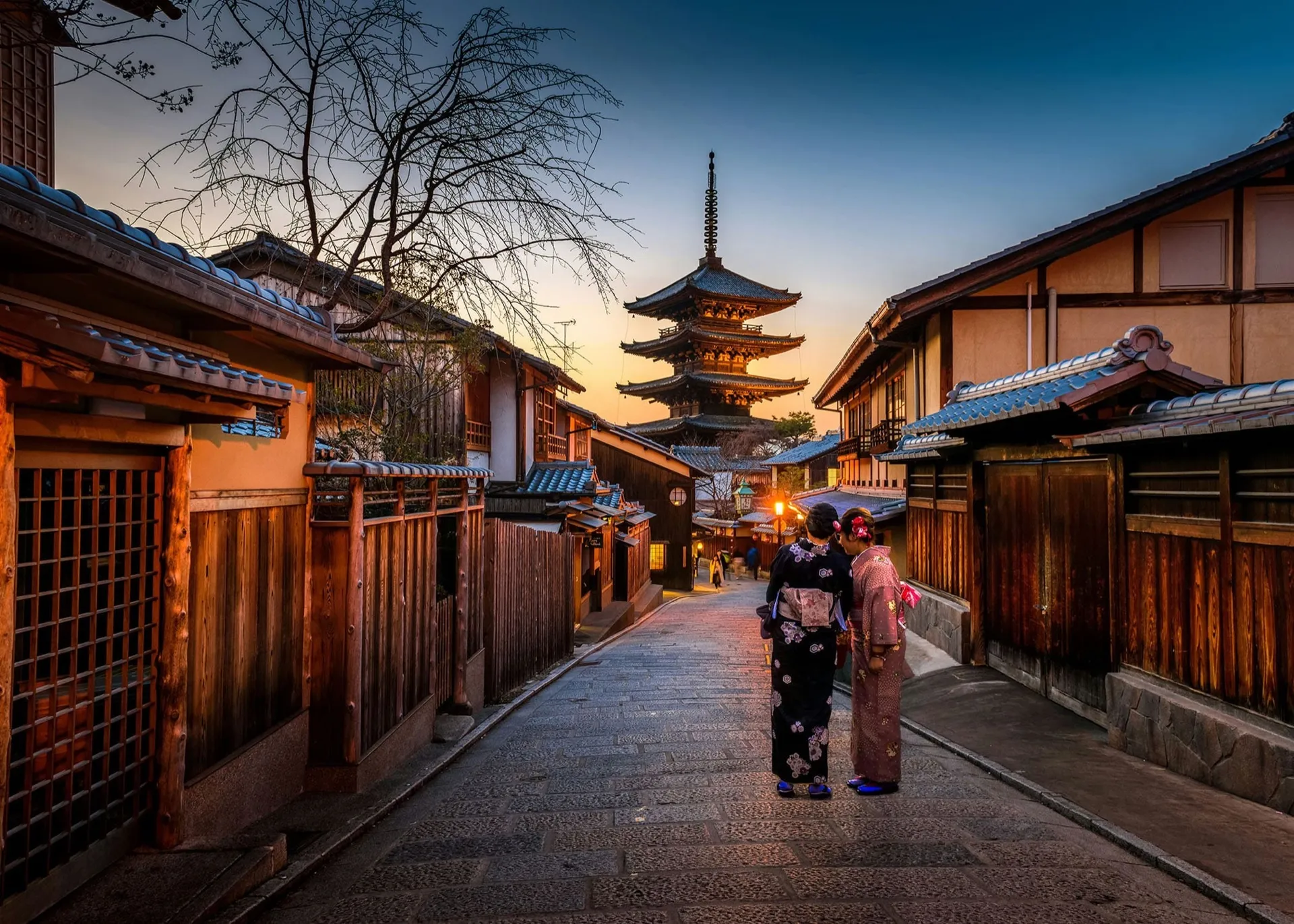 Japan · signature experience Kyoto
 Overview
Close to home and endlessly varied, North America ranges from desert canyons to alpine national parks, from world cities to quiet coastal towns: a continent that contains a dozen vacations within a single border.
View all North AmericaDestinations
Overview
A continent of extremes, from the high Andes and the vast Amazon to glacial Patagonia and the rhythm of its cities, South America rewards the adventurous traveler with some of the planet’s most dramatic scenery and deepest history.
View all South AmericaOverview
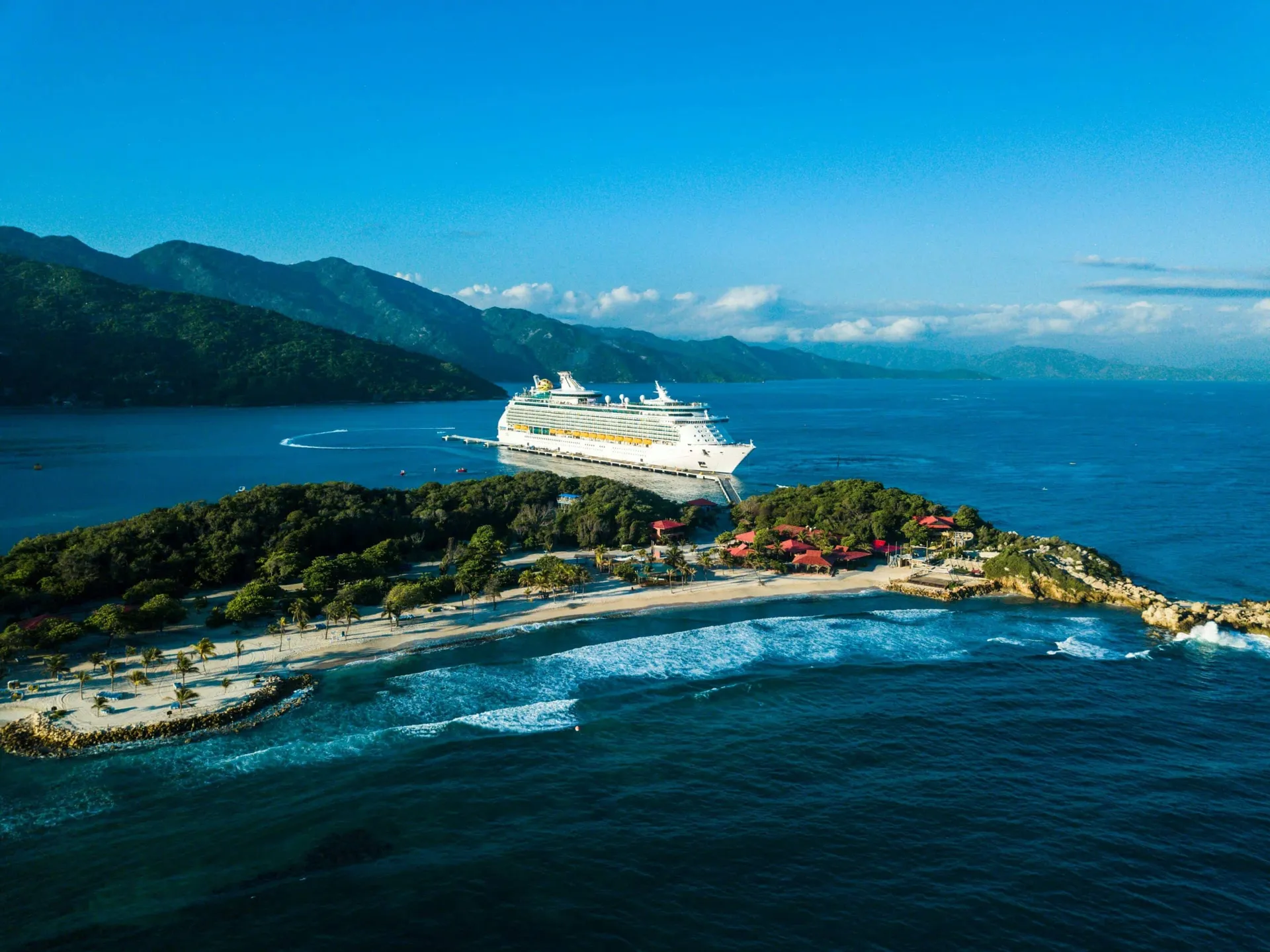
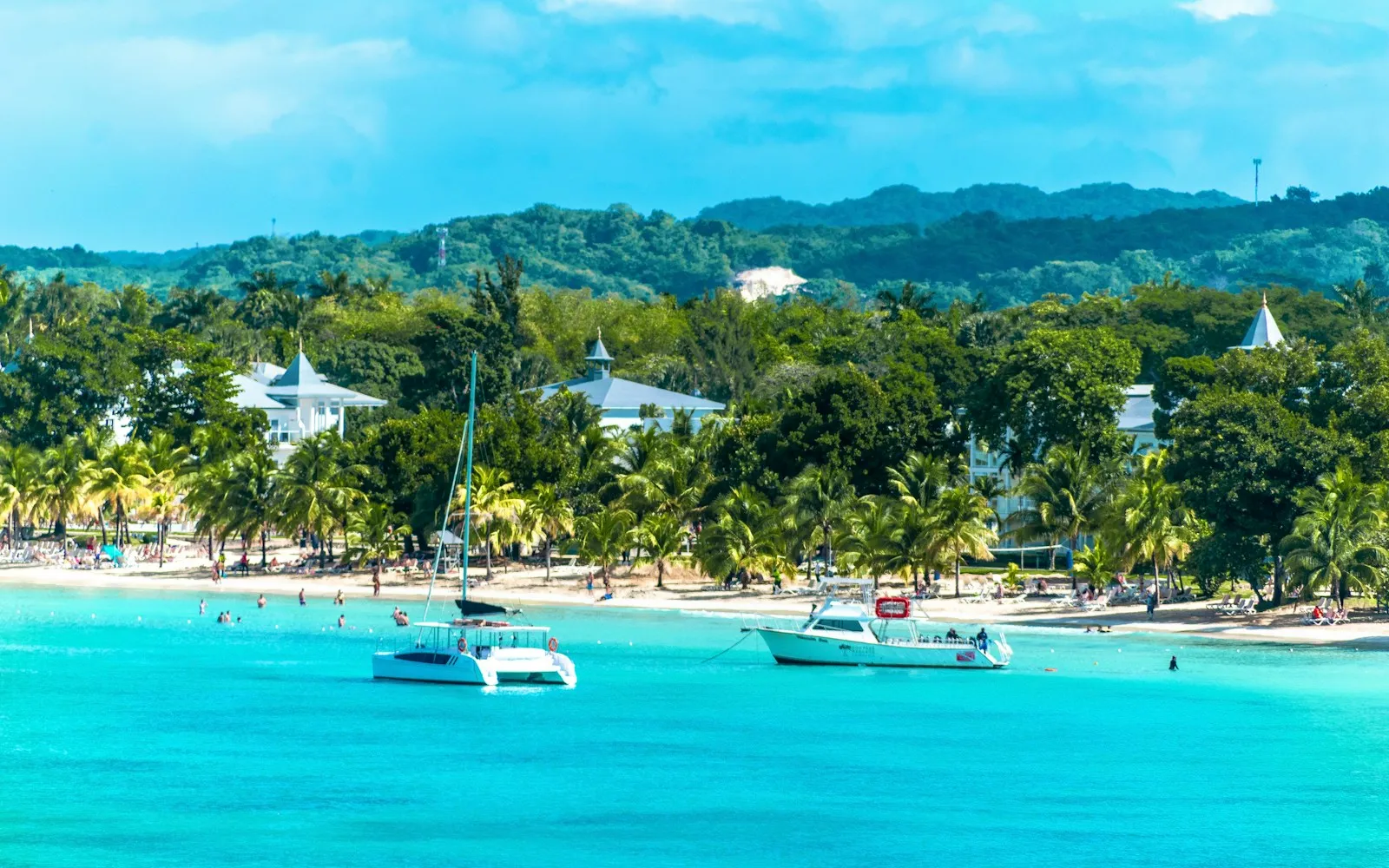
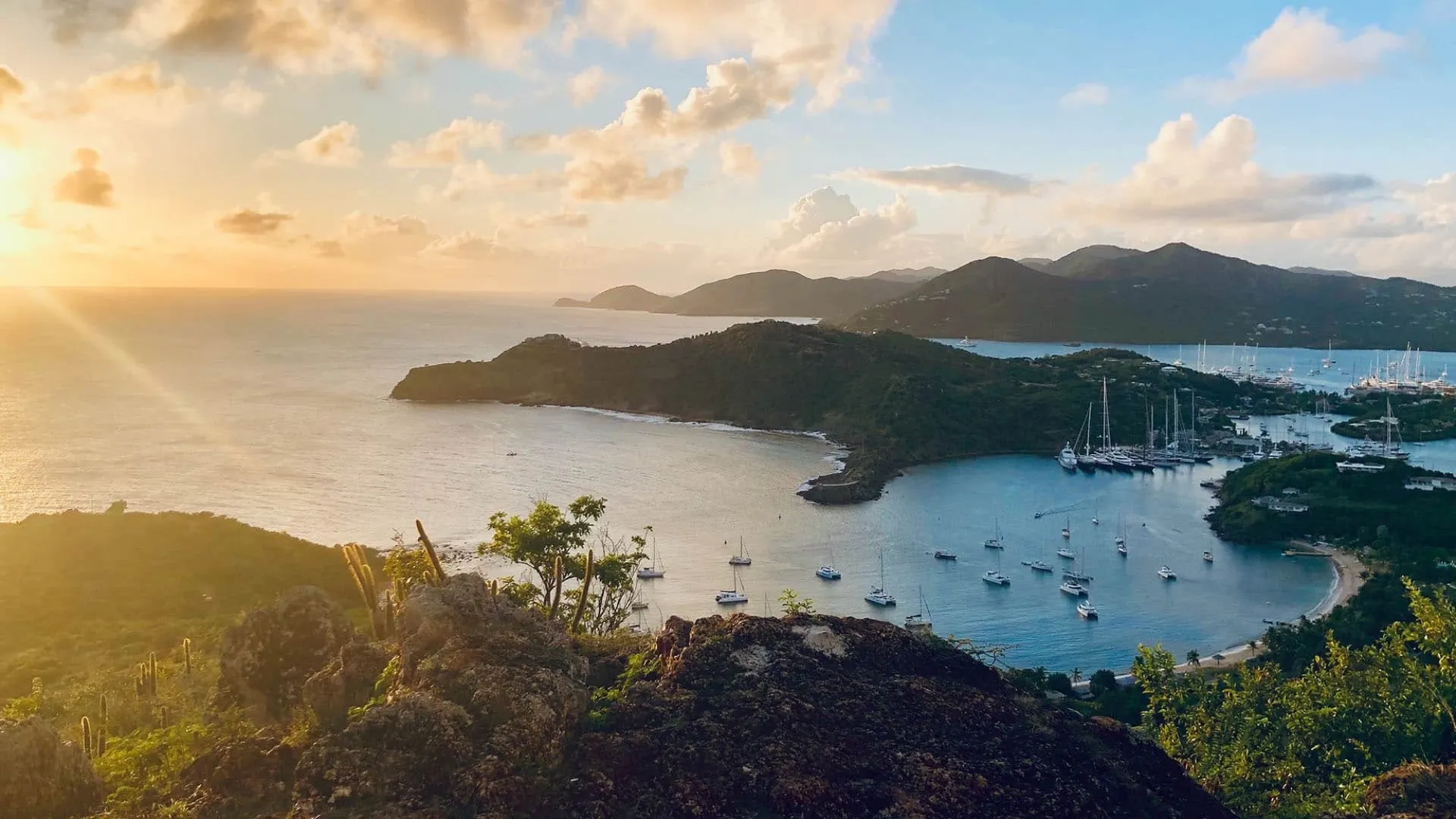
A scattering of islands across impossibly blue water, the Caribbean is the art of the easy day perfected: white sand, warm rhythm and hospitality that turns first-time visitors into lifelong returnees.
View all CaribbeanDestinations
Overview
From the Great Barrier Reef to the red heart of the outback, from the fjords of New Zealand to the scattered atolls of the South Pacific, Australia & Oceania offer some of the most remote and rewarding travel on earth.
View all Australia & OceaniaDestinations
Est. 1918 · four generations · 38 countries
How You Travel
River Cruises Ocean & Small-Ship Expedition Flights Tours & Escorted All-Inclusive All travel experiencesFeatured
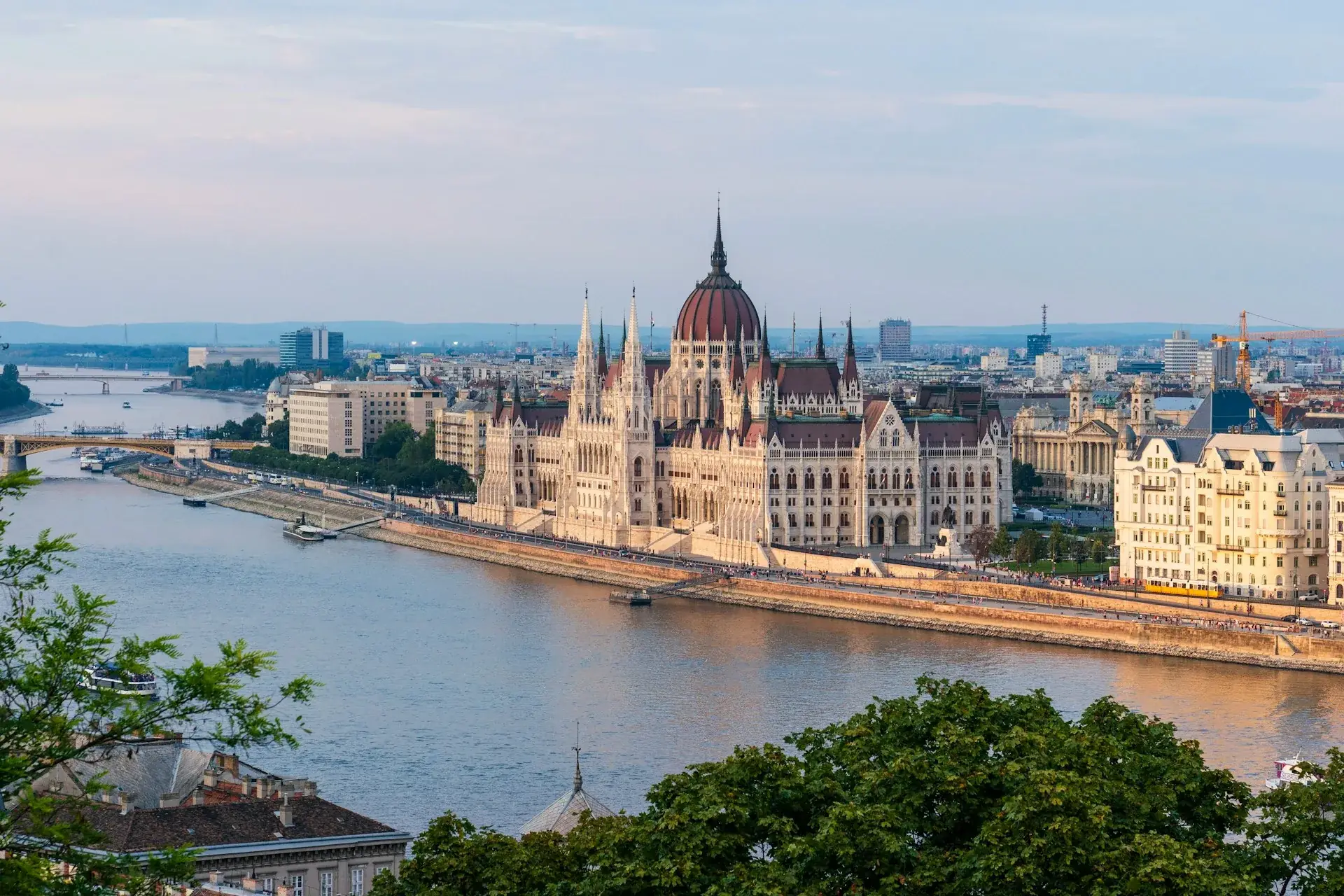 The Danube
 Featured
 The Caribbean
 Featured
 Antarctica
 Overview
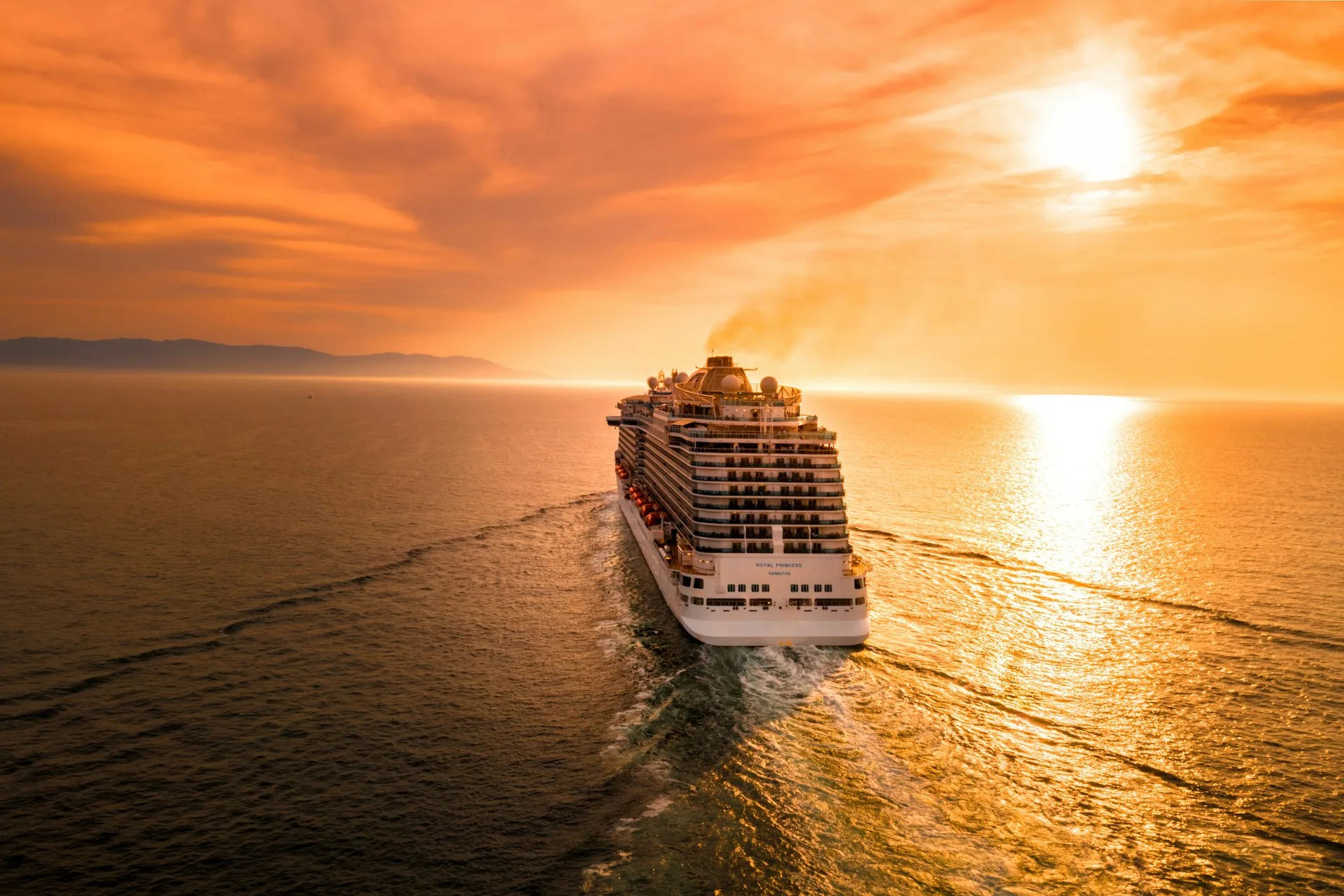
Premium-cabin fares, complex routings and around-the-world tickets, booked by people who fly for a living.
Explore flightsFeatured
 Flights
 Overview
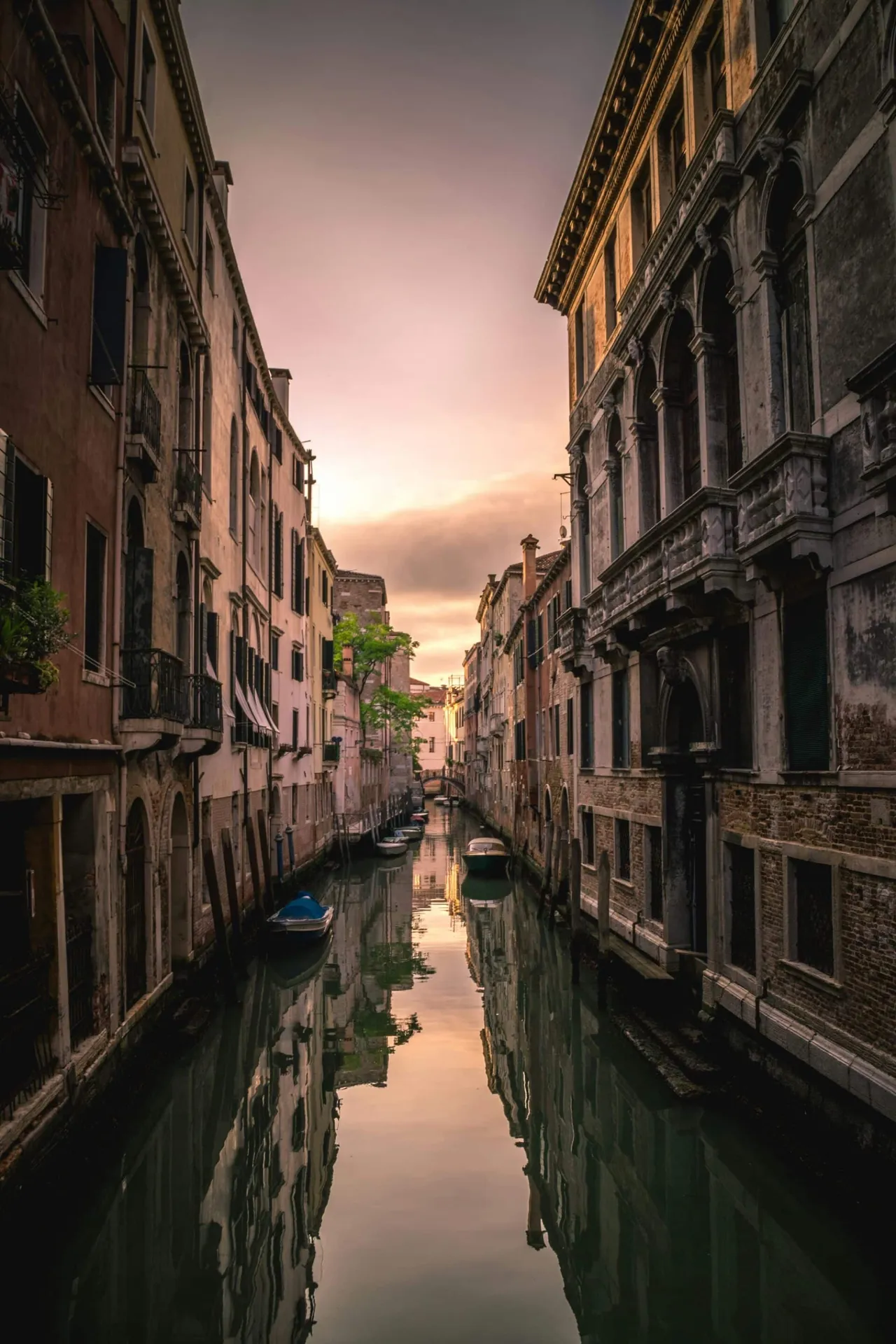
Expertly guided group departures and private escorted itineraries across the world's great regions.
Explore tours & escortedFeatured
 Tours & Escorted Journeys
 Overview
Beach and luxury all-inclusive escapes where flights, meals and more fold into a single, easy fare.
Explore all-inclusiveFeatured
 All-Inclusive Resorts
 River, ocean & expedition cruises · flights · tours · all-inclusive
Corporate travel
Destinations · Asia
Ancient Jerusalem, Mediterranean beaches & the Dead Sea.
The country
Few countries hold as much history in so small a space as Israel. In the course of a single week you can stand at the Western Wall in the heart of Jerusalem's Old City, float effortlessly on the mineral-blue surface of the Dead Sea, and dine at a sidewalk cafe in cosmopolitan Tel Aviv as the sun drops into the Mediterranean, with each stop only an hour or two from the last.
This is a land of layers, where three faiths and four thousand years of stories share the same hillsides. Mornings might begin in the lanes of a walled city that has been fought over and rebuilt for millennia; afternoons drift to a beachfront promenade or a quiet vineyard in the Galilee hills; and evenings turn to the long, generous tables of a country that takes its food and its hospitality seriously. The mood shifts from the sacred hush of Jerusalem to the easy energy of the coast, and moving between the two is part of the pleasure.
We design Israel itineraries that balance the headline sights with the quieter moments in between: a private dawn walk through the Old City before the gates fill, a cable car up to the desert fortress of Masada, a long lunch of mezze and fresh fish by the sea. However you want to travel it, we build the route so each stop has room to breathe.
When to go
Israel is a country of hot dry summers and mild green winters, and the two shoulder seasons either side are where it shines. This is how we'd sketch the year across the desk — the comfortable primes, the punishing midday heat to plan around, and the quiet winter that still keeps the Dead Sea warm.
Our favorite window: warm, comfortable days, wildflowers across the Galilee hills and the desert at its greenest, all before the fierce heat of high summer settles in.
Soft autumn light, still-warm Mediterranean water and pleasant days for both the cities and the desert. Ideal for pairing Jerusalem and Tel Aviv with the Dead Sea without summer's heat.
Peak summer: hot and dry, with the coast and beaches at their liveliest. Jerusalem stays bearable in the evenings, but the Dead Sea and the desert can be punishing at midday, so we plan early starts.
Mild, quiet and good value, with occasional rain and cool evenings in the hills. Jerusalem can be chilly, but the Dead Sea and Eilat stay warm, making winter a fine time for a sun-and-history trip.
Where to go
Israel packs a remarkable range of landscapes and ways of life into a country smaller than many travelers expect, from the sacred heart of Jerusalem to the surf of the Mediterranean and the silence of the desert. These are the regions we weave together most often, each with its own scenery, table and pace.
Region
The spiritual heart of three faiths: the walled Old City with the Western Wall, the Church of the Holy Sepulchre and the golden Dome of the Rock, ringed by ancient gates, bustling souks and the olive groves of the Mount of Olives.
Region
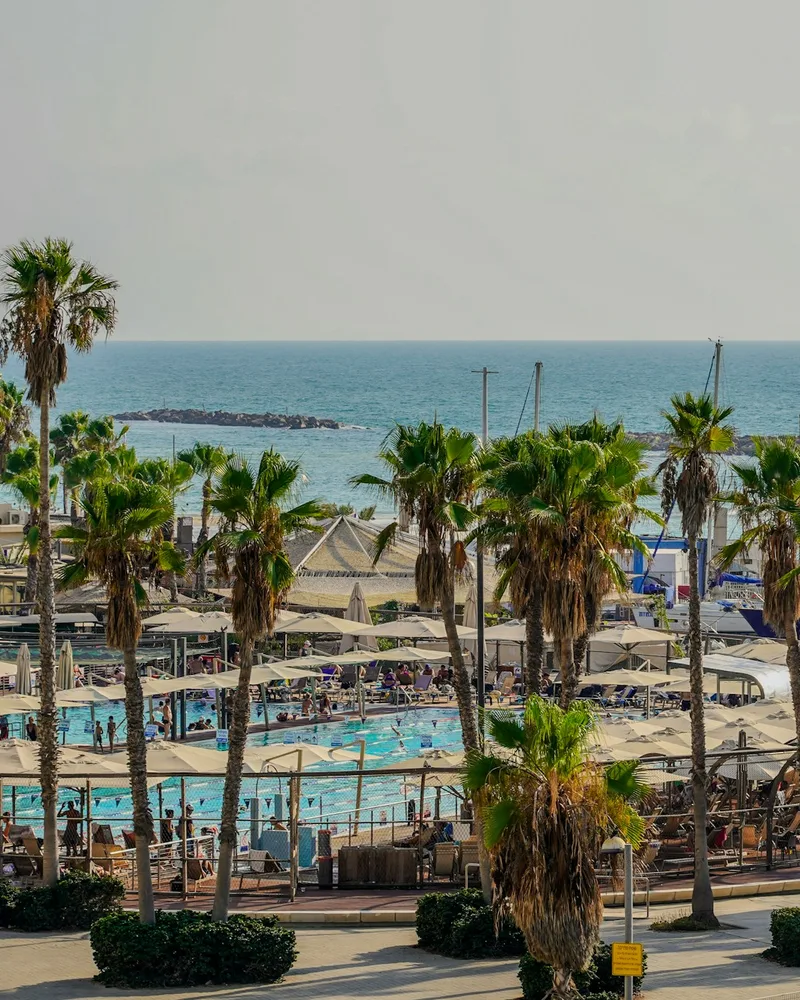
The country's modern, sun-loving counterpoint: long sandy beaches and a buzzing seafront, Bauhaus boulevards and a famous food and nightlife scene, with the ancient port of Jaffa at its southern edge.
Region
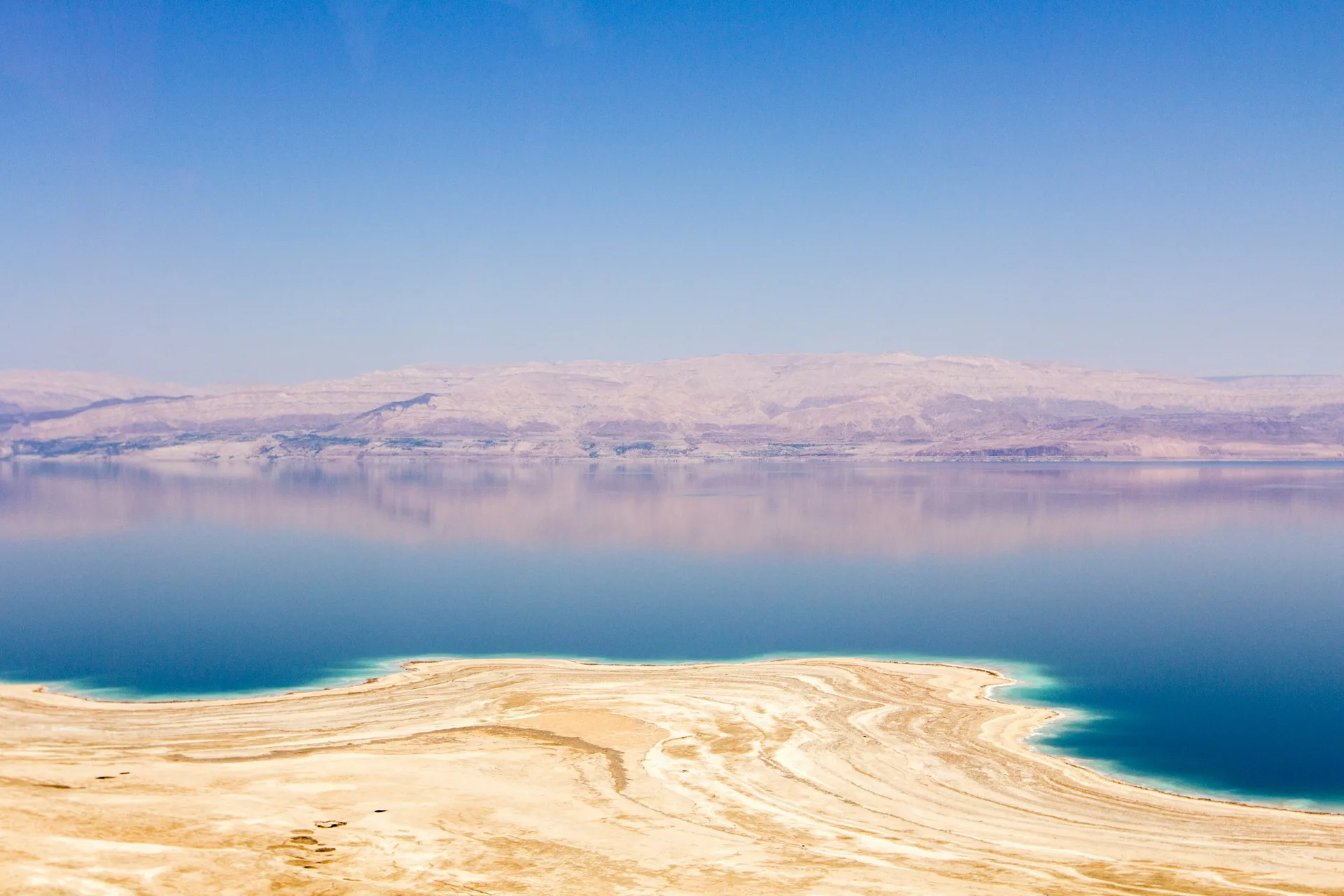
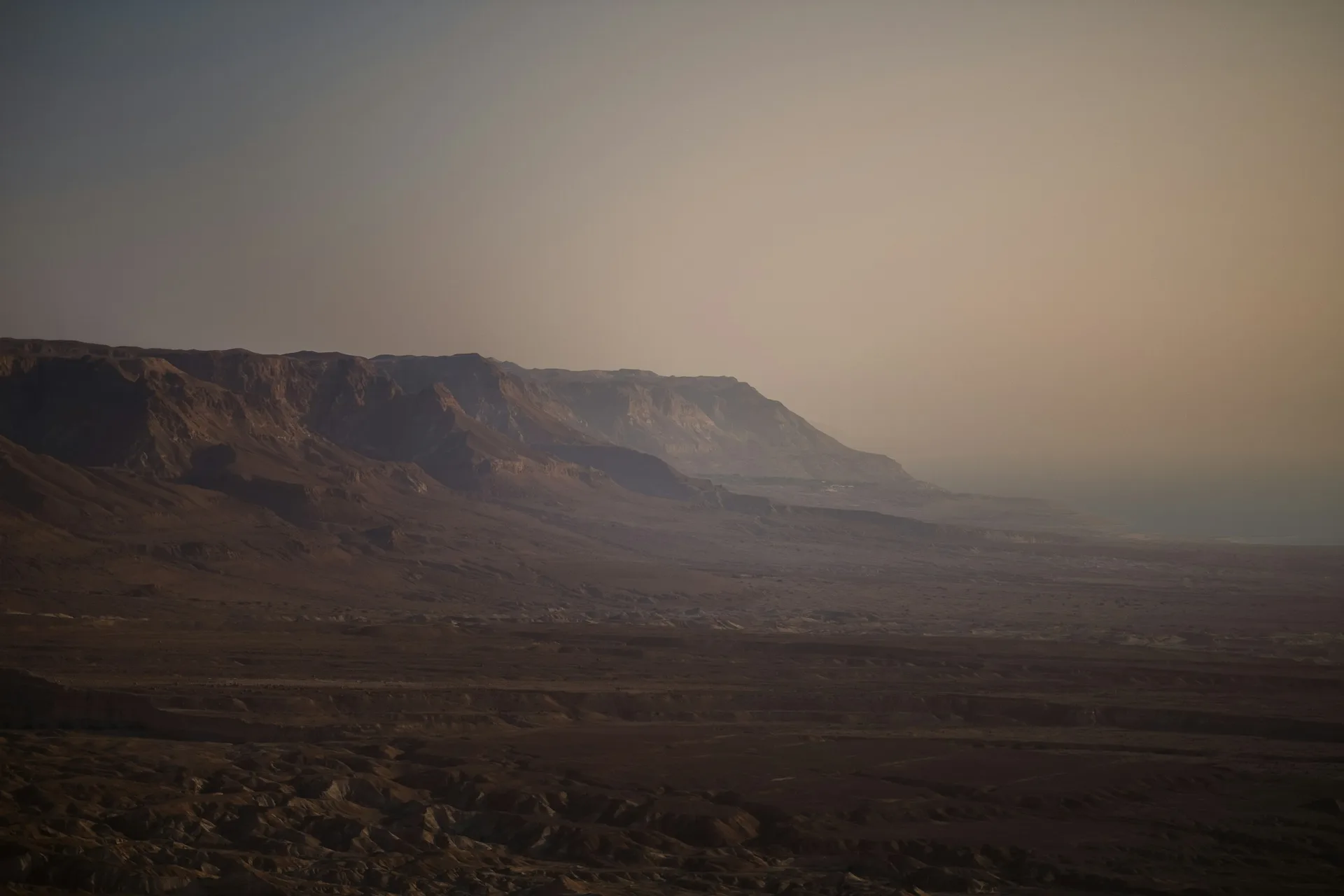
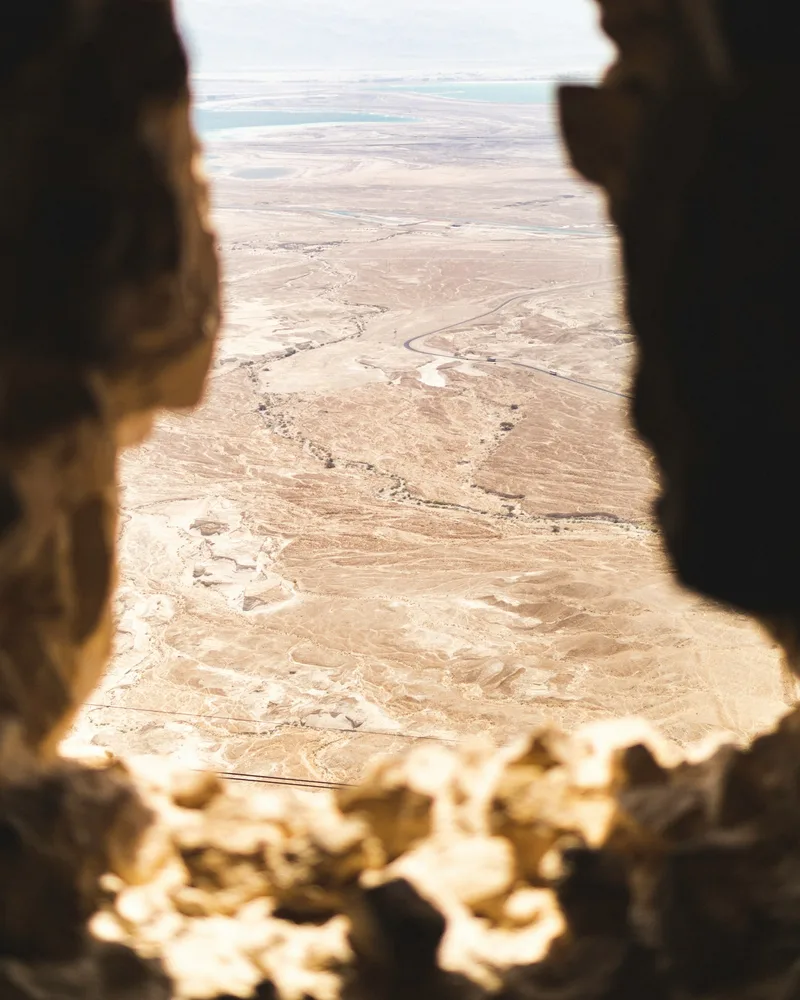
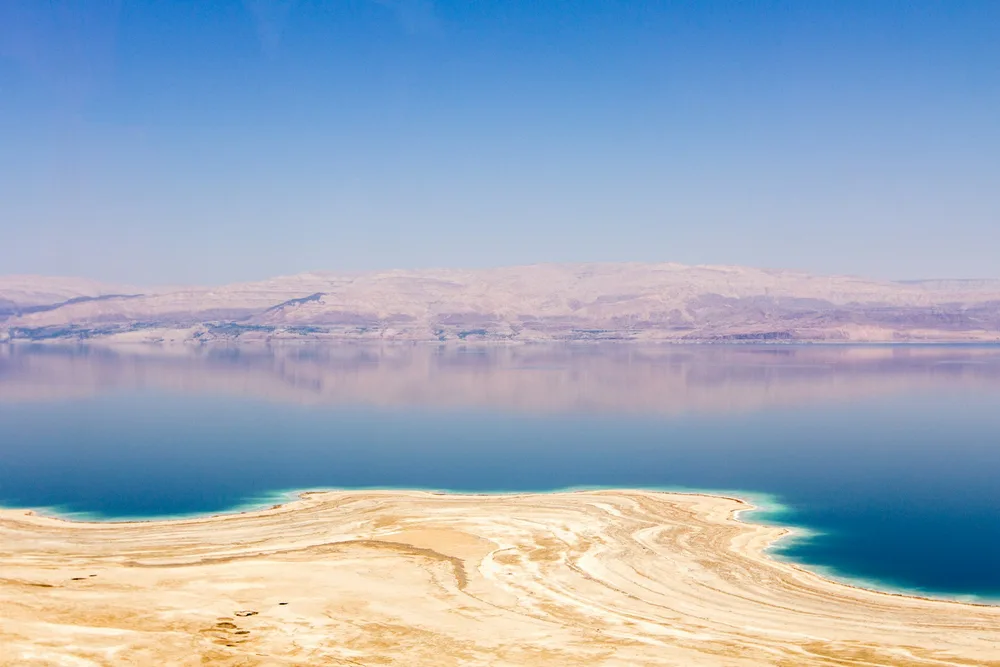
The lowest place on earth: a mineral-rich, impossibly buoyant sea hemmed by desert cliffs, the cliff-top fortress of Masada above it and the spa resorts and oasis of Ein Gedi along its shore.
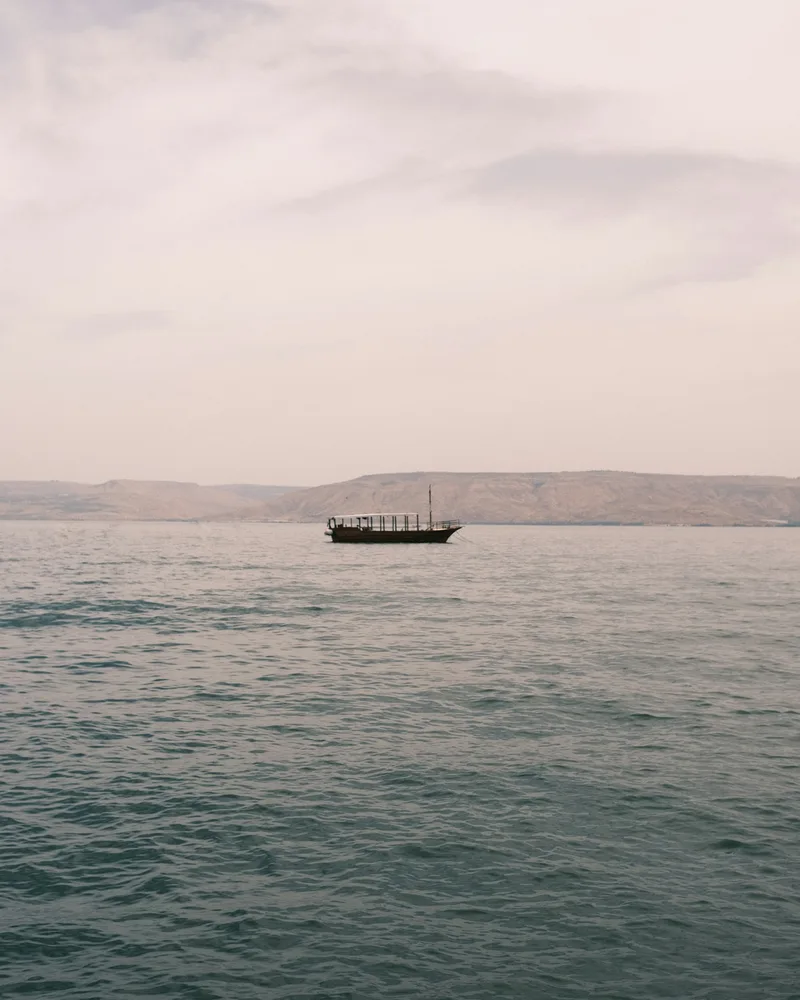
Region
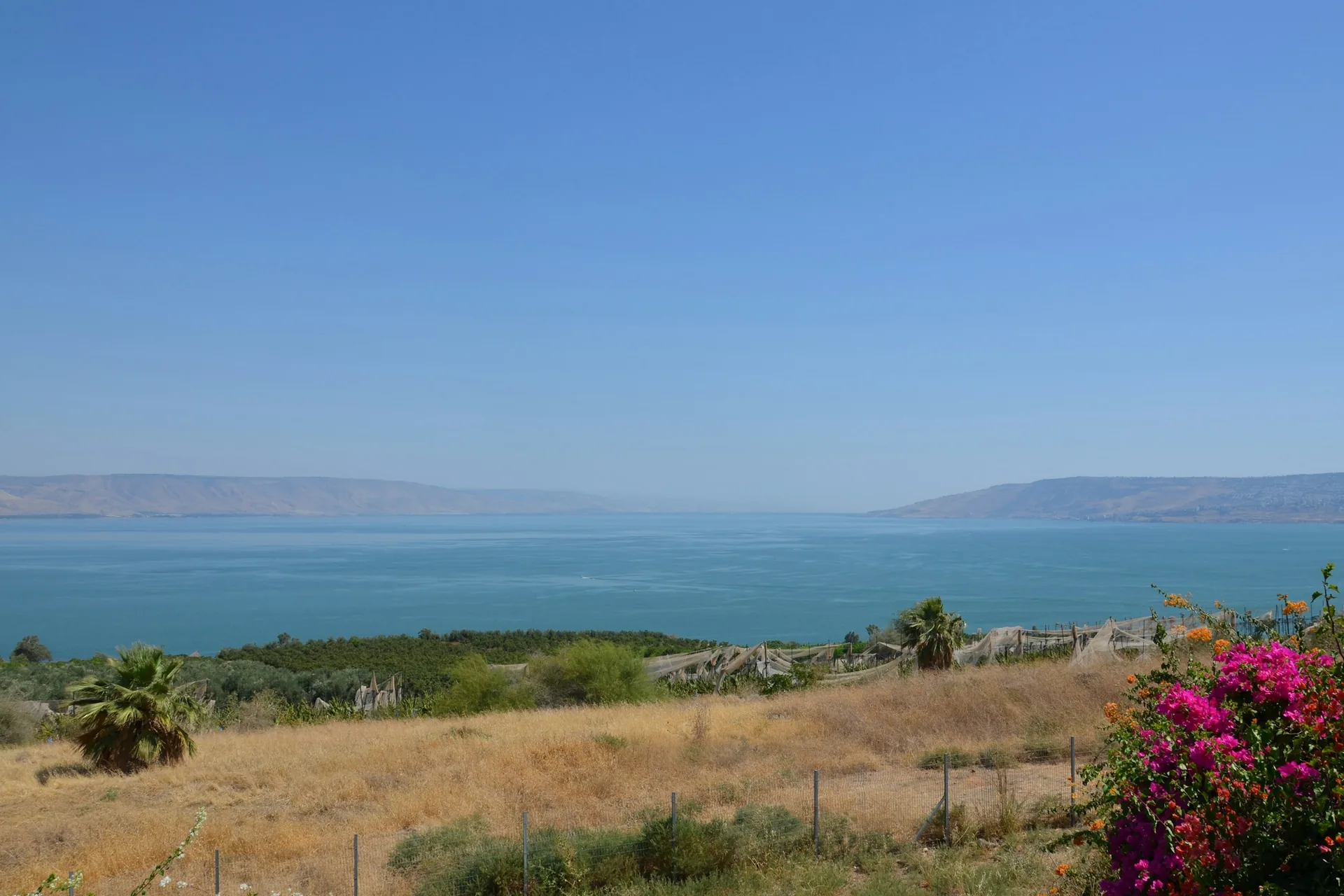
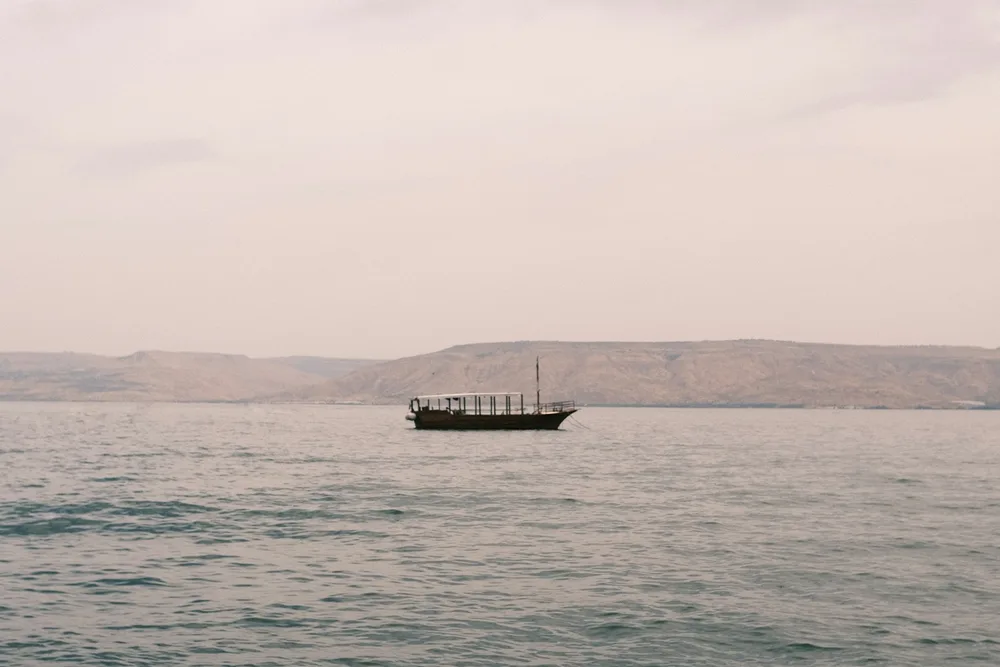
Green, rolling and steeped in stories: the Sea of Galilee and its lakeside villages, the hill town of Nazareth, the holy city of Safed and the vineyards and waterfalls of the Golan Heights beyond.
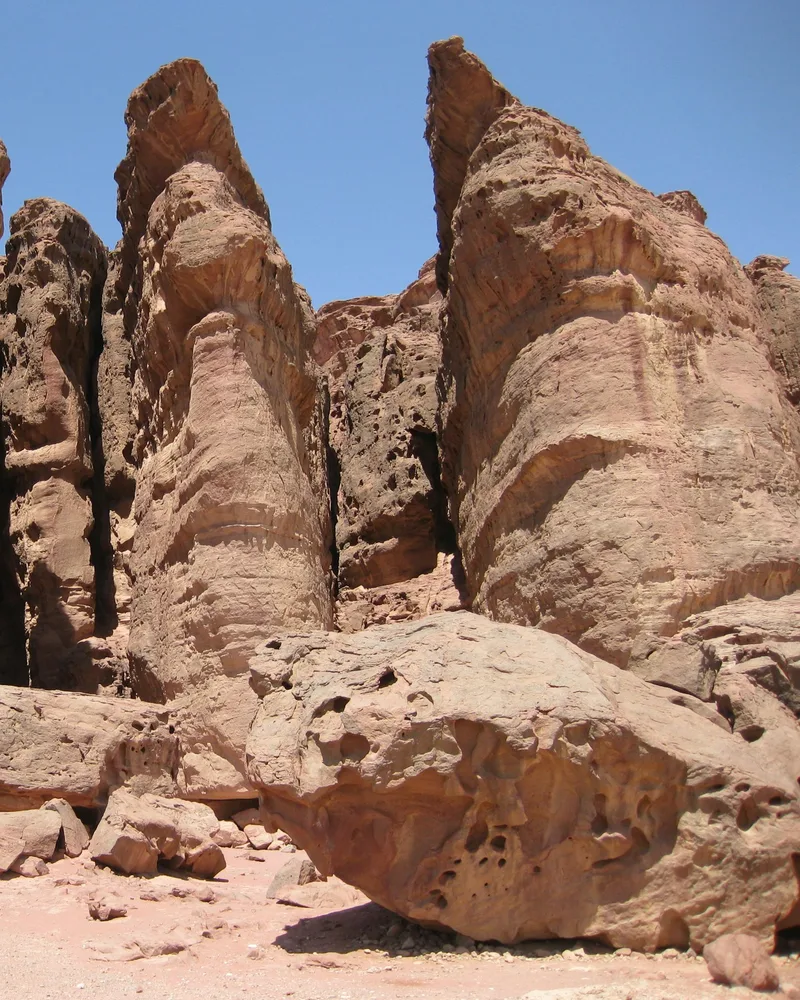
Region
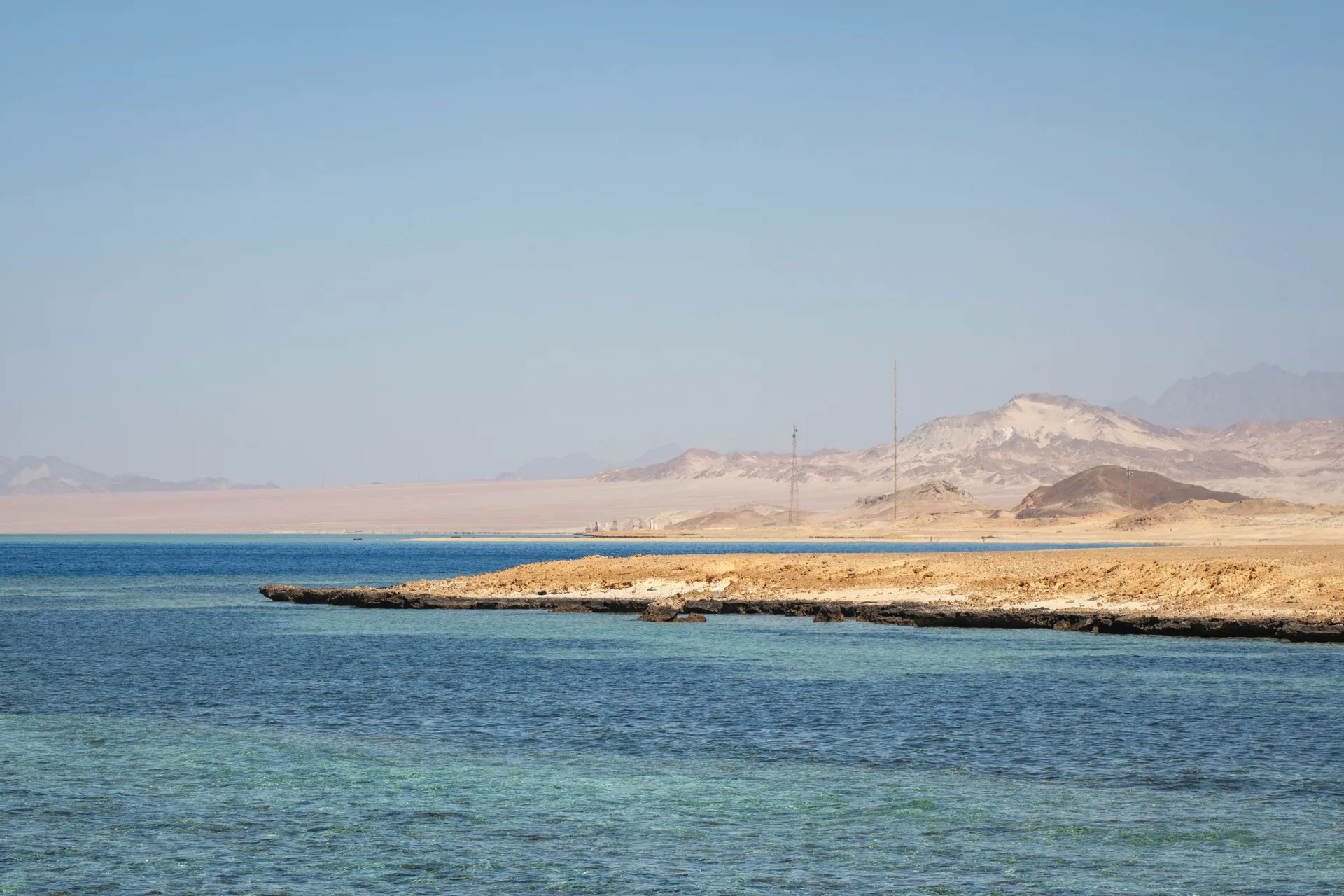
The wild, empty south: the vast Ramon Crater, red-rock canyons and Nabataean ruins, trailing down to the Red Sea resort of Eilat with its coral reefs and year-round sunshine.
A sample journey
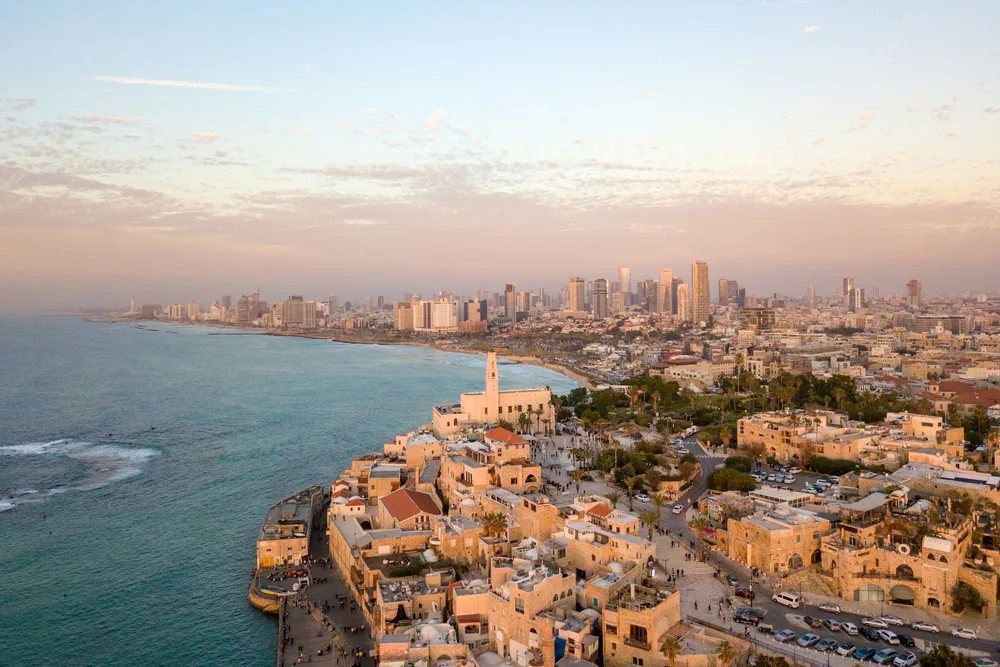 1
1 Begin on the coast: the beaches and Bauhaus boulevards of Tel Aviv, the markets and design studios of the city center, and the ancient stone lanes and harbor of Jaffa as the sun sets over the Mediterranean.
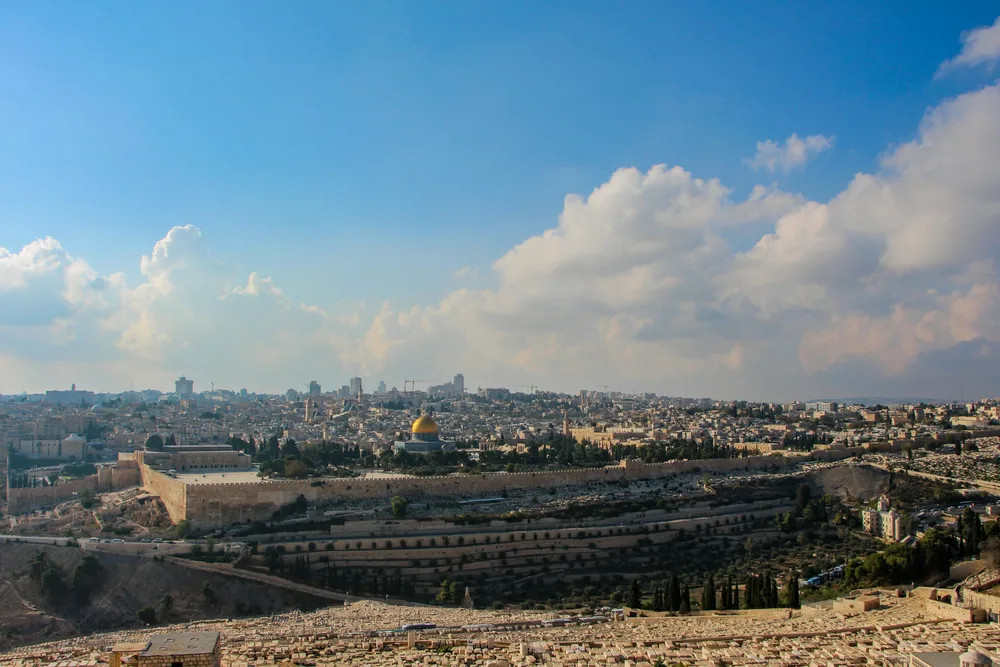 2
2 Up into the hills to Jerusalem: a private walk through the Old City to the Western Wall, the Church of the Holy Sepulchre and the Dome of the Rock, then the markets, museums and viewpoints of the Mount of Olives.
 3
3 Down to the lowest point on earth: a cable car to the cliff-top fortress of Masada at dawn, the oasis waterfalls of Ein Gedi, and an afternoon floating on the mineral-blue Dead Sea with the desert cliffs all around.
 4
4 Finish in the green north: the Sea of Galilee and its lakeside churches, the hill town of Nazareth, the artists' quarter of Safed and the vineyards and waterfalls of the Golan Heights beyond.
Every itinerary we build is bespoke: this is a starting point, not a package.
Getting around
Where to stay
Car hire, driver-guides, rail tickets and any domestic flights are all arranged as part of every itinerary — the logistics are handled before you arrive.
Good to know
Seven to ten nights is the sweet spot. A week comfortably covers Jerusalem, Tel Aviv and the Dead Sea, since the distances are short and the highlights are close together. Closer to two weeks lets you add the Galilee and the north, the Negev Desert or a few days of diving in Eilat on the Red Sea at an unhurried pace.
Spring (March–May) and autumn (September–November) are ideal: warm, comfortable days, green hills and the desert at its best, without the fierce heat of high summer. Summers are hot and dry, especially at the Dead Sea and in the Negev, while winters are mild and good value, with some rain and cool evenings in the Jerusalem hills.
Yes, and that is one of its joys. Israel is a compact country, so Jerusalem, Tel Aviv and the Dead Sea are each only an hour or two apart. A hire car or private driver-guide gives the most freedom for the Galilee and the desert, a fast train links Tel Aviv and Jerusalem, and short flights reach Eilat in the far south. We arrange it all as part of the itinerary.
You really can. The Dead Sea is so saturated with salt and minerals that you bob on the surface effortlessly, and it is one of the most memorable experiences of any Israel trip. The mineral-rich mud is famous for its skin benefits, and the spa resorts along the shore are built around floating, treatments and desert sunsets. We build in a relaxed day or two there.
Absolutely; Masada is one of the great set pieces of the country, a desert fortress on a high plateau above the Dead Sea with a dramatic history and sweeping views. A cable car carries you to the top in minutes, or the fit and early-rising can climb the Snake Path for sunrise. We arrange tickets, a guide and the timing so you see it at the cooler, quieter end of the day.
Ways to Explore
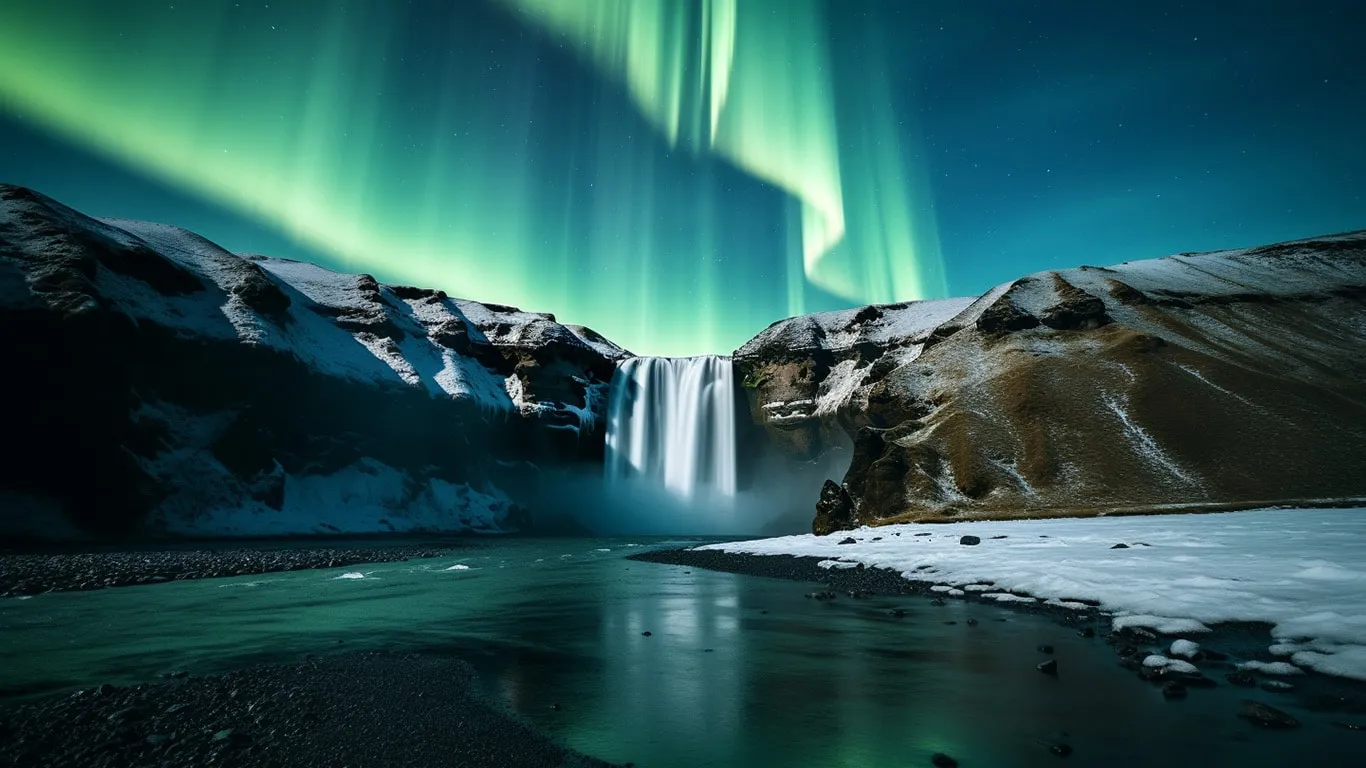
A private journey designed entirely around you, your pace, and your people.
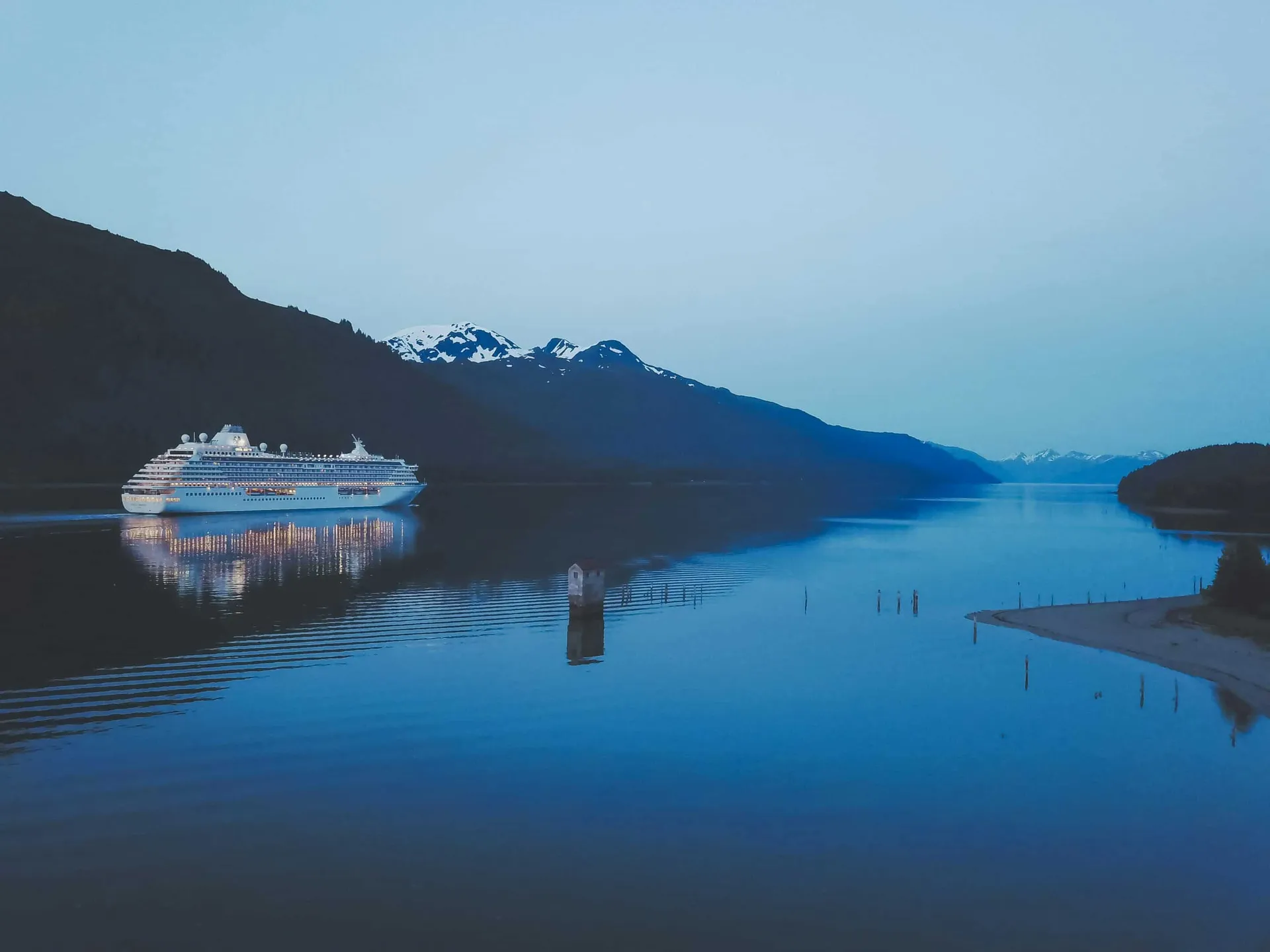
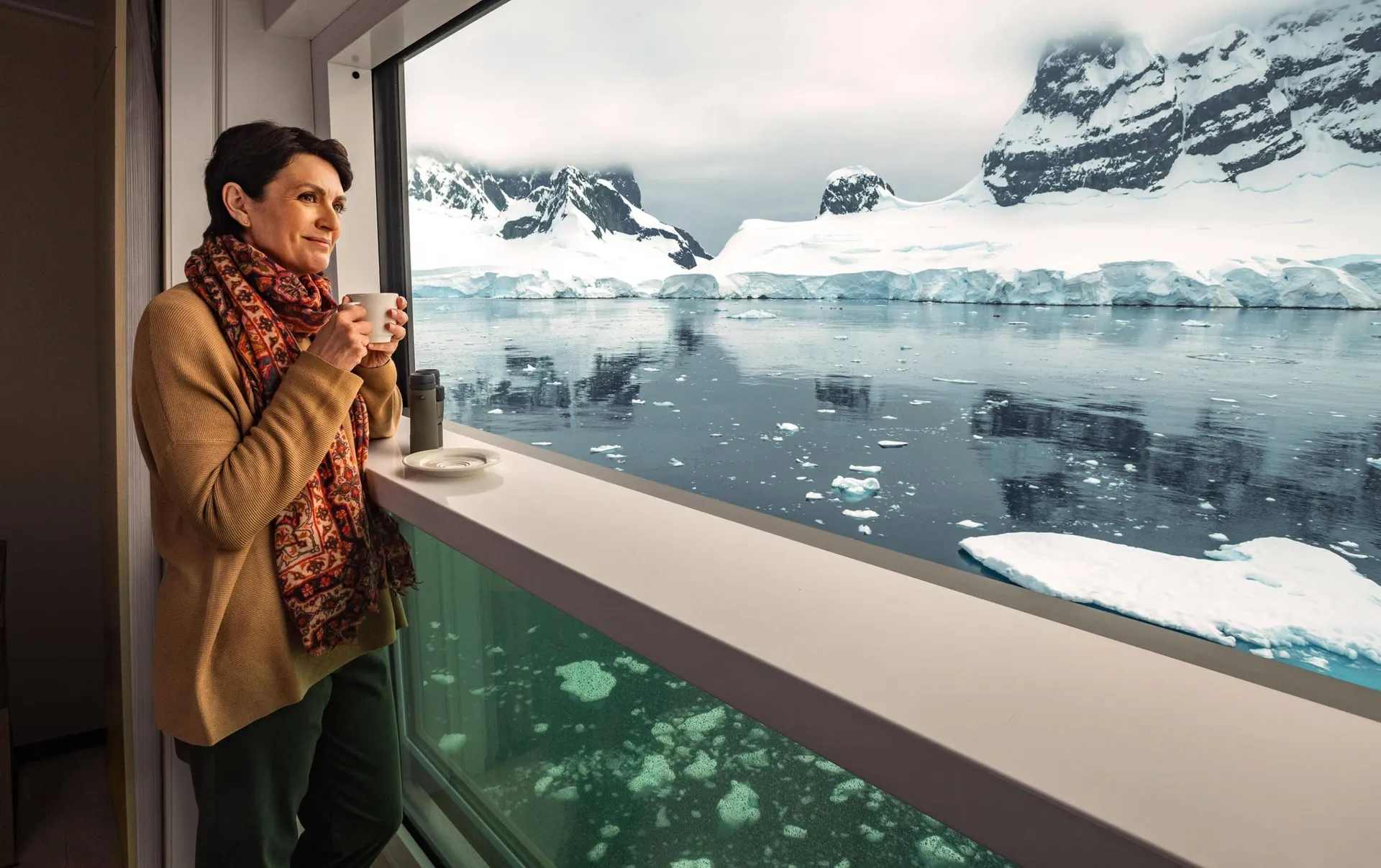
River, ocean and expedition voyages, from the Danube to Antarctica.

Expertly guided, end to end, with the world's finest local operators.
Effortless resort escapes; we cut through the haze to the right one.
Let's begin
Tell us your travel dates and what you love, and we'll handle every detail.
Plan Your TripSearch Chima Travel