



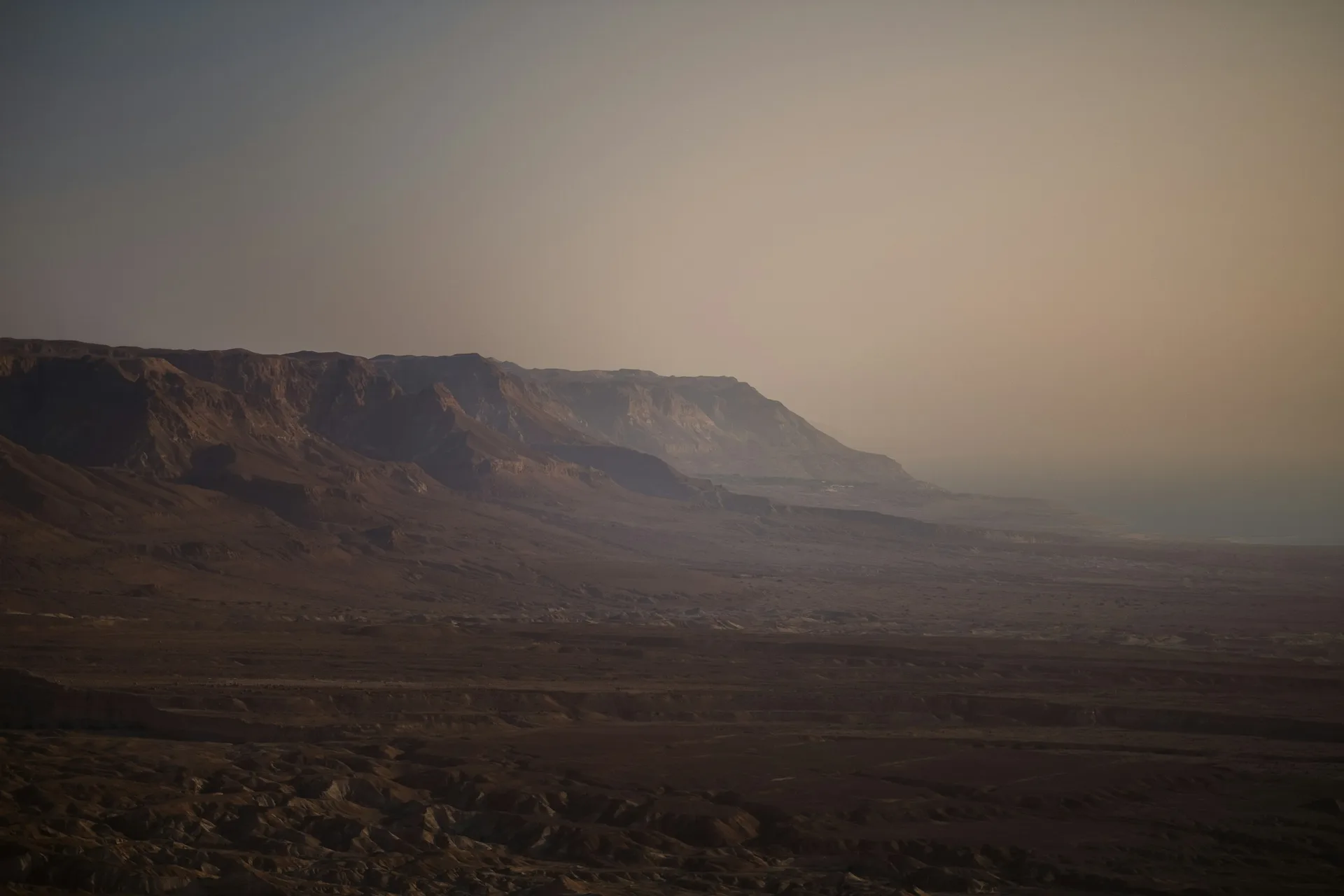
The Judaean Desert / Dead Sea
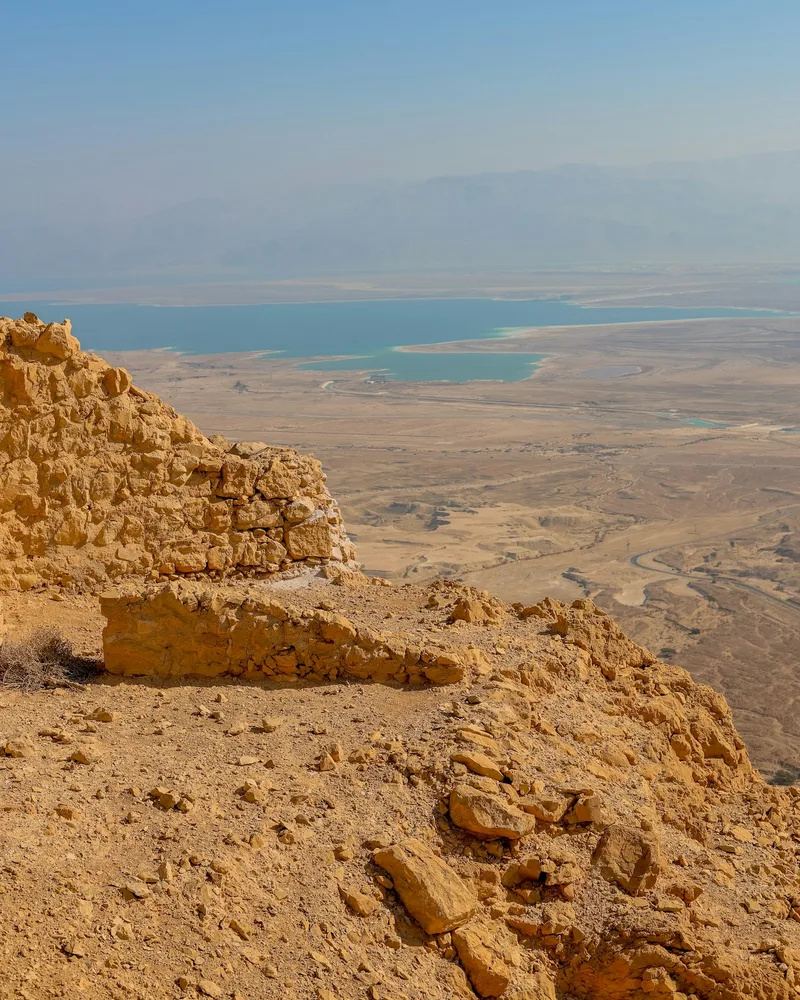
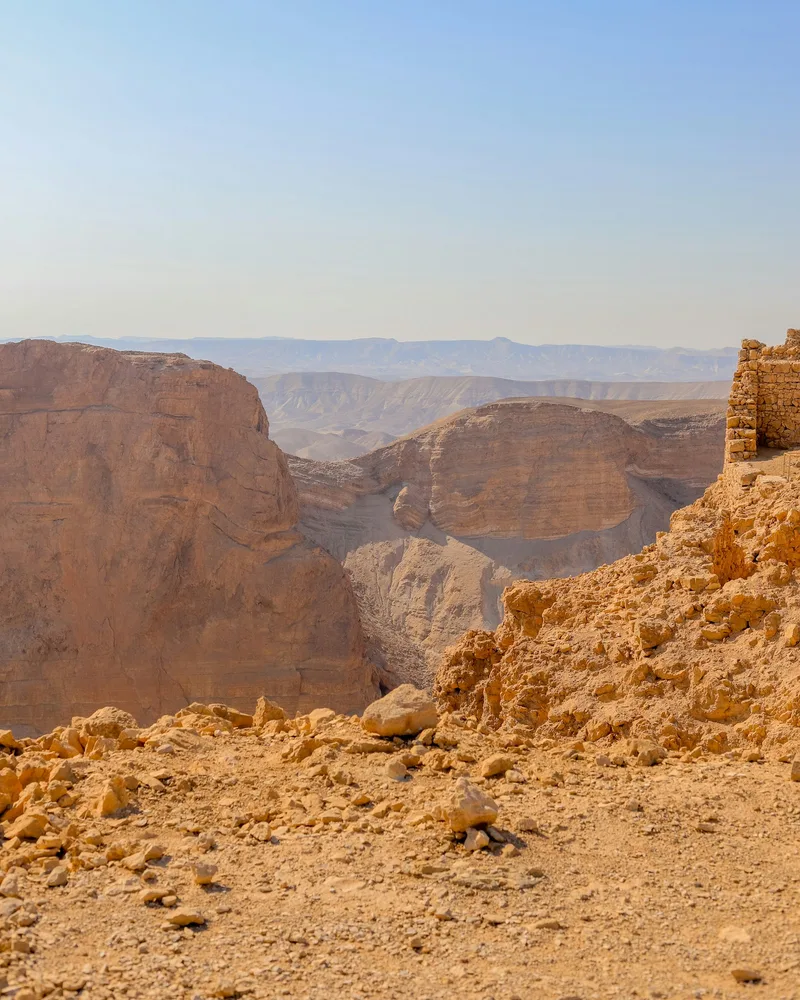
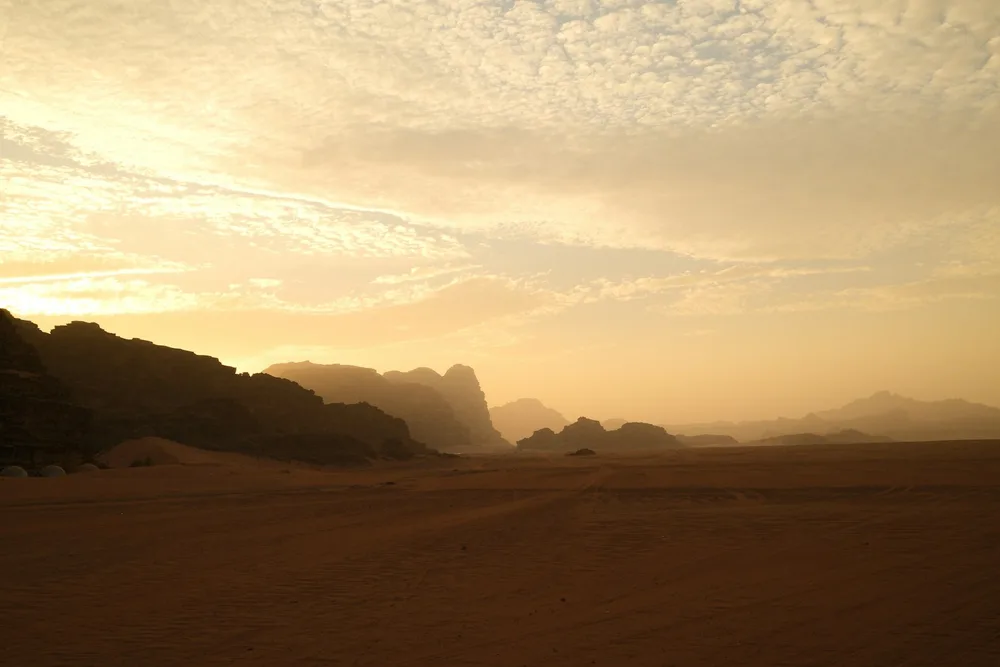
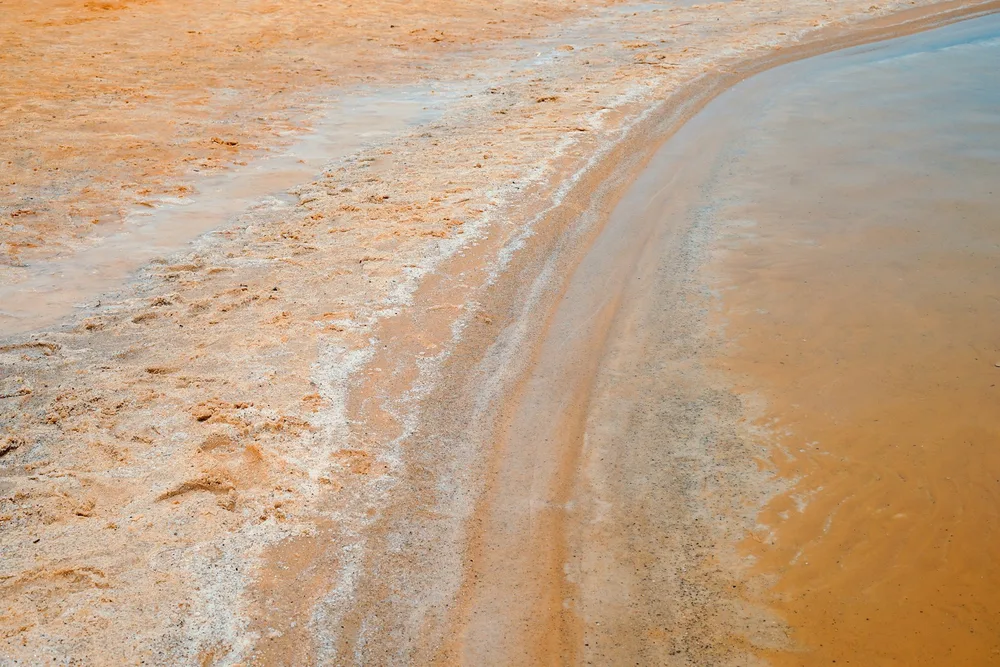
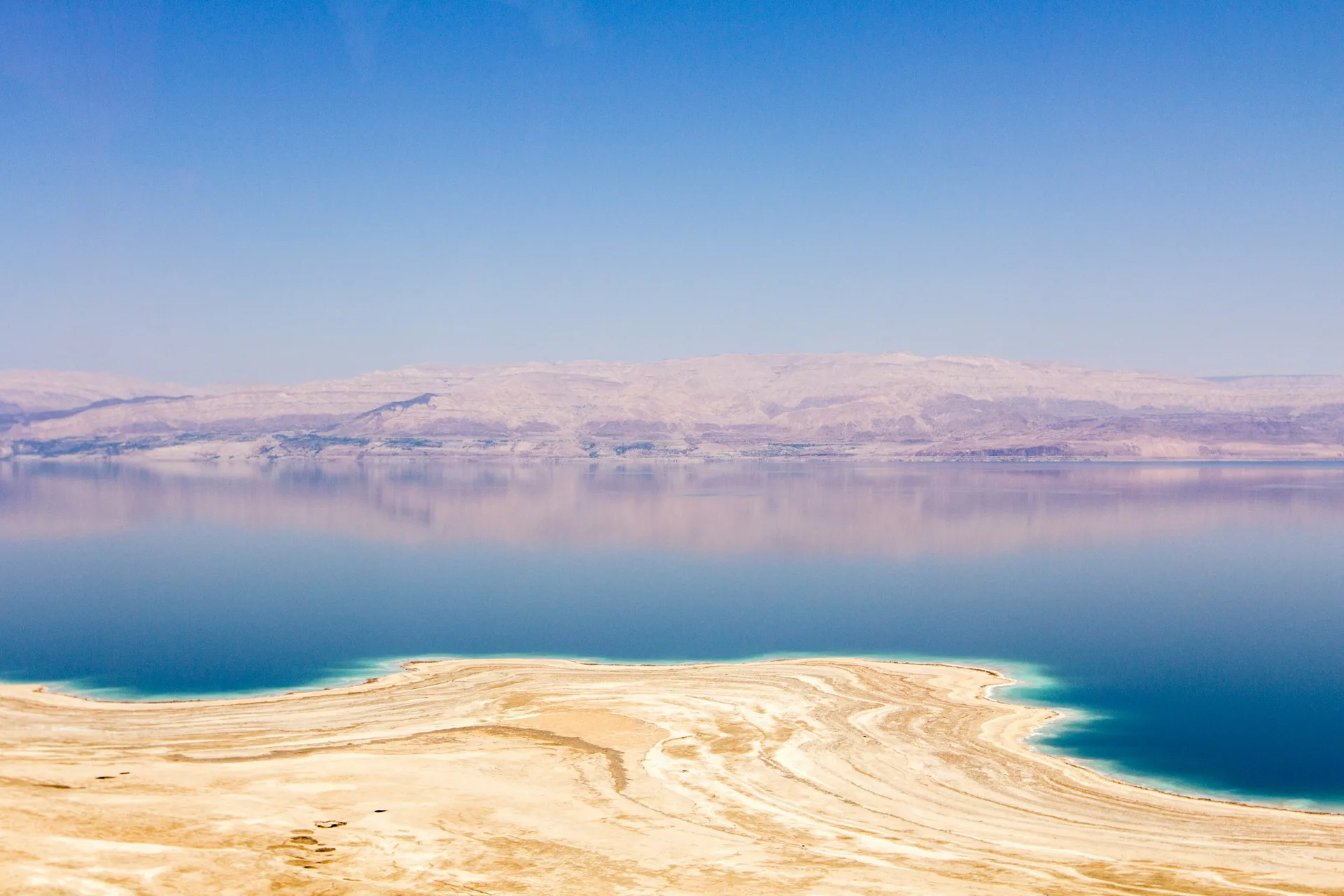
Masada rises straight out of the Judaean desert, a great flat-topped plateau standing alone above the western shore of the Dead Sea. Sheer cliffs fall away on every side to the salt-pale water and the bare ochre hills, and from the desert floor the fortress looks all but unreachable, a natural stronghold lifted high into the dry, clear air. It is one of the most dramatic settings in the whole country, and the climb to the summit is a journey back across two thousand years of history.
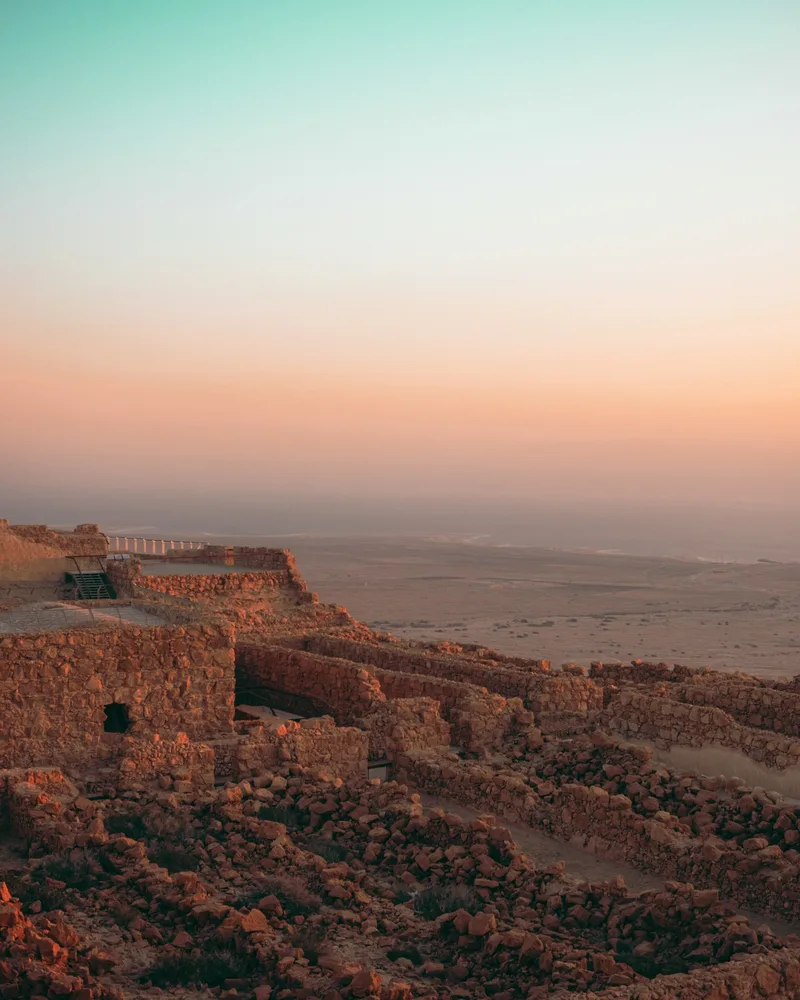
On the summit lie the ruins of a fortress and palace complex built by Herod the Great, the master builder who raised so much of ancient Judaea. You can still trace the lines of his northern palace, clinging to the cliff edge in three tiers, along with storehouses, bathhouses and the great cisterns that let the rock hold out against the desert. Masada is best remembered, though, for what happened here at the end of the Jewish revolt against Rome, when a band of rebels made their last stand on the plateau as the Roman legions built a vast siege ramp up the western flank. It is a story of defiance and tragedy that has made the name resonate ever since.
The reason to come is the dawn. Travelers set out in the dark and climb the winding Snake Path up the eastern face, reaching the top just as the first light breaks over the mountains of Jordan and floods the Dead Sea and the desert with gold. Watching the sun rise from the ramparts, with the silent plateau around you and the great salt sea shining far below, is one of the most moving moments any journey through Israel can offer, and a cool, beautiful way to beat the desert heat.