
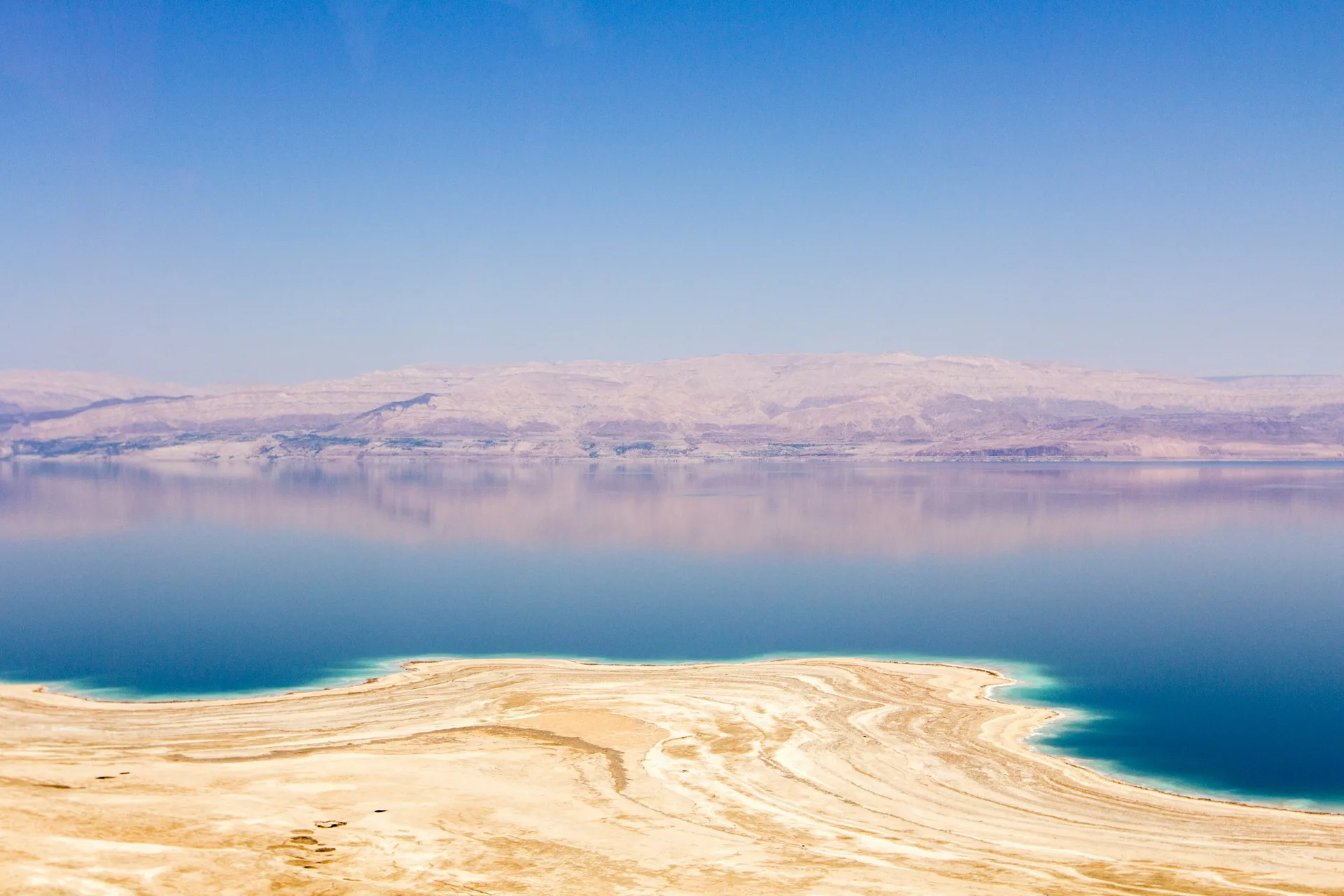
The Dead Sea
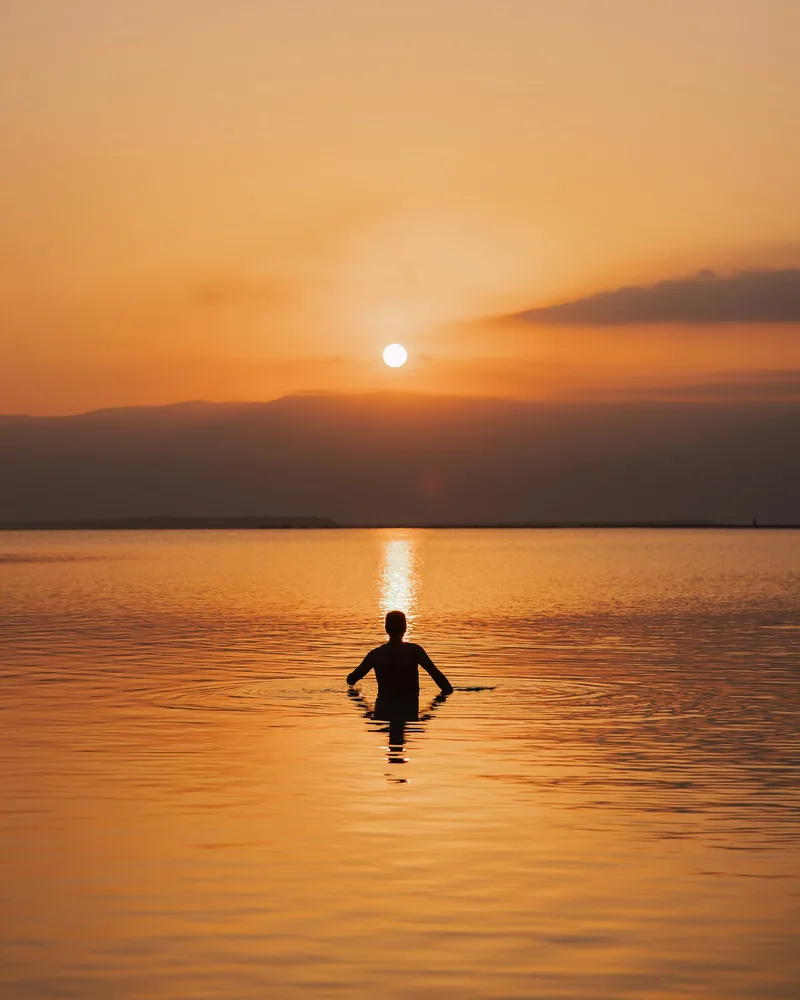
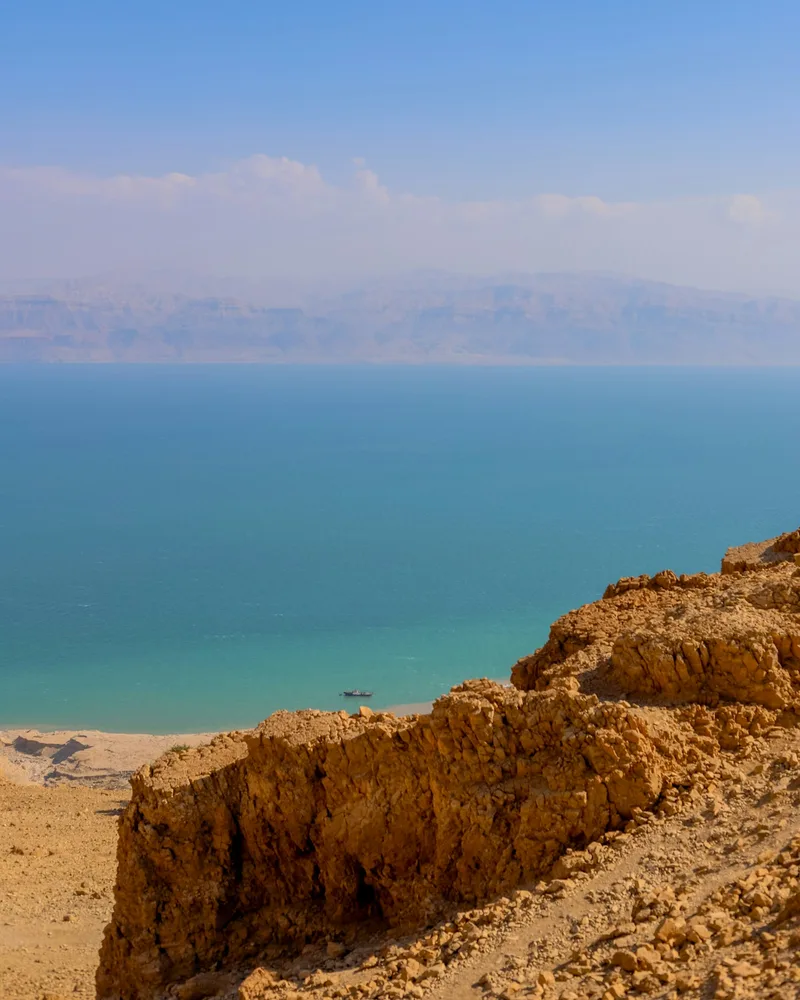
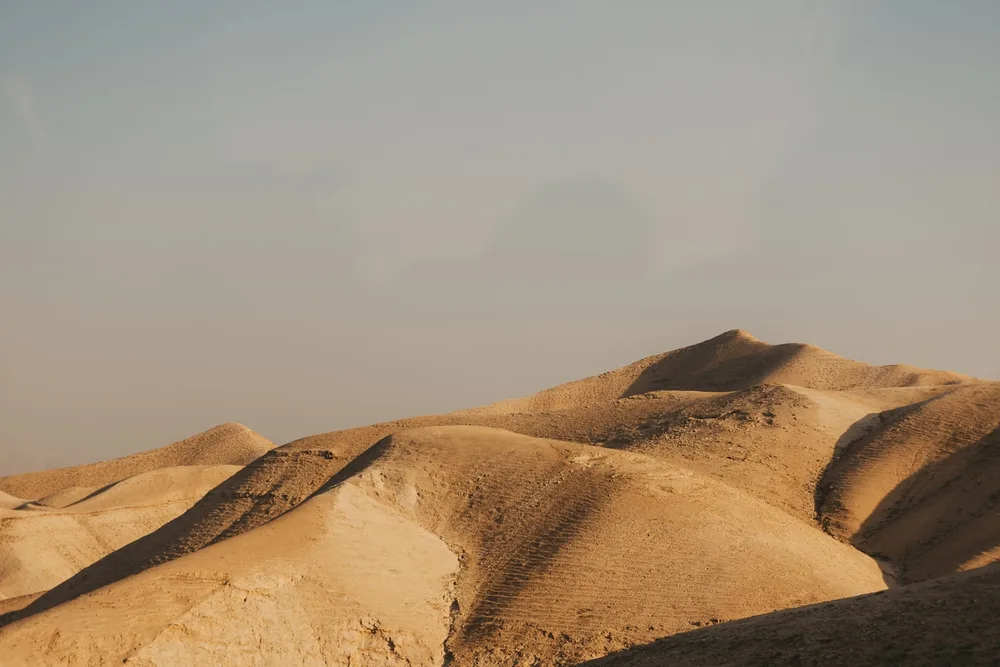
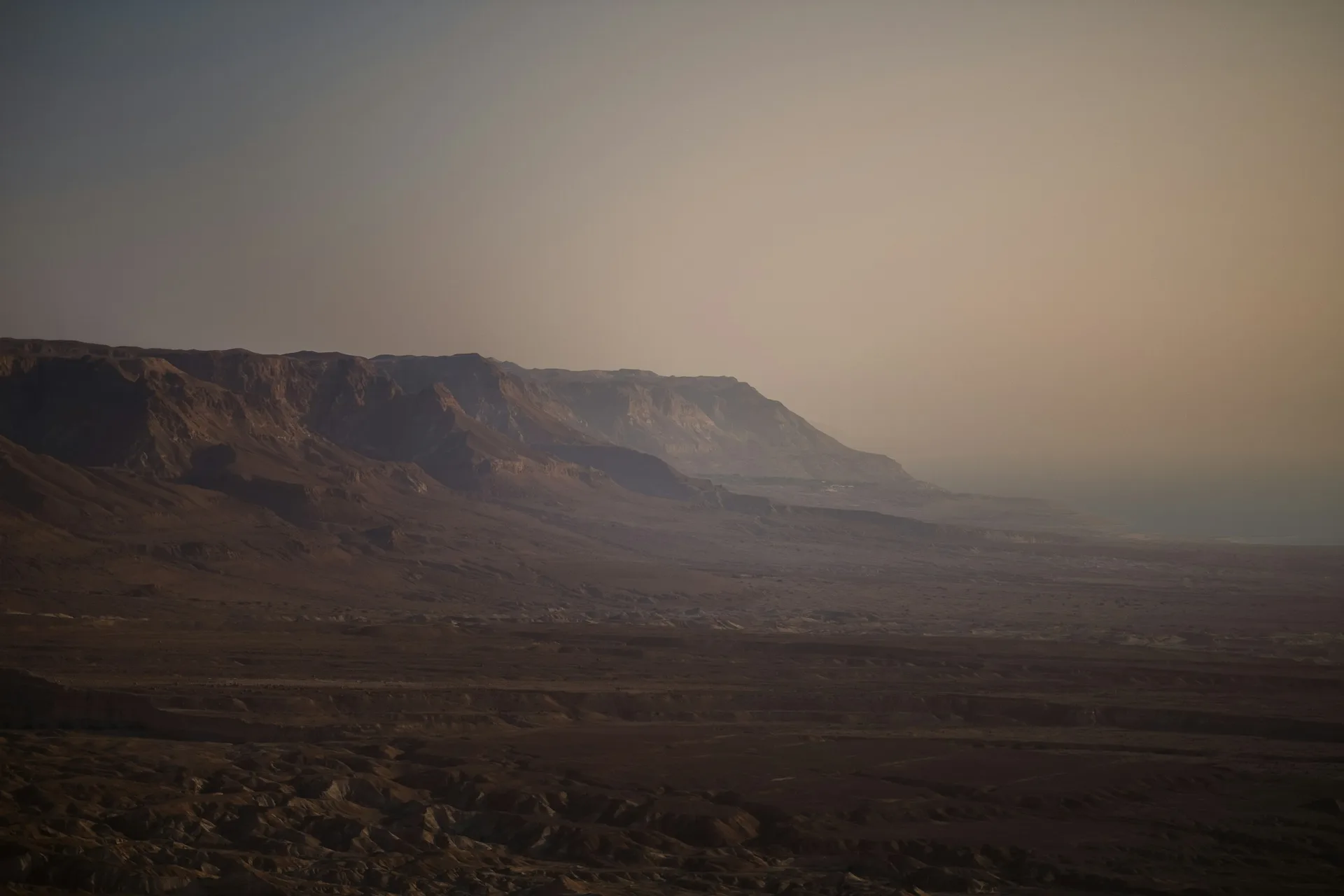
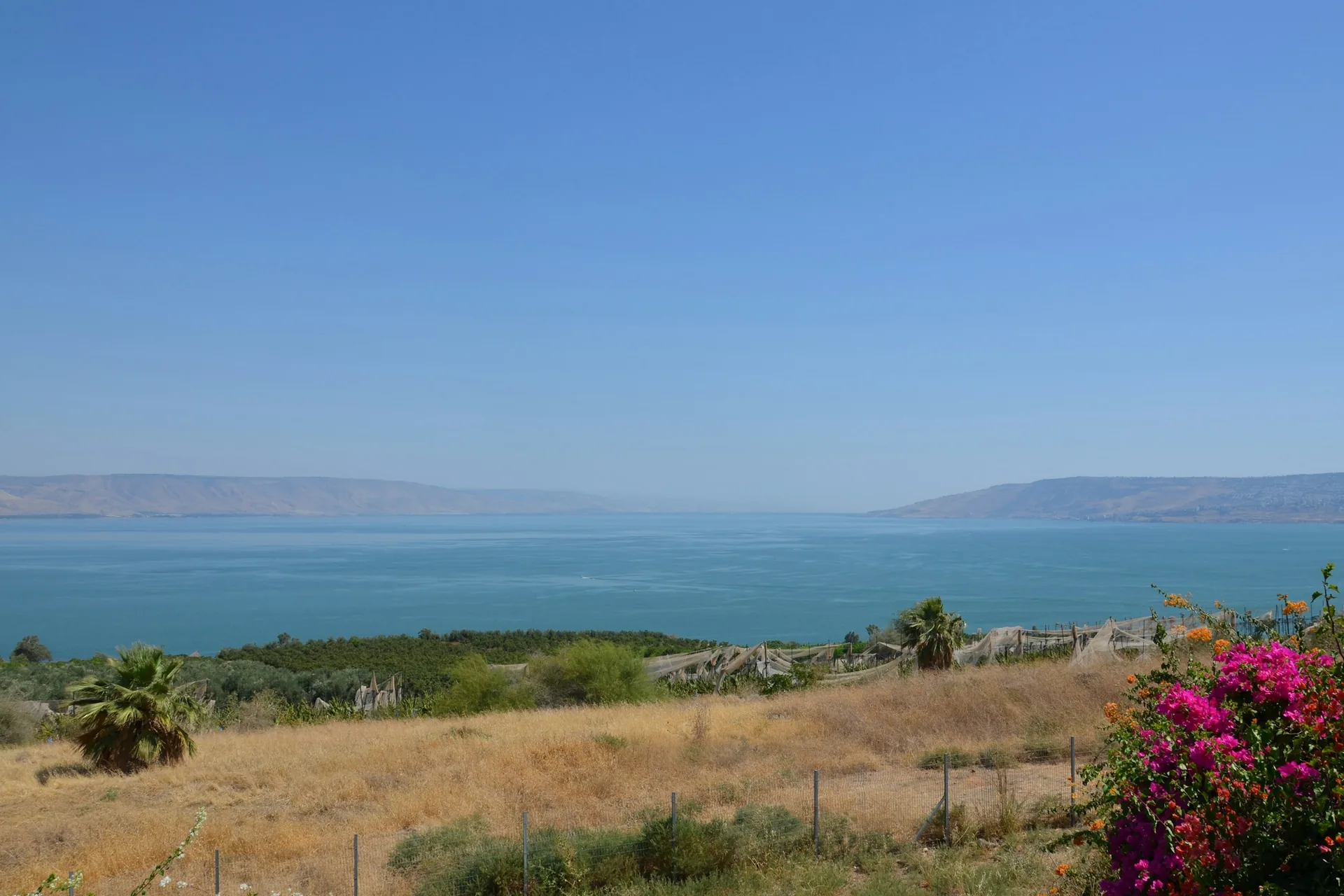
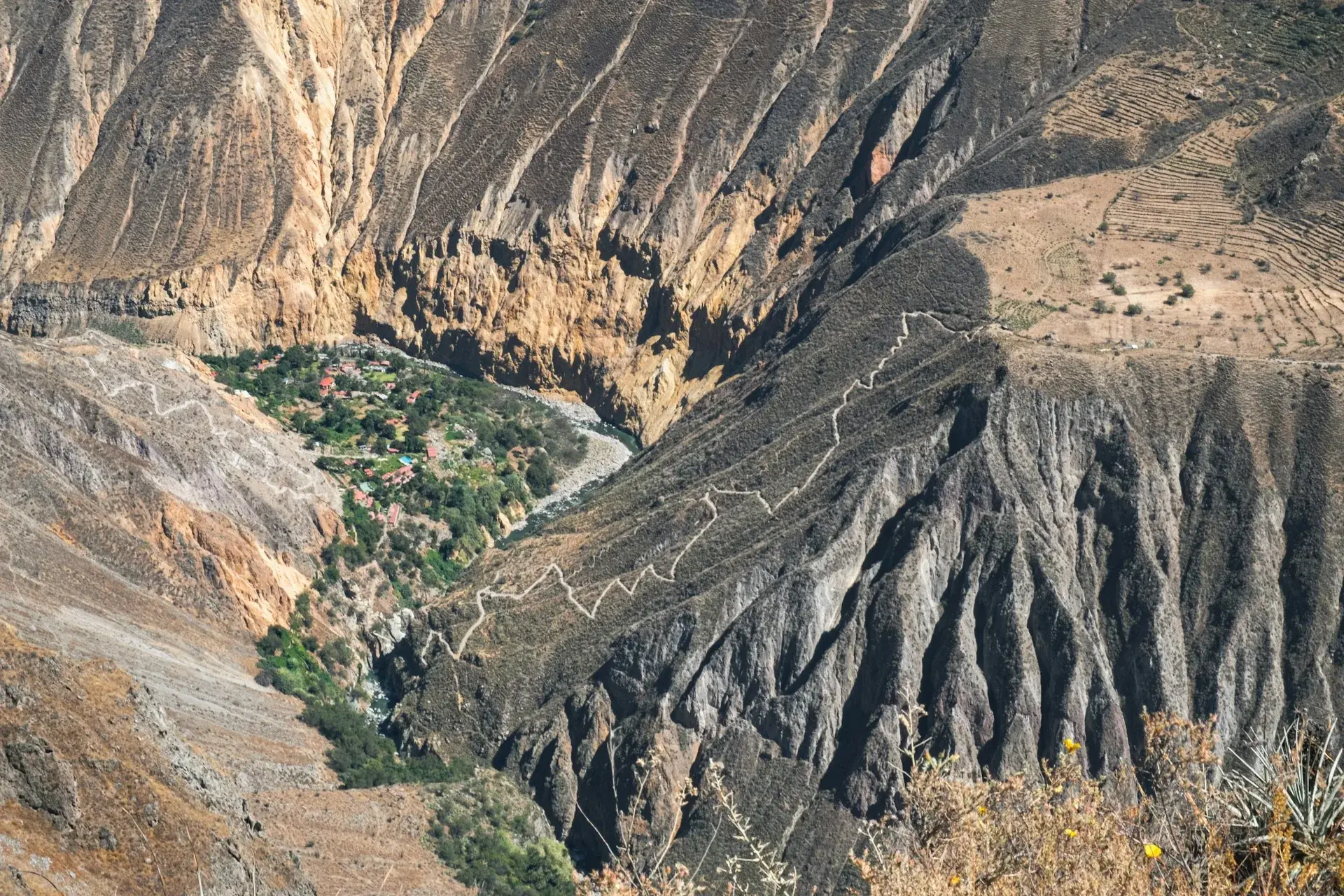
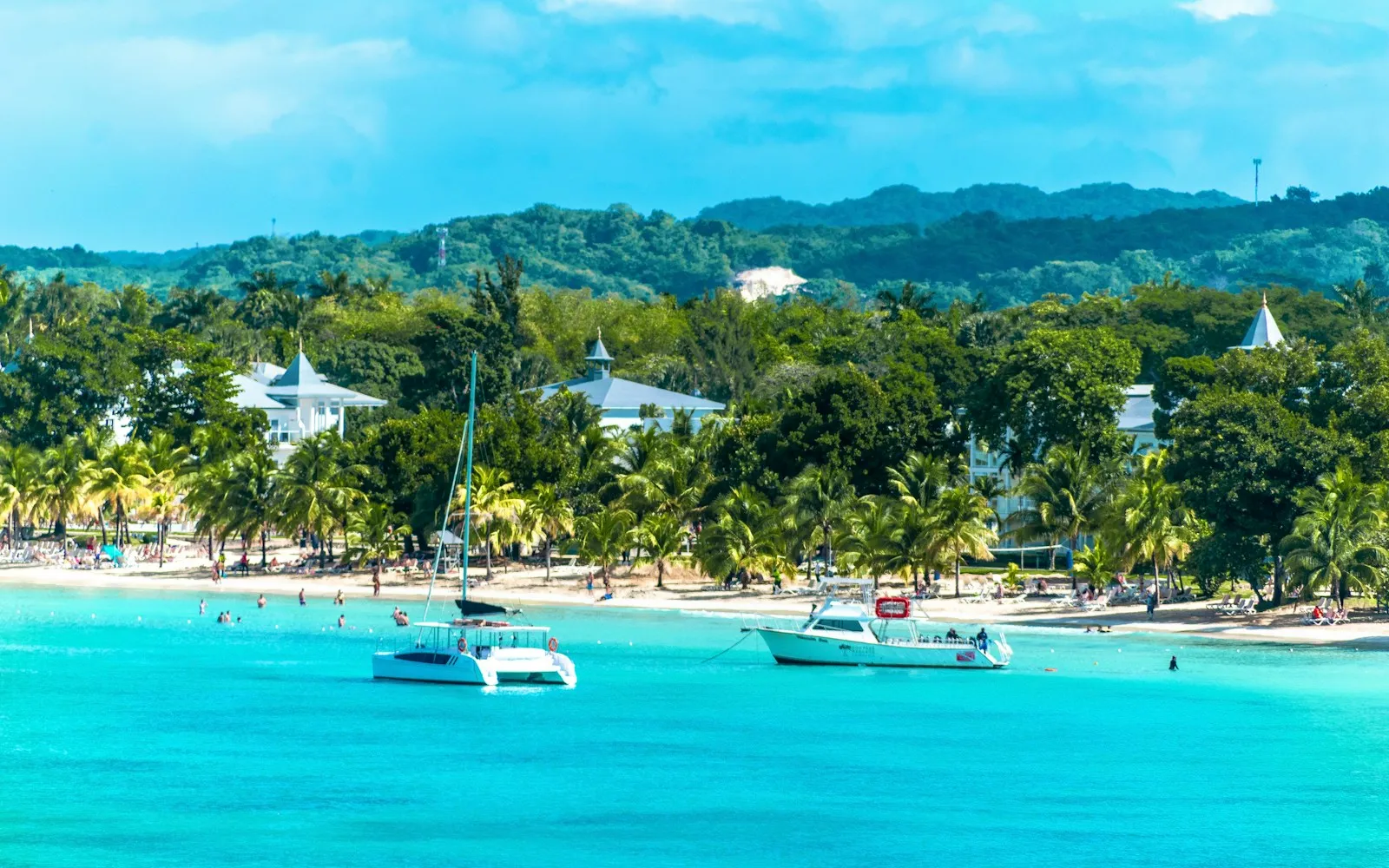
There is nowhere on earth quite like the Dead Sea. Cradled between the cliffs of Israel and Jordan at the bottom of the Great Rift Valley, its shimmering surface lies more than four hundred meters below sea level, the lowest dry land anywhere on the planet. The air feels heavier and softer here, the light has a hazy, golden quality, and the water glows an improbable shade of turquoise against the bare ochre hills. It is a landscape that feels almost otherworldly, and the moment you set eyes on it you understand why travelers have been drawn to its shores for thousands of years.
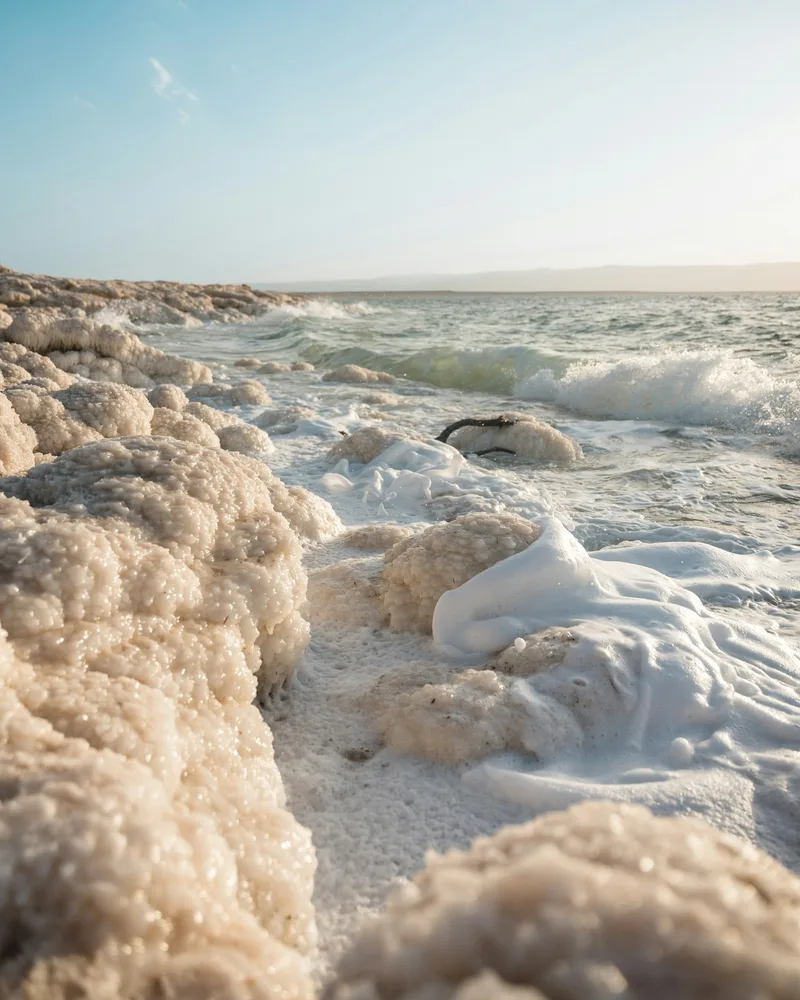
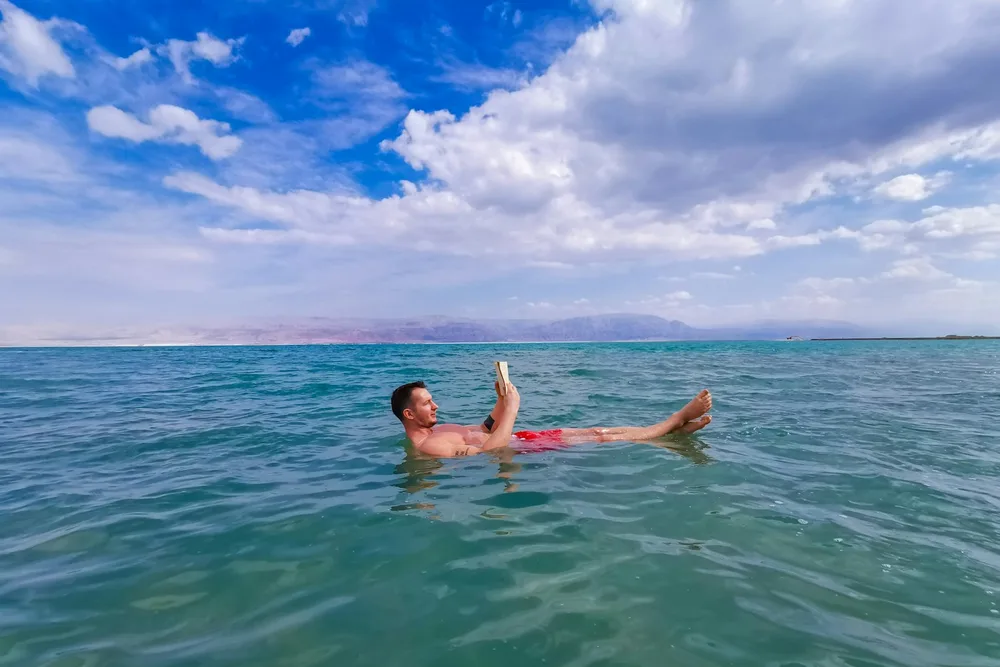
The wonder, of course, is the water itself. The Dead Sea is nearly ten times saltier than the ocean, so dense with salt and minerals that you cannot sink even if you try. Wade out to waist depth, lean back, and the sea simply lifts you and holds you on the surface, your feet floating up in front of you while you lie back as if in an armchair. It is a strange, delightful, slightly comical sensation, and the classic photograph is of a visitor bobbing on the surface with a newspaper in hand. There is no swimming to be done; you simply surrender to the water and let it carry you.
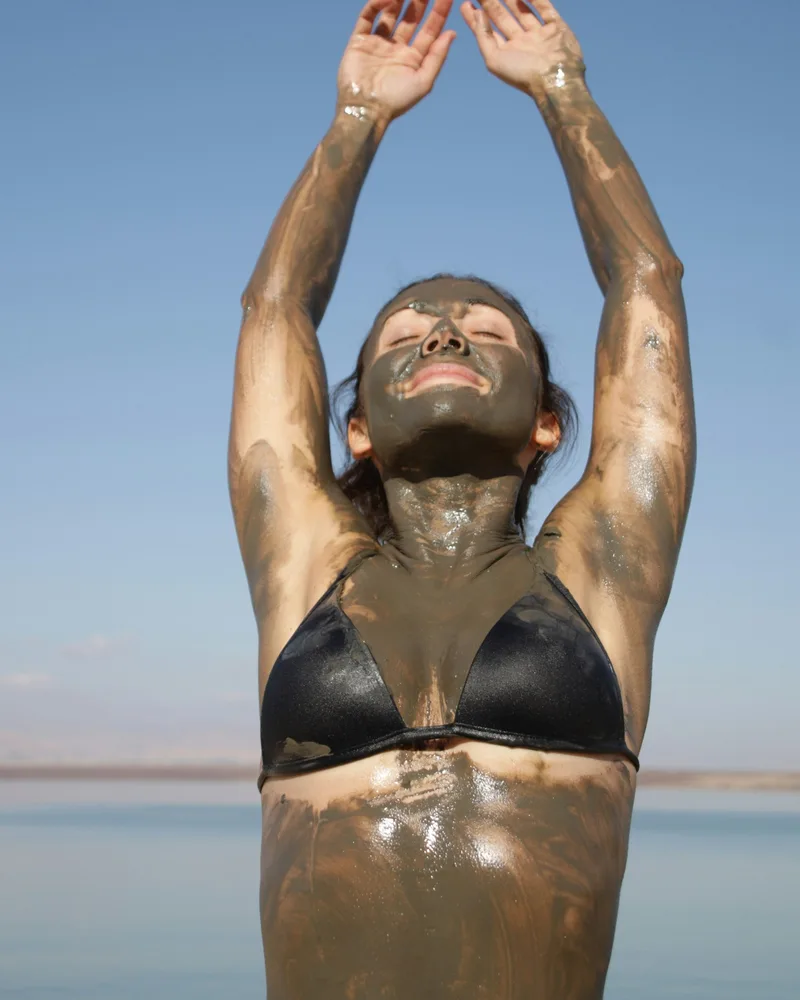
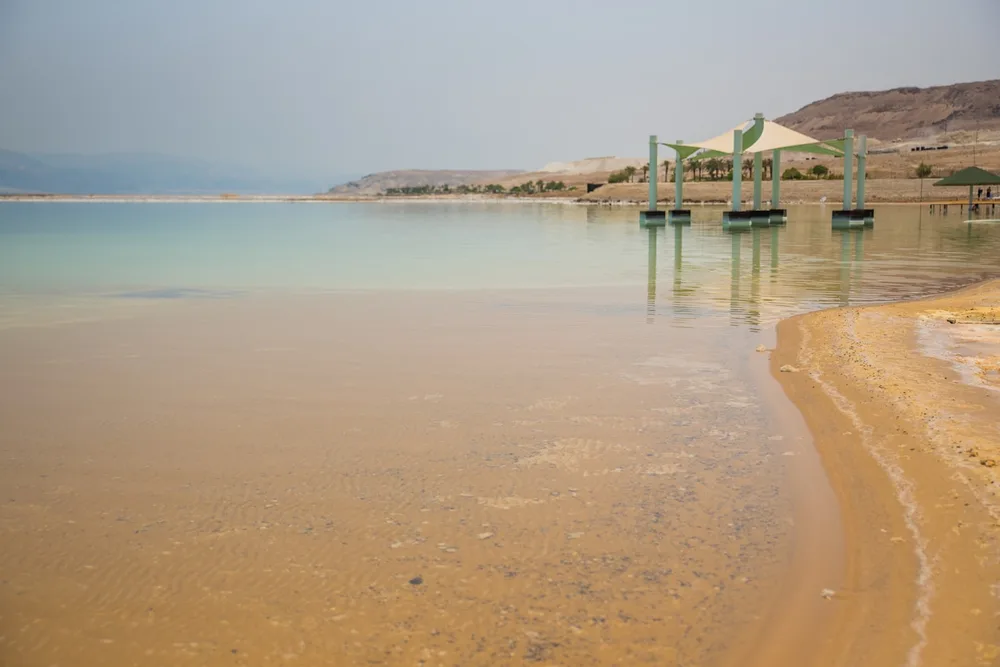
Beyond the float, the shore is famous for its black mineral mud, scooped straight from the seabed and smoothed over the skin before it is rinsed away, a ritual prized for centuries for its softening, mineral-rich effects. The resorts strung along the western shore are built around all of this, with spas, freshwater pools and shaded terraces that look out over the still water to the mountains of Jordan beyond. Pair a day or two of floating and pampering here with the desert fortress of Masada and the lanes of Jerusalem, and you have one of the most memorable combinations in the whole country.