Cape Town
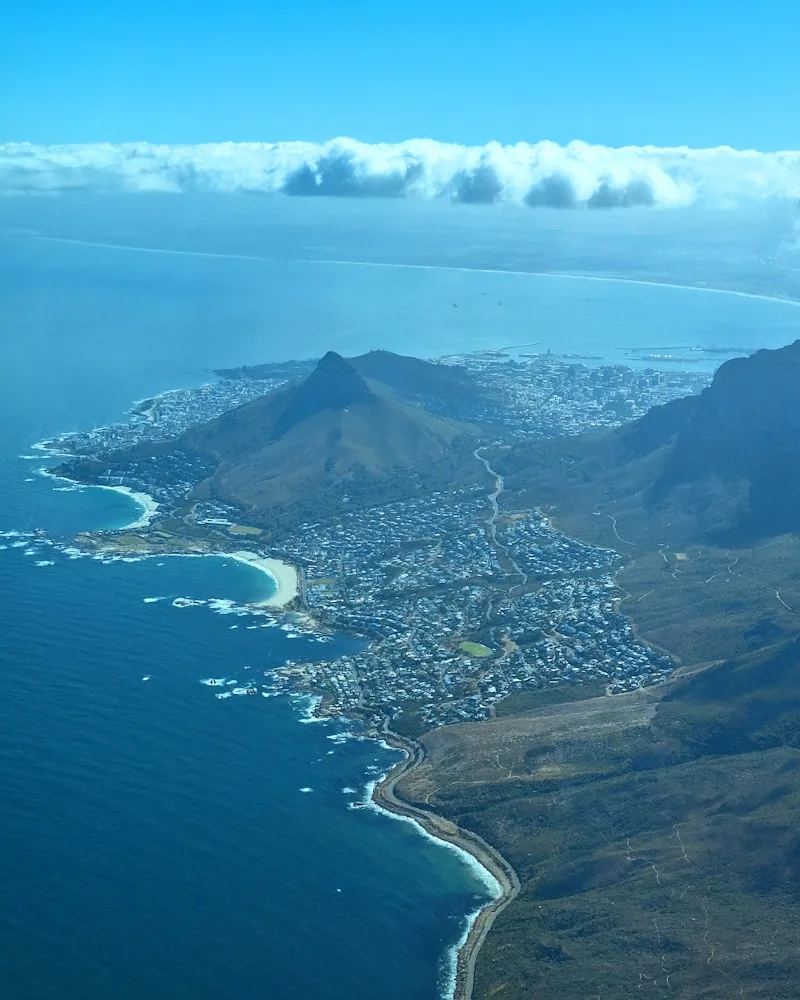
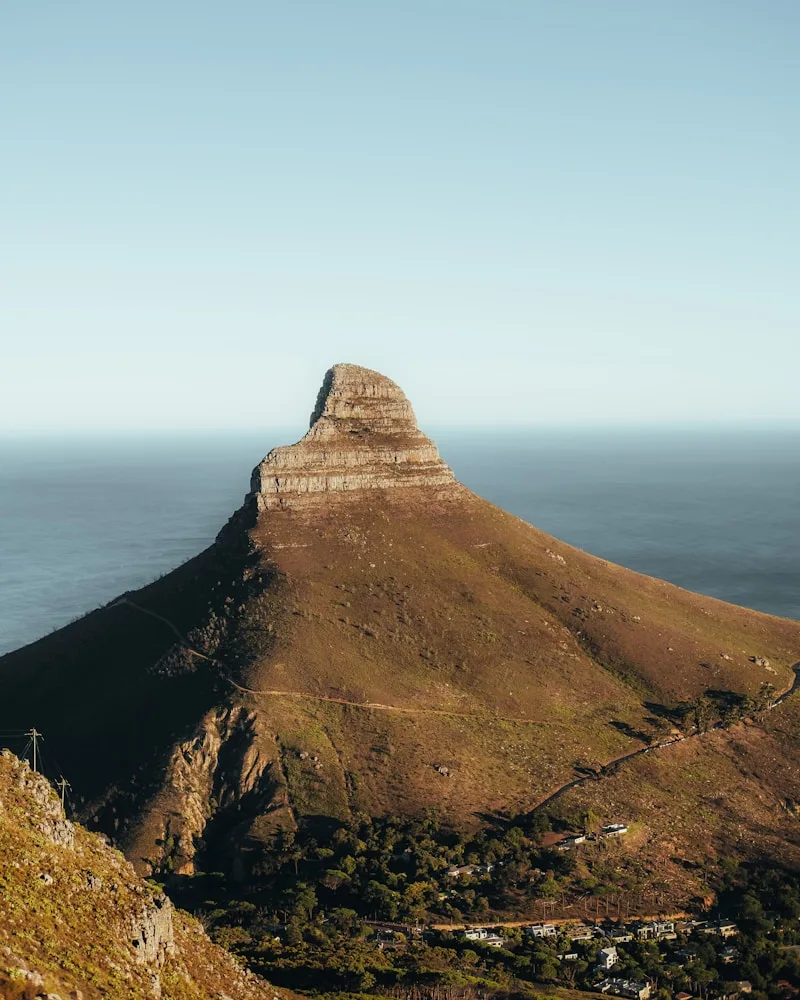
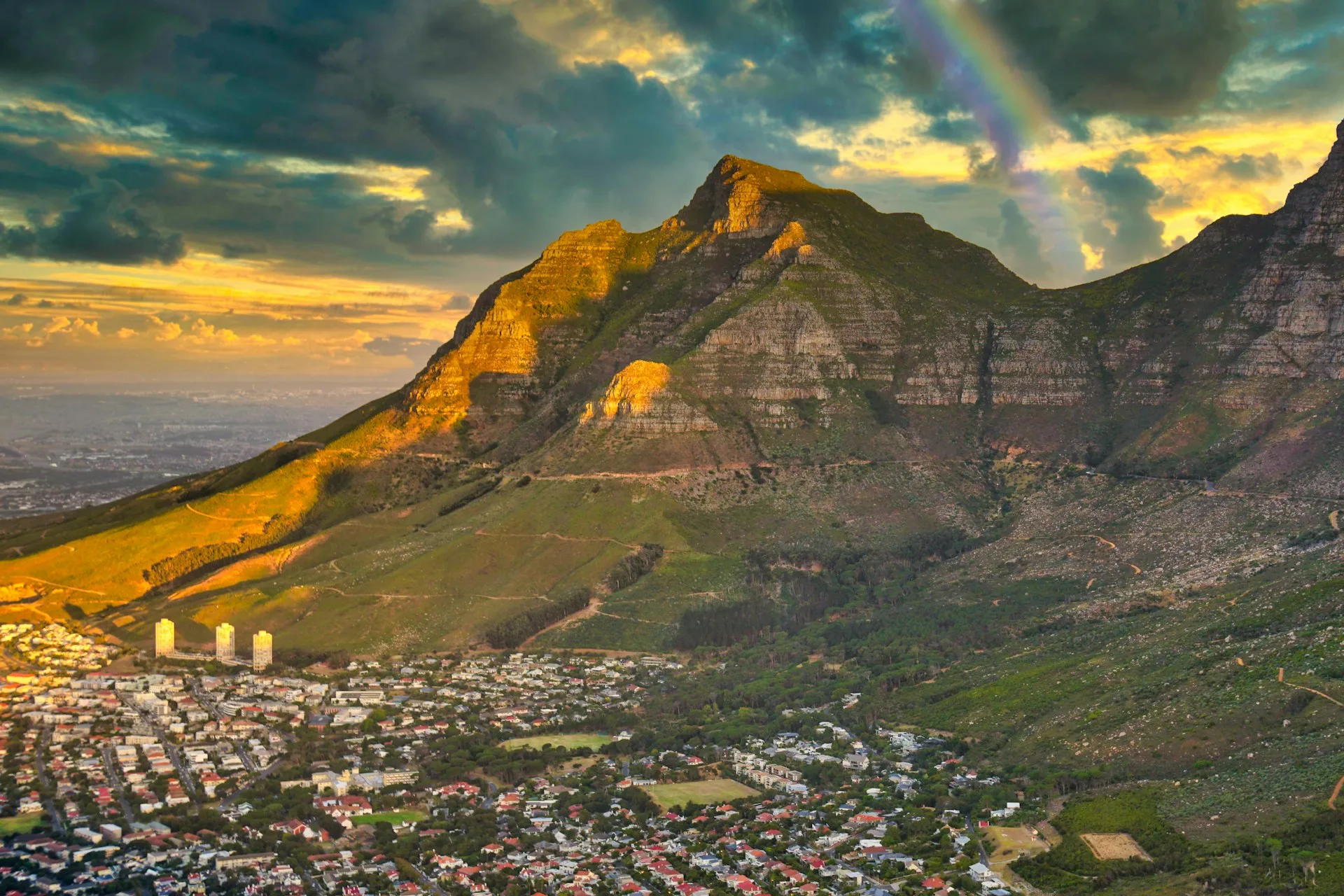
Table Mountain is the great flat-topped landmark that gives Cape Town its unmistakable skyline, a sheer-sided block of sandstone rising more than a kilometer above the city and the sea. Its level summit stretches for almost two miles between the rounded cone of Lion's Head and the bulk of Devil's Peak, and on a clear day the mountain seems to float above the streets and the harbor, its cliffs catching the afternoon light. It is the heart of a national park that runs all the way down the peninsula, and for most visitors the climb to the top is the first and best thing they do in the Mother City.
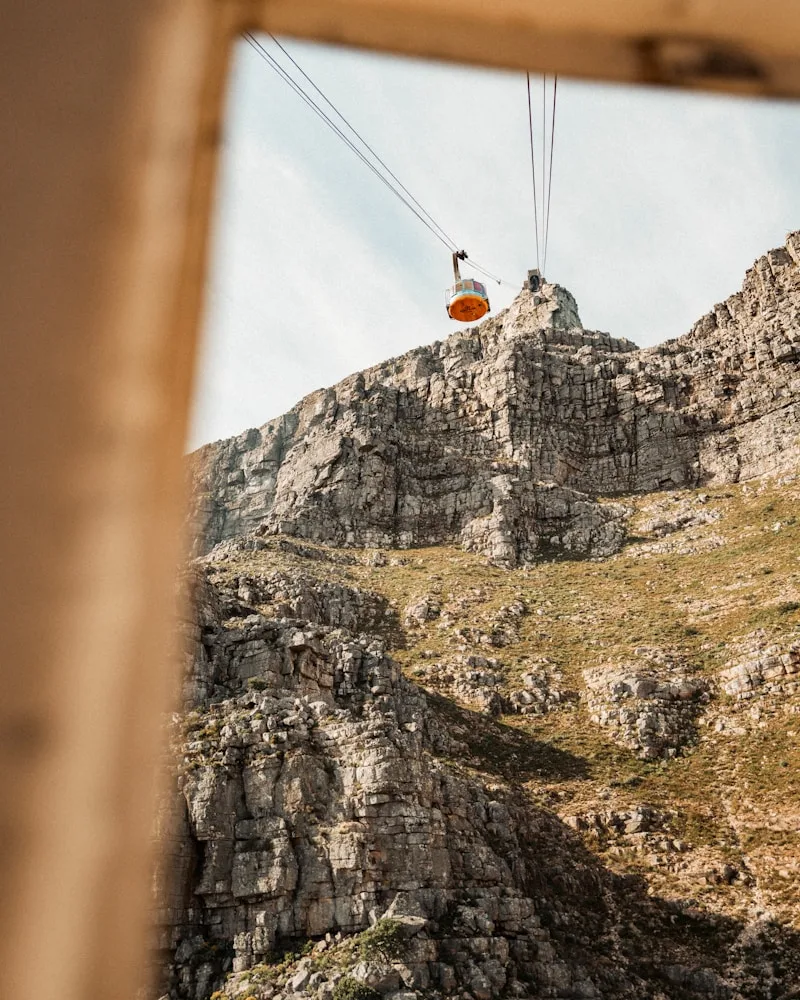
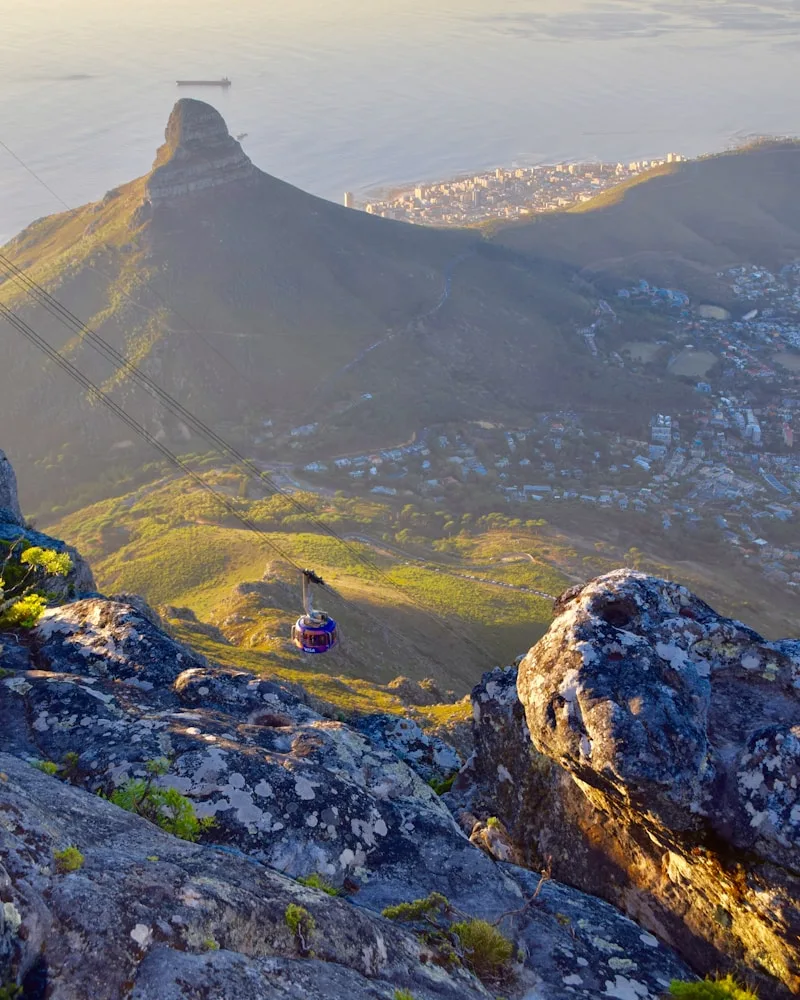
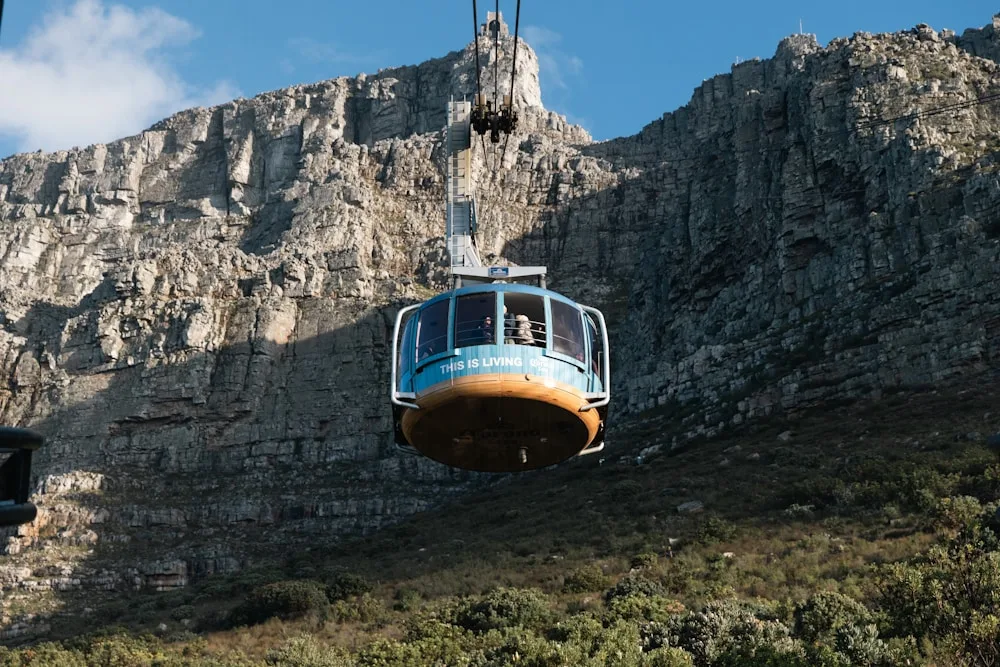
The easy way up is the cableway, an engineering marvel whose two round cars carry you from the lower station to the summit in just a few minutes. The floor of each car rotates slowly as it rises, turning a full circle on the way so that every passenger gets the whole sweep of the view without jostling for the window: the city falling away beneath your feet, the Atlantic opening out to the west, and the cliffs sliding past close enough to touch. It is a short ride and a memorable one, and it deposits you on top with the hardest part of the day already behind you.
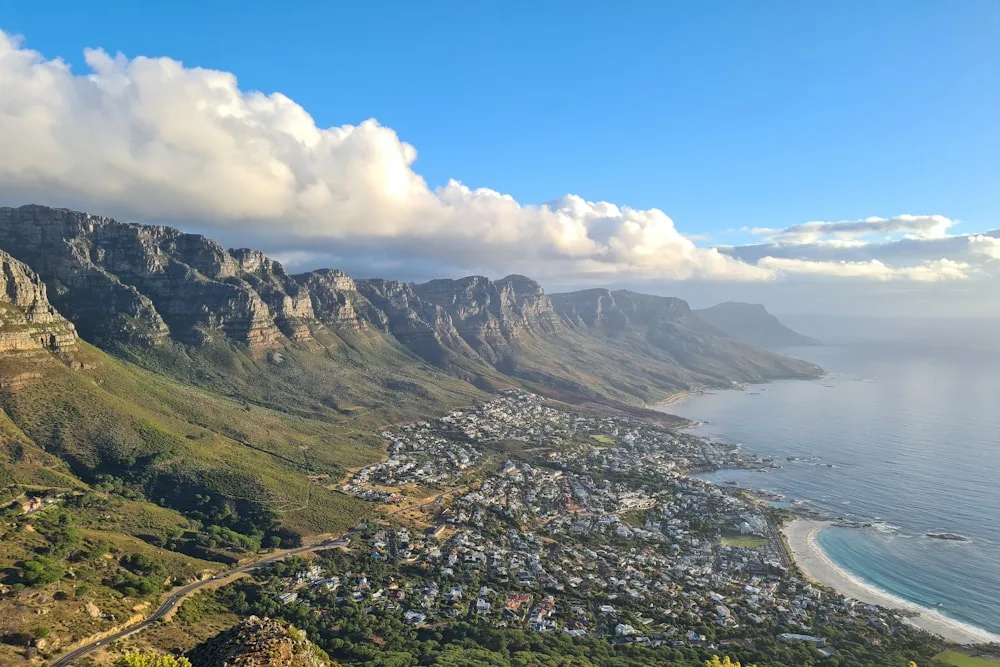
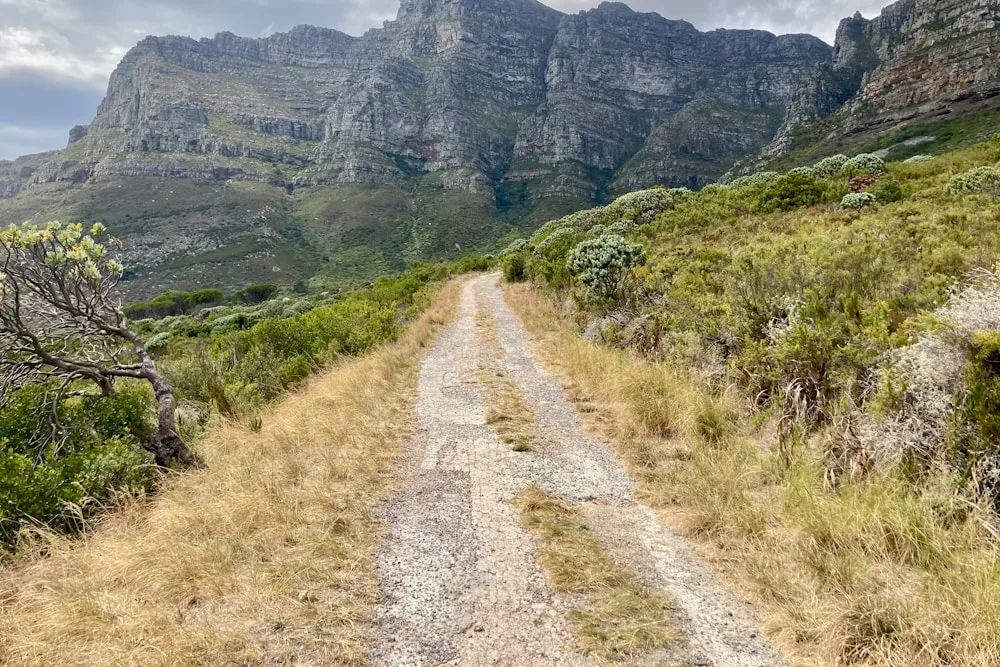
Up on the summit a network of level pathways leads out to the lookout points, and the panorama is simply one of the finest in the world: the bowl of the city and the curve of Table Bay below, Robben Island out in the water, the long ridge of the Twelve Apostles falling toward Camps Bay, and the whole spine of the Cape Peninsula stretching south toward the Cape of Good Hope. The plateau is carpeted in fynbos, the fine-leaved Cape heathland found nowhere else on earth, and the rocks are home to the dassie, a plump, furry little creature that suns itself unbothered by the crowds. We build in a half-day for the mountain and time it for the clearest, calmest part of the day.