

Walking the Camino de Santiago, Spain

Walking the Camino de Santiago.

Galicia & northern Spain

For more than a thousand years, travelers have set out on foot across the green north of Spain toward Santiago de Compostela, where tradition holds that the bones of Saint James lie beneath the cathedral. The Camino is not a single road but a web of old pilgrim routes, and the most famous of them, the Camino Francés, runs for hundreds of miles over the top of the country. You walk it the way pilgrims always have, one quiet day at a time, following the worn yellow arrows and the scallop shell that point the way west, and you fall into the company of strangers who quickly stop being strangers at all.

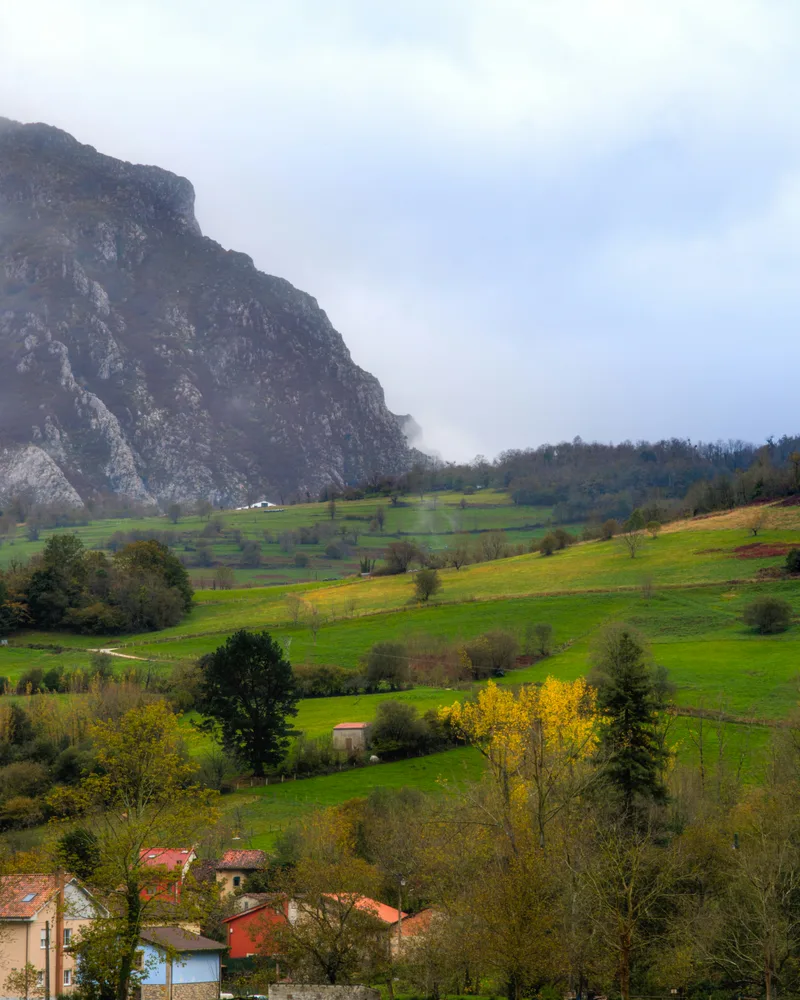
What makes the Camino so unlike any other walk is the rhythm of it. The days are slow and simple: an early start in the cool, a morning over rolling hills and through villages where the church bell still marks the hour, a long lunch of local cheese and wine, and an afternoon that ends in a hot shower and a shared table. You cross the misty hills and oak woods of Galicia, pass through hamlets and small vineyards, and feel the miles add up not as effort but as a kind of unwinding. By the end, the walking has done something quiet to you, and the cares you carried at the start have a way of slipping off along the trail.

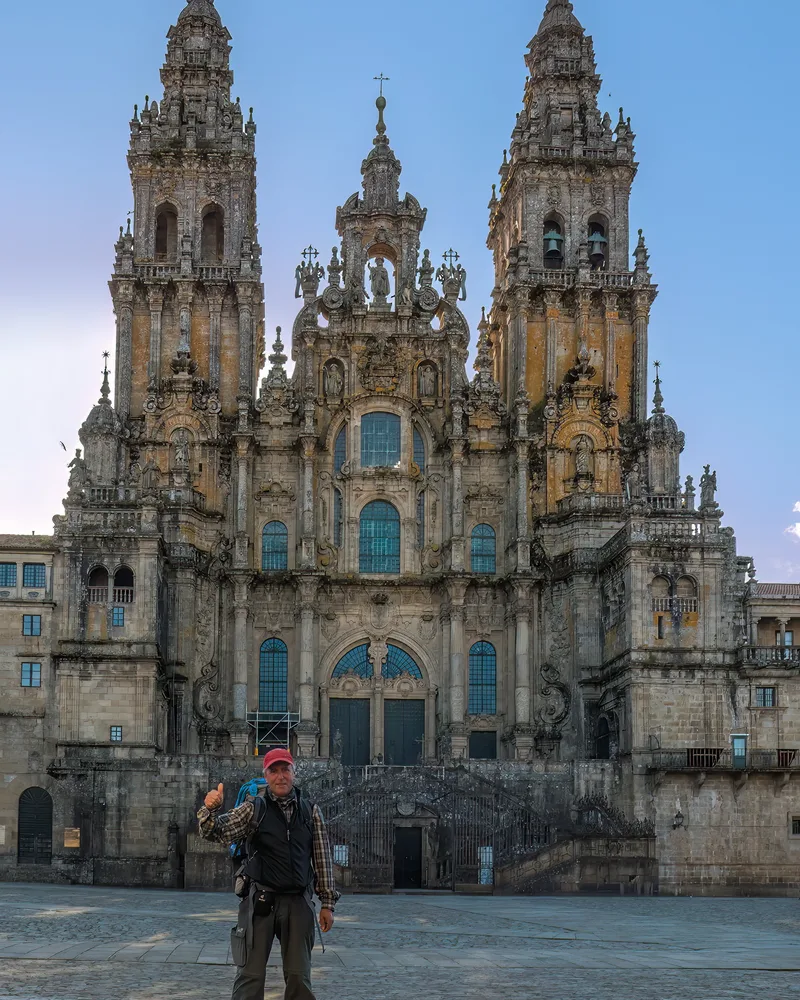
The reward comes when you finally walk into the great square in front of the cathedral in Santiago de Compostela, footsore and a little changed, and look up at the soaring stone facade that generations of pilgrims have wept at the sight of. It is one of the most moving arrivals in all of travel. And here is the best part: you do not have to walk the whole way to feel it. A stage of just a few days, finishing on foot in Santiago, gives you the heart of the experience, and we tailor the route, the pace and the comforts so the journey feels like yours alone.
Where
Galicia & northern Spain
Duration
A few days to several weeks
Good for
Walkers & reflection
Pair it with
The cities of northern Spain

Where it is

On the map.

The most popular route, the Camino Francés, runs across northern Spain and ends at the cathedral in Santiago de Compostela.

Scroll or pinch to zoom

What you'll see

On the route.

The waymarked path, Spain

Stop 01

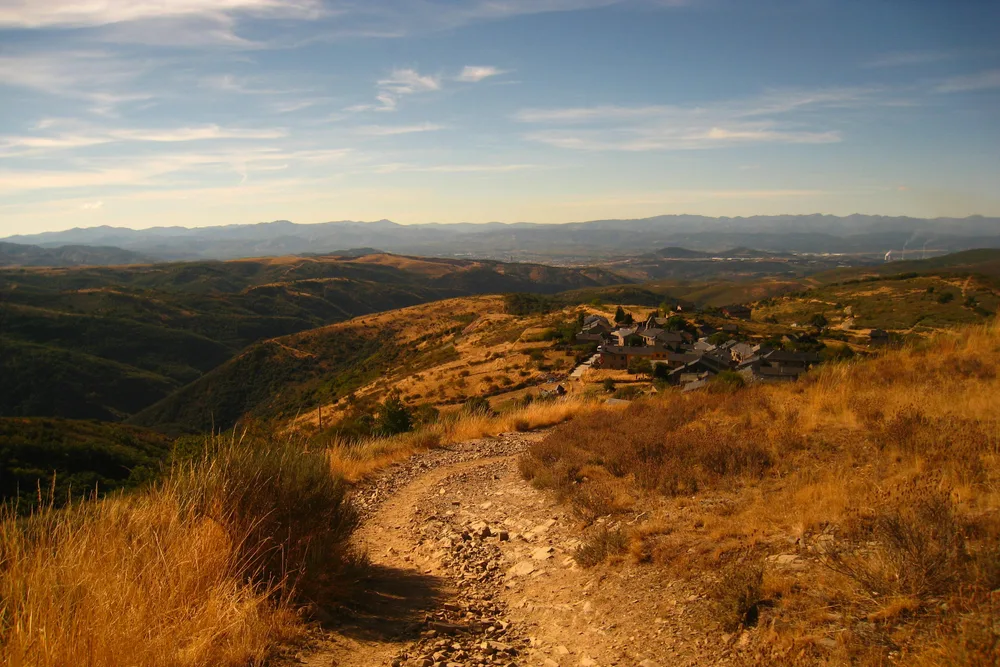
The waymarked path

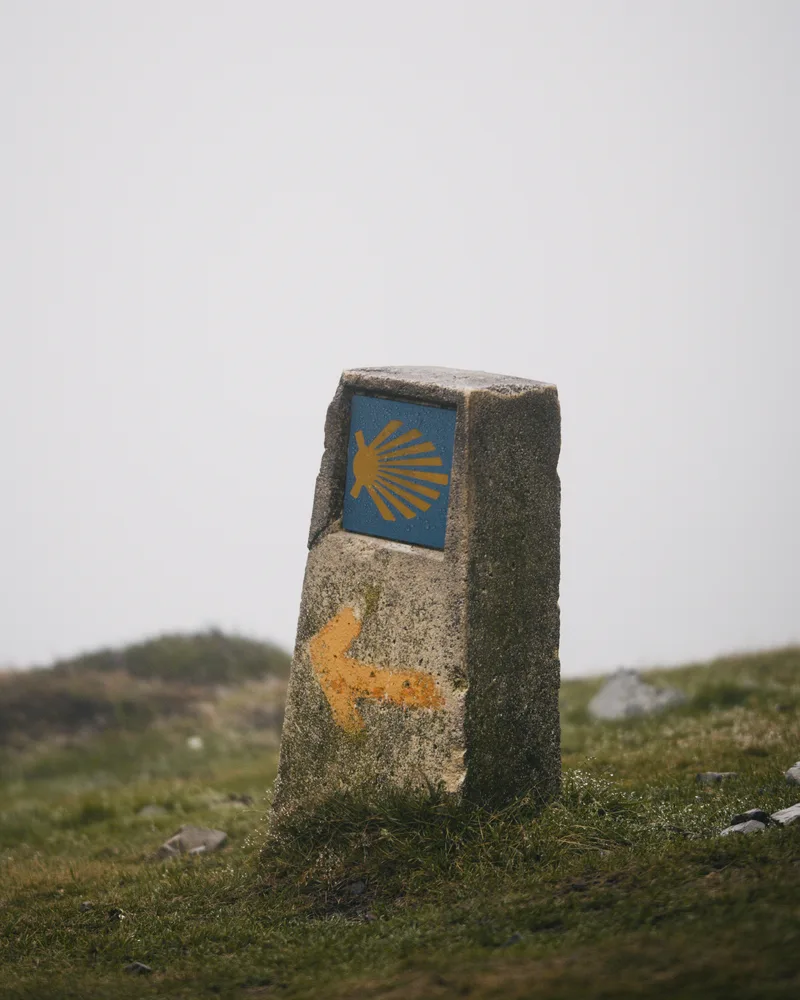
The yellow arrows and scallop shells, painted on stones and posts the whole way, that guide pilgrims west toward Santiago.

Pilgrims on the trail, Spain

Stop 02

Pilgrims on the trail

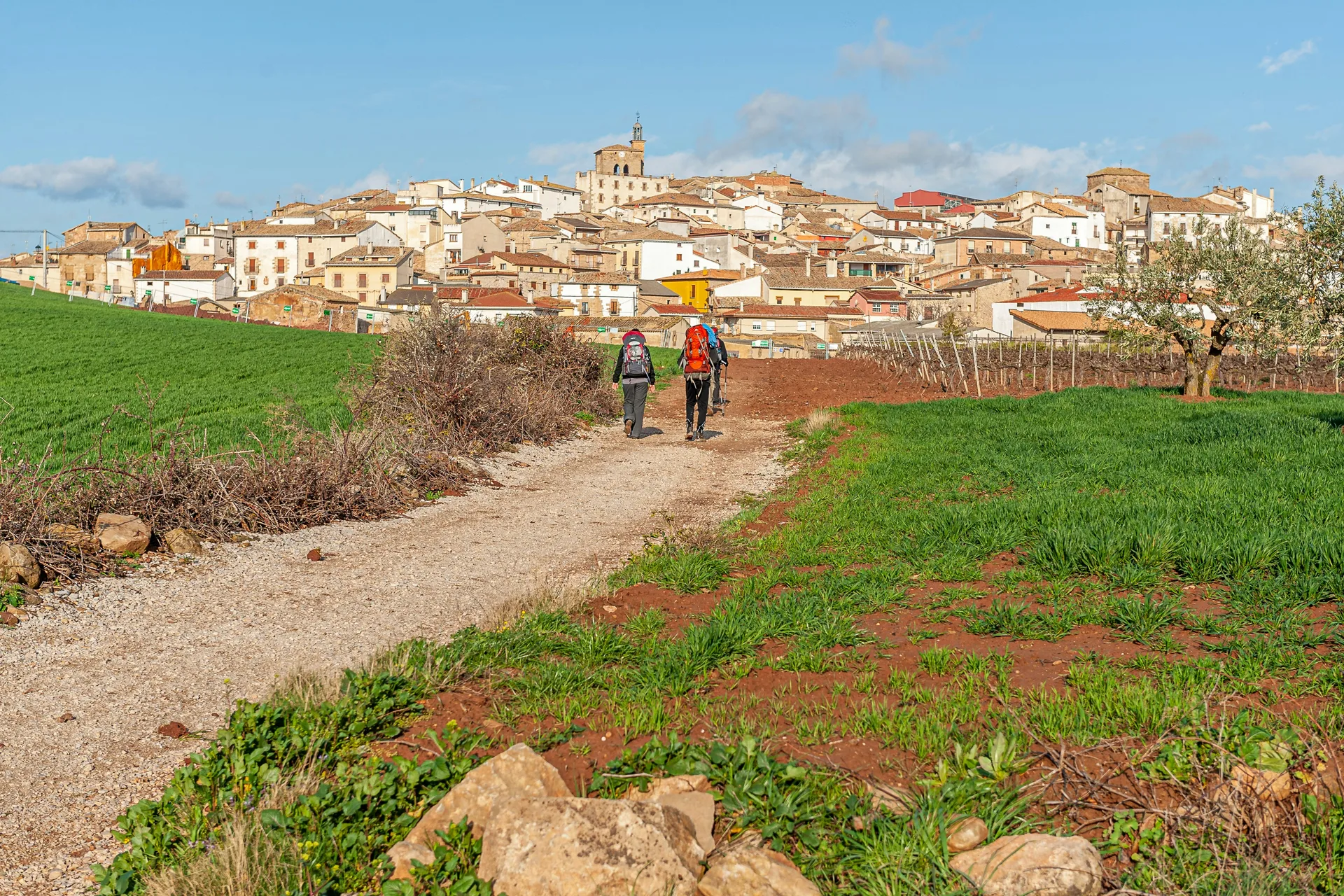
The unhurried company of walkers from all over the world, packs on their backs, falling into the slow daily rhythm of the road.

The green Galician hills, Spain

Stop 03

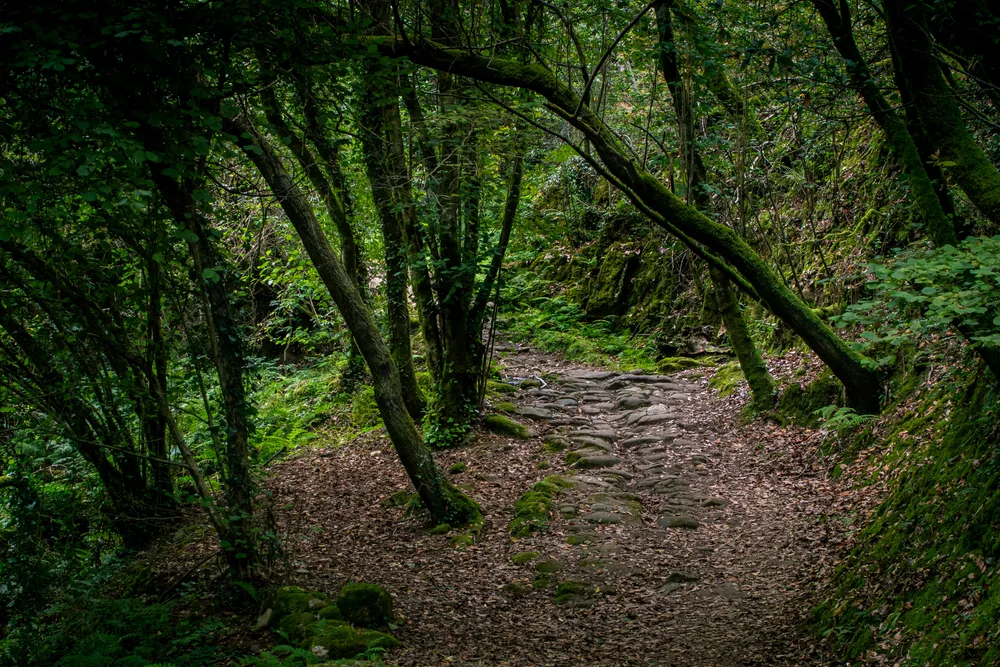
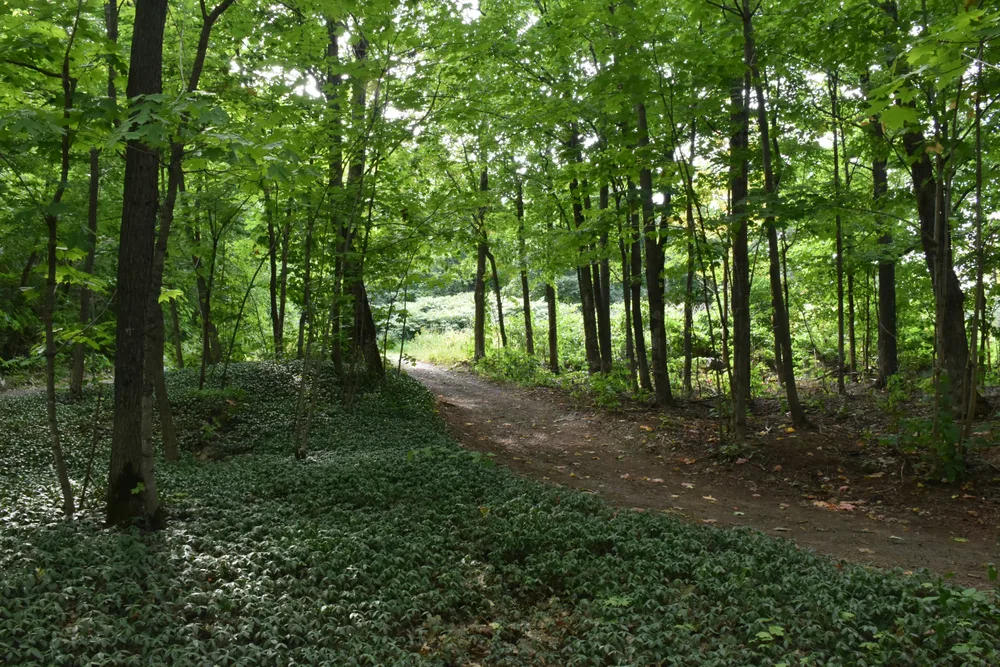
The green Galician hills

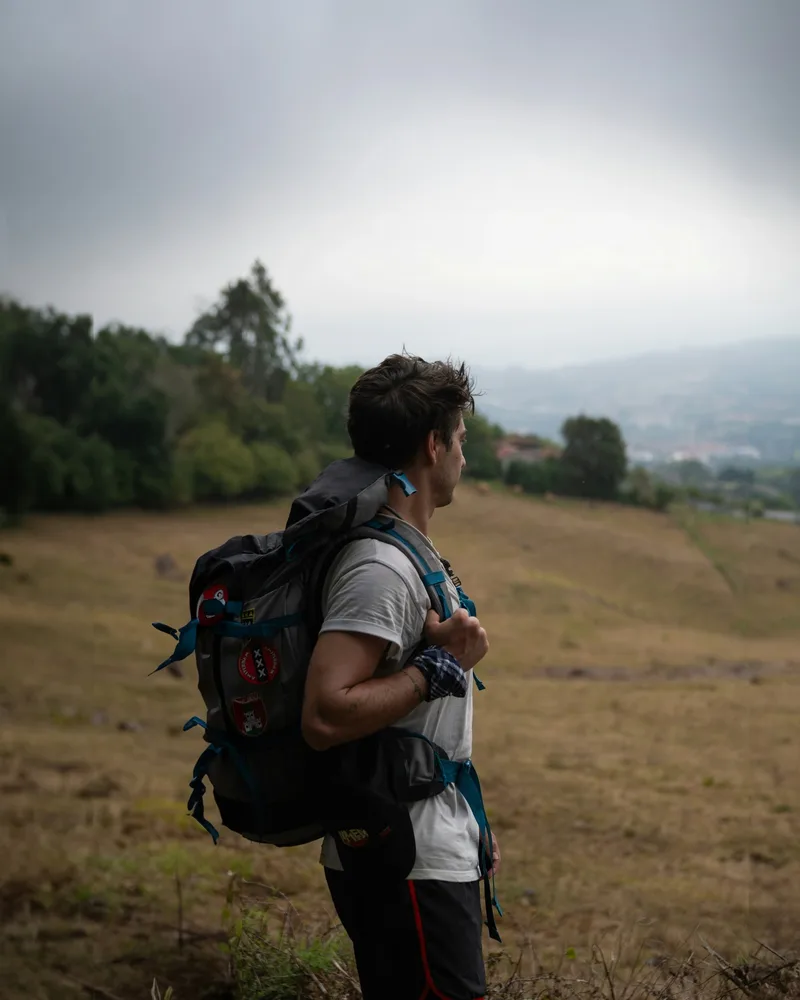
Misty hills, oak woods and small stone villages, with little vineyards and church bells marking the hours along the way.

Santiago de Compostela, Spain

Stop 04

Santiago de Compostela

The journey's end, where the great cathedral rises over the square and pilgrims gather, footsore and moved, at the tomb of Saint James.

Know before you go

The practical details.

Choose your stretch

Good to know

Choose your stretch

You do not need to walk the whole way. The classic final stretch is the last 100km from Sarria, the minimum to earn the Compostela certificate, and we tailor the number of days and the daily distances to your pace and fitness.

How it works

Good to know

How it works

The way is well waymarked, with villages along the route for food, water and rest. We book comfortable hotels rather than the basic pilgrim hostels, and move your luggage ahead each day so you can walk light with just a small daypack.

When to go

Good to know

When to go

Spring and fall are ideal, with mild days and the countryside at its greenest. Galician summers are busy and can be warm, so the trail feels crowded. Whenever you go, pack good walking shoes and a light rain layer, as the north sees its share of showers.

Let's begin

Bring Walking the Camino de Santiago
to life.

Our advisors design Spain journeys by hand. Tell us your dates and we'll do the rest.

Plan Your Trip