







Córdoba (Andalusia)
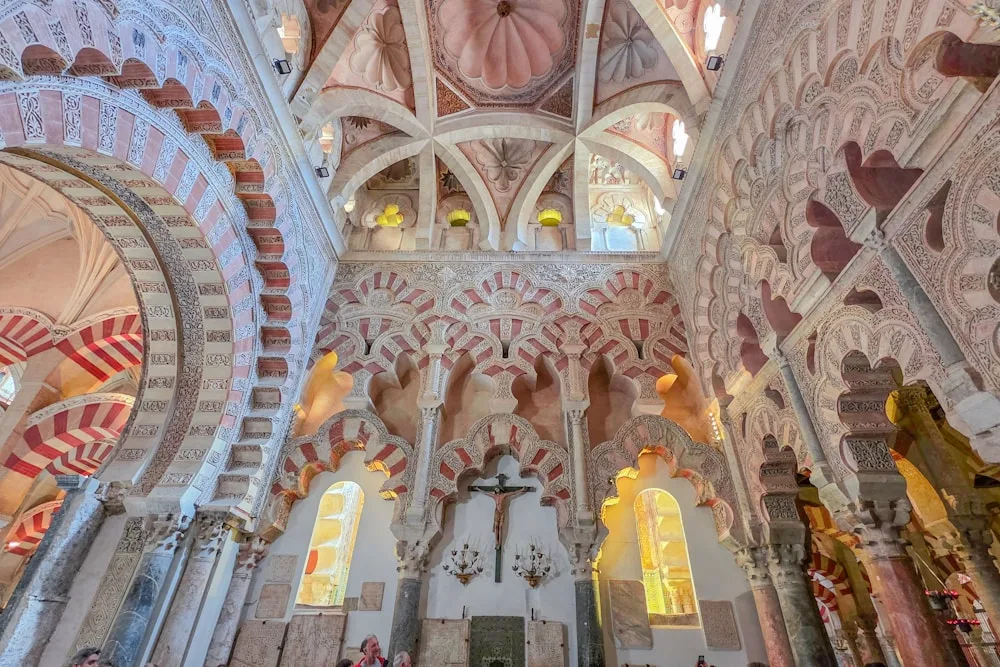
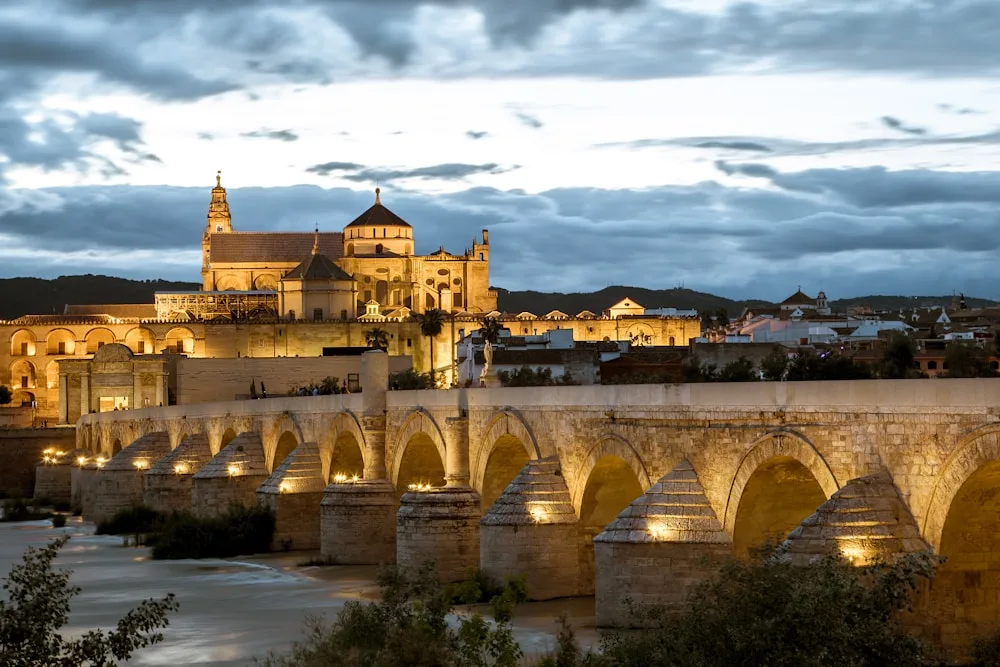
Few buildings in the world hold a thousand years of history quite as completely as the Mezquita of Córdoba. Begun in the eighth century as the grand mosque of a city that was then one of the most brilliant in all of Europe, it grew over generations into a vast hall of worship, and then, after the Christian reconquest, a cathedral was raised in its very heart without tearing the mosque down. The result is a single, astonishing building, the Mosque-Cathedral of Córdoba, that carries the whole sweep of Andalusian history under one roof and stands today among the most extraordinary places anyone can walk into.
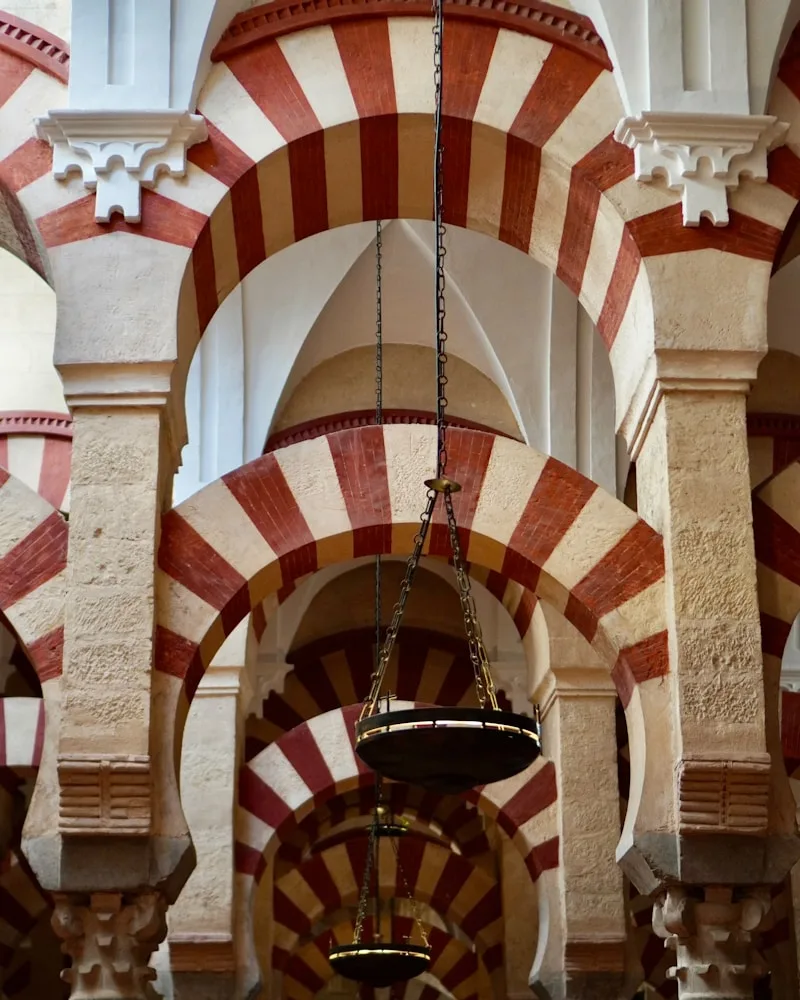
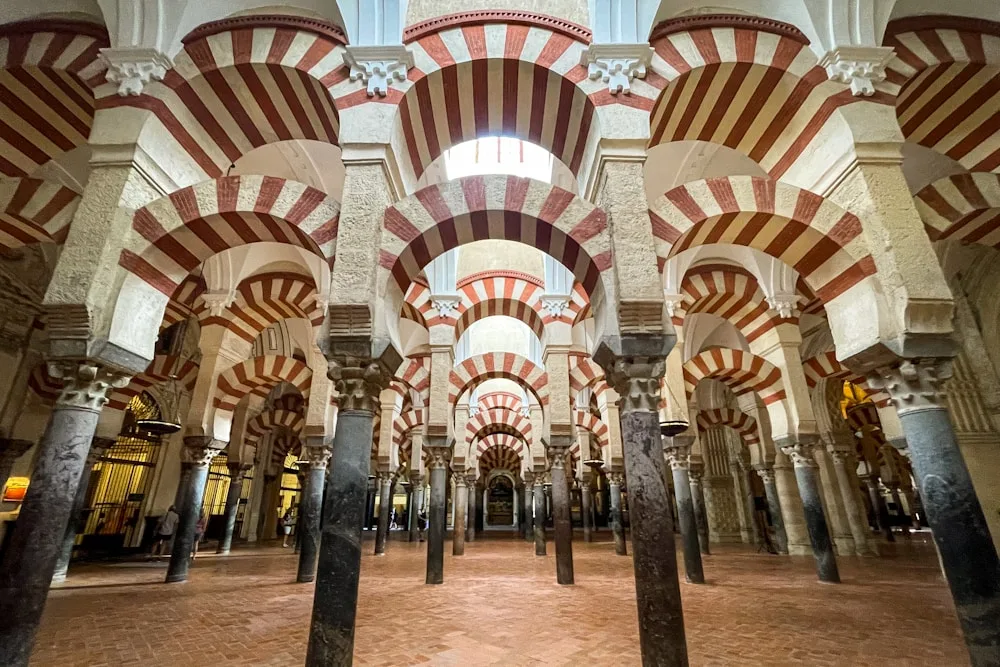
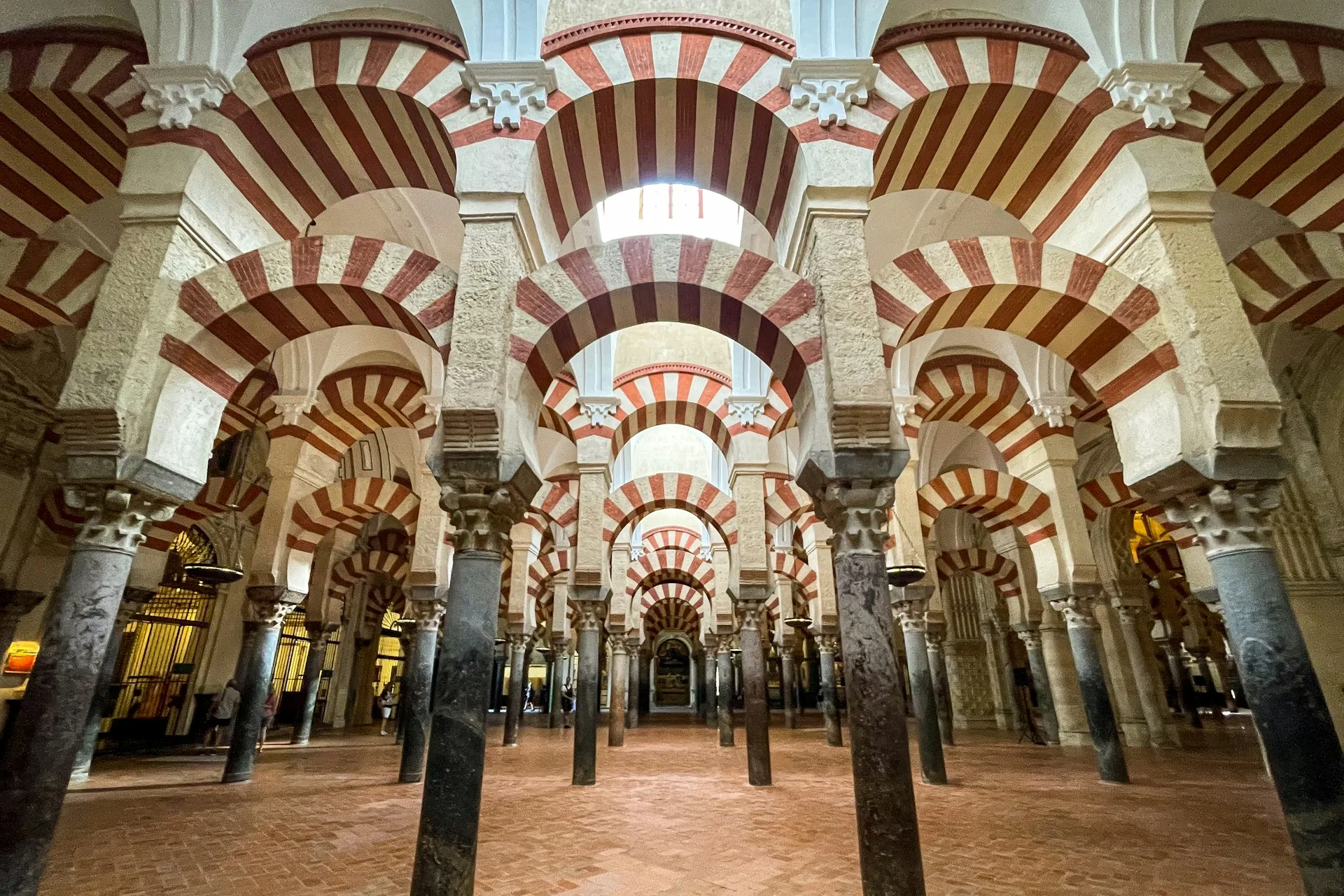
Step inside and the wonder is immediate. Before you, in every direction, stretches a seemingly endless forest of columns linked by double arches of red brick and white stone, striped like the inside of a great striped tent and repeating away into the cool half-light until you lose count. There is no single focal point and no grand nave to lead the eye, only this hypnotic, rhythmic spread of arches that seems to go on forever, and the effect is unlike any cathedral or mosque you have stood in. People drop their voices without being asked, and you find yourself simply wandering, turning corners into yet more arches, the patterns shifting with every step.
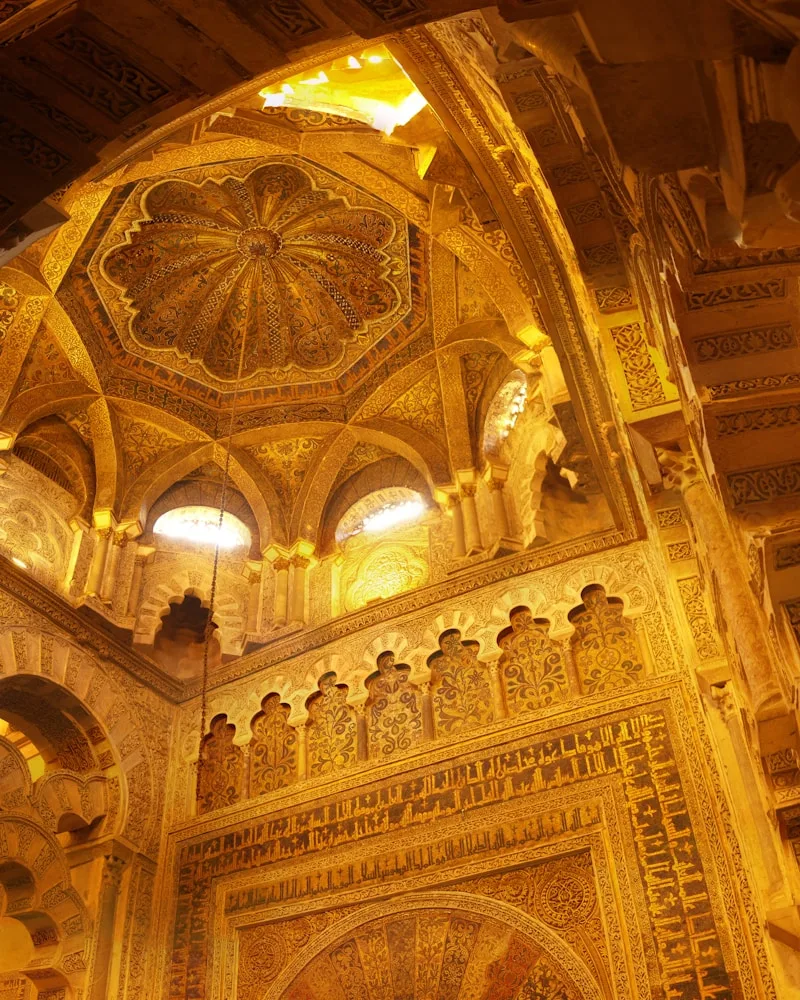
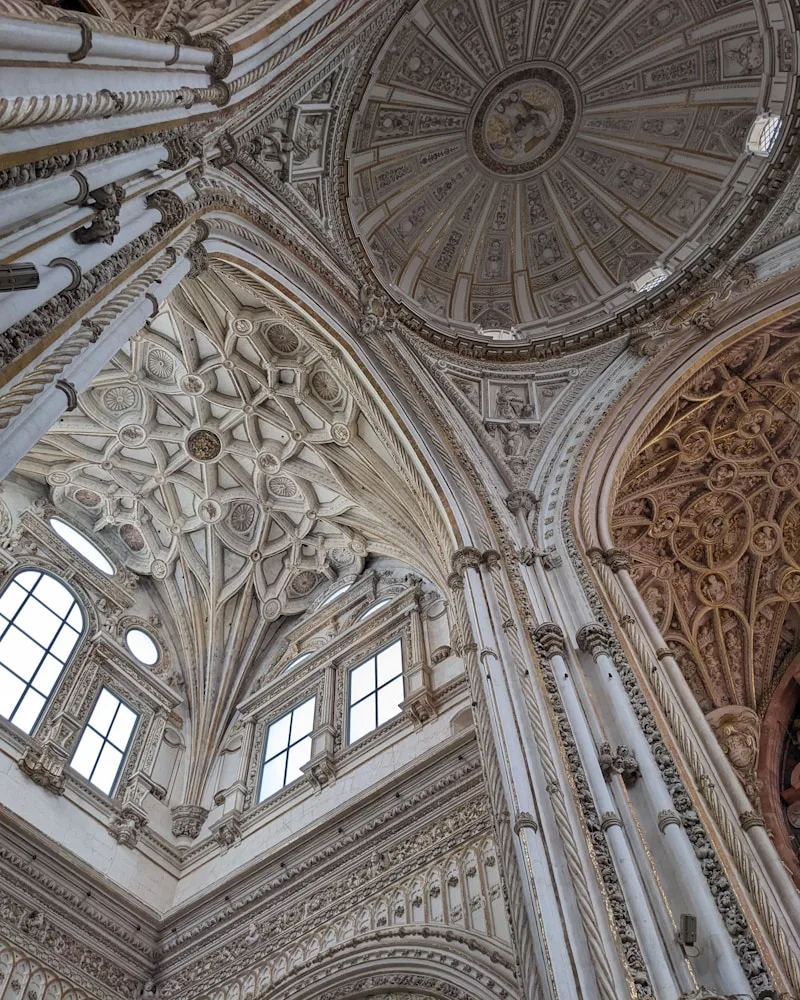
Two treasures crown the visit. Deep in the old mosque, the mihrab glows like a jewel box: a niche framed in shimmering gold-and-glass mosaic, gifted by a Byzantine emperor, with a scalloped shell carved from a single block of marble overhead. And then, at the center of it all, the Renaissance cathedral rises straight up out of the forest of arches, a soaring nave of carved stone and choir stalls grafted into the heart of the mosque, the two worlds standing side by side. It is a building that should not work and somehow does, and a slow morning inside it is one of the great experiences of any trip through Andalusia.