
Seville (Andalusia)
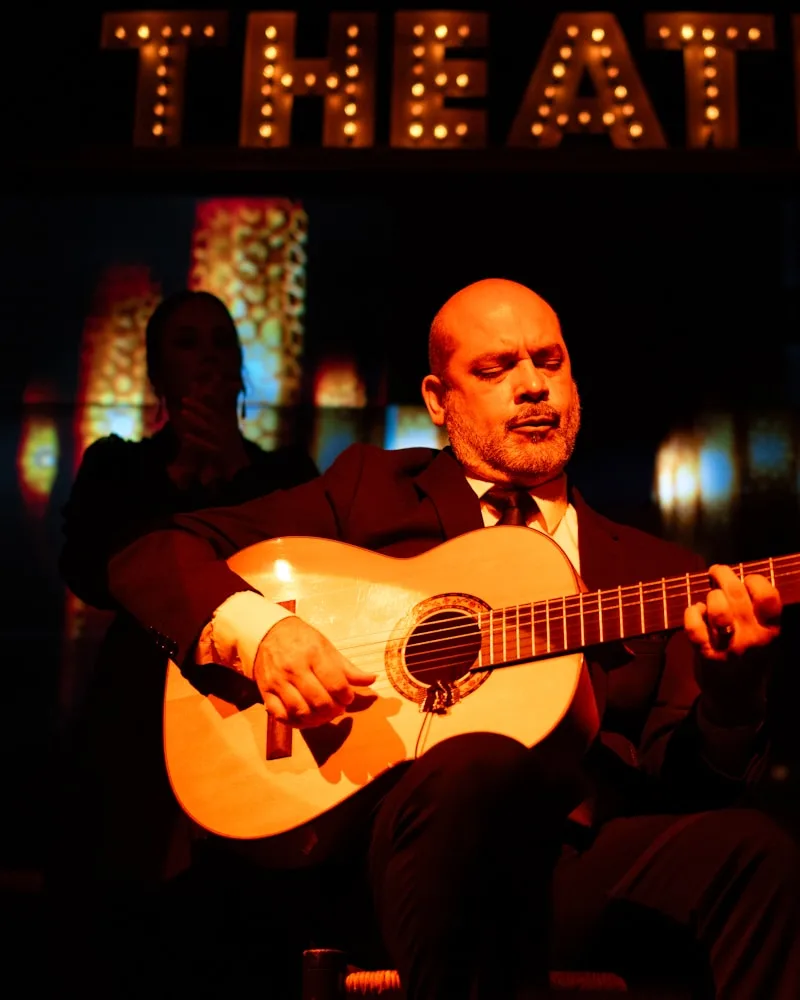
Some art forms entertain, and some go straight for the chest. Flamenco belongs firmly to the second kind, and there is nowhere better to feel it than Seville, the sultry Andalusian city where so much of it was forged. Strip away the postcard clichés and what remains is something raw and almost confessional: a single dancer, a guitarist, a singer pouring out a melody that aches, and a small room of strangers holding their breath together. It is the unguarded heart of southern Spain, and a night of it lingers long after the trip is over.
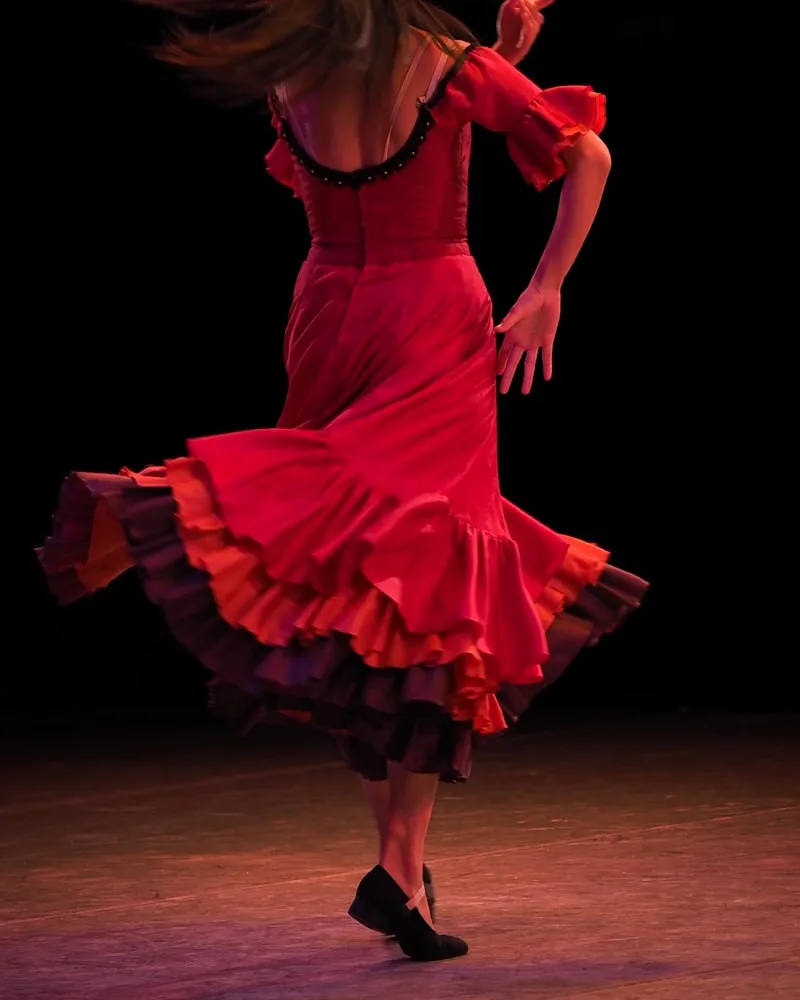
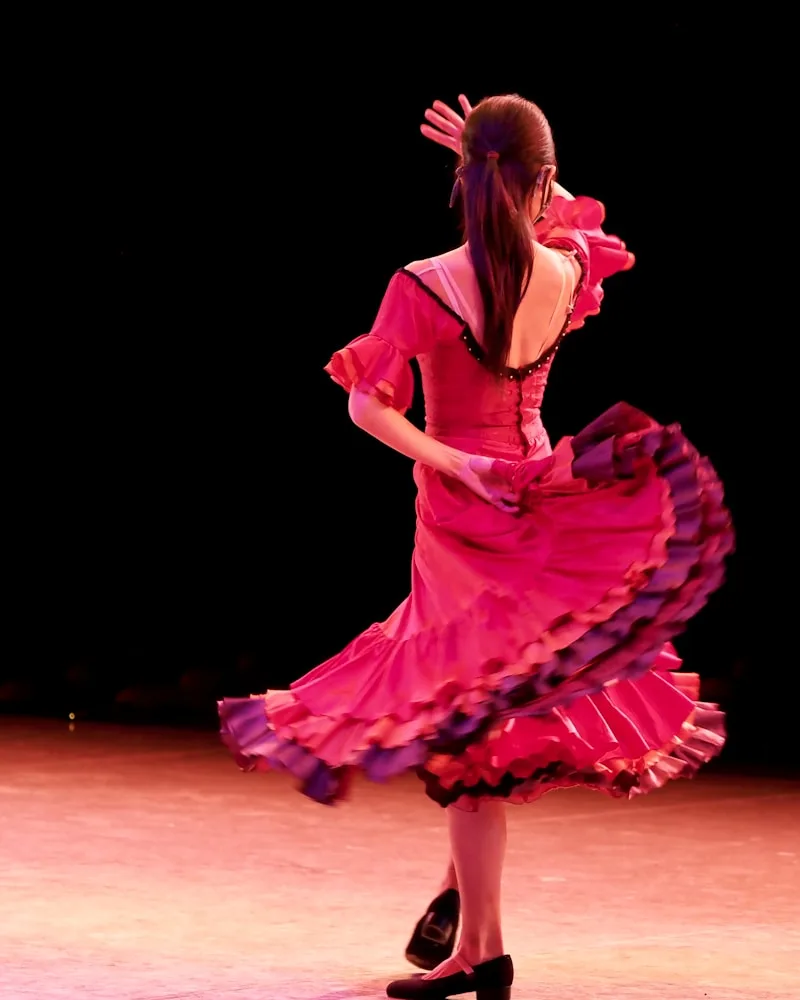
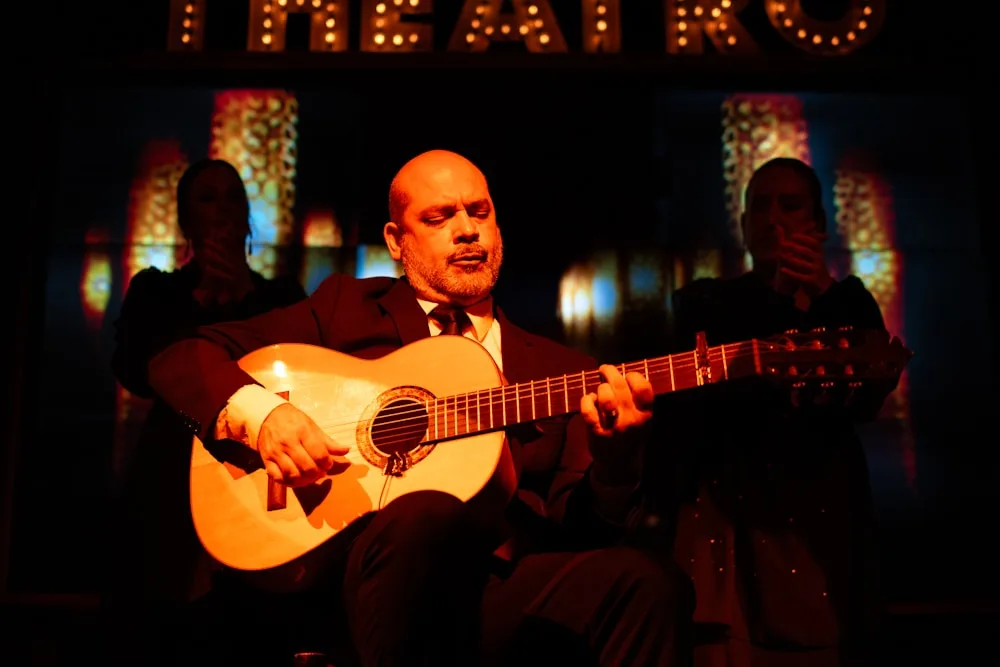
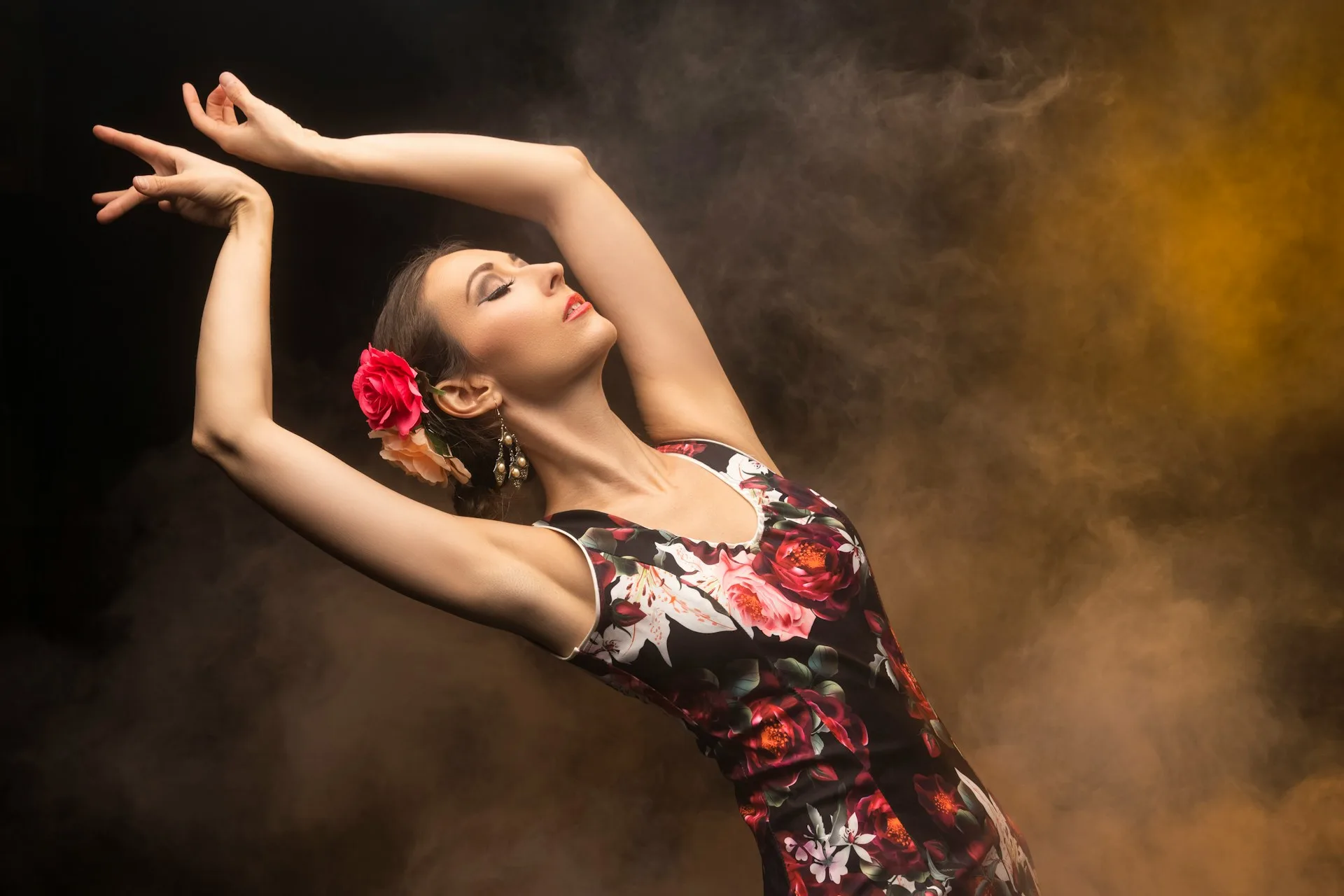
The setting matters as much as the talent. We steer you toward an intimate tablao rather than a cavernous tourist hall, the kind of room where you sit close enough to hear the breath catch in the singer's throat and feel the boards shudder under the dancer's heels. The performance builds slowly, the guitar threading its way in, the hands beginning to clap out the compás, and then the dancer rises: the proud arch of the back, the blur of a ruffled skirt, and the furious, machine-gun stamp of the feet that seems to come from somewhere deeper than rhythm. When it lands, the room erupts.
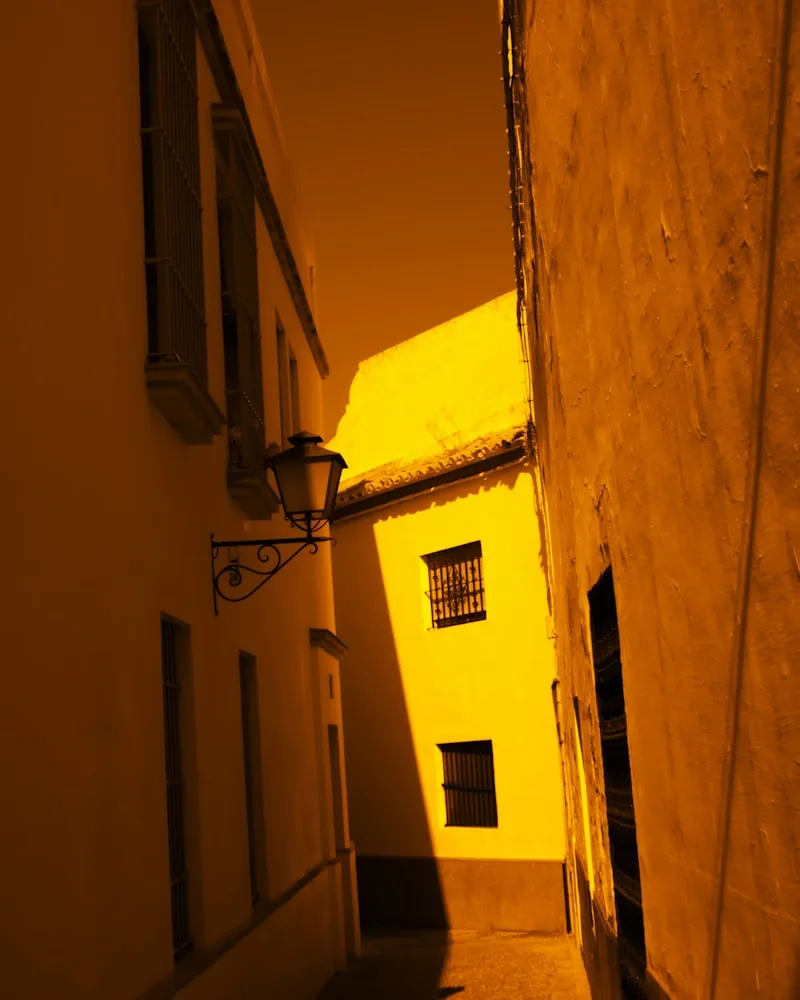
Seville wears flamenco everywhere, but its truest home is Triana, the old gypsy quarter across the river where the Sevillano style was born and where many of its great families still live. We like to build the evening around it: a long, lazy run of tapas first, hopping from bar to bar over jamón and sherry as the heat lifts off the streets, and then, once it is properly dark, the show itself, when the duende, that untranslatable shiver of soul, finally takes the stage. It is Seville at its most alive.