
Region
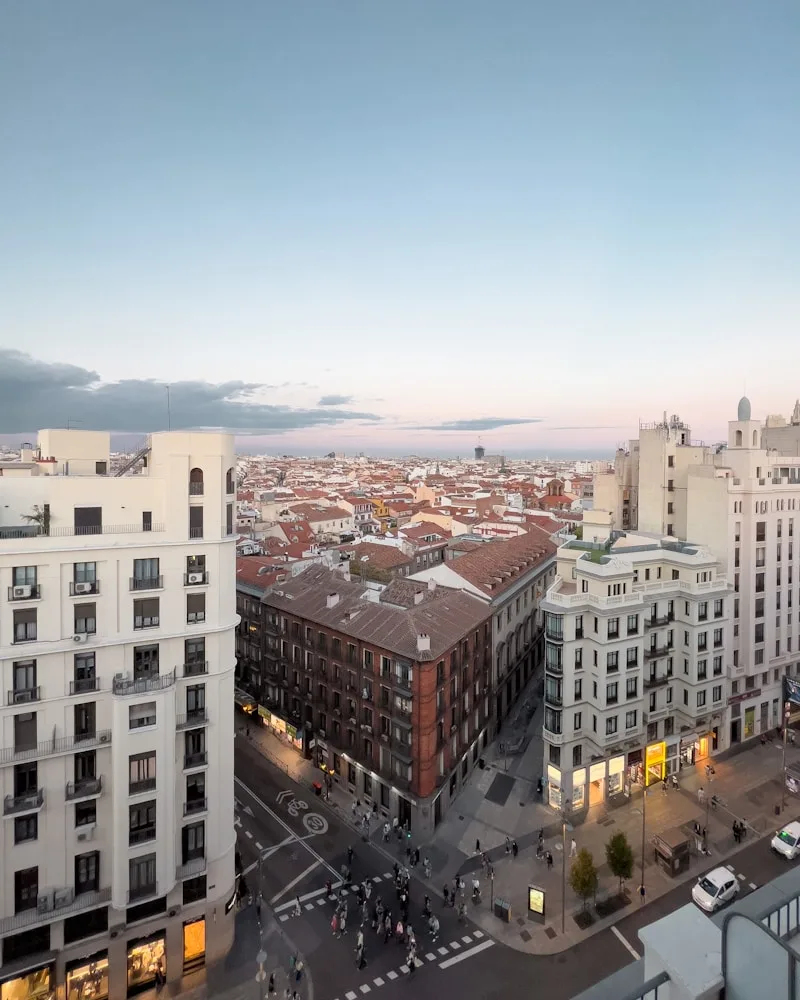
Madrid
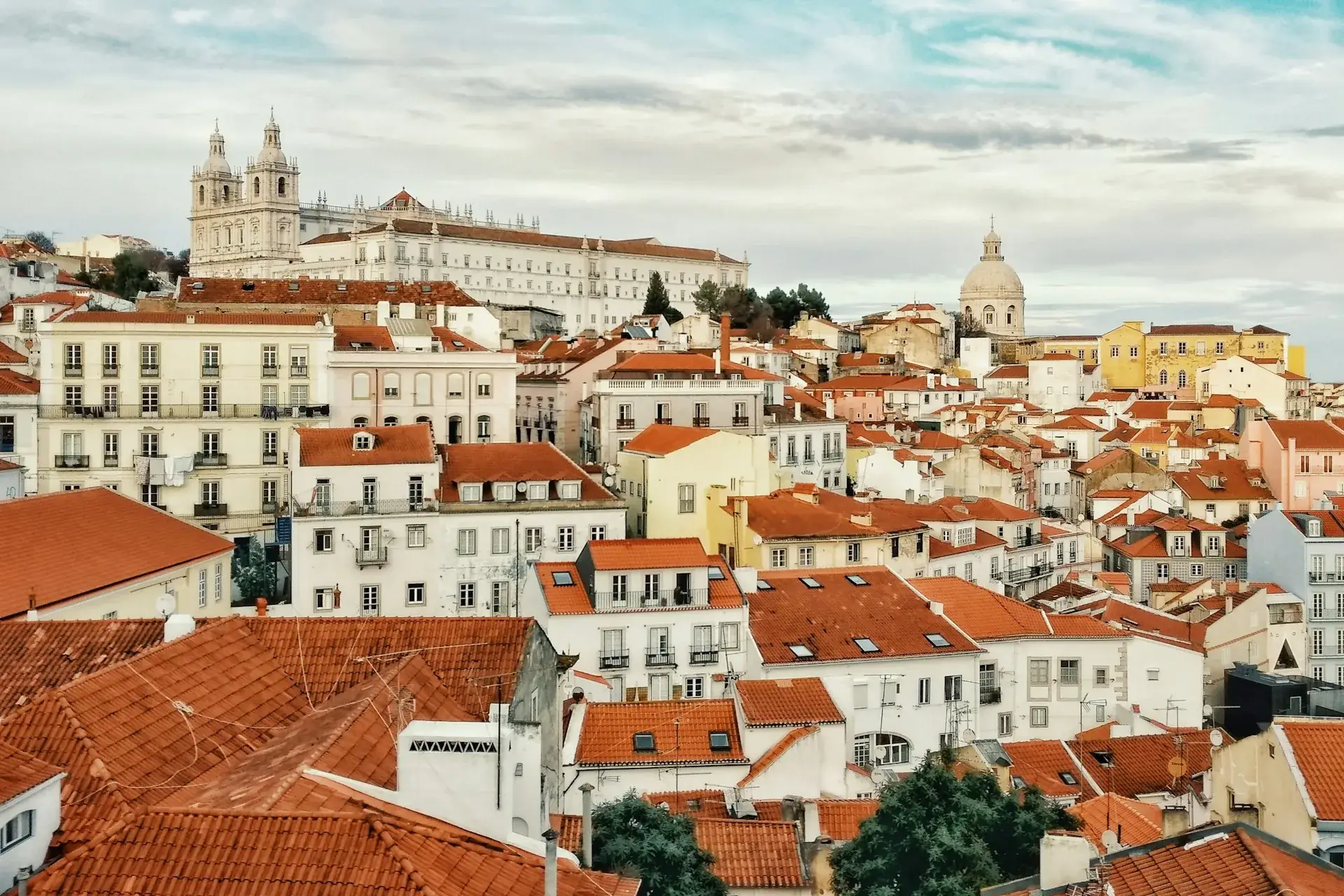
The high, handsome capital: world-class art at the Prado and Reina Sofia, grand boulevards, leafy Retiro park and some of the best eating and nightlife in the country.

By Continent
Europe Africa Asia North America South America Caribbean Australia & Oceania All destinationsOverview
From the canals of Venice to the black-sand coasts of Iceland, Europe rewards the curious traveler with centuries of art, architecture and unforgettable flavor, all within easy reach of one another.
View all EuropeOverview
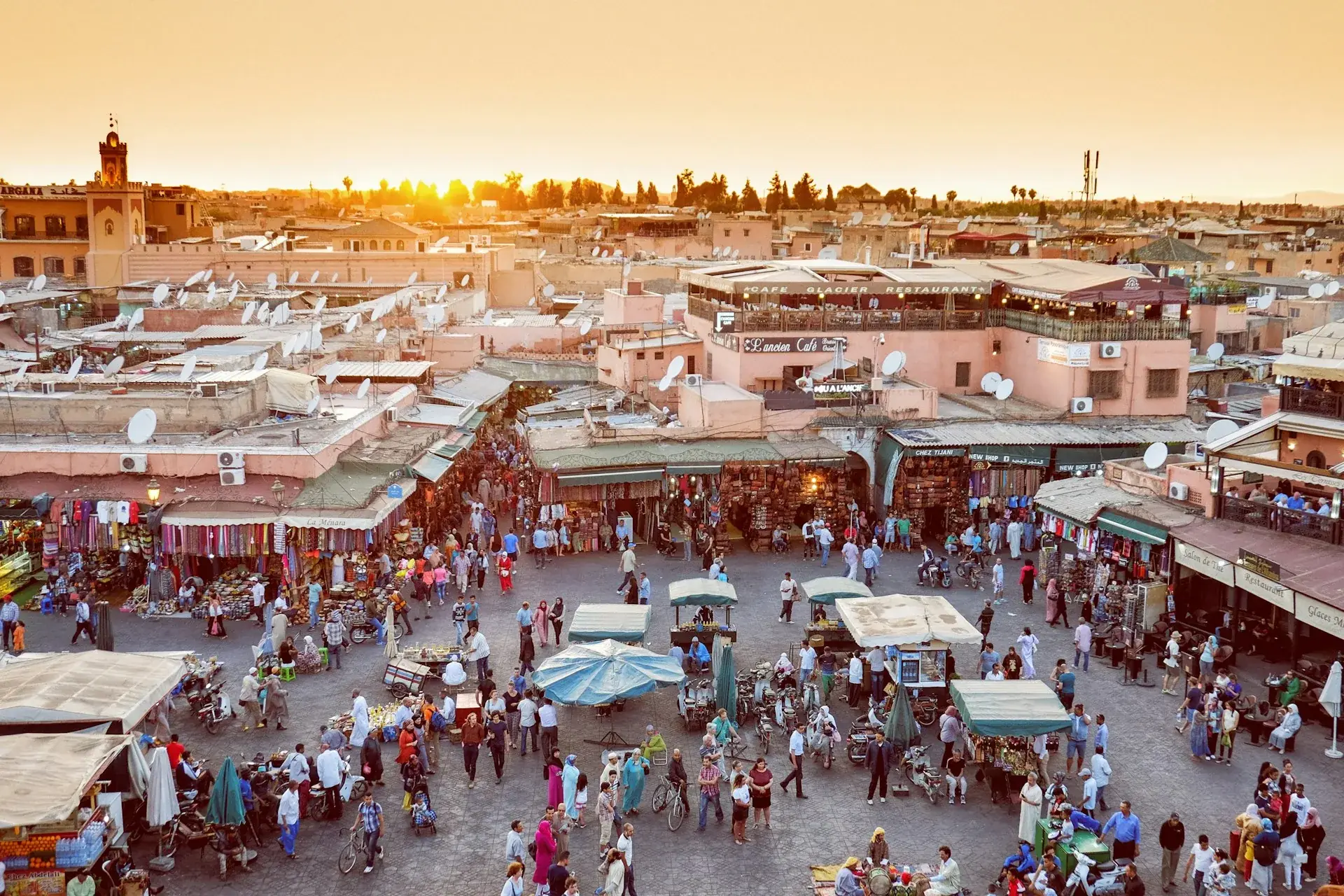
From the dunes of the Sahara to the great plains of the Serengeti, Africa is a continent of staggering scale and singular encounters: a place where landscape, wildlife and culture meet at full intensity.
View all AfricaDestinations
Overview
Vast and varied, Asia spans snow-capped peaks and tropical coasts, neon megacities and silent temples. It is a continent that rewards both the first-time traveler and the lifelong returnee.
View all AsiaFeatured
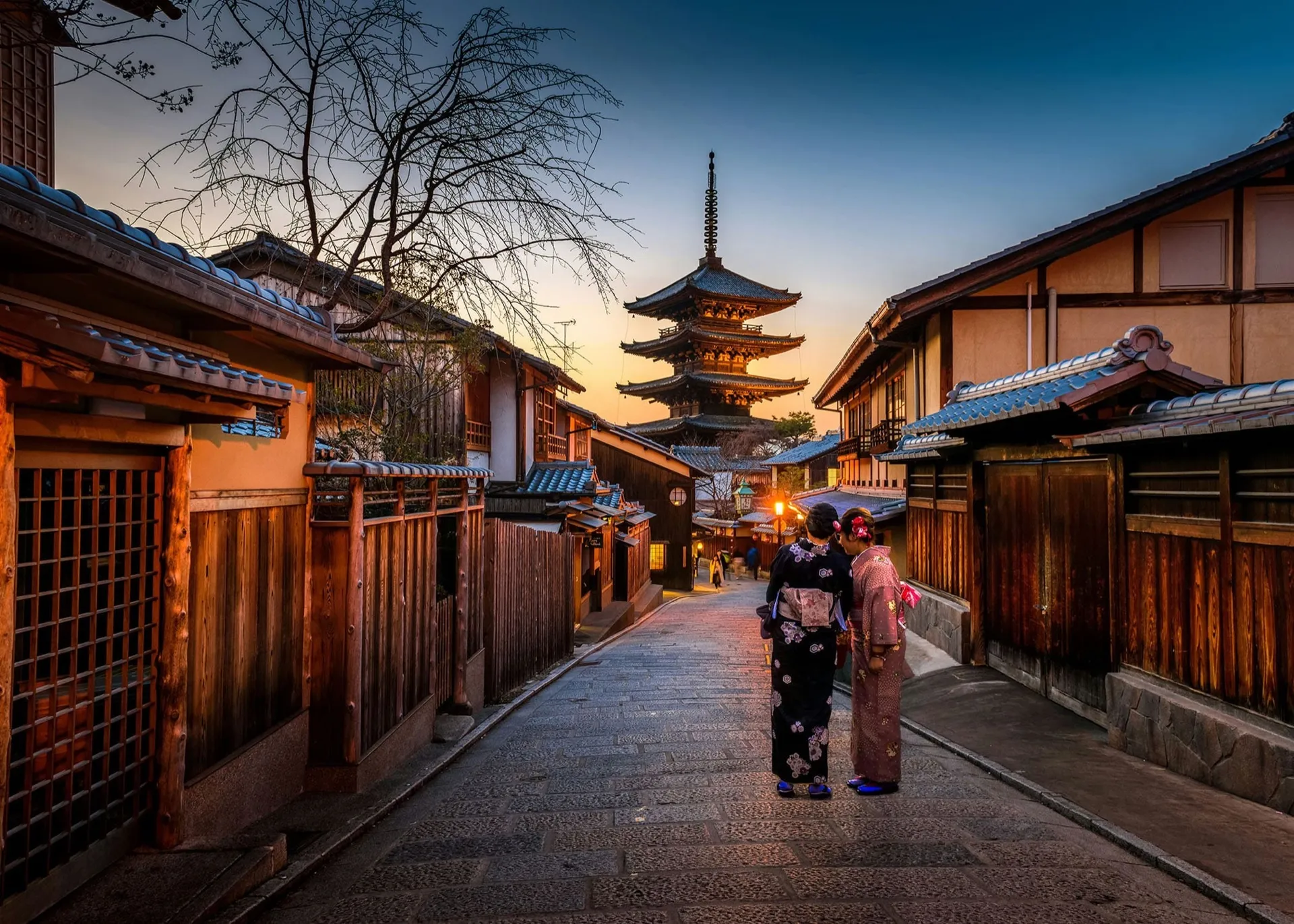 Japan · signature experience Kyoto
 Overview
Close to home and endlessly varied, North America ranges from desert canyons to alpine national parks, from world cities to quiet coastal towns: a continent that contains a dozen vacations within a single border.
View all North AmericaDestinations
Overview
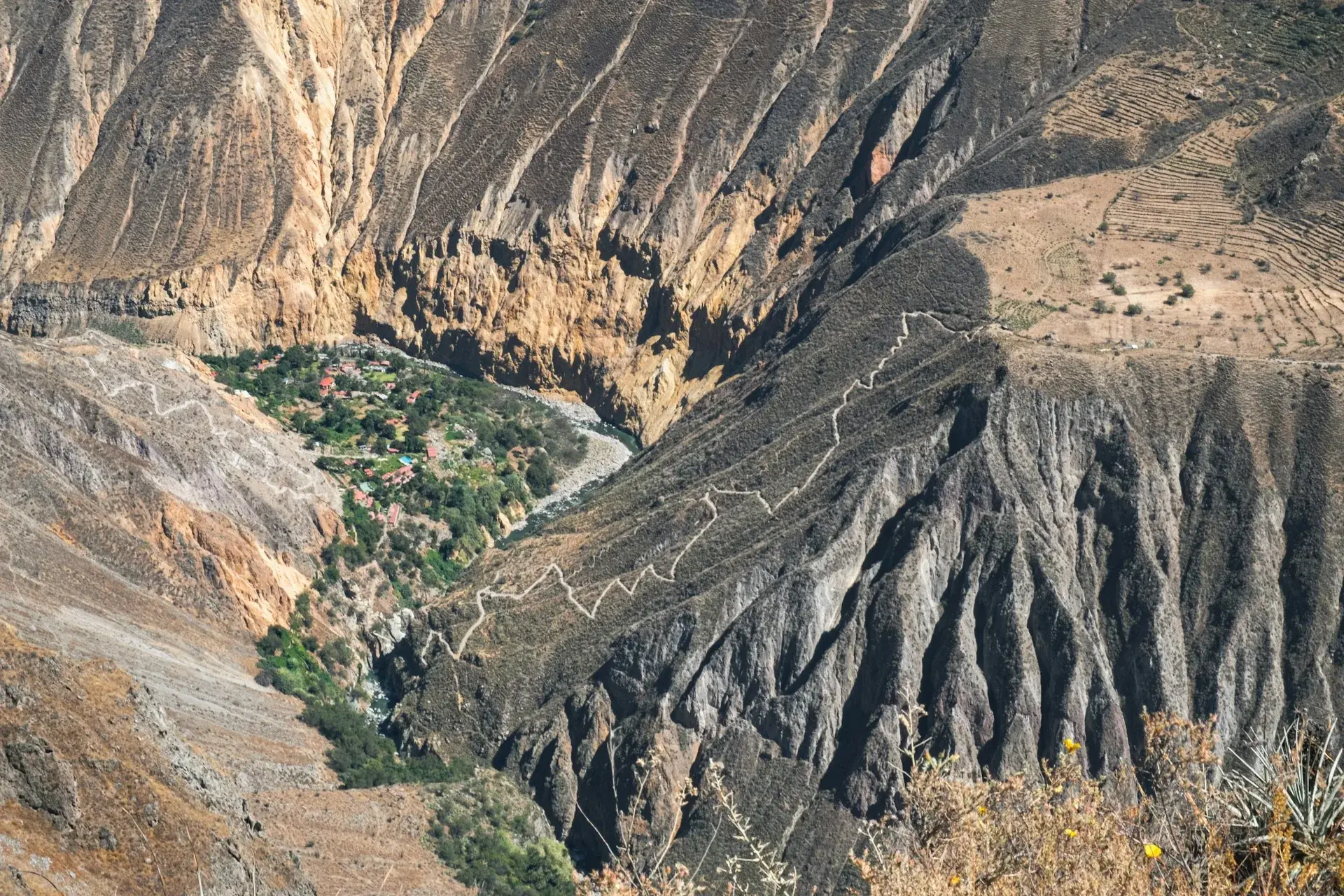
A continent of extremes, from the high Andes and the vast Amazon to glacial Patagonia and the rhythm of its cities, South America rewards the adventurous traveler with some of the planet’s most dramatic scenery and deepest history.
View all South AmericaOverview
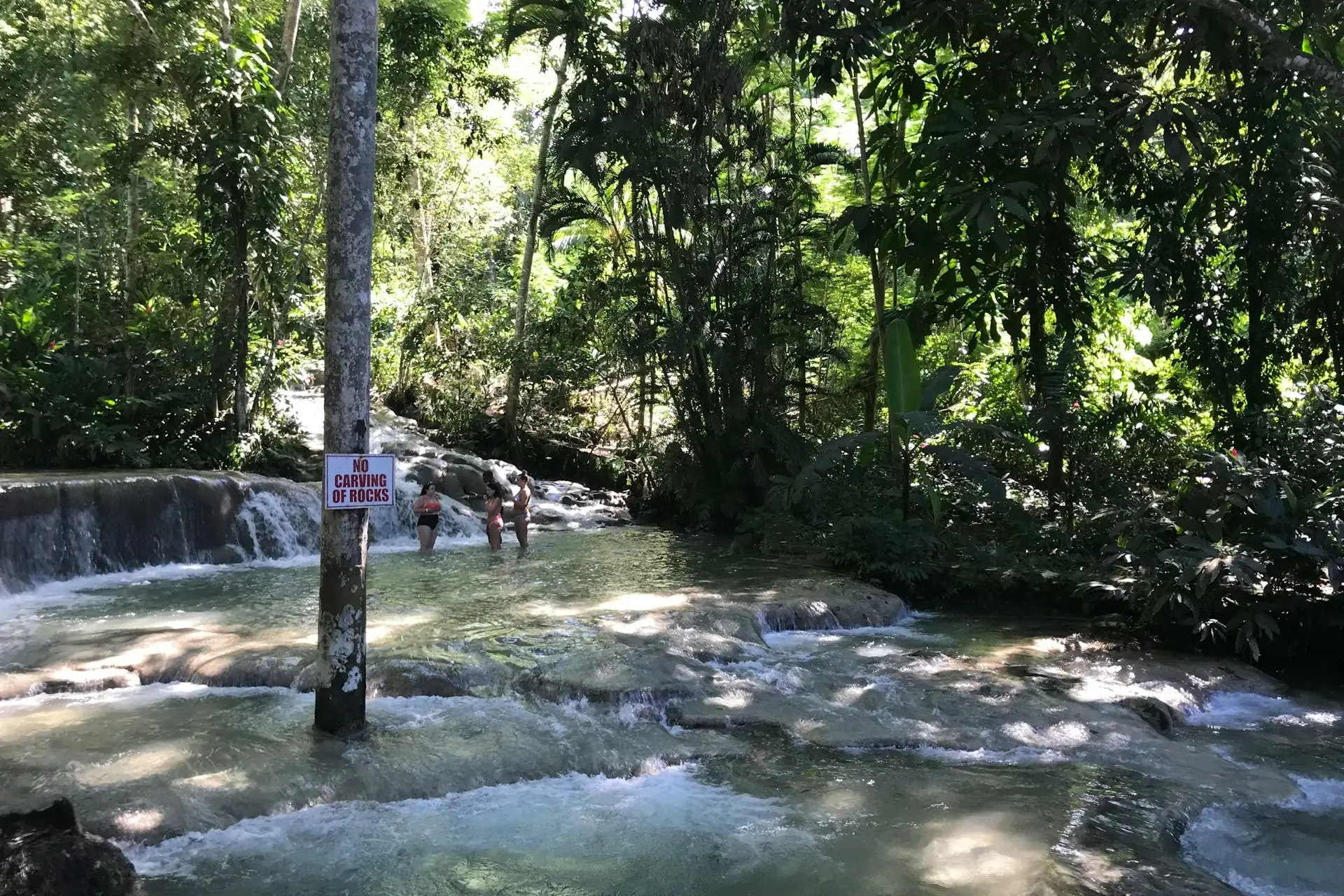
A scattering of islands across impossibly blue water, the Caribbean is the art of the easy day perfected: white sand, warm rhythm and hospitality that turns first-time visitors into lifelong returnees.
View all CaribbeanDestinations
Overview
From the Great Barrier Reef to the red heart of the outback, from the fjords of New Zealand to the scattered atolls of the South Pacific, Australia & Oceania offer some of the most remote and rewarding travel on earth.
View all Australia & OceaniaDestinations
Est. 1918 · four generations · 38 countries
How You Travel
River Cruises Ocean & Small-Ship Expedition Flights Tours & Escorted All-Inclusive All travel experiencesFeatured
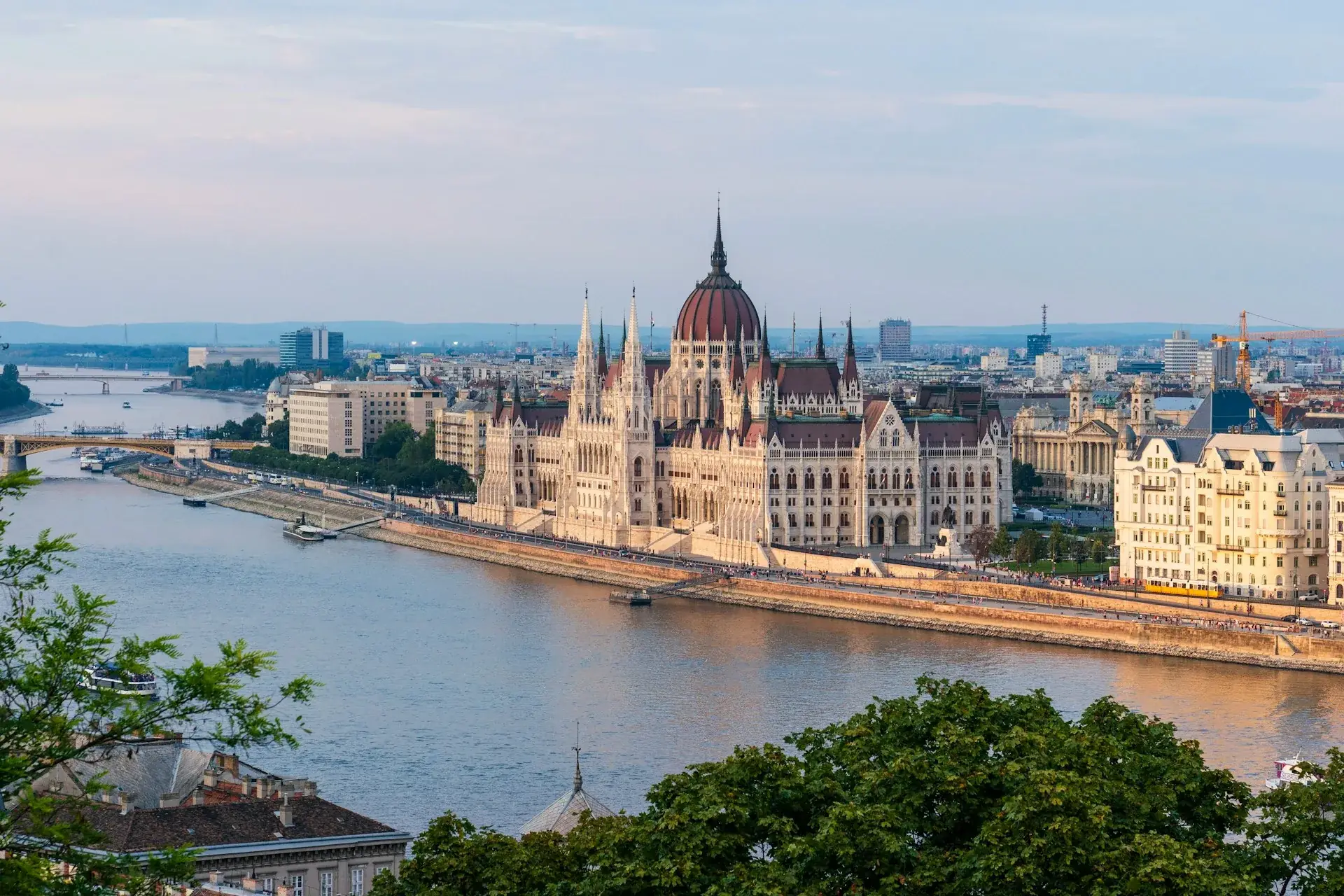 The Danube
 Featured
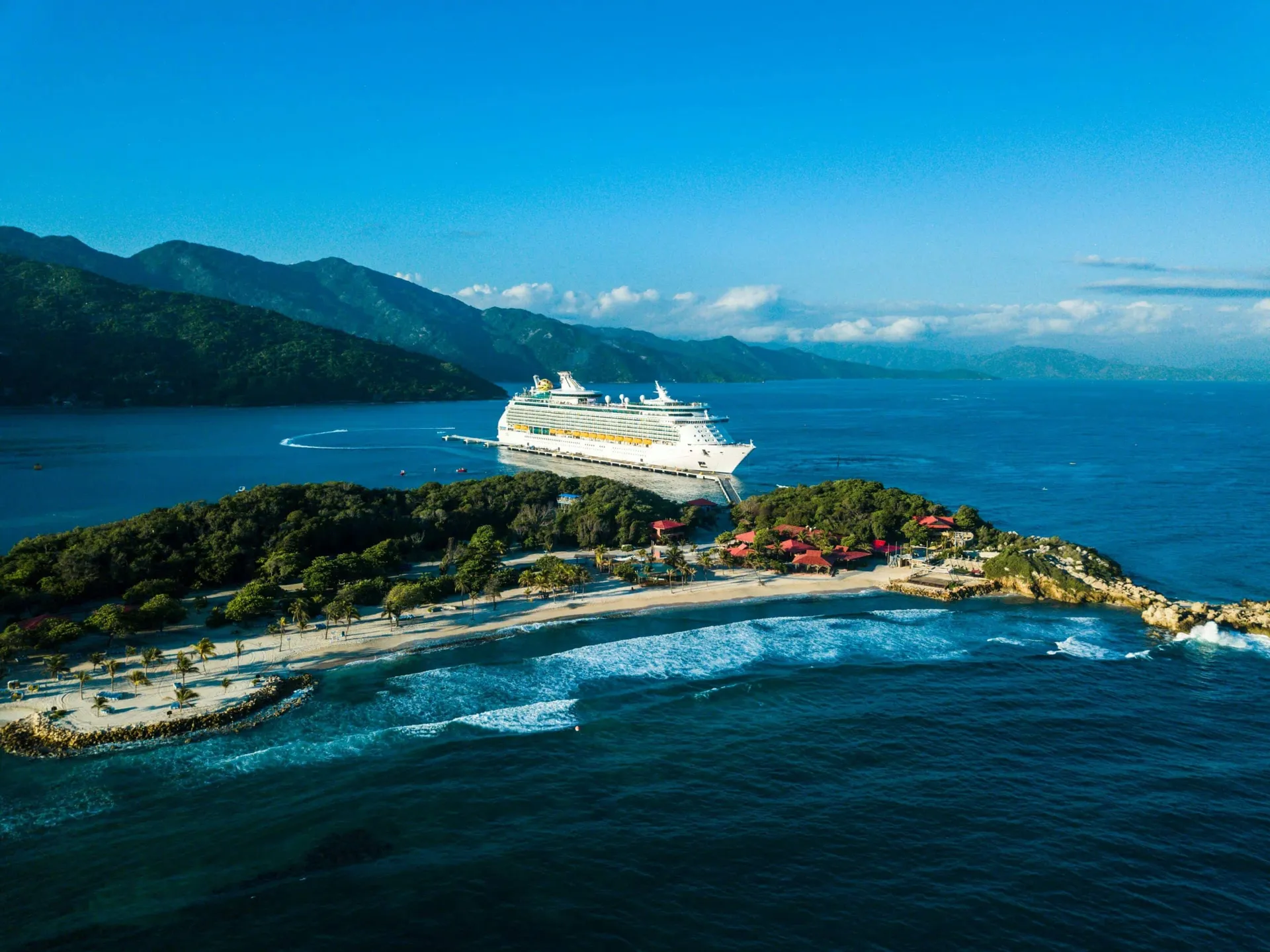 The Caribbean
 Featured
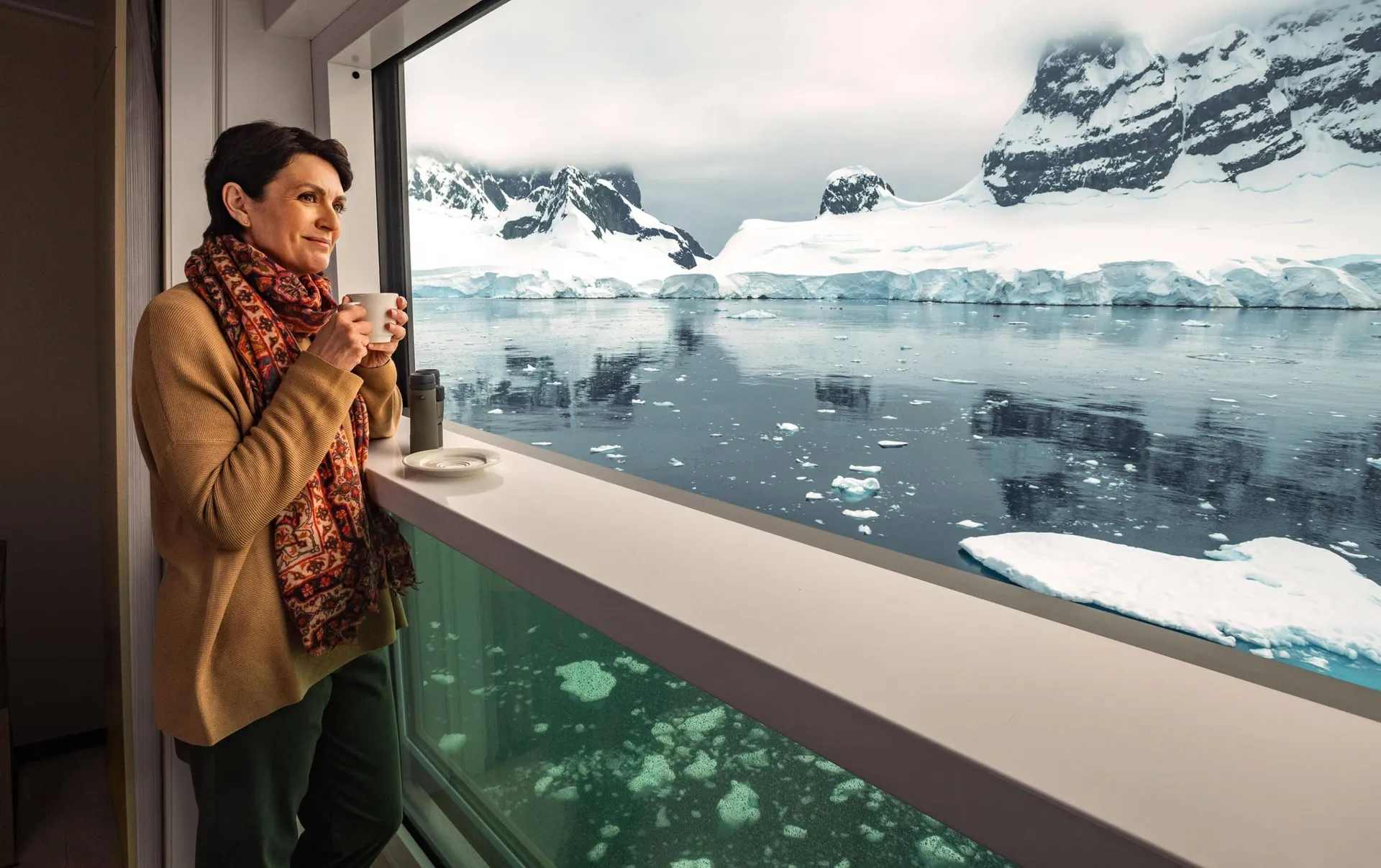 Antarctica
 Overview
Premium-cabin fares, complex routings and around-the-world tickets, booked by people who fly for a living.
Explore flightsFeatured
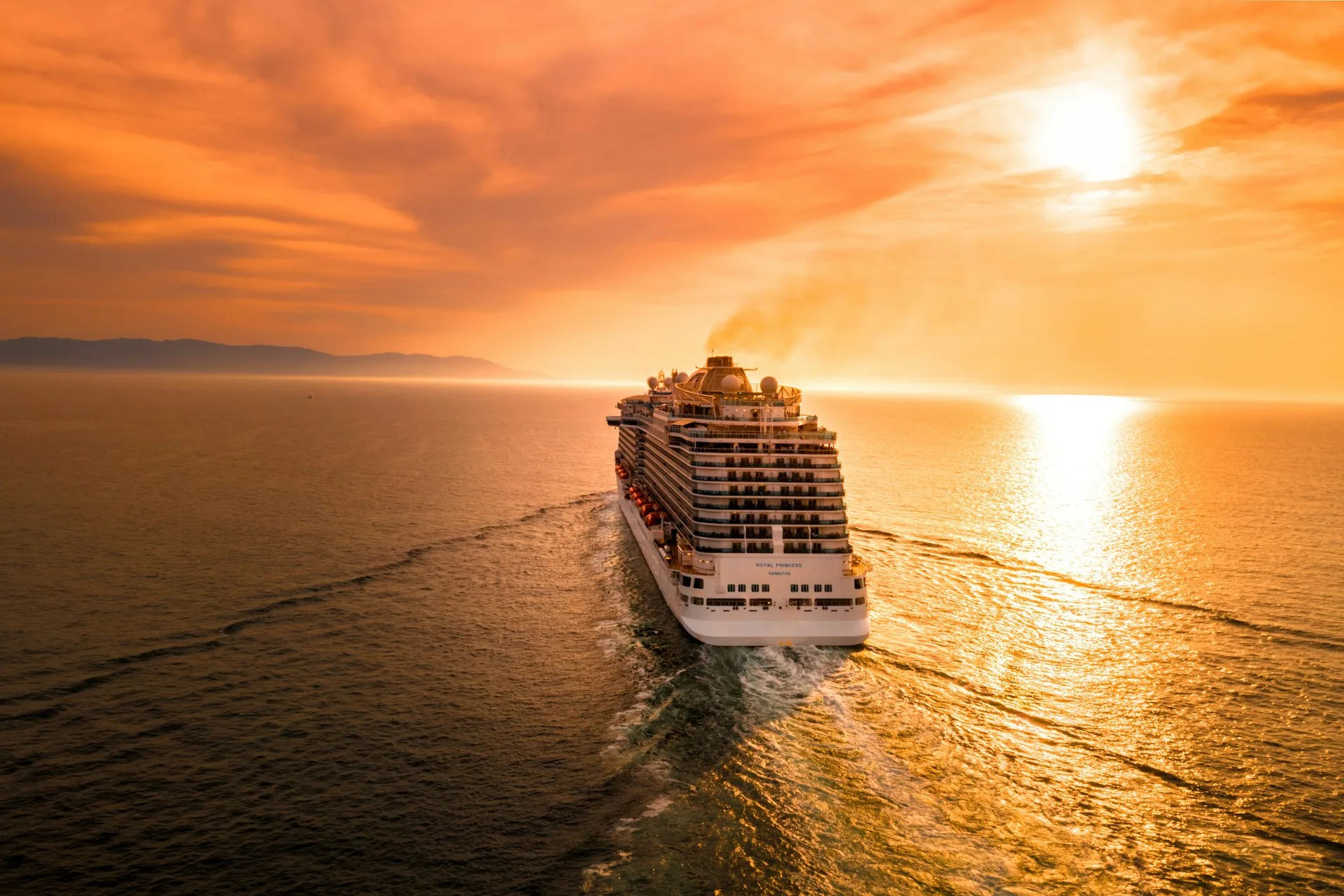 Flights
 Overview
Expertly guided group departures and private escorted itineraries across the world's great regions.
Explore tours & escortedFeatured
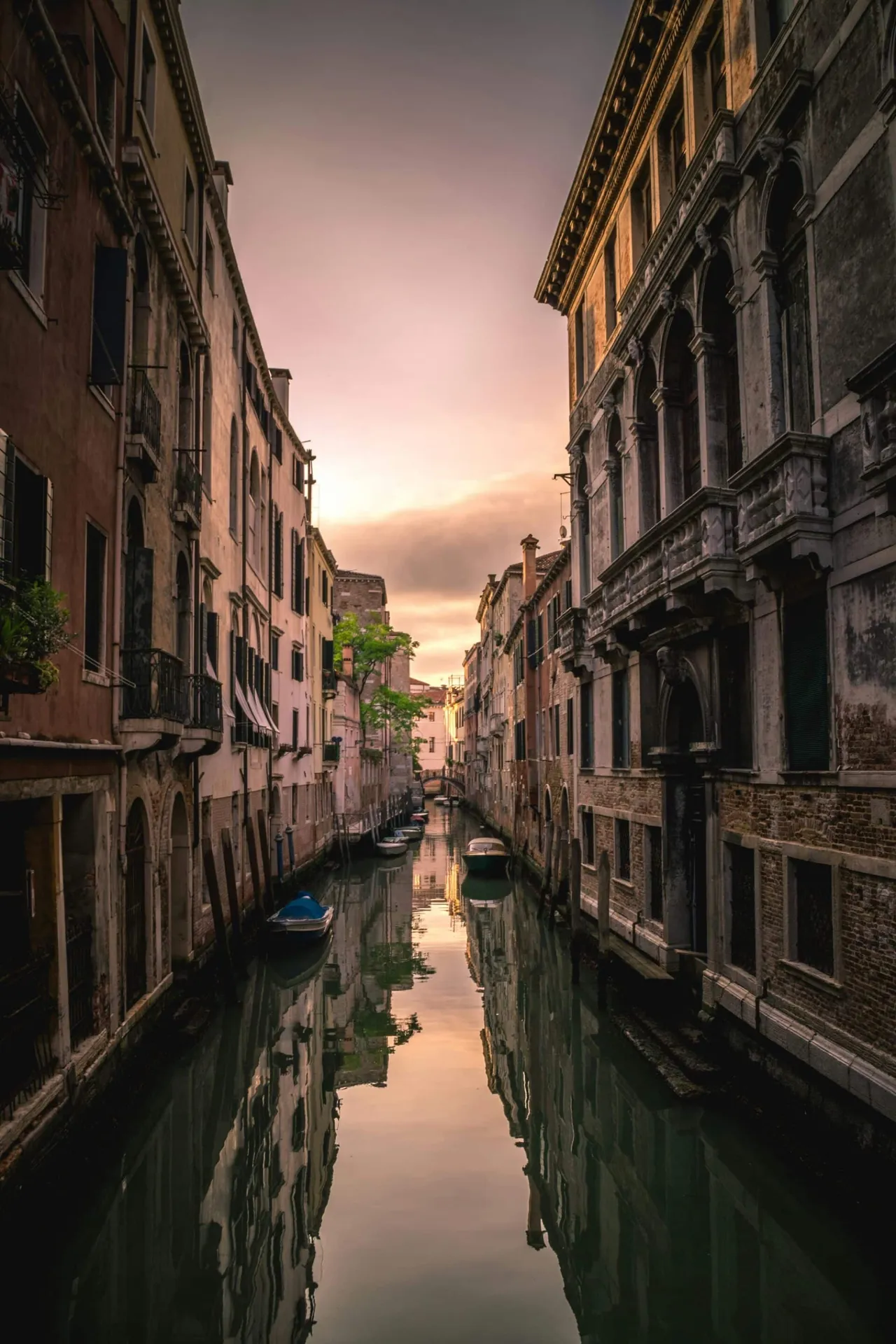 Tours & Escorted Journeys
 Overview
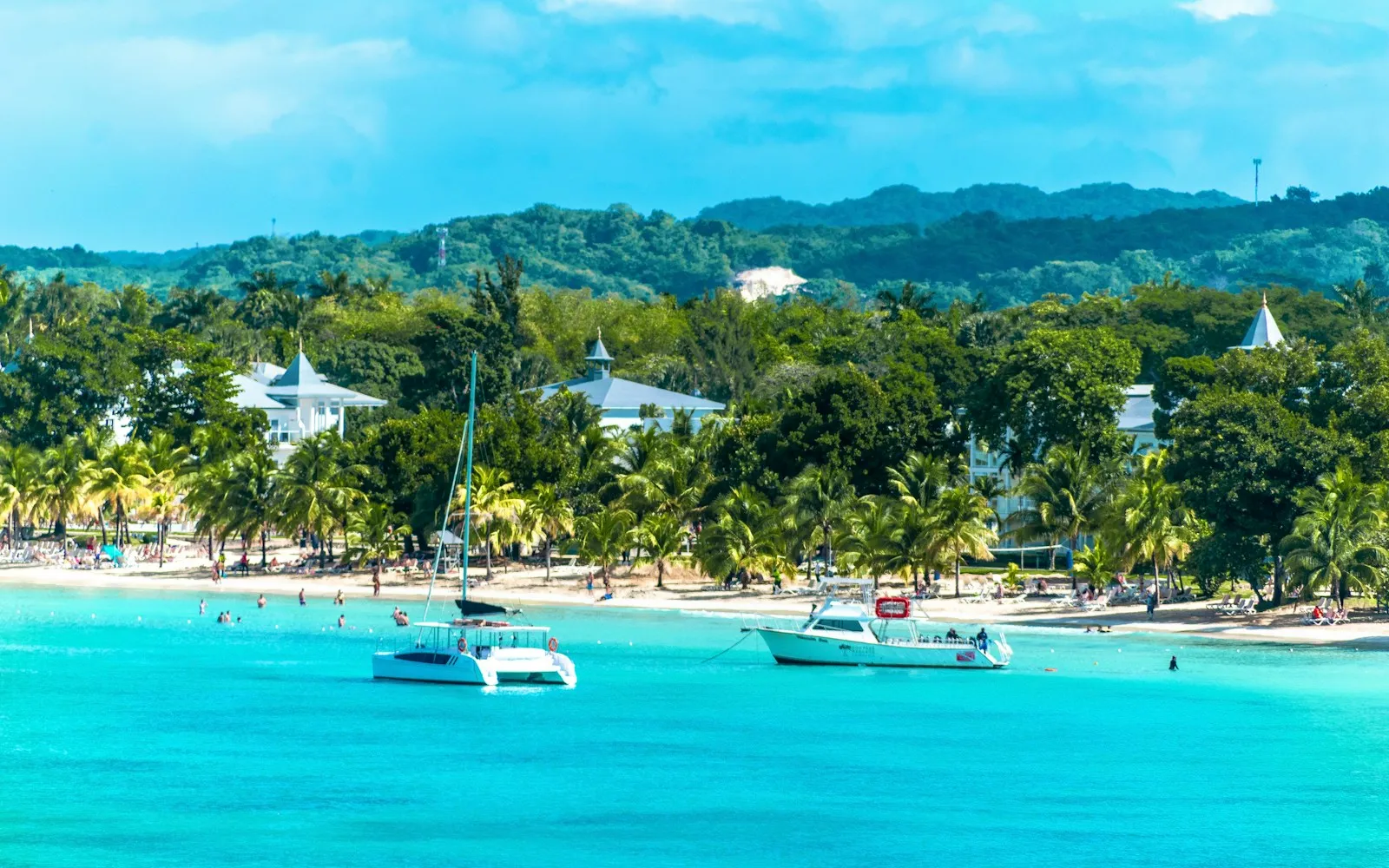
Beach and luxury all-inclusive escapes where flights, meals and more fold into a single, easy fare.
Explore all-inclusiveFeatured
 All-Inclusive Resorts
 River, ocean & expedition cruises · flights · tours · all-inclusive
Corporate travel
Destinations · Europe
Sun-soaked plazas, Moorish palaces & late-night tapas.
The country
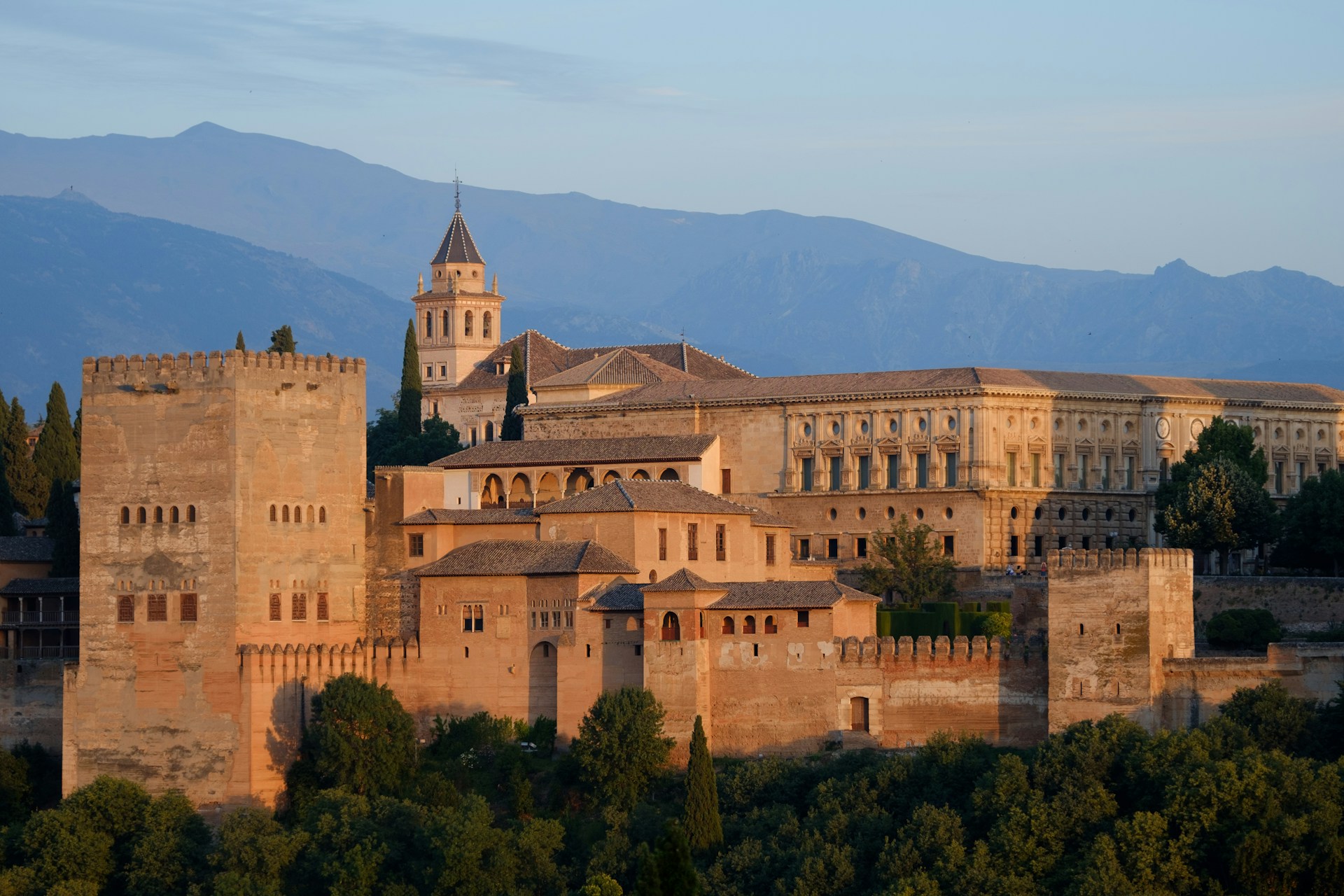
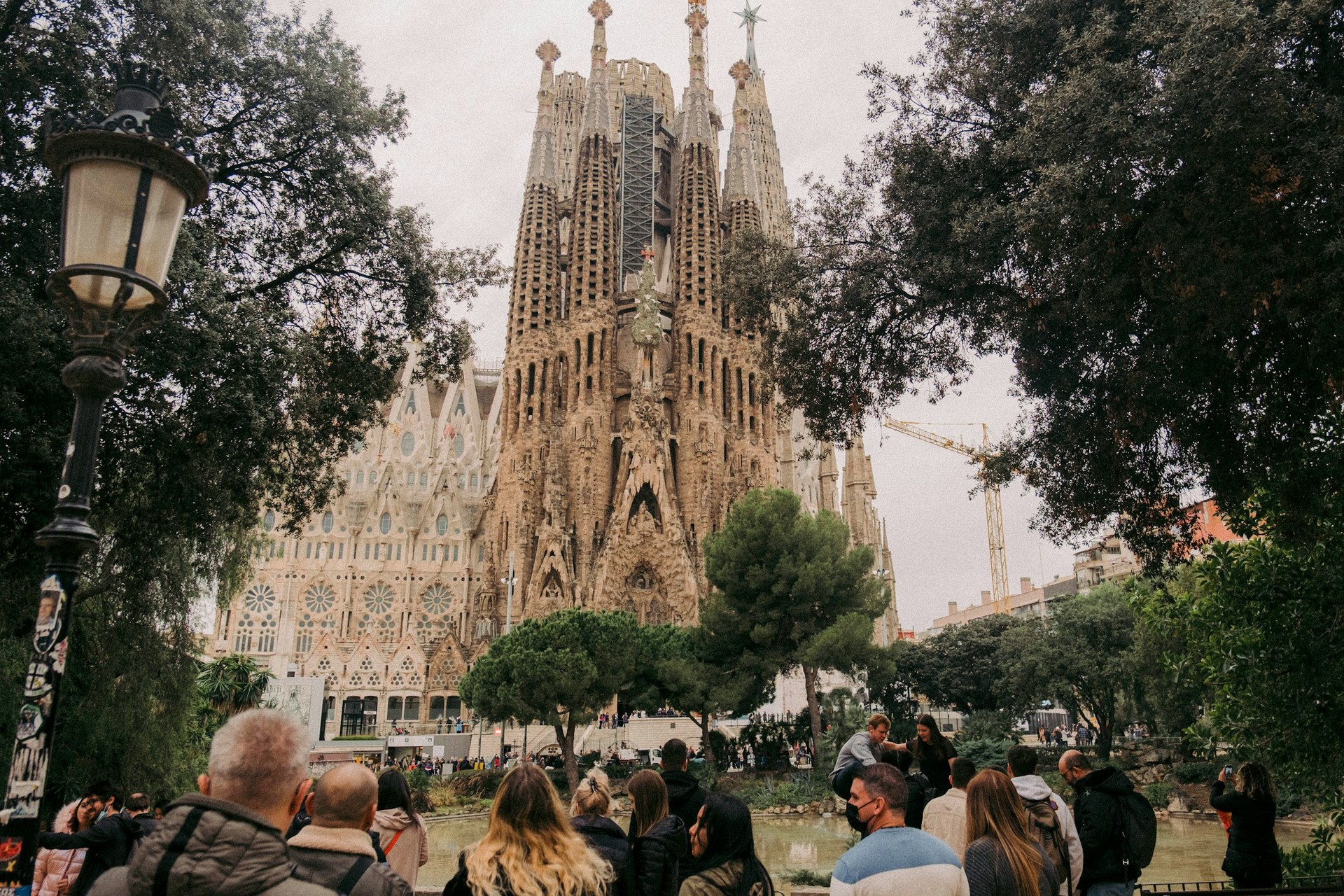
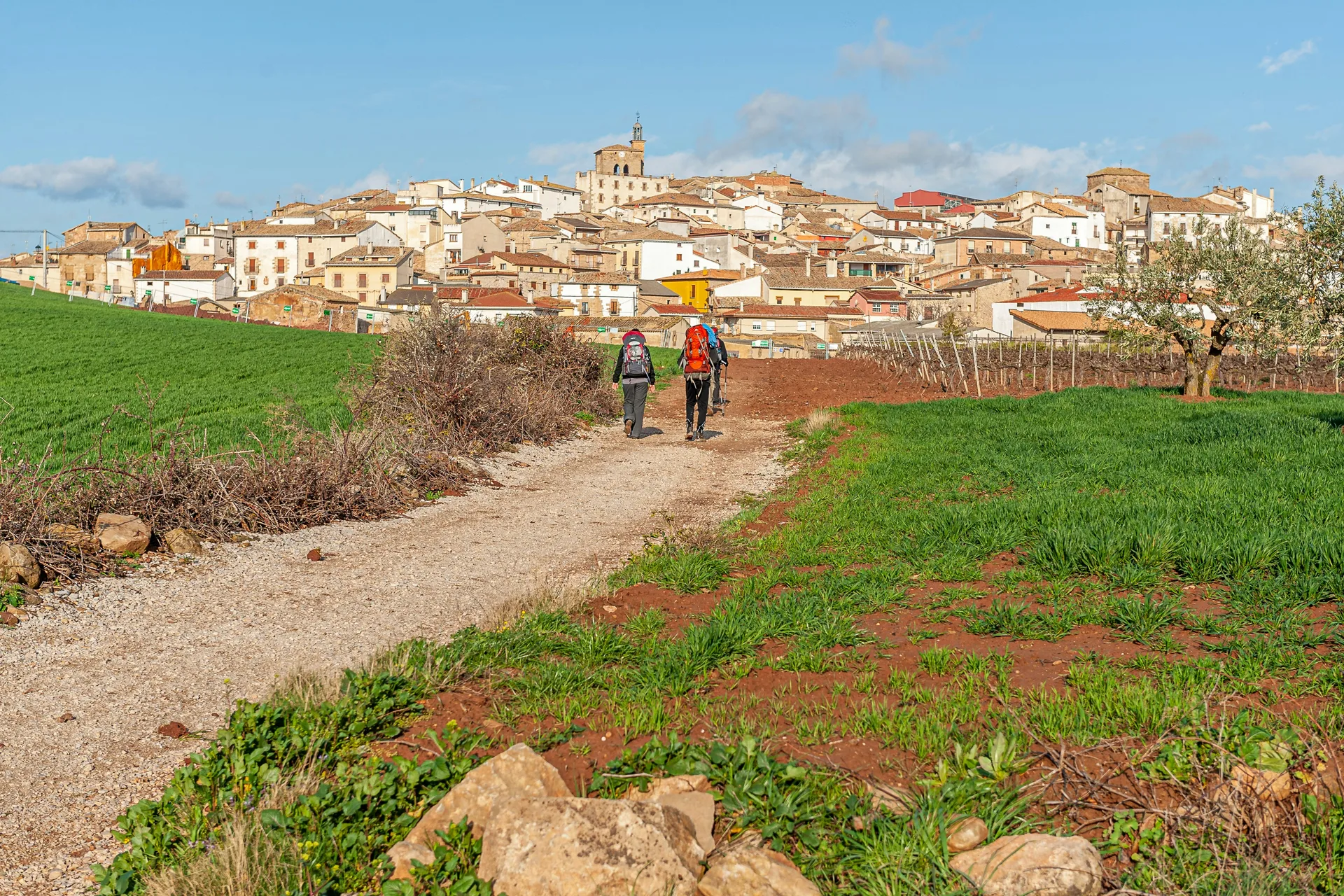
Few countries pack as much variety into one trip as Spain. In the space of a week you can stand beneath the soaring towers of Barcelona's Sagrada Familia, lose an afternoon in the tiled courtyards of Granada's Alhambra, and watch the sun set over the rooftops of a Castilian hill town, all linked by some of the fastest trains in Europe.
This is a country built around the table and the plaza. Mornings start slow over coffee and tostada; lunch is the long, unhurried heart of the day; and dinner rarely begins before nine, when whole neighborhoods spill out for tapas and conversation. The rhythm changes from region to region, from the cider houses of the Basque north to the flamenco bars of Andalusia, and learning to move at its pace is half the pleasure.
We design Spain itineraries that balance the headline sights with the quieter moments in between: a private tour of the Alhambra before the gates open, a pintxos crawl through San Sebastian's old town, an afternoon among the olive groves of the south. However you want to travel it, we build the route so each stop has room to breathe.
When to go
Spain changes more by month than almost anywhere we book. This is the calendar as we'd sketch it across the desk — when it peaks, when it bakes, and when it's quietly yours.
Our favorite stretch: Holy Week processions and Seville's Feria in April, Cordoba's patios in bloom by May, long warm days into June — all before the fierce heat and high prices of midsummer.
The grape harvest in Rioja, still-warm Mediterranean water and softer light. Ideal for pairing the cities with wine country and the coast without summer's crowds.
Peak summer: the coasts and islands are at their best, but inland cities like Madrid, Seville and Cordoba can be punishingly hot, and prices peak. Book the Balearics well ahead.
Mild, quiet and great value, with the cities at their most local. Expect some rain in the north and cool evenings; perfect for an art, food and history focused trip.
Where to go
Spain is really a country of countries, each with its own language, landscape and table. These are the regions we weave together most often, from the museum-rich capital to the Moorish south, the creative Mediterranean coast and the green, food-obsessed north.
Region
The high, handsome capital: world-class art at the Prado and Reina Sofia, grand boulevards, leafy Retiro park and some of the best eating and nightlife in the country.
Region
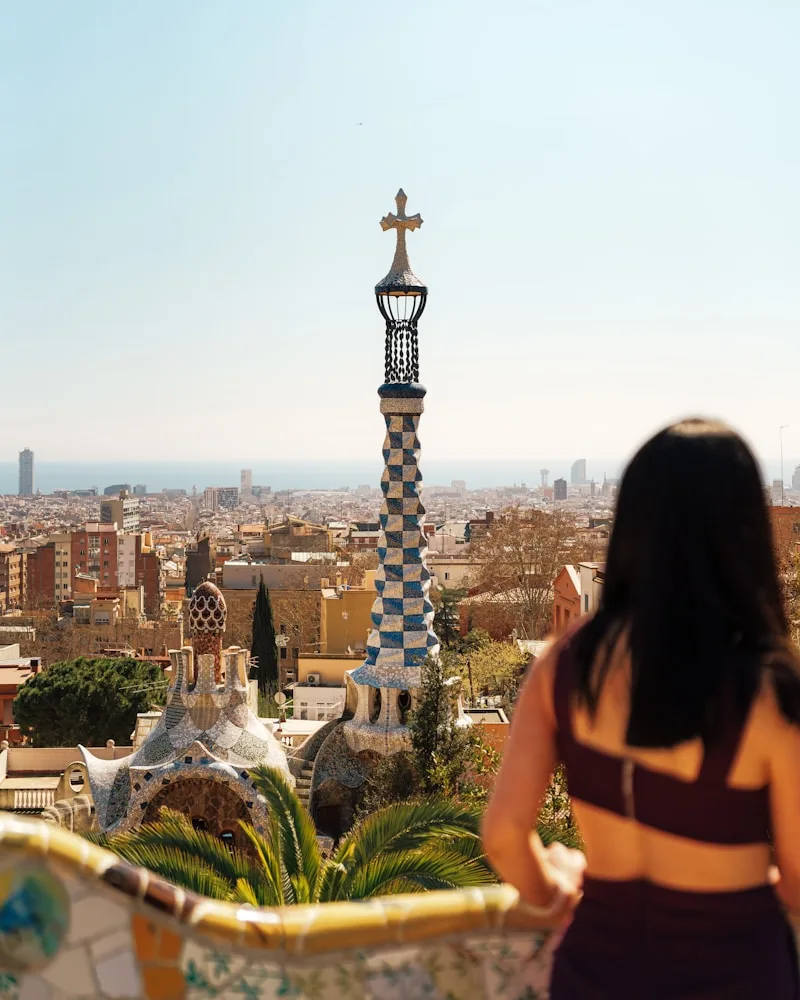
Gaudi's dreamlike architecture, the medieval Gothic Quarter and a Mediterranean beach within reach of the center, plus the wine country of the Penedes just inland.
Region
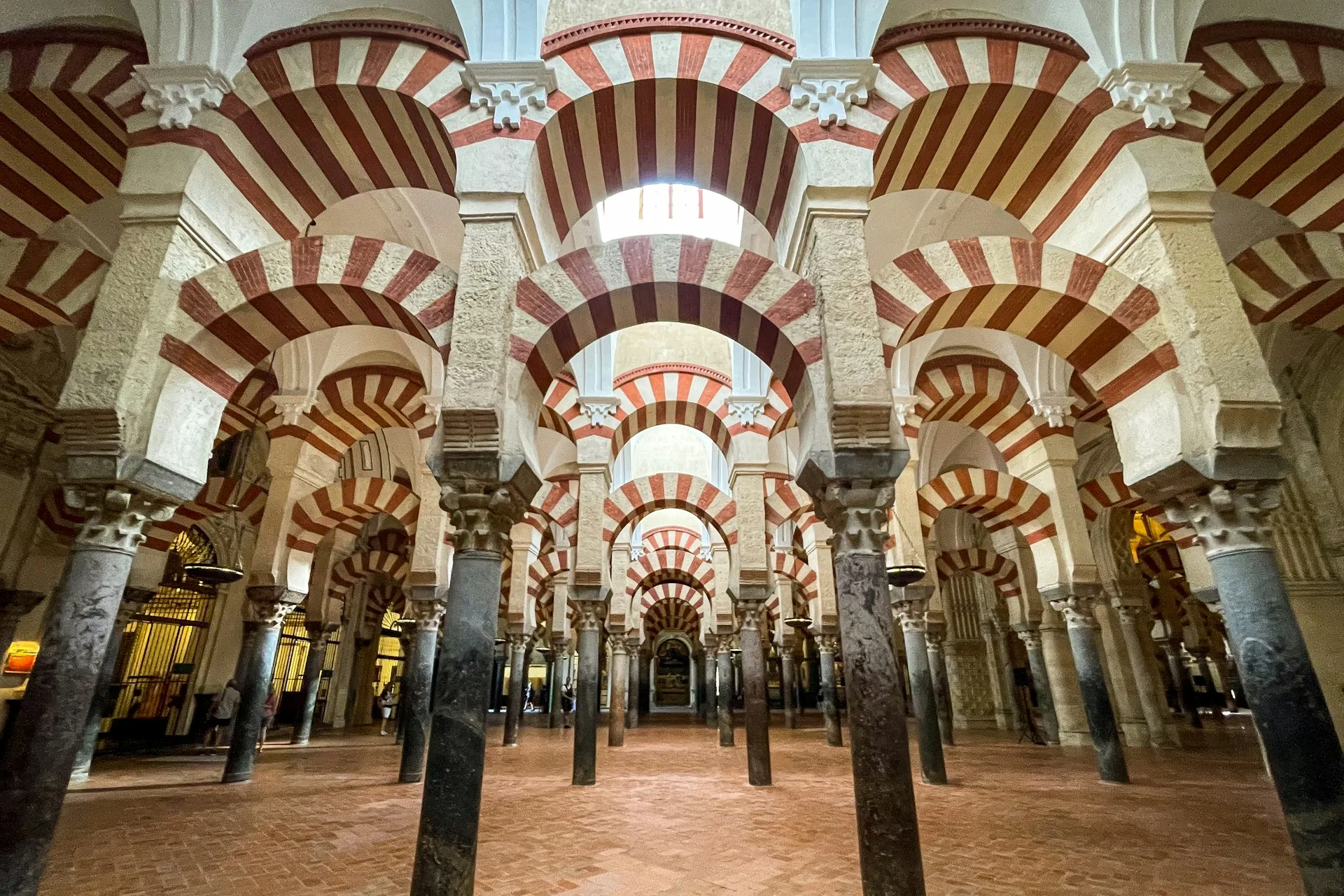
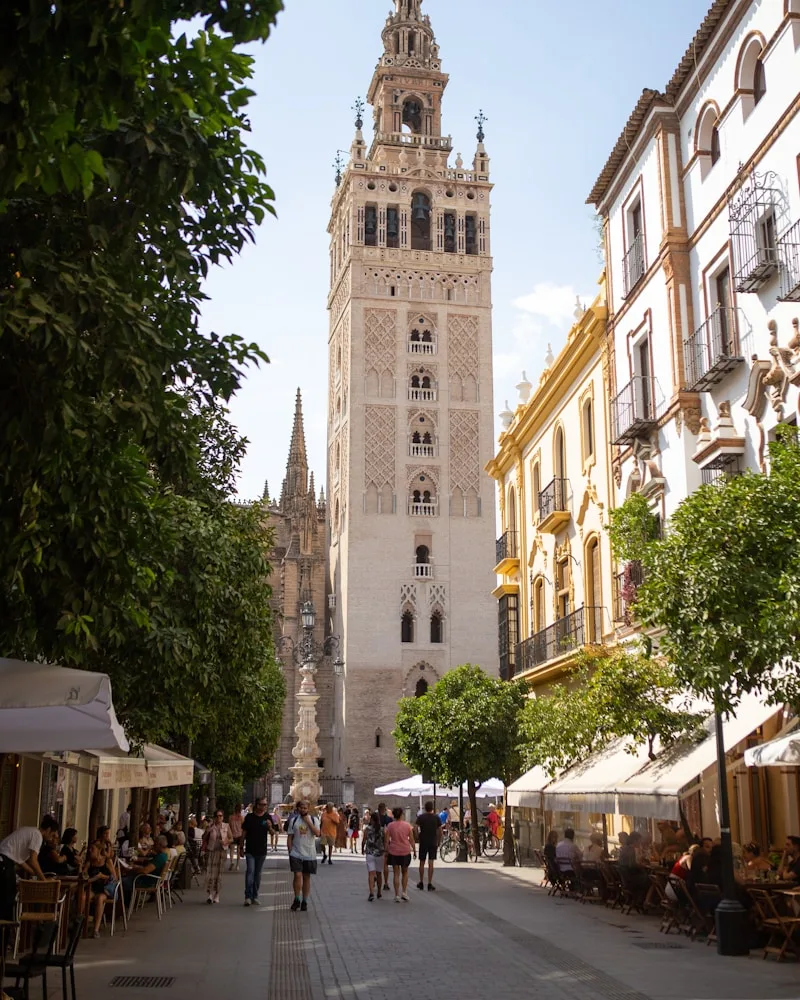
The soul of southern Spain: the Alhambra in Granada, Seville's cathedral and flamenco, Cordoba's mosque-cathedral and the white hill towns in between.
Region
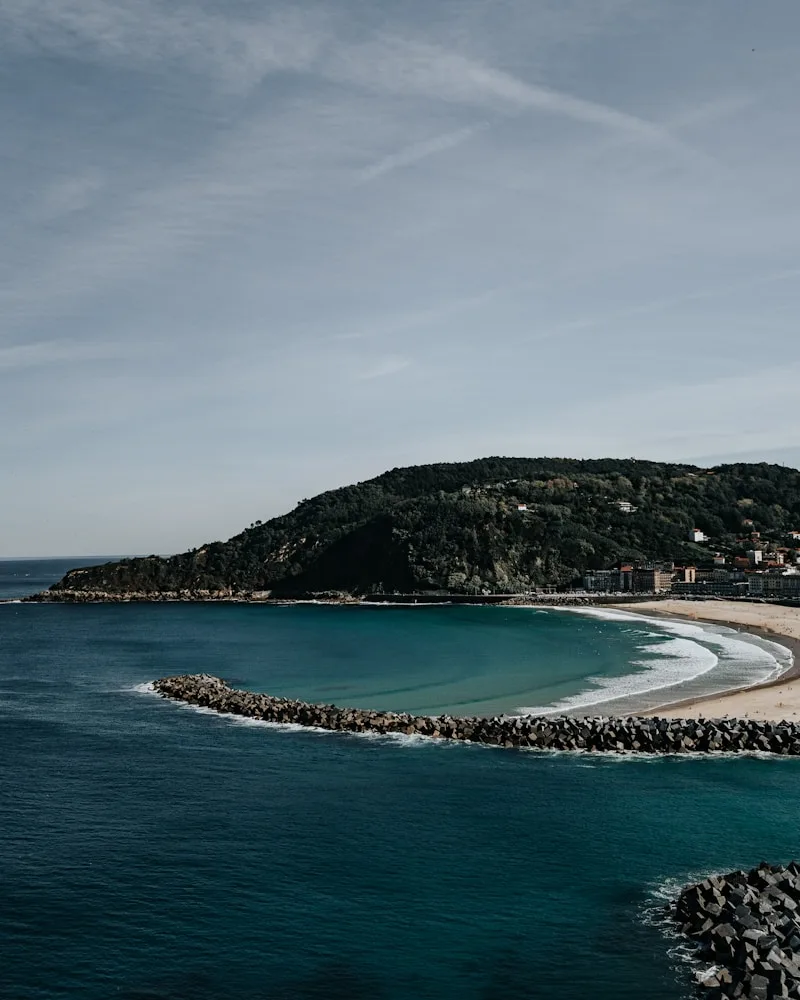
Green, dramatic and proudly distinct, with the pintxos bars of San Sebastian, the Guggenheim in Bilbao and a wild Atlantic coast of surf beaches and fishing towns.
Region
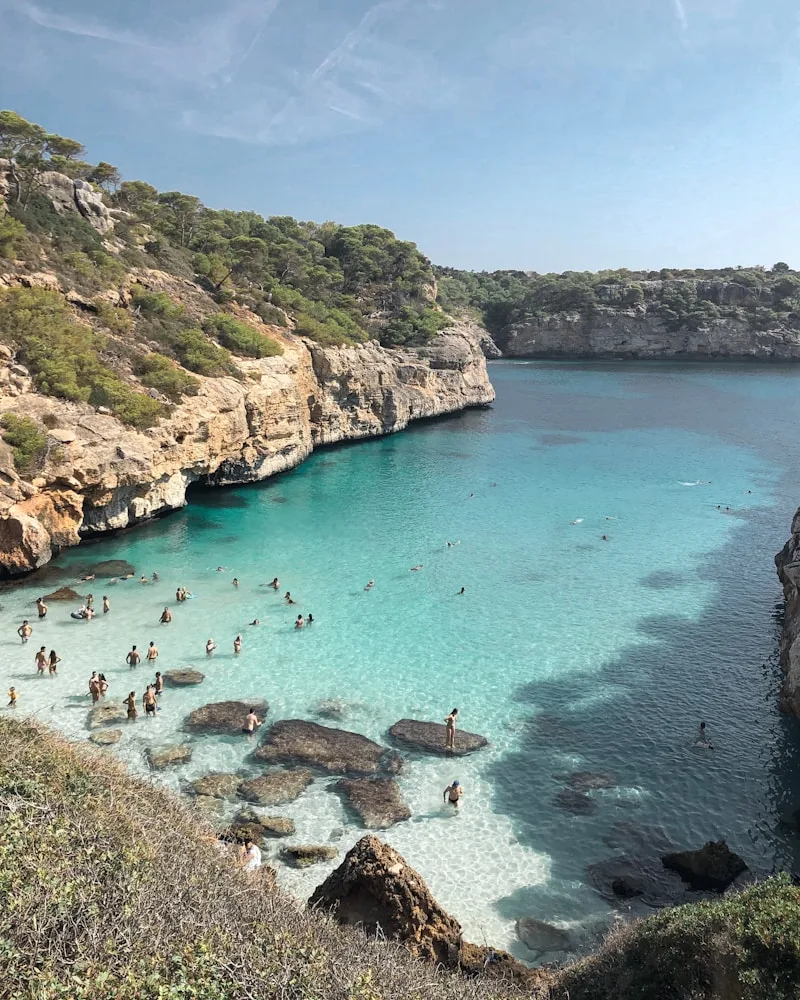
Mallorca, Menorca, Ibiza and Formentera: turquoise coves, pine-clad hills and harbor towns, an easy add-on for travelers who want to finish on the Mediterranean.
A sample journey
 1
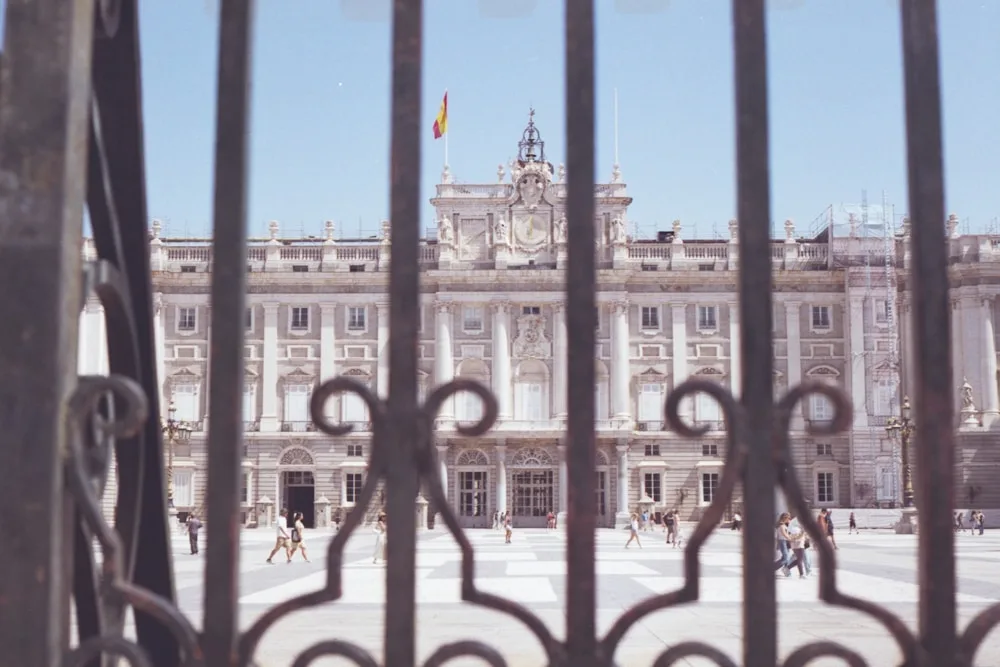
1 Begin in the capital: the Prado and Reina Sofia, a stroll through the Retiro, and long evenings of tapas in the old center, with the Royal Palace and Plaza Mayor in between.
 2
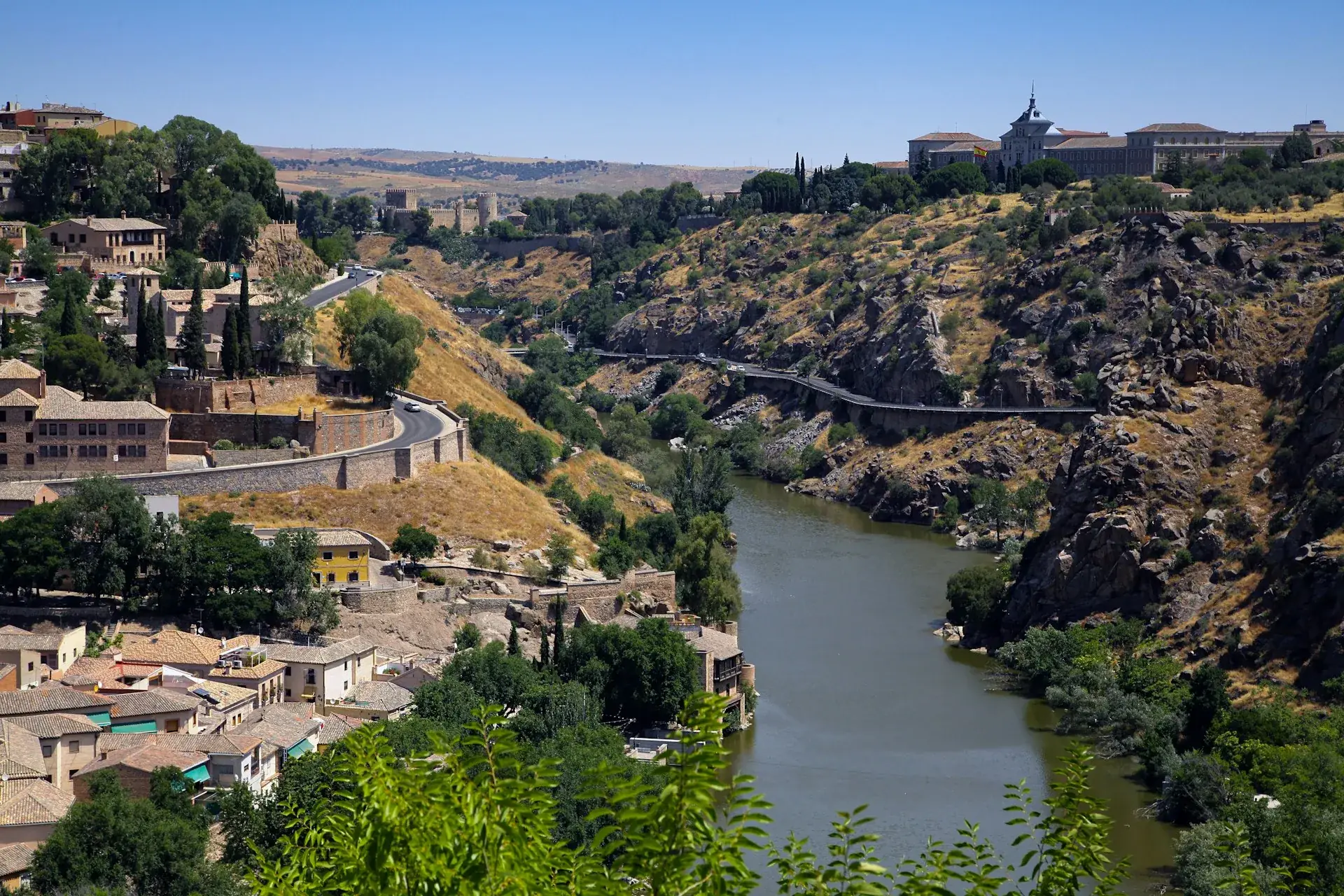
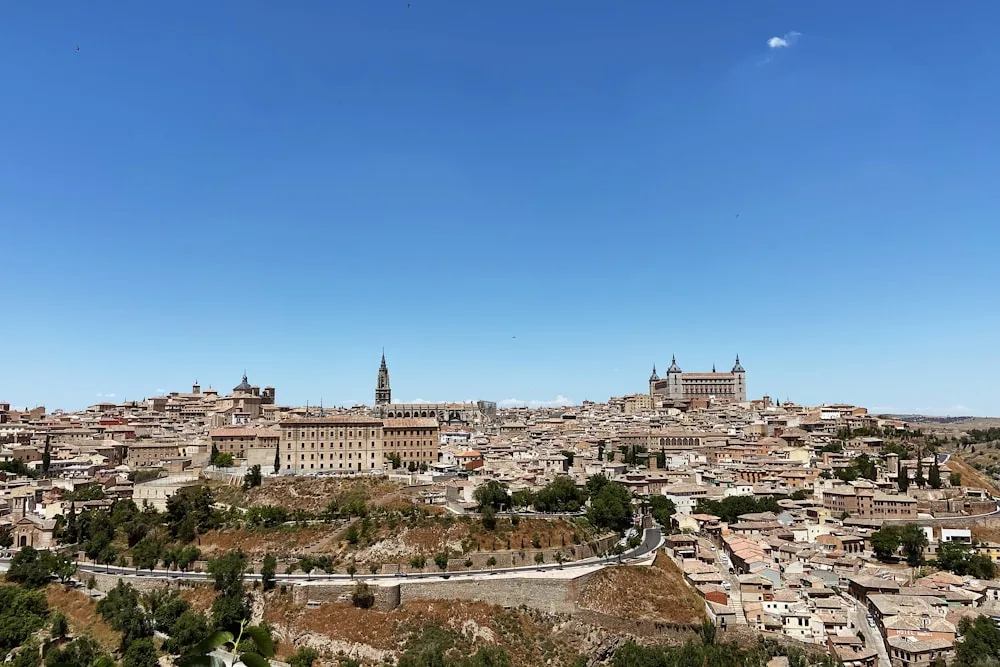
2 Day-trip into Castile: the walled, three-faith city of Toledo above the Tagus, or the Roman aqueduct and fairy-tale alcazar of Segovia, both an easy hop from Madrid.
 3
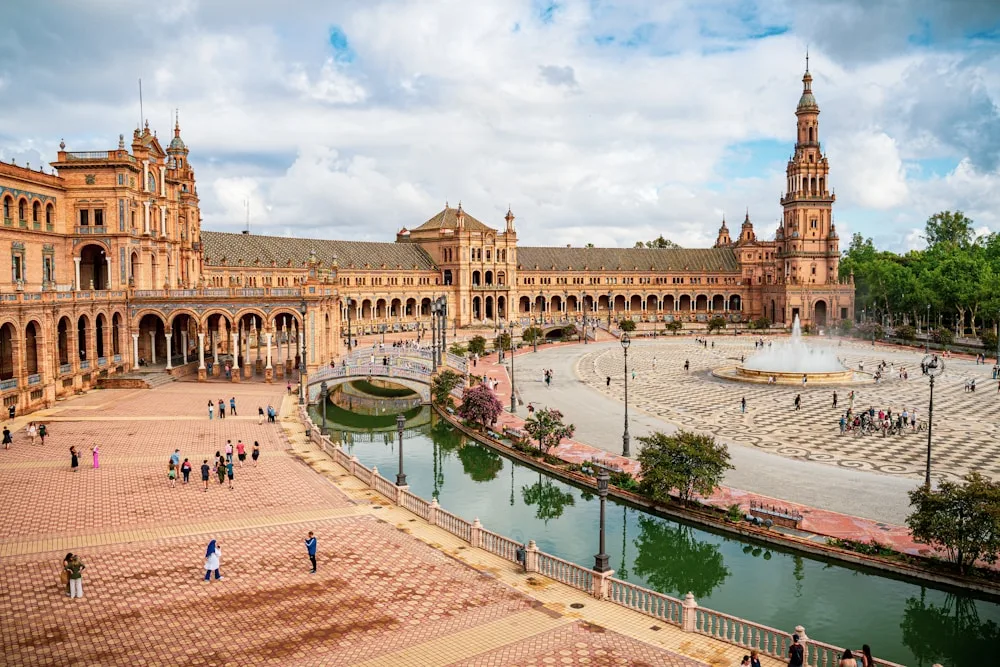
3 South by high-speed train to Andalusia's capital: the vast cathedral and Giralda, the tiled Plaza de Espana, the Alcazar's gardens and a flamenco evening in Triana.
 4
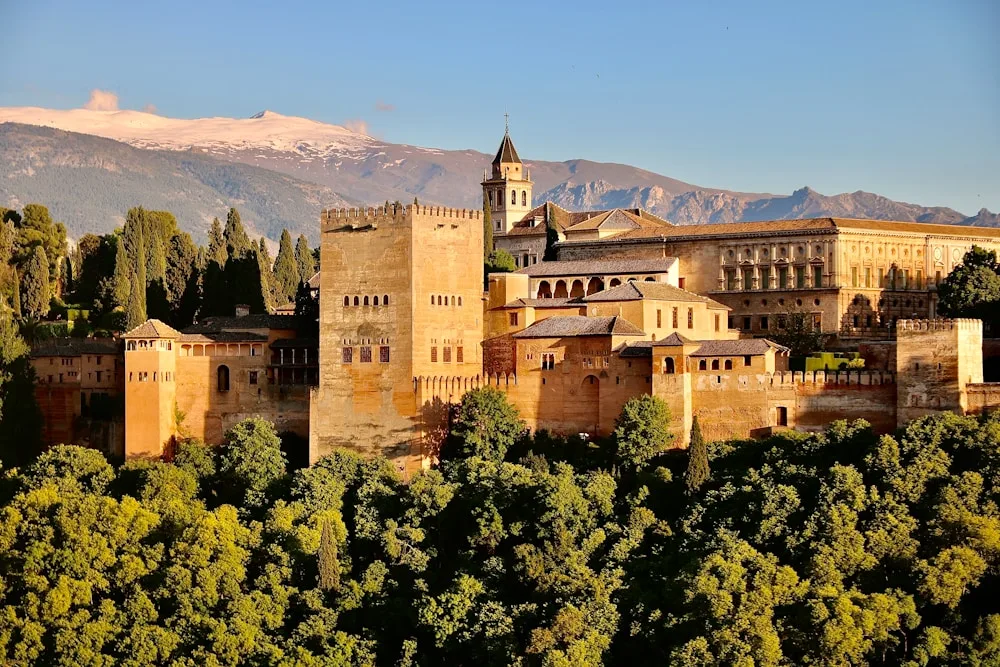
4 On to Granada for the headline of the trip: a private morning at the Alhambra, the hilltop lanes of the Albaicin, and free tapas with every drink as the city does it best.
 5
5 Finish on the Mediterranean: Gaudi's Sagrada Familia and Park Guell, the medieval Gothic Quarter, the Boqueria market and a last seafood paella by the sea.
Every itinerary we build is bespoke: this is a starting point, not a package.
Getting around
Where to stay
Transfers, rail tickets, driver-guides and island connections are all arranged as part of every itinerary — the logistics are handled before you arrive.
Good to know
Eight to twelve nights is the sweet spot. A week and a bit comfortably covers Madrid, Andalusia and Barcelona by high-speed train; closer to two weeks lets you add the Basque Country, a wine region or a few days on the Balearic Islands at an unhurried pace.
Late spring (May–June) and early autumn (September–October) are ideal: warm days, manageable crowds and, in autumn, the wine harvest. July and August are hot and busy inland, but excellent for the northern coast and the islands. Winters are mild and great value in the cities.
If you can, both; they are about two and a half hours apart by AVE high-speed train and complement each other well. Madrid is grand, central and home to the great art museums; Barcelona is coastal and creative, defined by Gaudi and the Mediterranean. We often build an itinerary that begins in one and ends in the other.
Not for the cities, which are best on foot and by metro, and the high-speed train network links them beautifully. A car or private driver-guide is worthwhile for the Andalusian white towns, the Rioja wine country and the back roads of the Basque Country, where the freedom to explore adds a lot.
Absolutely; the Alhambra in Granada is one of the finest monuments in Europe and a highlight of any Spain trip. Tickets, especially for the Nasrid Palaces, are timed and sell out weeks ahead, so booking early is essential. We secure entry and arrange a private guide as part of the itinerary.
From the journal
Travel Tips
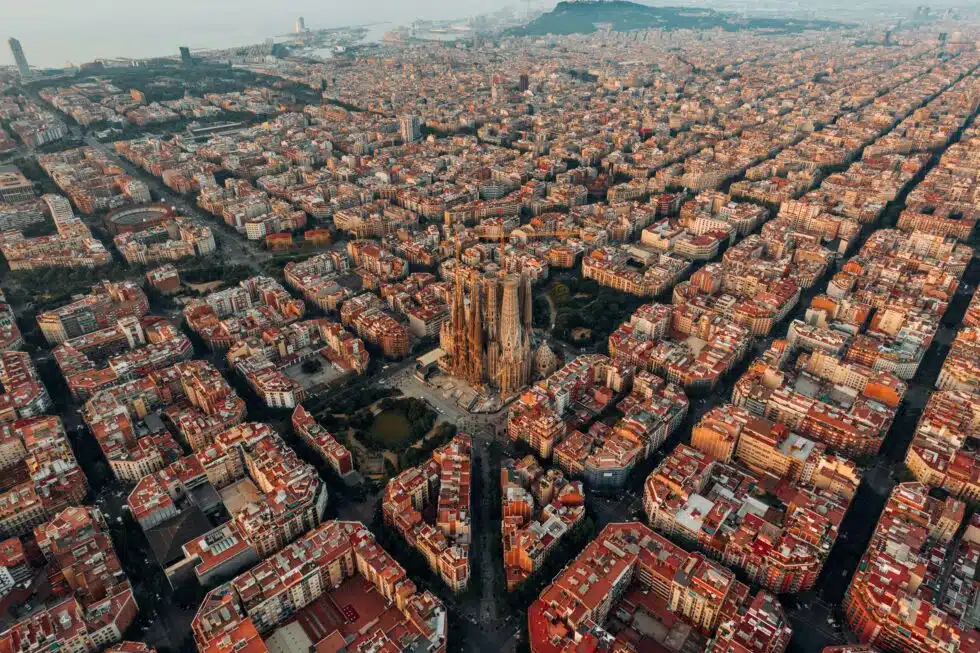
Planning a trip to Spain starts with one important question: how much should I budget?Spain can be affordable or high-end depending on how you travel, where you go, and how…
Read more →
Destinations
Spain is visa-free for U.S. citizens right now, but starting in late 2026, Americans will need prior travel authorization to enter Spain and the rest of the Schengen Area.
Read more →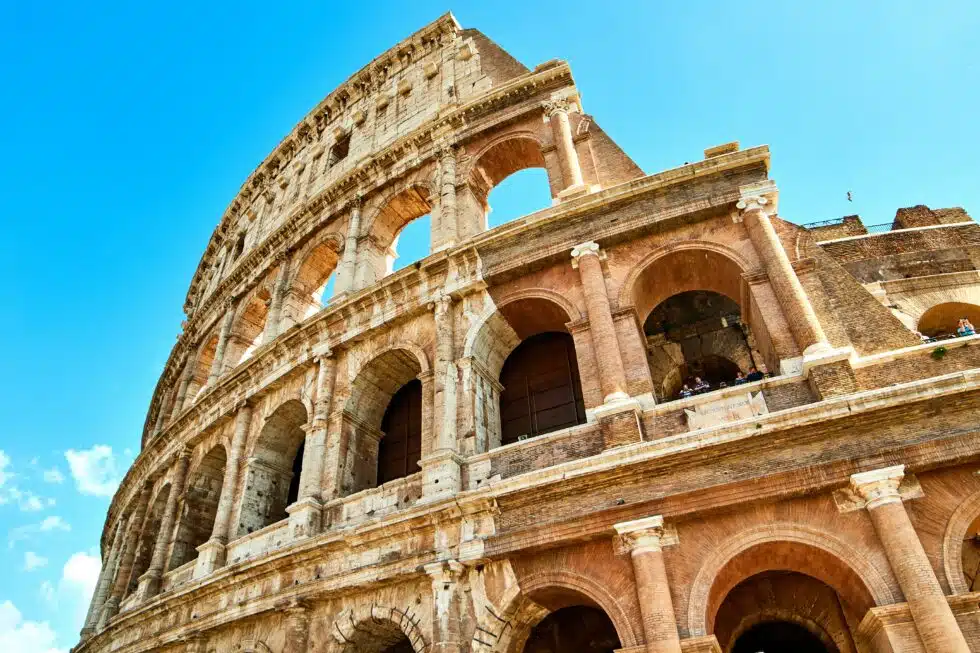
Cruises
A 7-day Mediterranean cruise in 2025 offers an unforgettable journey through iconic places like Rome, Santorini, Barcelona, and the French Riviera.
Read more →Ways to Explore
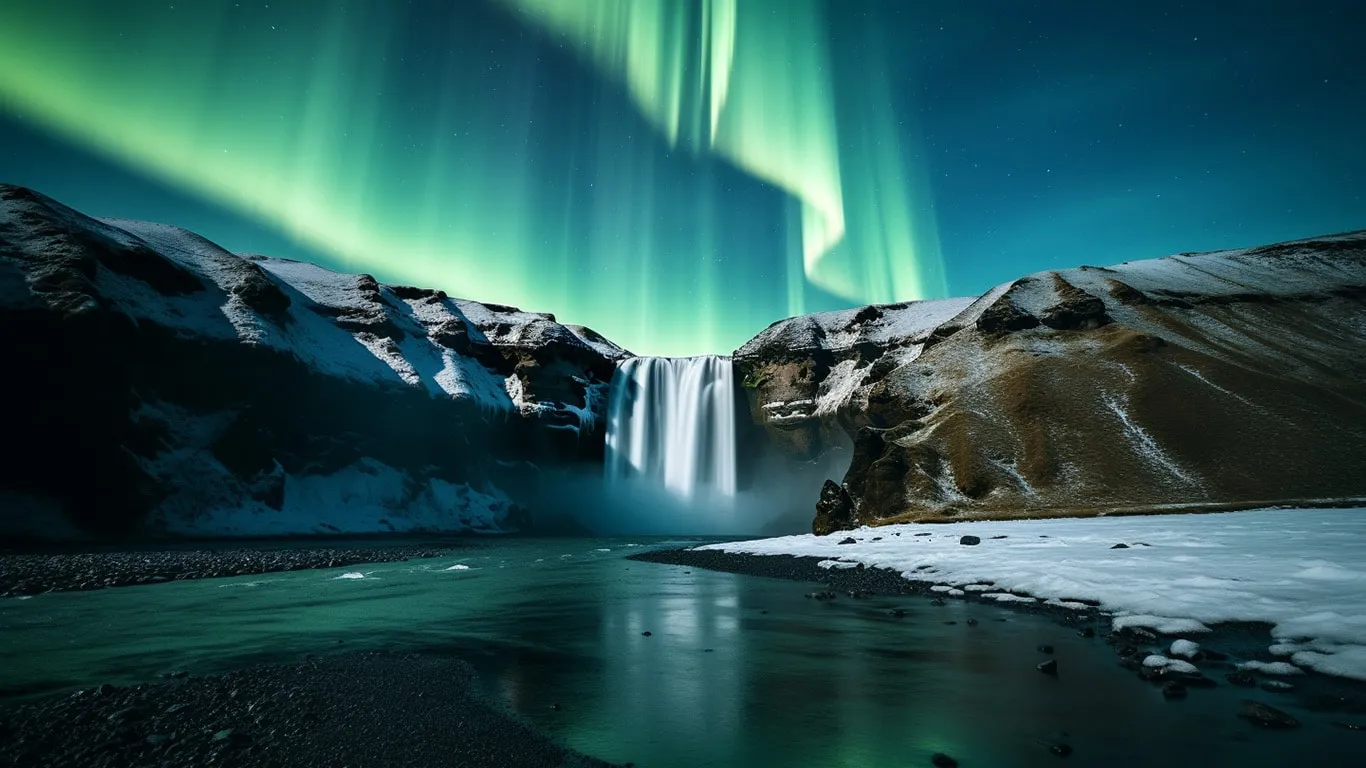
A private journey designed entirely around you, your pace, and your people.
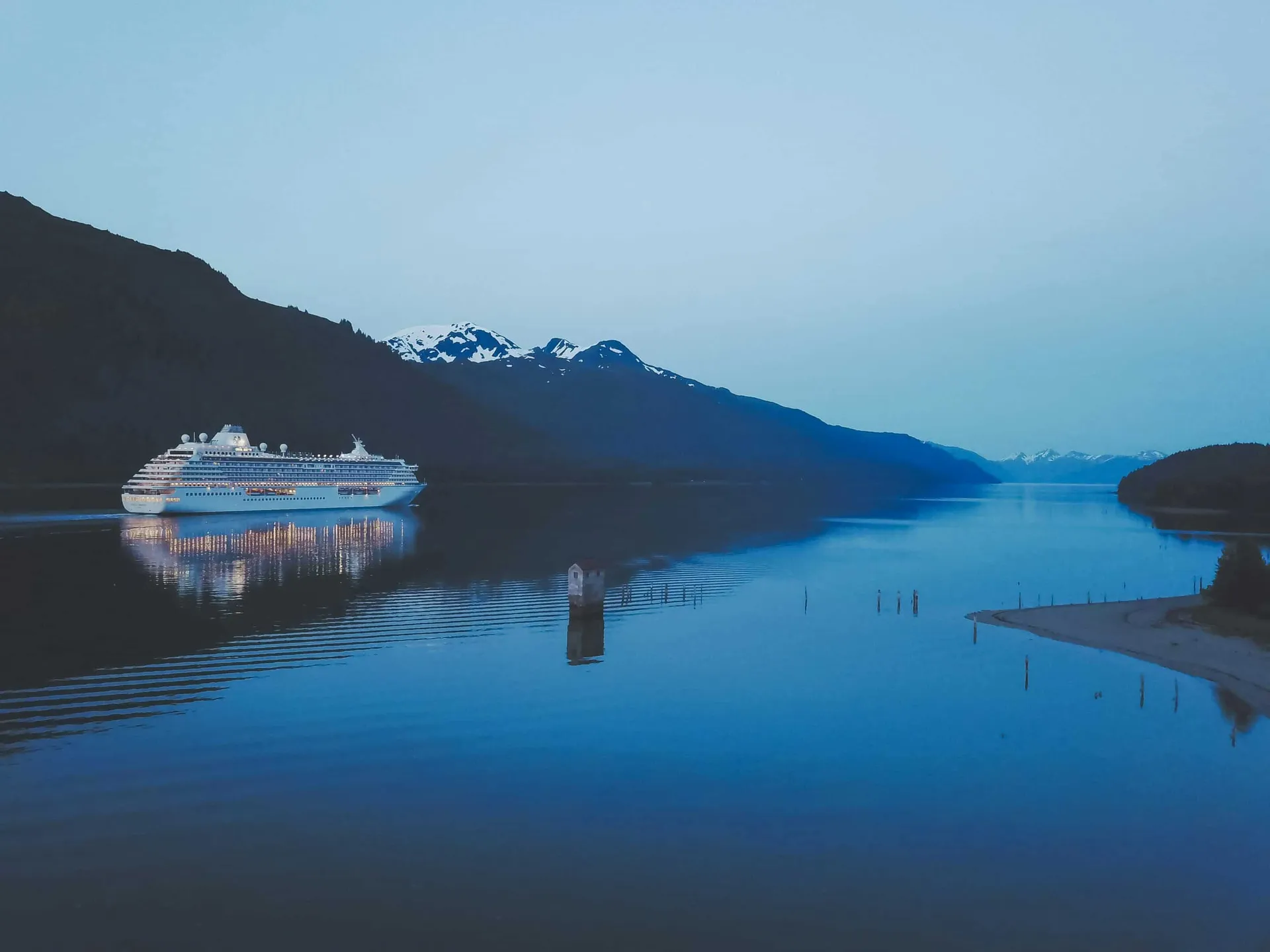
River, ocean and expedition voyages, from the Danube to Antarctica.

Expertly guided, end to end, with the world's finest local operators.
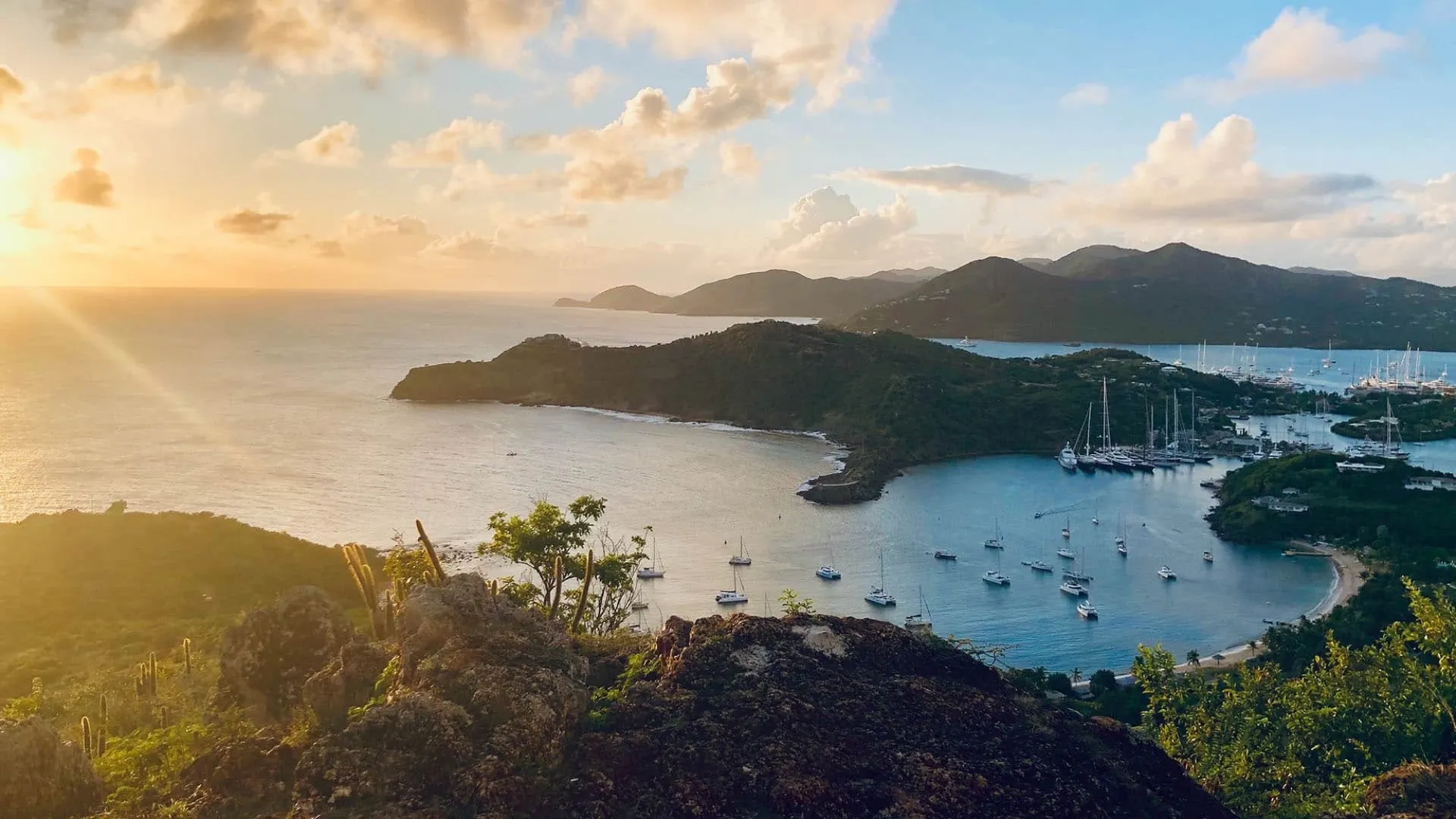
Effortless resort escapes; we cut through the haze to the right one.
Let's begin
Tell us your travel dates and what you love, and we'll handle every detail.
Plan Your TripSearch Chima Travel