Climbing Mount Kilimanjaro, Tanzania

Climbing Mount Kilimanjaro.

Mount Kilimanjaro National Park

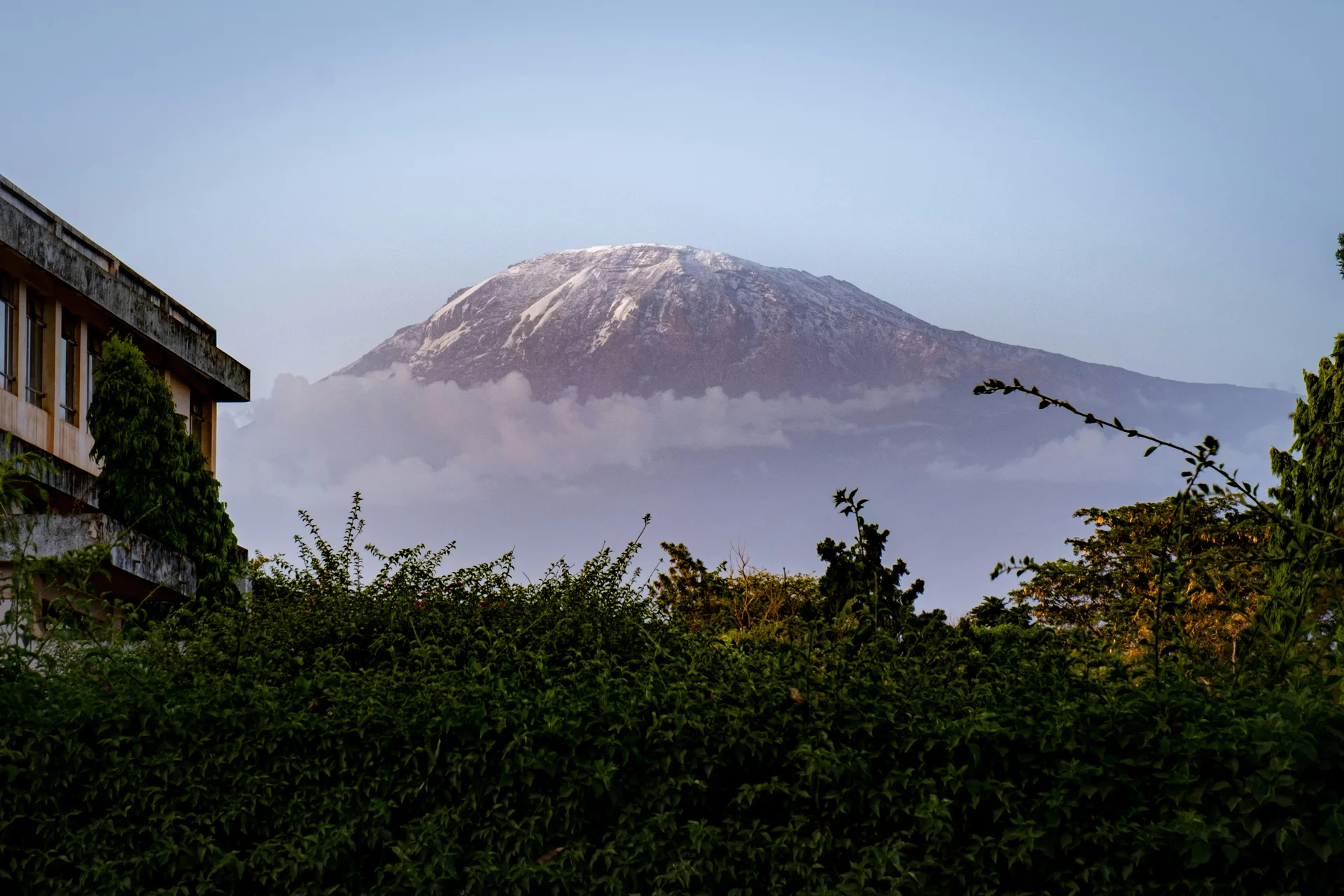
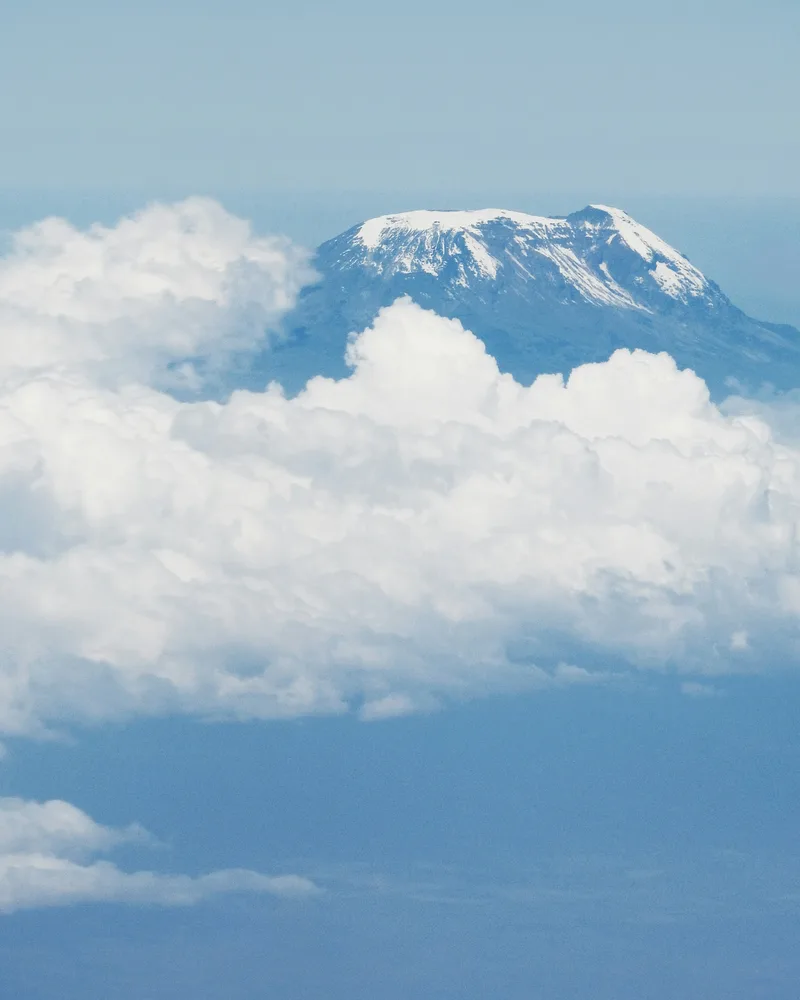
Kilimanjaro is the roof of Africa, and there is nothing else quite like it. Rising alone from the plains of northern Tanzania to 19,341 feet, it is the highest mountain on the continent and the tallest free-standing peak in the world, a snow-capped volcano on the edge of the equator that you can see from a hundred miles away. For all its scale, what draws travelers to us is something simpler: this is a summit you reach on your own two feet. There are no ropes, no ice axes and no climbing experience required, and standing on the highest point in Africa is a goal that ordinary, reasonably fit people genuinely achieve. It is the kind of trip people carry with them for the rest of their lives.

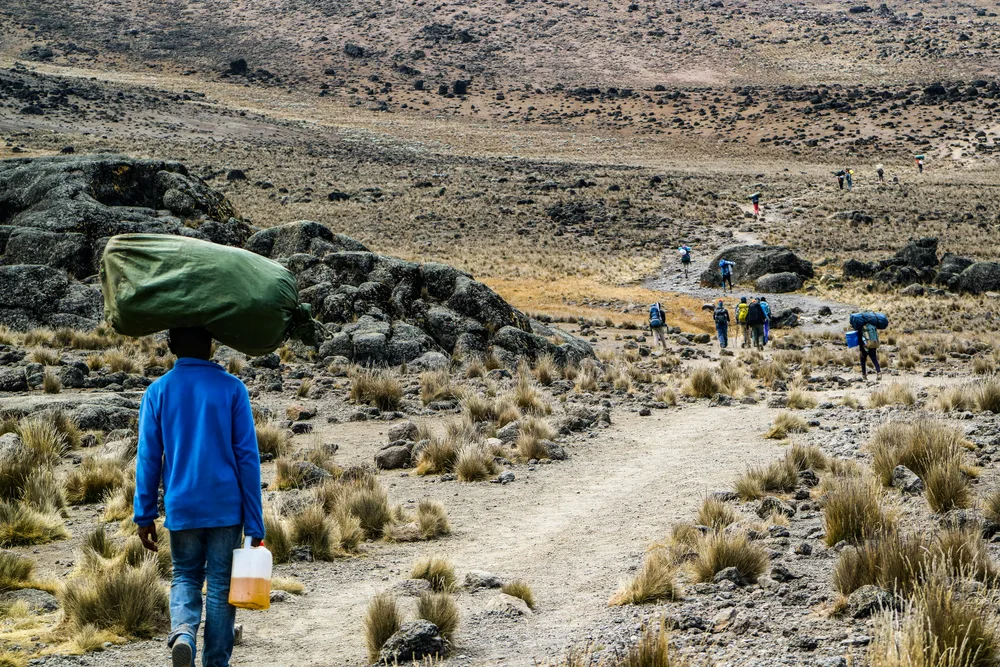
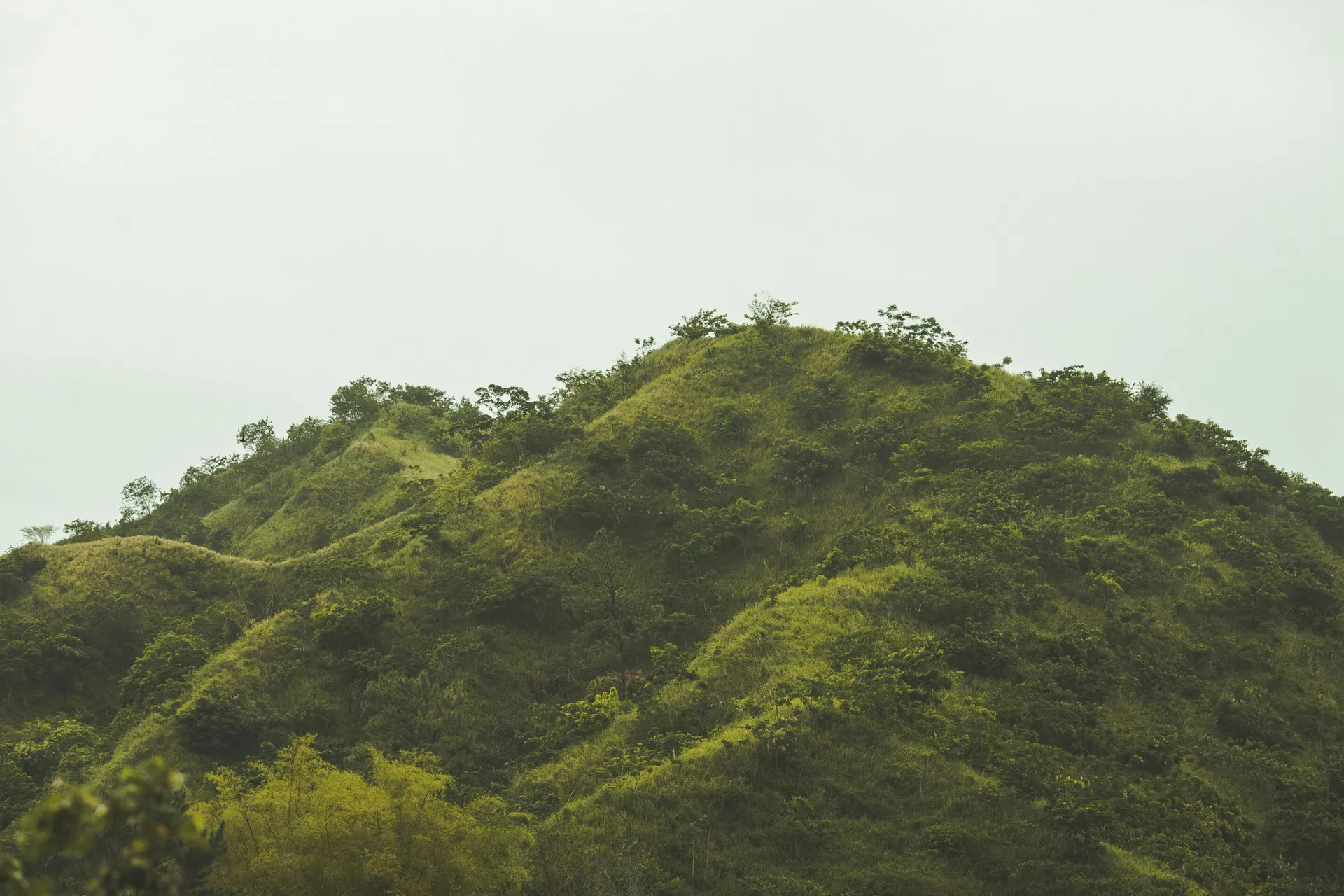
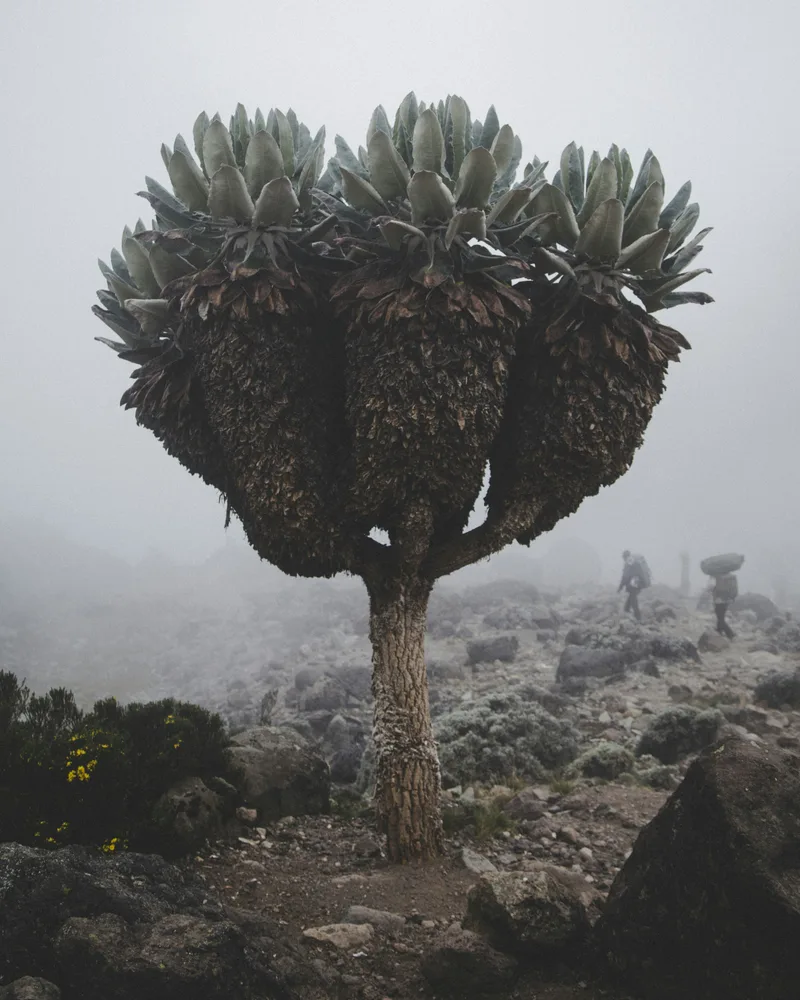
The climb is a trek rather than a technical ascent, and the great pleasure of it is the way the world changes beneath your boots. You start in lush rainforest, where colobus monkeys move through the canopy and the trail is soft and green, then climb up into open heather and moorland dotted with strange giant lobelias and senecio trees that grow nowhere else. Higher still the land turns to a stark alpine desert of rock and dust, and at the very top you cross into an arctic world of glaciers and bare ice. Walking from rainforest to the edge of the snow line in the space of a few days is like passing through every climate on earth, and our guides set the pace slow and steady, polepole as they say in Swahili, so your body has time to adjust to the thinning air.

The summit comes on a single unforgettable night. You set out from high camp around midnight, head torches strung out in a line up the dark slope, climbing slowly through the cold to reach the crater rim as the first light breaks. From there the path curves around to Uhuru Peak, the true summit, where the sign marks the highest point in Africa and the glaciers glow pink in the dawn. Below you the clouds stretch out like a sea, the plains of Tanzania appear far away through the gaps, and the sun comes up over the curve of the continent. It is a hard-won, deeply emotional moment, and we plan every day of the route to give you the best possible chance of being there to see it.
Where
Mount Kilimanjaro National Park, northern Tanzania
Duration
6–8 days on the mountain
Best time
Jan–Mar & Jun–Oct for the clearest, driest trails
Difficulty
Non-technical, but a serious high-altitude challenge

Where it is

On the map.

Kilimanjaro rises in the northeast of Tanzania near the town of Moshi, a short drive from Kilimanjaro International Airport and easy to pair with a Serengeti safari or the beaches of Zanzibar.

Scroll or pinch to zoom

What you'll see

On the route.

The snow-capped summit, Tanzania

Stop 01

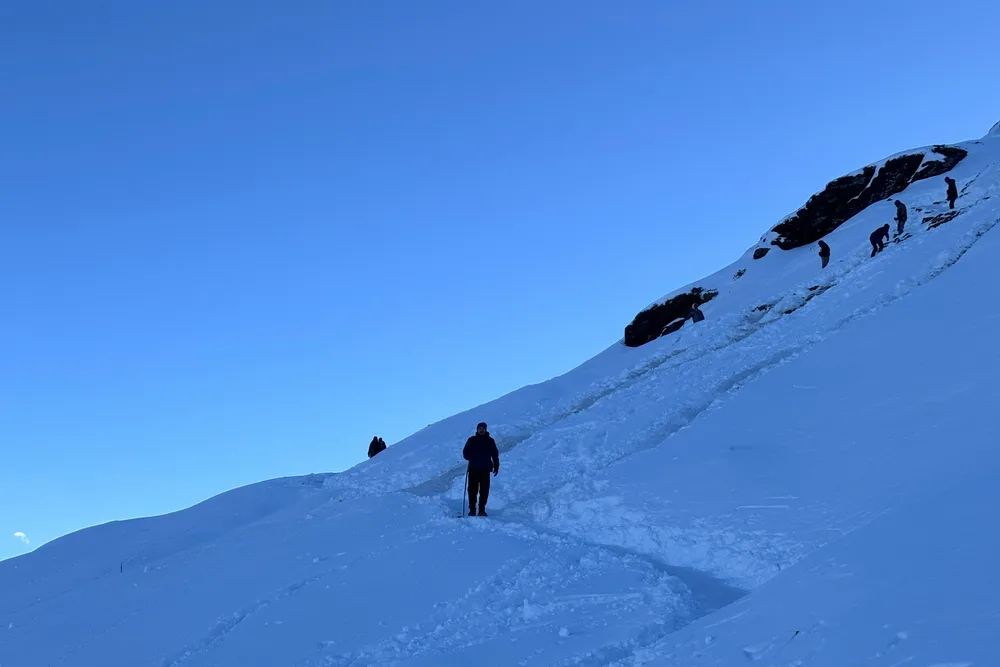
The snow-capped summit

Kilimanjaro's glaciated crown rises 19,341 feet above the plains, the highest point in Africa and a tropical mountain crowned with ice and snow.

The cloud forest & moorland, Tanzania

Stop 02

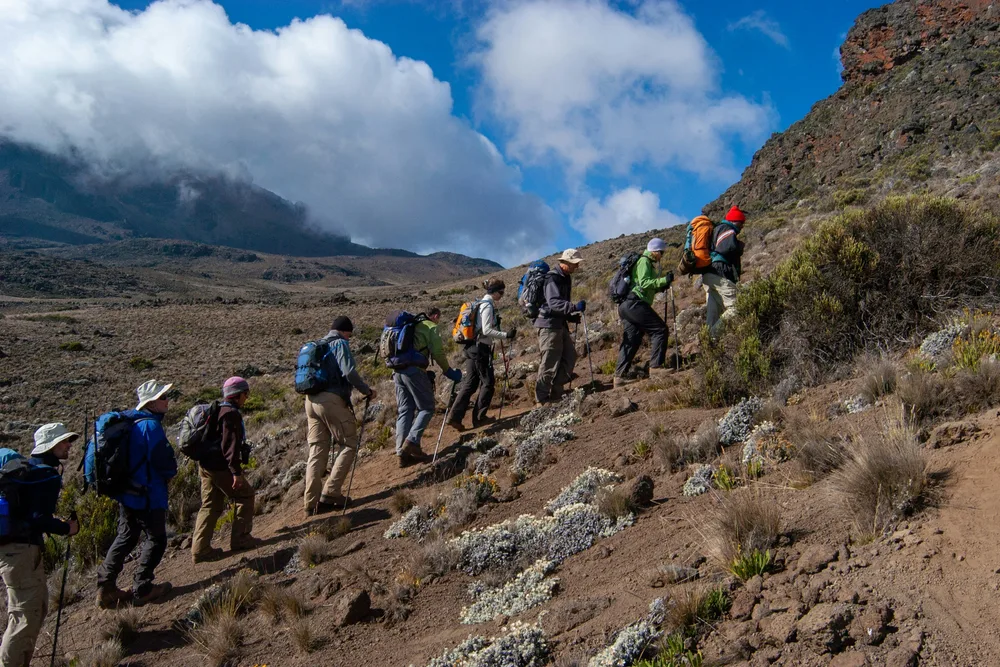
The cloud forest & moorland

The trail climbs from lush rainforest into open moorland scattered with giant lobelias and senecio trees that grow nowhere else on earth.

A high camp under the peak, Tanzania

Stop 03

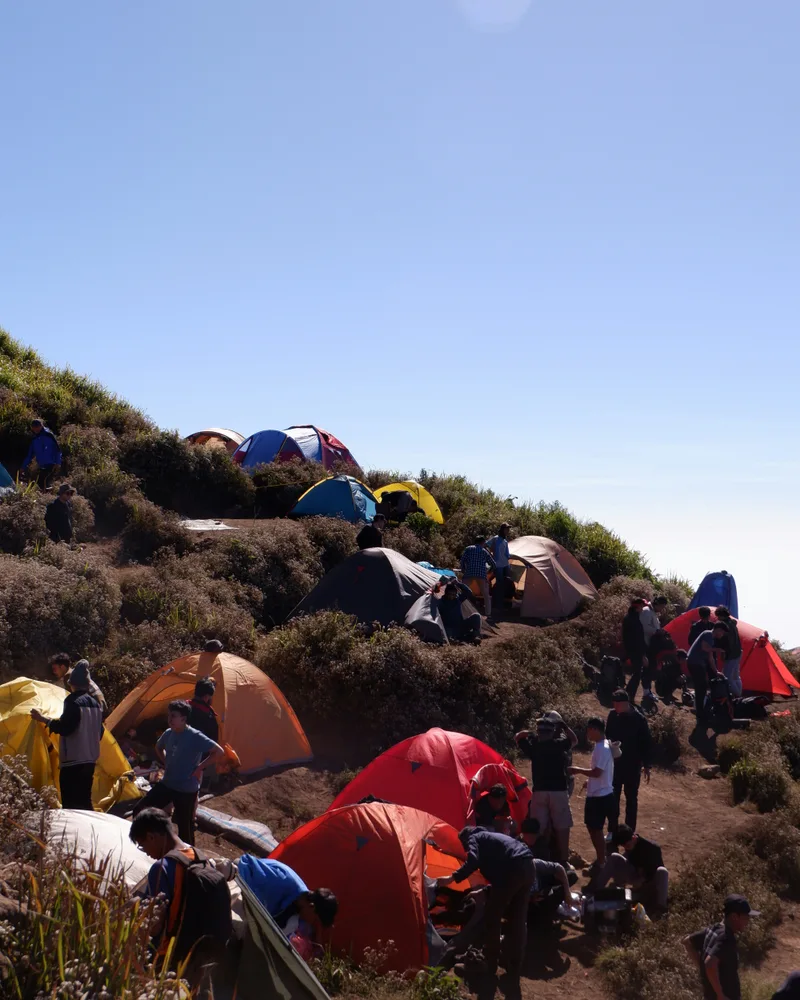
A high camp under the peak

Tents cluster on the mountainside at the day's end, a warm meal and a few hours of rest before the midnight start for the summit.

Sunrise above the clouds, Tanzania

Stop 04

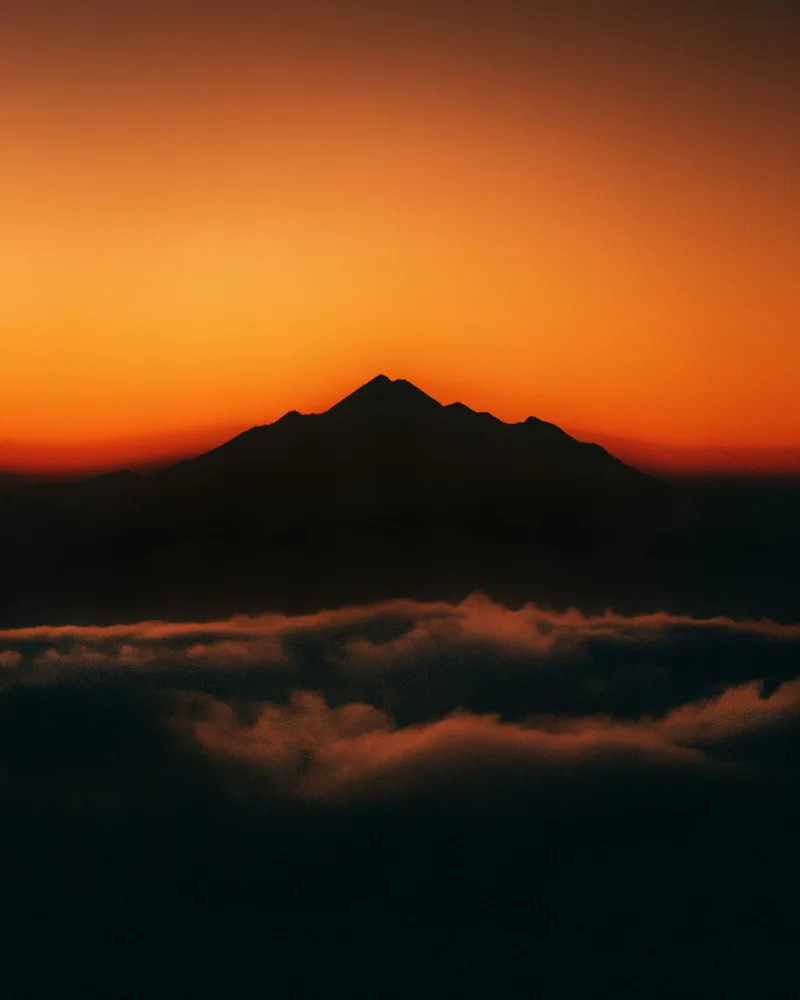
Sunrise above the clouds

Summit night ends with the sun breaking over a sea of cloud, the glaciers glowing pink and the plains of Tanzania spread out far below.

Know before you go

The practical details.

Choosing your route

Good to know

Choosing your route

Several routes wind up the mountain, and the one you take shapes the whole trip. Machame is the most popular for its scenery and good acclimatization profile, Lemosho is quieter and one of the best for adjusting to the altitude, and Marangu is the only route with hut accommodation rather than tents. We talk through the options and match the route to your fitness, your timeframe and the experience you are after.

Acclimatization & success rates

Good to know

Acclimatization & success rates

The single biggest factor in reaching the top is giving your body time to adjust to the altitude. Success rates climb sharply with the longer routes, so the extra day or two on the mountain is worth far more than it costs. We build in the time to go slow, climb high and sleep low where the route allows, and walk at a gentle polepole pace throughout so you arrive at summit night with the best possible chance.

When to climb & what it takes

Good to know

When to climb & what it takes

The clearest, driest months are January to March and June to October, and we plan around them to give you the steadiest trails and the best views. You do not need to be an athlete, but a few months of regular hill walking and cardio make a real difference. Behind every climb is a team of guides, cooks and porters who carry the camp, prepare the meals and watch your health each day, and we work only with operators who treat and pay them properly.

Let's begin

Bring Climbing Mount Kilimanjaro
to life.

Our advisors design Tanzania journeys by hand. Tell us your dates and we'll do the rest.

Plan Your Trip