



Zanzibar (the Spice Island)
After days out on the dusty plains, there is no finer way to close a Tanzania trip than a short flight east to the Indian Ocean and the island of Zanzibar. The contrast is the whole point: you trade the gold of the savanna for water the color of glass, swap the rumble of the game-drive vehicle for the creak of a wooden dhow, and let the pace slow right down. This is the classic bush-and-beach combination that most travelers come to Tanzania for, and Zanzibar is the island that makes it sing.
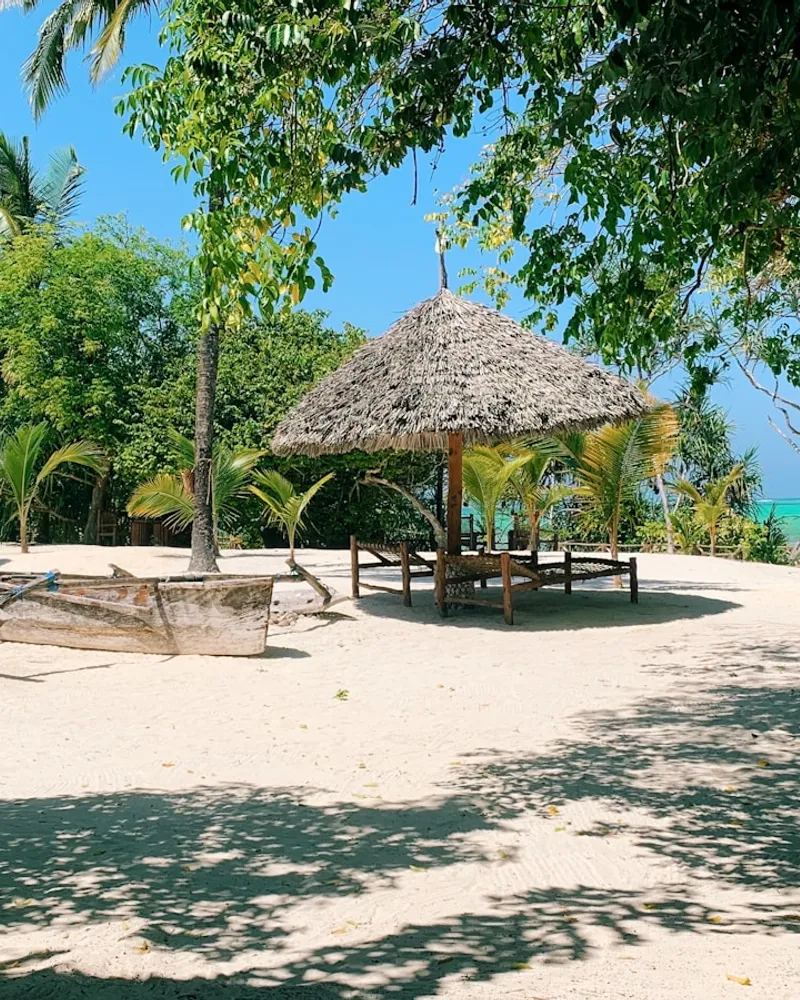
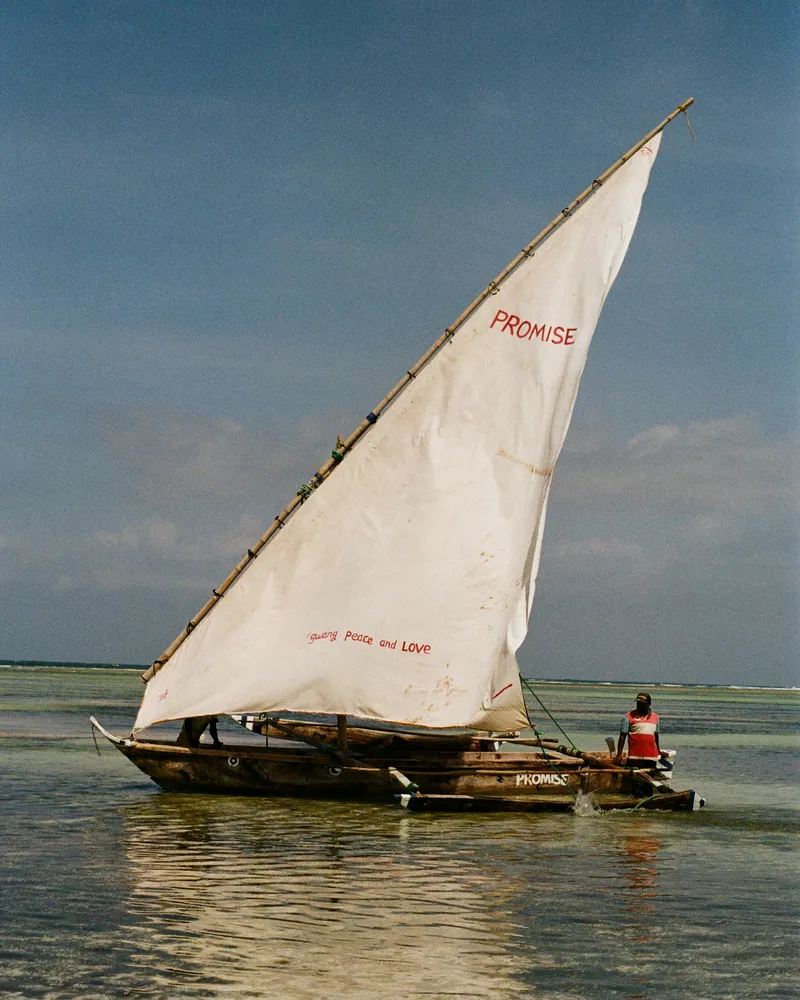
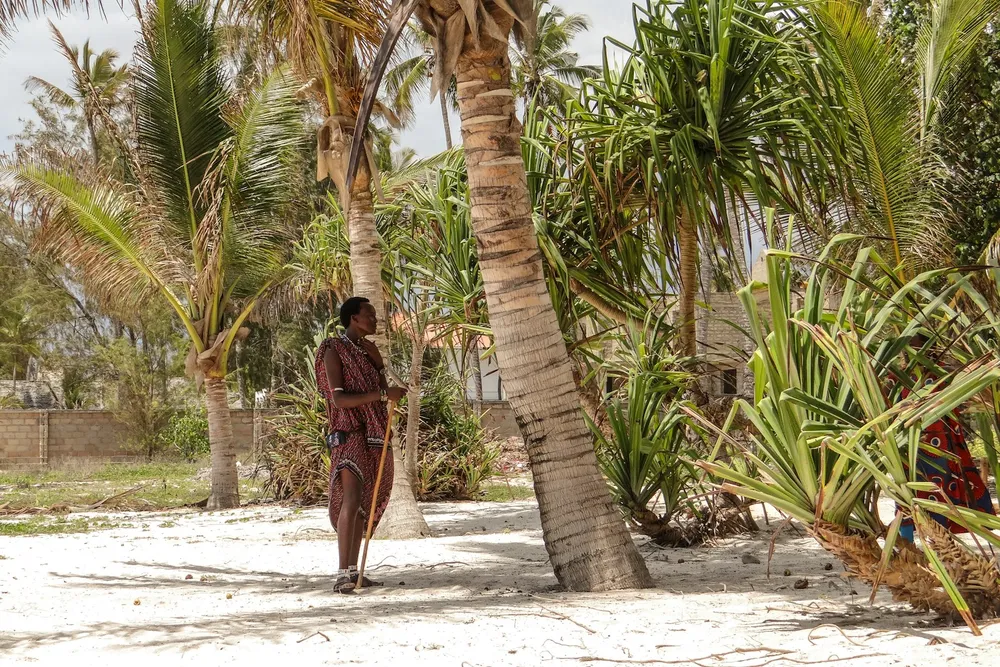
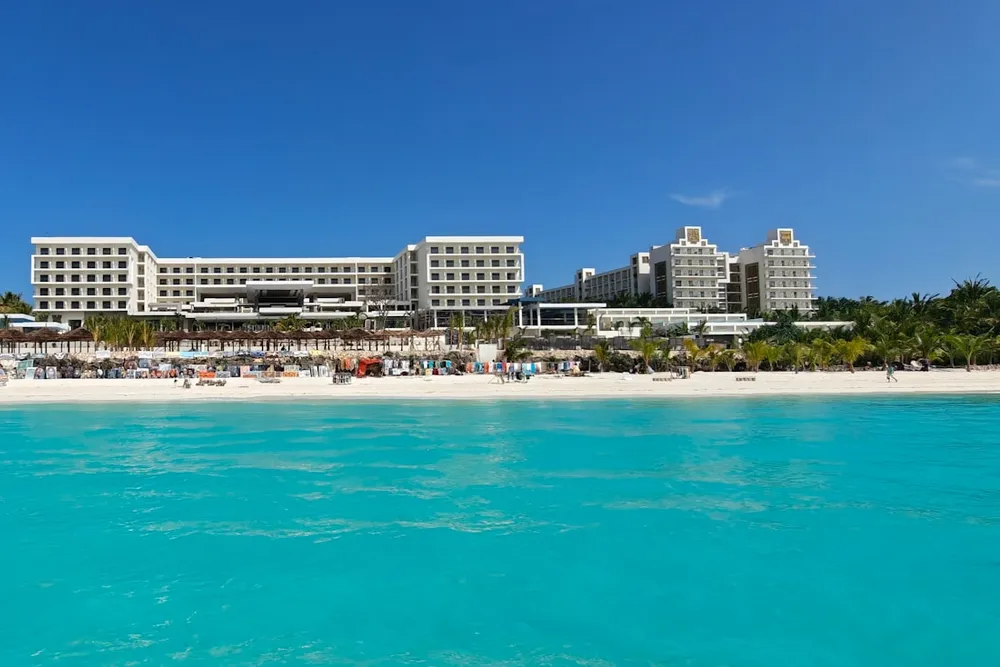
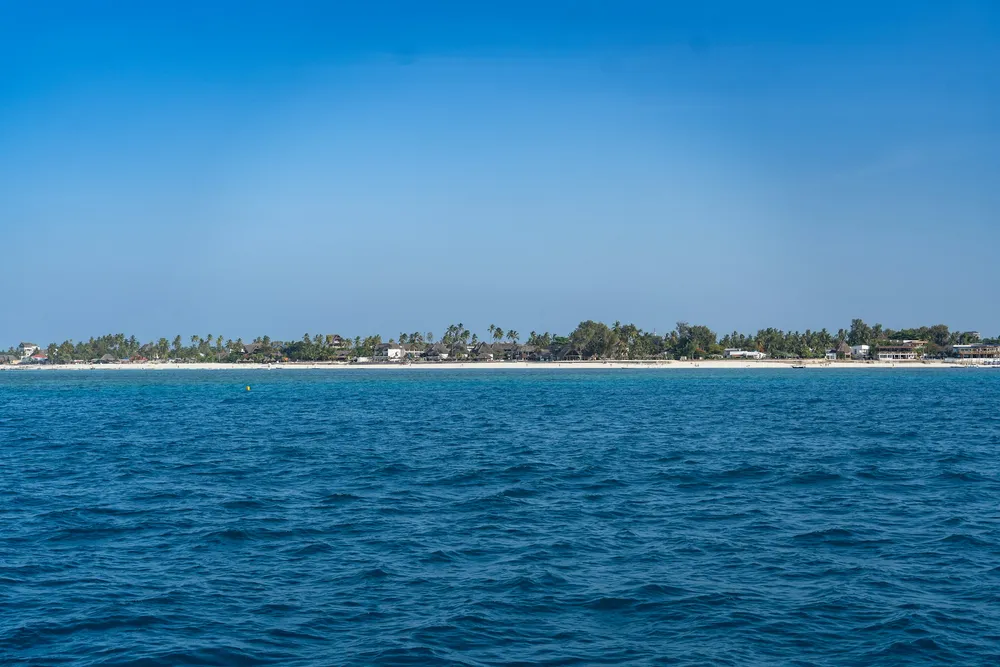
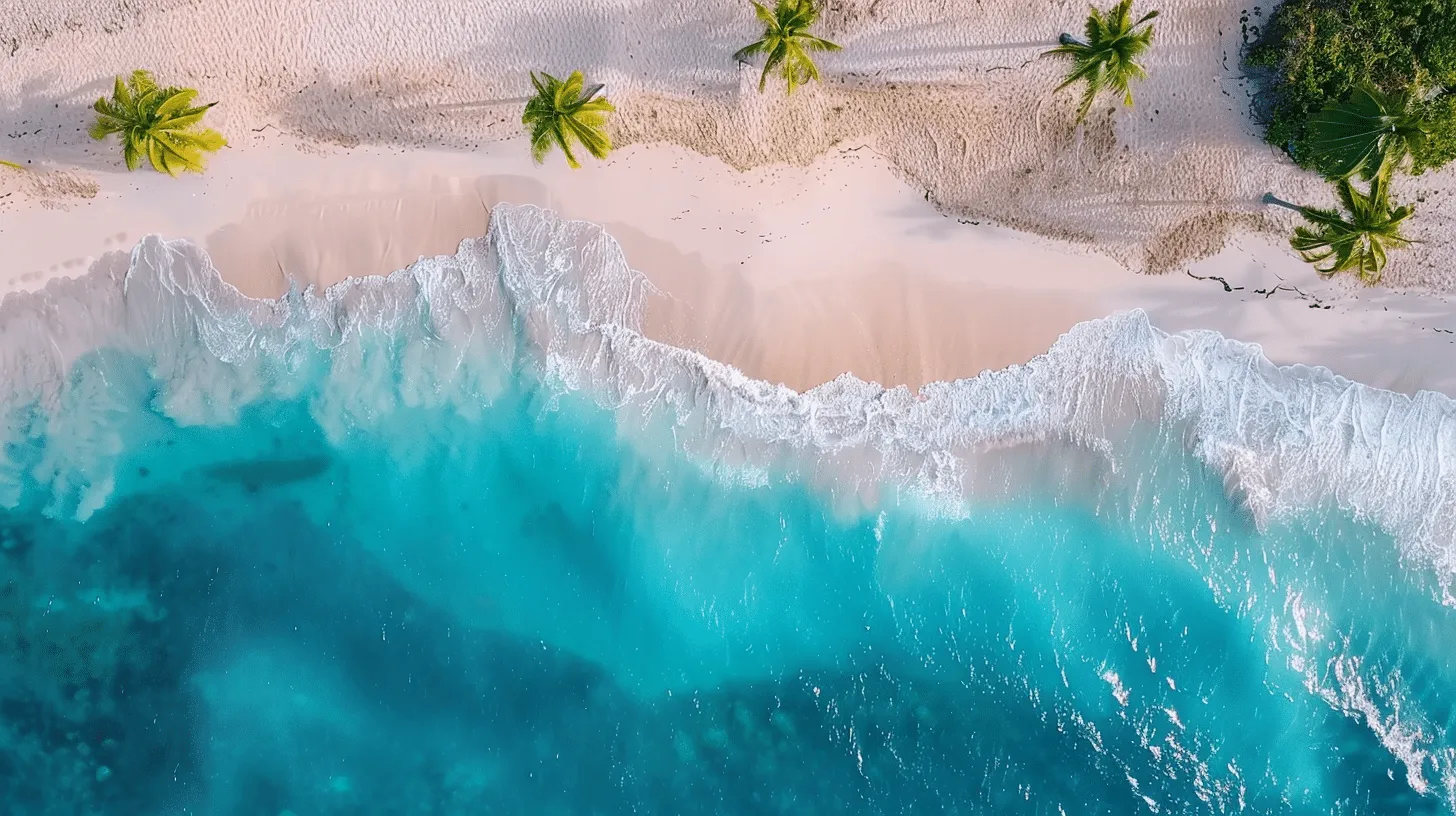
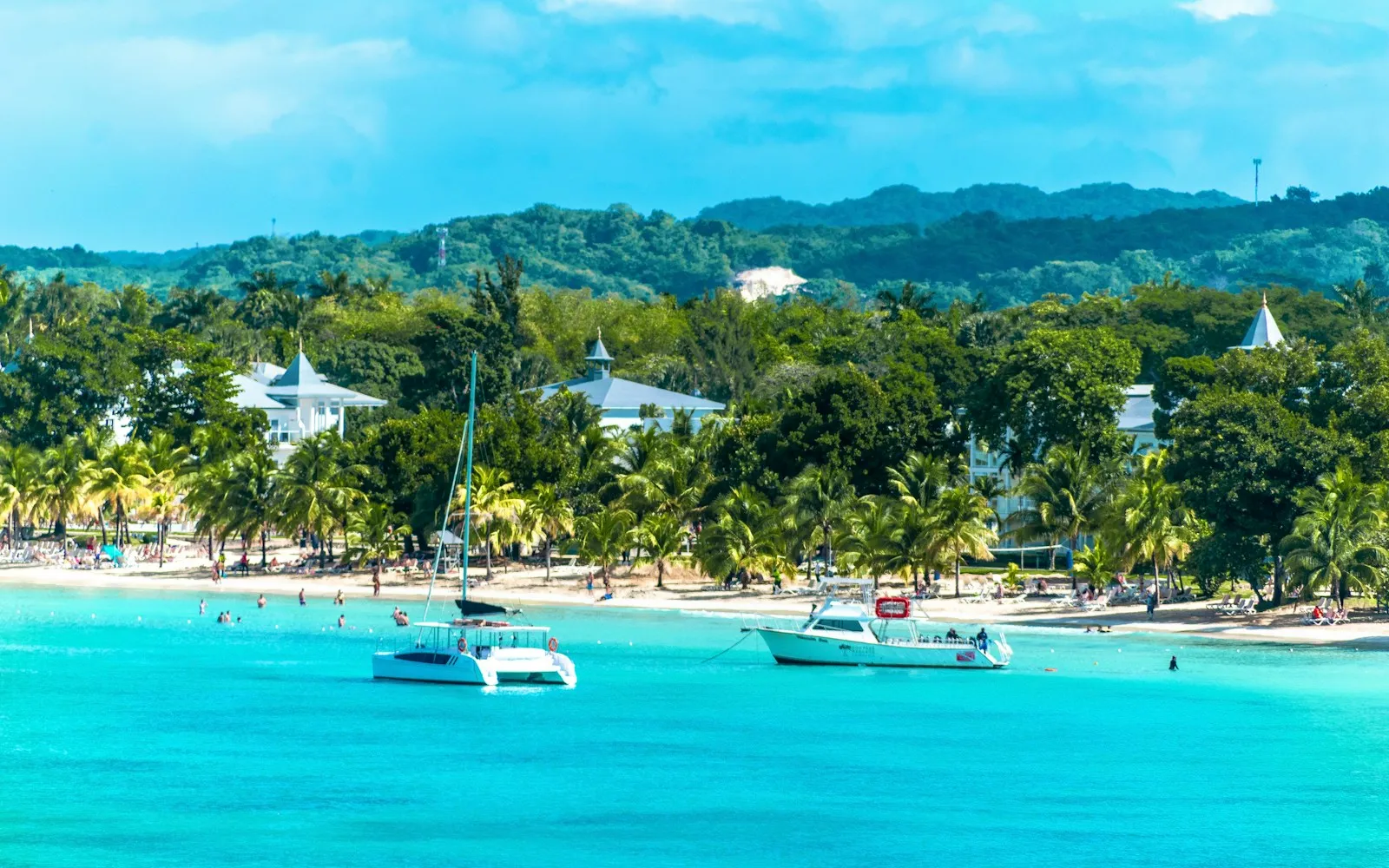
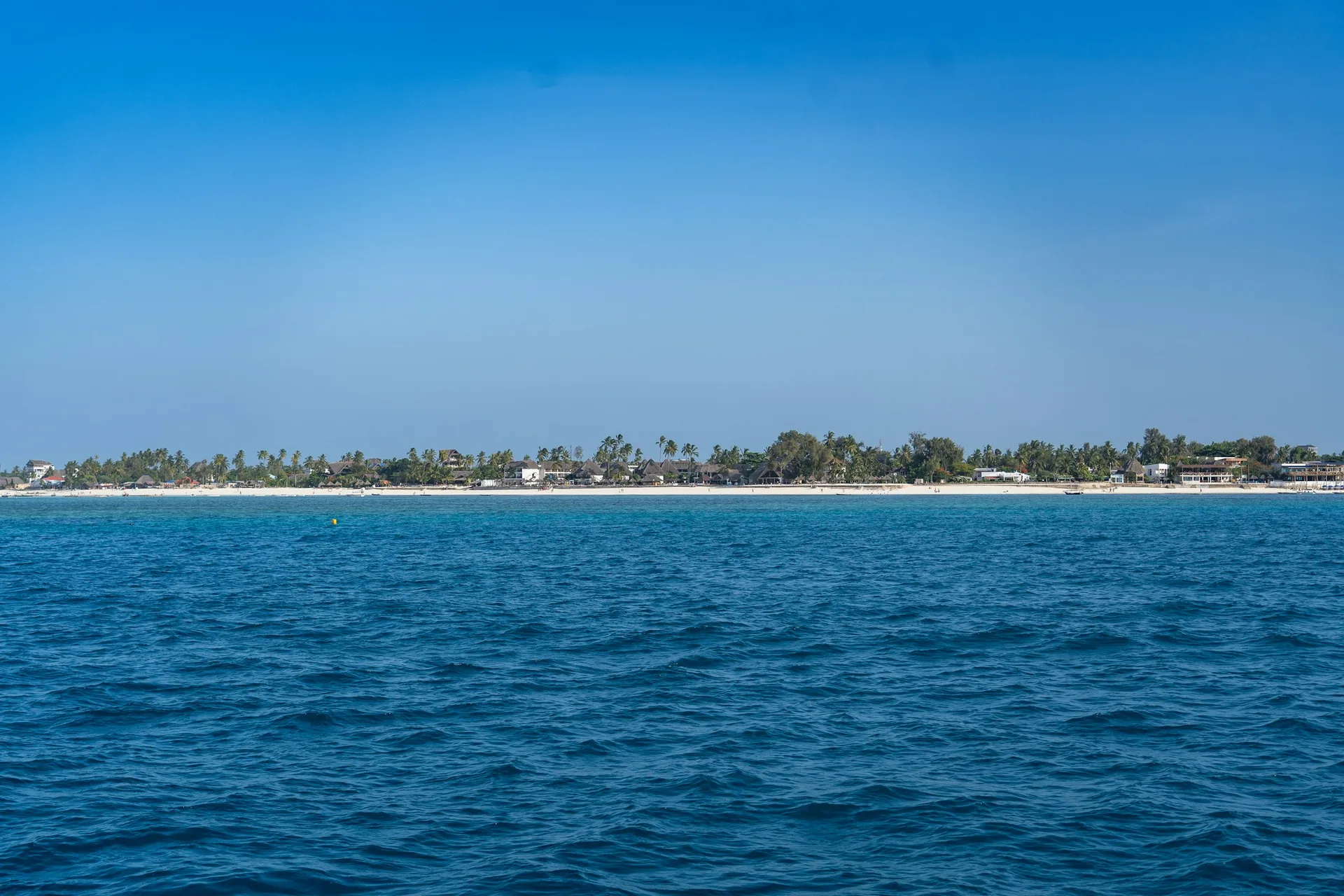
The beaches are everything the photographs promise and a little more. The north and east coasts run for miles in soft white sand, fringed with palms and lapped by warm, shallow water that shades from pale aqua to deep turquoise. Traditional dhows lean into the breeze offshore, the fishermen heading out as they have for centuries, and at low tide the village women wade out to tend their seaweed gardens. Days here are made for swimming and snorkeling, for a long lunch in the shade and a slow walk along the shore as the sun drops and the sky and sea turn to fire.
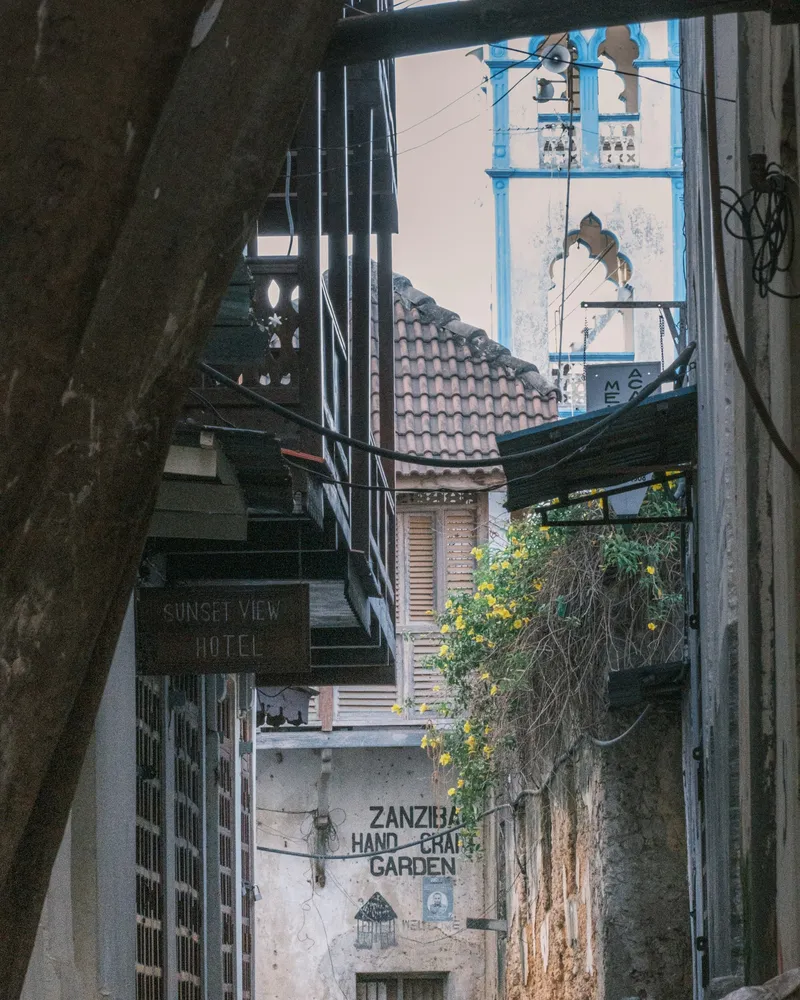
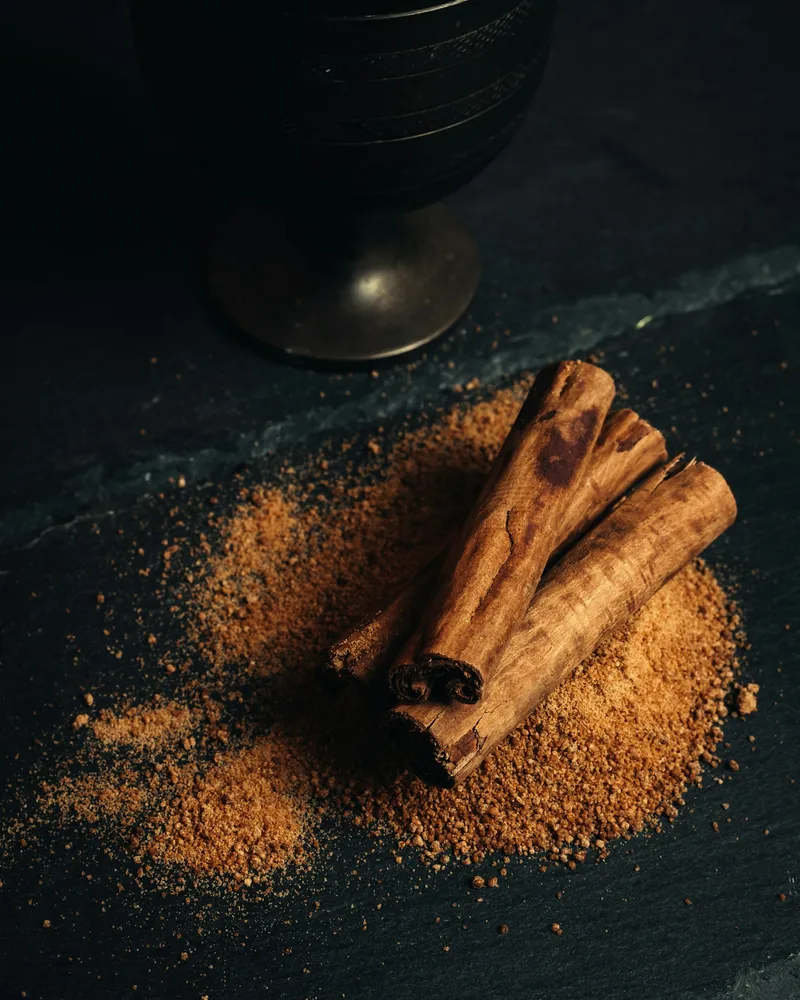
Yet Zanzibar is far more than a beach, and its history runs deep. At the heart of the island sits Stone Town, a maze of coral-stone lanes, carved wooden doors and old Swahili, Arab and Indian houses that grew rich on the trade in spices, ivory and, less happily, slaves. Inland, the spice farms that gave the island its other name still grow clove, nutmeg, cinnamon and vanilla, and a morning walking the rows, crushing a leaf to guess the scent, is one of the most enjoyable half-days in Tanzania. We weave the beach, the town and the spice farms together so the island feels like a proper destination, not just a place to lie down.