



Sunrise and Sunset at Uluru, Australia

Sunrise and Sunset at Uluru.

Uluru & the Red Centre

Uluru is the great red monolith at the heart of the continent, and standing before it for the first time is a moment that stays with travelers for life. Sacred to the Anangu people who have cared for this land for tens of thousands of years, it is the spiritual center of Australia, a place of deep meaning rather than a sight to simply tick off. It rises 1,100 feet straight out of the flat desert plain, vast and solitary, and the longer you sit with it the more its scale and stillness sink in.

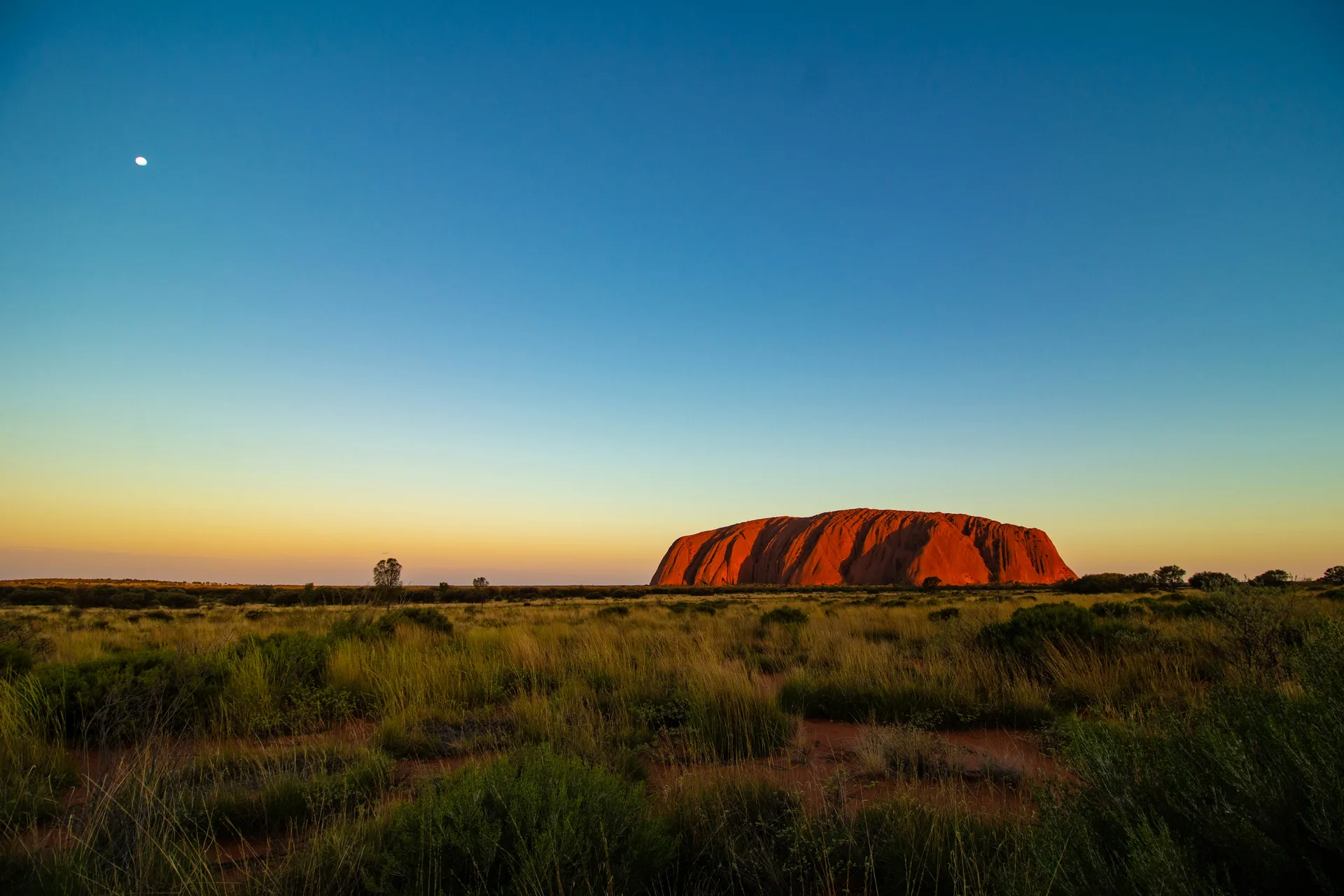
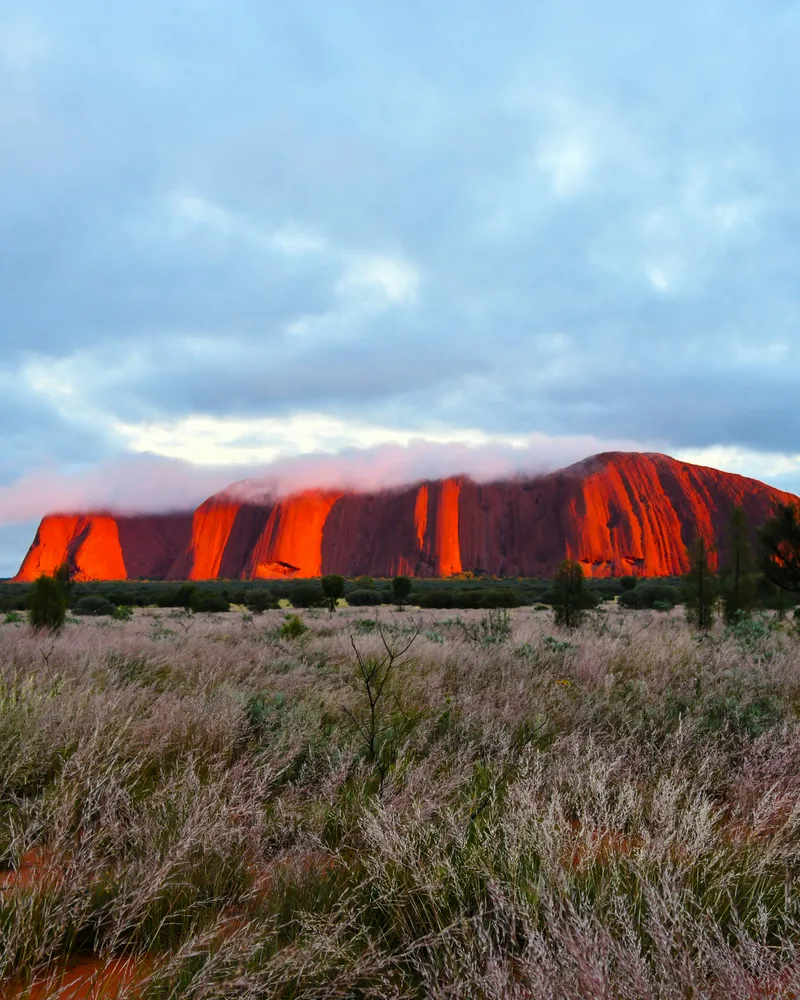
What draws people back, morning and evening, is the way it comes alive with light. As the sun rises and sets, Uluru glows through deep reds, burnt oranges and soft purples, each shade shifting by the minute against the changing sky, until the whole rock seems lit from within. There is no rushing it. You find a spot, you settle in, and you let the slow theater of color play out across the desert, often in near silence with the cool air settling around you.

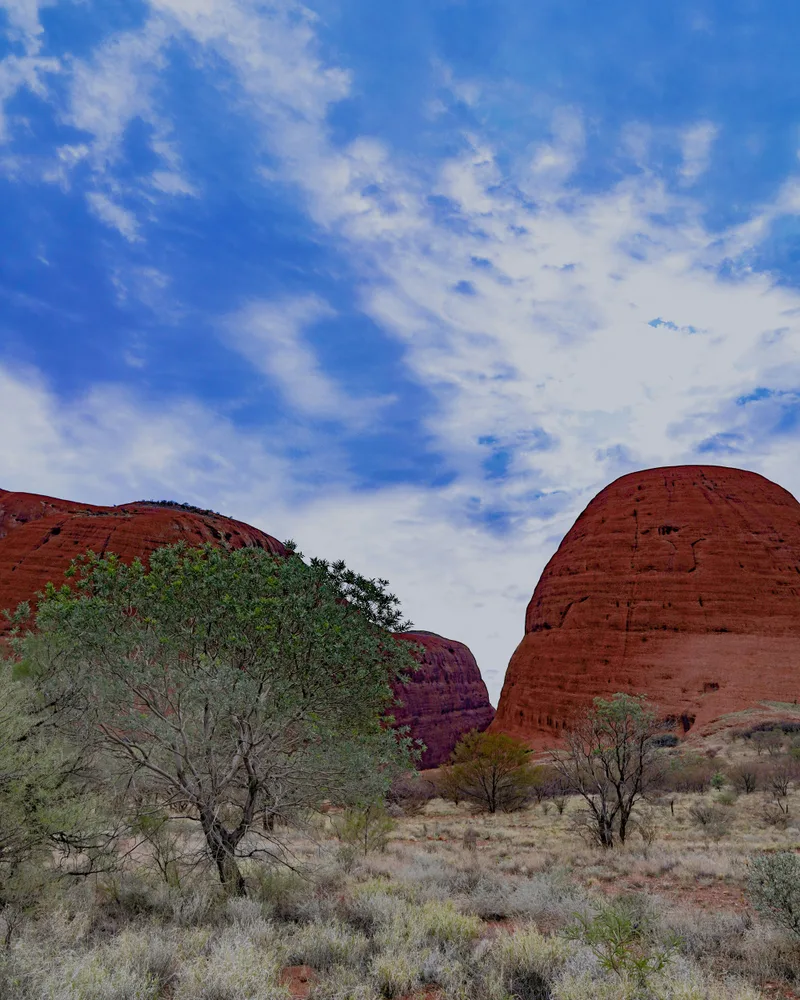
Up close, the rock reveals waterholes, caves and ancient art as you walk the base trail with an Aboriginal guide, who shares the stories written into its folds and furrows. Nearby rise the great red domes of Kata Tjuta, the Olgas, and as night falls the Field of Light art installation spreads thousands of glowing stems across the desert beneath some of the darkest, most spectacular skies on earth. This is a place to slow right down and feel the depth of the world's oldest living culture.
Where
The Red Centre, Northern Territory
Best time
The cooler months, May–Sep
Good for
Landscapes & culture
Pair it with
Sydney or the Great Barrier Reef

Where it is

On the map.

Uluru and Kata Tjuta sit together in Uluru-Kata Tjuta National Park in the Red Centre, with the gateway at Yulara and the Ayers Rock airport just outside the park.

Scroll or pinch to zoom

What you'll see

On the route.

Uluru glowing at sunset, Australia

Stop 01

Uluru glowing at sunset

As the sun drops, the great rock burns through deep reds, oranges and purples, shifting by the minute against the desert sky in the day's quiet finale.

Kata Tjuta (the Olgas), Australia

Stop 02

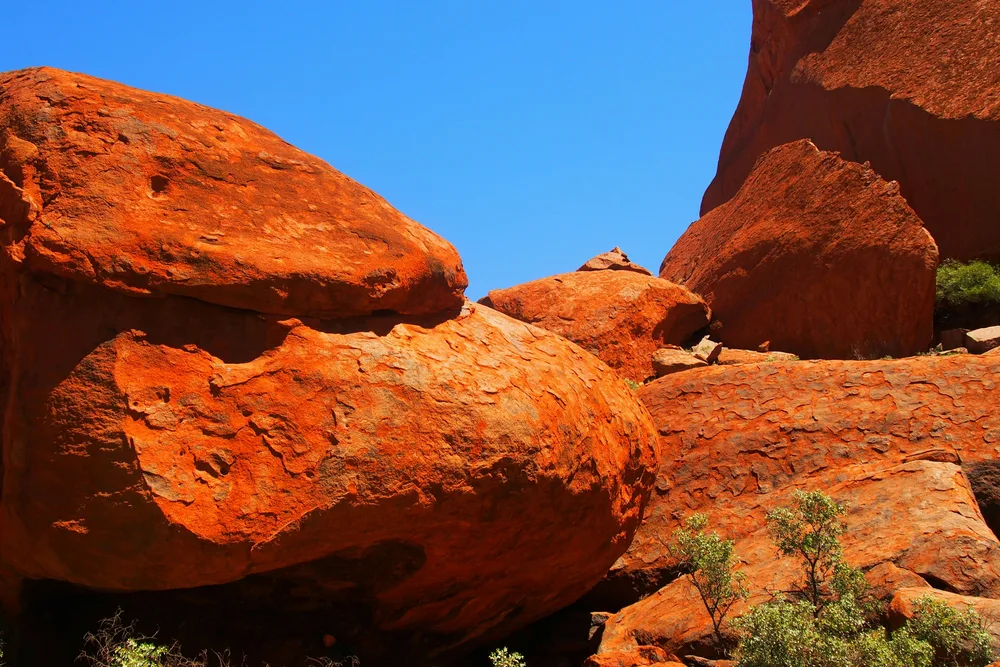
Kata Tjuta (the Olgas)

A short drive from Uluru rise the 36 great red domes of Kata Tjuta, taller than the rock itself, with the winding trail of the Valley of the Winds threading between them.

The desert night sky, Australia

Stop 03

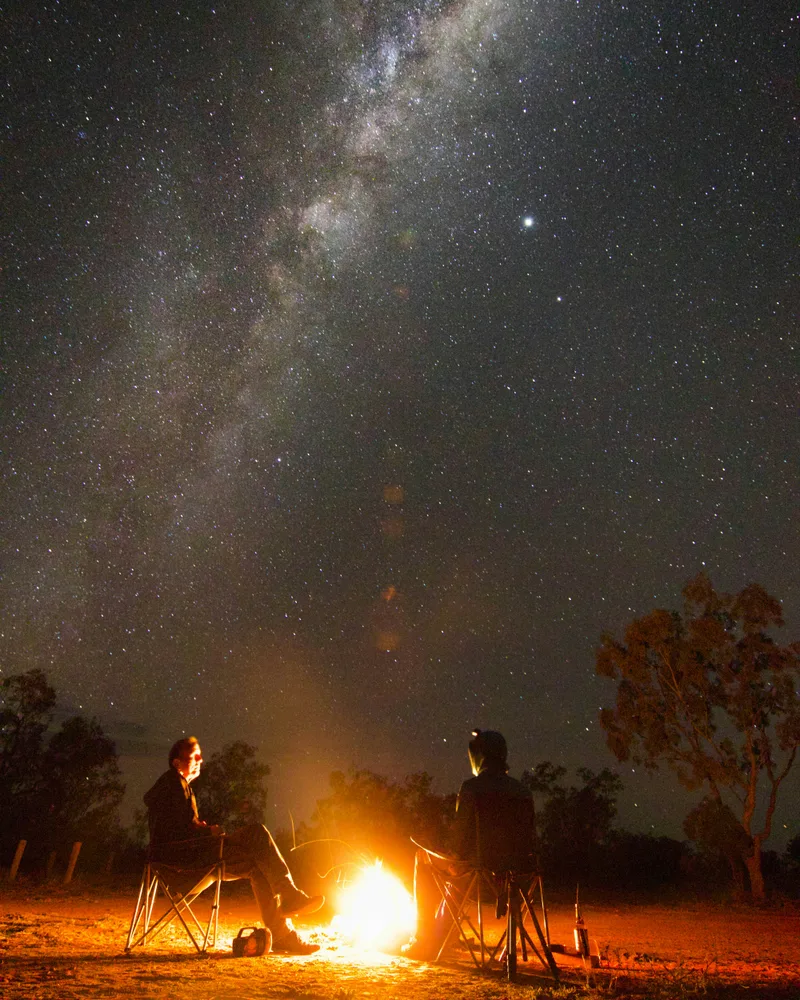
The desert night sky

Far from any city lights, the Red Centre holds some of the darkest skies on earth, where the Milky Way arcs from horizon to horizon over the desert.

The base walk, Australia

Stop 04

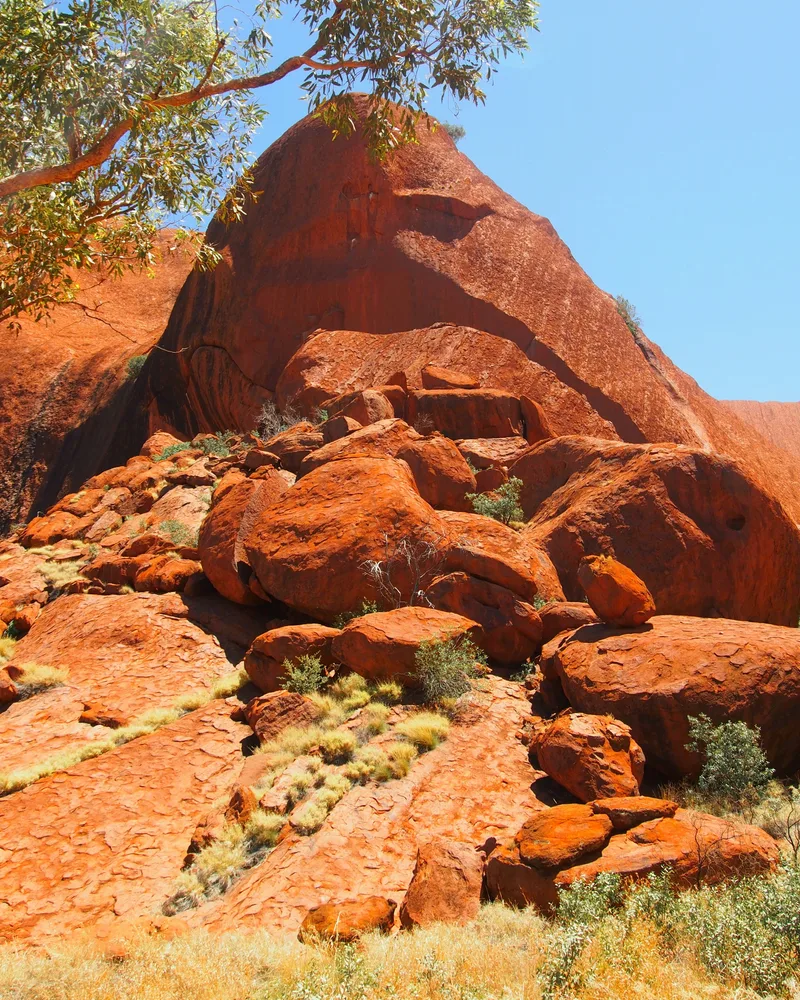
The base walk

Trace the foot of the monolith on the base trail, past waterholes, shaded caves and ancient rock art, with an Anangu guide to share the stories in the stone.

Know before you go

The practical details.

When to go

Good to know

When to go

The desert is most comfortable in the cooler months, May to September, with mild days and cold, clear nights. Summer (Dec–Feb) brings extreme heat and swarms of flies. Pack layers, sun protection and plenty of water whatever the season.

Respecting a sacred site

Good to know

Respecting a sacred site

Uluru is sacred to the Anangu, its traditional owners. Climbing the rock is no longer permitted, and certain areas should not be photographed. A guided cultural walk deepens the visit and honors the place and its people.

Getting there & staying

Good to know

Getting there & staying

Fly into Ayers Rock (Yulara) airport, the gateway to the park. The Ayers Rock Resort is the only base, with options from camping to luxury. Book your sunrise and sunset viewing, the Field of Light and special dinners well ahead.

Let's begin

Bring Sunrise and Sunset at Uluru
to life.

Our advisors design Australia journeys by hand. Tell us your dates and we'll do the rest.

Plan Your Trip