Region
Bora Bora
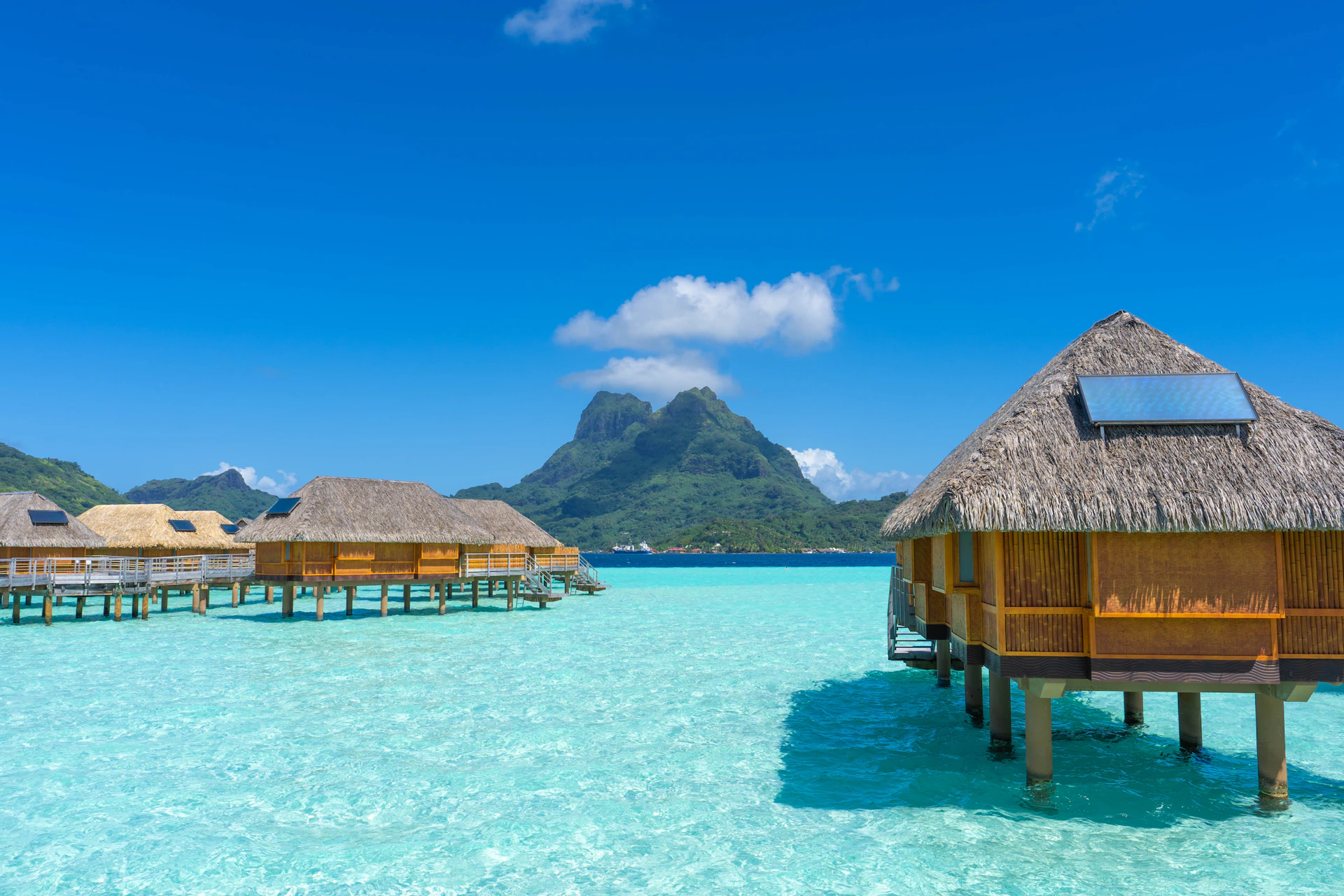
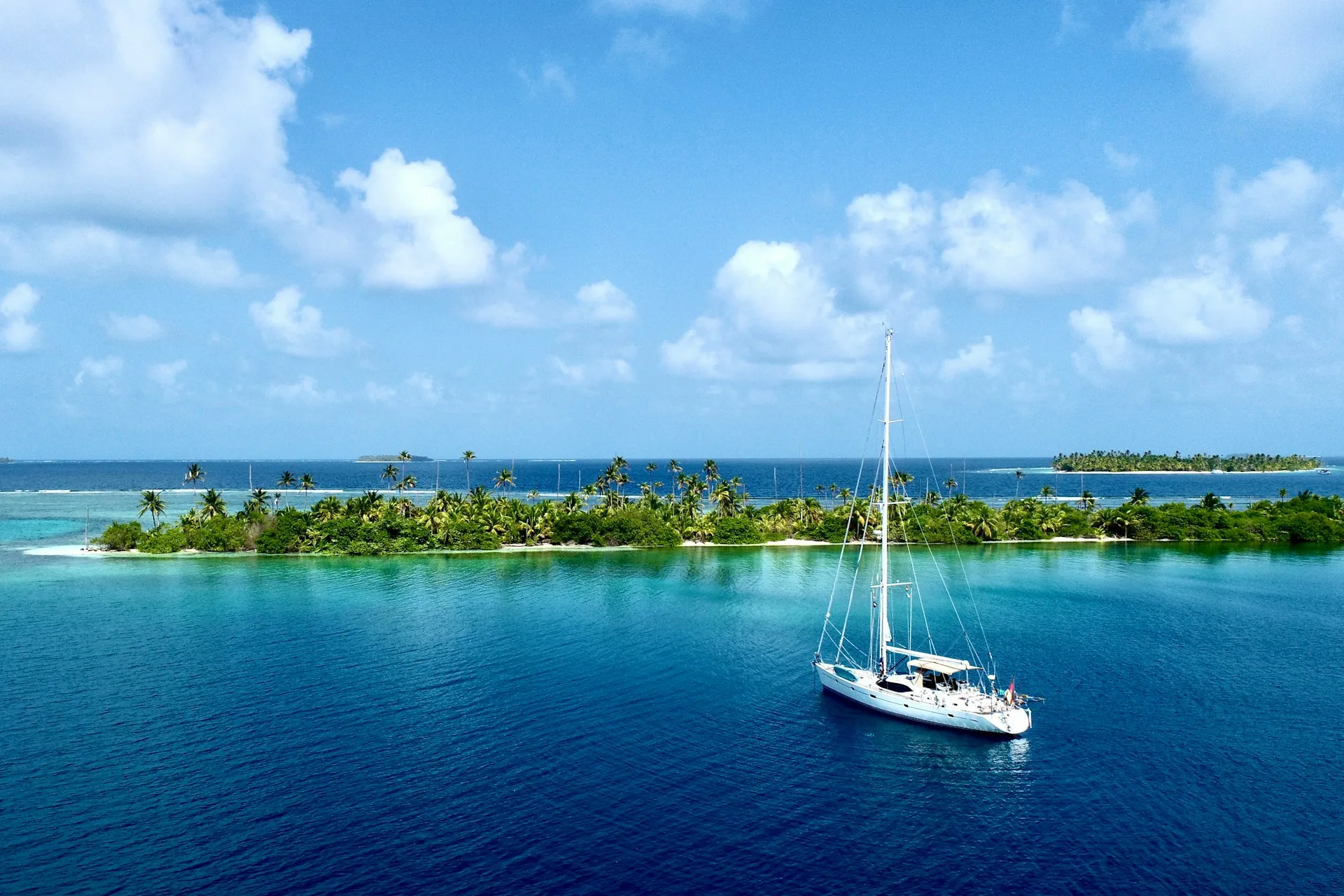
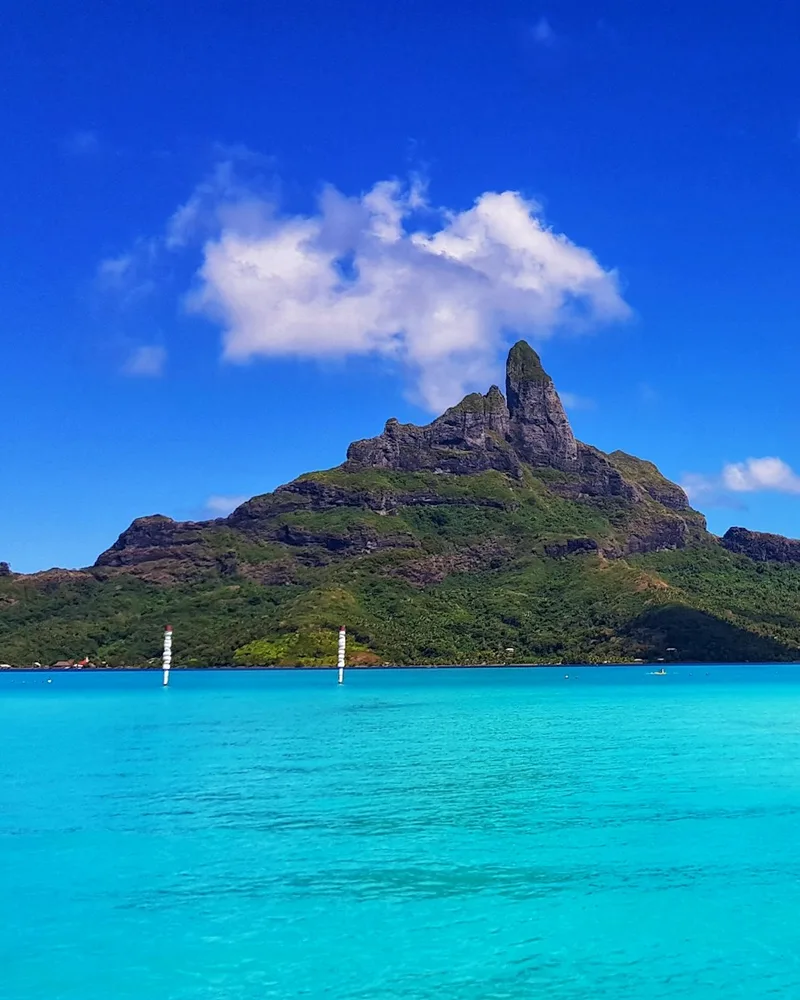
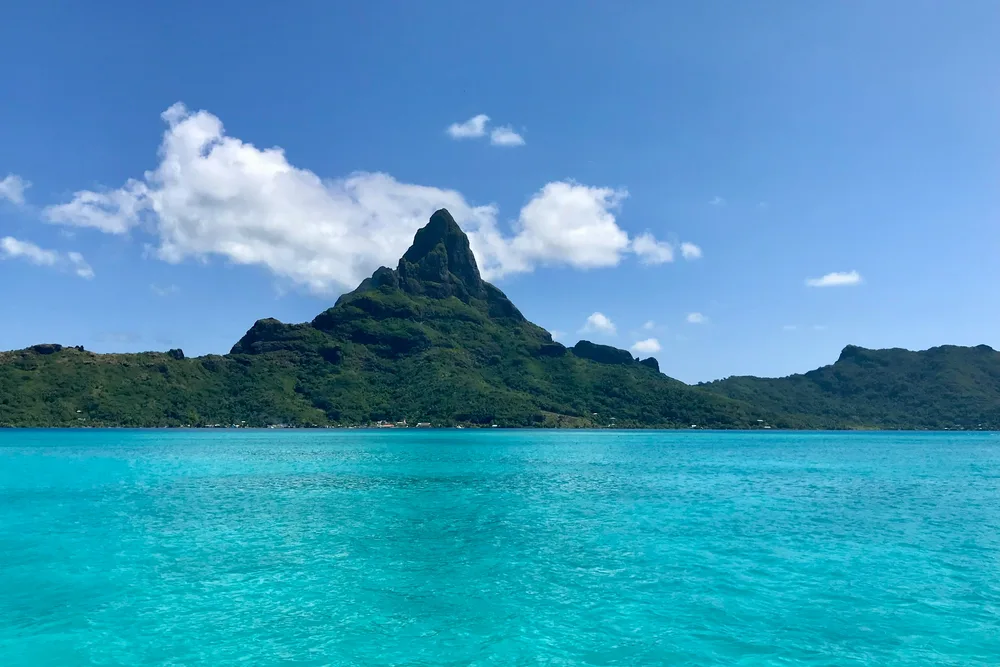
The icon of the South Pacific: the jagged green spire of Mount Otemanu rising from a luminous turquoise lagoon, ringed by palm-clad motus and the world's most famous overwater bungalows. The headline of almost every trip.

By Continent
Europe Africa Asia North America South America Caribbean Australia & Oceania All destinationsOverview
From the canals of Venice to the black-sand coasts of Iceland, Europe rewards the curious traveler with centuries of art, architecture and unforgettable flavor, all within easy reach of one another.
View all EuropeOverview
From the dunes of the Sahara to the great plains of the Serengeti, Africa is a continent of staggering scale and singular encounters: a place where landscape, wildlife and culture meet at full intensity.
View all AfricaDestinations
Overview
Vast and varied, Asia spans snow-capped peaks and tropical coasts, neon megacities and silent temples. It is a continent that rewards both the first-time traveler and the lifelong returnee.
View all AsiaFeatured
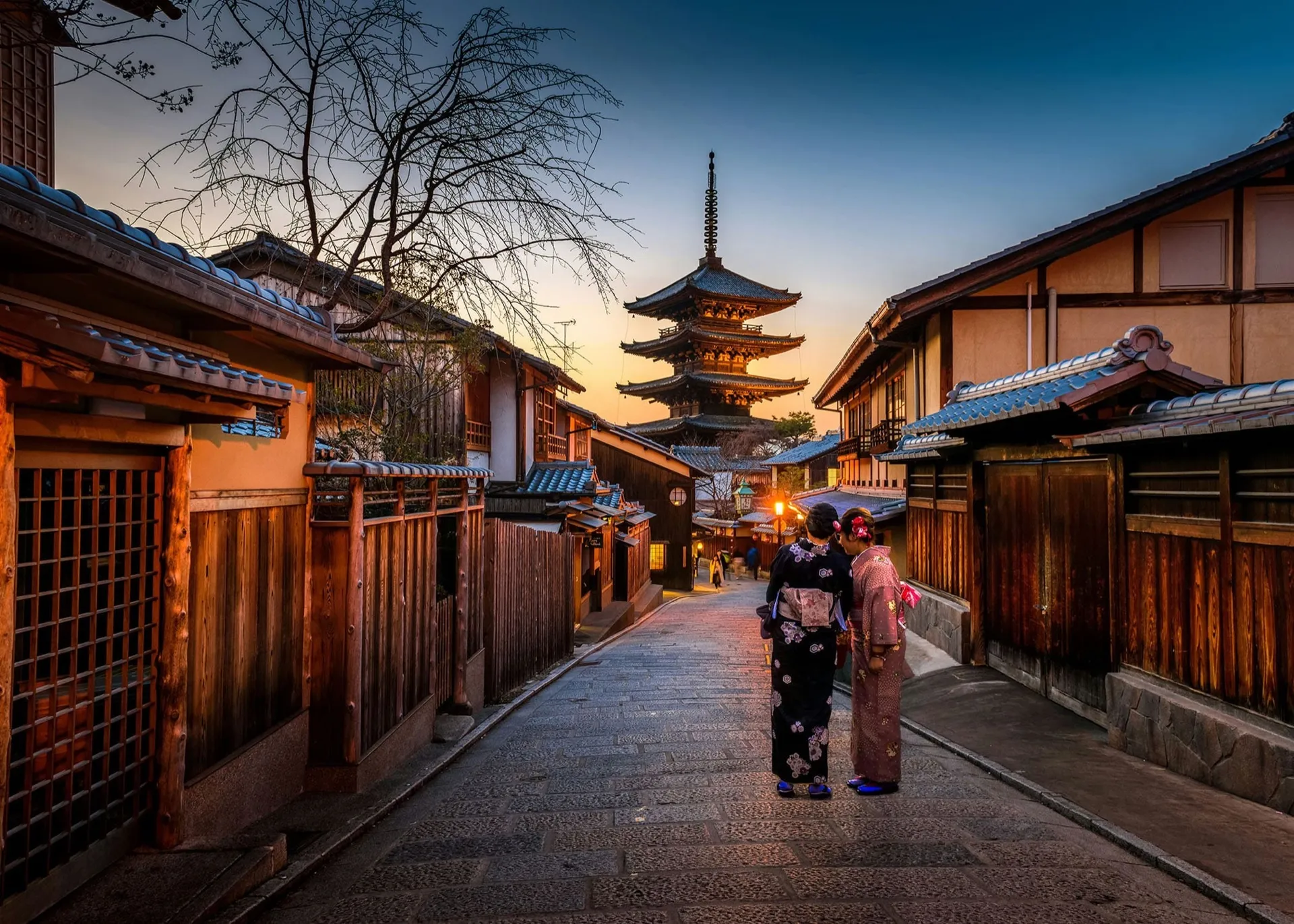 Japan · signature experience Kyoto
 Overview
Close to home and endlessly varied, North America ranges from desert canyons to alpine national parks, from world cities to quiet coastal towns: a continent that contains a dozen vacations within a single border.
View all North AmericaDestinations
Overview
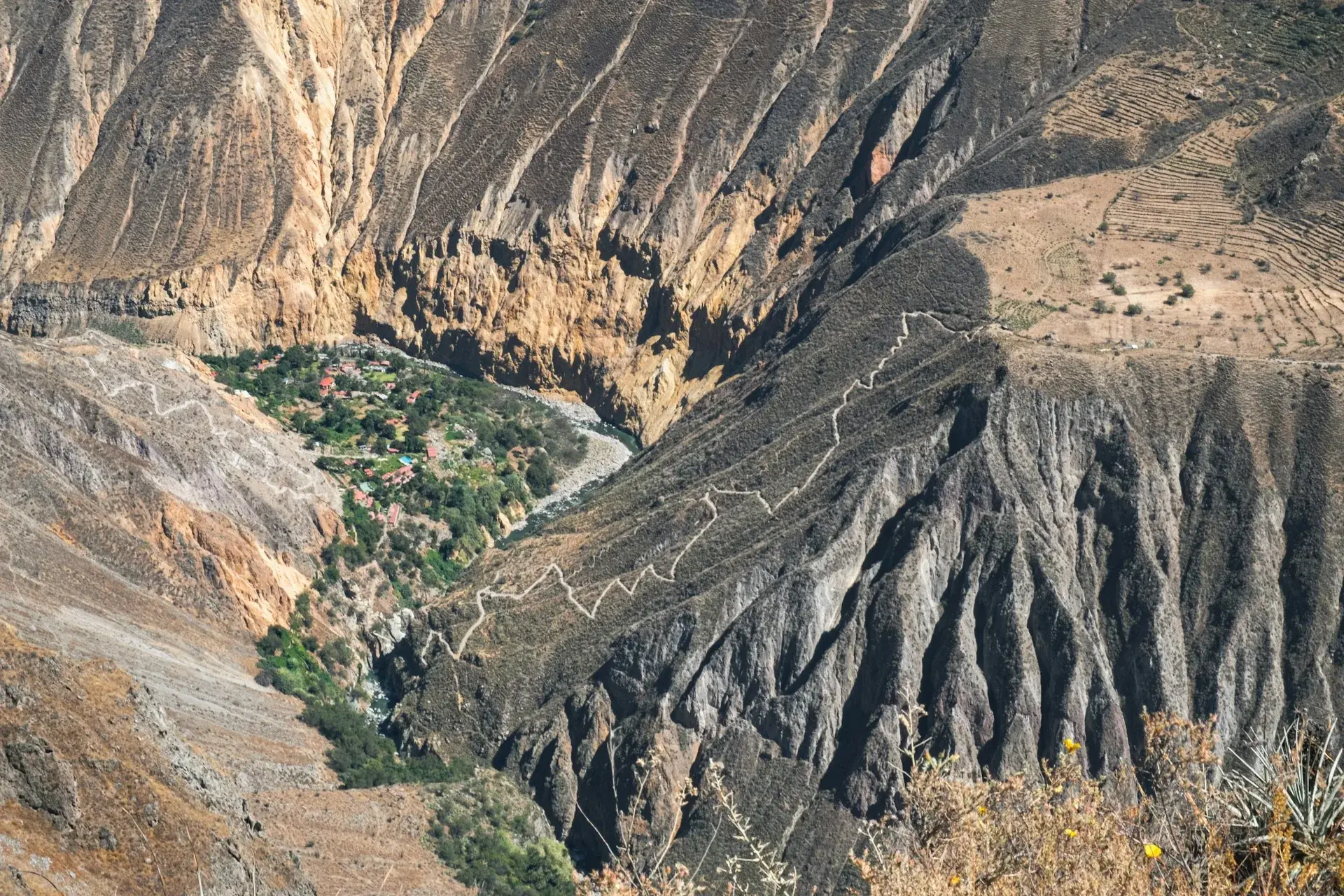
A continent of extremes, from the high Andes and the vast Amazon to glacial Patagonia and the rhythm of its cities, South America rewards the adventurous traveler with some of the planet’s most dramatic scenery and deepest history.
View all South AmericaOverview
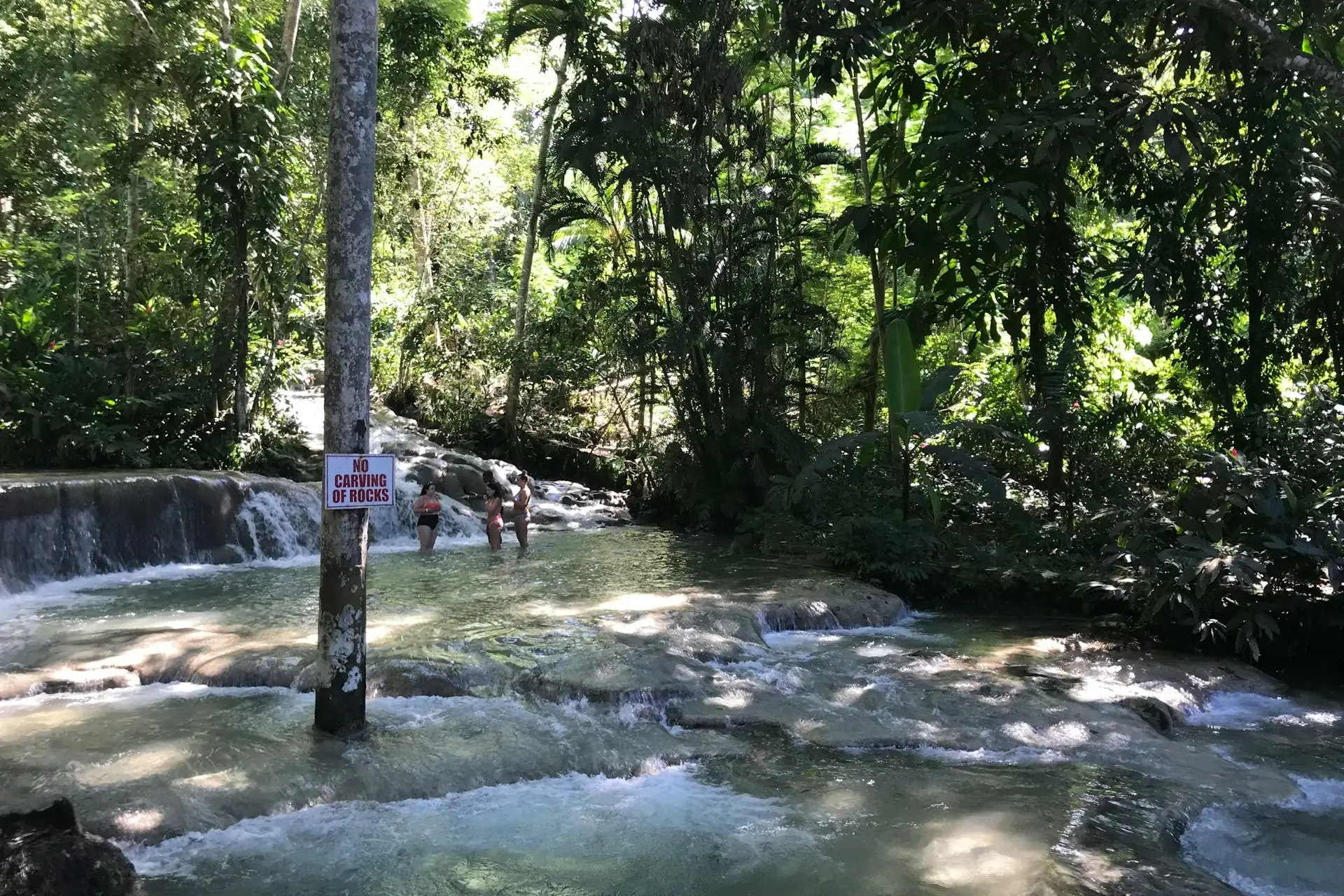
A scattering of islands across impossibly blue water, the Caribbean is the art of the easy day perfected: white sand, warm rhythm and hospitality that turns first-time visitors into lifelong returnees.
View all CaribbeanDestinations
Overview
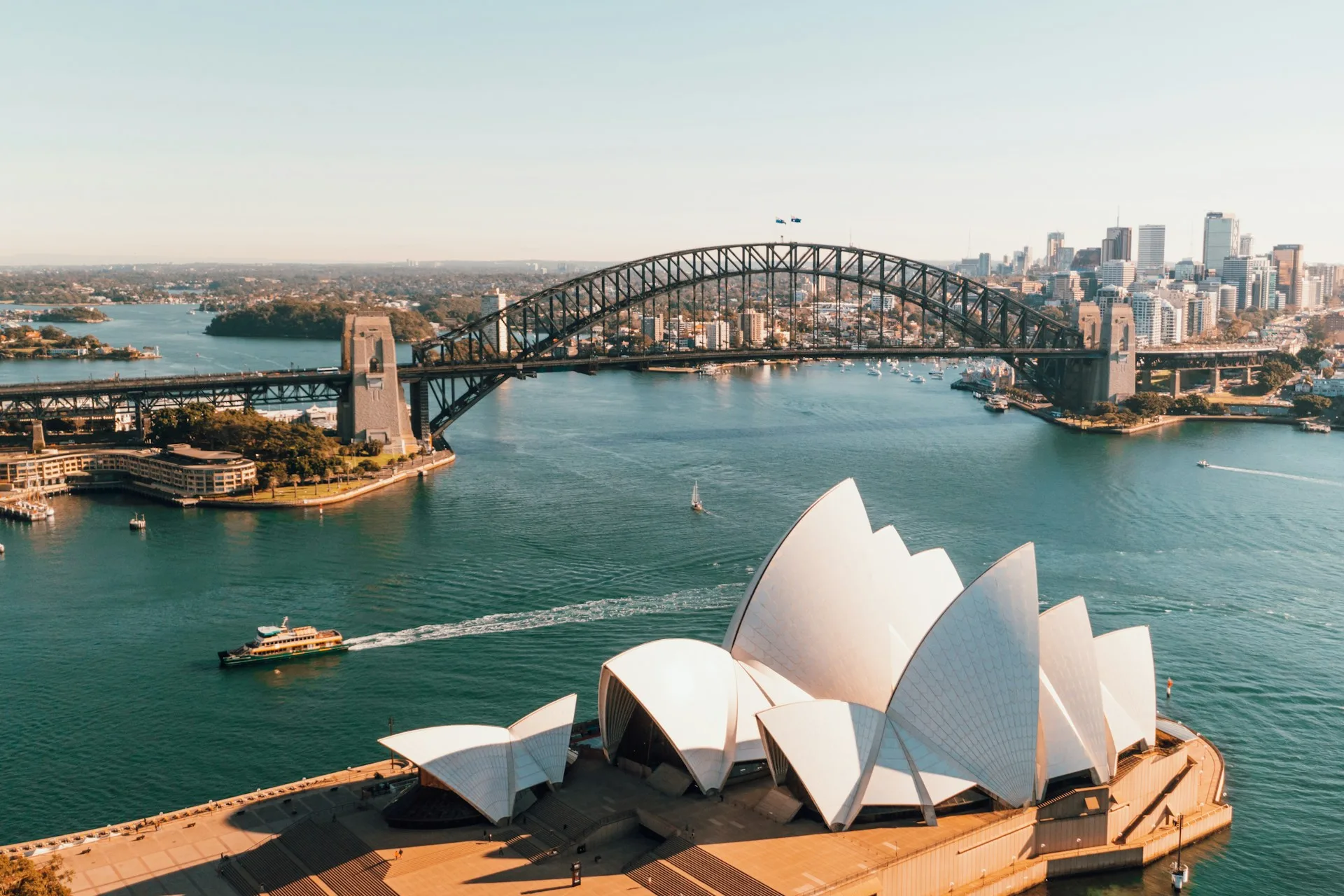
From the Great Barrier Reef to the red heart of the outback, from the fjords of New Zealand to the scattered atolls of the South Pacific, Australia & Oceania offer some of the most remote and rewarding travel on earth.
View all Australia & OceaniaDestinations
Est. 1918 · four generations · 38 countries
How You Travel
River Cruises Ocean & Small-Ship Expedition Flights Tours & Escorted All-Inclusive All travel experiencesFeatured
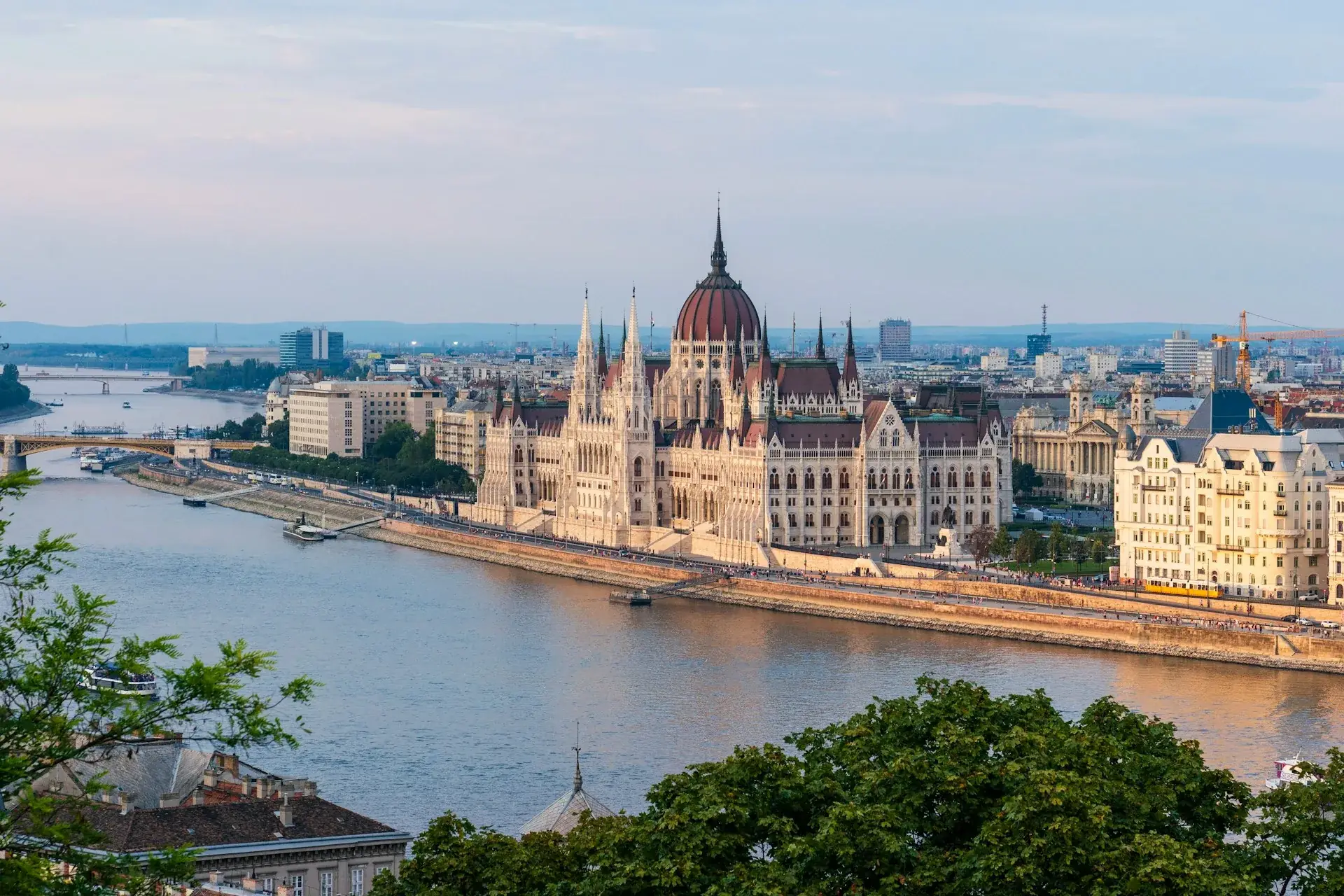 The Danube
 Featured
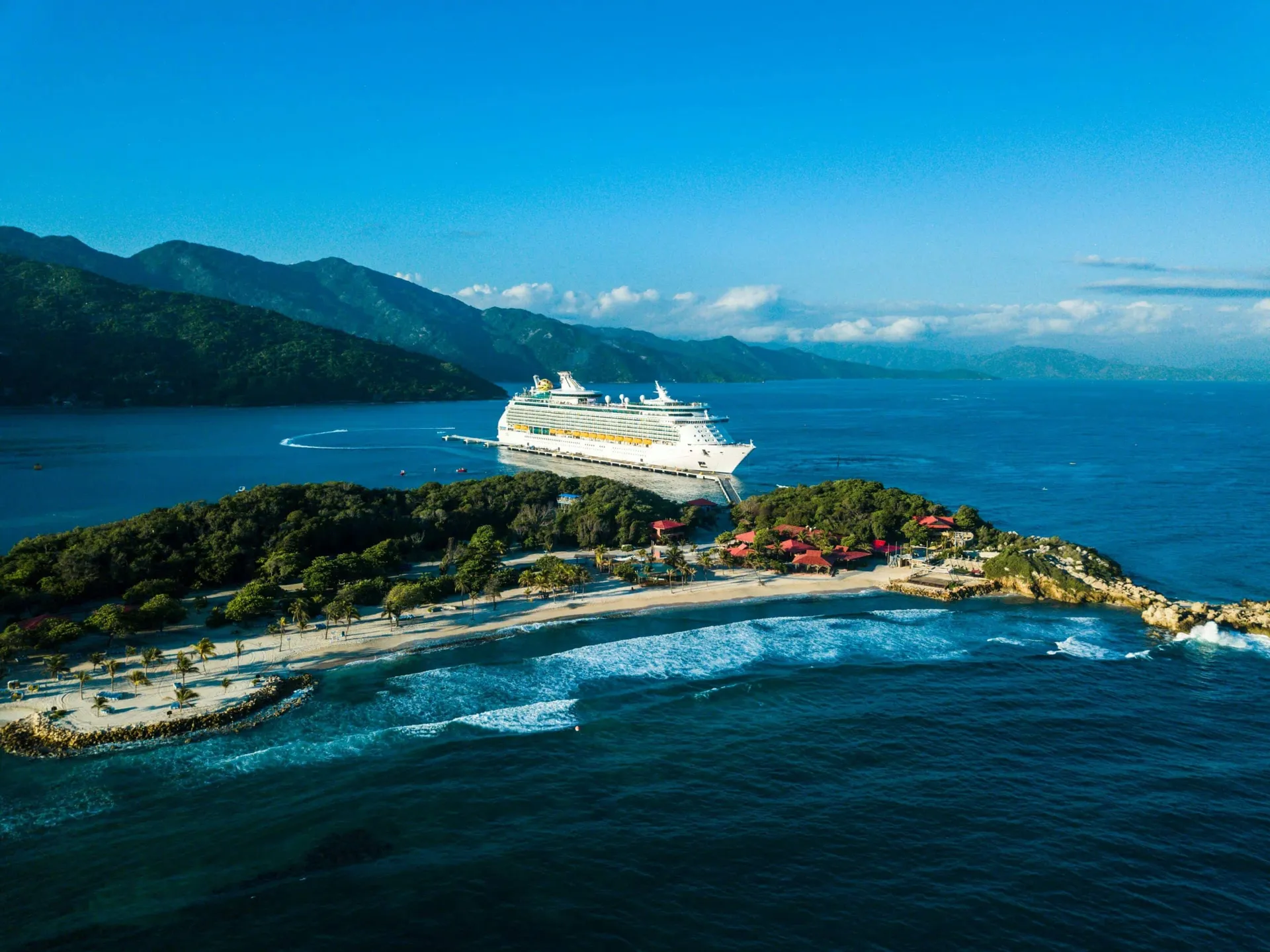 The Caribbean
 Featured
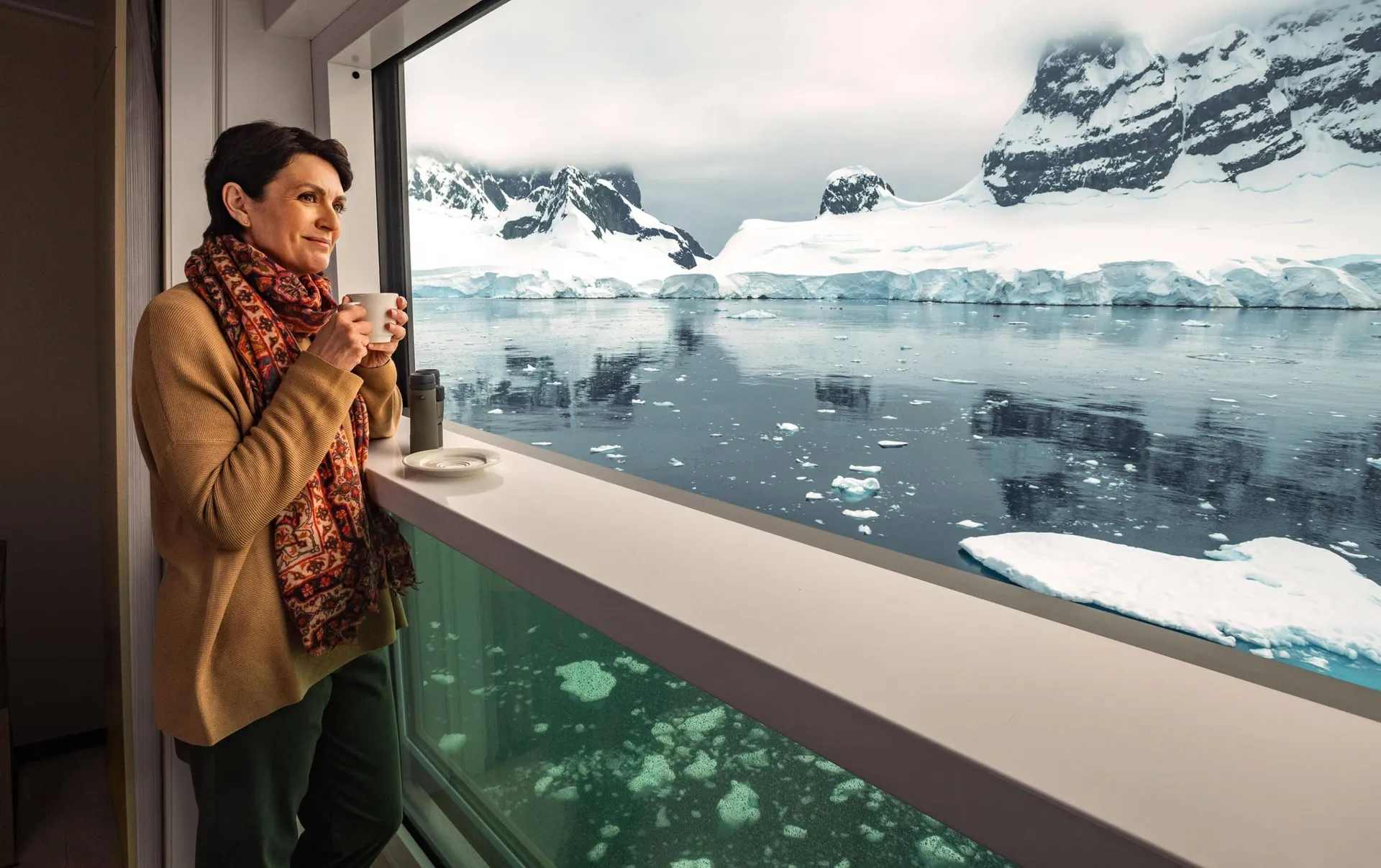 Antarctica
 Overview
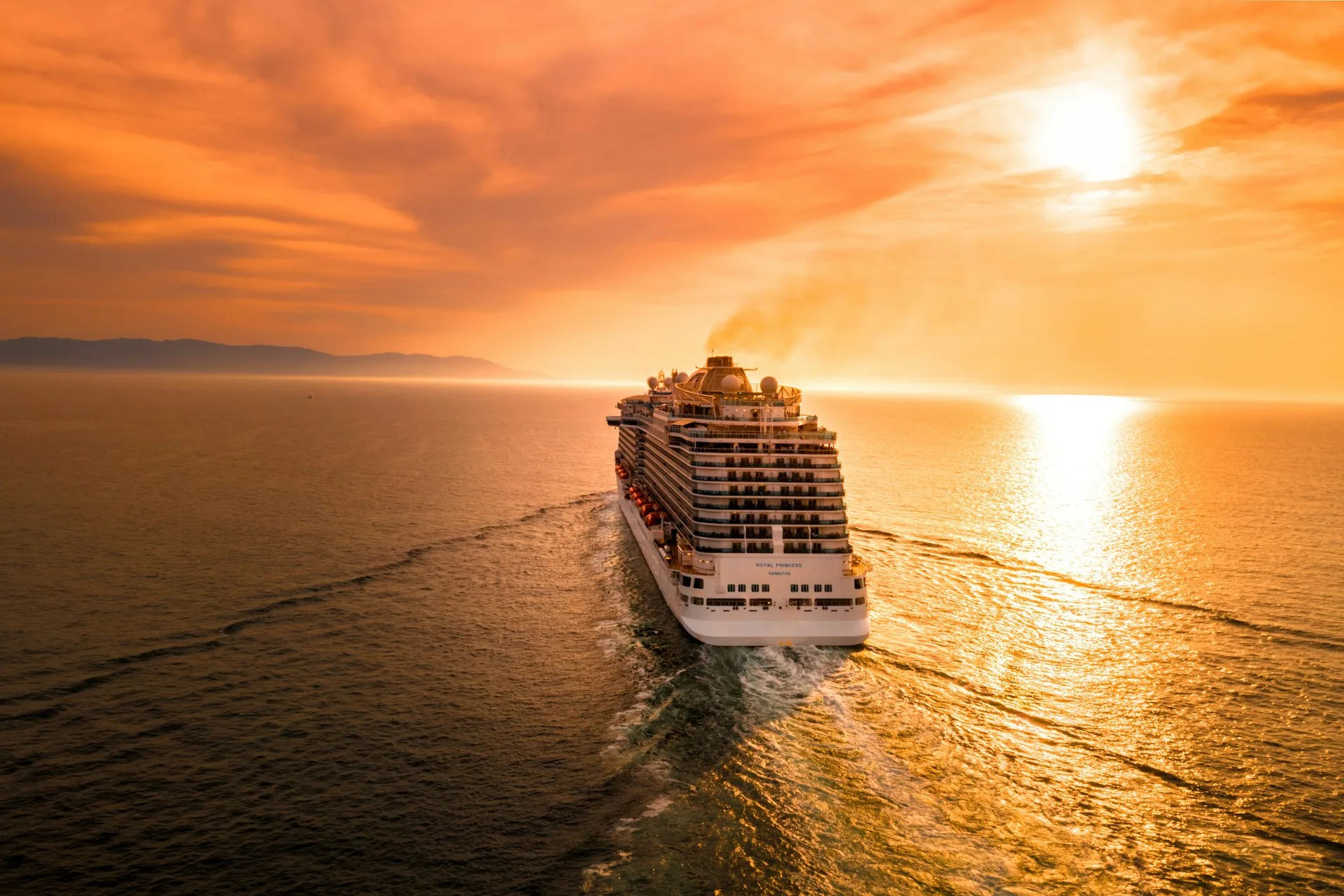
Premium-cabin fares, complex routings and around-the-world tickets, booked by people who fly for a living.
Explore flightsFeatured
 Flights
 Overview
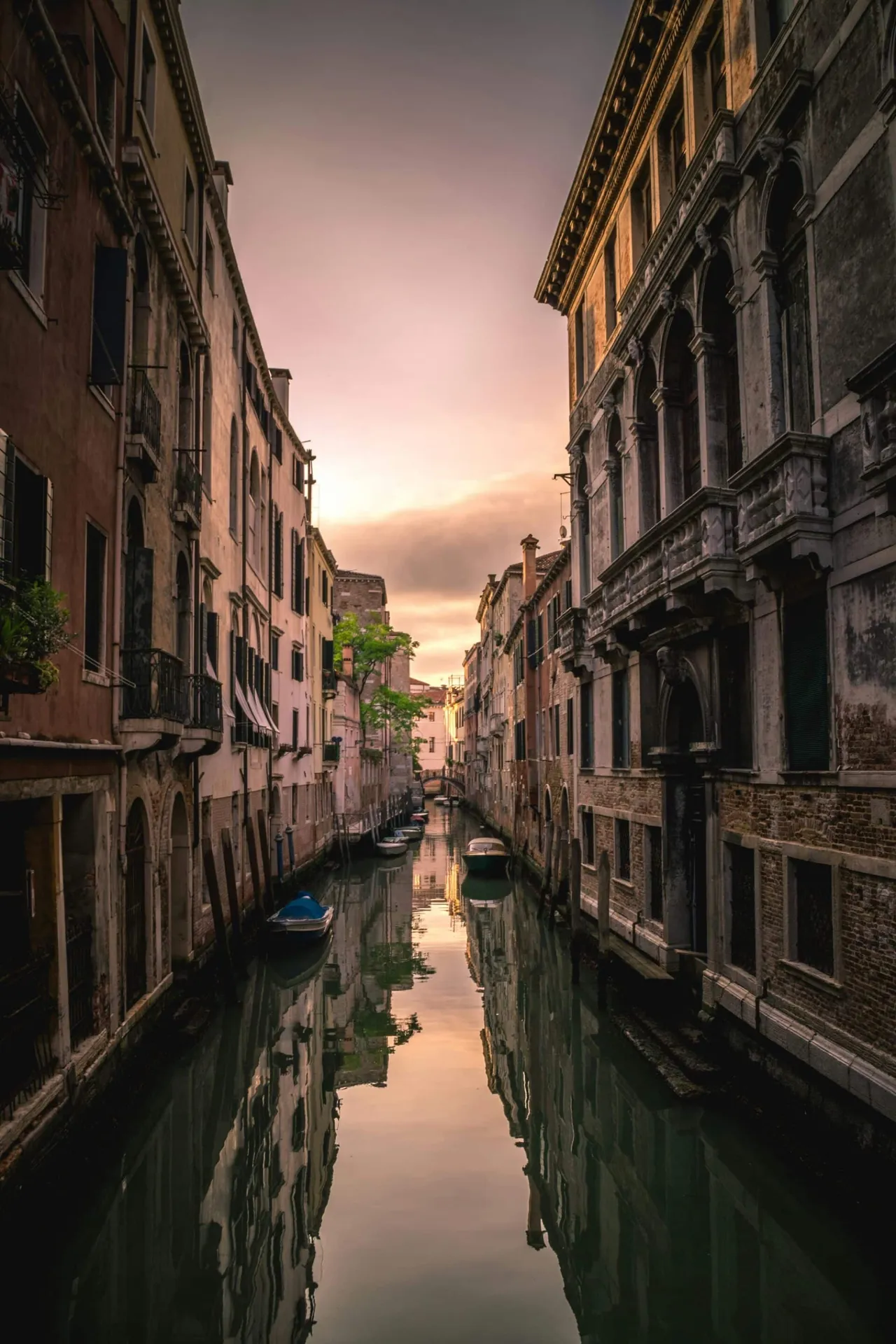
Expertly guided group departures and private escorted itineraries across the world's great regions.
Explore tours & escortedFeatured
 Tours & Escorted Journeys
 Overview
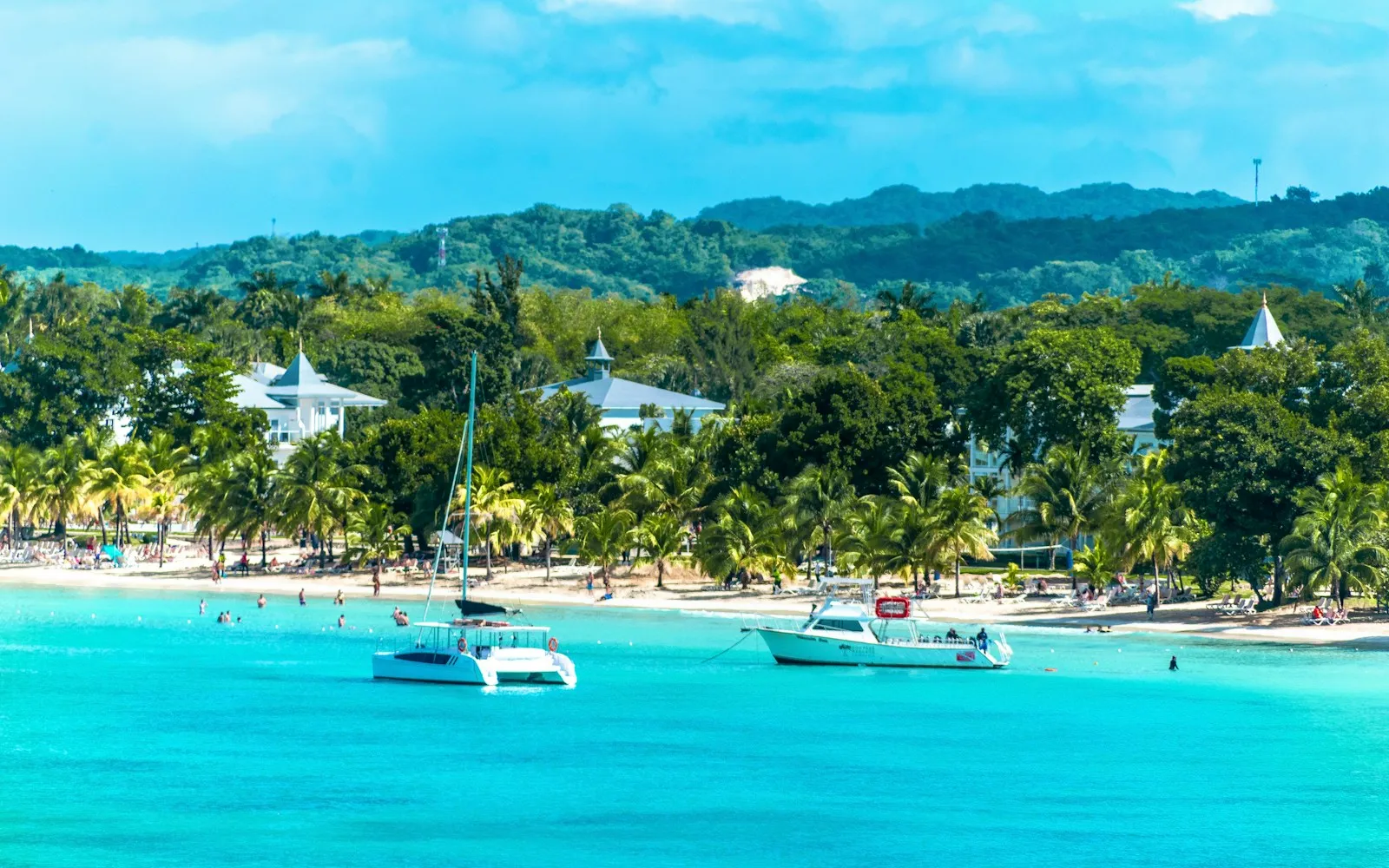
Beach and luxury all-inclusive escapes where flights, meals and more fold into a single, easy fare.
Explore all-inclusiveFeatured
 All-Inclusive Resorts
 River, ocean & expedition cruises · flights · tours · all-inclusive
Corporate travel
Destinations · Australia & Oceania
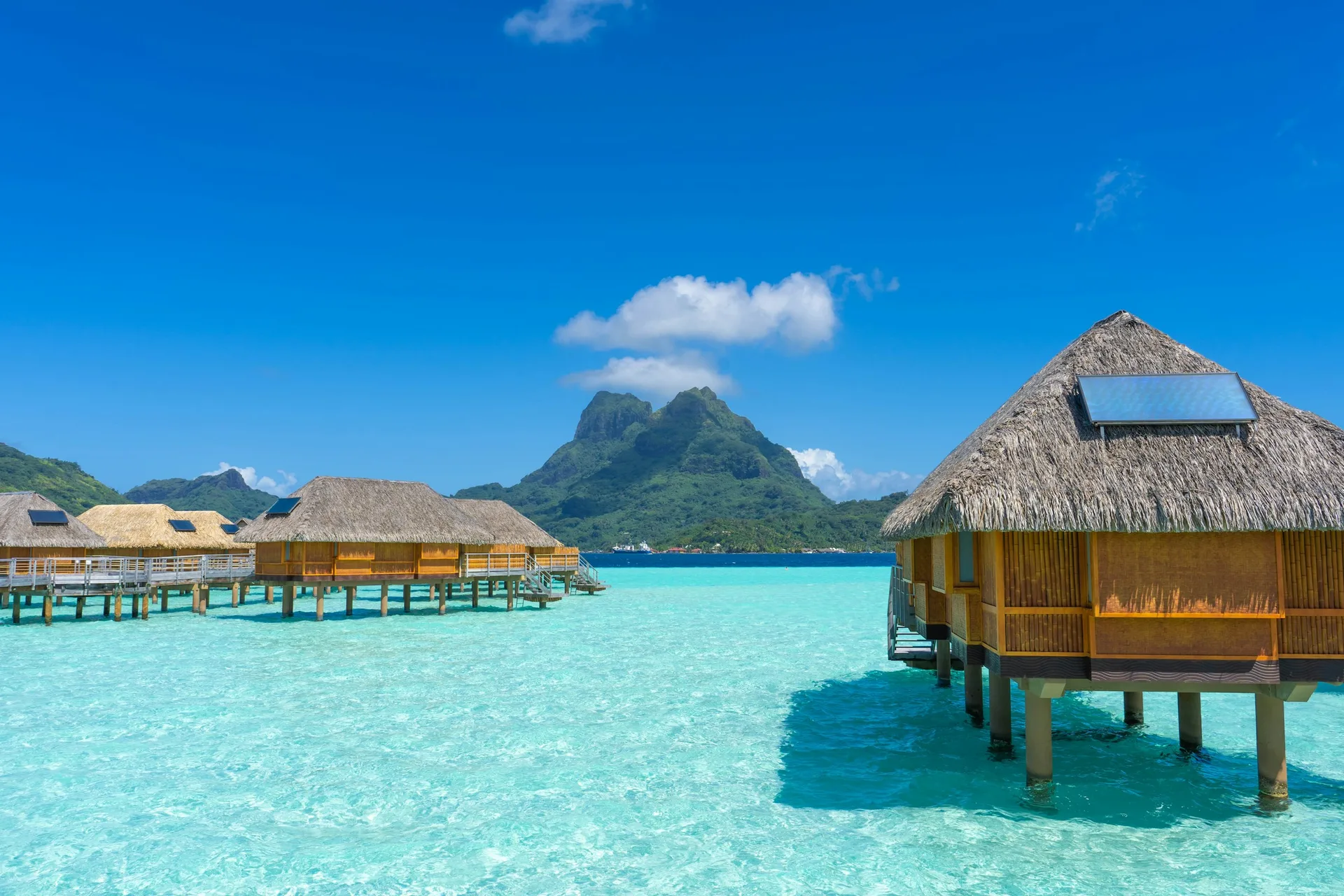
Jagged green peaks, overwater bungalows & impossibly blue lagoons.
The country
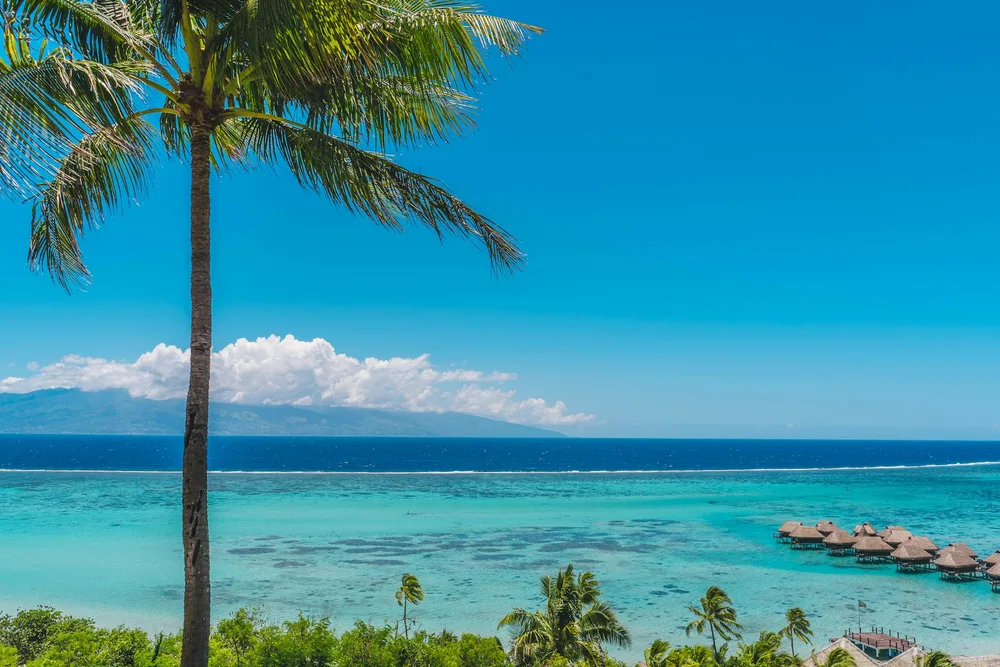
Few names carry the romance of the South Pacific quite like French Polynesia, and at the heart of it sits Bora Bora, the iconic, overwater-bungalow dream that draws travelers from the other side of the world. Its jagged green peak rises straight out of a lagoon so blue it hardly looks real, ringed by a necklace of palm-covered islets and water in every shade from pale turquoise to deep sapphire. It is the image most people picture when they imagine paradise, and it lives up to it.
But this is far more than a single island. Spread across an expanse of ocean the size of Western Europe lie one hundred and eighteen islands and atolls, gathered into archipelagoes that each have their own character. There are the soaring volcanic peaks and pineapple valleys of Moorea, the lush waterfalls and black-sand shores of Tahiti, the near-deserted motus of Huahine, and the ring-shaped coral atolls of the Tuamotus, where the diving is among the finest on earth. The thread that runs through them all is the Polynesian welcome, warm, unhurried and wrapped in flowers and song.
French Polynesia is an overseas collectivity of France, so the baguettes are fresh, the wine list is long and the currency is the Pacific franc, all set against a backdrop that is pure South Seas. We design island-hopping itineraries that string together the islands that suit you best, handling the flights into Tahiti, the inter-island hops, the lagoon transfers and the overwater bungalows, so all you have to do is slow down to the rhythm of the lagoon.
When to go
French Polynesia keeps to two seasons: a dry, breezy austral winter that is prime for the lagoons and the atoll dives, and a hotter, wetter summer that carries the cyclone risk. This is how we read the year across the desk.
Our favorite window: the start of the dry season brings warm, sunny days, low humidity, calm seas for island-hopping and superb underwater visibility on the lagoons and atolls, all before the busy peak.
Peak dry season: reliably blue skies, gentle trade winds and the best conditions of the year for diving the Tuamotu passes and lounging over the lagoon. It is the busiest and priciest stretch, so we book the marquee overwater resorts well ahead.
The shoulder months are still mostly dry and a touch quieter and better value before the humidity builds. Warm seas, fewer crowds and a good balance of weather and price for a relaxed island trip.
The wet season is hotter and more humid, with short tropical downpours and a chance of cyclones. The islands are greener and quieter and rates are lower, but the seas can be less settled and visibility more variable.
Where to go
French Polynesia is really a scatter of island groups, each with its own scenery, mood and pace, from the headline glamour of Bora Bora to the wild diving atolls of the Tuamotus. These are the islands we weave together most often, and we shape the route, the resort choices and the inter-island flights and lagoon transfers around the rhythm you have in mind.
Region
The icon of the South Pacific: the jagged green spire of Mount Otemanu rising from a luminous turquoise lagoon, ringed by palm-clad motus and the world's most famous overwater bungalows. The headline of almost every trip.
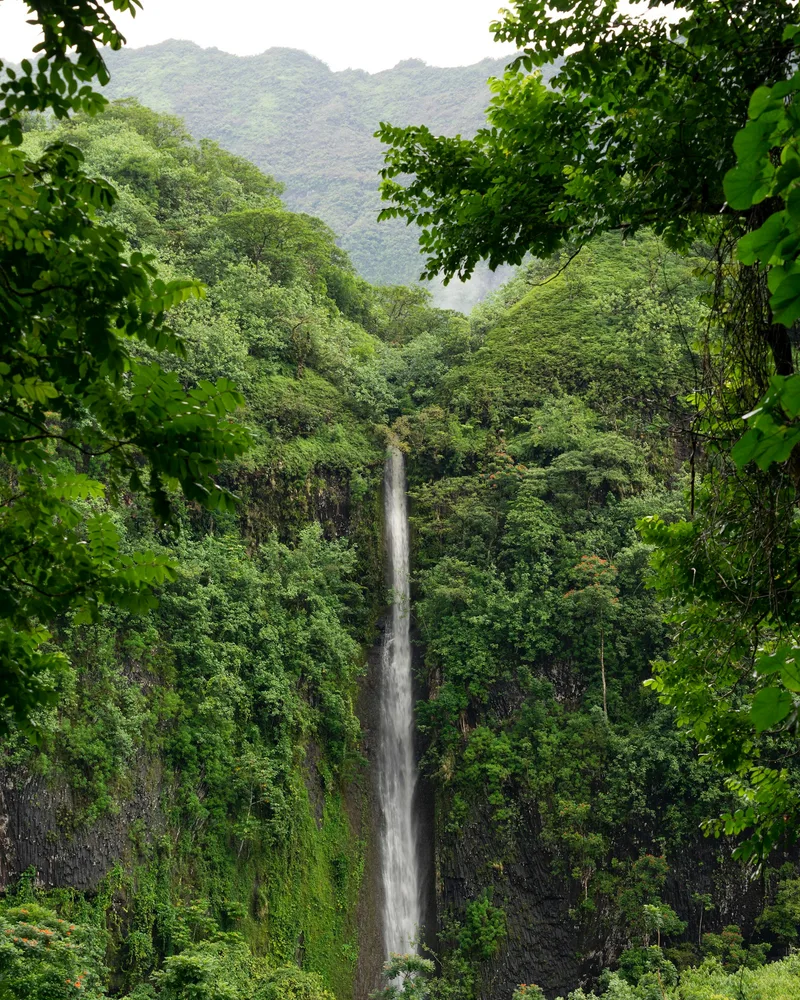
Region
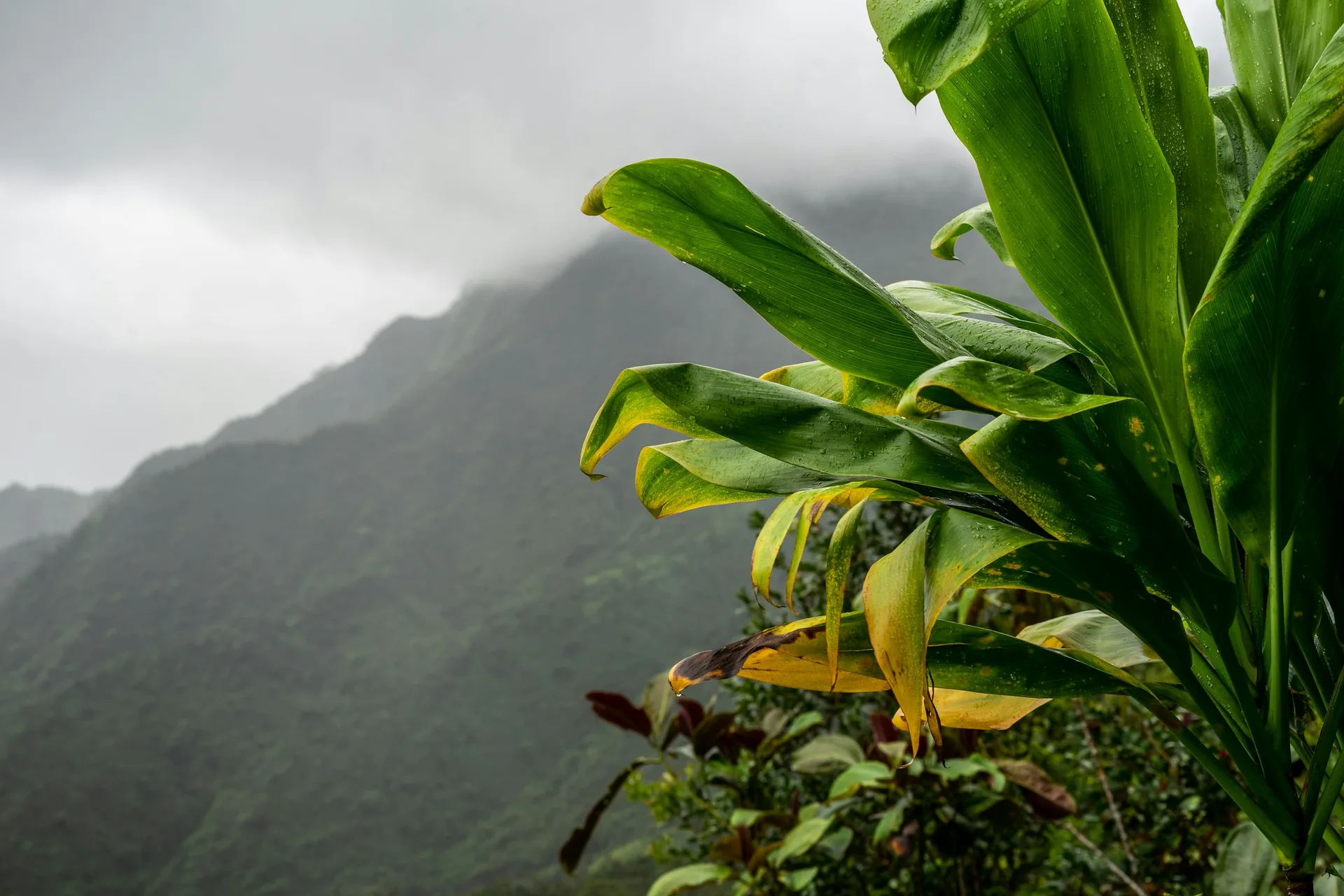
The largest island and the gateway, home to the capital Papeete and its lively market. Beyond the town lie black-sand beaches, lush interior valleys, cascading waterfalls and the surf breaks of the Teahupoo coast.
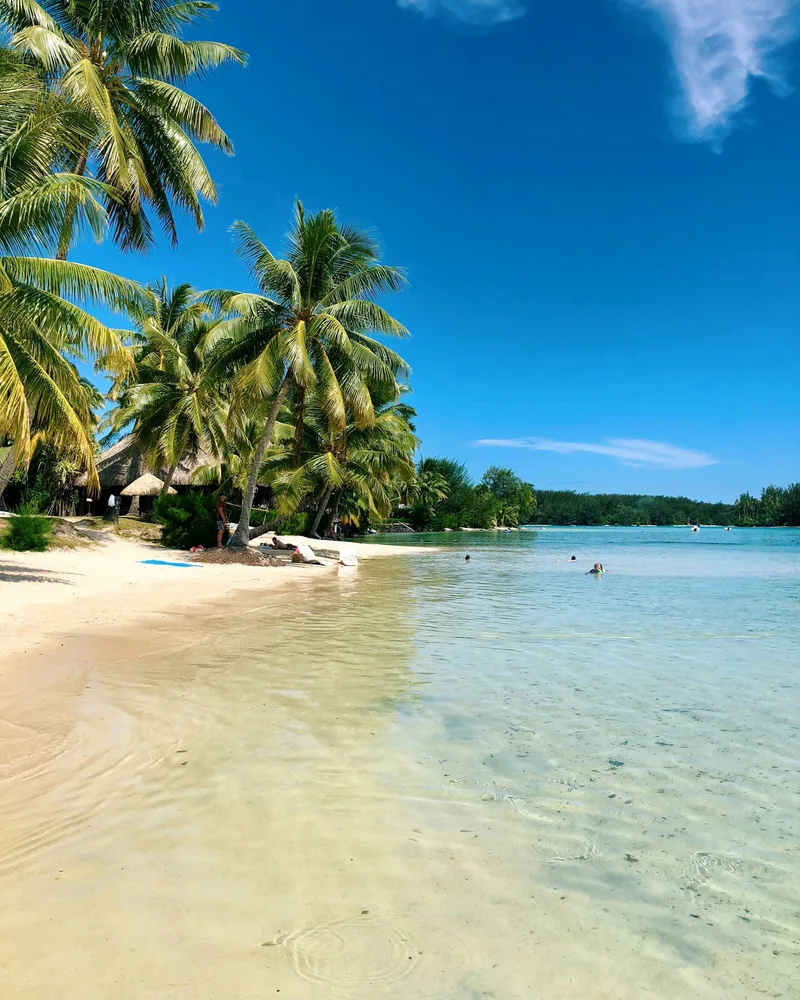
Region
Bora Bora's dramatic, accessible neighbor, just a short ferry from Tahiti. Cathedral-like volcanic peaks tower over the twin bays of Cook's and Opunohu, with pineapple plantations, a snorkel-friendly lagoon and resident rays and reef sharks.
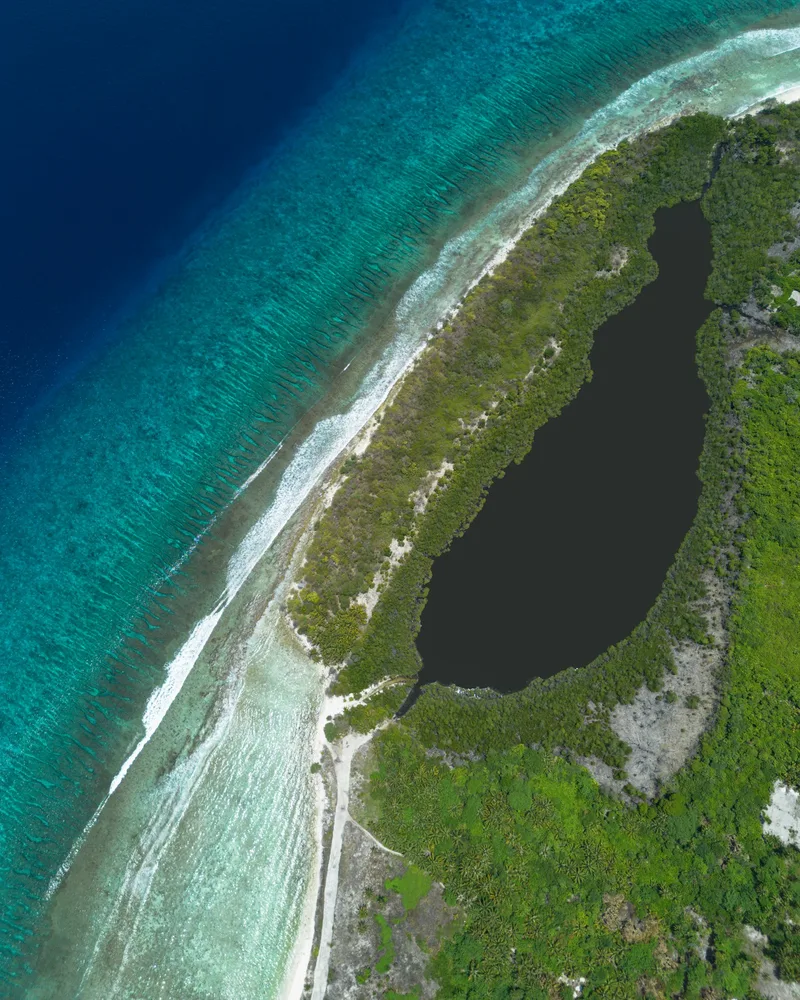
Region
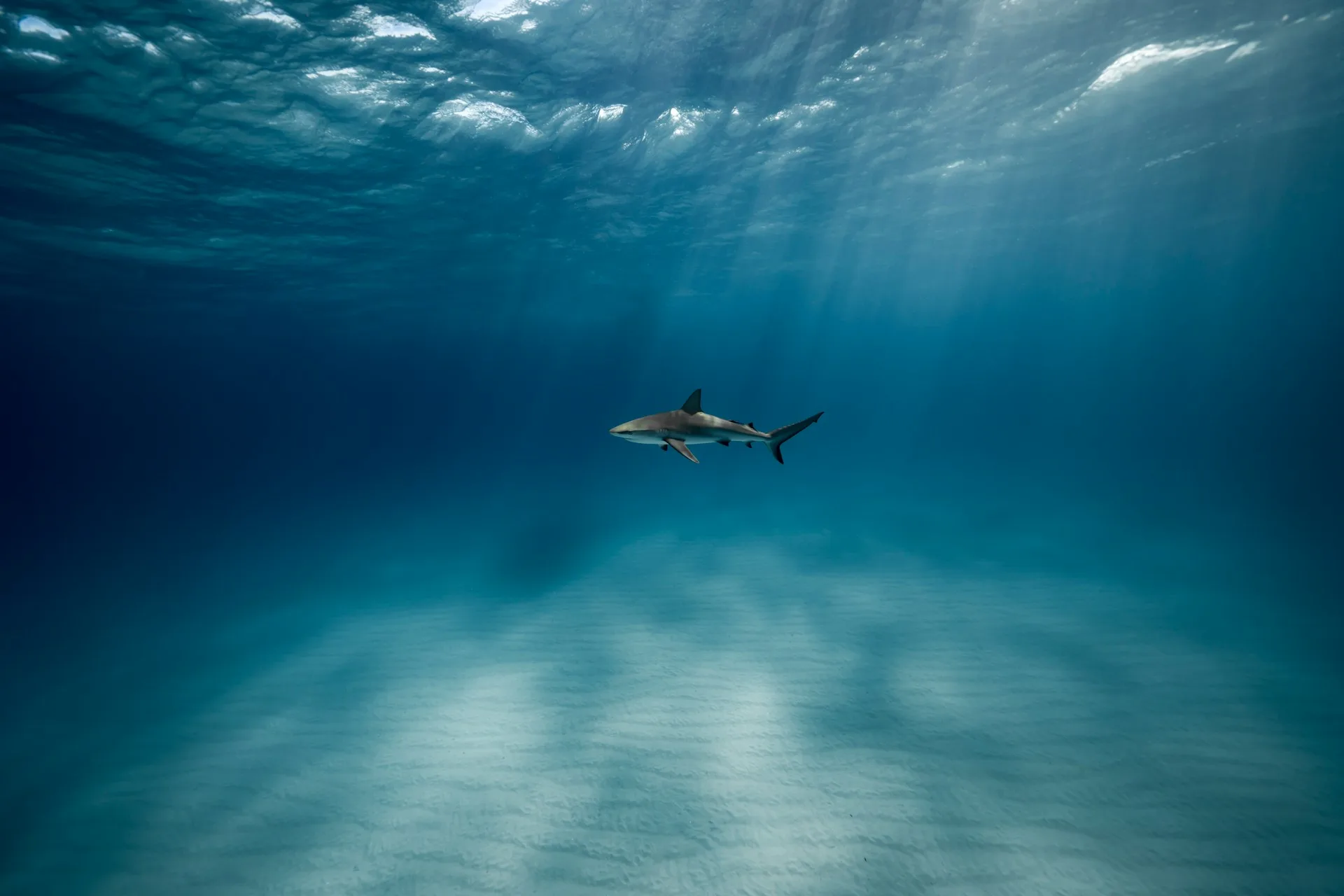
A chain of ring-shaped coral atolls, including Rangiroa and Fakarava, where wafer-thin strips of sand enclose vast inner lagoons. The drift dives through the passes, swimming with sharks, rays and dolphins, are among the finest on earth.
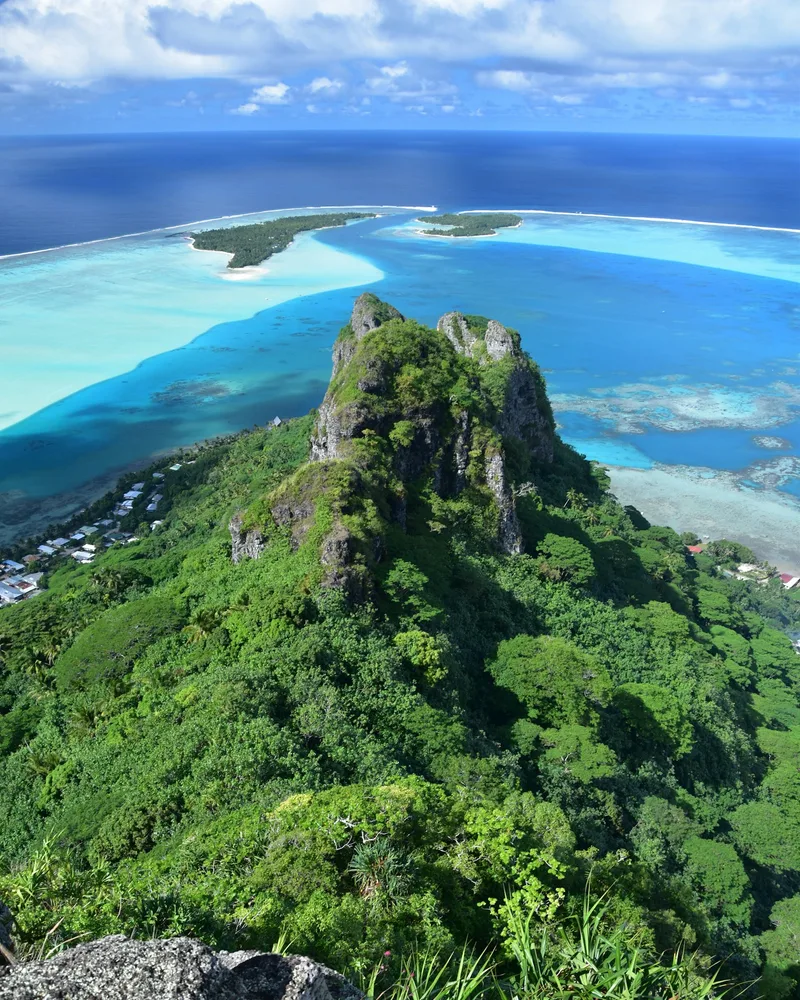
Region
The quieter, time-warp corner of the Societies: lush, unhurried Huahine with its sacred sites and sleepy villages, alongside the vanilla island of Taha'a and the soaring peaks of Raiatea, the cradle of Polynesian culture.
A sample journey
 1
1 Land at Papeete and ease into island time on Tahiti: the bustling market, a black-sand beach and a lush valley waterfall, shaking off the long flight before the island-hopping begins.
 2
2 Cross by fast ferry to Moorea, where cathedral peaks tower over Cook's and Opunohu bays. Snorkel the lagoon with rays and reef sharks, drive the pineapple road and settle into your first overwater or beachfront bungalow.
 3
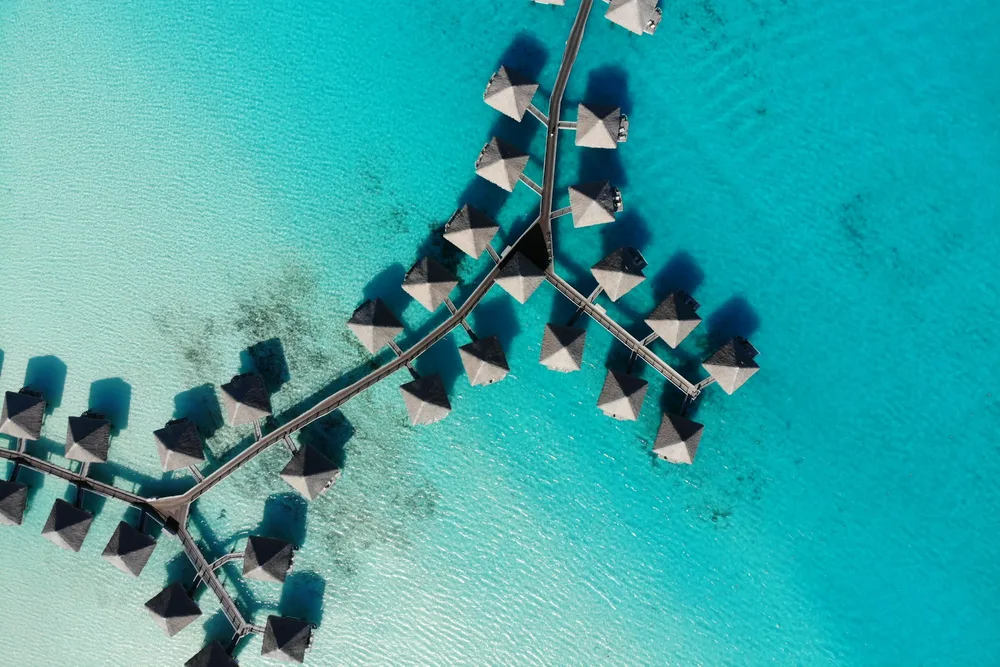
3 Fly on to the headline of the trip. Three nights in an overwater bungalow on the Bora Bora lagoon, with Mount Otemanu as your backdrop, a sunset lagoon cruise and snorkeling in the famous coral gardens.
 4
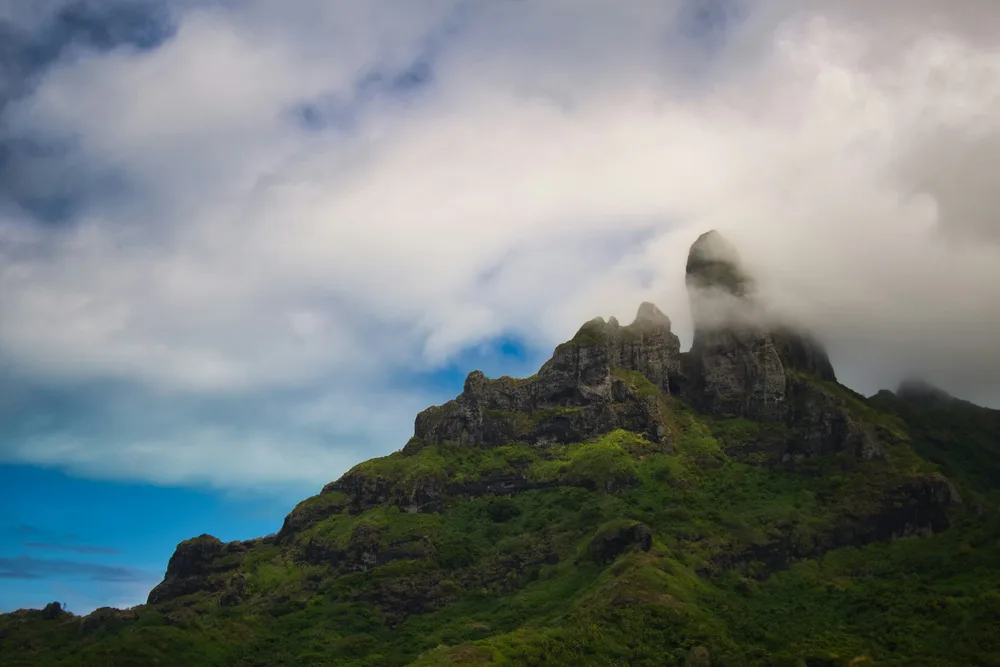
4 Give a full day to Bora Bora's lagoon: a circle island tour by boat, a stop to feed the rays, a motu picnic on a sandbar and the chance to take in Otemanu's dramatic spire from every angle.
 5
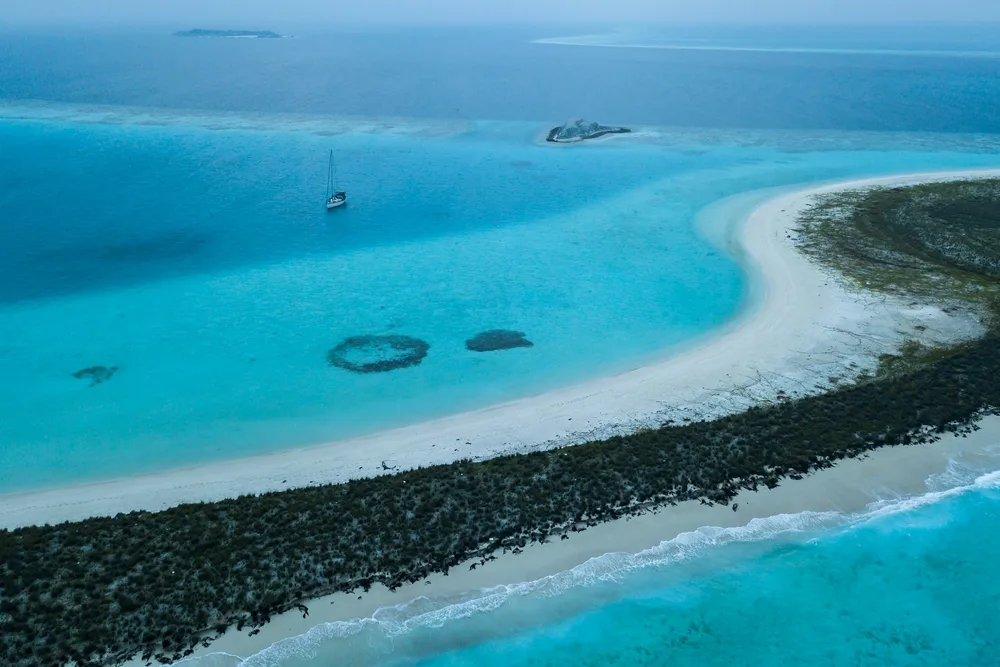
5 Slow the pace right down with a private lagoon cruise to the outer motus: swimming and snorkeling off a deserted sandbar, a barefoot lunch under the palms and a last, languid afternoon on the water.
 6
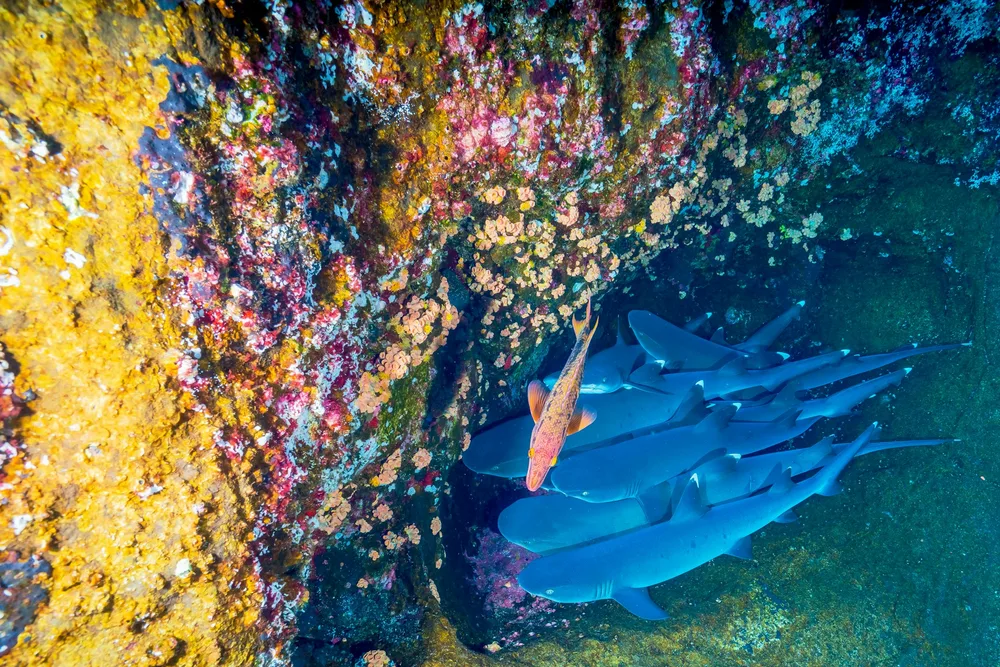
6 Finish with the finest diving in the South Pacific. Fly out to a Tuamotu atoll for drift dives through the passes among sharks, rays and dolphins, before a final lagoon sunset and the journey home.
Every itinerary we build is bespoke: this is a starting point, not a package.
Getting around
Where to stay
Every inter-island flight, ferry and lagoon transfer is arranged and timed around your resort check-ins, so the island-hopping is seamless from the moment you land at Papeete.
Good to know
Eight to twelve nights is the sweet spot. A week and a bit comfortably covers an ease-in night on Tahiti, a few days on Moorea and the headline stay on Bora Bora, all at an unhurried pace. Closer to two weeks lets you add the diving atolls of the Tuamotus or the quieter Society Islands like Huahine and Taha'a without rushing the island-hopping.
The dry season from May to October is prime, with warm, sunny days, lower humidity, calm seas for island-hopping and the clearest water for snorkeling and diving. The wet season from November to April is hotter and more humid with short downpours and a small chance of cyclones, though it is greener, quieter and better value if you do not mind the occasional shower.
Absolutely; Bora Bora is the iconic image of the South Pacific and a highlight of almost every trip, with its dramatic peak, luminous lagoon and world-famous overwater bungalows. You reach it on a short Air Tahiti flight of under an hour from Papeete, followed by a boat transfer across the lagoon to your resort, which we arrange and time around your arrival.
Most trips begin with a flight into Papeete on Tahiti, and from there the islands are linked by short inter-island flights and, between the closer islands, by ferry. Air Tahiti hops to Bora Bora, Moorea, Huahine and the Tuamotus take under an hour, while a fast ferry crosses to Moorea in about thirty minutes. We book every flight, ferry and lagoon transfer as part of the itinerary.
French Polynesia is an overseas collectivity of France, and entry rules generally follow French and Schengen-style requirements, so many travelers, including US citizens, do not need a visa for a tourist stay; we confirm the current rules for your nationality when we plan the trip. The currency is the CFP franc, or Pacific franc, and cards are widely accepted at resorts, though a little cash is handy for smaller islands.
From the journal
Destinations
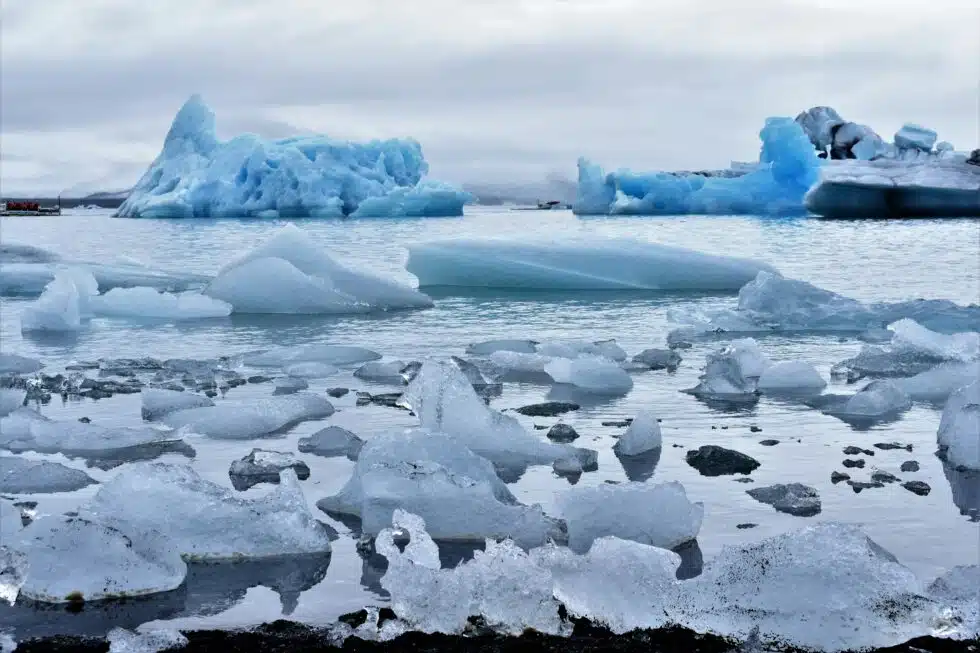
Jokulsarlon is one of the biggest attractions in the South of Iceland. Visitors come from all over the world to lay eyes on the incredible glacial lagoon. This leads to the…
Read more →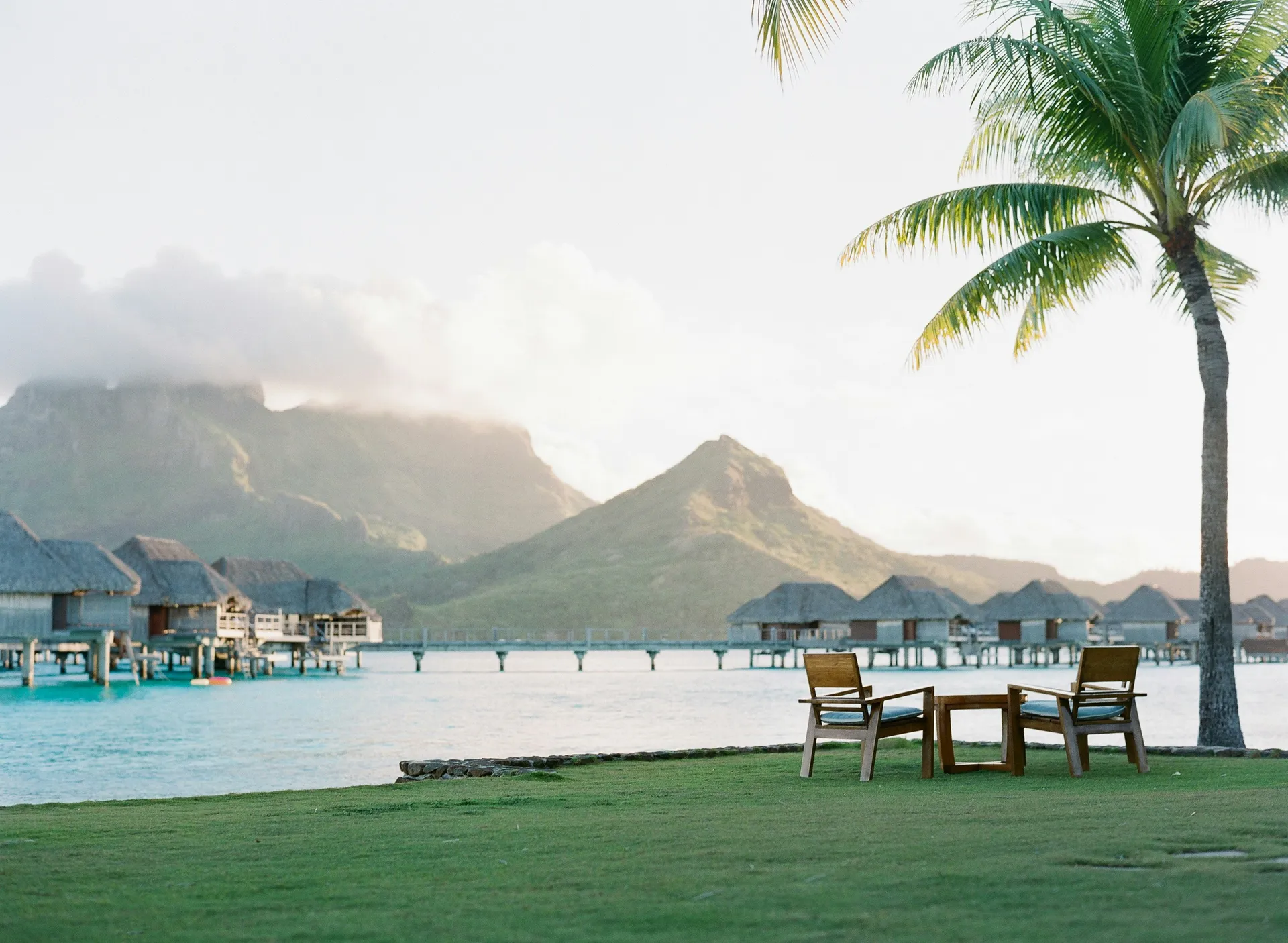
Destinations
Located in the South Pacific Ocean and a 9-hour flight from Los Angeles, the Islands of Tahiti offer a dream vacation.
Read more →Ways to Explore
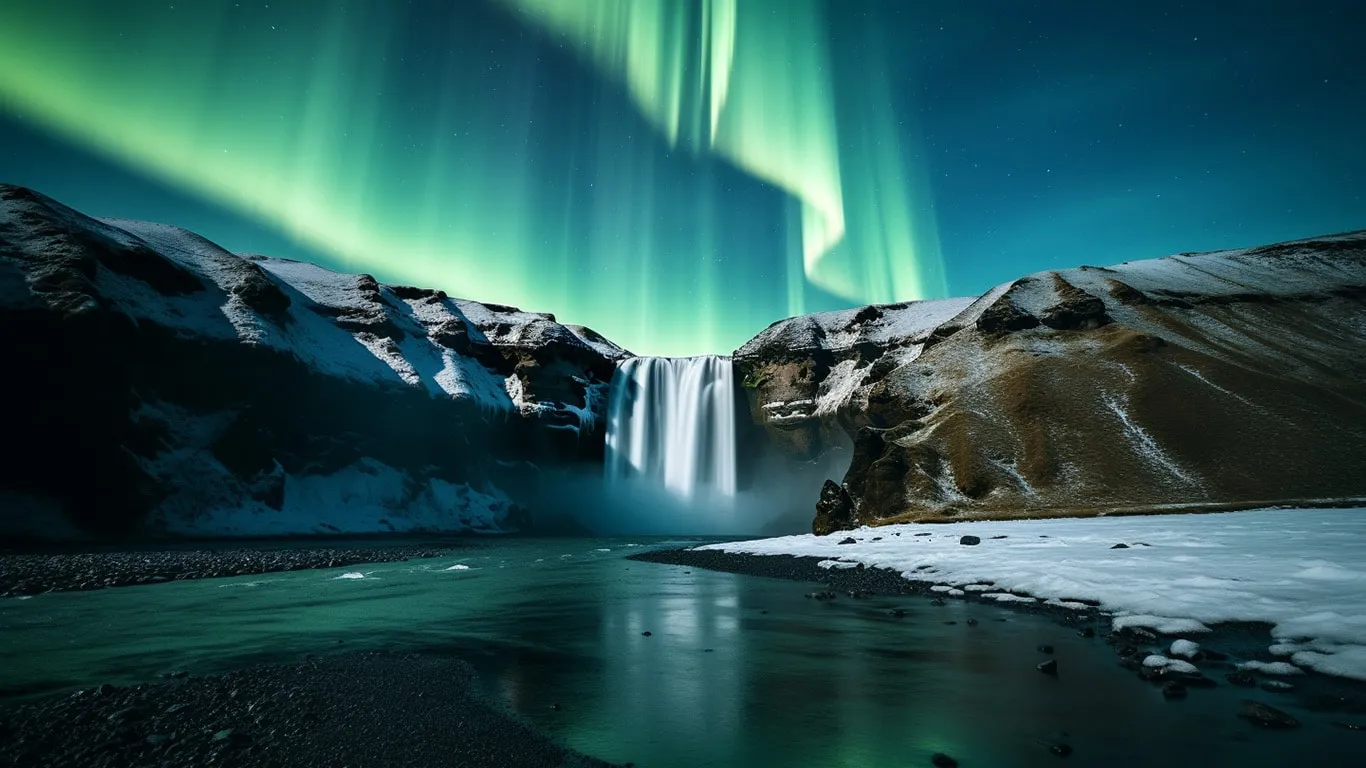
A private journey designed entirely around you, your pace, and your people.
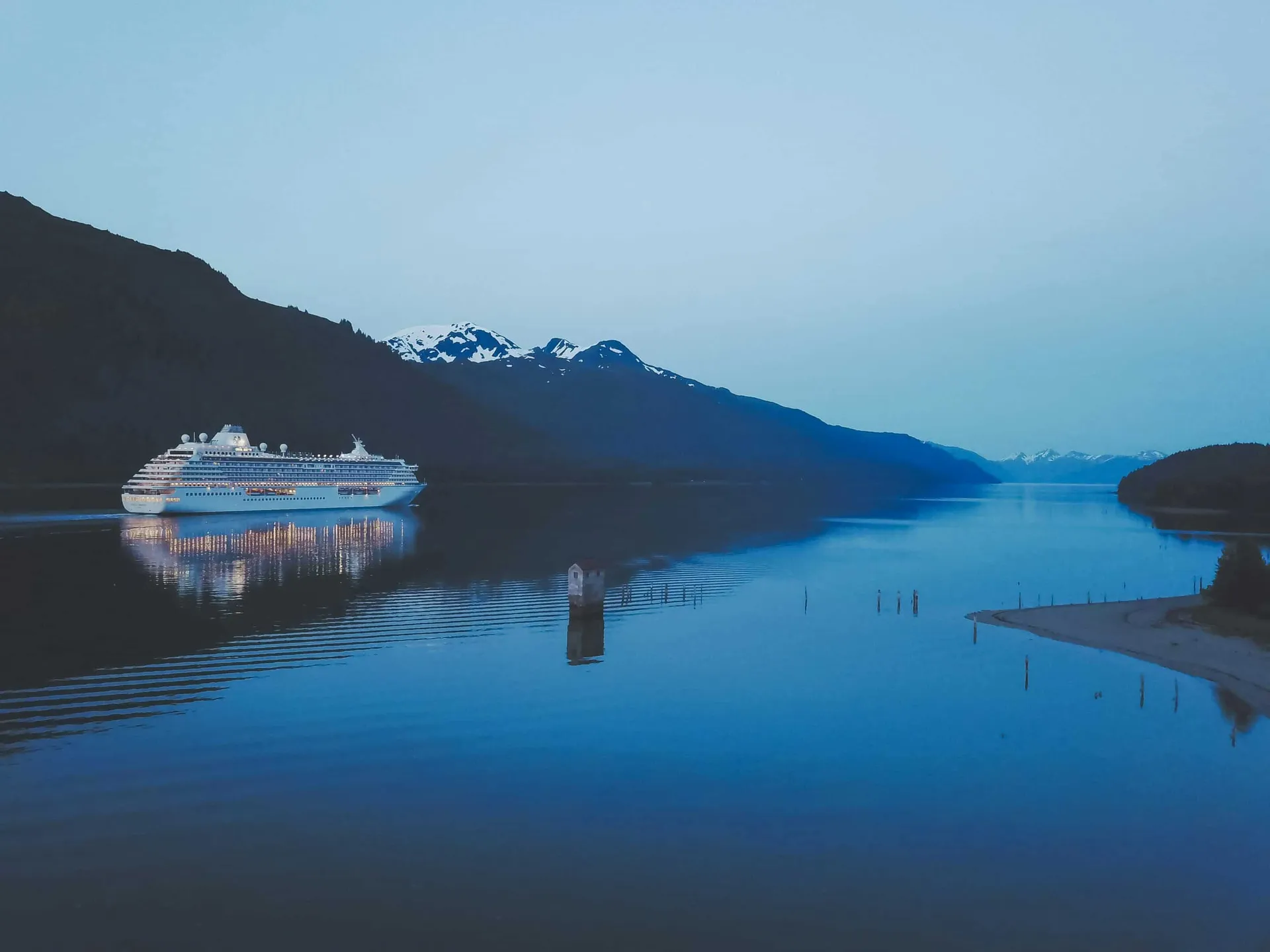
River, ocean and expedition voyages, from the Danube to Antarctica.

Expertly guided, end to end, with the world's finest local operators.
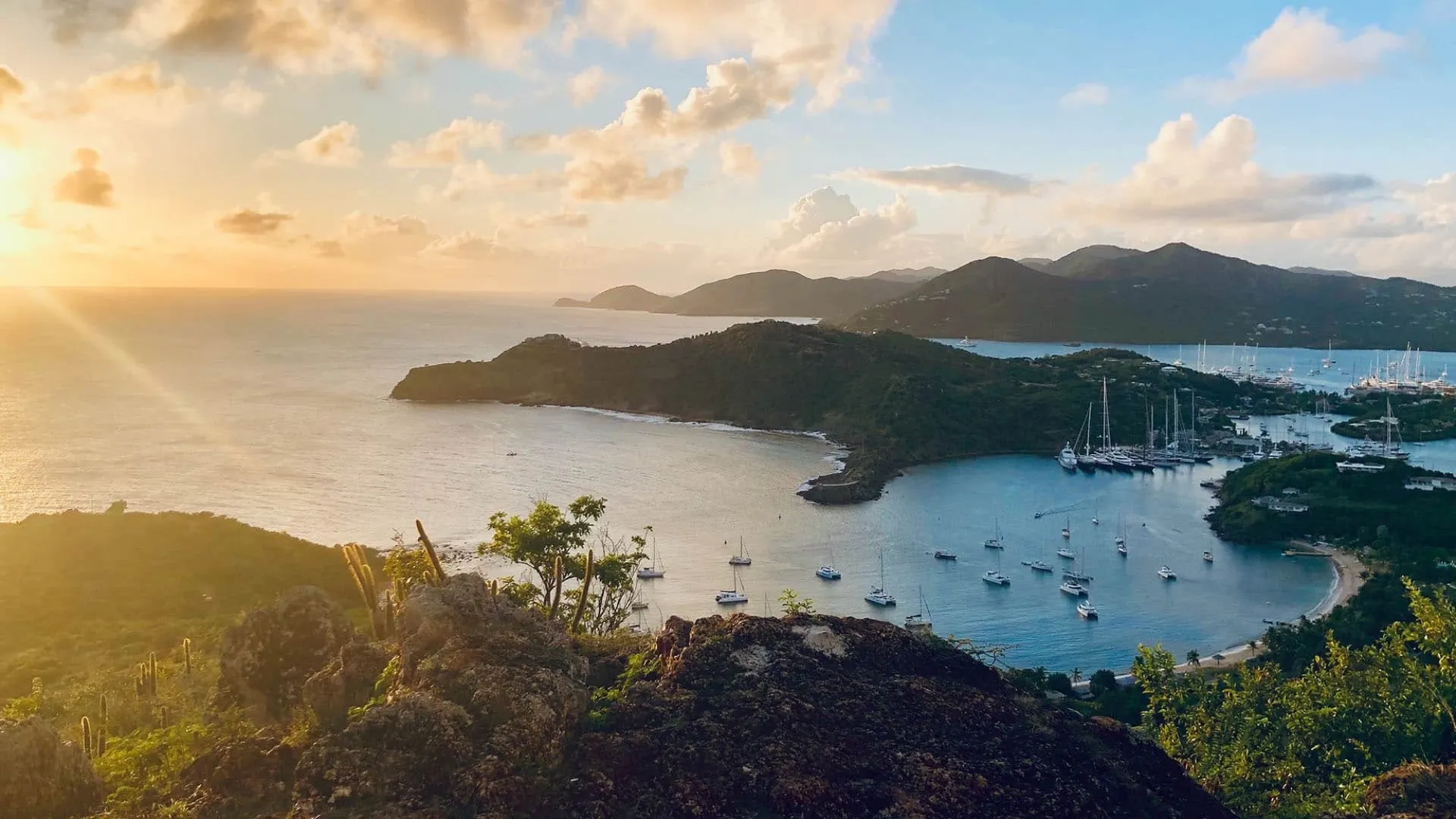
Effortless resort escapes; we cut through the haze to the right one.
Let's begin
Tell us your travel dates and what you love, and we'll handle every detail.
Plan Your TripSearch Chima Travel