

Region
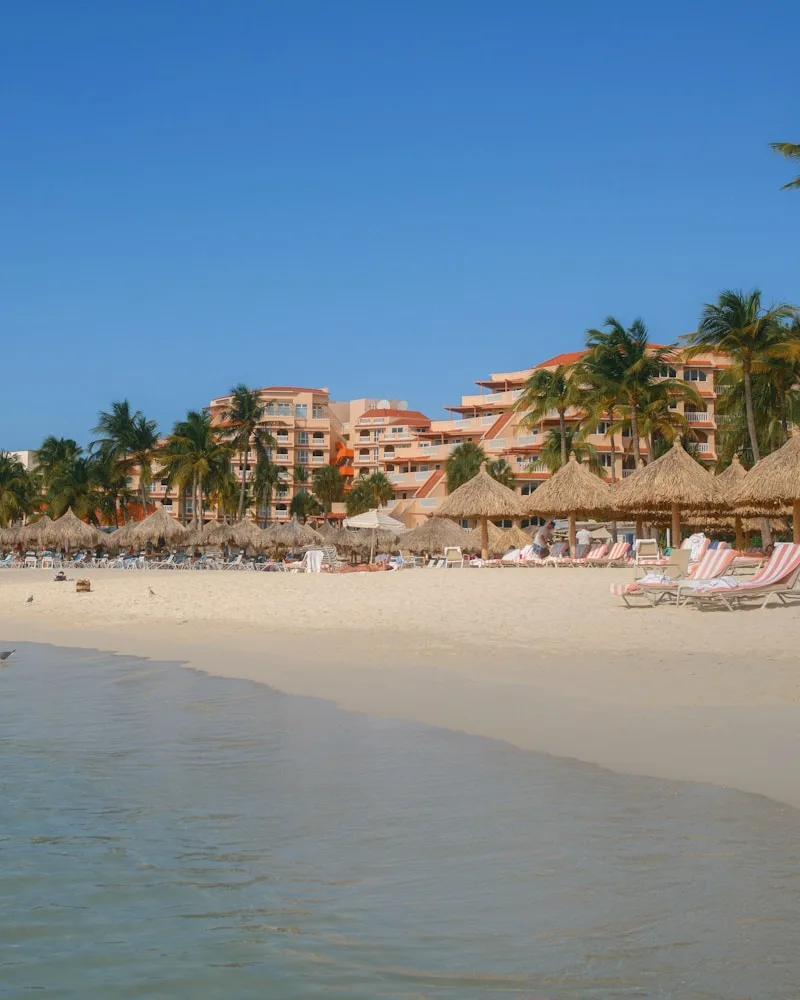
Palm Beach & Eagle Beach
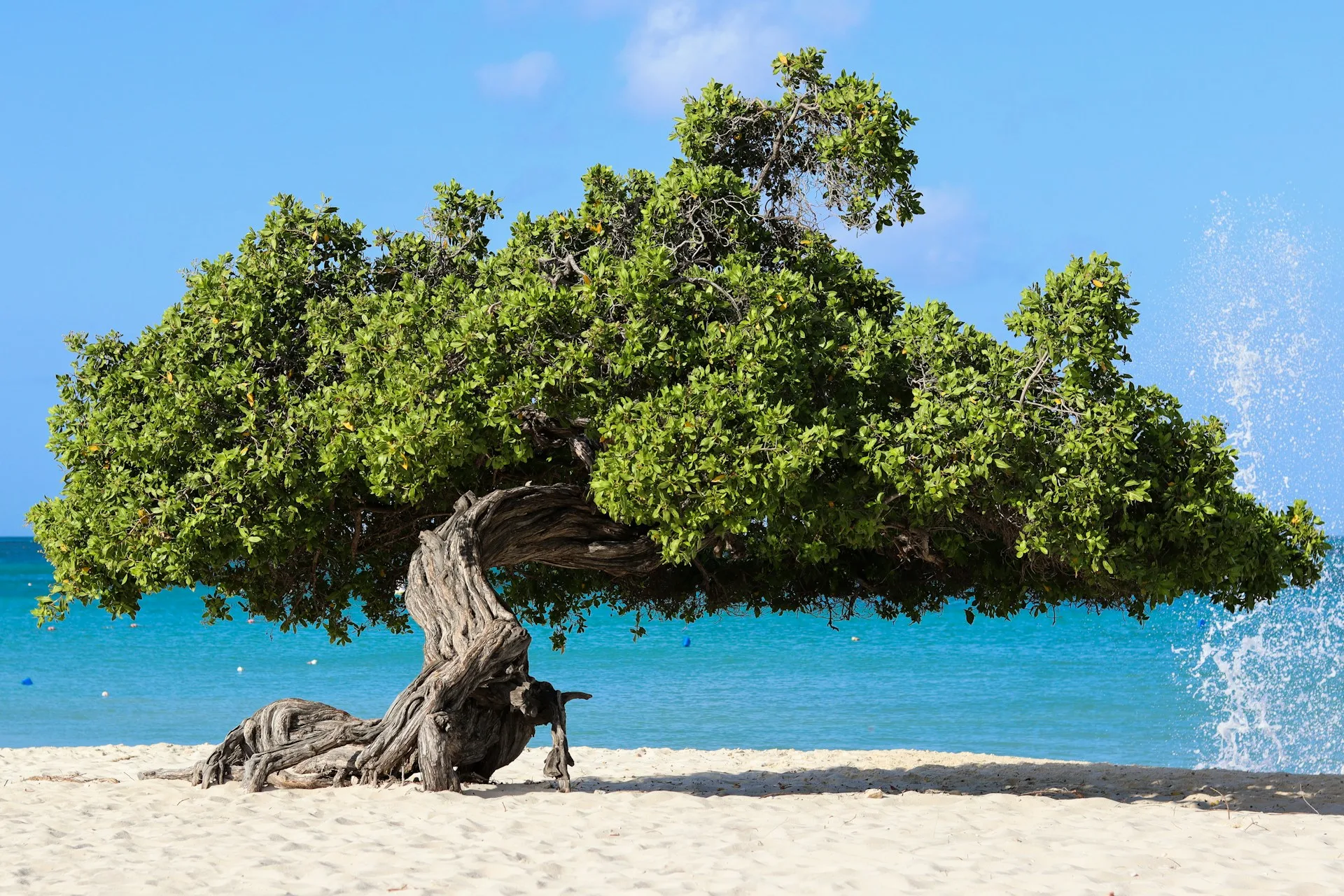
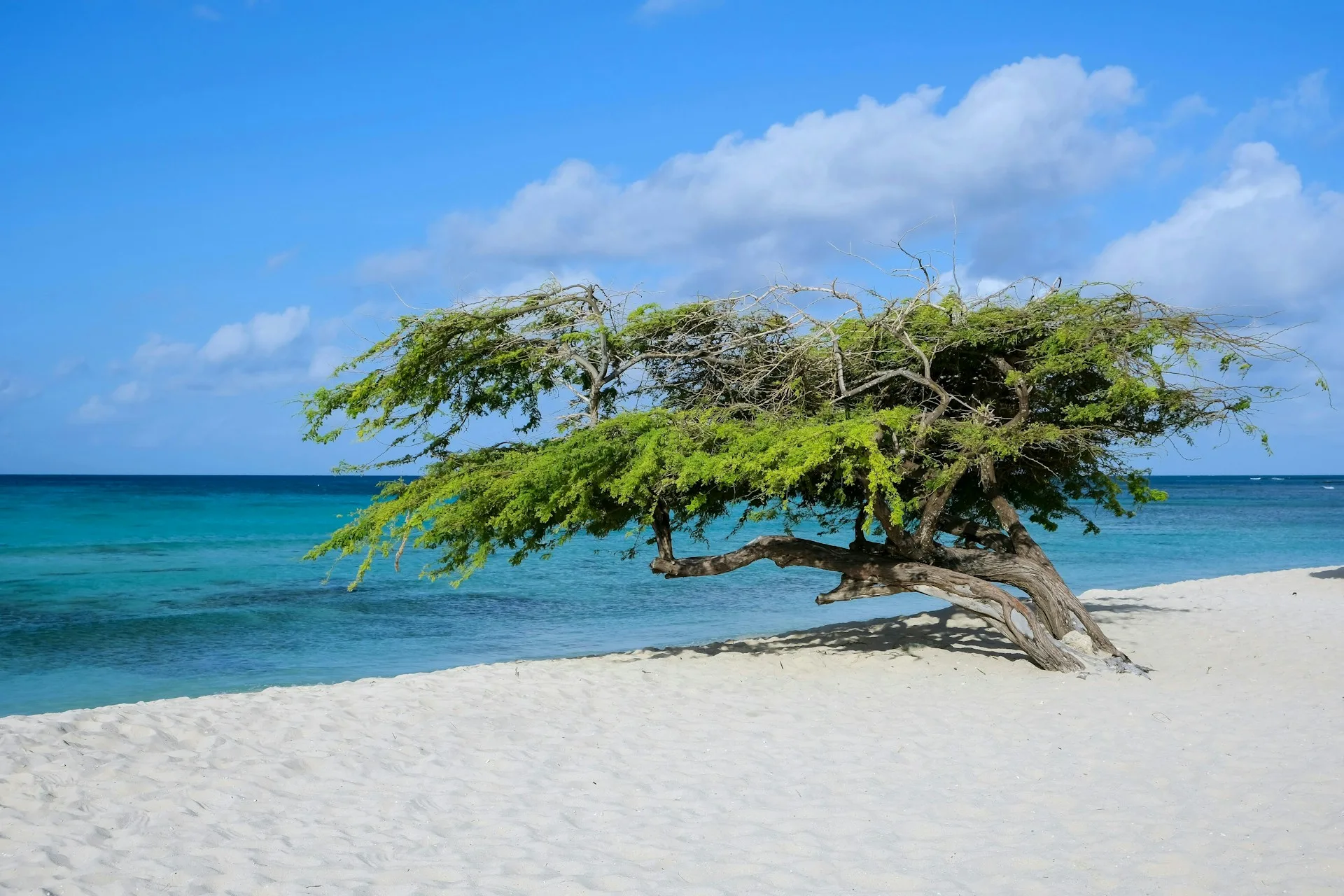
The island's golden leeward strip: lively, high-rise Palm Beach with its resorts, restaurants and water sports, and broad, tranquil Eagle Beach with its famous divi-divi trees and acres of soft white sand.

By Continent
Europe Africa Asia North America South America Caribbean Australia & Oceania All destinationsOverview
From the canals of Venice to the black-sand coasts of Iceland, Europe rewards the curious traveler with centuries of art, architecture and unforgettable flavor, all within easy reach of one another.
View all EuropeOverview
From the dunes of the Sahara to the great plains of the Serengeti, Africa is a continent of staggering scale and singular encounters: a place where landscape, wildlife and culture meet at full intensity.
View all AfricaDestinations
Overview
Vast and varied, Asia spans snow-capped peaks and tropical coasts, neon megacities and silent temples. It is a continent that rewards both the first-time traveler and the lifelong returnee.
View all AsiaFeatured
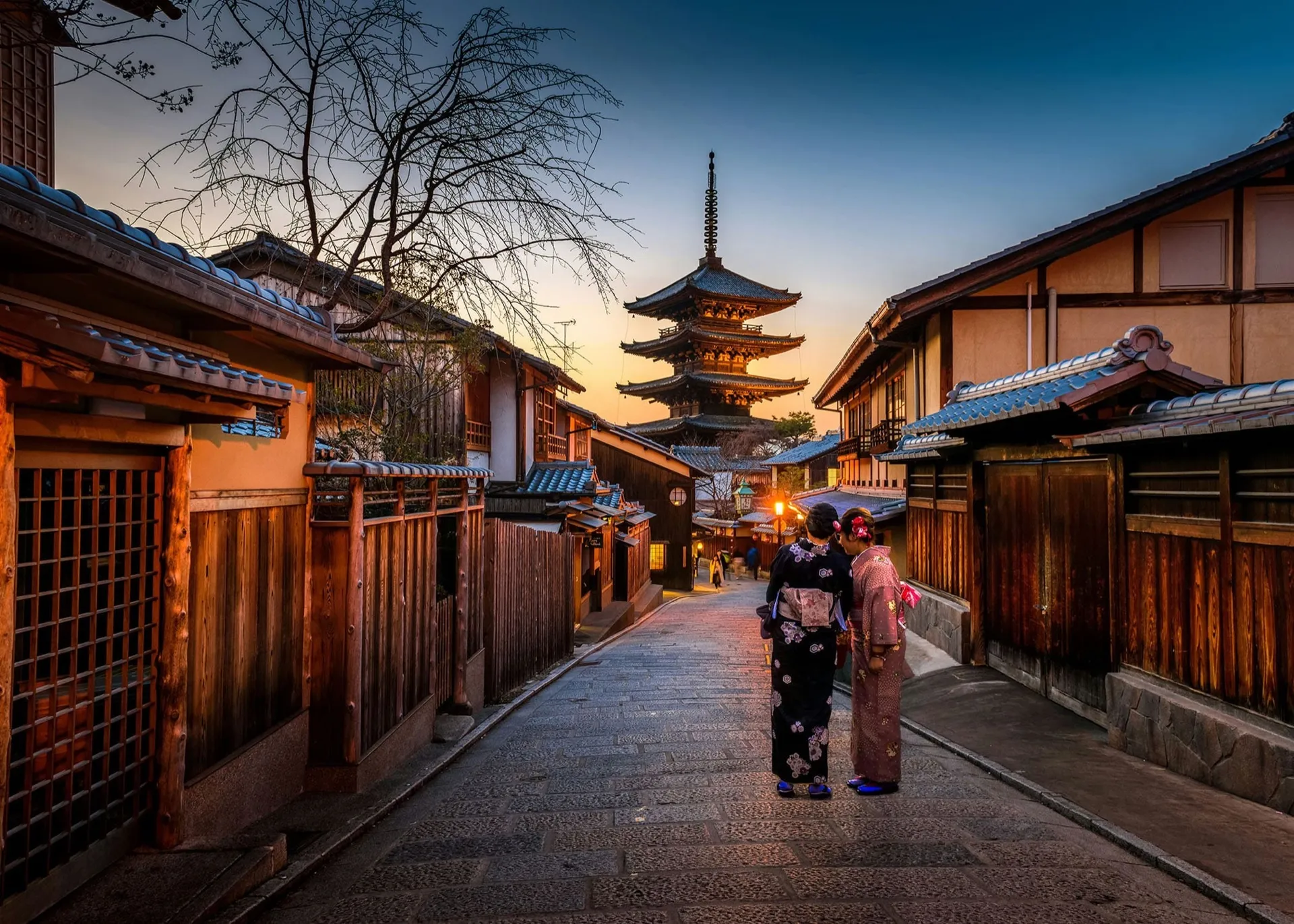 Japan · signature experience Kyoto
 Overview
Close to home and endlessly varied, North America ranges from desert canyons to alpine national parks, from world cities to quiet coastal towns: a continent that contains a dozen vacations within a single border.
View all North AmericaDestinations
Overview
A continent of extremes, from the high Andes and the vast Amazon to glacial Patagonia and the rhythm of its cities, South America rewards the adventurous traveler with some of the planet’s most dramatic scenery and deepest history.
View all South AmericaOverview
A scattering of islands across impossibly blue water, the Caribbean is the art of the easy day perfected: white sand, warm rhythm and hospitality that turns first-time visitors into lifelong returnees.
View all CaribbeanDestinations
Overview
From the Great Barrier Reef to the red heart of the outback, from the fjords of New Zealand to the scattered atolls of the South Pacific, Australia & Oceania offer some of the most remote and rewarding travel on earth.
View all Australia & OceaniaDestinations
Est. 1918 · four generations · 38 countries
How You Travel
River Cruises Ocean & Small-Ship Expedition Flights Tours & Escorted All-Inclusive All travel experiencesFeatured
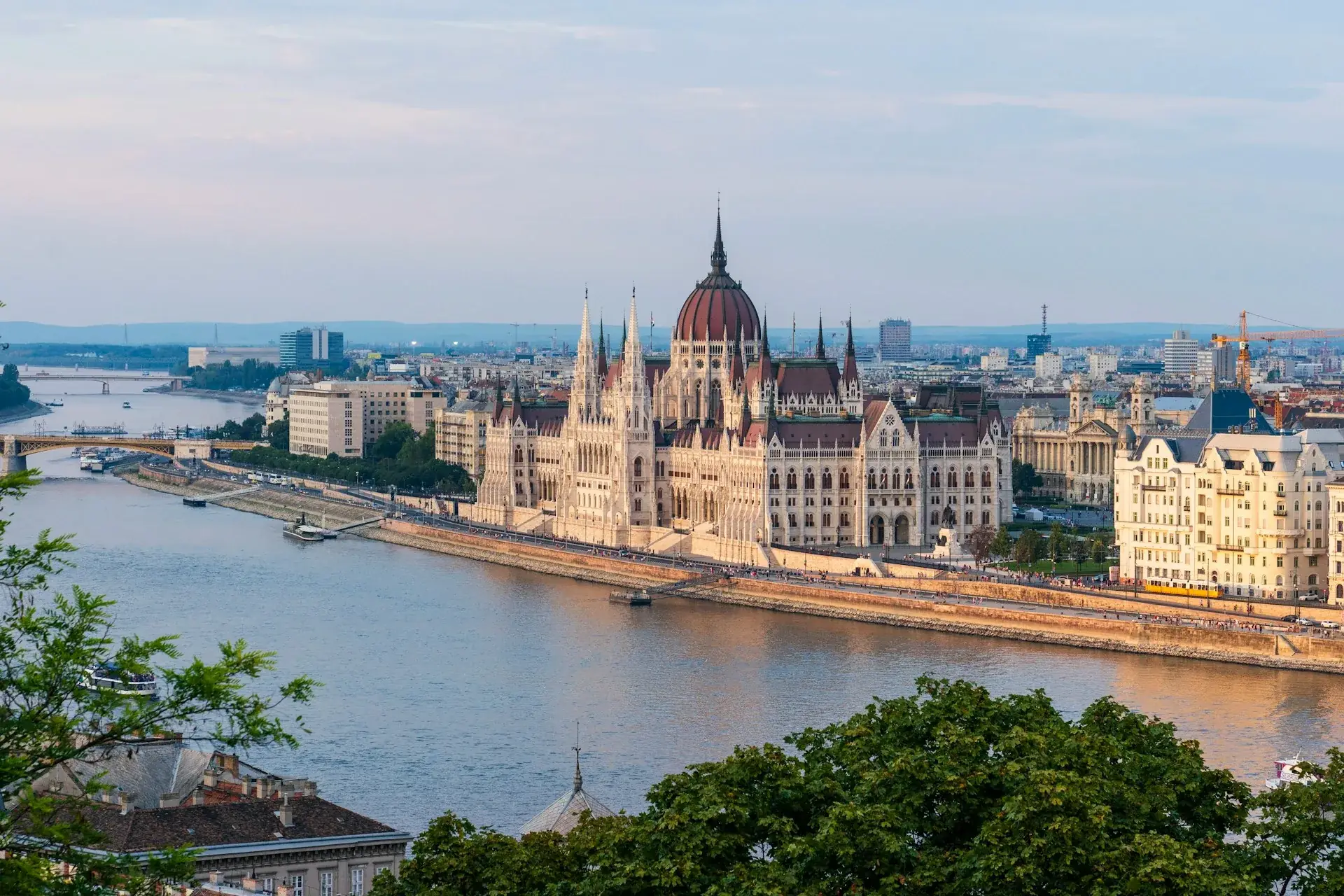 The Danube
 Featured
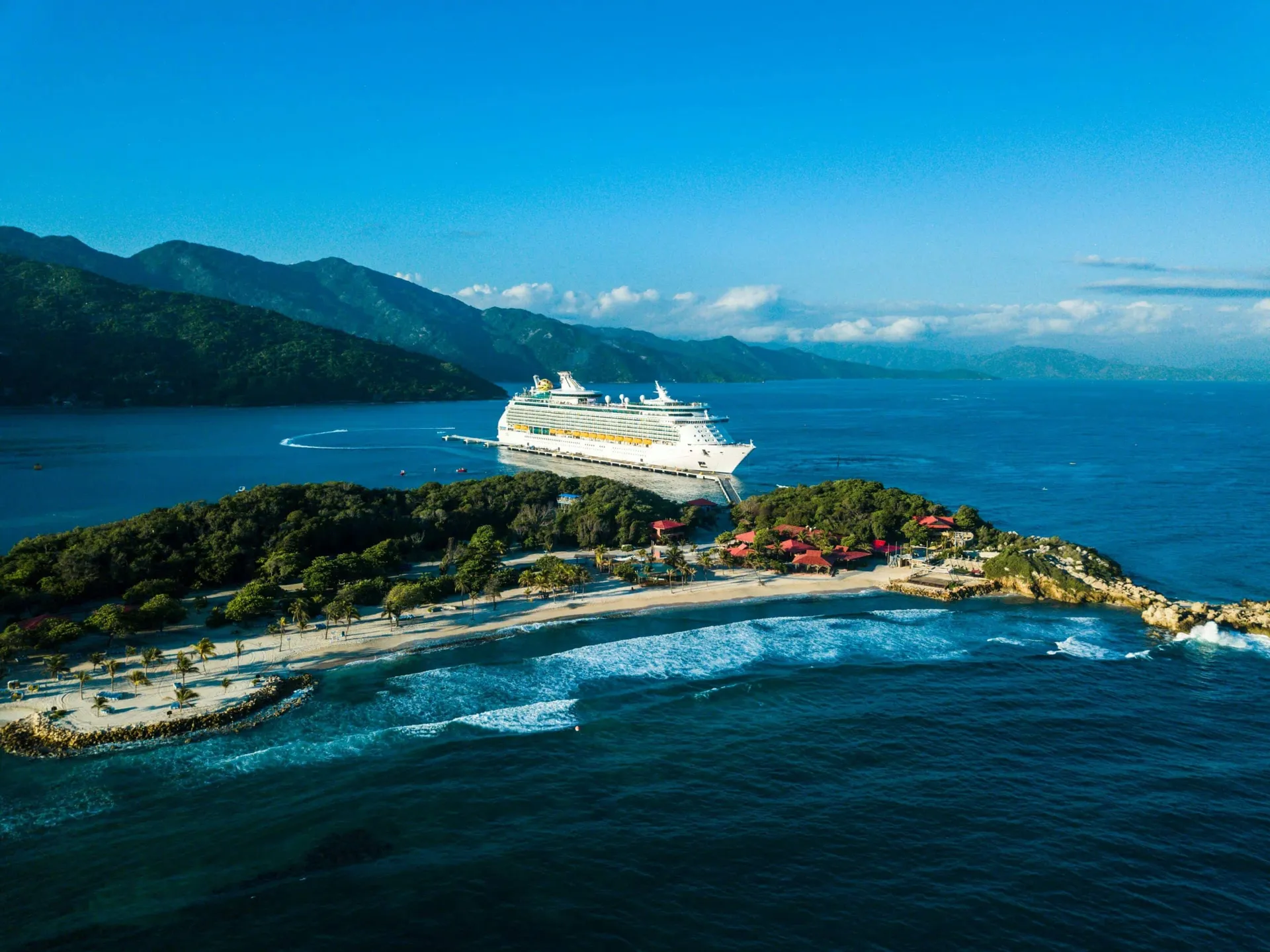 The Caribbean
 Featured
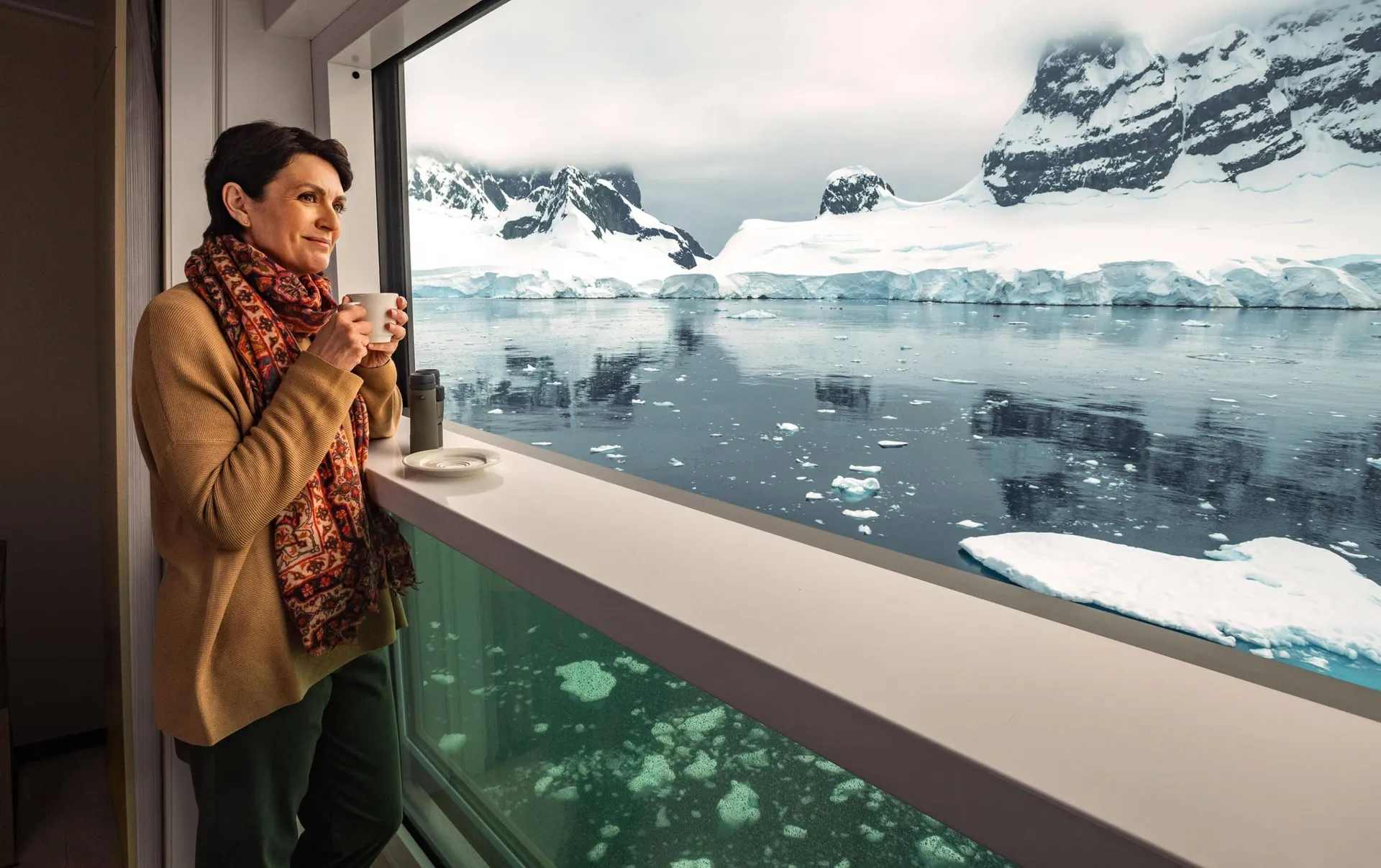 Antarctica
 Overview
Premium-cabin fares, complex routings and around-the-world tickets, booked by people who fly for a living.
Explore flightsFeatured
 Flights
 Overview
Expertly guided group departures and private escorted itineraries across the world's great regions.
Explore tours & escortedFeatured
 Tours & Escorted Journeys
 Overview
Beach and luxury all-inclusive escapes where flights, meals and more fold into a single, easy fare.
Explore all-inclusiveFeatured
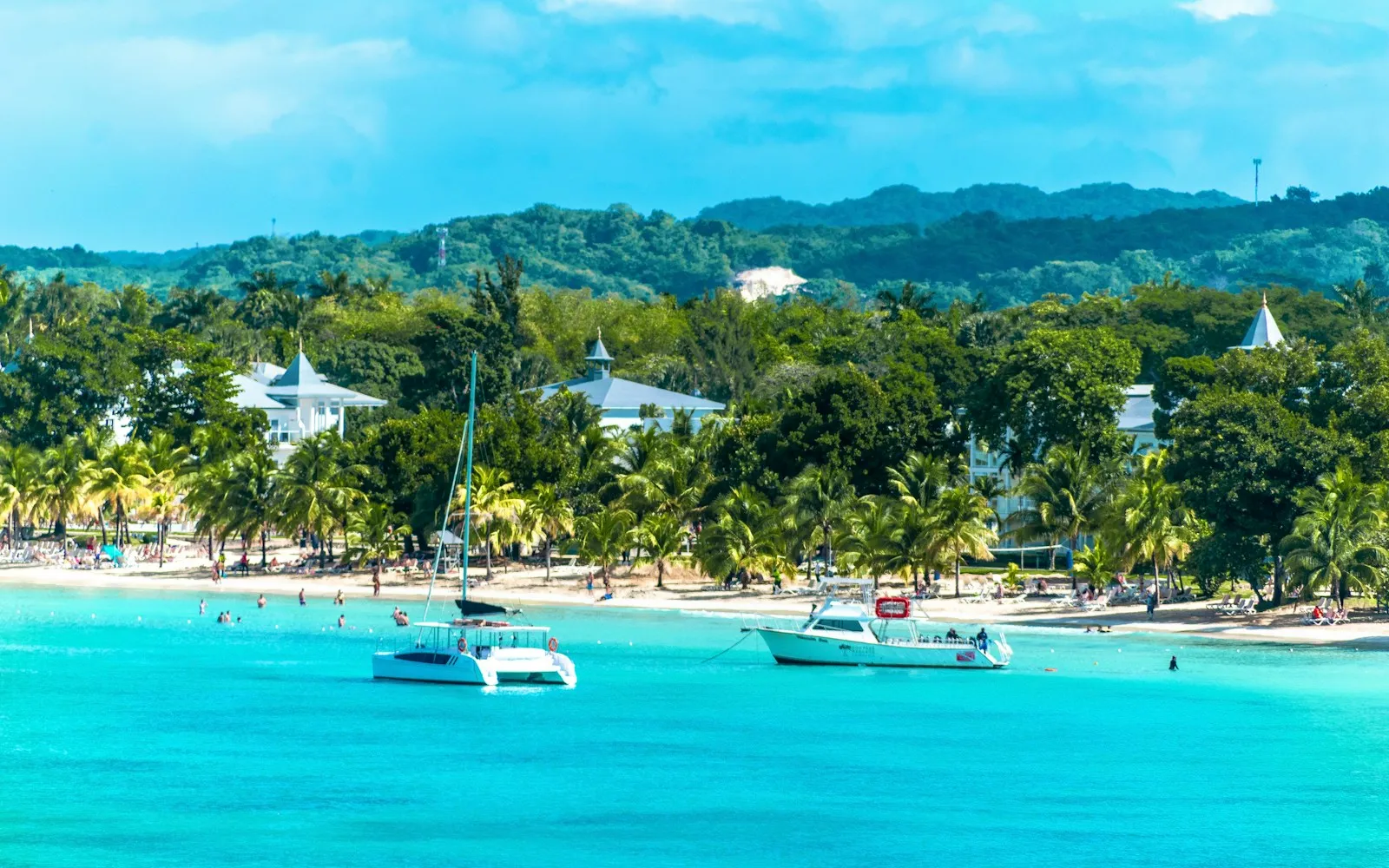 All-Inclusive Resorts
 River, ocean & expedition cruises · flights · tours · all-inclusive
Corporate travel
Destinations · Caribbean
One happy island: powder beaches, trade winds & sun all year.
The country
Aruba sits low and bright in the southern Caribbean, a short hop off the coast of Venezuela and comfortably outside the main hurricane belt. That lucky position gives the island its calling card: warm, dry, reliably sunny weather almost every day of the year, cooled by a steady trade wind that rustles the palms and keeps the heat easy. For travelers who want the certainty of good beach weather, few places in the region come close.
The beaches are the headline, and they live up to it. The long sweep of Palm Beach is the lively, resort-lined heart of the island, while neighboring Eagle Beach is broader, quieter and famous for the lone, wind-bent divi-divi trees that have become Aruba's unofficial emblem. Beyond the soft white sand and shallow turquoise water, though, the island has a wilder side: a rugged windward coast of crashing surf and limestone, a cactus-studded desert interior, and the boulder fields and hidden coves of Arikok National Park.
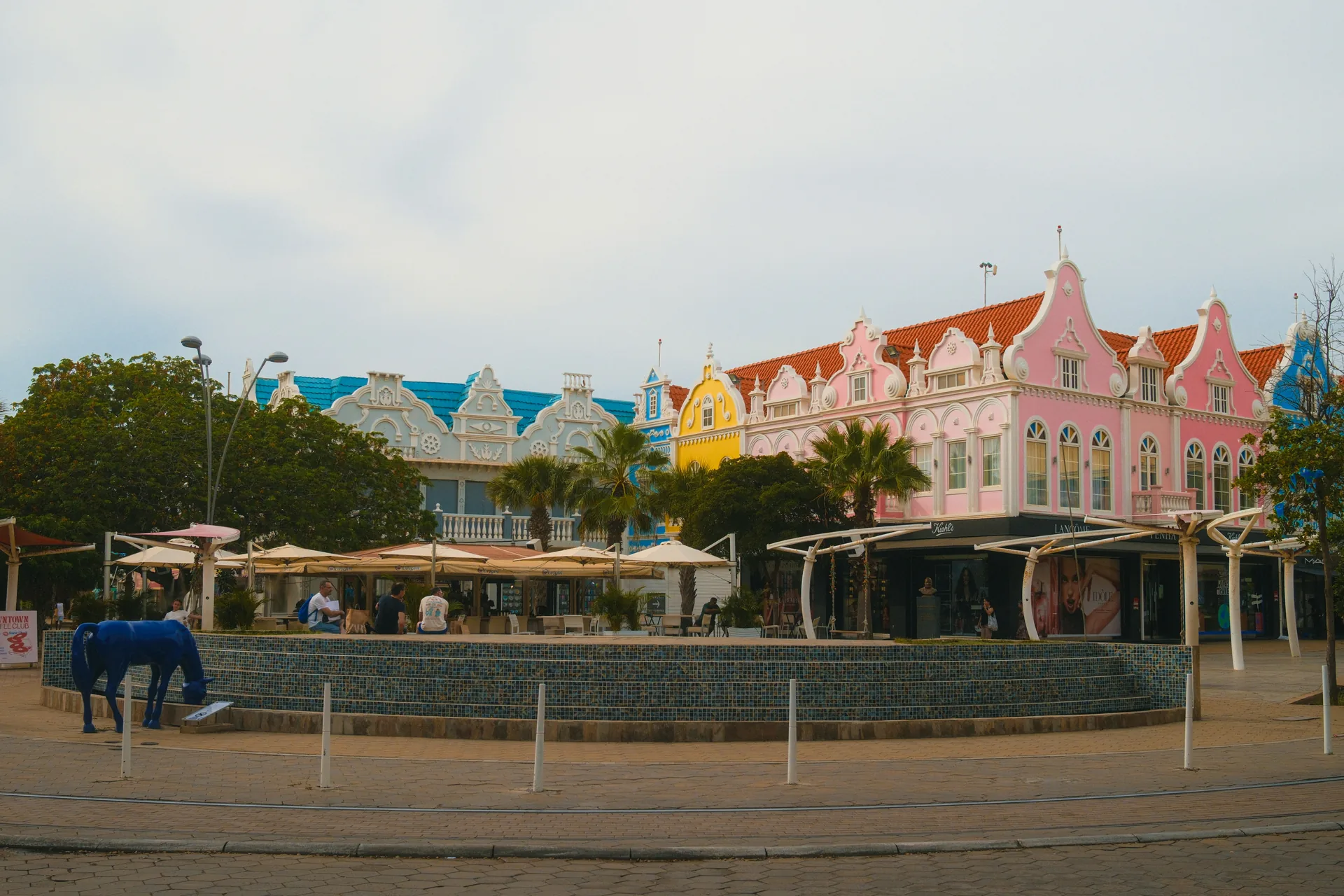
We design Aruba trips that balance the easy days on the beach with the island's quieter corners: a jeep run out to the Natural Pool, a sunset at the California Lighthouse, a wander through the candy-colored Dutch streets of Oranjestad, a morning snorkeling the Antilla wreck. It is a small island that rewards a little curiosity, and we build the route so you get both the rest and the discovery.
When to go
Aruba is the rare Caribbean island with almost no bad season — it sits below the hurricane belt, so the trade winds and sun hold all year. Timing here is about crowds and rates, not weather.
High season and the island at its best: warm, dry and sunny, with the trade winds keeping things comfortable. The busiest and priciest stretch, so we book the best resorts and villas well ahead.
Our quiet favorite: the same reliable sunshine as winter but with thinner crowds and softer rates, before the summer holidays fill the resorts. Lovely, settled weather for the beach and the water.
Hot, lively high summer, busy with families and home to the island's biggest carnival-style festivals and regattas. Still dry and sunny, and we secure the popular resorts early.
The quietest, best-value months, and still largely dry and sunny thanks to Aruba's position below the hurricane belt. A passing shower is possible, but storms rarely trouble the island.
Where to go
Aruba is small enough to explore end to end in a few days, but it packs a surprising range of landscapes into that compact frame, from the resort beaches of the leeward coast to the wild, windswept north. These are the corners we weave together most often, and we shape the route around the balance of beach and adventure you have in mind.
Region
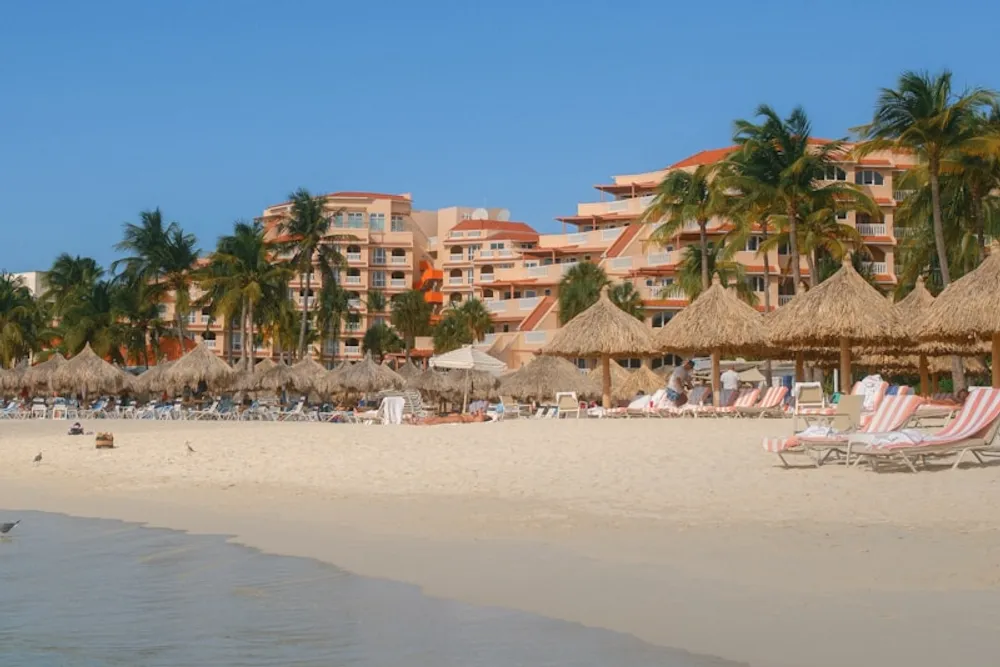
The island's golden leeward strip: lively, high-rise Palm Beach with its resorts, restaurants and water sports, and broad, tranquil Eagle Beach with its famous divi-divi trees and acres of soft white sand.
Region
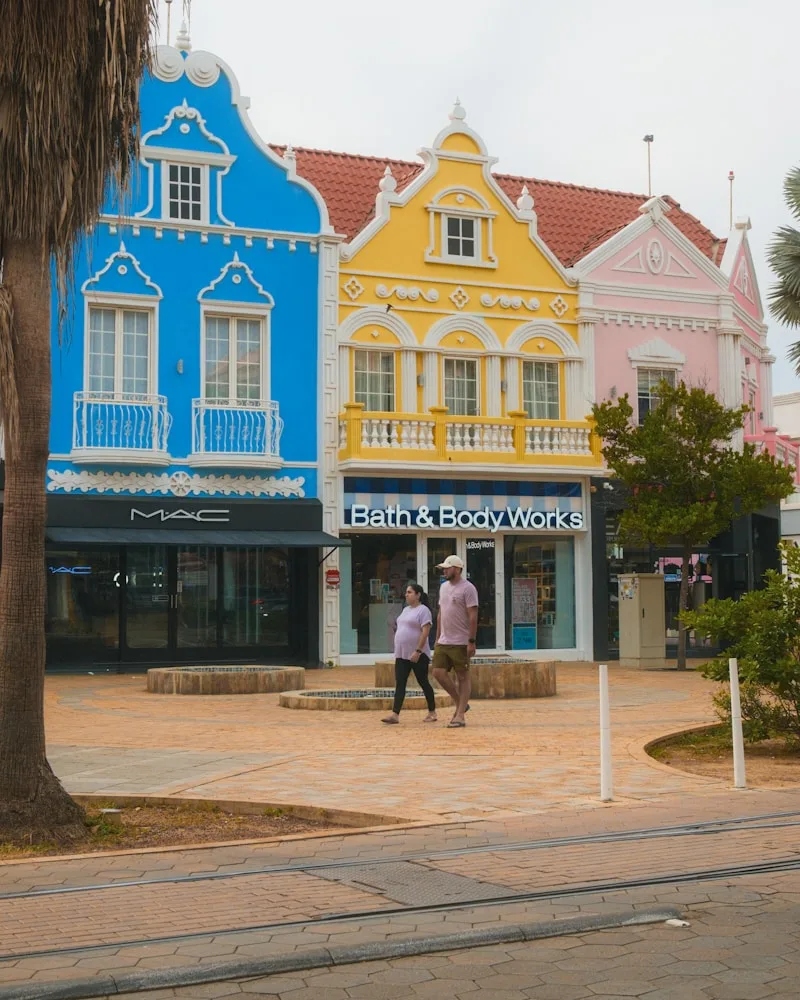
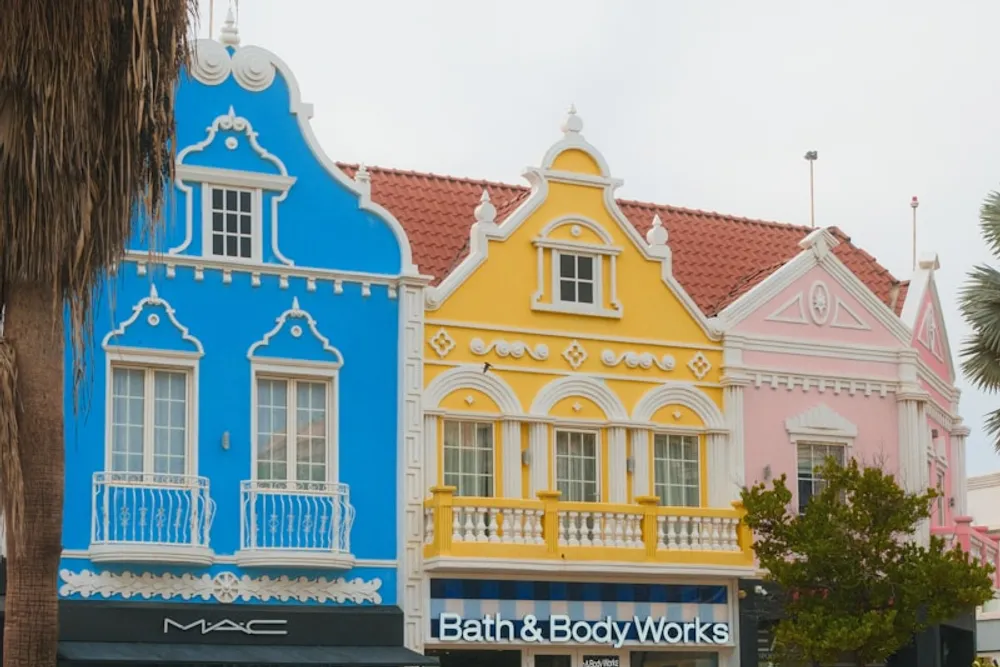
The cheerful capital: candy-colored Dutch colonial facades, a free streetcar, the marina and a clutch of museums and boutiques, with the buzz of the cruise port and some of the island's best dining.
Region
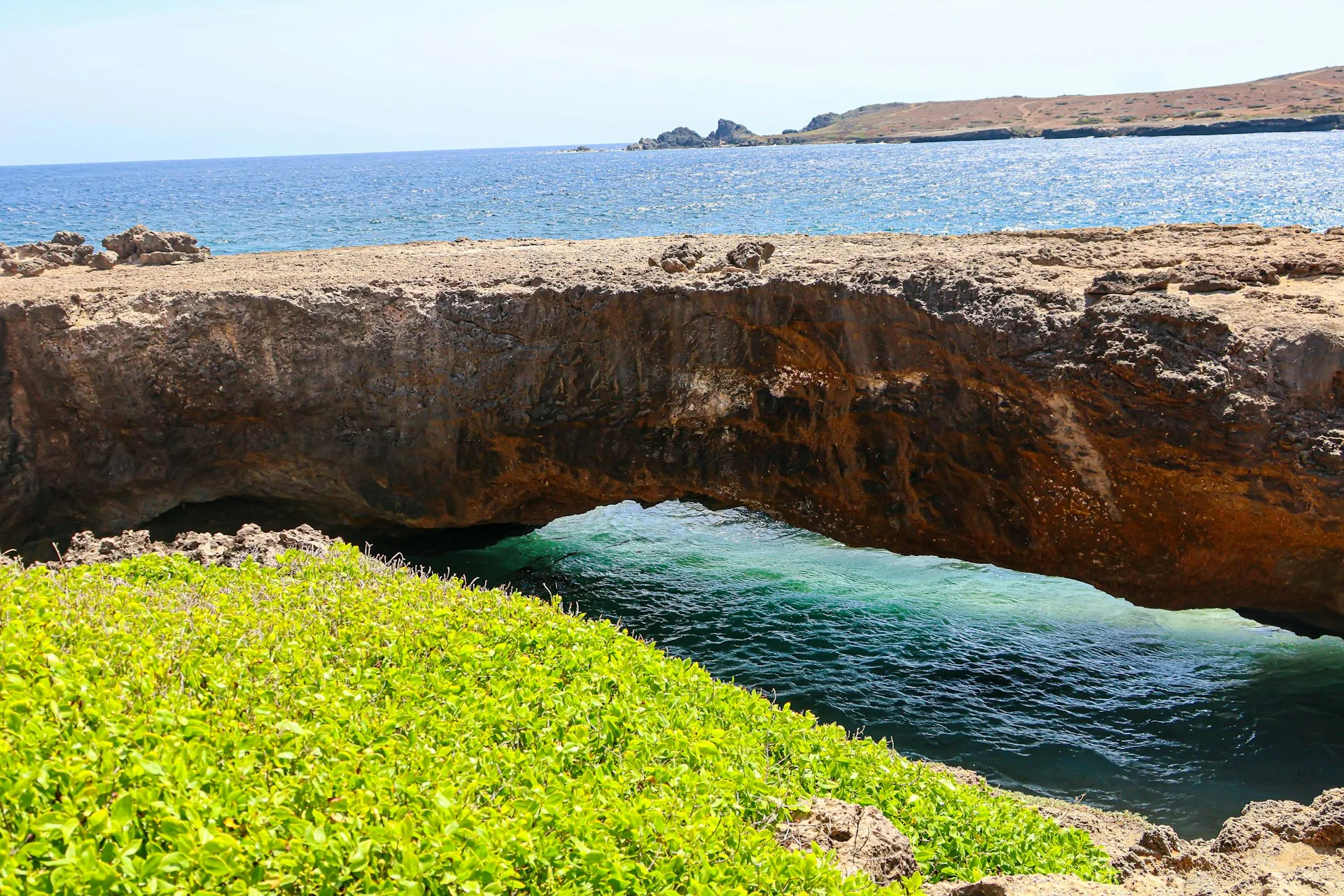
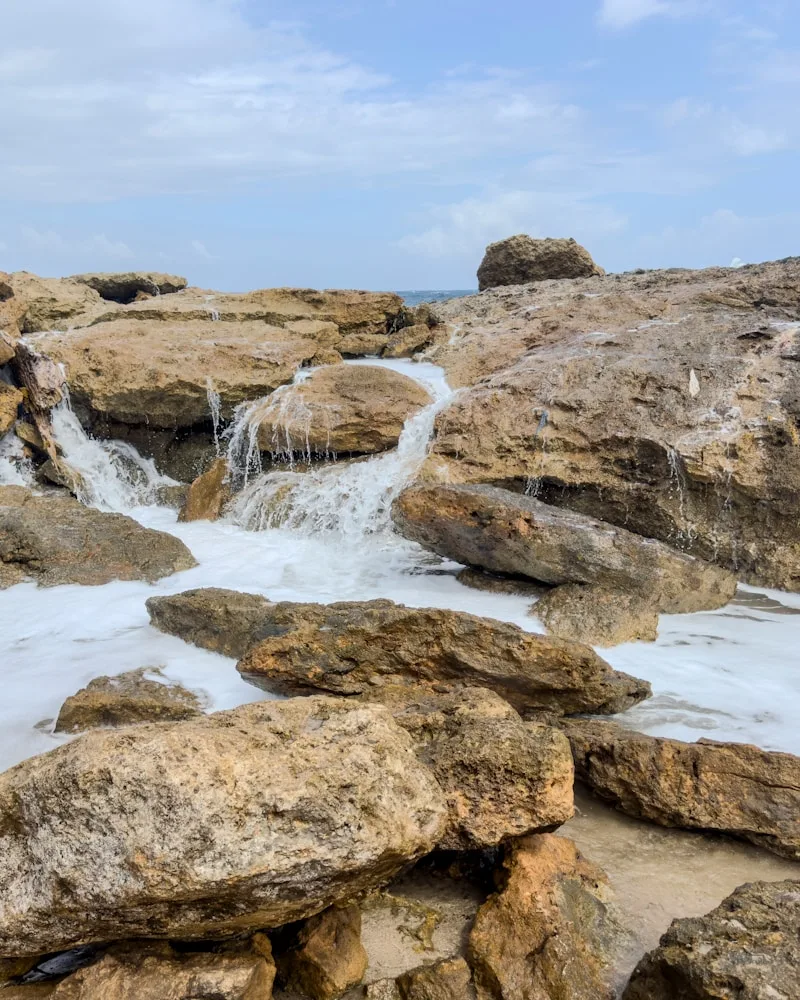
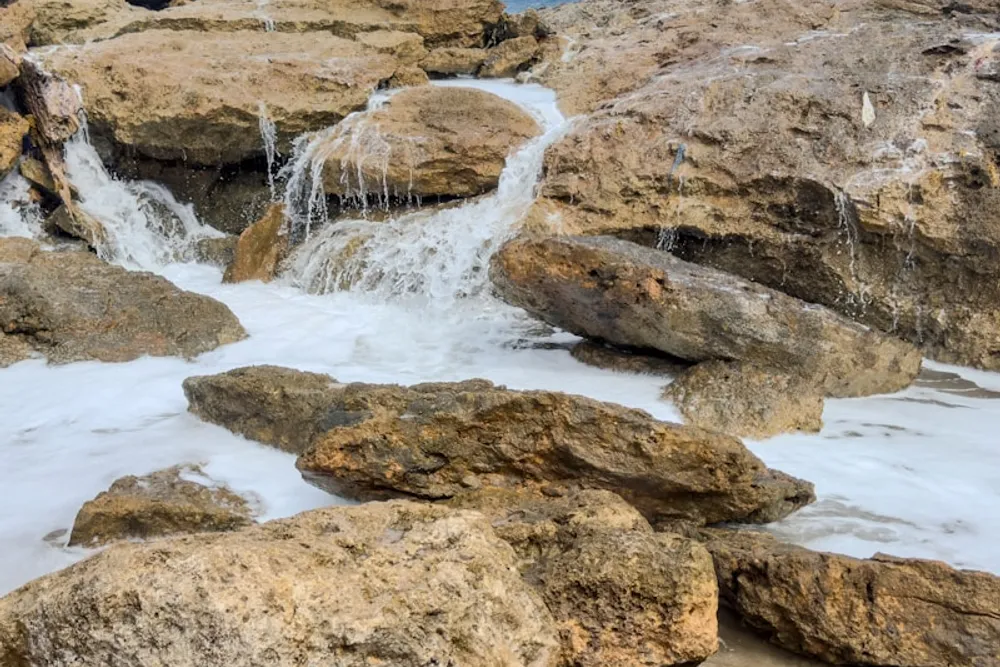
Nearly a fifth of the island, protected: a rugged country of cactus, lava and limestone, hidden caves with ancient drawings, secluded coves and the cliff-ringed Natural Pool out on the wild coast.

Region
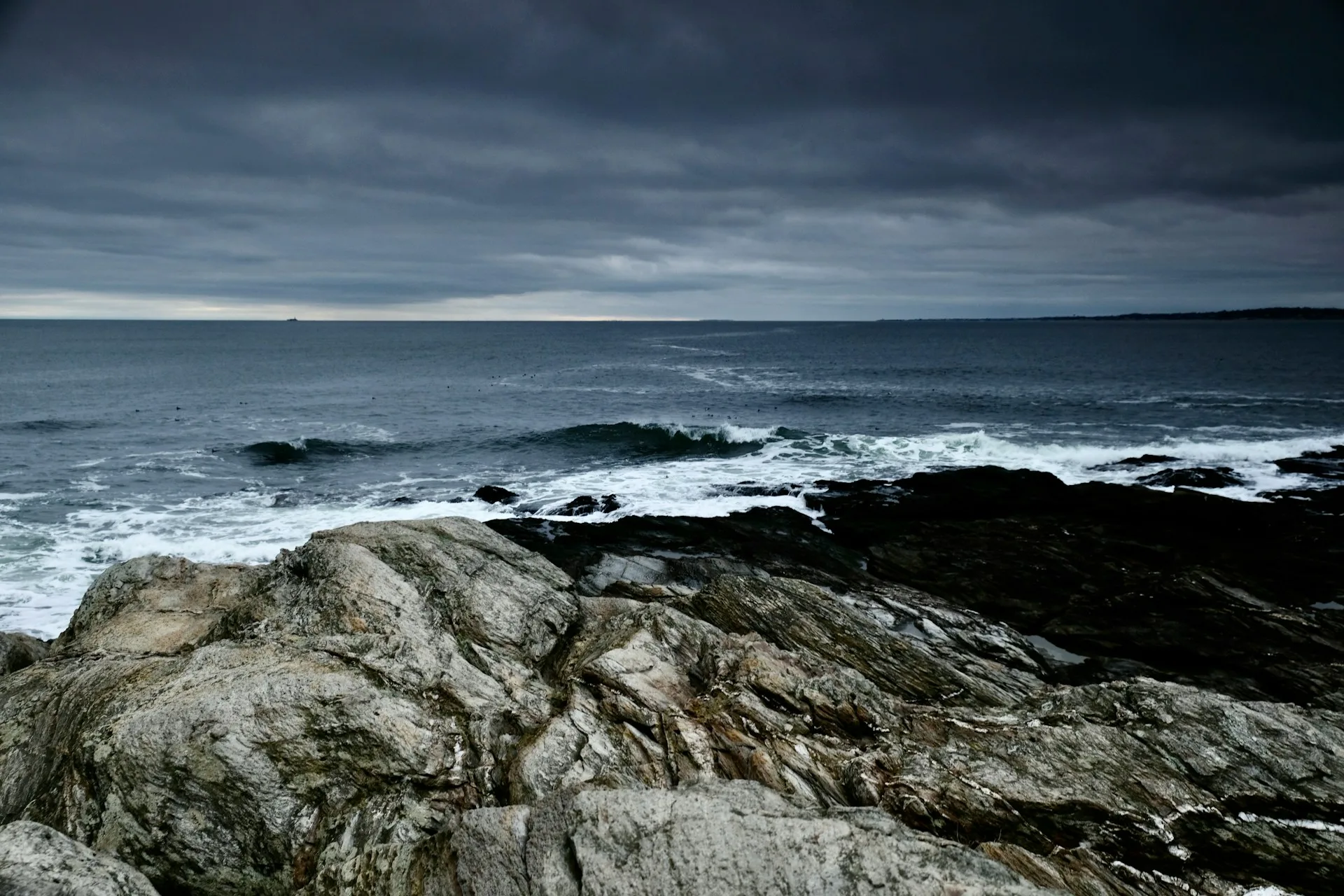
Aruba's dramatic windward edge: the surf-battered limestone shore, the ruined Bushiribana gold mill, the church of Alto Vista and the landmark California Lighthouse standing watch over the island's tip.
Region
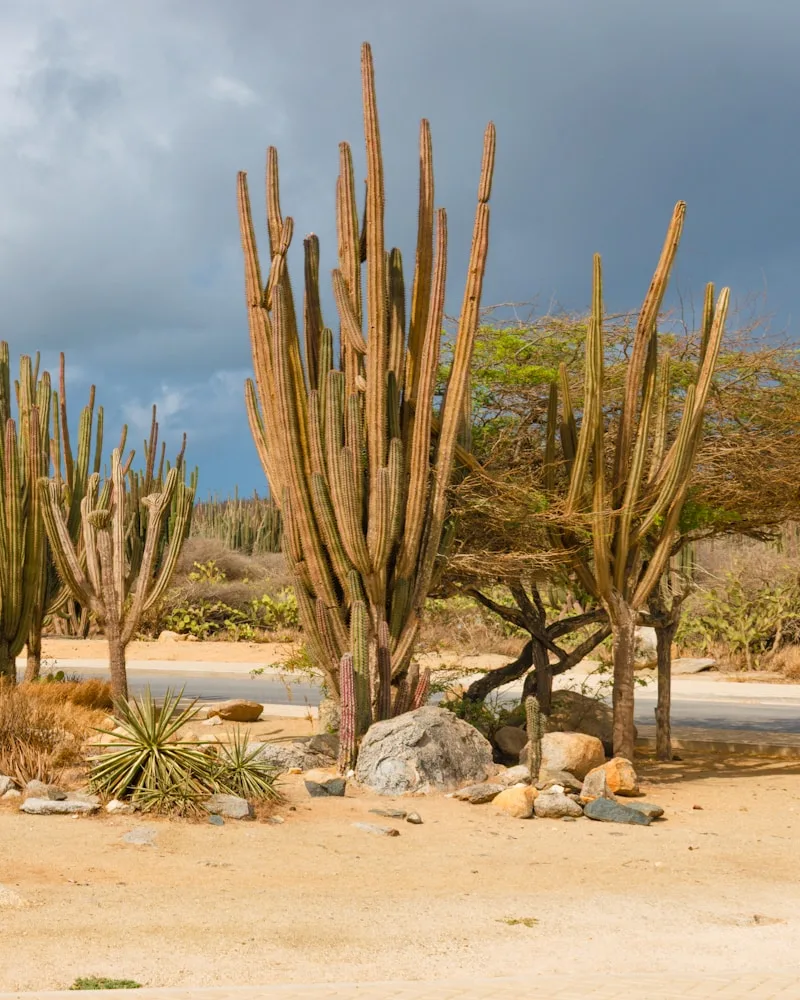
The arid heart of the island: forests of towering cactus, scattered boulders, wild goats and the bent divi-divi trees that lean away from the constant trade winds, a landscape that feels worlds from the beach.
A sample journey
 1
1 Settle in along the leeward coast and ease into island time. An evening stroll through Oranjestad's candy-colored Dutch streets, a ride on the free streetcar and a first waterfront dinner by the marina.
 2
2 Two unhurried beach days on the island's golden strip: the broad, tranquil sands and divi-divi trees of Eagle Beach, the livelier resort scene and water sports of Palm Beach, and easy sunset dinners along the shore.
 3
3 Trade the beach for adventure on a guided jeep tour into Arikok National Park: cactus desert and limestone cliffs, ancient cave drawings, and a swim in the Natural Pool, a cliff-ringed basin out on the wild coast.
 4
4 Explore the island's windward edge: the surf-battered limestone shore, the ruined Bushiribana gold mill and the Alto Vista chapel, finishing with sundowners at the landmark California Lighthouse on the northern tip.
Every itinerary we build is bespoke: this is a starting point, not a package.
Getting around
Where to stay
Airport transfers, taxi and private-driver days and the guided jeep tour into Arikok are all arranged as part of every itinerary, so the logistics are handled before you arrive.
Good to know
Almost any time, which is part of Aruba's appeal. The island sits below the main hurricane belt and stays warm, dry and sunny year-round, cooled by constant trade winds. High season runs December to April, when the weather is at its most reliable and the resorts are busiest; May and June, and the early autumn, are quieter and better value with much the same sunshine.
Five to seven nights is the sweet spot. That gives you several unhurried days on the beach plus time to explore the wilder side of the island, a jeep tour of Arikok and the Natural Pool, a drive up the north coast to the California Lighthouse and a day on the water snorkeling the Antilla wreck, without ever feeling rushed.
It depends on the trip you want. Palm Beach is the lively, high-rise resort strip, with restaurants, water sports, casinos and nightlife all within walking distance. Eagle Beach is broader, quieter and more low-slung, regularly rated one of the most beautiful beaches in the world, and home to the iconic divi-divi trees. Many of our travelers stay near one and visit the other.
Not for the beaches. The resort strip, Oranjestad and the airport all sit along the calm leeward coast, linked by taxis, a free streetcar in town and short transfers. A vehicle does help for exploring the rugged north, but the tracks into Arikok and out to the Natural Pool really call for a four-wheel drive, so we usually arrange a guided jeep or UTV tour for that side of the island instead.
Very rarely. Aruba lies in the far southern Caribbean, below the main hurricane belt, so it is one of the most weather-reliable islands in the region. Storms occasionally pass to the north, but direct hits are uncommon, which is a big part of why the island stays dry and sunny almost the whole year through.
Ways to Explore
A private journey designed entirely around you, your pace, and your people.
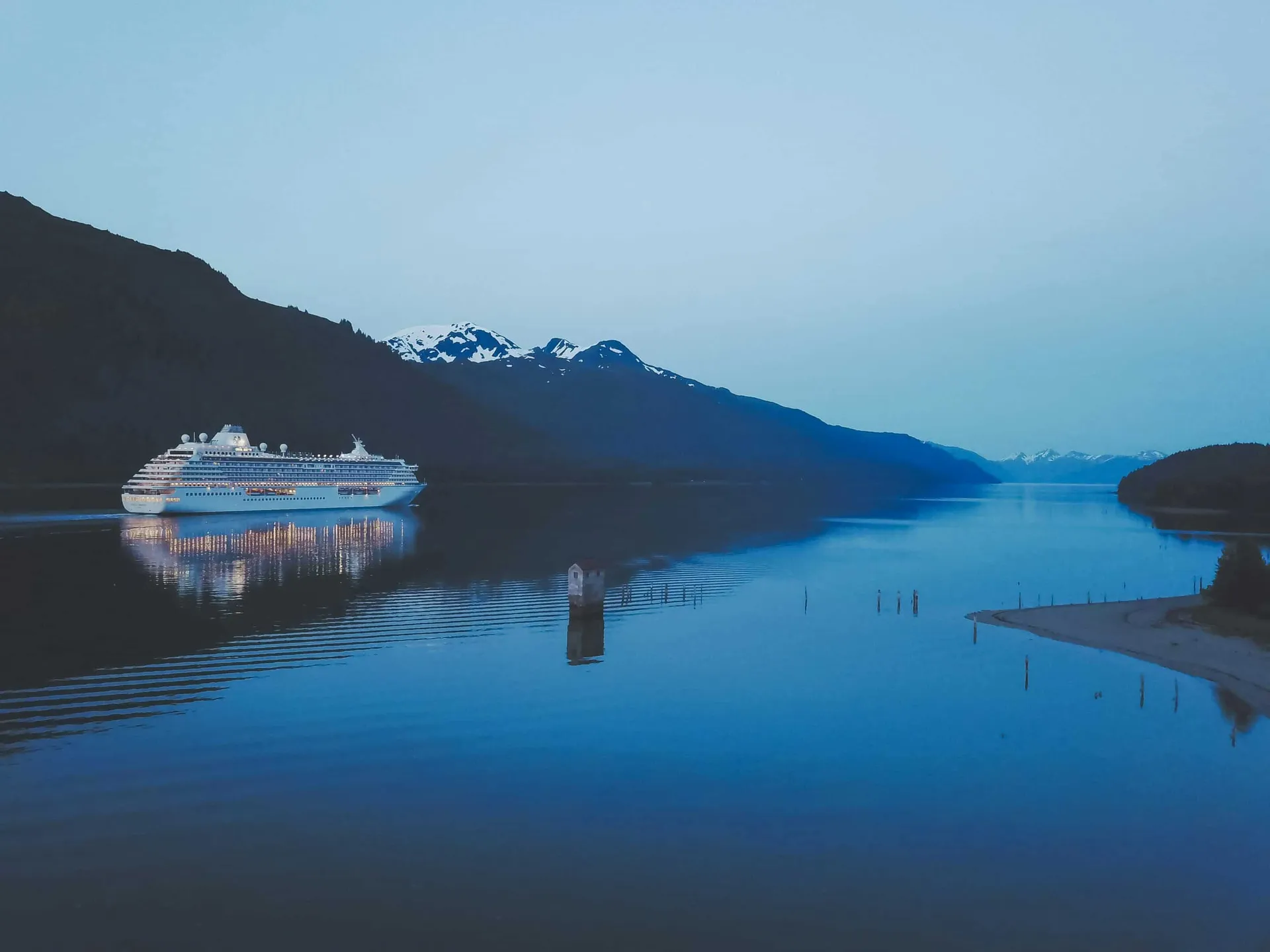
River, ocean and expedition voyages, from the Danube to Antarctica.

Expertly guided, end to end, with the world's finest local operators.
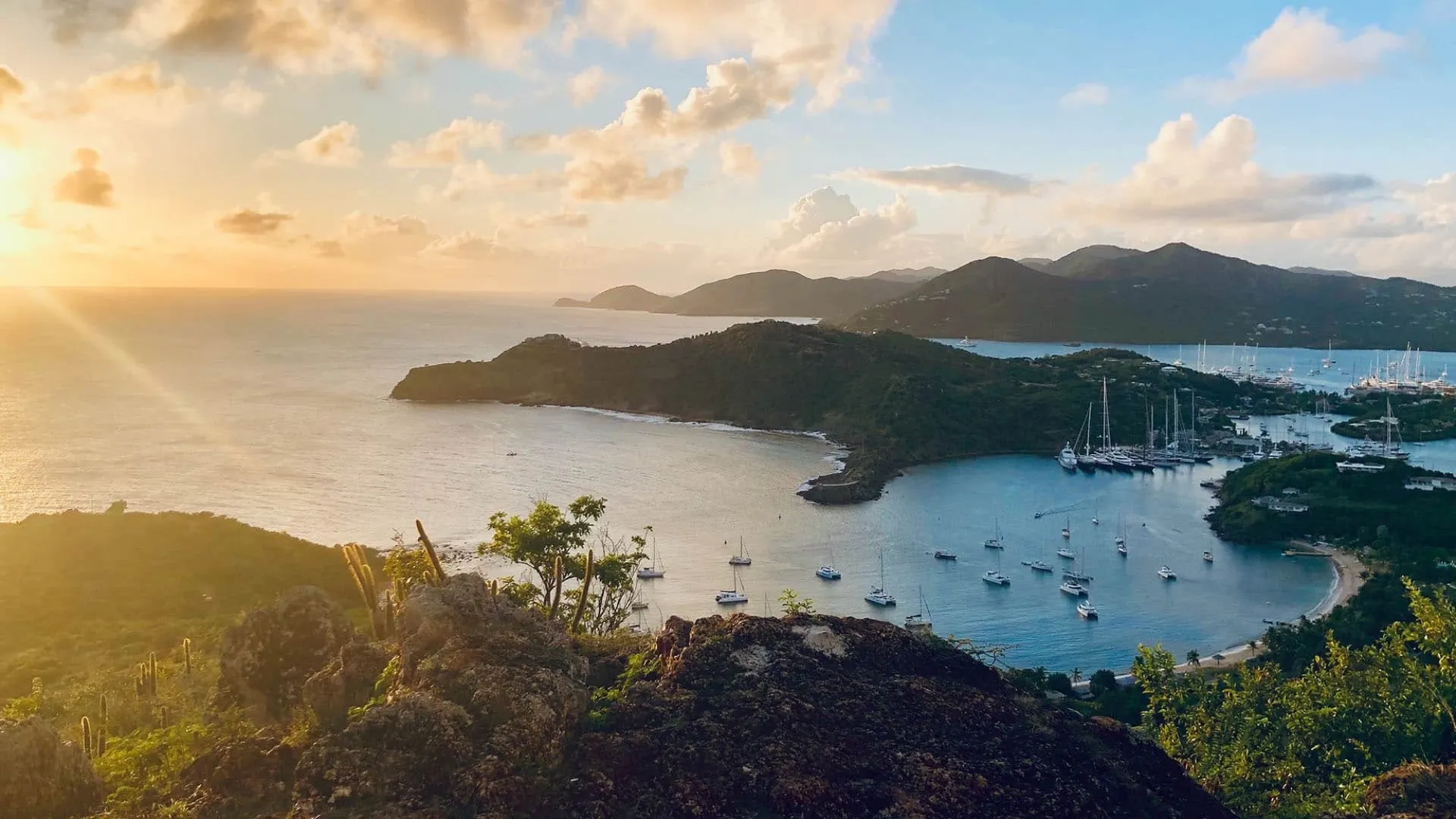
Effortless resort escapes; we cut through the haze to the right one.
Let's begin
Tell us your travel dates and what you love, and we'll handle every detail.
Plan Your TripSearch Chima Travel