

Region
Lisbon & Sintra
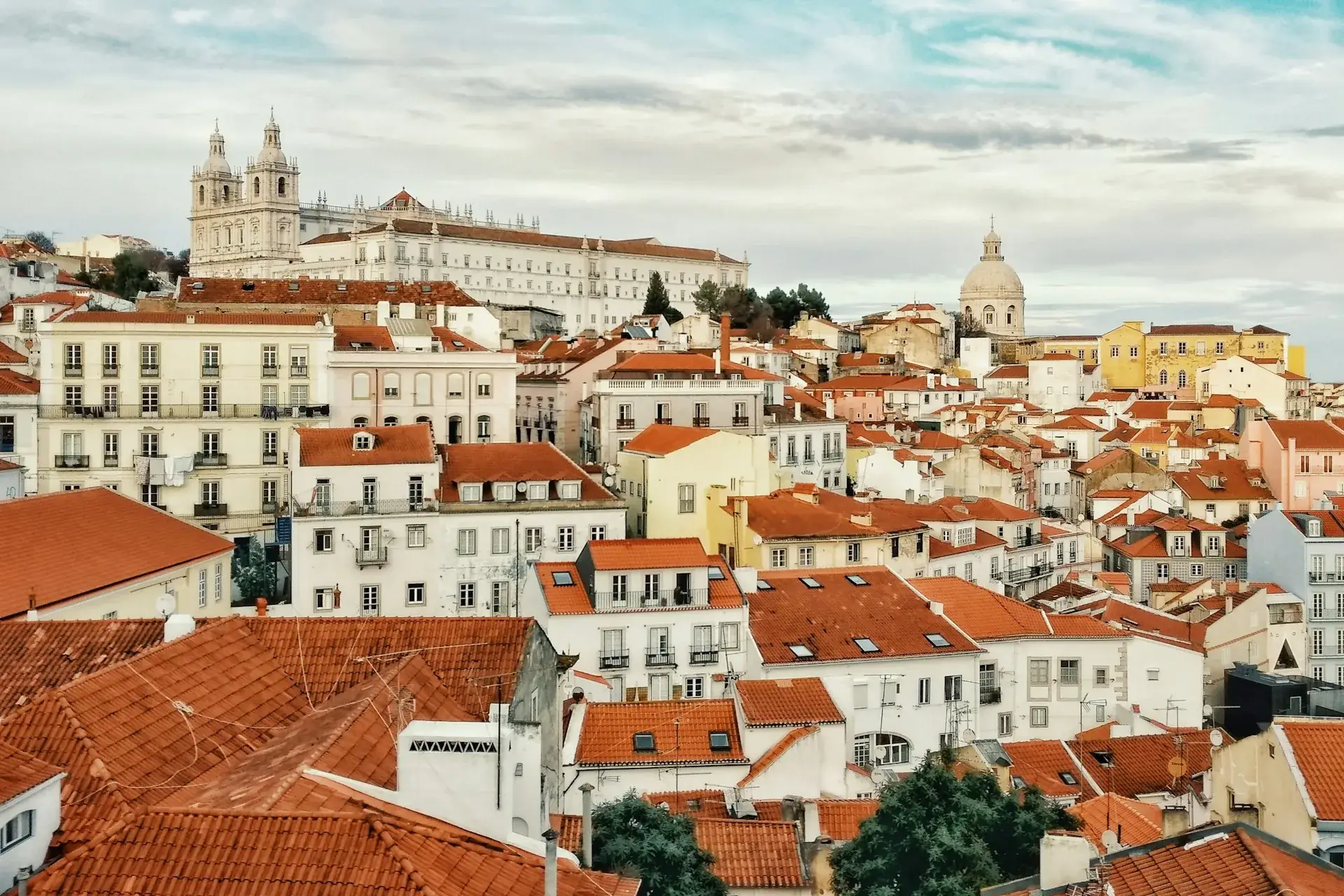
The capital's seven hills, riverside Belém and the fairy-tale palaces of Sintra a short hop inland. Most trips begin here.

By Continent
Europe Africa Asia North America South America Caribbean Australia & Oceania All destinationsOverview
From the canals of Venice to the black-sand coasts of Iceland, Europe rewards the curious traveler with centuries of art, architecture and unforgettable flavor, all within easy reach of one another.
View all EuropeOverview
From the dunes of the Sahara to the great plains of the Serengeti, Africa is a continent of staggering scale and singular encounters: a place where landscape, wildlife and culture meet at full intensity.
View all AfricaDestinations
Overview
Vast and varied, Asia spans snow-capped peaks and tropical coasts, neon megacities and silent temples. It is a continent that rewards both the first-time traveler and the lifelong returnee.
View all AsiaFeatured
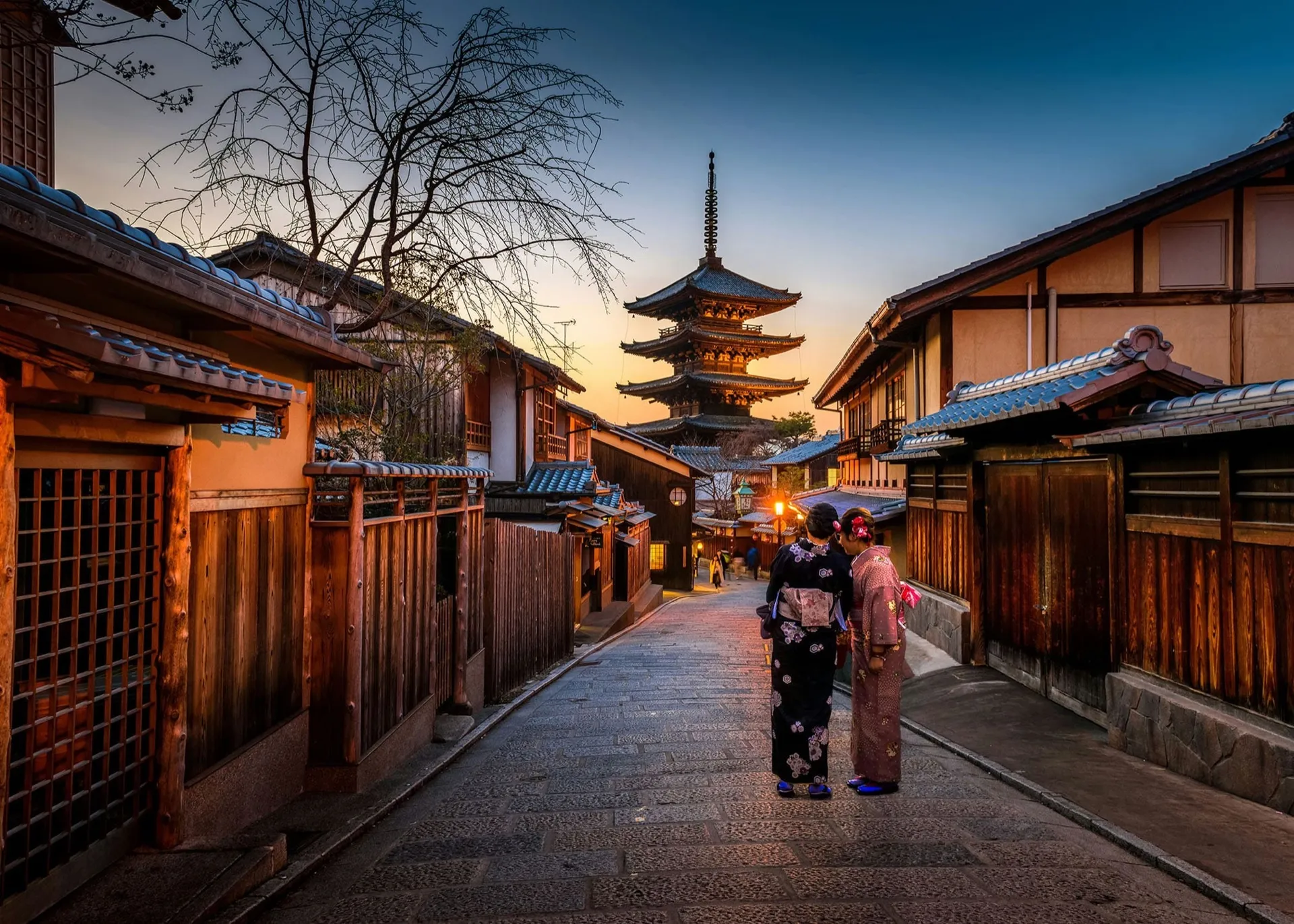 Japan · signature experience Kyoto
 Overview
Close to home and endlessly varied, North America ranges from desert canyons to alpine national parks, from world cities to quiet coastal towns: a continent that contains a dozen vacations within a single border.
View all North AmericaDestinations
Overview
A continent of extremes, from the high Andes and the vast Amazon to glacial Patagonia and the rhythm of its cities, South America rewards the adventurous traveler with some of the planet’s most dramatic scenery and deepest history.
View all South AmericaOverview
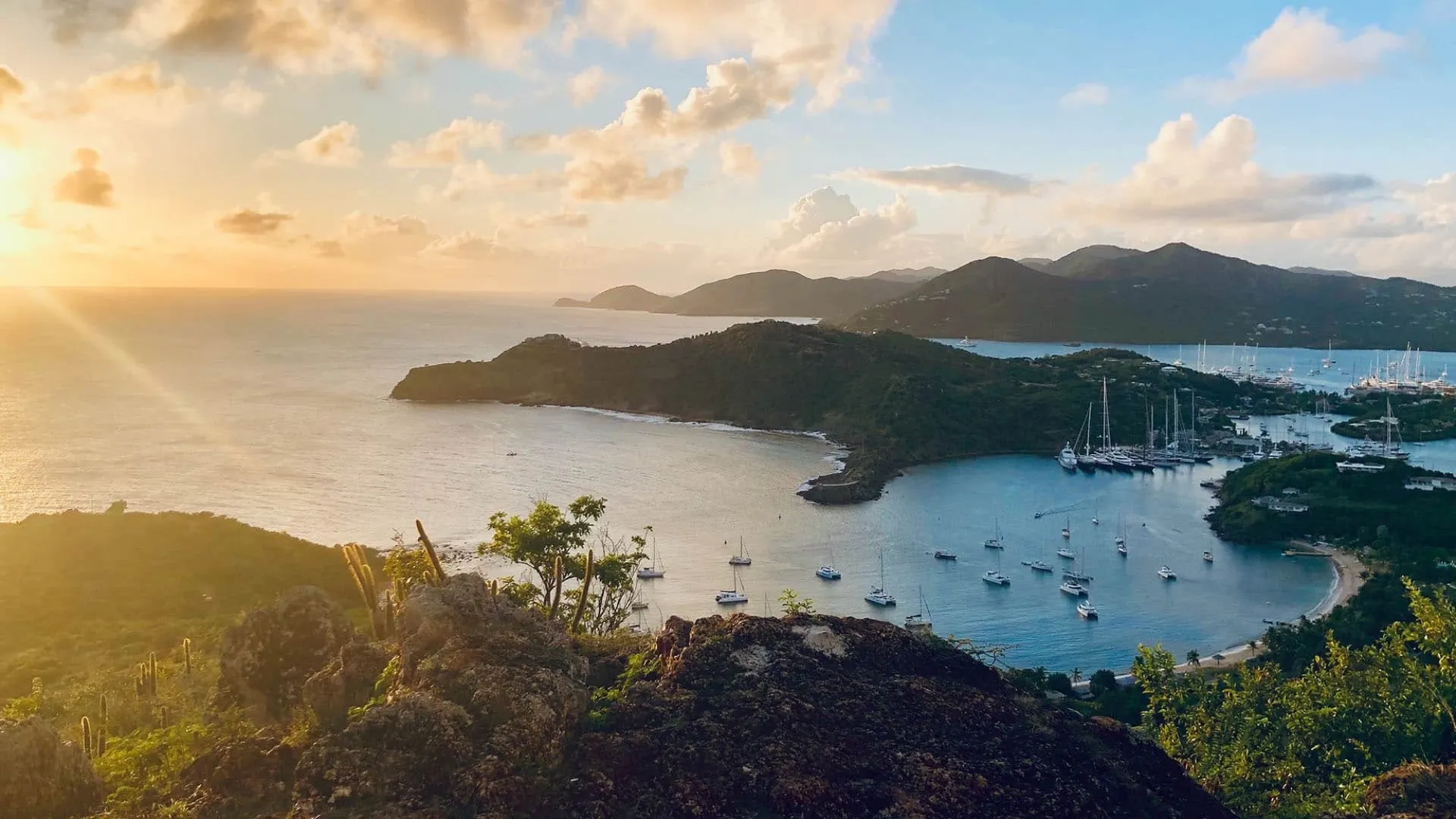
A scattering of islands across impossibly blue water, the Caribbean is the art of the easy day perfected: white sand, warm rhythm and hospitality that turns first-time visitors into lifelong returnees.
View all CaribbeanDestinations
Overview
From the Great Barrier Reef to the red heart of the outback, from the fjords of New Zealand to the scattered atolls of the South Pacific, Australia & Oceania offer some of the most remote and rewarding travel on earth.
View all Australia & OceaniaDestinations
Est. 1918 · four generations · 38 countries
How You Travel
River Cruises Ocean & Small-Ship Expedition Flights Tours & Escorted All-Inclusive All travel experiencesFeatured
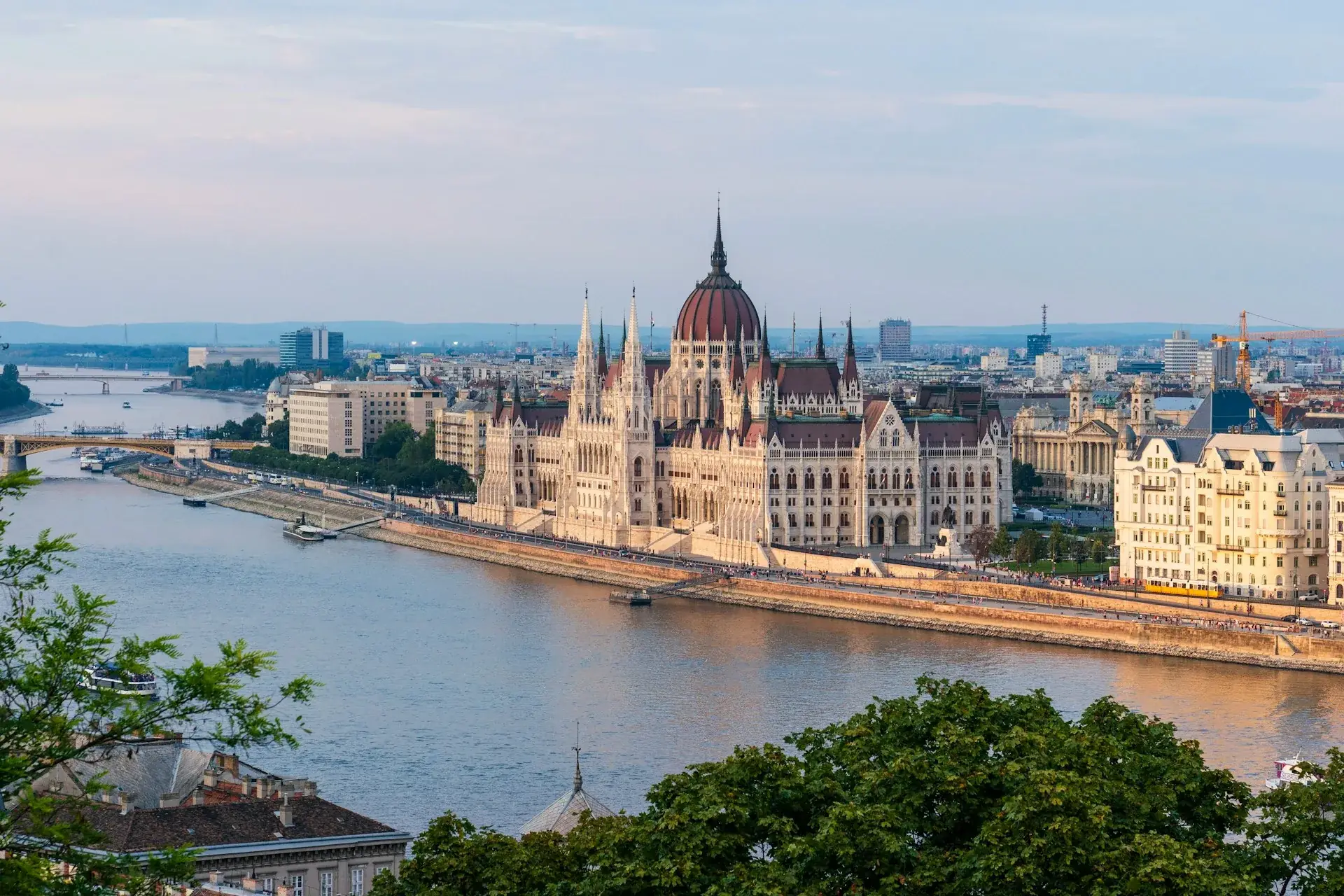 The Danube
 Featured
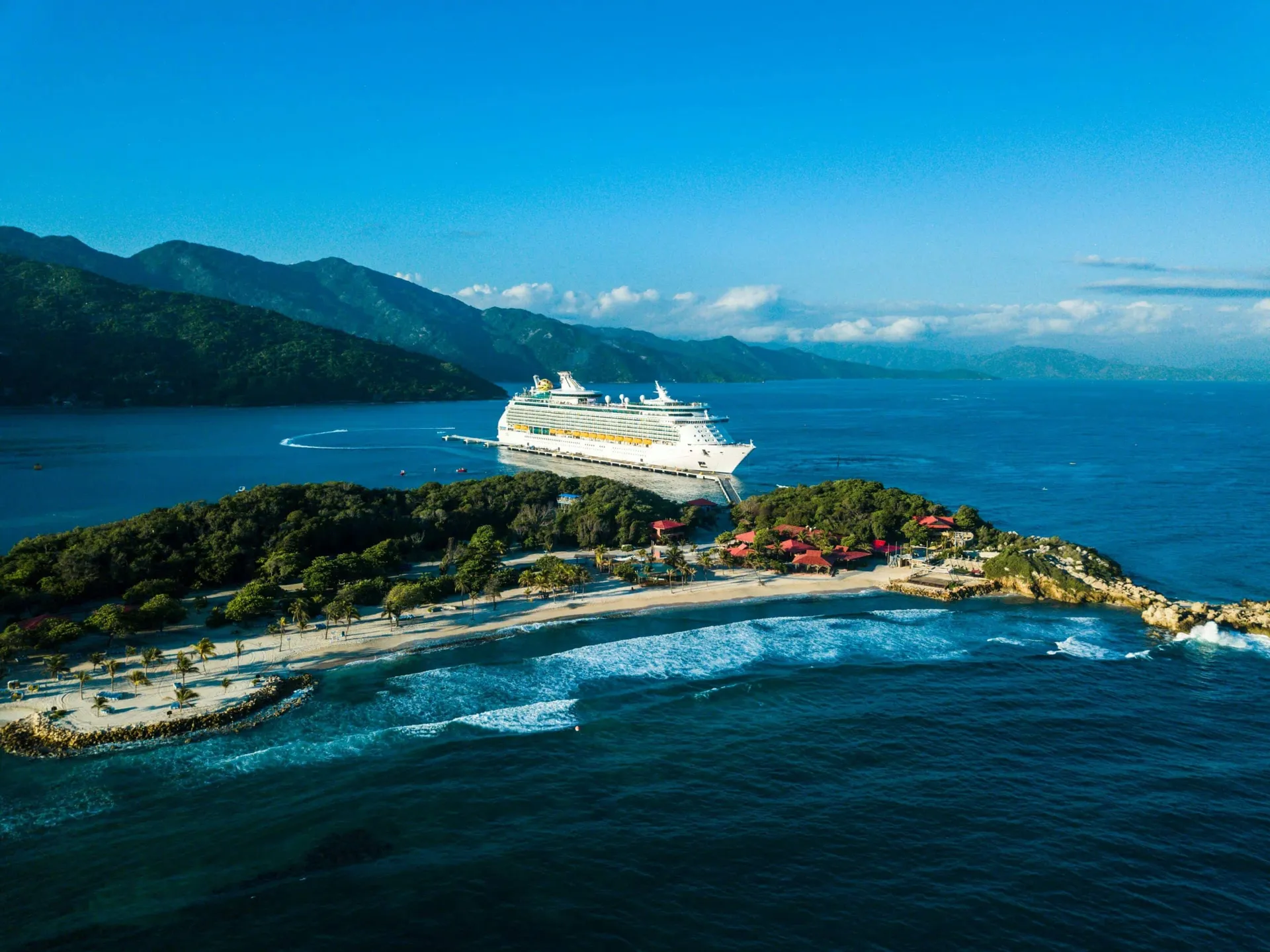 The Caribbean
 Featured
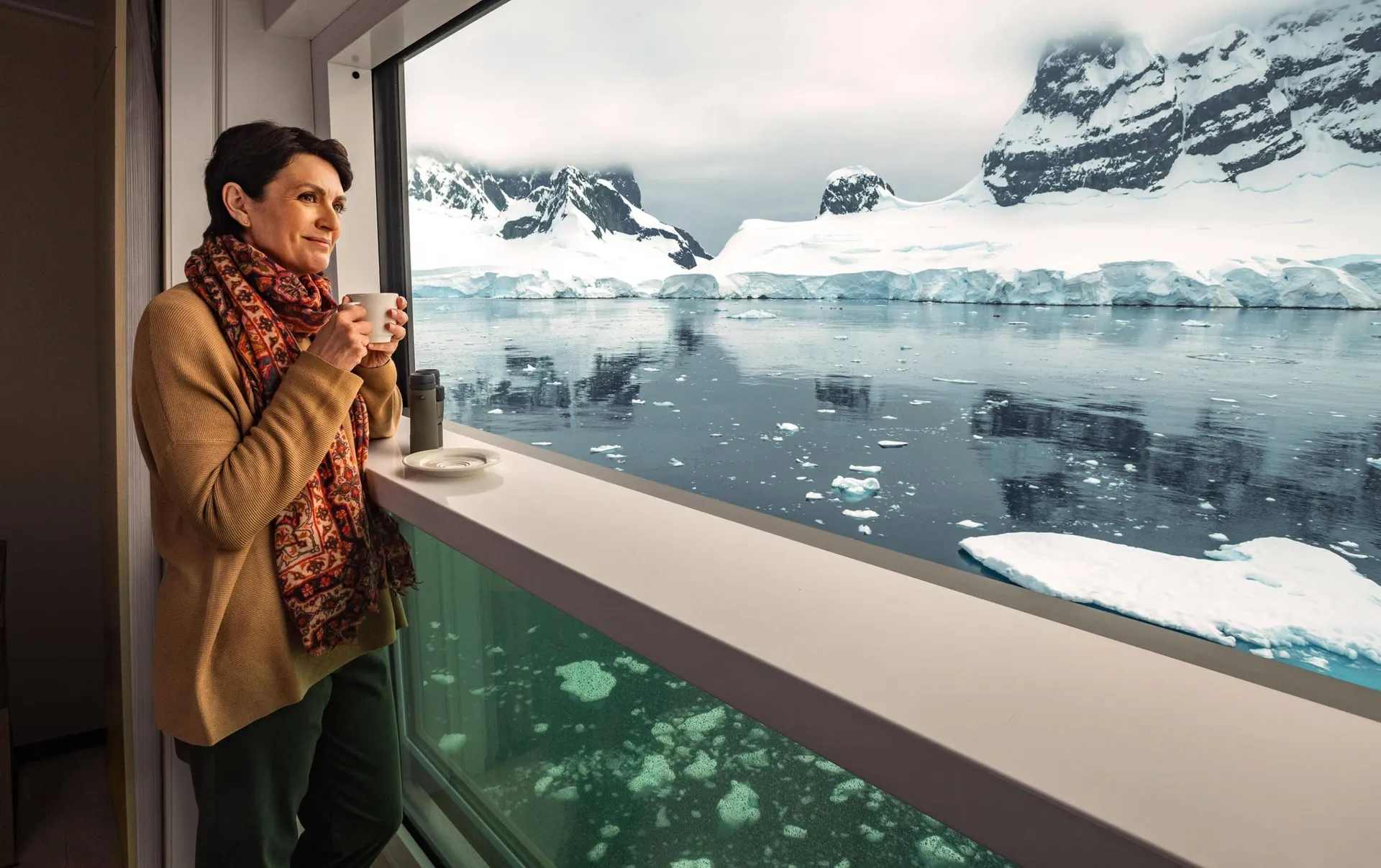 Antarctica
 Overview
Premium-cabin fares, complex routings and around-the-world tickets, booked by people who fly for a living.
Explore flightsFeatured
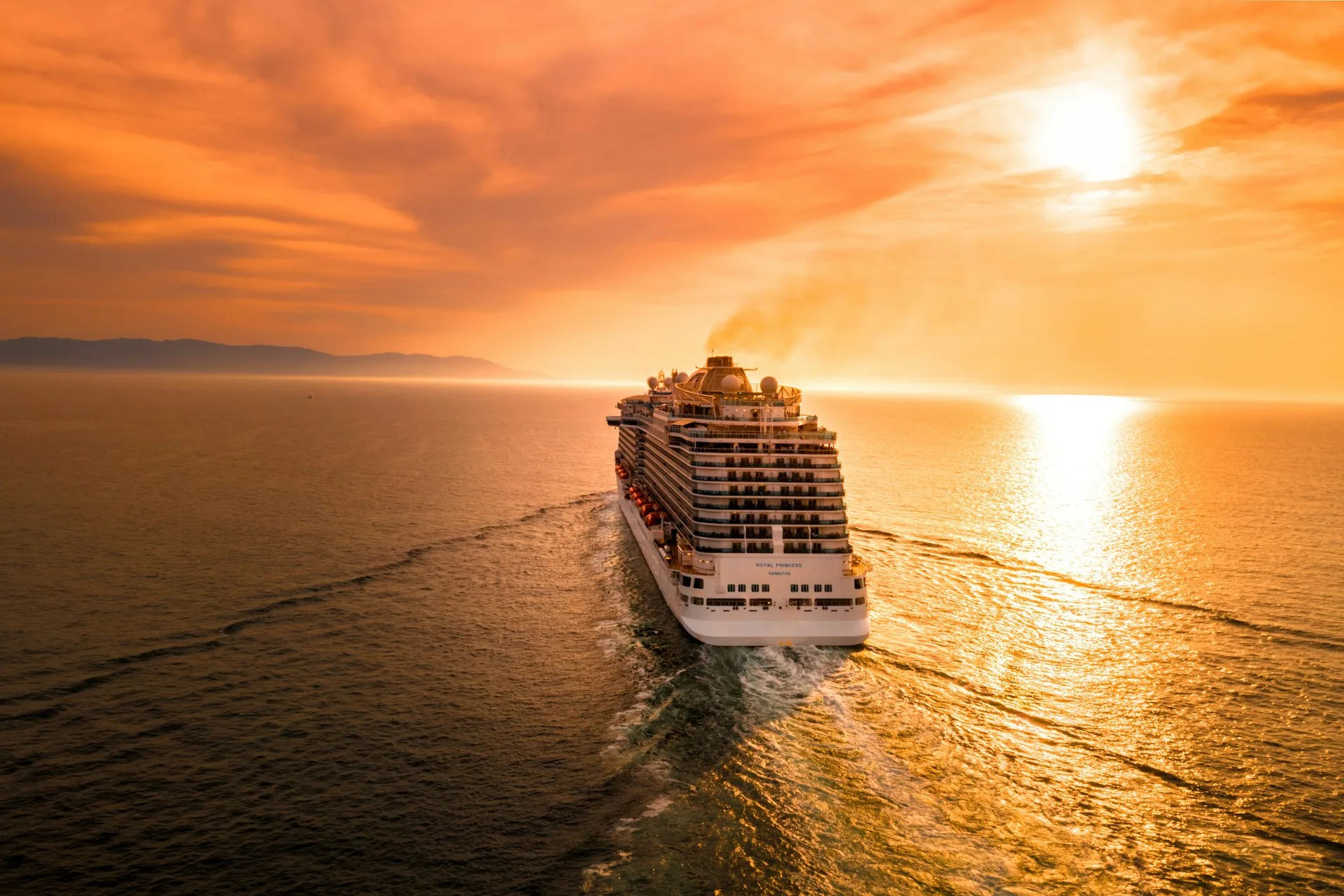 Flights
 Overview
Expertly guided group departures and private escorted itineraries across the world's great regions.
Explore tours & escortedFeatured
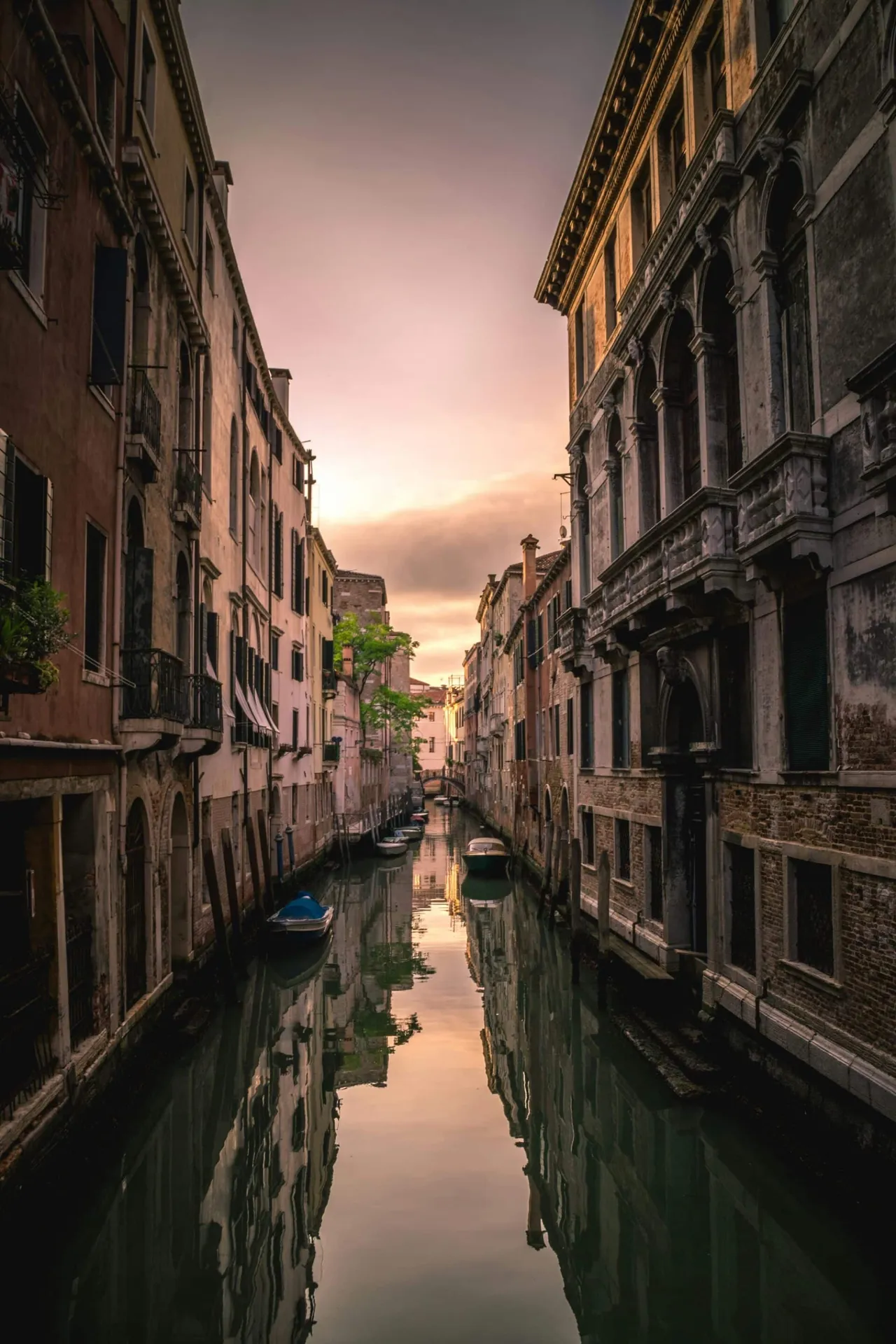 Tours & Escorted Journeys
 Overview
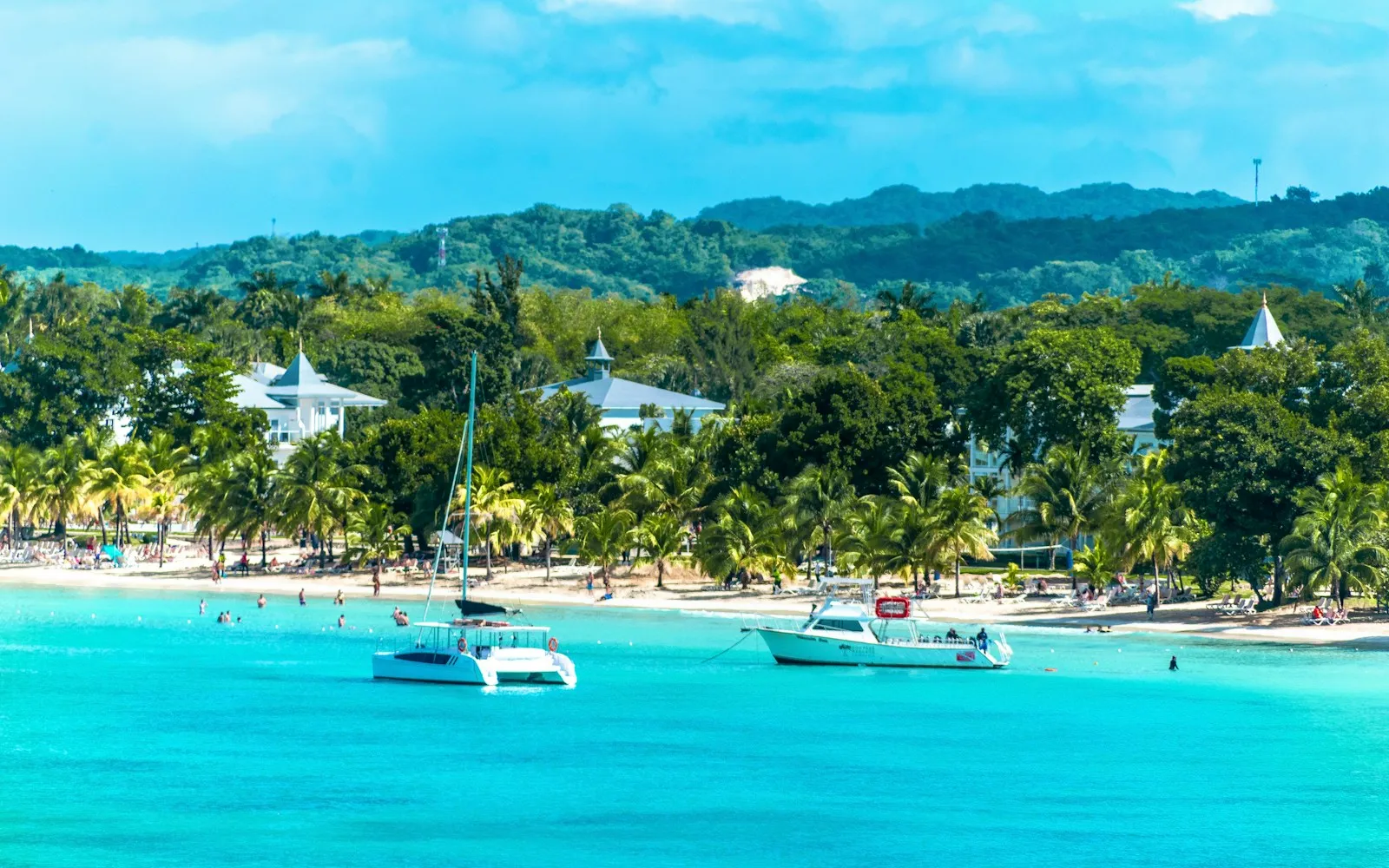
Beach and luxury all-inclusive escapes where flights, meals and more fold into a single, easy fare.
Explore all-inclusiveFeatured
 All-Inclusive Resorts
 River, ocean & expedition cruises · flights · tours · all-inclusive
Corporate travel
Destinations · Europe
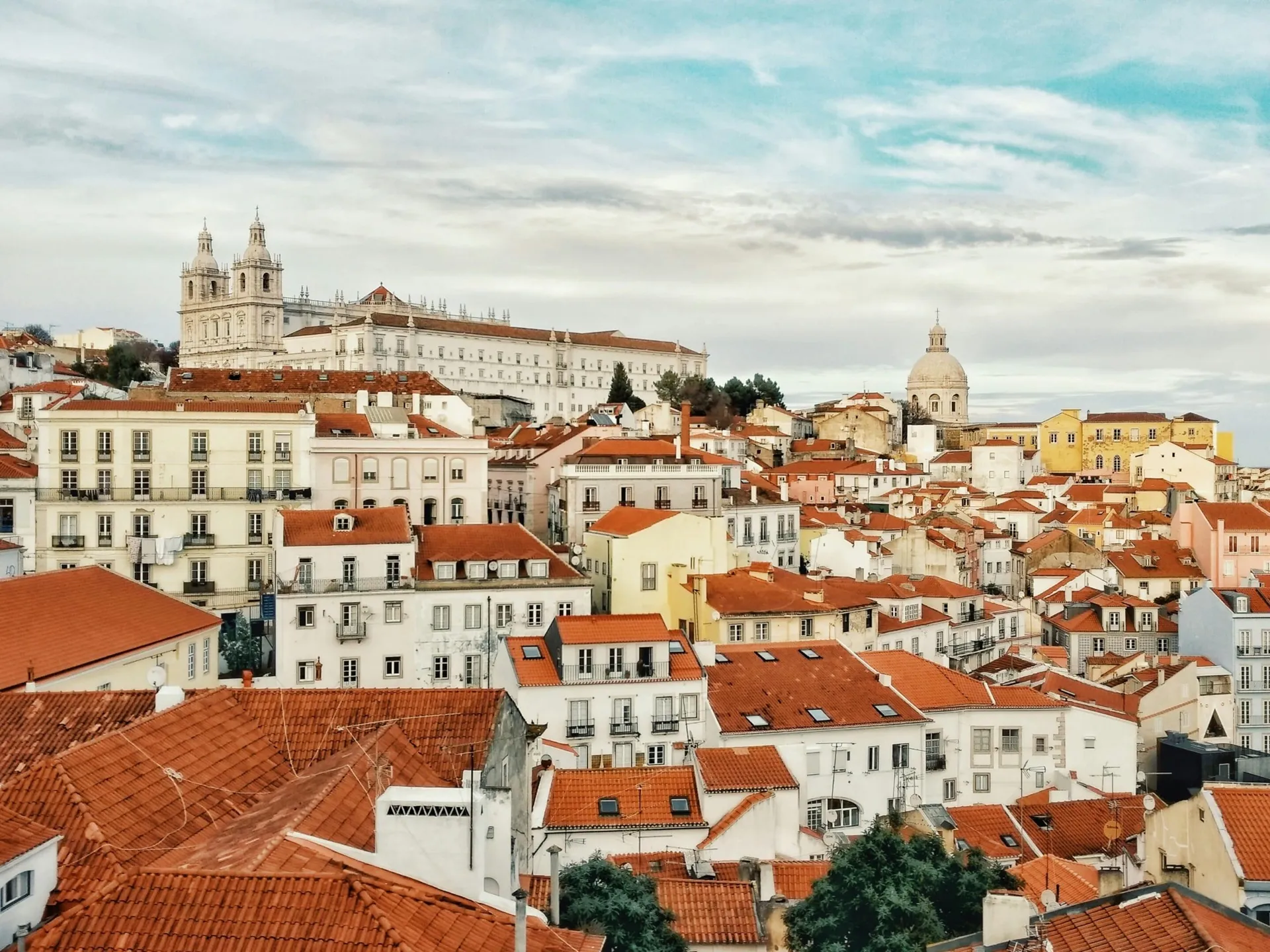
Tiled facades, Atlantic light & soulful fado.
The country
Sun-washed and seafaring, Portugal pairs the easy charm of a smaller country with a depth of history that belies its size. Lisbon’s hills tumble toward the Tagus in a cascade of pastel tile; the Douro Valley unspools in terraced vineyards; and the wild Algarve coast hides cove after golden cove.
It is a place made for slow mornings and long tables: a glass of vinho verde, a custard tart still warm from the oven, and the distant ache of fado drifting from an Alfama doorway. We design Portugal itineraries that move at exactly that pace.

William's take
What I love about Portugal is how much of it you can experience in a single trip. In about nine days you can travel the length of the country (north to south or south to north) and go from world-class beaches to the history of a once-massive empire to a football match inside a mountain, all without ever feeling rushed. For the sheer variety and the value you get, it's one of the easiest places I recommend to clients.
Down south in the Algarve you'll find some of the best beaches in Europe, and my favorite way to see that coast is by kayak, paddling into the sea caves and hidden coves you simply can't reach any other way. Keep an eye out for the pink flamingos in the coastal lagoons too; they're not what most people picture when they imagine Europe.
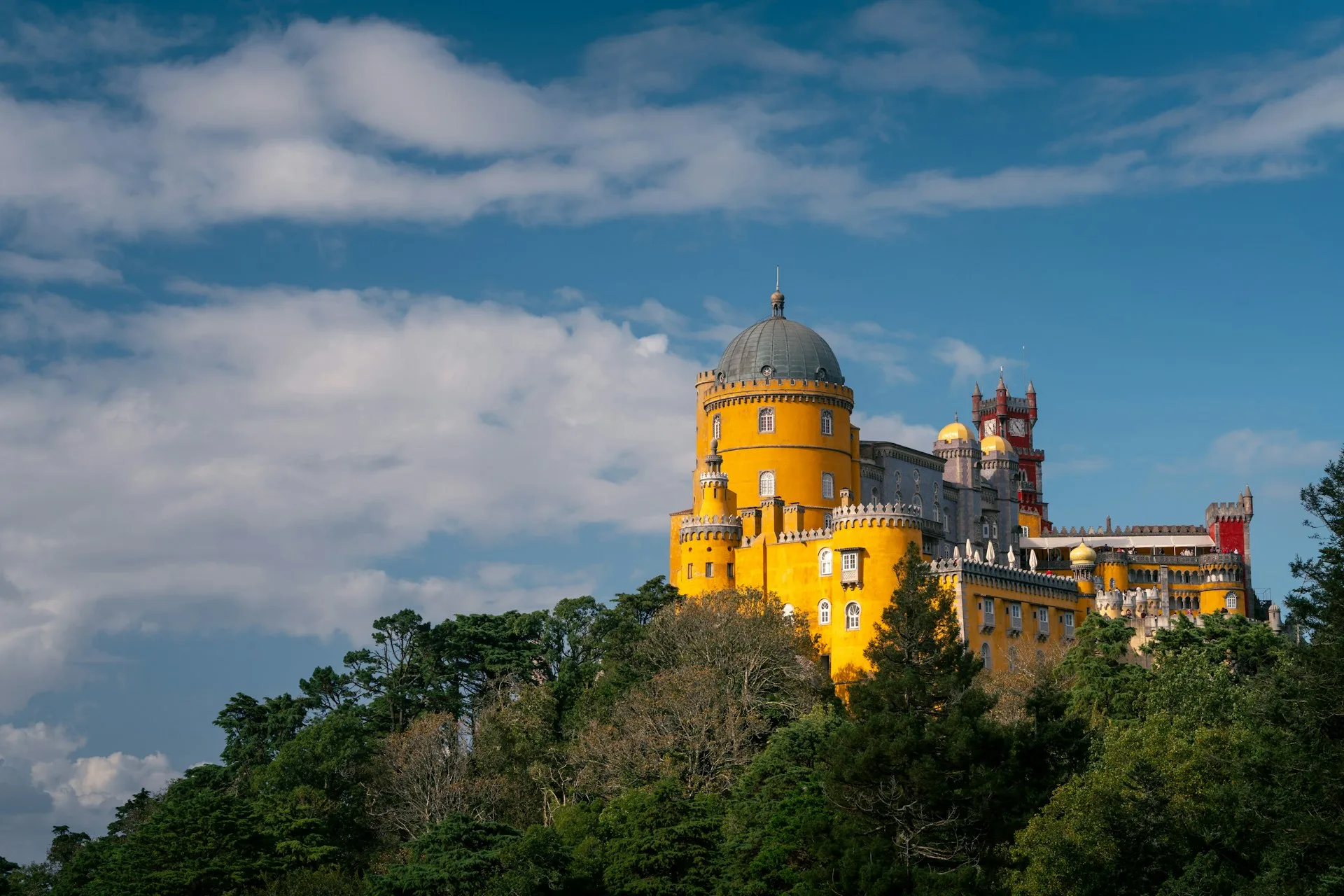
From there it just keeps giving. Lisbon carries the weight of that old seafaring empire in its monuments and neighborhoods, and nearby Sintra hides fairy-tale palaces and fortresses up in the hills. Further along the coast you can stand above the giant waves at Nazaré, make the Catholic pilgrimage to Fátima, or visit the eerie Chapel of Bones. And as a football fan, my personal highlight is heading north to Braga to catch a match at their stadium carved right into the side of a mountain; there's genuinely nothing else like it.
Planned by Chima Travel, a family agency serving travelers since 1918 and now in our fourth generation. Proud members of ASTA, with IATA accreditation.
When to go
Portugal is small enough to cross in a week, but the Atlantic sets the calendar — when the coast warms, when the Douro picks, and when the cities are quietly yours. Here is how we'd sketch the year across the desk.
Our favorite window: warm, long days, blooming jacarandas in Lisbon and the festas dos santos populares around St. Anthony in June, with Easter processions in the north earlier on — all before the August crowds and prices peak.
Harvest season in the Douro, still-warm Atlantic, and the best light of the year. Ideal for wine country and the coast without summer's intensity.
Peak summer: hot, busy and the priciest time, but unbeatable for the Algarve's beaches if a coastal holiday is the goal. Book well ahead.
Mild, quiet and value-driven. Lisbon and Porto stay lively; expect some Atlantic rain. Great for a city-and-food focused trip.
Where to go
Portugal packs remarkable variety into a small, easy-to-travel country, from the tram-clattering hills of Lisbon to the wave-battered cliffs of the Algarve. These are the regions we weave together most often, each with its own landscape, table and pace.
Region
The capital's seven hills, riverside Belém and the fairy-tale palaces of Sintra a short hop inland. Most trips begin here.
Region
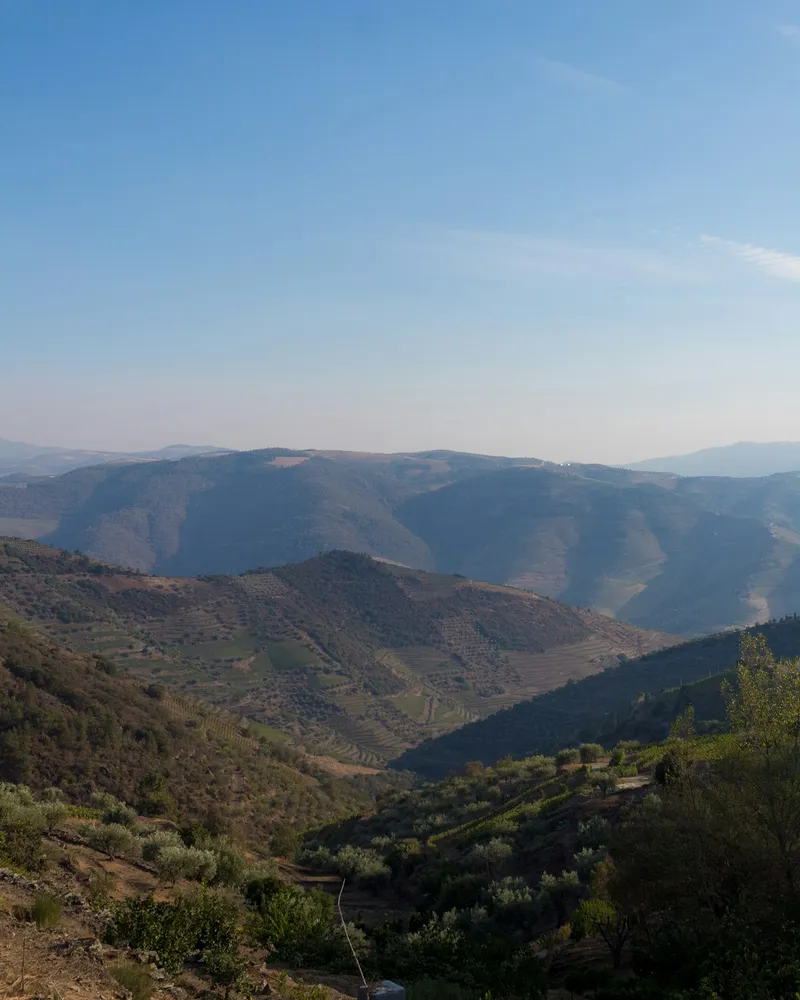
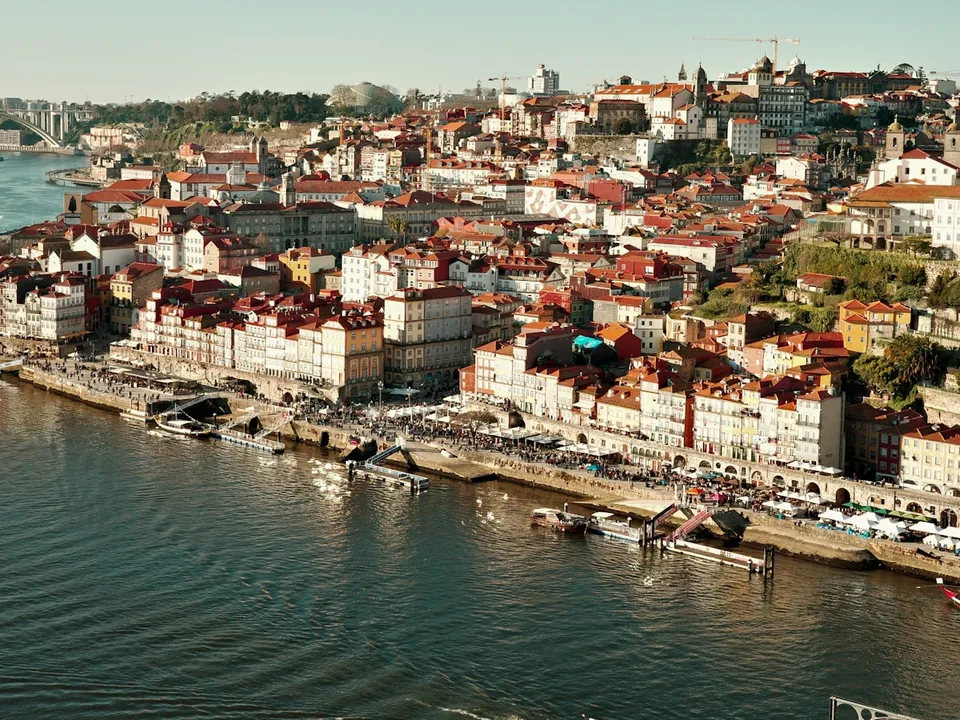
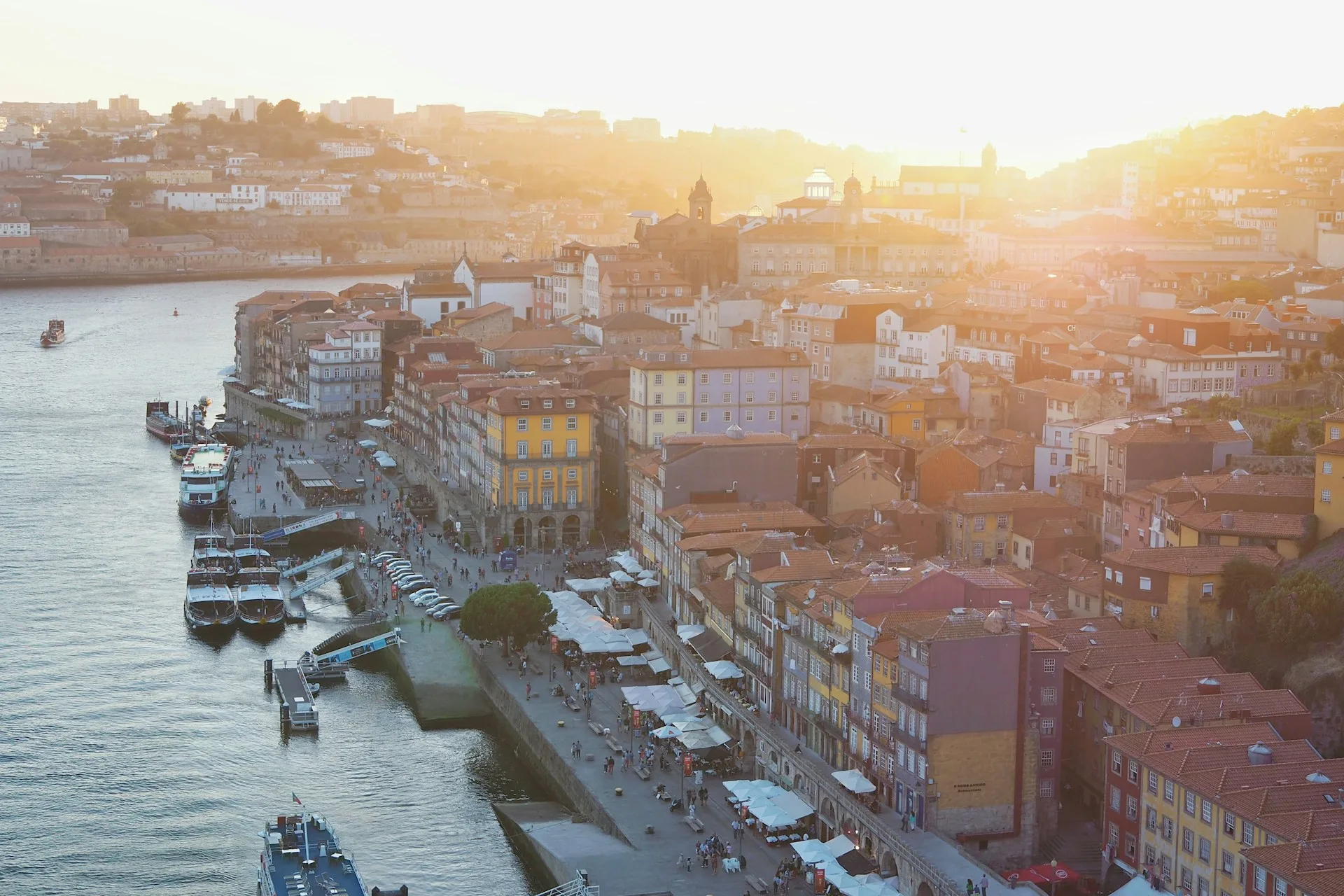
Portugal's soulful second city and the terraced river valley behind it, the original home of port wine and some of Europe's most scenic vineyards.
Region
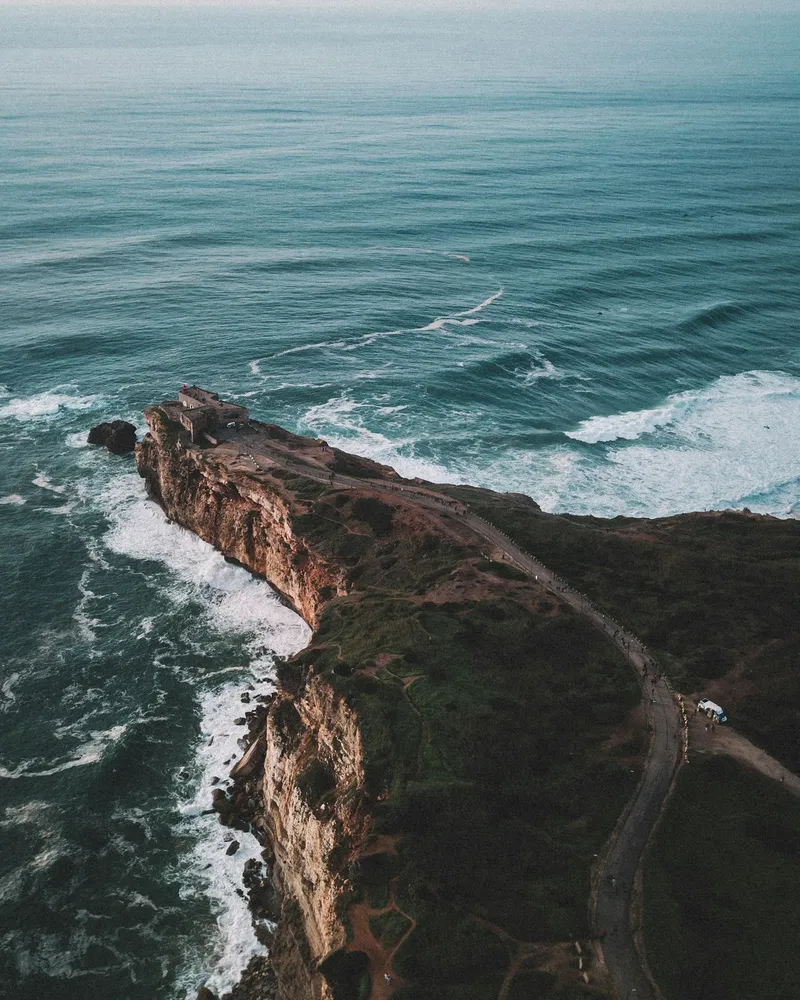
The dramatic middle of the country: the giant waves of Nazaré, the pilgrimage town of Fátima, walled Óbidos and the university city of Coimbra.
Region
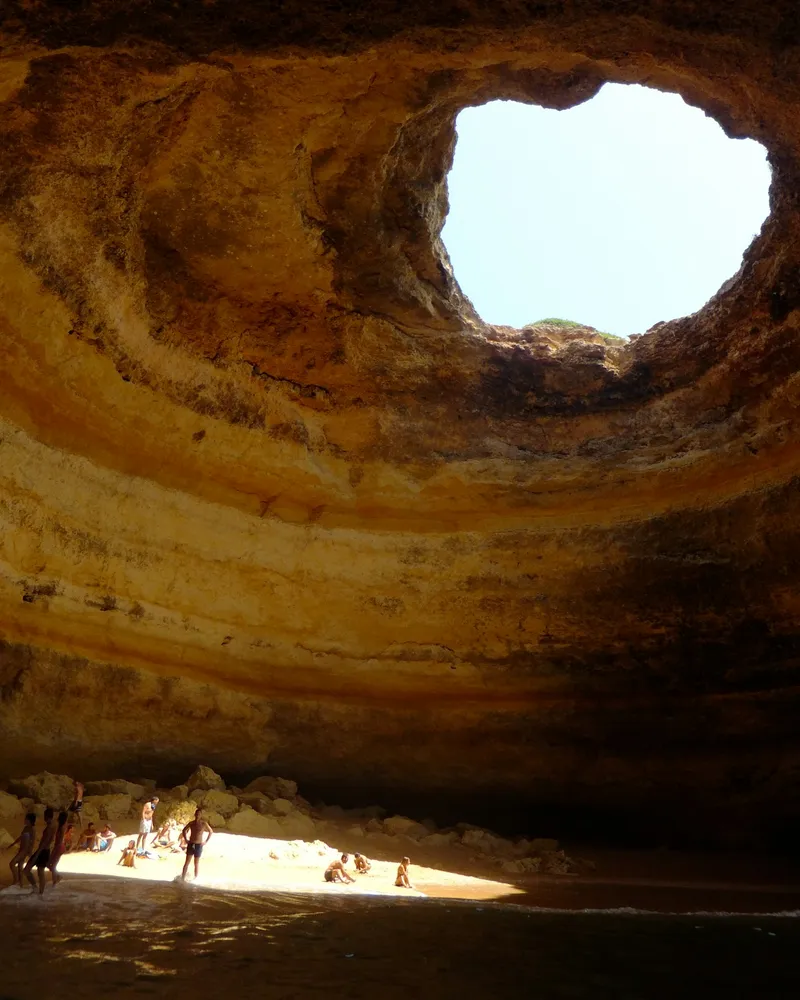
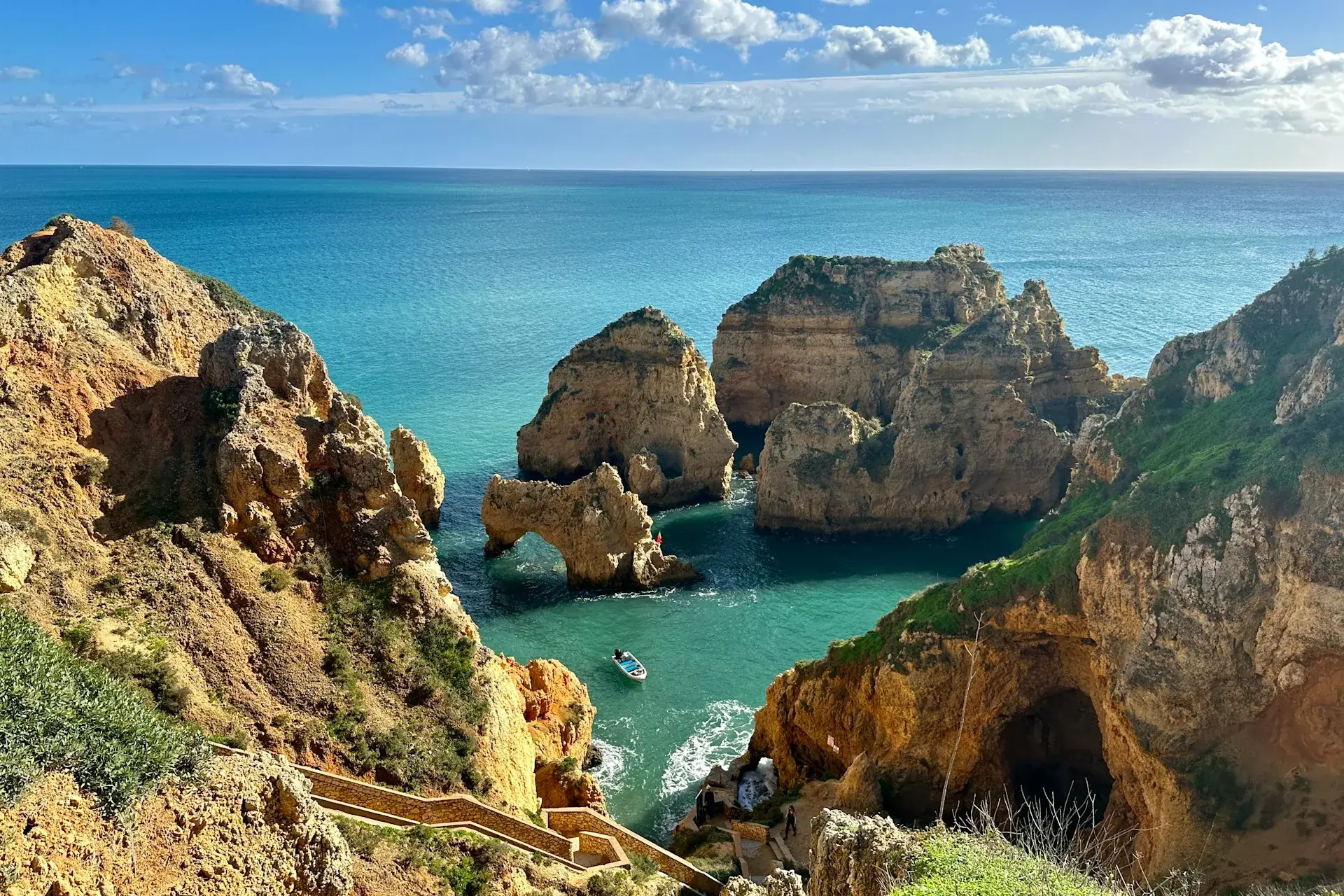
The southern coast of golden cliffs, hidden coves and seafood towns; the country's beach and resort heartland, and some of Europe's best sea-cave kayaking.
Region
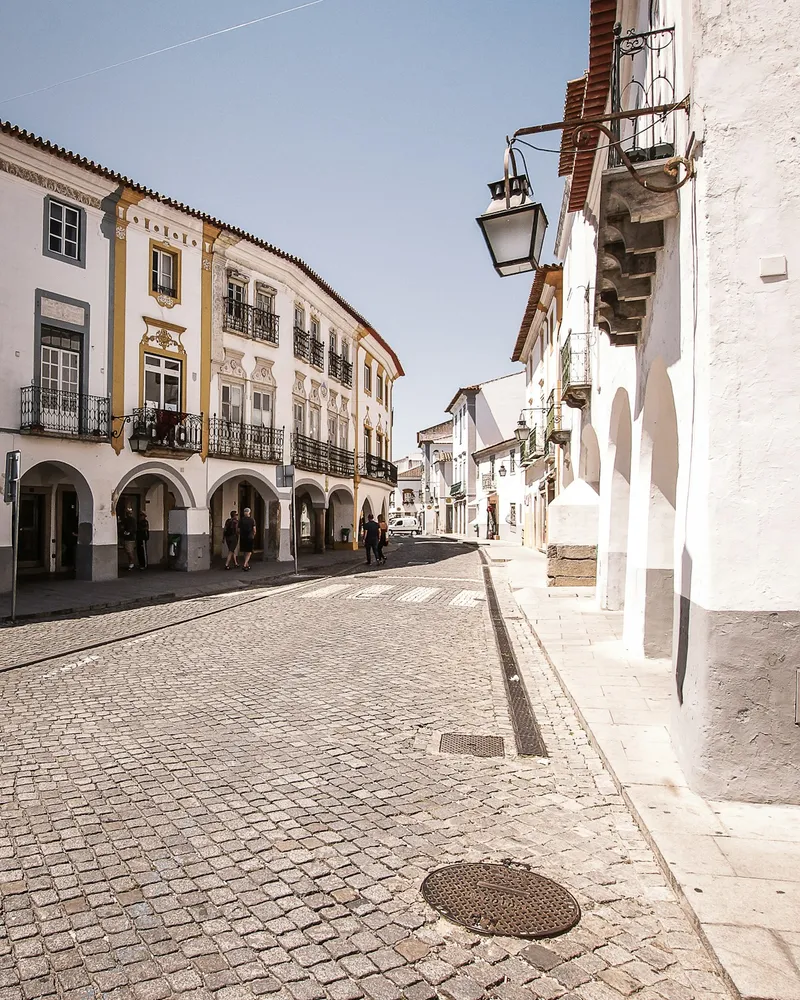
The vast, rolling interior of cork oaks, whitewashed hilltop towns, wineries and a slower, deeply traditional pace.
Region
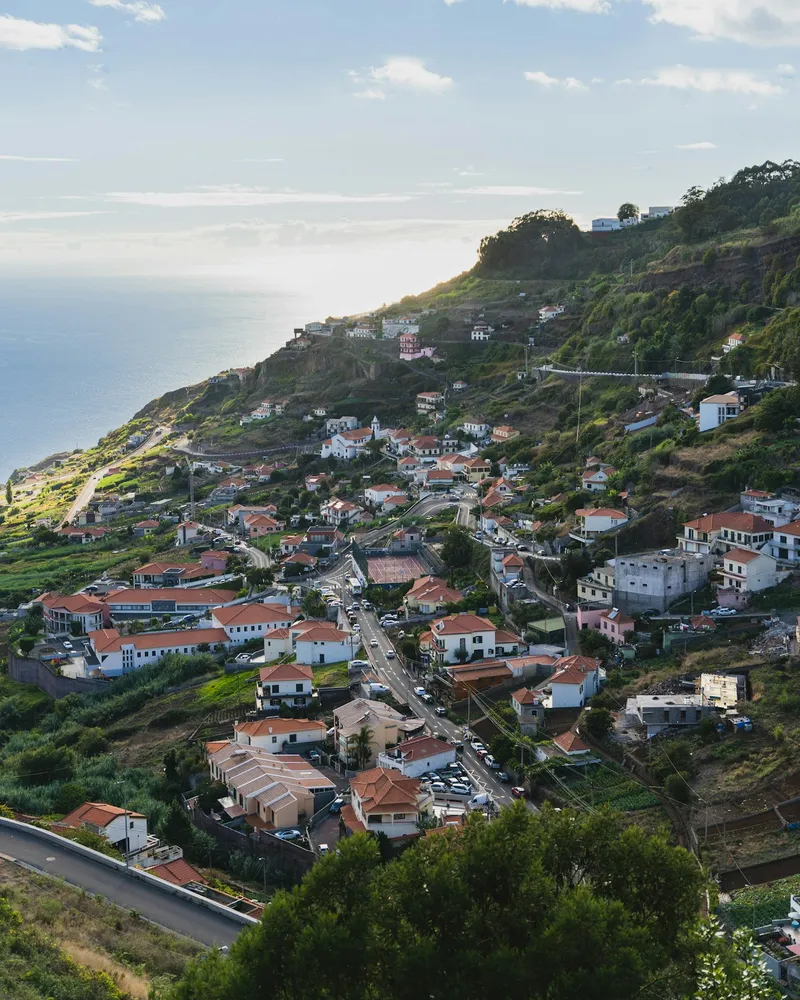
Mid-Atlantic islands of volcanic craters, hydrangea-lined roads and dramatic hiking, for travelers who want to go further.
A sample journey
 1
1 Begin in the north: the Ribeira waterfront and port lodges of Porto, then up to Braga to catch a match at its remarkable stadium carved into the side of a mountain.
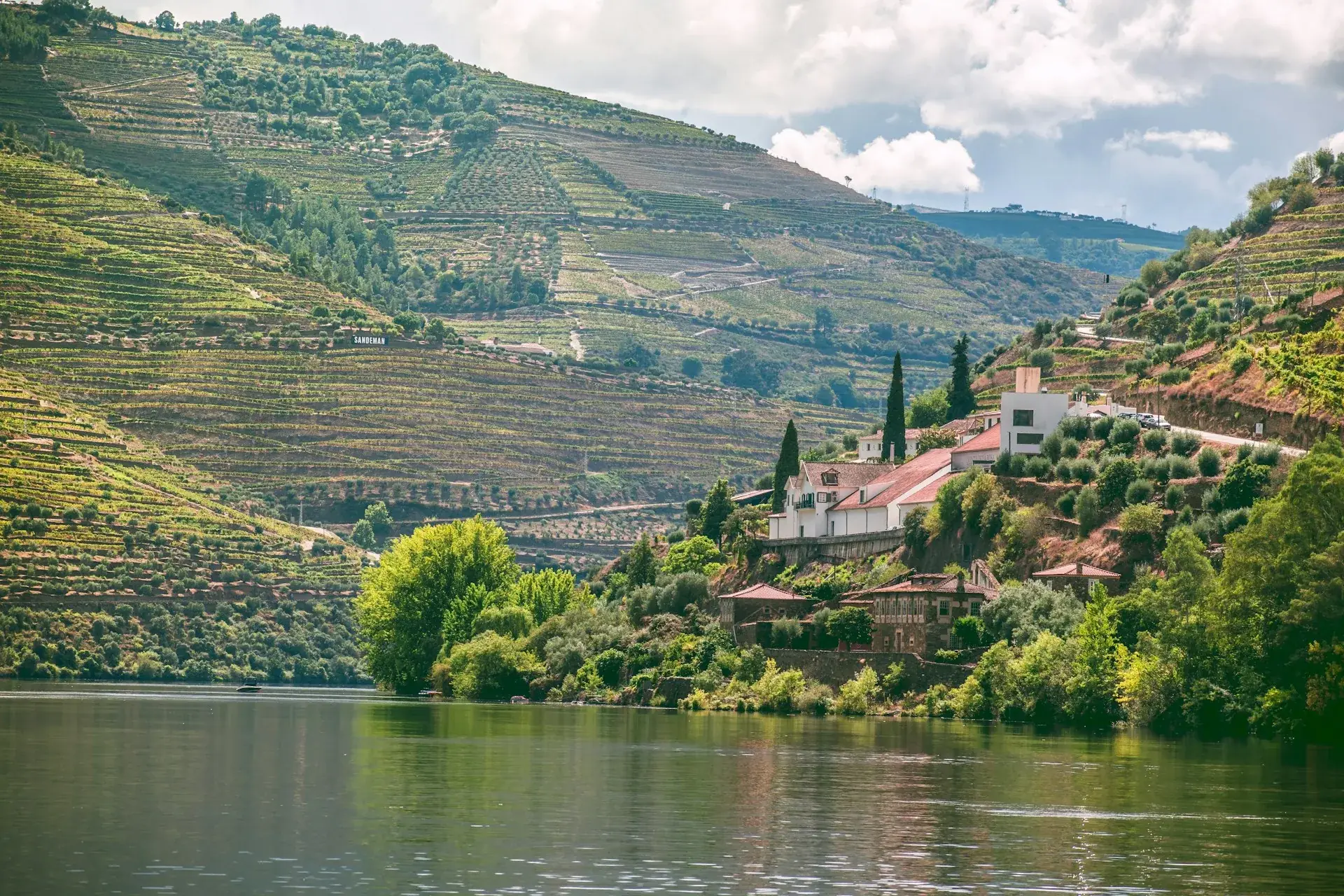
2 A day in wine country at a riverside quinta: estate tastings, terraced vineyards and the slow rhythm of the valley that gave port its name.
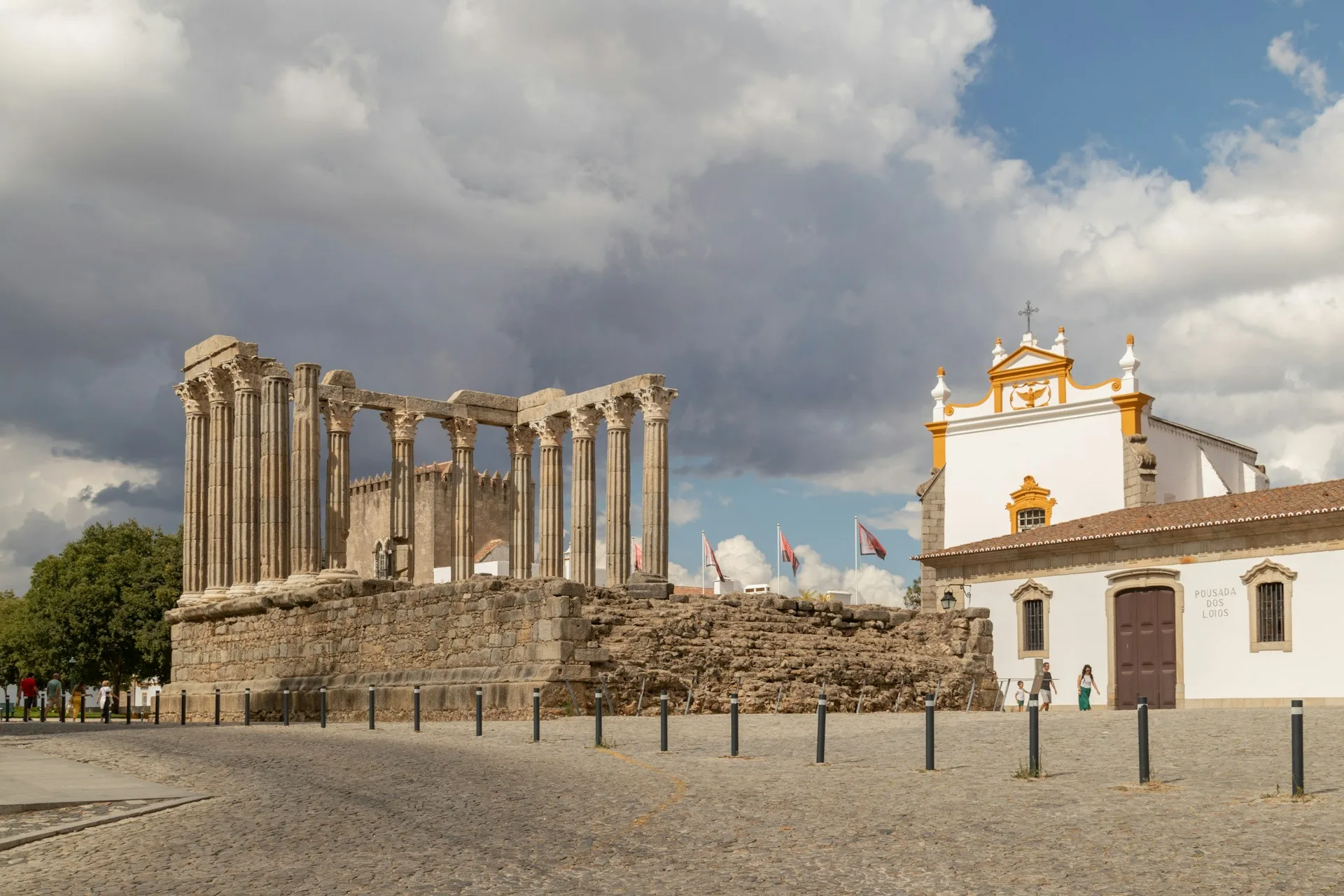
3 Work down the central coast: stand above the giant waves at Nazaré, make the pilgrimage to Fátima, and detour to Évora's eerie Chapel of Bones.
4 The capital's empire-era monuments, tram 28 through the Alfama and a fado evening, plus a full day among the palaces and hilltop fortresses of Sintra.
5 Finish on the southern coast: kayak into the sea caves and hidden coves, hunt for pink flamingos in the lagoons, and unwind on some of Europe's best beaches.
Every itinerary we build is bespoke: this is a starting point, not a package.
Getting around
Where to stay
Transfers, rail tickets, driver-guides, quinta stays and island flights are all arranged as part of every itinerary — the logistics are handled before you arrive.
Good to know
Seven to ten nights is the sweet spot. A week comfortably covers Lisbon, Sintra and either the Douro or the Algarve; ten nights lets you pair the capital with both wine country and the coast at an unhurried pace.
Late spring (May–June) and early autumn (September–October) are ideal: warm, long days, fewer crowds than peak summer, and (in autumn) the Douro grape harvest. July and August are hottest and busiest, best reserved for a beach-focused Algarve trip.
Excellent. It's safe, welcoming, English is widely spoken in tourist areas, distances are short, and it offers remarkable value: world-class food, wine, beaches and history without the prices of neighboring countries.
If you can, both; they're under three hours apart by fast train and complement each other beautifully. Lisbon is grander and more cosmopolitan; Porto is smaller, soulful and the gateway to the Douro wine country. We often build an itinerary that begins in one and ends in the other.
Not for the cities; Lisbon and Porto are best explored on foot and by public transit, and the train between them is excellent. A car or private driver-guide is worthwhile for the Douro Valley, Alentejo and Algarve, where the freedom to explore vineyards and coastal villages adds a lot.
From the journal
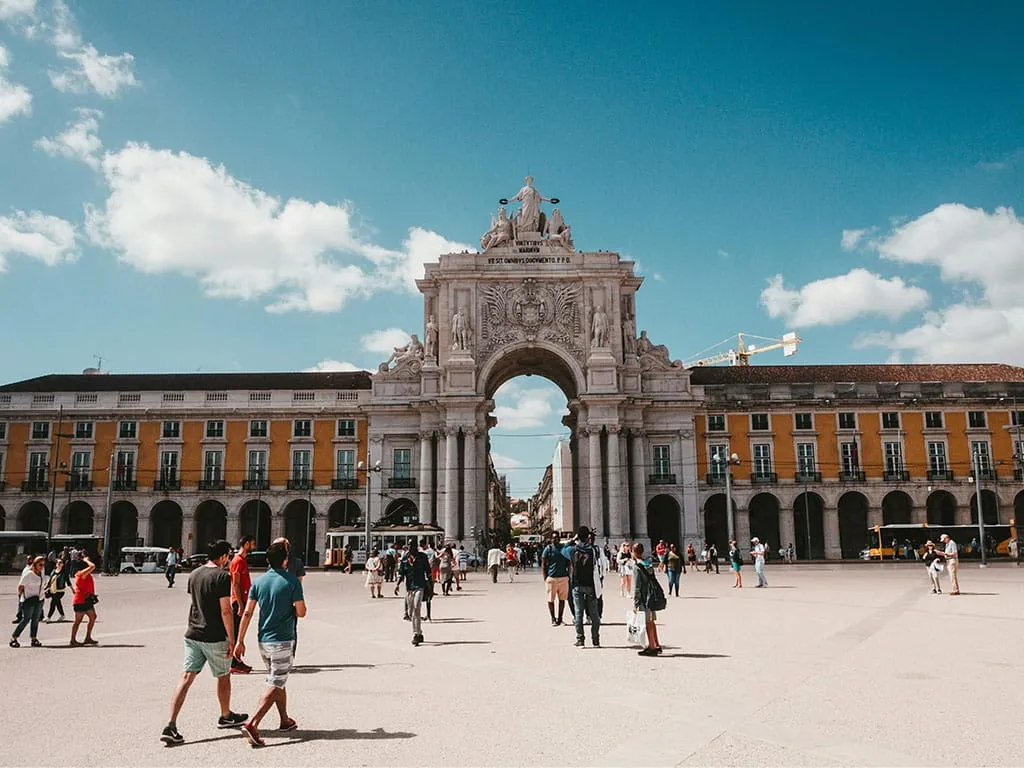
Destinations
Lisbon is a cultural hub of Portugal, here is our list of the best restaurants in Lisbon.
May 2024 Read more →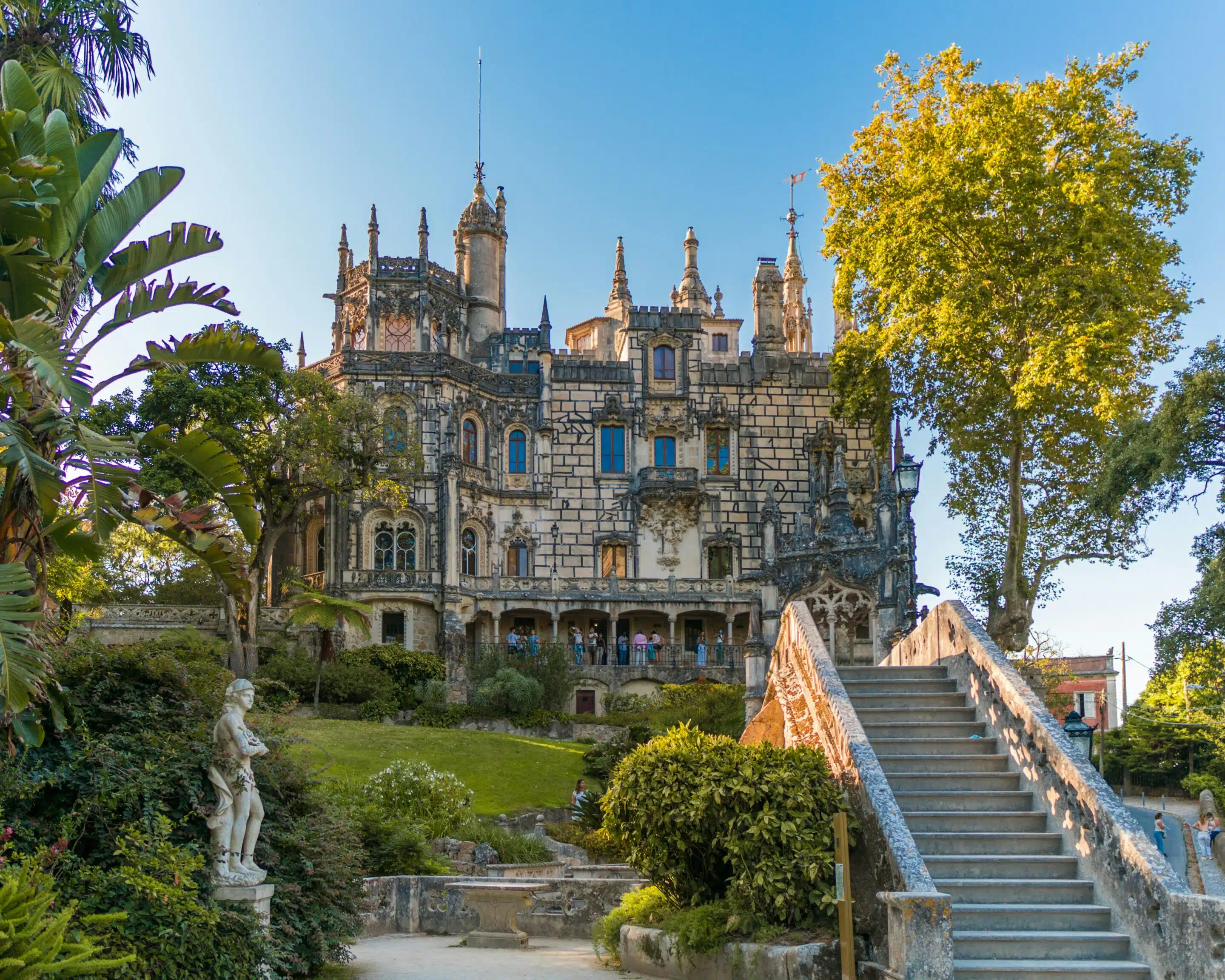
Destinations
Sintra, with its enchanting palaces, lush forests, and mystic aura, captivates the hearts of those who visit. Nestled just a train ride away from Lisbon, journeying to this…
Read more →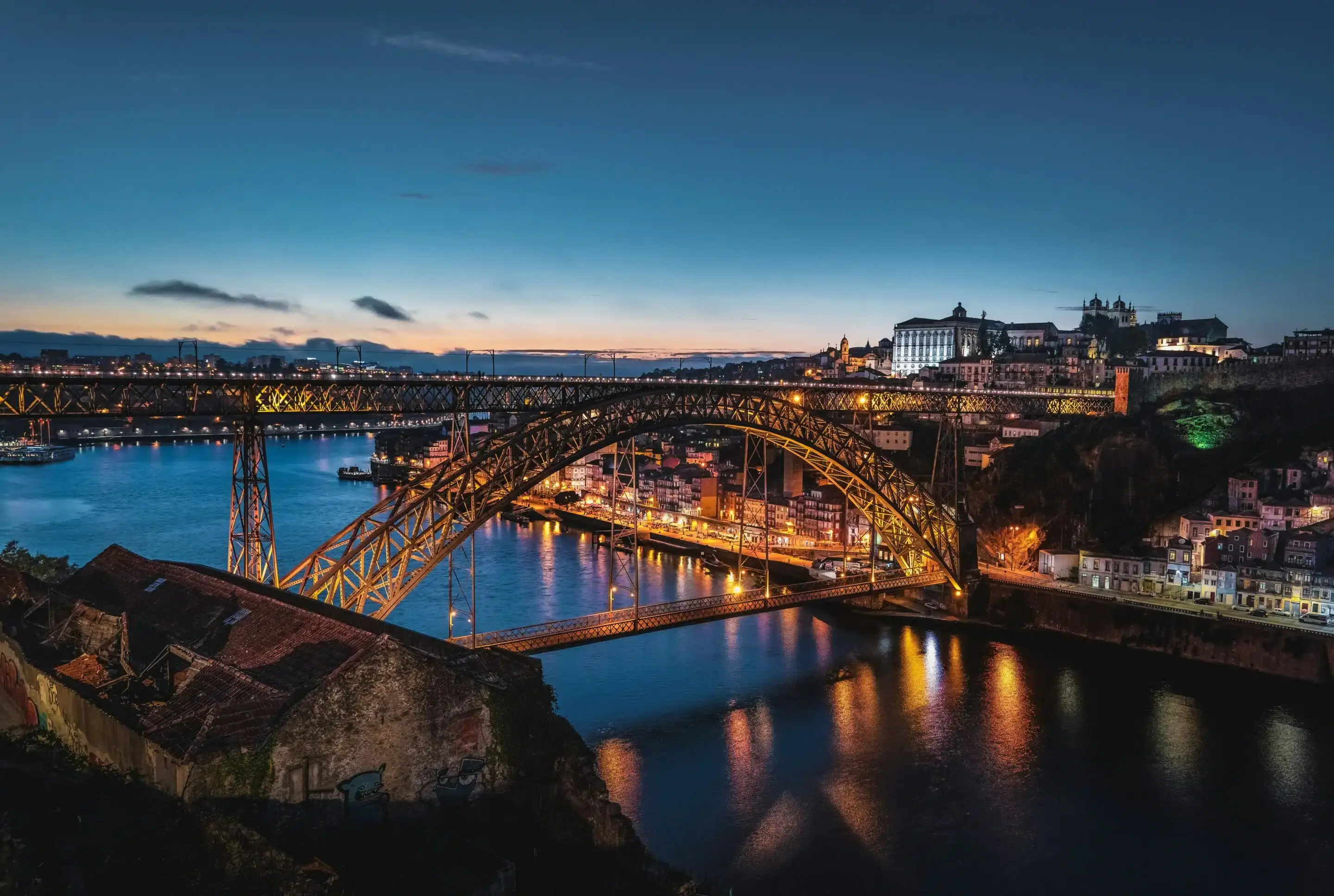
Destinations
With its stunning landscapes, rich history, and vibrant culture, Portugal has become an increasingly popular destination for tourists and expats alike. However, before you can…
Read more →Ways to Explore

A private journey designed entirely around you, your pace, and your people.
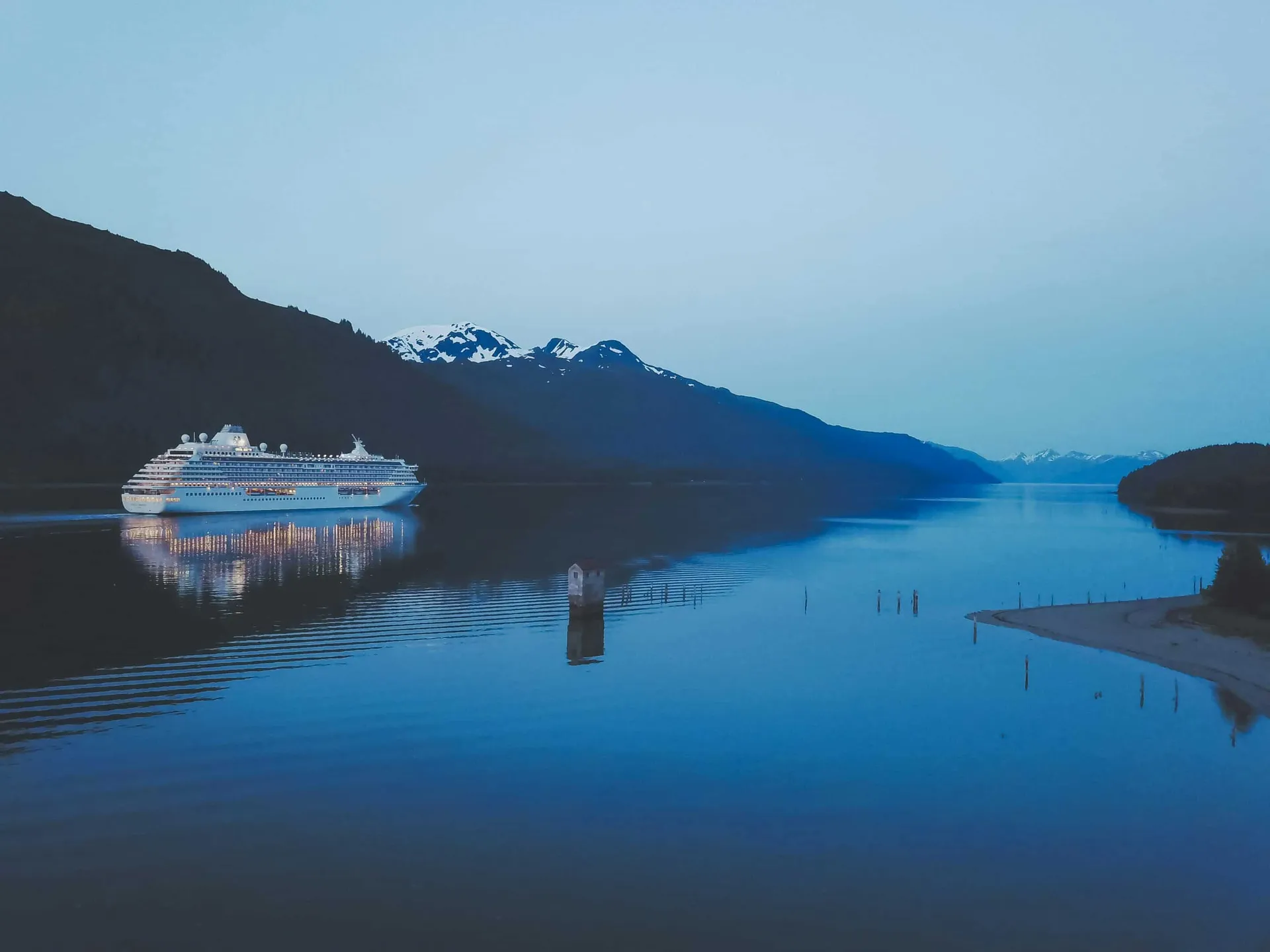
River, ocean and expedition voyages, from the Danube to Antarctica.

Expertly guided, end to end, with the world's finest local operators.
Effortless resort escapes; we cut through the haze to the right one.
Let's begin
Tell us your travel dates and what you love, and we'll handle every detail.
Plan Your TripSearch Chima Travel