

Buenos Aires
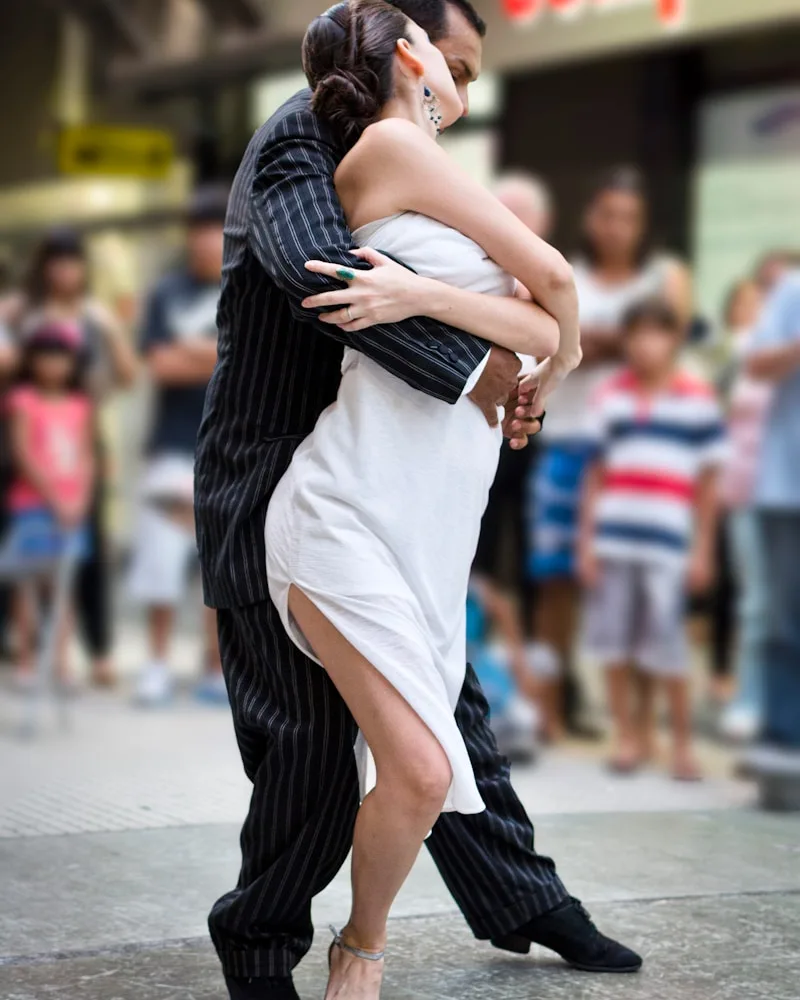
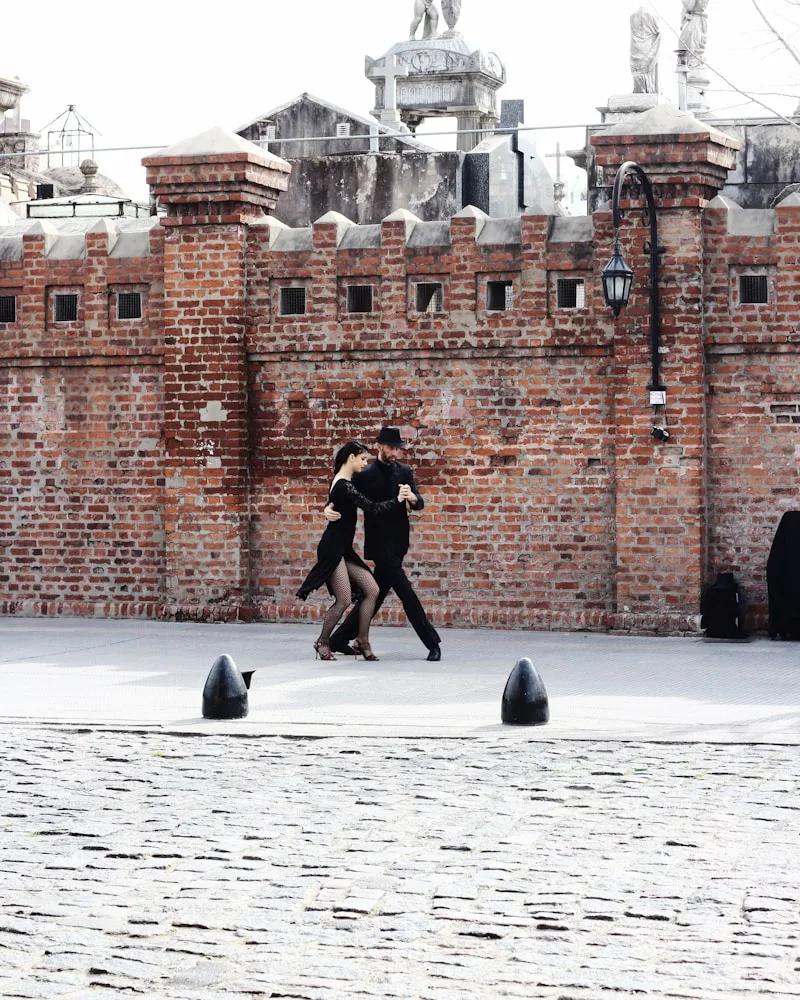
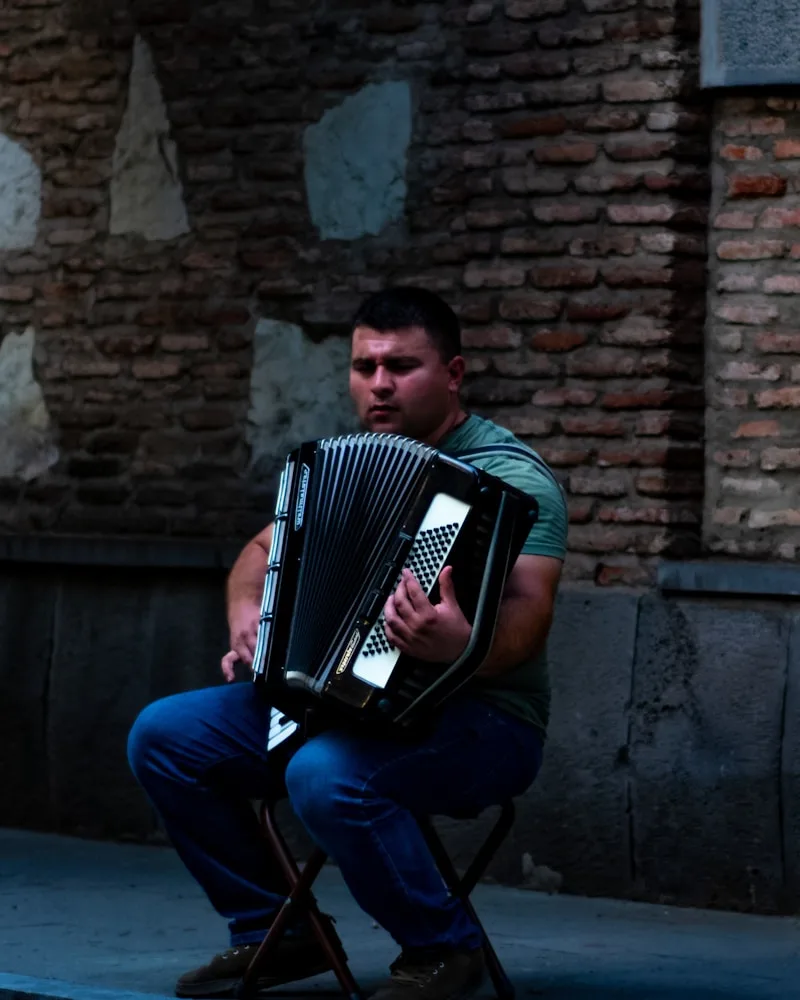
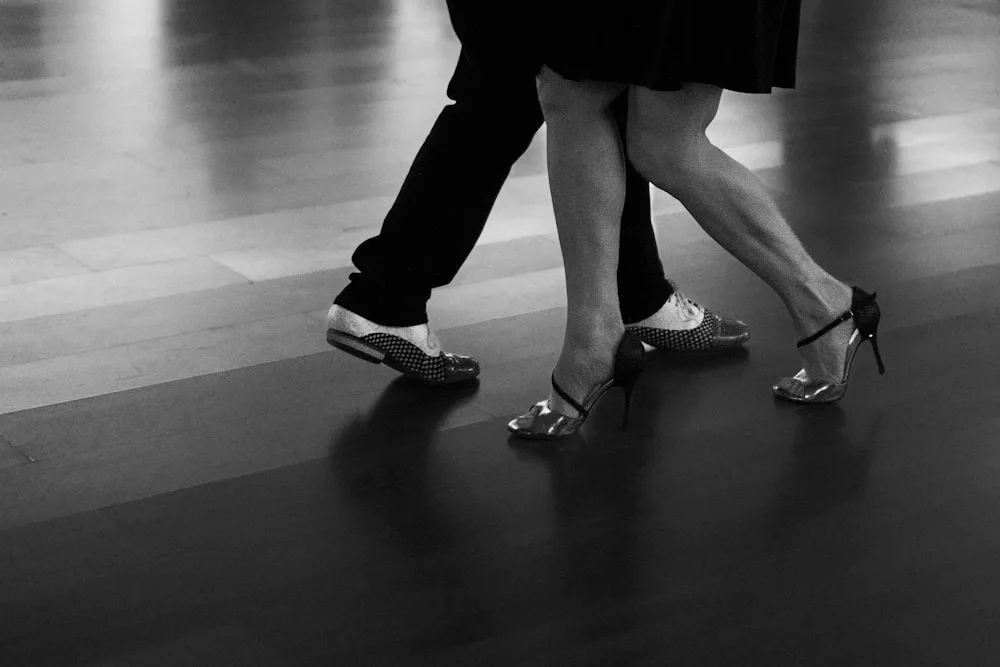
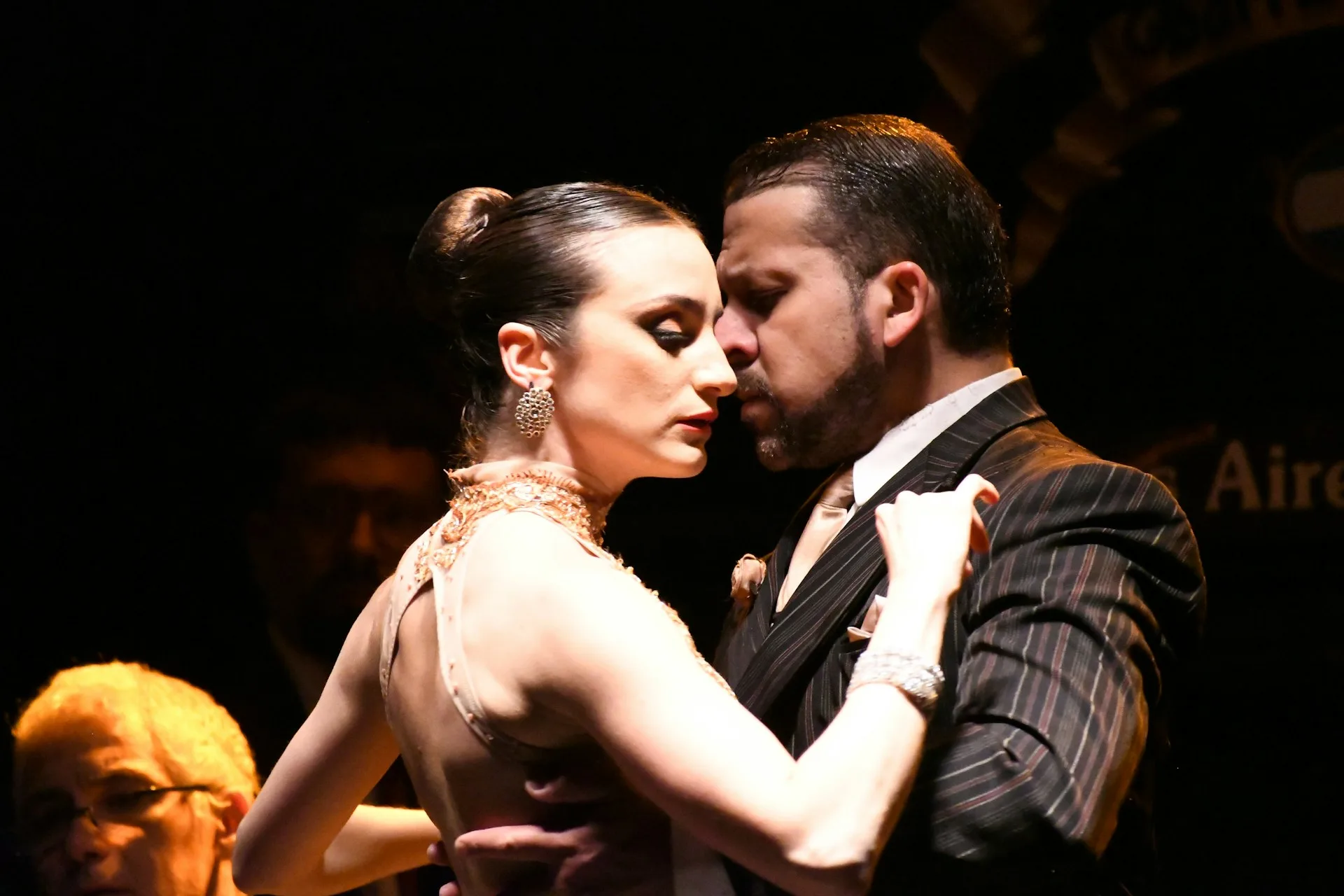
Some cities have a soundtrack, and in Buenos Aires it is the tango. Born in the port barrios more than a century ago, it grew up in the cafes and tenements of a city of immigrants, and it still runs through the place like a pulse. Listen for the bandoneon in a doorway, watch a couple turn on a street corner, and you understand that here the dance is not a museum piece but a living language, equal parts longing and pride. To spend an evening with the tango is to feel the soul of the city up close.
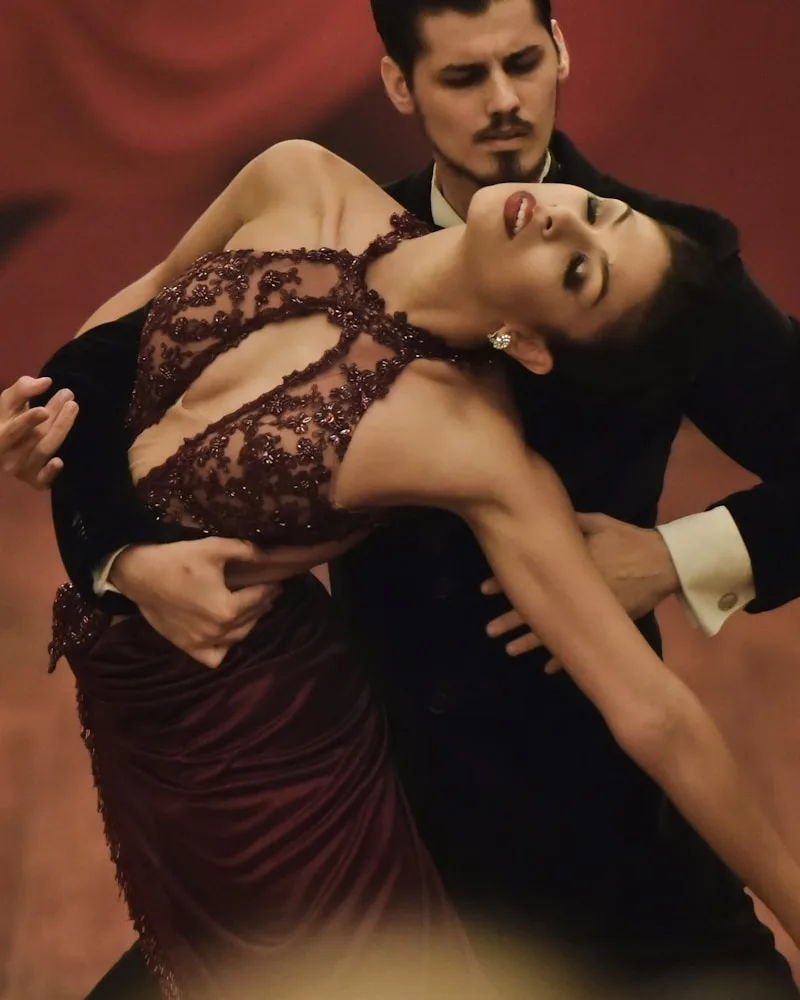
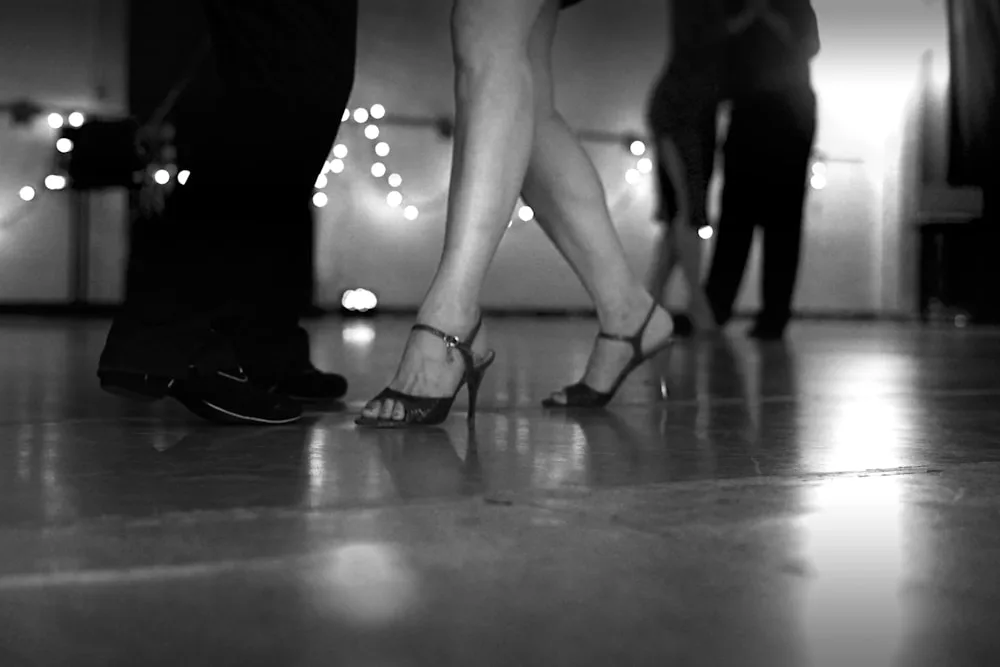
How you meet it is up to you. One path leads to a polished dinner-and-show: a grand hall, a steak and a glass of Malbec, and professional dancers tracing the dance at its most dramatic, all sweeping legs and held breath. The other path leads to a milonga, a neighborhood dance hall where ordinary Buenos Aires turns out to dance for the love of it, the music climbing as the night deepens and the floor still filling in the small hours. The show is the tango dressed for the stage; the milonga is the tango at home, sweaty and unhurried and real, and many travelers come away wanting a taste of both.
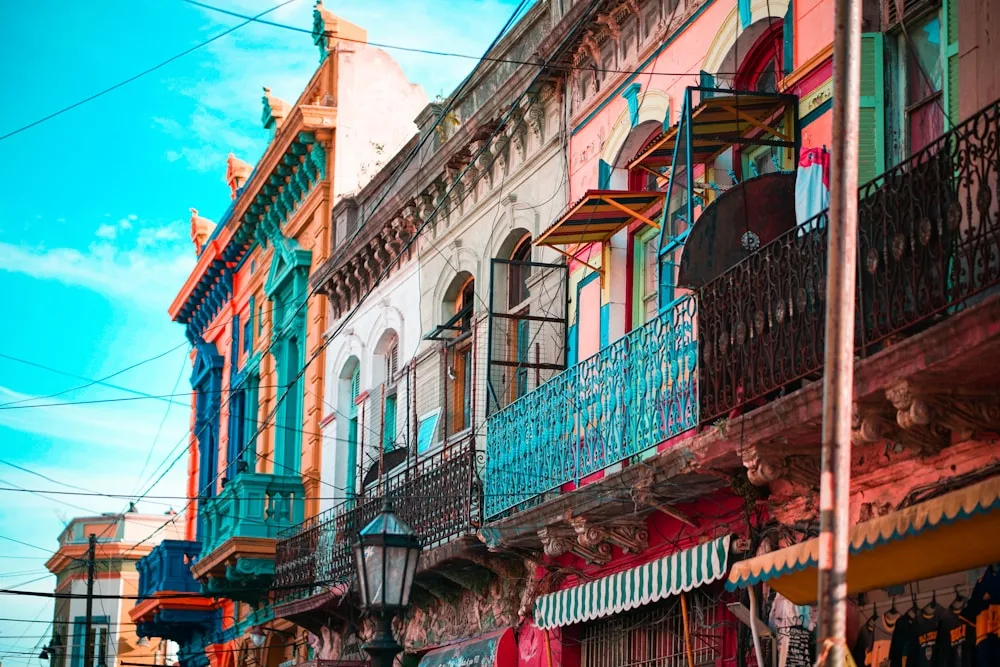
At the heart of it all is the embrace. Two dancers fold close, chest to chest, and move as one to the sob of the bandoneon, the music carrying a tenderness and a melancholy that needs no translation. You feel it most in the barrios where it was born: the cobbled lanes of San Telmo, where the Sunday fair spills into impromptu performances, and the painted tin houses of La Boca, where the Caminito glows in carnival color. We weave a tango night into your wider Argentine journey, matched to the kind of evening you are after.