








San Pedro de Atacama (the high Andes)
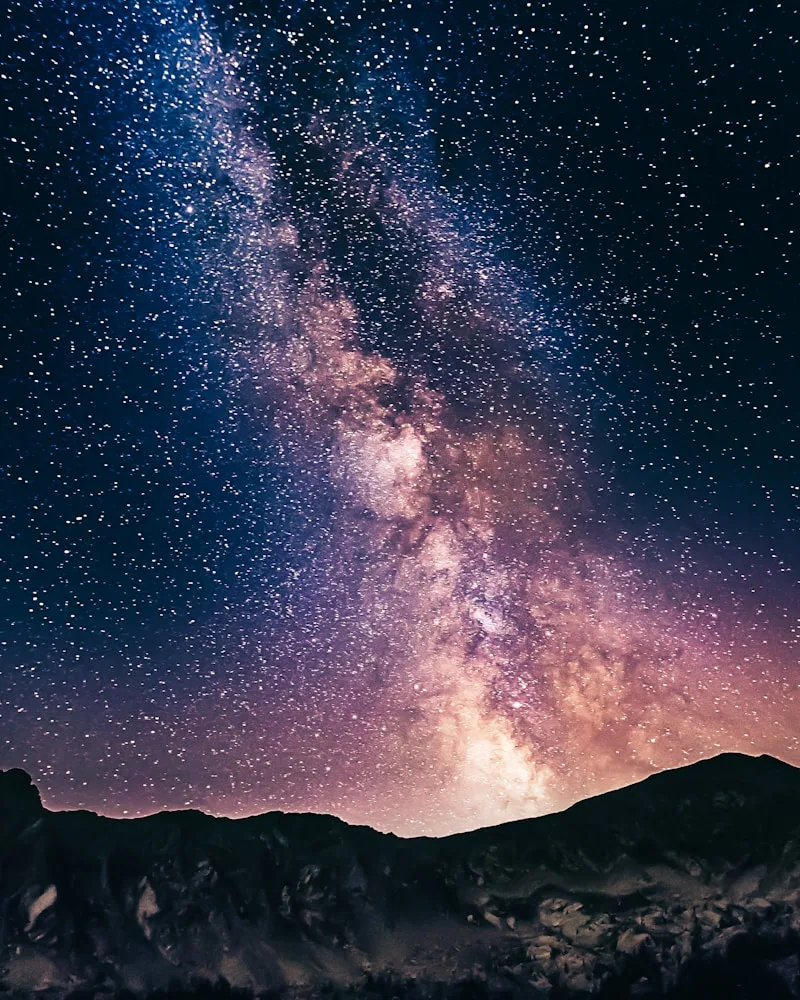
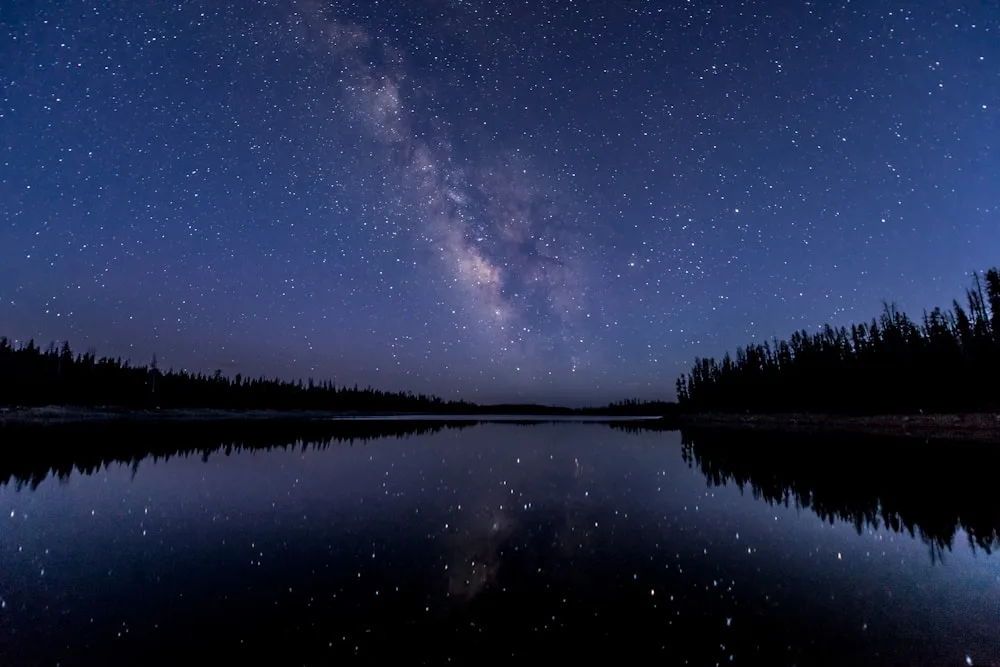
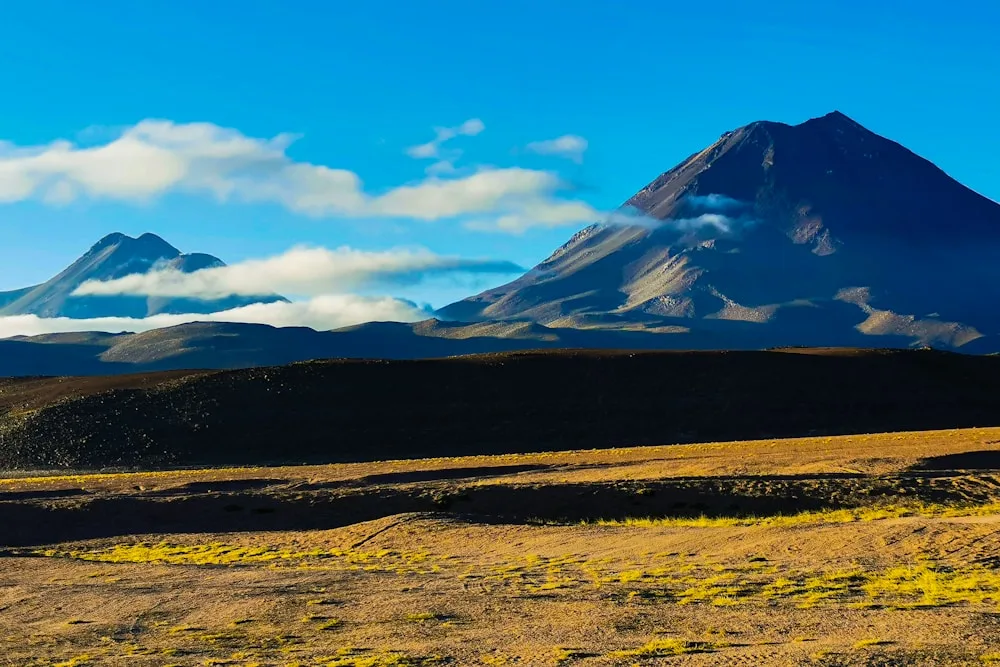
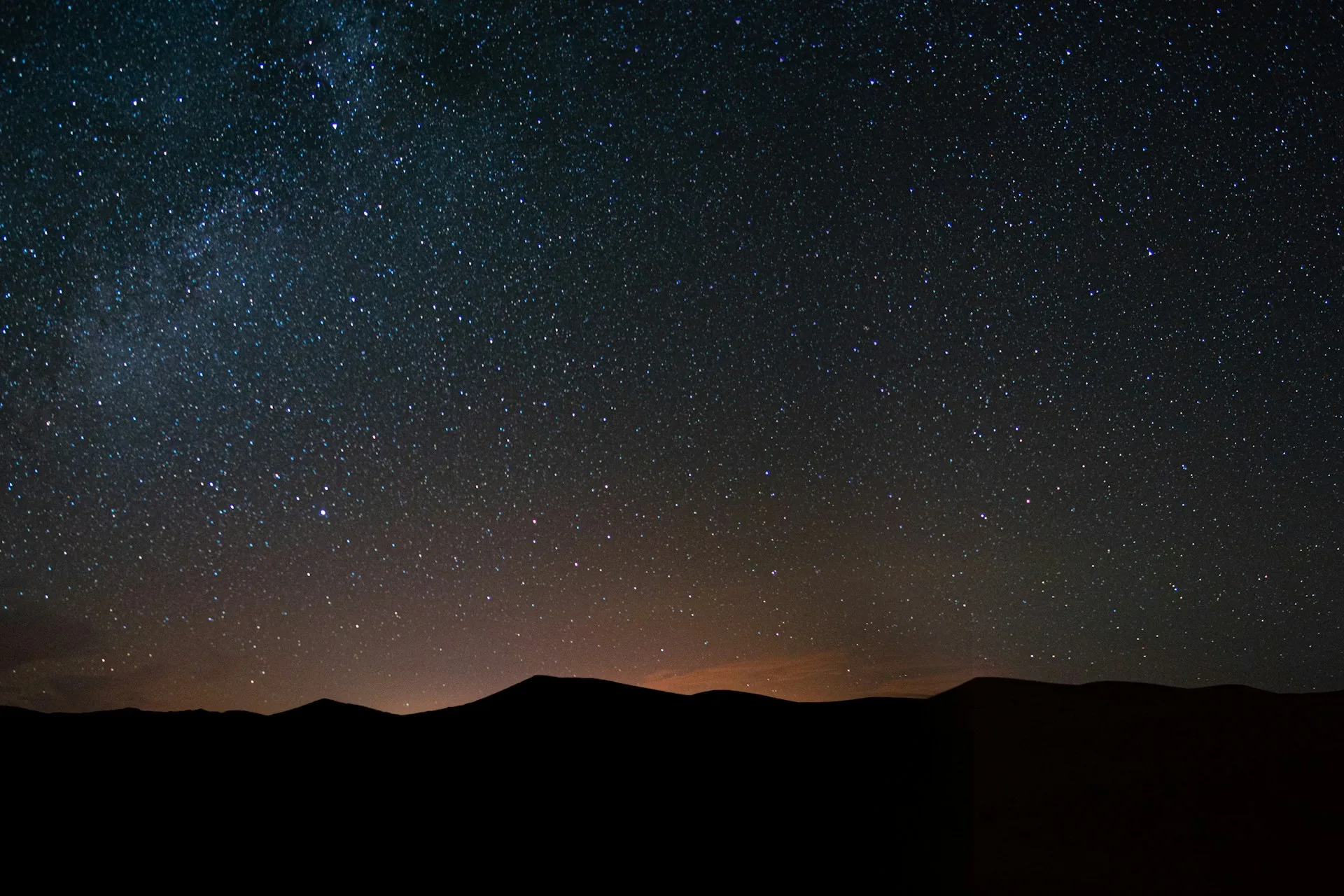
The Atacama is the clearest dark sky on earth. High, dry and far from any city glow, the desert above San Pedro draws astronomers from around the world, and the great international observatories are scattered across these mountains for exactly that reason. For the traveler it means something simpler and just as moving: nights under a sky so deep and crowded with stars that the Milky Way throws a faint shadow, the southern constellations wheel overhead, and you find yourself craning upward long after the cold has crept in.
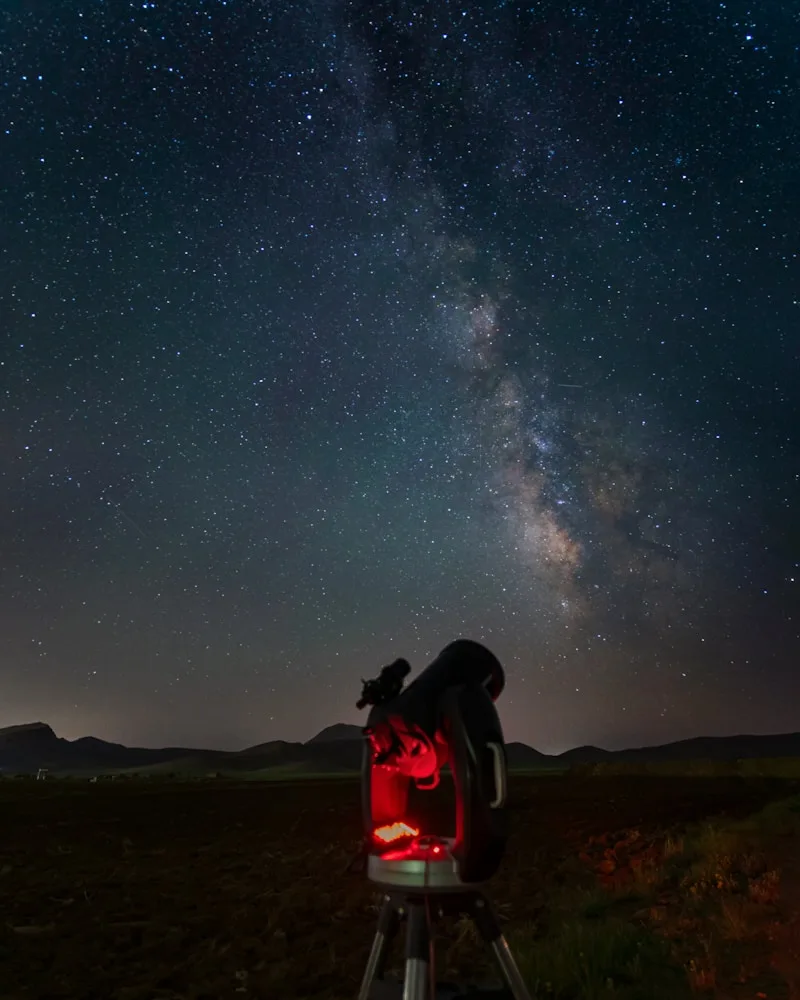
There are two ways to meet that sky, and we usually weave in both. A guided astronomy tour sets up powerful telescopes out in the dark and walks you through the planets, star clusters and distant galaxies, while a visit to one of the tourist observatories puts real research-grade instruments at your eye. The darkest nights fall around the new moon, when the desert turns truly black and the stars come out in their thousands, and we time the evenings to the lunar calendar wherever the rest of your trip allows.
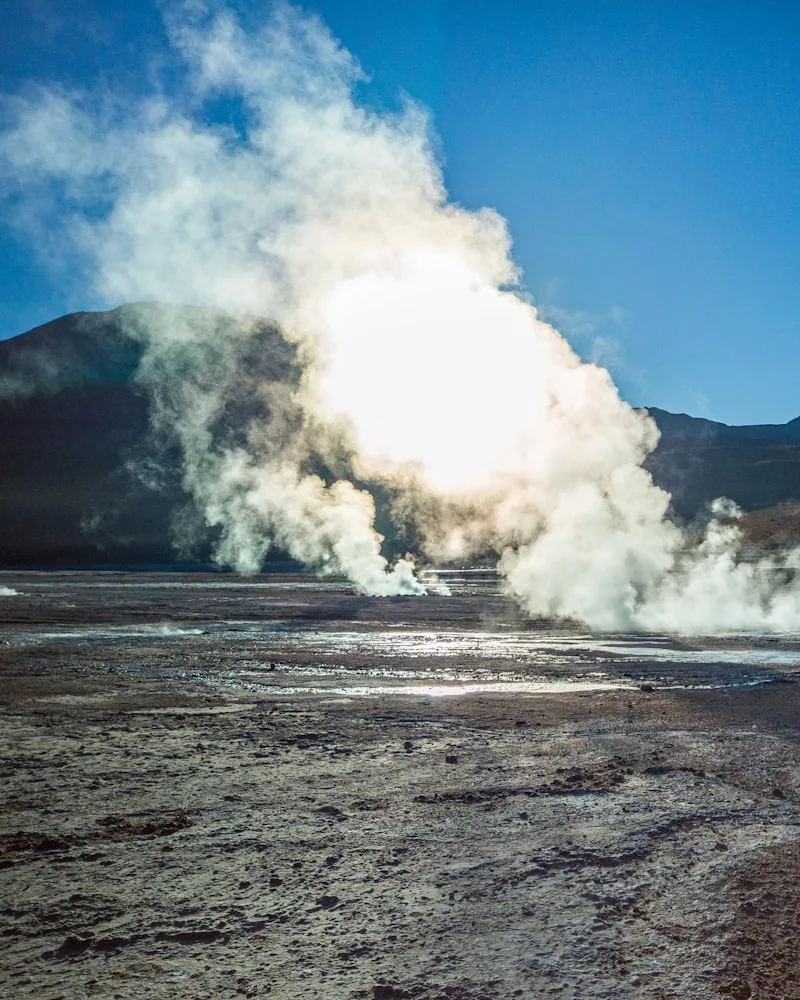
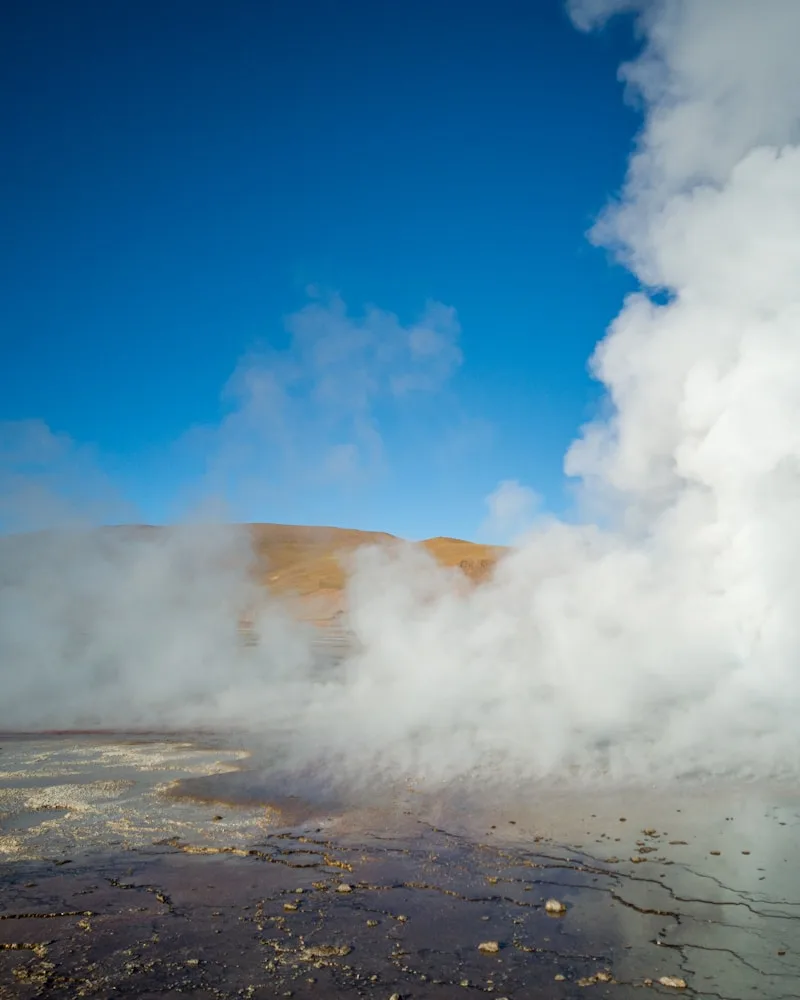
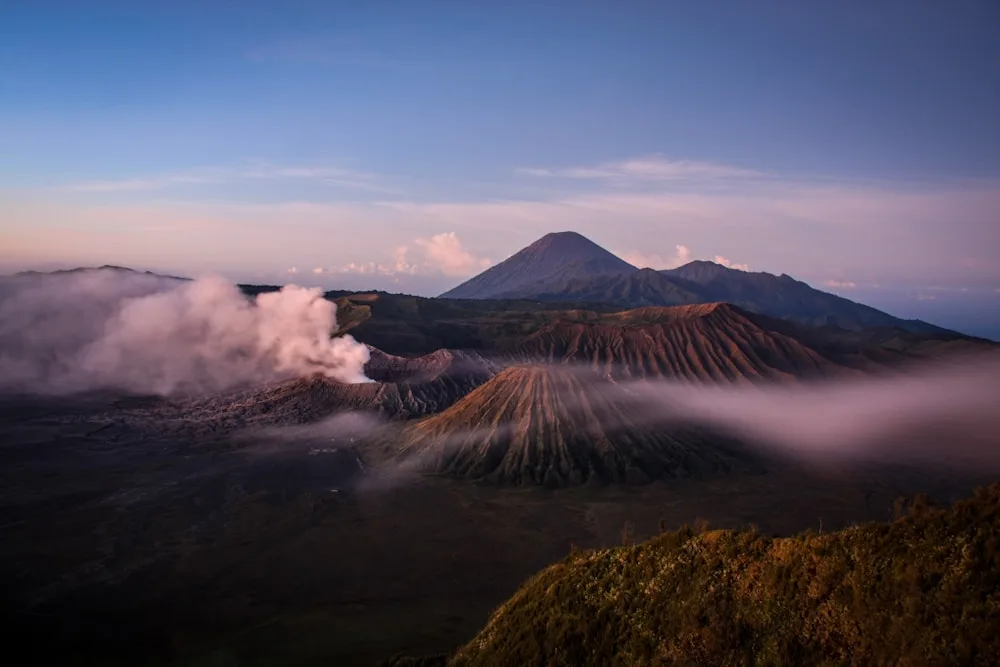
Then, in the small cold hours, you trade the stars for steam. Long before sunrise you climb by road to El Tatio, one of the highest geyser fields in the world at more than 4,300 meters, and arrive in the dark to wait. As the first light spills over the Andes the field comes alive: dozens of vents hiss and roar, and tall columns of steam rise white against the cold dawn sky, glowing as the sun finds them. It is a bracing, otherworldly morning, and standing in that rising mist with the mountains pink around you is something you do not forget.