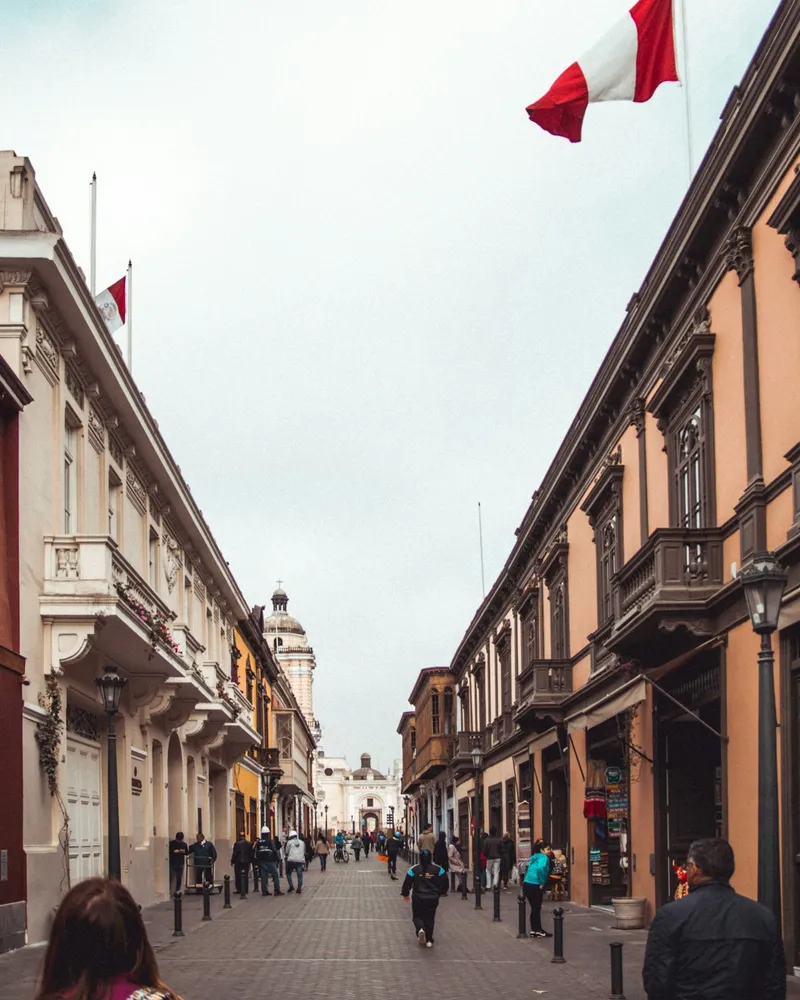
Region
Lima
Peru's coastal capital pairs a handsome colonial old town with the cliff-top neighborhoods of Miraflores and Barranco, and a celebrated dining scene that ranks among the finest in the world.

By Continent
Europe Africa Asia North America South America Caribbean Australia & Oceania All destinationsOverview
From the canals of Venice to the black-sand coasts of Iceland, Europe rewards the curious traveler with centuries of art, architecture and unforgettable flavor, all within easy reach of one another.
View all EuropeOverview
From the dunes of the Sahara to the great plains of the Serengeti, Africa is a continent of staggering scale and singular encounters: a place where landscape, wildlife and culture meet at full intensity.
View all AfricaDestinations
Overview
Vast and varied, Asia spans snow-capped peaks and tropical coasts, neon megacities and silent temples. It is a continent that rewards both the first-time traveler and the lifelong returnee.
View all AsiaFeatured
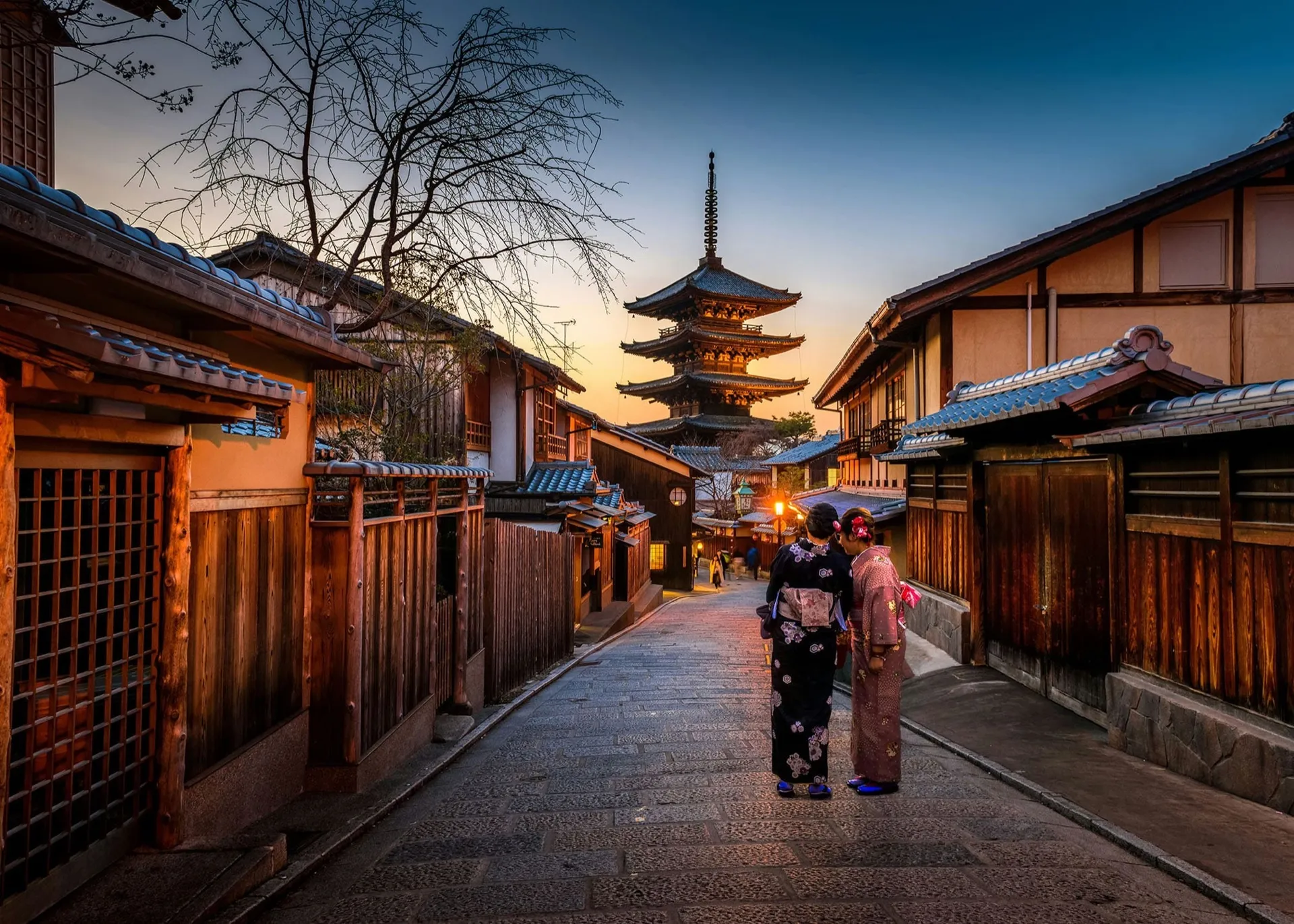 Japan · signature experience Kyoto
 Overview
Close to home and endlessly varied, North America ranges from desert canyons to alpine national parks, from world cities to quiet coastal towns: a continent that contains a dozen vacations within a single border.
View all North AmericaDestinations
Overview
A continent of extremes, from the high Andes and the vast Amazon to glacial Patagonia and the rhythm of its cities, South America rewards the adventurous traveler with some of the planet’s most dramatic scenery and deepest history.
View all South AmericaOverview
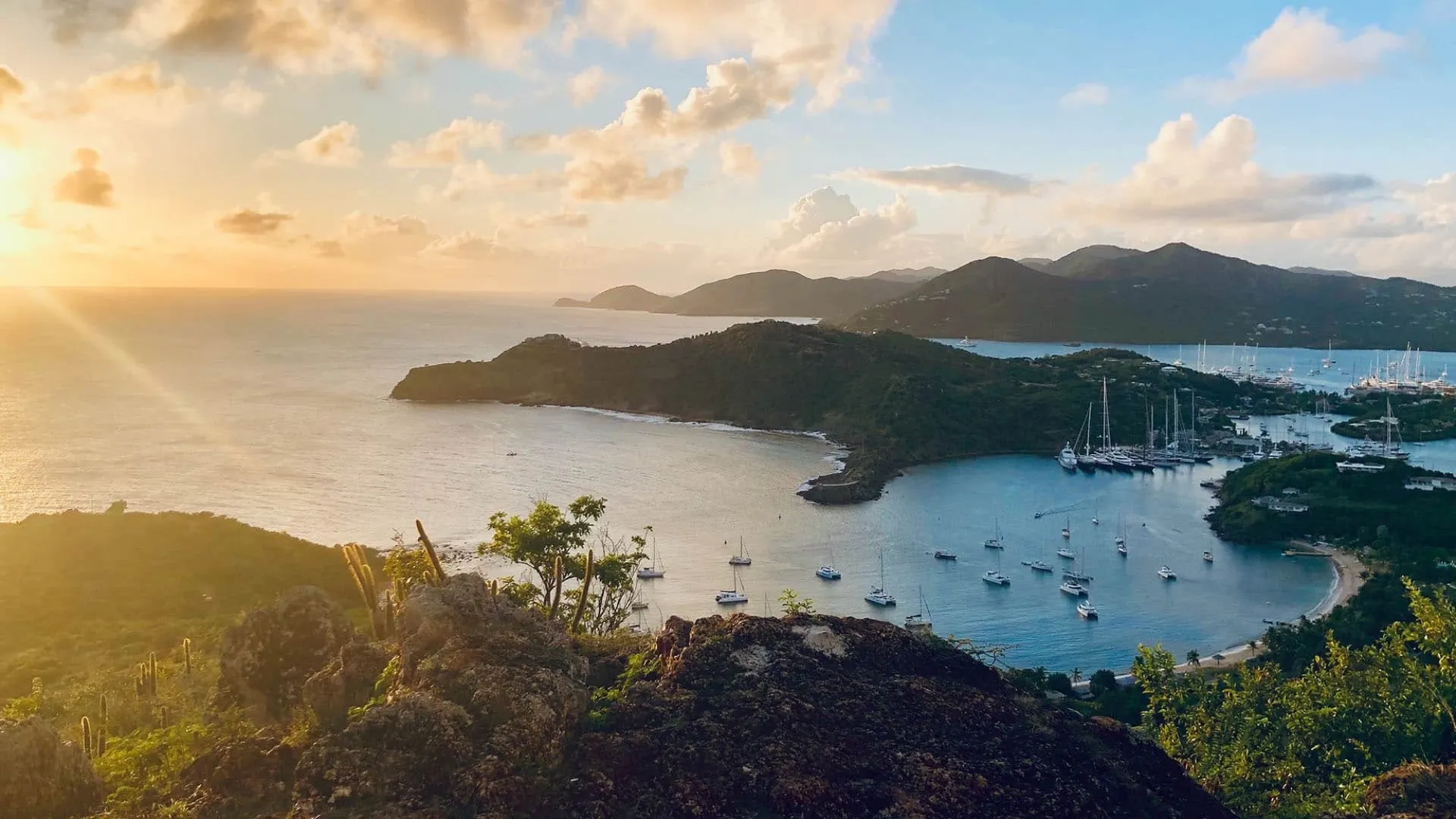
A scattering of islands across impossibly blue water, the Caribbean is the art of the easy day perfected: white sand, warm rhythm and hospitality that turns first-time visitors into lifelong returnees.
View all CaribbeanDestinations
Overview
From the Great Barrier Reef to the red heart of the outback, from the fjords of New Zealand to the scattered atolls of the South Pacific, Australia & Oceania offer some of the most remote and rewarding travel on earth.
View all Australia & OceaniaDestinations
Est. 1918 · four generations · 38 countries
How You Travel
River Cruises Ocean & Small-Ship Expedition Flights Tours & Escorted All-Inclusive All travel experiencesFeatured
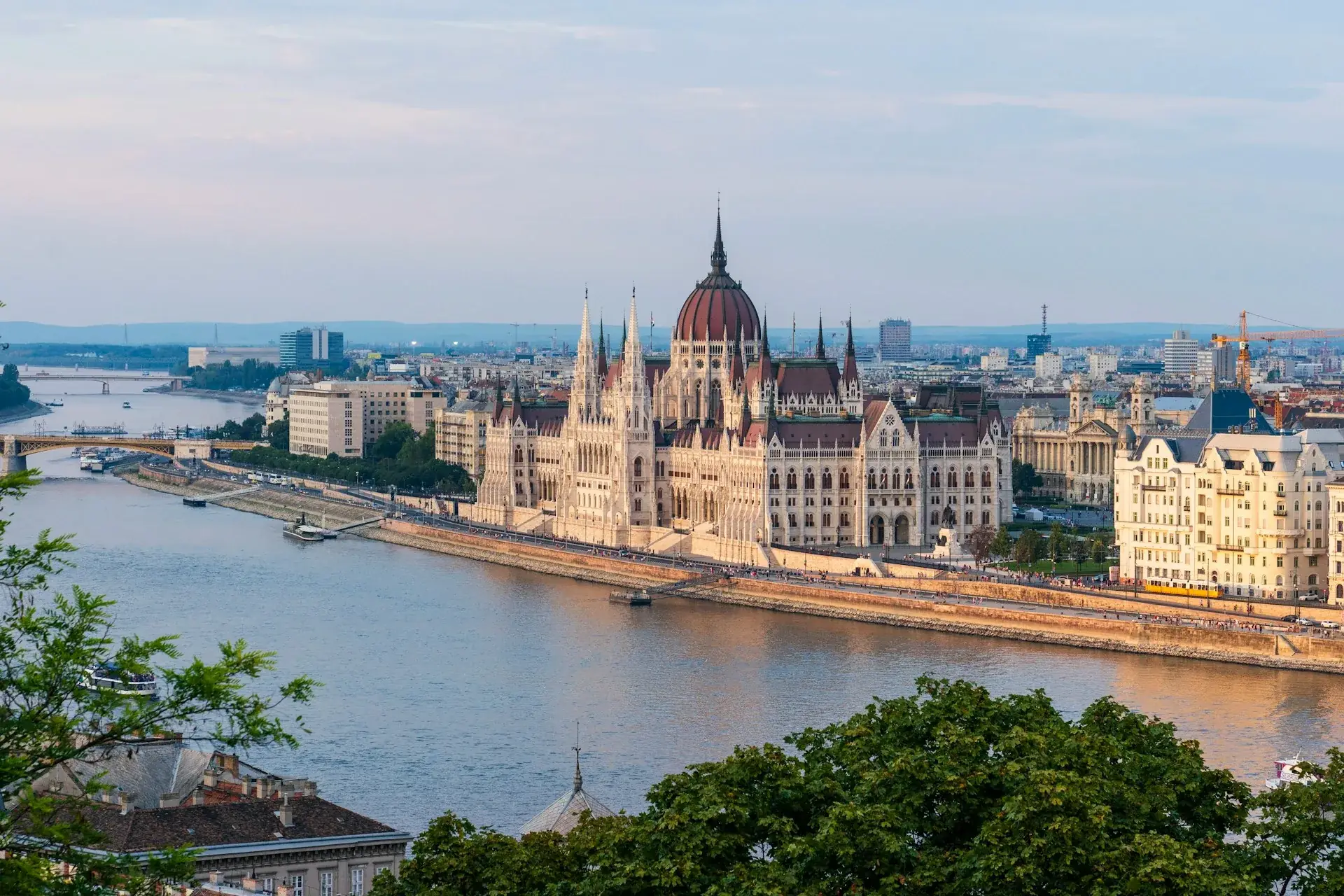 The Danube
 Featured
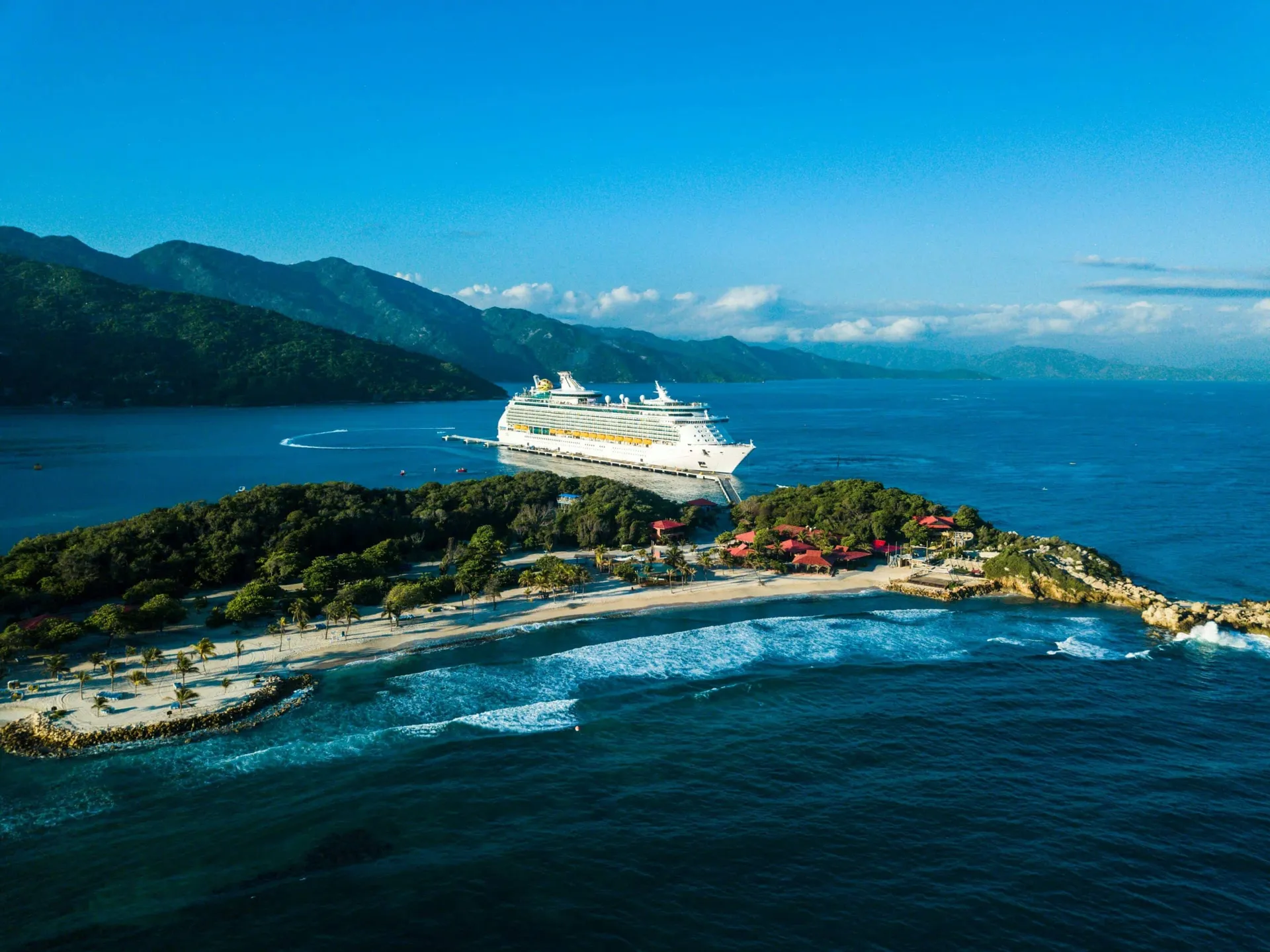 The Caribbean
 Featured
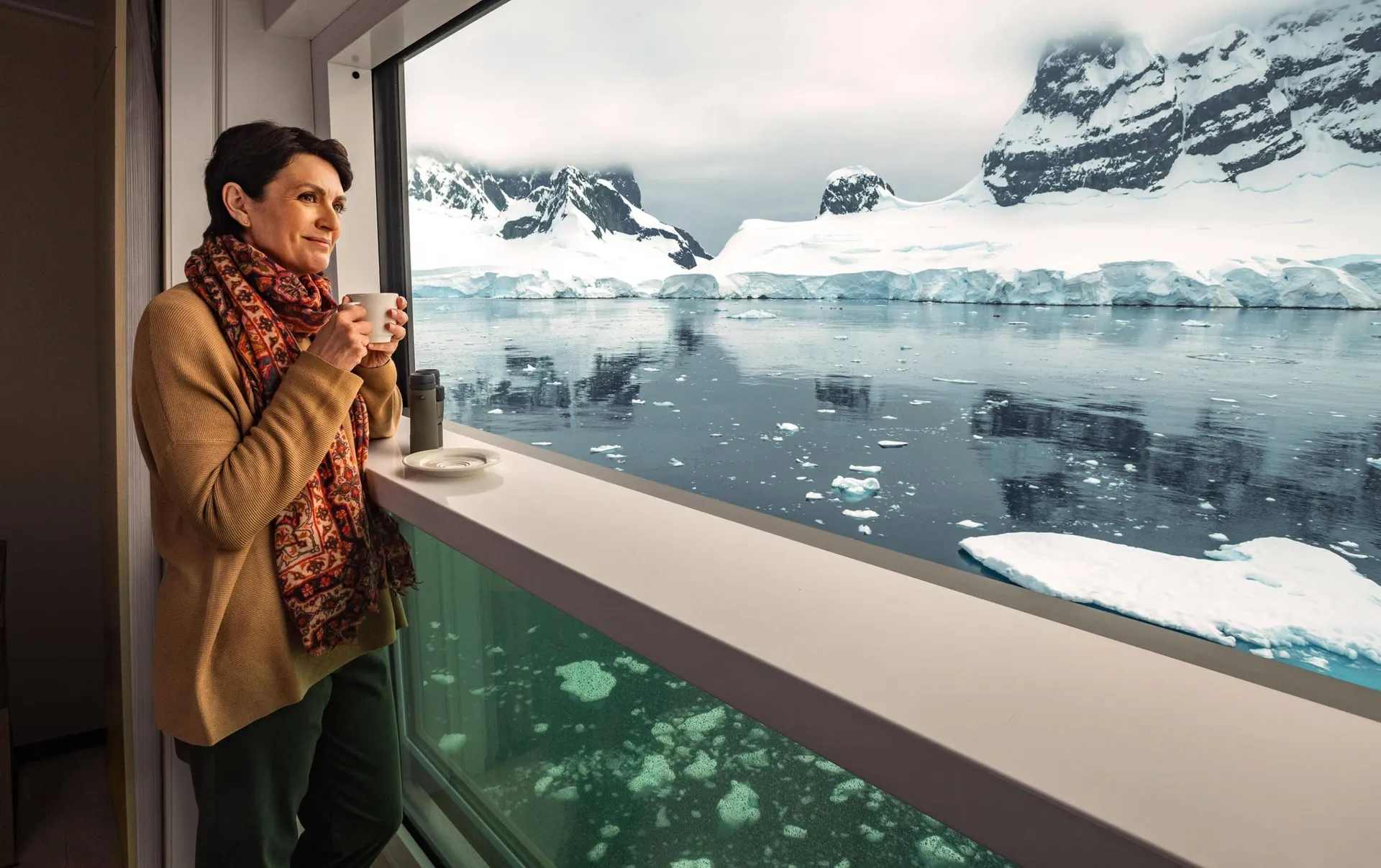 Antarctica
 Overview
Premium-cabin fares, complex routings and around-the-world tickets, booked by people who fly for a living.
Explore flightsFeatured
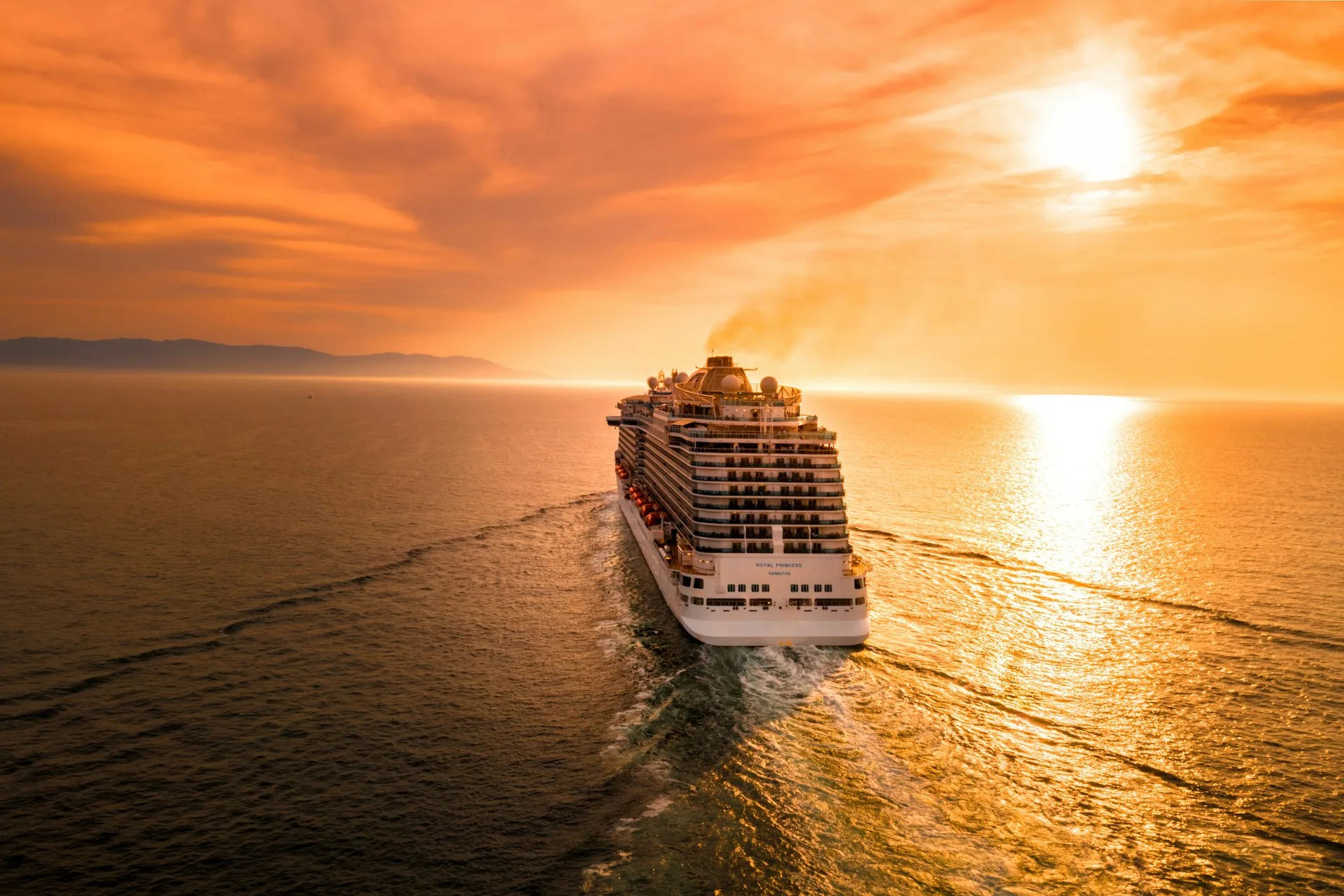 Flights
 Overview
Expertly guided group departures and private escorted itineraries across the world's great regions.
Explore tours & escortedFeatured
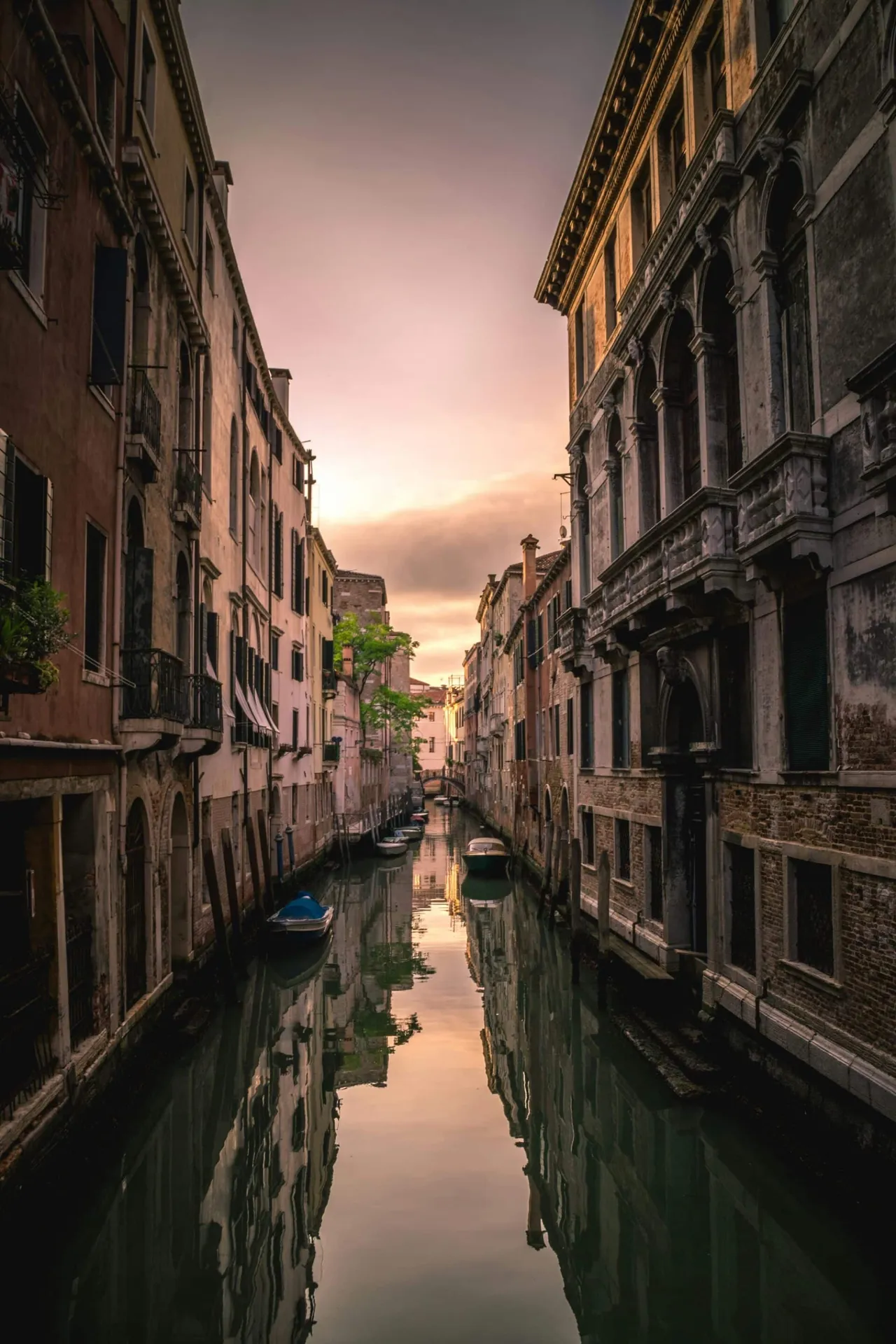 Tours & Escorted Journeys
 Overview
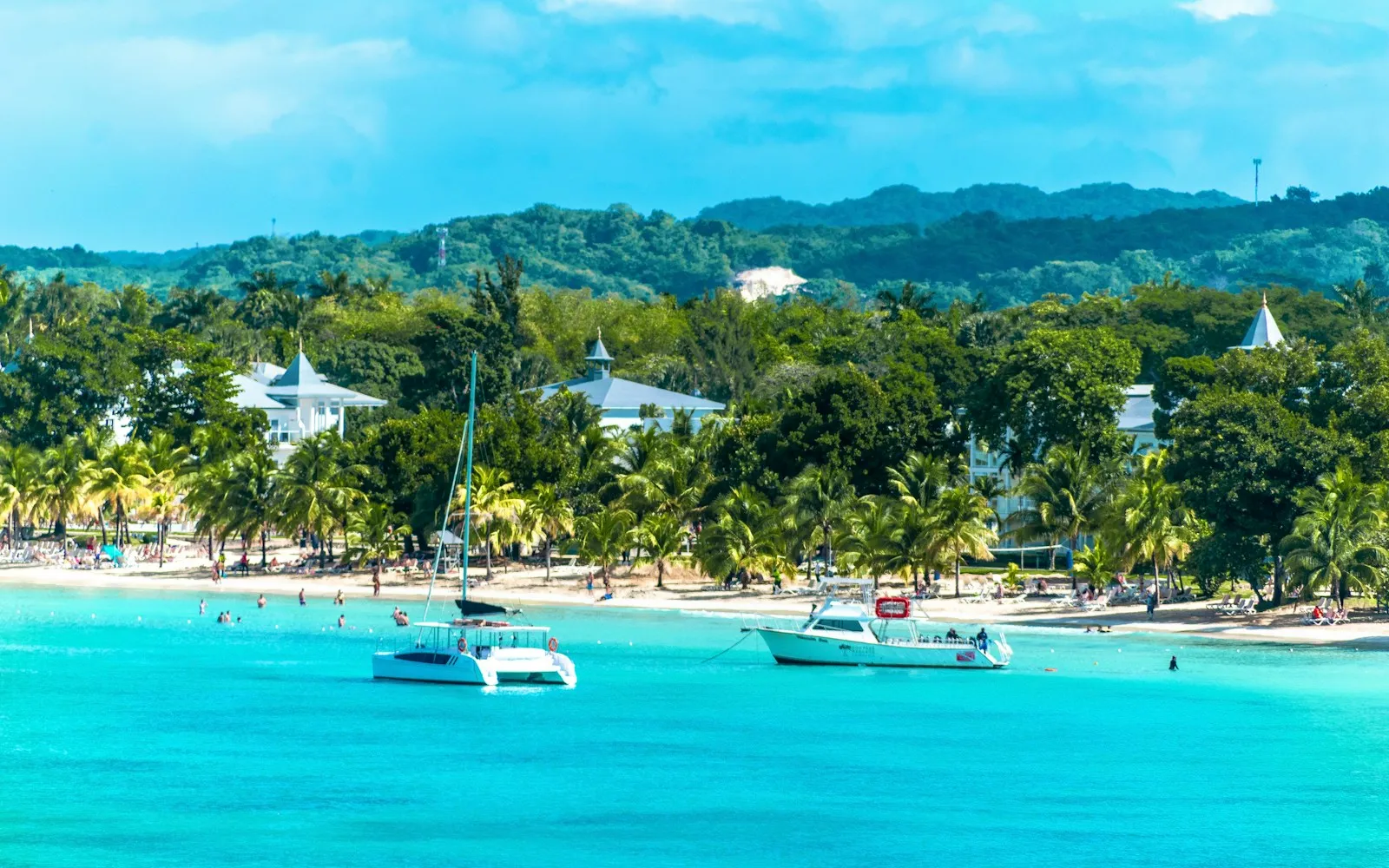
Beach and luxury all-inclusive escapes where flights, meals and more fold into a single, easy fare.
Explore all-inclusiveFeatured
 All-Inclusive Resorts
 River, ocean & expedition cruises · flights · tours · all-inclusive
Corporate travel
Destinations · South America
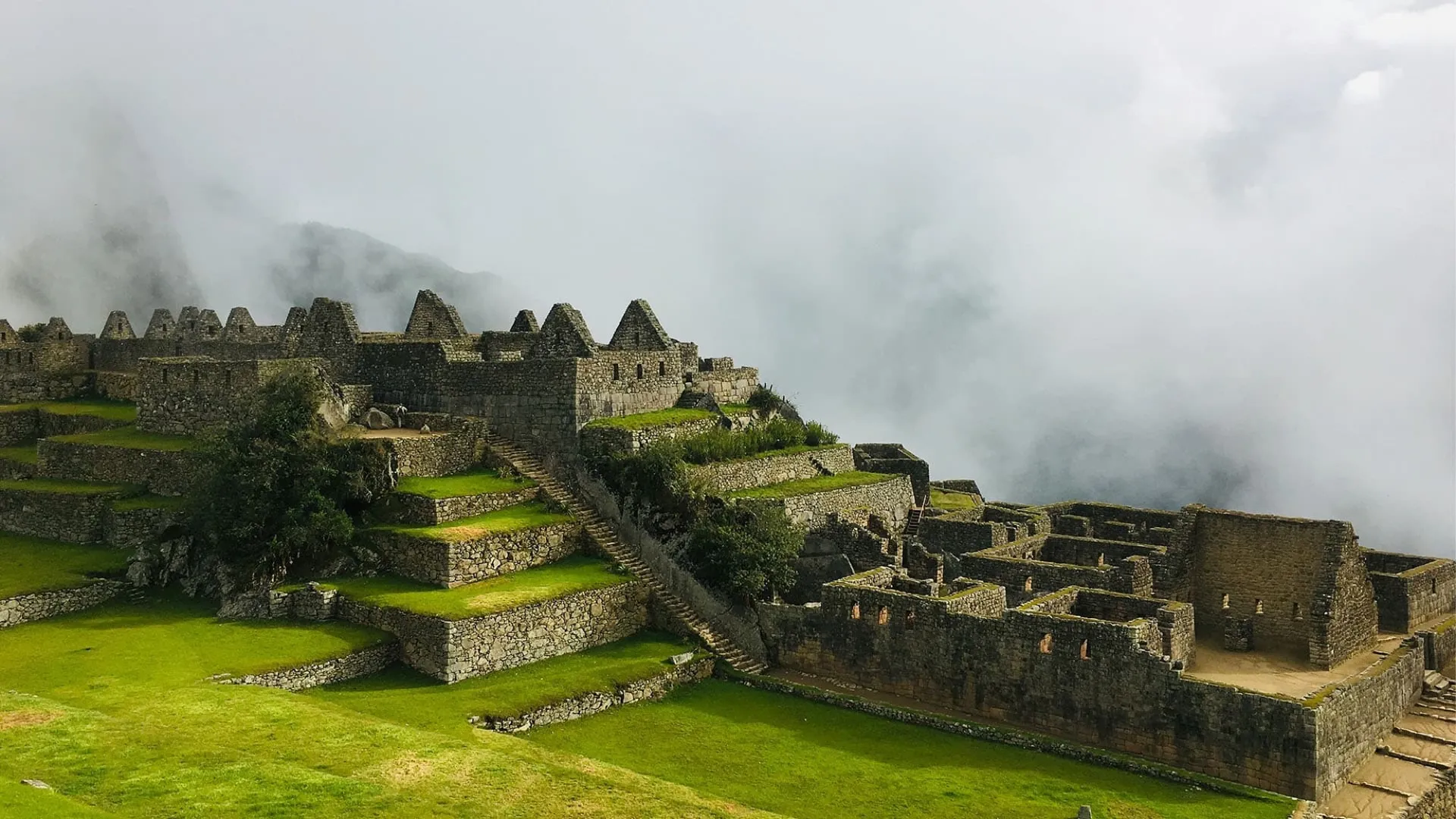
Inca wonders, Andean peaks & Amazon depths.
The country
From the lost city of Machu Picchu to the colonial streets of Lima, Peru is a journey across ancient empires, soaring mountains and some of the most celebrated food in the world. Whether you are tracing Inca stonework through the Sacred Valley, drifting across Lake Titicaca, or watching condors ride the thermals above the Colca Canyon, we help you experience the best of Peru, your way.
Home to the heart of the Inca Empire and civilizations far older still, Peru wears its history openly: in temple ruins and terraced hillsides, in weavings and festivals, and in cities where Spanish churches rise over Inca foundations. Each region tells its own story, through landscape, language, food and living tradition.
Peruvian hospitality is warm and unhurried, inviting travelers to slow down, share a long lunch and savor each moment, a sense of pride, color and depth that stays with you long after you return home.
When to go
Peru runs on three calendars at once — the Andes, the coast and the Amazon all keep their own time. We plan around the highland dry season, when Cusco and Machu Picchu are at their clearest, and read the rest of the country off that.
The dry season and our favorite window for the Andes, Machu Picchu and the Inca Trail: clear skies, sunny days and crisp mountain nights, ideal for hiking and high-altitude views.
Shoulder months on either side of the dry season, with greener landscapes, thinner crowds and largely settled weather. A smart choice for value and a quieter trail.
The green, rainy season in the highlands brings lush scenery and the fewest visitors, though afternoon showers are common. The Inca Trail closes each February for maintenance, while the coast and the Amazon stay rewarding.
Where to go
Peru rewards travelers who pace the altitude and choose a few regions to savor rather than racing the whole country. These are the areas we weave together most often, each with its own landscape, table and rhythm, from the coast at Lima up through the Andes to the depths of the Amazon.
Region
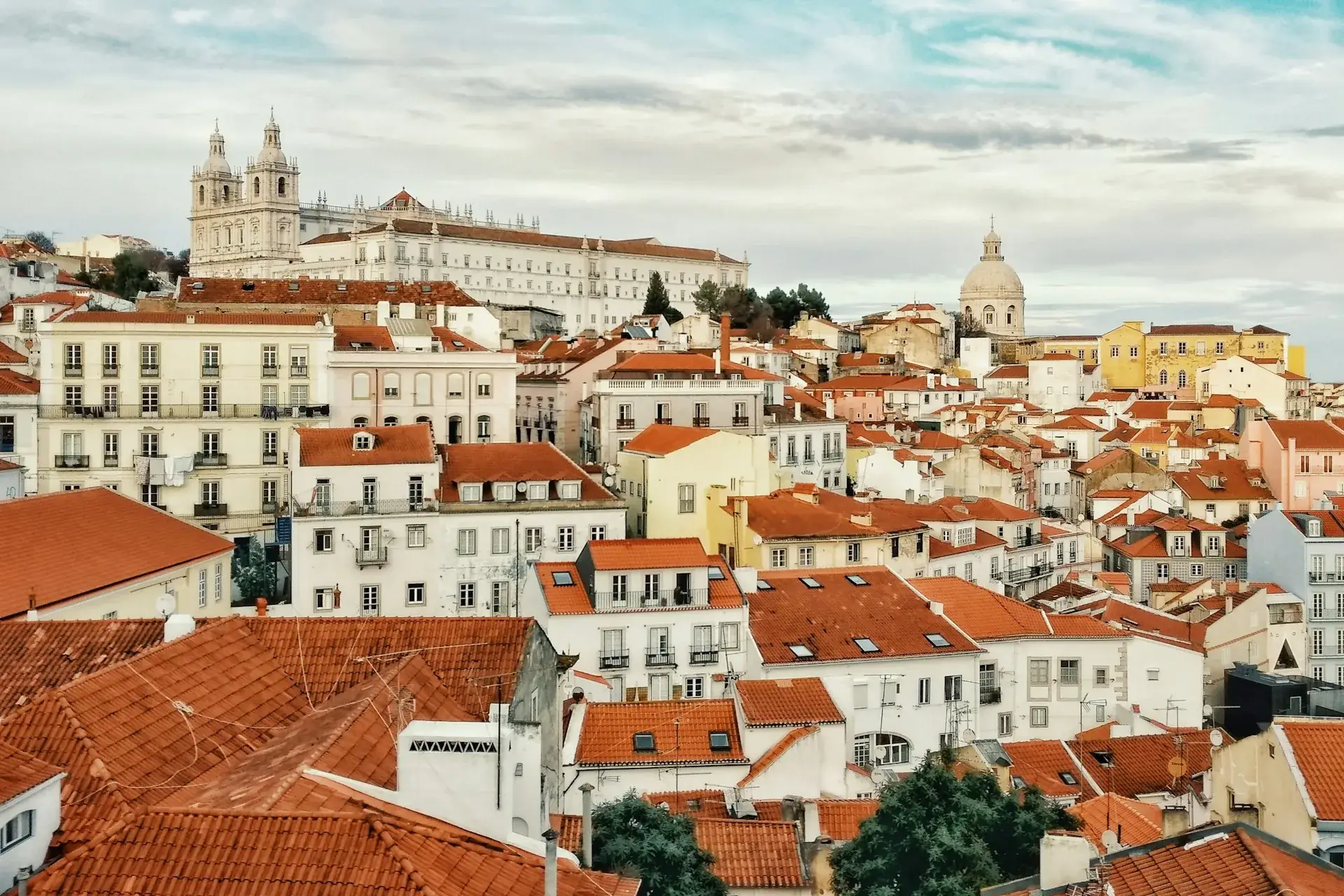
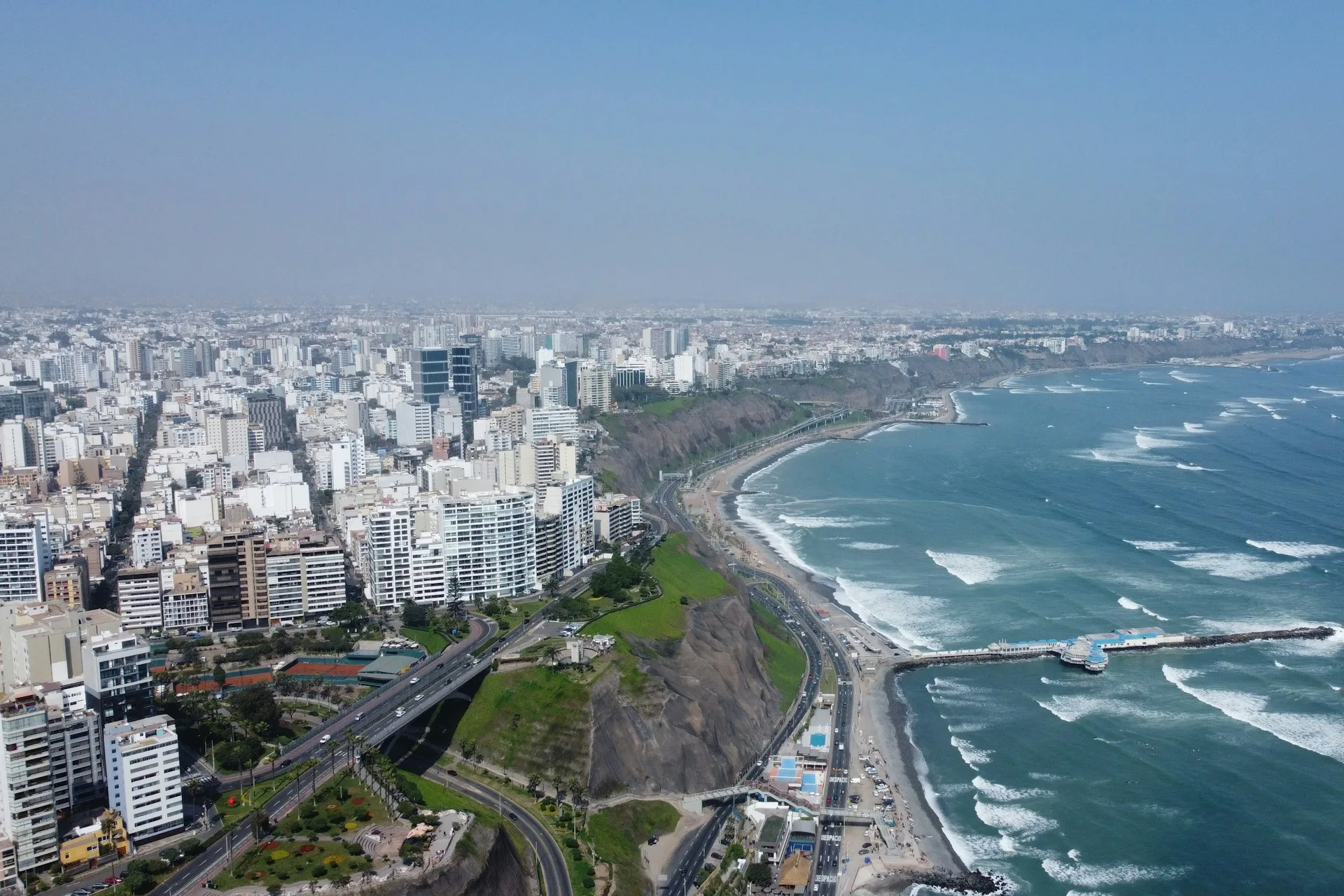
Peru's coastal capital pairs a handsome colonial old town with the cliff-top neighborhoods of Miraflores and Barranco, and a celebrated dining scene that ranks among the finest in the world.
Region
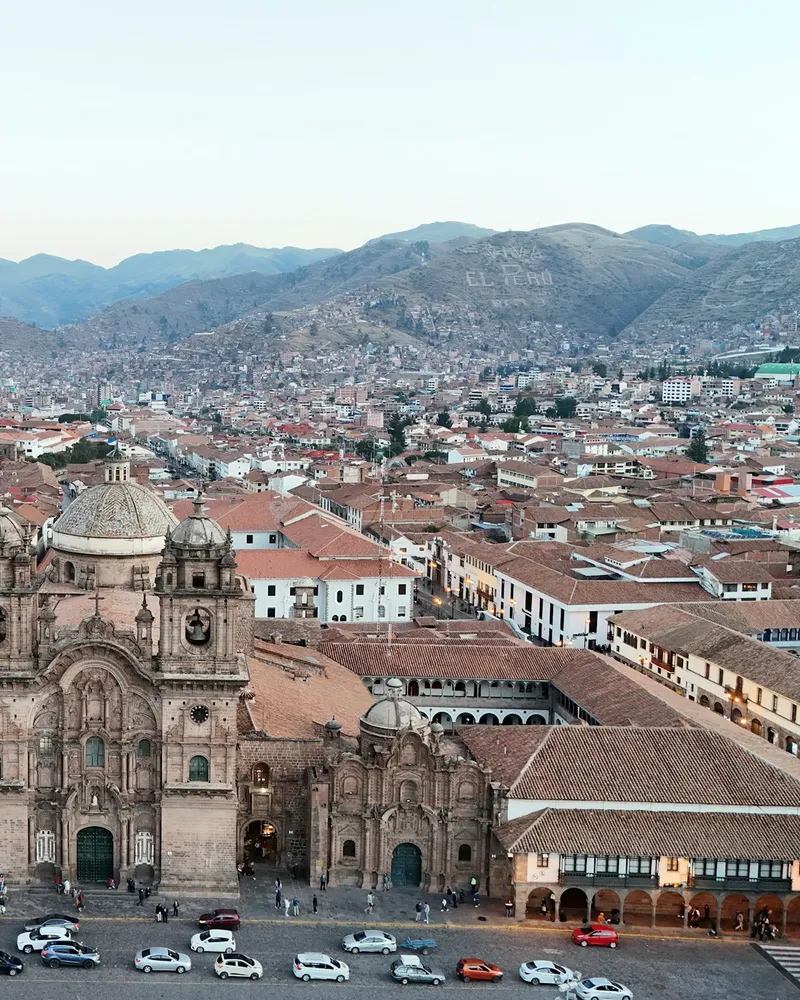
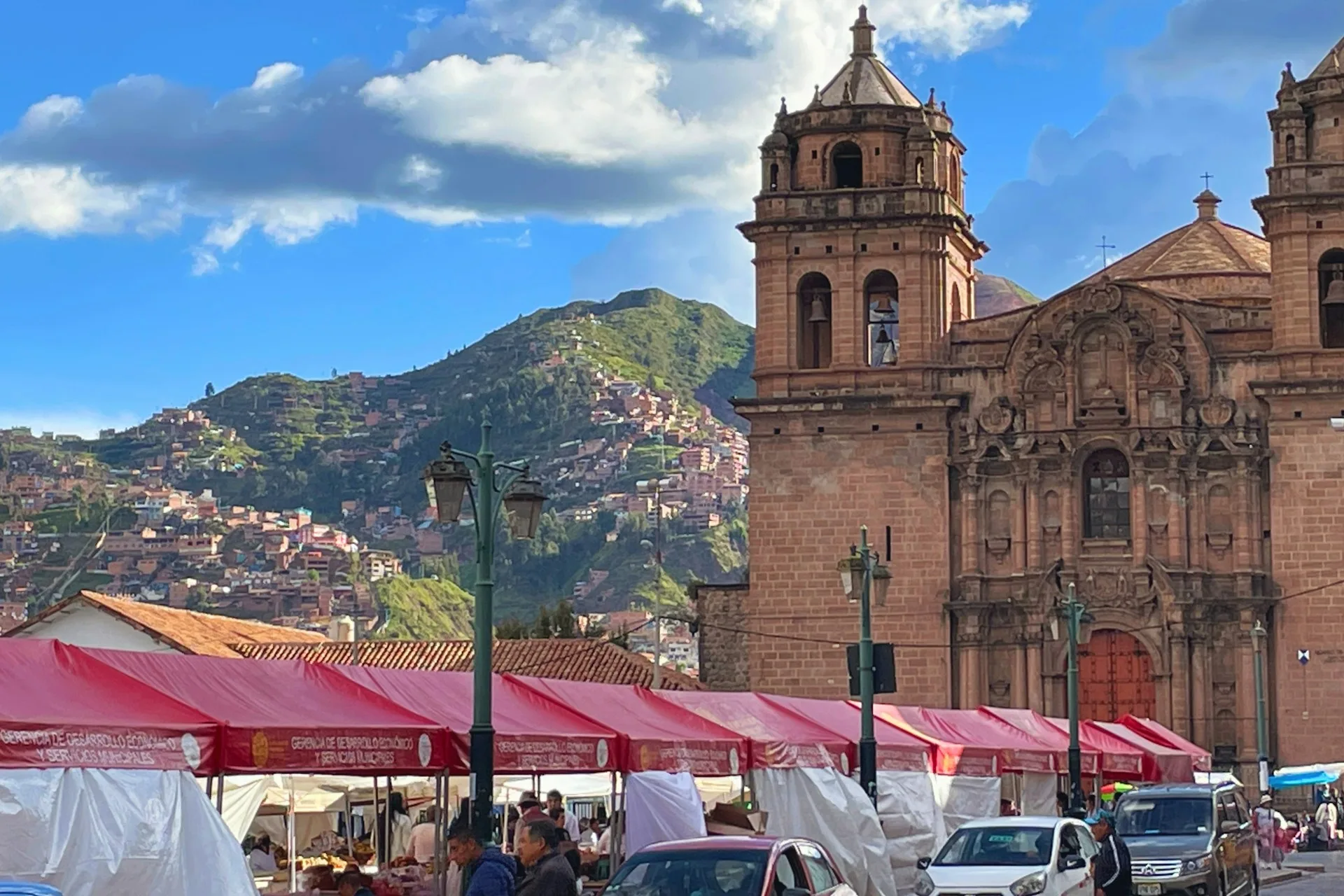
The Inca capital, where baroque churches rise over ancient stonework, opening onto a valley of ruins, terraced hillsides, market towns and the gateway to Machu Picchu.
Region
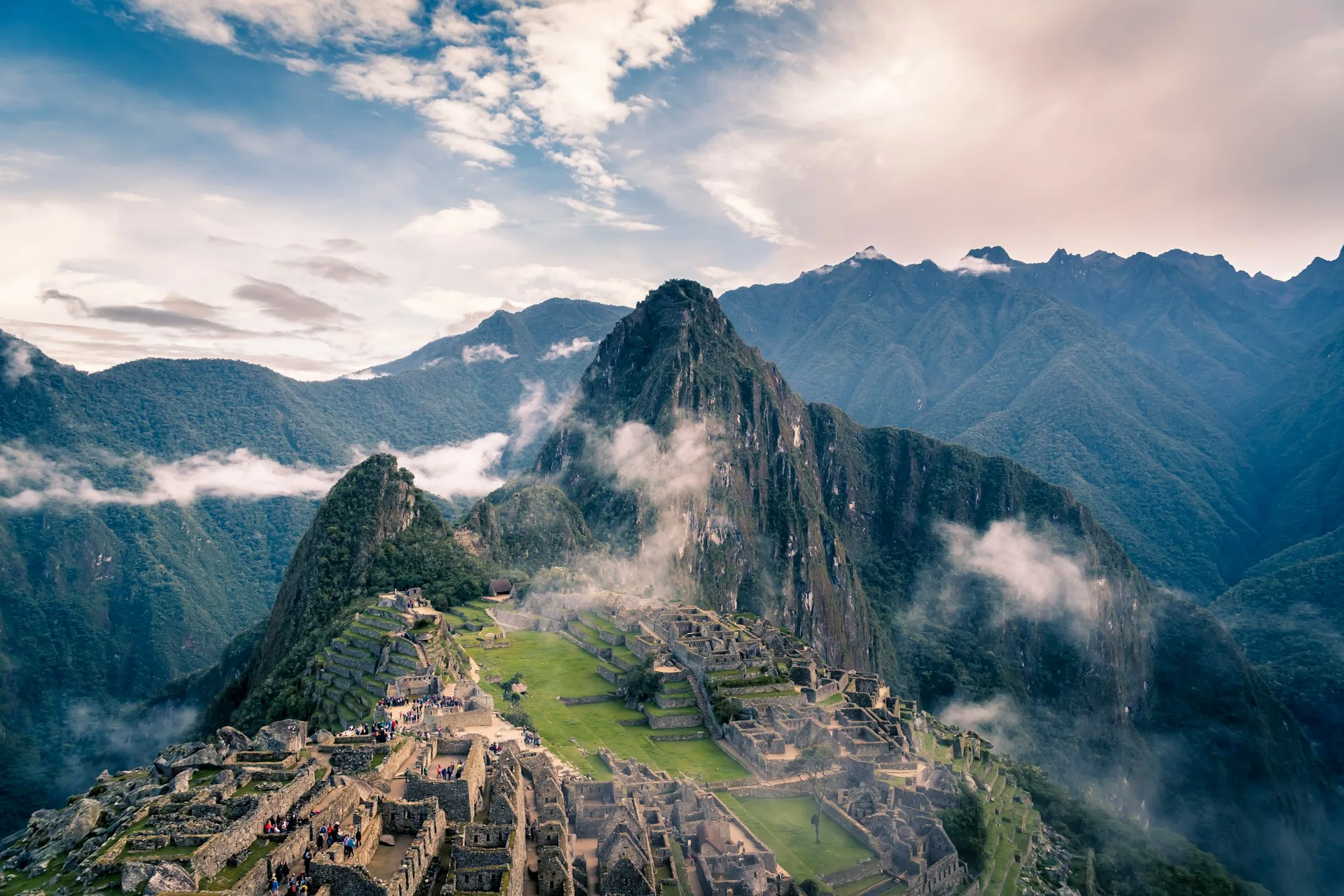
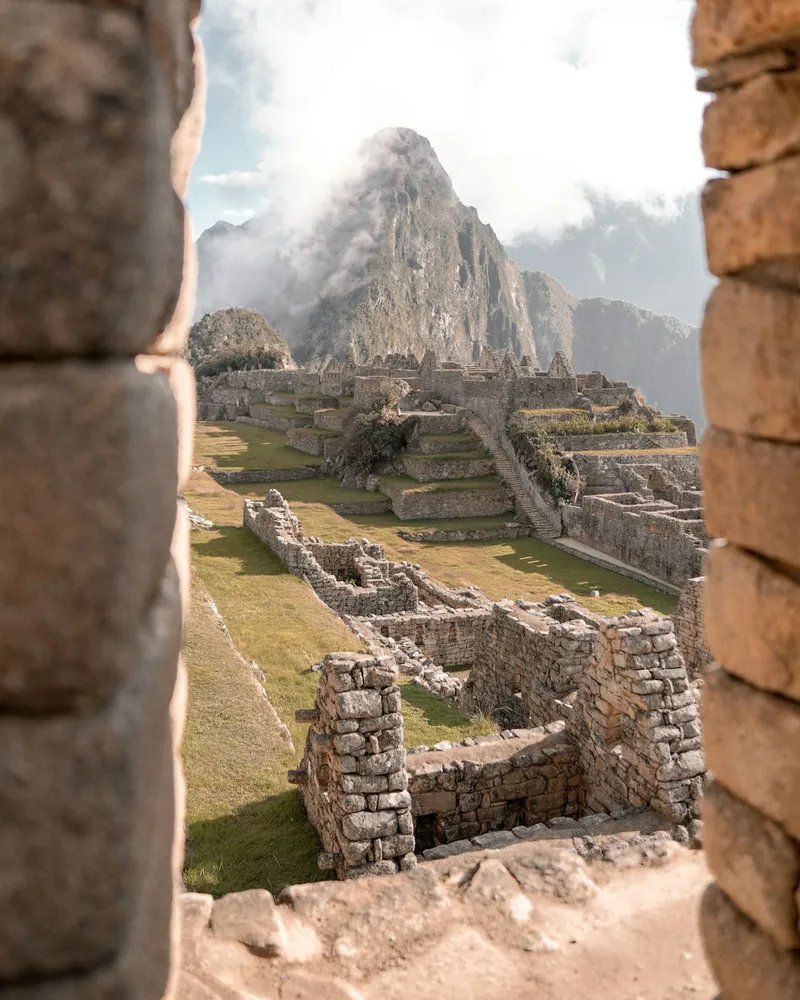
The most famous of all Inca sites, a citadel of temples and terraces wrapped in cloud forest high above the Urubamba River, reached by scenic rail or on foot along the Inca Trail.
Region
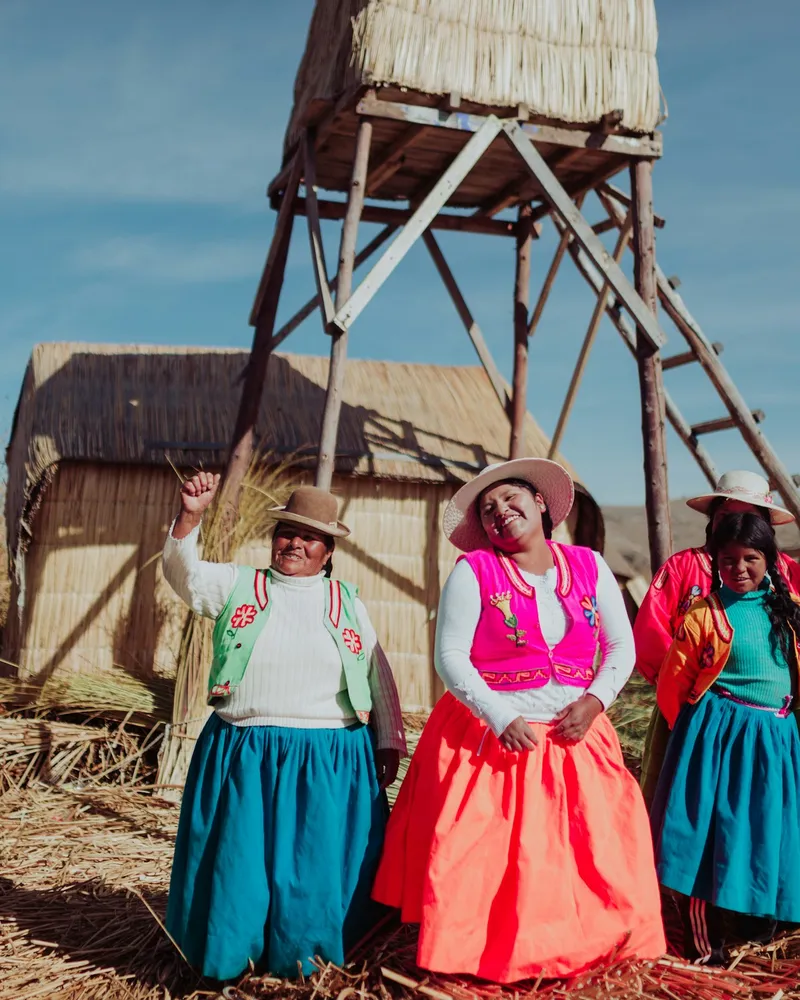
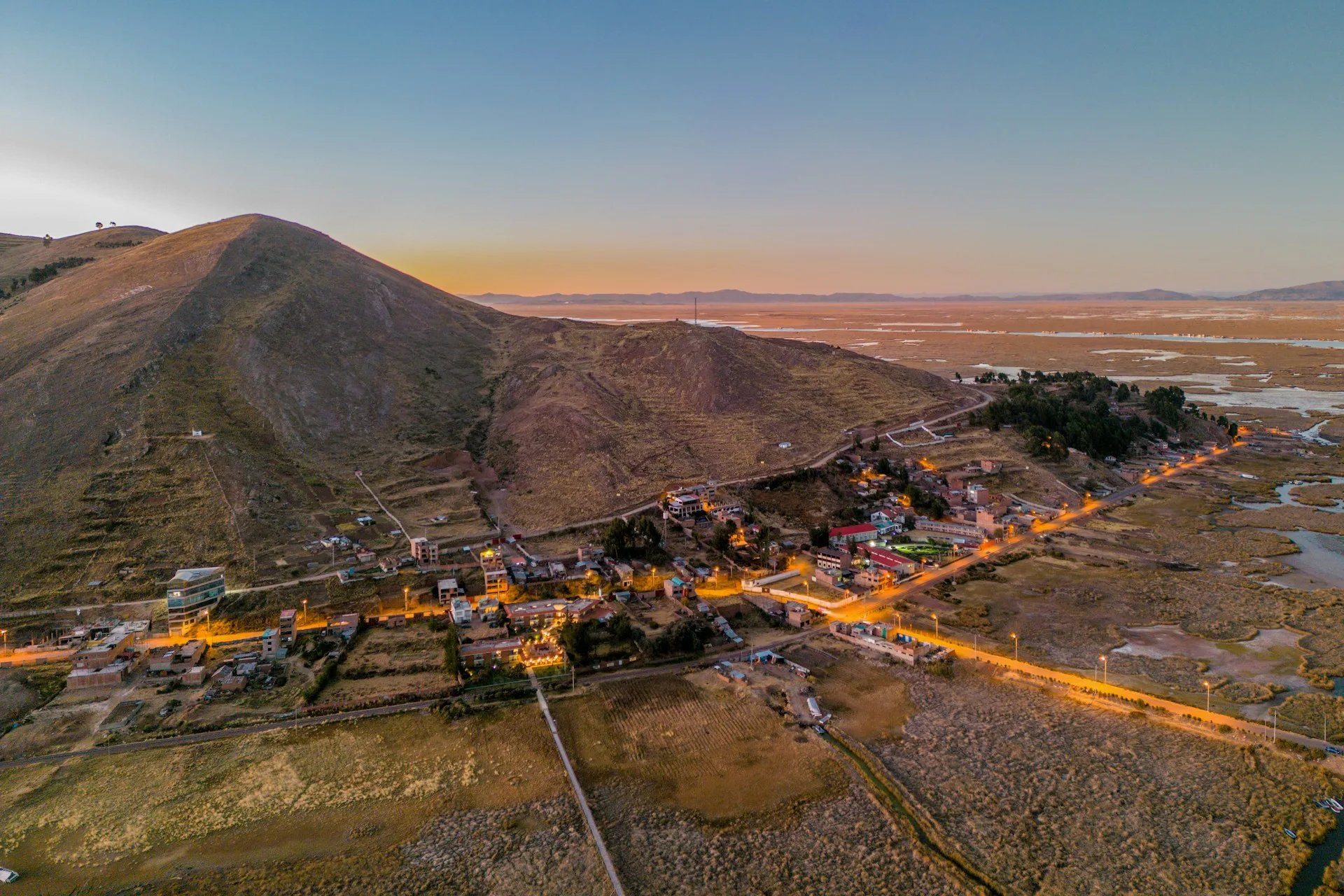
The highest navigable lake in the world, a vast blue expanse dotted with traditional island communities, from the floating reed islands of the Uros to the weavers of Taquile.
Region
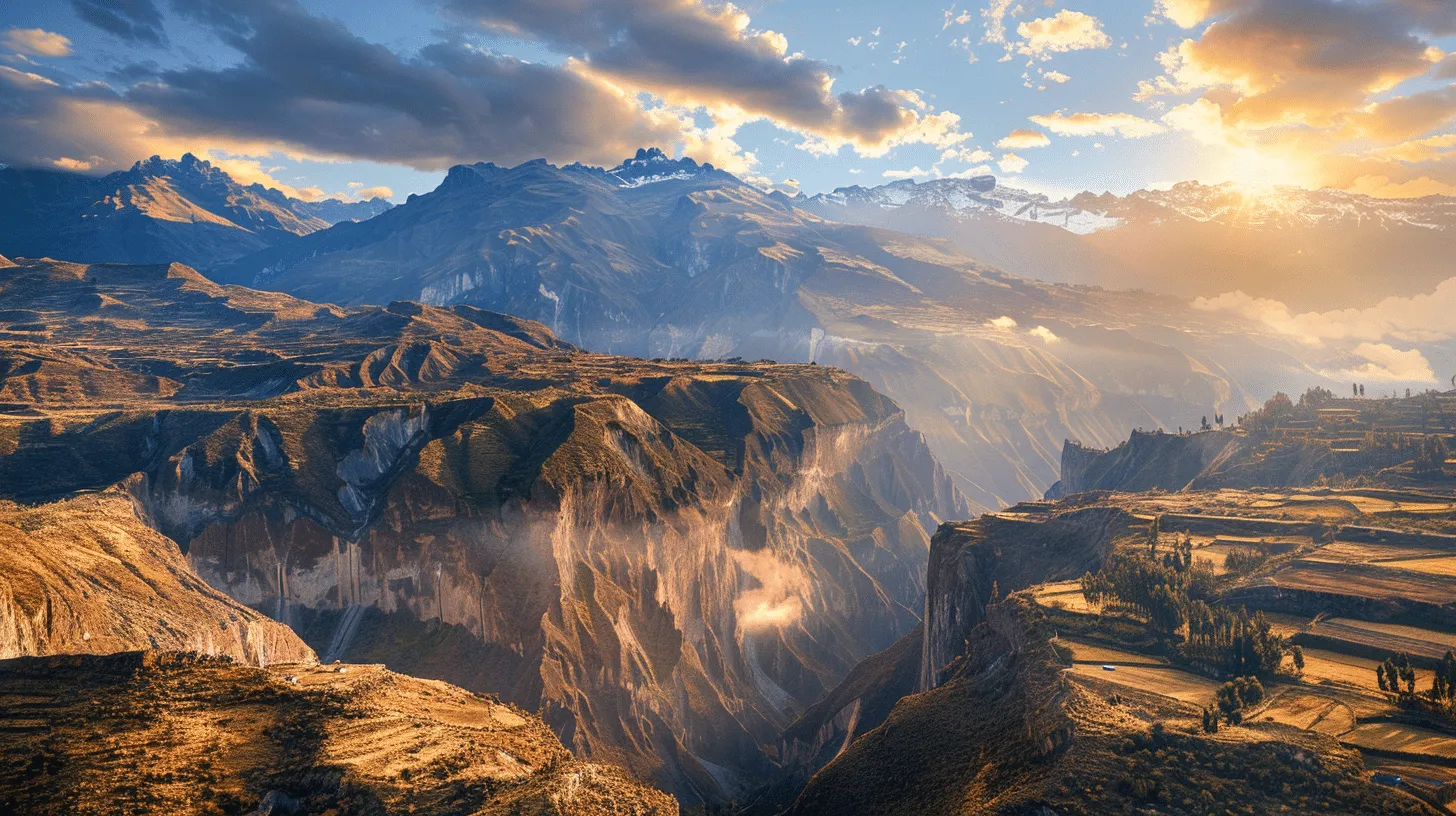
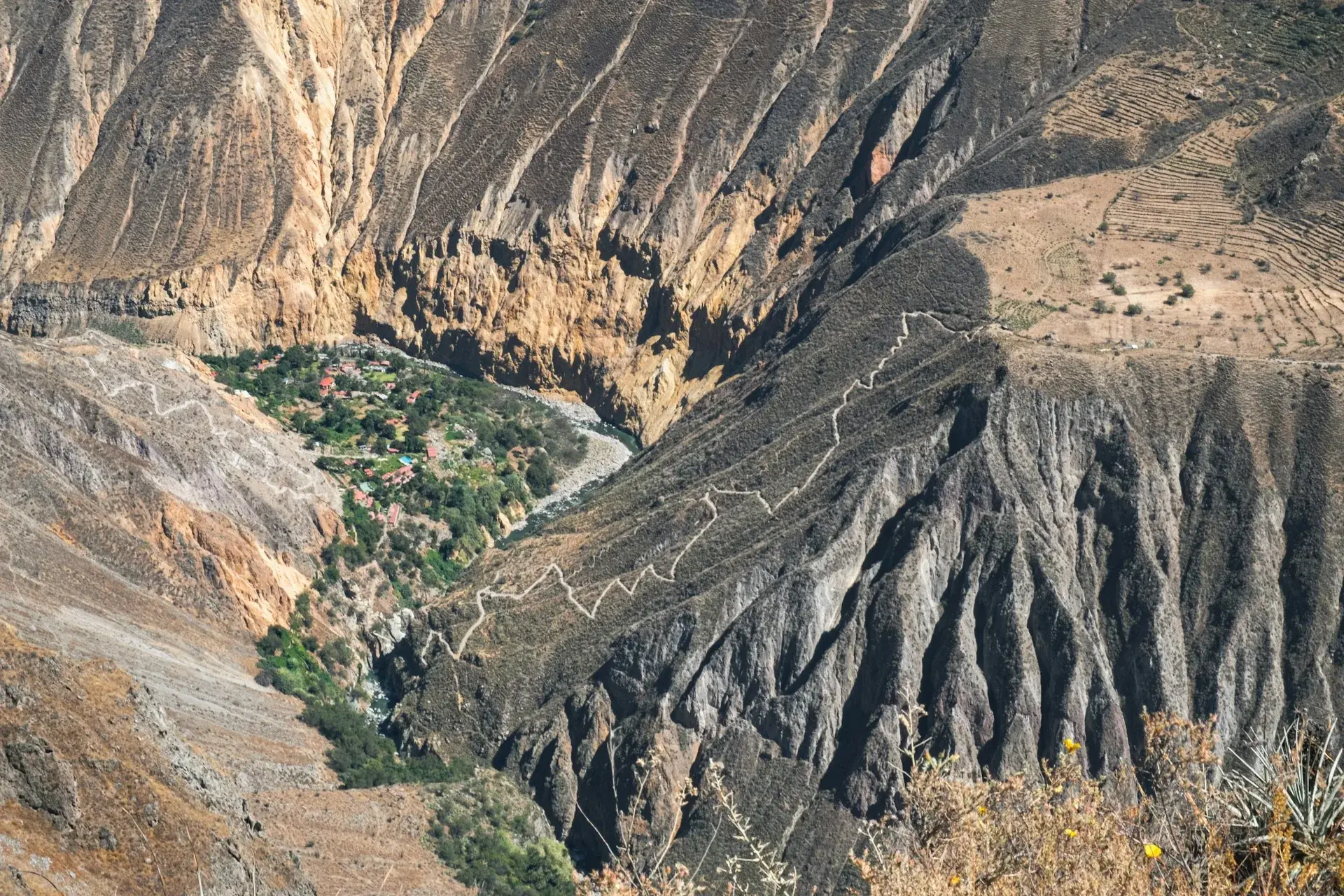
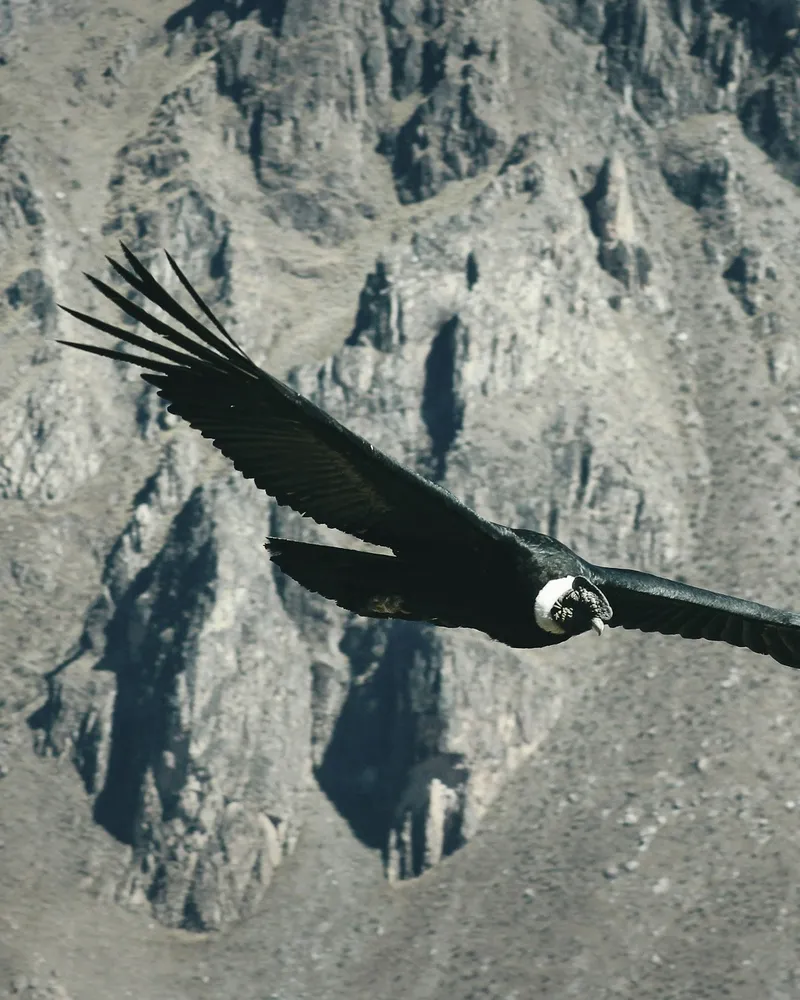
An elegant white-stone city beneath snow-capped volcanoes, paired with one of the deepest canyons on earth, where Andean condors soar above terraced valleys.
Region
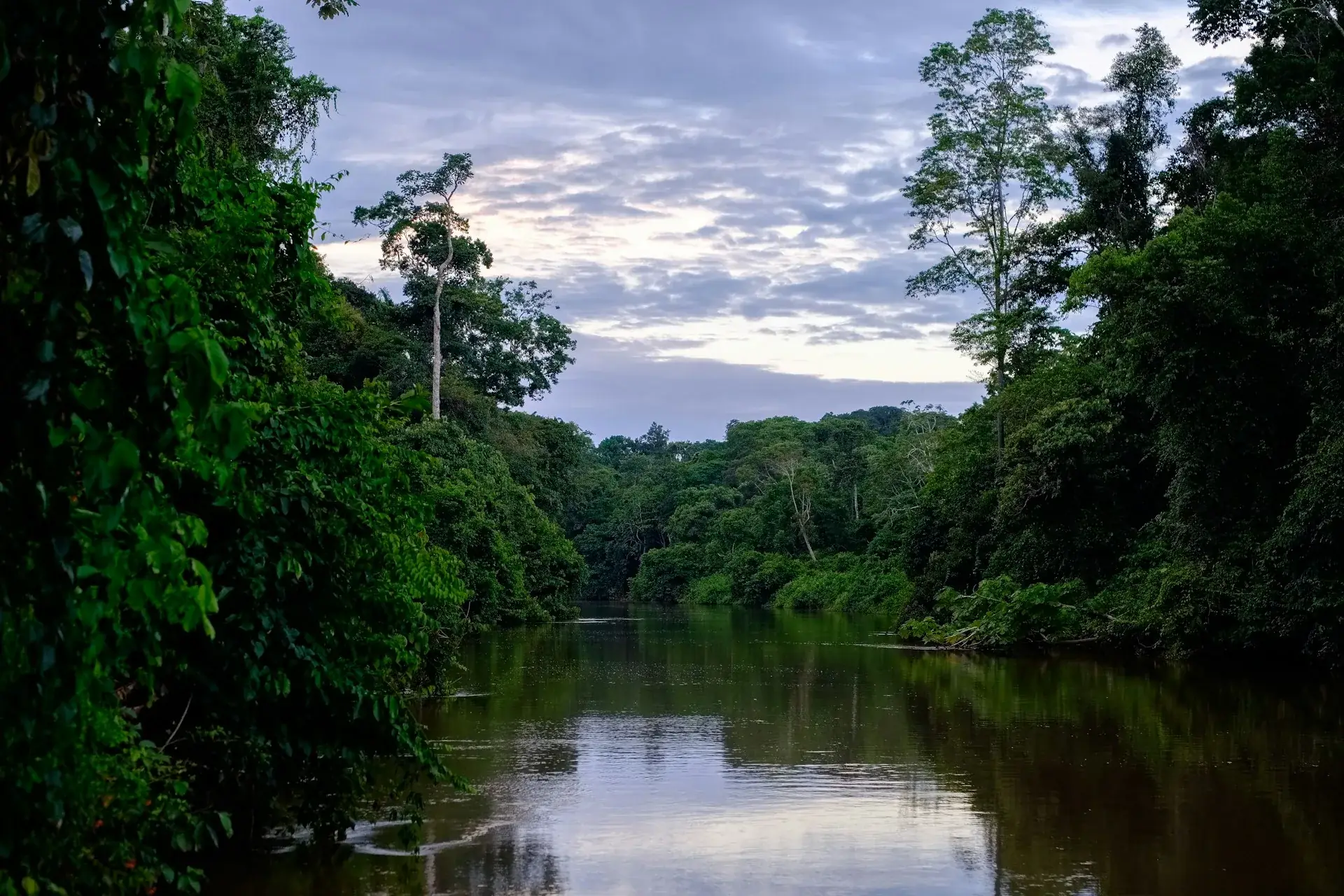
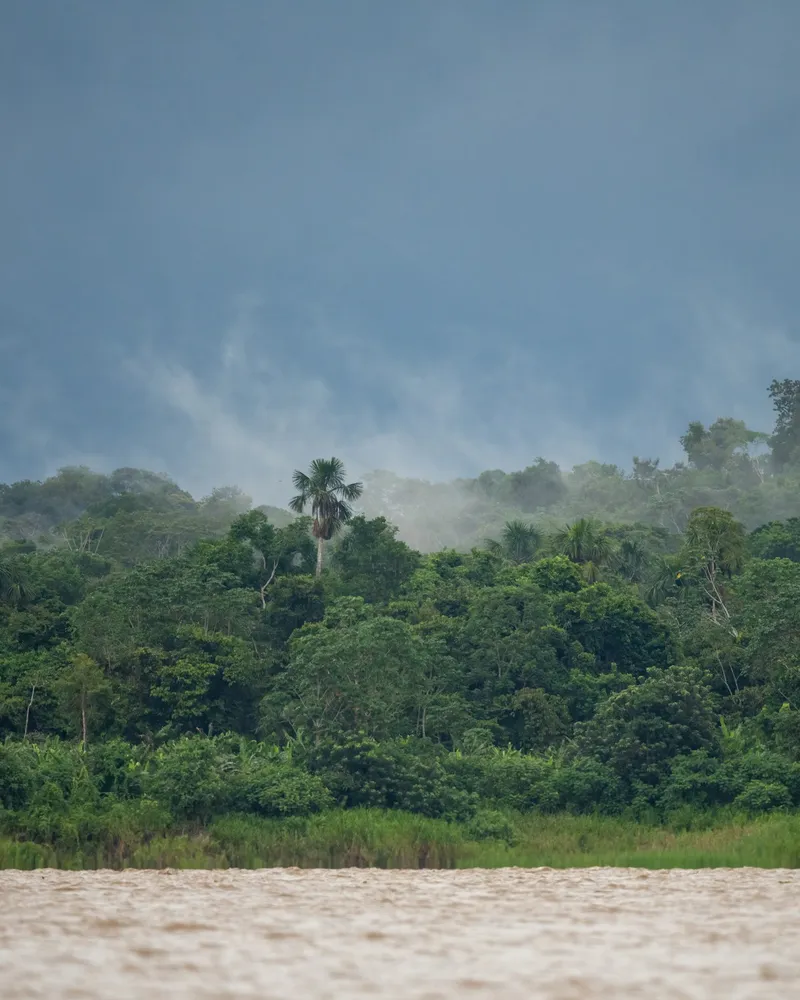
Peru's vast rainforest, reached by river and small lodge, where oxbow lakes, towering trees and abundant wildlife make for some of the richest jungle experiences in South America.
A sample journey
1 Open on the coast in Peru's capital, with the colonial old town, the cliff-top parks of Miraflores and Barranco, and a first taste of the country's celebrated cooking.
2 Fly south to the white-stone city of Arequipa, then head out to the Colca Canyon to watch Andean condors soar above the terraced valley.
3 Continue to Puno on the shores of Lake Titicaca, with a day on the water among the floating reed islands of the Uros and the weaving communities of Taquile.
4 Wind down into the Sacred Valley for Inca ruins, market towns and terraced hillsides, then up to the old Inca capital of Cusco itself.
5 Take the scenic train to Machu Picchu for the great citadel above the clouds, with time to explore the temples and terraces before the day-trippers arrive.
Every itinerary we build is bespoke: this is a starting point, not a package.
Getting around
Where to stay
Internal flights, the Machu Picchu train and permits, driver-guides and a paced acclimatization plan are all arranged before you arrive — the altitude and the logistics are handled in advance.
Good to know
Seven nights is enough to pair Cusco and the Sacred Valley with Machu Picchu at a comfortable pace, allowing time to acclimatize. Nine to twelve nights is the sweet spot for a fuller journey that adds Lima, Arequipa and the Colca Canyon or Lake Titicaca, and two weeks lets you reach into the Amazon as well.
The dry season from May to September is prime for the Andes, Machu Picchu and the Inca Trail, with clear skies and sunny days. April and October are good shoulder months with fewer crowds, while the green season from November to March is quiet and lush but wetter, and the Inca Trail closes each February.
Altitude is worth taking seriously, since Cusco, Puno and the Colca rim all sit well above 10,000 feet. We usually start lower in the Sacred Valley before Cusco, build in time to acclimatize, and keep the first day or two gentle, with plenty of water and rest, so you feel your best for the high points of the trip.
Entry to Machu Picchu is by timed ticket with a set circuit, and numbers are capped each day, so it sells out in high season. We secure your entry, your train and a private guide well in advance, and we add the separate permits for Huayna Picchu or Machu Picchu Mountain if you would like to climb for the wider views.
Both reach Machu Picchu, and it comes down to time and appetite for hiking. The classic Inca Trail is a four-day trek with its own permits that sell out months ahead and closes each February, while the scenic train is comfortable and flexible and suits most travelers. We can also arrange shorter treks or the alternative Lares route as a middle path.
Ways to Explore
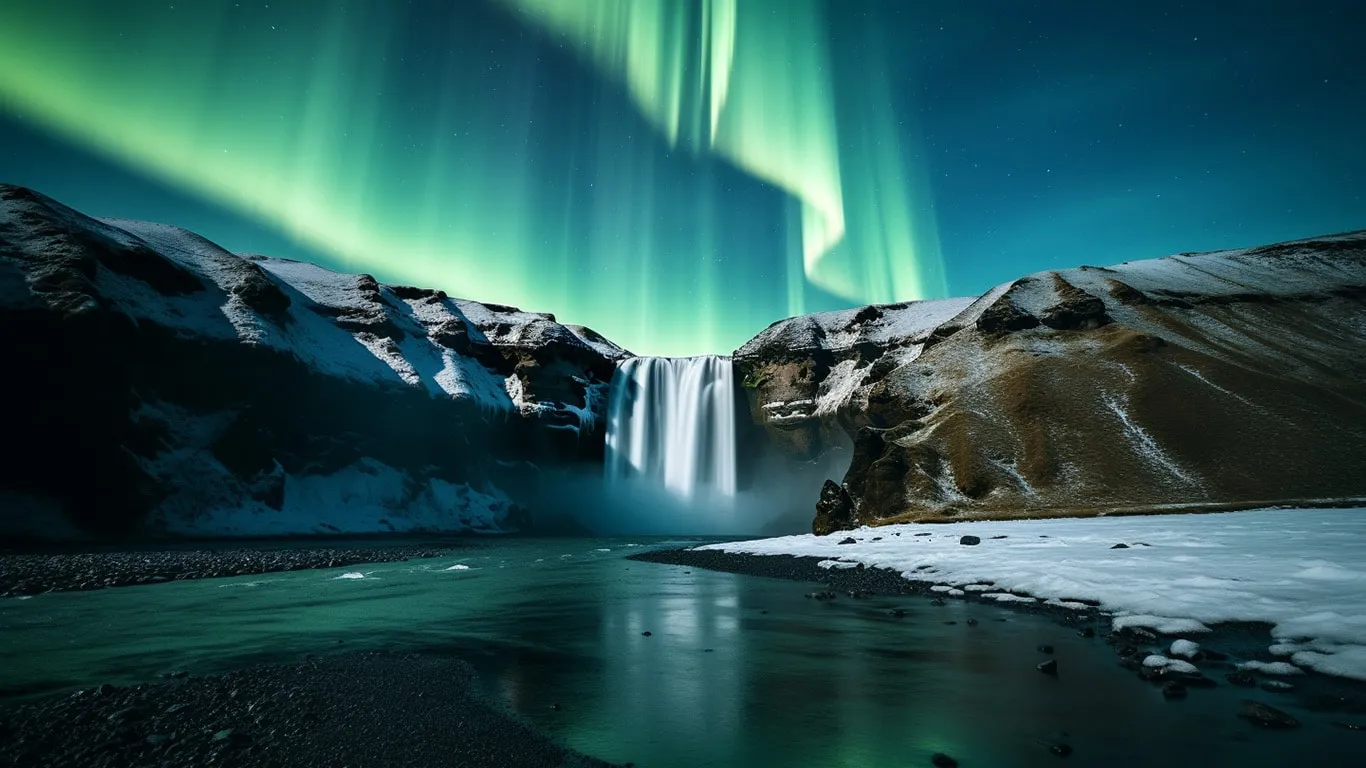
A private journey designed entirely around you, your pace, and your people.
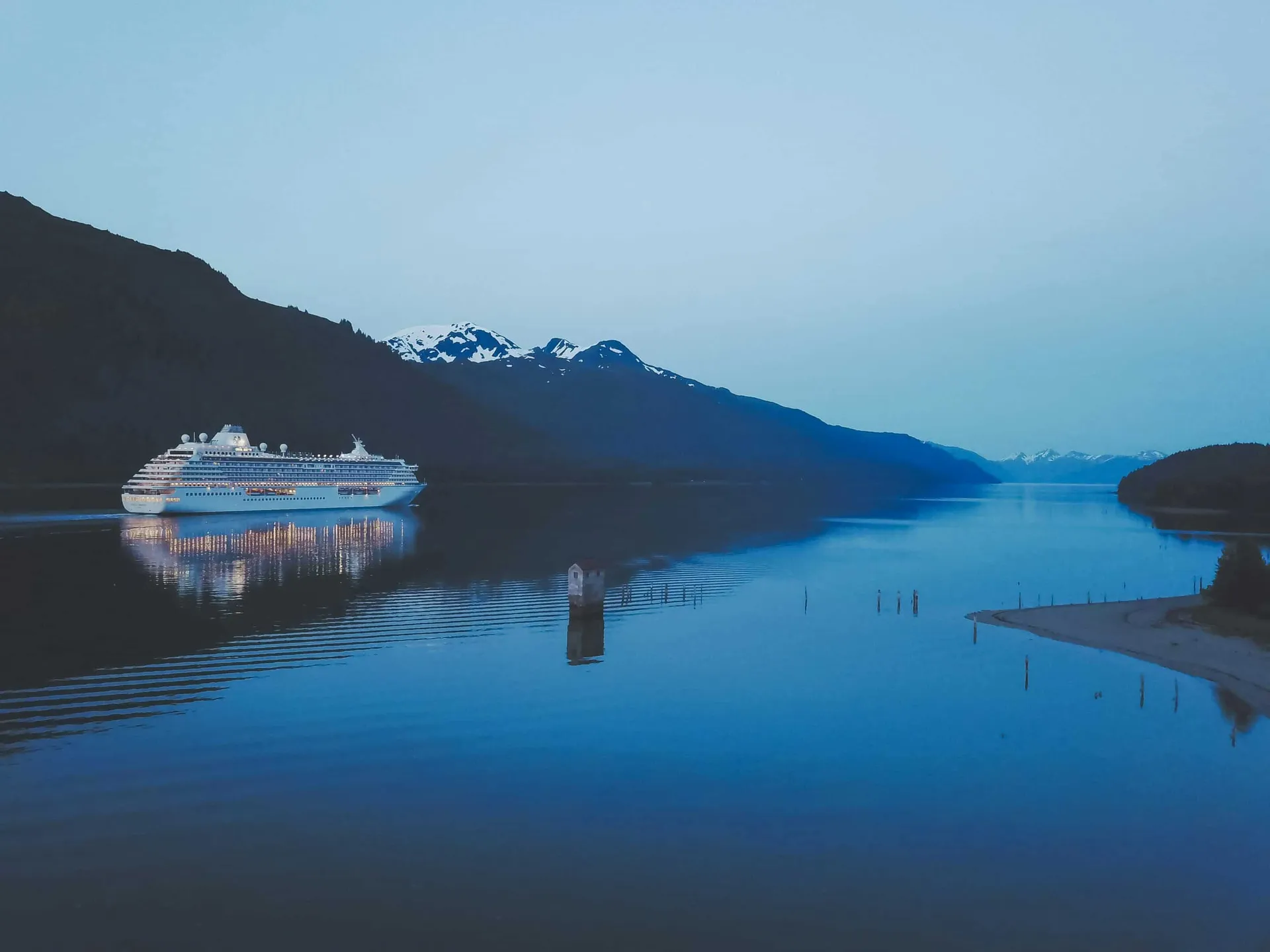
River, ocean and expedition voyages, from the Danube to Antarctica.

Expertly guided, end to end, with the world's finest local operators.
Effortless resort escapes; we cut through the haze to the right one.
Let's begin
Tell us your travel dates and what you love, and we'll handle every detail.
Plan Your TripSearch Chima Travel