Region
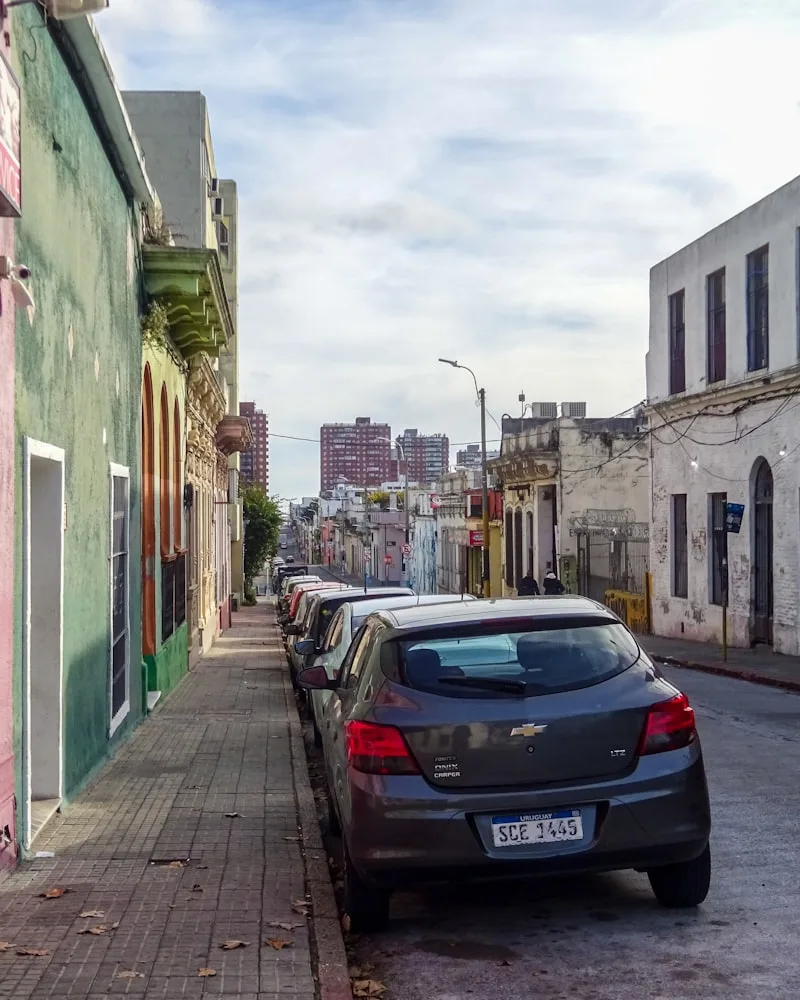
Montevideo
The low-key, cultured capital: a long waterfront Rambla, the Art Deco landmarks and faded grandeur of the Ciudad Vieja, a buzzing port market of grilled meat, and a tango and candombe heritage that still fills the streets.

By Continent
Europe Africa Asia North America South America Caribbean Australia & Oceania All destinationsOverview
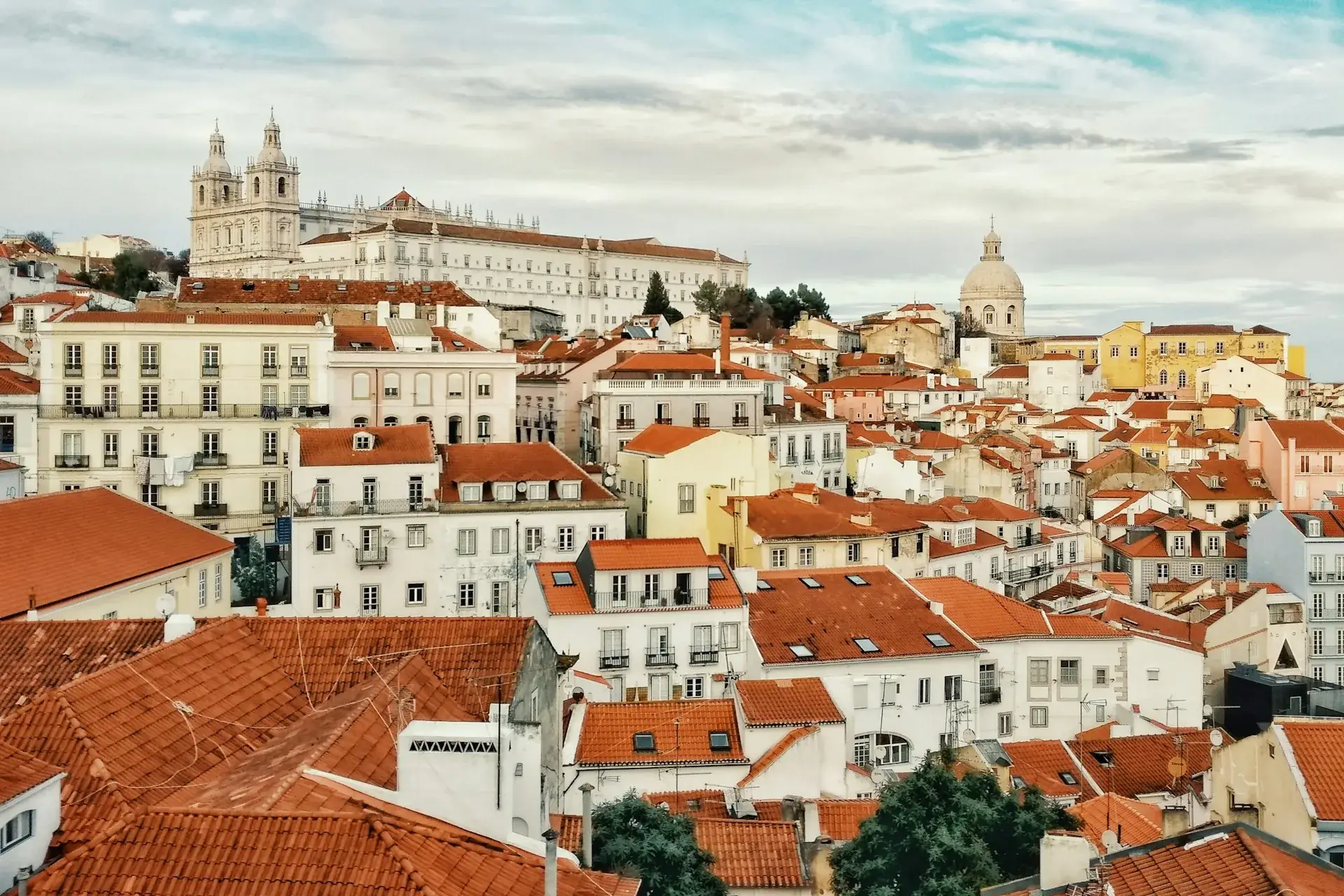
From the canals of Venice to the black-sand coasts of Iceland, Europe rewards the curious traveler with centuries of art, architecture and unforgettable flavor, all within easy reach of one another.
View all EuropeOverview
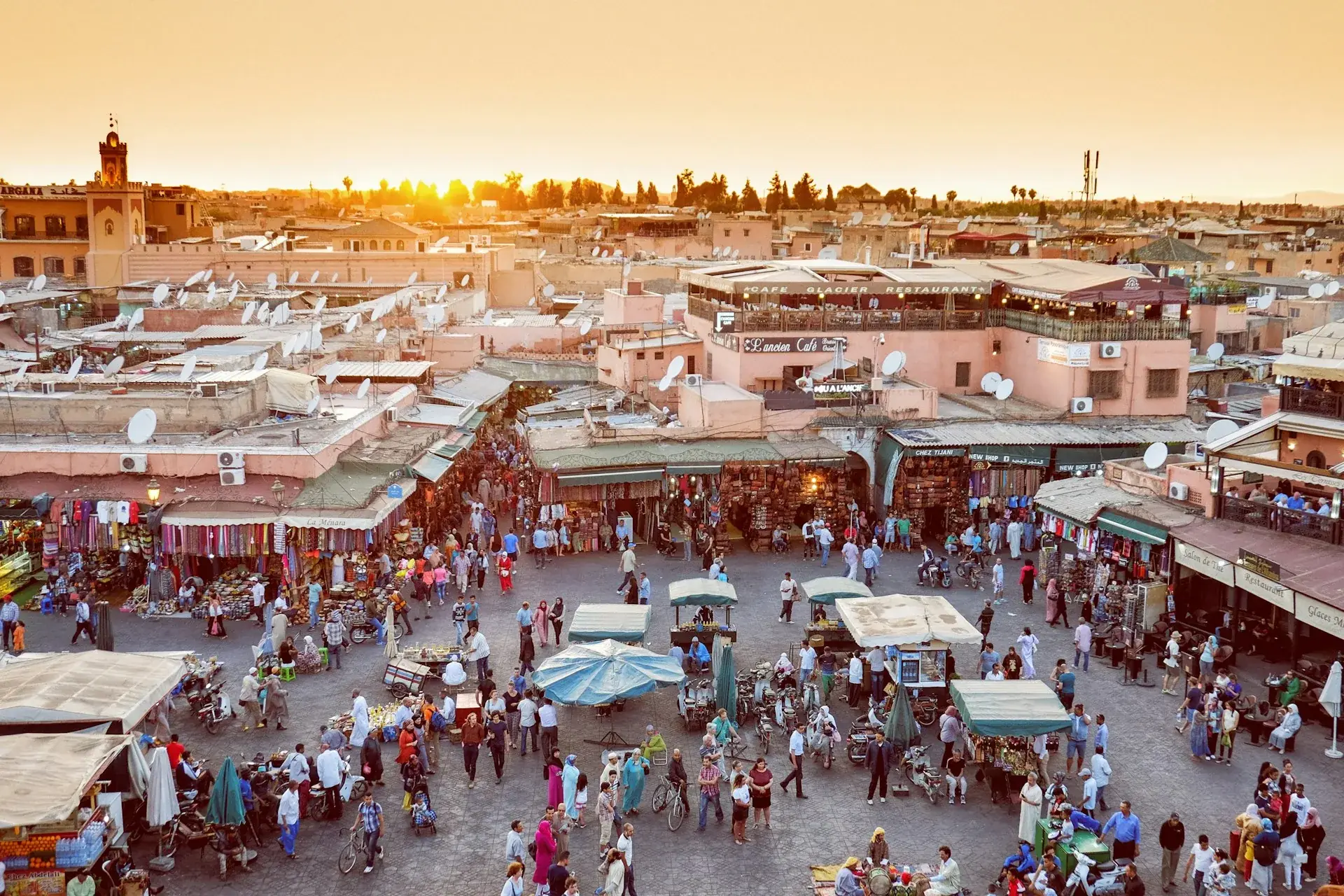
From the dunes of the Sahara to the great plains of the Serengeti, Africa is a continent of staggering scale and singular encounters: a place where landscape, wildlife and culture meet at full intensity.
View all AfricaDestinations
Overview
Vast and varied, Asia spans snow-capped peaks and tropical coasts, neon megacities and silent temples. It is a continent that rewards both the first-time traveler and the lifelong returnee.
View all AsiaFeatured
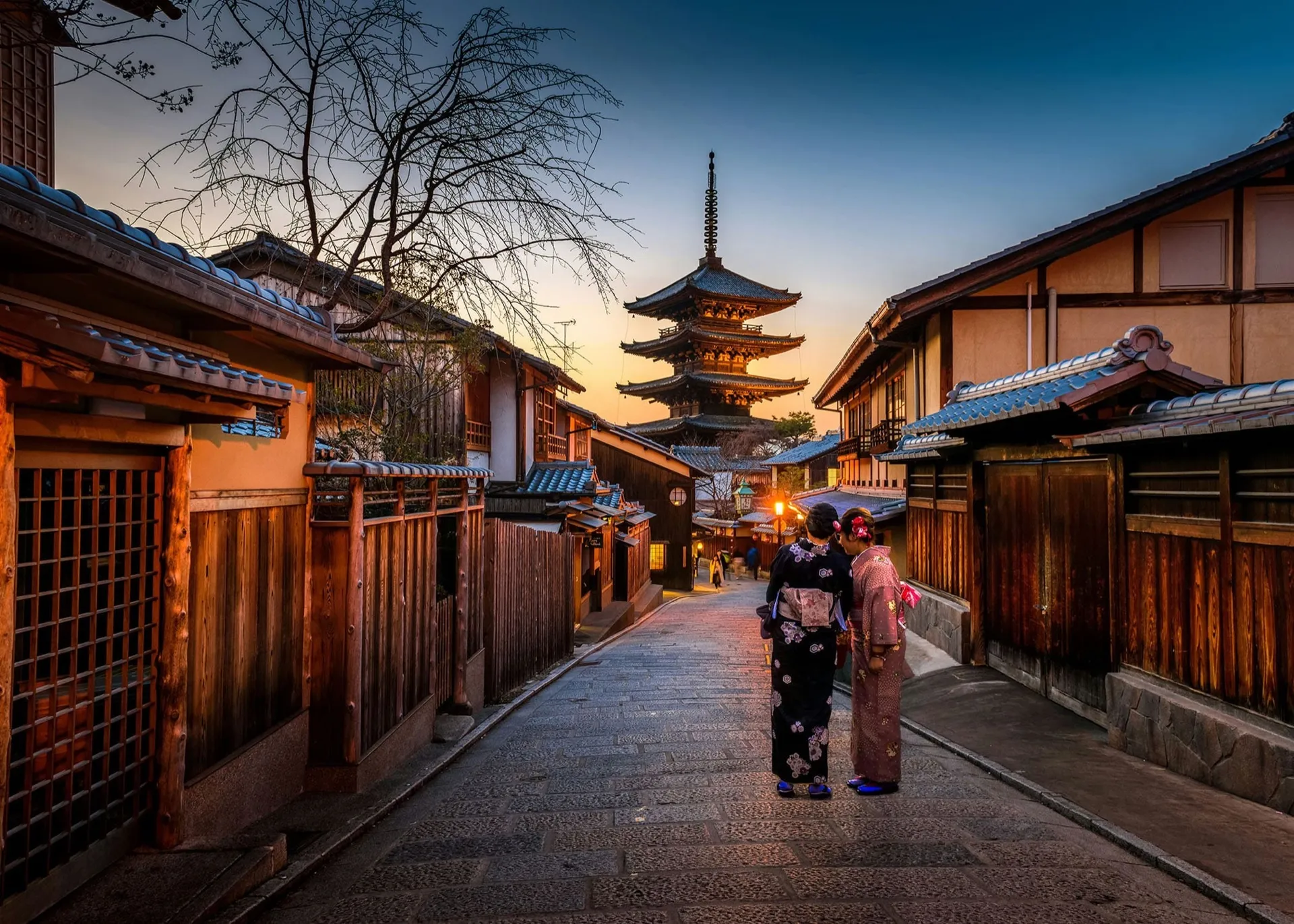 Japan · signature experience Kyoto
 Overview
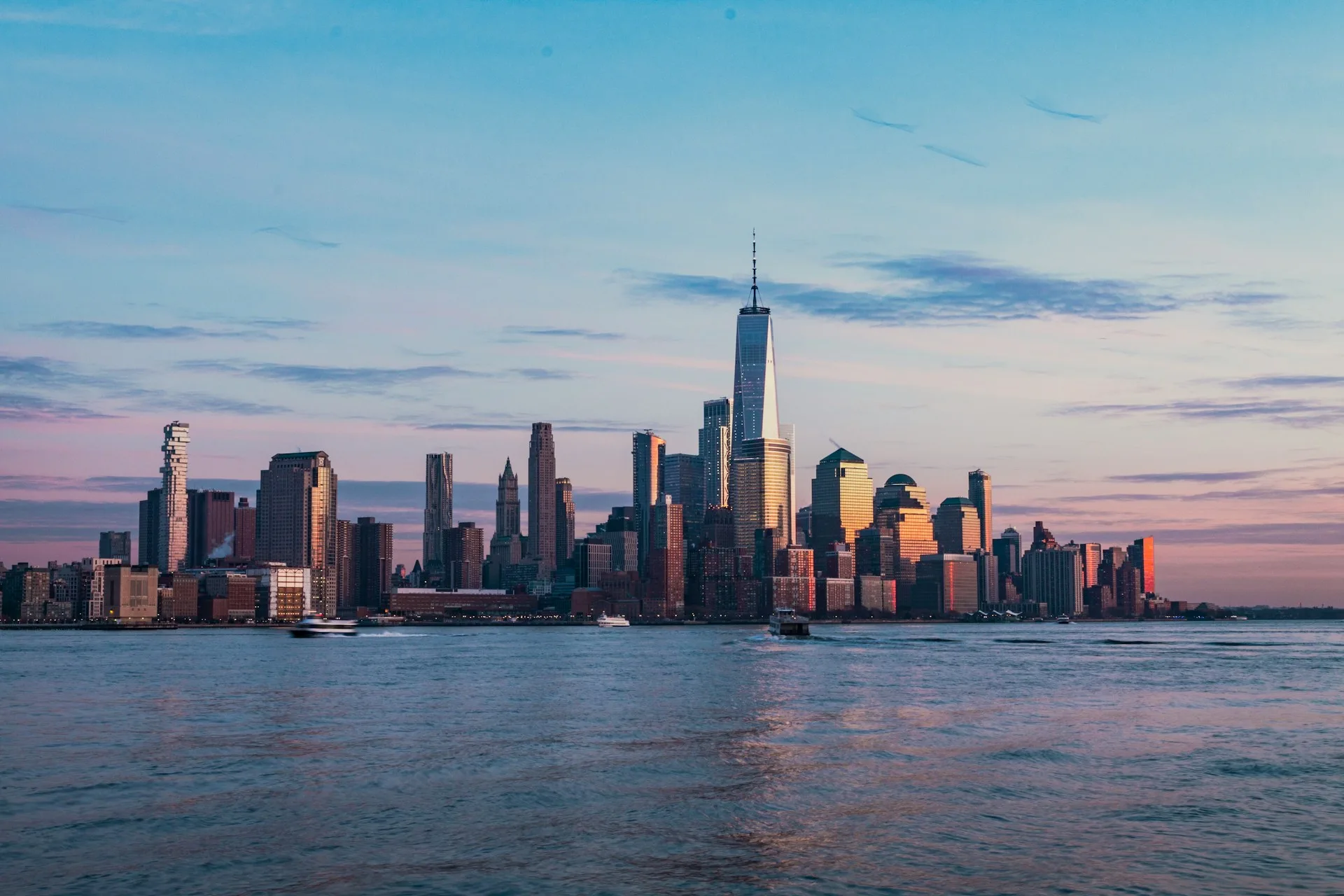
Close to home and endlessly varied, North America ranges from desert canyons to alpine national parks, from world cities to quiet coastal towns: a continent that contains a dozen vacations within a single border.
View all North AmericaDestinations
Overview
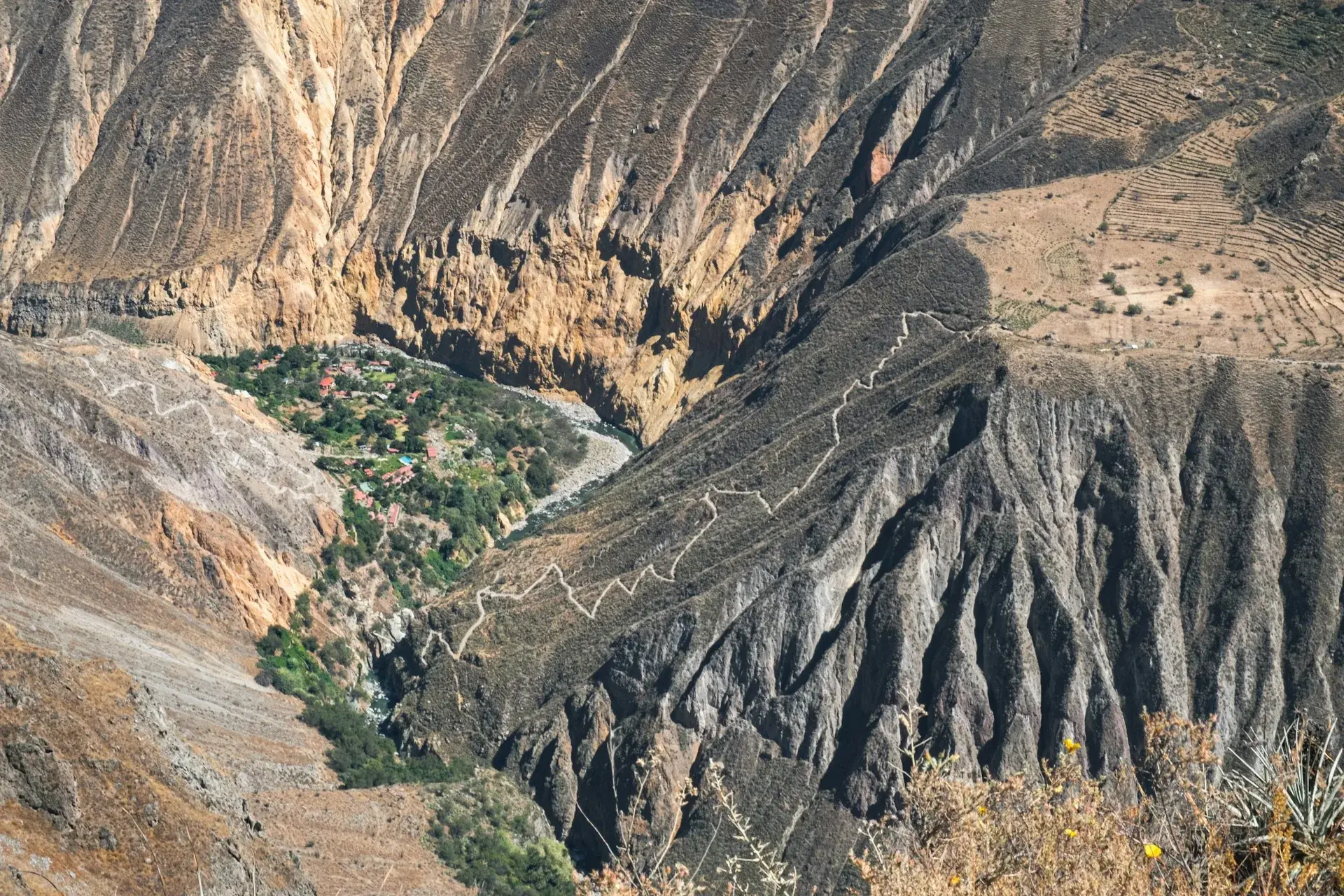
A continent of extremes, from the high Andes and the vast Amazon to glacial Patagonia and the rhythm of its cities, South America rewards the adventurous traveler with some of the planet’s most dramatic scenery and deepest history.
View all South AmericaOverview
A scattering of islands across impossibly blue water, the Caribbean is the art of the easy day perfected: white sand, warm rhythm and hospitality that turns first-time visitors into lifelong returnees.
View all CaribbeanDestinations
Overview
From the Great Barrier Reef to the red heart of the outback, from the fjords of New Zealand to the scattered atolls of the South Pacific, Australia & Oceania offer some of the most remote and rewarding travel on earth.
View all Australia & OceaniaDestinations
Est. 1918 · four generations · 38 countries
How You Travel
River Cruises Ocean & Small-Ship Expedition Flights Tours & Escorted All-Inclusive All travel experiencesFeatured
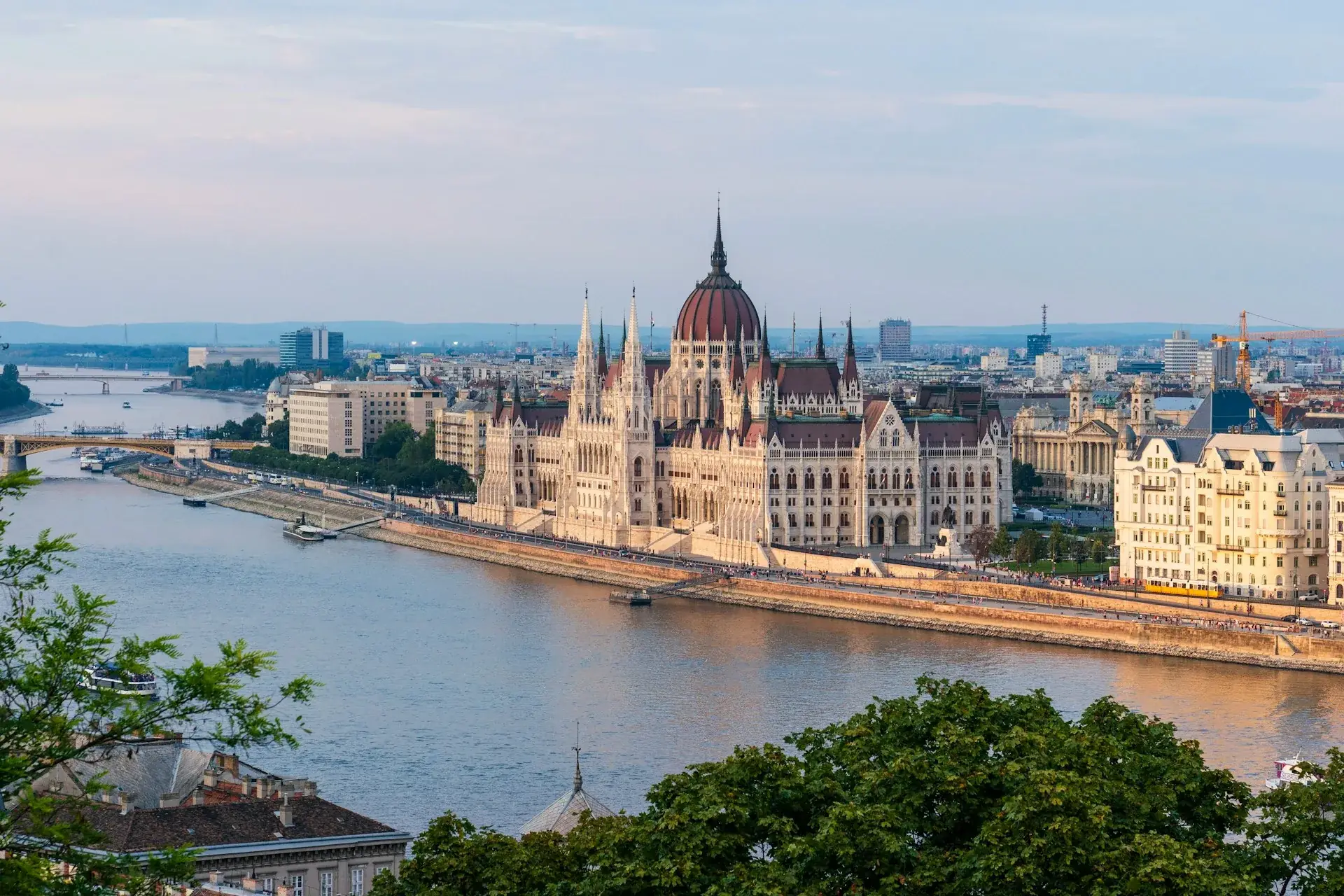 The Danube
 Featured
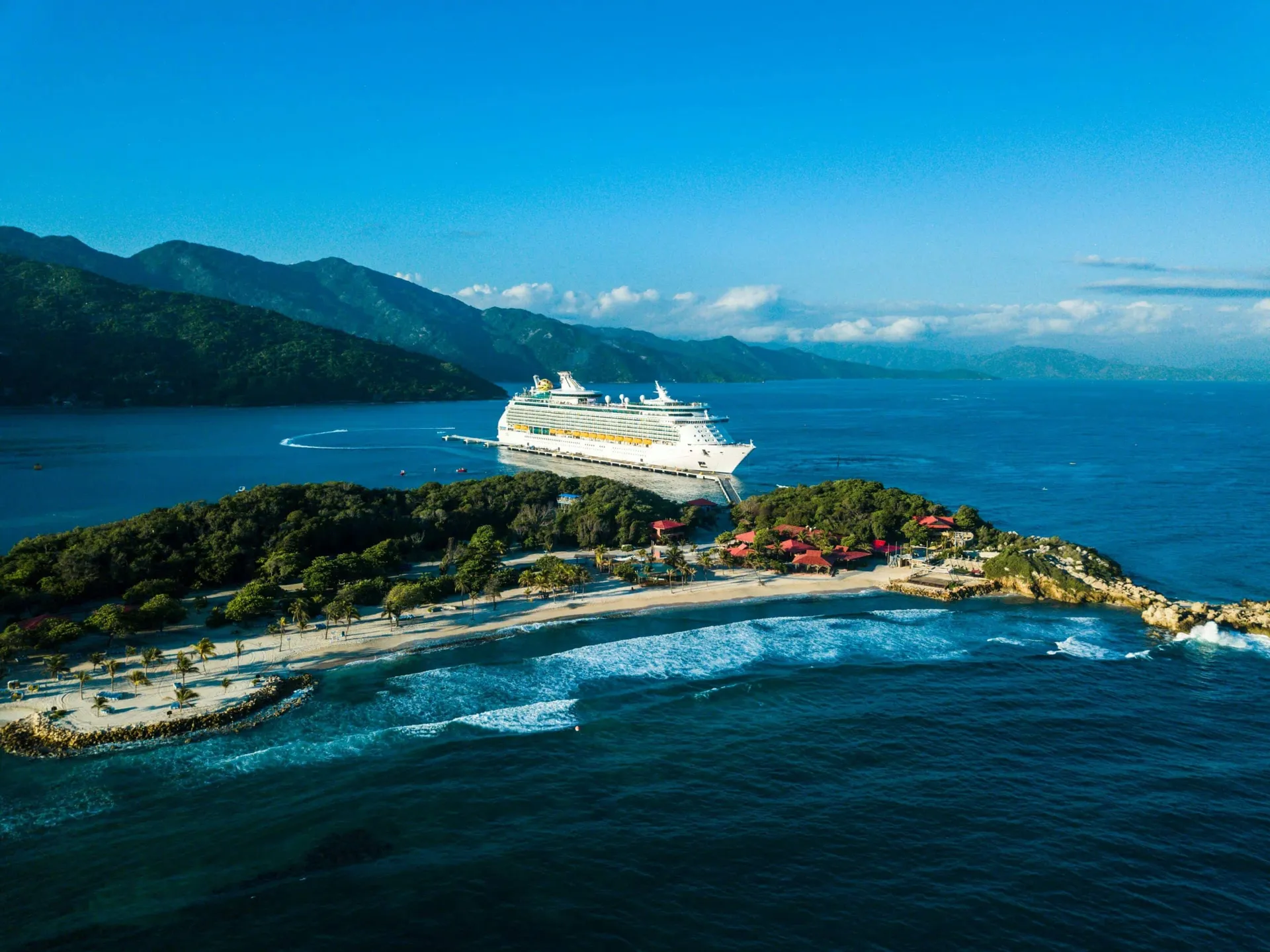 The Caribbean
 Featured
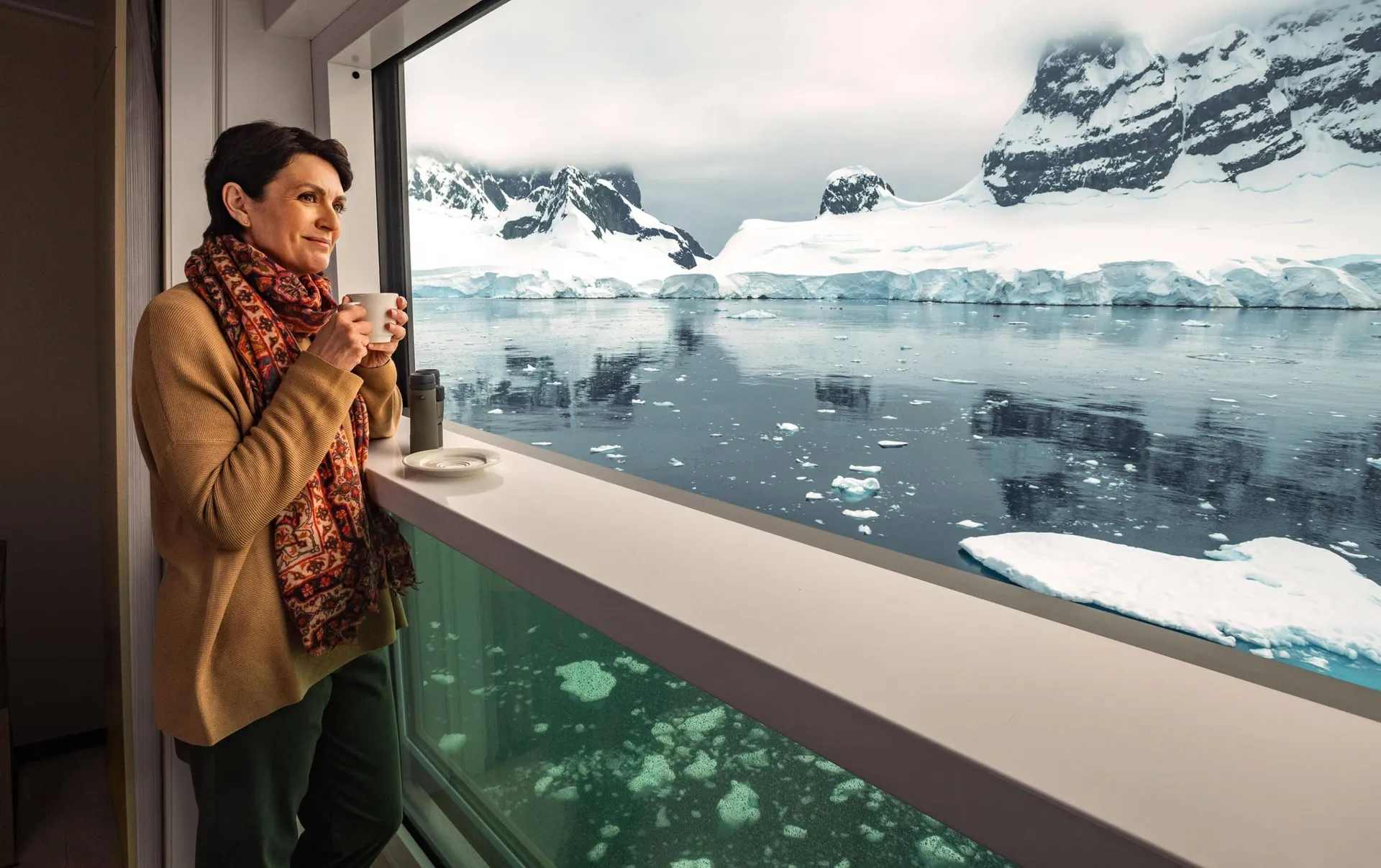 Antarctica
 Overview
Premium-cabin fares, complex routings and around-the-world tickets, booked by people who fly for a living.
Explore flightsFeatured
 Flights
 Overview
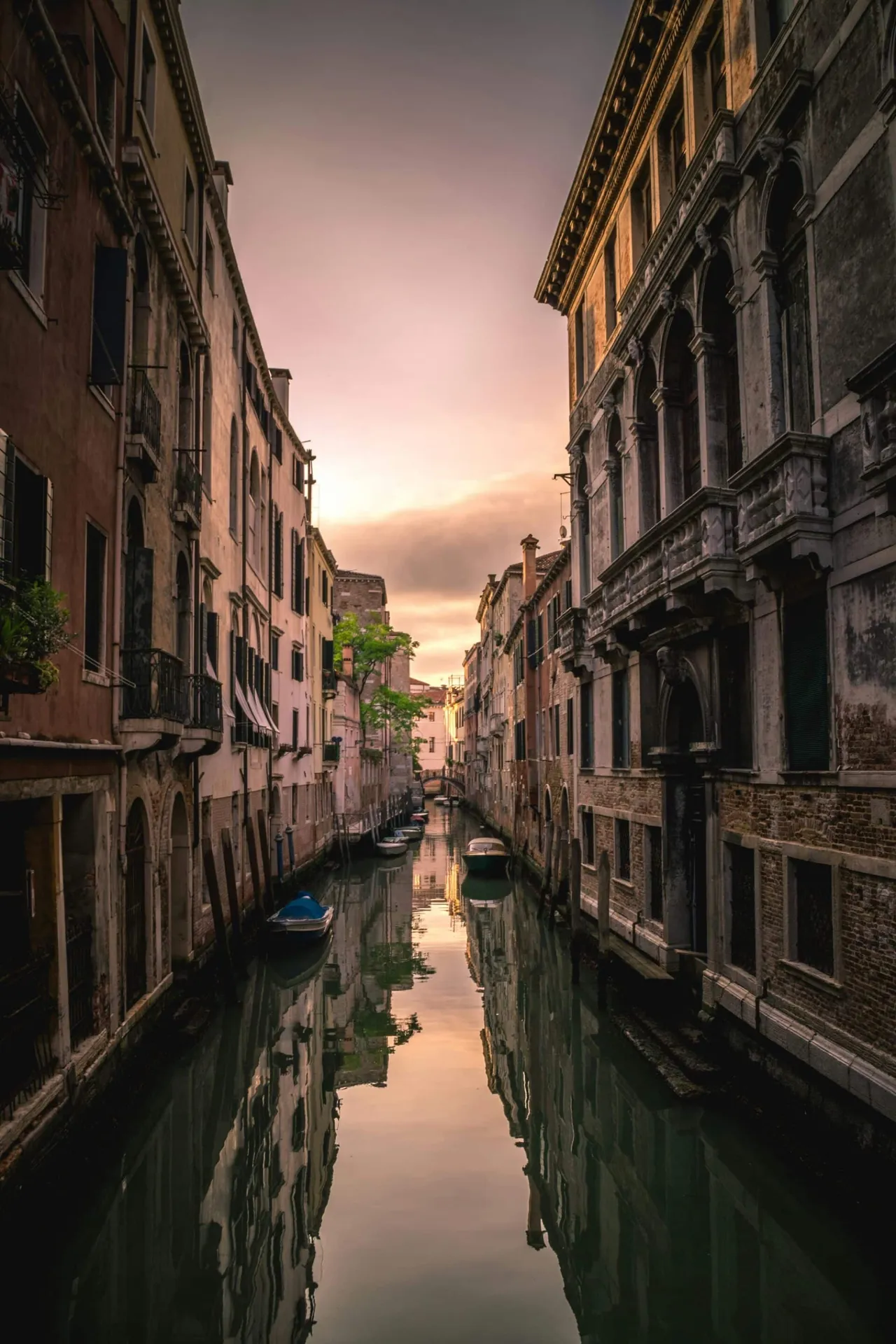
Expertly guided group departures and private escorted itineraries across the world's great regions.
Explore tours & escortedFeatured
 Tours & Escorted Journeys
 Overview
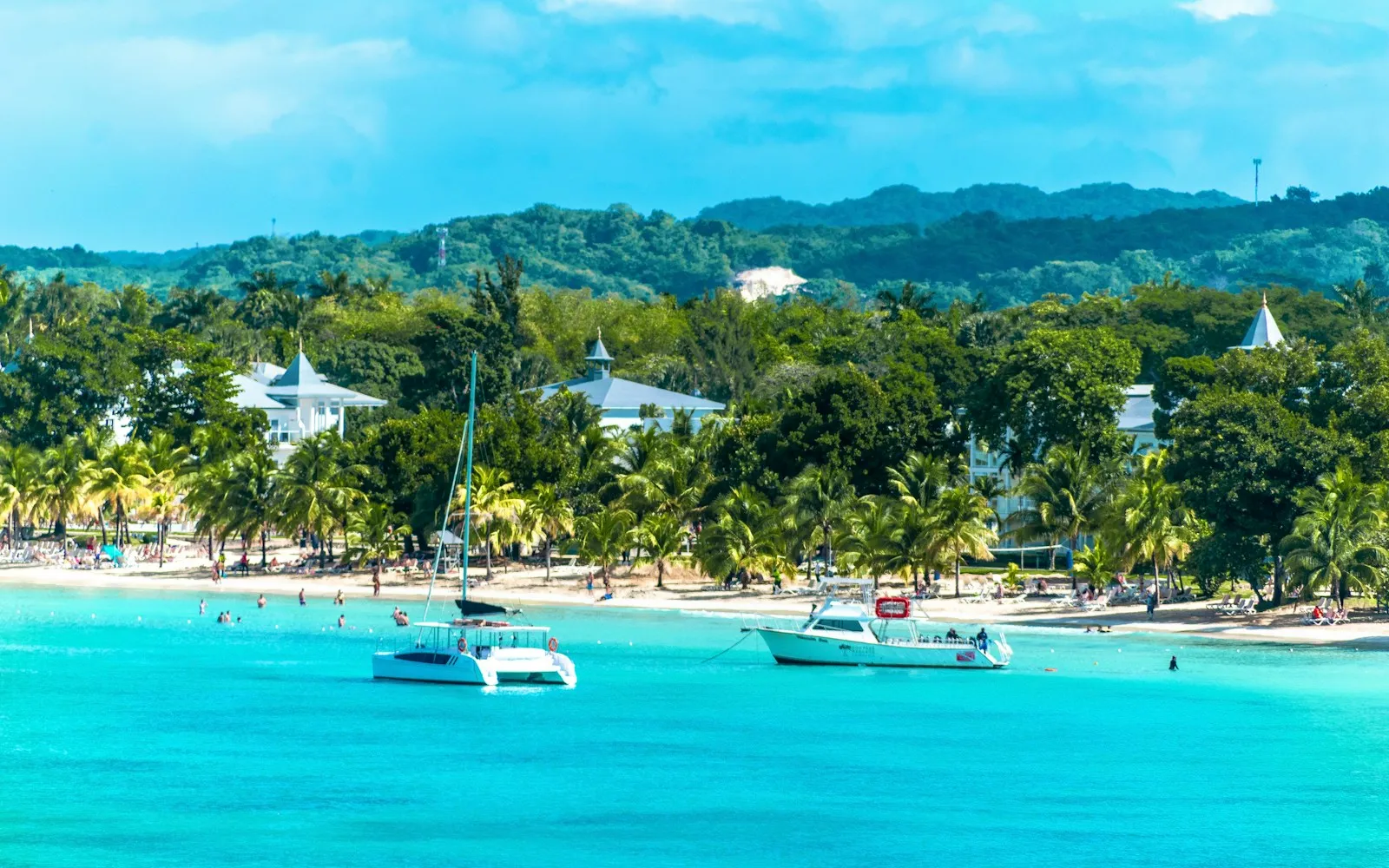
Beach and luxury all-inclusive escapes where flights, meals and more fold into a single, easy fare.
Explore all-inclusiveFeatured
 All-Inclusive Resorts
 River, ocean & expedition cruises · flights · tours · all-inclusive
Corporate travel
Destinations · South America
Easygoing beaches, colonial towns & open wine country.
The country
Uruguay is South America at its most relaxed, a small, welcoming country where the pace slows the moment you arrive. In the space of a few days you can wander the leafy Rambla and Art Deco streets of Montevideo, lose an afternoon among the cobbled lanes of colonial Colonia del Sacramento, and watch the sun drop into the Atlantic from a thatched beach house on the dunes of Jose Ignacio.
This is a country built around the simple pleasures: a long lunch of grilled meat at a parrilla, a thermos of mate carried everywhere, an unhurried evening on the plaza as the light softens. The rhythm shifts gently from the cultured capital to the rolling wine country of Carmelo and Canelones, then out to the glamorous resort town of Punta del Este and the wild, low-key beaches beyond, and settling into that ease is half the pleasure.
We design Uruguay itineraries that balance the headline stops with the quiet moments in between: a private tasting at a family bodega among the vines, a ferry glide across the river from Buenos Aires, a slow morning on a near-empty stretch of sand. However you want to travel it, we build the route so each stop has room to breathe.
When to go
Uruguay is a summer country at heart: the coast lives from December to February, and the rest of the year belongs to the cities, the bodegas and a quieter kind of charm. Here is how we'd time it across the desk.
High summer in the Southern Hemisphere and the time to come for the coast: warm days, long evenings and Punta del Este, Jose Ignacio and the Atlantic beaches at their liveliest, though the marquee resorts fill fast over the holidays.
Our favorite window: still-warm seas, softer light and the grape harvest in the wine country, all after the January peak has eased. Ideal for pairing the beaches with Montevideo and the bodegas at an unhurried pace.
Spring brings mild, settled days, green countryside and good value before the summer crowds arrive. A smart choice for the cities, Colonia and the wine country, with the beach towns just waking up.
The cool, quiet winter months, when the coast empties out and some beach-town hotels close. The cities and Colonia stay rewarding and great value, with cozy parrillas and a very local feel, if you pack for cooler evenings.
Where to go
Uruguay is compact and easy to weave together, with short, scenic drives linking the capital, the colonial river towns, the rolling wine country and a long Atlantic coast. These are the regions we build into most itineraries, each with its own mood and table, from cultured Montevideo to the wild beaches of the east.
Region
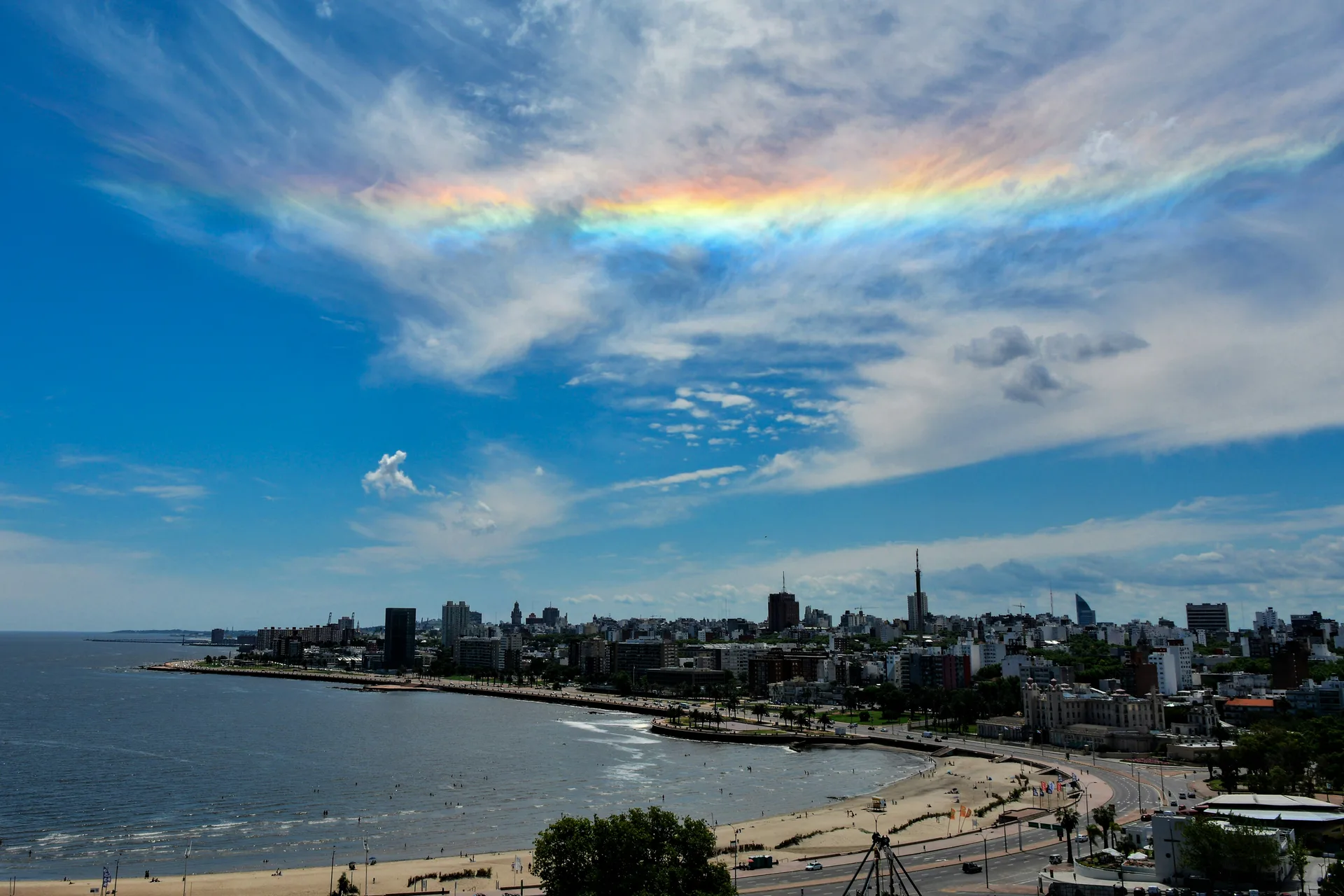
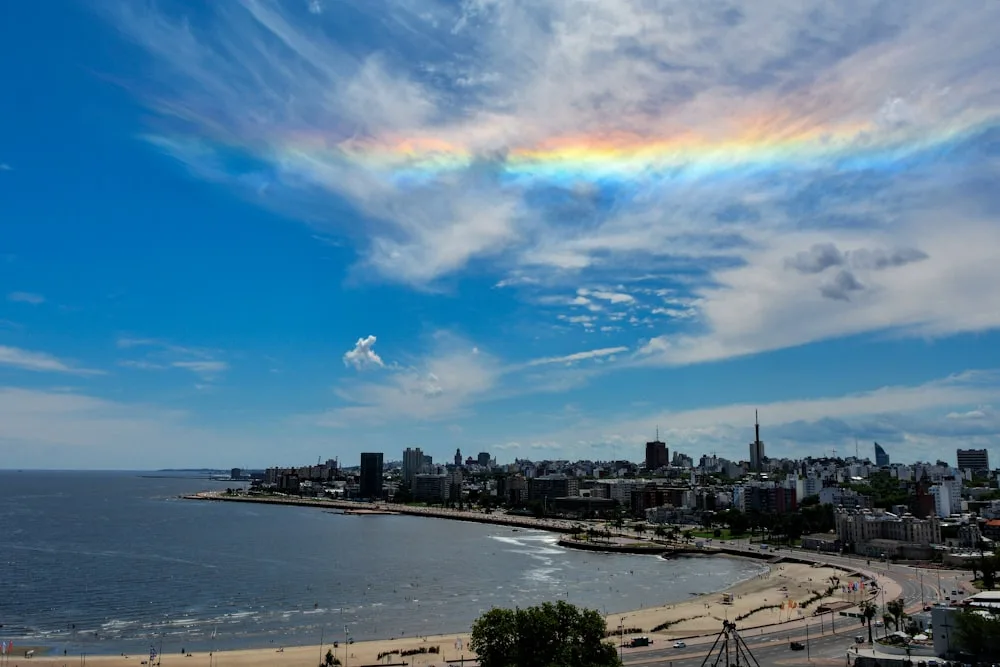
The low-key, cultured capital: a long waterfront Rambla, the Art Deco landmarks and faded grandeur of the Ciudad Vieja, a buzzing port market of grilled meat, and a tango and candombe heritage that still fills the streets.
Region
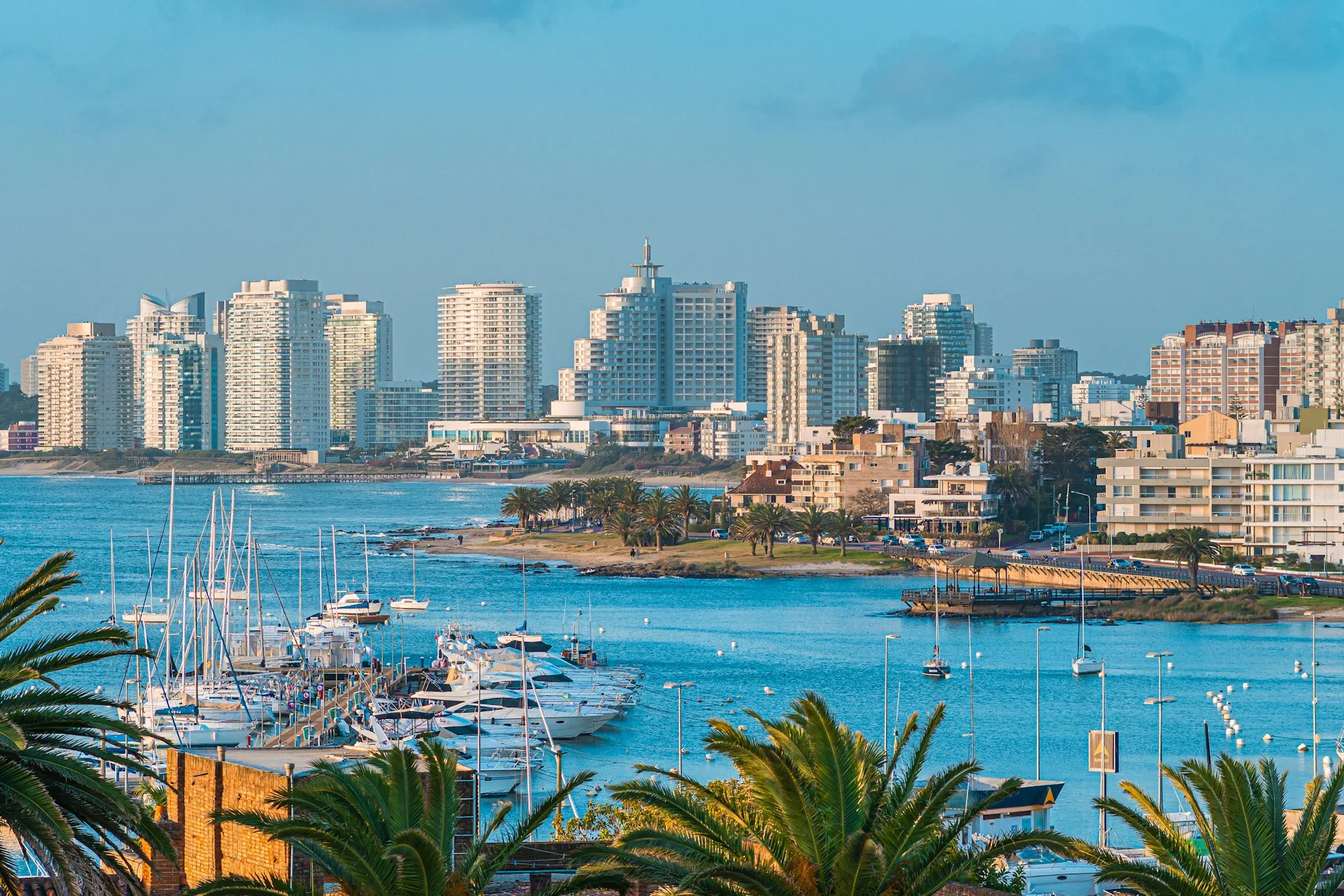
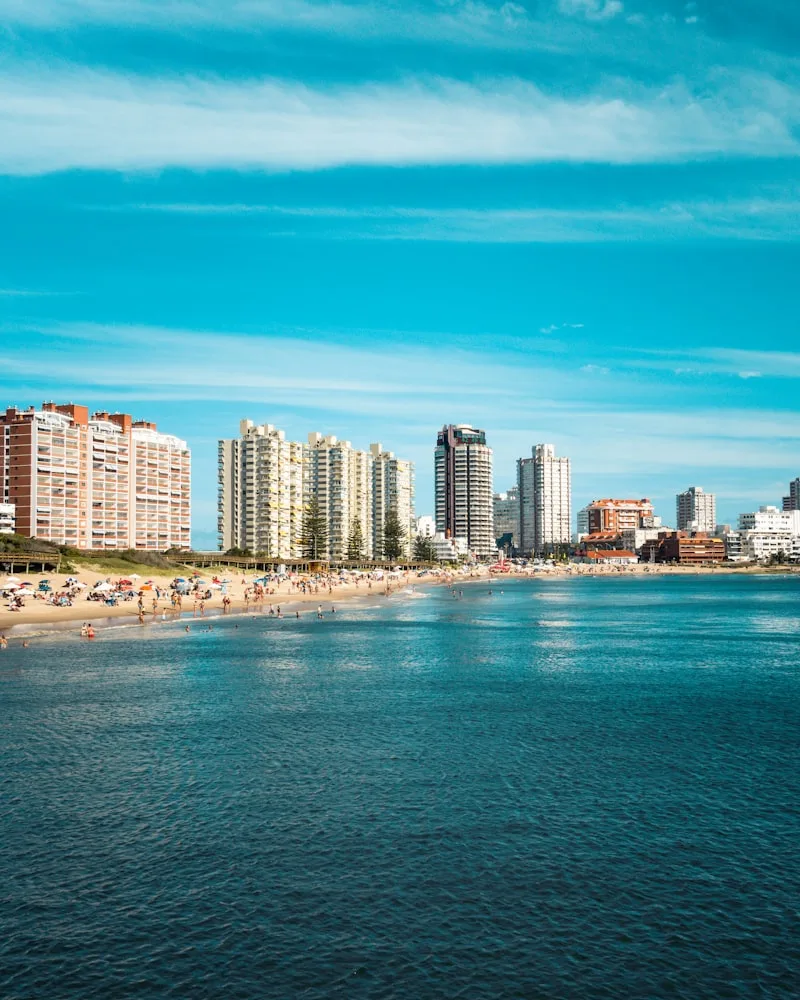
South America's most famous beach resort: high-rise towers above golden sand, the iconic fingers of La Mano rising from the beach, smart restaurants and marinas, and the calmer waters of Playa Mansa meeting the open Atlantic of Playa Brava.
Region
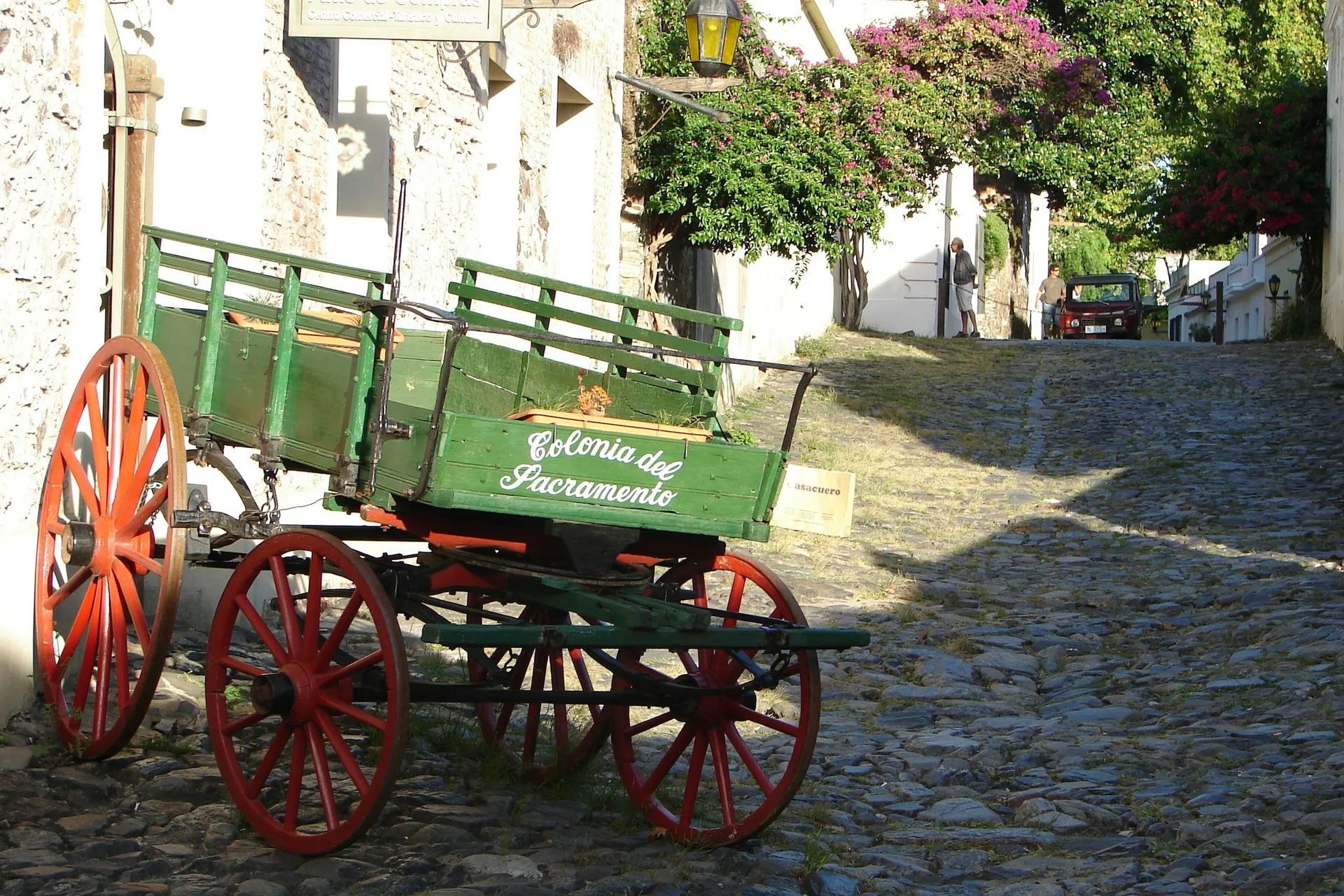
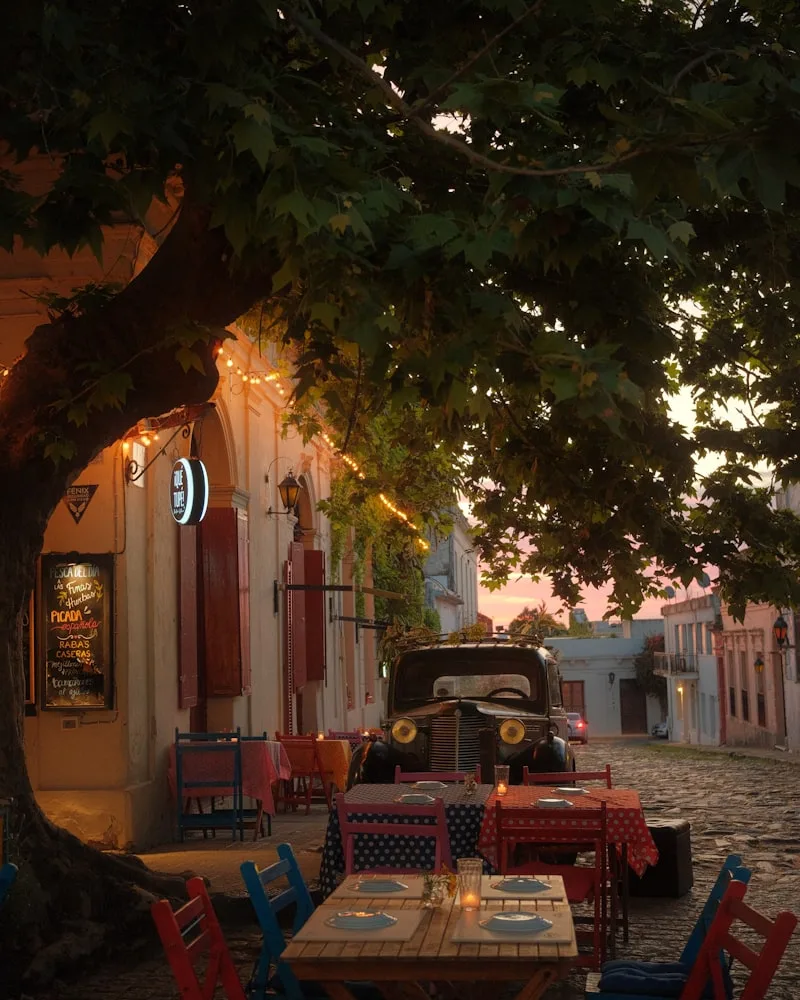
A UNESCO-listed colonial gem on the river: cobbled streets and a lighthouse, vintage cars and bougainvillea-draped walls, sycamore-shaded cafes and sunsets over the Rio de la Plata, an easy ferry hop from Buenos Aires.
Region
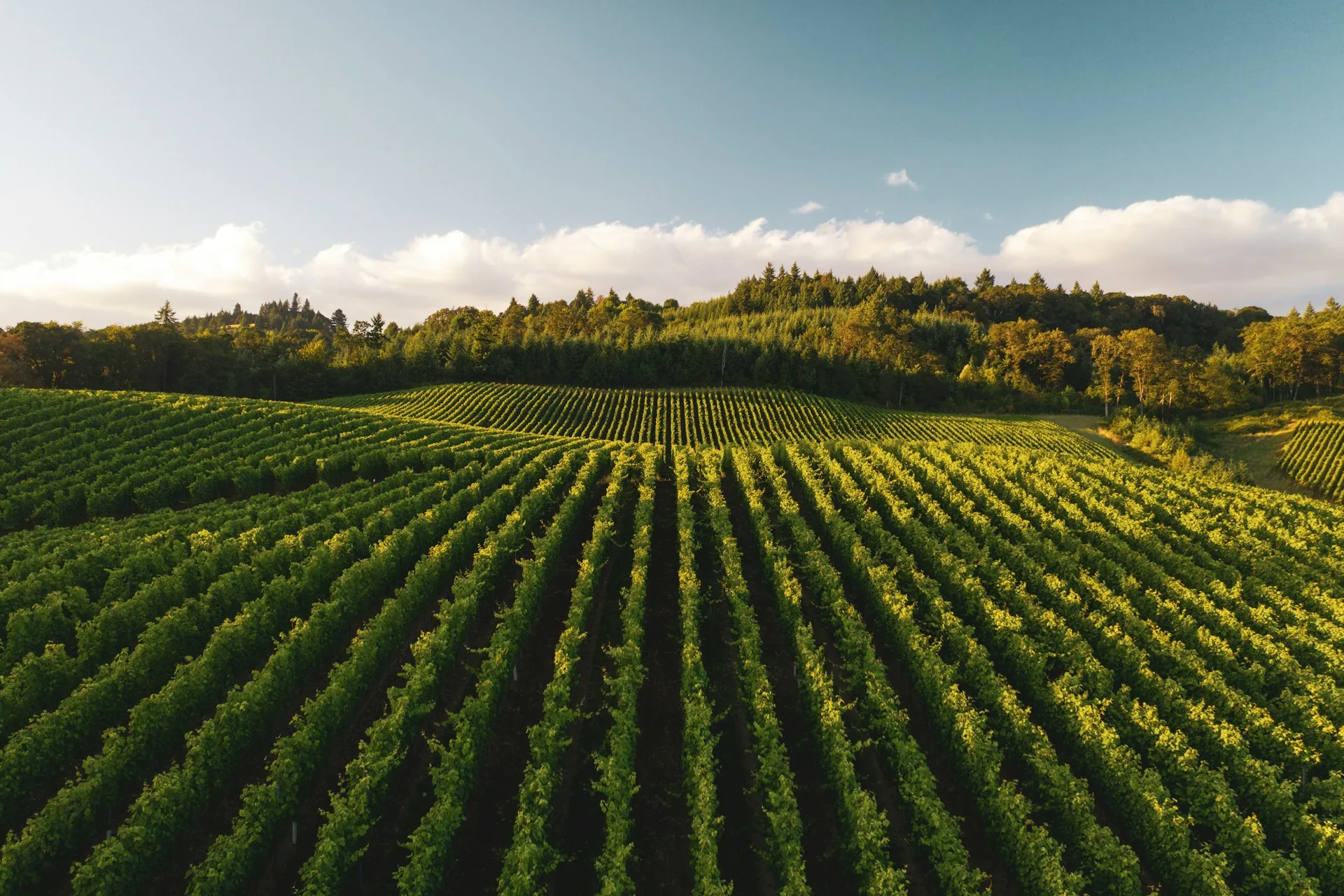
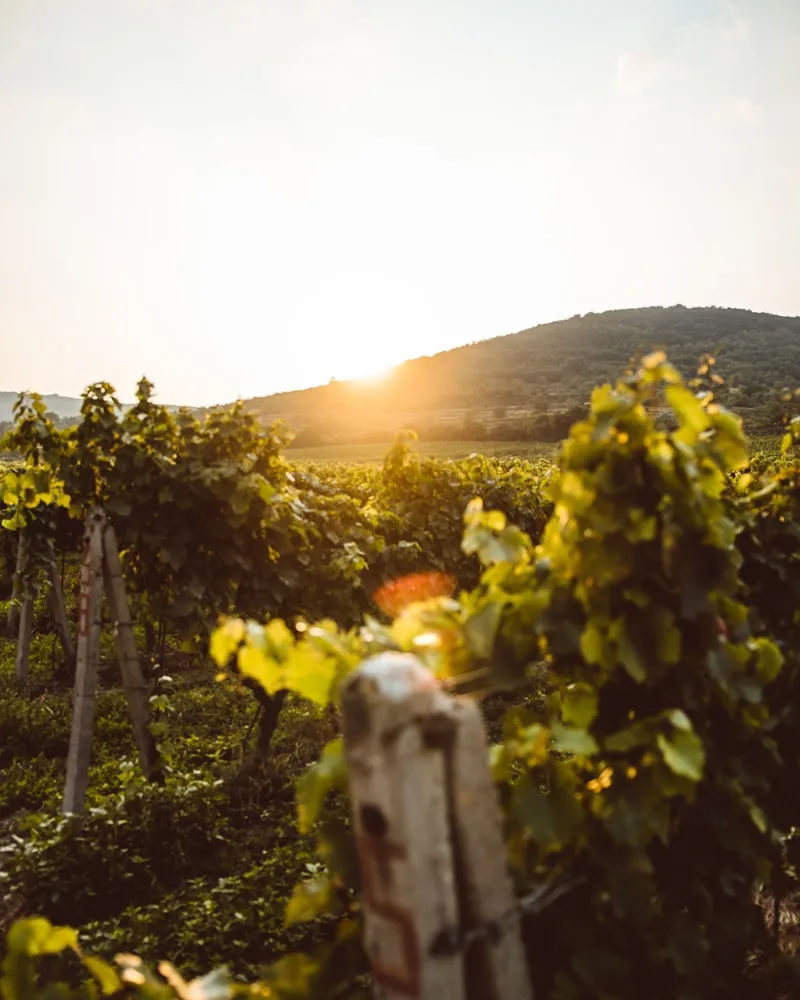
Rolling vineyards in Carmelo and Canelones, the heart of Uruguay's quietly excellent wine scene. Family bodegas pour the country's signature deep-red Tannat alongside long countryside lunches, an easy day or overnight from the capital.
Region
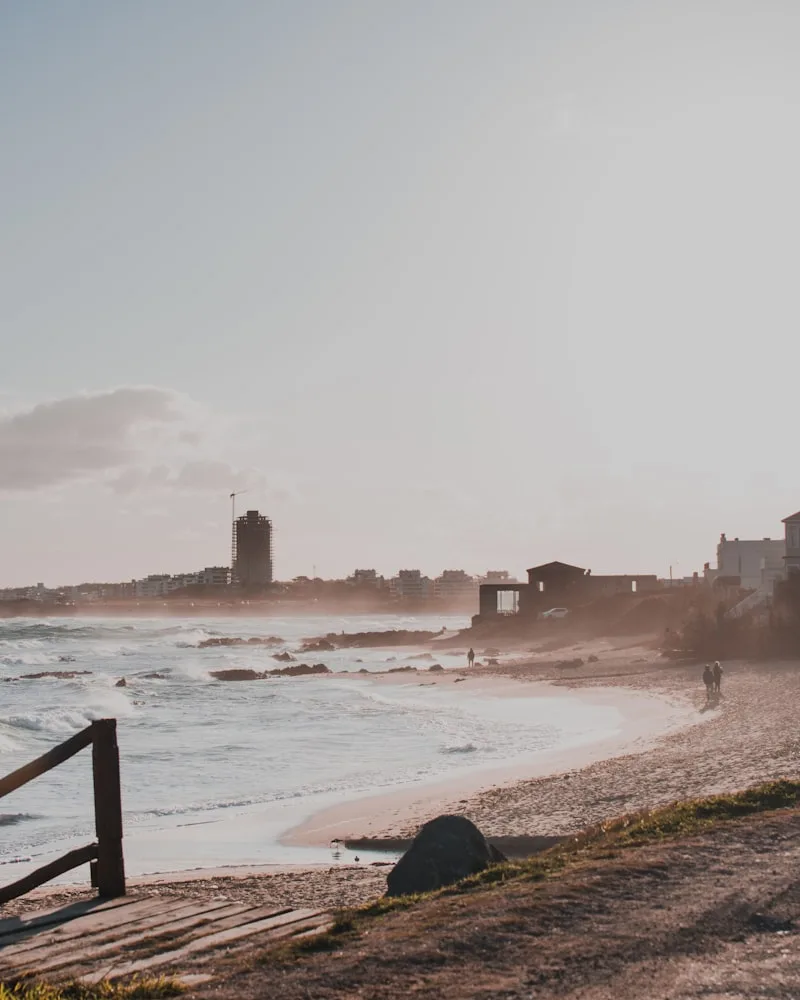
The wild, fashionable coast east of Punta del Este: the barefoot chic of Jose Ignacio, the dunes and lighthouse of bohemian Cabo Polonio, and long, near-empty stretches of sand where the Atlantic rolls in unbroken.
A sample journey
 1
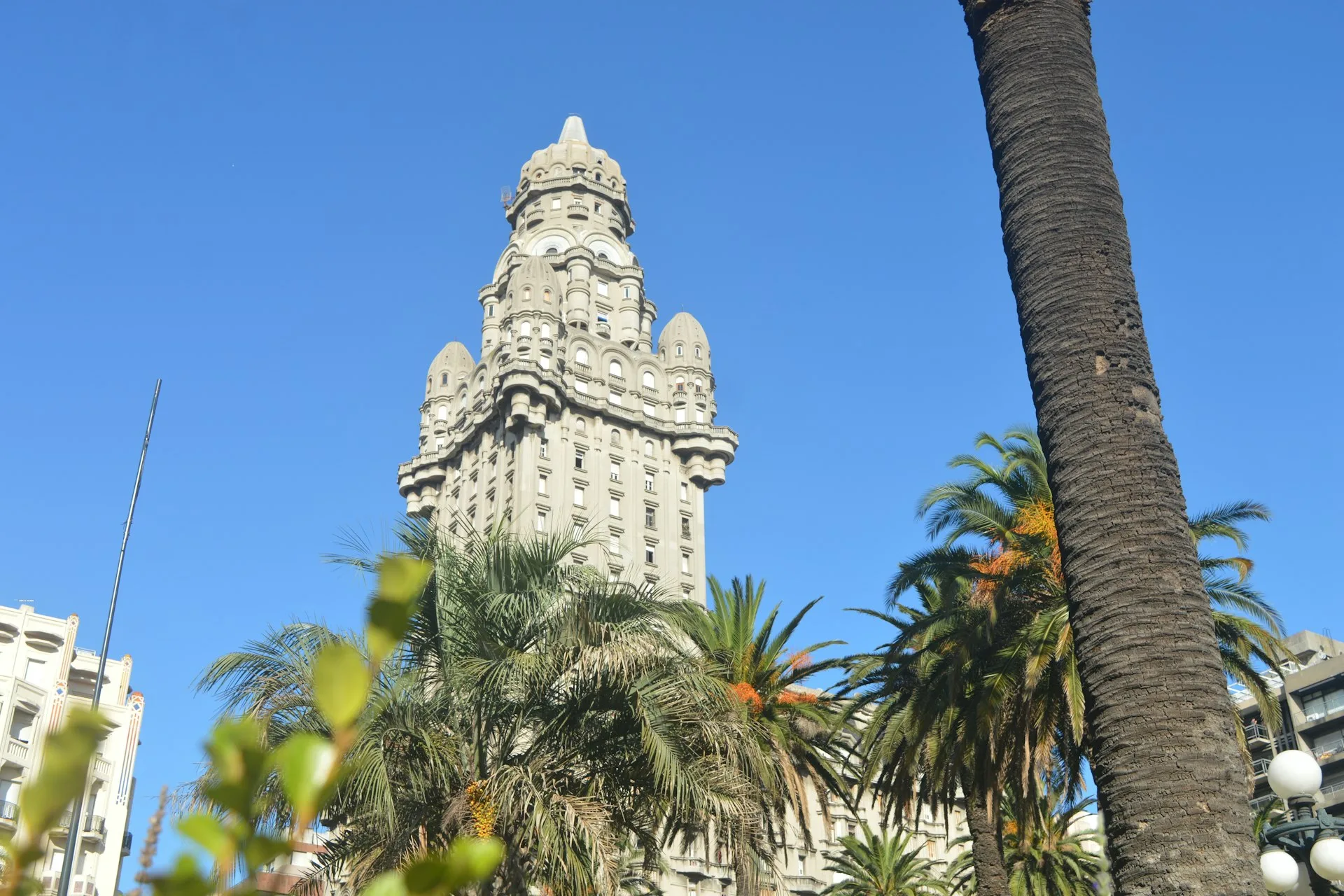
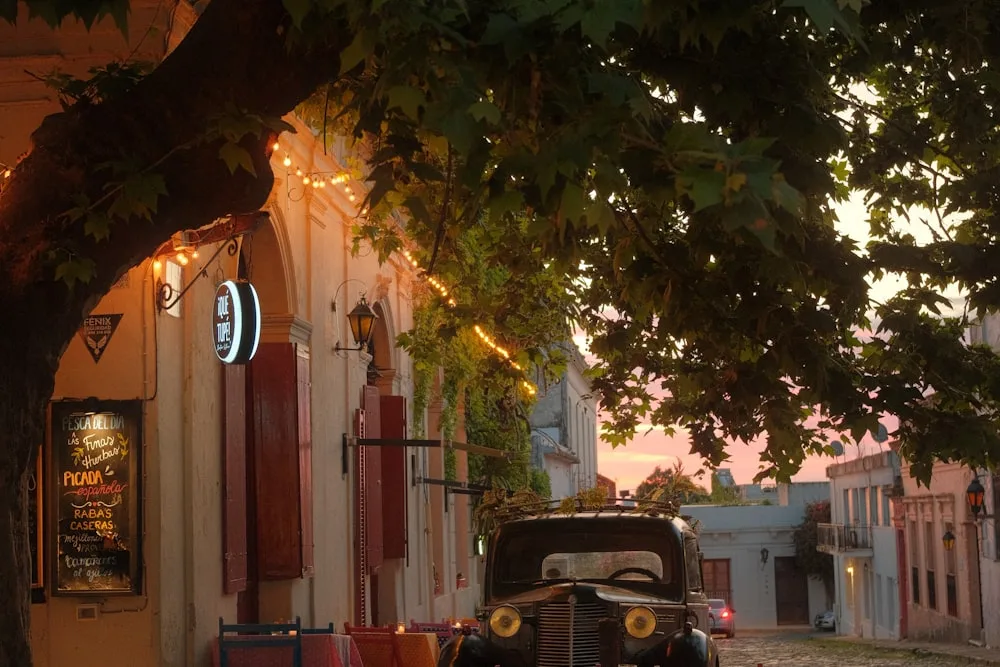
1 Begin in the easygoing capital: a walk along the waterfront Rambla, the Art Deco landmarks and plazas of the Ciudad Vieja, grilled meat at the Mercado del Puerto and long, slow evenings of tango and mate.
 2
2 Drive west to the UNESCO-listed colonial town on the river: cobbled lanes and a lighthouse, vintage cars and bougainvillea, sycamore-shaded cafes and a sunset over the Rio de la Plata.
 3
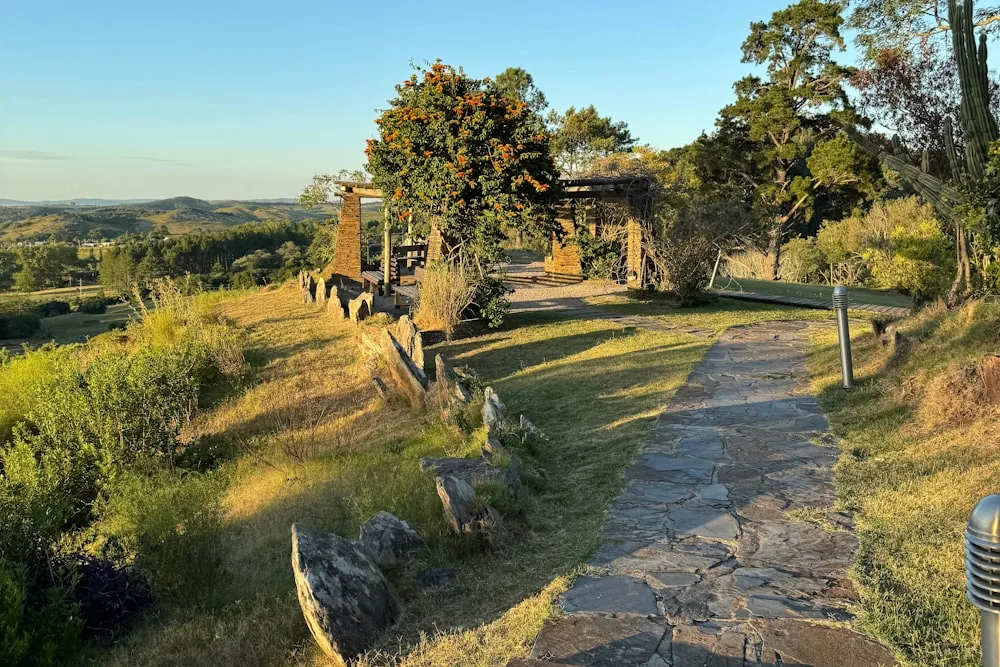
3 Into the rolling vineyards of Carmelo and Canelones for a private tasting at a family bodega, where the country's signature Tannat is poured alongside an unhurried countryside lunch among the vines.
 4
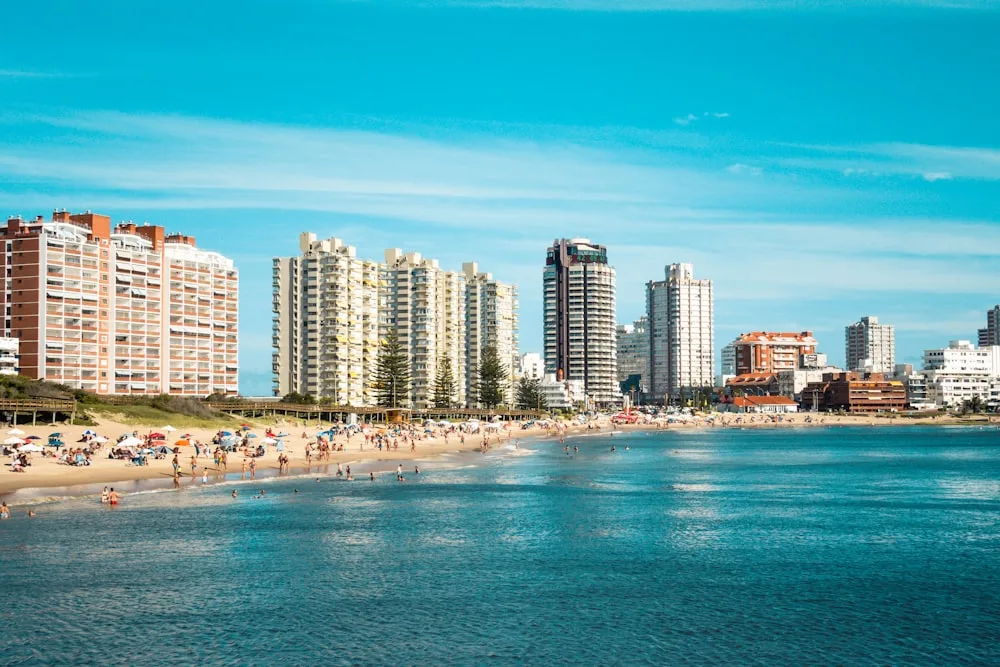
4 On to Uruguay's famous beach resort: the golden sweep of Playa Mansa and Playa Brava, the iconic La Mano sculpture rising from the sand, the marina and a string of smart seafront restaurants.
 5
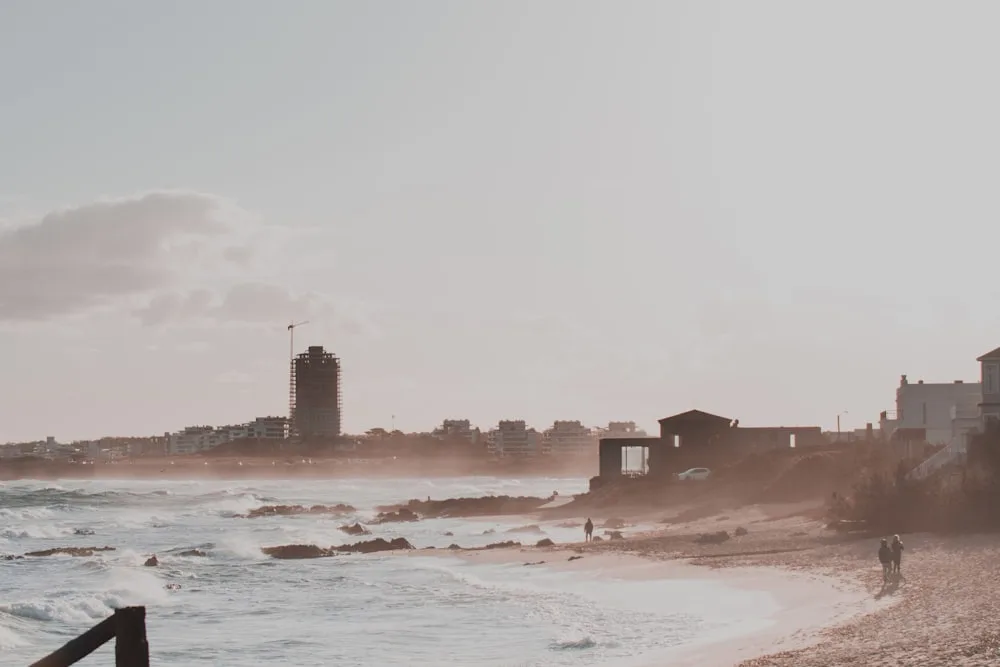
5 Finish east along the coast in barefoot-chic Jose Ignacio, with its lighthouse, dunes and long Atlantic beaches, the perfect place to slow right down for a last few days by the sea.
Every itinerary we build is bespoke: this is a starting point, not a package.
Getting around
Where to stay
The Buenos Aires ferries, transfers, driver-guides and any car hire are all arranged and timed as part of every itinerary, so even the river crossing is settled before you arrive.
Good to know
Six to nine nights is the sweet spot. A long weekend covers Montevideo and Colonia comfortably, while a week or so lets you add the wine country, Punta del Este and the quieter Atlantic beaches at an unhurried pace. Many travelers pair Uruguay with a few days in Buenos Aires, which is just a ferry ride away.
It depends on what you are after. For the beaches, the Southern Hemisphere summer from December to February is prime, with March and April our favorite window for warm seas, the grape harvest and fewer crowds. Spring (October–November) is mild and good value, while the cool winter months are quiet, with the cities and Colonia still rewarding.
Absolutely, and we often do. Uruguay sits just across the Rio de la Plata from Buenos Aires, and a quick ferry drops you straight into the cobbled streets of Colonia del Sacramento, or a slightly longer sailing reaches Montevideo. It makes for one of the easiest and most rewarding two-country trips in South America.
Yes, especially in summer, when it is South America's most famous beach resort, with golden sand, smart restaurants and a lively marina, plus the iconic La Mano sculpture rising from the beach. For something quieter and more stylish, we often pair it with barefoot-chic Jose Ignacio just up the coast, which many travelers end up loving most.
They do, and it is one of the country's happiest surprises. Uruguay's signature grape is Tannat, which produces deep, robust reds, and the family bodegas around Carmelo and Canelones offer warm, personal tastings paired with long countryside lunches. We build a vineyard visit or an overnight on the estate into many of our itineraries.
Ways to Explore

A private journey designed entirely around you, your pace, and your people.
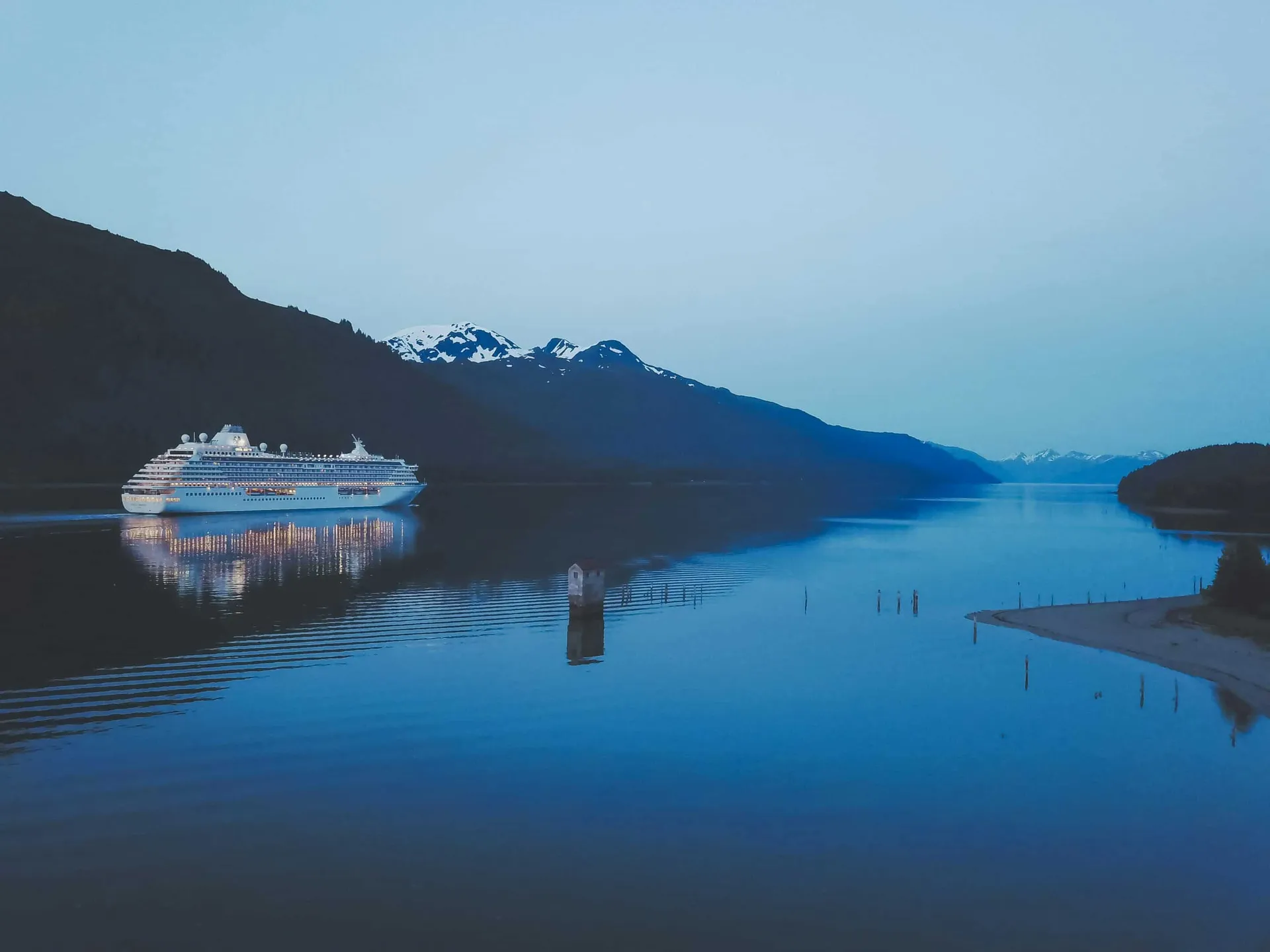
River, ocean and expedition voyages, from the Danube to Antarctica.

Expertly guided, end to end, with the world's finest local operators.
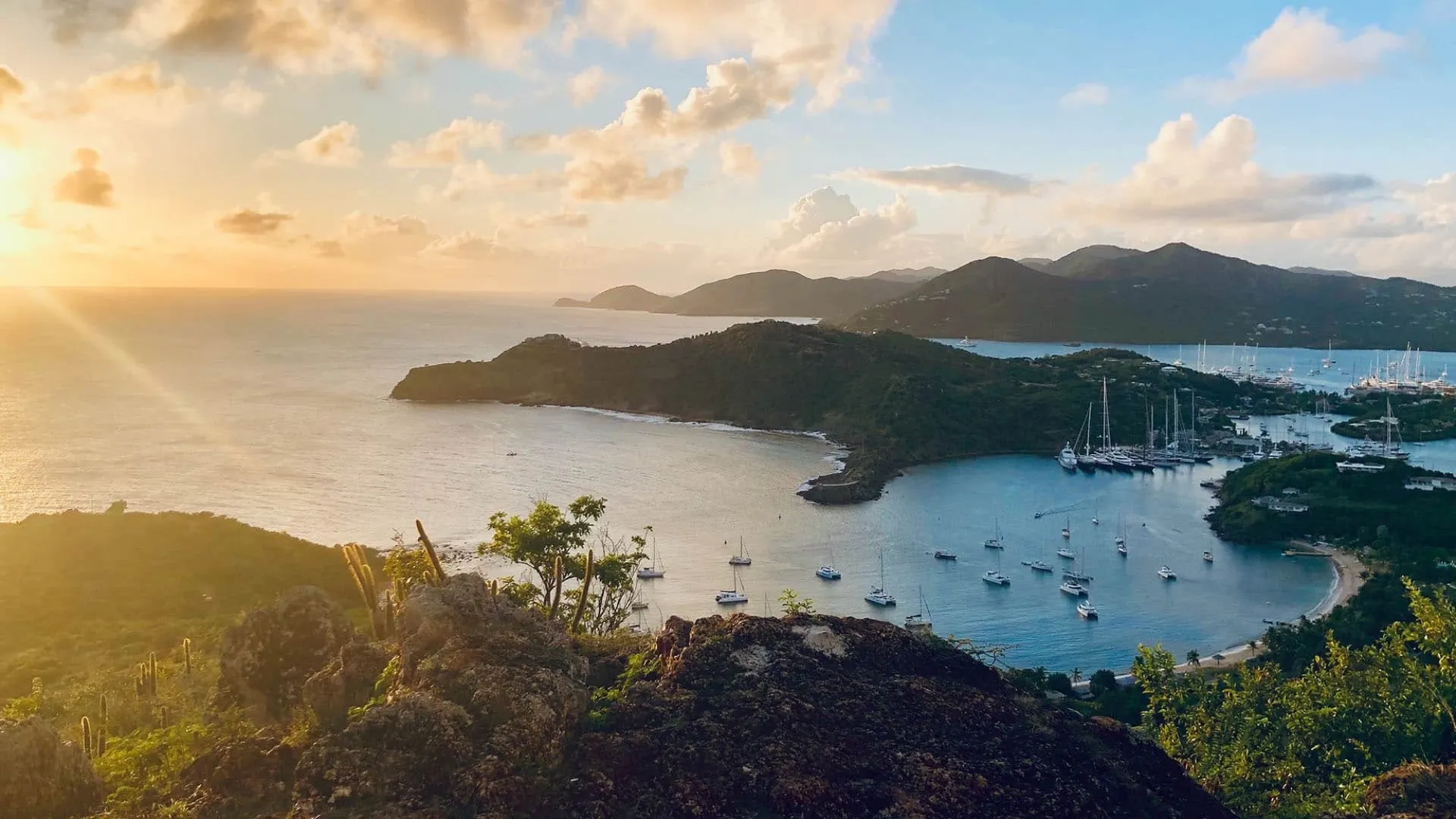
Effortless resort escapes; we cut through the haze to the right one.
Let's begin
Tell us your travel dates and what you love, and we'll handle every detail.
Plan Your TripSearch Chima Travel