Region
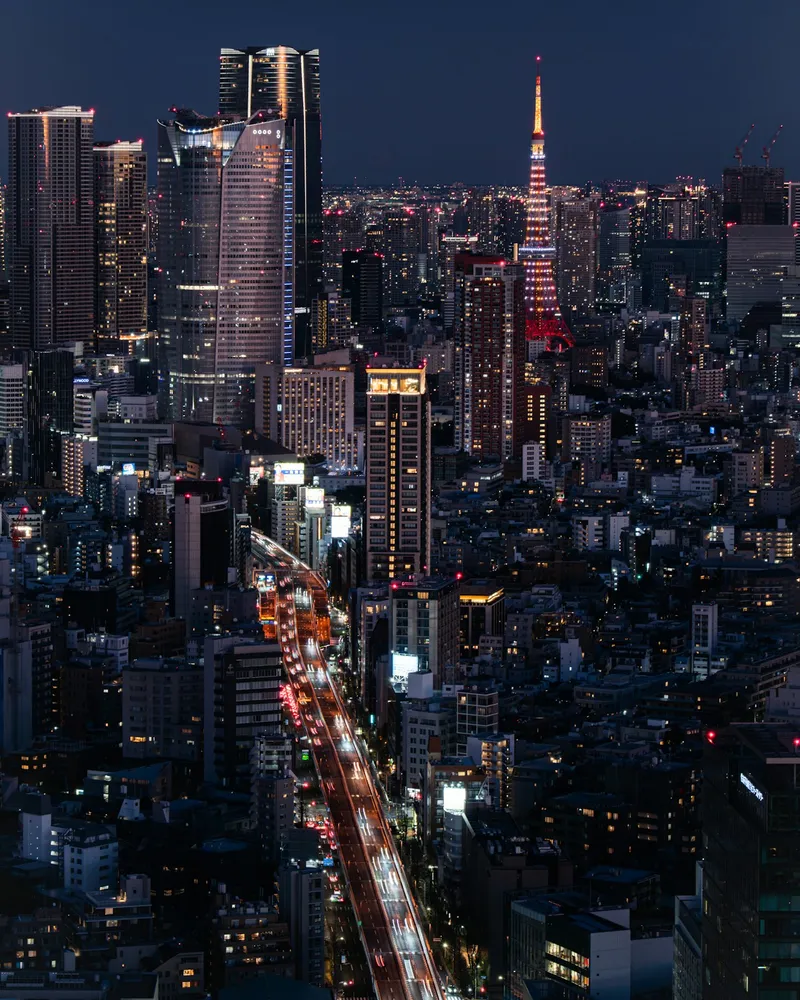
Tokyo
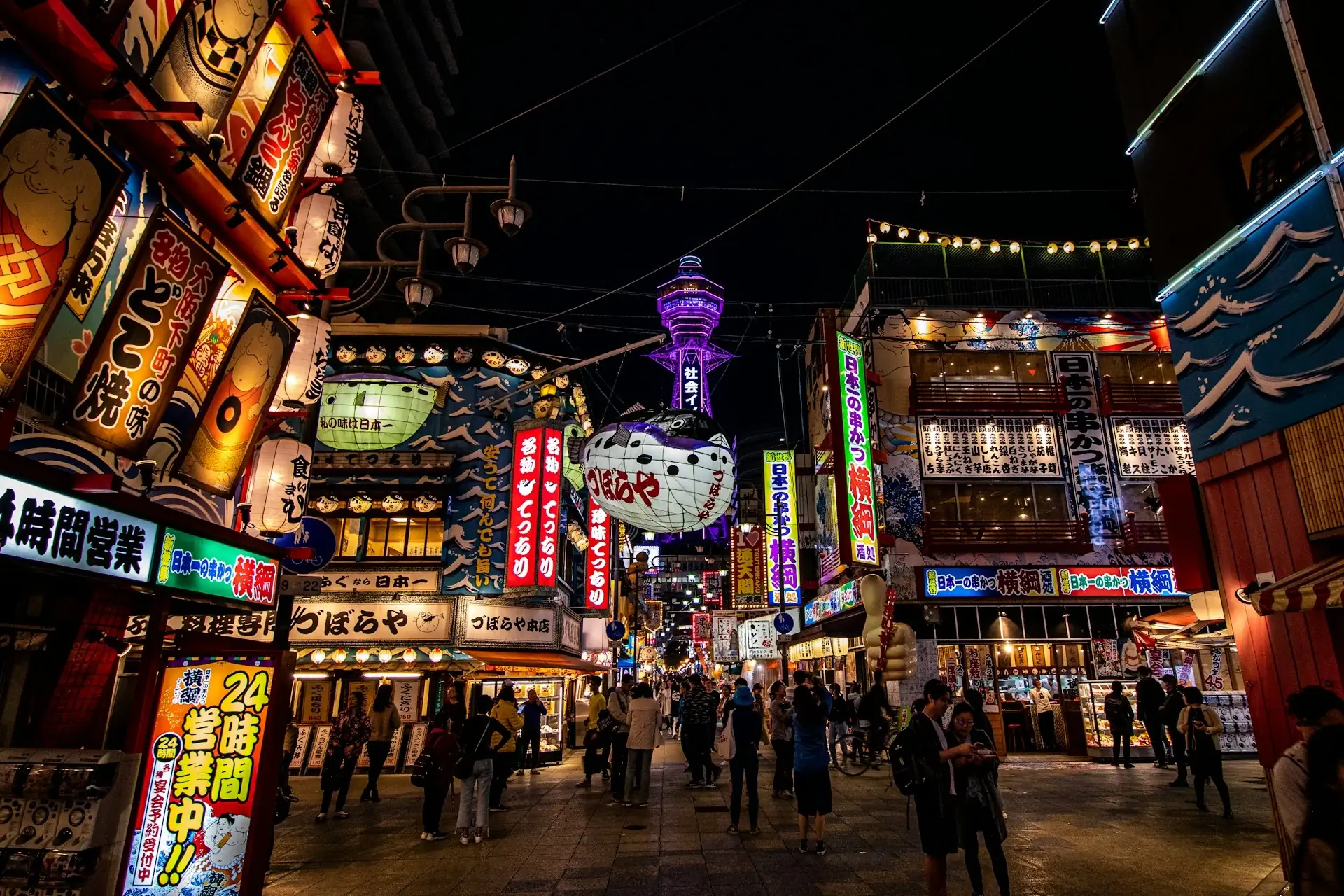
The dazzling capital, where ancient shrines sit beside neon-lit towers, Michelin-starred counters and tiny backstreet bars, and every neighborhood feels like a city of its own.

By Continent
Europe Africa Asia North America South America Caribbean Australia & Oceania All destinationsOverview
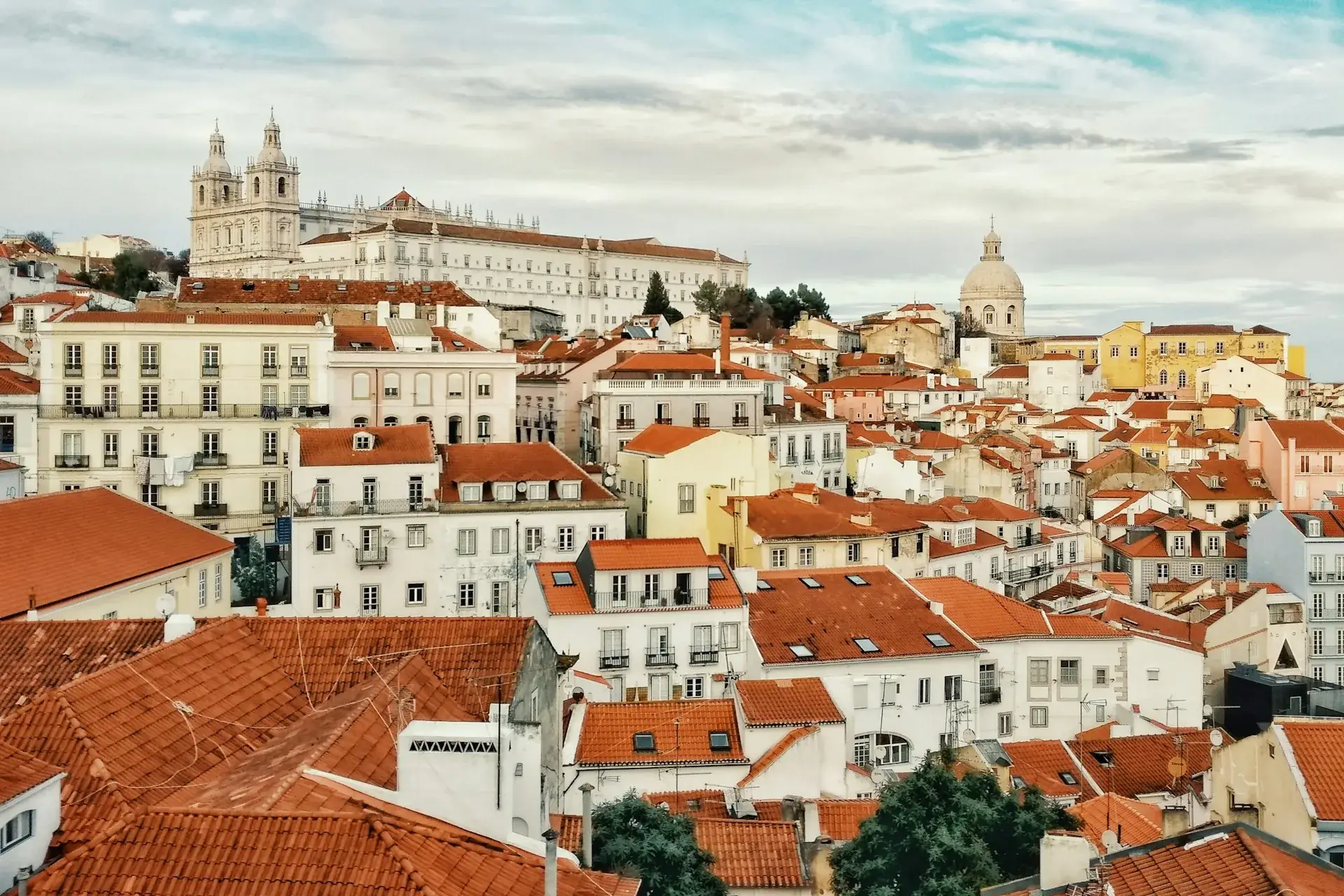
From the canals of Venice to the black-sand coasts of Iceland, Europe rewards the curious traveler with centuries of art, architecture and unforgettable flavor, all within easy reach of one another.
View all EuropeOverview
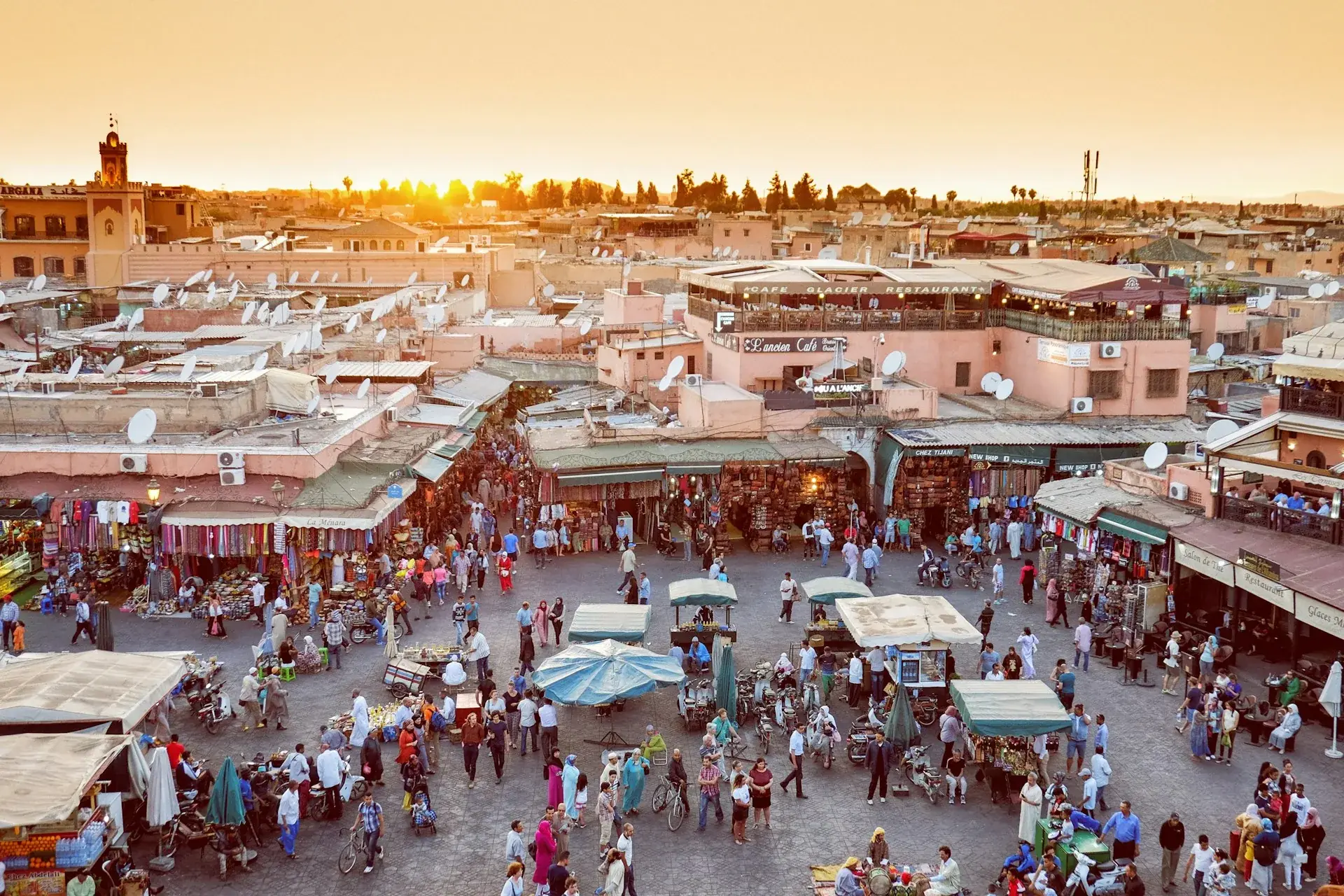
From the dunes of the Sahara to the great plains of the Serengeti, Africa is a continent of staggering scale and singular encounters: a place where landscape, wildlife and culture meet at full intensity.
View all AfricaDestinations
Overview
Vast and varied, Asia spans snow-capped peaks and tropical coasts, neon megacities and silent temples. It is a continent that rewards both the first-time traveler and the lifelong returnee.
View all AsiaFeatured
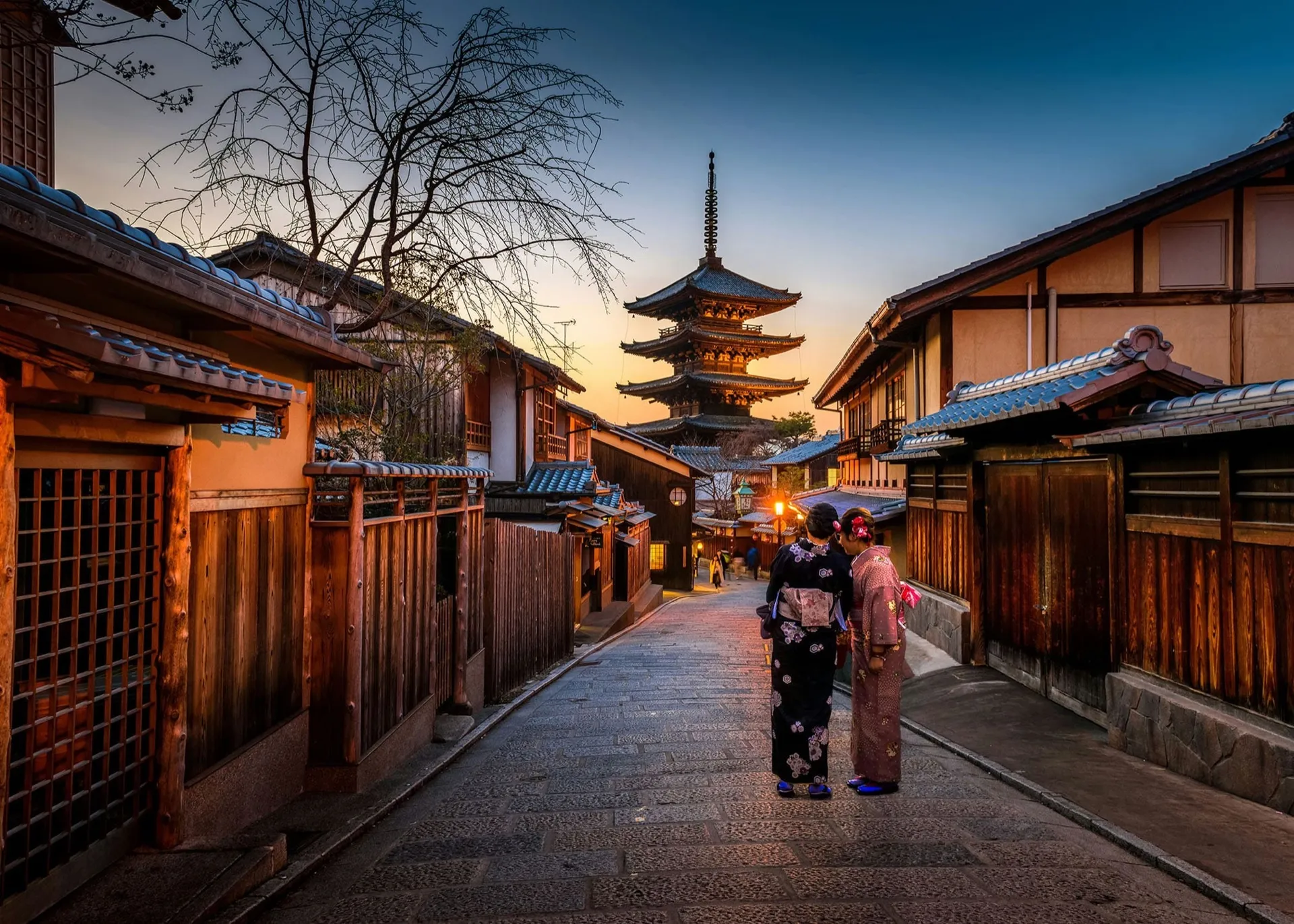 Japan · signature experience Kyoto
 Overview
Close to home and endlessly varied, North America ranges from desert canyons to alpine national parks, from world cities to quiet coastal towns: a continent that contains a dozen vacations within a single border.
View all North AmericaDestinations
Overview
A continent of extremes, from the high Andes and the vast Amazon to glacial Patagonia and the rhythm of its cities, South America rewards the adventurous traveler with some of the planet’s most dramatic scenery and deepest history.
View all South AmericaOverview
A scattering of islands across impossibly blue water, the Caribbean is the art of the easy day perfected: white sand, warm rhythm and hospitality that turns first-time visitors into lifelong returnees.
View all CaribbeanDestinations
Overview
From the Great Barrier Reef to the red heart of the outback, from the fjords of New Zealand to the scattered atolls of the South Pacific, Australia & Oceania offer some of the most remote and rewarding travel on earth.
View all Australia & OceaniaDestinations
Est. 1918 · four generations · 38 countries
How You Travel
River Cruises Ocean & Small-Ship Expedition Flights Tours & Escorted All-Inclusive All travel experiencesFeatured
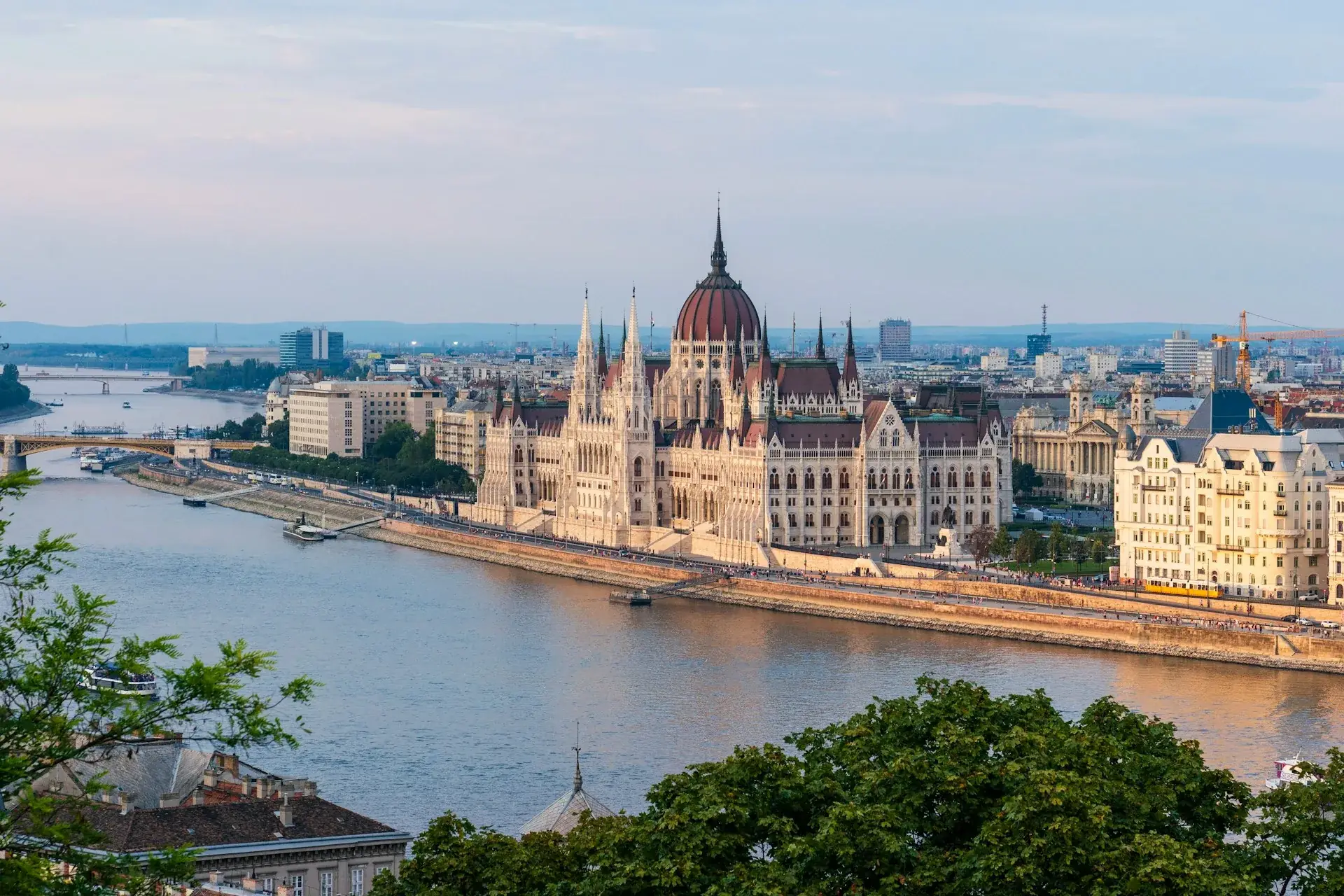 The Danube
 Featured
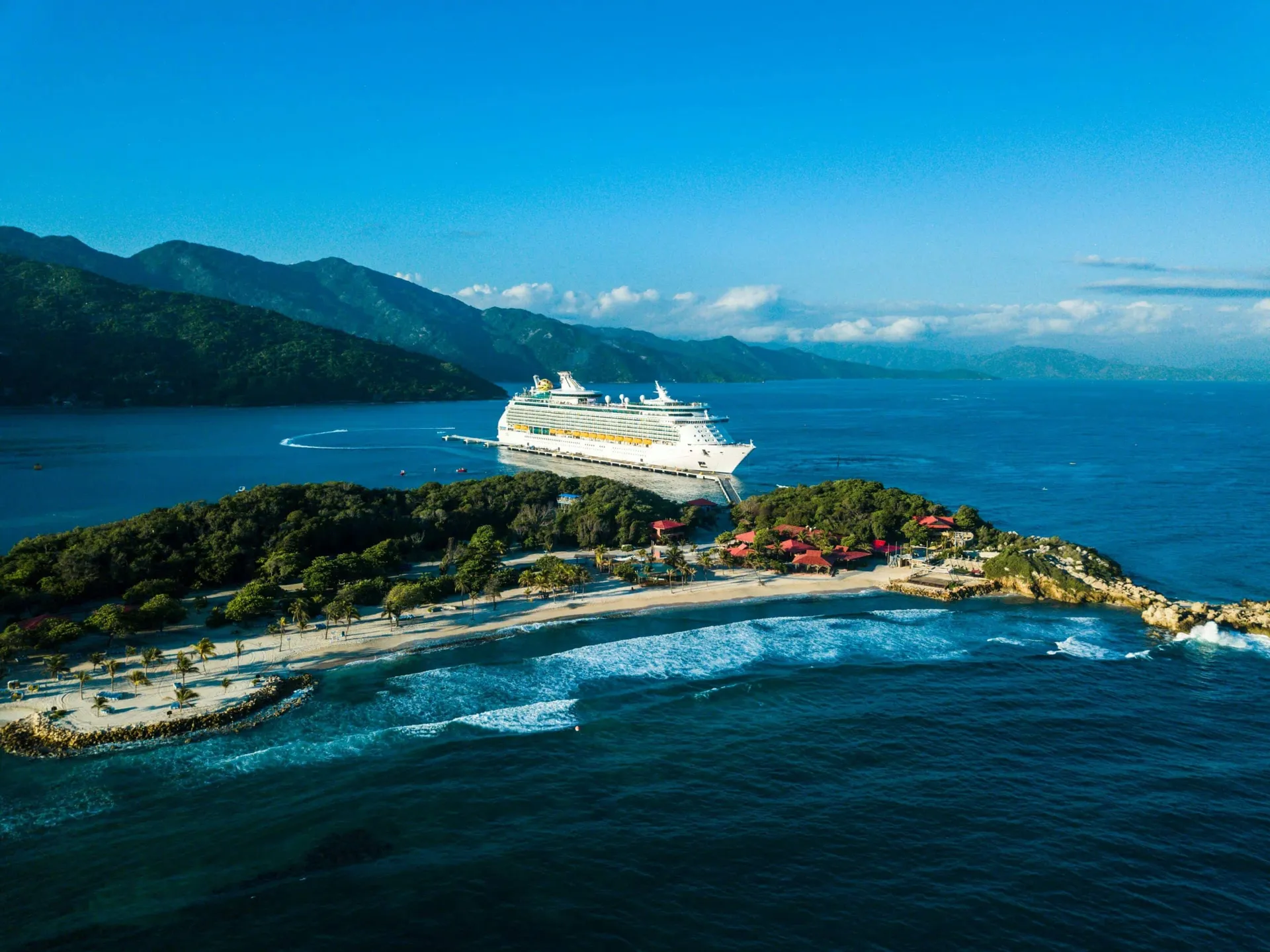 The Caribbean
 Featured
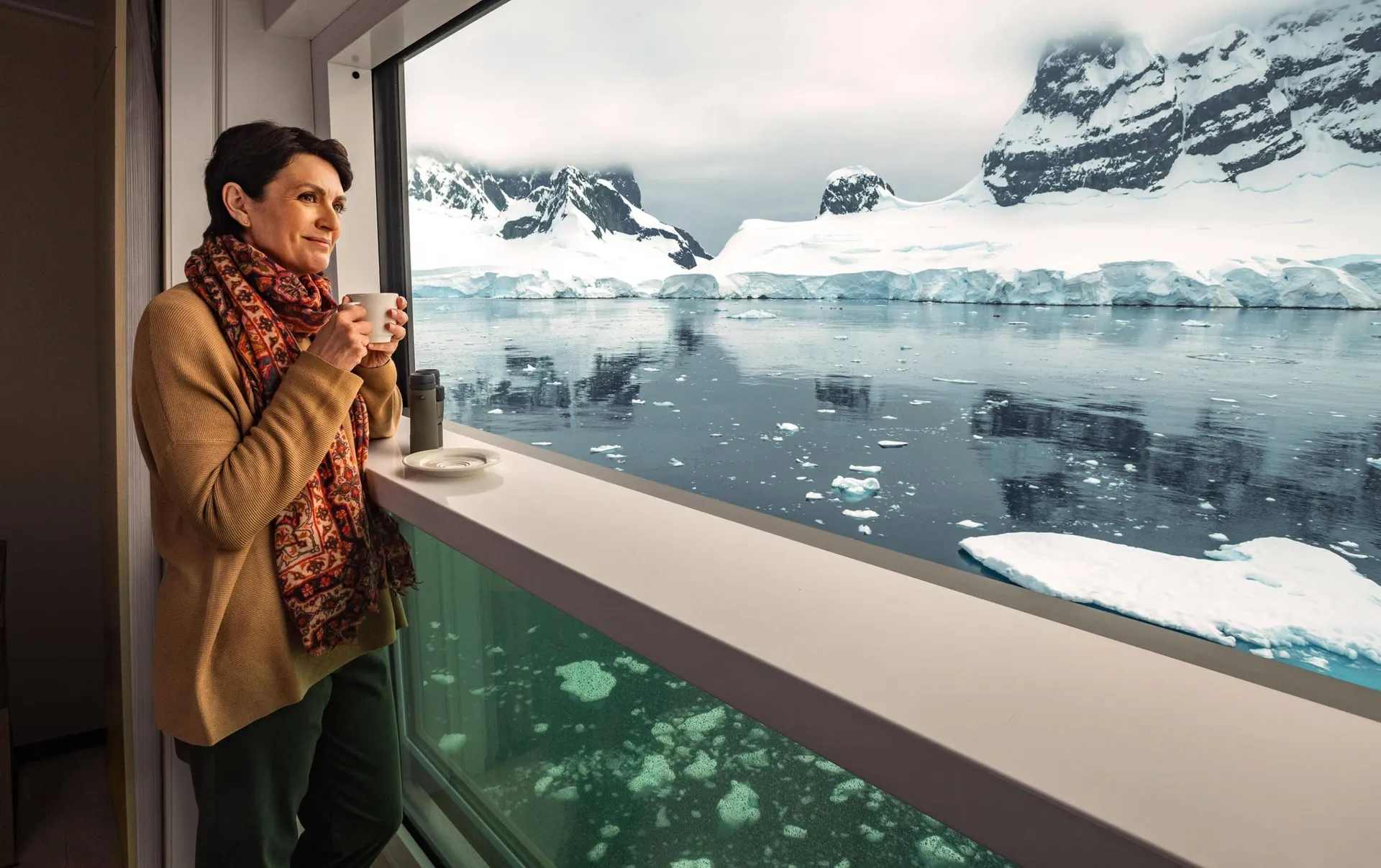 Antarctica
 Overview
Premium-cabin fares, complex routings and around-the-world tickets, booked by people who fly for a living.
Explore flightsFeatured
 Flights
 Overview
Expertly guided group departures and private escorted itineraries across the world's great regions.
Explore tours & escortedFeatured
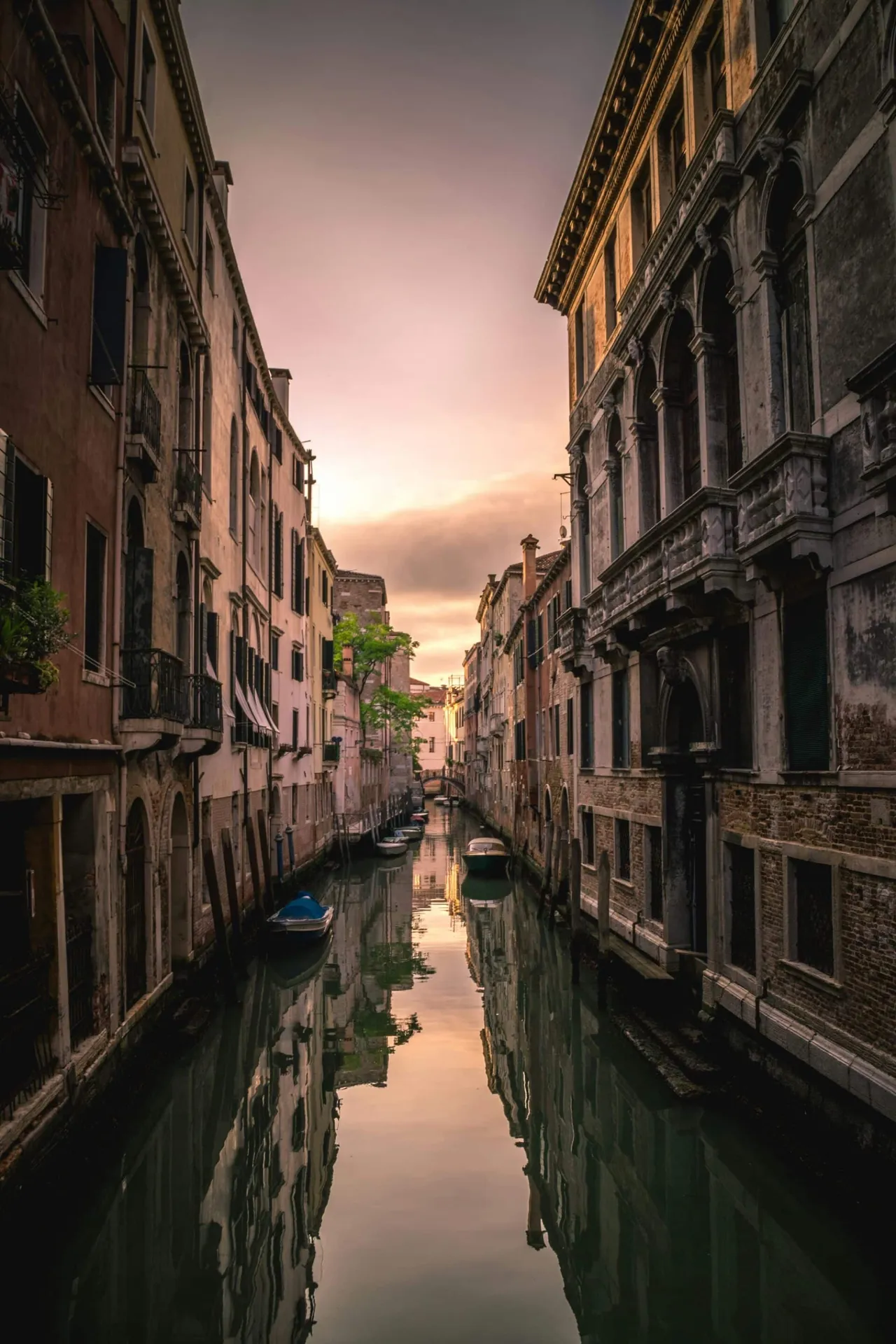 Tours & Escorted Journeys
 Overview
Beach and luxury all-inclusive escapes where flights, meals and more fold into a single, easy fare.
Explore all-inclusiveFeatured
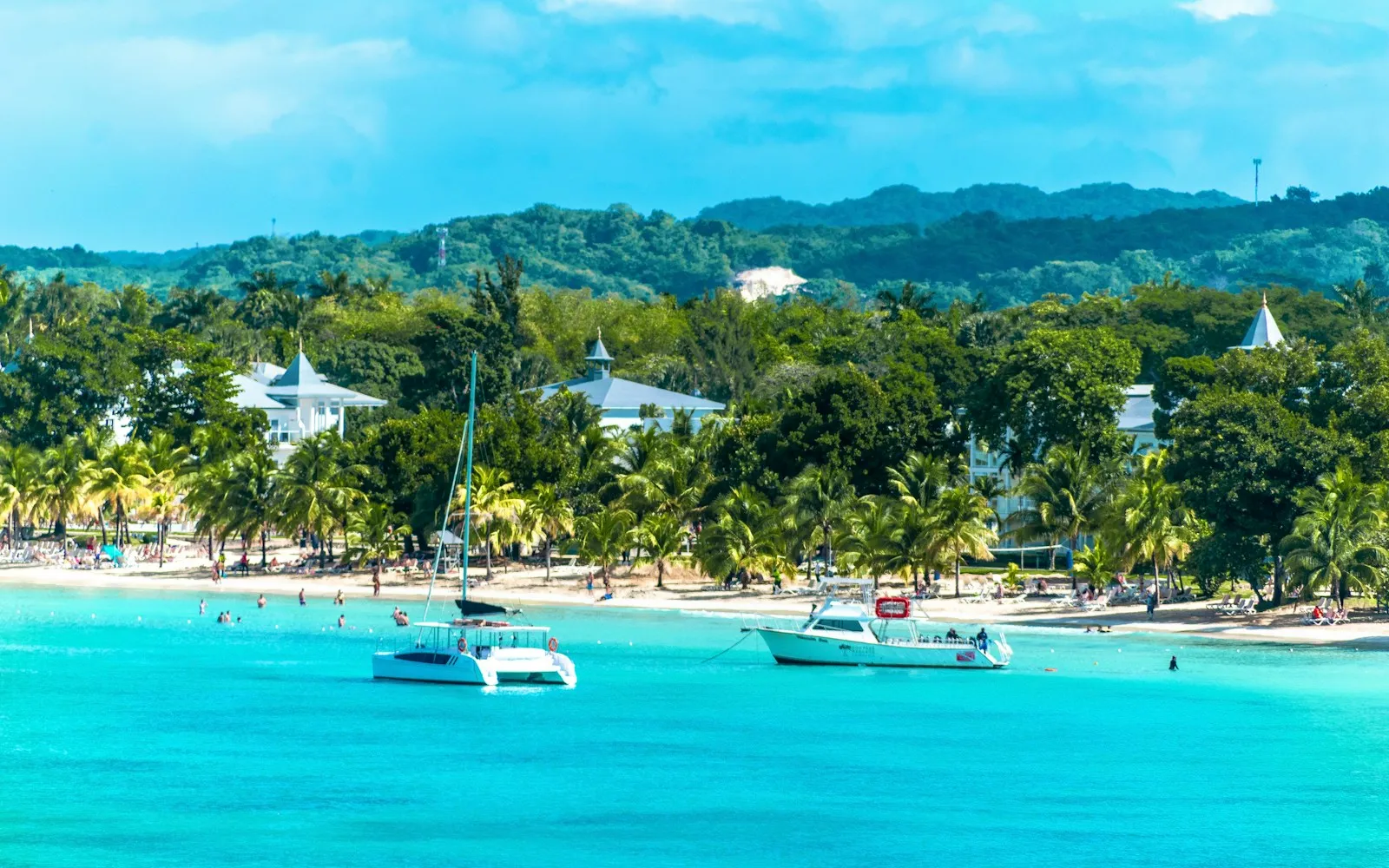 All-Inclusive Resorts
 River, ocean & expedition cruises · flights · tours · all-inclusive
Corporate travel
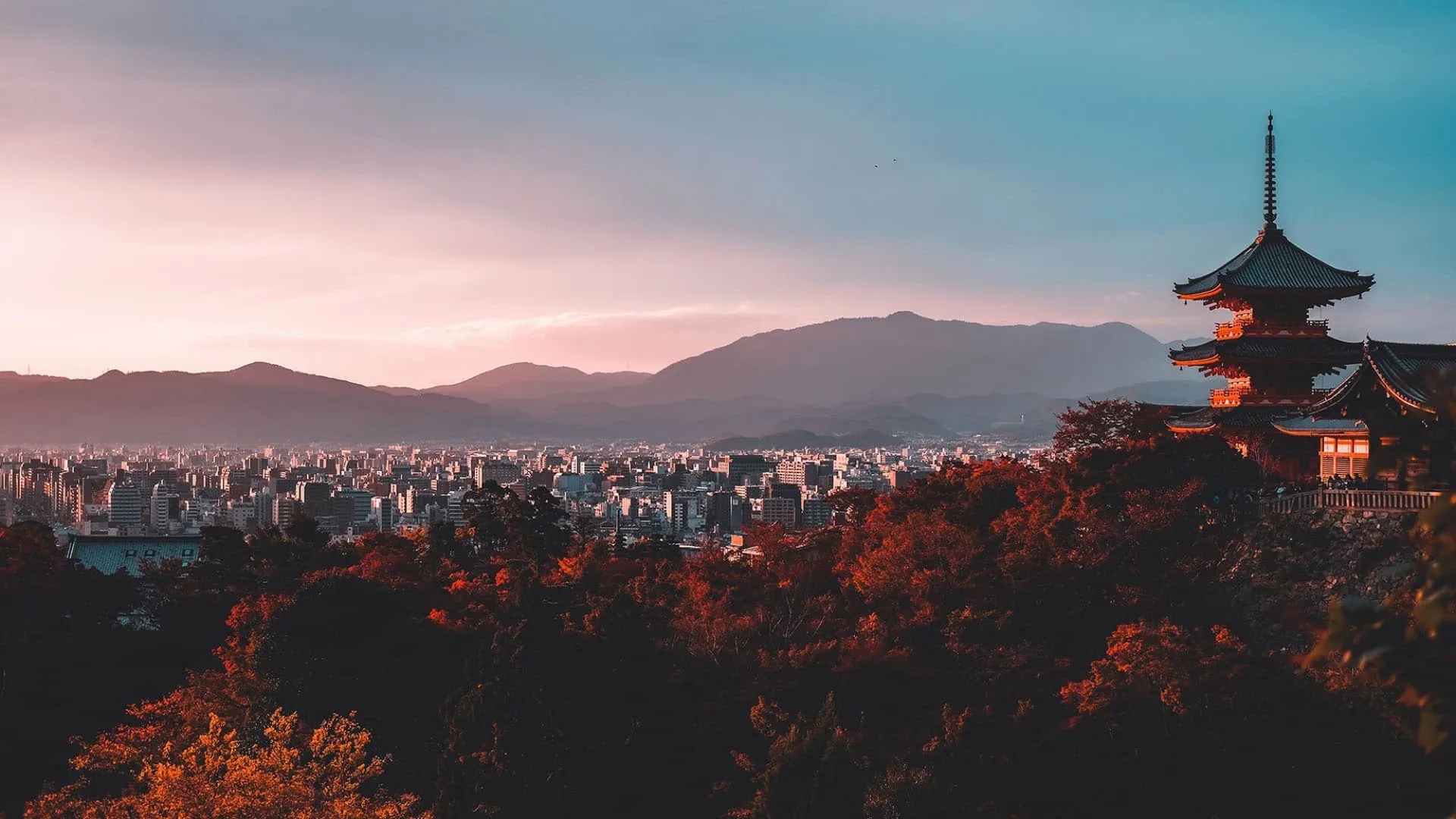
Destinations · Asia
The land of the rising sun.
The country
From the bustling streets of Tokyo to the peaceful temples of Kyoto, Japan blends ancient ritual and modern wonder like nowhere else on earth. It is a country of exquisite detail: in its gardens, its cuisine, its craftsmanship and its quiet codes of courtesy.
Ride the shinkansen past Mount Fuji, soak in a mountain onsen, lose an afternoon among Kyoto’s vermilion torii gates, then surface into the dazzling energy of a Tokyo night. The contrast is the point, and the pleasure.
We help you navigate this unique and fascinating culture with insider knowledge of where to stay, what to eat, and how to travel it well.

William's take
Japan might be my favorite country in the world. Tokyo is one of the coolest cities anywhere: it is absolutely massive and yet incredibly clean, and the people are some of the kindest and most respectful you will ever meet. You get this rare mix of deep history, delicious food and genuinely beautiful nature, all in a single trip.
One of my favorite things to do is head into the Japanese Alps and visit Kanazawa, an old samurai stronghold, where you can trace both samurai and geisha history and then soak in a natural hot spring at a traditional onsen. It is the side of Japan a lot of first-timers miss, and it is unforgettable.
Kyoto is the cultural capital of the country, and a day trip to Nara to meet the famous deer is truly a special experience. Then there is Osaka, the food capital, where you can eat some of the best Kobe beef, wagyu and street food Japan has to offer. Whatever you love, Japan delivers it at a level few places can match.
Planned by Chima Travel, a family agency serving travelers since 1918 and now in our fourth generation. Proud members of ASTA, with IATA accreditation.
When to go
Japan turns on two hinges — the cherry blossom in spring and the koyo color in autumn — and the rest of the calendar swings around them. This is how we'd read the year across the desk, primes worth booking a year out and the quiet stretches that are quietly yours.
Cherry blossom season, when the country turns pink and the parks fill with hanami picnics. The most beautiful and most sought-after window, so we book hotels and rail many months ahead.
Autumn foliage, with maples turning crimson and gold across the temple gardens of Kyoto and the mountains of the Alps. Crisp, clear days and our other favorite season.
The early-summer rainy season (tsuyu) brings lush green and hydrangeas, fewer crowds and softer rates. Showers come and go, and a flexible day or two keeps it easy.
Hot and humid in the cities, but the season of summer festivals and fireworks, and ideal for escaping to the cooler highlands of the Japanese Alps and Hokkaido. Early autumn keeps the heat into September before the color turns.
Cold, clear and calm, with the fewest crowds and good value. Snow blankets the Alps and the north, the onsen are at their most inviting, and Mount Fuji is often at its sharpest.
Where to go
Japan rewards travelers who pair the great cities with a few quieter corners rather than racing from end to end. These are the areas we weave together most often, each with its own rhythm, table and landscape, from the neon energy of Tokyo to the mountain villages of the Alps.
Region
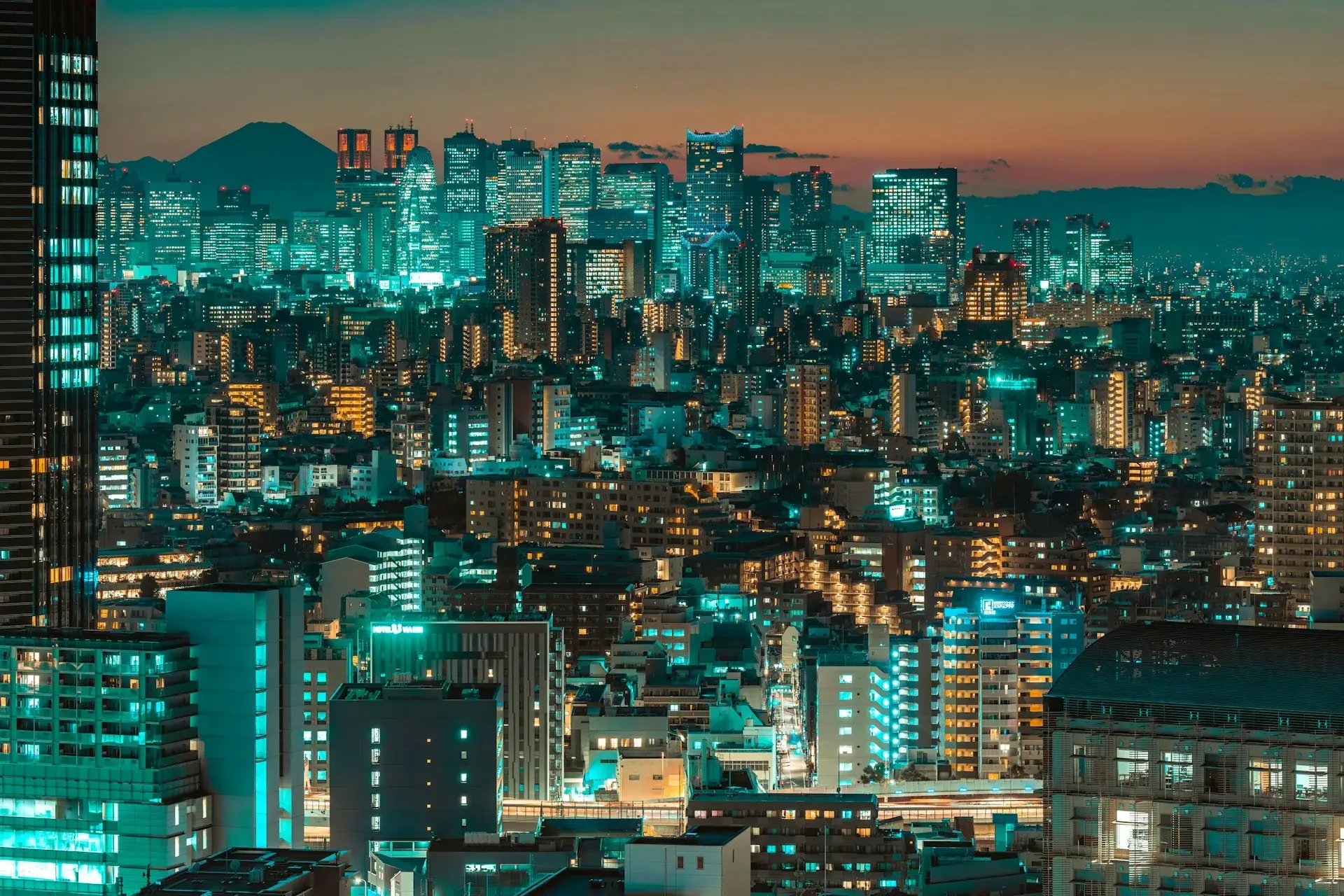
The dazzling capital, where ancient shrines sit beside neon-lit towers, Michelin-starred counters and tiny backstreet bars, and every neighborhood feels like a city of its own.
Region
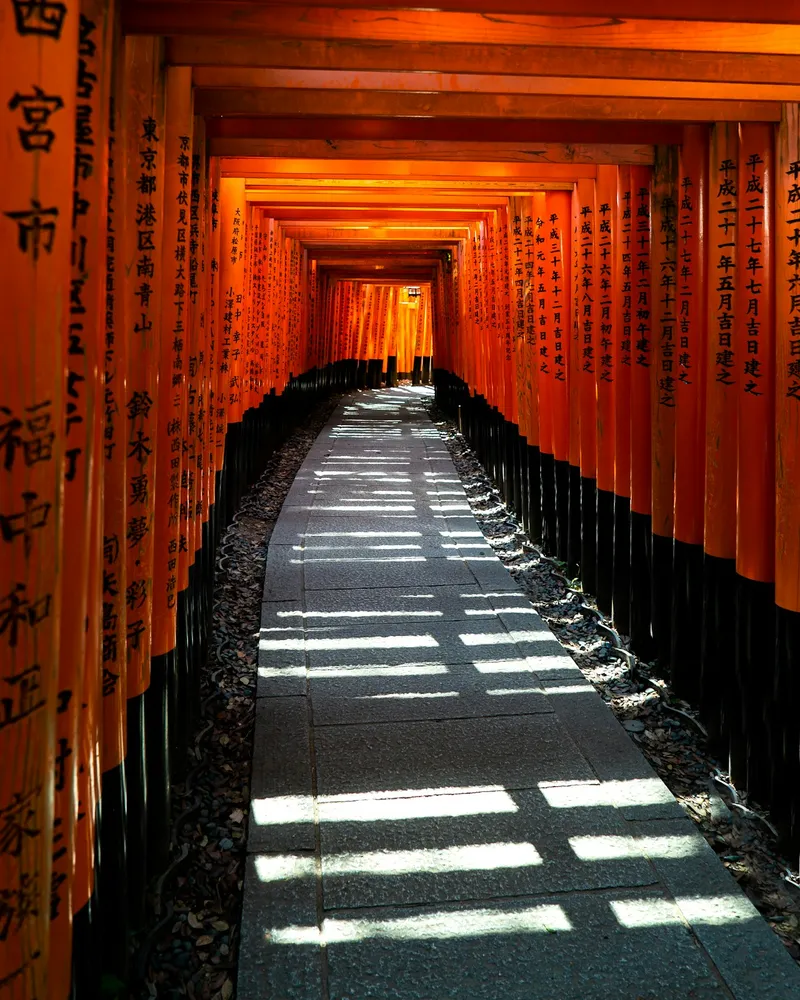
The cultural heart of Japan, with more than a thousand temples and shrines, the vermilion torii of Fushimi Inari, raked gardens and the lantern-lit lanes of geisha-district Gion.
Region
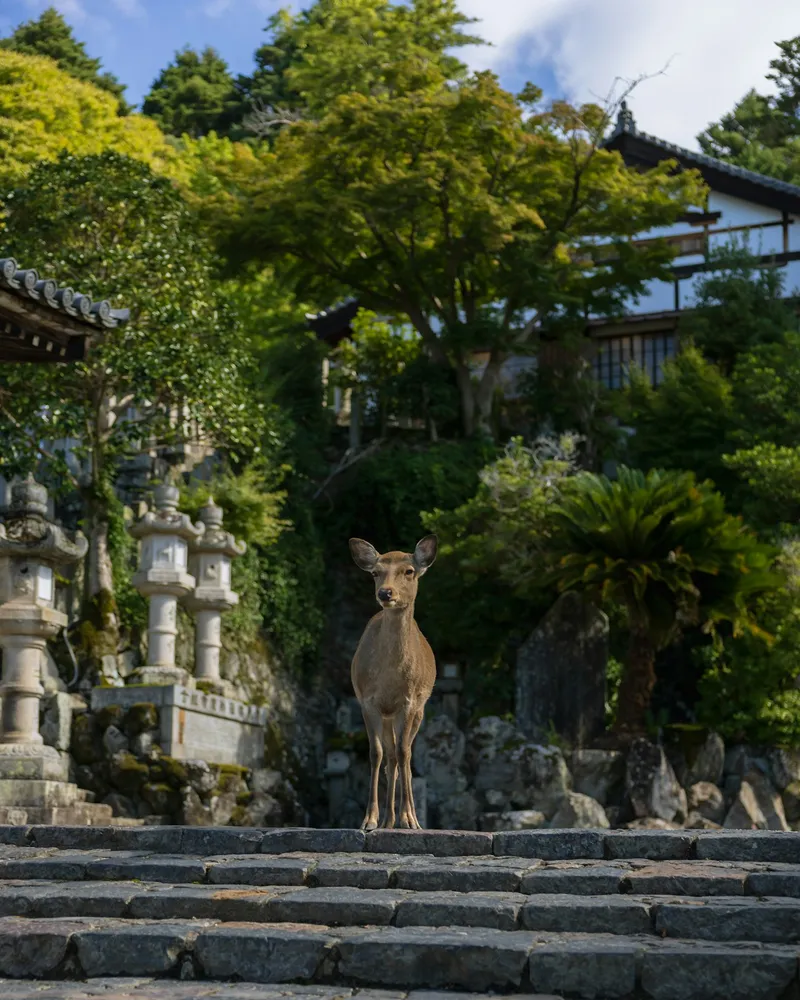
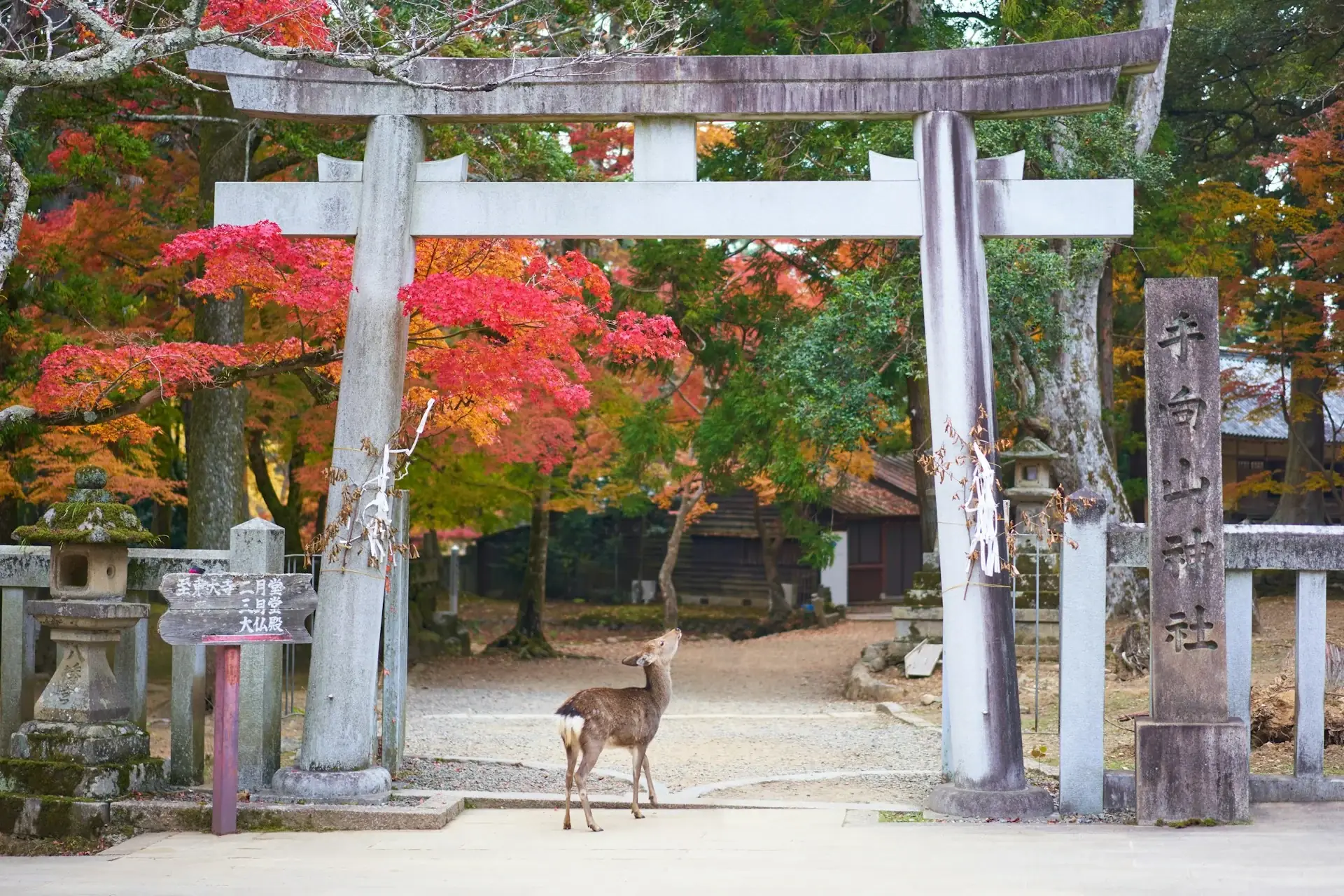
Osaka's exuberant street-food culture paired with Nara, Japan's first capital, where bowing deer roam the parks around the great bronze Buddha of Todaiji.
Region
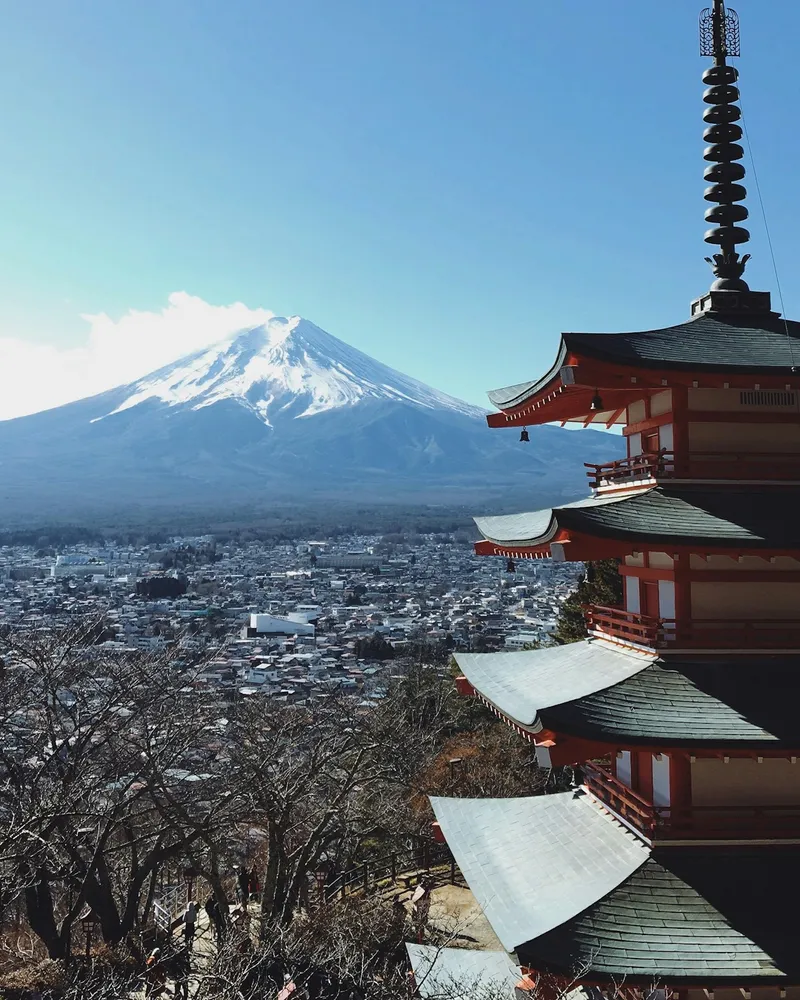
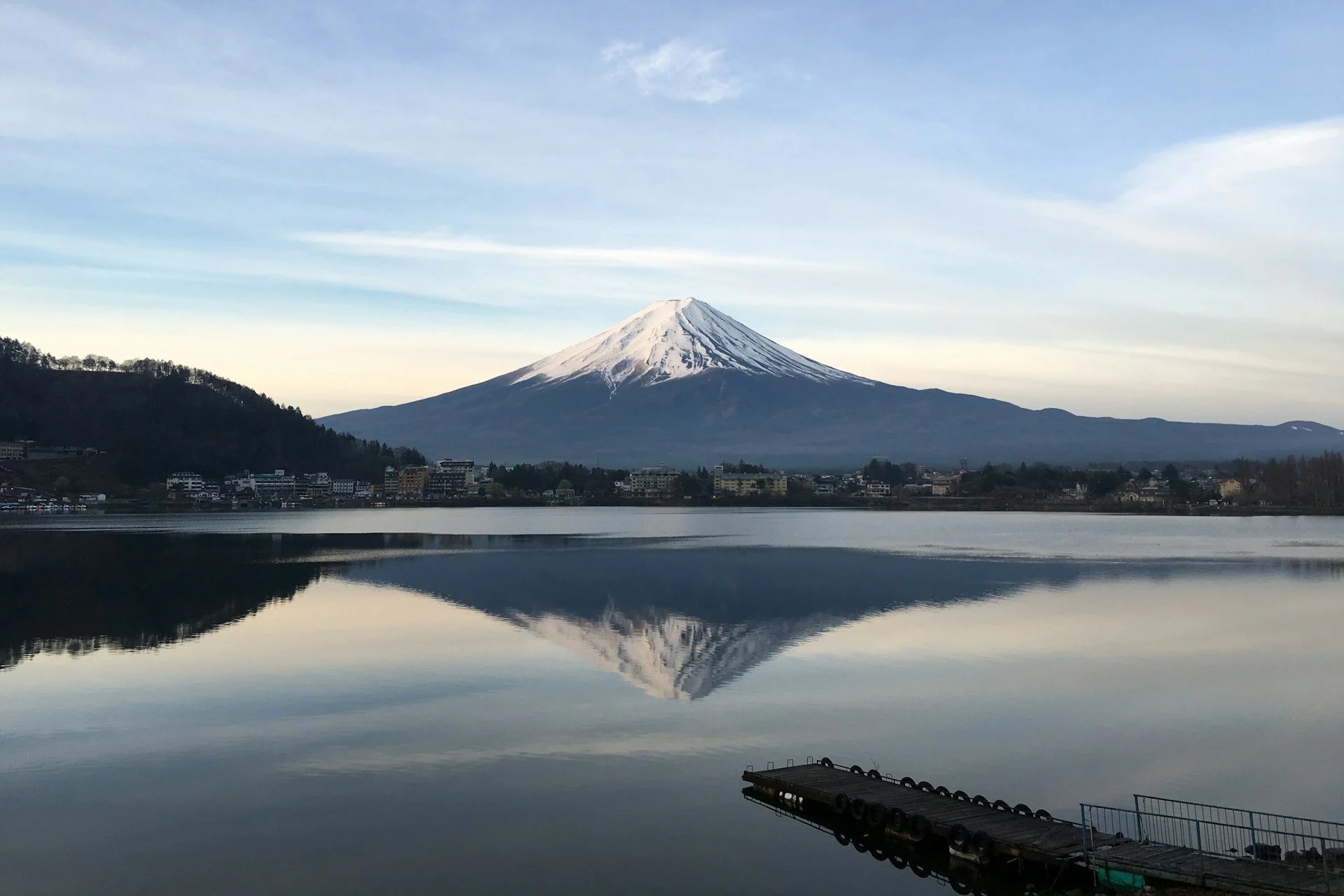
A mountain retreat of hot-spring ryokan, open-air art and lake cruises, all in the shadow of Mount Fuji, an easy hop from Tokyo by train.
Region
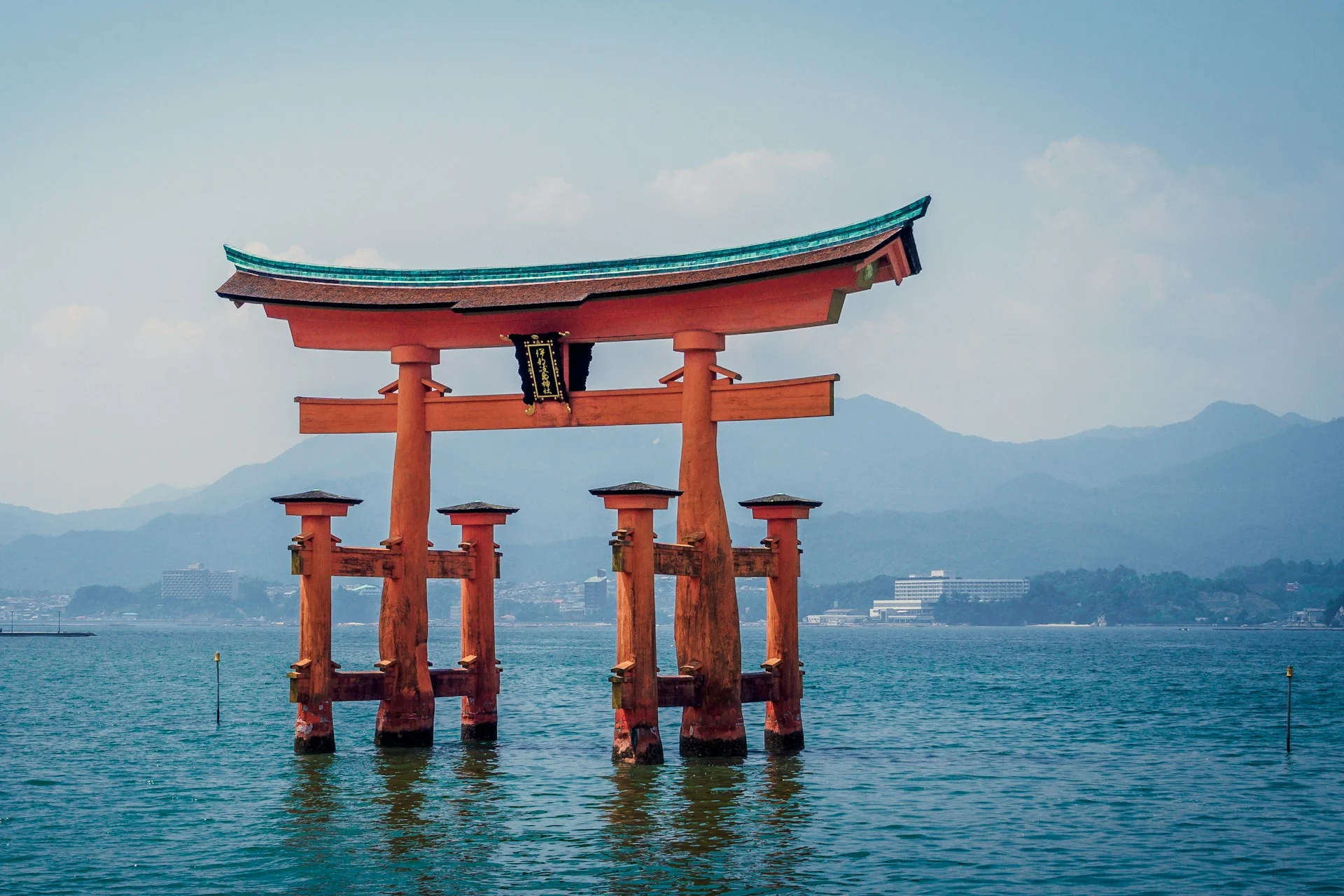
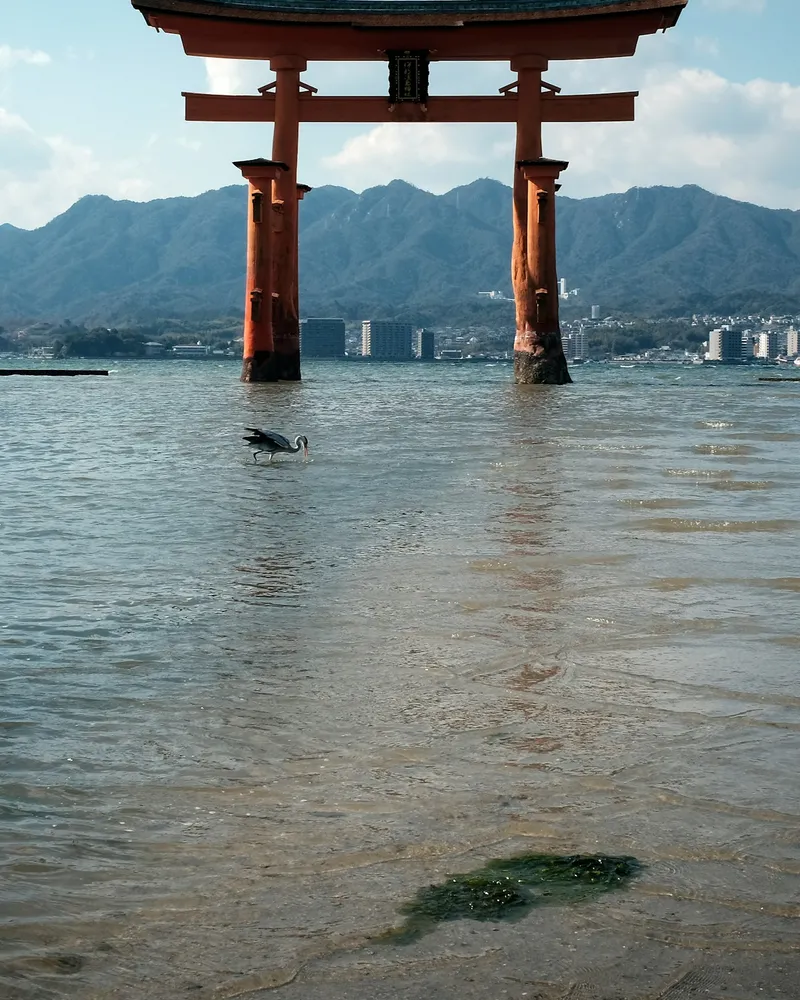
A city of remembrance and renewal, paired with the sacred island of Miyajima and its famous floating torii gate rising from the sea at high tide.
Region
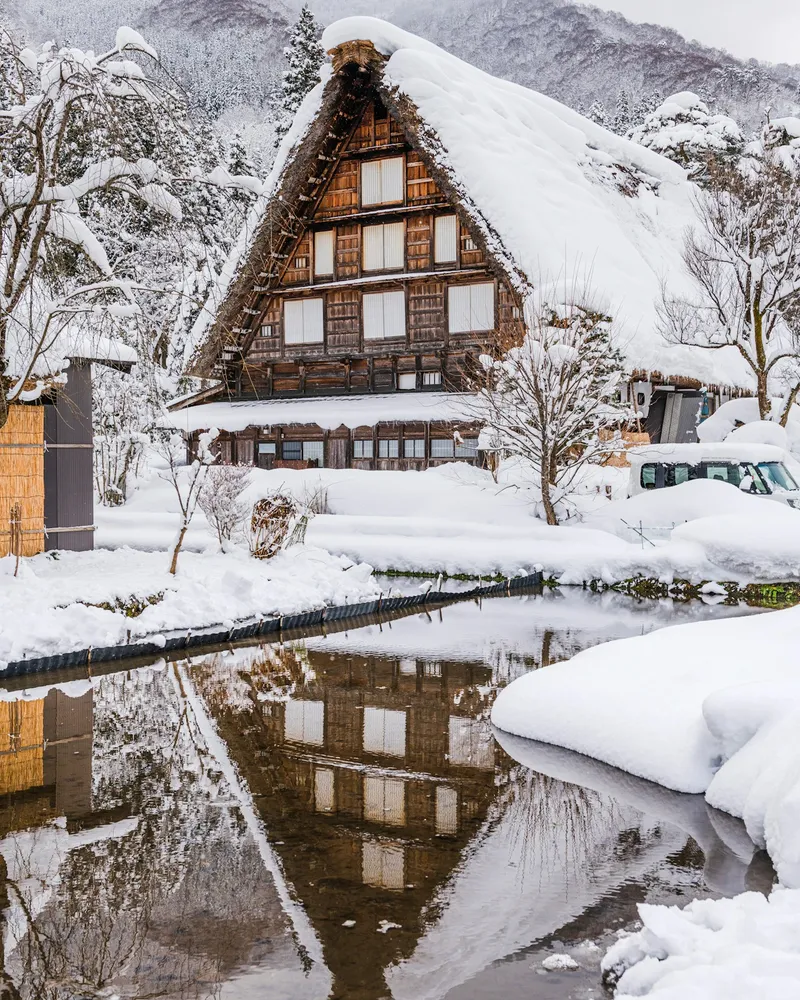
Snow-capped peaks, hot-spring towns and the thatched gassho farmhouses of Shirakawa-go, alongside the old castle town of Takayama and the post towns of the Nakasendo.
A sample journey
1 Open in the capital at full intensity: sushi at dawn, backstreet izakaya at night, ancient shrines and dazzling towers, with a day to wander whichever neighborhoods catch you.
2 Slip into the mountains for hot-spring ryokan, open-air art and lake views beneath Mount Fuji, before boarding the shinkansen west.
3 The cultural heart of Japan at a slower pace: the thousand torii of Fushimi Inari, temple gardens at first light, a tea ceremony and the lantern-lit lanes of Gion.
4 Day-trip to Nara for the great bronze Buddha and the bowing deer, then on to Osaka for its famous street food and buzzing nightlife.
5 Finish in the west with the Peace Memorial and a quietly moving afternoon, then the ferry to Miyajima and its floating torii gate at high tide.
Every itinerary we build is bespoke: this is a starting point, not a package.
Getting around
Where to stay
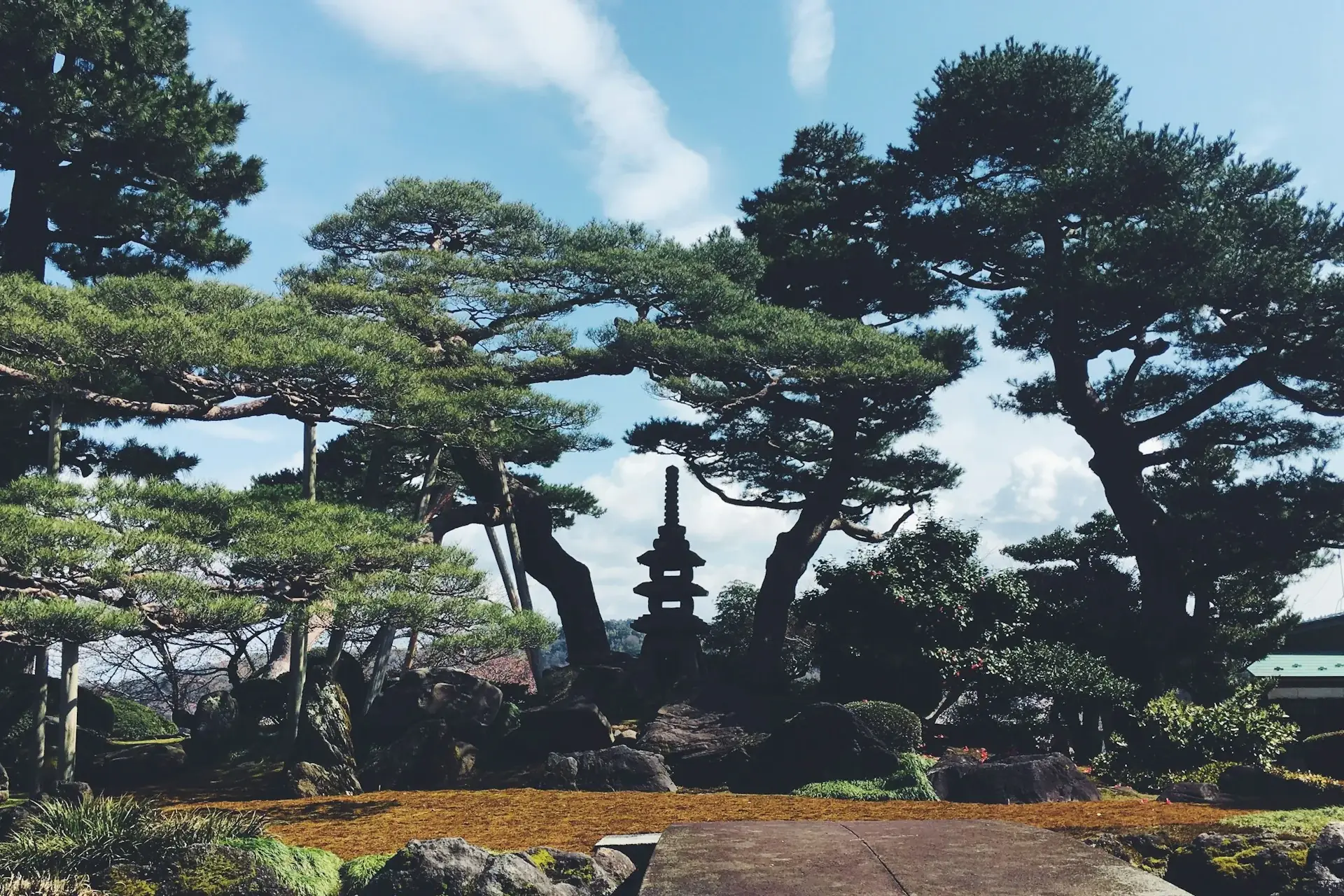
Rail tickets, passes, internal transfers, guides and ryokan bookings are all arranged as part of every itinerary — the connections are handled before you arrive.
Good to know
Seven nights lets you pair Tokyo and Kyoto at a comfortable pace, with a day trip or two. Ten to fourteen nights is the sweet spot for a fuller journey, adding Hakone and Mount Fuji, Nara and Osaka, and Hiroshima and Miyajima, with the bullet train tying it all together.
Late March to May for the cherry blossom and October to November for the autumn foliage are the two prime windows. Blossom timing shifts each year and moves south to north, so we plan dates around the forecast and book well ahead, since these are the busiest weeks of the year.
Often, yes. For a multi-city trip the JR Pass can cover the shinkansen and most JR lines on one ticket, and we advise on whether it pays off for your route. The trains are punctual, spotless and easy, and we handle the reservations and an IC card for city subways so it all runs smoothly.
Rarely, and far less than people expect. Signs and ticket machines in the cities offer English, the welcome is unfailingly gracious, and we pair you with English-speaking guides at the key sites. A few polite phrases go a long way, and we brief you on the ones that matter.
Japan is increasingly card-friendly, but cash is still useful for smaller restaurants, shrines and rural spots, so we suggest carrying some yen. A little etiquette goes far: remove your shoes where indicated, keep your voice low on trains, and skip tipping, as excellent service is simply the standard. We share a short briefing before you go.
From the journal
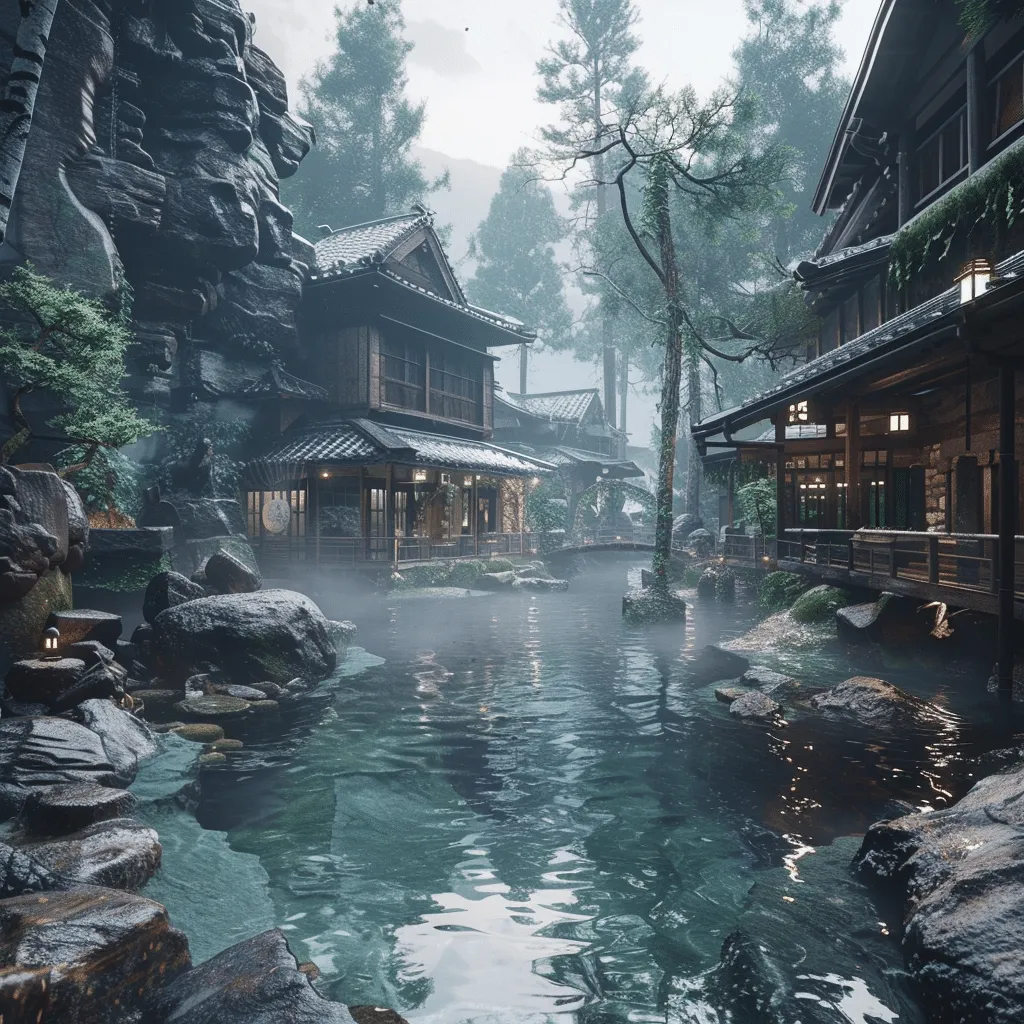
Destinations
What is an onsen? Discover the healing powers of Japan's traditional hot springs, offering relaxation and therapeutic benefits in serene settings.
March 2024 Read more →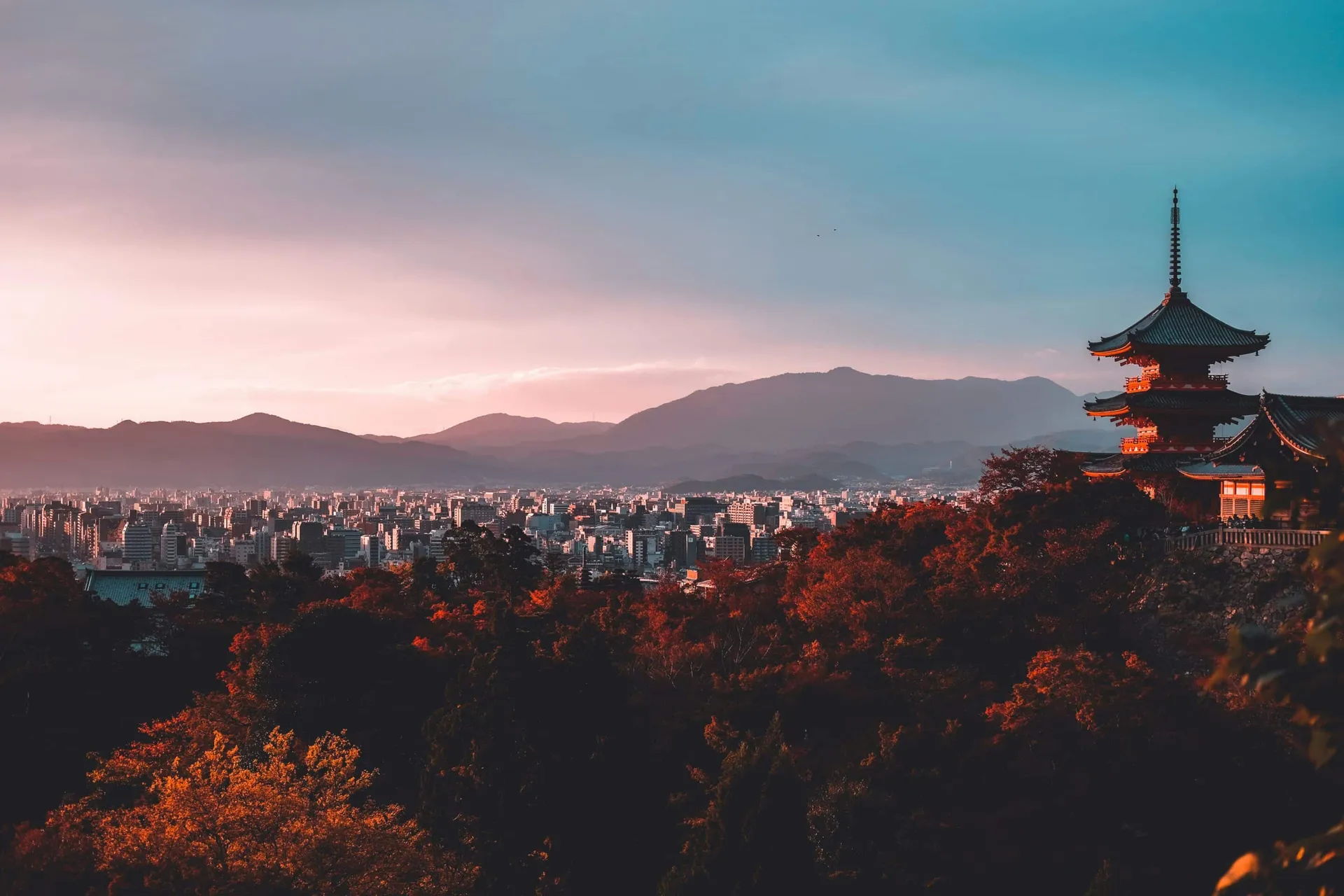
Travel Tips
Are you dreaming of visiting the Land of the Rising Sun? In this episode, we take a journey through the beautiful and culturally rich country of Japan.
Read more →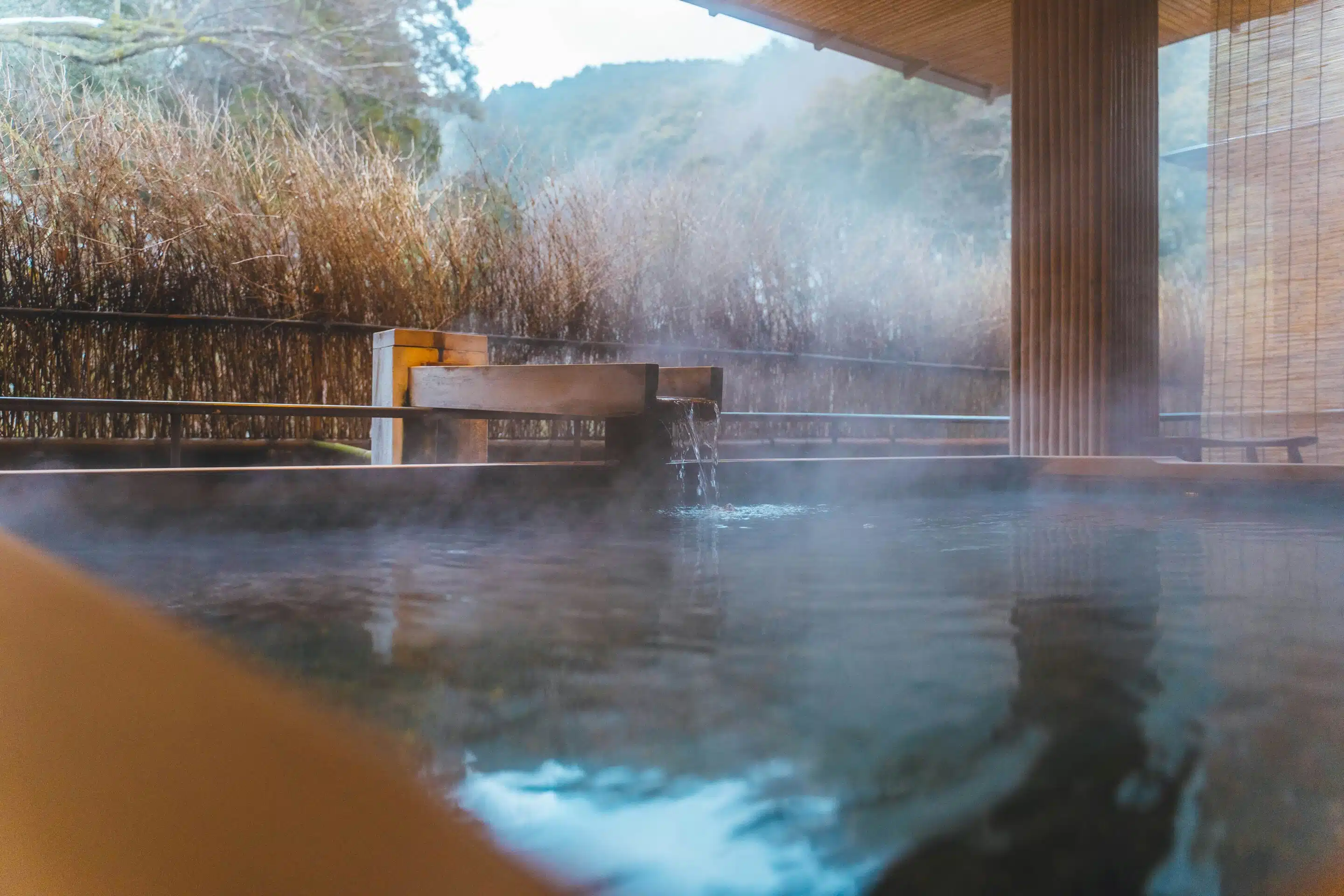
Destinations
If you’re seeking an authentic Japanese experience that combines relaxation, culture, and natural beauty, look no further than Kyoto’s renowned onsen hot springs. These…
Read more →Ways to Explore
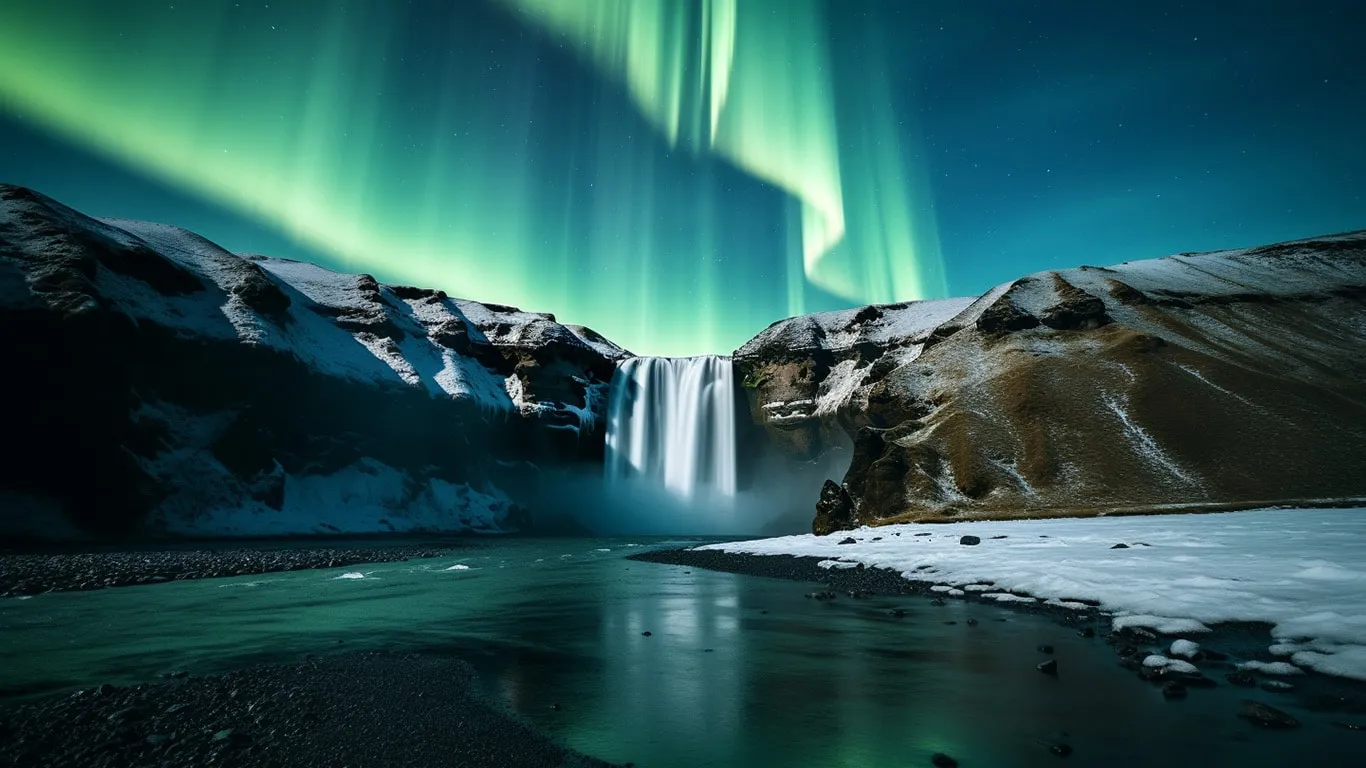
A private journey designed entirely around you, your pace, and your people.
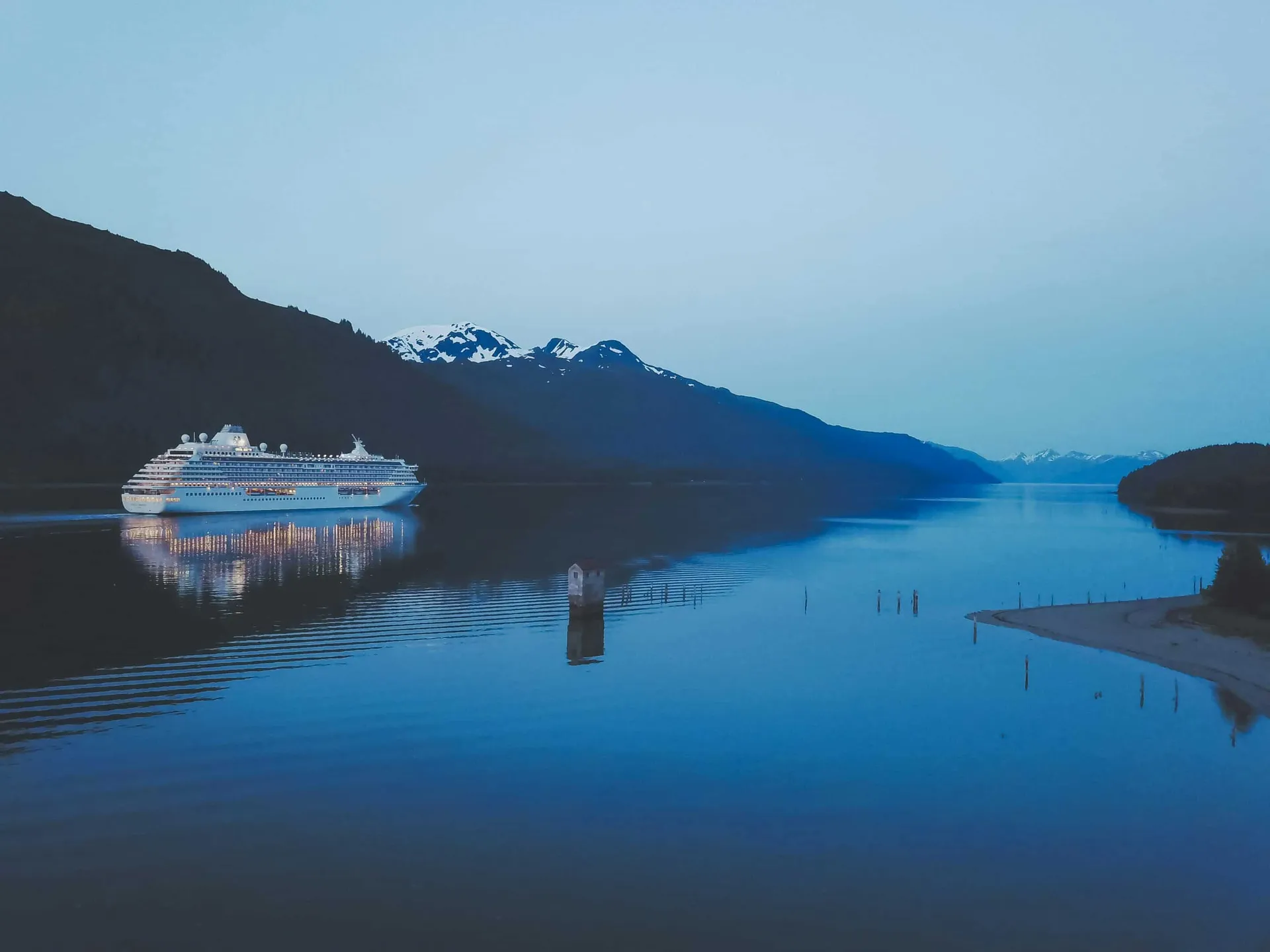
River, ocean and expedition voyages, from the Danube to Antarctica.

Expertly guided, end to end, with the world's finest local operators.
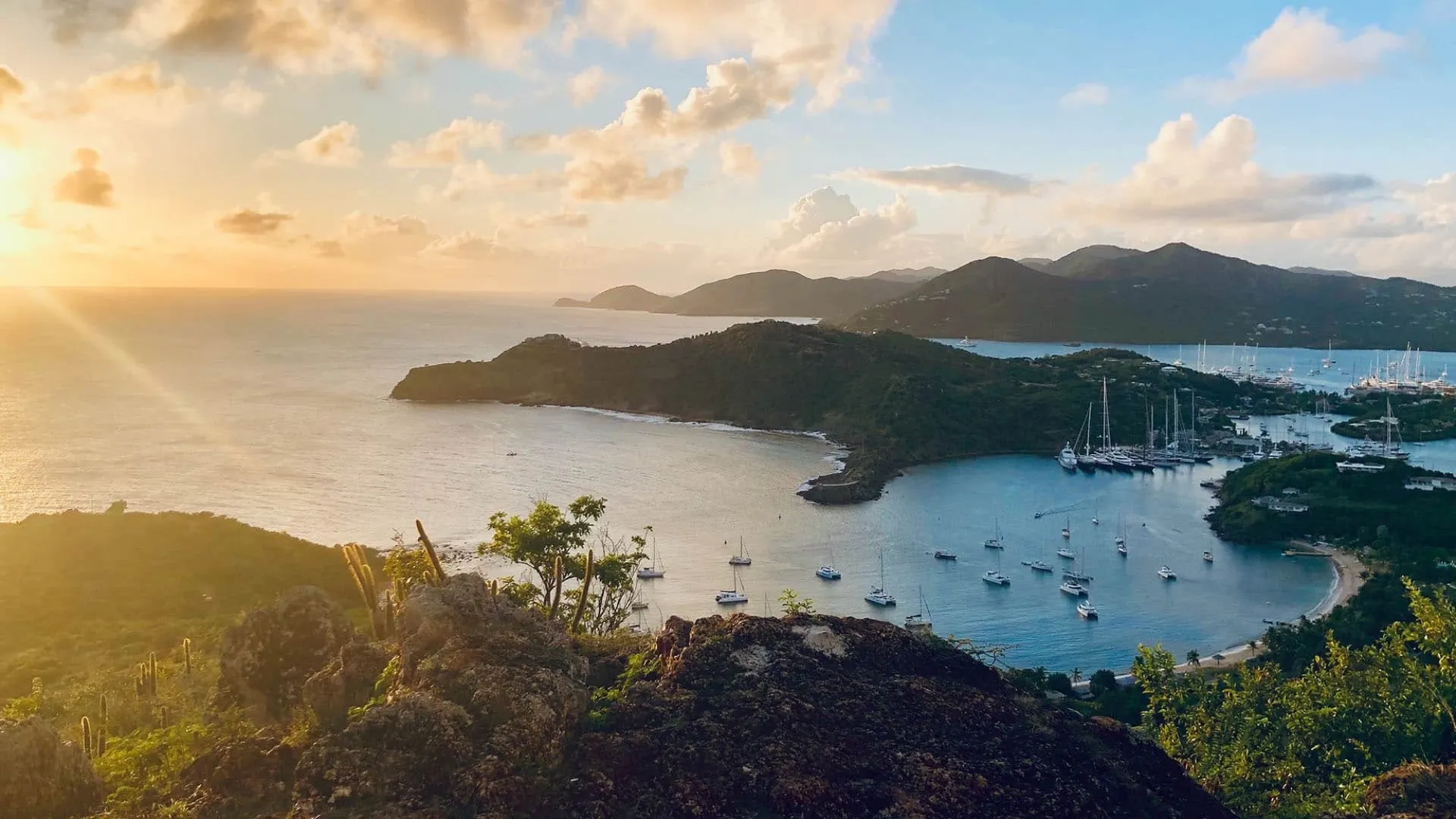
Effortless resort escapes; we cut through the haze to the right one.
Let's begin
Tell us your travel dates and what you love, and we'll handle every detail.
Plan Your TripSearch Chima Travel