Region
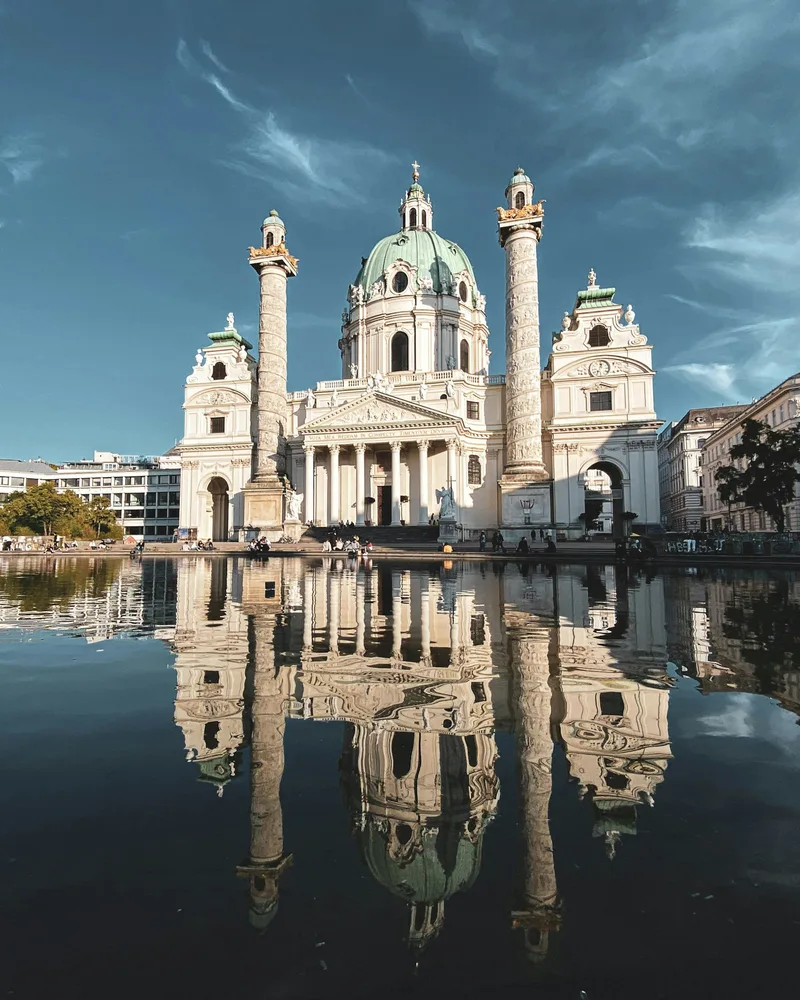
Vienna
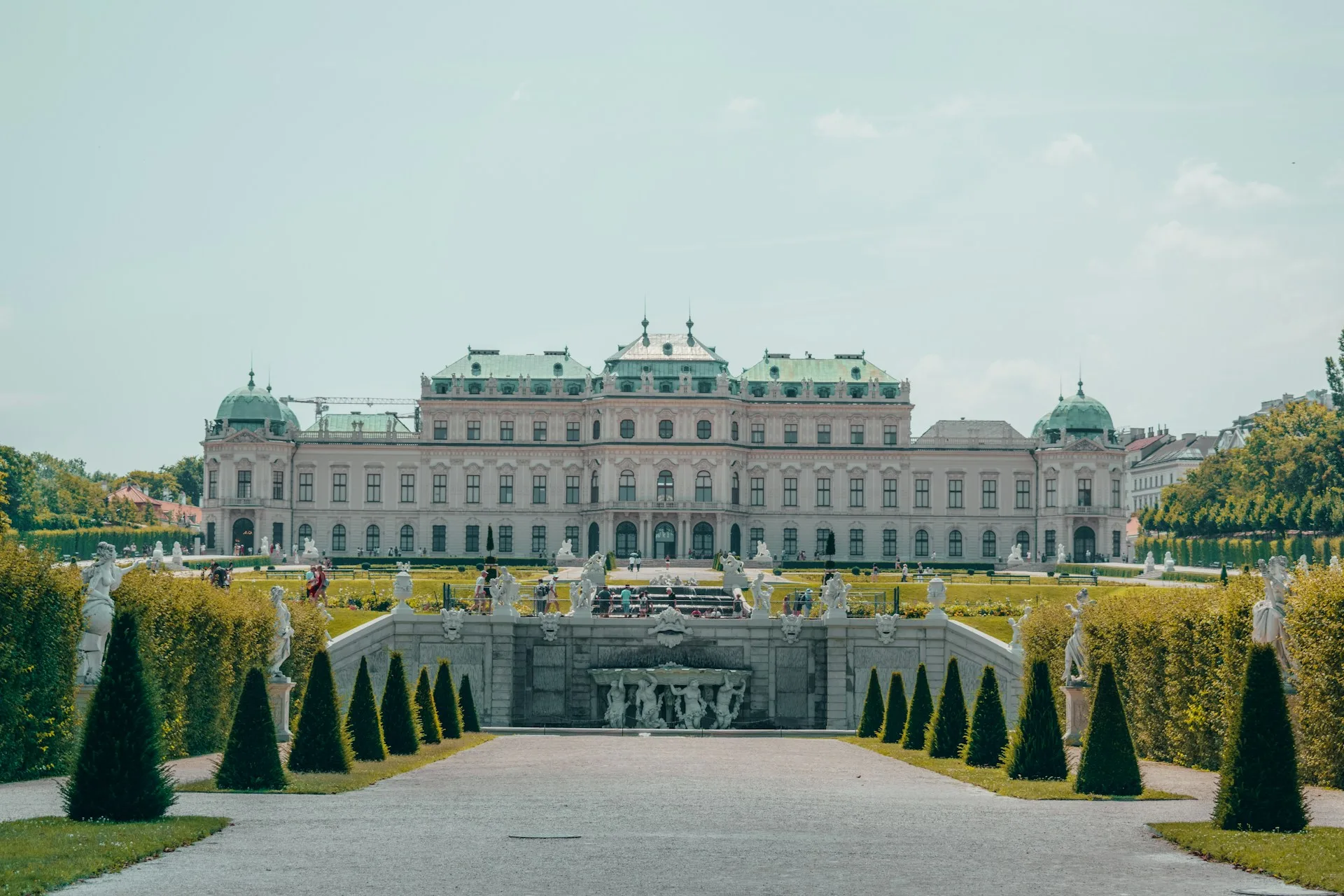
The grand imperial capital: the Habsburg palaces of Schonbrunn and the Hofburg, the great art museums, the coffeehouses and concert halls, and a ring of leafy boulevards laid out for an empire.

By Continent
Europe Africa Asia North America South America Caribbean Australia & Oceania All destinationsOverview
From the canals of Venice to the black-sand coasts of Iceland, Europe rewards the curious traveler with centuries of art, architecture and unforgettable flavor, all within easy reach of one another.
View all EuropeOverview
From the dunes of the Sahara to the great plains of the Serengeti, Africa is a continent of staggering scale and singular encounters: a place where landscape, wildlife and culture meet at full intensity.
View all AfricaDestinations
Overview
Vast and varied, Asia spans snow-capped peaks and tropical coasts, neon megacities and silent temples. It is a continent that rewards both the first-time traveler and the lifelong returnee.
View all AsiaFeatured
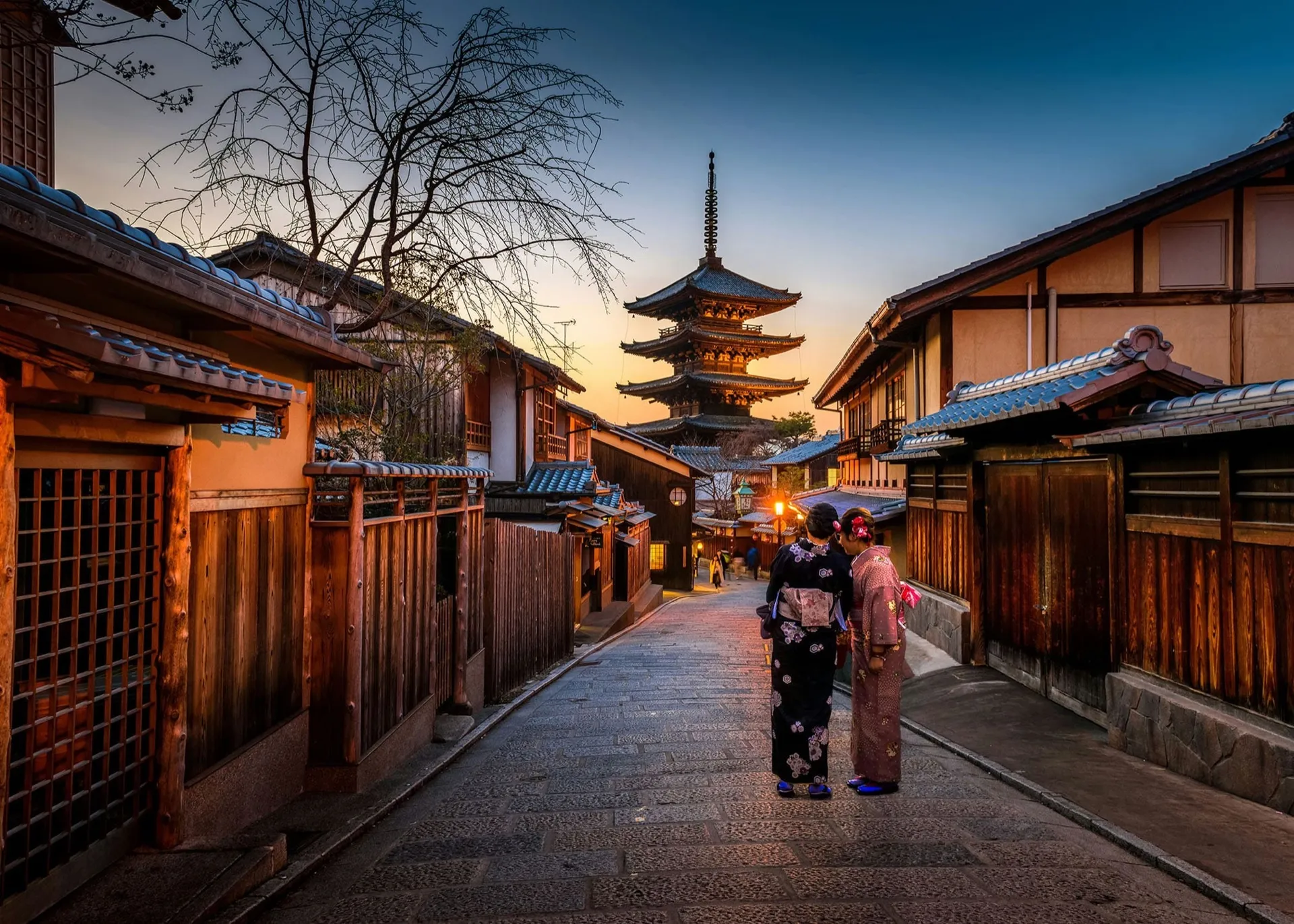 Japan · signature experience Kyoto
 Overview
Close to home and endlessly varied, North America ranges from desert canyons to alpine national parks, from world cities to quiet coastal towns: a continent that contains a dozen vacations within a single border.
View all North AmericaDestinations
Overview
A continent of extremes, from the high Andes and the vast Amazon to glacial Patagonia and the rhythm of its cities, South America rewards the adventurous traveler with some of the planet’s most dramatic scenery and deepest history.
View all South AmericaOverview
A scattering of islands across impossibly blue water, the Caribbean is the art of the easy day perfected: white sand, warm rhythm and hospitality that turns first-time visitors into lifelong returnees.
View all CaribbeanDestinations
Overview
From the Great Barrier Reef to the red heart of the outback, from the fjords of New Zealand to the scattered atolls of the South Pacific, Australia & Oceania offer some of the most remote and rewarding travel on earth.
View all Australia & OceaniaDestinations
Est. 1918 · four generations · 38 countries
How You Travel
River Cruises Ocean & Small-Ship Expedition Flights Tours & Escorted All-Inclusive All travel experiencesFeatured
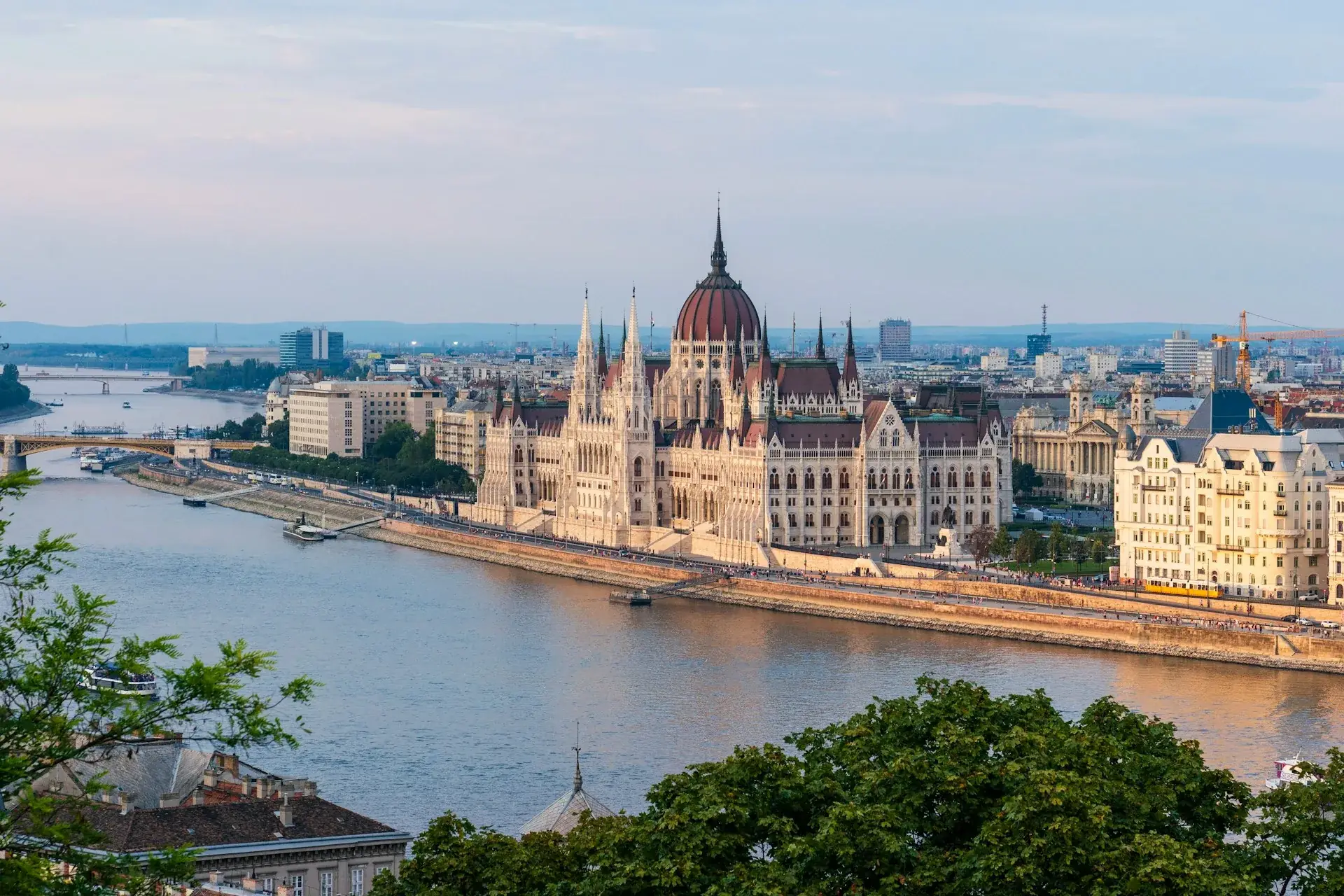 The Danube
 Featured
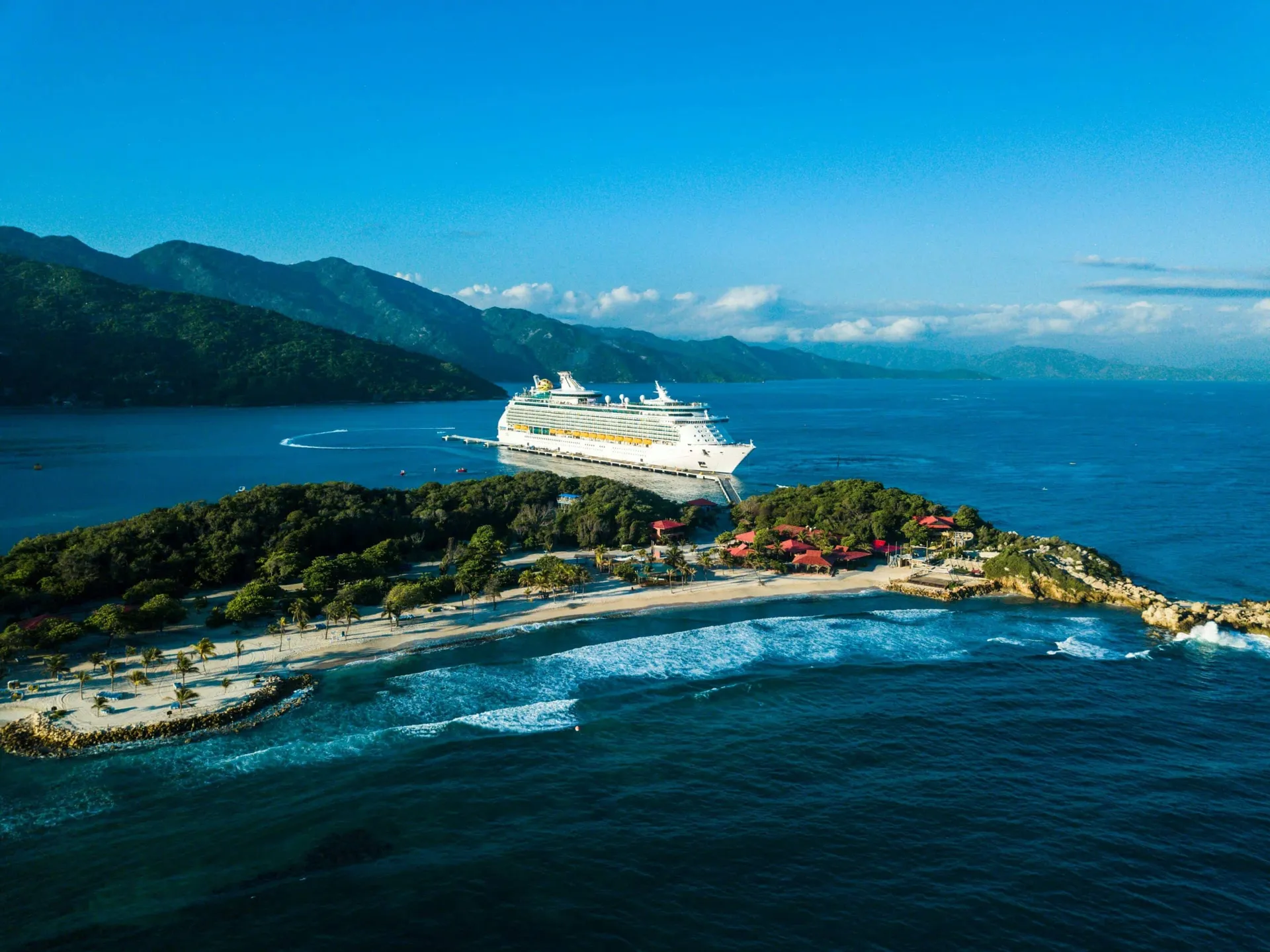 The Caribbean
 Featured
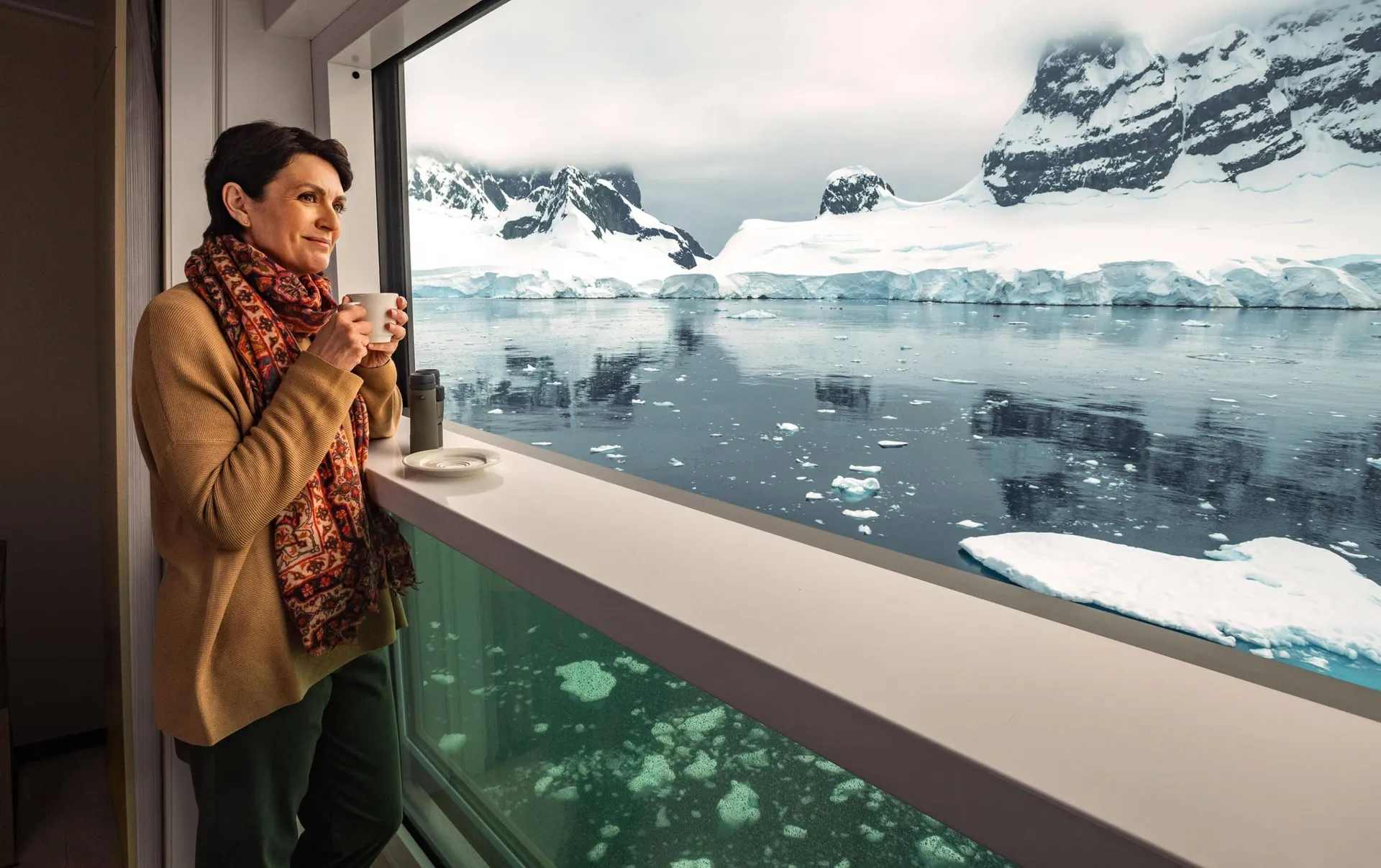 Antarctica
 Overview
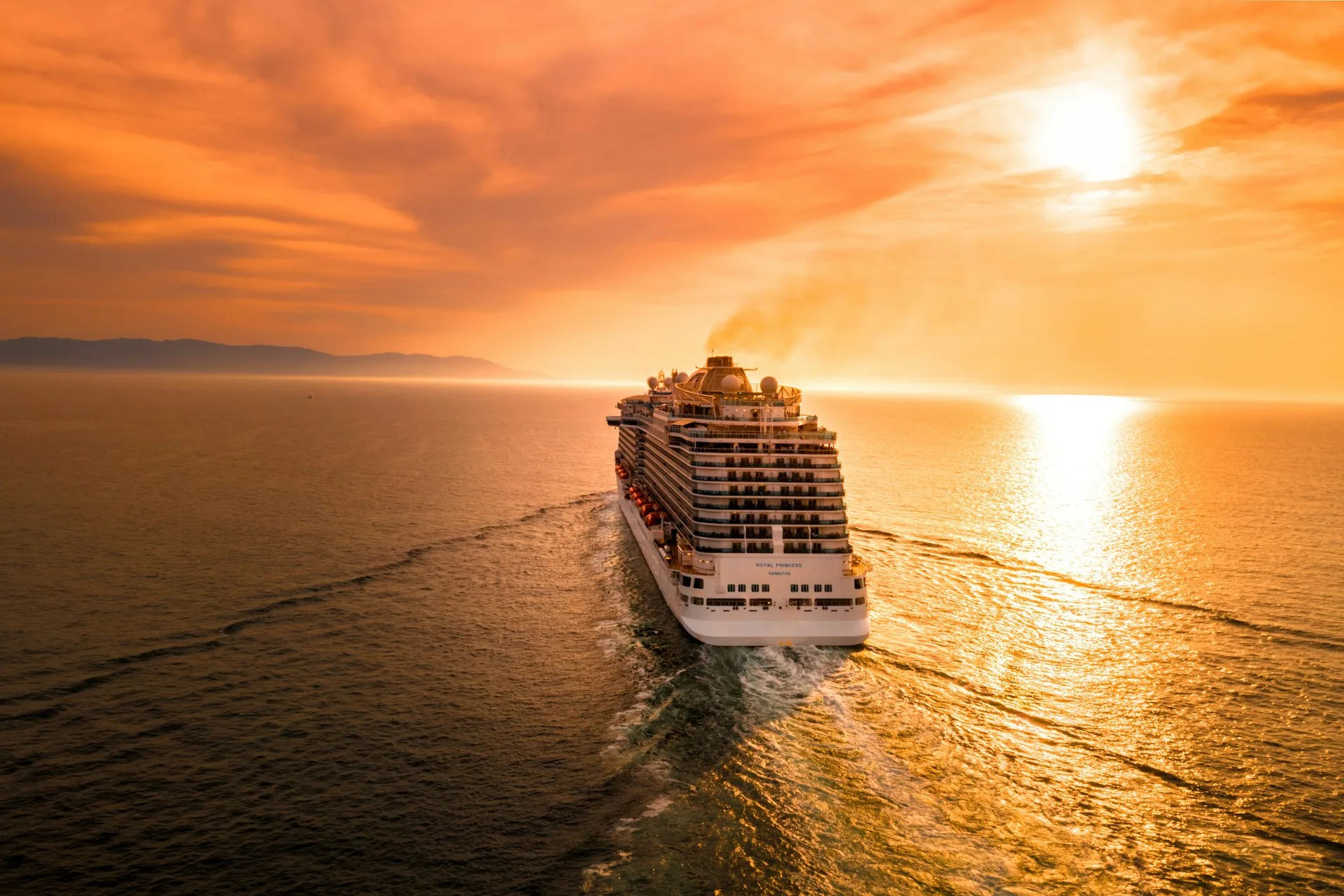
Premium-cabin fares, complex routings and around-the-world tickets, booked by people who fly for a living.
Explore flightsFeatured
 Flights
 Overview
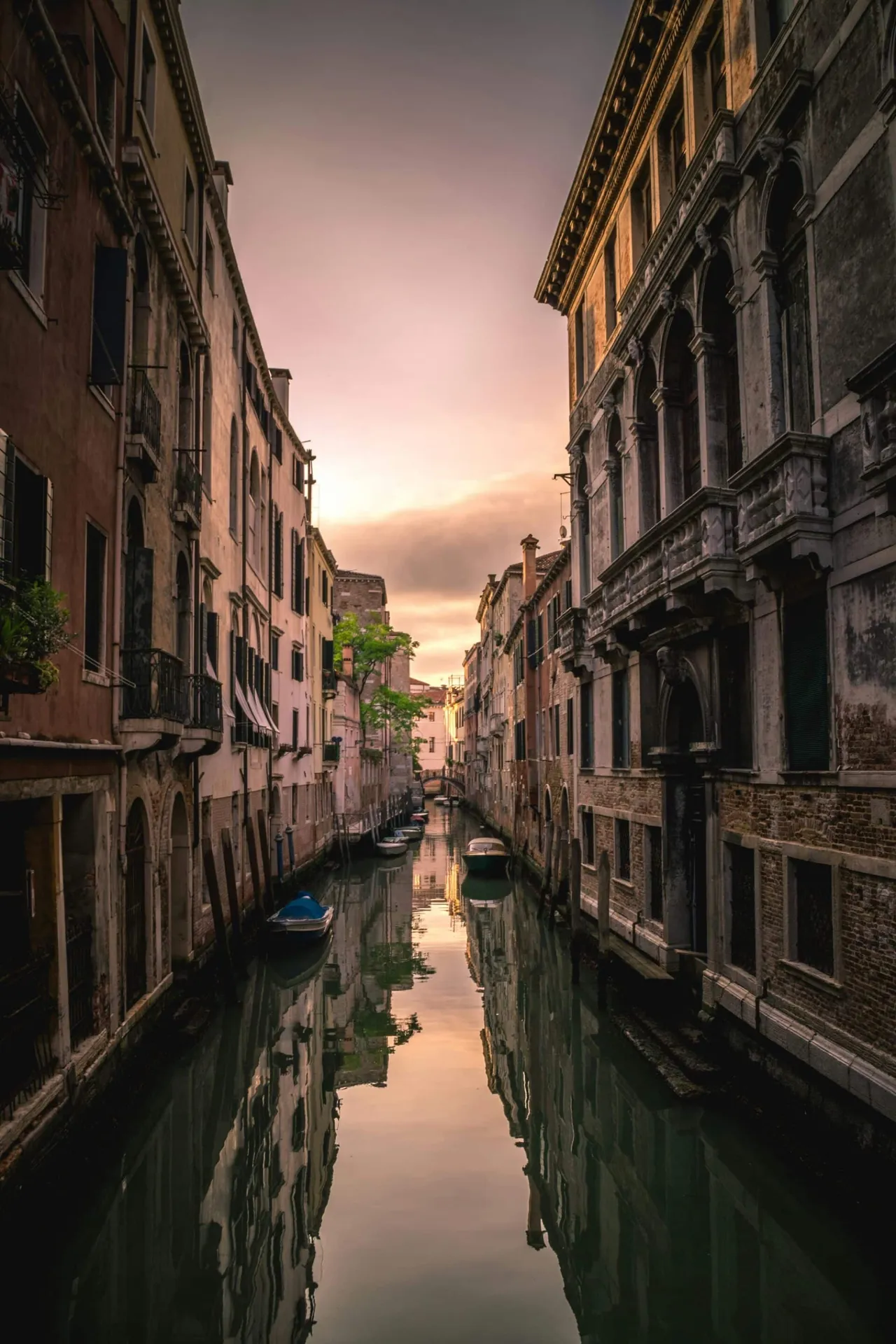
Expertly guided group departures and private escorted itineraries across the world's great regions.
Explore tours & escortedFeatured
 Tours & Escorted Journeys
 Overview
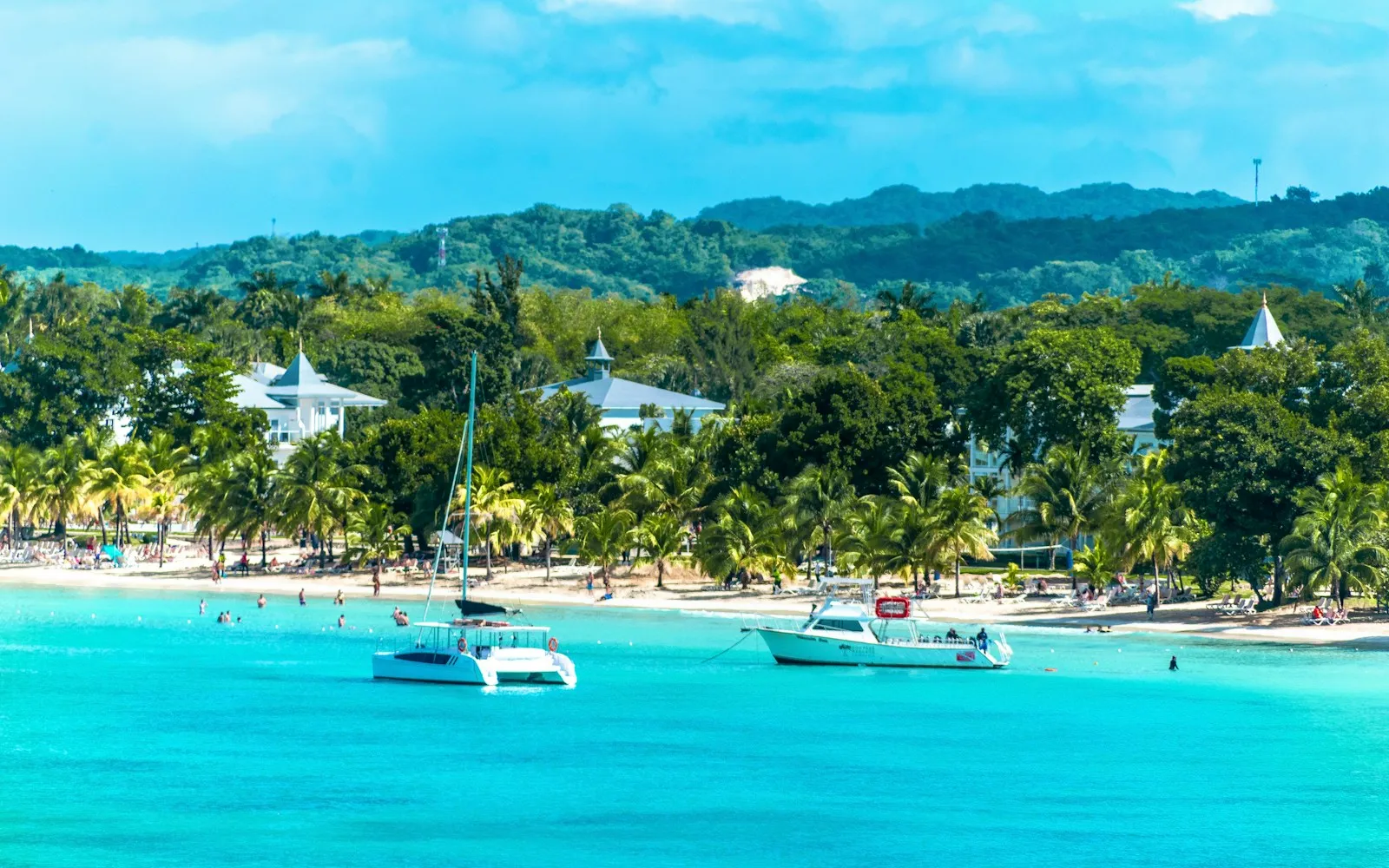
Beach and luxury all-inclusive escapes where flights, meals and more fold into a single, easy fare.
Explore all-inclusiveFeatured
 All-Inclusive Resorts
 River, ocean & expedition cruises · flights · tours · all-inclusive
Corporate travel
Destinations · Europe
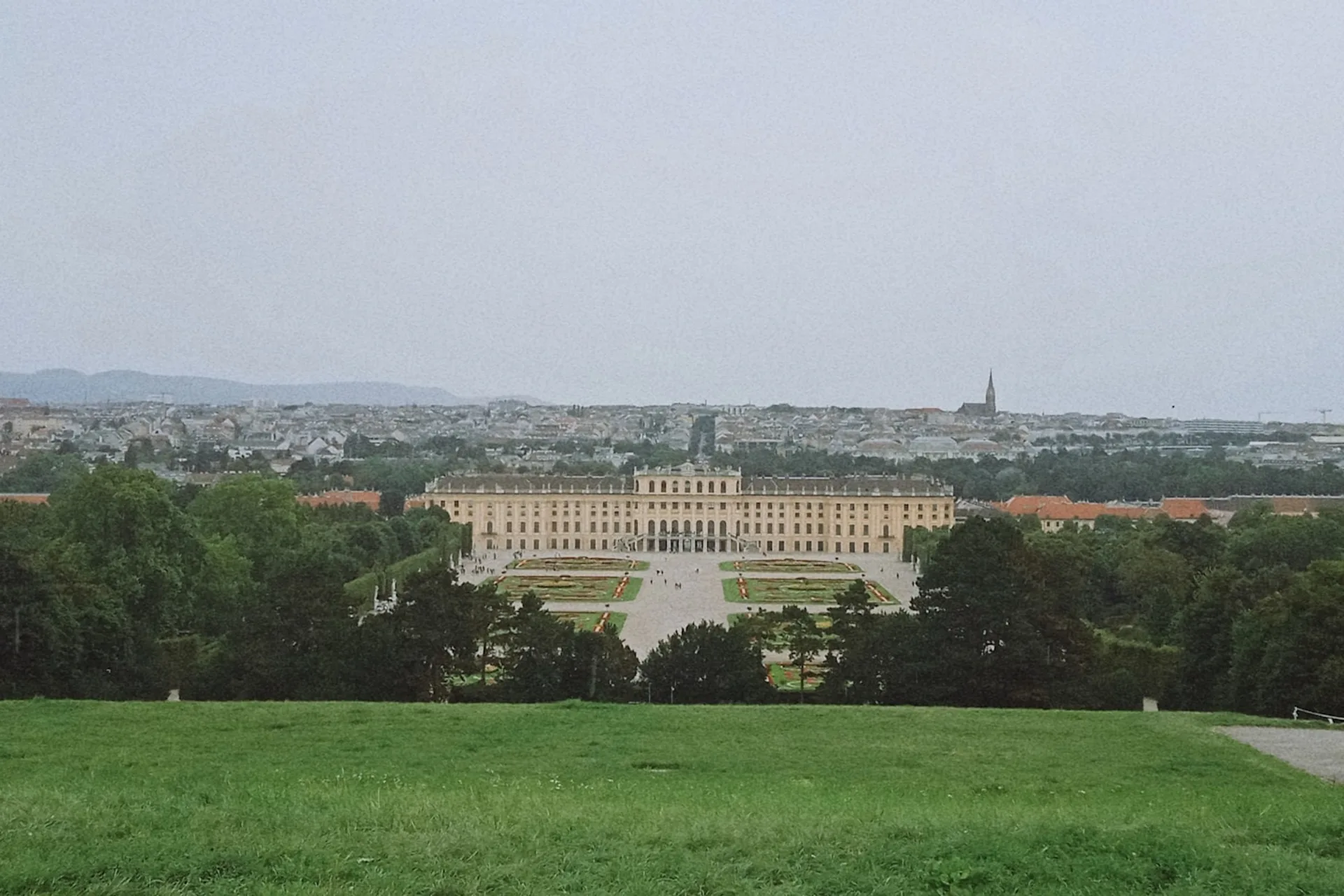
Imperial Vienna, alpine peaks & lakeside villages.
The country
Few countries reward a traveler with such an easy mix of grand culture and great scenery as Austria. In the space of a week you can hear a concert beneath the chandeliers of imperial Vienna, drift past terraced vineyards along the Danube, and wake the next morning to church bells echoing across a mirror-still alpine lake, all linked by some of the most comfortable trains in Europe.
This is a country that lives well and slowly. Mornings begin over coffee and a pastry in a marble-walled cafe; afternoons drift into a long walk through palace gardens or a cable car ride up into the peaks; and evenings turn to music, whether a string quartet in a Salzburg hall or an accordion in a Tyrolean inn. The rhythm shifts from the formal elegance of the capital to the unhurried warmth of the mountains, and learning to settle into it is half the pleasure.
We design Austria itineraries that balance the headline sights with the quieter moments in between: a private morning at Schonbrunn before the crowds, a glass of Gruner Veltliner at a family winery in the Wachau, a slow boat across the Hallstattersee. However you want to travel it, we build the route so each stop has room to breathe.
When to go
Austria splits cleanly into two countries by season — a green, walkable one from late spring to autumn, and a white one of skis and Christmas markets in winter. This is the calendar as we'd sketch it across the desk, depending on which one you're after.
Our favorite window: the cities thaw and the gardens open in April, and by May and June the alpine meadows are green, the days long and the lakes warming up — mild weather for both the cities and the mountains, all before the peak crowds and prices of high summer.
The grape harvest in the Wachau, golden larches in the Alps and crisp, clear days. Ideal for pairing Vienna and the Danube with the first autumn color in the mountains, without summer's crowds.
Peak summer: the lakes and high trails are at their best and the festival calendar is full, including the Salzburg Festival, but the cities can be warm and the marquee sights and hotels busy. Book well ahead.
After a grey, quiet November the snow transforms the country: world-class skiing in Tyrol, the famous Christmas markets in Vienna and Salzburg, and concert season in full swing. Cold and short on daylight, but deeply atmospheric.
Where to go
Austria packs a remarkable range of landscapes and moods into a compact country, from the imperial capital to the high Alps and the lakes in between. These are the regions we weave together most often, each with its own scenery, table and pace, and we shape the route around the rhythm you have in mind.
Region
The grand imperial capital: the Habsburg palaces of Schonbrunn and the Hofburg, the great art museums, the coffeehouses and concert halls, and a ring of leafy boulevards laid out for an empire.
Region
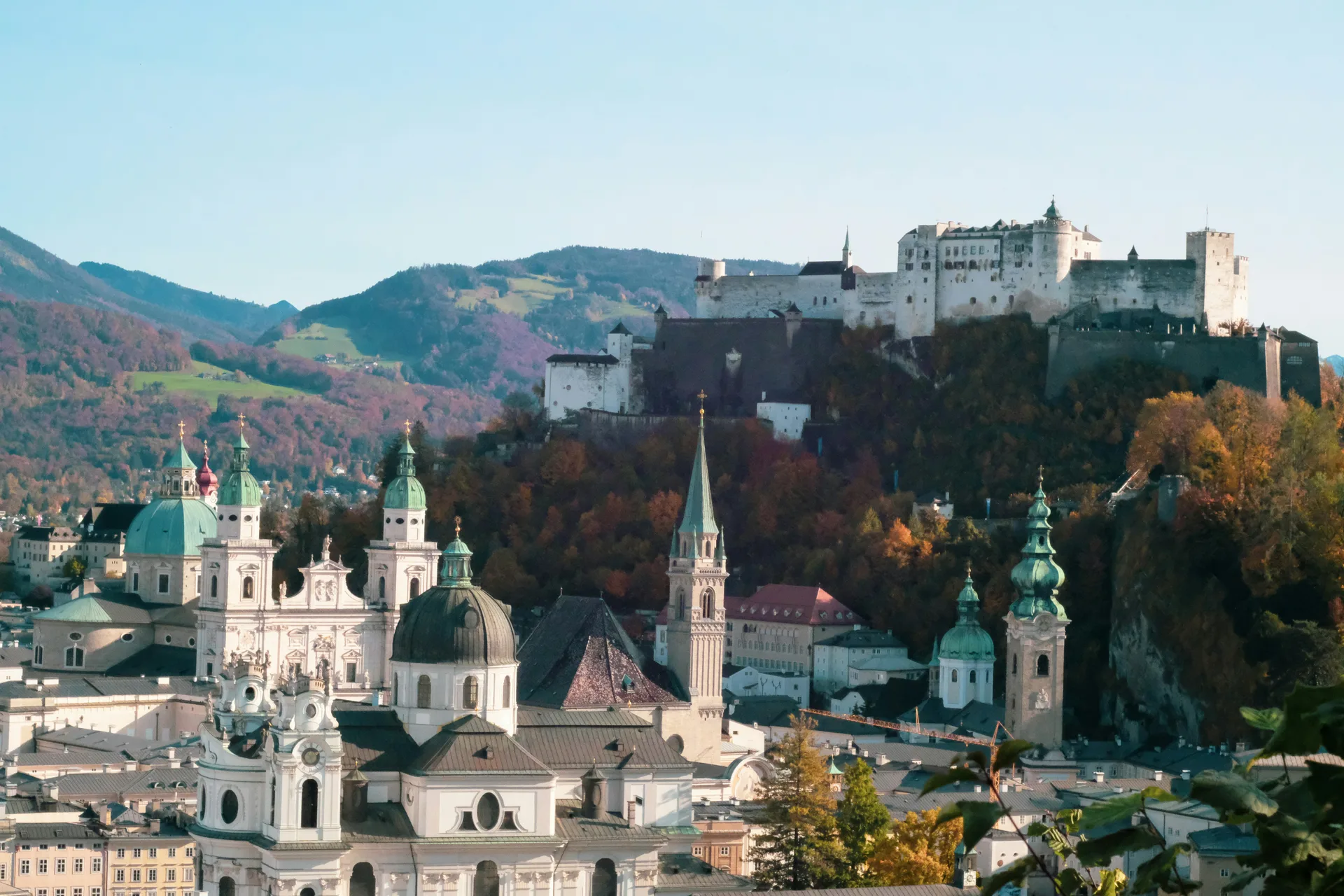
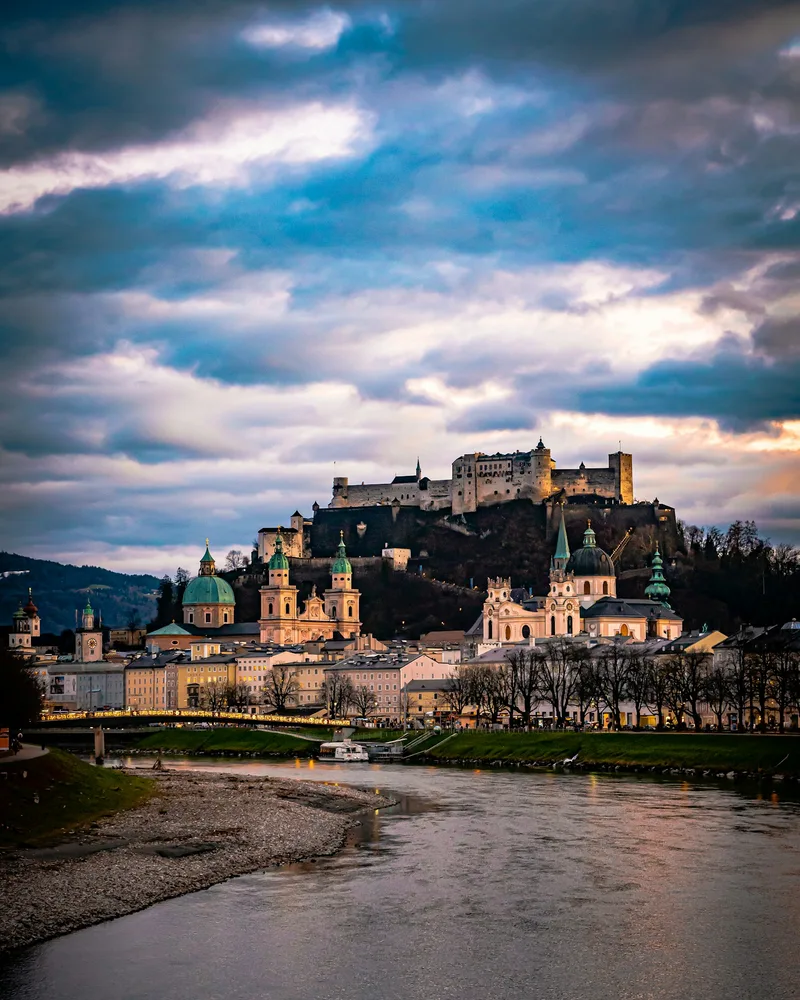
Mozart's baroque hometown beneath its hilltop fortress, opening onto the lake district of the Salzkammergut, where villages like Hallstatt and St. Wolfgang sit between still water and steep green peaks.
Region
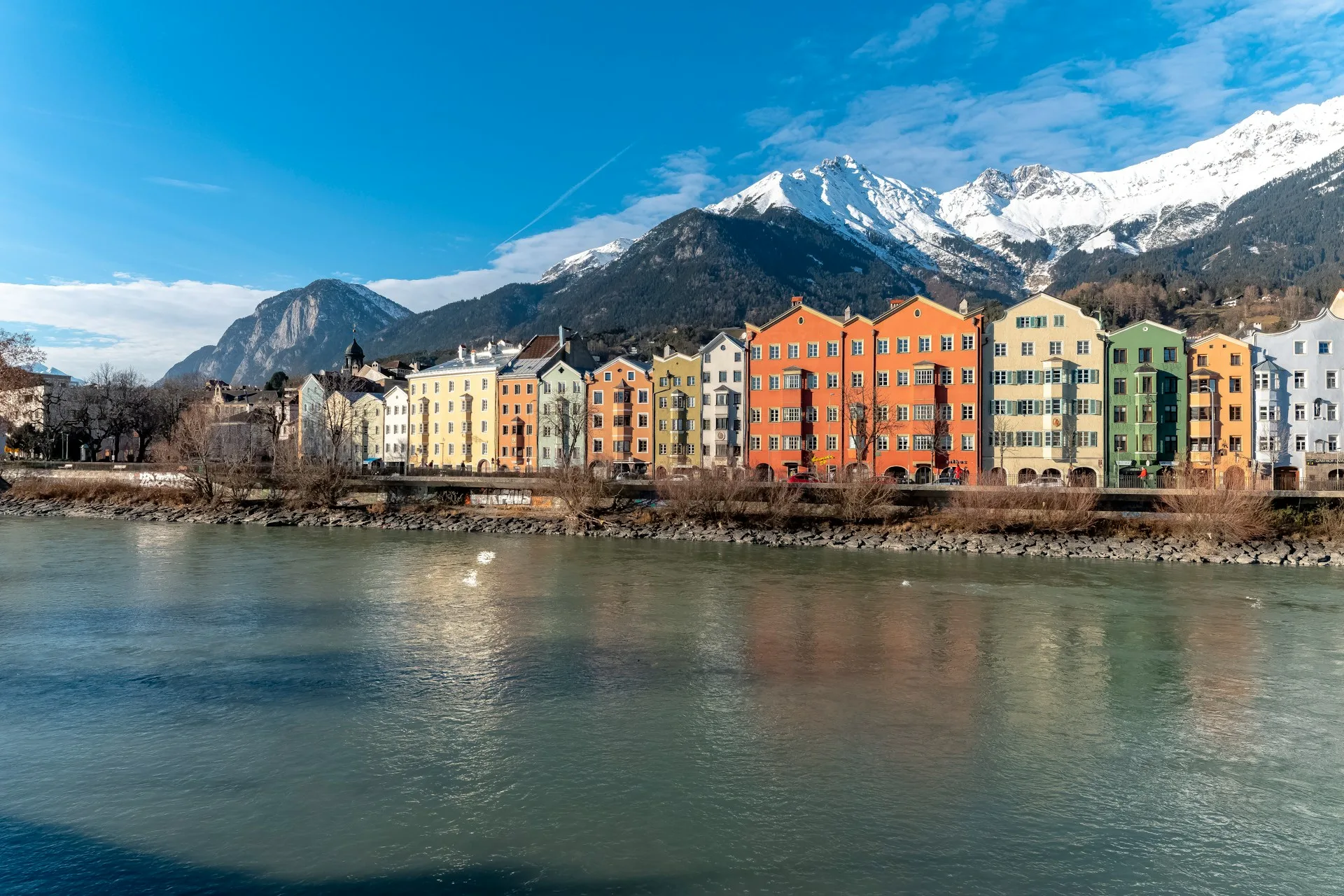
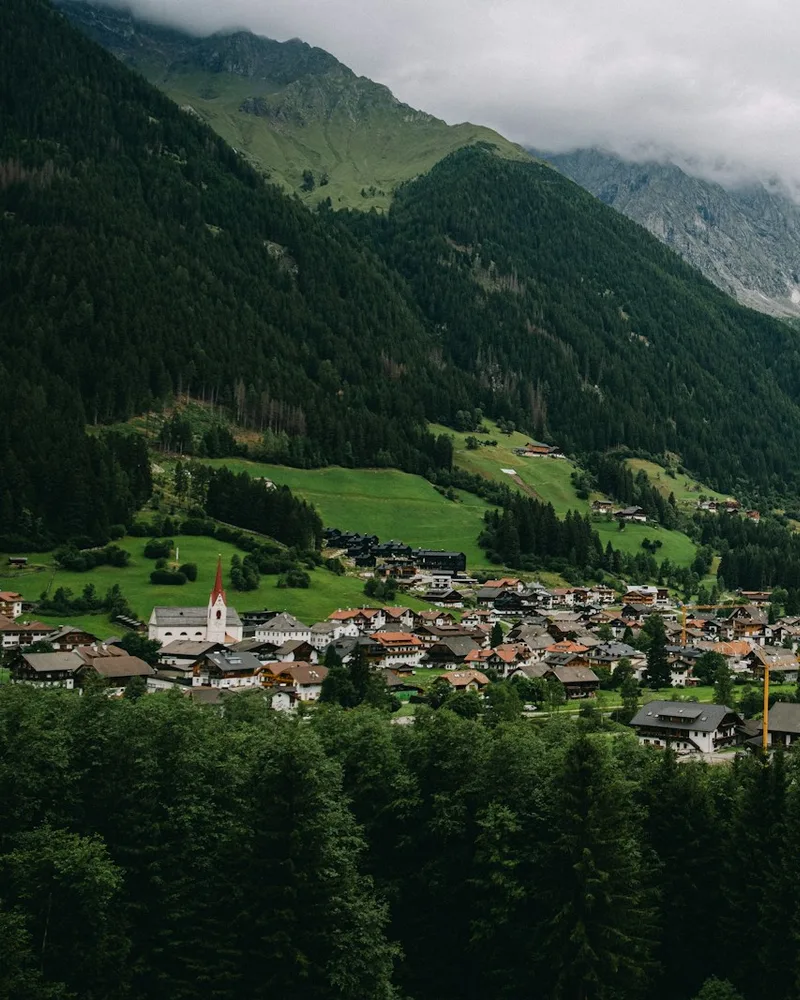
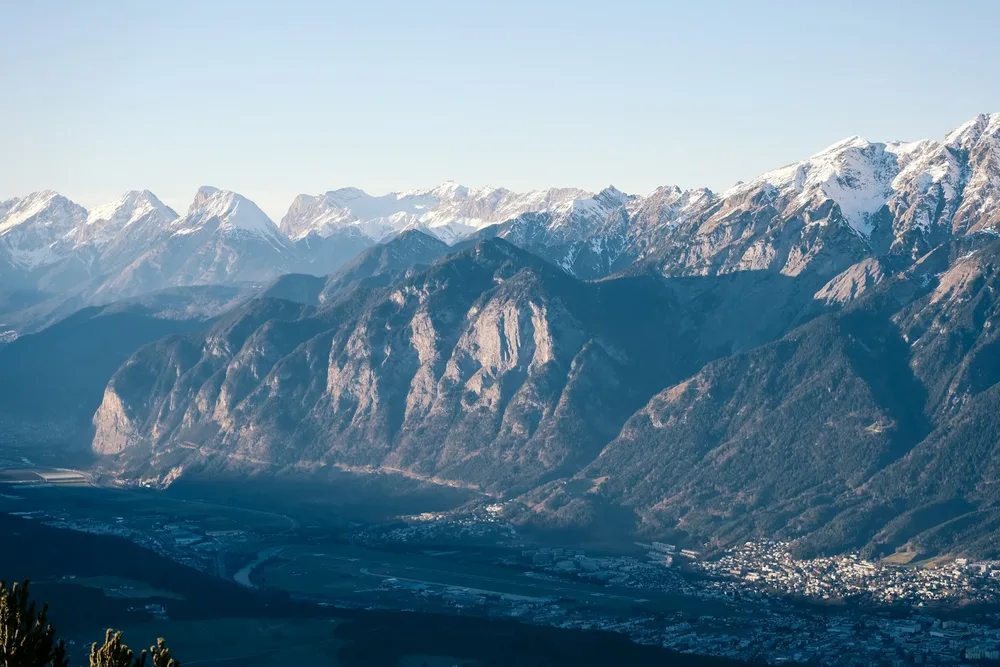
The mountain heart of the country: Innsbruck cradled between snow-capped ranges, the ski and hiking valleys of the Otztal and Zillertal, and flower-strewn meadows beneath jagged limestone walls.
Region
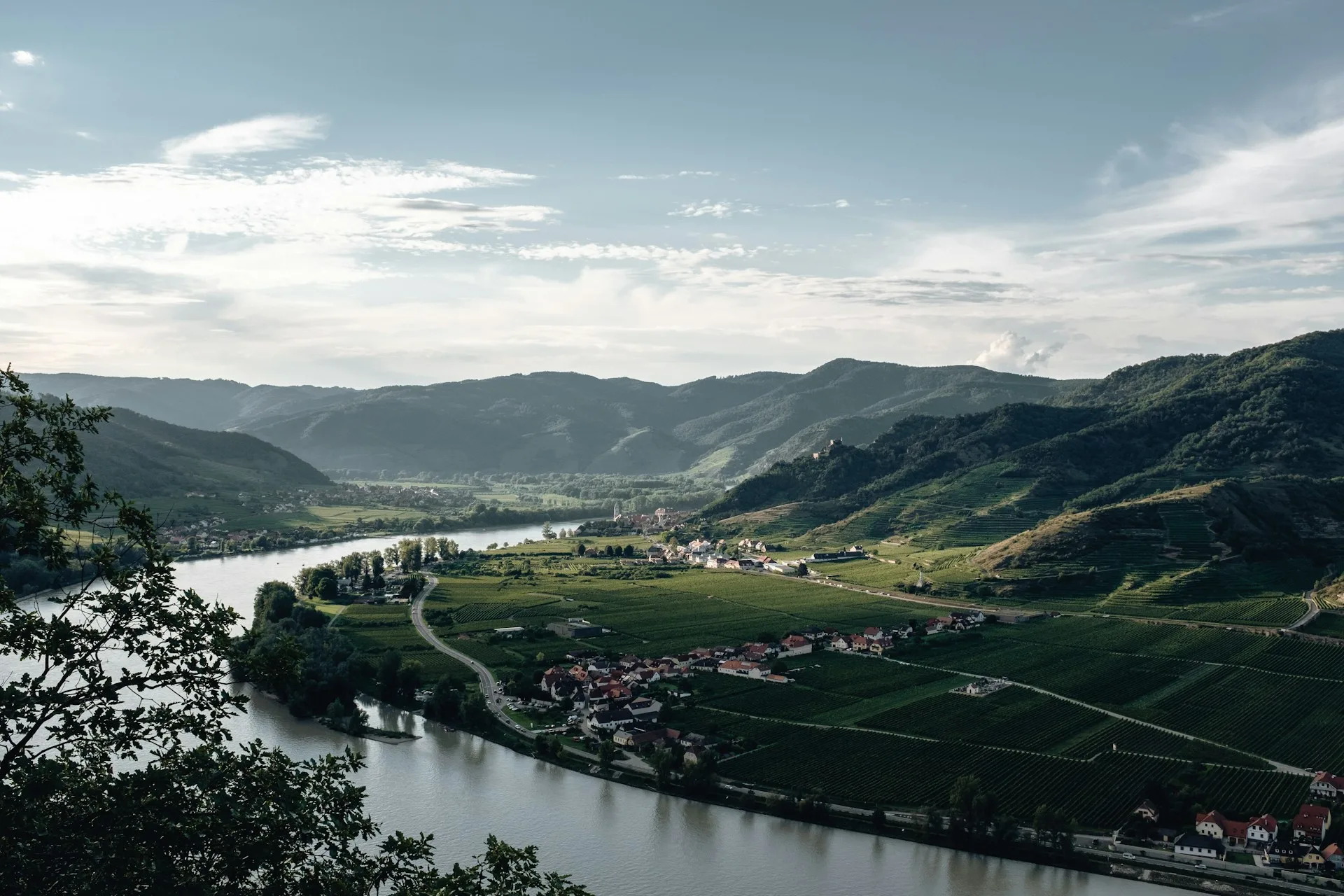
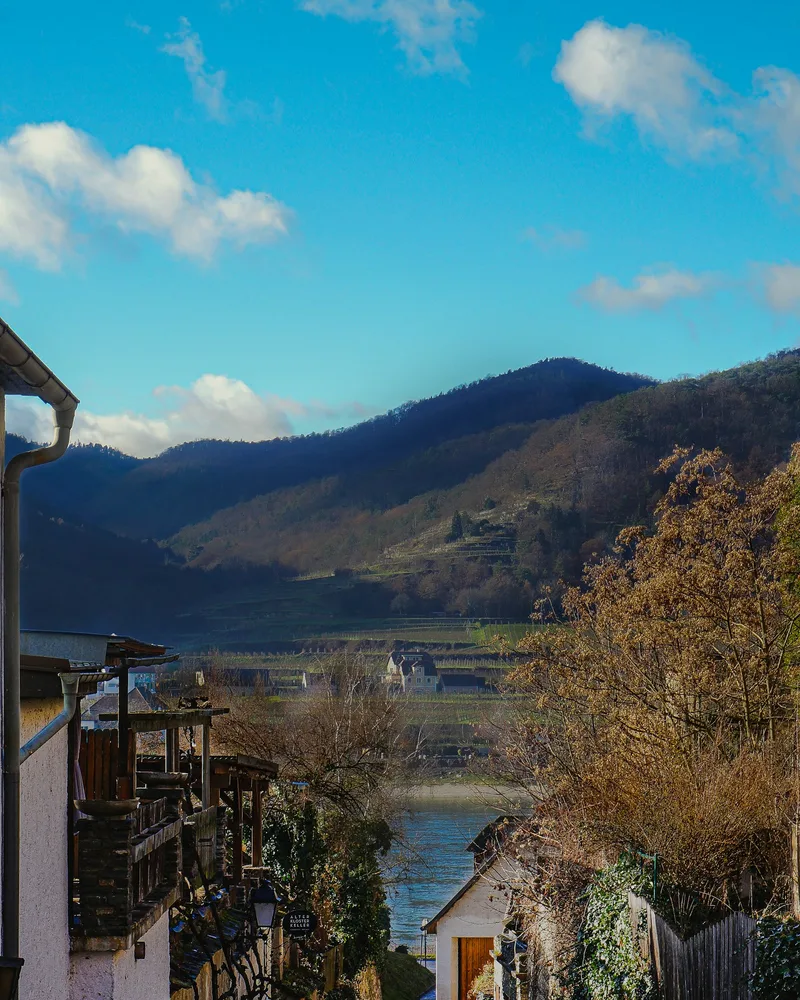
A storybook stretch of river valley west of Vienna: terraced vineyards, apricot orchards, ruined castles and riverside towns like Durnstein and Melk, with its golden abbey high above the water.
Region
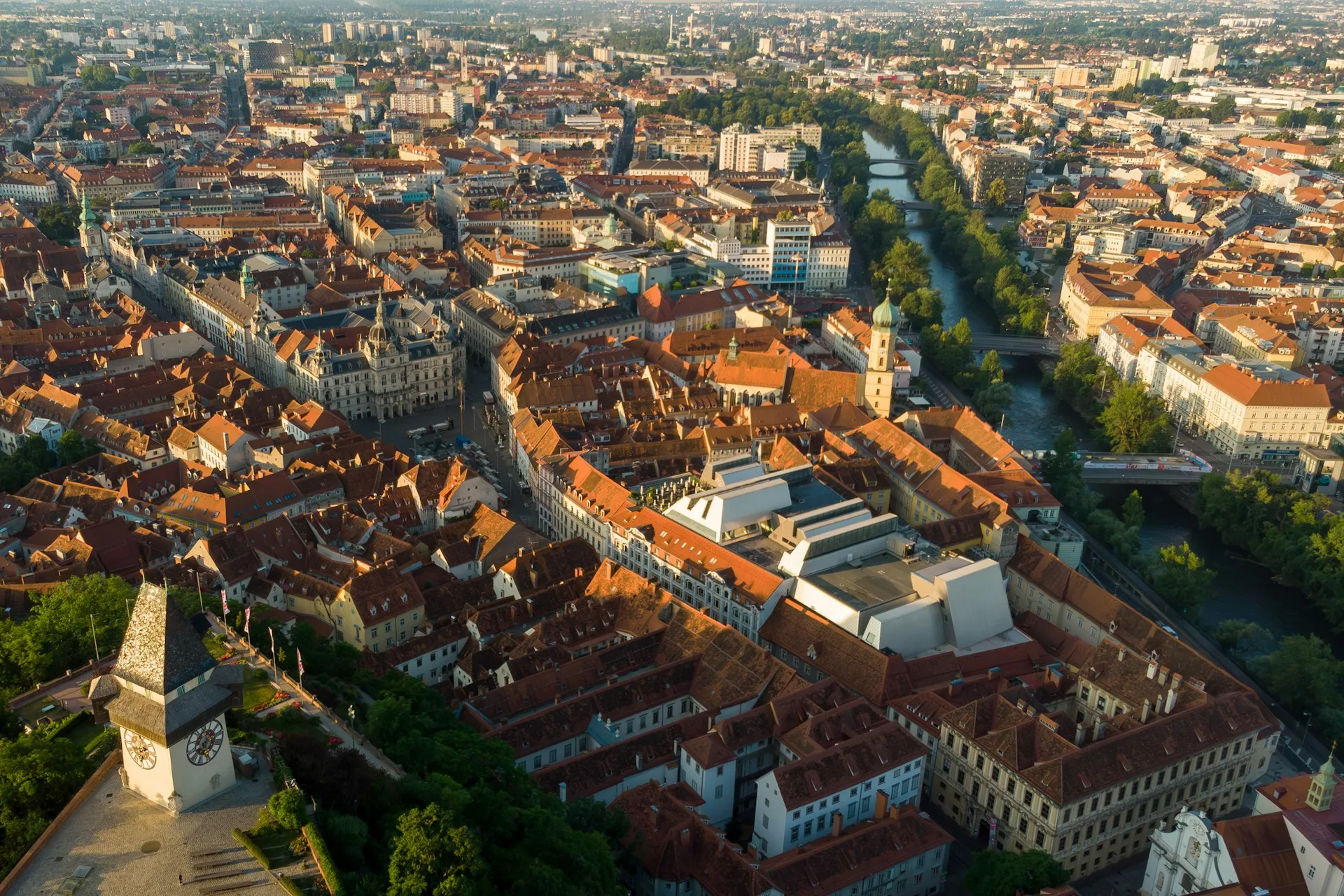
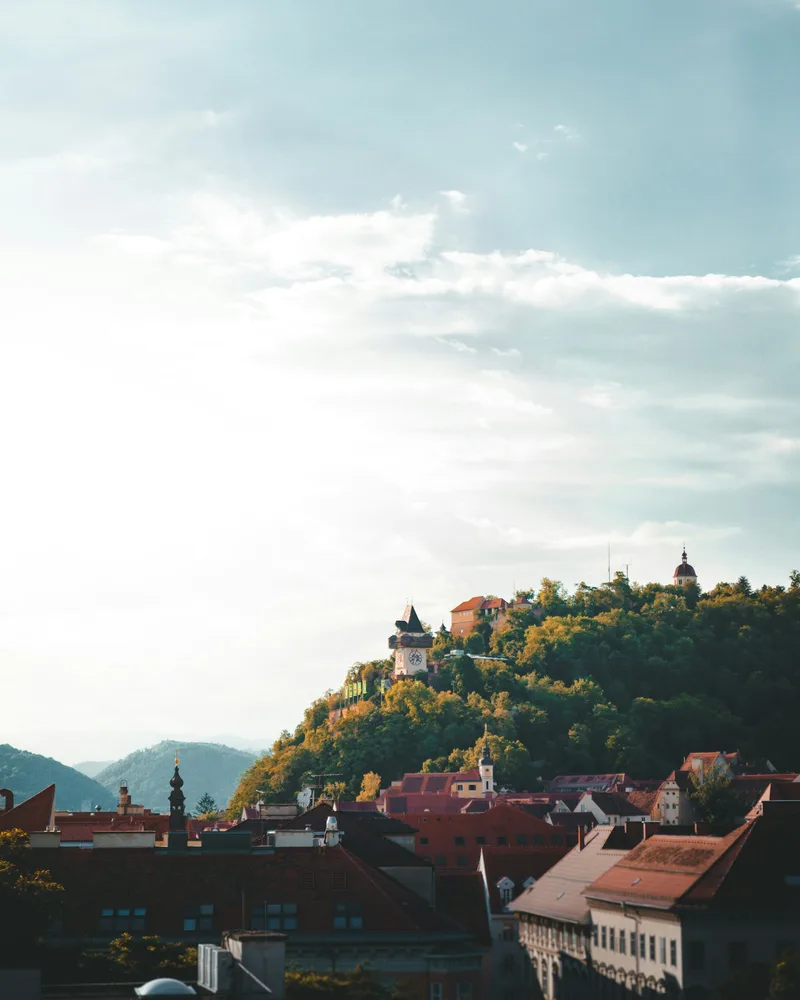
The green southeast: Austria's second city, Graz, with its red-roofed old town and clock-tower hill, surrounded by rolling wine roads, pumpkin-seed-oil farms and the gentle Styrian countryside.
A sample journey
 1
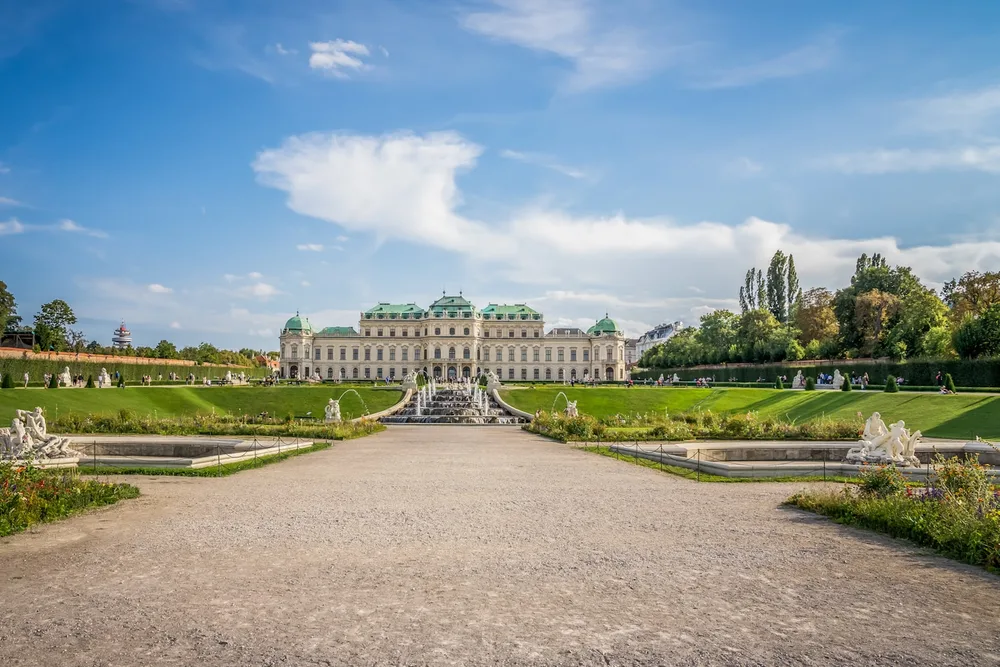
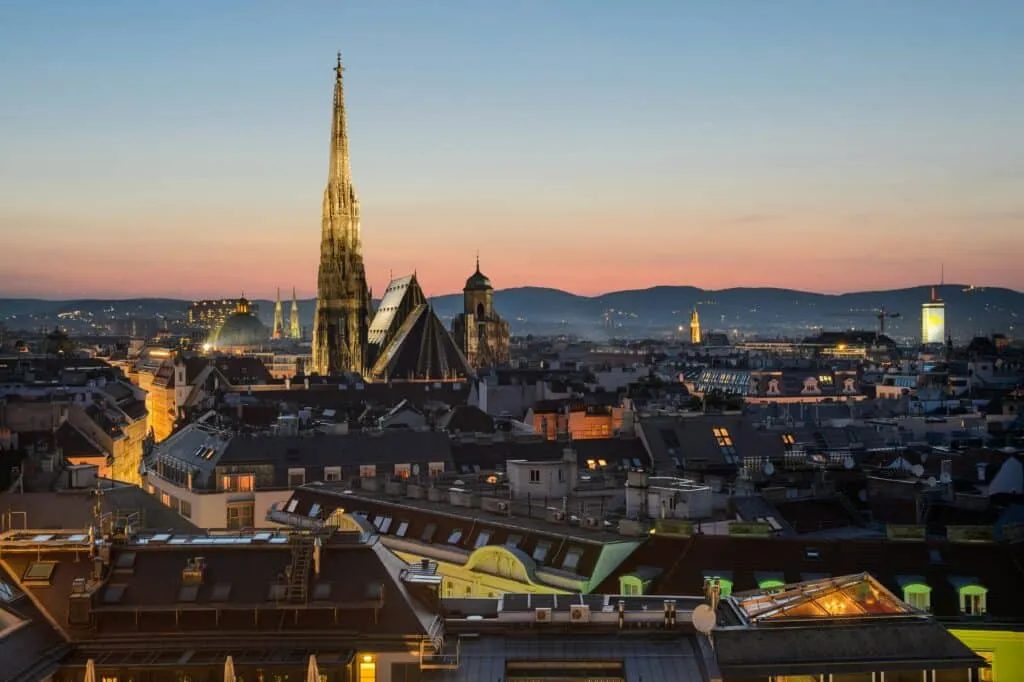
1 Begin in the imperial capital: Schonbrunn and the Hofburg, the art of the Kunsthistorisches and Belvedere, an evening concert and long mornings in the historic coffeehouses, with the cathedral and Ringstrasse in between.
 2
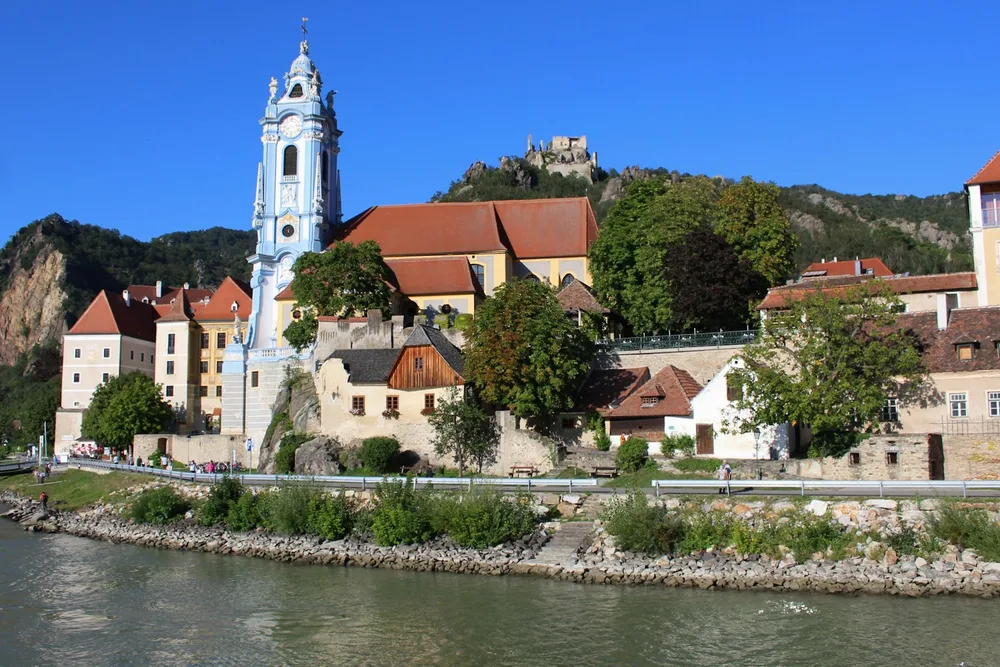
2 Head west along the Danube into the Wachau valley: the golden abbey of Melk high above the river, the vineyard town of Durnstein, and a tasting of crisp local white wine, with an optional stretch of the river by boat.
 3
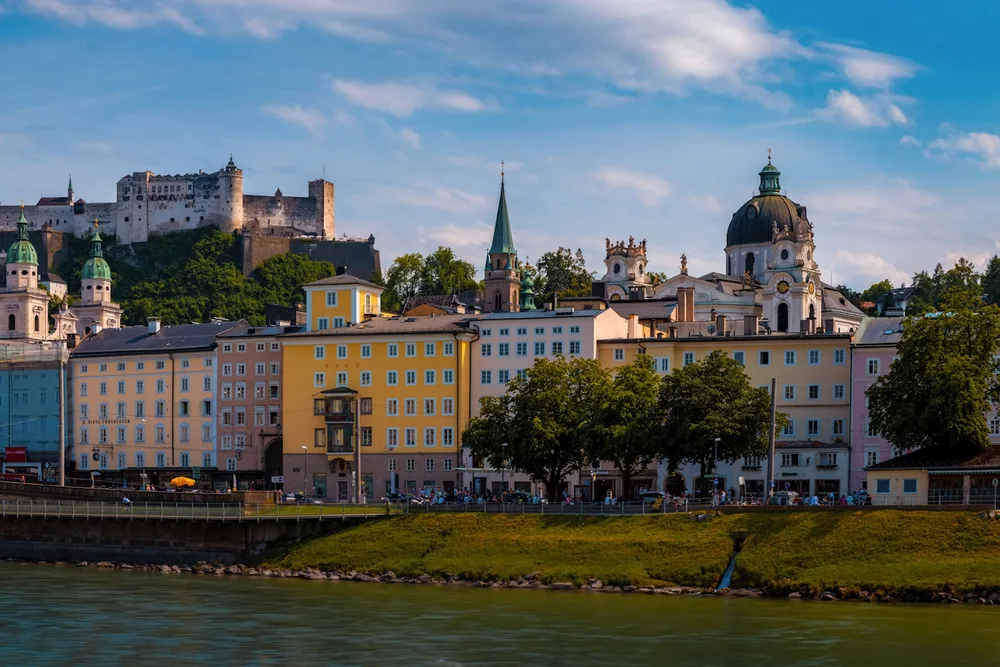
3 On to Mozart's baroque city beneath its hilltop fortress: the Getreidegasse and Mozart's birthplace, the Mirabell gardens, a Sound of Music detour and, in summer, a night at the famous Salzburg Festival.
 4
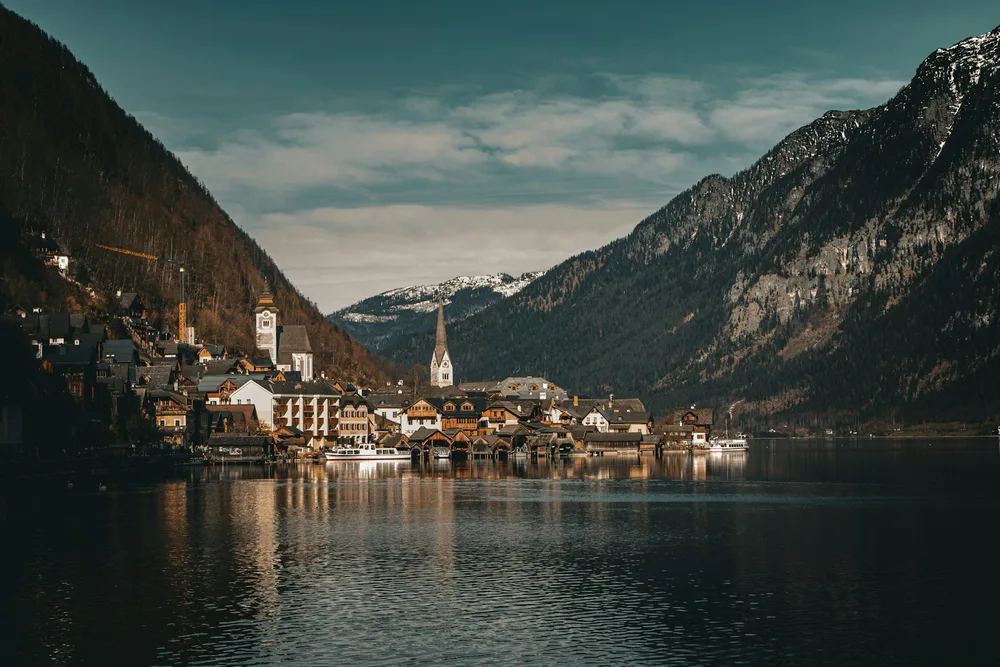
4 Into the lake district for one of the most beautiful corners of Europe: the village of Hallstatt between water and cliffs, a boat across the lake, the salt mines above town and a slow lakeside lunch.
 5
5 Finish in the mountains: Innsbruck's colorful old town and Golden Roof framed by alpine peaks, a cable car straight up the Nordkette, and a drive into a side valley for meadows, villages and high passes.
Every itinerary we build is bespoke: this is a starting point, not a package.
Getting around
Where to stay
Transfers, rail tickets, driver-guides and any Danube river cruises are all arranged as part of every itinerary, so the logistics are handled before you arrive.
Good to know
Seven to ten nights is the sweet spot. A week comfortably covers Vienna, Salzburg and Tyrol by train, with a stop along the Danube in between; ten nights to two weeks lets you add the Salzkammergut lakes, a few days hiking in the Alps or the wine country of Styria at an unhurried pace.
Late spring (May–June) and early autumn (September–October) are ideal: green meadows or autumn color, mild days and manageable crowds. Summer is best for the lakes and high trails and brings the Salzburg Festival, while winter is magical for skiing in Tyrol and the Christmas markets in Vienna and Salzburg.
If you can, both; they are about two and a half hours apart by fast train and complement each other beautifully. Vienna is the grand imperial capital, home to the great palaces, museums and concert halls; Salzburg is smaller, baroque and dramatic, set beneath its fortress and surrounded by mountains. We often build an itinerary that links the two by rail.
Not for the cities, which are best on foot and by tram, and the train network links them superbly. A car or private driver-guide is worthwhile for the Salzkammergut lakes, the Tyrolean side valleys and the wine roads of the Wachau and Styria, where the freedom to explore the back roads adds a lot.
Hallstatt is one of the most beautiful villages in Europe and well worth the trip, but it can be busy with day visitors at midday. We suggest staying overnight in the village or nearby on the lake, so you have the early mornings and evenings, when the light is best and the crowds are gone, largely to yourself.
From the journal
Destinations
Things to do in Vienna on Danube cruise include palaces, opera, cafés, and markets—discover top sights and local tips for your river cruise stop.
July 2025 Read more →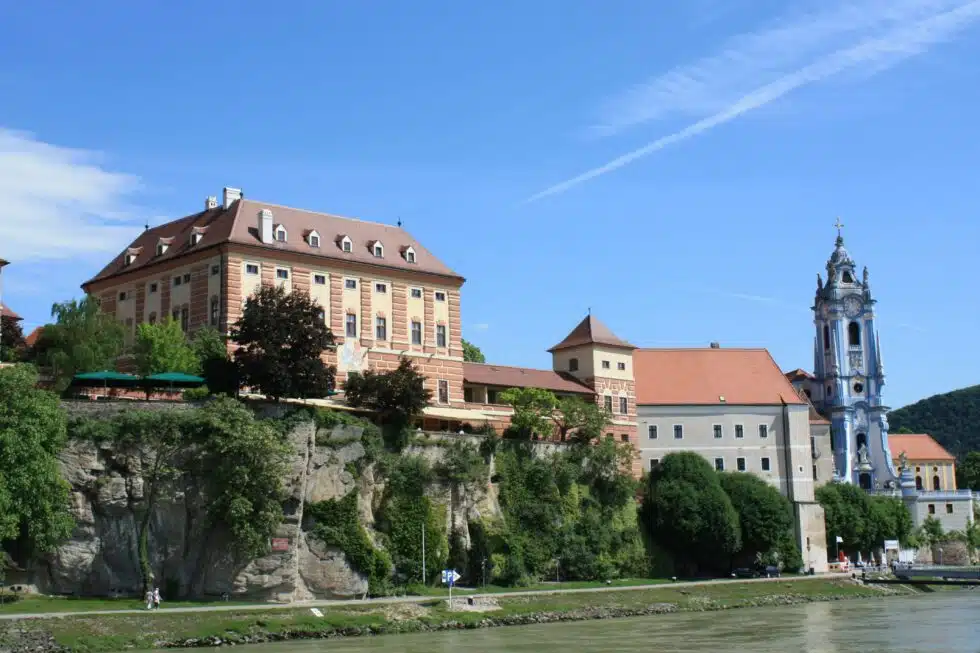
River Cruises
In short: A Danube River cruise through Austria’s Wachau Valley offers stunning views of vineyards, castles, and historic towns like Melk and Dürnstein. This guide covers the best…
Read more →Ways to Explore
A private journey designed entirely around you, your pace, and your people.
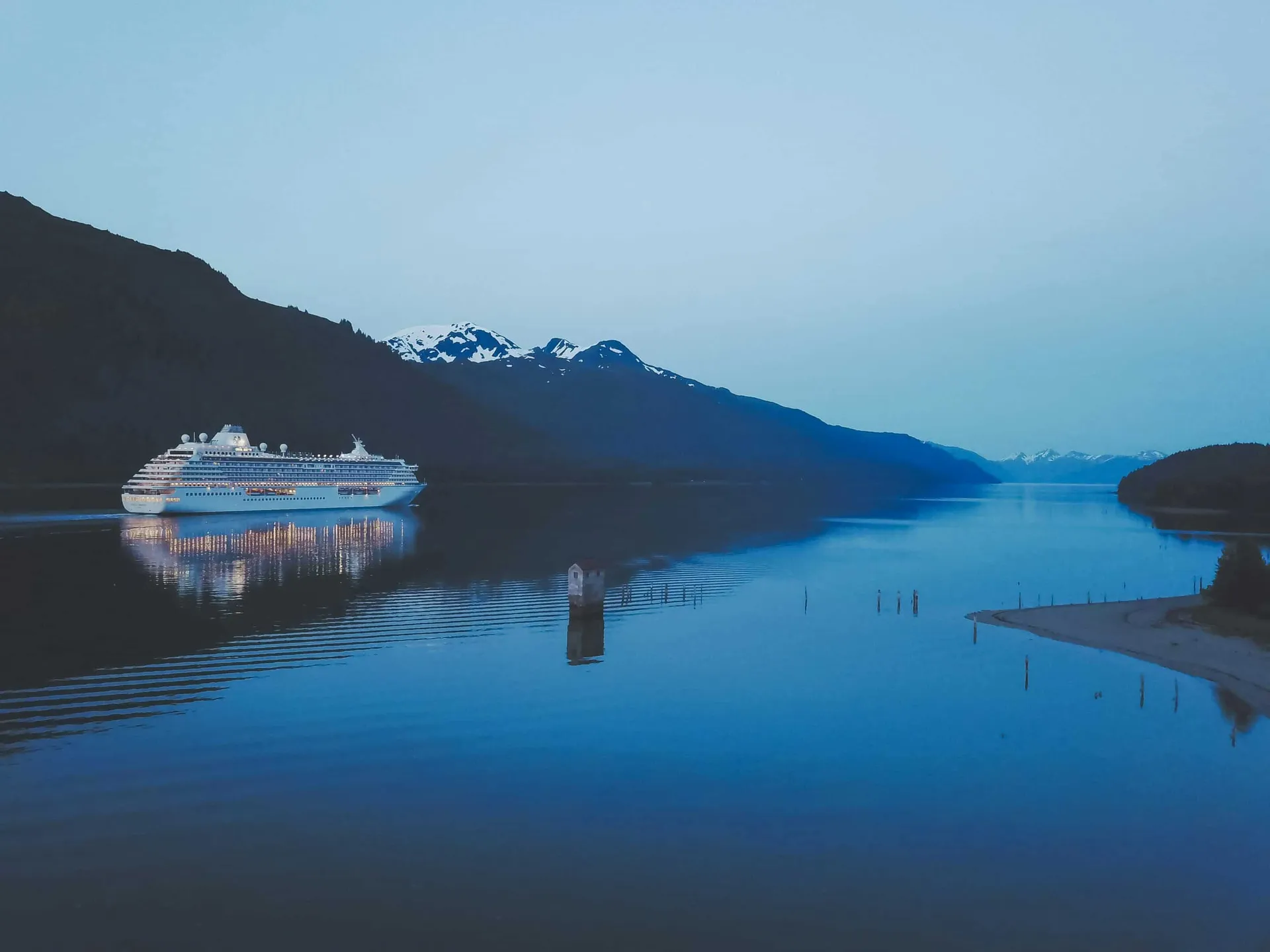
River, ocean and expedition voyages, from the Danube to Antarctica.

Expertly guided, end to end, with the world's finest local operators.
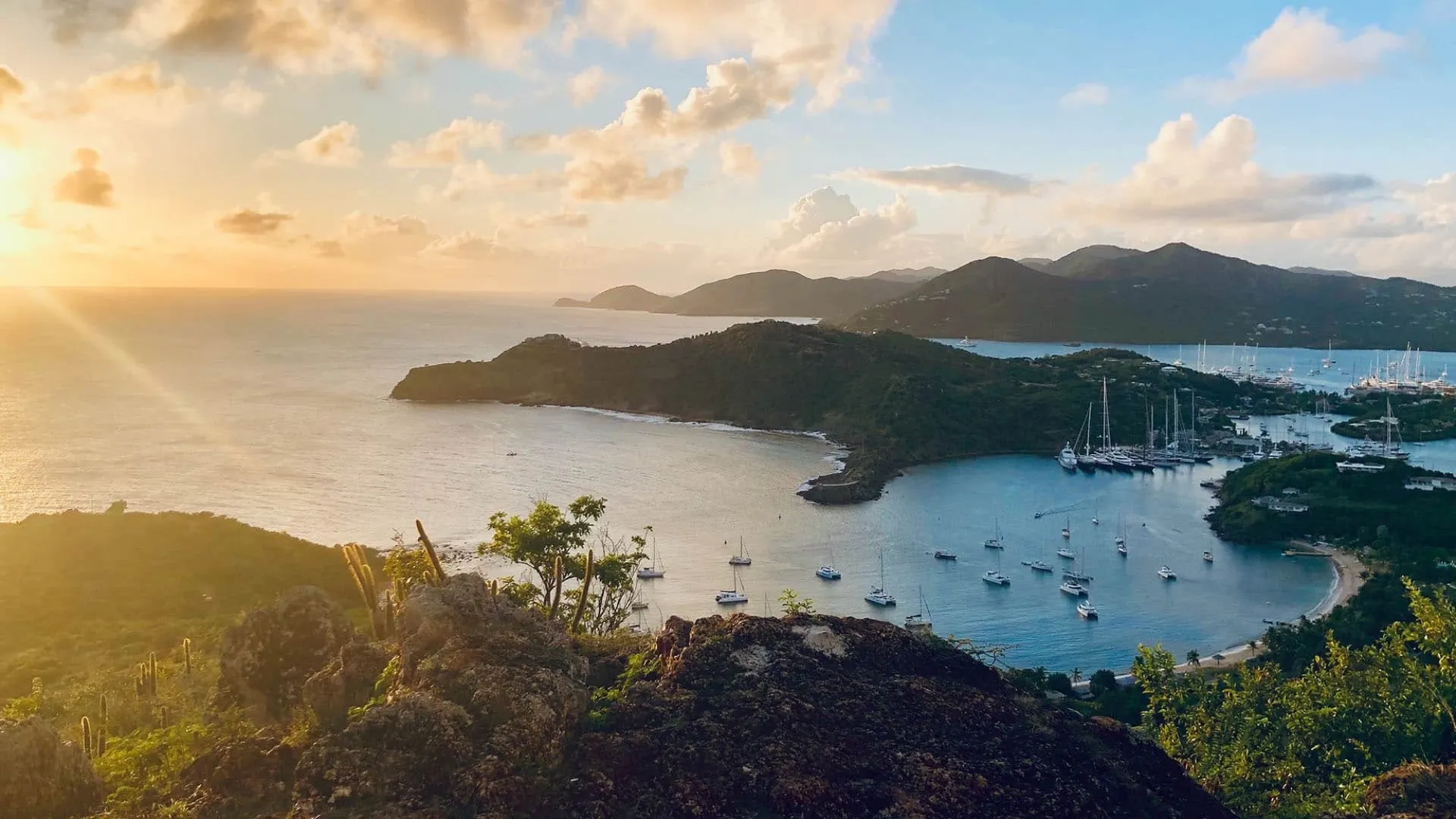
Effortless resort escapes; we cut through the haze to the right one.
Let's begin
Tell us your travel dates and what you love, and we'll handle every detail.
Plan Your TripSearch Chima Travel