Region
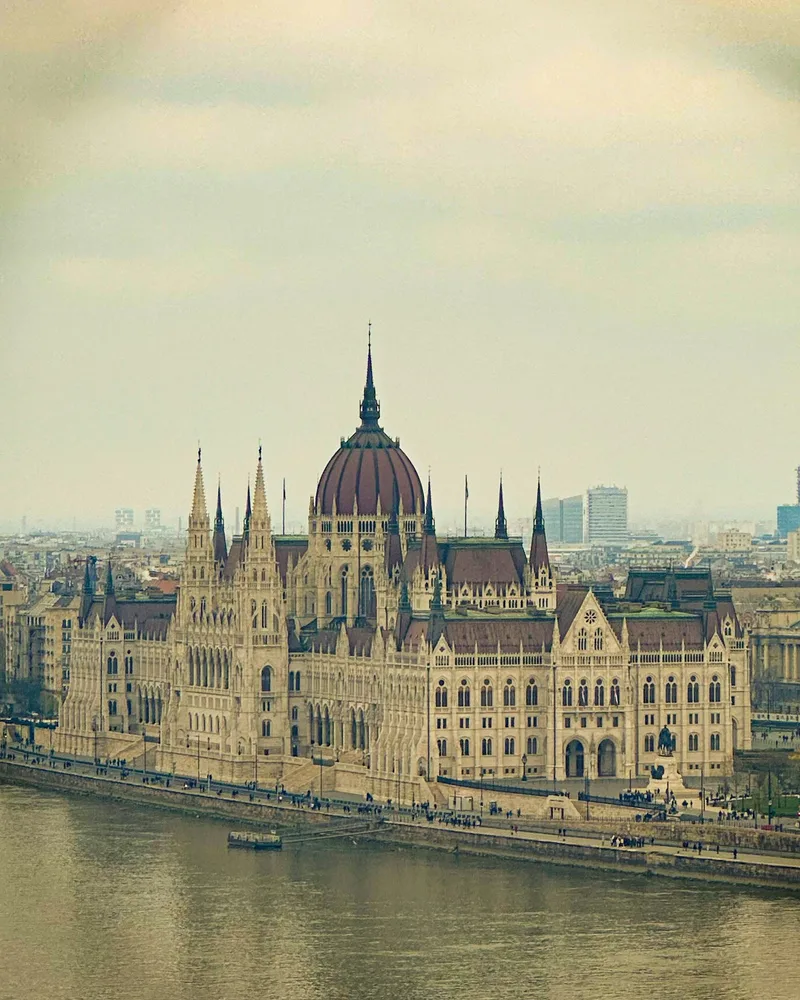
Budapest
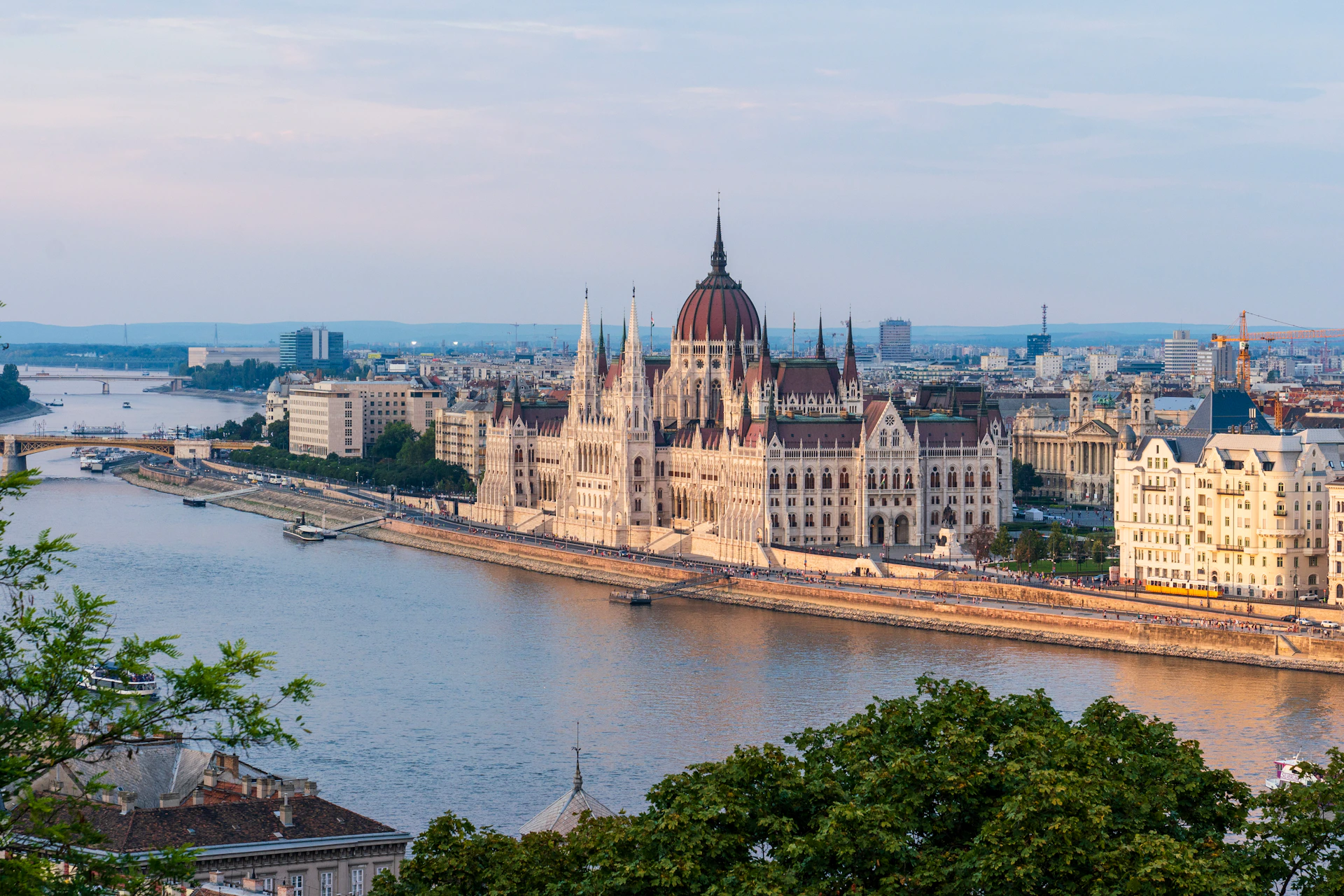
The grand capital astride the Danube: the neo-Gothic Parliament, the castle hill of Buda, the steaming Szechenyi and Gellert thermal baths, and a buzzing cafe and ruin-bar culture after dark.

By Continent
Europe Africa Asia North America South America Caribbean Australia & Oceania All destinationsOverview
From the canals of Venice to the black-sand coasts of Iceland, Europe rewards the curious traveler with centuries of art, architecture and unforgettable flavor, all within easy reach of one another.
View all EuropeOverview
From the dunes of the Sahara to the great plains of the Serengeti, Africa is a continent of staggering scale and singular encounters: a place where landscape, wildlife and culture meet at full intensity.
View all AfricaDestinations
Overview
Vast and varied, Asia spans snow-capped peaks and tropical coasts, neon megacities and silent temples. It is a continent that rewards both the first-time traveler and the lifelong returnee.
View all AsiaFeatured
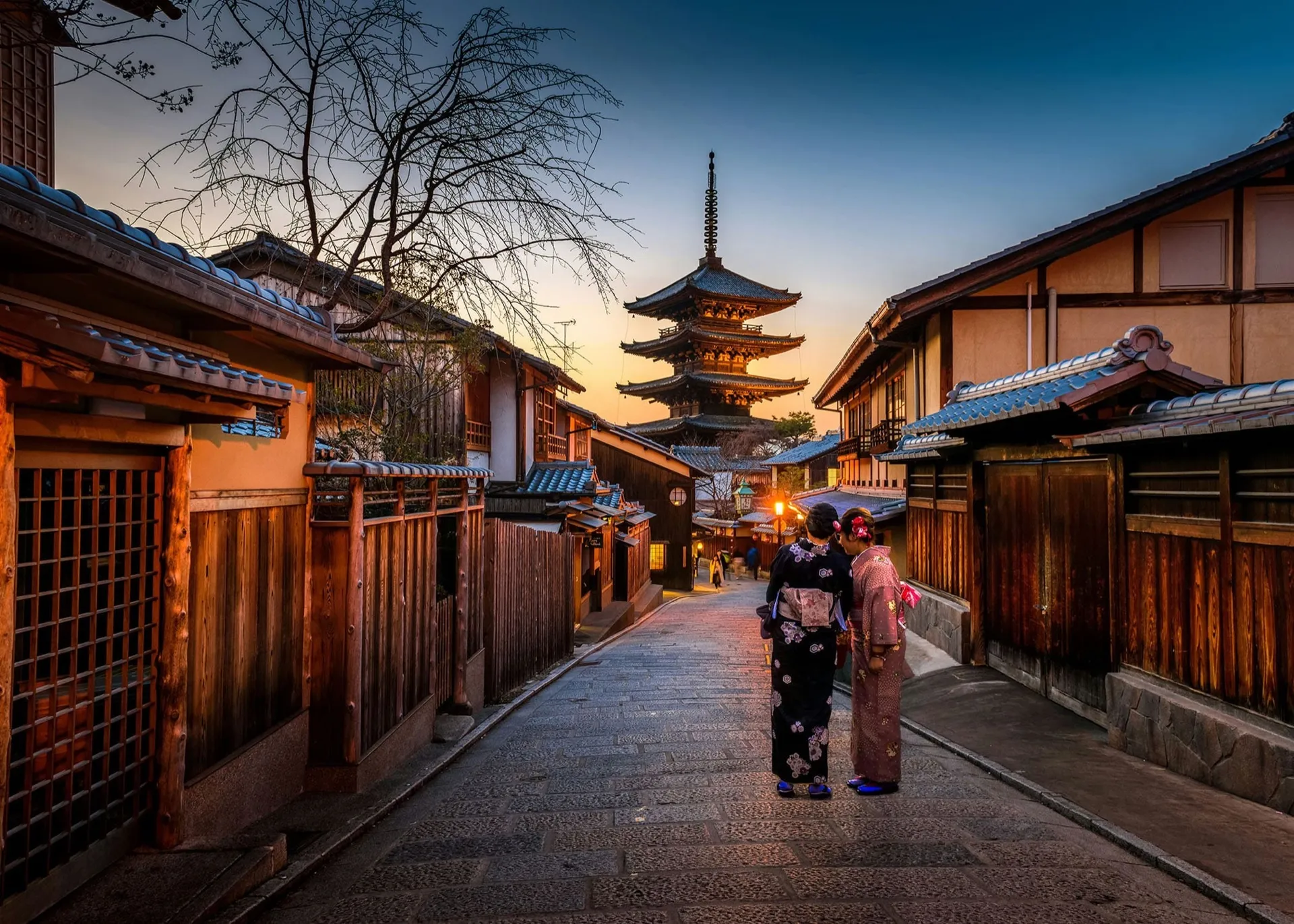 Japan · signature experience Kyoto
 Overview
Close to home and endlessly varied, North America ranges from desert canyons to alpine national parks, from world cities to quiet coastal towns: a continent that contains a dozen vacations within a single border.
View all North AmericaDestinations
Overview
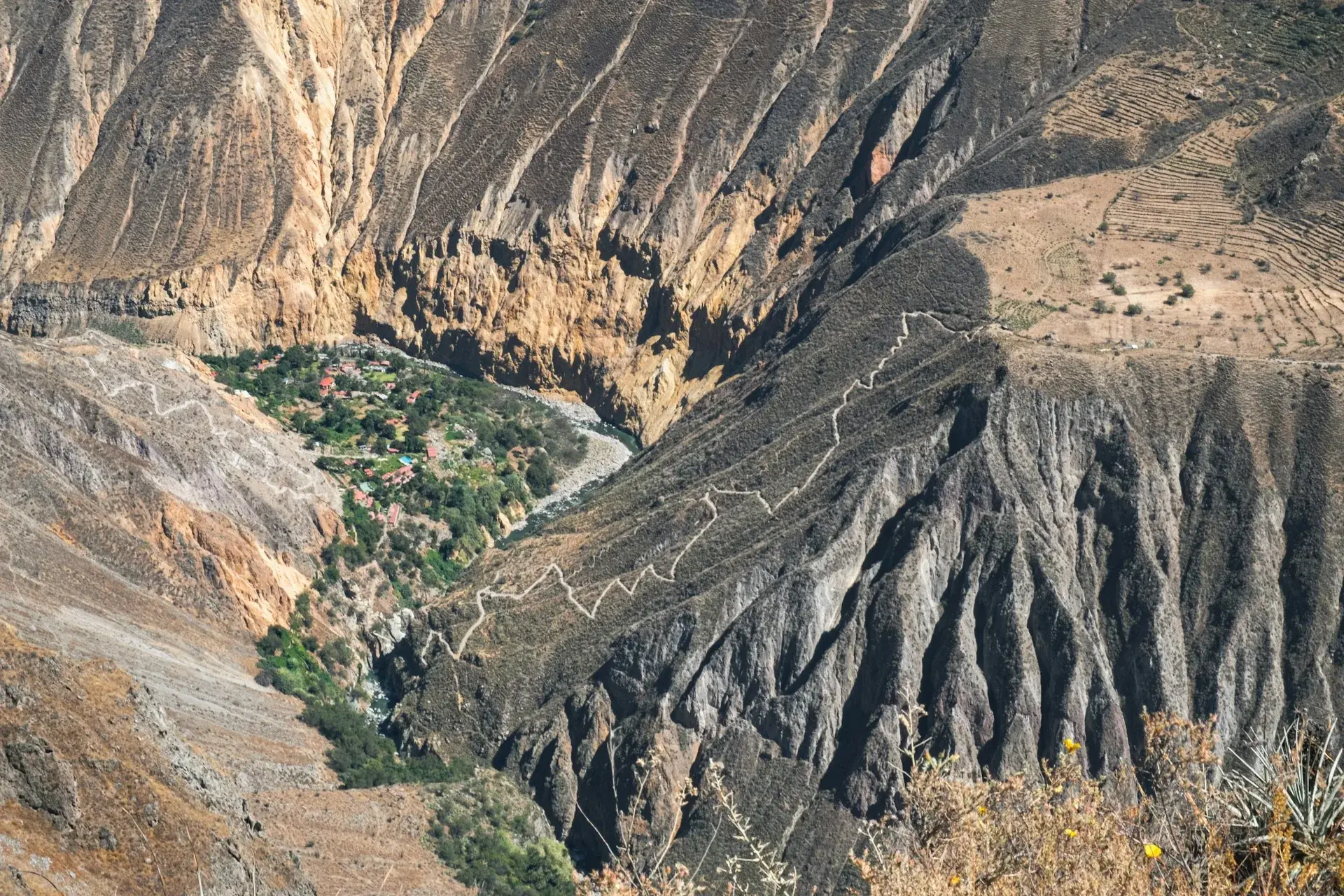
A continent of extremes, from the high Andes and the vast Amazon to glacial Patagonia and the rhythm of its cities, South America rewards the adventurous traveler with some of the planet’s most dramatic scenery and deepest history.
View all South AmericaOverview
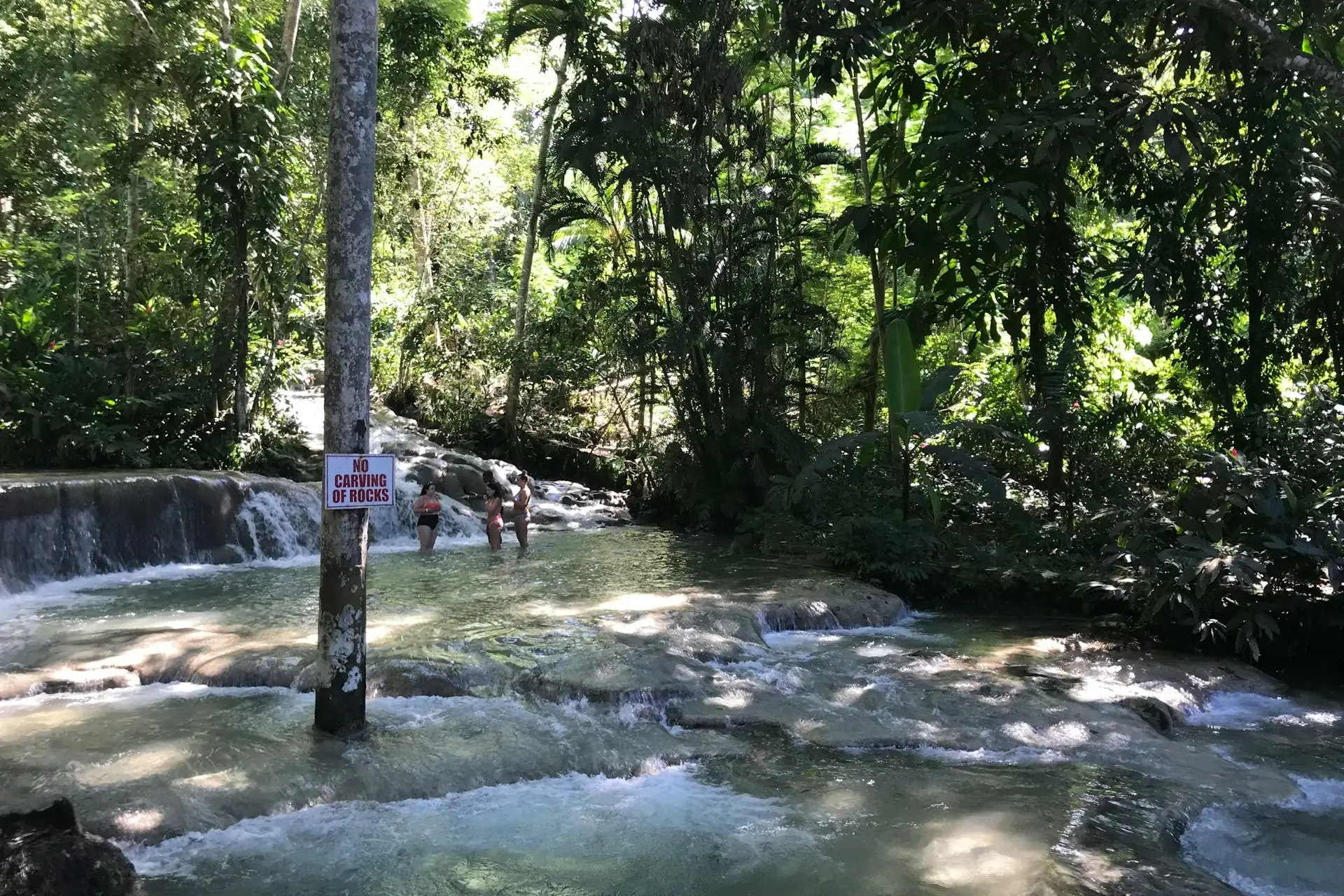
A scattering of islands across impossibly blue water, the Caribbean is the art of the easy day perfected: white sand, warm rhythm and hospitality that turns first-time visitors into lifelong returnees.
View all CaribbeanDestinations
Overview
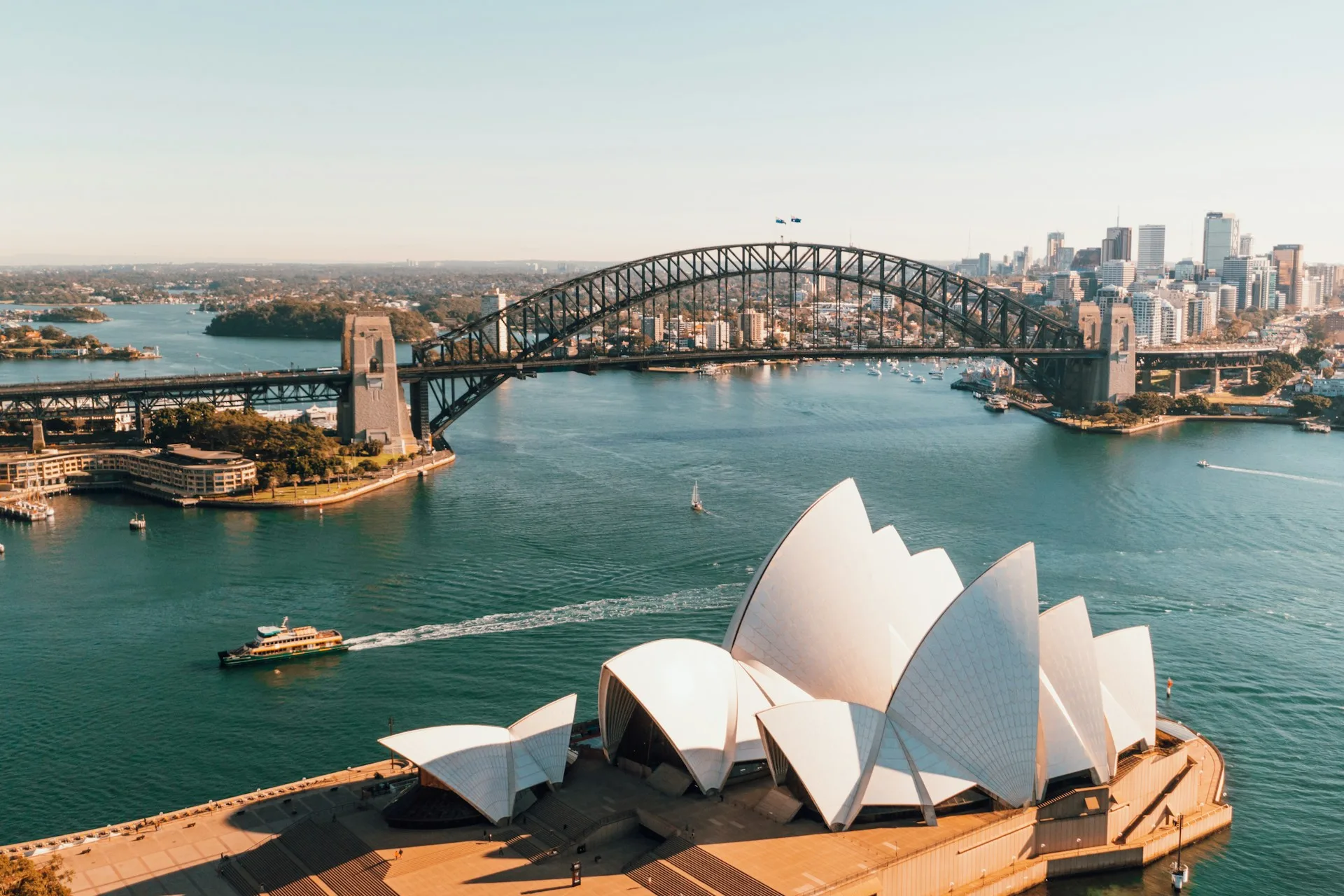
From the Great Barrier Reef to the red heart of the outback, from the fjords of New Zealand to the scattered atolls of the South Pacific, Australia & Oceania offer some of the most remote and rewarding travel on earth.
View all Australia & OceaniaDestinations
Est. 1918 · four generations · 38 countries
How You Travel
River Cruises Ocean & Small-Ship Expedition Flights Tours & Escorted All-Inclusive All travel experiencesFeatured
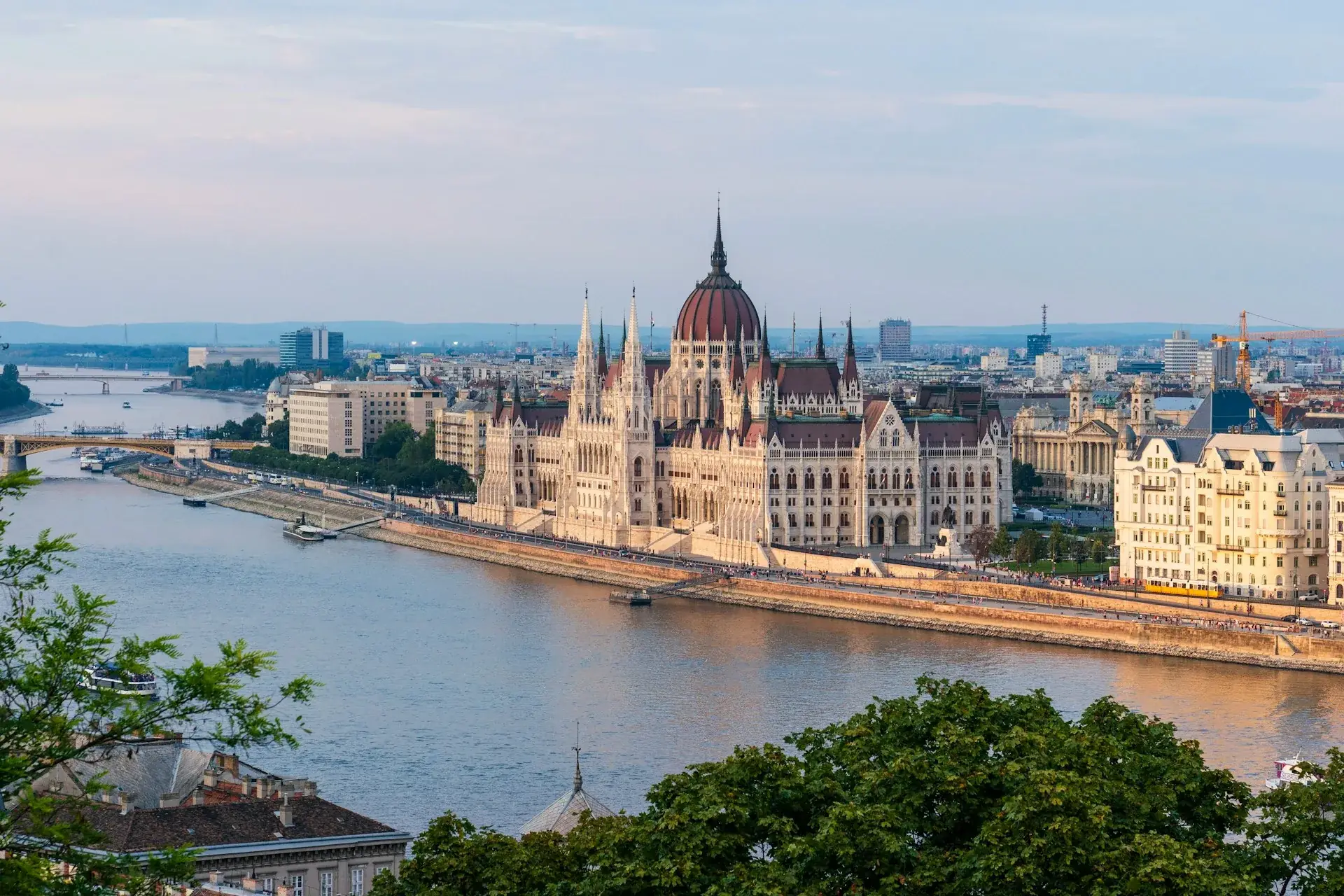 The Danube
 Featured
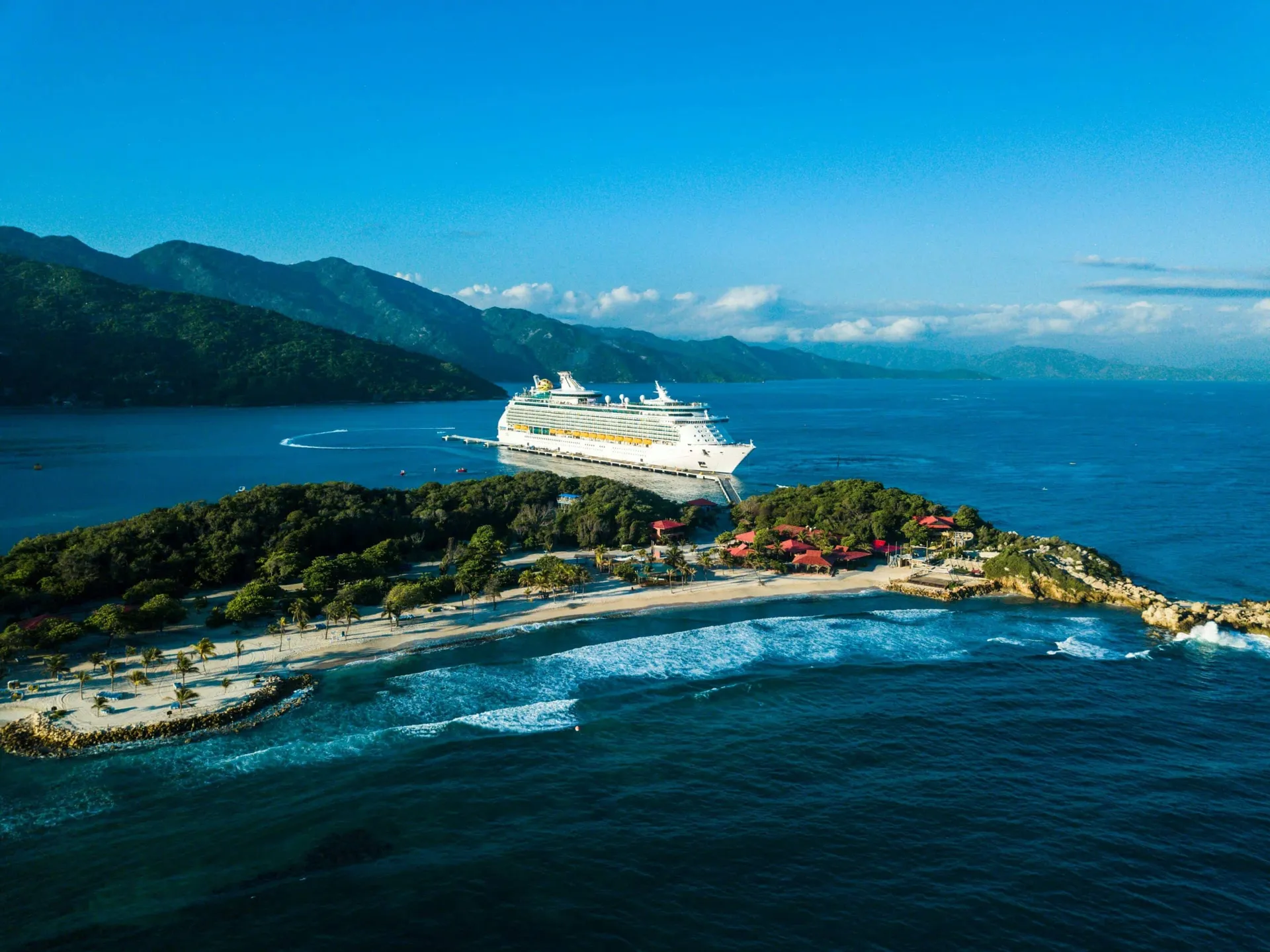 The Caribbean
 Featured
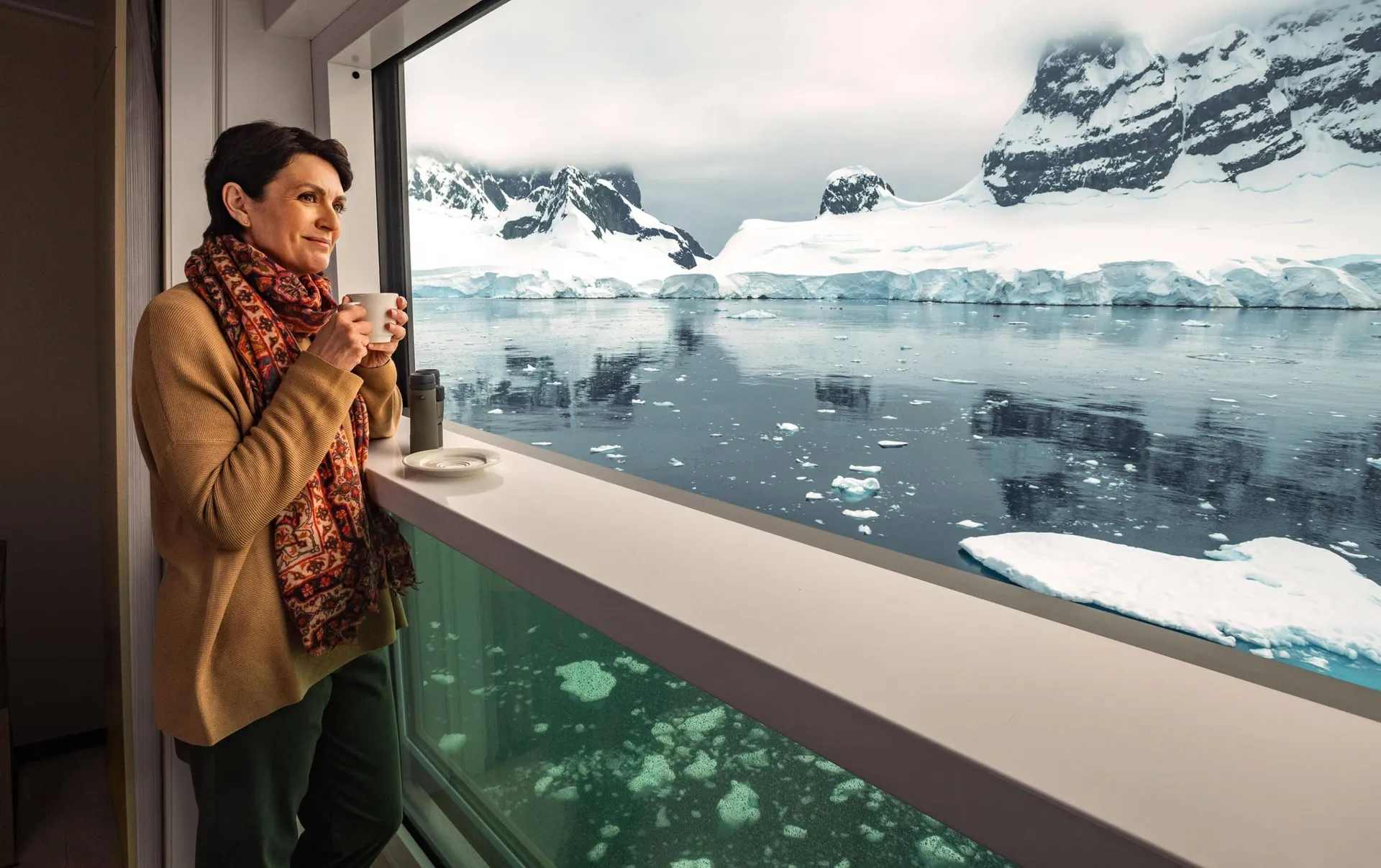 Antarctica
 Overview
Premium-cabin fares, complex routings and around-the-world tickets, booked by people who fly for a living.
Explore flightsFeatured
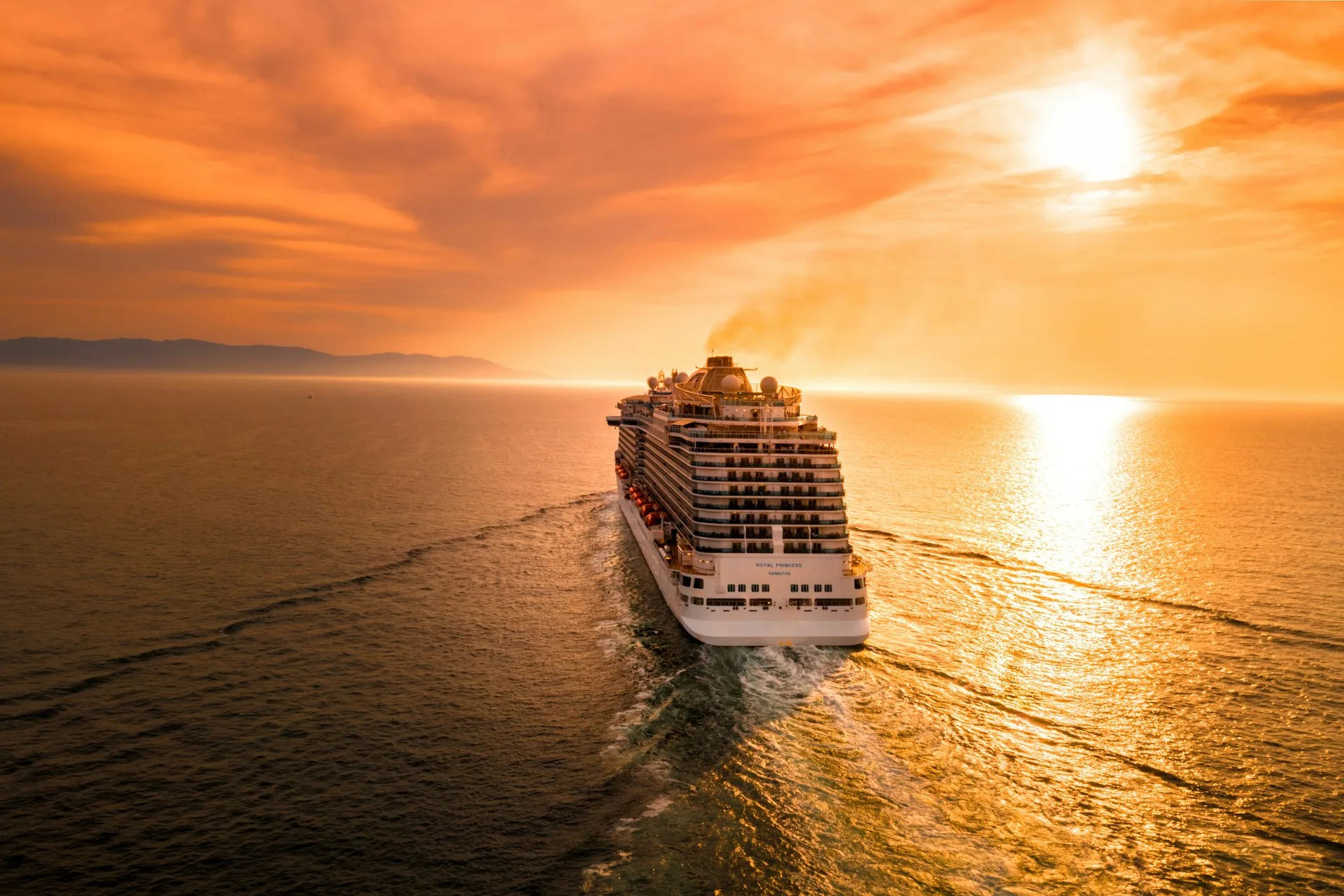 Flights
 Overview
Expertly guided group departures and private escorted itineraries across the world's great regions.
Explore tours & escortedFeatured
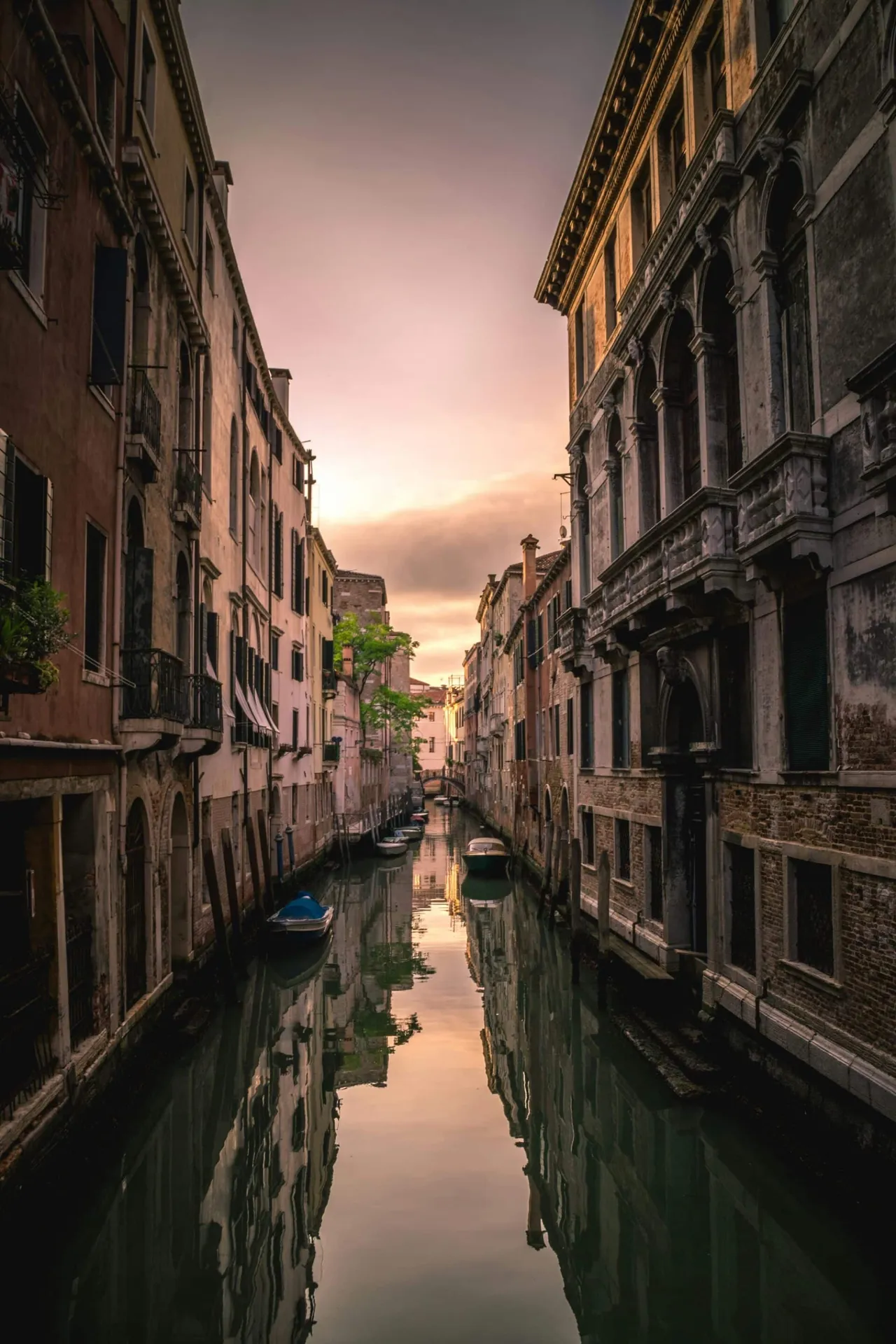 Tours & Escorted Journeys
 Overview
Beach and luxury all-inclusive escapes where flights, meals and more fold into a single, easy fare.
Explore all-inclusiveFeatured
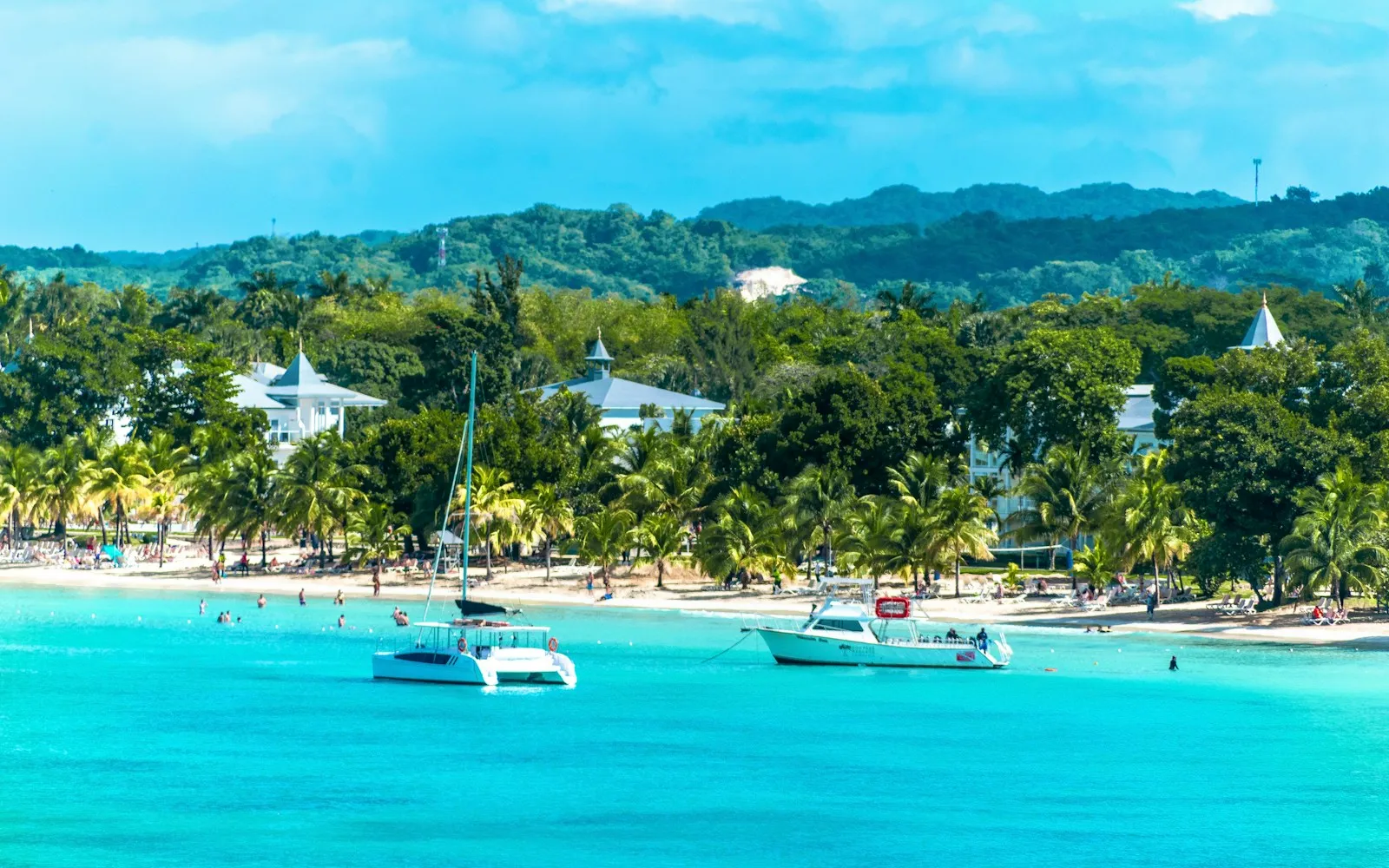 All-Inclusive Resorts
 River, ocean & expedition cruises · flights · tours · all-inclusive
Corporate travel
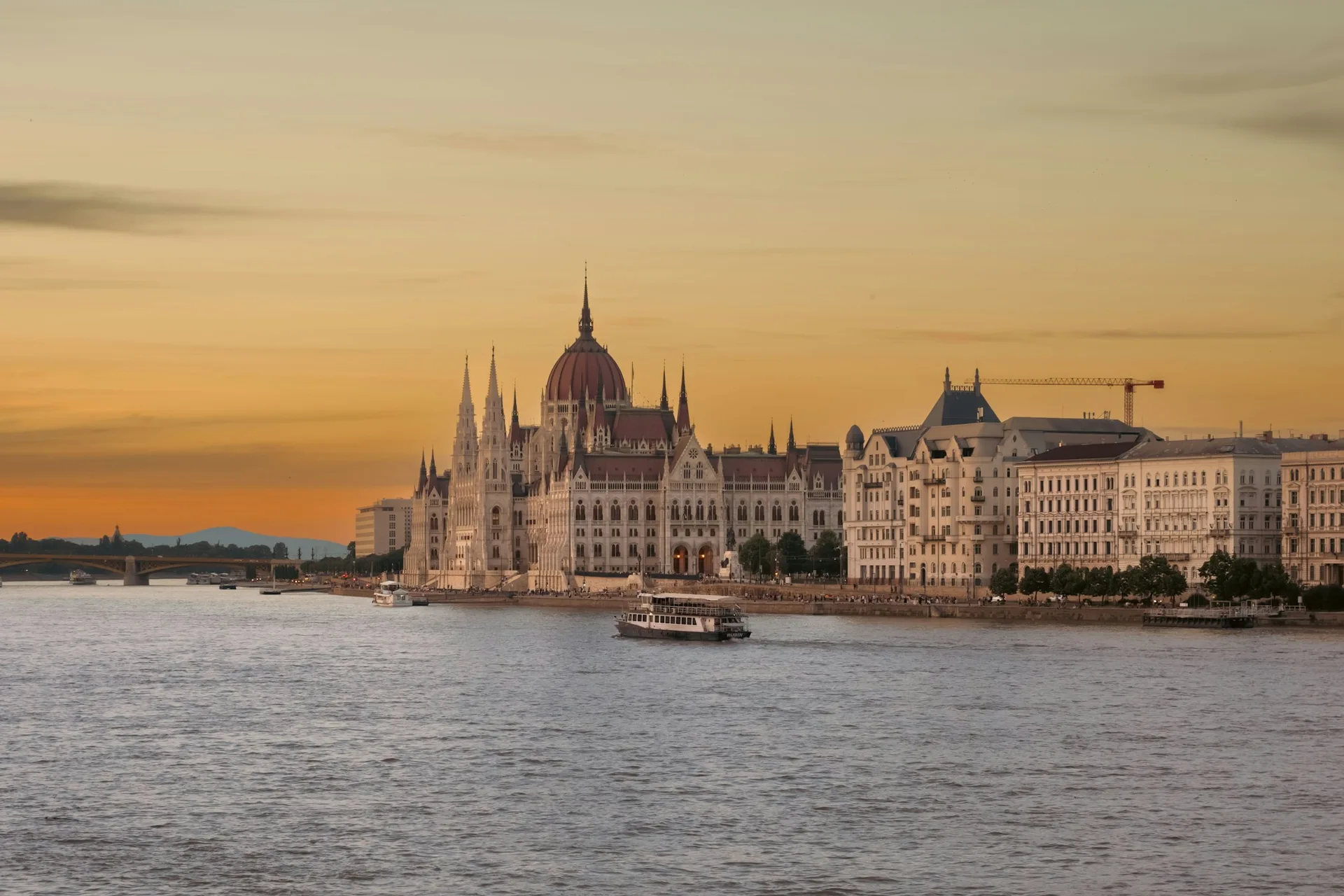
Destinations · Europe
Thermal baths, Danube grandeur & bold red wines.
The country
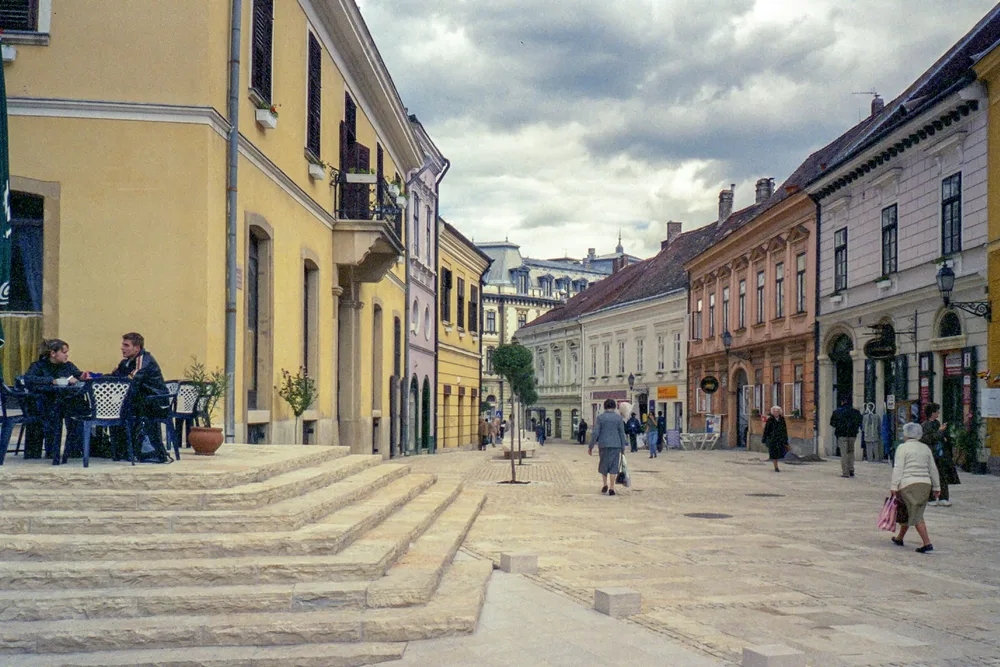
Few capitals make an entrance like Budapest, where the Danube sweeps between the castle-crowned hills of Buda and the grand boulevards of Pest, lined with parliament domes, art-nouveau facades and the steaming pools of century-old thermal baths. Yet the city is only the opening chapter of a country that rewards the unhurried traveler at every turn.
Beyond the capital, Hungary unfolds at a gentler pace. The Danube curves north through the riverside towns and hilltop castles of the Danube Bend; the baroque streets of Eger open onto cellar lanes where winemakers pour the deep red Bull's Blood; and the long blue shimmer of Lake Balaton draws sailboats, vineyards and slow lakeside lunches. This is a place built around the table, the bathhouse and the cafe, where an afternoon can disappear without anyone minding at all.
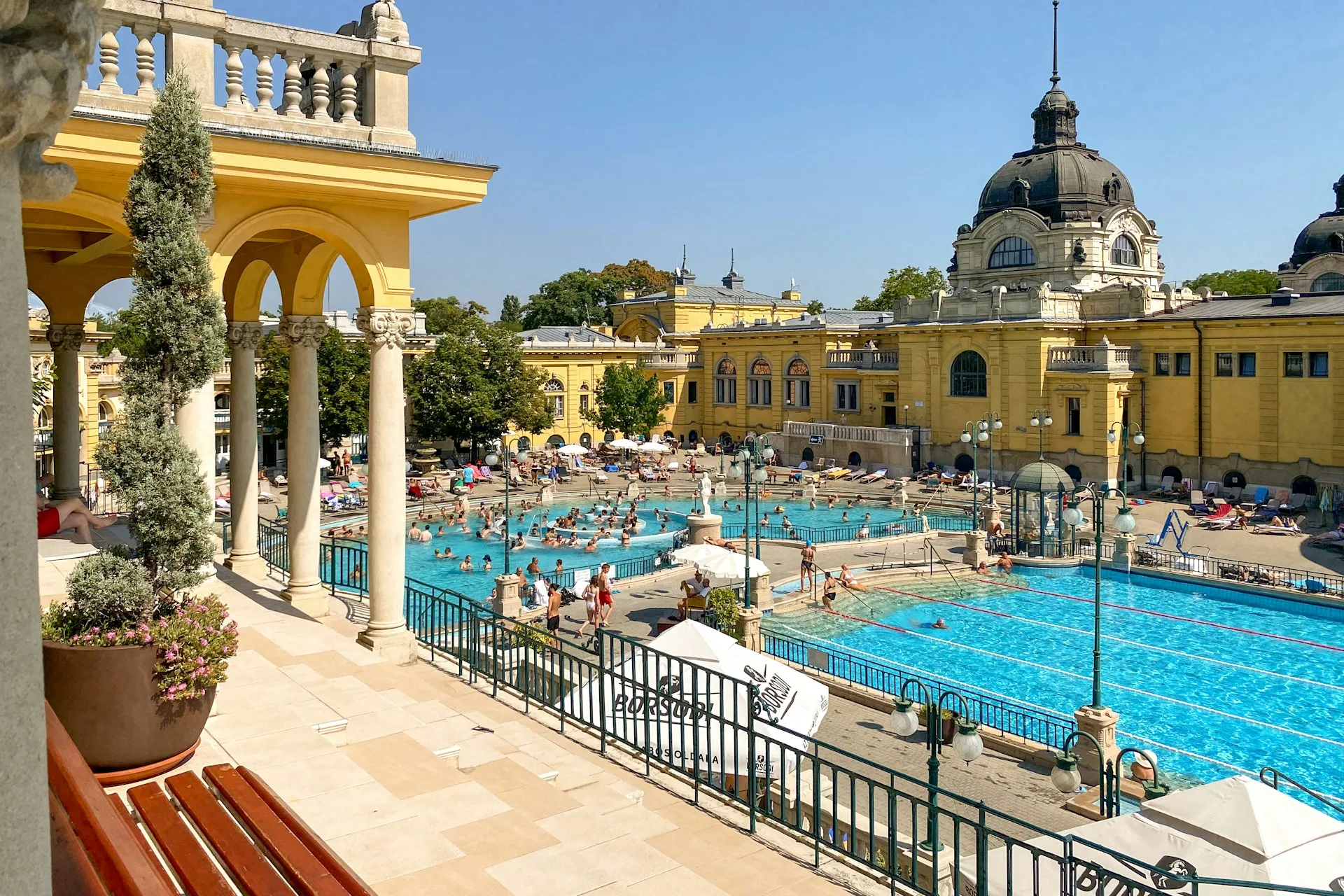
We design Hungary itineraries that balance the headline sights with the quieter moments in between: a private soak at the Szechenyi baths before the crowds, a cellar tasting in the Valley of the Beautiful Women, a slow boat across the Tihany peninsula on Lake Balaton. However you want to travel it, we build the route so each stop has room to breathe.
When to go
Hungary runs on the table, the bathhouse and the wine cellar, and each turns at its own time of year. This is the calendar as we'd sketch it across the desk — when the terraces fill, when the harvest comes in, and when the steam rises off the baths in the cold.
Our favorite window: warm, long days, blooming riverside towns and terraces in full swing, all before the heat and crowds of high summer settle over Budapest and Lake Balaton.
The grape harvest in Eger and Tokaj, still-warm thermal baths and golden light on the Danube. Ideal for pairing the capital with the wine country and the river towns without the summer rush.
Peak summer: Lake Balaton is at its liveliest and the festival calendar is full, but Budapest can be hot and busy, and the lakeside resorts fill up. Book the marquee hotels well ahead.
Cold, quiet and atmospheric through the winter, with the thermal baths at their most magical in the steam and the city at its coziest over coffee and cake — festive markets in December, then the terraces beginning to reopen as April warms. Great value throughout.
Where to go
Hungary packs a remarkable range of scenery and mood into a compact country, from the grand capital on the Danube to the river towns, wine hills and lakeshores beyond. These are the regions we weave together most often, each with its own table, pace and character, and we shape the route around the rhythm you have in mind.
Region
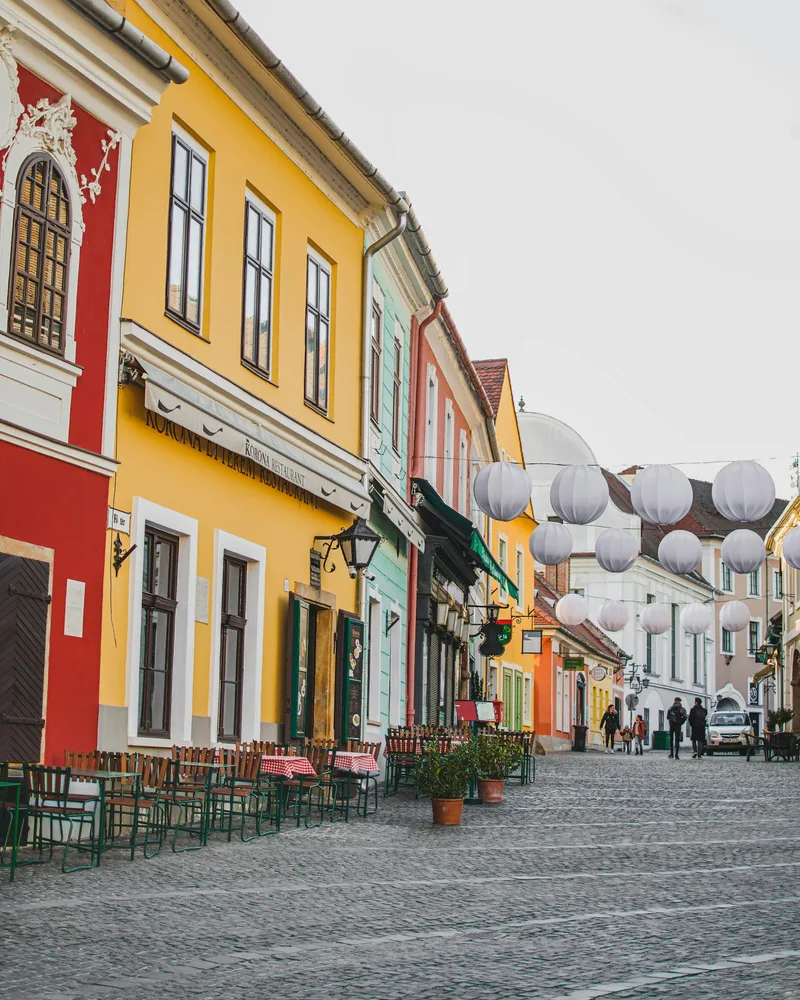
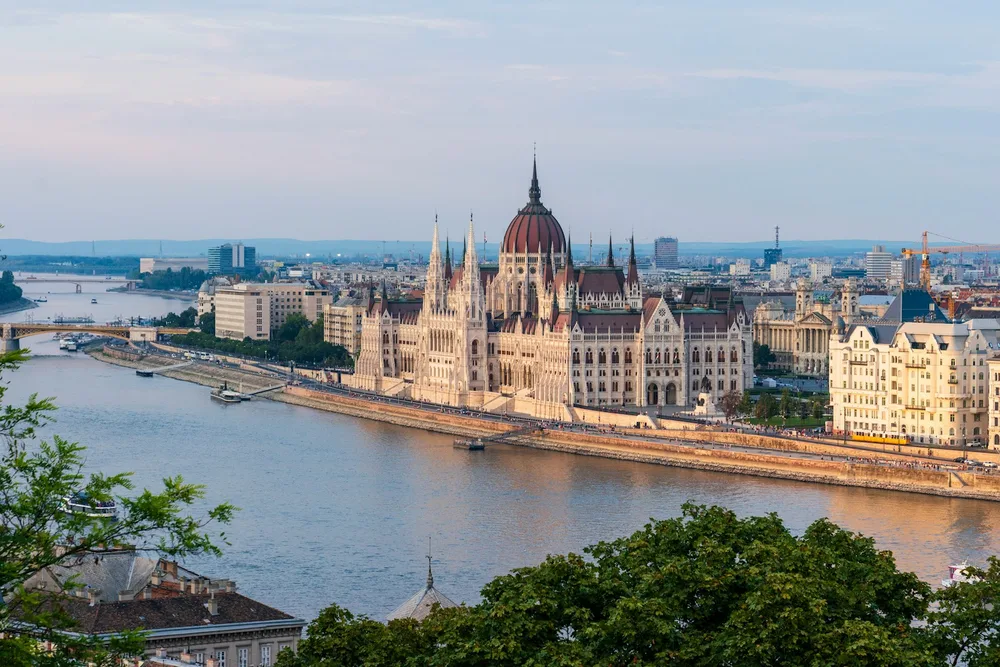
The grand capital astride the Danube: the neo-Gothic Parliament, the castle hill of Buda, the steaming Szechenyi and Gellert thermal baths, and a buzzing cafe and ruin-bar culture after dark.
Region
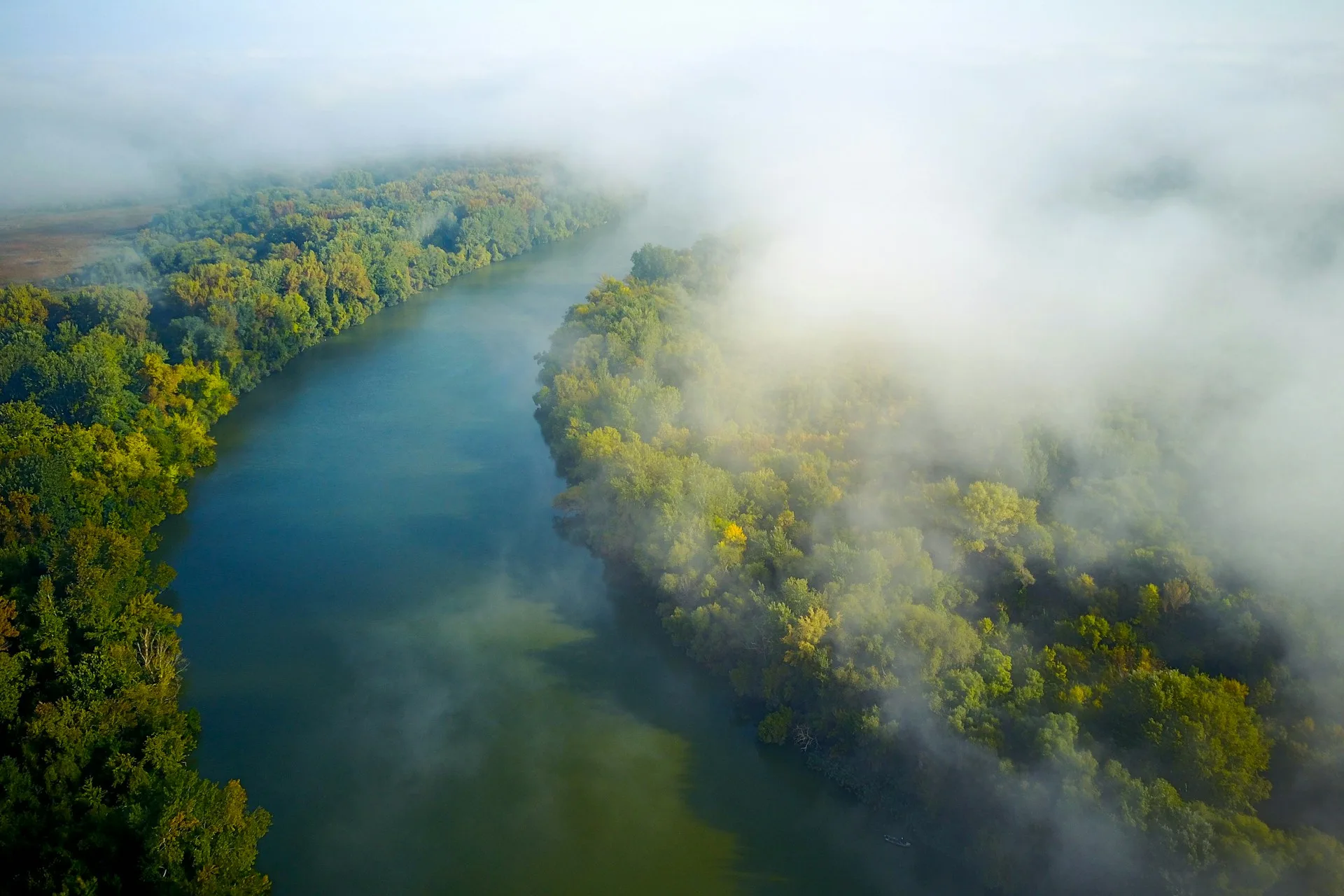
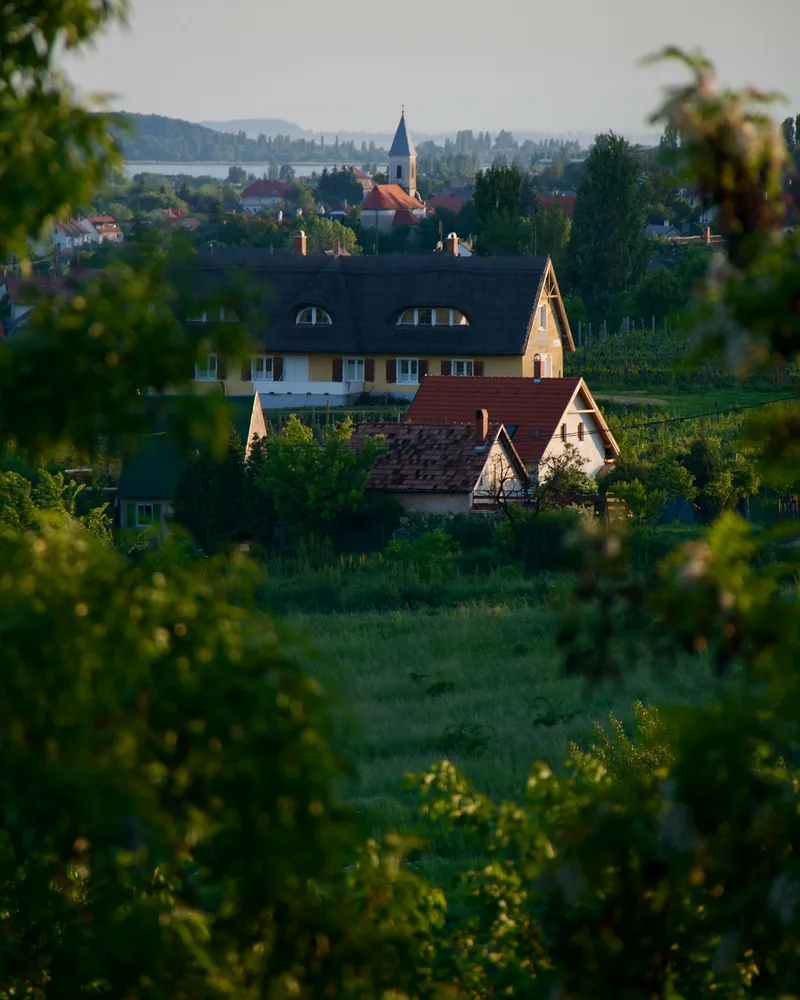
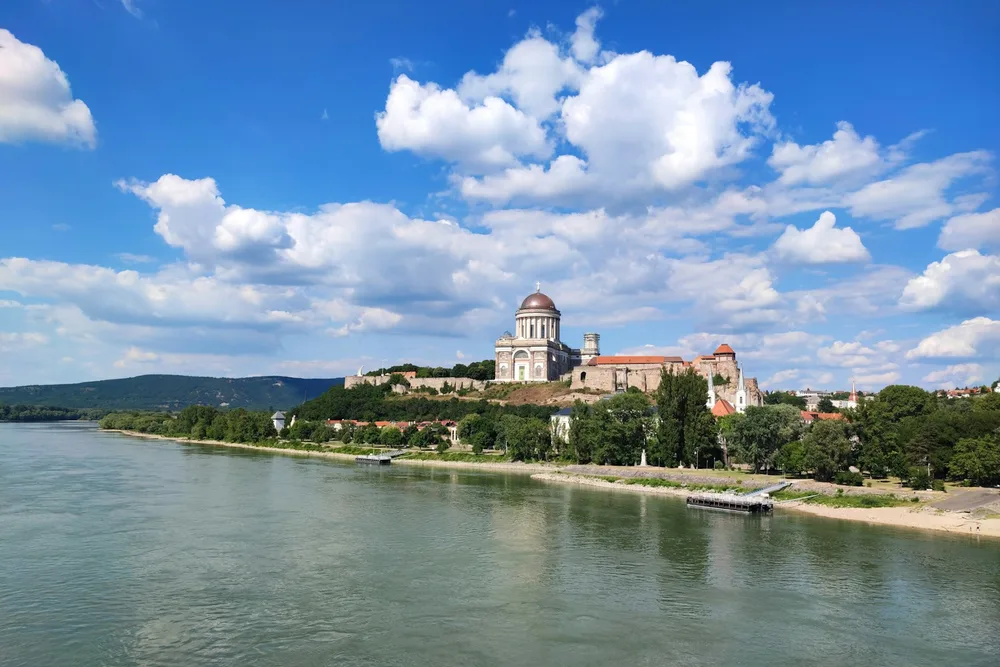
Where the great river curves south toward Budapest: the artists' town of Szentendre, the hilltop castle of Visegrad and the soaring basilica of Esztergom, an easy and beautiful day from the capital.
Region
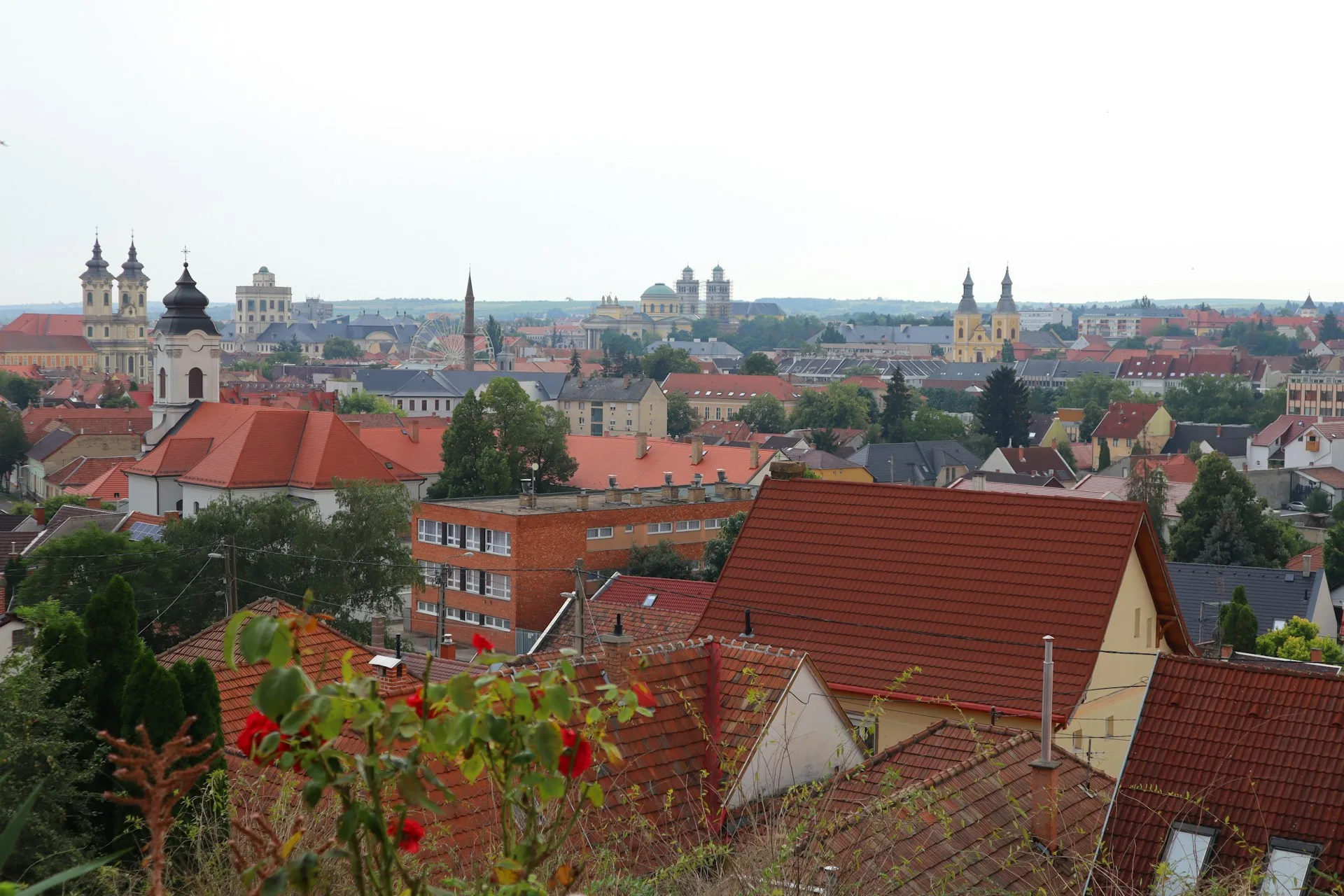
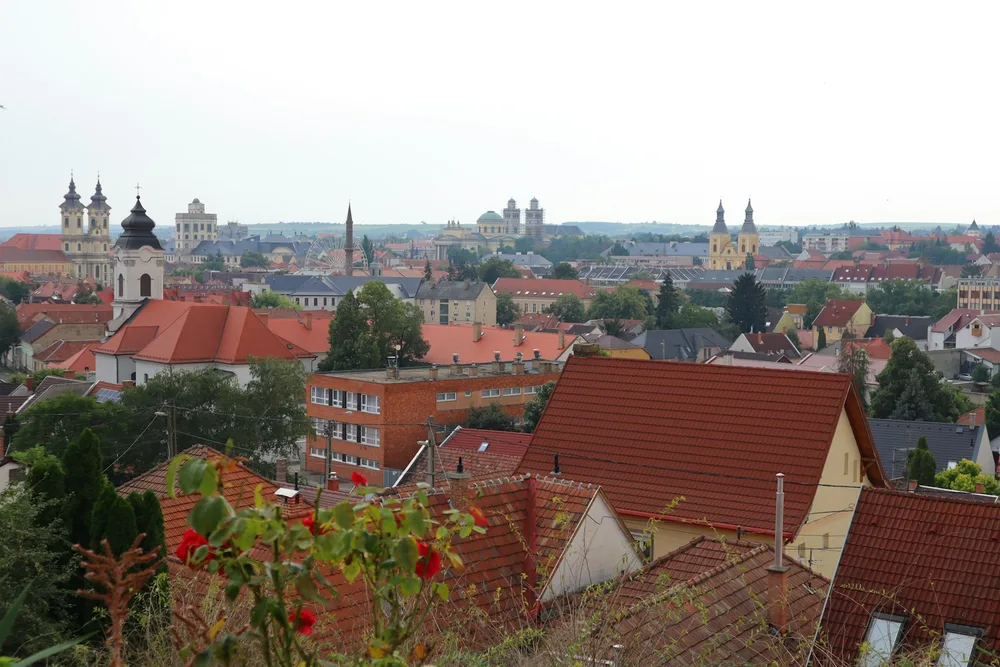
Baroque streets, a hilltop castle and a Turkish minaret, ringed by the cellar lanes of the Valley of the Beautiful Women, where winemakers pour the deep red Egri Bikaver, or Bull's Blood.
Region
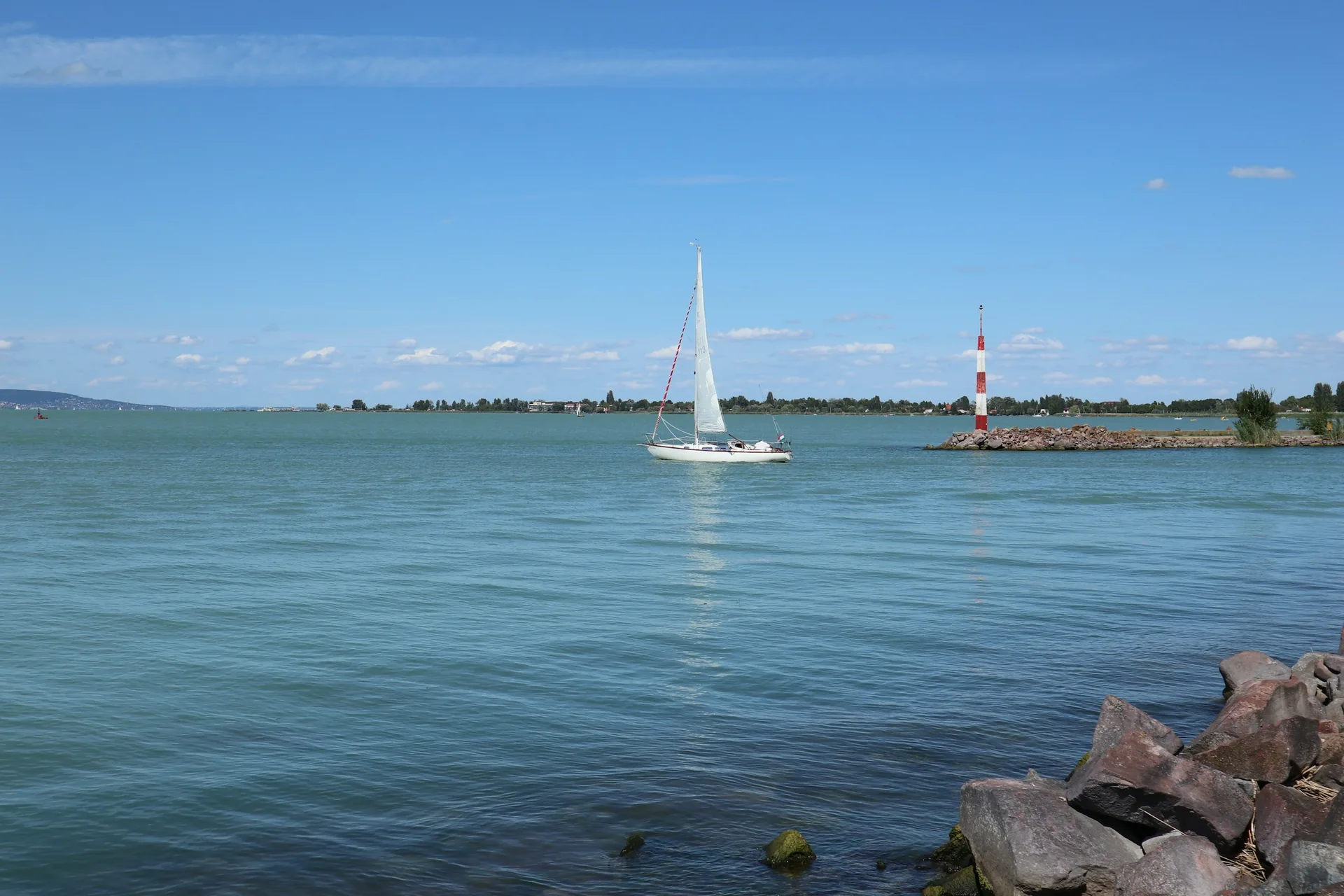
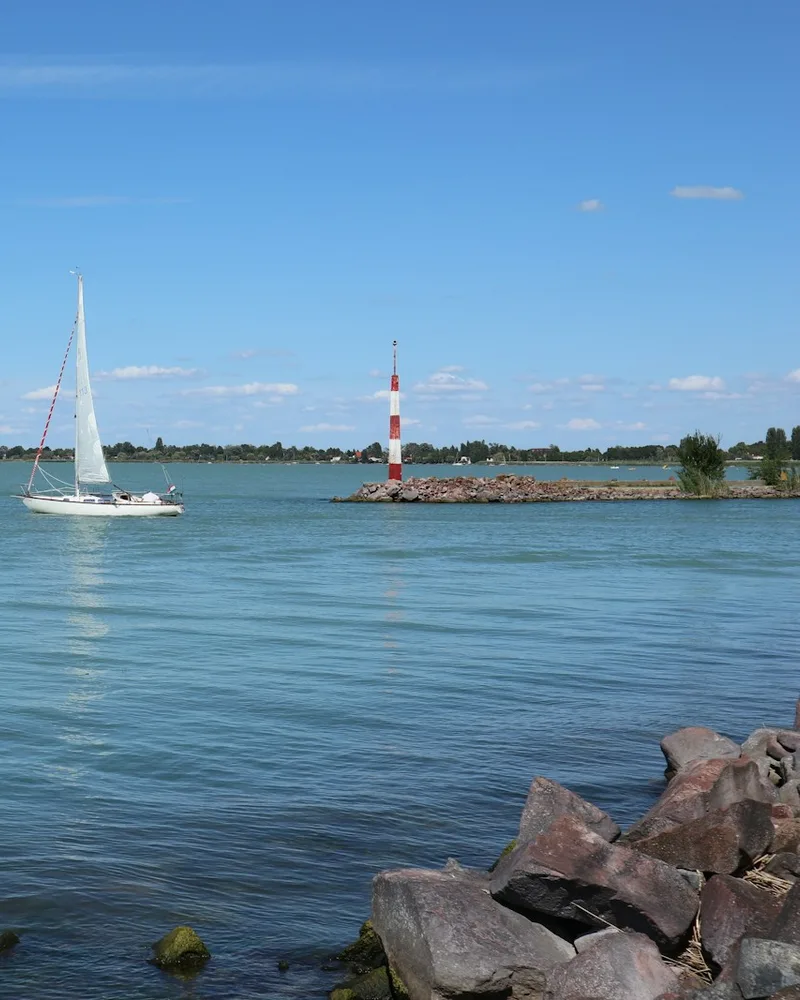
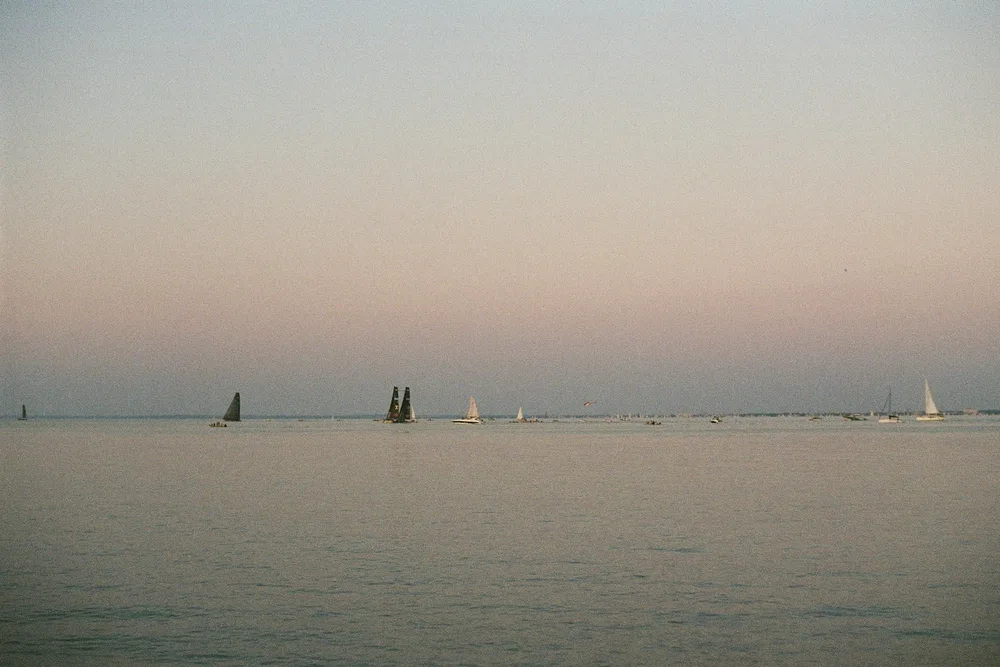
Central Europe's largest lake and Hungary's summer playground: sailboats and swimming on the southern shore, the abbey and lavender of the Tihany peninsula, and volcanic-hill vineyards above the water.
Region
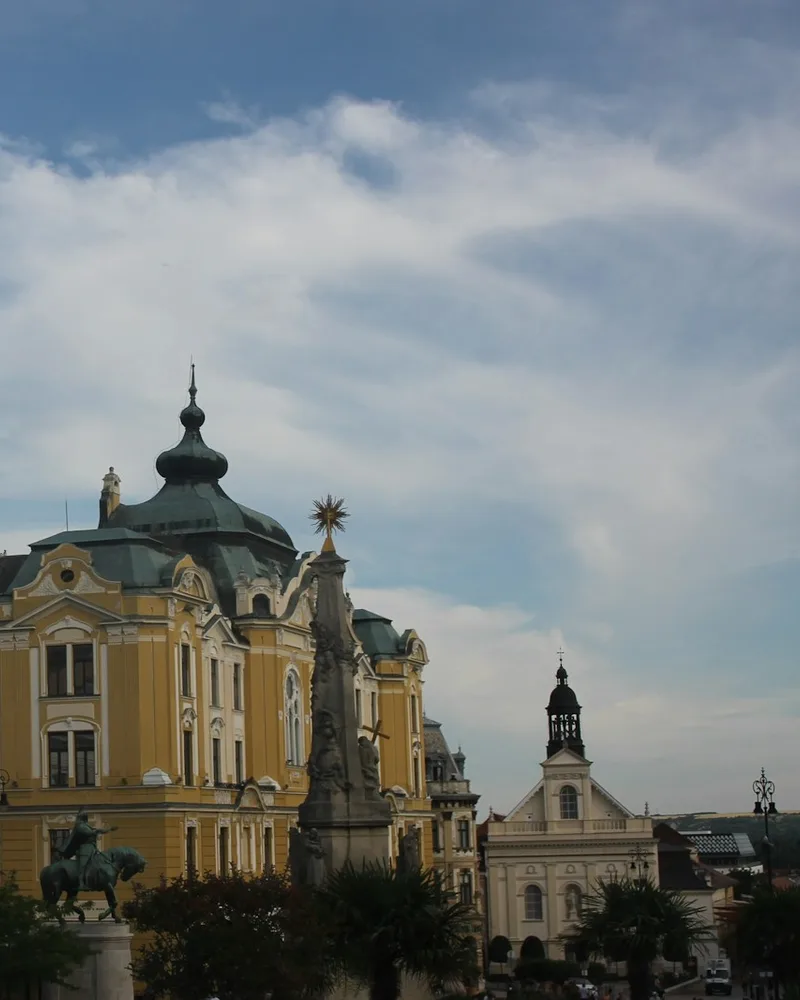
The mild, sun-warmed south: Pecs and its early-Christian tombs, green-domed former mosque and lively university squares, set among the gentle vineyards and orchards of the Mecsek hills.
A sample journey
 1
1 Begin in the capital: the Parliament and castle hill, a private soak at the Szechenyi or Gellert baths, the grand cafes of Pest and long evenings in the ruin bars and along the floodlit Danube.
 2
2 Head north where the river curves through its loveliest stretch: the cobbled, gallery-filled lanes of Szentendre, the hilltop castle of Visegrad and the vast riverside basilica of Esztergom.
 3
3 On to baroque Eger for its hilltop castle and Turkish minaret, then an afternoon of tastings in the cellar lanes of the Valley of the Beautiful Women, home of the deep red Bull's Blood.
 4
4 Finish at Central Europe's largest lake: sailing and swimming from the shore, the abbey and lavender of the Tihany peninsula, and the volcanic-hill vineyards and long lakeside lunches above the water.
 5
5 With more time, swing south to sun-warmed Pecs, with its early-Christian tombs, green-domed former mosque and lively squares, set among the gentle vineyards and orchards of the Mecsek hills.
Every itinerary we build is bespoke: this is a starting point, not a package.
Getting around
Where to stay
Rail tickets, drivers, car hire and any Danube river transfers are all arranged as part of every itinerary — the logistics are settled before you arrive.
Good to know
Six to nine nights is the sweet spot. Three nights in Budapest plus the Danube Bend, Eger and Lake Balaton makes a comfortable week, and a little longer lets you add Pecs and the south or the Tokaj wine country at an unhurried pace.
Late spring (May–June) and early autumn (September–October) are ideal: warm days, manageable crowds and, in autumn, the wine harvest in Eger and Tokaj. July and August are hot and busy, best for Lake Balaton, while winter is cold but atmospheric, with the thermal baths and festive markets at their most magical.
No. Hungary is part of the European Union but keeps its own currency, the Hungarian forint (Ft). Cards are widely accepted in Budapest and the larger towns, though it is worth carrying some forint for cellar tastings, markets and smaller spots. We are happy to advise on the practicalities before you travel.
Absolutely; the thermal baths are one of the great pleasures of a trip to Hungary. The grand Szechenyi and the art-nouveau Gellert are the most famous, with steaming outdoor pools, marble halls and centuries of bathing tradition. We can arrange early or private access so you experience them at their most serene, away from the busiest hours.
It pairs beautifully with its neighbors. Budapest sits within easy reach of Vienna, Bratislava and Prague, all connected by fast, comfortable trains, so Hungary works wonderfully as part of a wider central European trip. We frequently build itineraries that link it with Austria, Slovakia or the Czech Republic.
From the journal
Destinations
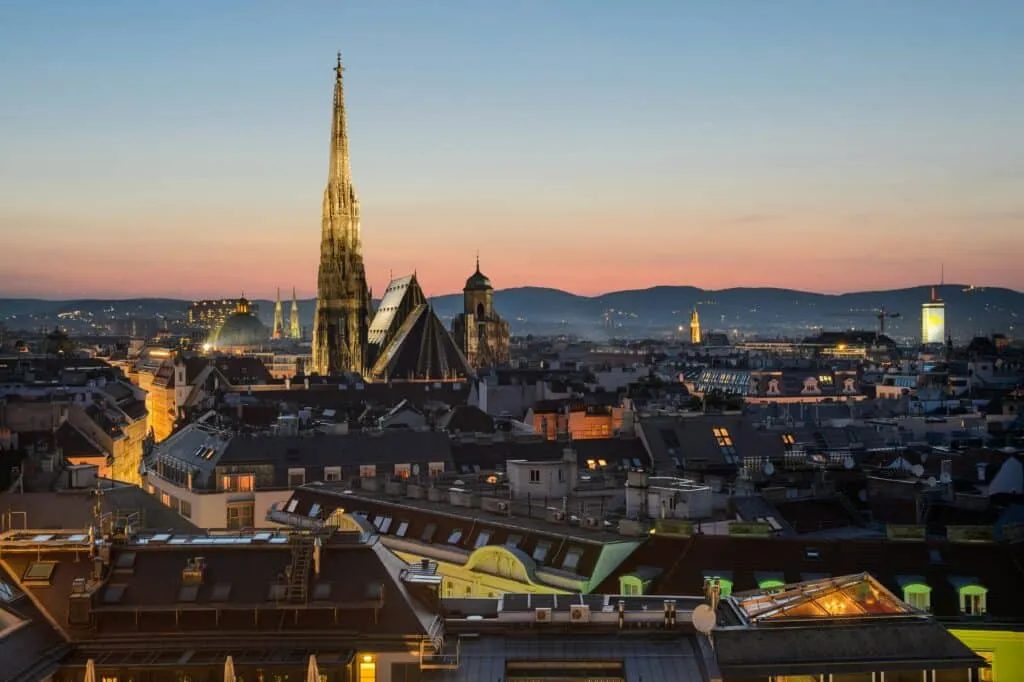
Things to do in Vienna on Danube cruise include palaces, opera, cafés, and markets—discover top sights and local tips for your river cruise stop.
July 2025 Read more →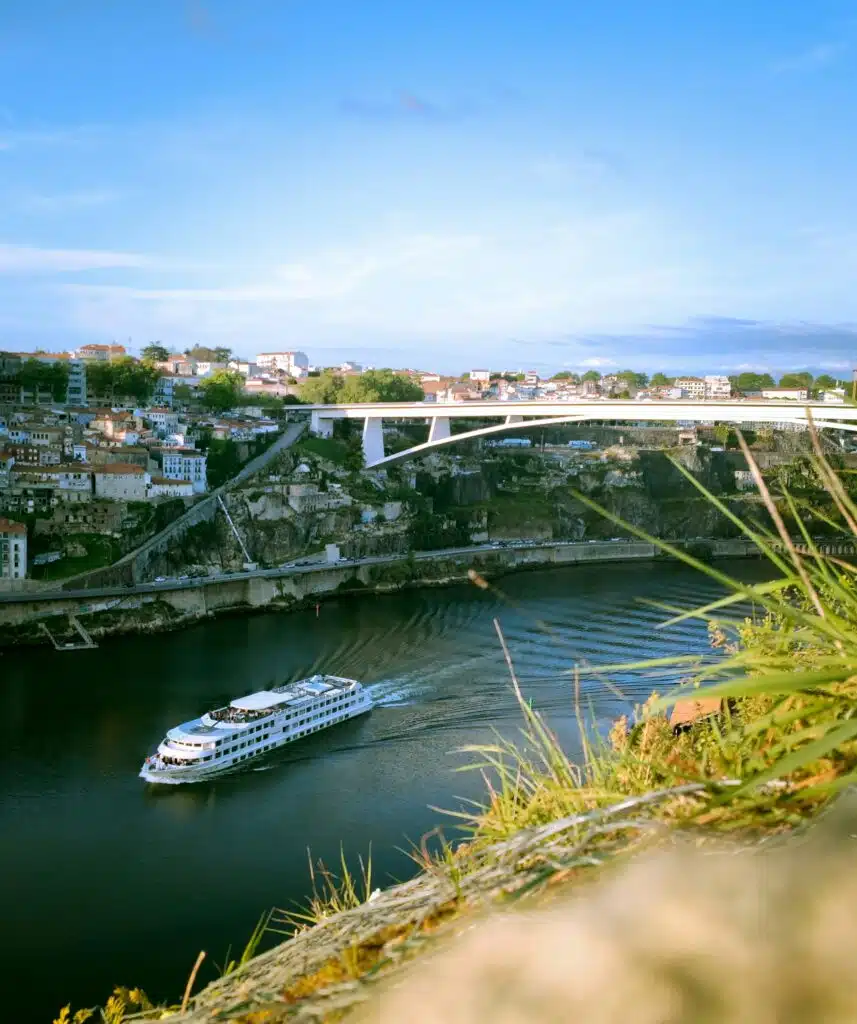
River Cruises
In short: Planning an accessible Danube River cruise requires careful research. While many cruise lines have limitations, some, like CroisiEurope, offer accessible cabins and…
Read more →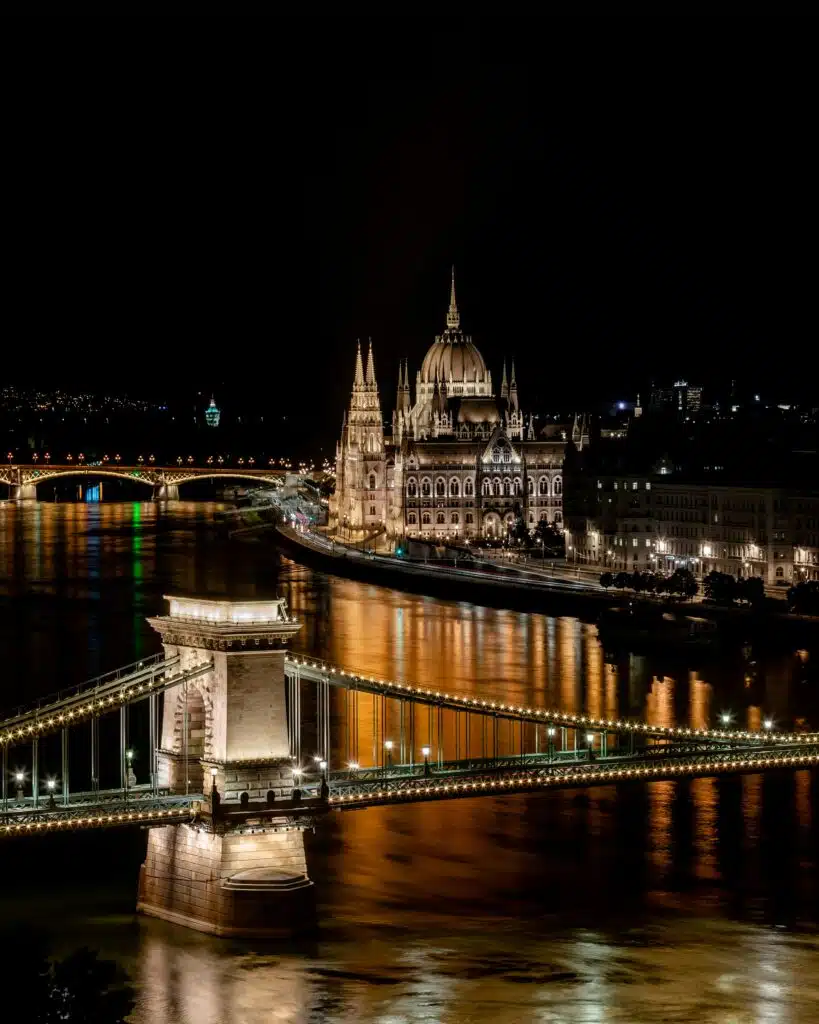
River Cruises
In short: A Danube River cruise costs $1,052-$10,290 per person, averaging under $300 per day for a 7-night trip. Prices vary by cruise line, cabin, and season, with budget…
Read more →Ways to Explore
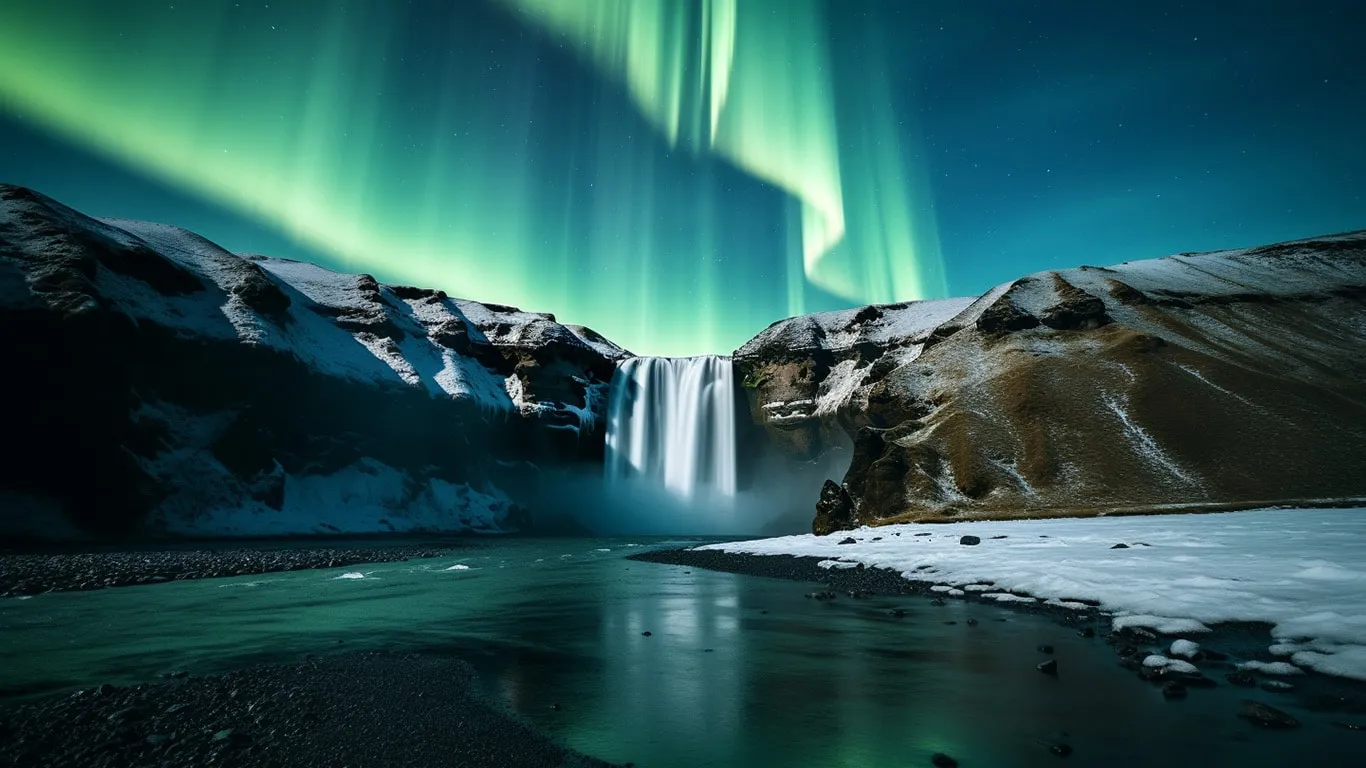
A private journey designed entirely around you, your pace, and your people.
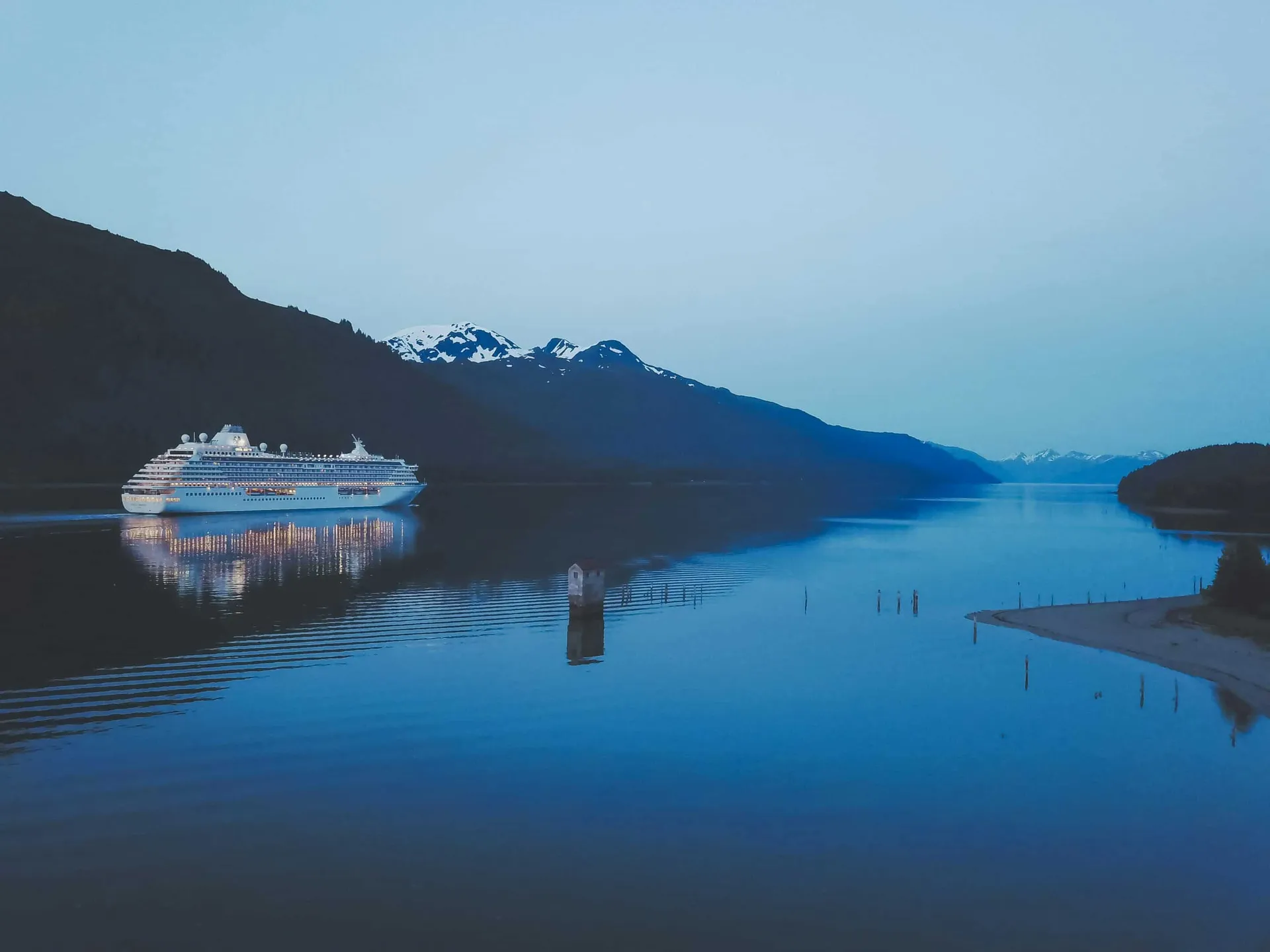
River, ocean and expedition voyages, from the Danube to Antarctica.

Expertly guided, end to end, with the world's finest local operators.
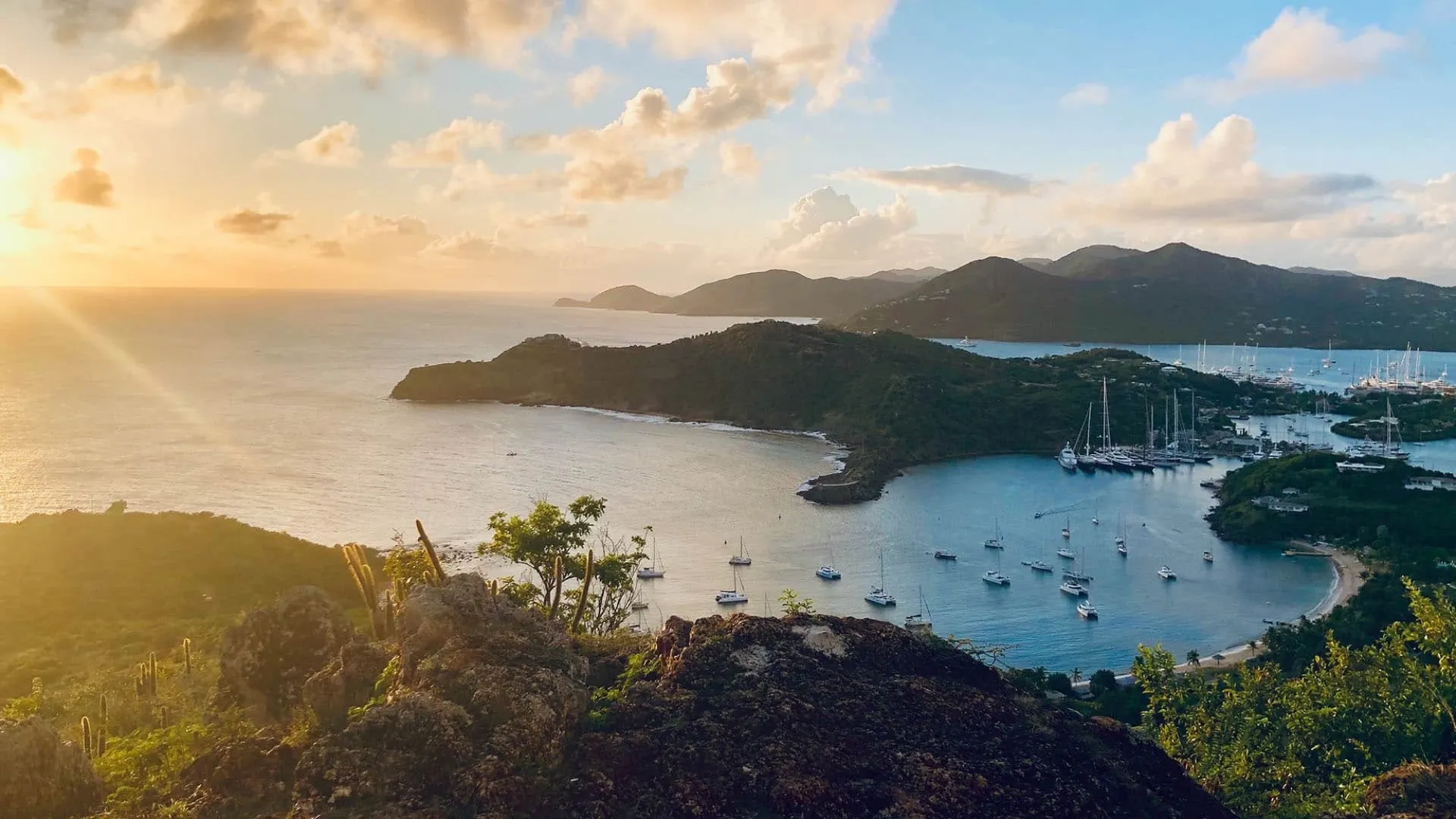
Effortless resort escapes; we cut through the haze to the right one.
Let's begin
Tell us your travel dates and what you love, and we'll handle every detail.
Plan Your TripSearch Chima Travel