



Chasing the Northern Lights, Iceland

Chasing the Northern Lights.

Iceland · Autumn to spring

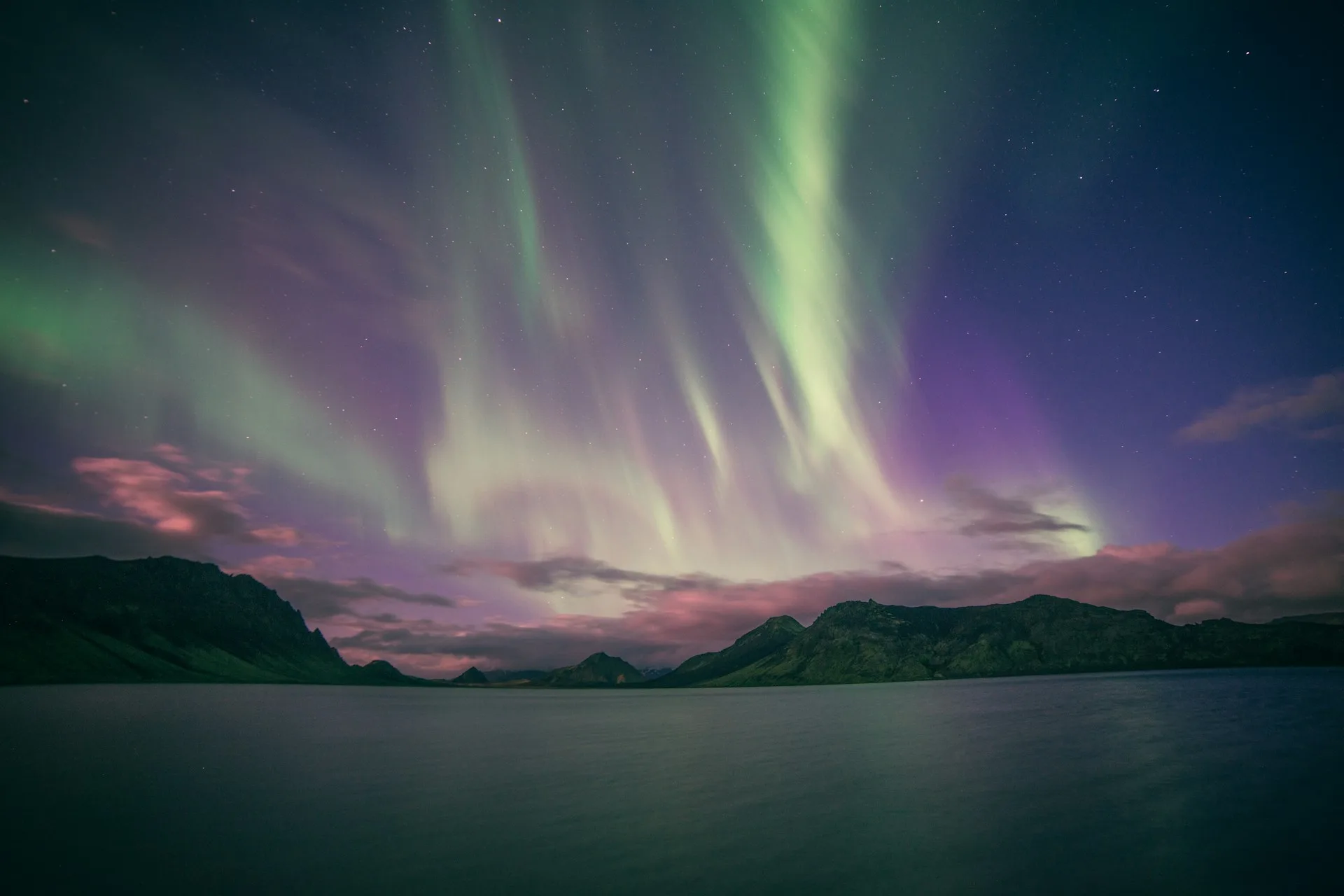
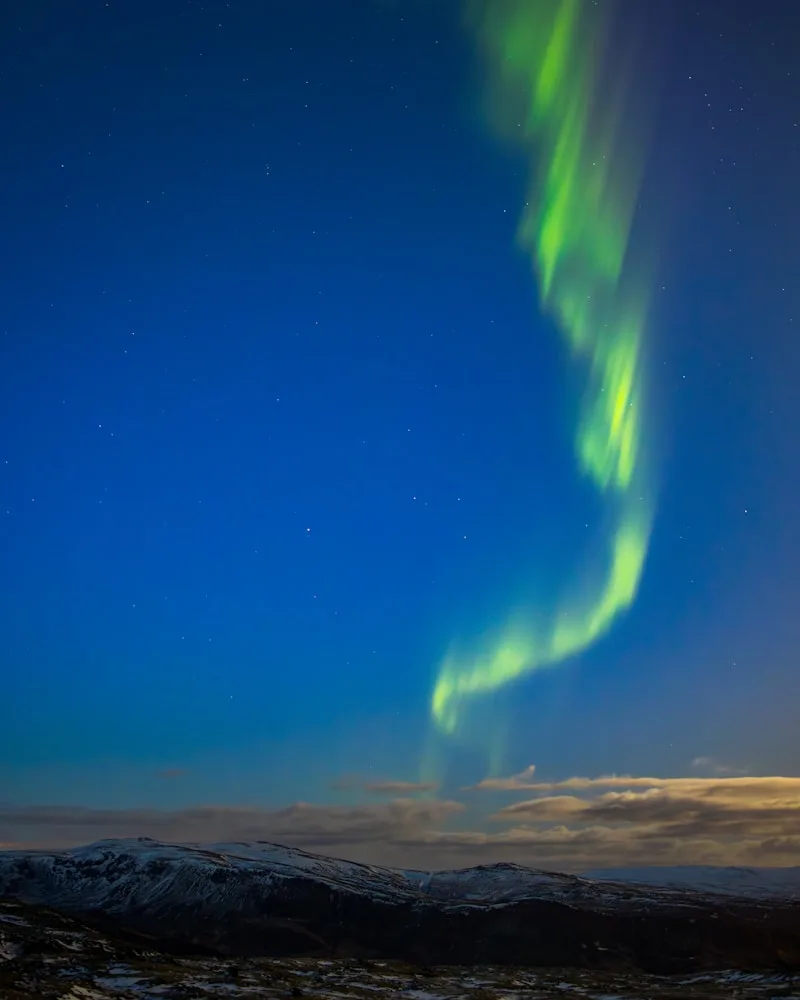
There is no feeling quite like the first time the sky begins to move. The Northern Lights, the aurora borealis, drift across the Icelandic night in ribbons of green, violet and rose, and from September to March Iceland is one of the finest places on earth to watch them.

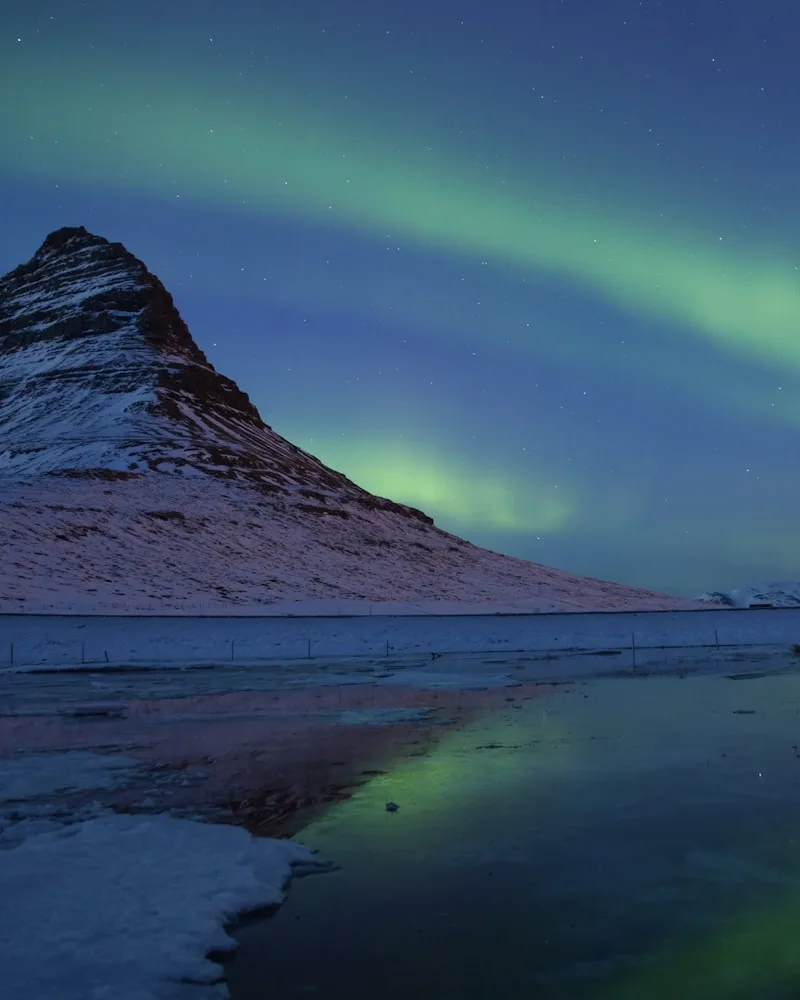
The lights are a wild, natural show, born when charged particles from the sun meet the upper atmosphere. To see them at their best you need three things: a dark night, a clear sky and a little patience. That is why we steer you away from the glow of Reykjavik toward darker country, whether it is the open ground of Þingvellir, the seaward point at Grótta, or further afield beneath the slopes of Kirkjufell.

We build the chase around your trip rather than the other way around. A guided aurora hunt with a driver who knows where the skies are clearest, warm layers and a flask, a tripod for the camera, and the simple willingness to wait. When the sky finally lights up, every cold minute is worth it.
Season
September–March
From
Reykjavík
Watch
Dark, clear nights
Best for
Winter magic

Where it is

On the map.

The aurora is best chased away from the city's glow; these are reliable dark-sky spots within reach of Reykjavík.

Scroll or pinch to zoom

What you'll see

On the route.

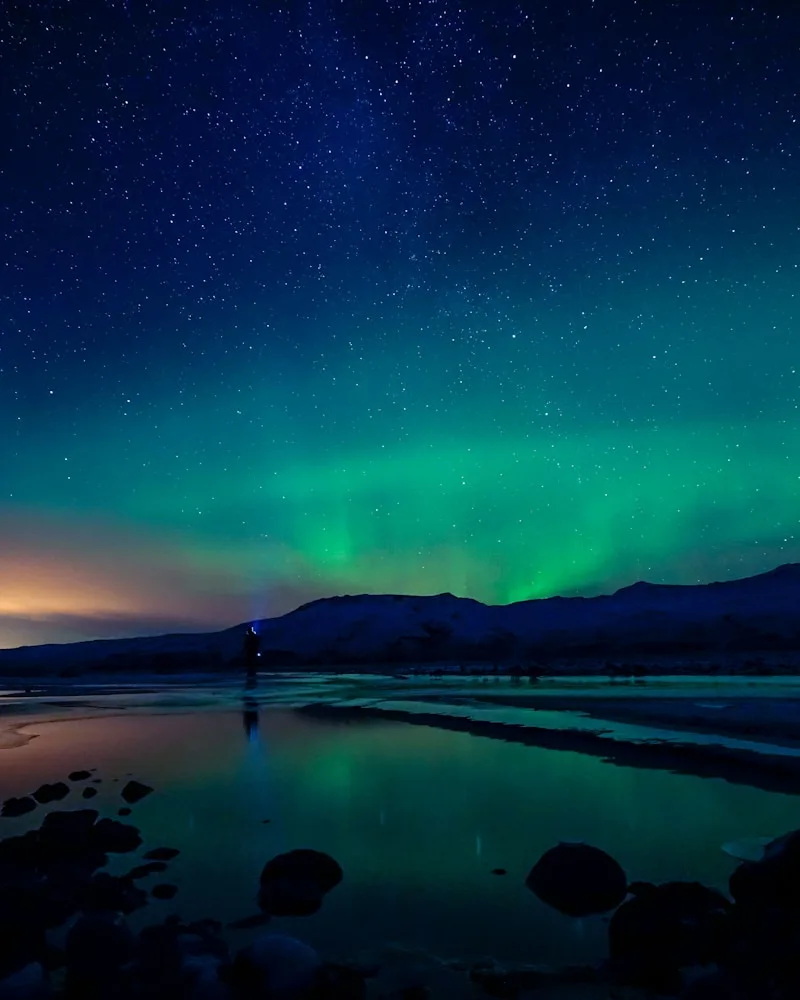
Aurora over Kirkjufell, Iceland

Stop 01

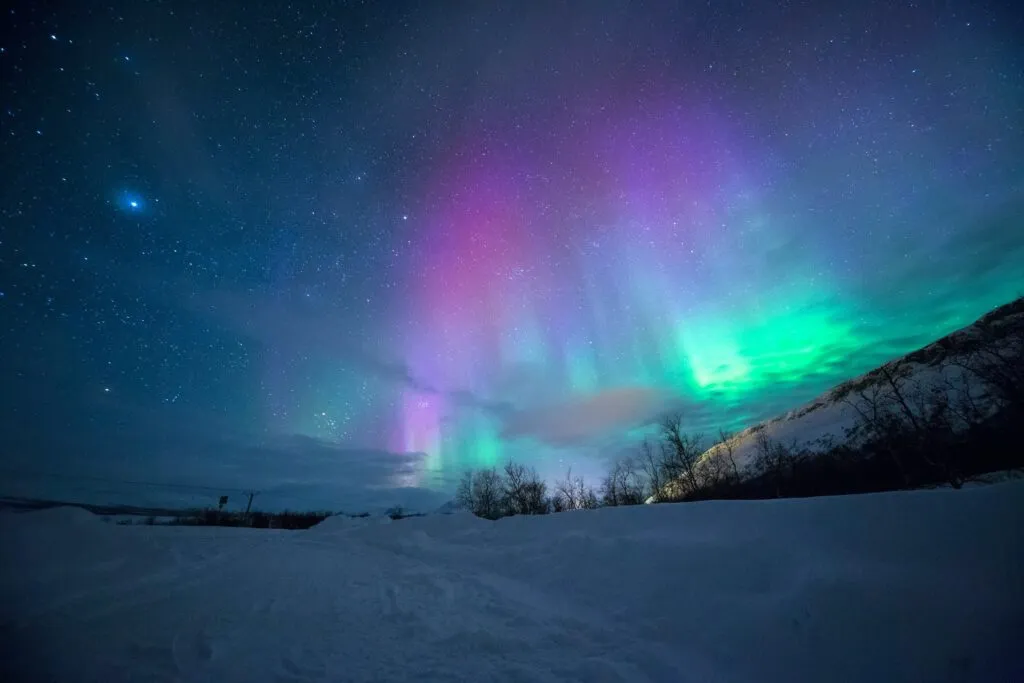
Aurora over Kirkjufell

The lights curling above the arrowhead mountain, mirrored in the still water below.

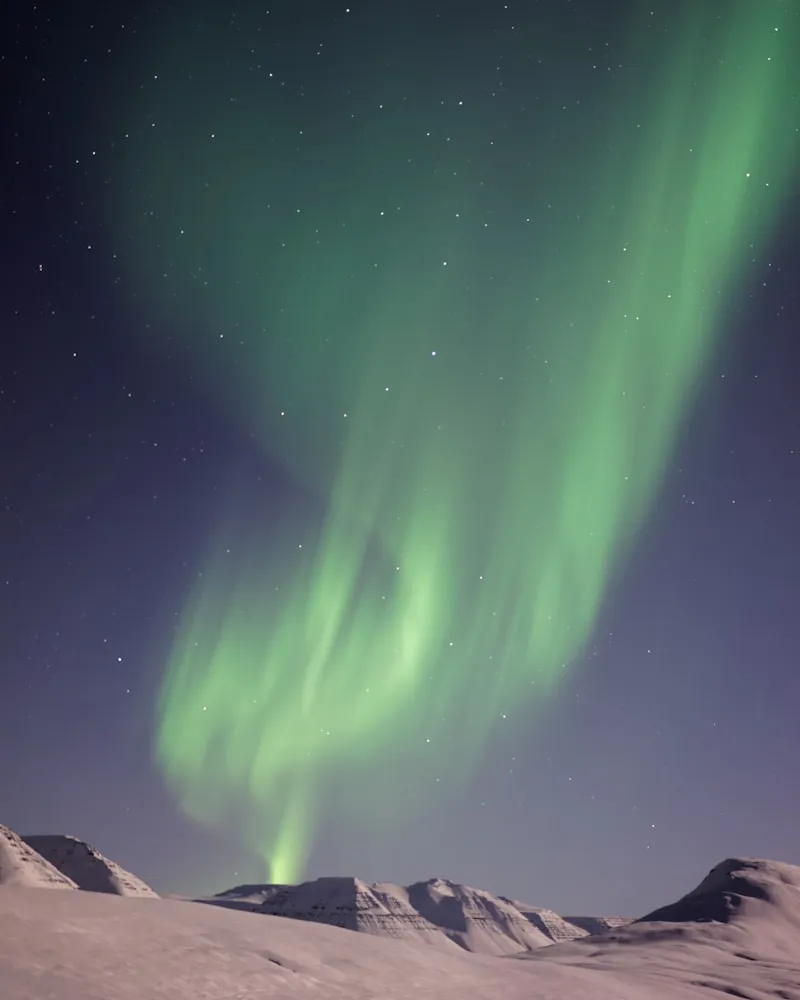
Dark-sky escapes, Iceland

Stop 02

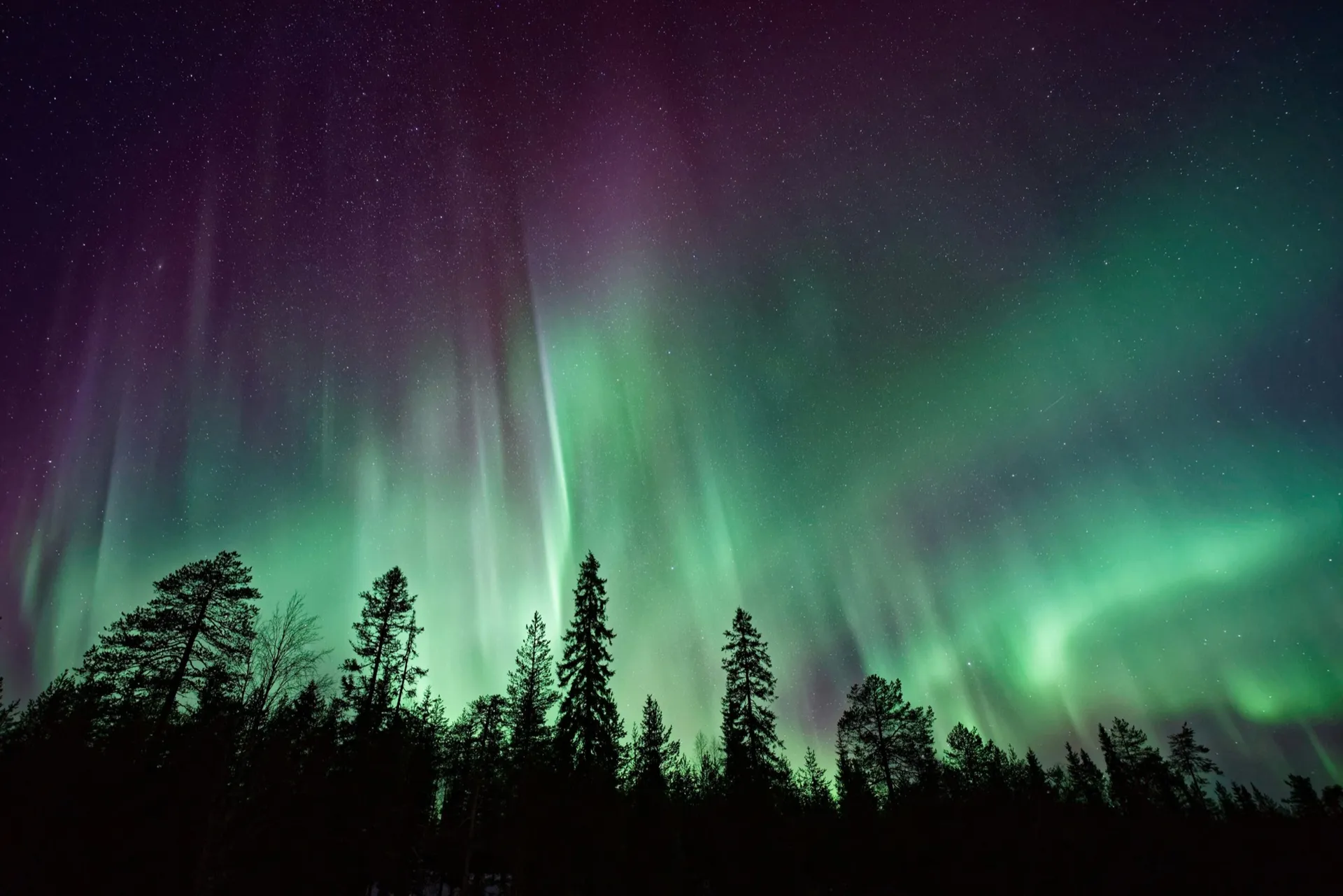
Dark-sky escapes

The aurora at full strength out in the wild, far from the glow of any city.

Aurora over ice, Iceland

Stop 03

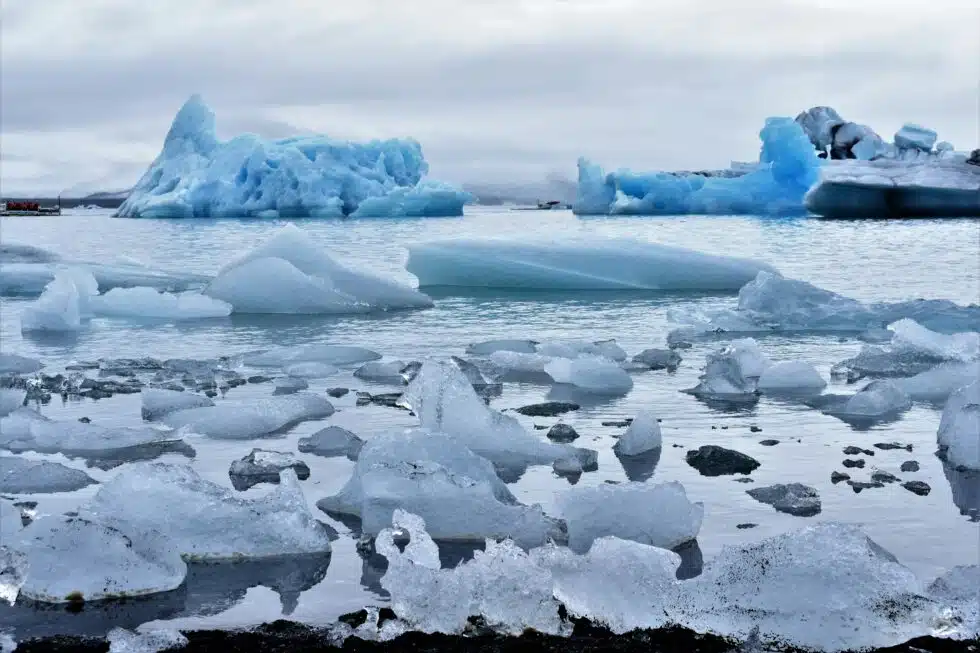
Aurora over ice

Green light reflected across frozen water and a sky thick with stars.

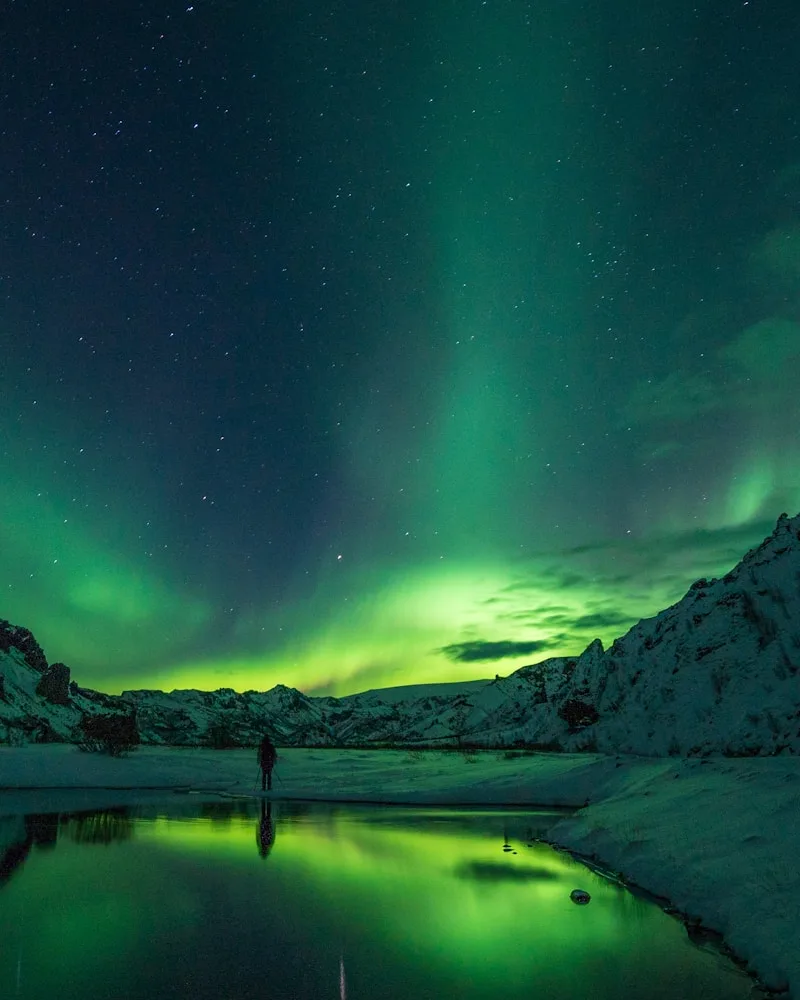
The lights over still water, Iceland

Stop 04

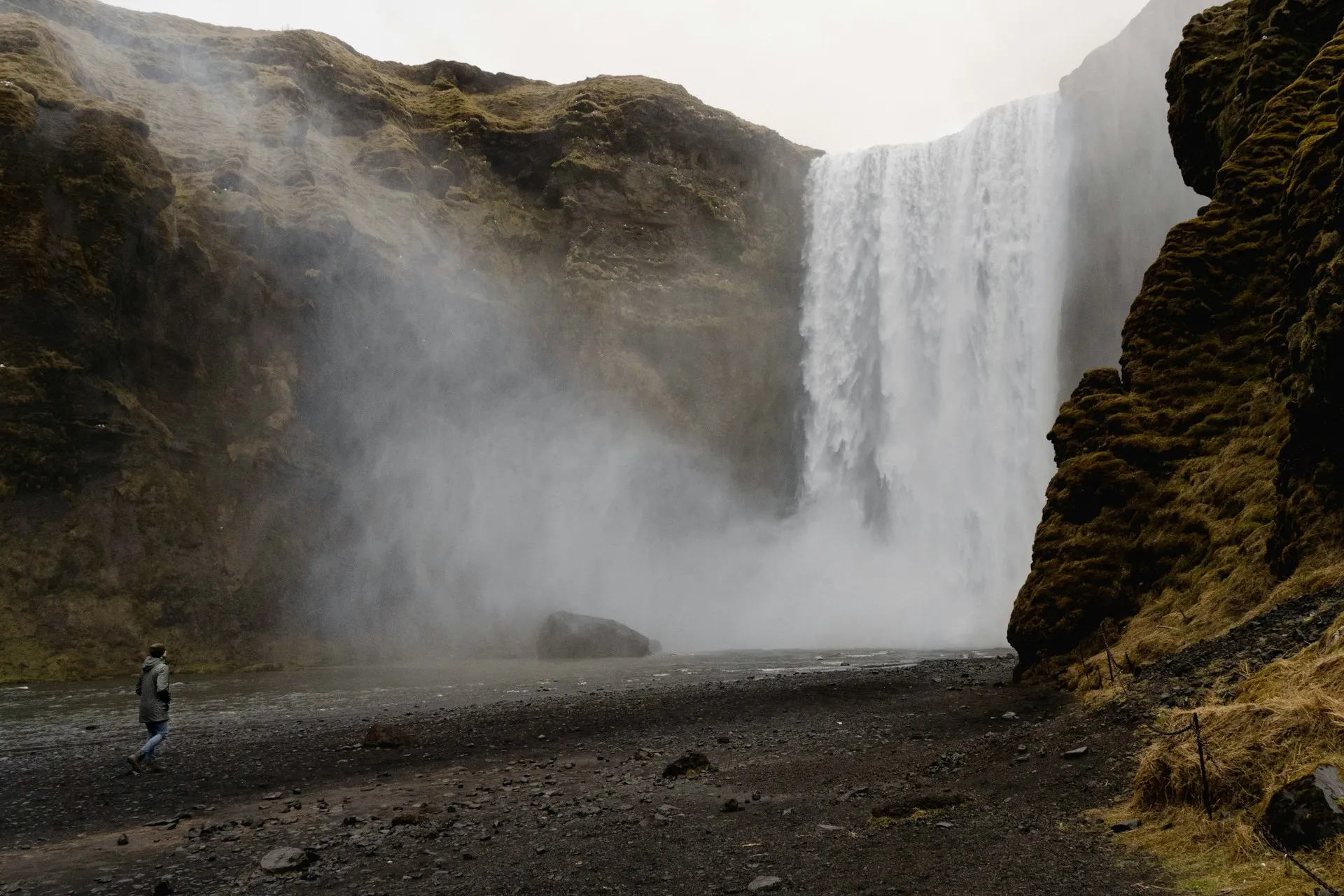
The lights over still water

Standing alone beneath the glow as it pours down to a mirror-calm pool.

Know before you go

The practical details.

When to go

Good to know

When to go

The aurora season runs roughly September to March, when the nights are long and dark. Plan for several evenings to give yourself the best odds.

How it works

Good to know

How it works

The lights need clear skies, enough solar activity and a little patience. Even a strong forecast can take an hour or two of waiting to deliver.

Book in advance

Good to know

Book in advance

Guided aurora hunts and photography tours fill up fast in winter. A good guide chases the clearest skies for you, so reserve a spot ahead.

Escaping light pollution

Good to know

Escaping light pollution

Get well away from Reykjavik's glow. Dark-sky spots like Þingvellir and the Grótta point give the aurora room to shine.

What to bring

Good to know

What to bring

Warm, windproof layers, a hat and gloves, and a tripod if you want to photograph the lights. Long exposures need a steady camera.

No guarantees

Good to know

No guarantees

The aurora is a wild, natural show and no one can promise it will appear. Treat every clear night as a gift and enjoy the hunt itself.

Let's begin

Bring Chasing the Northern Lights
to life.

Our advisors design Iceland journeys by hand. Tell us your dates and we'll do the rest.

Plan Your Trip