Region
Dublin
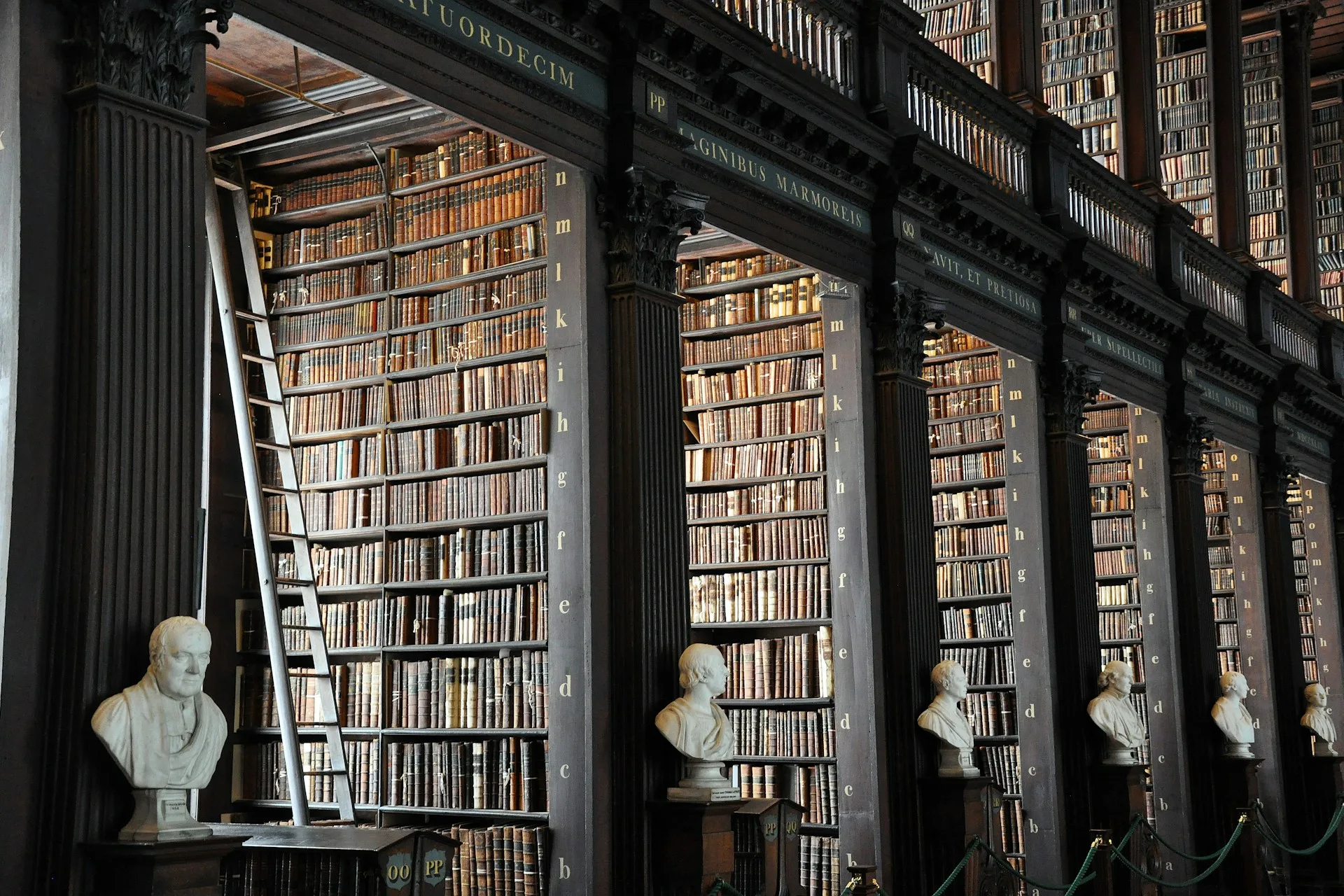
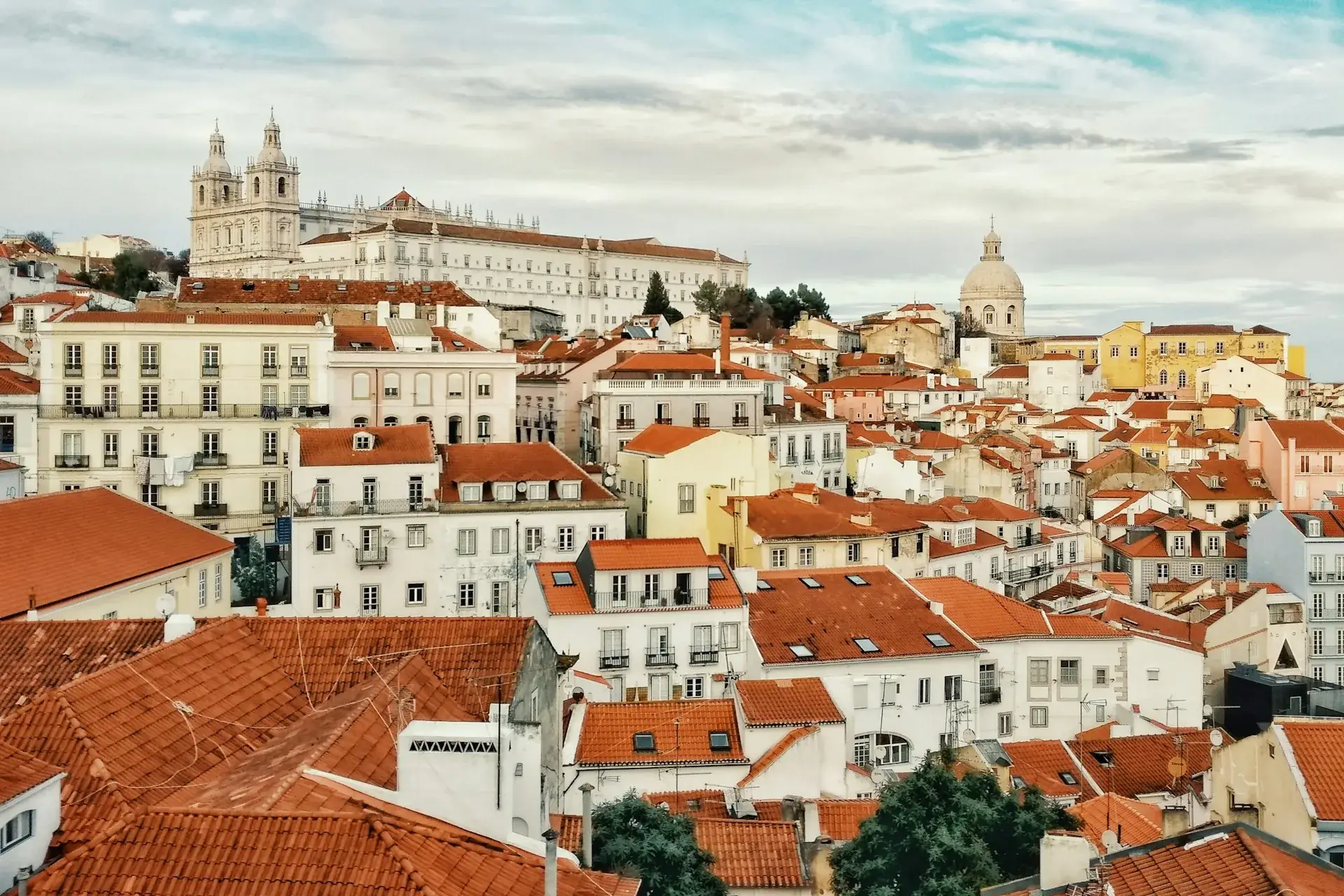
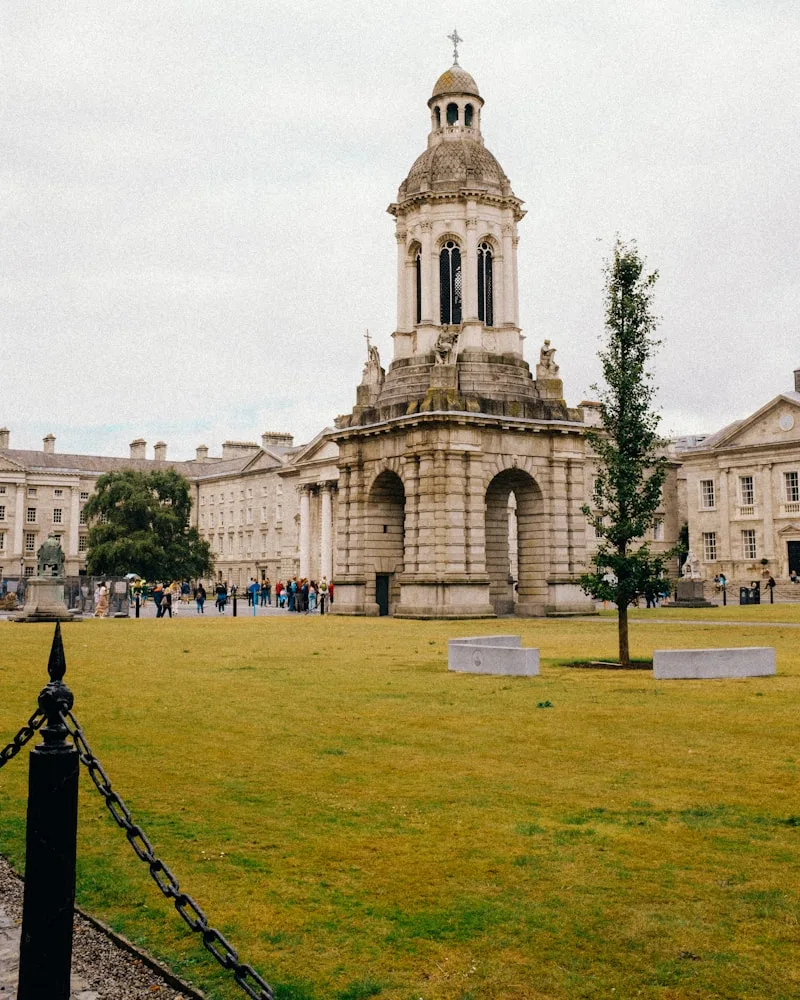
The literary, sociable capital: Trinity College and the Book of Kells, the Georgian squares, the Guinness Storehouse and a maze of snug pubs where the conversation and the music never quite stop.

By Continent
Europe Africa Asia North America South America Caribbean Australia & Oceania All destinationsOverview
From the canals of Venice to the black-sand coasts of Iceland, Europe rewards the curious traveler with centuries of art, architecture and unforgettable flavor, all within easy reach of one another.
View all EuropeOverview
From the dunes of the Sahara to the great plains of the Serengeti, Africa is a continent of staggering scale and singular encounters: a place where landscape, wildlife and culture meet at full intensity.
View all AfricaDestinations
Overview
Vast and varied, Asia spans snow-capped peaks and tropical coasts, neon megacities and silent temples. It is a continent that rewards both the first-time traveler and the lifelong returnee.
View all AsiaFeatured
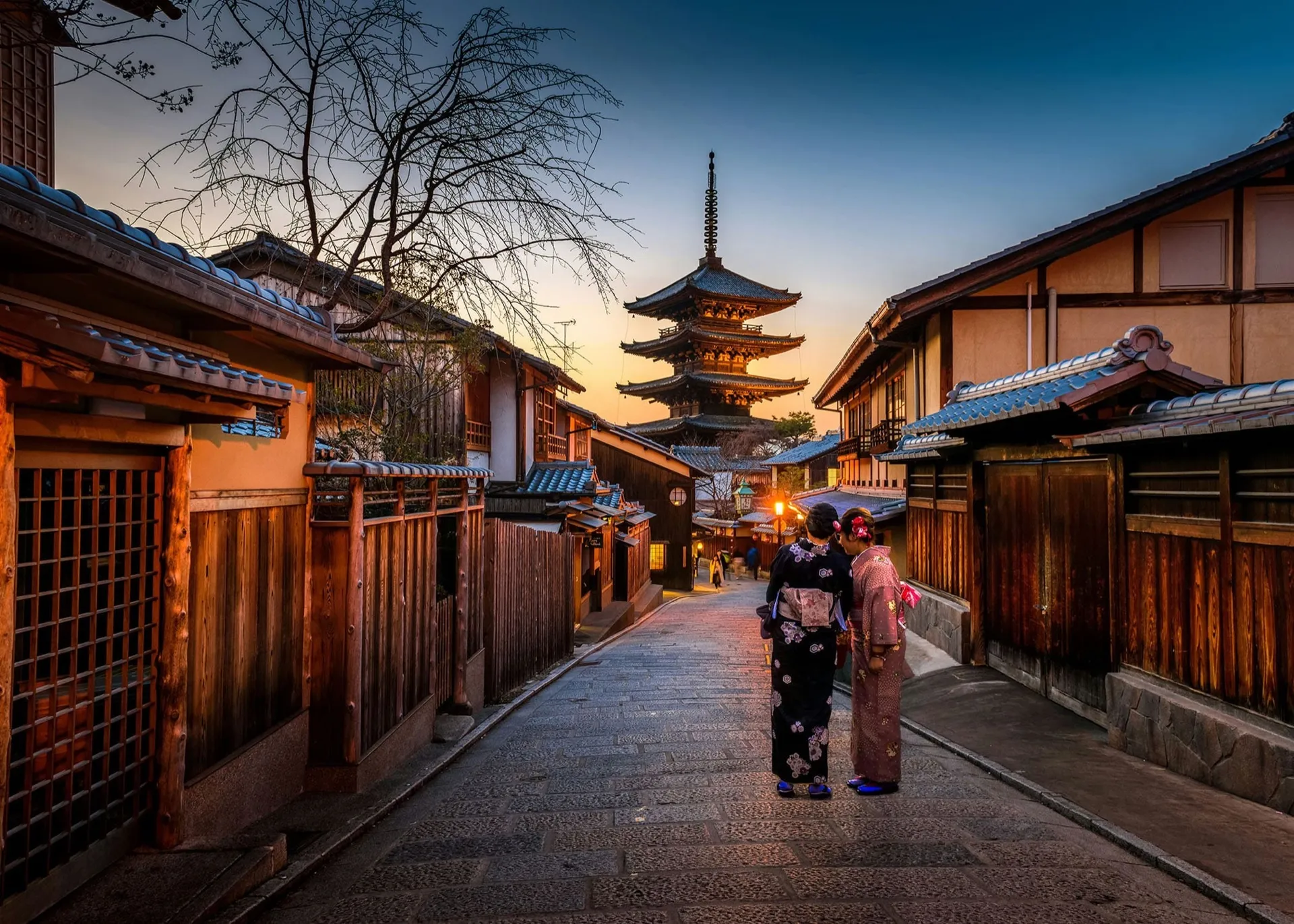 Japan · signature experience Kyoto
 Overview
Close to home and endlessly varied, North America ranges from desert canyons to alpine national parks, from world cities to quiet coastal towns: a continent that contains a dozen vacations within a single border.
View all North AmericaDestinations
Overview
A continent of extremes, from the high Andes and the vast Amazon to glacial Patagonia and the rhythm of its cities, South America rewards the adventurous traveler with some of the planet’s most dramatic scenery and deepest history.
View all South AmericaOverview
A scattering of islands across impossibly blue water, the Caribbean is the art of the easy day perfected: white sand, warm rhythm and hospitality that turns first-time visitors into lifelong returnees.
View all CaribbeanDestinations
Overview
From the Great Barrier Reef to the red heart of the outback, from the fjords of New Zealand to the scattered atolls of the South Pacific, Australia & Oceania offer some of the most remote and rewarding travel on earth.
View all Australia & OceaniaDestinations
Est. 1918 · four generations · 38 countries
How You Travel
River Cruises Ocean & Small-Ship Expedition Flights Tours & Escorted All-Inclusive All travel experiencesFeatured
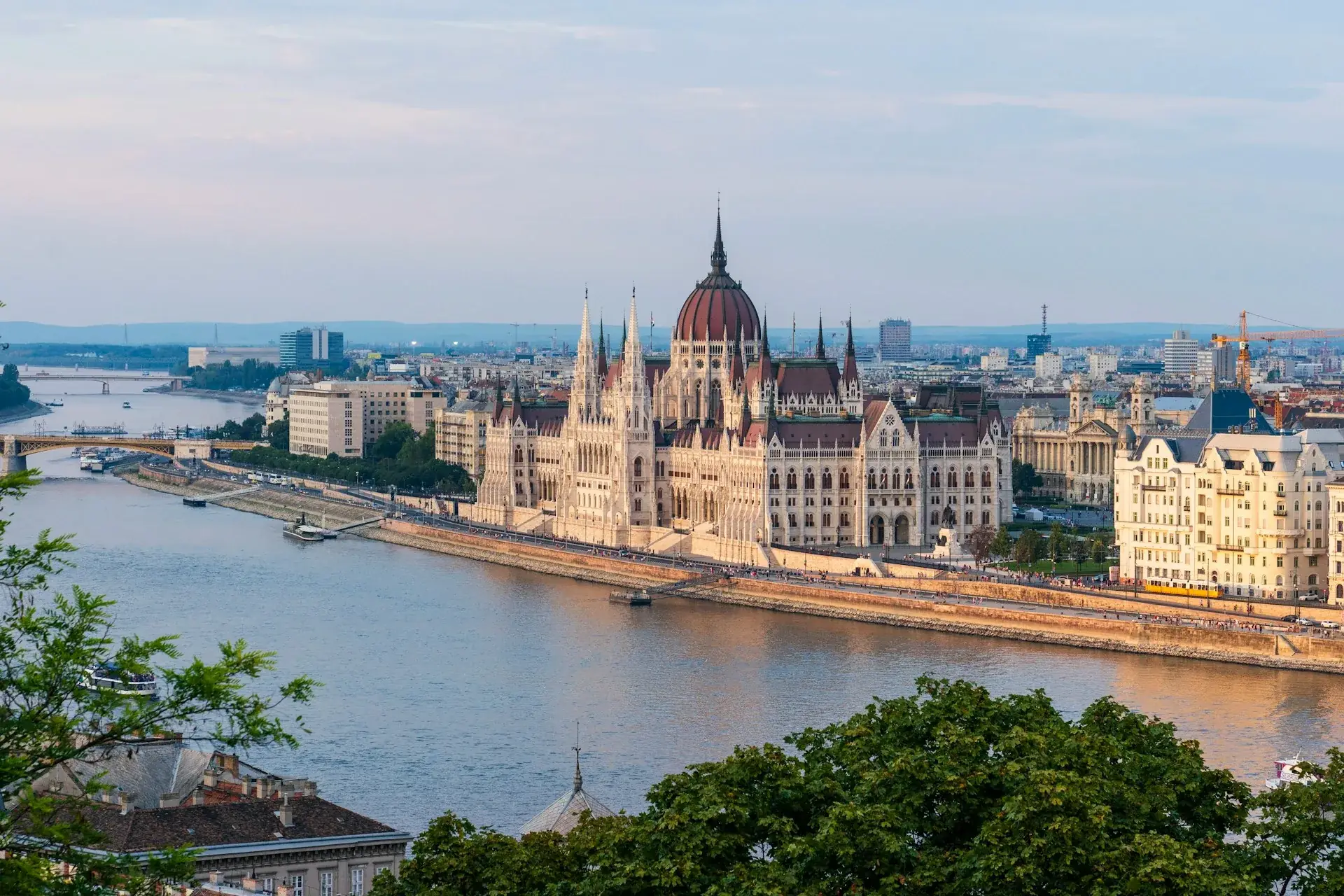 The Danube
 Featured
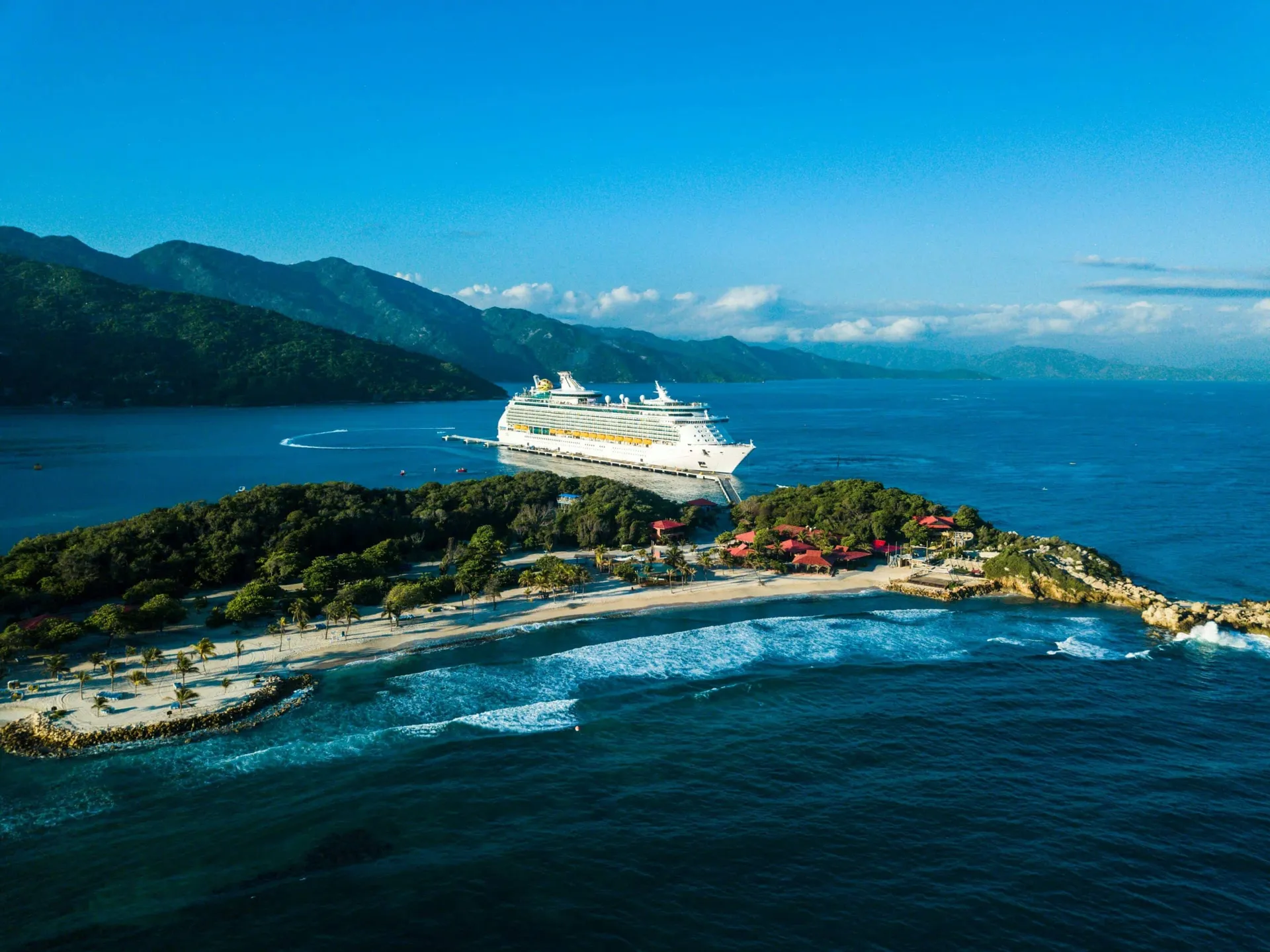 The Caribbean
 Featured
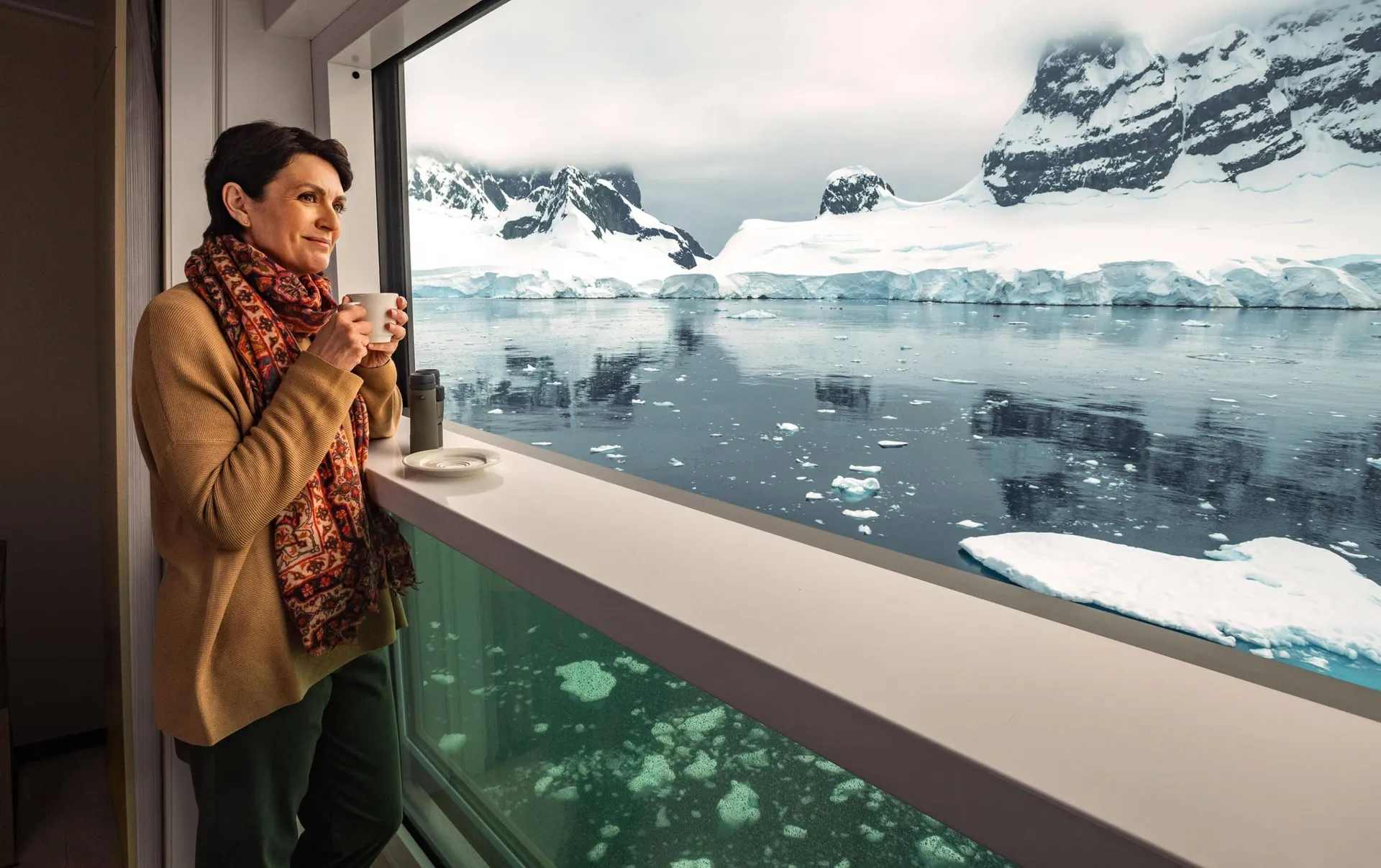 Antarctica
 Overview
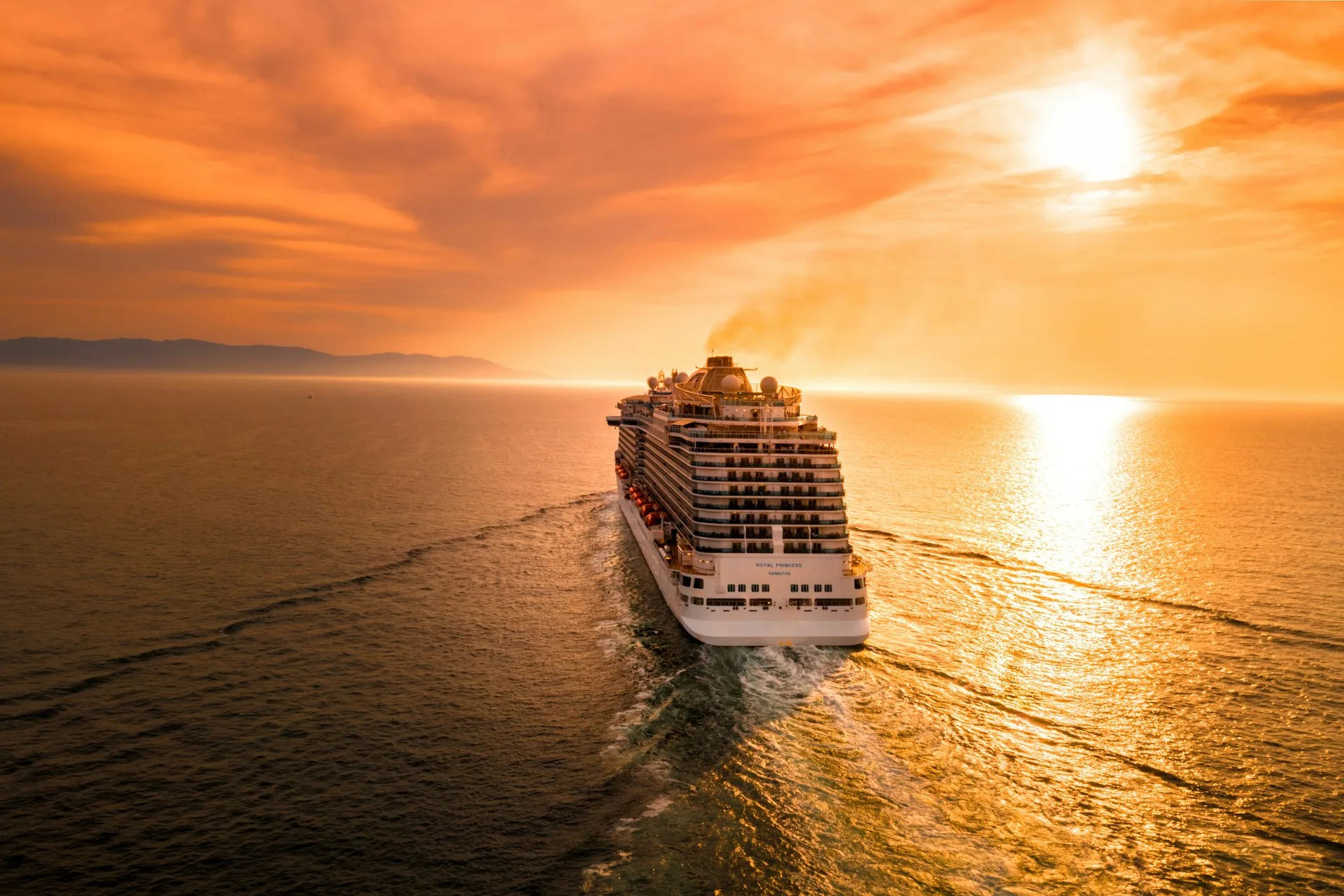
Premium-cabin fares, complex routings and around-the-world tickets, booked by people who fly for a living.
Explore flightsFeatured
 Flights
 Overview
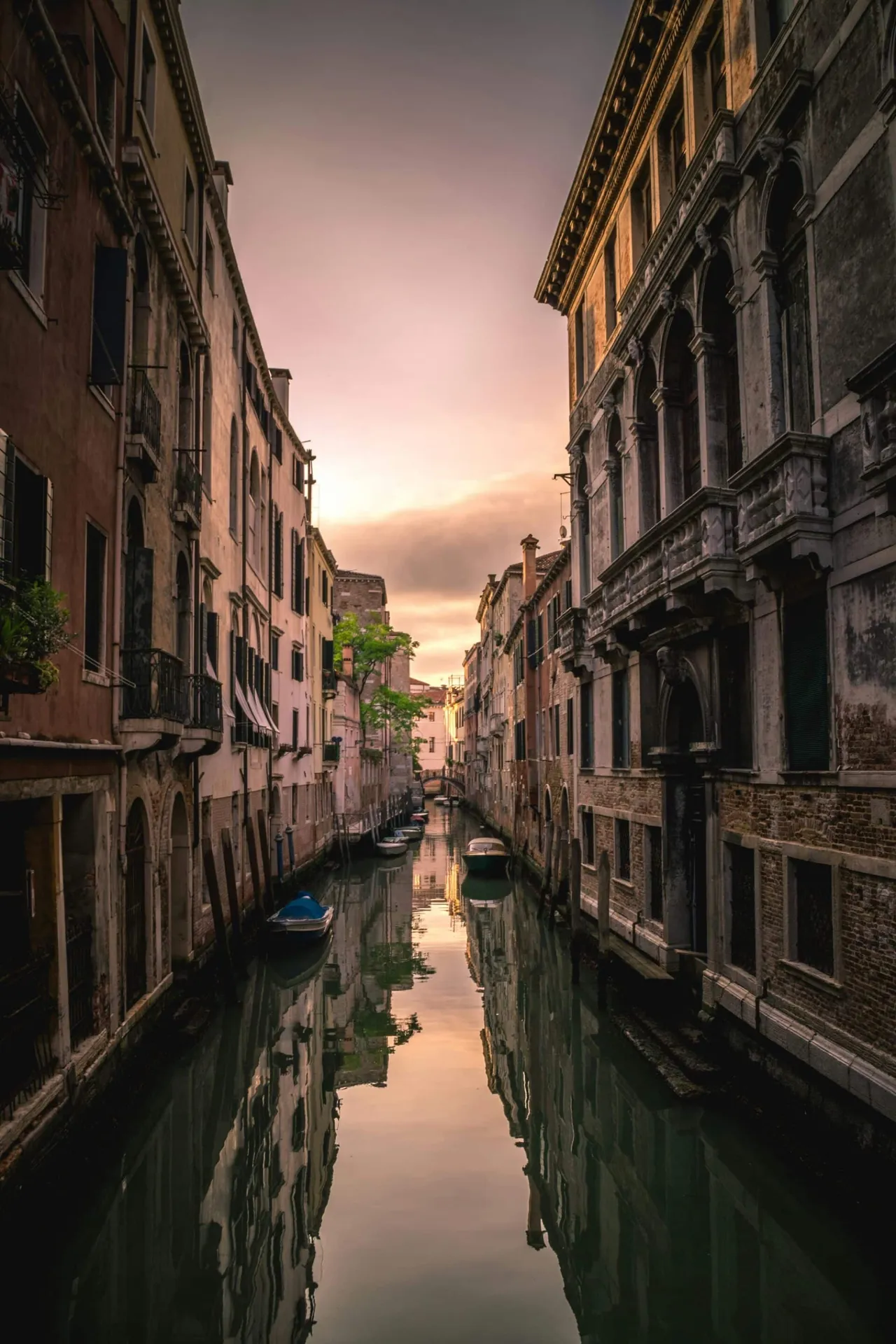
Expertly guided group departures and private escorted itineraries across the world's great regions.
Explore tours & escortedFeatured
 Tours & Escorted Journeys
 Overview
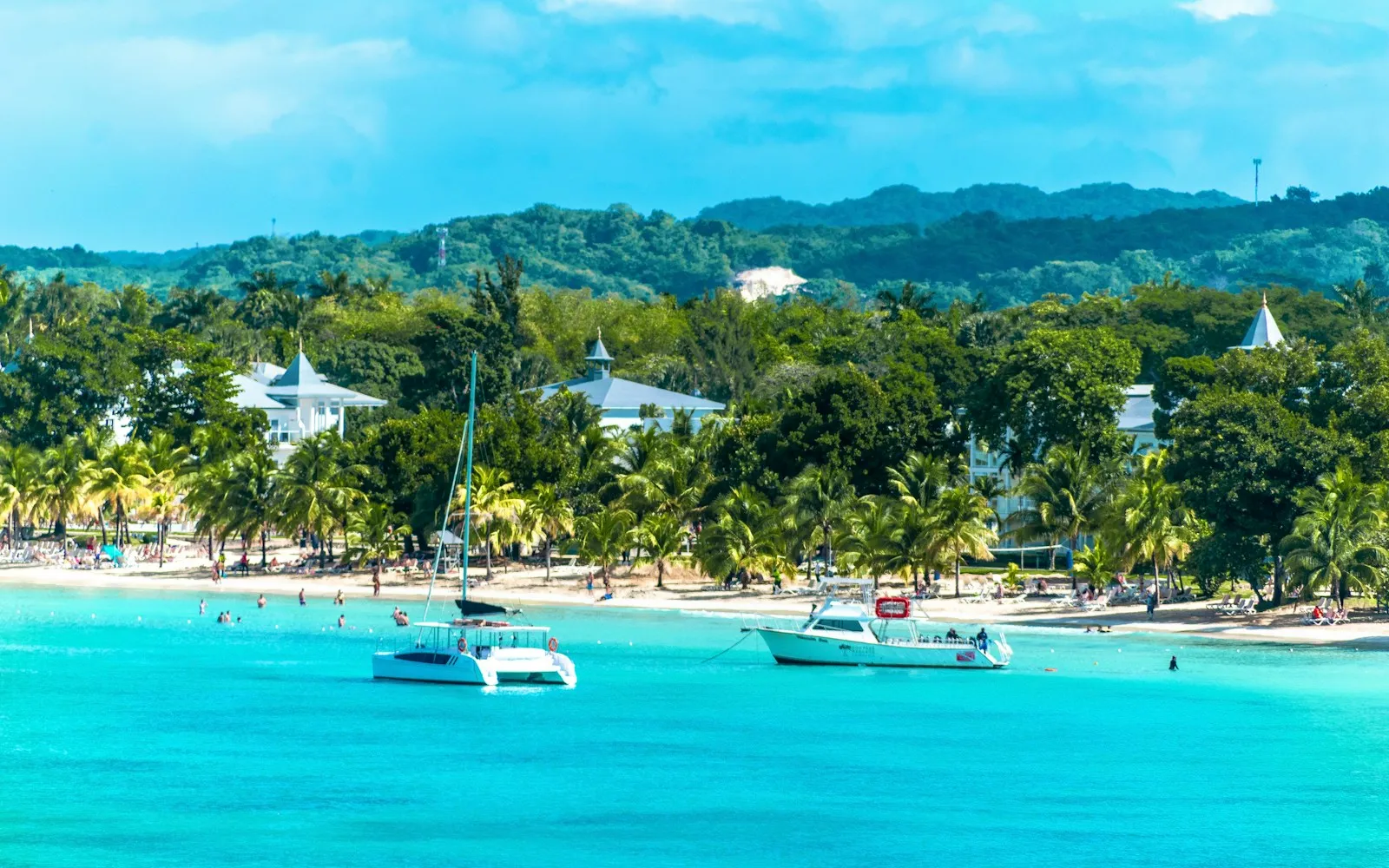
Beach and luxury all-inclusive escapes where flights, meals and more fold into a single, easy fare.
Explore all-inclusiveFeatured
 All-Inclusive Resorts
 River, ocean & expedition cruises · flights · tours · all-inclusive
Corporate travel
Destinations · Europe
Emerald hills, wild Atlantic coast & warm pub welcomes.
The country
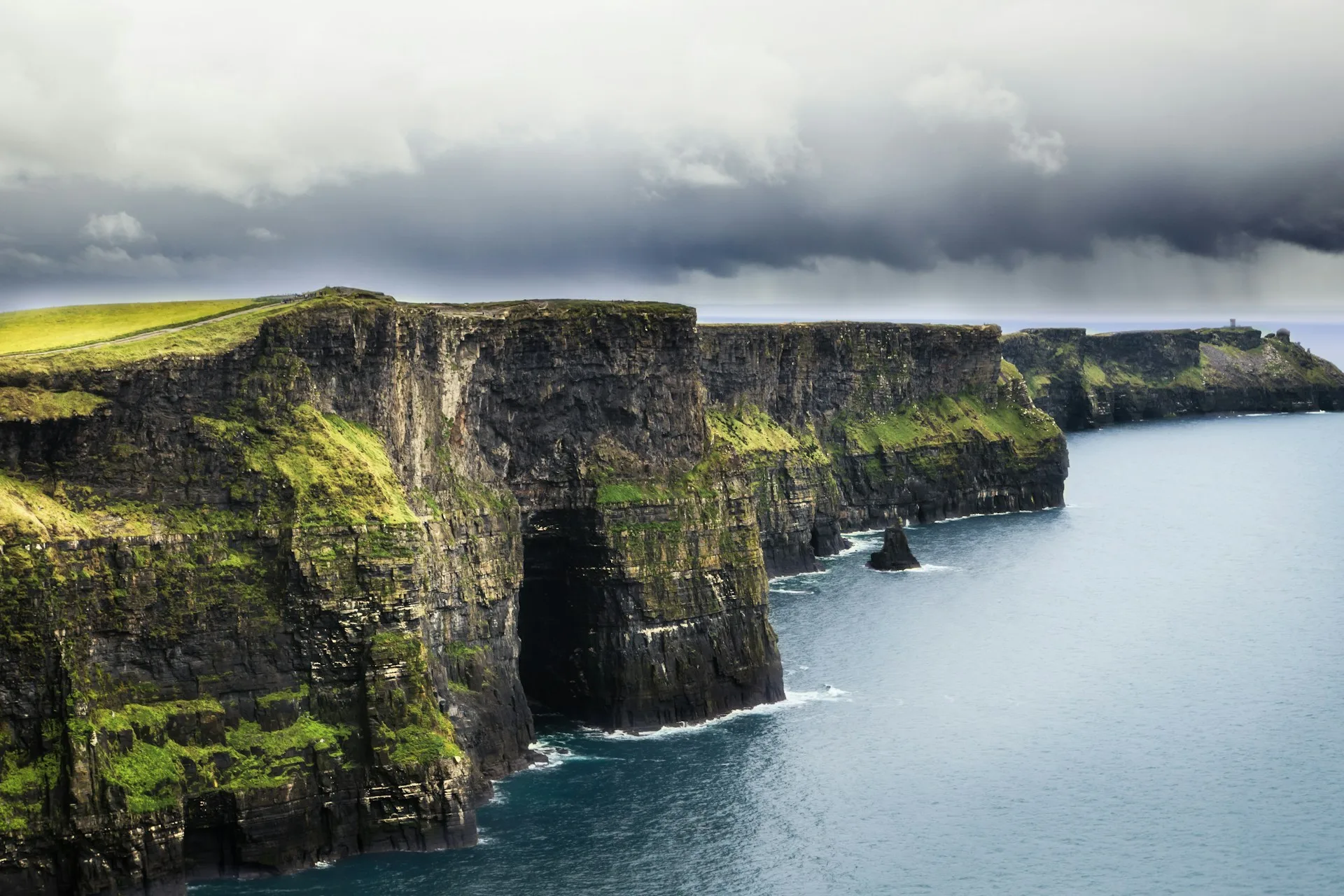
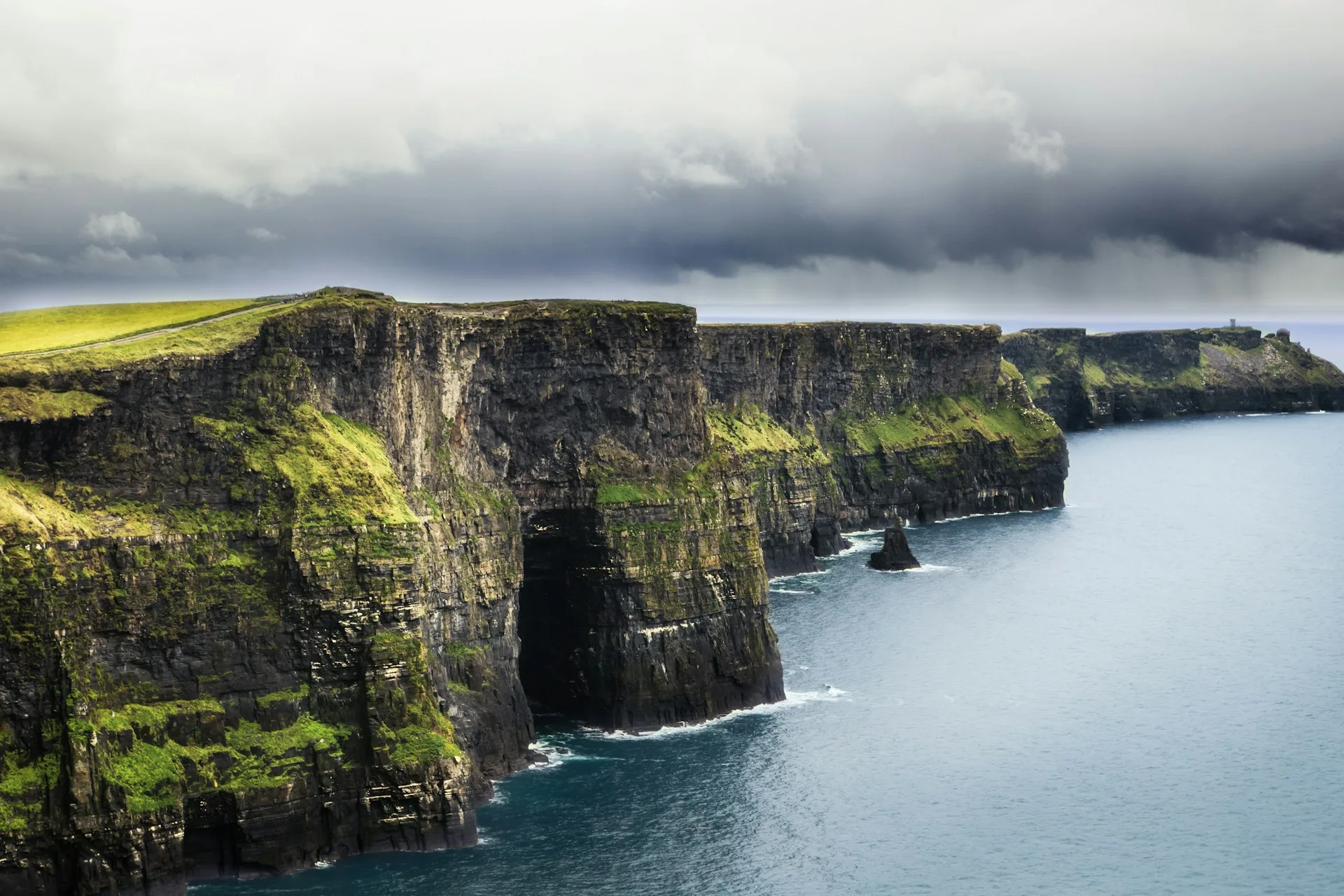
Ireland is a small island that travels much larger than its size. In a single week you can wander the Georgian squares and literary pubs of Dublin, drive the wild coast road past the Cliffs of Moher, and find yourself the only car on a mountain pass in Kerry, with nothing but sheep, stone walls and forty shades of green for company.
What stays with most travelers, though, is the welcome. Conversation is a national art form here, and it finds you everywhere: across the bar of a country pub during a session of fiddle and bodhran, in the back of a Galway hackney, over a slow breakfast at a family-run guesthouse. The landscape is the headline, but the people are the heart of the trip.
We design Ireland itineraries that pair the famous sights with the slow, in-between moments where the country really opens up: a private after-hours tour of an ancient monastery, a boat out to a windswept island, a long lunch of fresh oysters and brown bread by the harbor. However you want to travel it, we build the route so each stop has room to breathe.
When to go
Ireland is a maritime island, so the question is less about heat than about light and rain — the long evenings of late spring and early autumn are when the coast roads show their best face. This is the calendar as we'd sketch it across the desk.
Our favorite window: April brings the first dry-ish spells and the hawthorn out, and by May and June the days stretch toward ten at night, the hedgerows are in full bloom and the crowds of high summer have yet to arrive, so the coast roads feel like your own.
Soft golden light, mild days and emptier roads as the summer visitors thin out. Ideal for pairing the cities with a slow drive along the Wild Atlantic Way without the peak-season traffic.
The warmest, busiest stretch, with the longest days and the fullest calendar of festivals and music. Book the marquee hotels and Kerry road well ahead, as this is when the island fills up.
Short, often wet days, but the cities are at their cosiest: turf fires, live music and warm pubs. Great value and atmosphere for a Dublin-and-castles trip, if you pack for the weather.
Where to go
Ireland packs a remarkable range of landscapes and moods into a short drive, from the polished capital to the raw edge of the Atlantic. These are the regions we weave together most often, each with its own scenery, table and pace, and we shape the route around the rhythm you have in mind.
Region
The literary, sociable capital: Trinity College and the Book of Kells, the Georgian squares, the Guinness Storehouse and a maze of snug pubs where the conversation and the music never quite stop.
Region
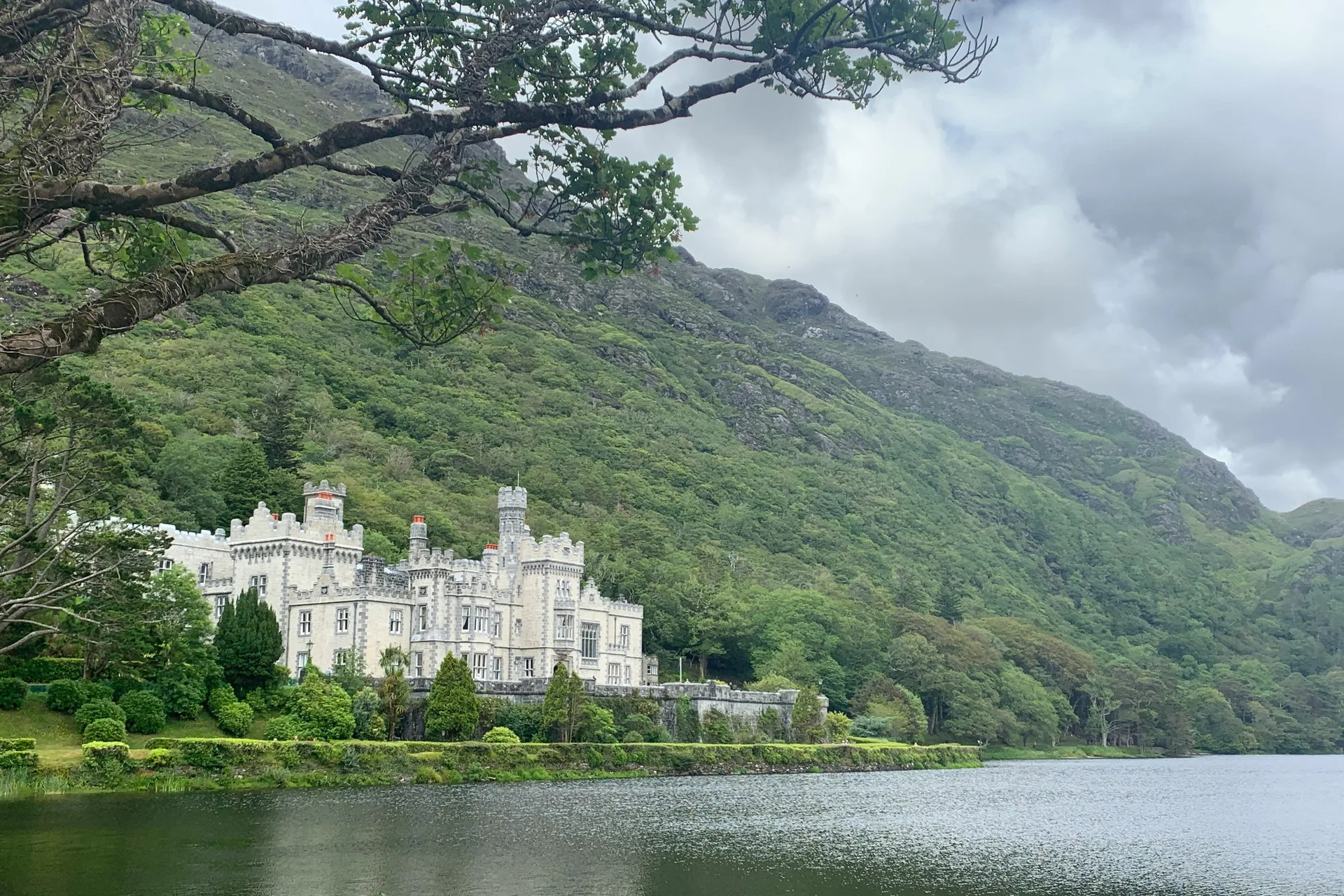
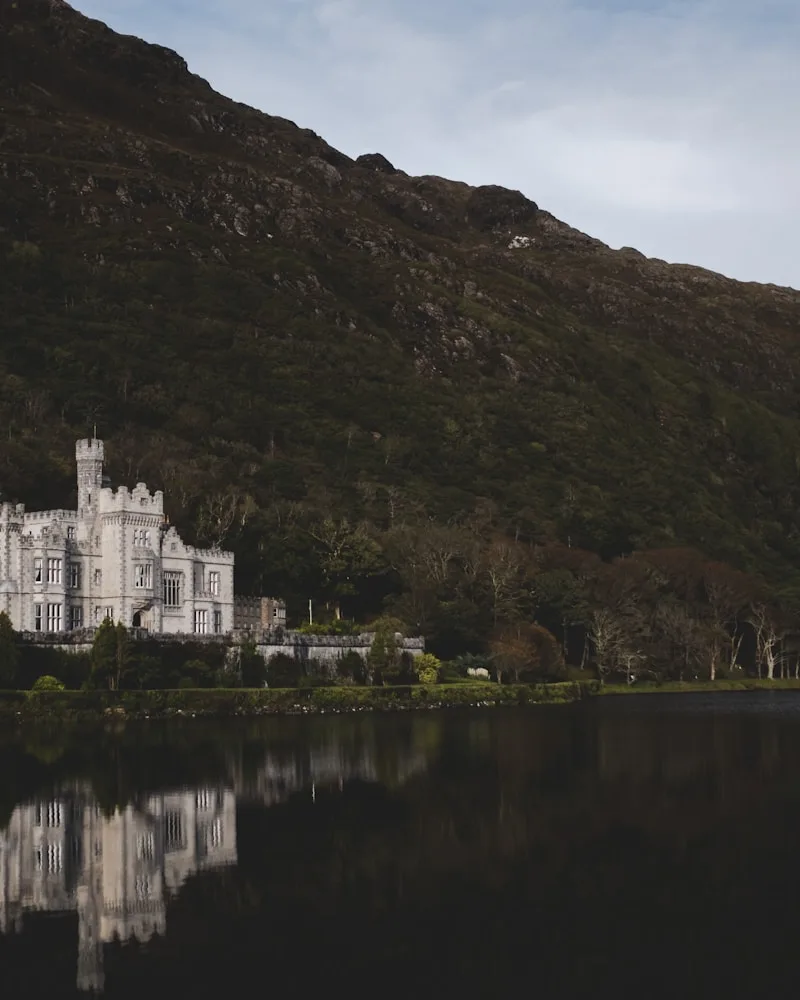
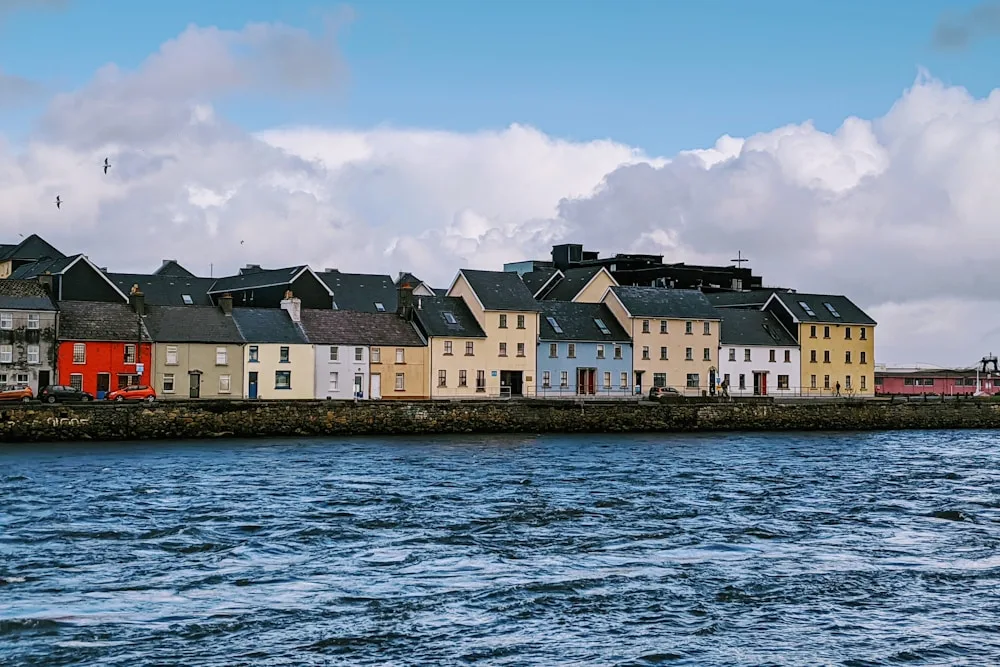
The bohemian heart of the west: Galway's painted shopfronts and trad-music sessions, the bog-and-mountain wilds of Connemara, and lake-mirrored Kylemore Abbey beneath the Twelve Bens.
Region
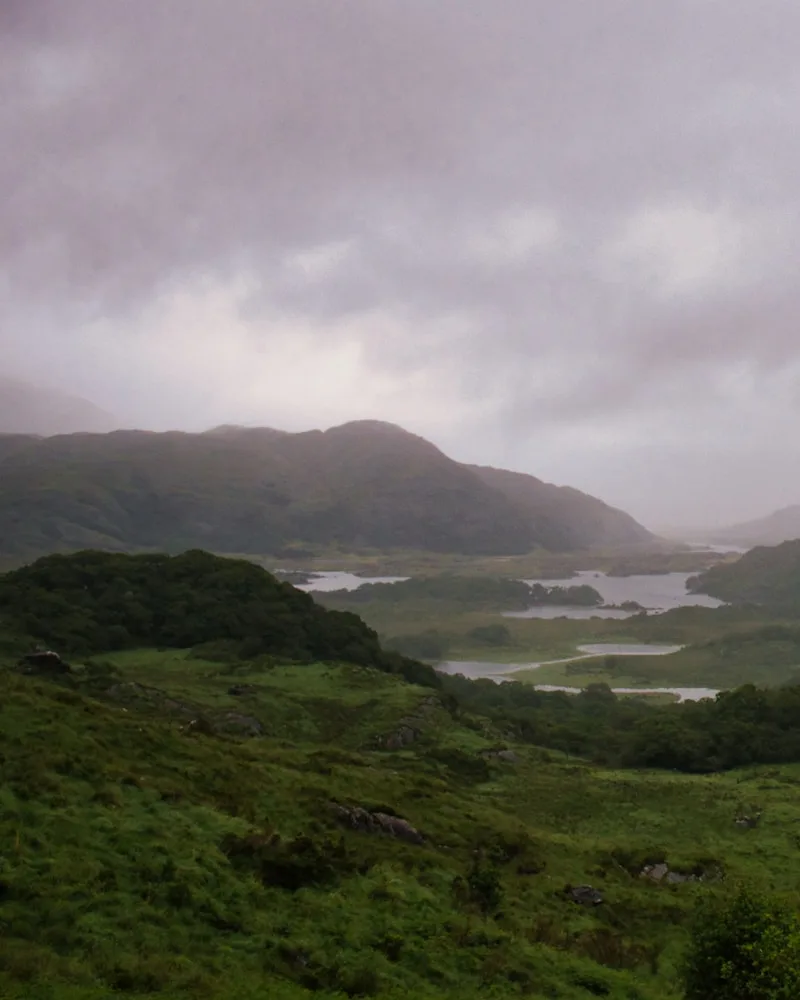
The classic southwest: the lakes and peaks of Killarney National Park, the scenic loop of the Ring of Kerry, and the rugged Dingle Peninsula trailing out into the Atlantic.
Region
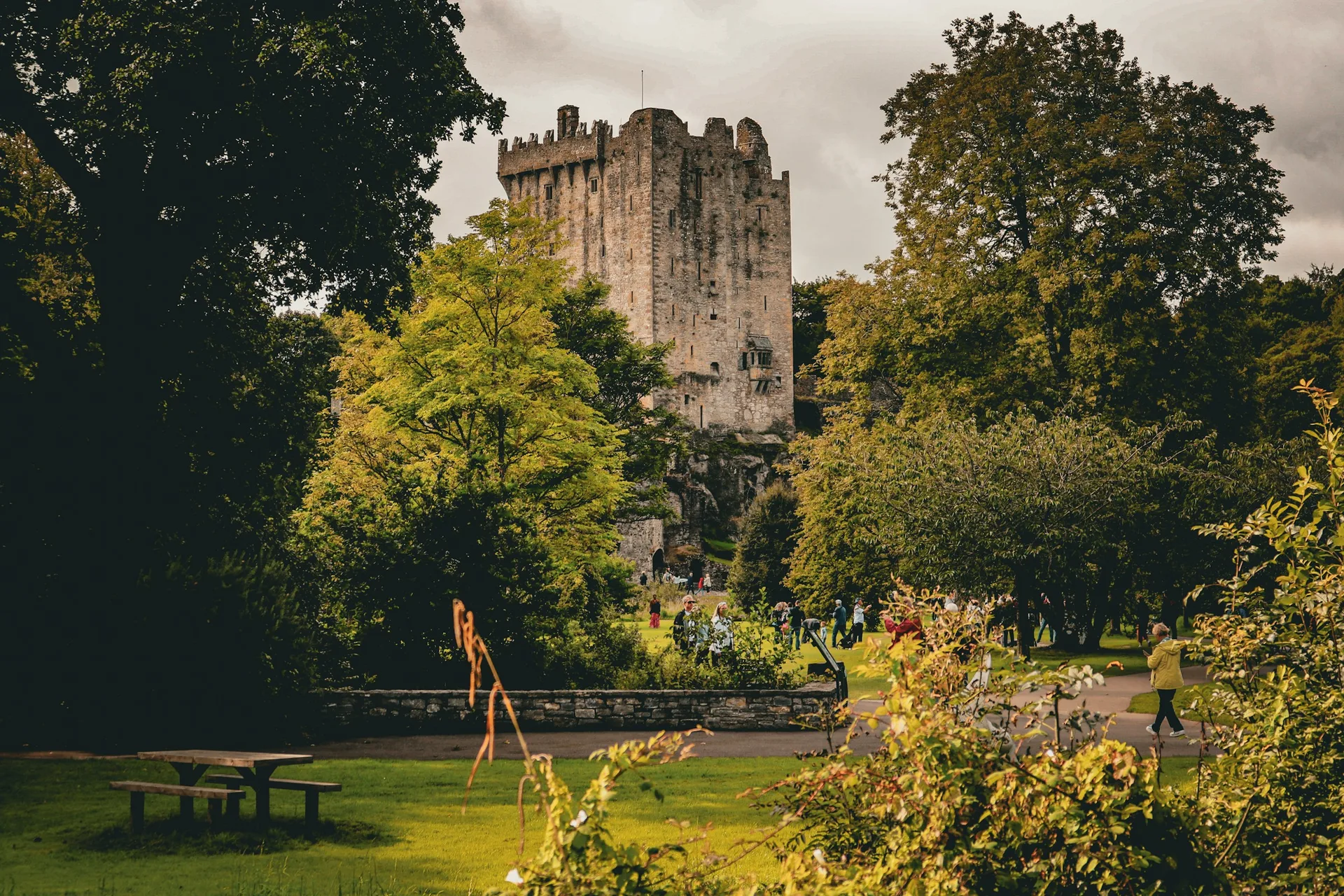
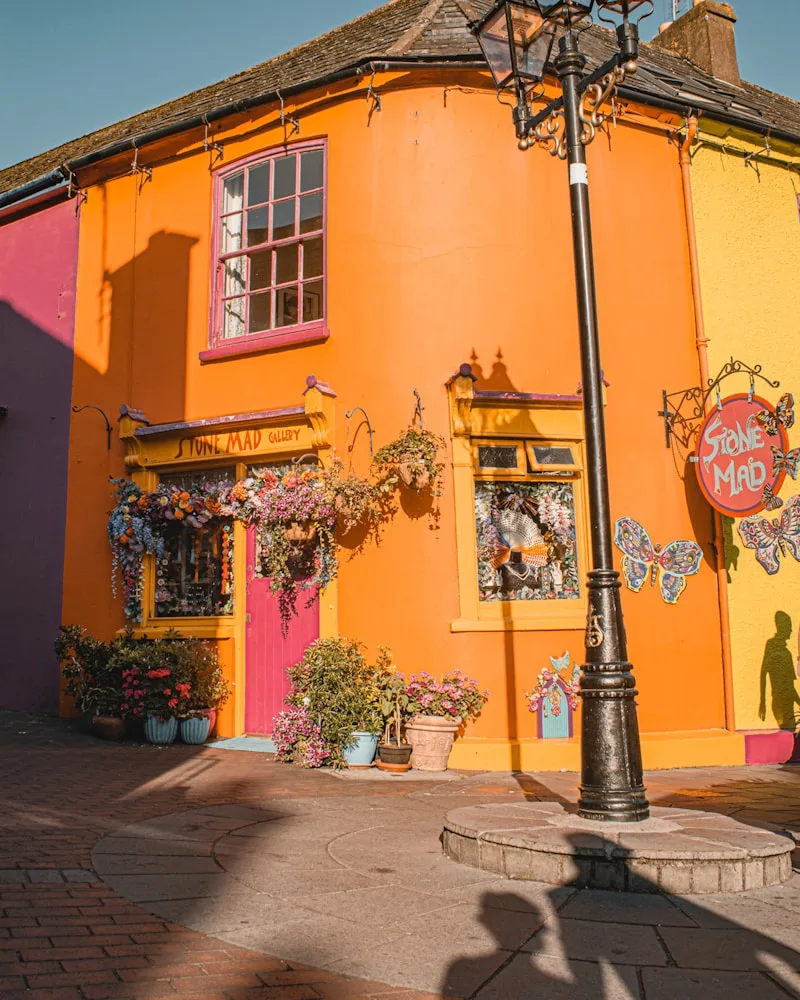
Ireland's foodie corner: the buzzing city of Cork and its English Market, the harbor town of Kinsale, Blarney Castle and the gardens and coastline of the gentle southern coast.
Region
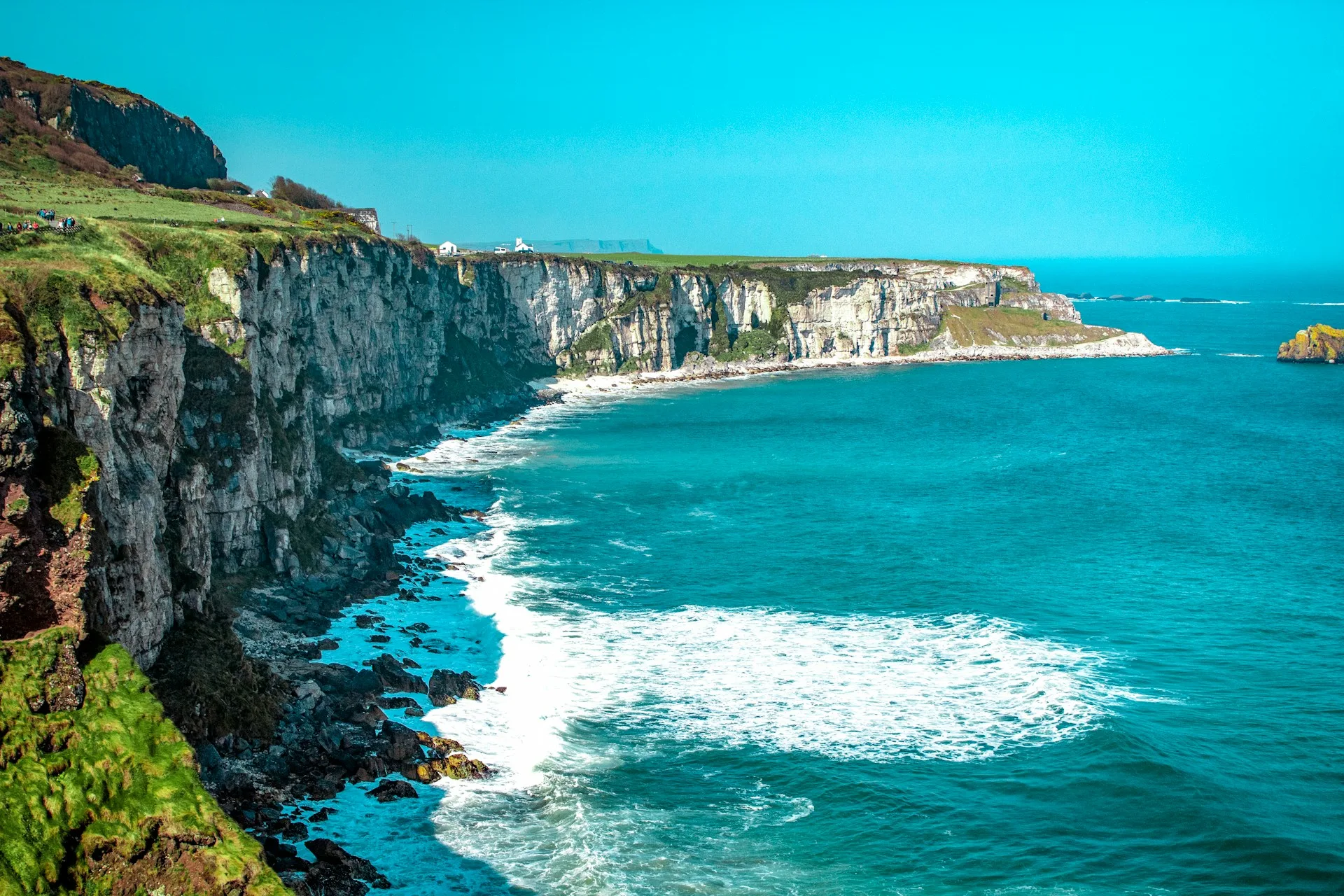
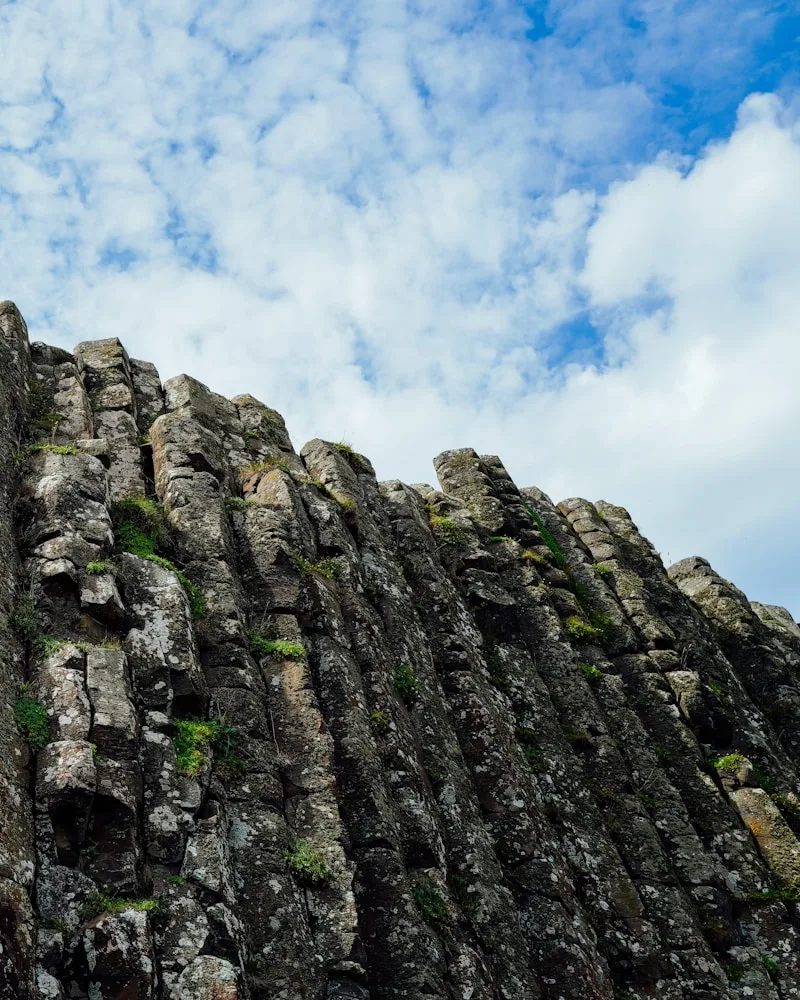
The dramatic north: the basalt columns of the Giant's Causeway, the cliffside ruins of Dunluce Castle and the Carrick-a-Rede rope bridge, strung along a wild and storied shoreline.
A sample journey
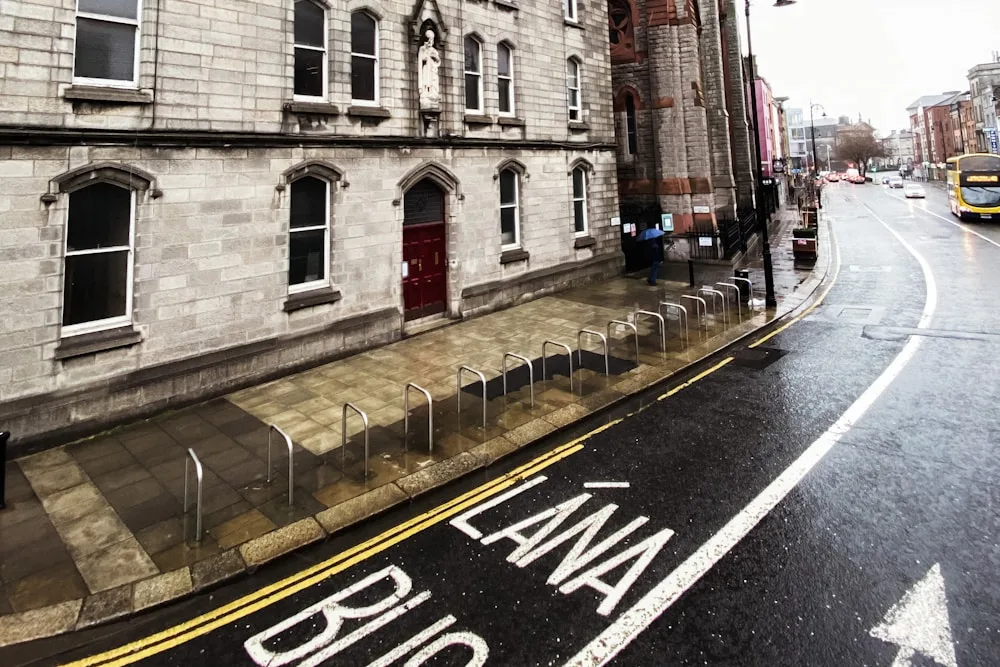 1
1 Begin in the capital: Trinity College and the Book of Kells, the Georgian squares and the Guinness Storehouse, with long evenings of trad music and conversation in the pubs of Temple Bar and beyond.
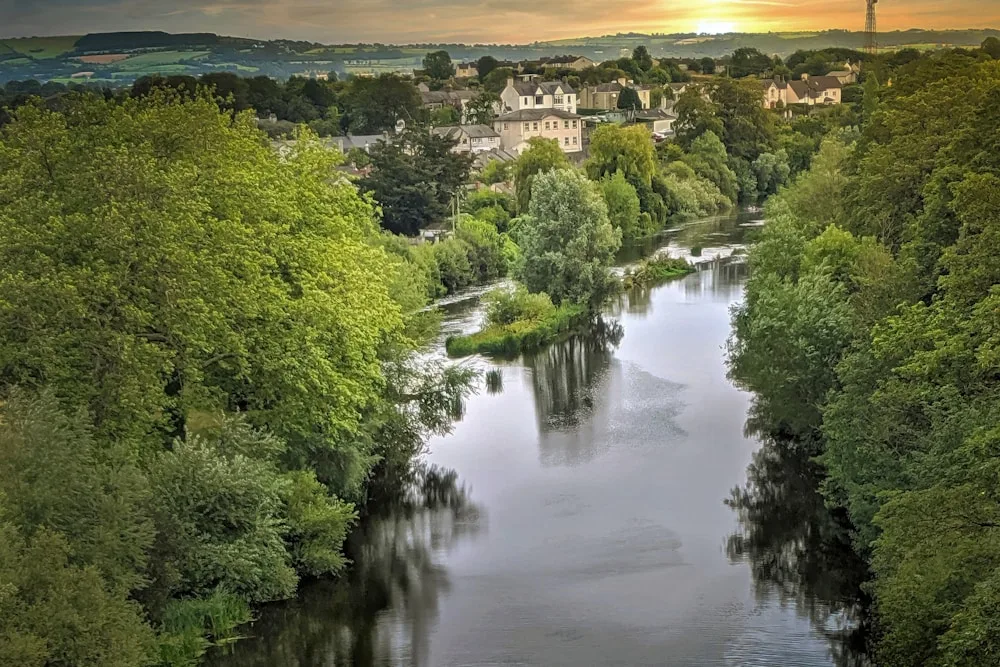 2
2 Drive south into the medieval city of Kilkenny, with its riverside castle, narrow lanes and craft breweries, an easy and atmospheric stop on the way toward the southwest coast.
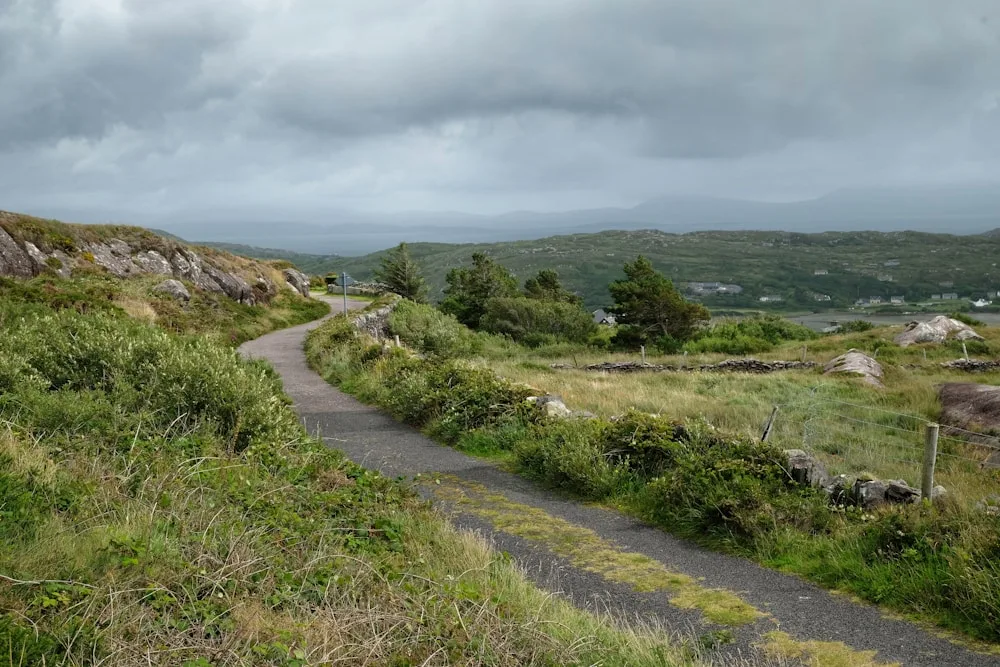 3
3 Settle into Killarney for the lakes and peaks of the national park, then give a full day to the Ring of Kerry, a spectacular loop of coast roads, mountain passes and little harbor villages.
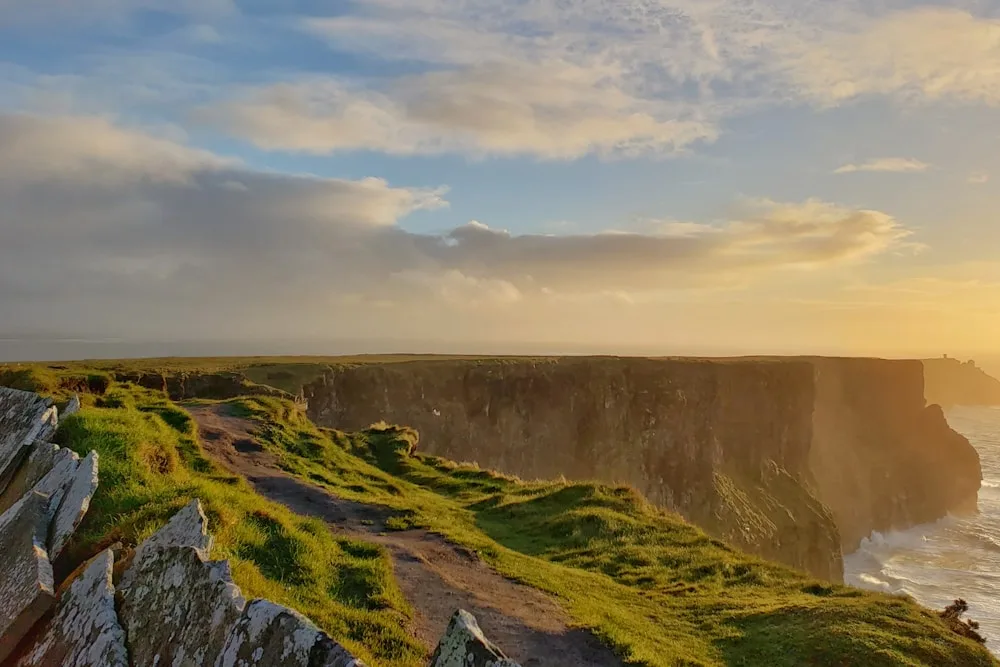 4
4 Travel north up the coast to the towering Cliffs of Moher and the strange limestone moonscape of the Burren, two of the great set pieces of the Wild Atlantic Way.
 5
5 Finish in lively Galway, with its painted shopfronts, oyster bars and music, using it as a base for a last drive out into the lakes and mountains of wild Connemara.
Every itinerary we build is bespoke: this is a starting point, not a package.
Getting around
Where to stay
Car hire, driver-guides, rail tickets and island ferries — including the Skellig Michael landing slots — are all arranged as part of every itinerary, so the logistics are settled before you land.
Good to know
Seven nights is the sweet spot for a first trip, comfortably covering Dublin, Kerry and Galway with a scenic stop or two in between. Ten nights to two weeks lets you add the Causeway Coast in the north, the Dingle Peninsula or a slower drive down the whole Wild Atlantic Way at an unhurried pace.
Late spring (May–June) and early autumn (September–October) are ideal: mild days, long light and fewer crowds than high summer. July and August are the warmest and busiest, with the fullest festival calendar, while winter is wet but cosy, perfect for a Dublin-and-castles trip if you pack for the weather.
For the scenic west and southwest, a car or private driver-guide makes a real difference, as the Ring of Kerry, Connemara and the coast roads are where the country comes alive. The cities are best on foot, and the trains link Dublin, Cork, Galway and Killarney comfortably, so we often combine rail between cities with a car or driver for the coast.
Ireland is green for a reason, and you should expect a few showers in any season, often several in a single day. The trick is layers, a good waterproof and a relaxed attitude, as the light between the clouds can be magical. We build itineraries with indoor highlights and flexible days so a passing shower never derails the trip.
Yes, and we highly recommend it. Ireland has some of the finest castle hotels in the world, from Ashford Castle on Lough Corrib to Dromoland in County Clare, offering falconry, fishing, fine dining and four-poster grandeur. We build in a night or two at one as a memorable highlight of many of our Ireland itineraries.
Ways to Explore
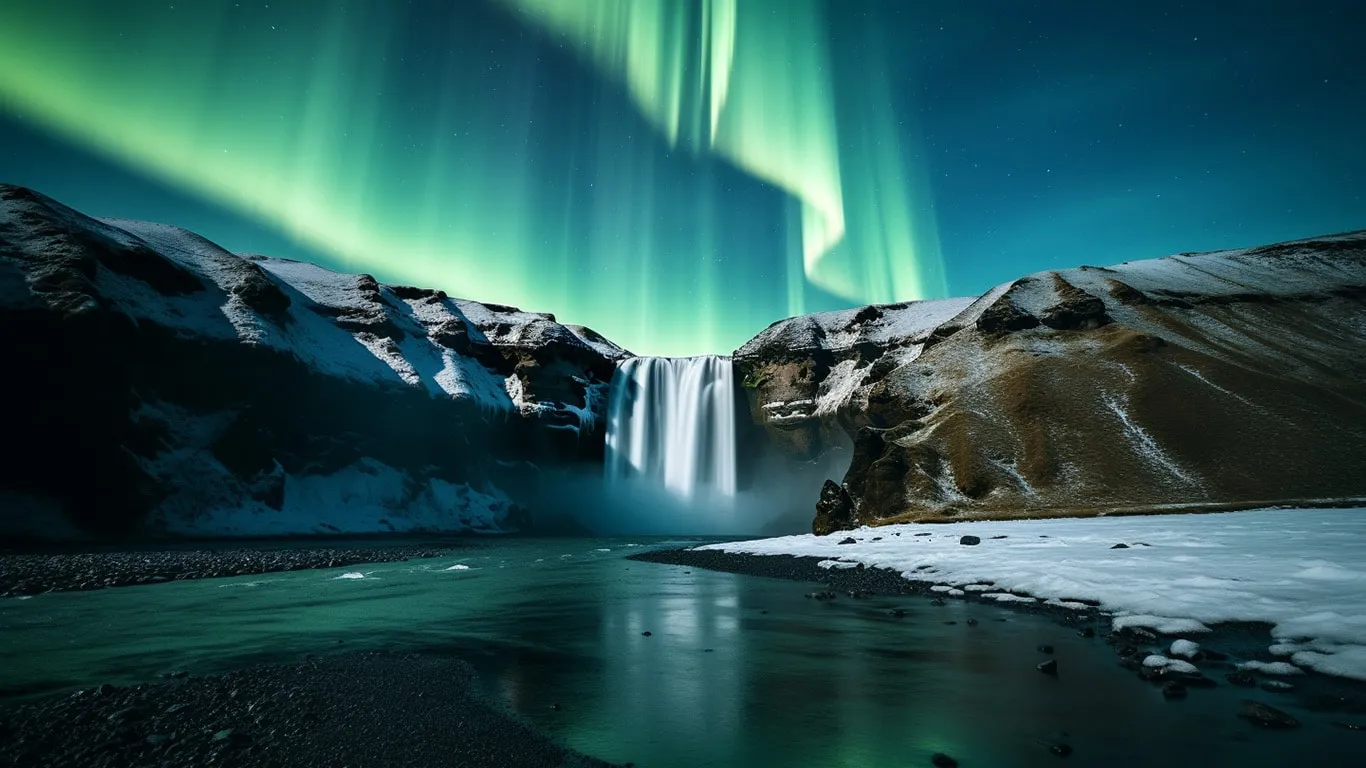
A private journey designed entirely around you, your pace, and your people.
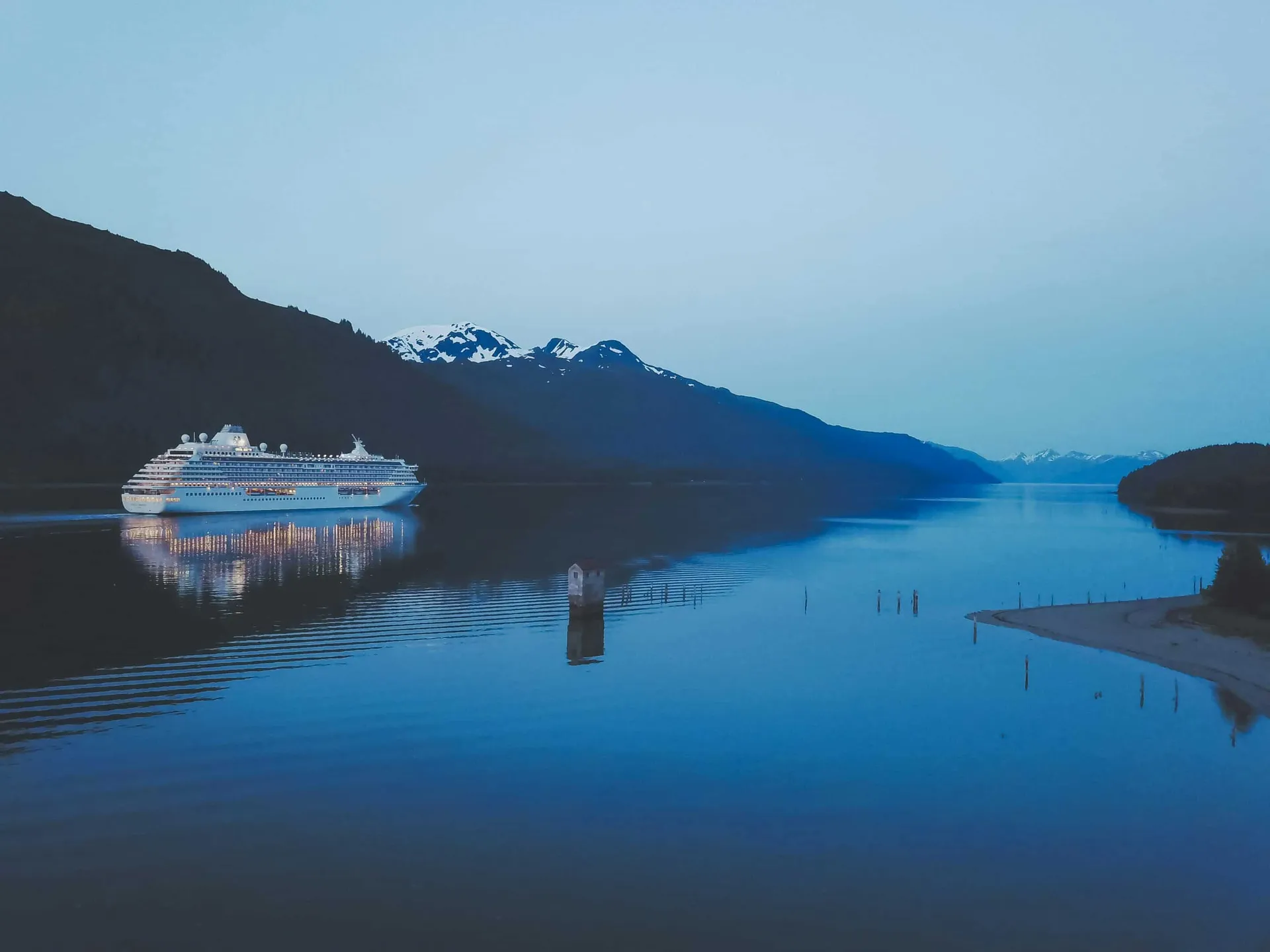
River, ocean and expedition voyages, from the Danube to Antarctica.
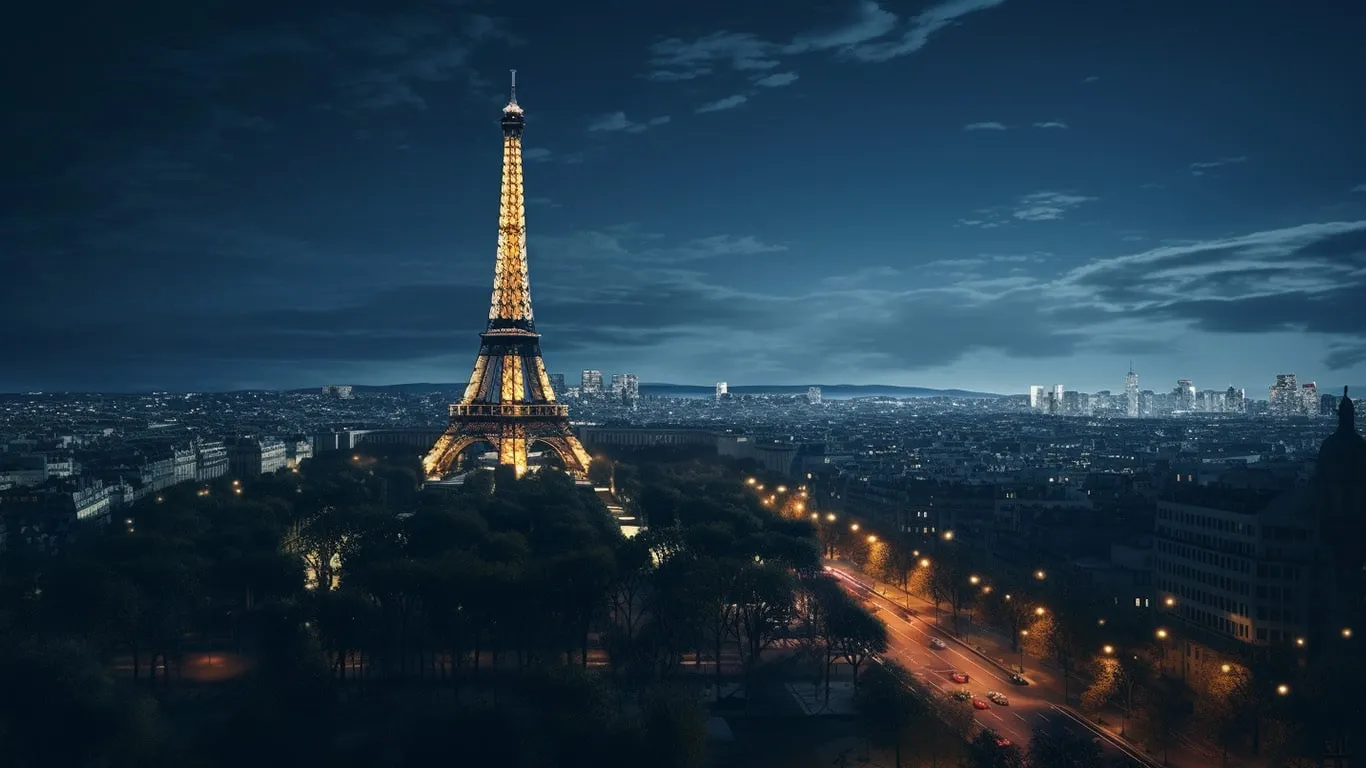
Expertly guided, end to end, with the world's finest local operators.
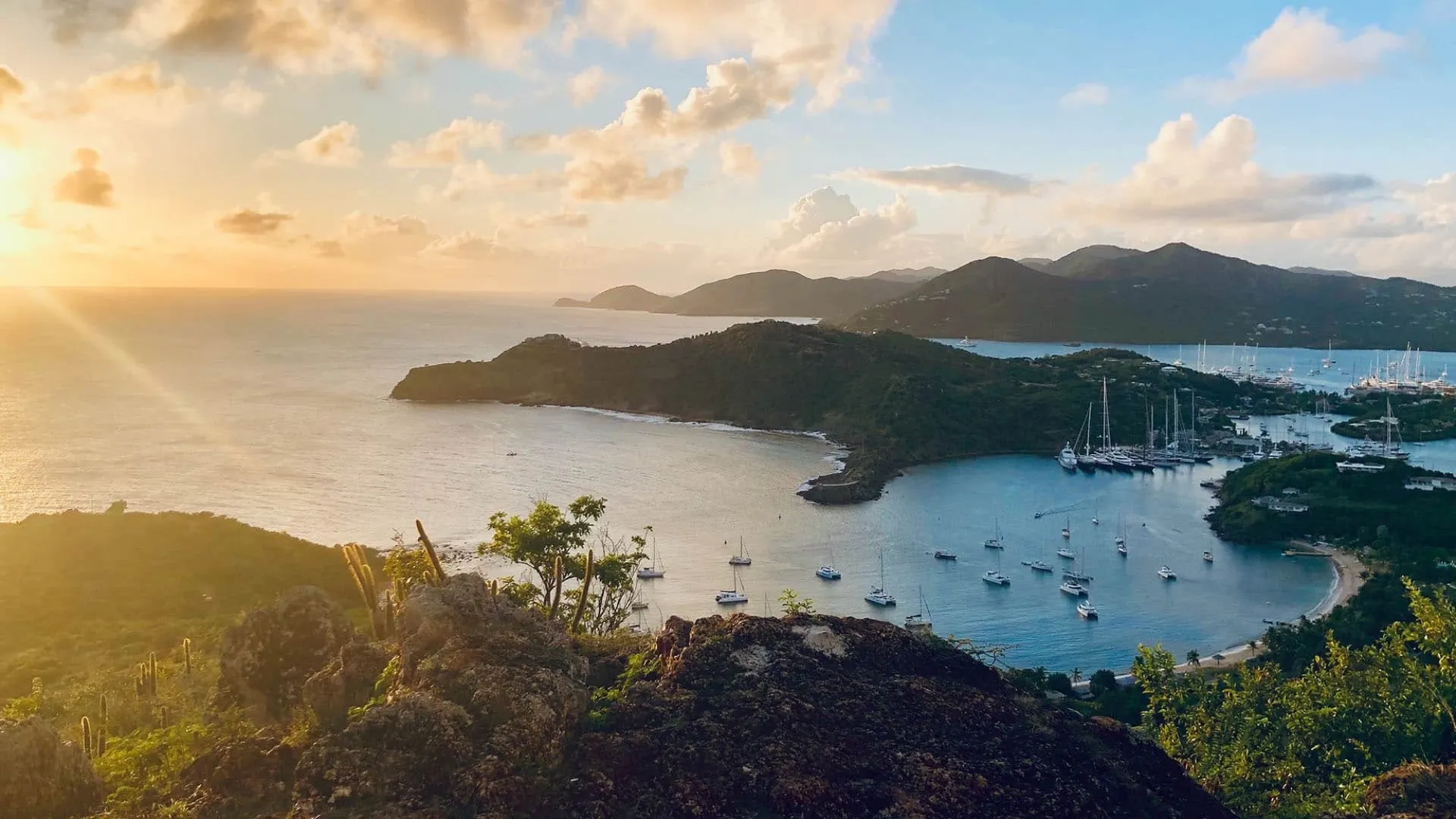
Effortless resort escapes; we cut through the haze to the right one.
Let's begin
Tell us your travel dates and what you love, and we'll handle every detail.
Plan Your TripSearch Chima Travel