Region
Rome & Lazio
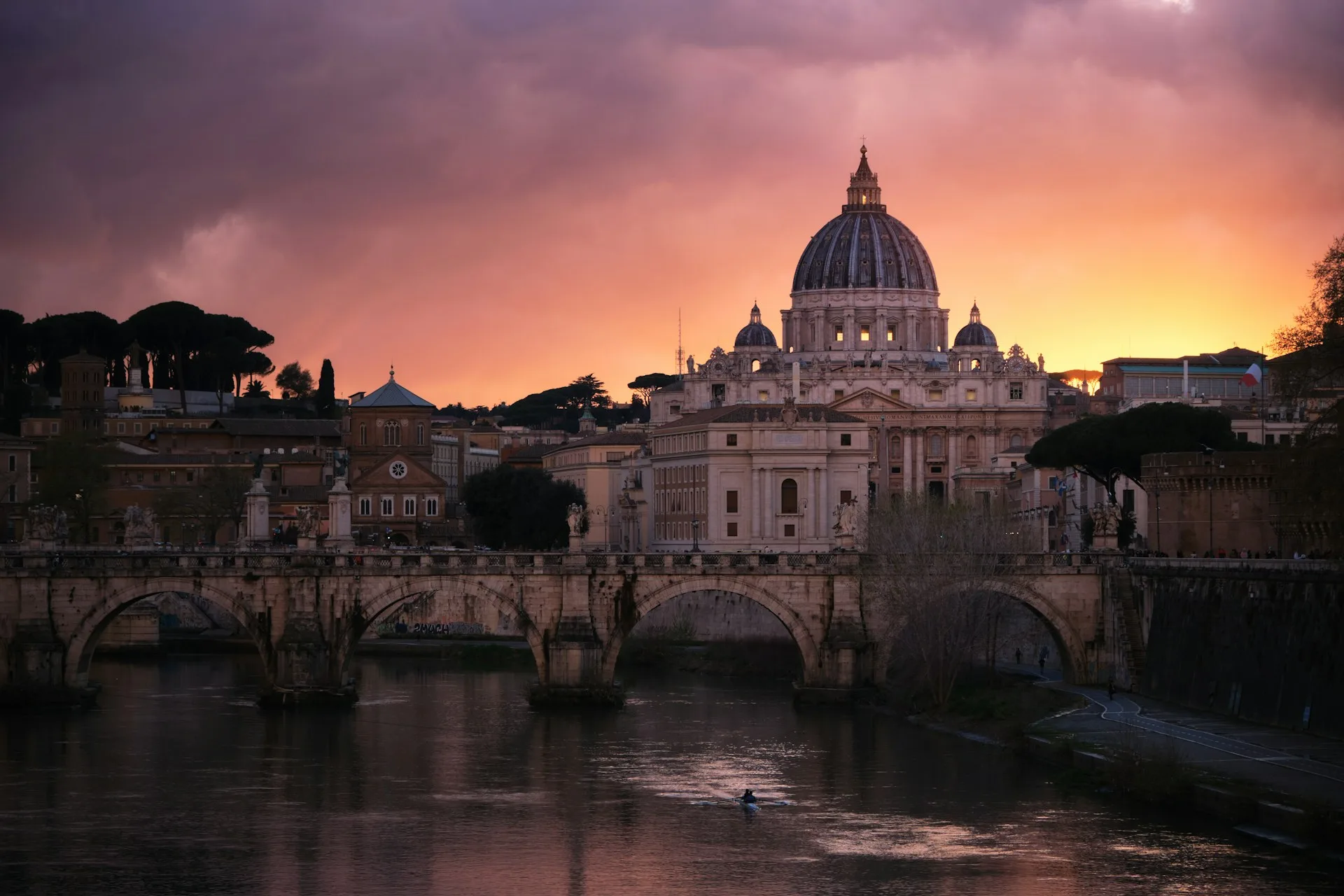
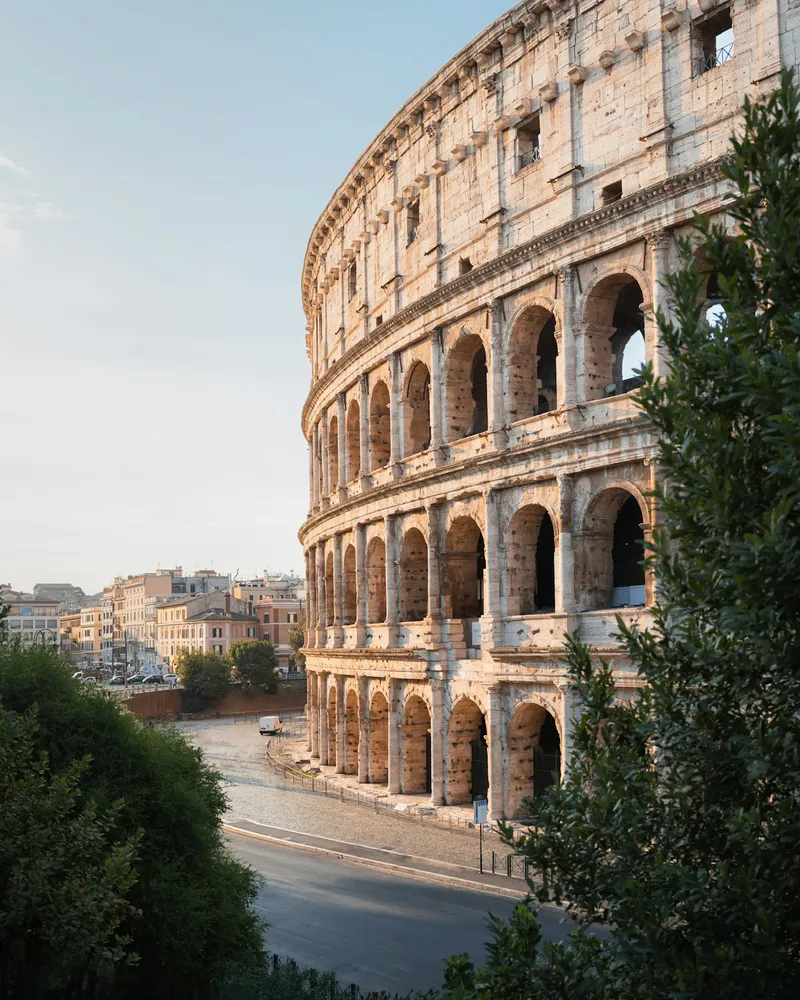
The Eternal City layers nearly three thousand years into a single skyline: the Colosseum and Forum, the Vatican's galleries, and piazzas made for long evenings over pasta and wine.

By Continent
Europe Africa Asia North America South America Caribbean Australia & Oceania All destinationsOverview
From the canals of Venice to the black-sand coasts of Iceland, Europe rewards the curious traveler with centuries of art, architecture and unforgettable flavor, all within easy reach of one another.
View all EuropeOverview
From the dunes of the Sahara to the great plains of the Serengeti, Africa is a continent of staggering scale and singular encounters: a place where landscape, wildlife and culture meet at full intensity.
View all AfricaDestinations
Overview
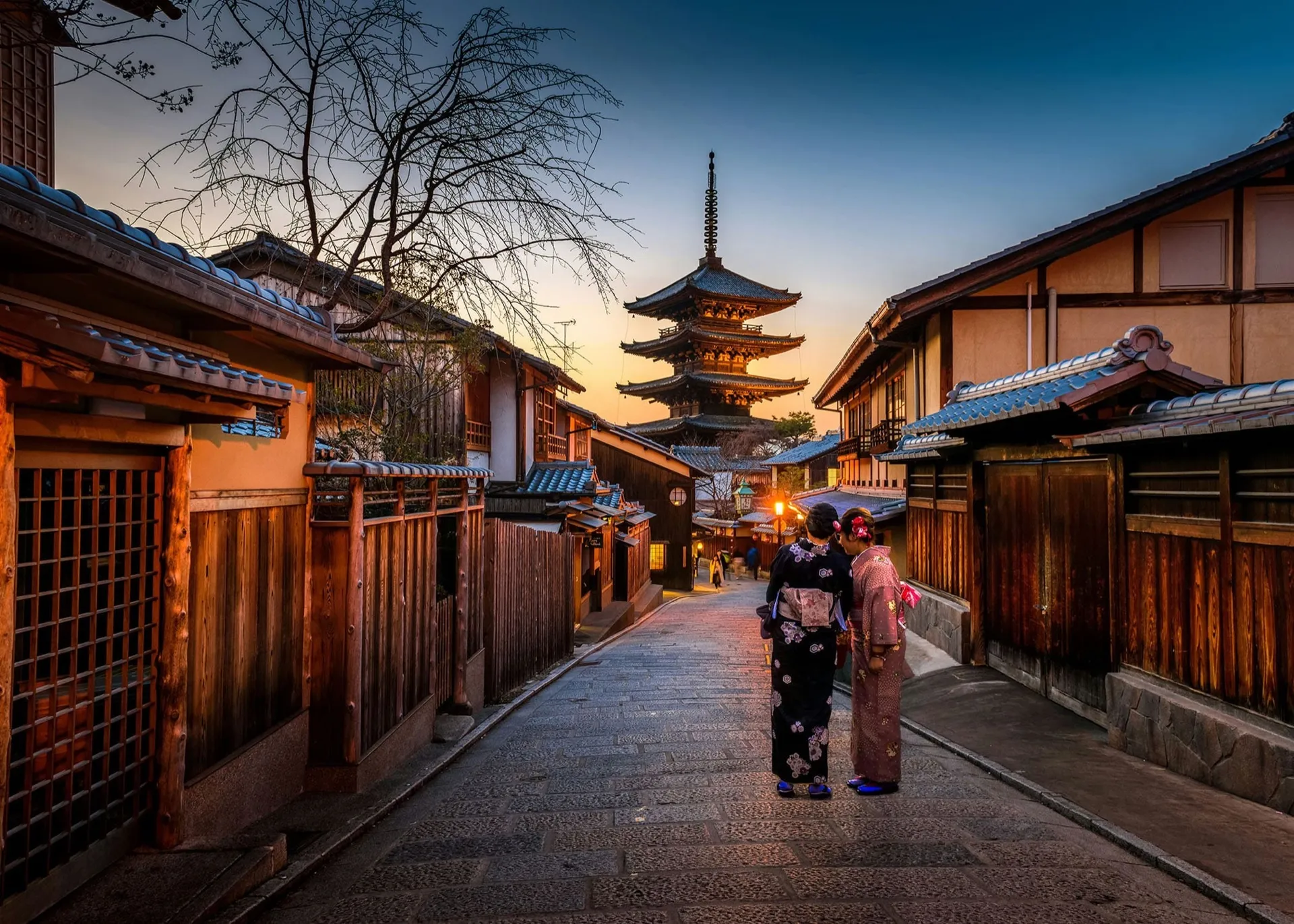
Vast and varied, Asia spans snow-capped peaks and tropical coasts, neon megacities and silent temples. It is a continent that rewards both the first-time traveler and the lifelong returnee.
View all AsiaFeatured
 Japan · signature experience Kyoto
 Overview
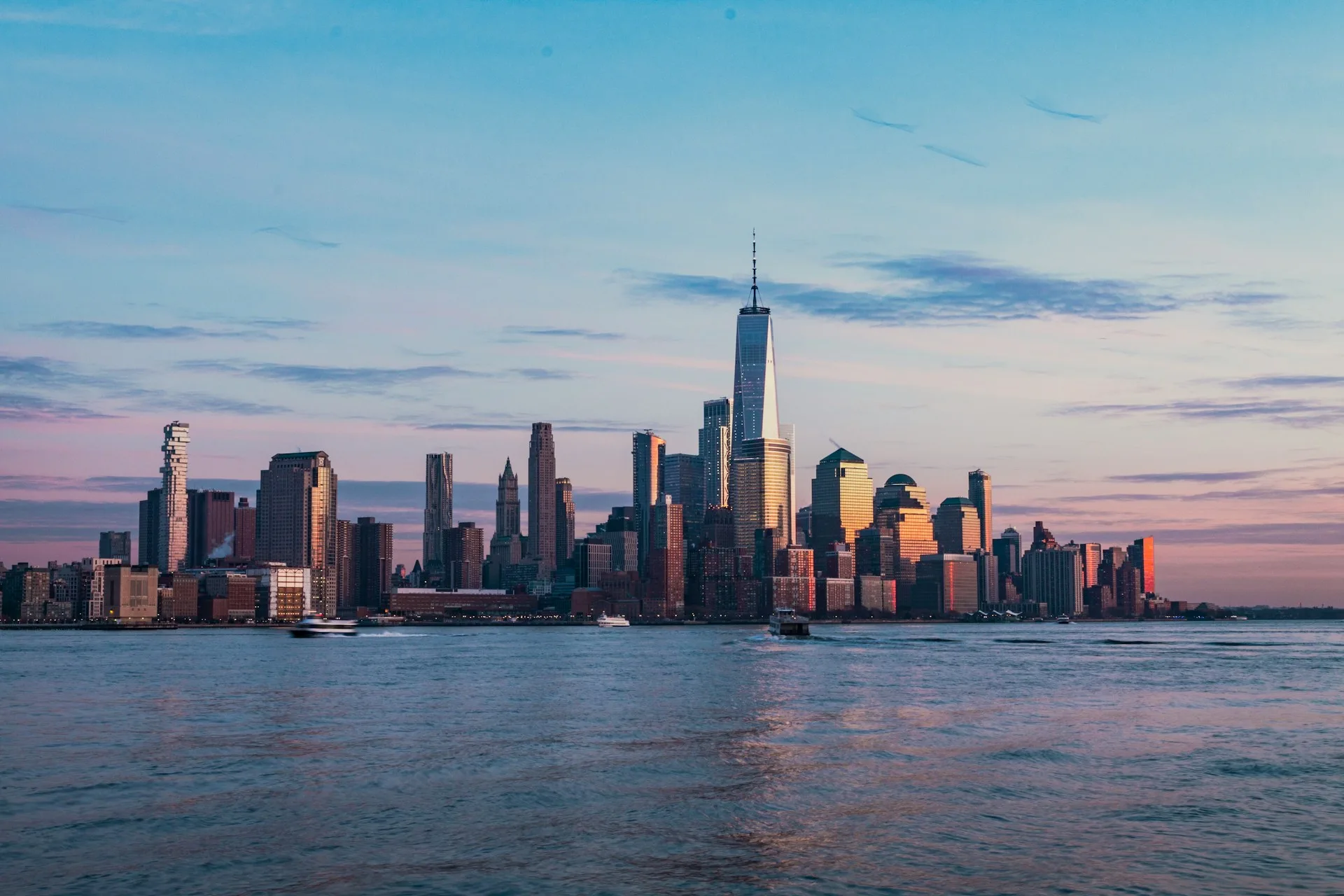
Close to home and endlessly varied, North America ranges from desert canyons to alpine national parks, from world cities to quiet coastal towns: a continent that contains a dozen vacations within a single border.
View all North AmericaDestinations
Overview
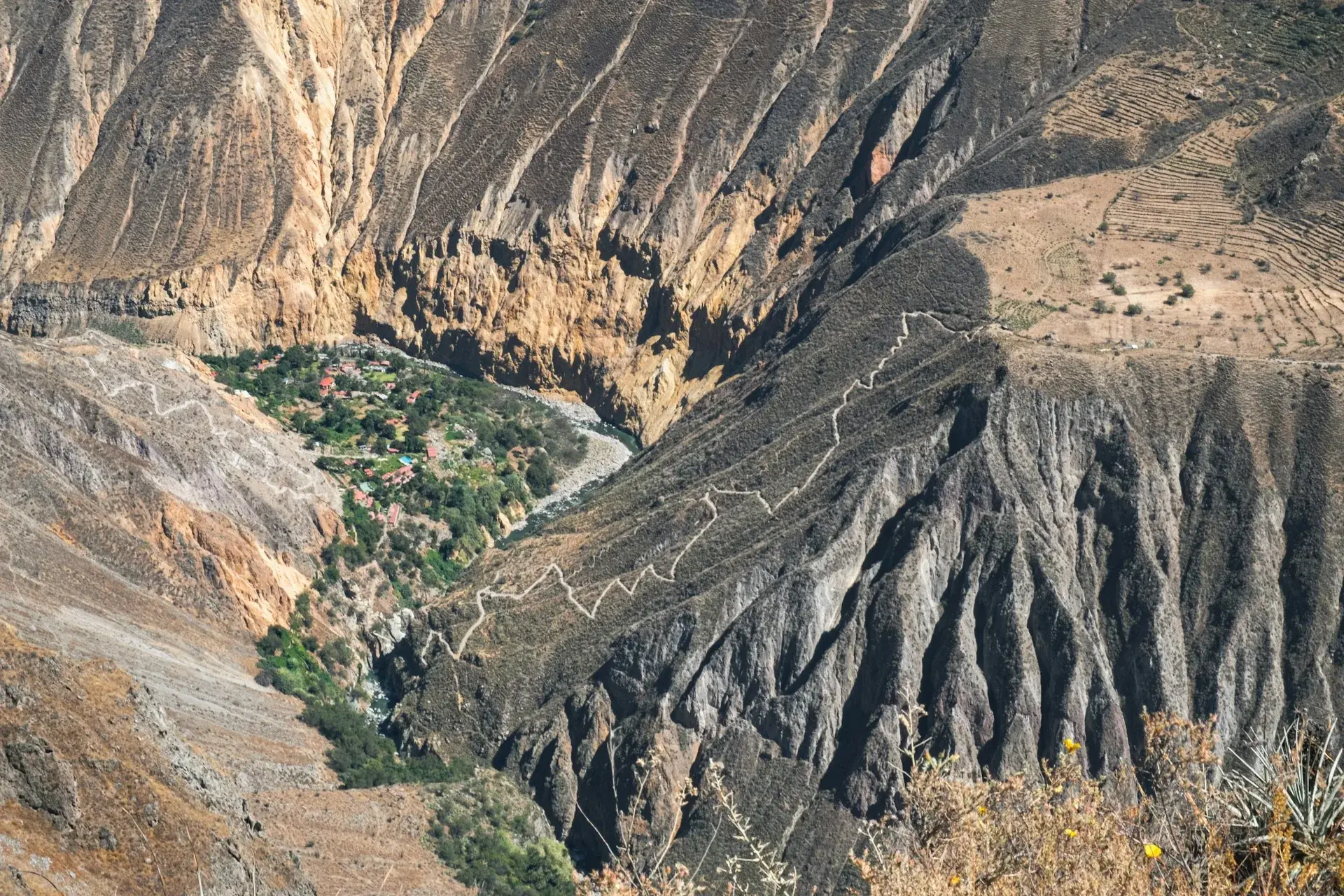
A continent of extremes, from the high Andes and the vast Amazon to glacial Patagonia and the rhythm of its cities, South America rewards the adventurous traveler with some of the planet’s most dramatic scenery and deepest history.
View all South AmericaOverview
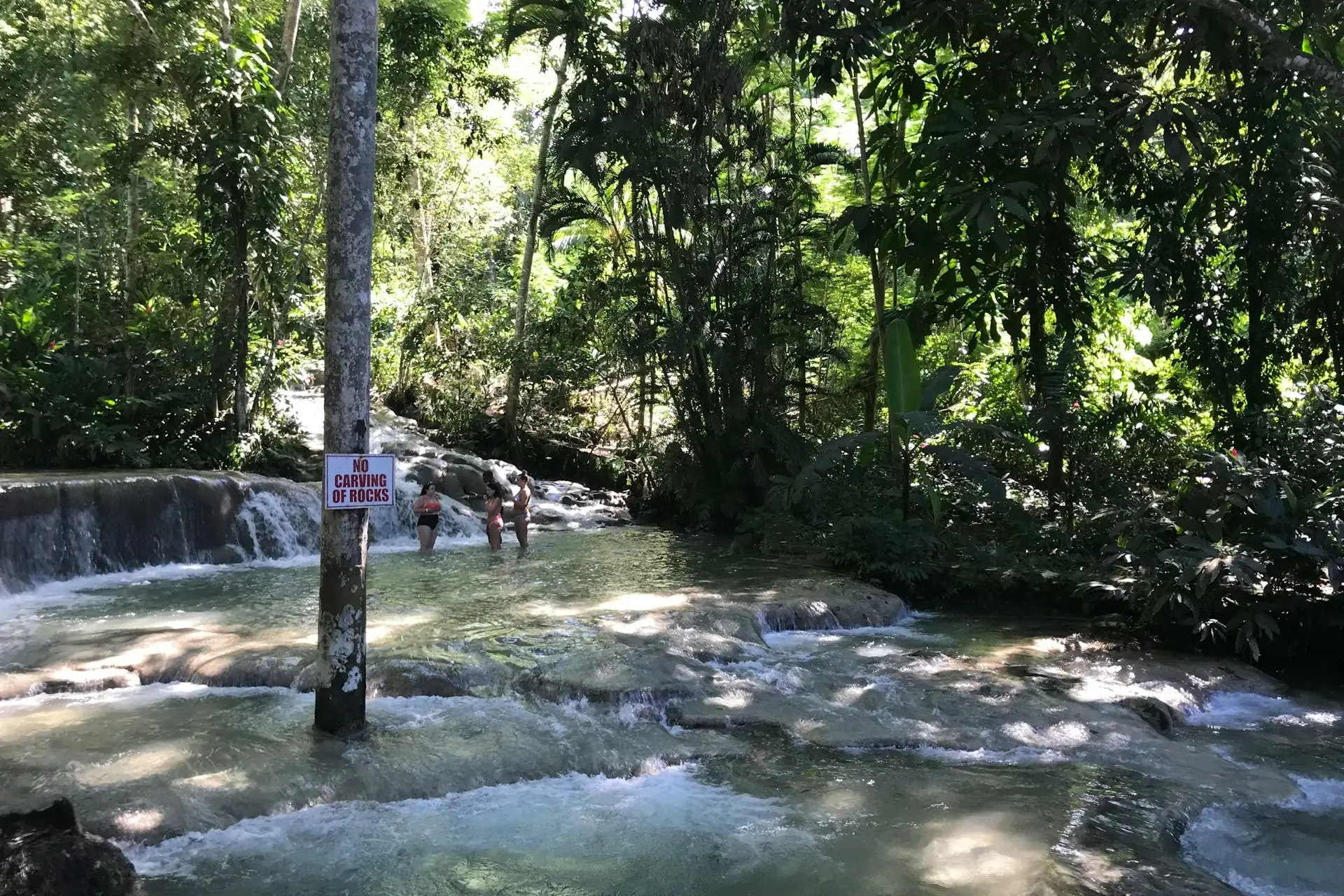
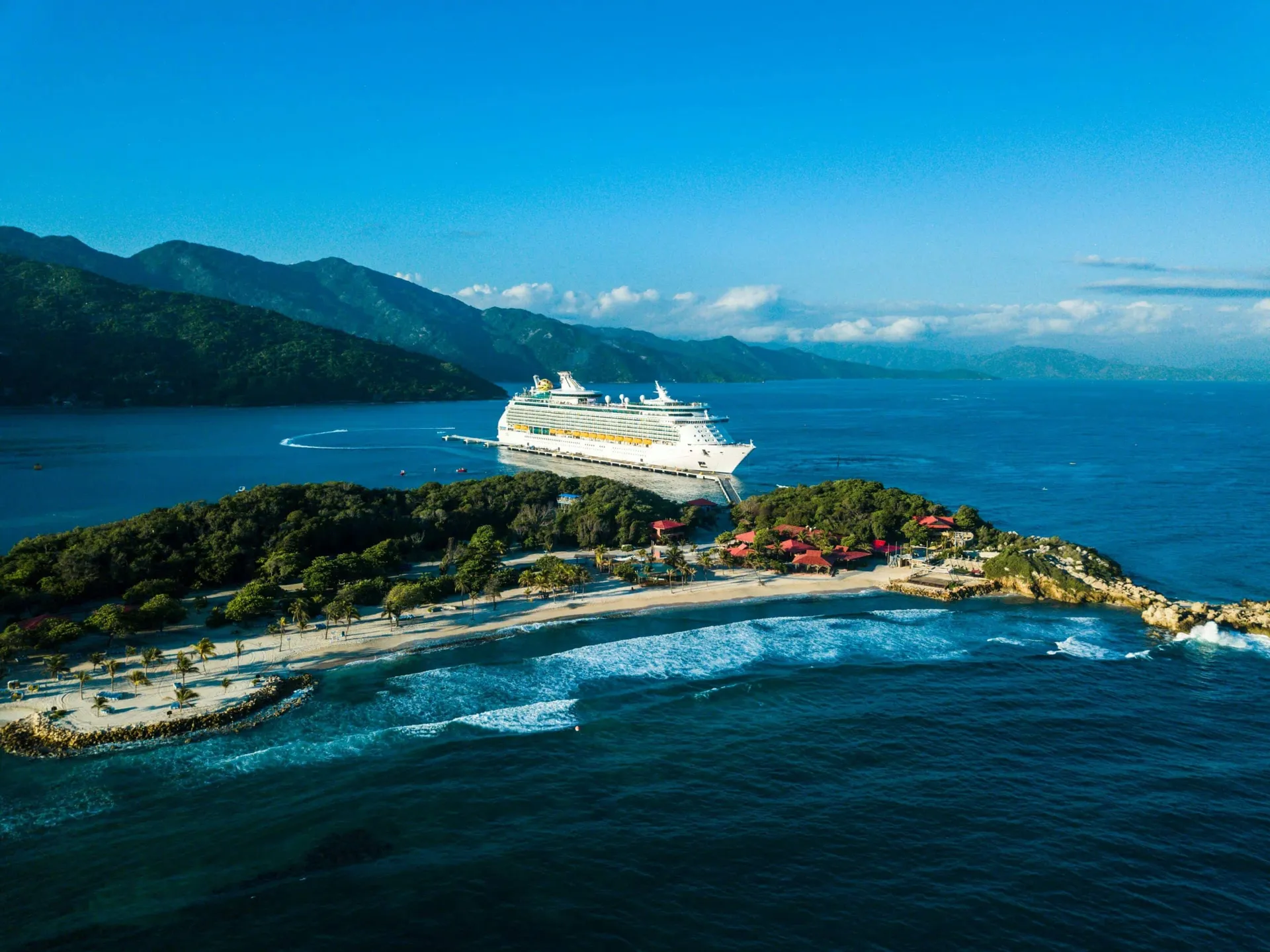
A scattering of islands across impossibly blue water, the Caribbean is the art of the easy day perfected: white sand, warm rhythm and hospitality that turns first-time visitors into lifelong returnees.
View all CaribbeanDestinations
Overview
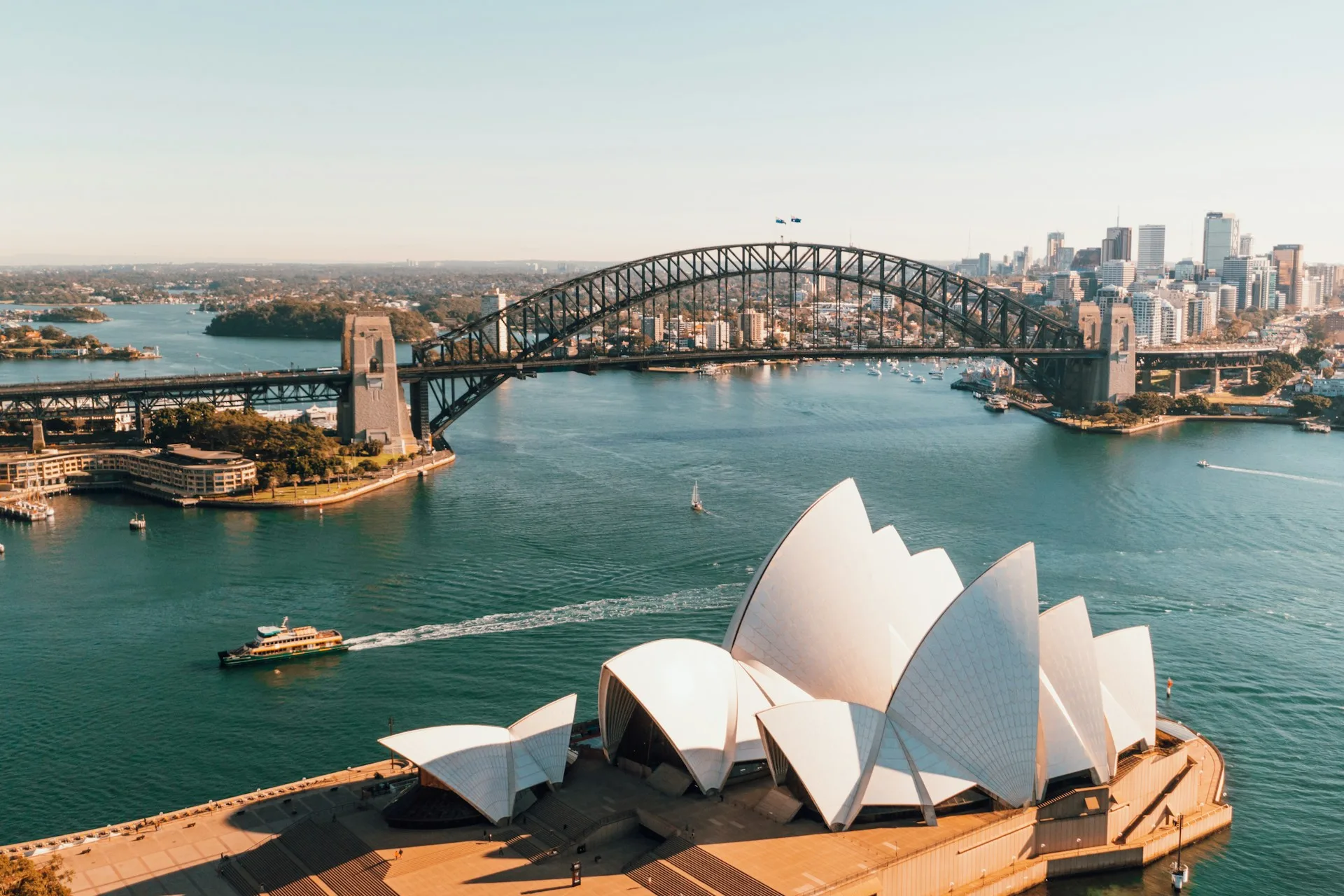
From the Great Barrier Reef to the red heart of the outback, from the fjords of New Zealand to the scattered atolls of the South Pacific, Australia & Oceania offer some of the most remote and rewarding travel on earth.
View all Australia & OceaniaDestinations
Est. 1918 · four generations · 38 countries
How You Travel
River Cruises Ocean & Small-Ship Expedition Flights Tours & Escorted All-Inclusive All travel experiencesFeatured
 The Danube
 Featured
 The Caribbean
 Featured
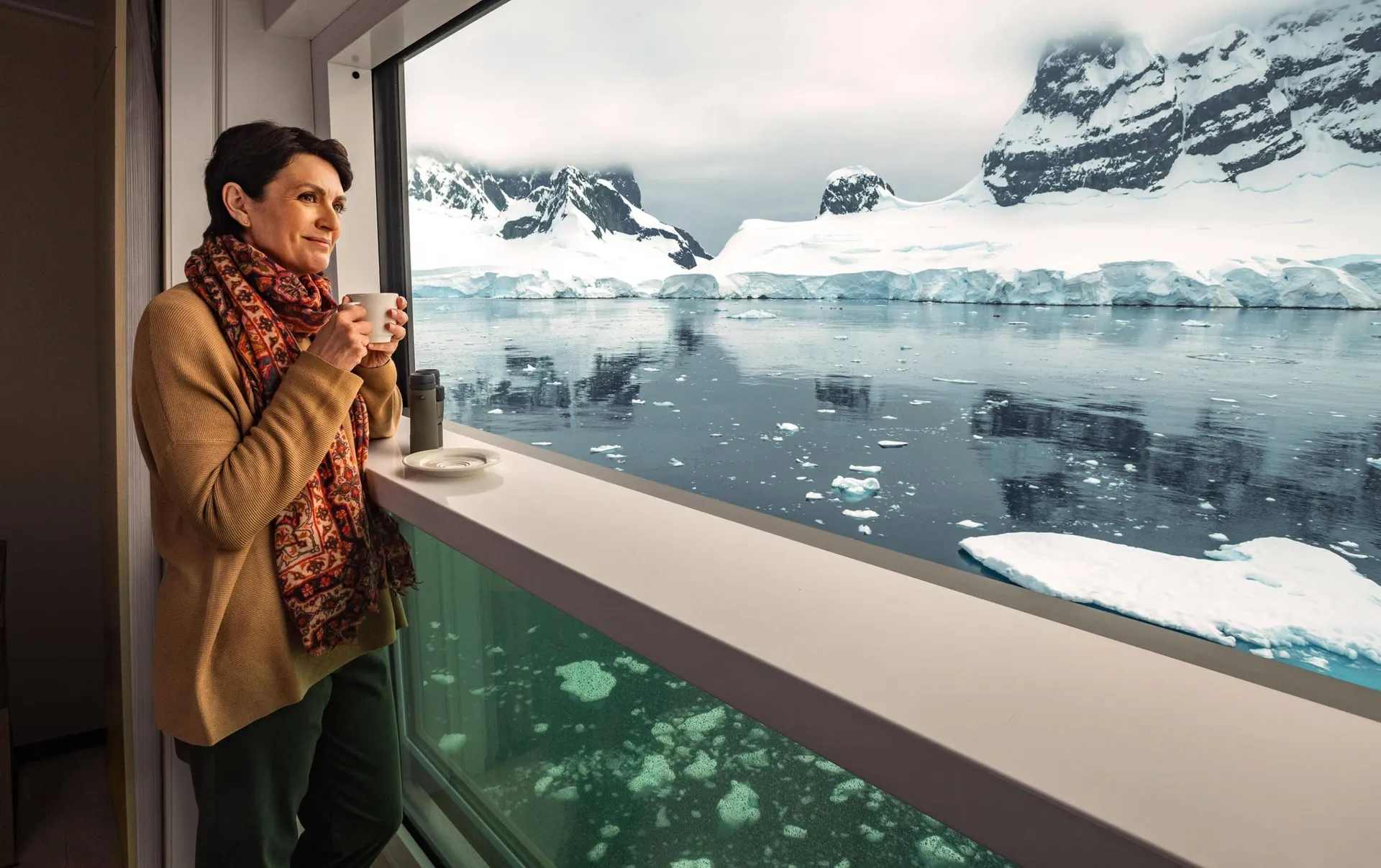 Antarctica
 Overview
Premium-cabin fares, complex routings and around-the-world tickets, booked by people who fly for a living.
Explore flightsFeatured
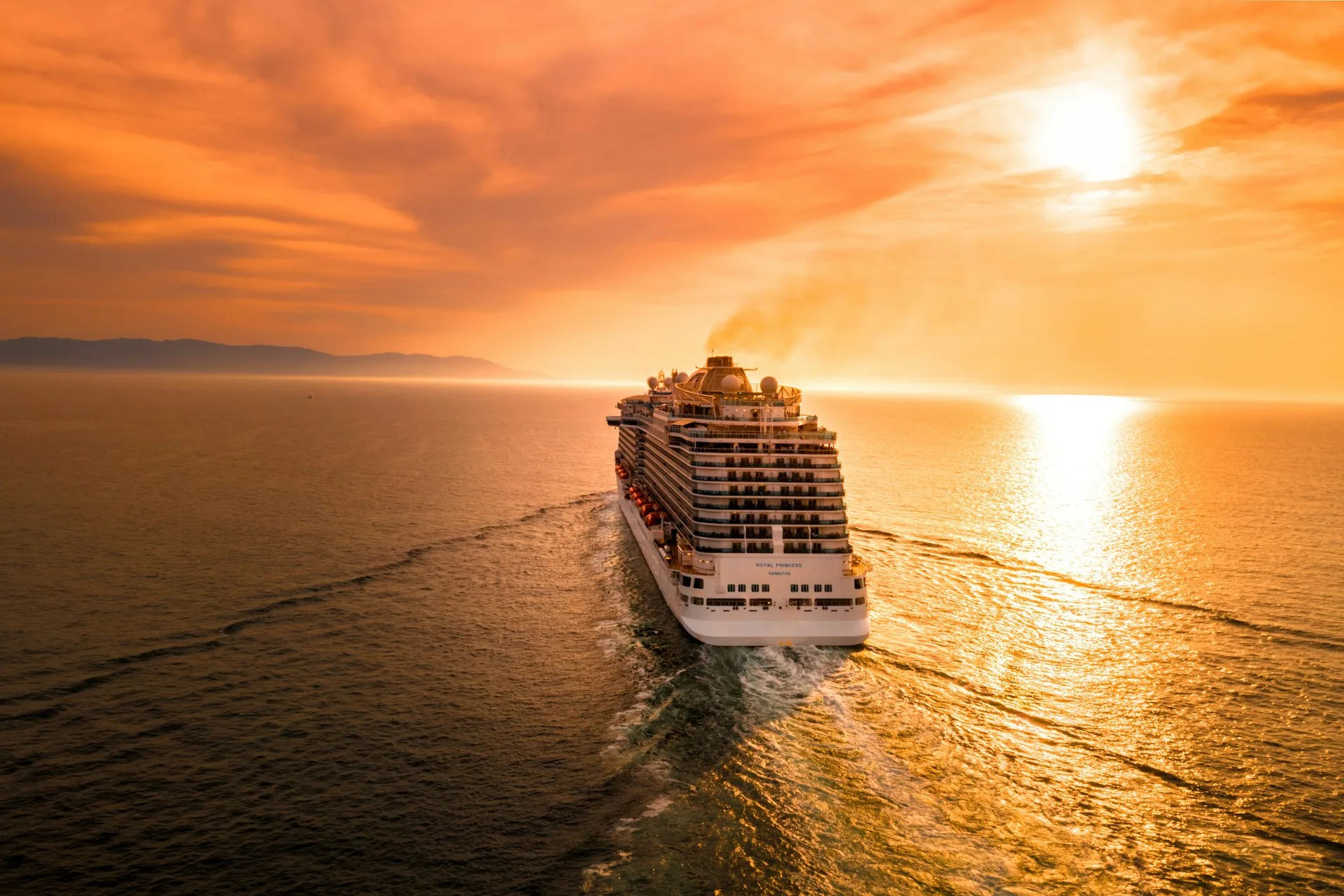 Flights
 Overview
Expertly guided group departures and private escorted itineraries across the world's great regions.
Explore tours & escortedFeatured
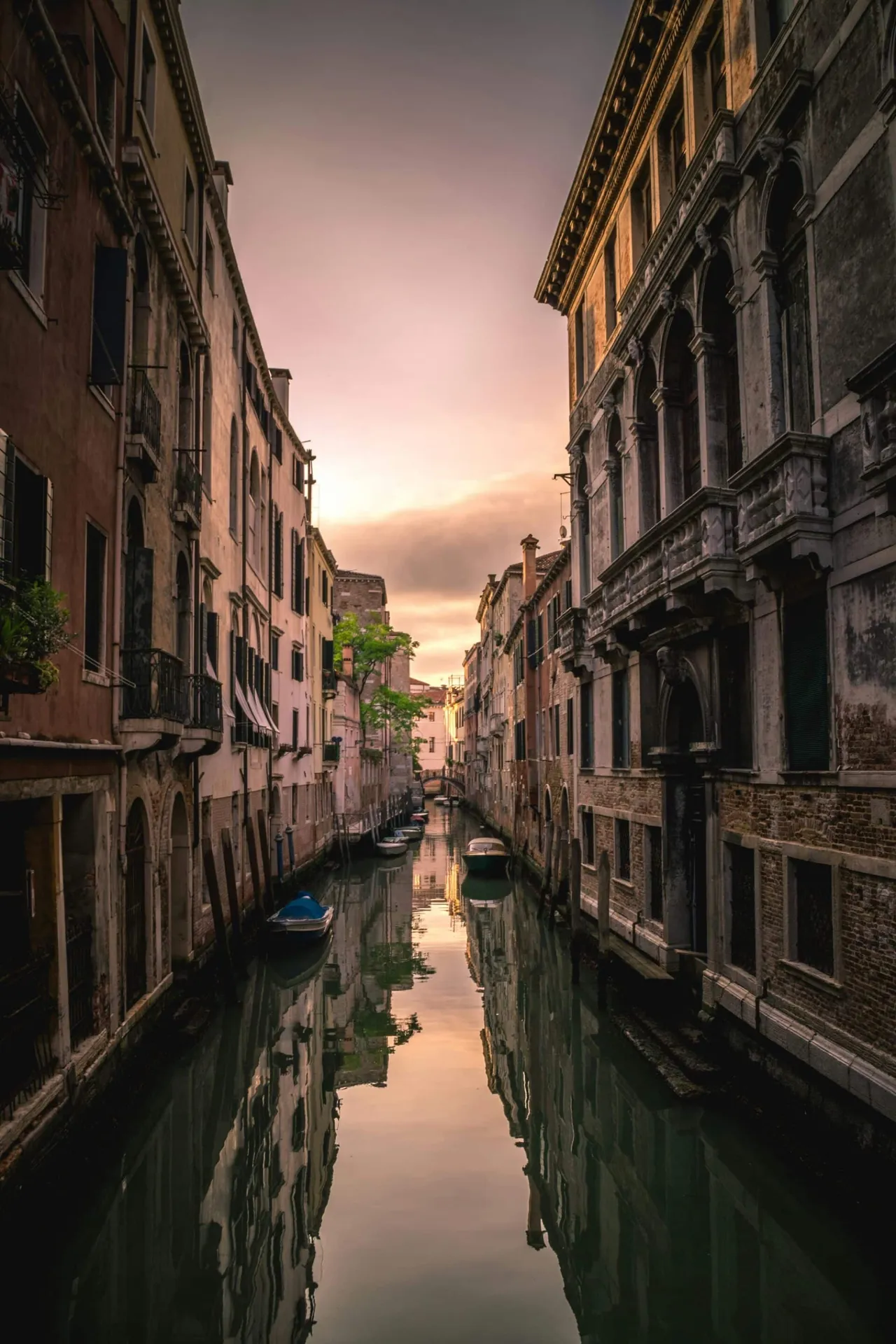 Tours & Escorted Journeys
 Overview
Beach and luxury all-inclusive escapes where flights, meals and more fold into a single, easy fare.
Explore all-inclusiveFeatured
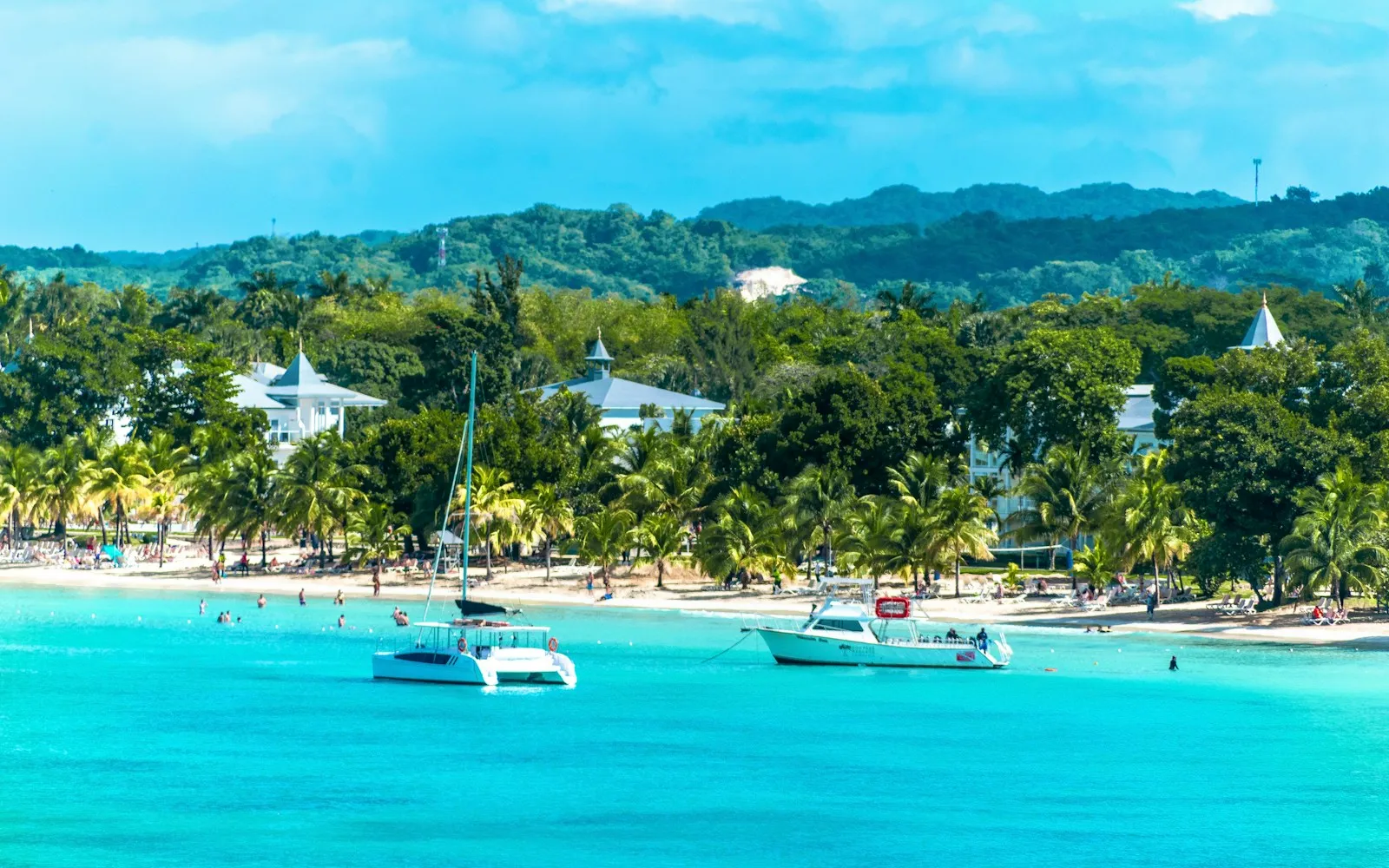 All-Inclusive Resorts
 River, ocean & expedition cruises · flights · tours · all-inclusive
Corporate travel
Destinations · Europe
History, beauty, culture: la dolce vita.
The country
From the ruins of Rome to the canals of Venice, Italy is a journey through centuries of art, architecture and unforgettable flavor. Whether you’re exploring the rolling hills of Tuscany, discovering Renaissance masterpieces in Florence, or relaxing along the Amalfi Coast, we help you experience the best of Italy, your way.
With its roots in the Roman Empire and as the birthplace of the Renaissance, Italy’s legacy lives on through grand cathedrals, iconic ruins and masterpieces by Michelangelo, Da Vinci and Botticelli. Each region tells its own story: through architecture, language, food and local tradition.
Italian hospitality is warm and welcoming, inviting travelers to slow down and savor each moment: a sense of beauty, passion and joy that stays with you long after you return home.
When to go
Italy rewards the traveler who reads the calendar — the art cities are a different proposition in May than in August, and the harvest turns Tuscany into something else entirely. Here is how we'd sketch the year across the desk.
Warm, clear days and gardens in bloom, before the summer heat and crowds arrive. Our favorite window for the cities and the countryside alike.
Harvest season: grape and olive picking in Tuscany, seas still warm on the coast, and softer light over the art cities.
High summer is hot and busy in the cities, and Italians decamp for the coast around Ferragosto in August. Ideal for the lakes and the sea; we book the best hotels well ahead.
Cool, quiet and atmospheric: the art cities without the lines, truffles and hearty food, and the best rates, though some coastal spots wind down.
Where to go
Italy rewards travelers who choose a few regions and go deep rather than racing the whole peninsula. These are the areas we weave together most often, each with its own landscape, table and rhythm, from the art cities of the north to the sun-baked coasts of the south.
Region
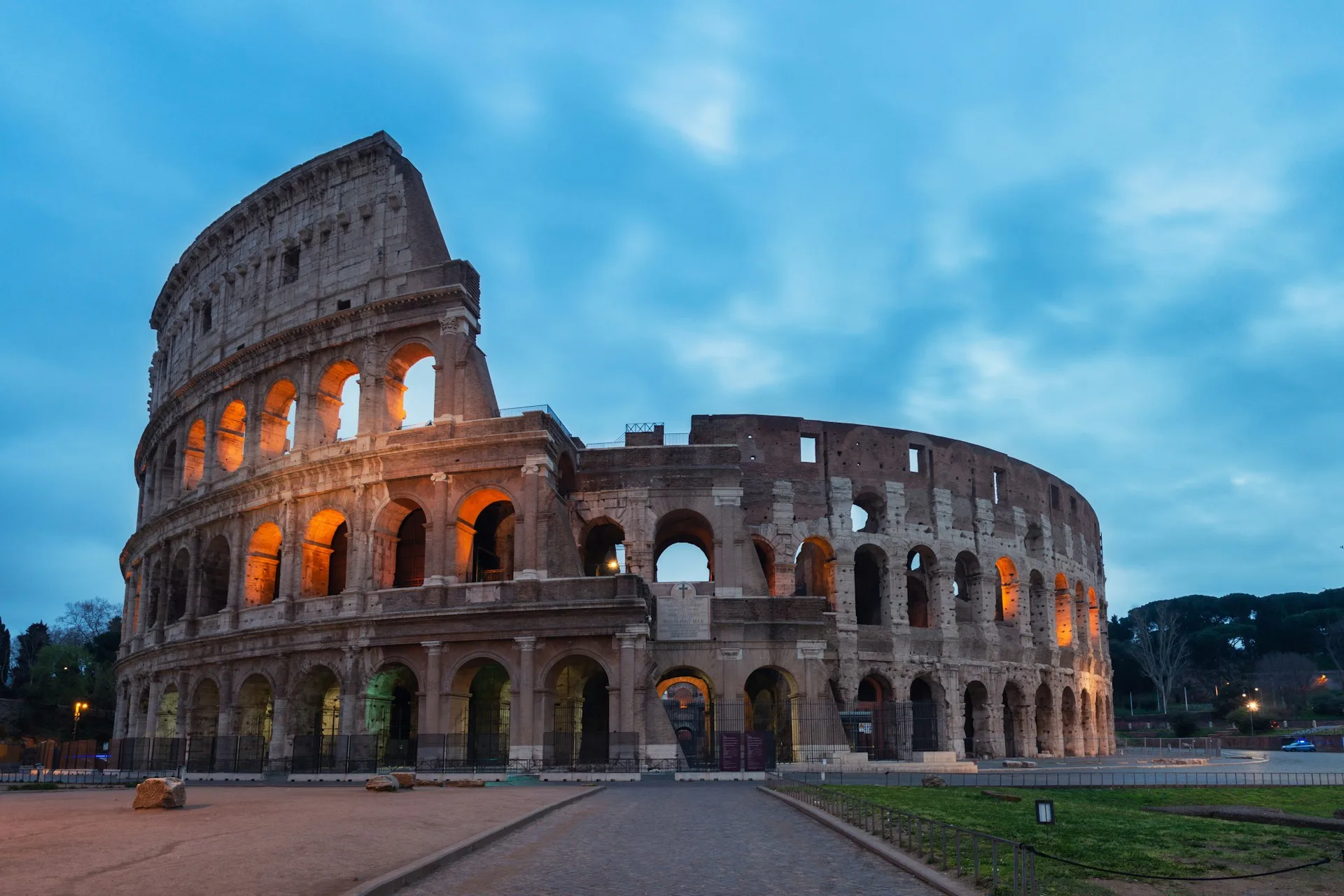
The Eternal City layers nearly three thousand years into a single skyline: the Colosseum and Forum, the Vatican's galleries, and piazzas made for long evenings over pasta and wine.
Region
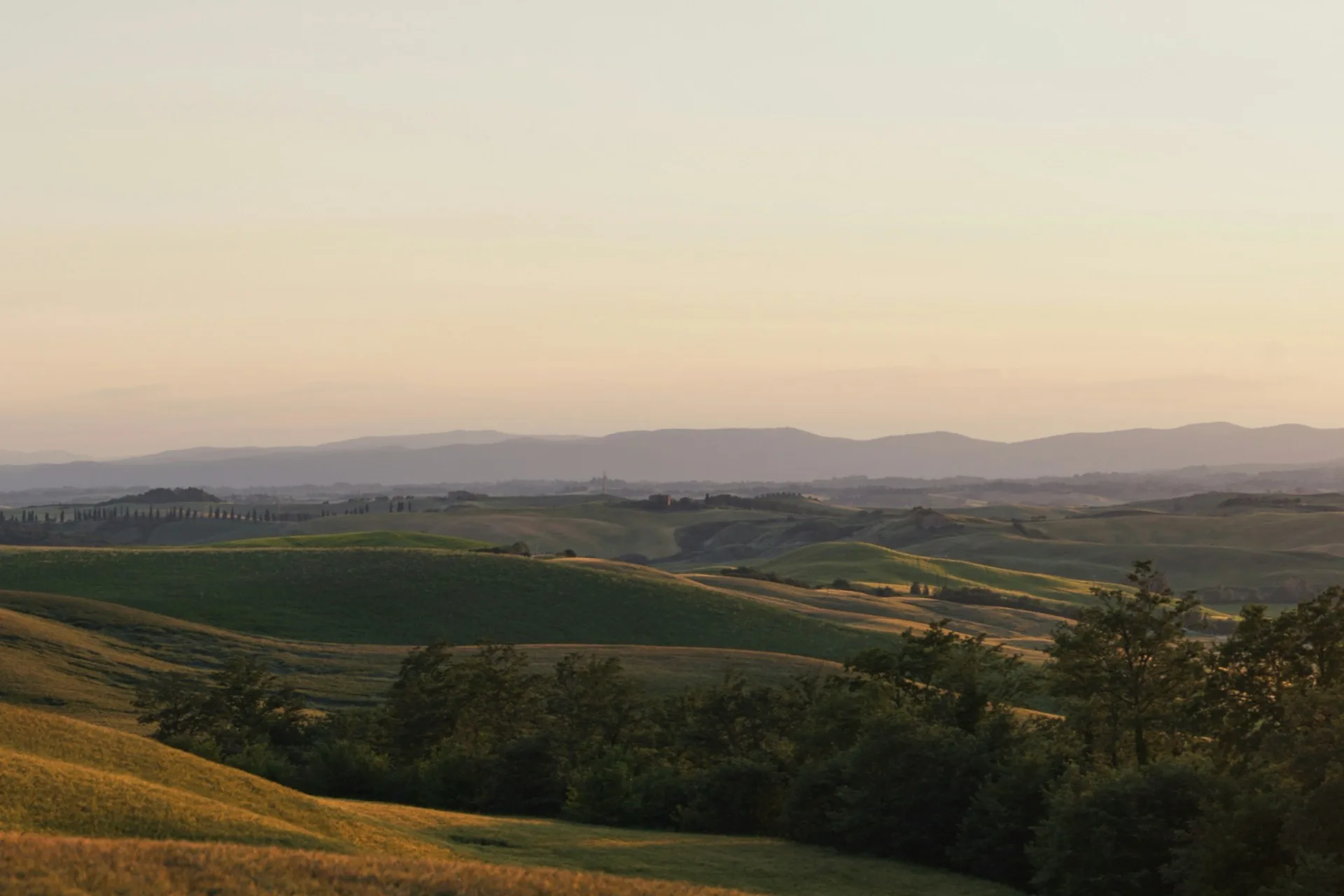
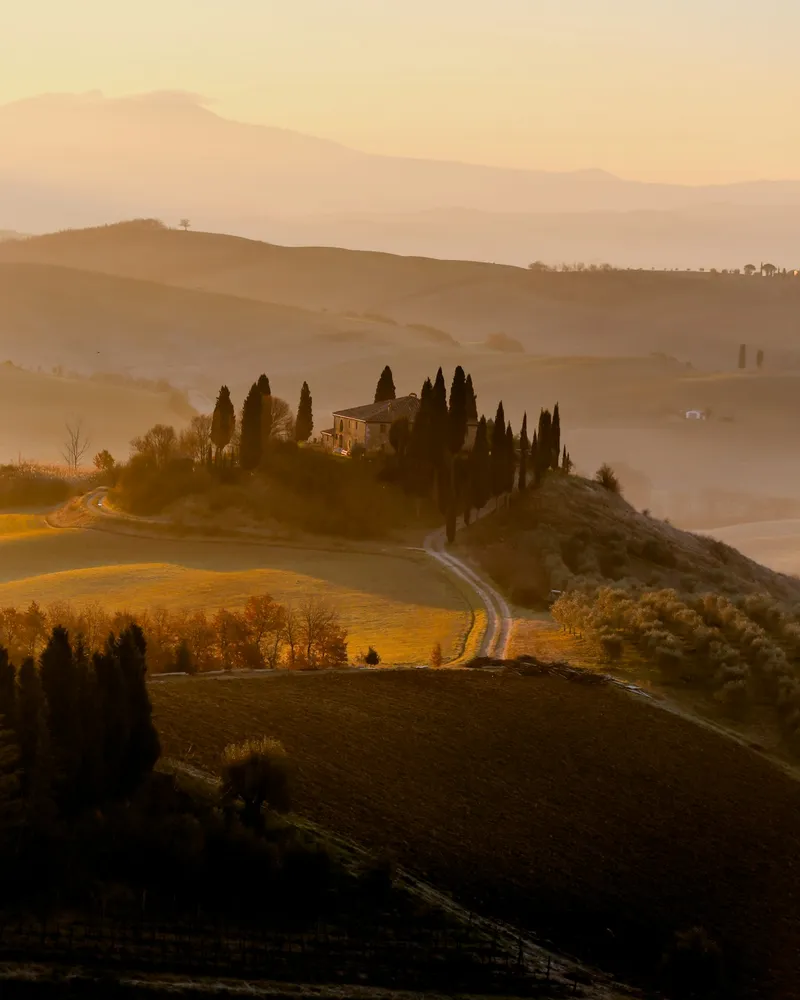
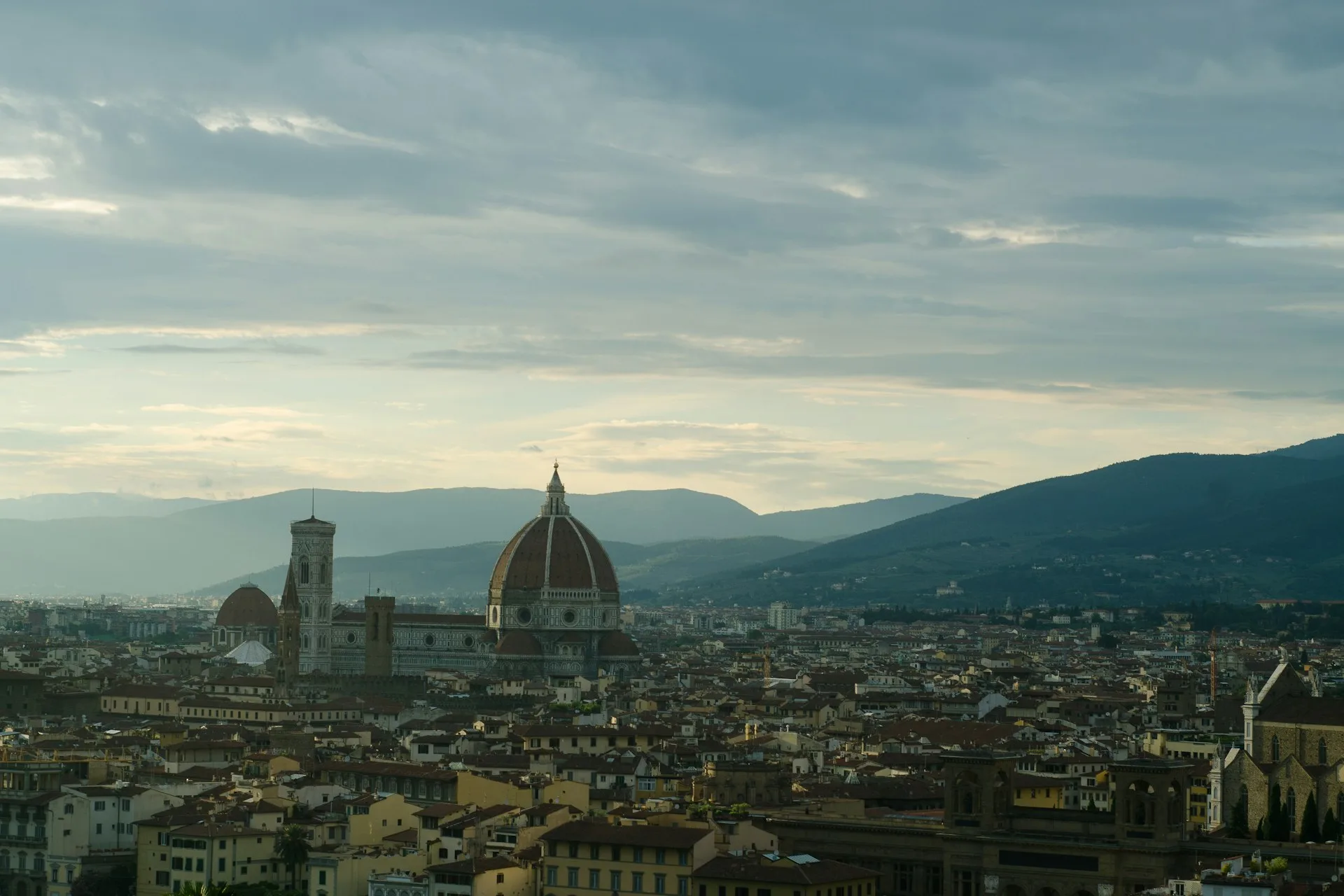
The cradle of the Renaissance, ringed by cypress-lined hills, walled hill towns and some of Italy's greatest vineyards and tables.
Region
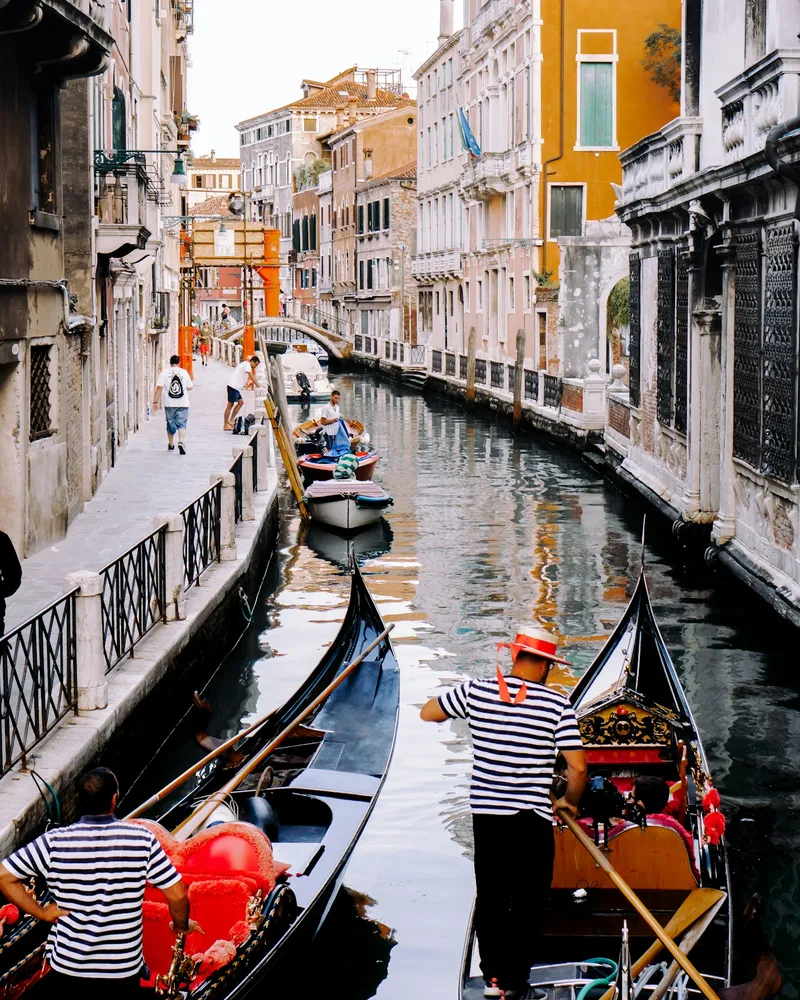
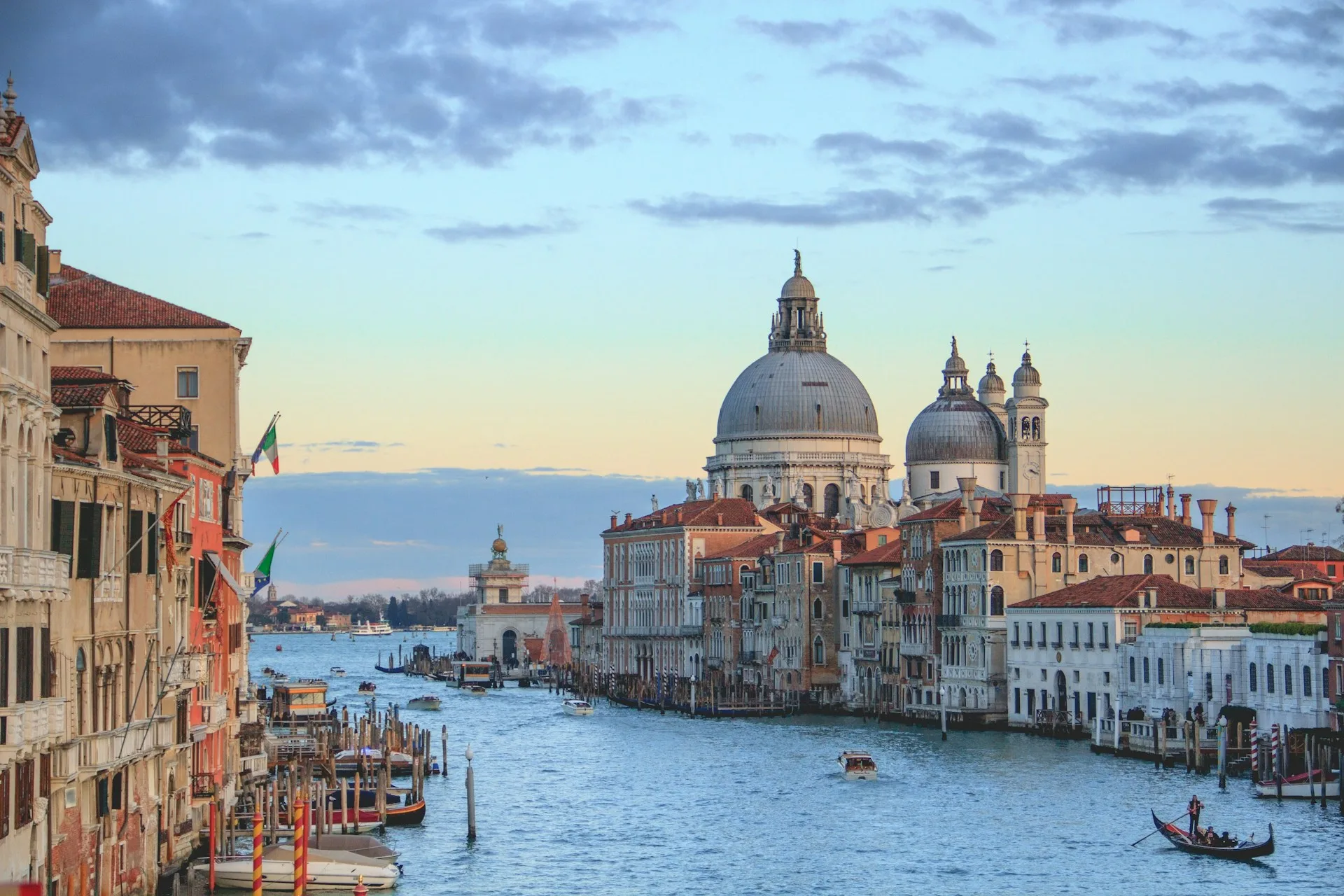
A city built on water, all canals, palazzi and quiet backstreets, with the grand villas and vineyards of the Veneto an easy day beyond.
Region
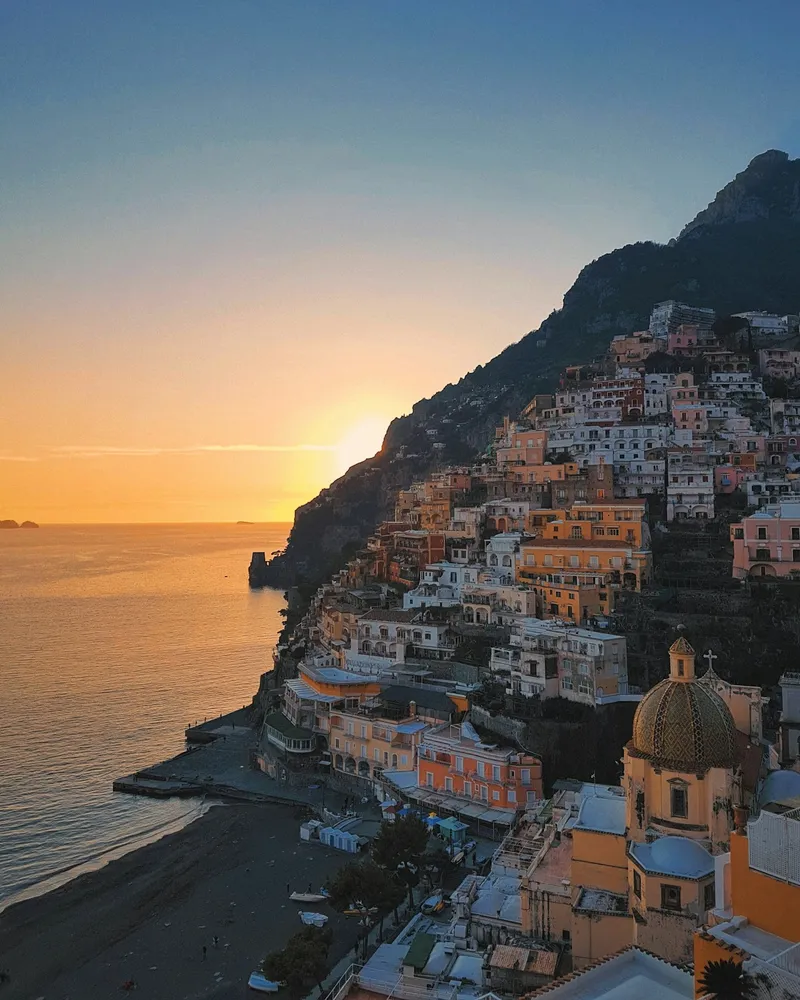
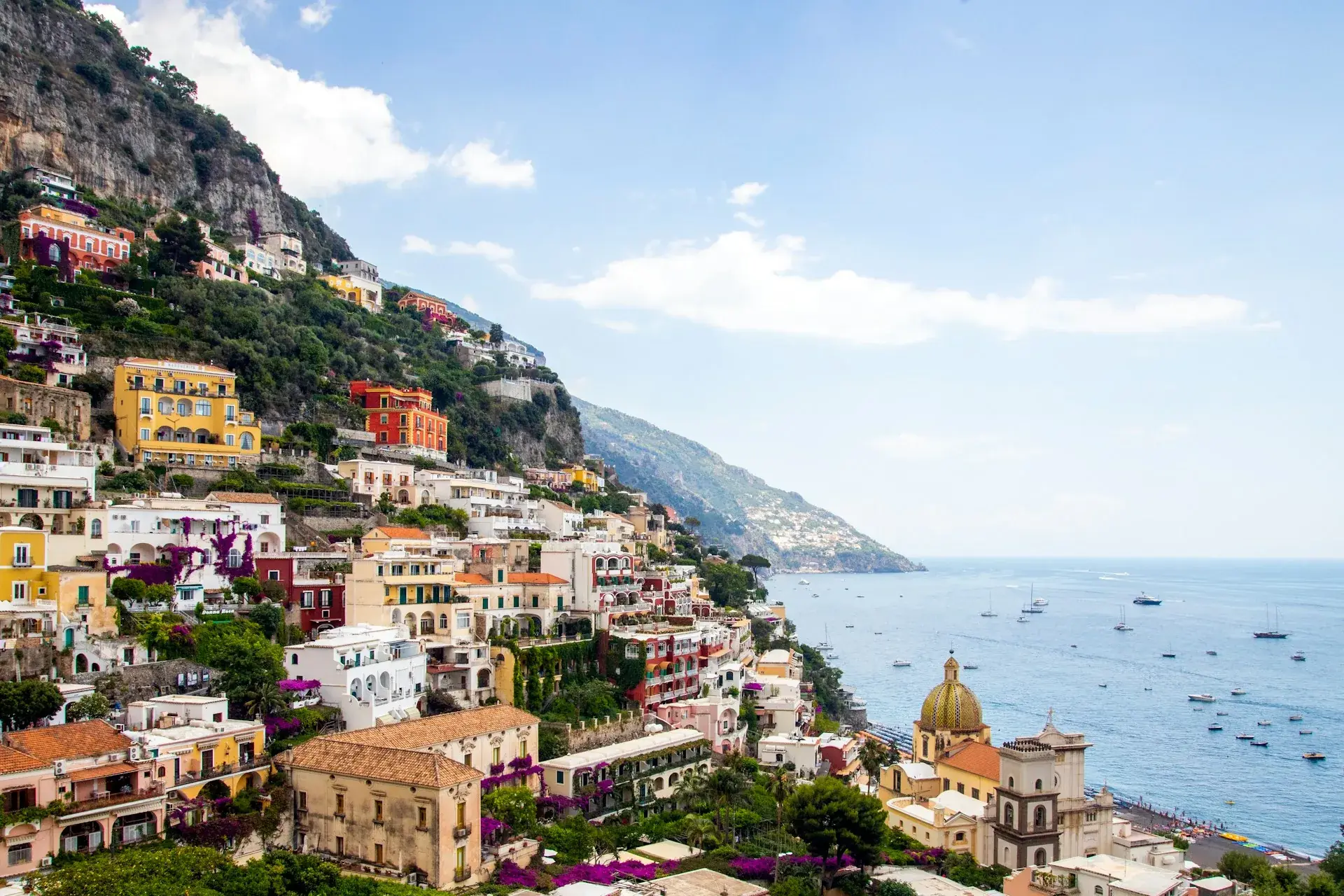
Cliffside villages tumbling to the sea, lemon groves and unhurried lunches, with Pompeii, Naples and the islands of Capri and Ischia close at hand.
Region
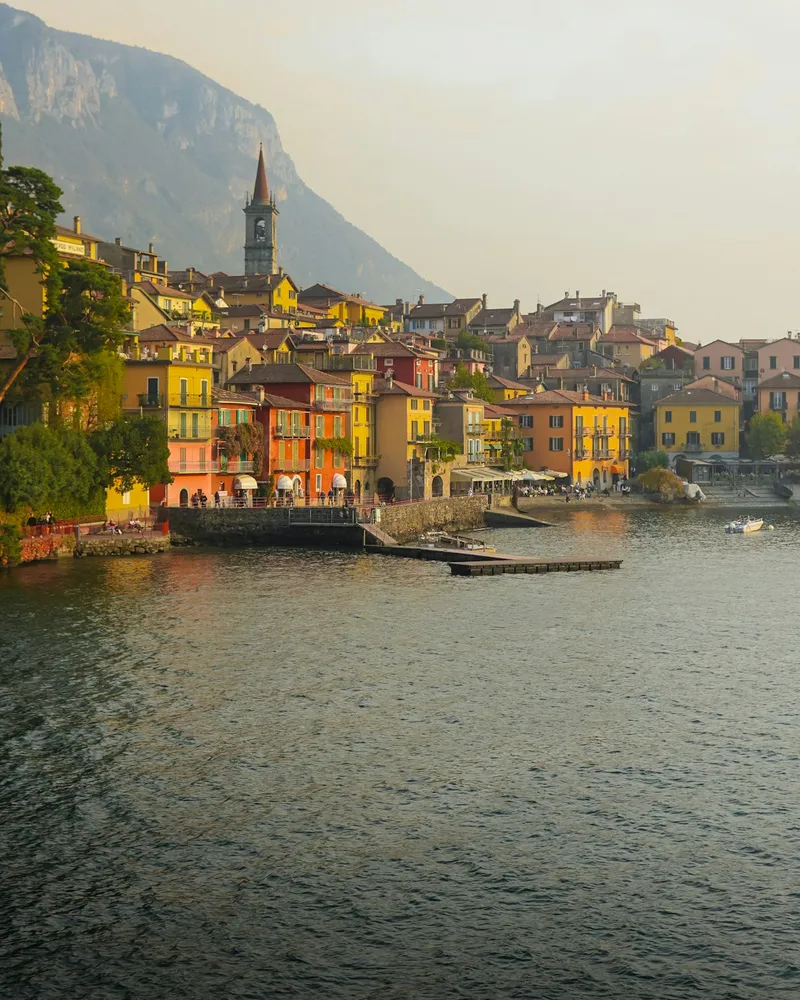
Italy's style capital paired with the serene beauty of Como, Maggiore and Garda, where grand villas and gardens line the shore beneath the Alps.
Region
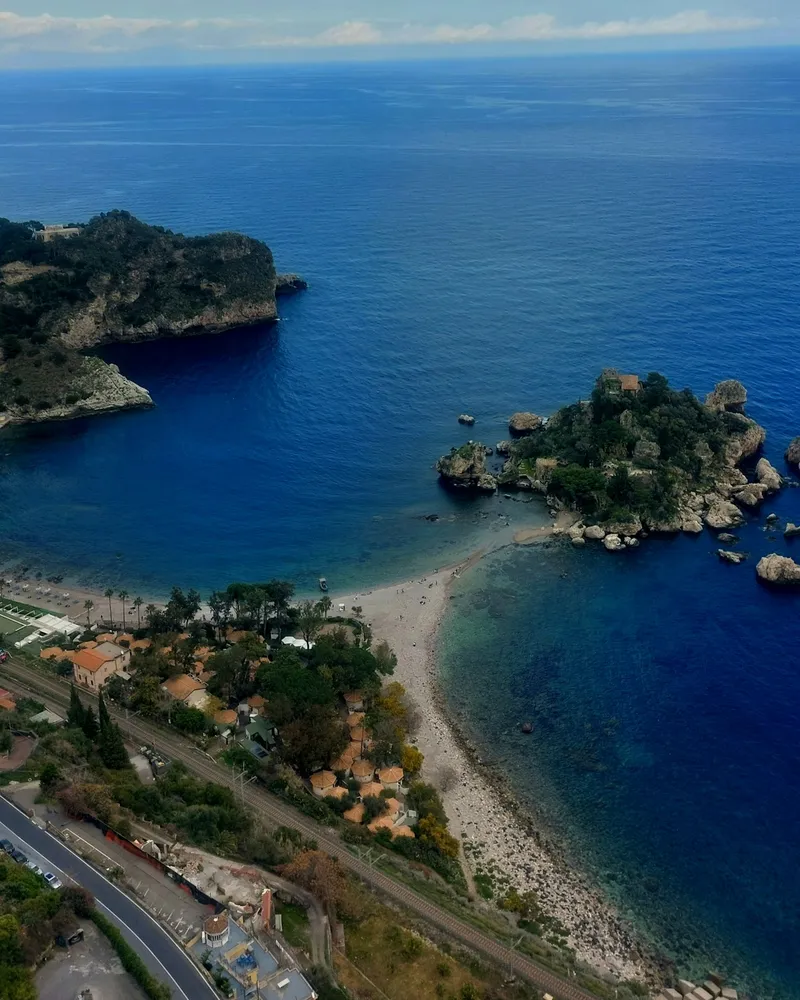
A Mediterranean world of its own: Greek temples, baroque towns, smouldering Mount Etna and a food culture shaped by every civilization that ever crossed the sea.
A sample journey
1 Open in Italy's style capital, then slip up to Lake Como for a day among grand villas, lakeside gardens and slow boat rides beneath the Alps.
2 Lose yourself in the canals and backstreets of Venice, with the Grand Canal at dawn and a day among the villas and vineyards of the Veneto.
3 Renaissance masterpieces in Florence, then out into the cypress-lined hills for vineyard lunches and a walled hill town or two.
4 The Eternal City at your own pace: the Colosseum and Forum, the Vatican, and long evenings in the piazzas over pasta and wine.
5 Finish on the southern coast, with cliffside villages, lemon-scented terraces and a boat day out to Capri, plus Pompeii on the way down.
Every itinerary we build is bespoke: this is a starting point, not a package.
Getting around
Where to stay
Rail tickets, transfers, driver-guides and private boat days on the coast are all arranged as part of every itinerary — the logistics are handled before you arrive.
Good to know
Seven nights lets you pair two cities, say Rome and Florence, or Venice and the lakes, at a comfortable pace. Ten to twelve nights is the sweet spot for a classic north-to-south journey from the lakes or Venice down to Rome and the Amalfi Coast.
Late April to June and September to October are ideal: warm, clear and either side of the summer peak. July and August are hot and busy in the cities but excellent for the lakes and coast, while winter is quiet and atmospheric, with the art cities at their calmest.
Both, and we usually combine them. The high-speed trains are the fastest, easiest way between the major cities, while a private driver or hire car earns its keep in the countryside, Tuscany, the wine roads and the Amalfi Coast, where the journey is part of the experience.
Yes, with the right timing and base. We favor shoulder-season dates, a stay in Ravello or another quieter town, and early or late starts to enjoy the famous spots before and after the day-trippers arrive.
For the Vatican Museums, the Uffizi, the Colosseum and Milan's Last Supper, absolutely. We reserve timed entries and private guides as part of your itinerary so you skip the lines.
From the journal
Destinations
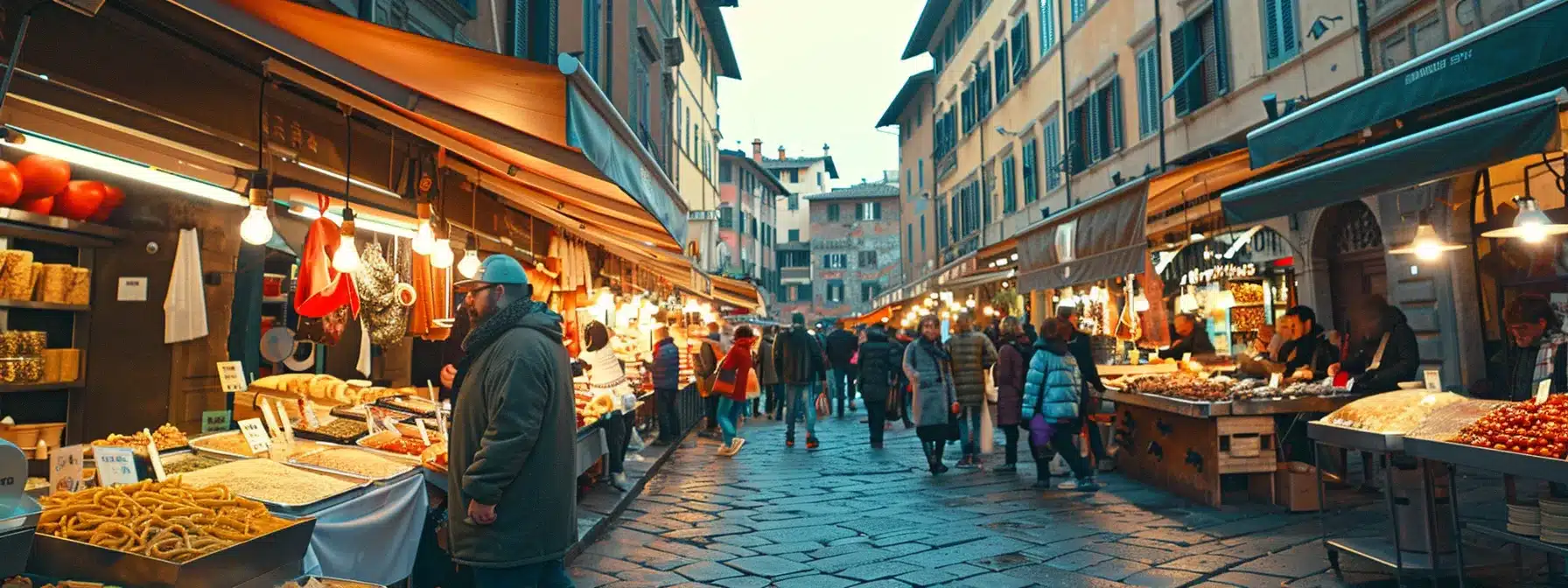
Are you planning a trip to Florence and wondering what dishes to try on food tours? Florence’s culinary scene offers a variety of authentic flavors that reflect Italy’s rich…
Read more →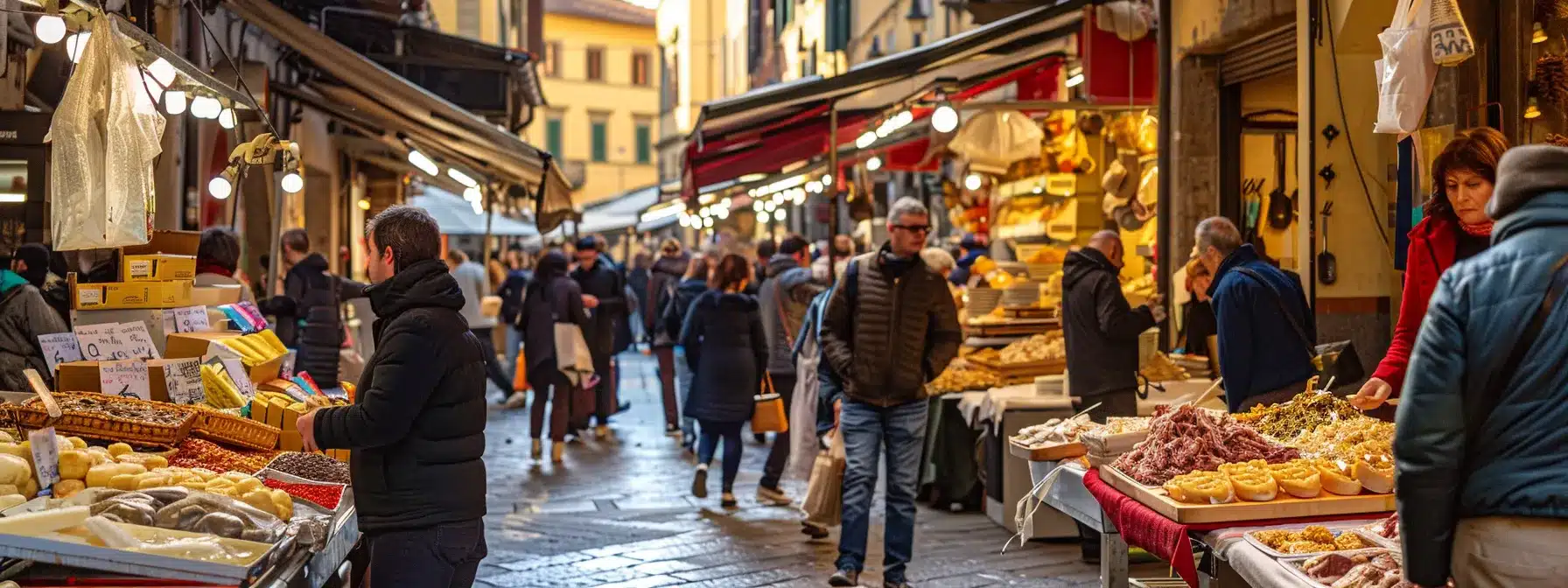
Destinations
Food tours in Florence can vary widely in cost, leaving many travelers unsure about what they should budget. This post will reveal the average price range for these culinary…
Read more →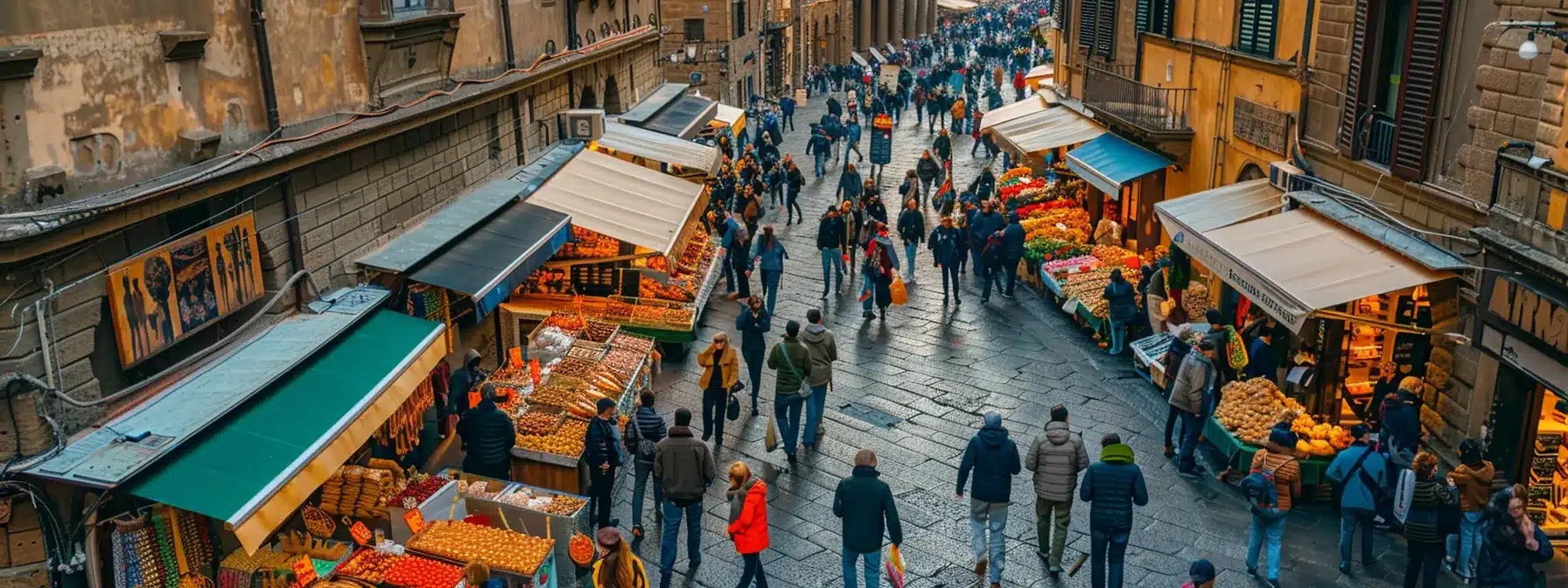
Destinations
Florence is a culinary paradise, renowned for its seasonal food festivals that showcase local flavors and traditions. This post will highlight essential festivals throughout…
Read more →Ways to Explore
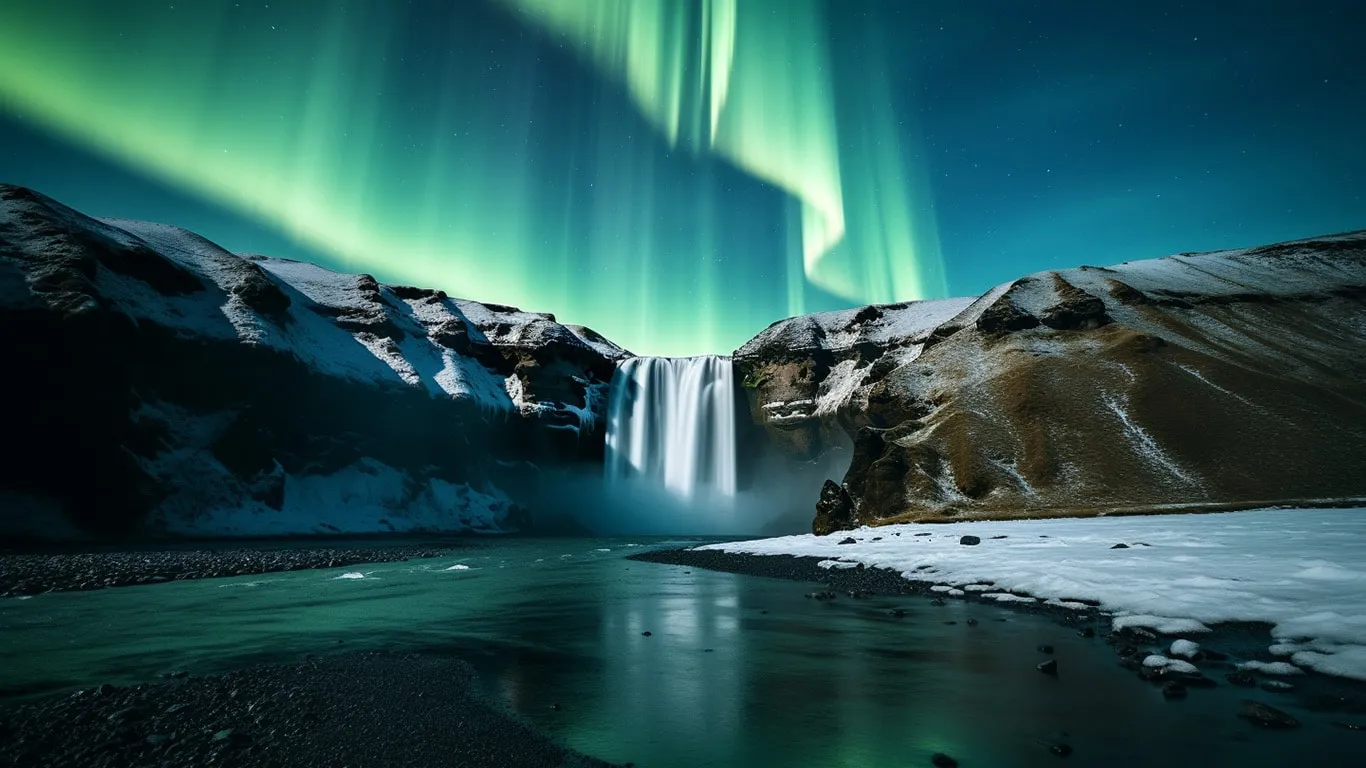
A private journey designed entirely around you, your pace, and your people.
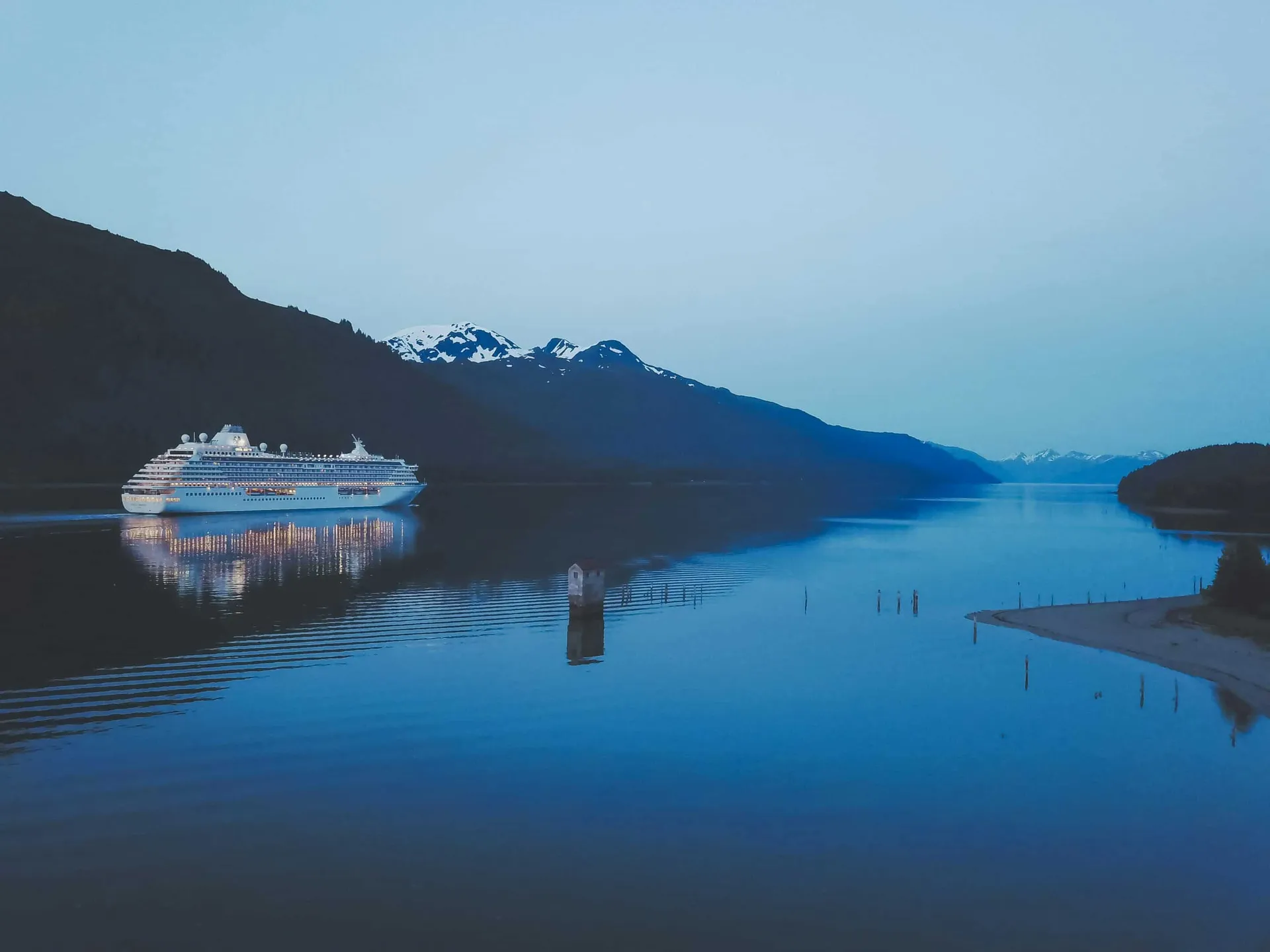
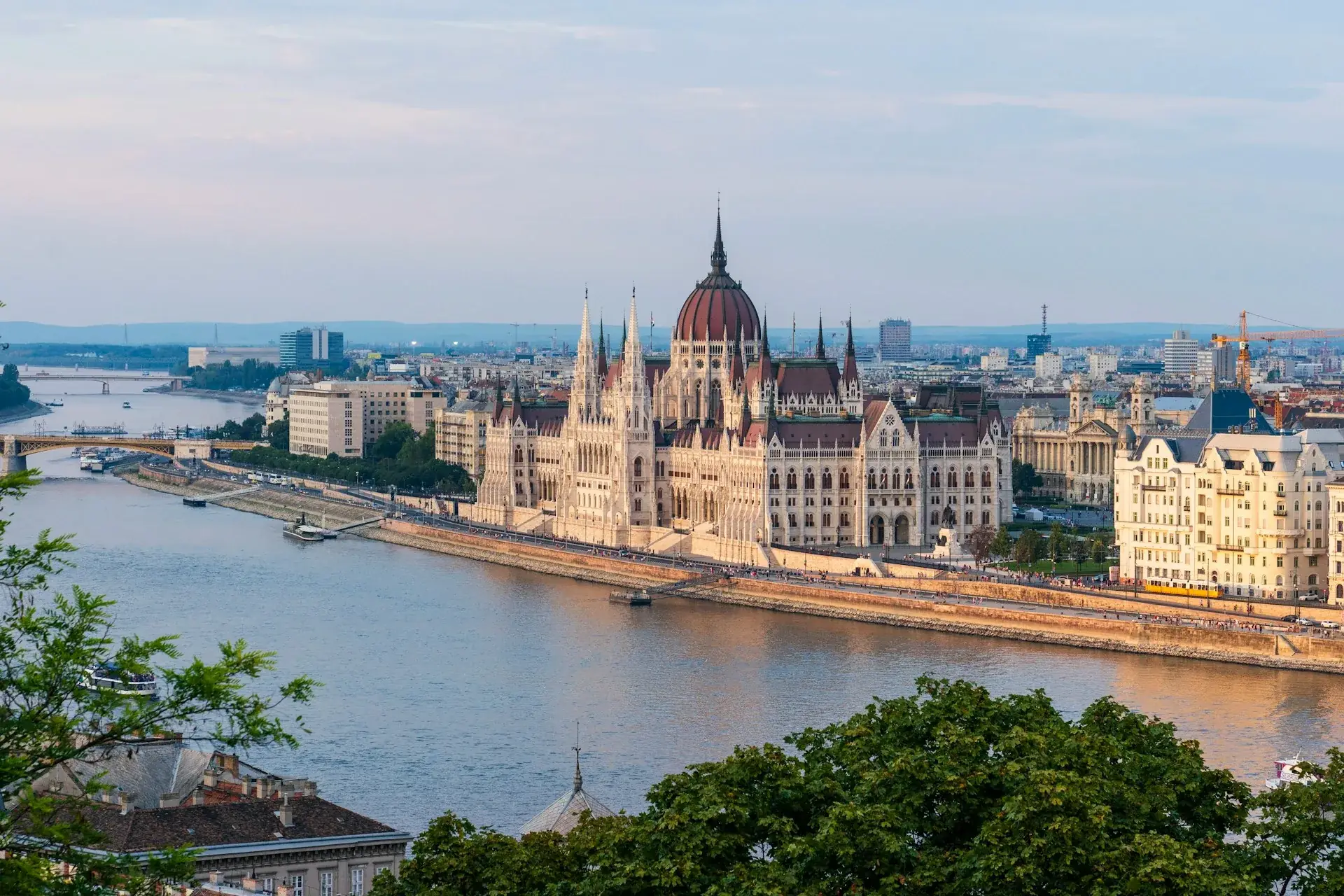
River, ocean and expedition voyages, from the Danube to Antarctica.

Expertly guided, end to end, with the world's finest local operators.
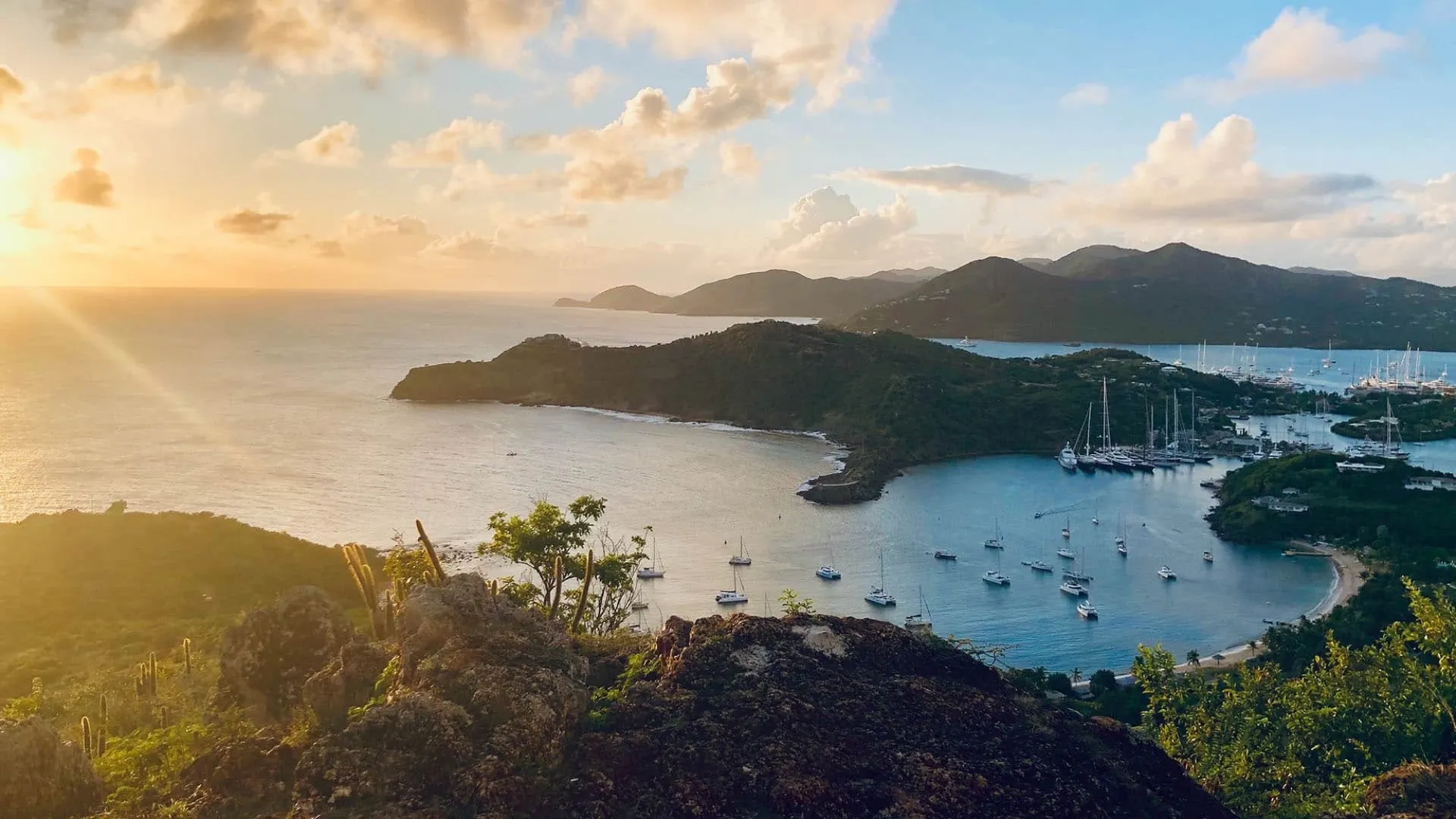
Effortless resort escapes; we cut through the haze to the right one.
Let's begin
Tell us your travel dates and what you love, and we'll handle every detail.
Plan Your TripSearch Chima Travel