
Region
Cairo & Giza
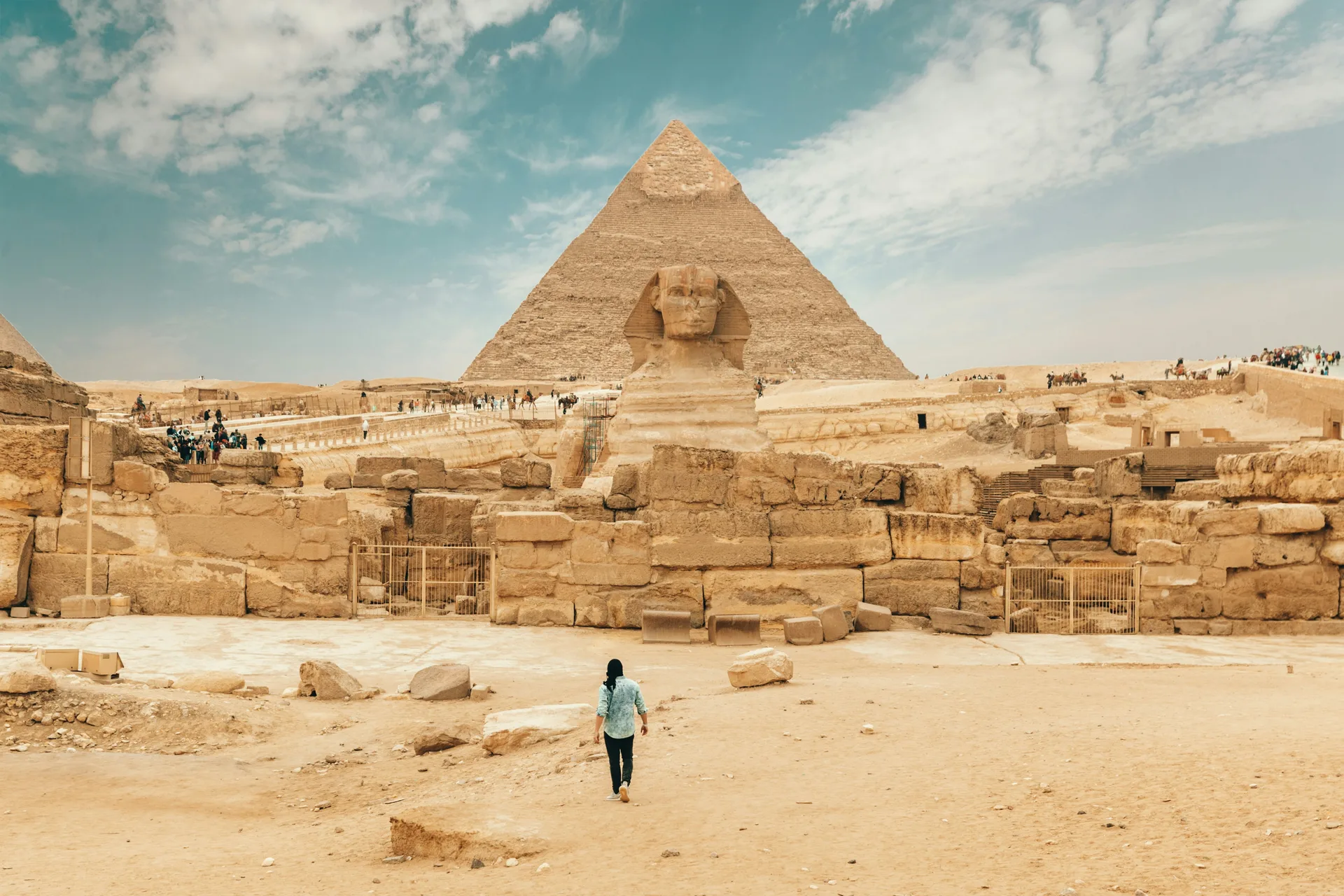
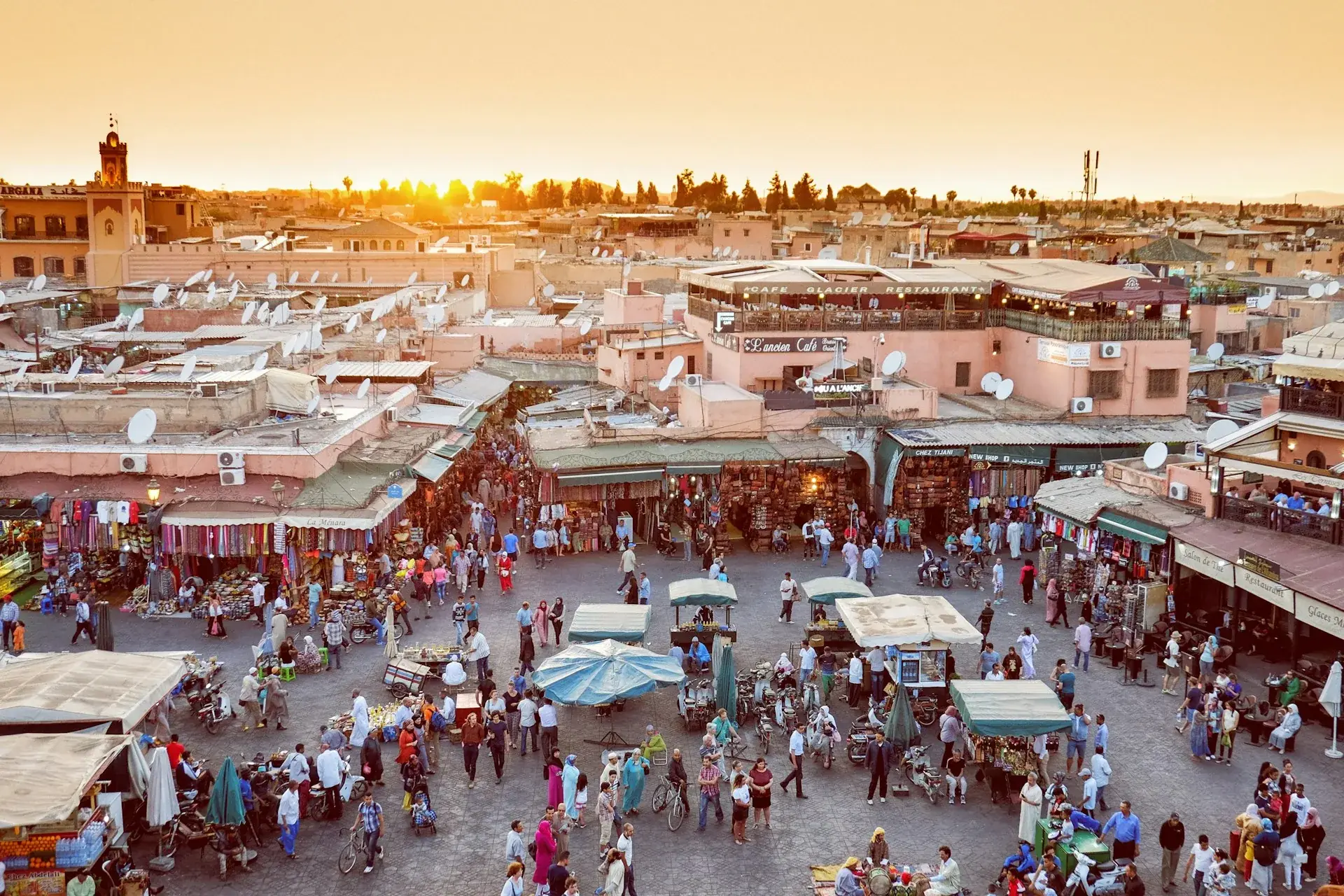
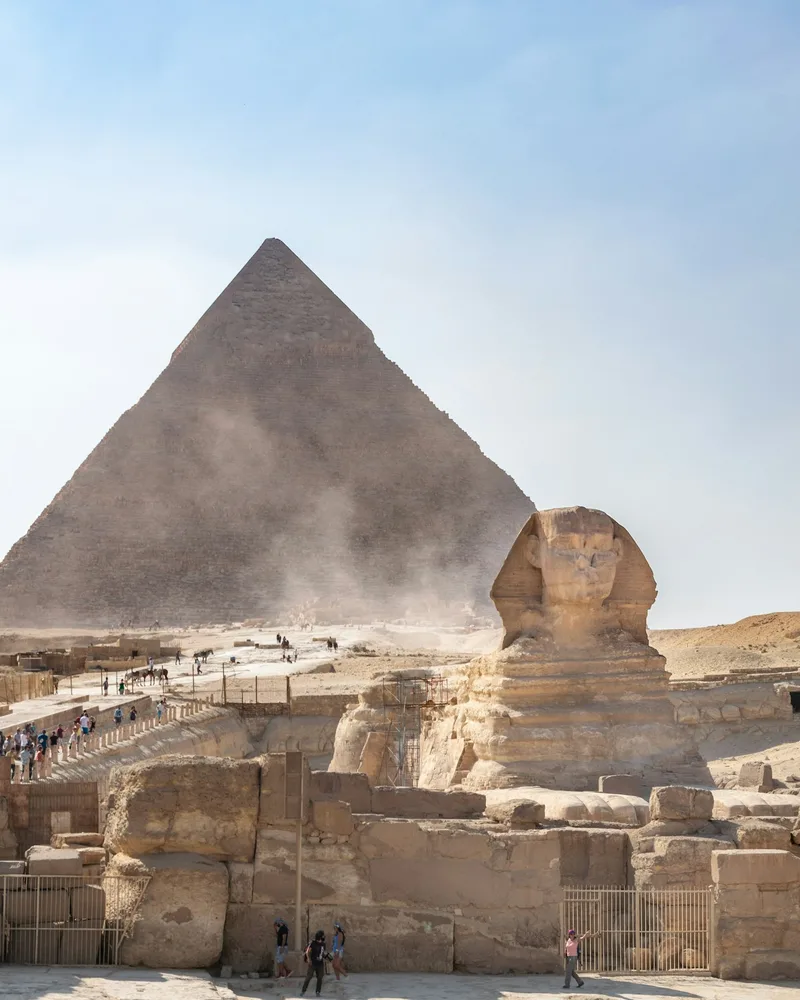
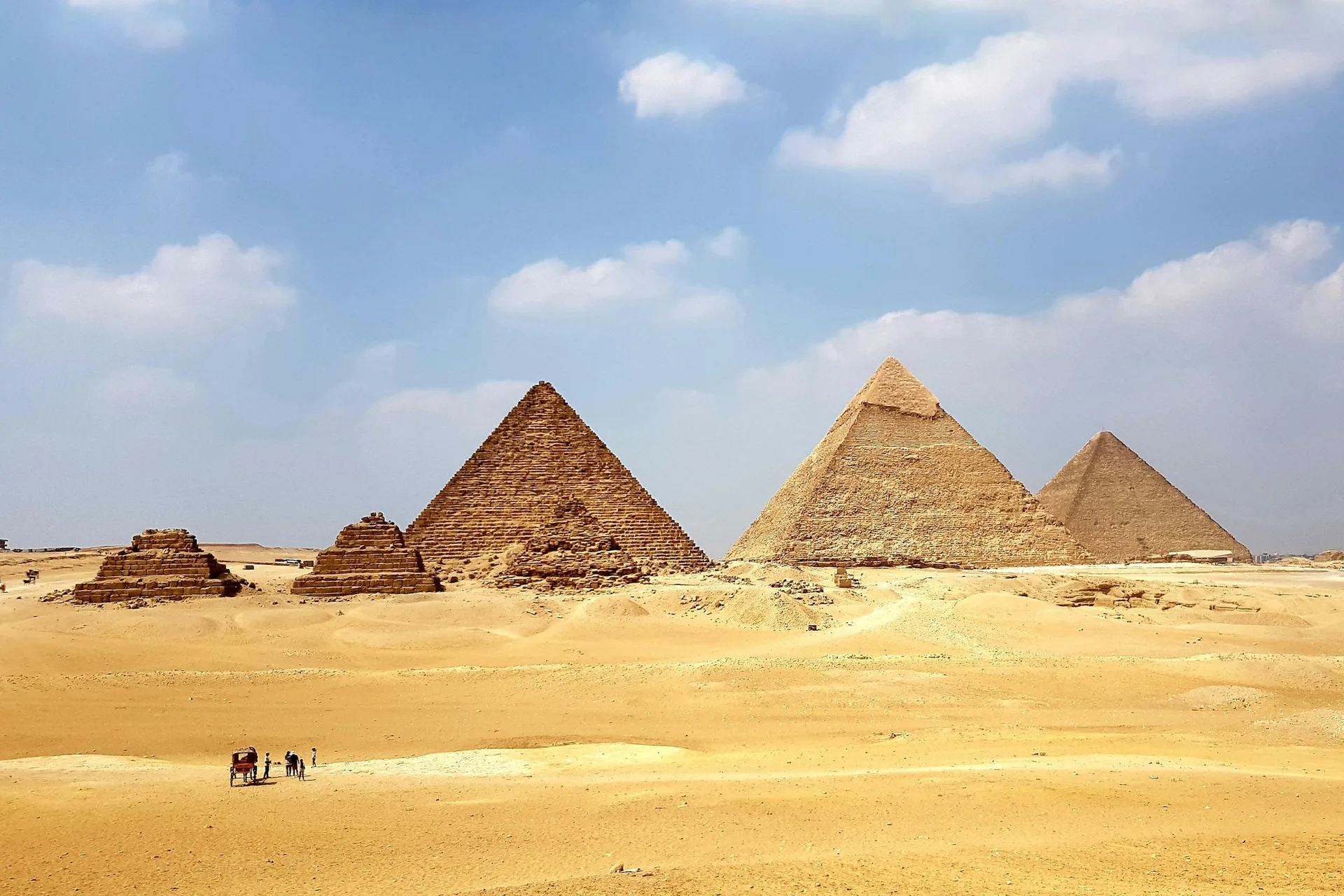
The vast, restless capital and the pyramids on its edge: the Great Pyramid and the Sphinx at Giza, the treasures of the Grand Egyptian Museum, and the minarets and souks of medieval Islamic Cairo.

By Continent
Europe Africa Asia North America South America Caribbean Australia & Oceania All destinationsOverview
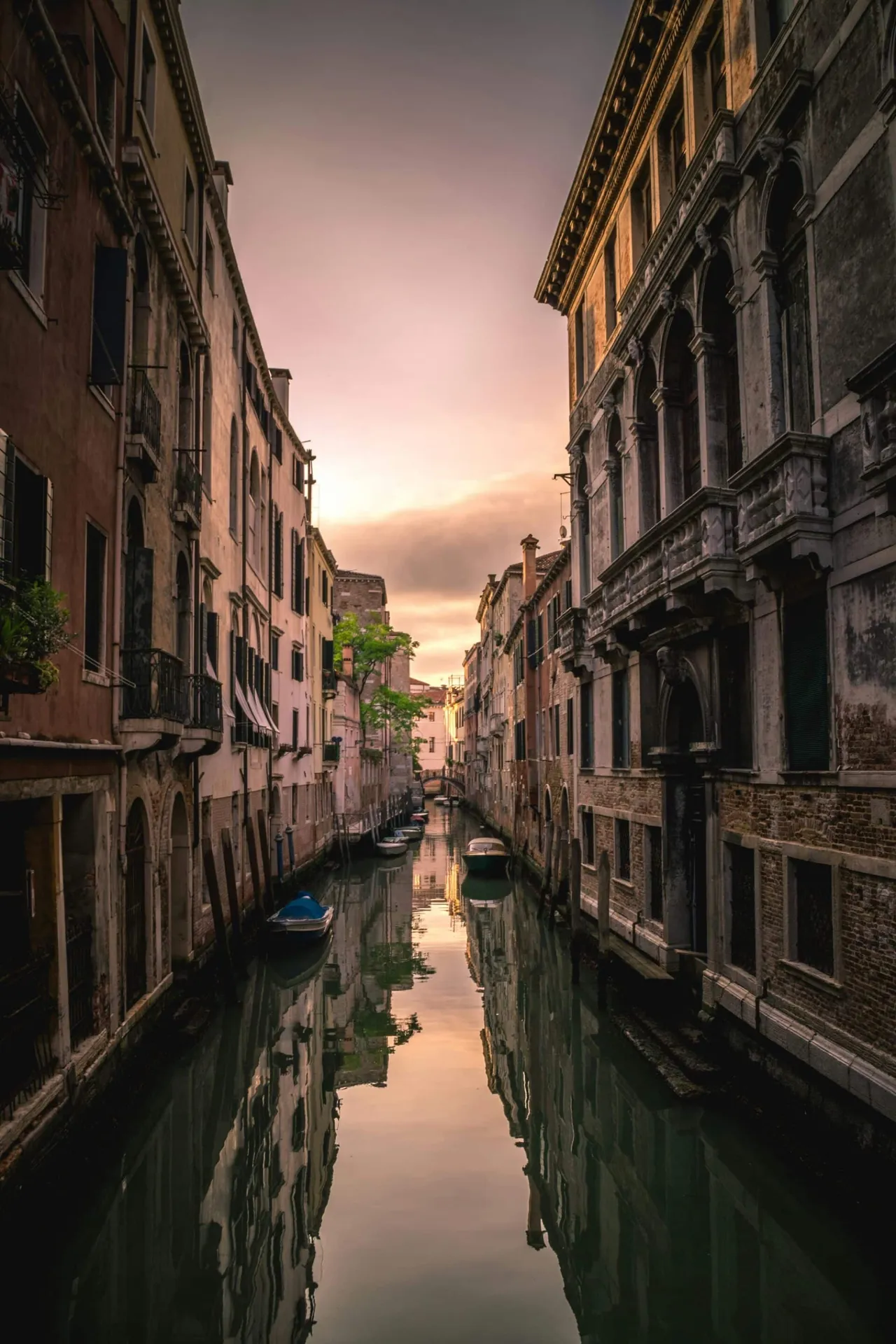
From the canals of Venice to the black-sand coasts of Iceland, Europe rewards the curious traveler with centuries of art, architecture and unforgettable flavor, all within easy reach of one another.
View all EuropeOverview
From the dunes of the Sahara to the great plains of the Serengeti, Africa is a continent of staggering scale and singular encounters: a place where landscape, wildlife and culture meet at full intensity.
View all AfricaDestinations
Overview
Vast and varied, Asia spans snow-capped peaks and tropical coasts, neon megacities and silent temples. It is a continent that rewards both the first-time traveler and the lifelong returnee.
View all AsiaFeatured
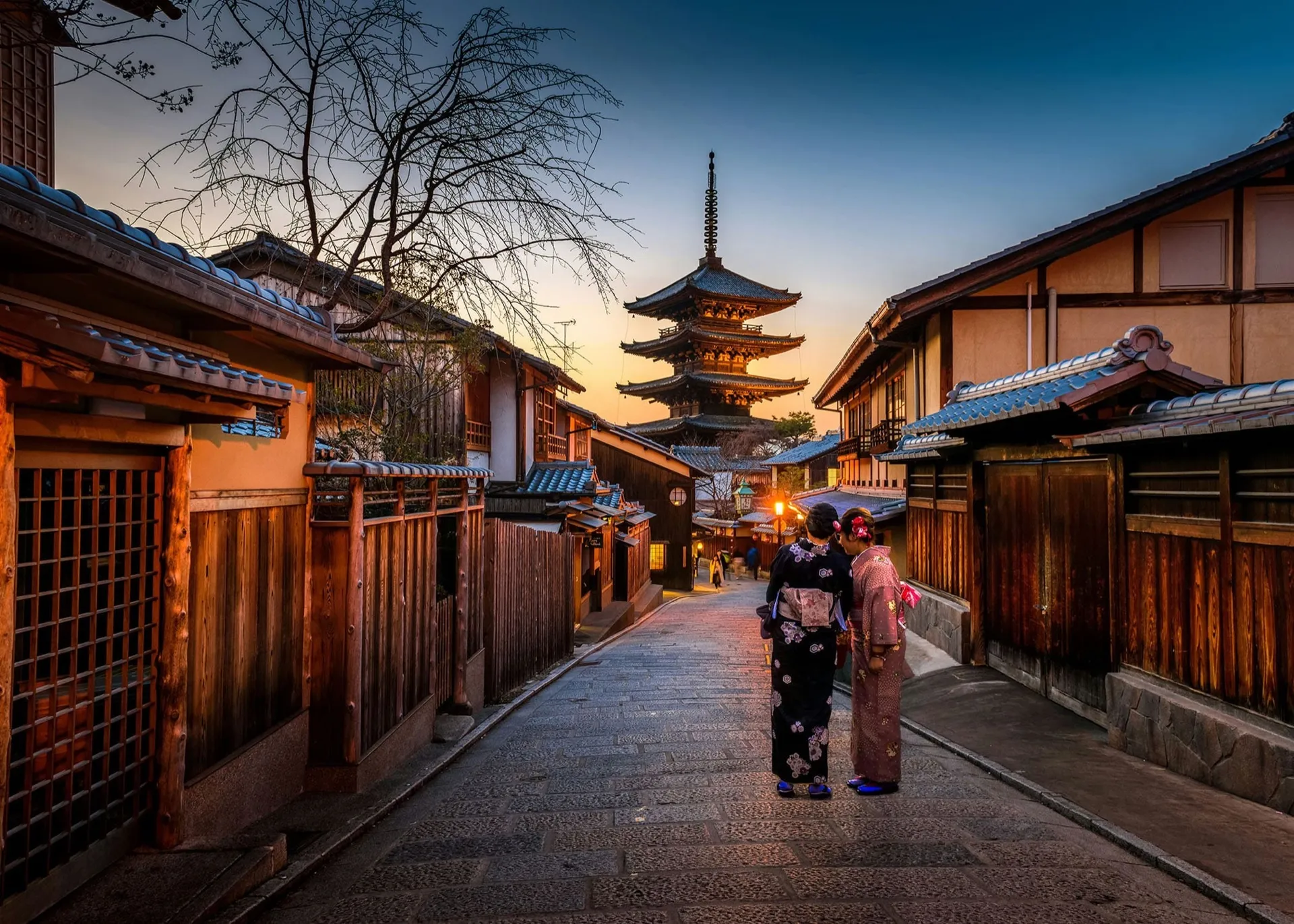 Japan · signature experience Kyoto
 Overview
Close to home and endlessly varied, North America ranges from desert canyons to alpine national parks, from world cities to quiet coastal towns: a continent that contains a dozen vacations within a single border.
View all North AmericaDestinations
Overview
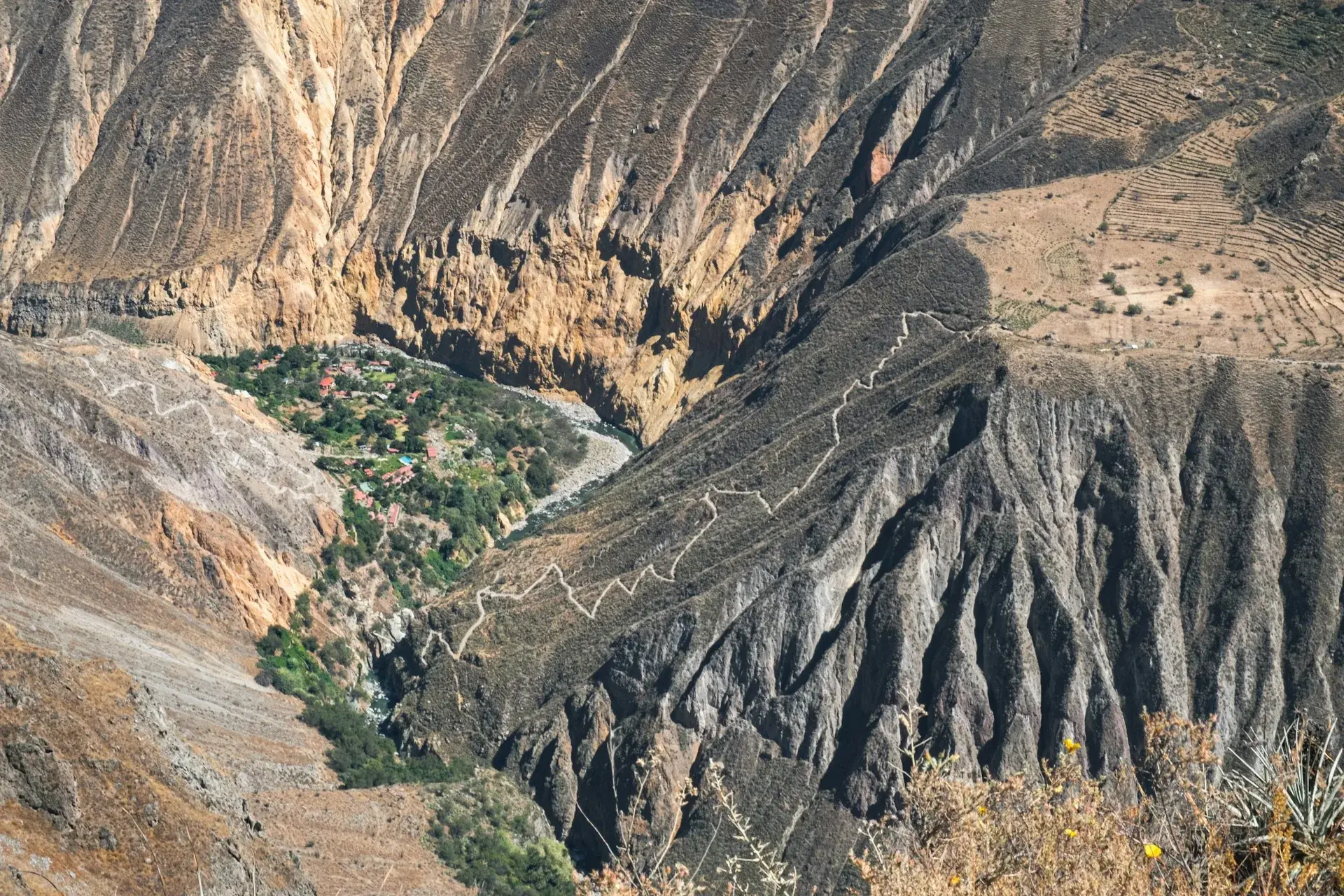
A continent of extremes, from the high Andes and the vast Amazon to glacial Patagonia and the rhythm of its cities, South America rewards the adventurous traveler with some of the planet’s most dramatic scenery and deepest history.
View all South AmericaOverview
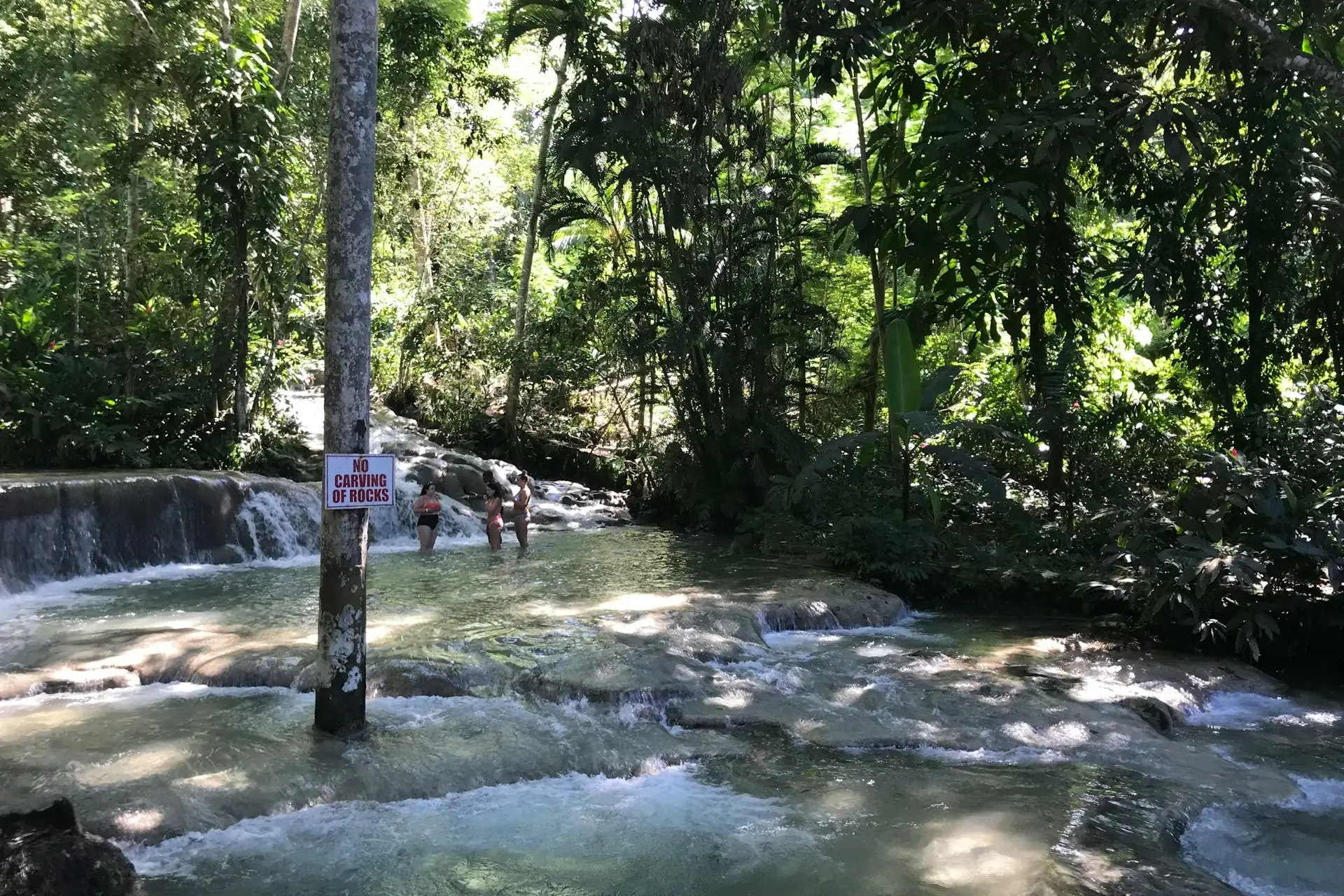
A scattering of islands across impossibly blue water, the Caribbean is the art of the easy day perfected: white sand, warm rhythm and hospitality that turns first-time visitors into lifelong returnees.
View all CaribbeanDestinations
Overview
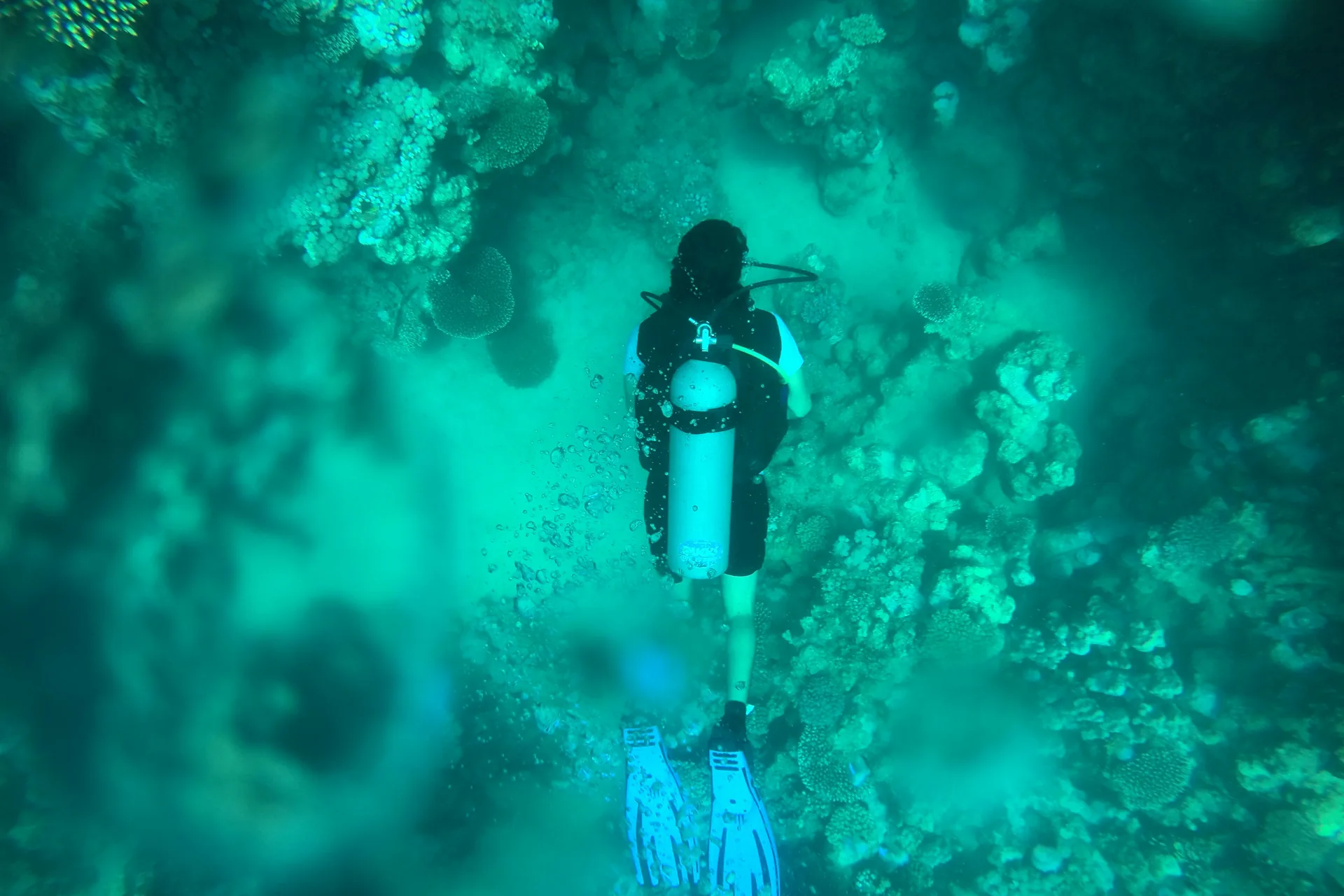
From the Great Barrier Reef to the red heart of the outback, from the fjords of New Zealand to the scattered atolls of the South Pacific, Australia & Oceania offer some of the most remote and rewarding travel on earth.
View all Australia & OceaniaDestinations
Est. 1918 · four generations · 38 countries
How You Travel
River Cruises Ocean & Small-Ship Expedition Flights Tours & Escorted All-Inclusive All travel experiencesFeatured
 The Danube
 Featured
 The Caribbean
 Featured
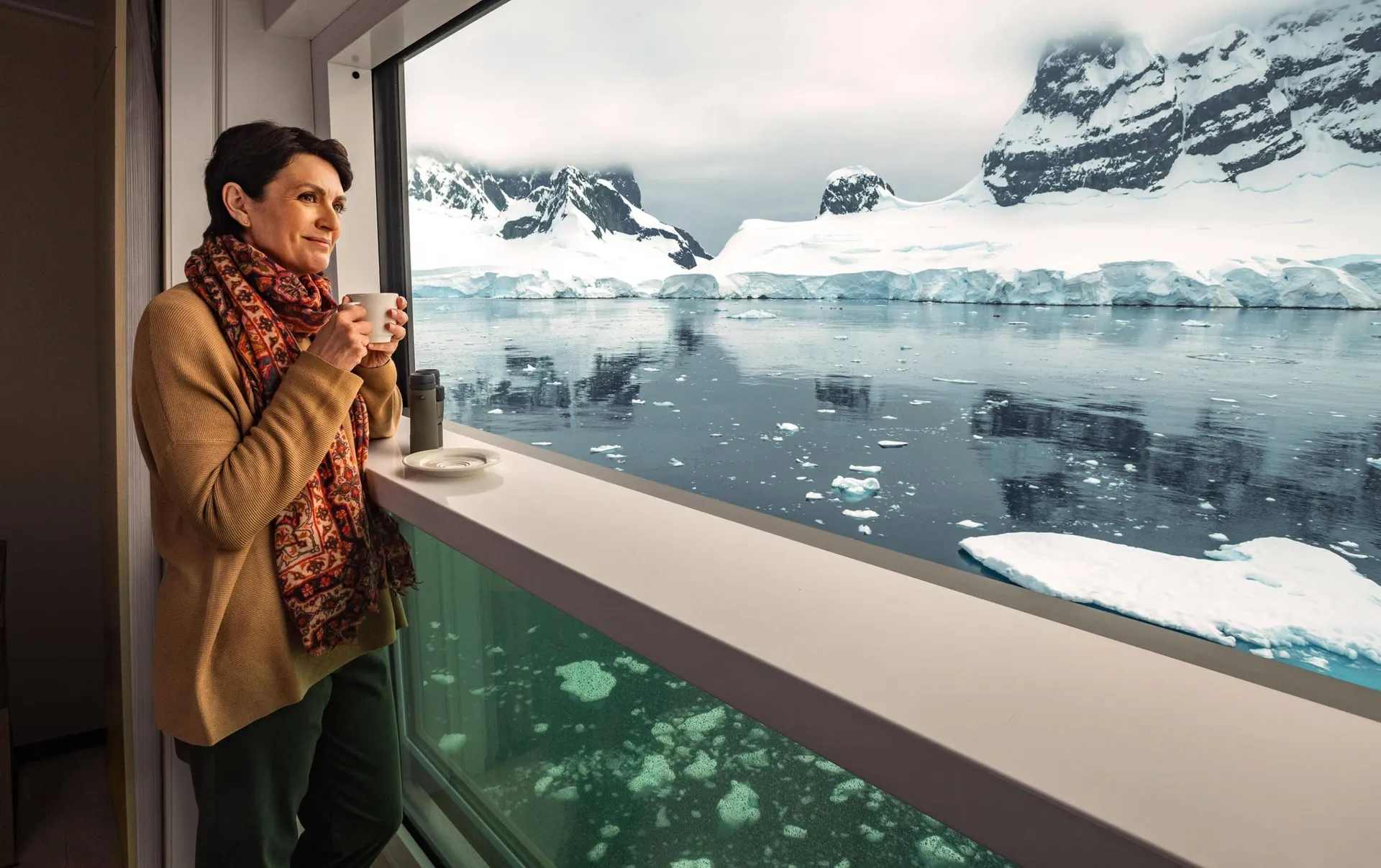 Antarctica
 Overview
Premium-cabin fares, complex routings and around-the-world tickets, booked by people who fly for a living.
Explore flightsFeatured
 Flights
 Overview
Expertly guided group departures and private escorted itineraries across the world's great regions.
Explore tours & escortedFeatured
 Tours & Escorted Journeys
 Overview
Beach and luxury all-inclusive escapes where flights, meals and more fold into a single, easy fare.
Explore all-inclusiveFeatured
 All-Inclusive Resorts
 River, ocean & expedition cruises · flights · tours · all-inclusive
Corporate travel
Destinations · Africa
The pyramids, the temples of the Nile & timeless desert light.
The country
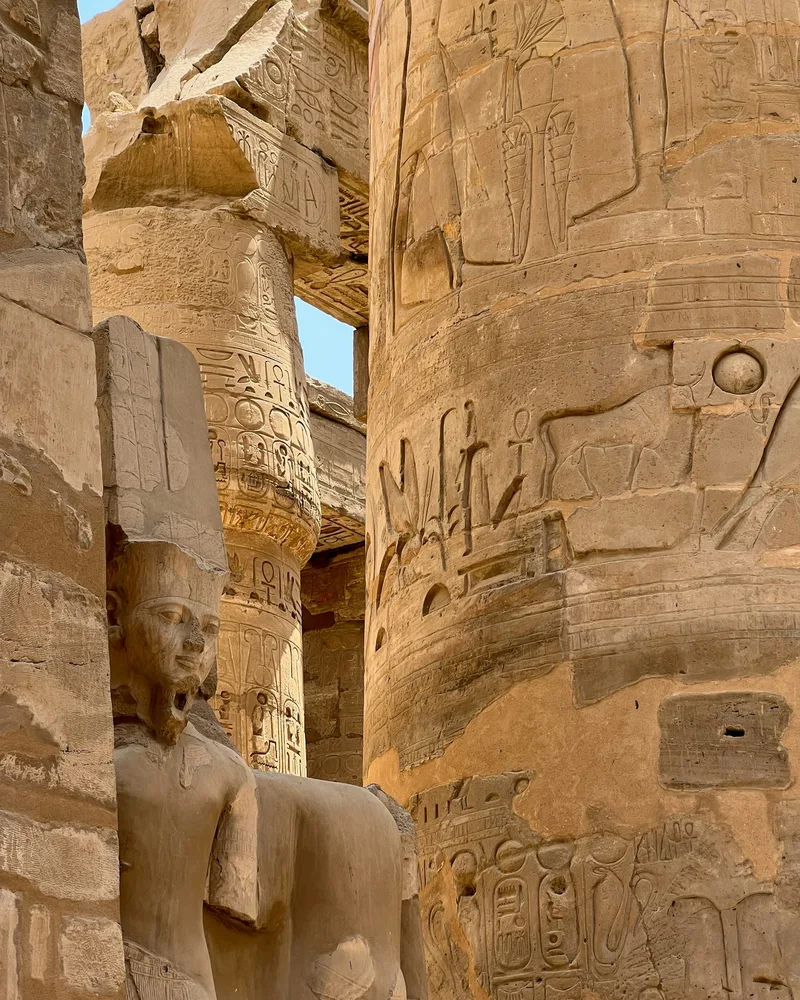
Few places on earth carry their history as visibly as Egypt. In a single trip you can stand in the shadow of the Great Pyramid at Giza, walk the towering colonnades of Karnak as the morning light slants through, and descend into a painted royal tomb in the Valley of the Kings that has waited more than three thousand years for you to arrive. This is travel on an epic, civilization-deep scale, and it never stops feeling like a privilege.
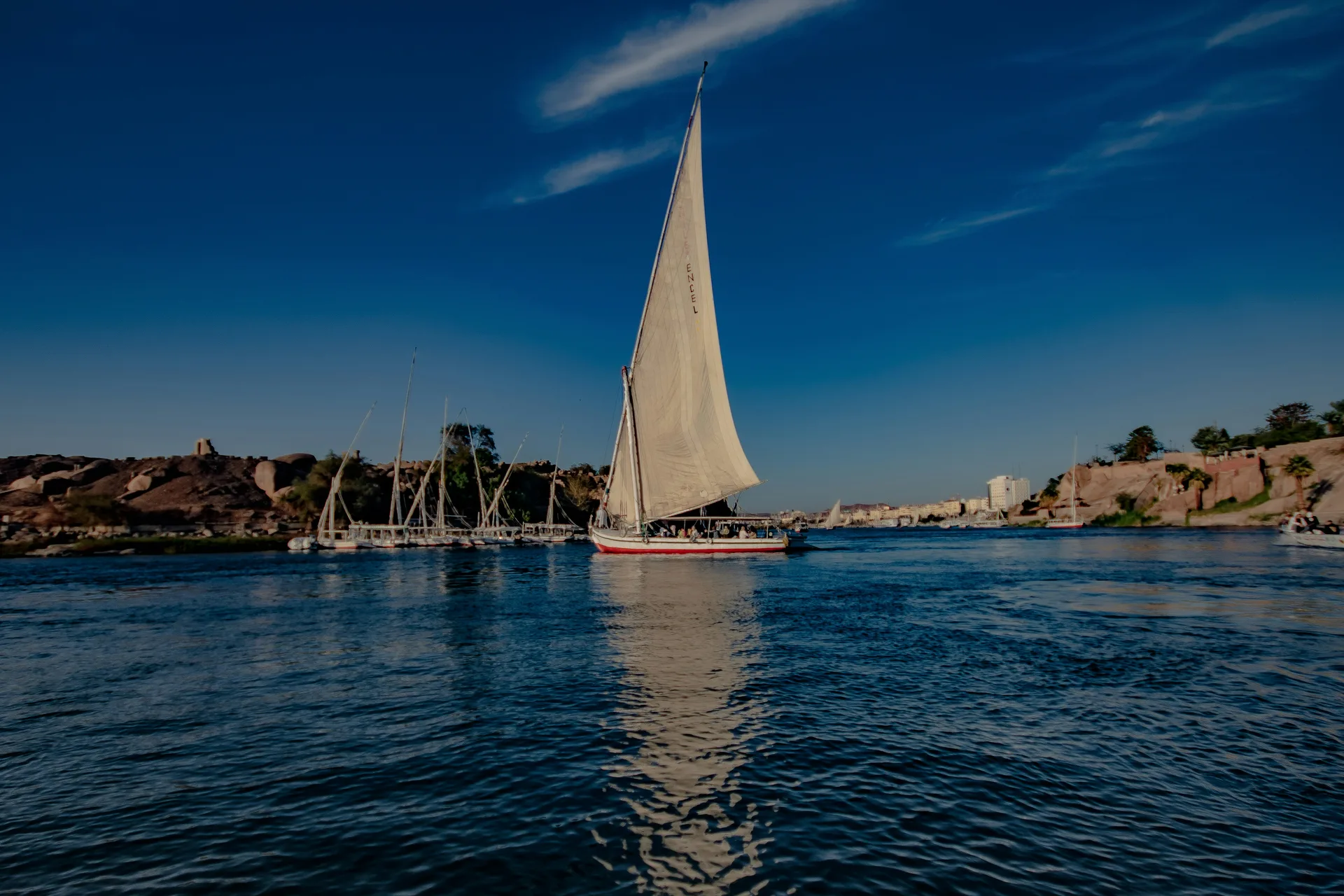
Yet Egypt is also a living country, and the modern rhythms are half the pleasure. Mornings begin with mint tea and the call to prayer drifting over Cairo's rooftops; afternoons drift past in the souks and coffeehouses of the old city; and evenings settle along the Nile, where feluccas lean into the breeze and the desert turns rose and gold at dusk. The great monuments anchor the trip, but the everyday warmth of the people is what travelers tell us about long after they come home.
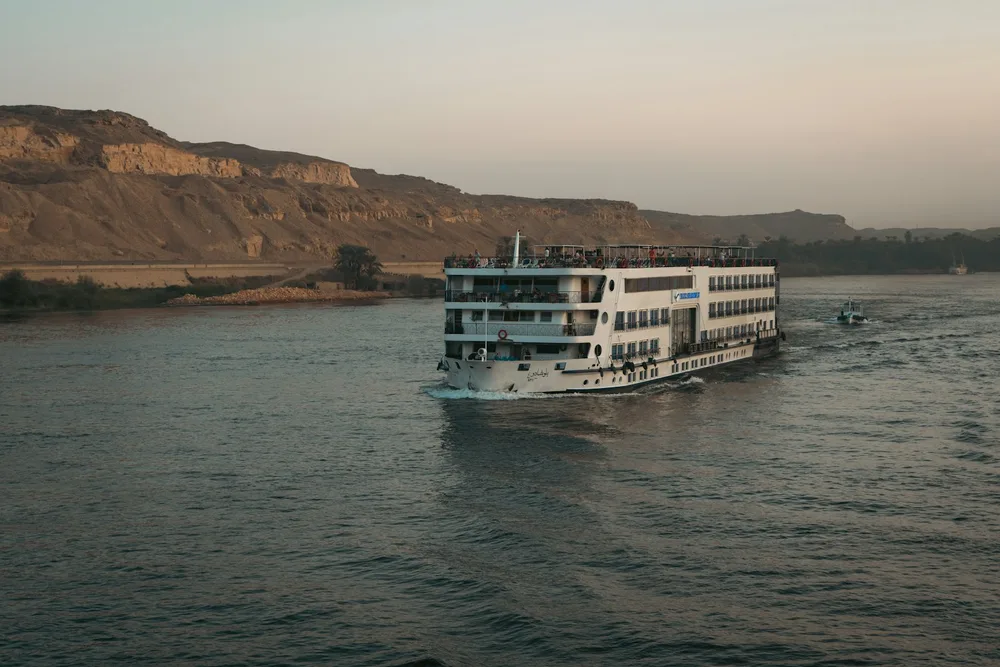
The Nile is the thread that ties it all together, and a Nile cruise is the classic, unhurried way to link the temple cities of Luxor and Aswan, with the riverbank life and the ruins gliding past your deck. You can read more on our Nile river cruises page. However you want to travel it, we design Egypt itineraries that balance the headline wonders with the quieter moments in between, so each stop has room to breathe.
When to go
Egypt's calendar comes down to one thing: the heat in Upper Egypt. Luxor and Aswan are glorious in the cool half of the year and punishing in high summer, and we time the Nile around it. This is the year as we'd sketch it across the desk.
Our favorite window: the fierce summer heat breaks through September into October, the desert days turn warm and clear, and the great sites of Luxor and Aswan are comfortable to explore for hours. Ideal for the full Cairo-to-Aswan journey.
Warm, sunny days before the heat builds in earnest, with the Nile at its loveliest and the temples glowing in the spring light. By May the afternoons turn hot in the south, so we start early; a superb stretch for the pyramids, a river cruise and Abu Simbel.
The coolest months, pleasant by day and chilly after dark in the desert and on the river. Cairo and the Red Sea coast stay mild, though Upper Egypt mornings call for a layer or two.
High summer is very hot, especially in Luxor, Aswan and the desert, where afternoons can be punishing. We lean toward early starts, the breezier Red Sea coast and the Mediterranean shore at Alexandria if you travel now.
Where to go
Egypt unfolds along its river, from the great capital in the north to the temples of the south and the coasts on either side. These are the regions we weave together most often, each with its own treasures and pace, and we shape the route around the rhythm you have in mind.
Region
The vast, restless capital and the pyramids on its edge: the Great Pyramid and the Sphinx at Giza, the treasures of the Grand Egyptian Museum, and the minarets and souks of medieval Islamic Cairo.
Region
The world's greatest open-air museum: the soaring colonnades of Karnak and Luxor temples on the east bank, and the royal tombs of the Valley of the Kings and Hatshepsut's terraces on the west.
Region
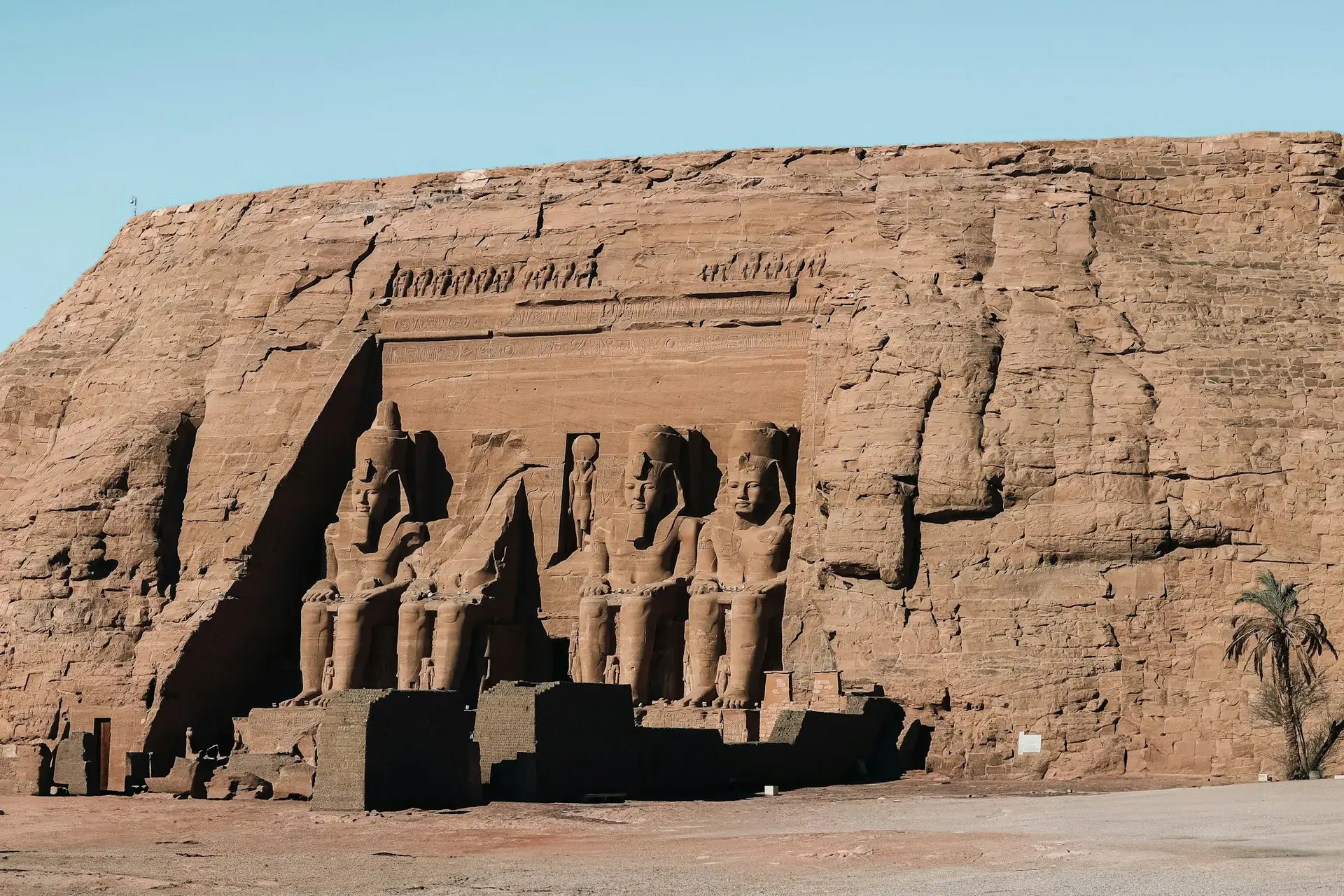
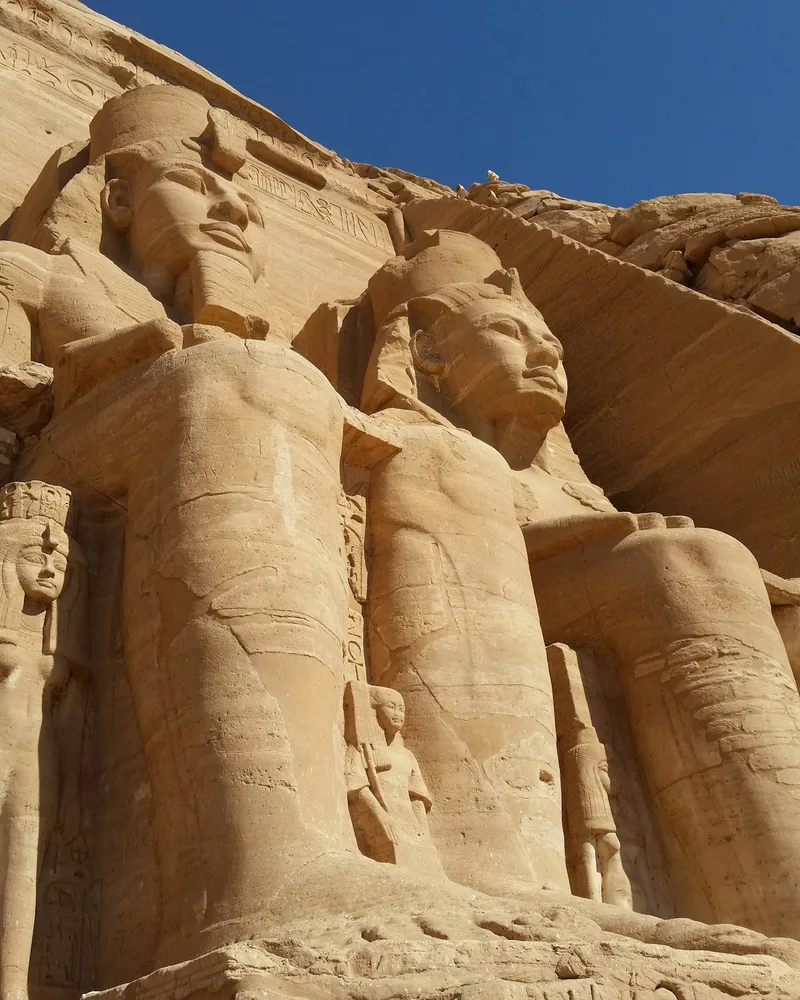
The gentle, Nubian-flavored south: the islands and cataracts of Aswan, the graceful temple of Philae, and, further on, the colossal rock-cut temples of Ramesses II at Abu Simbel.
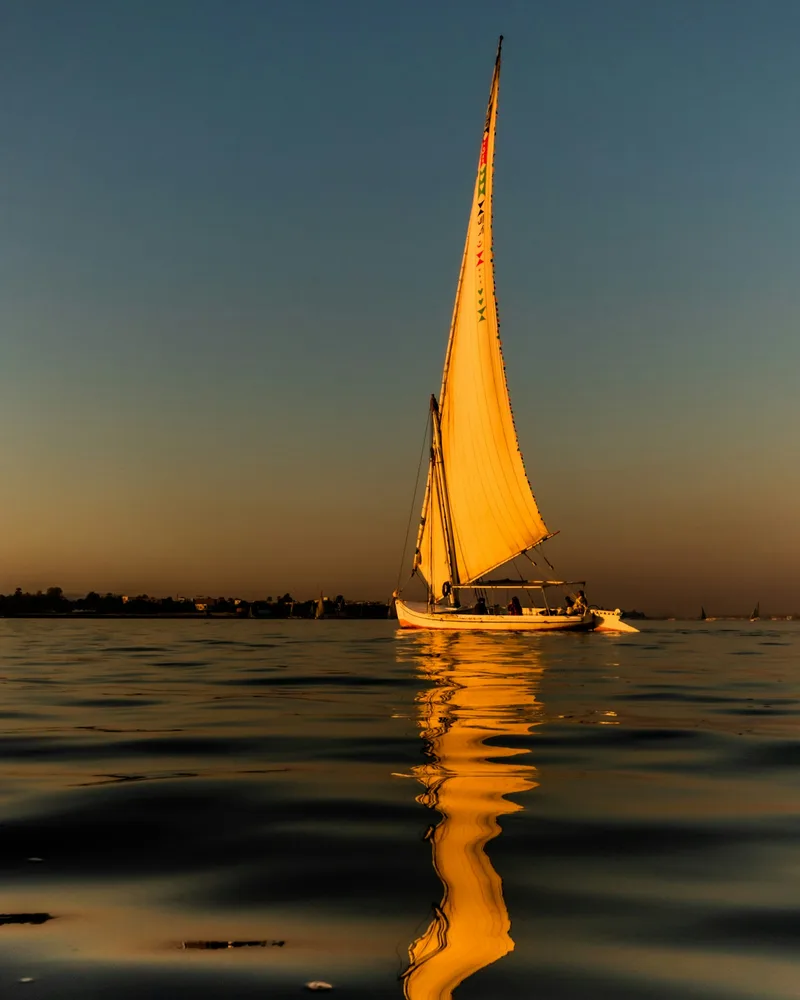
Region
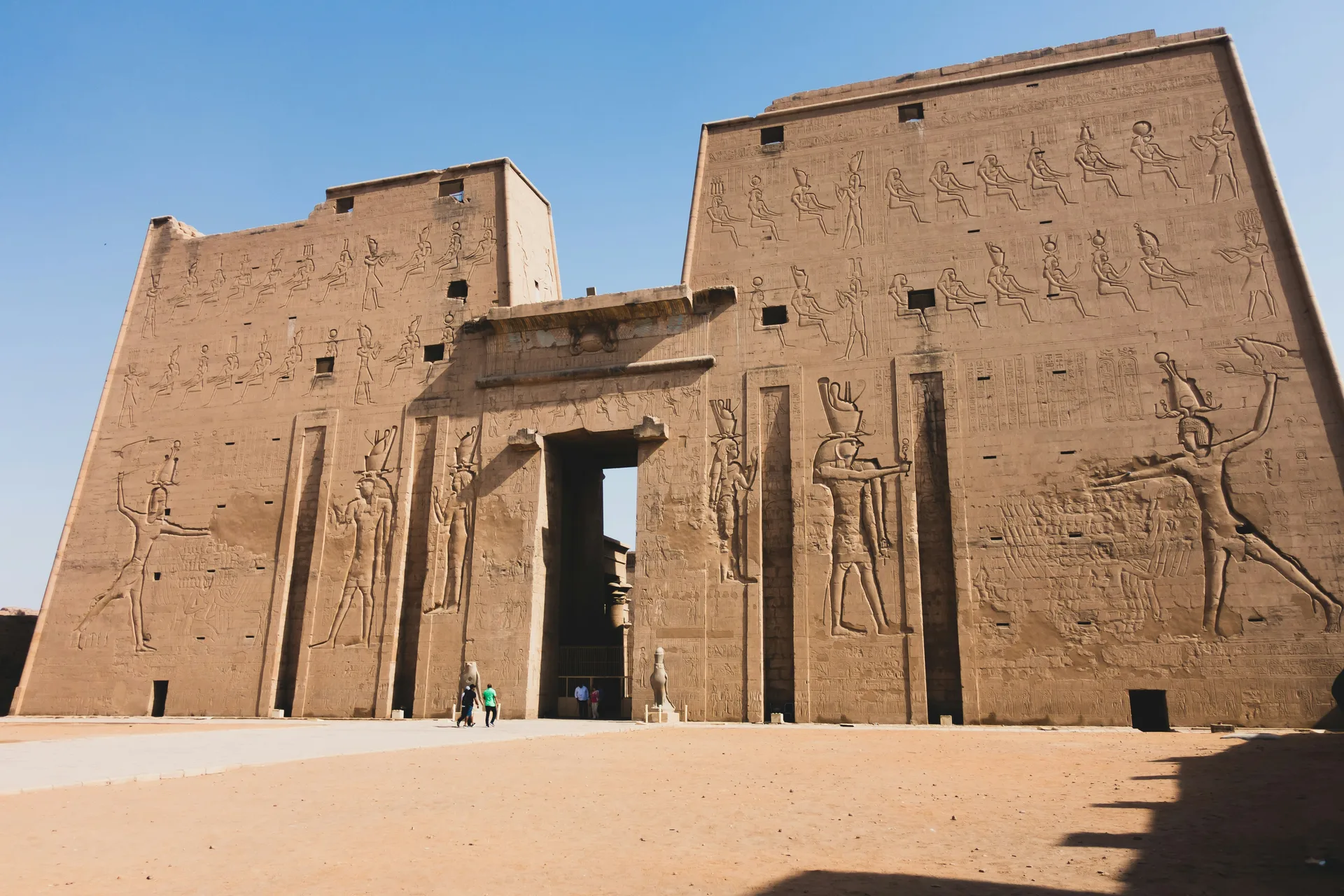
The green ribbon of life between Luxor and Aswan: the riverside temples of Edfu and Kom Ombo, the felucca sails and palm-fringed banks best seen at an unhurried pace from the deck of a cruise.
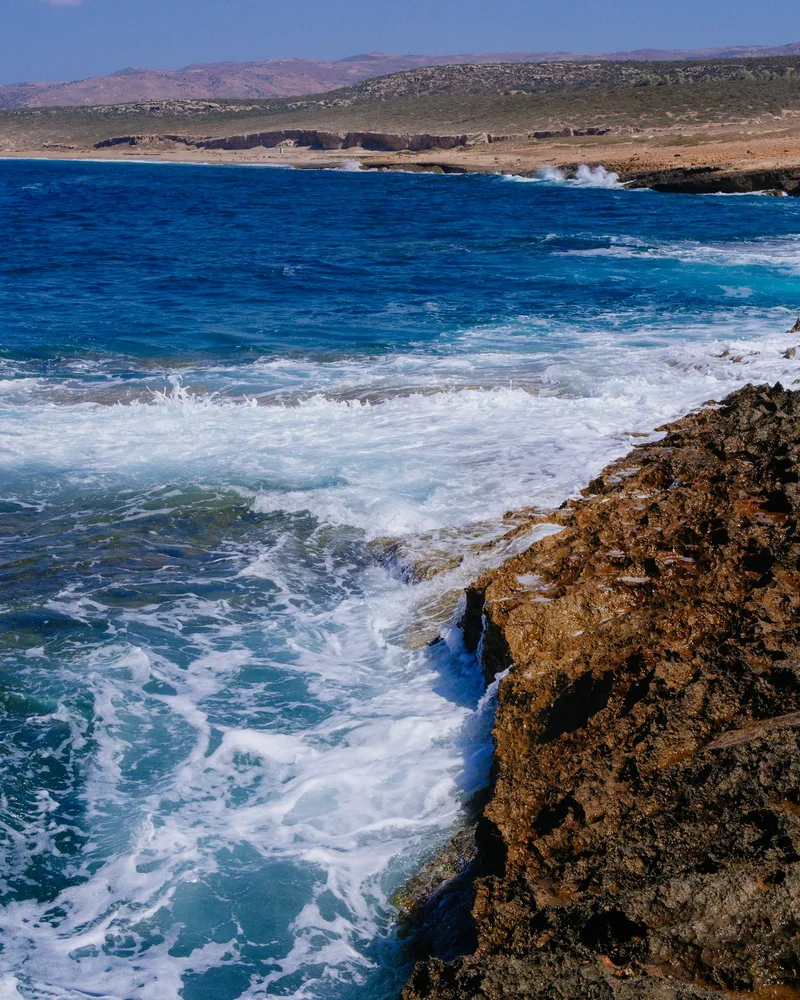
Region
Egypt's two coasts: the coral reefs and warm, clear water of the Red Sea for diving and downtime, and the breezy Mediterranean city of Alexandria, with its library, fort and faded cosmopolitan charm.
A sample journey
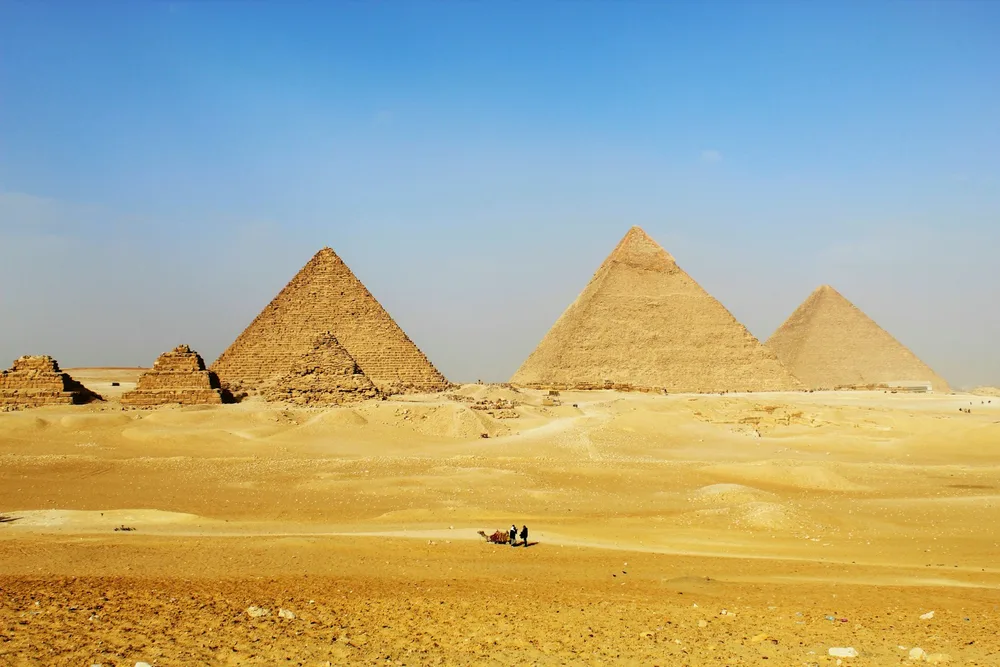 1
1 Begin in the capital: the Great Pyramid and the Sphinx at Giza, the treasures of the Grand Egyptian Museum, and the mosques, markets and coffeehouses of medieval Islamic Cairo.
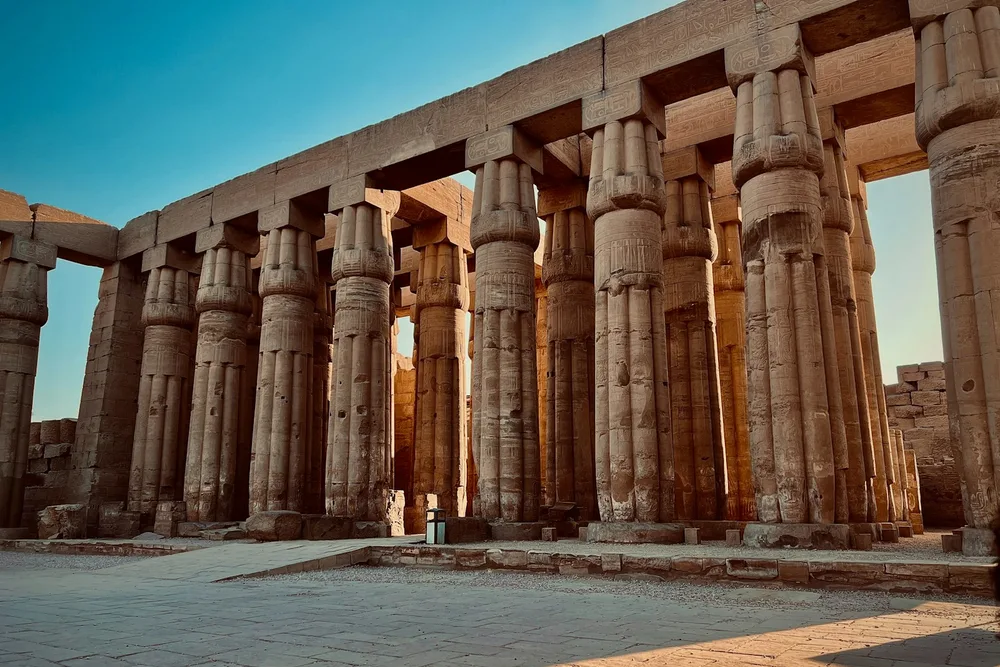 2
2 Hop south by air to Luxor and give the afternoon to the east bank, walking the vast hypostyle halls of Karnak and the floodlit colonnades of Luxor Temple as the day cools.
 3
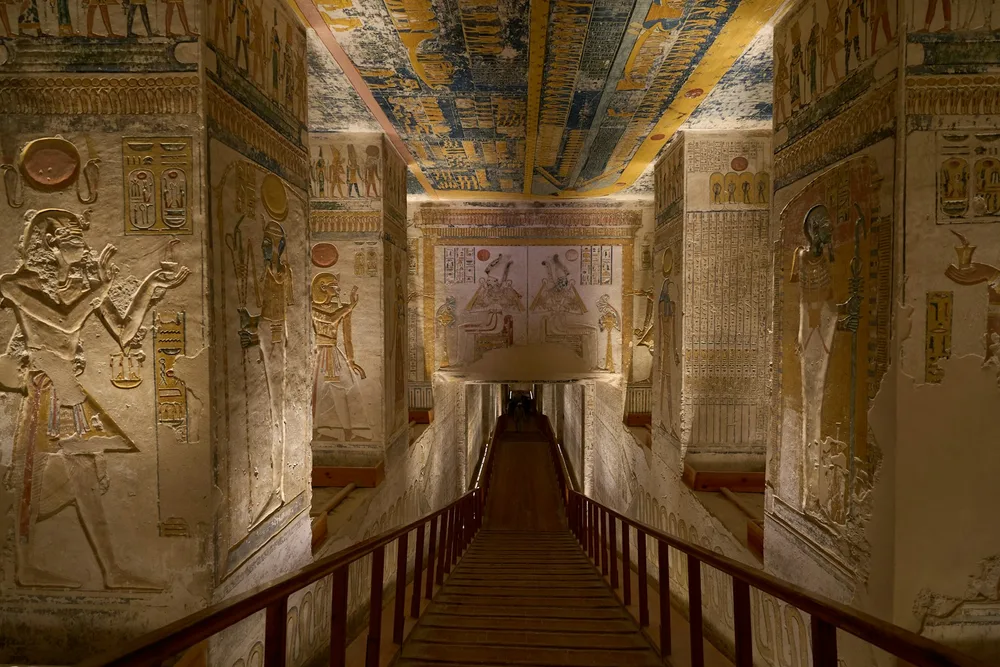
3 Cross to the west bank for the royal necropolis: the painted tombs of the Valley of the Kings, the terraced temple of Hatshepsut and the towering Colossi of Memnon.
 4
4 Board your cruise and drift south along the Nile, stopping at the riverside temples of Edfu and Kom Ombo, with the palm-fringed banks and feluccas gliding past your deck.
 5
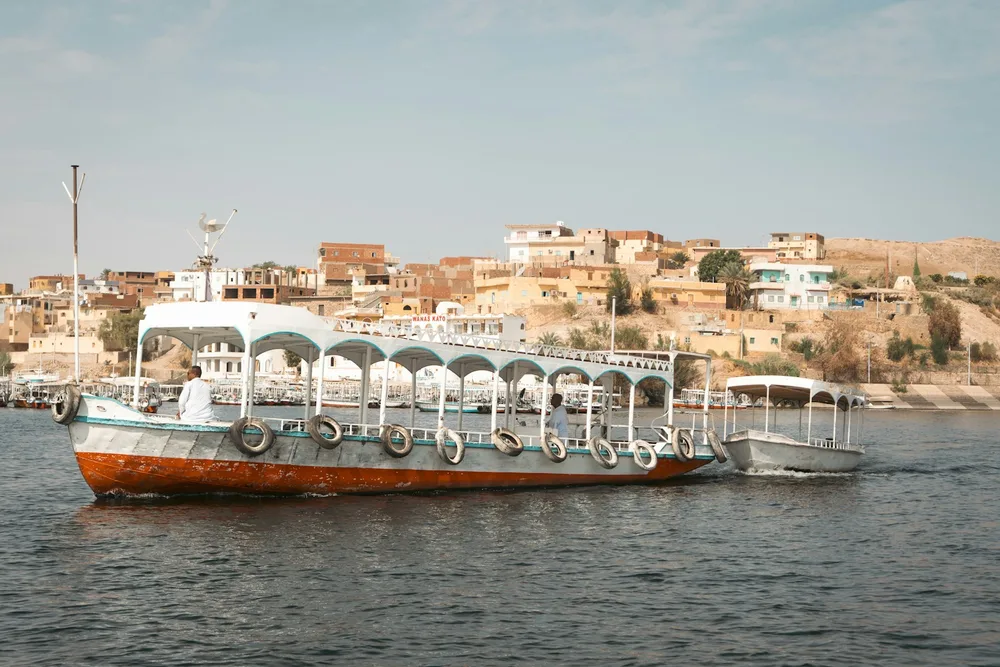
5 Settle into gentle, Nubian-flavored Aswan: the island temple of Philae, a sail among the granite islands by felucca, and the colorful Nubian villages along the river.
 6
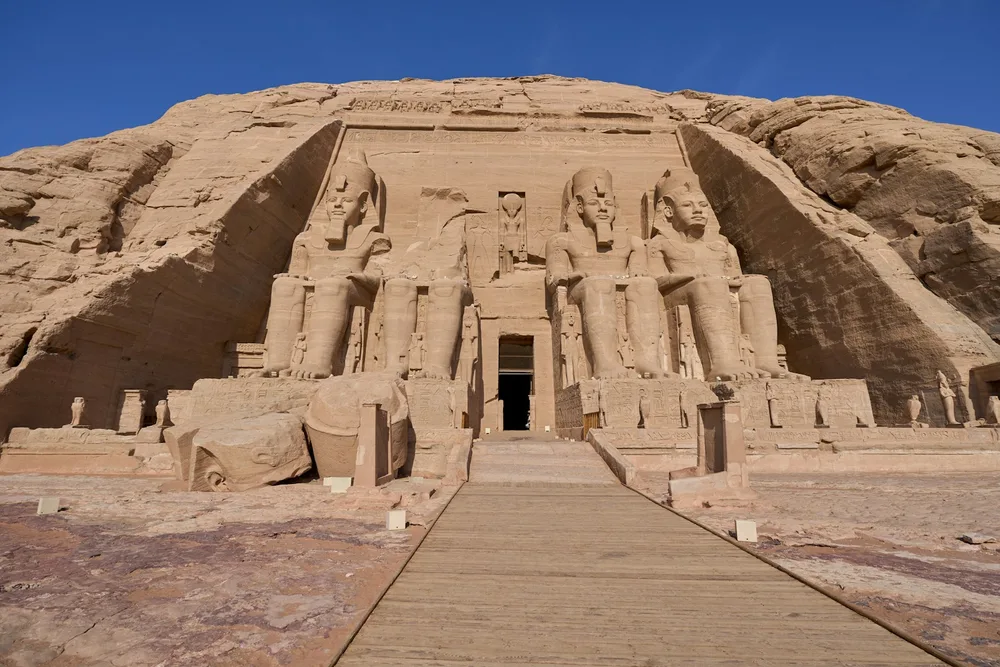
6 Finish with the grand finale: the colossal rock-cut temples of Ramesses II and Nefertari at Abu Simbel, an early start that rewards you with one of the great sights of the ancient world.
Every itinerary we build is bespoke: this is a starting point, not a package.
Getting around
Where to stay
The domestic flights, cruise or dahabiya cabins, Cairo transfers and Egyptologist guides are all arranged as part of every itinerary — the logistics are settled before you arrive.
Good to know
Eight to eleven nights is the sweet spot. A week and a bit comfortably covers Cairo and Giza, the temples of Luxor and a Nile cruise down to Aswan; closer to eleven nights lets you add Abu Simbel, a few days on the Red Sea, or a slower pace throughout, with proper time at each of the great sites.
October through April is the prime stretch, with warm, clear days that make the temples and the desert a pleasure to explore. The fall and early spring shoulders are our favorites. We generally steer travelers away from June to August, when Luxor, Aswan and the desert can be very hot, though the Red Sea coast stays appealing year-round.
Absolutely; for most travelers it is the highlight of the trip. A cruise is the classic, unhurried way to link Luxor and Aswan, with the riverside temples of Edfu and Kom Ombo on the route and the timeless life of the riverbank gliding past your deck. We match you to the right ship or an intimate sailing dahabiya, and you can read more on our Nile river cruises page.
We usually fly the long legs, such as Cairo to Luxor or Aswan, to save a full day of travel and arrive among the temples by lunch. The Nile stretch between Luxor and Aswan is best done by cruise rather than train, for the temples and scenery along the way, while overnight sleeper trains are a characterful option for travelers who prefer to stay on the ground.
We strongly recommend one. Egypt's sites are vast and layered with thousands of years of history, and a private Egyptologist guide turns a wall of hieroglyphs into a vivid story and smooths every logistical detail, from tickets to transfers. A great guide is one of the things travelers thank us for most, and we build expert guiding into every Egypt itinerary.
Ways to Explore

A private journey designed entirely around you, your pace, and your people.
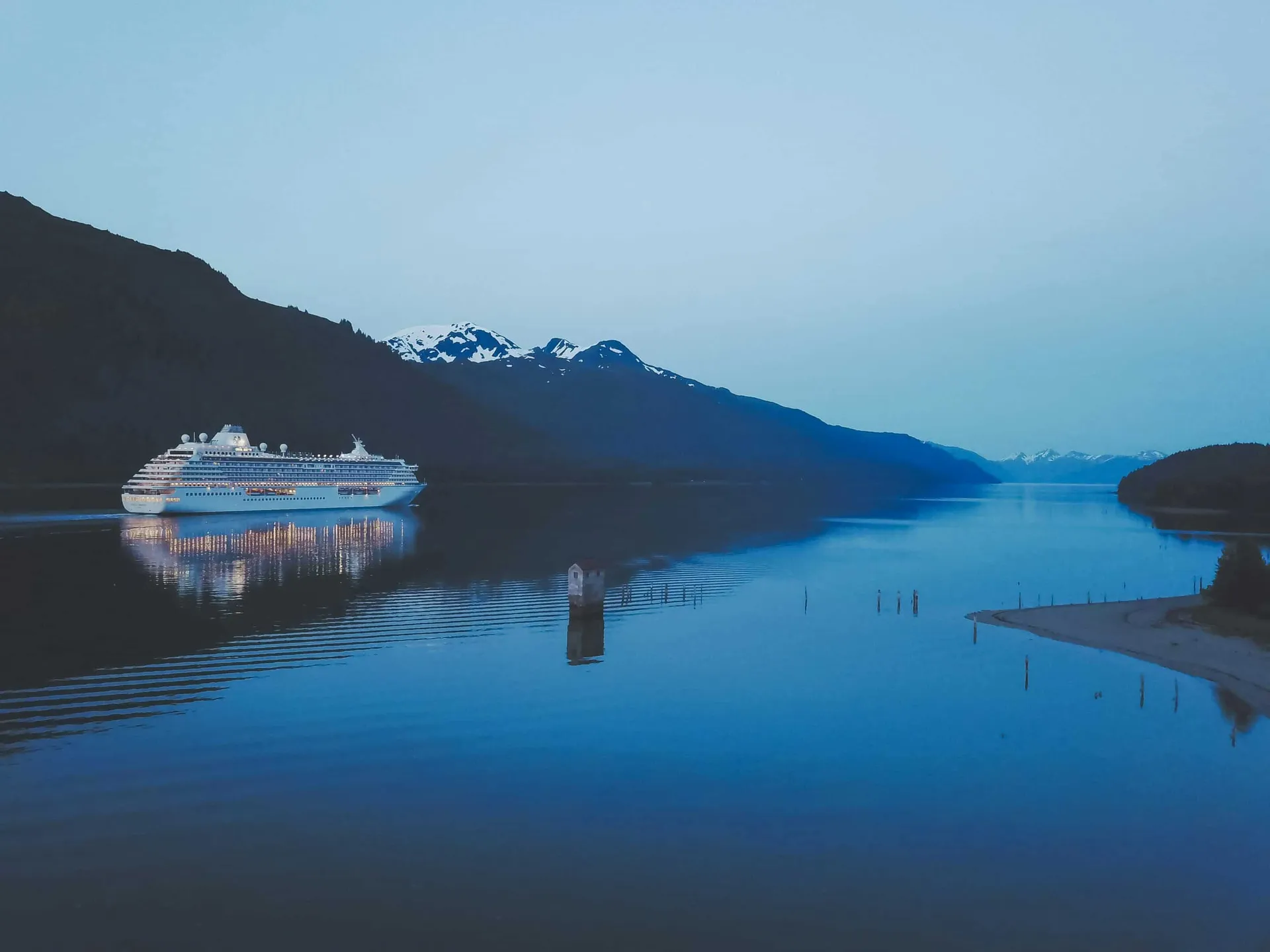
River, ocean and expedition voyages, from the Danube to Antarctica.

Expertly guided, end to end, with the world's finest local operators.

Effortless resort escapes; we cut through the haze to the right one.
Let's begin
Tell us your travel dates and what you love, and we'll handle every detail.
Plan Your TripSearch Chima Travel