



Aswan Governorate (Lake Nasser)
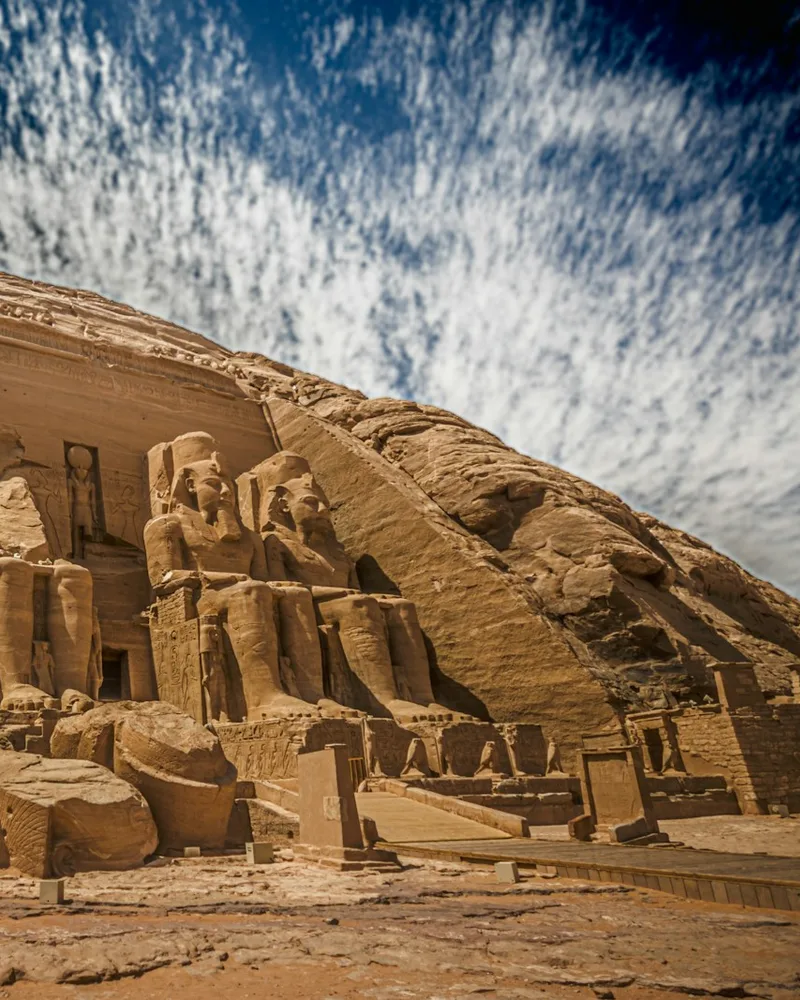
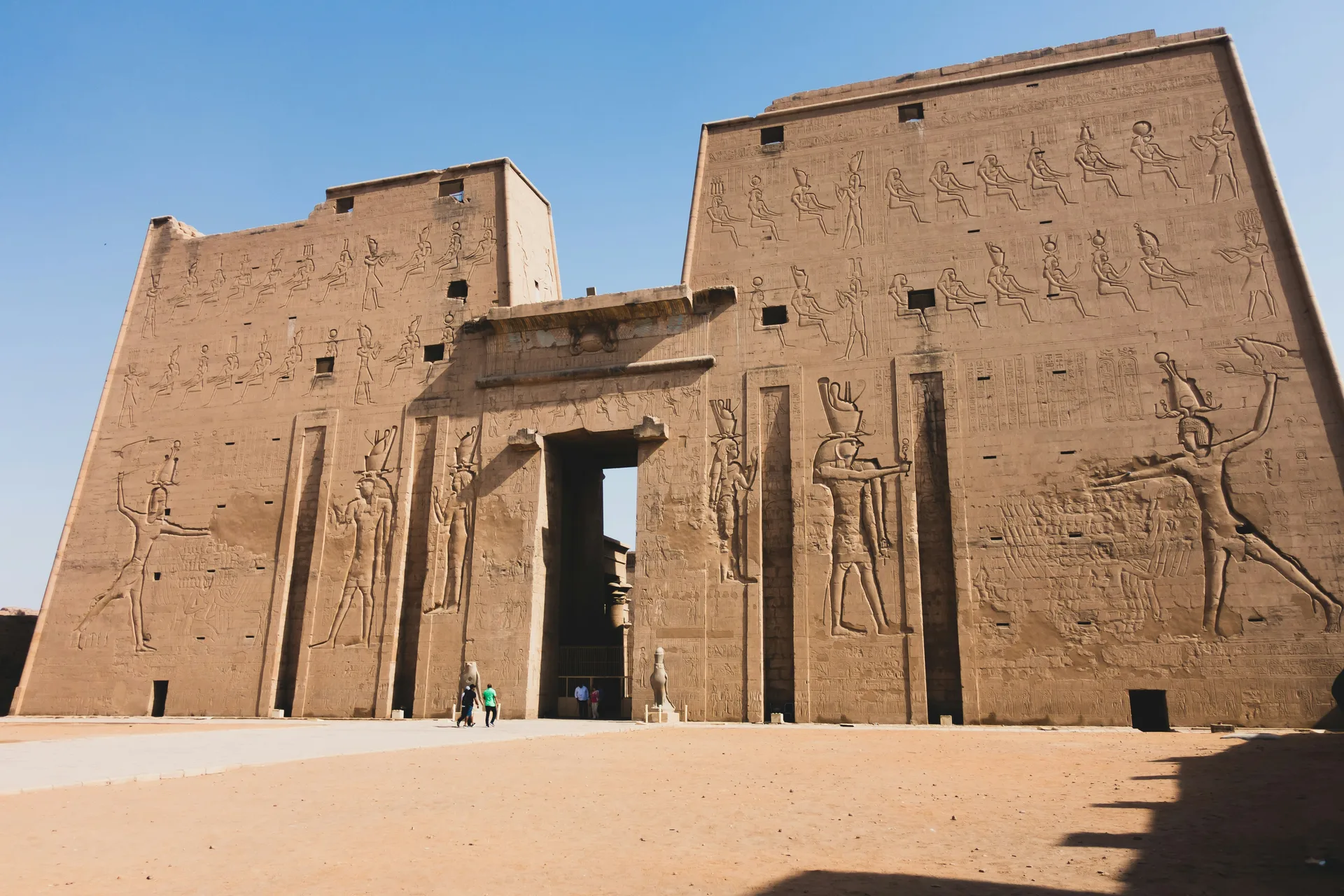
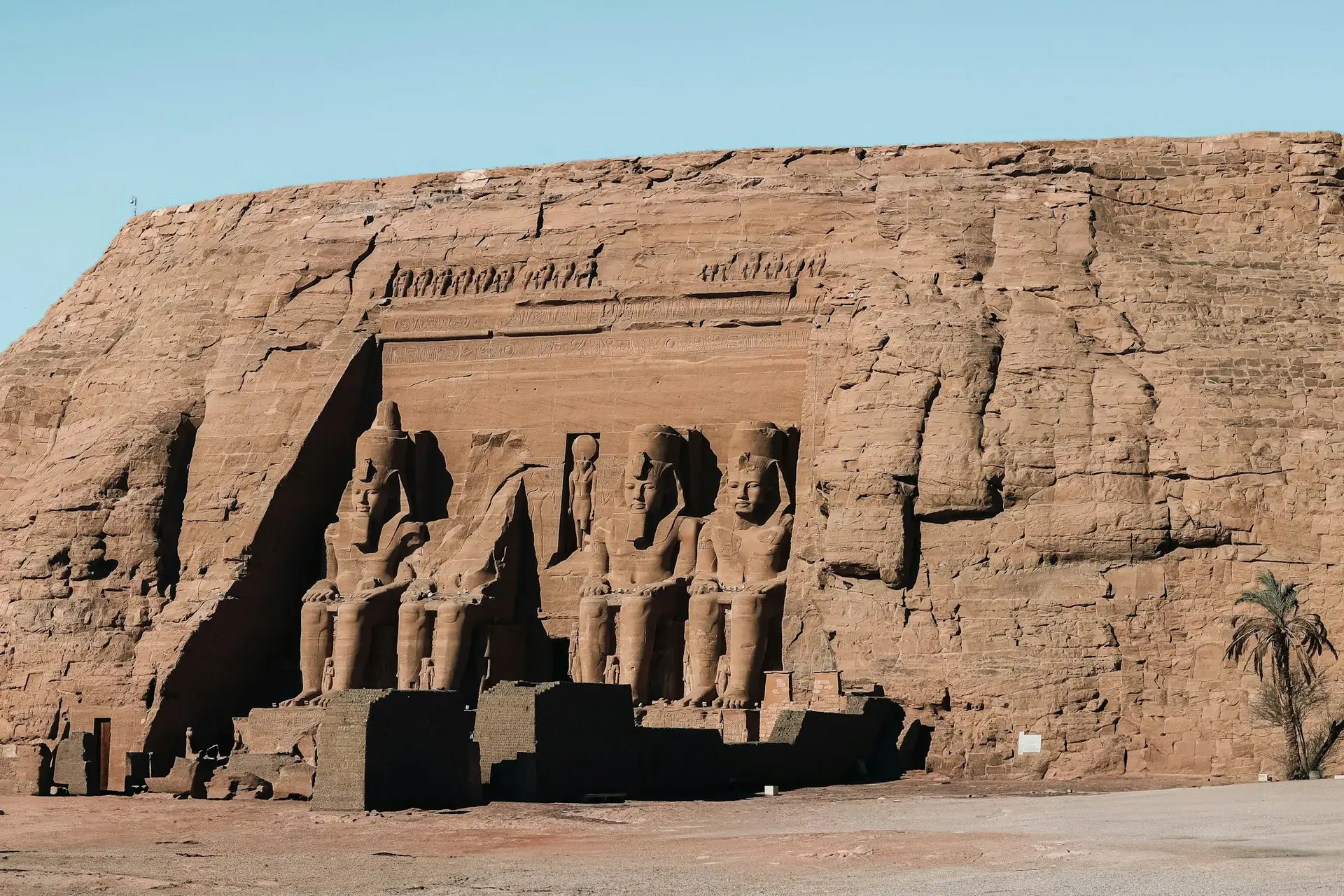
Far to the south of Egypt, where the desert runs down to the still blue water of Lake Nasser, two temples are carved straight into a cliff of golden sandstone. The Temples of Abu Simbel are the boldest statement Ramses the Great ever made, raised more than three thousand years ago to glorify the pharaoh and guard the southern frontier of his empire. Nothing quite prepares you for the scale of them, and for many travelers this is the most spectacular sight in all of Egypt.
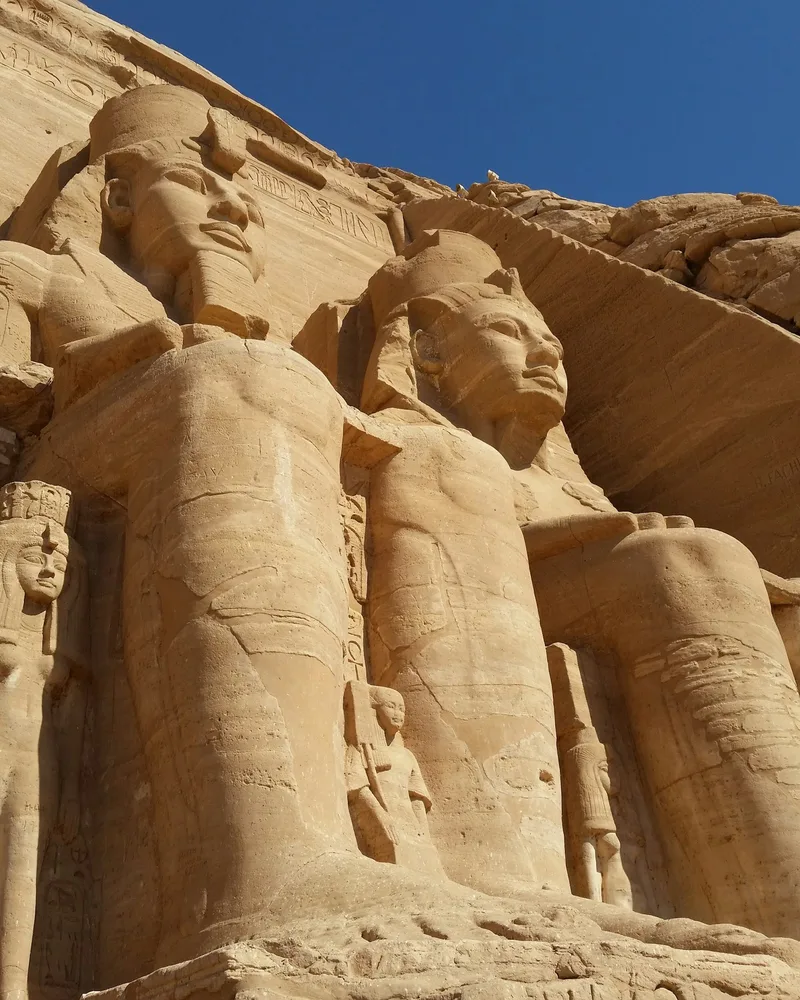
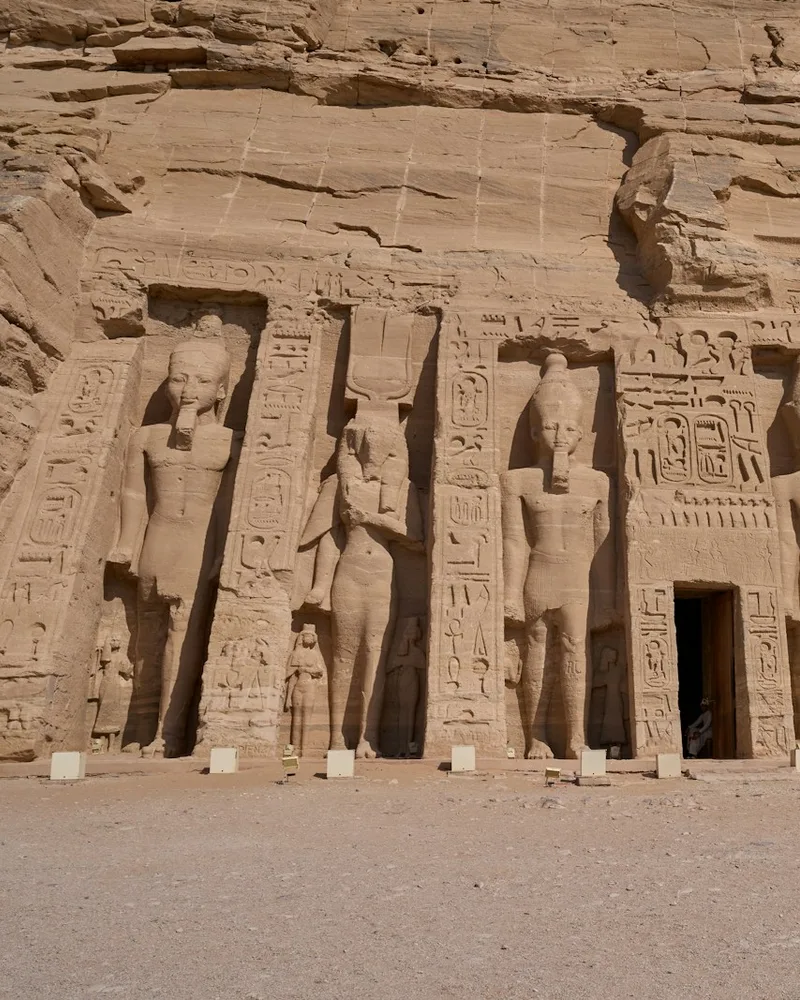
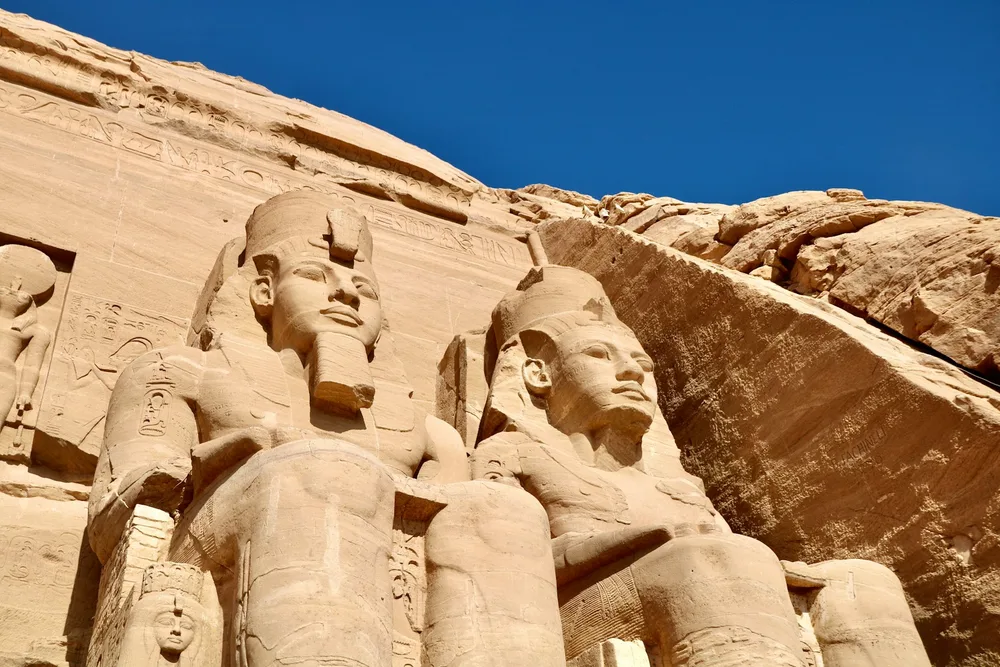
The Great Temple is the one you have seen in photographs: four seated colossi of Ramses II, each more than sixty feet tall, gazing out across the lake with the calm, certain expression of a living god. Behind them the temple bores deep into the rock, past a pillared hall lined with the king as the god Osiris, all the way to a small sanctuary where four statues sit in the dark. Beside it stands the smaller temple, dedicated to the goddess Hathor and to Ramses's beloved queen Nefertari, the rare temple where a pharaoh's wife stands as tall as the king himself.
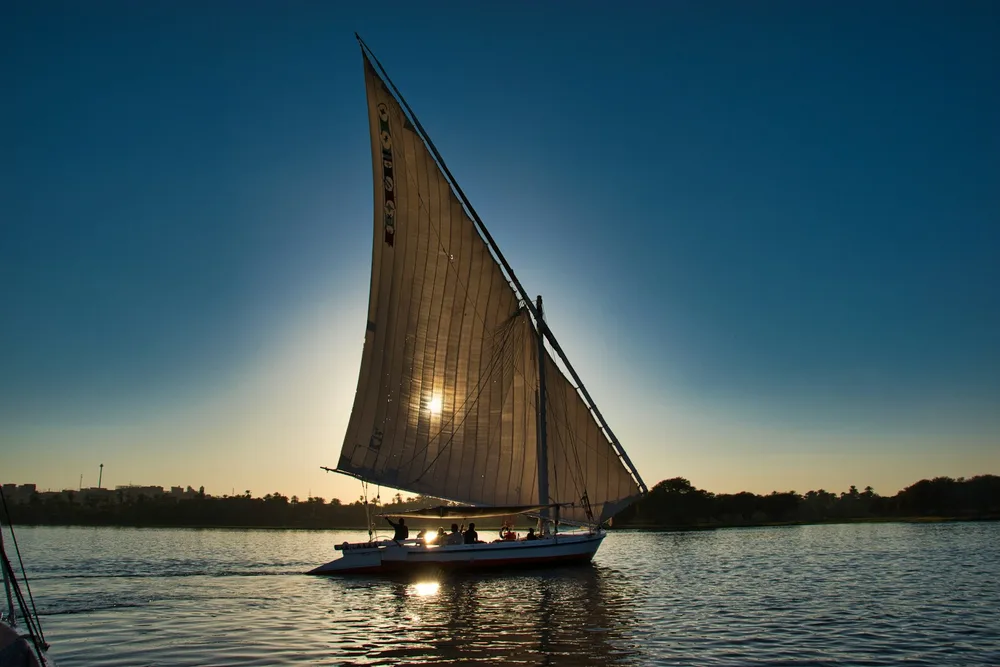
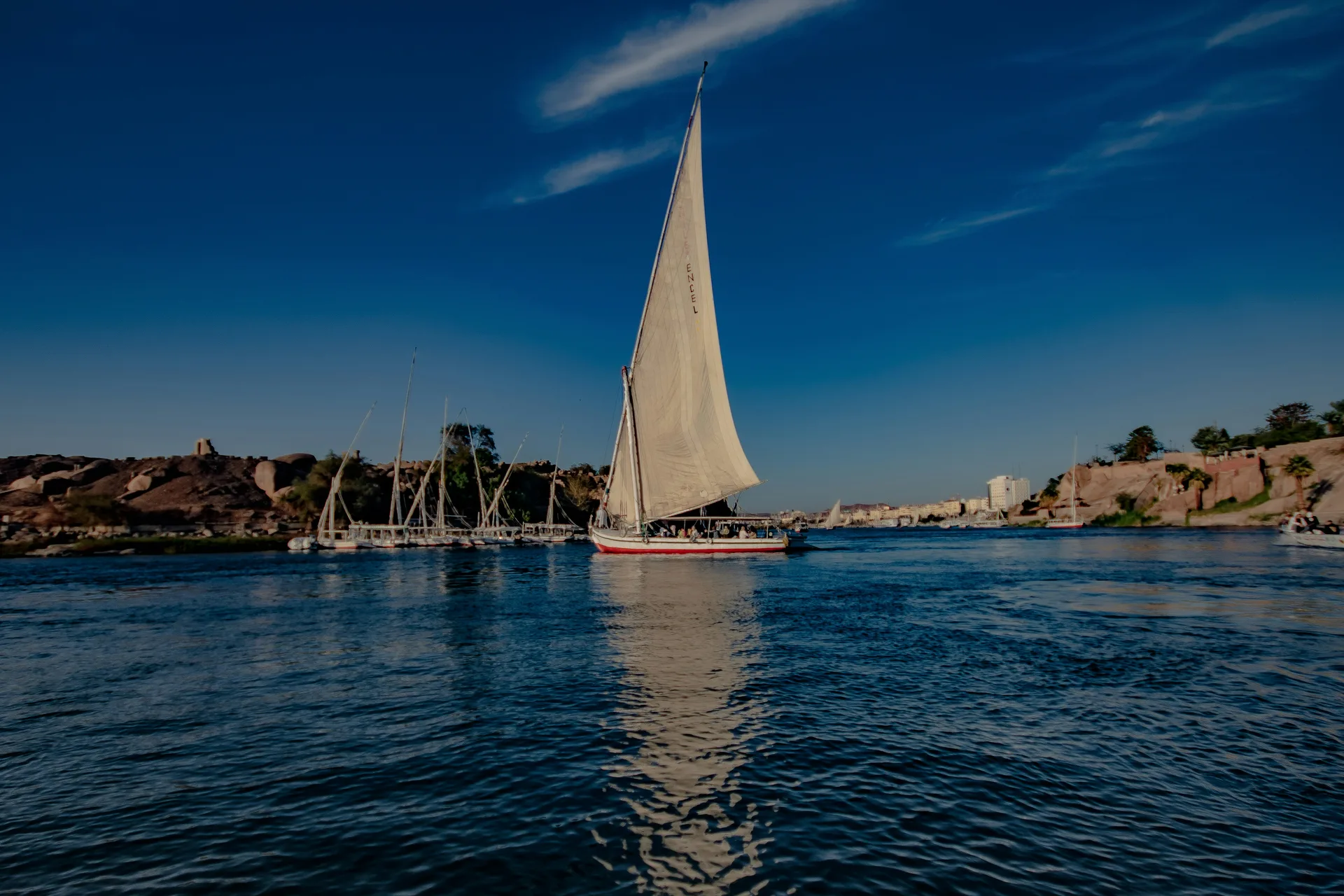
We love that getting here is part of the wonder. Abu Simbel sits near the Sudanese border, a short flight or an early road convoy from Aswan, and the most memorable way to arrive is by a Lake Nasser cruise that brings you to the temples by water. With a private Egyptologist to read the walls and the timing set to catch the soft early light, a morning at Abu Simbel becomes the crowning chapter of a journey up the Nile.