







Luxor (West Bank)
Across the Nile from Luxor, in a fold of barren limestone hills baked the color of bone, the pharaohs of Egypt's New Kingdom chose to be buried in secret. For five hundred years the rulers of the most powerful empire on earth were laid to rest here, deep beneath the rock, in tombs hidden from robbers and meant to carry them safely into the afterlife. More than sixty have been found so far, and stepping down into one is one of the most quietly astonishing things you can do anywhere in the world.
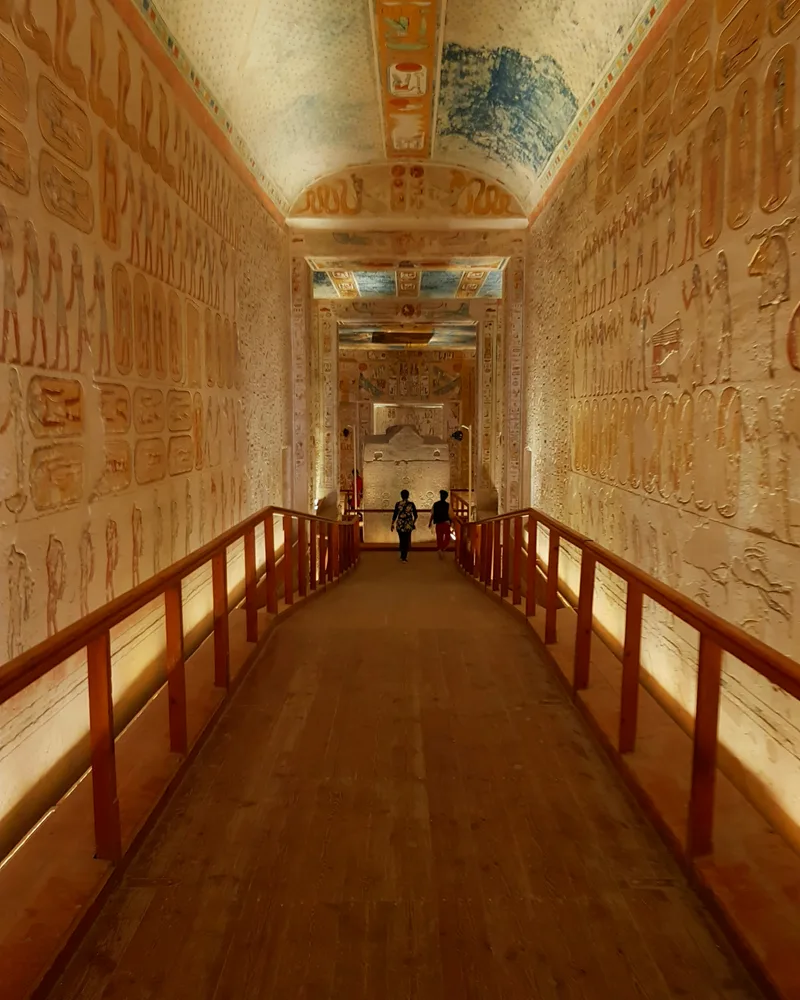
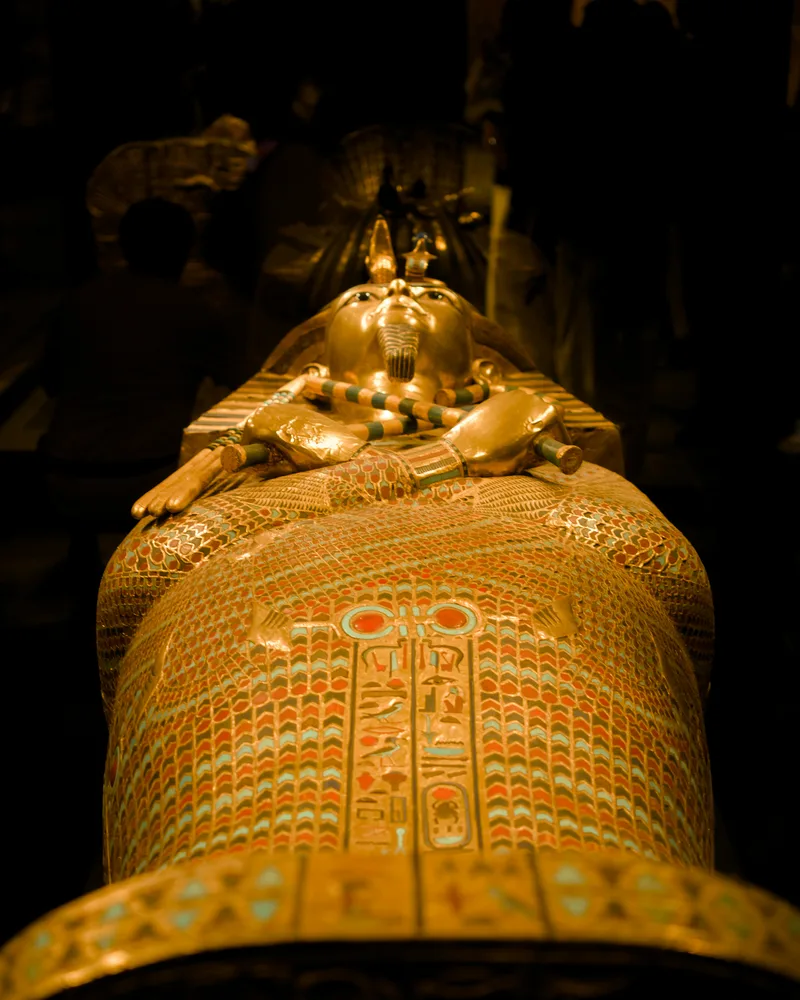
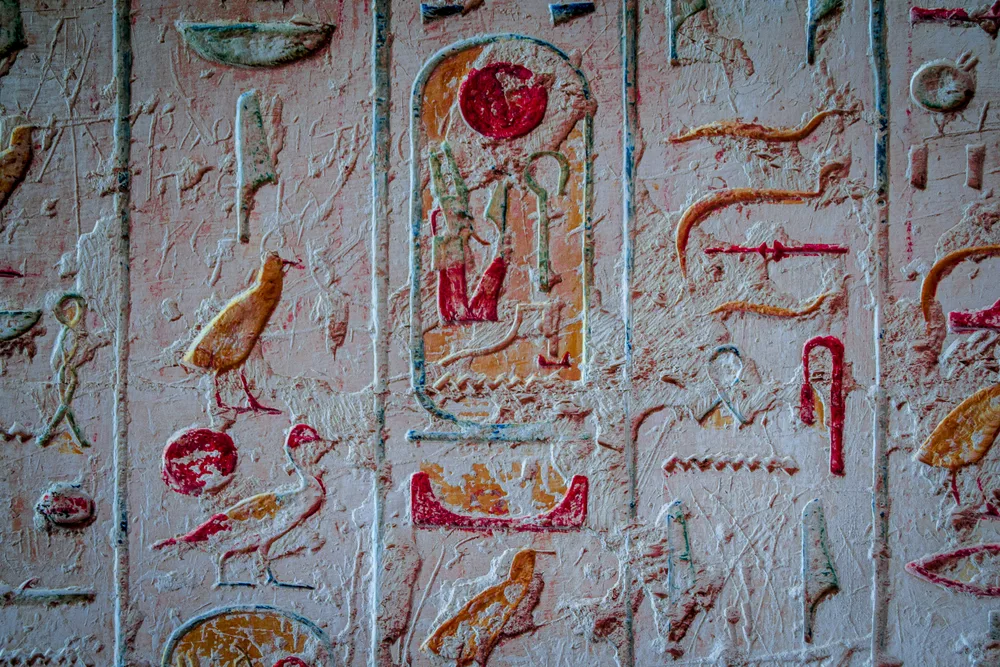
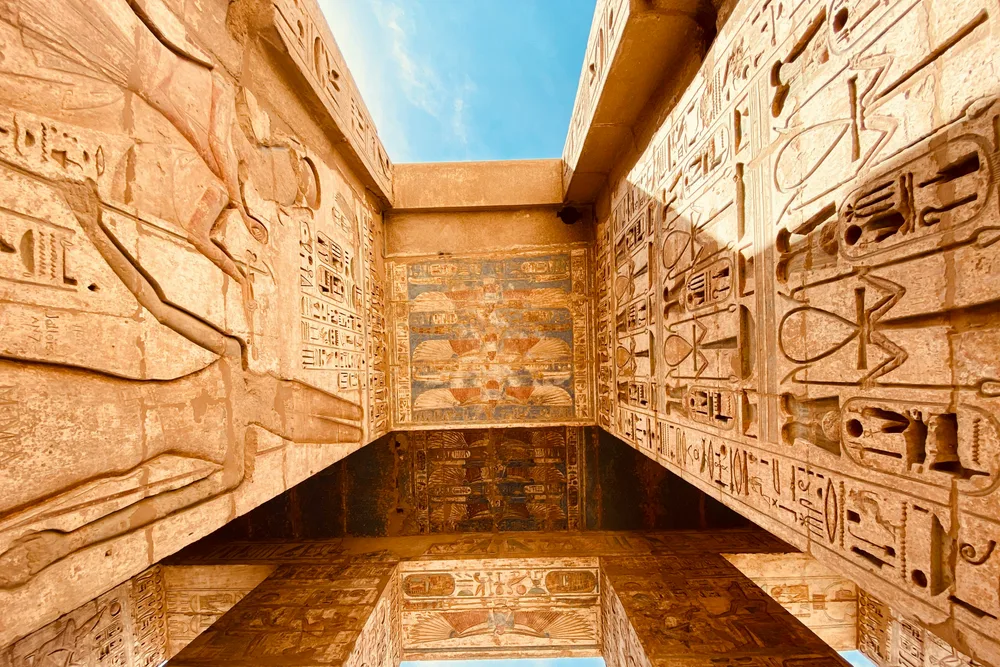
What stops you in your tracks is the color. Far below the surface, beyond the reach of sun and weather, the corridors and burial chambers are covered floor to ceiling in painted scenes and hieroglyphs as bright as the day they were finished more than three thousand years ago. Gods stride across the walls in gold and deep blue, the sun is reborn each night, and the king is guided through the hours of darkness toward the dawn. These are not faded ruins. They are rooms that feel alive.
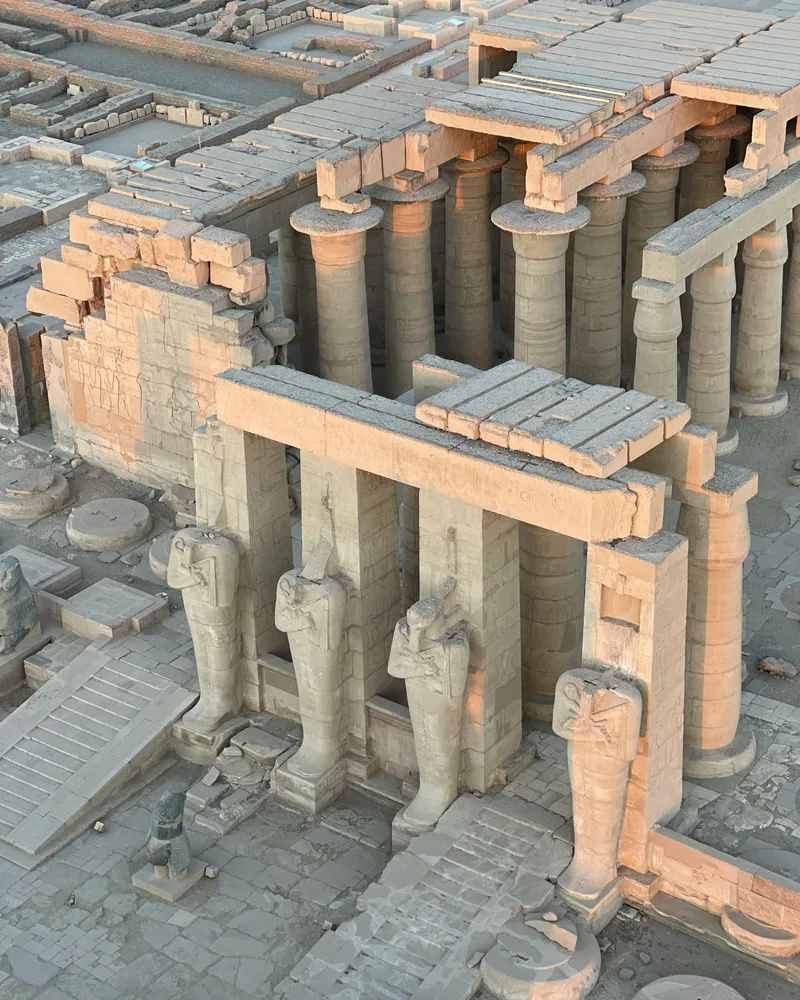
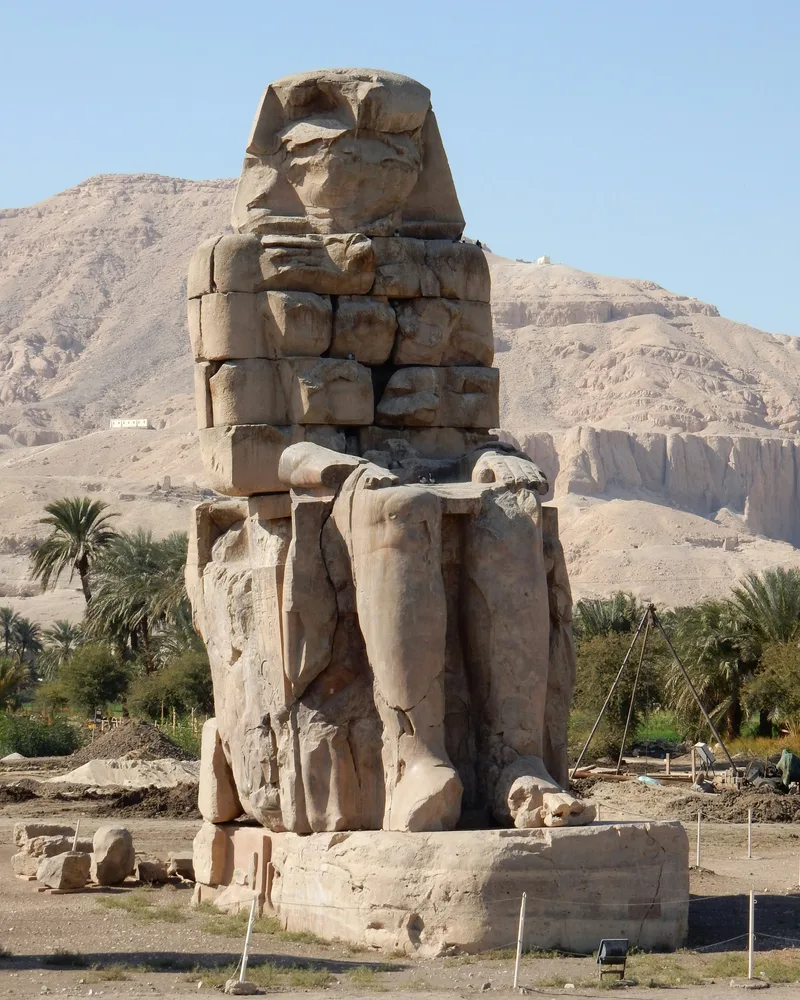
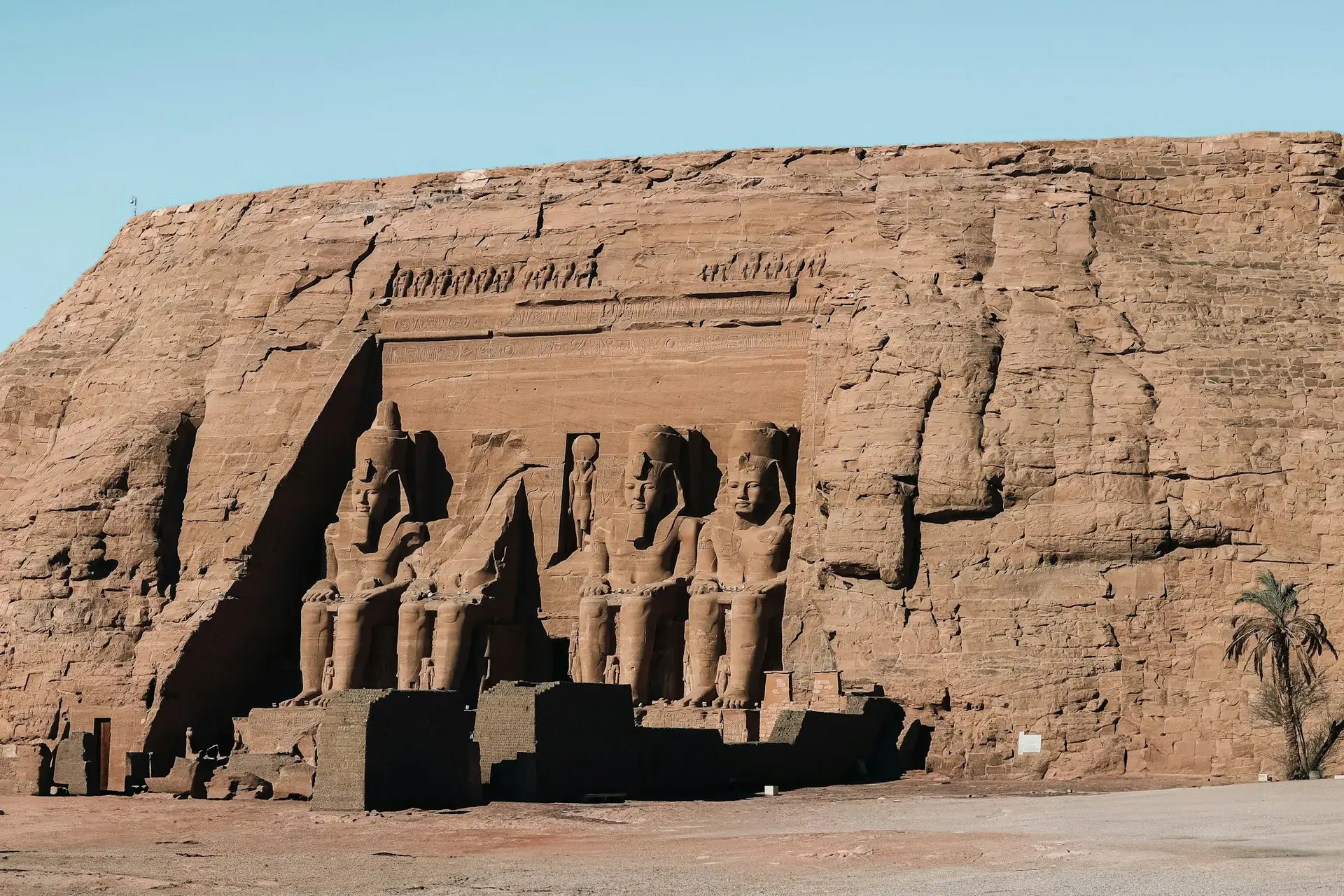
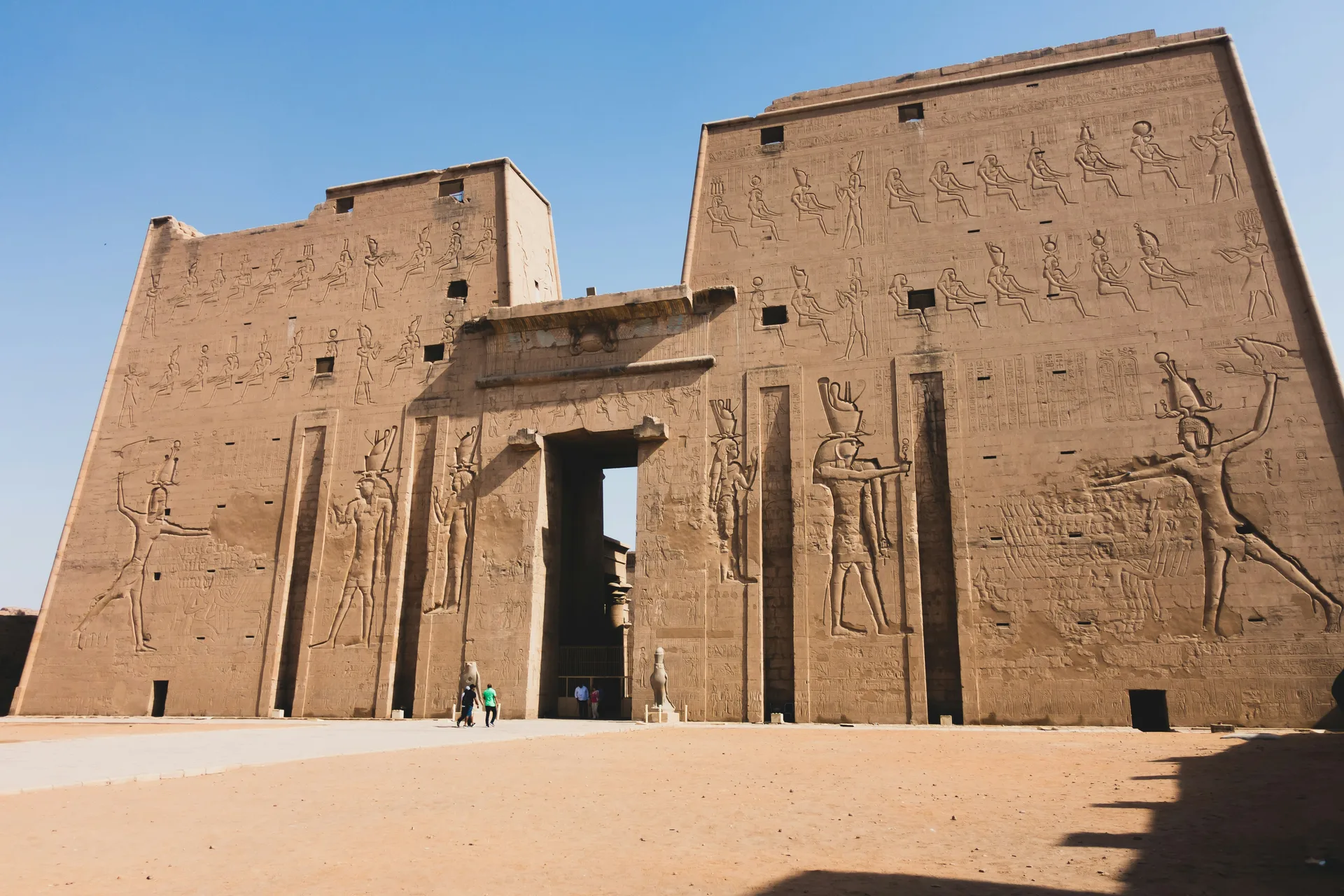
We love pairing the valley with the wider west bank, where the great mortuary temples and the watchful Colossi of Memnon still stand against the hills. With a private Egyptologist to read the walls and the timing set to beat both the heat and the tour buses, a morning among the tombs becomes the heart of any journey through the Nile valley, easily folded into a few unhurried days in Luxor or a slow sail upriver.