Region
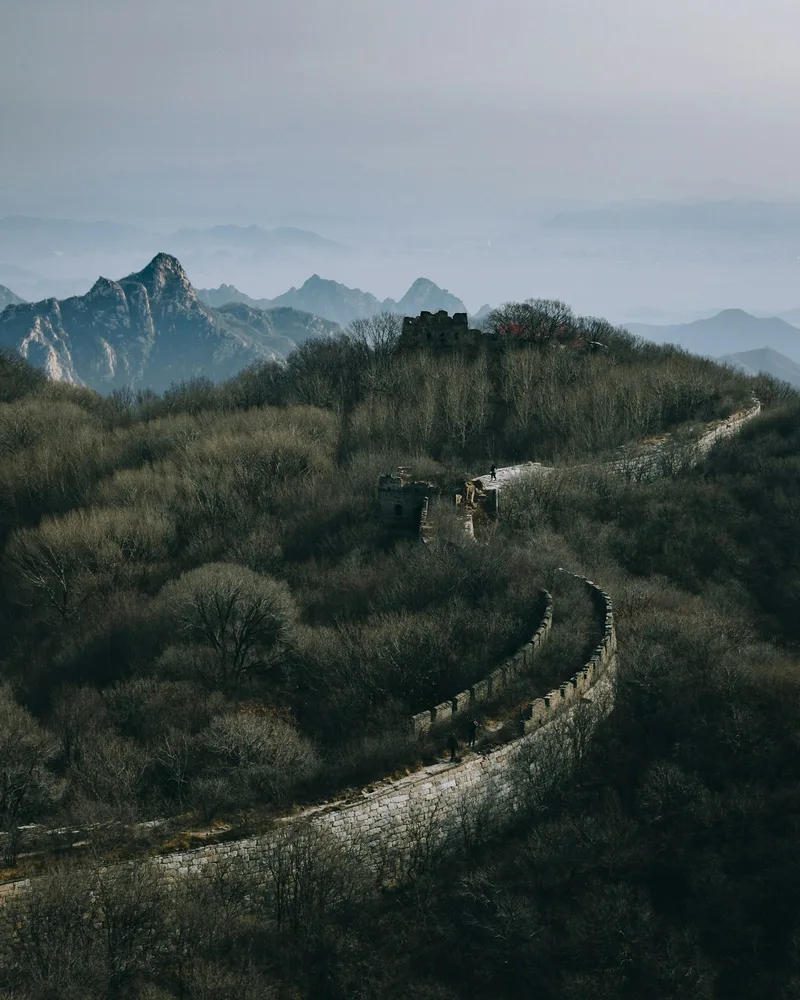
Beijing & the Great Wall
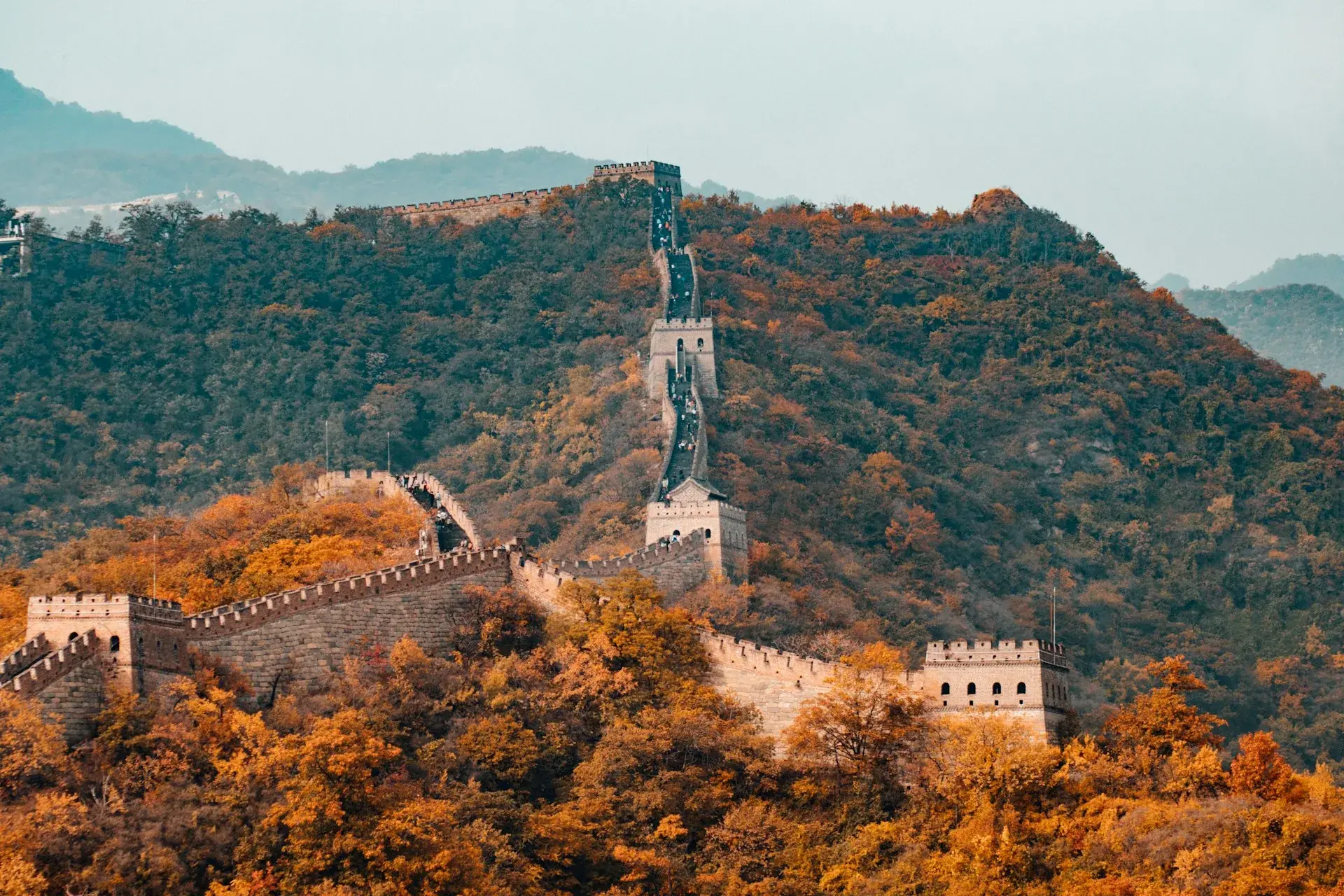
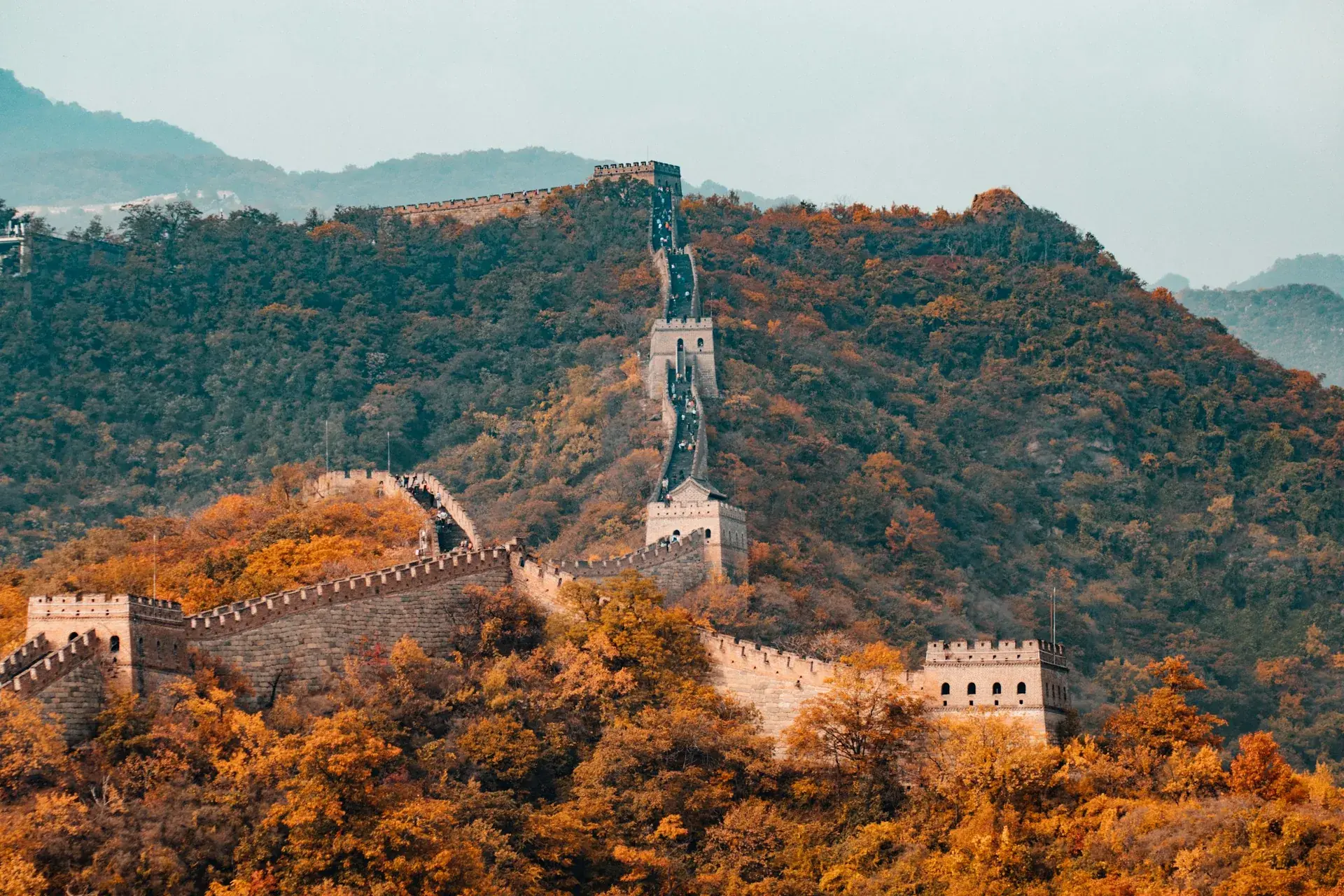
The historic capital, where the Forbidden City, the Temple of Heaven and the Summer Palace sit within easy reach of the great watchtower stretches of the Great Wall winding through the hills to the north.

By Continent
Europe Africa Asia North America South America Caribbean Australia & Oceania All destinationsOverview
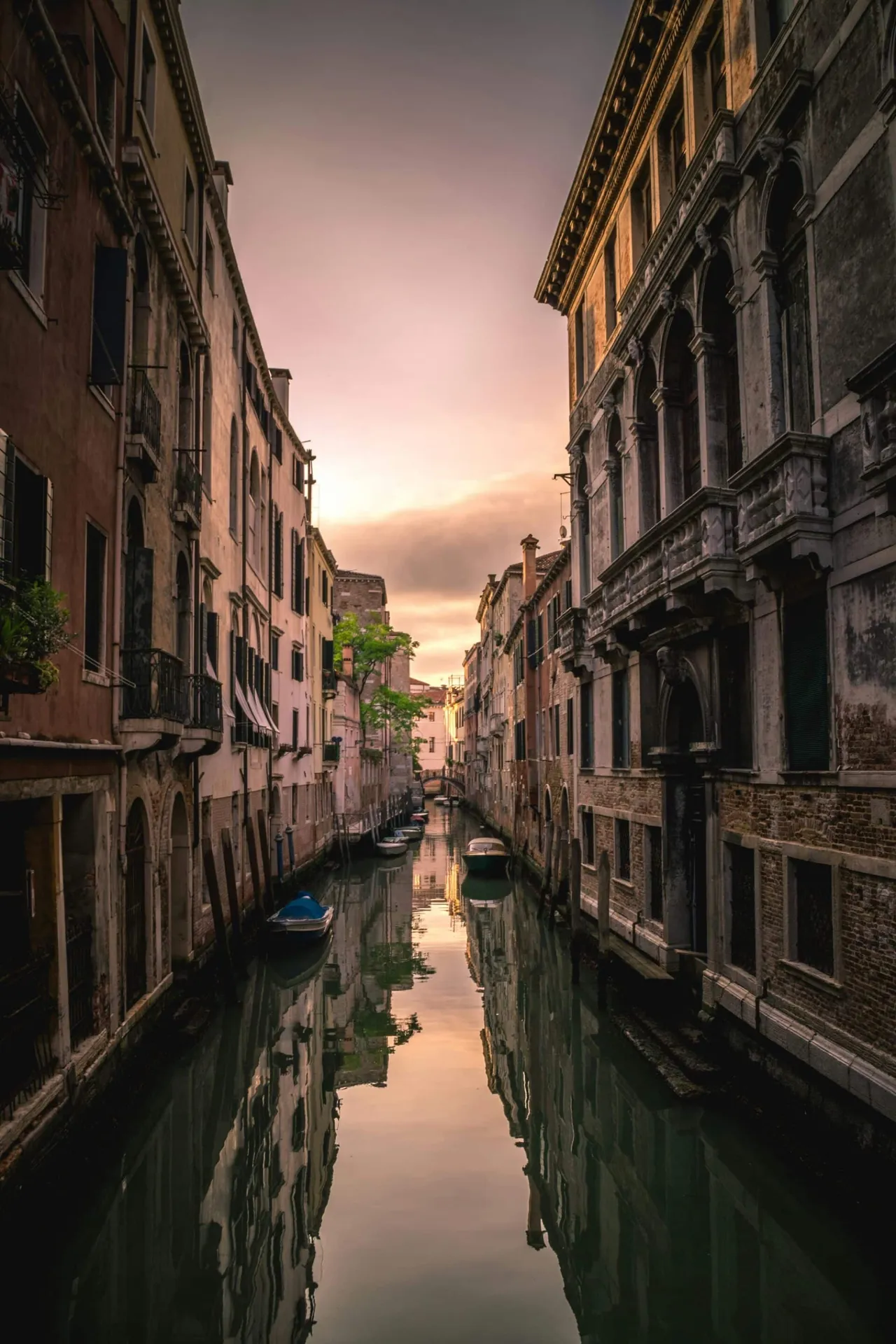
From the canals of Venice to the black-sand coasts of Iceland, Europe rewards the curious traveler with centuries of art, architecture and unforgettable flavor, all within easy reach of one another.
View all EuropeOverview
From the dunes of the Sahara to the great plains of the Serengeti, Africa is a continent of staggering scale and singular encounters: a place where landscape, wildlife and culture meet at full intensity.
View all AfricaDestinations
Overview
Vast and varied, Asia spans snow-capped peaks and tropical coasts, neon megacities and silent temples. It is a continent that rewards both the first-time traveler and the lifelong returnee.
View all AsiaFeatured
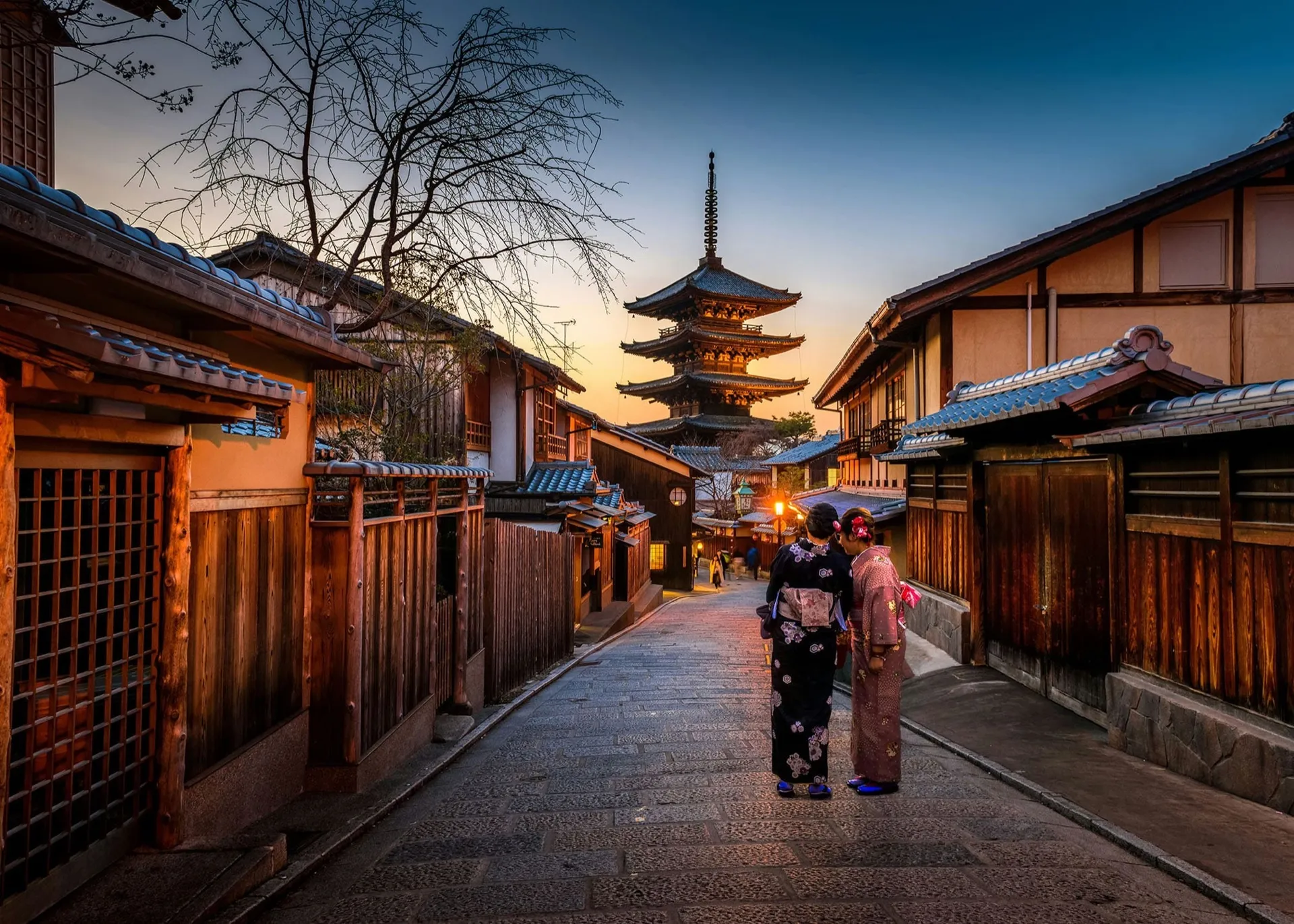 Japan · signature experience Kyoto
 Overview
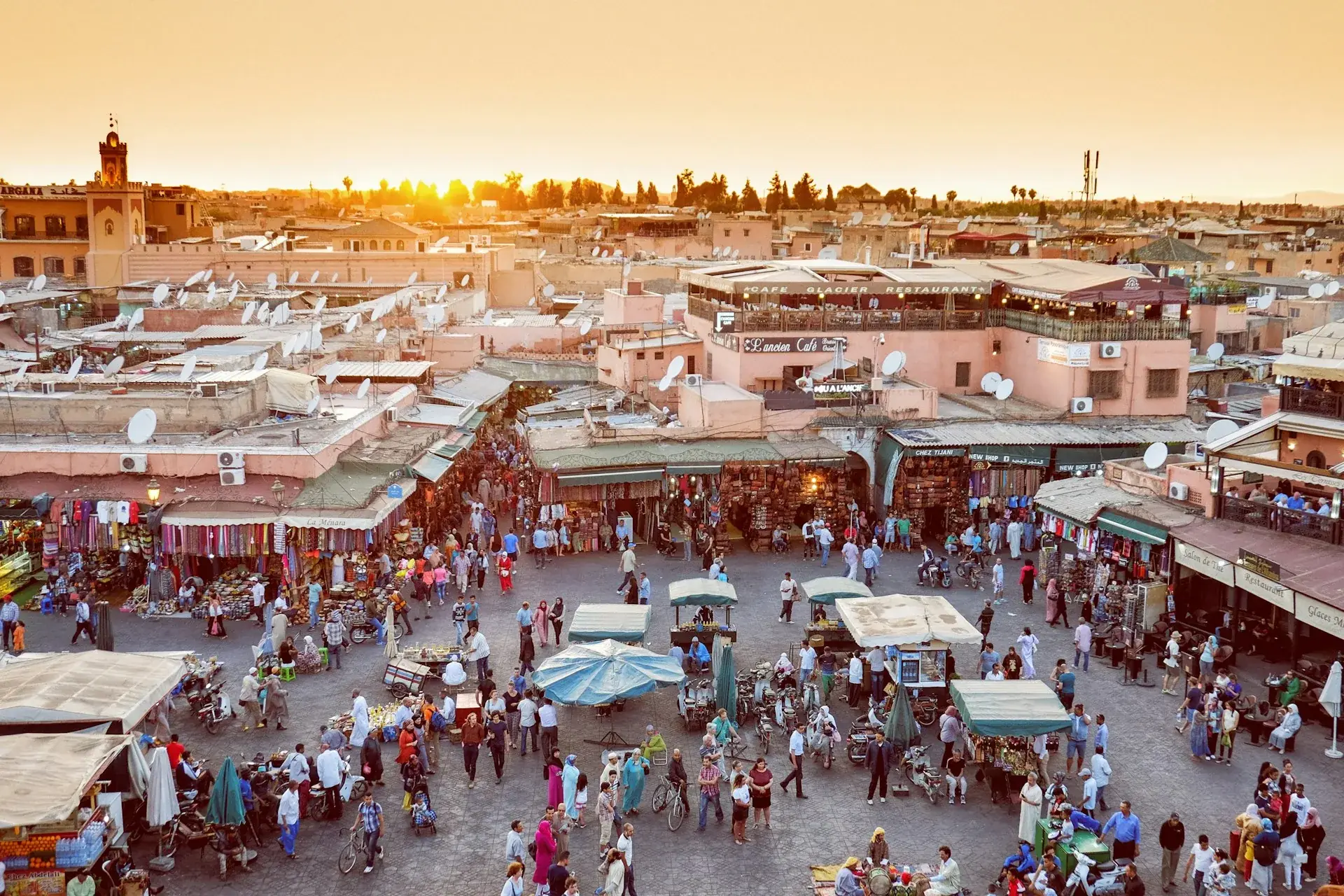
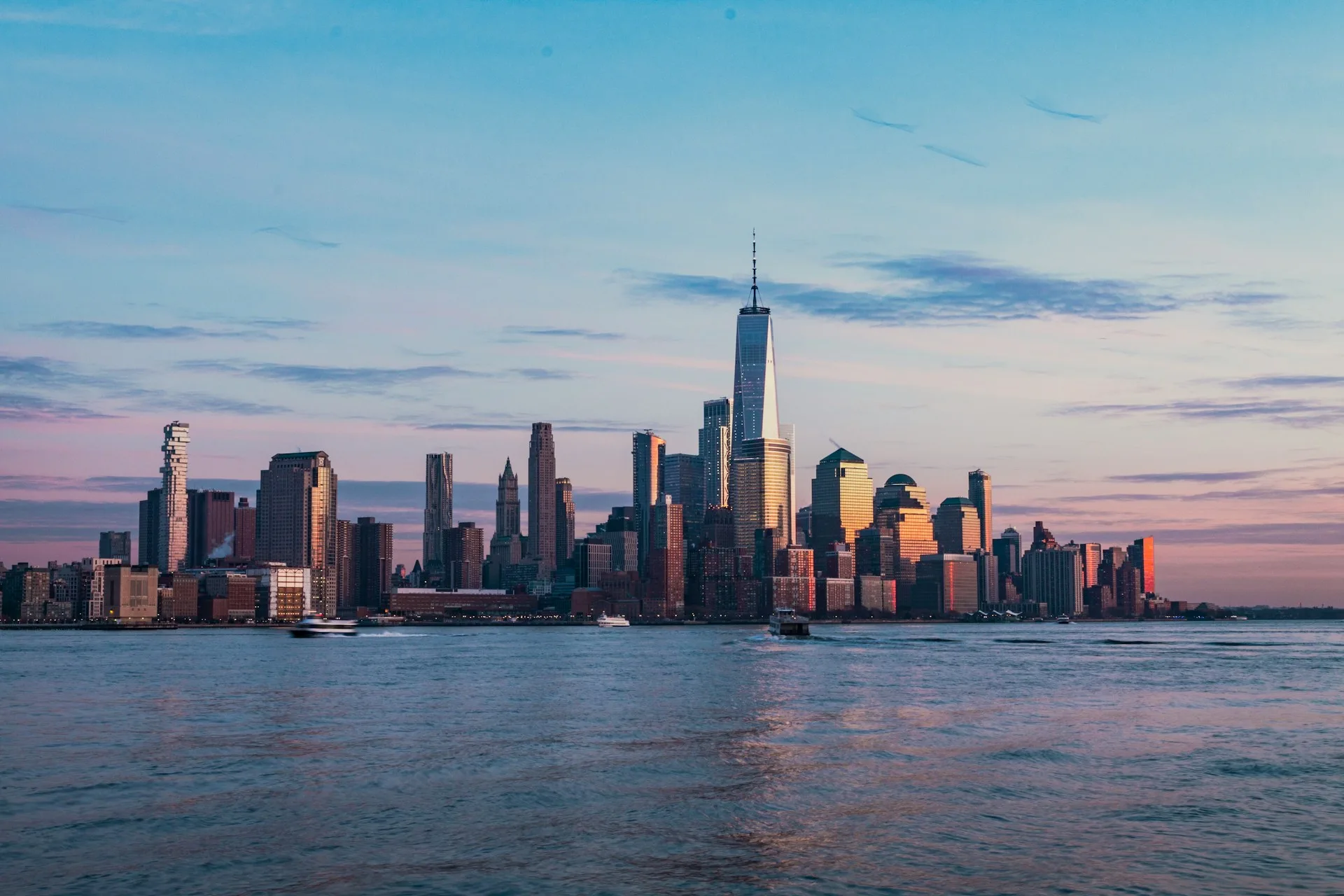
Close to home and endlessly varied, North America ranges from desert canyons to alpine national parks, from world cities to quiet coastal towns: a continent that contains a dozen vacations within a single border.
View all North AmericaDestinations
Overview
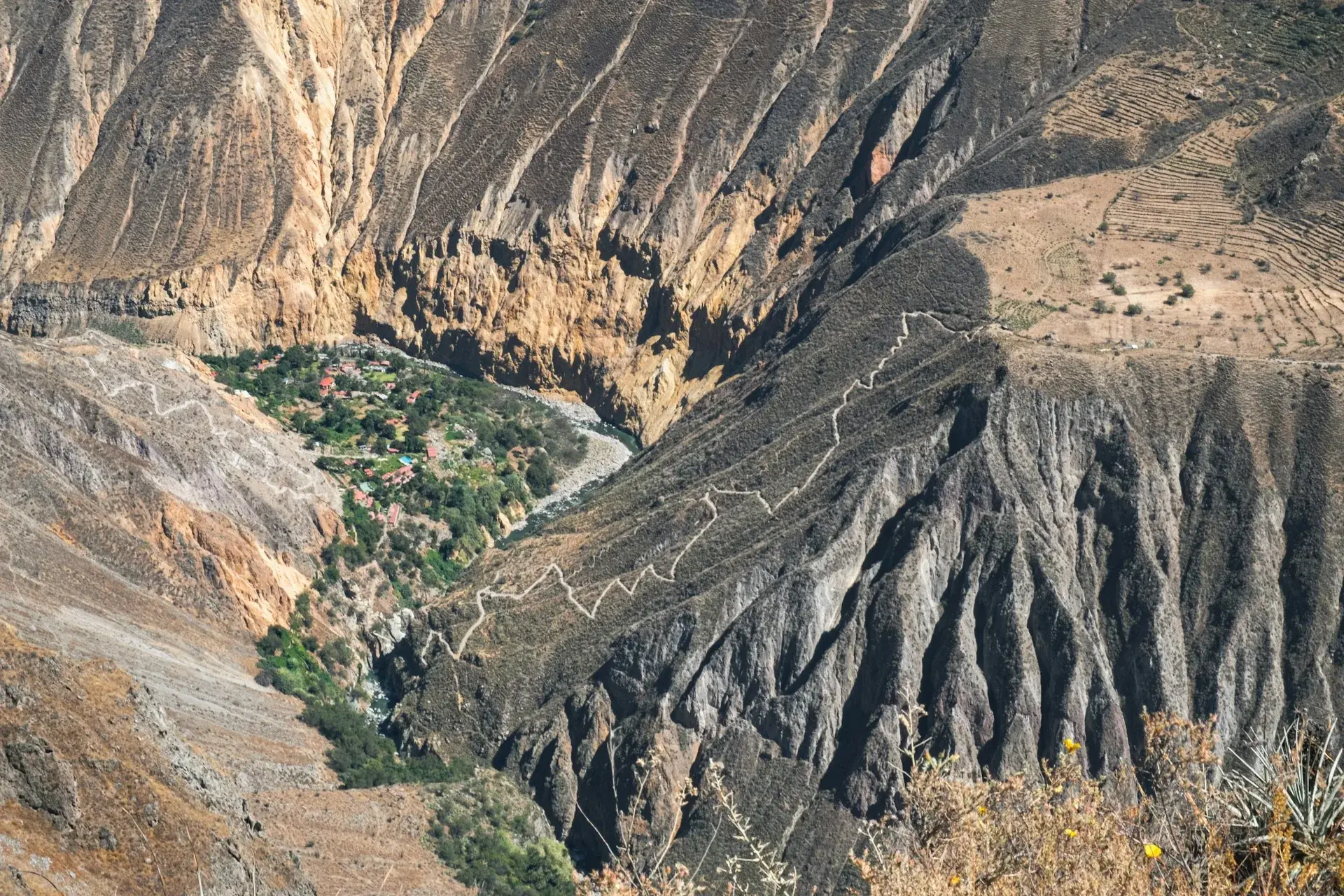
A continent of extremes, from the high Andes and the vast Amazon to glacial Patagonia and the rhythm of its cities, South America rewards the adventurous traveler with some of the planet’s most dramatic scenery and deepest history.
View all South AmericaOverview
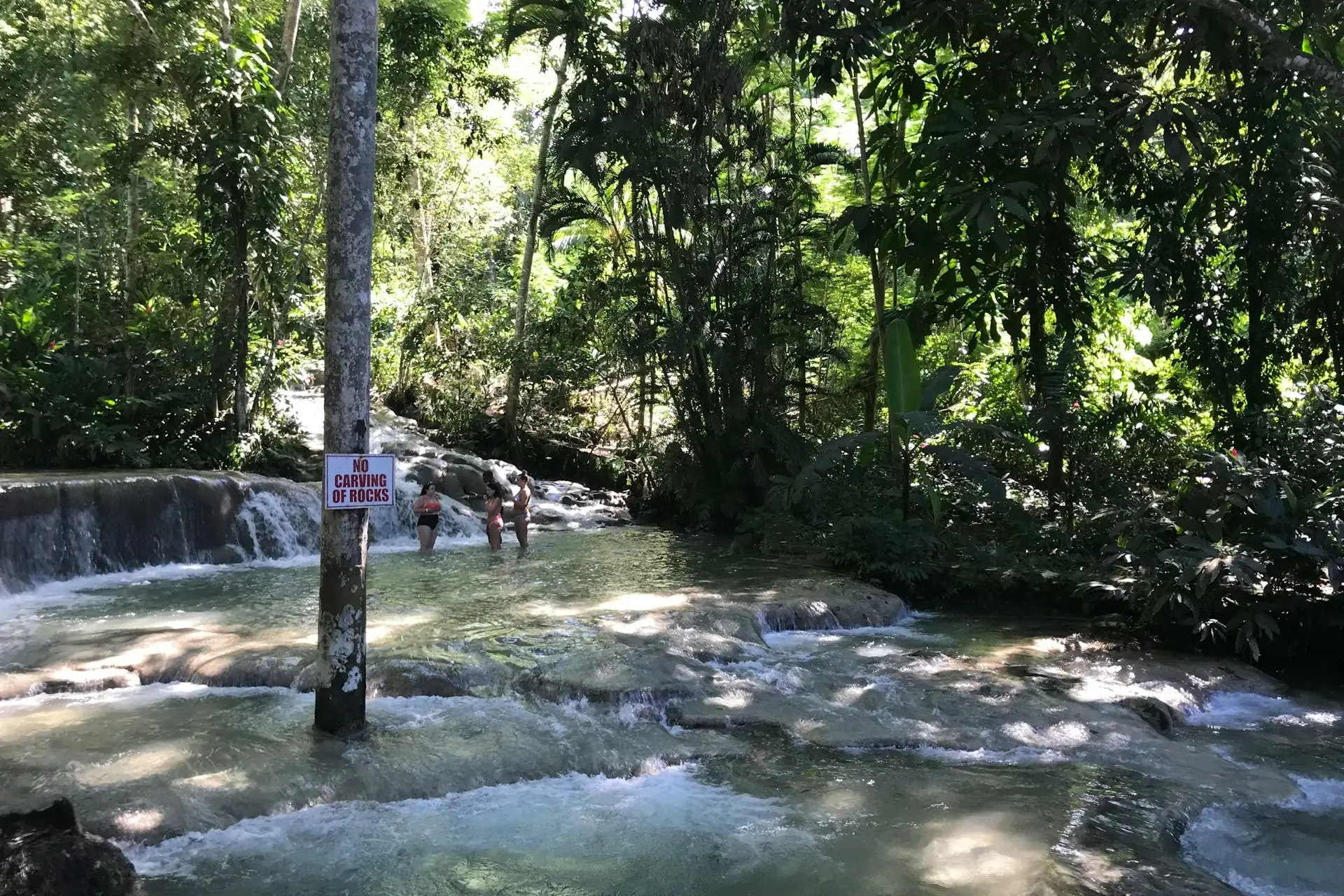
A scattering of islands across impossibly blue water, the Caribbean is the art of the easy day perfected: white sand, warm rhythm and hospitality that turns first-time visitors into lifelong returnees.
View all CaribbeanDestinations
Overview
From the Great Barrier Reef to the red heart of the outback, from the fjords of New Zealand to the scattered atolls of the South Pacific, Australia & Oceania offer some of the most remote and rewarding travel on earth.
View all Australia & OceaniaDestinations
Est. 1918 · four generations · 38 countries
How You Travel
River Cruises Ocean & Small-Ship Expedition Flights Tours & Escorted All-Inclusive All travel experiencesFeatured
 The Danube
 Featured
 The Caribbean
 Featured
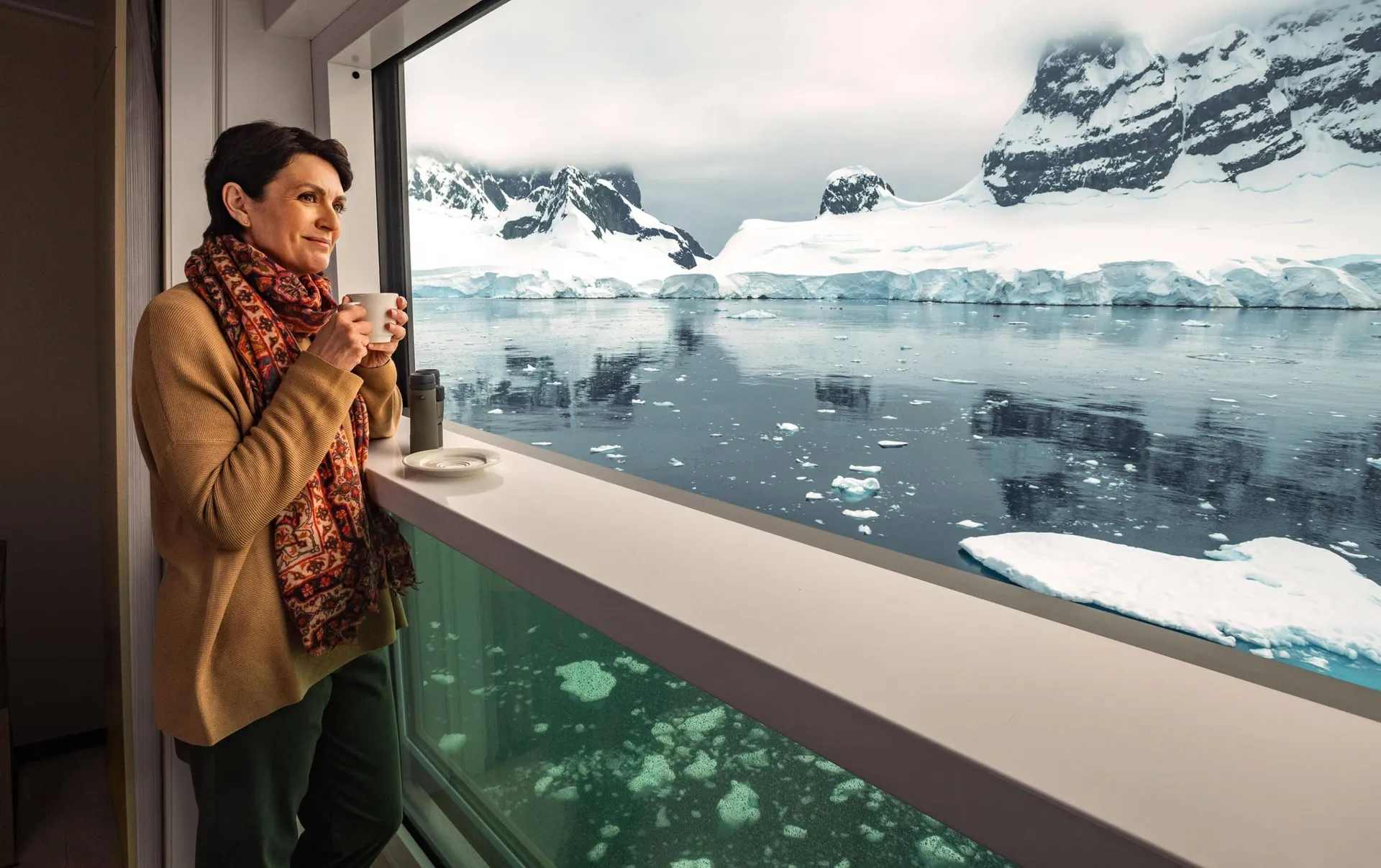 Antarctica
 Overview
Premium-cabin fares, complex routings and around-the-world tickets, booked by people who fly for a living.
Explore flightsFeatured
 Flights
 Overview
Expertly guided group departures and private escorted itineraries across the world's great regions.
Explore tours & escortedFeatured
 Tours & Escorted Journeys
 Overview
Beach and luxury all-inclusive escapes where flights, meals and more fold into a single, easy fare.
Explore all-inclusiveFeatured
 All-Inclusive Resorts
 River, ocean & expedition cruises · flights · tours · all-inclusive
Corporate travel
Destinations · Asia
The Great Wall, ancient capitals & karst rivers.
The country
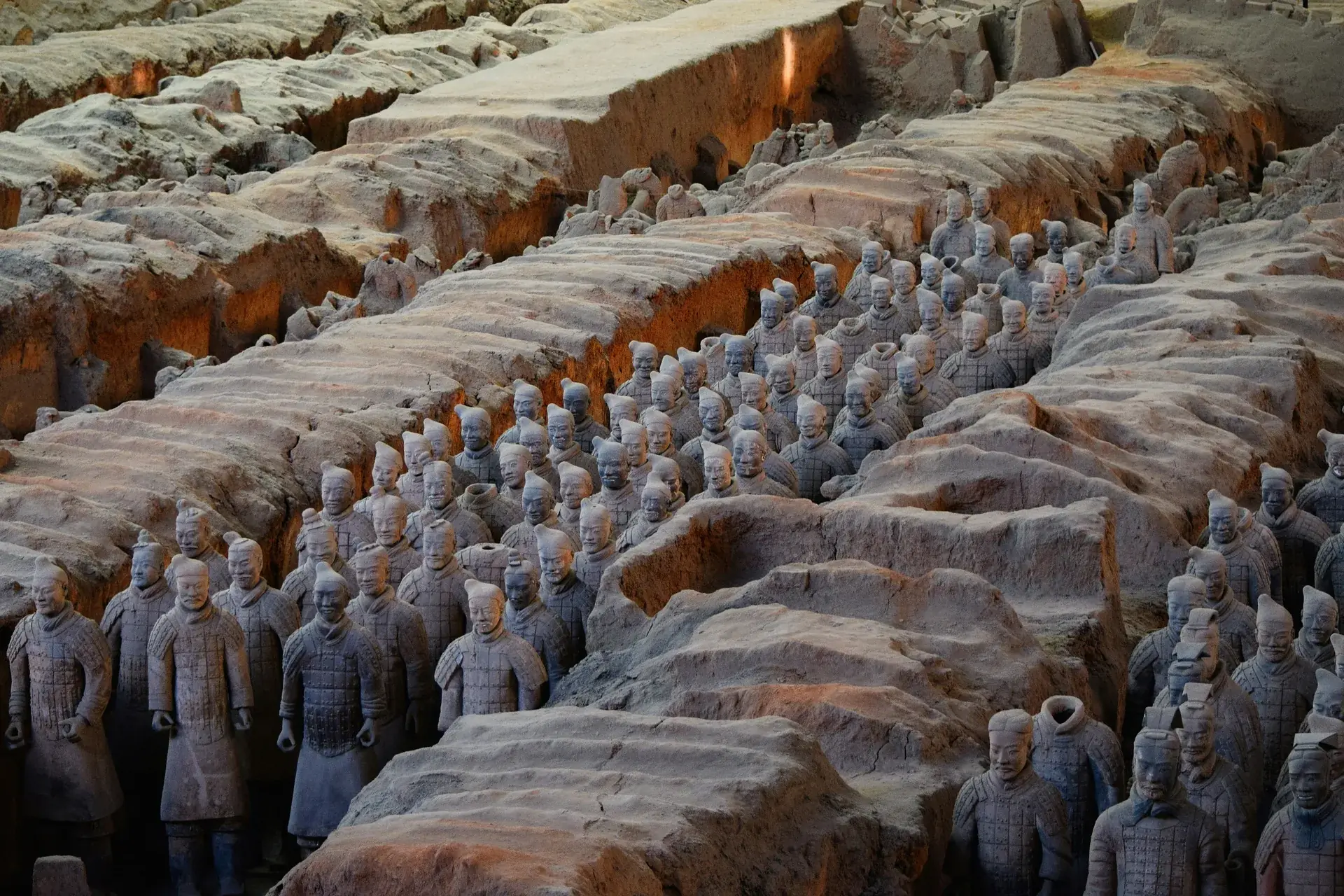
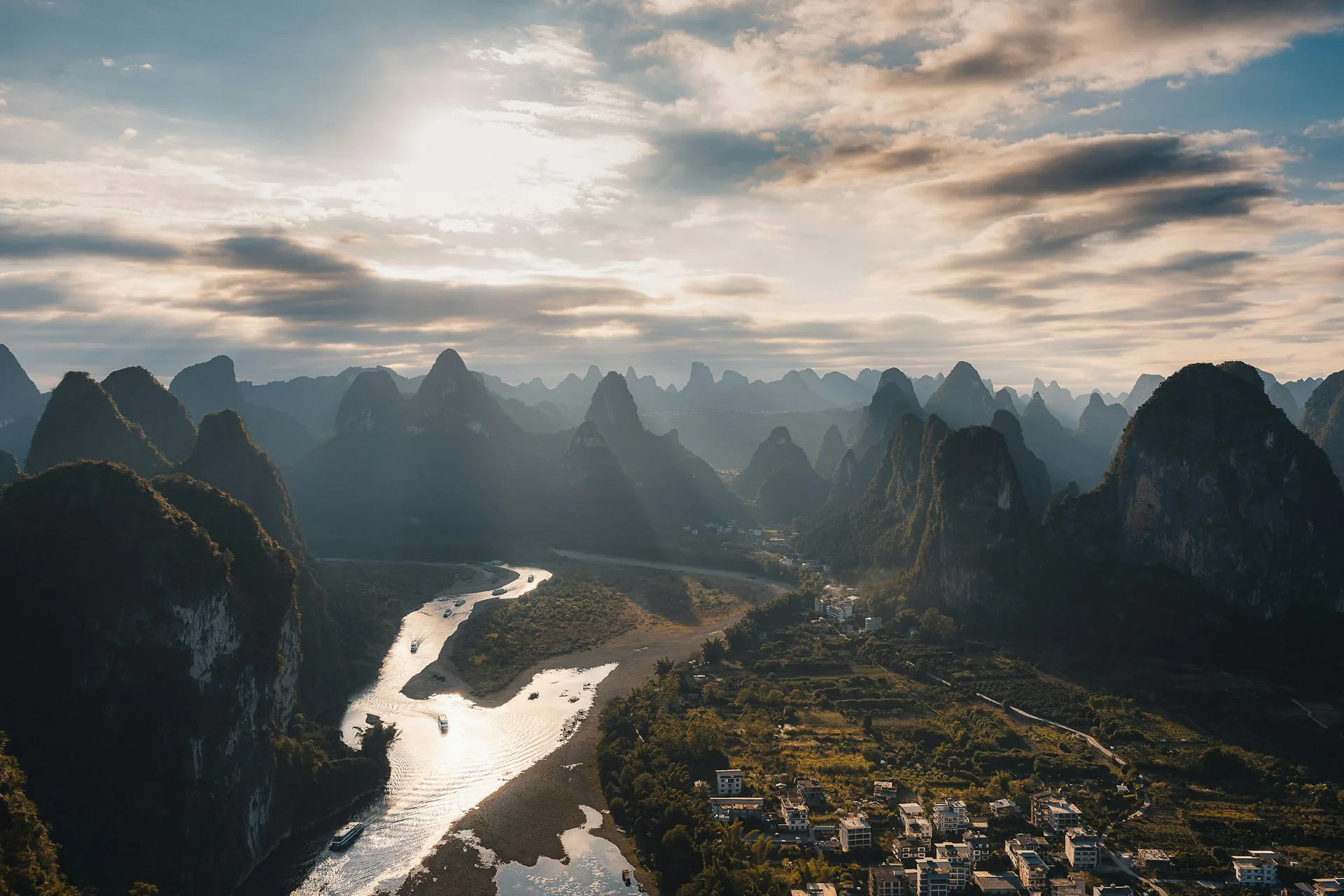
Few countries reward a journey quite like China. In the space of a single trip you can walk a watchtower stretch of the Great Wall as it ripples over the hills north of Beijing, stand before the silent ranks of the Terracotta Army outside Xi'an, drift beneath the karst peaks of the Li River, and watch the lights of Shanghai's skyline switch on across the water, all linked by the fastest train network on earth.
This is a country of staggering scale and deep history, where five thousand years of dynasties, philosophy and invention sit alongside gleaming megacities and bullet trains. The rhythm shifts from region to region, from the imperial grandeur of the north to the misty rivers and rice terraces of the south, the spice of a Chengdu hotpot to the morning calm of a temple courtyard, and half the pleasure is learning to move at its pace.
We design China itineraries that balance the headline sights with the quieter moments in between: a private morning on a restored stretch of the Wall before the tour buses arrive, an afternoon with the giant pandas of Chengdu, a slow boat down the Li River past fishermen and water buffalo. However you want to travel it, we build the route so each stop has room to breathe.
When to go
China is vast enough that the weather depends as much on where you stand as on the month — the north runs continental, the south stays hot and humid. This is how we'd read the year across the desk, building around the two clear-skied shoulders and the domestic holiday weeks to avoid.
Our favorite window: mild, comfortable days, blossom in the northern parks and clear light on the Great Wall, all before the heat, humidity and big domestic crowds of high summer.
Warm days, cooler evenings and the year's clearest skies, with autumn color in the north. Ideal for pairing the cities with the Li River and the mountains, though we book around the early-October national holiday.
Peak summer is hot and humid across much of the country and busy at the marquee sights, but it is the green season for the southern rivers and rice terraces and the best time for the high grasslands and far west.
Cold and quiet in the north, with crisp light on the Wall and far fewer visitors, while the south stays milder. Great value and atmosphere for a city-and-history trip if you pack for the chill.
Where to go
China is vast enough to feel like a dozen countries in one, each with its own landscape, dialect and table. These are the regions we weave together most often, from the imperial capital and the Great Wall to the ancient heart of Xi'an, the karst rivers of the south and the futuristic skyline of Shanghai.
Region
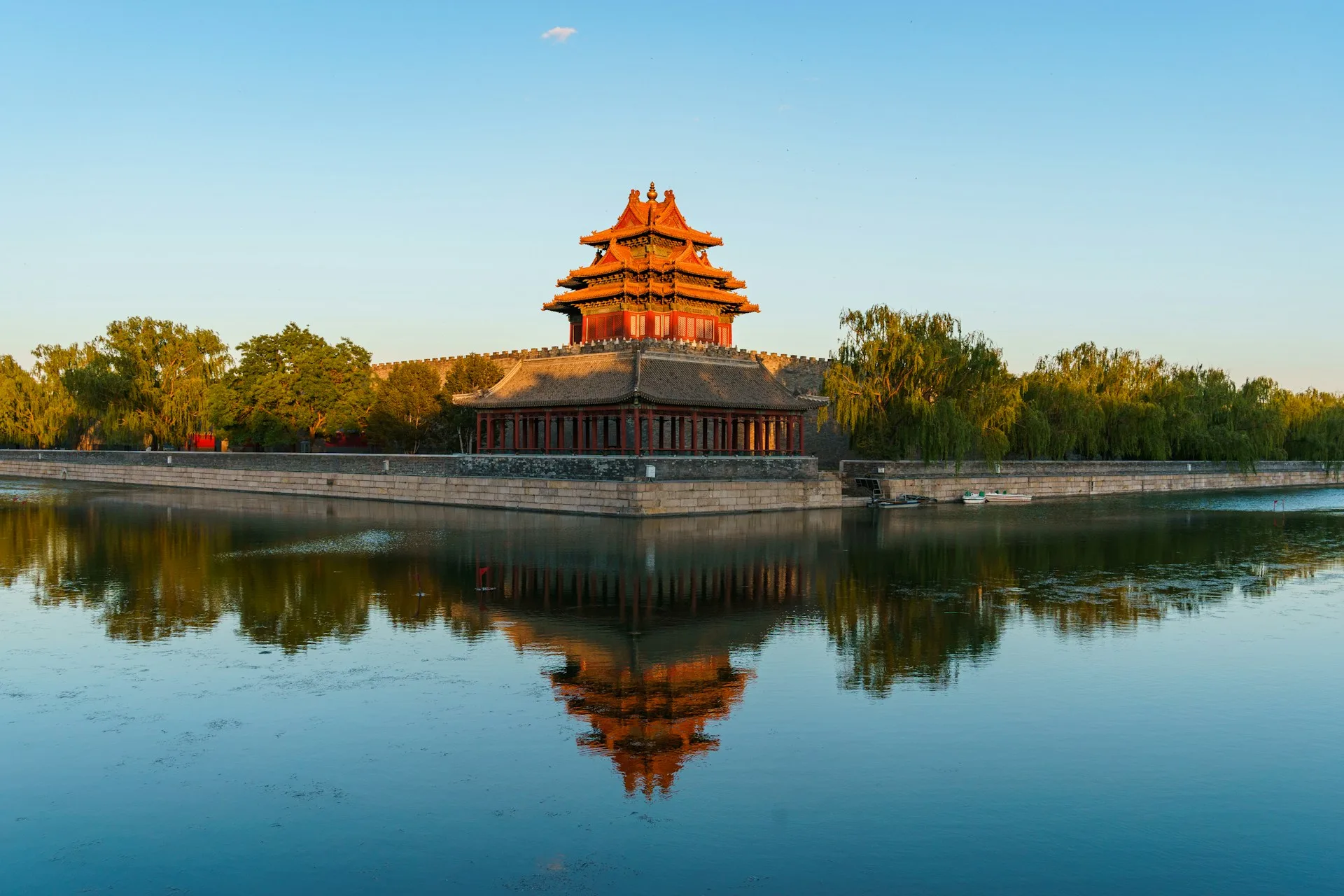
The historic capital, where the Forbidden City, the Temple of Heaven and the Summer Palace sit within easy reach of the great watchtower stretches of the Great Wall winding through the hills to the north.
Region
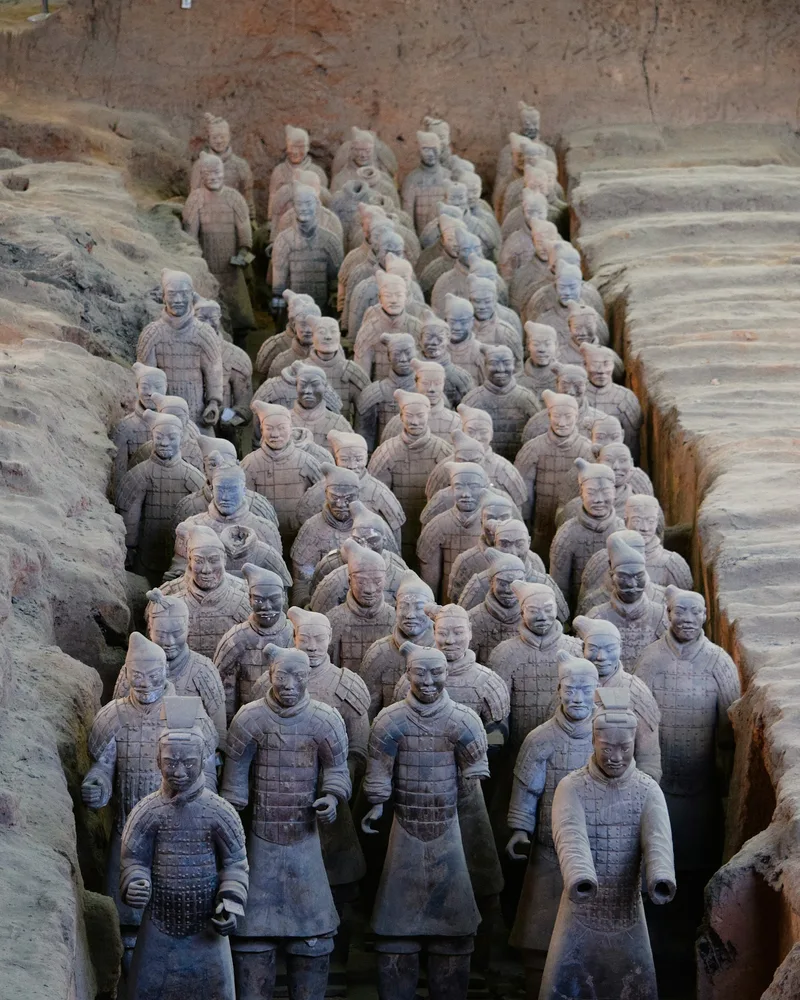
The eastern terminus of the Silk Road and capital of ancient dynasties, home to the silent ranks of the Terracotta Army, a still-intact city wall and one of the country's great Muslim quarters and night markets.
Region
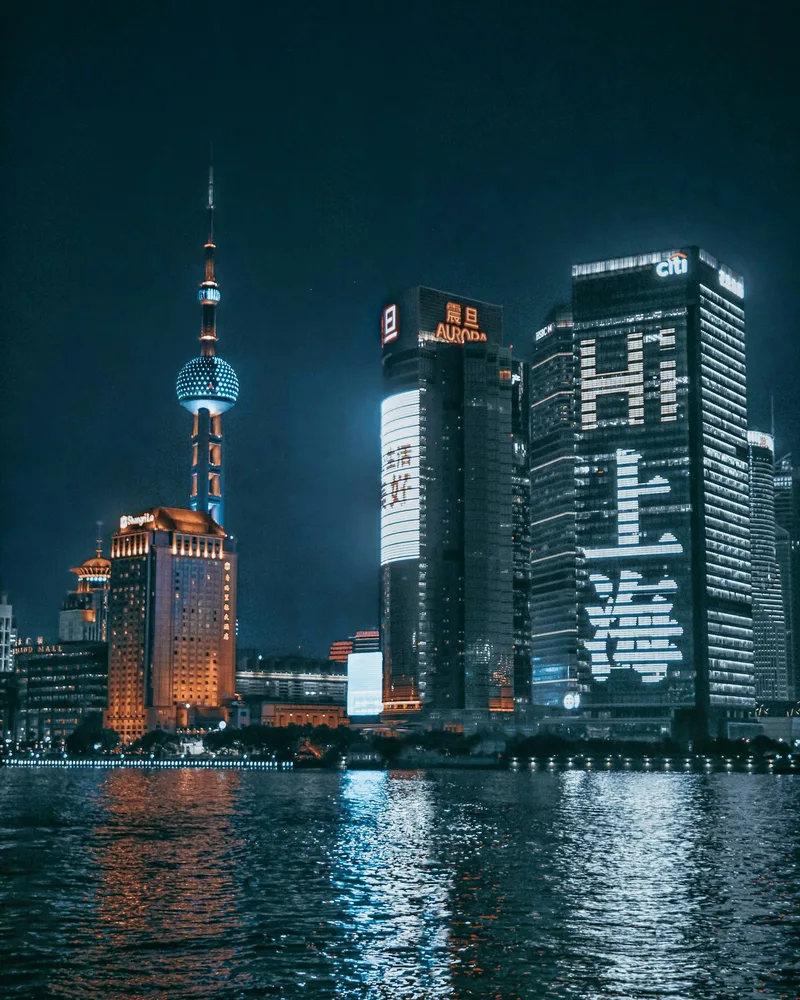
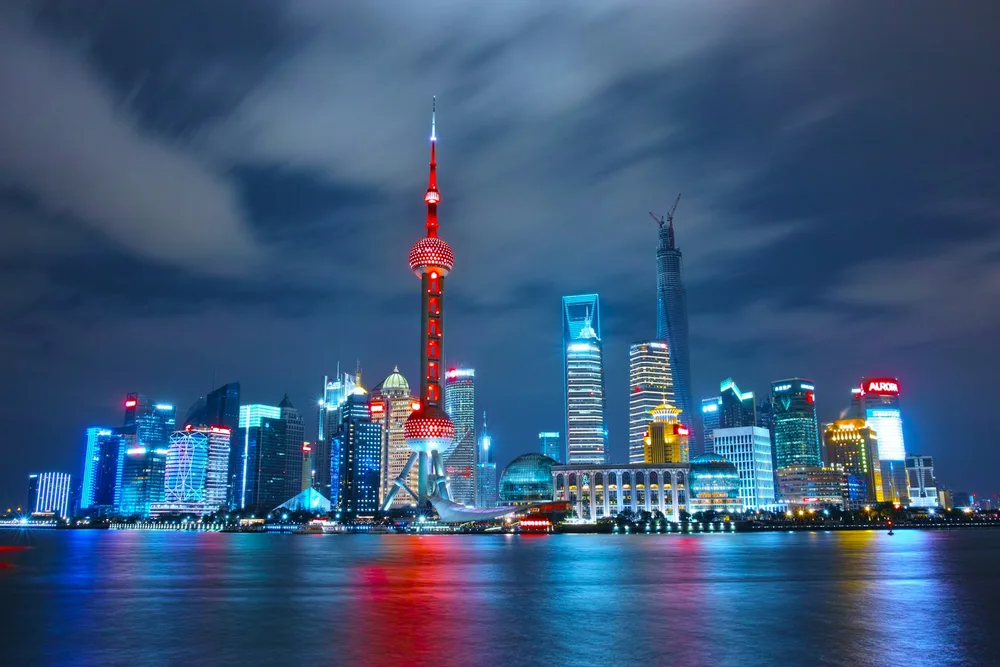
China's dazzling commercial capital, where the colonial facades of the Bund face the neon towers of Pudong across the river, threaded with art deco lanes, designer boutiques and some of Asia's best dining.
Region
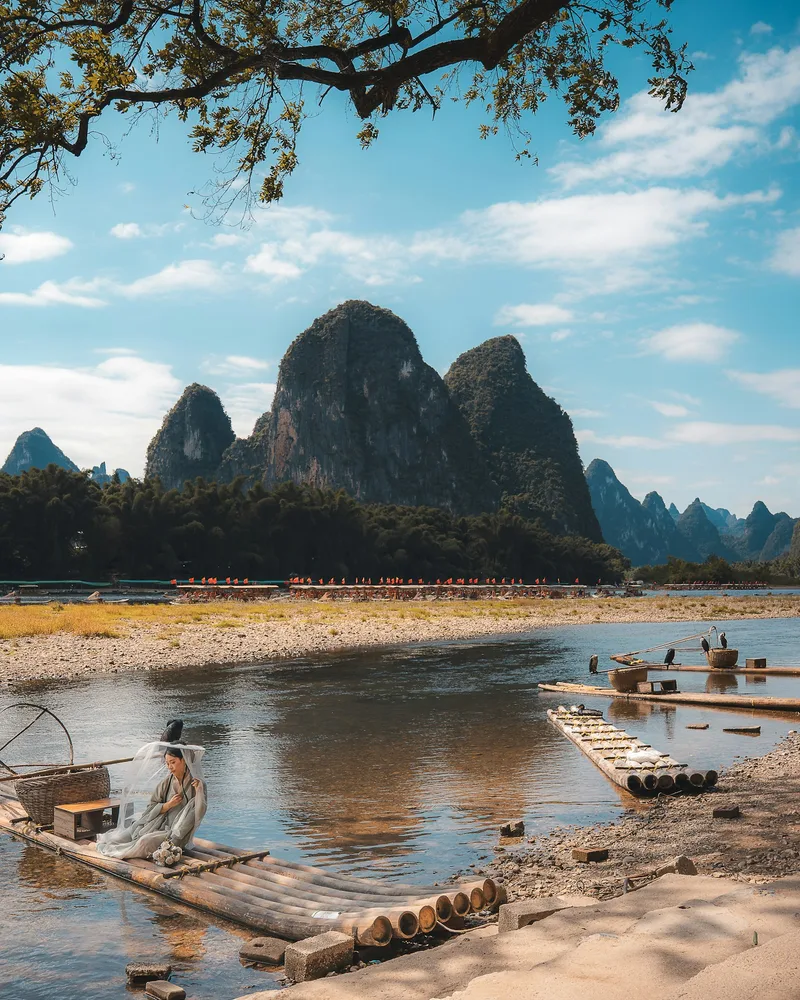
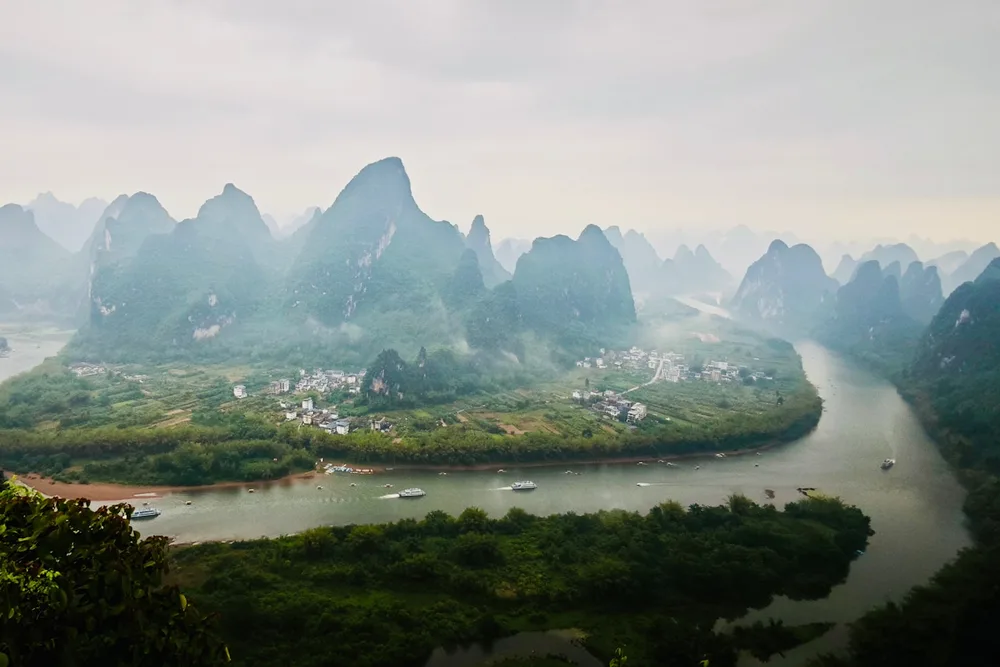
The dreamlike south, where thousands of karst peaks rise from the rice fields and the jade-green Li River winds past bamboo groves, fishing villages and the laid-back traveler town of Yangshuo.

Region
The relaxed, tea-house capital of Sichuan, famous for its giant panda breeding center, its fiery hotpot and mapo tofu, and as the gateway to the misty mountains and ancient irrigation works of the west.
A sample journey
 1
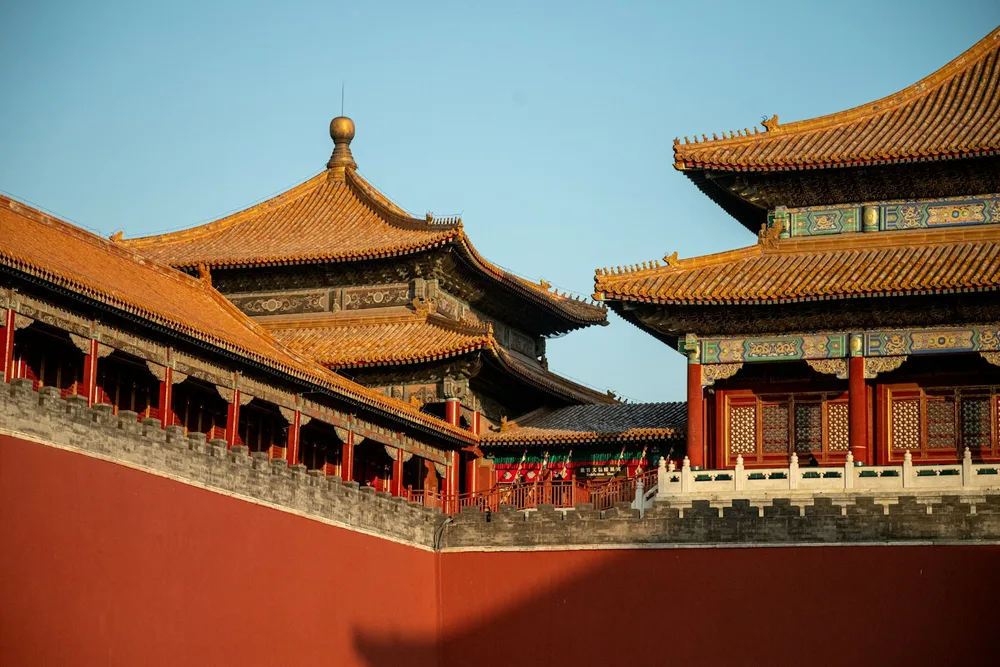
1 Begin in the capital: the vast courtyards of the Forbidden City, the circular Temple of Heaven, the lakeside Summer Palace and long evenings of Peking duck and a stroll through the old hutong lanes.
 2
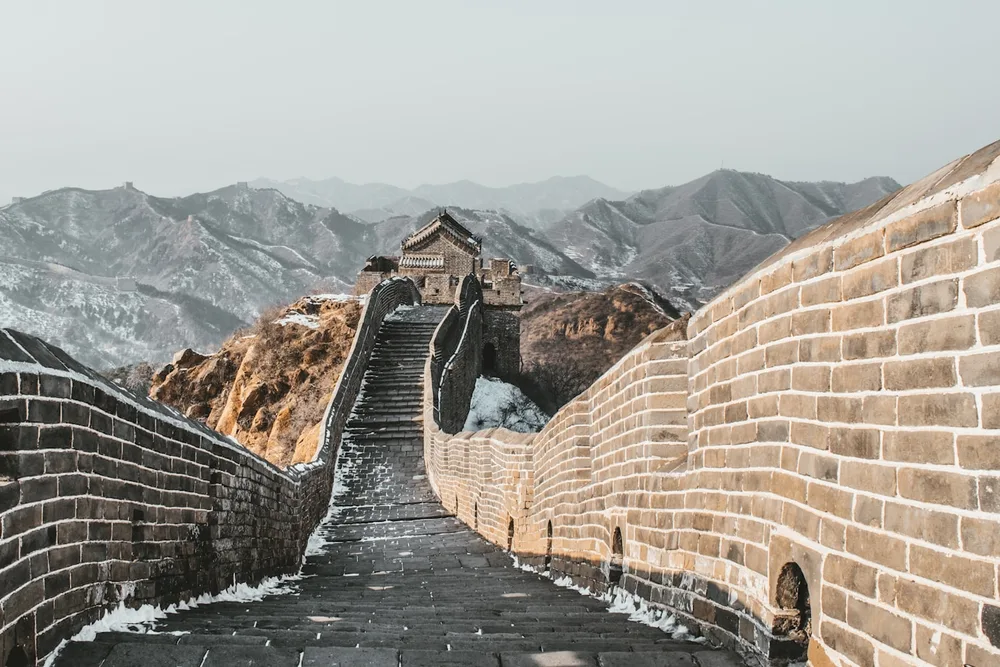
2 Head into the hills north of Beijing for the highlight of many trips: a private morning on a restored stretch of the Great Wall, walking the watchtowers and ramparts as they ripple over the ridgelines.
 3
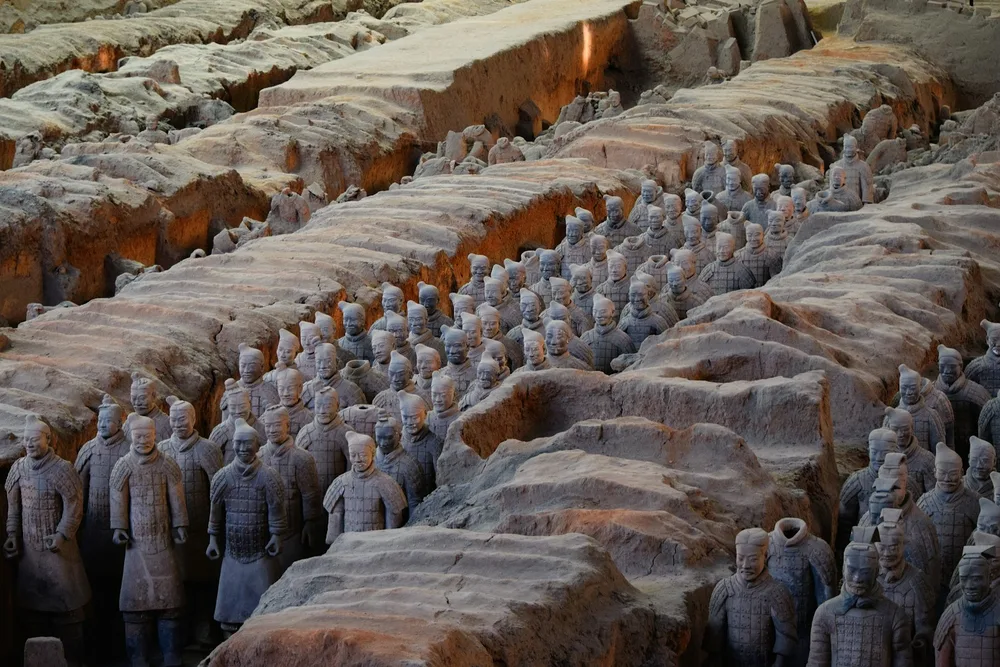
3 Bullet train west to ancient Xi'an for the silent ranks of the Terracotta Army, a cycle atop the intact city wall, and the lantern-lit food stalls and Great Mosque of the historic Muslim Quarter.
 4
4 On to laid-back Chengdu for a morning with the giant pandas at the breeding center, a fiery Sichuan hotpot, and the tea houses and temples that give the city its famously relaxed pace.
 5
5 Fly south to Guilin for the country's most dreamlike scenery: a slow cruise down the jade-green Li River beneath thousands of karst peaks, then cycling and rafting among the rice fields around Yangshuo.
 6
6 Finish in dazzling Shanghai: the colonial Bund facing the neon towers of Pudong, the classical Yu Garden, the art deco lanes of the French Concession and a final farewell dinner above the skyline.
Every itinerary we build is bespoke: this is a starting point, not a package.
Getting around
Where to stay
Rail tickets, internal flights, English-speaking guides and every transfer are all arranged as part of every itinerary — the logistics are handled long before you arrive.
Good to know
Twelve to sixteen nights is the sweet spot for a first trip, comfortably linking Beijing and the Great Wall, Xi'an and the Terracotta Army, and Shanghai, with time for the Li River or the pandas of Chengdu in between. China is vast, so with less time we focus on two or three regions rather than racing across the whole country.
Spring (April to May) and autumn (September to October) are ideal, with mild, comfortable weather and the clearest skies for the Great Wall and the southern rivers. Summers are hot, humid and busy across much of the country, while winters are cold in the north but quiet and atmospheric, and the south stays milder year-round.
Most travelers need a visa arranged in advance, though China has expanded visa-free transit and short-stay schemes for many nationalities, and the rules change often. We advise on the current requirements for your passport and itinerary and guide you through the application as part of the planning, so the paperwork is sorted well before departure.
Yes, with the right support. English is limited outside the big hotels and major sights, and the language and ticketing can be daunting on your own, which is why we build our itineraries around private English-speaking guides and drivers in each city. They smooth the logistics, bring the history to life and handle the details, so you can simply enjoy the trip.
Both, and we combine them to suit the route. China's high-speed trains are superb for the closer hops, such as Beijing to Xi'an or Xi'an to Chengdu, running city center to city center at up to 350 kilometers an hour. For the longer distances, like reaching Guilin or Shanghai, we use quick domestic flights, and we arrange every ticket and transfer in advance.
Ways to Explore
A private journey designed entirely around you, your pace, and your people.
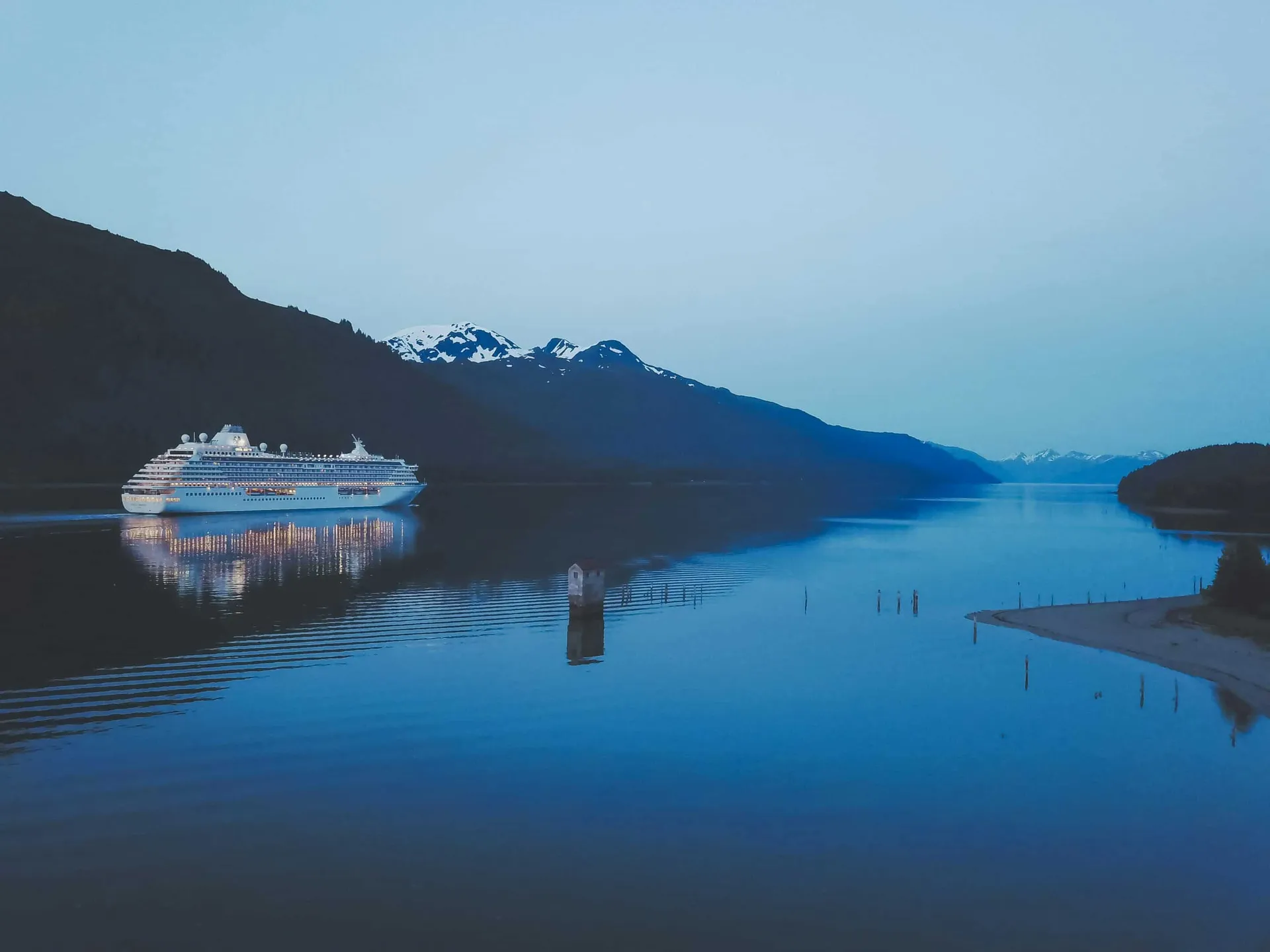
River, ocean and expedition voyages, from the Danube to Antarctica.

Expertly guided, end to end, with the world's finest local operators.

Effortless resort escapes; we cut through the haze to the right one.
Let's begin
Tell us your travel dates and what you love, and we'll handle every detail.
Plan Your TripSearch Chima Travel