
Beijing
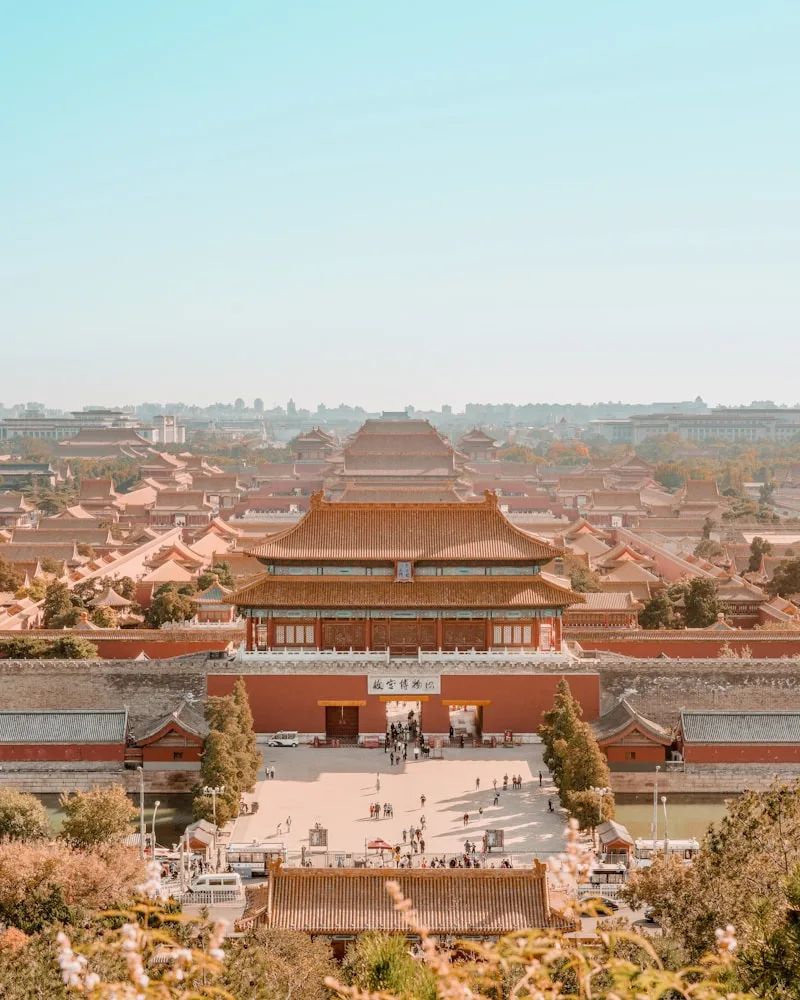
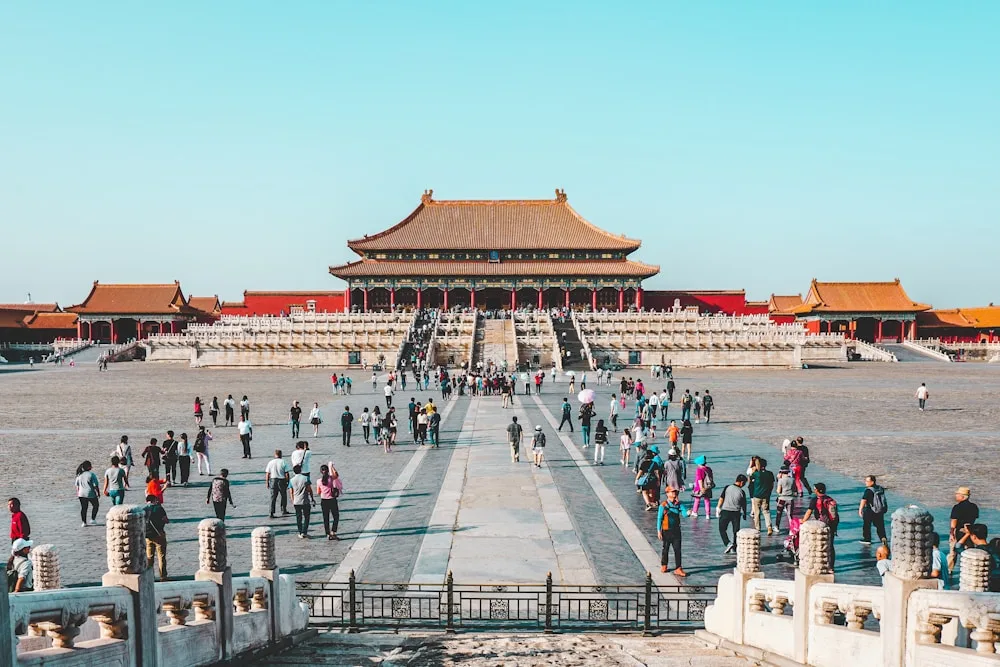
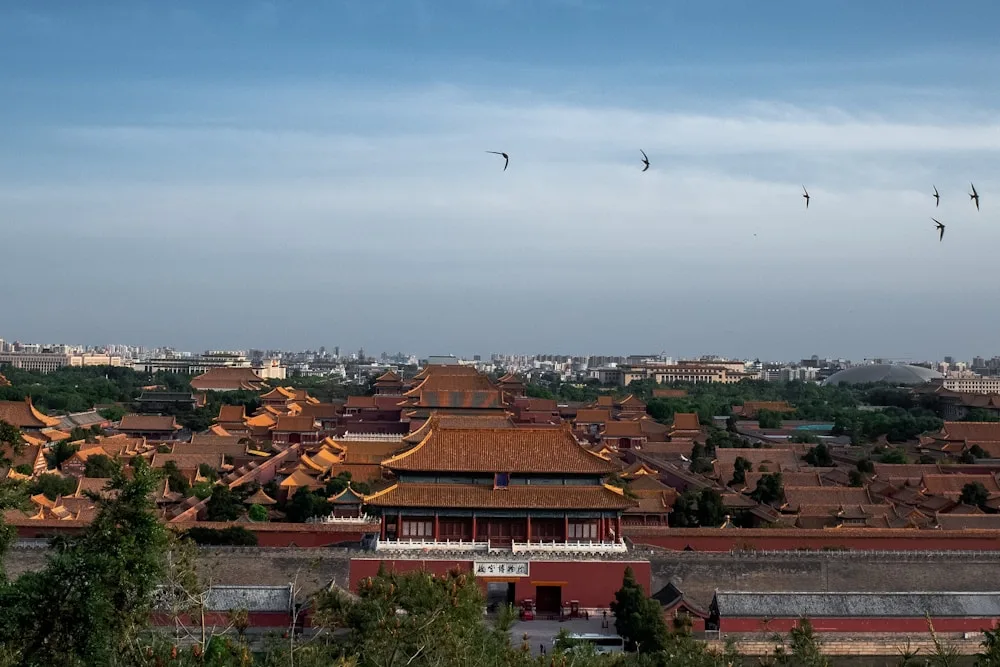
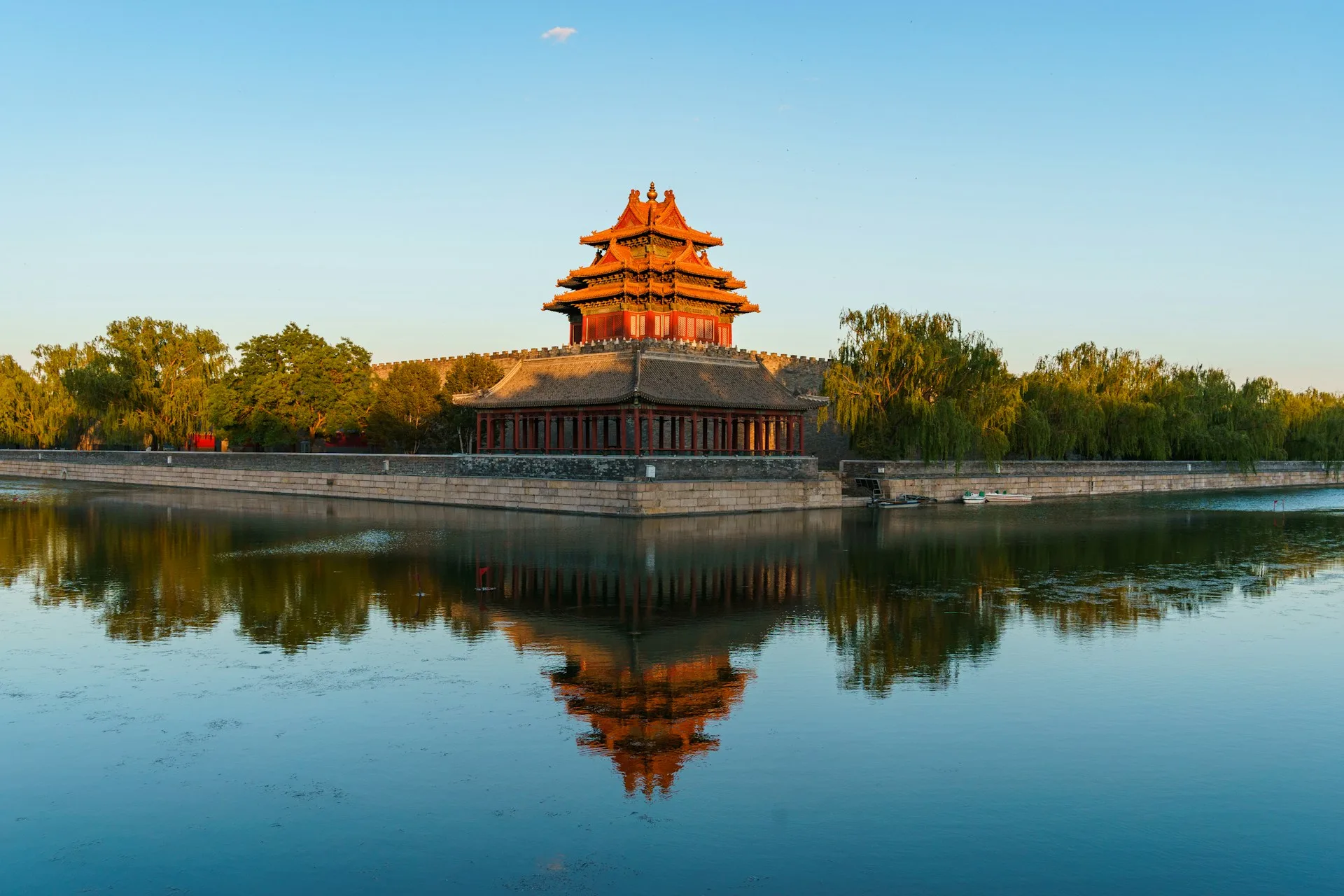
Few places carry their history quite like the Forbidden City. Set squarely at the heart of Beijing, this is the vast imperial palace from which the emperors of China ruled for almost five centuries, a walled city within the city that ordinary people were once forbidden to enter. Begun in the early fifteenth century under the Ming, it remained the seat of power through the Qing dynasty too, and to step through its gates is to walk straight into the ceremonial heart of imperial China.
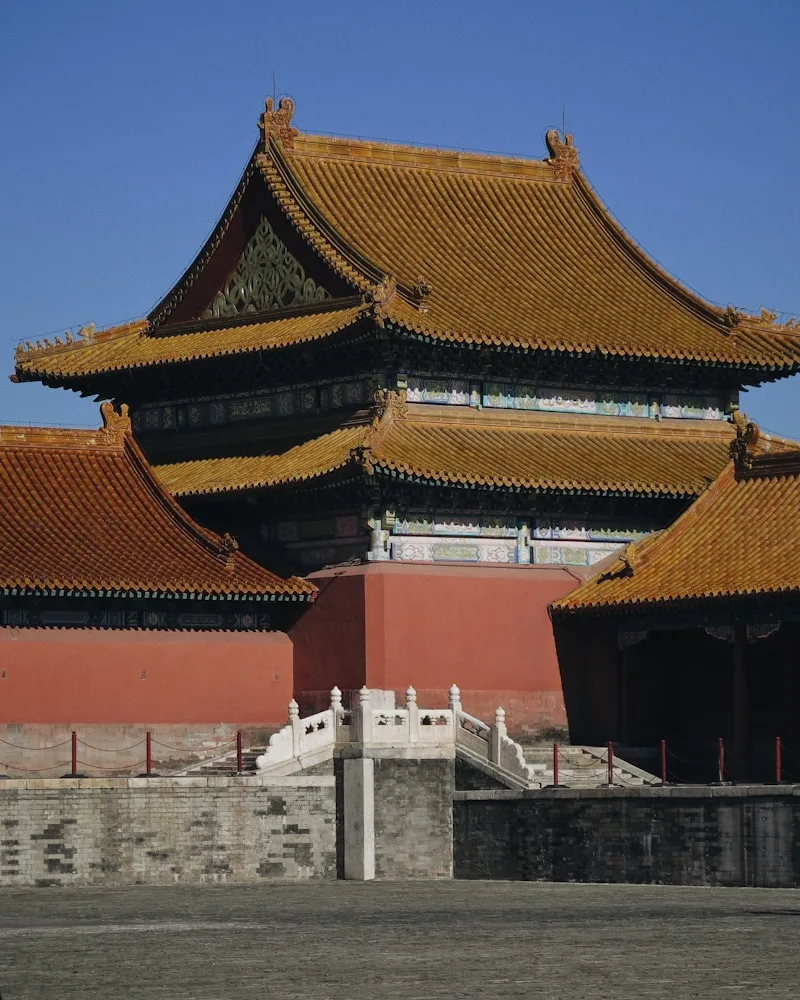
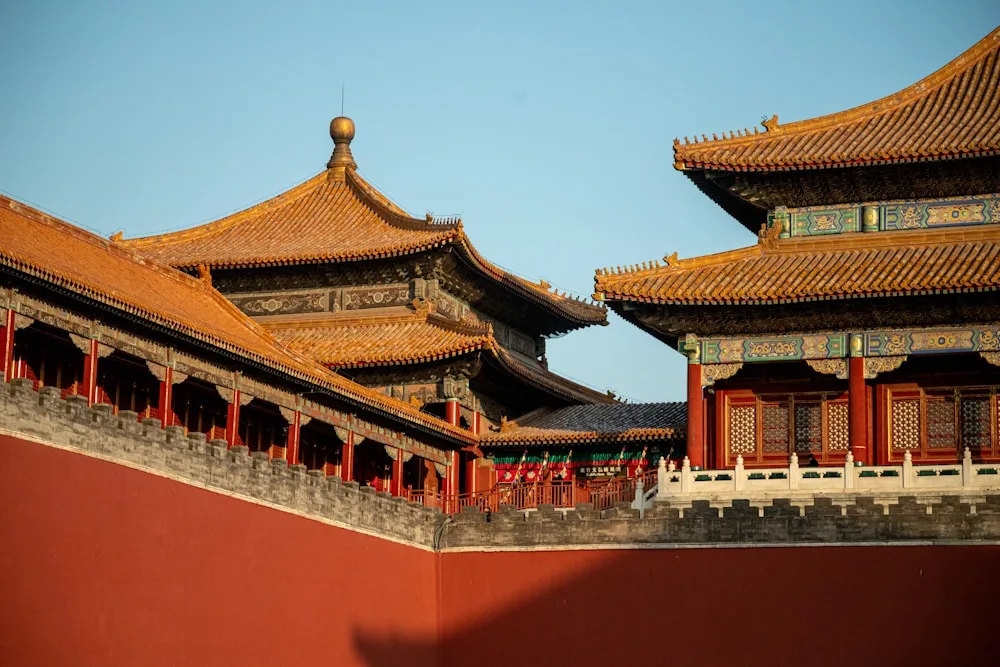
The scale is the thing that stays with you. This is the largest palace complex in the world, a procession of golden-roofed halls and great stone-paved courtyards laid out along a single central axis that runs dead straight from south to north. You pass through one monumental gateway into another, each opening onto a wider courtyard and a grander hall, the crimson walls and yellow-tiled roofs glowing in the northern light, until the formal throne halls give way to the more intimate residential palaces and quiet garden courts beyond.
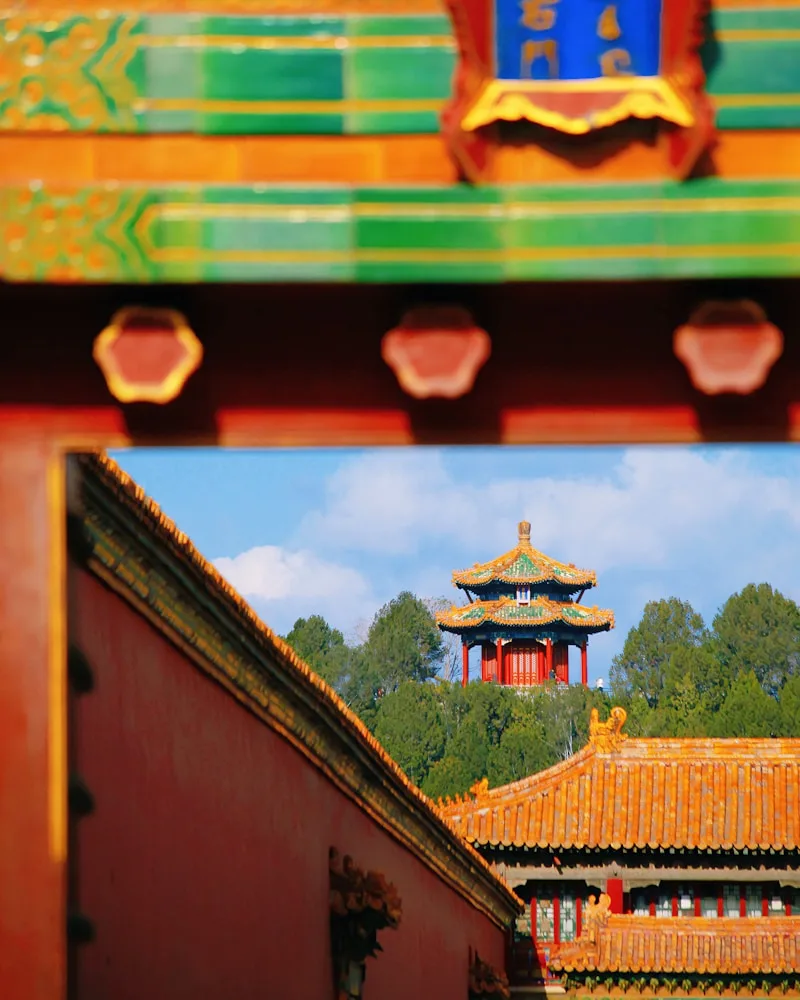
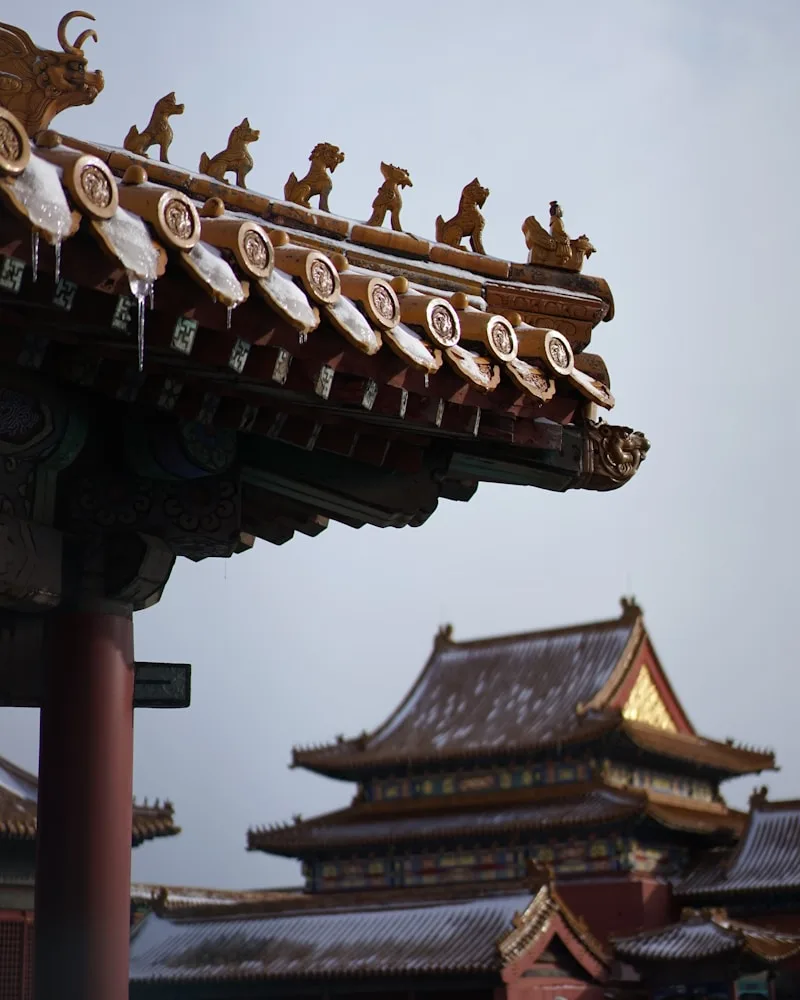
Half the pleasure is in the detail: the marble terraces carved with dragons and clouds, the rows of guardian figures marching along the eaves, the painted beams and lattice screens, the great bronze lions and water vats. We build the visit around an early start and a good local guide, walking the central axis at an unhurried pace so the size and the story of the place have room to land, then pairing it with the gardens and viewpoints that frame it from outside.