










Xi'an (Shaanxi)
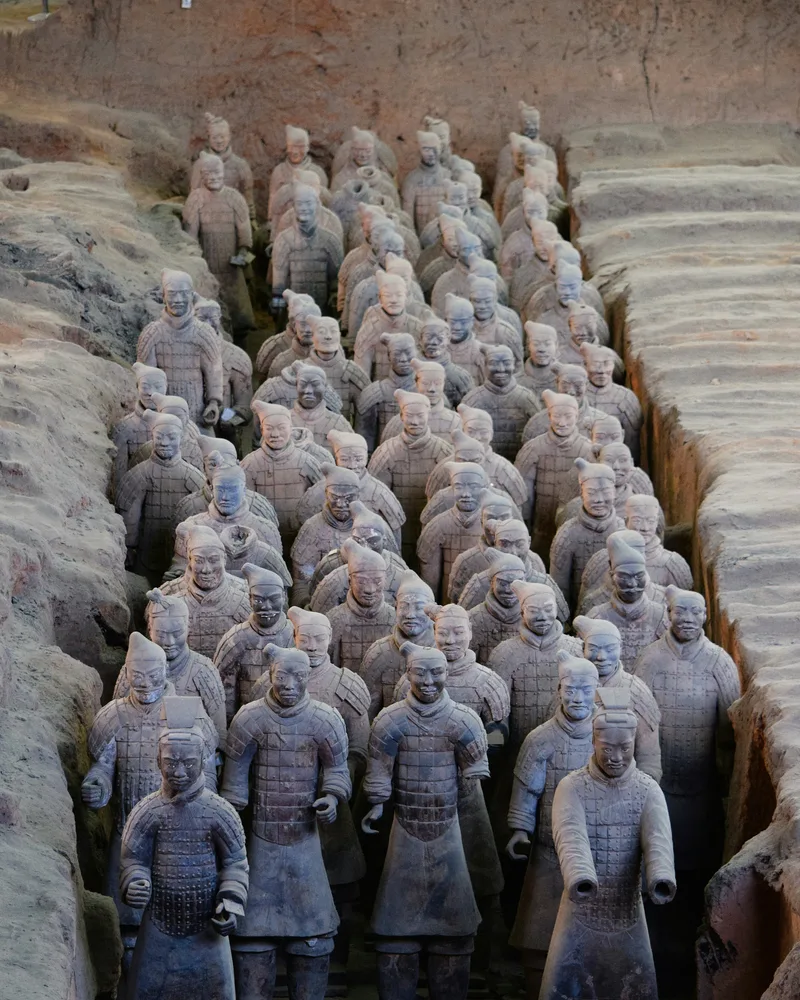
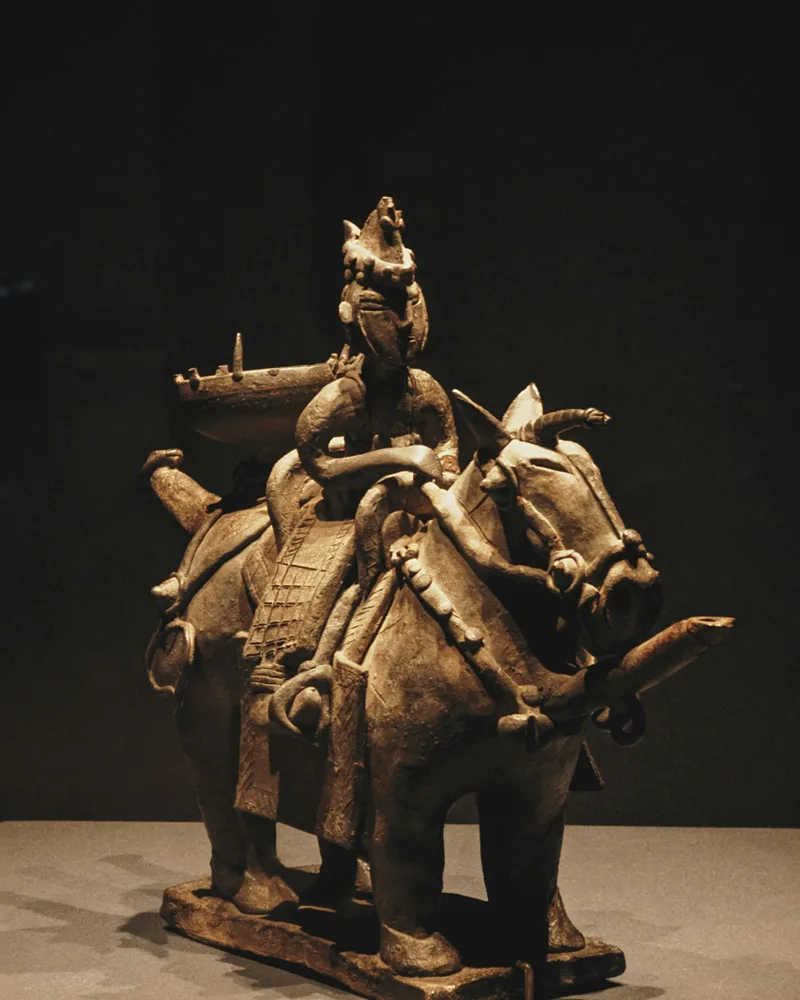
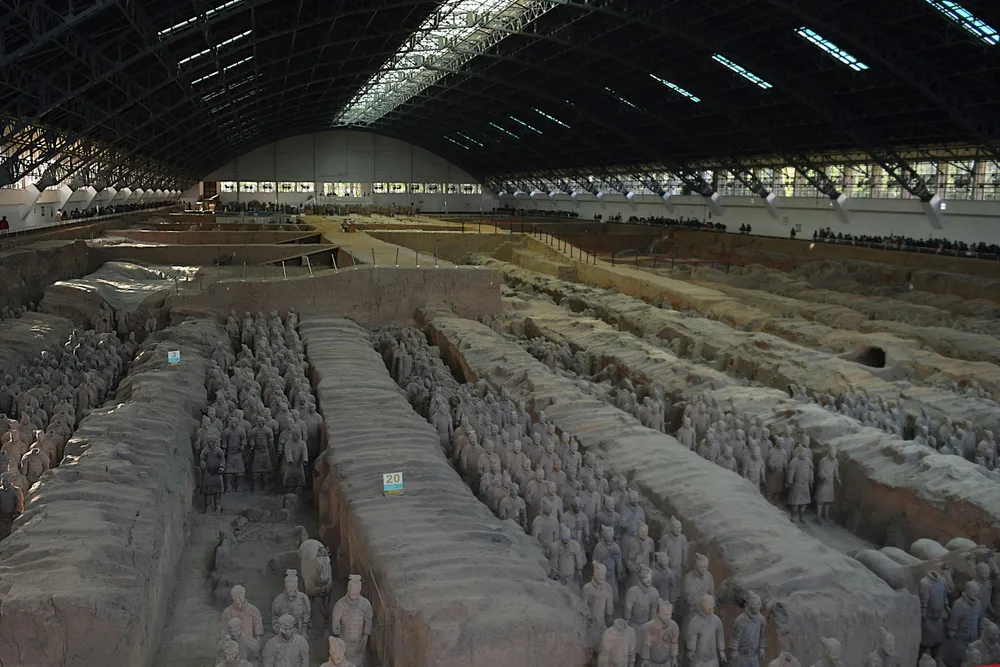
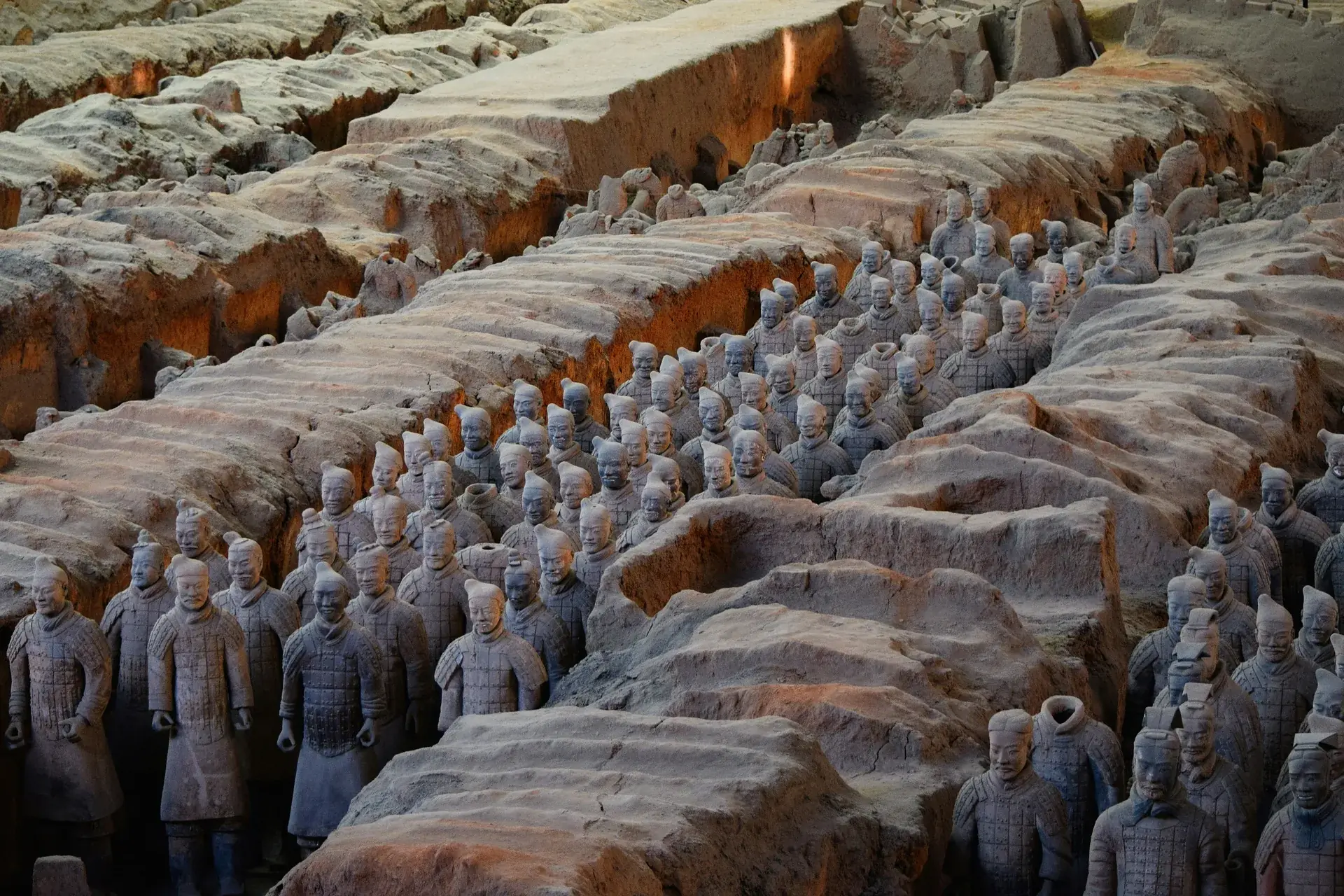
Some sights stop you in your tracks the moment you step inside, and the Terracotta Army is one of them. In a vast vaulted hall on the edge of Xi'an, rank upon rank of life-size clay soldiers stand in the trenches where they were buried more than two thousand years ago, an entire army sculpted to guard Qin Shi Huang, the first emperor of a unified China, on into the afterlife. There are thought to be around eight thousand of them in all, along with horses, chariots and officers, and the scale of the thing is hard to take in until you are standing at the rail looking down the rows.
What makes it all the more remarkable is how it came to light. In 1974 a group of farmers digging a well in the fields east of Xi'an struck a head of fired clay, and the dig that followed uncovered one of the great archaeological finds of the age. The soldiers had stood in silent formation since the third century BC, and the excavation is still going on today, with whole sections of the underground army yet to be lifted from the earth. To walk the galleries is to watch a discovery that is still unfolding.
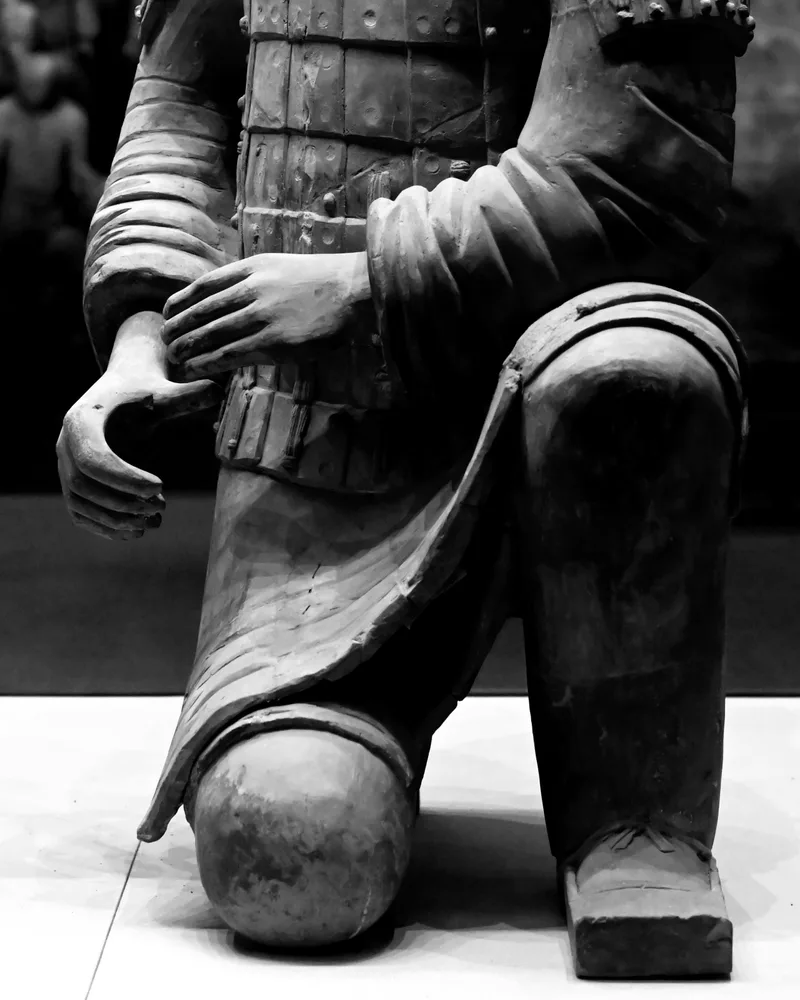
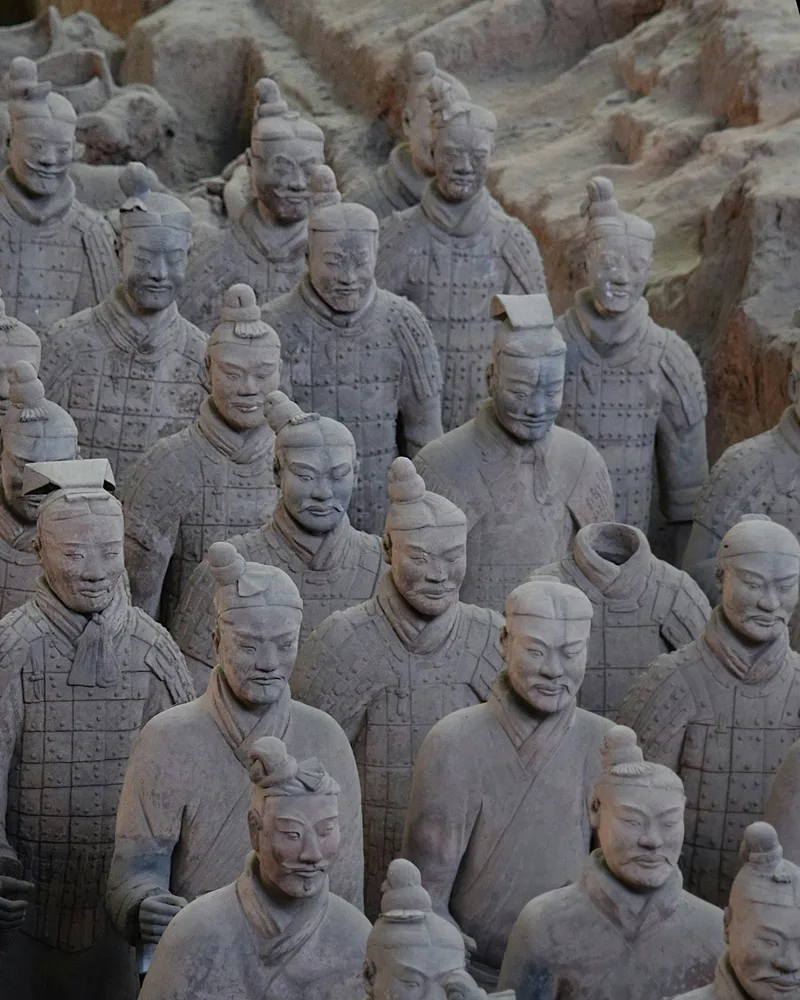
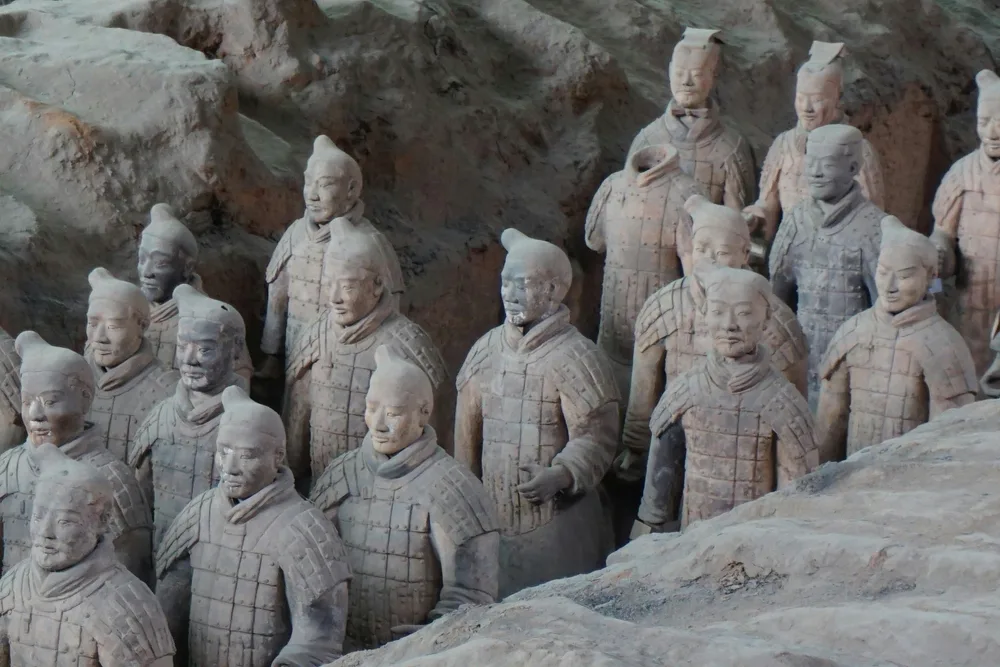
The wonder is in the detail. Get close and you see that no two warriors share a face: there are broad faces and narrow ones, mustaches and topknots, the calm set of a veteran and the keener look of a young recruit, each modeled as if from life. Their armor, their hairstyles and their rank are all picked out in the clay, and once you have noticed it you cannot stop looking. We build the visit around a good local guide, an early or late arrival to thin the crowds, and time to simply stand in Pit 1, the grandest of the halls, and let the size of it sink in.