



Region
New York & the Northeast
The energy of Manhattan, world-class museums, theater and dining, with New England's historic towns, coastline and fall foliage an easy reach beyond the city.

By Continent
Europe Africa Asia North America South America Caribbean Australia & Oceania All destinationsOverview
From the canals of Venice to the black-sand coasts of Iceland, Europe rewards the curious traveler with centuries of art, architecture and unforgettable flavor, all within easy reach of one another.
View all EuropeOverview
From the dunes of the Sahara to the great plains of the Serengeti, Africa is a continent of staggering scale and singular encounters: a place where landscape, wildlife and culture meet at full intensity.
View all AfricaDestinations
Overview
Vast and varied, Asia spans snow-capped peaks and tropical coasts, neon megacities and silent temples. It is a continent that rewards both the first-time traveler and the lifelong returnee.
View all AsiaFeatured
 Japan · signature experience Kyoto
 Overview
Close to home and endlessly varied, North America ranges from desert canyons to alpine national parks, from world cities to quiet coastal towns: a continent that contains a dozen vacations within a single border.
View all North AmericaDestinations
Overview
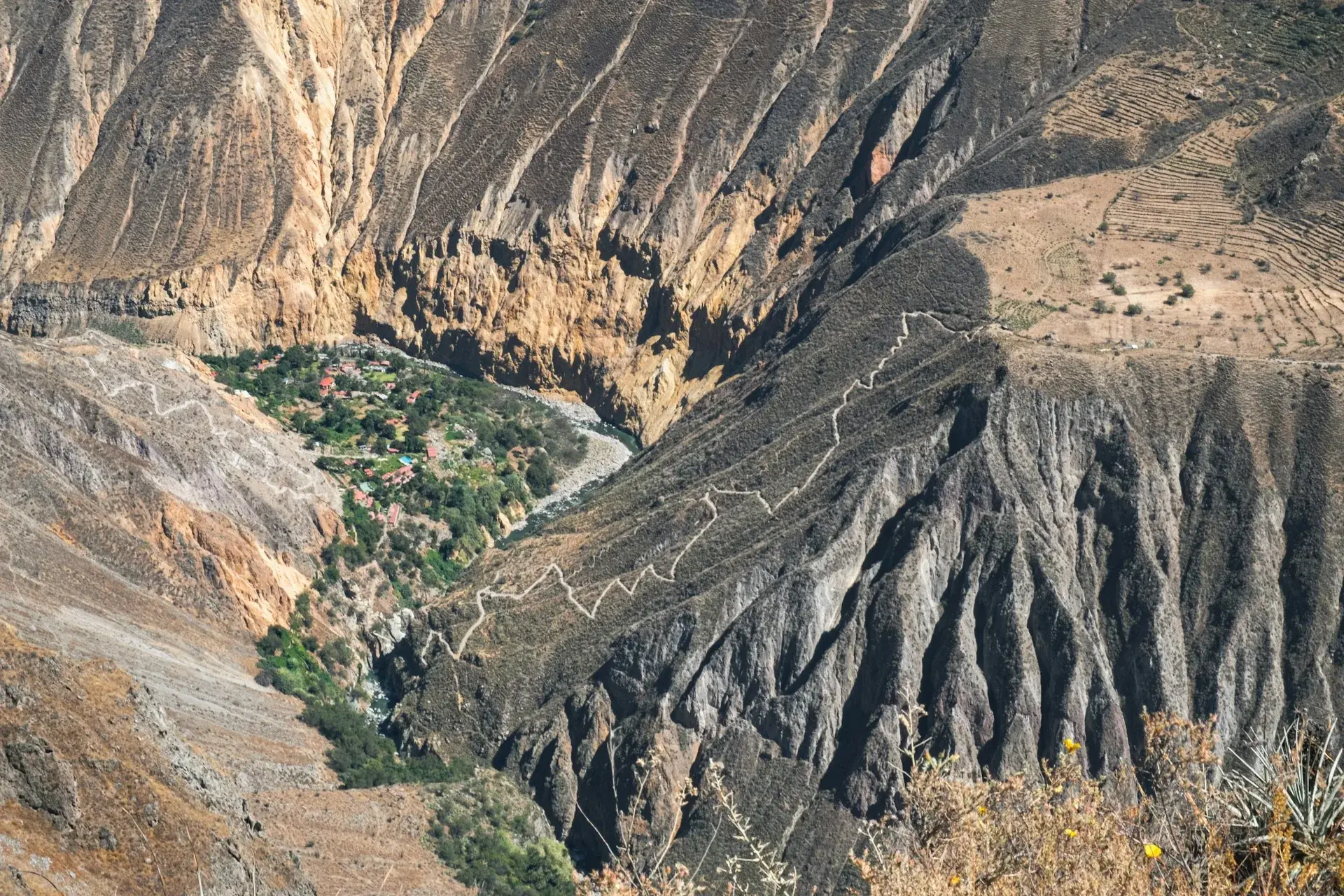
A continent of extremes, from the high Andes and the vast Amazon to glacial Patagonia and the rhythm of its cities, South America rewards the adventurous traveler with some of the planet’s most dramatic scenery and deepest history.
View all South AmericaOverview
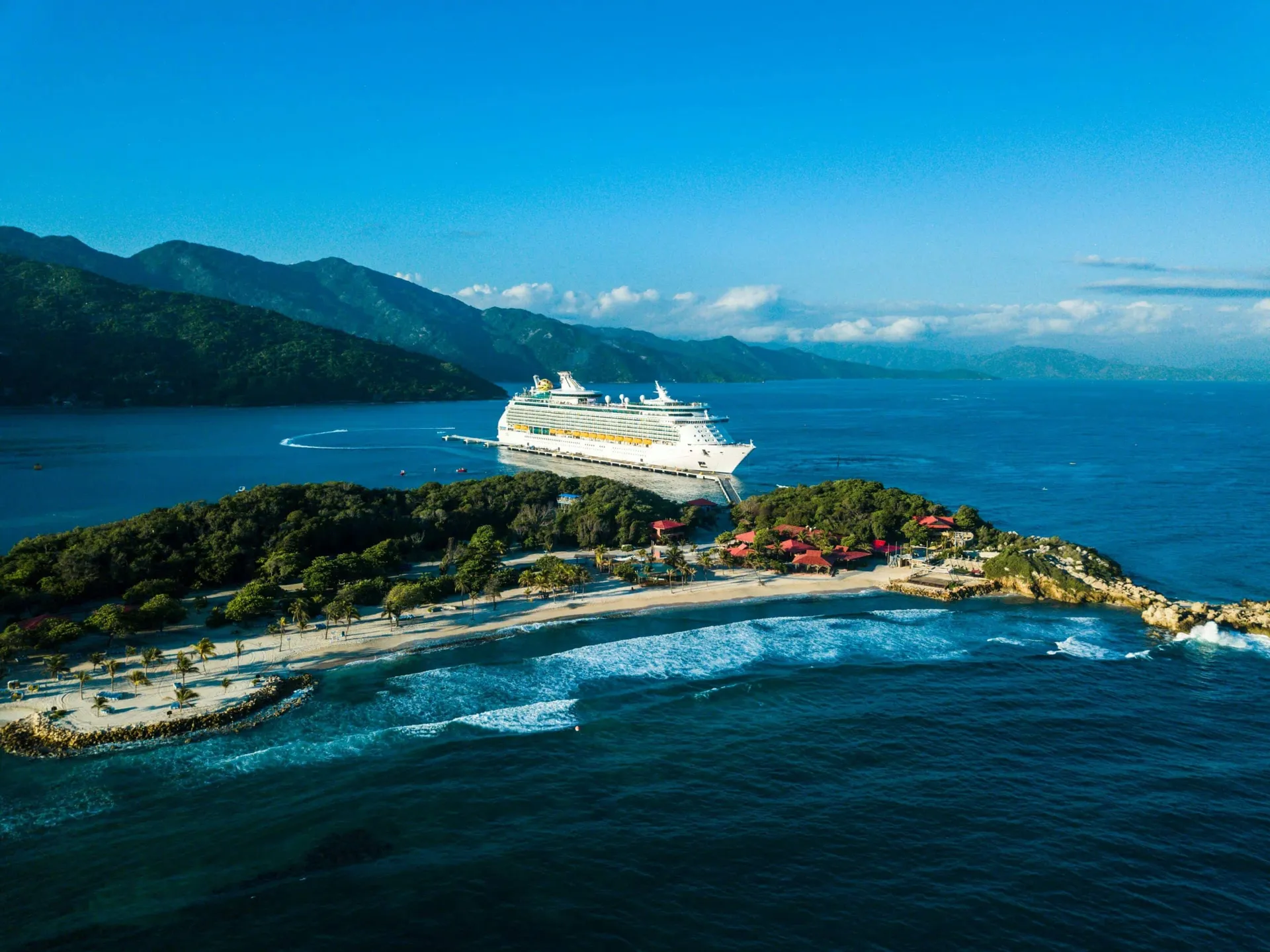
A scattering of islands across impossibly blue water, the Caribbean is the art of the easy day perfected: white sand, warm rhythm and hospitality that turns first-time visitors into lifelong returnees.
View all CaribbeanDestinations
Overview
From the Great Barrier Reef to the red heart of the outback, from the fjords of New Zealand to the scattered atolls of the South Pacific, Australia & Oceania offer some of the most remote and rewarding travel on earth.
View all Australia & OceaniaDestinations
Est. 1918 · four generations · 38 countries
How You Travel
River Cruises Ocean & Small-Ship Expedition Flights Tours & Escorted All-Inclusive All travel experiencesFeatured
 The Danube
 Featured
 The Caribbean
 Featured
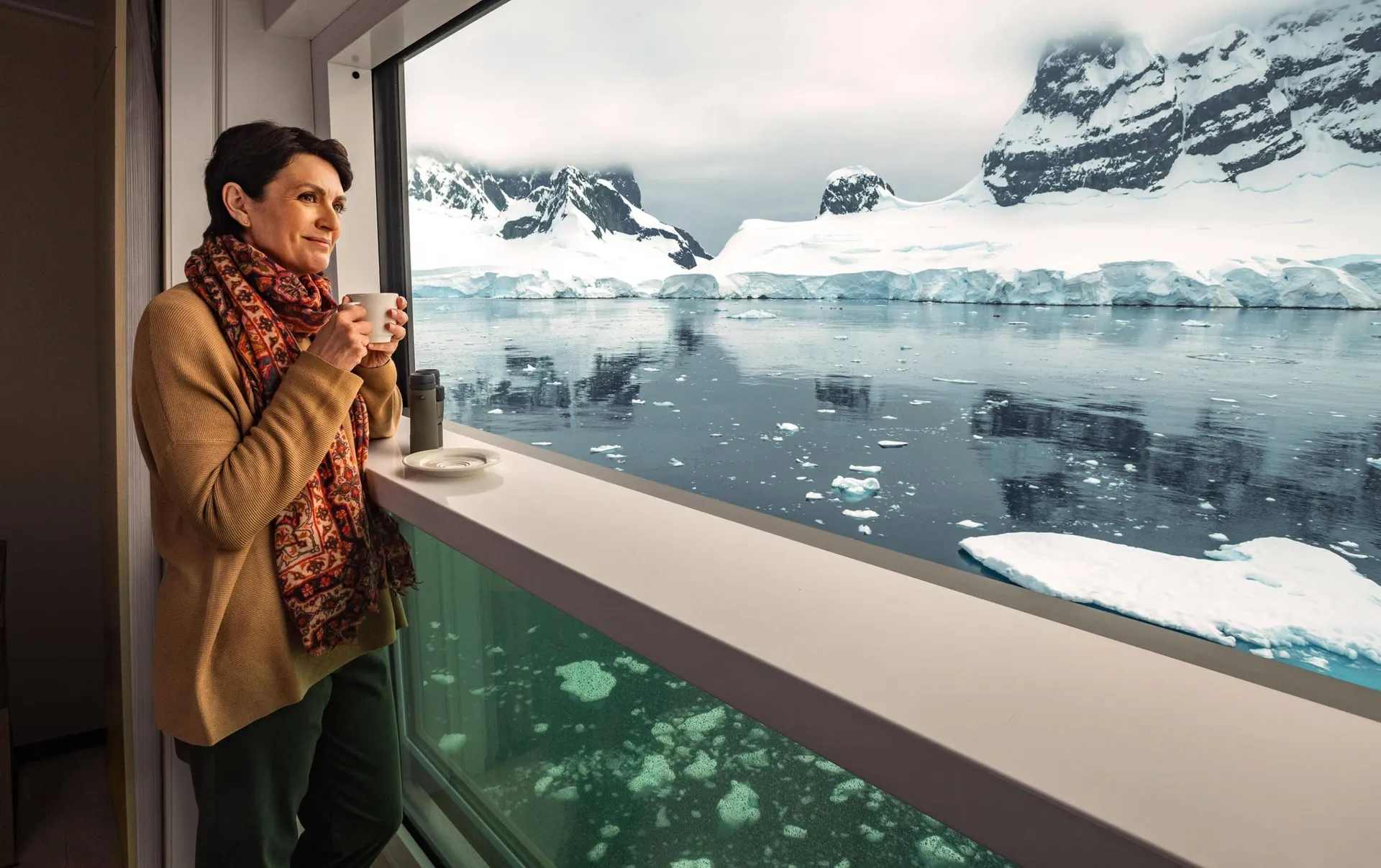 Antarctica
 Overview
Premium-cabin fares, complex routings and around-the-world tickets, booked by people who fly for a living.
Explore flightsFeatured
 Flights
 Overview
Expertly guided group departures and private escorted itineraries across the world's great regions.
Explore tours & escortedFeatured
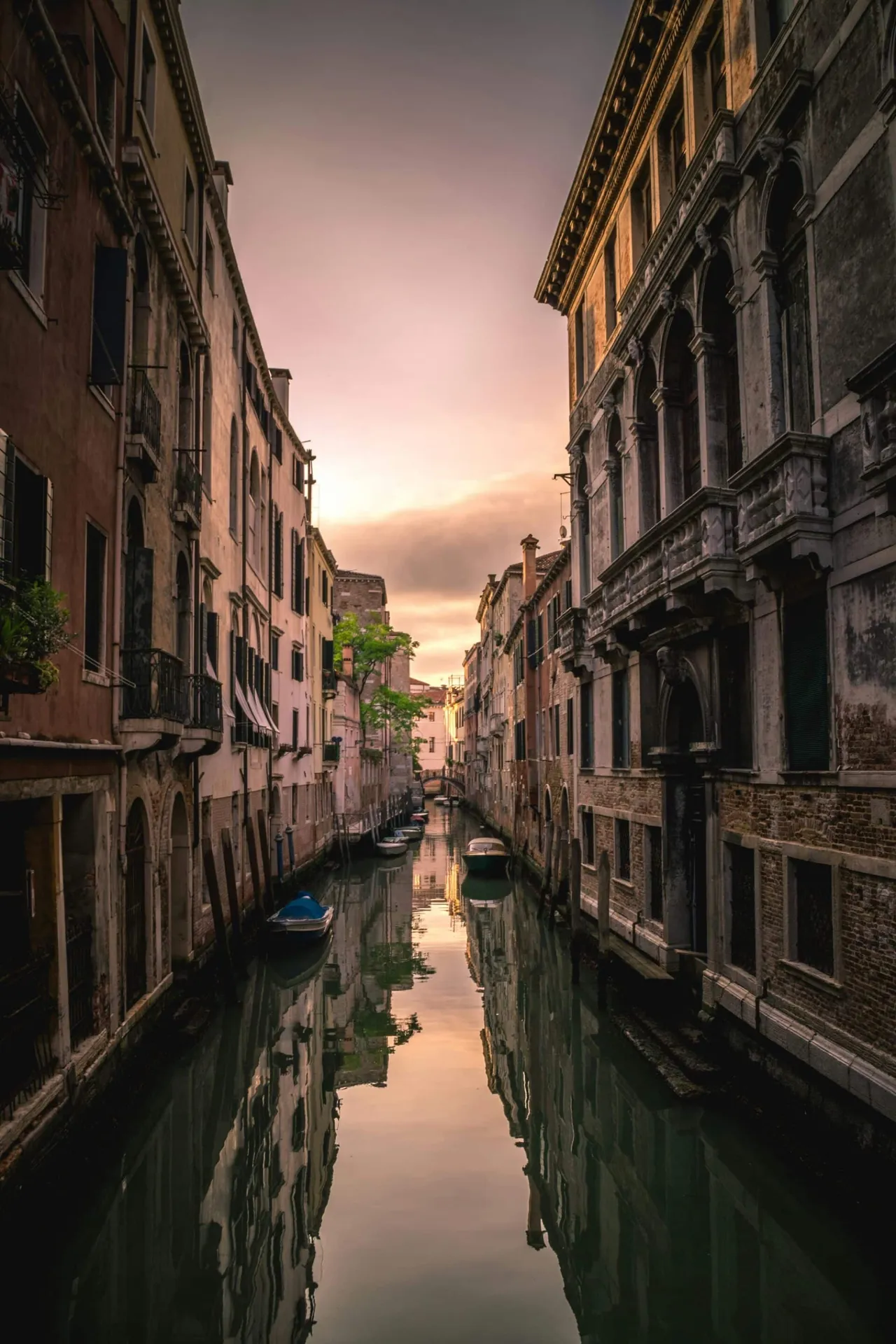 Tours & Escorted Journeys
 Overview
Beach and luxury all-inclusive escapes where flights, meals and more fold into a single, easy fare.
Explore all-inclusiveFeatured
 All-Inclusive Resorts
 River, ocean & expedition cruises · flights · tours · all-inclusive
Corporate travel

Destinations · North America
National parks, great cities & open road.
The country
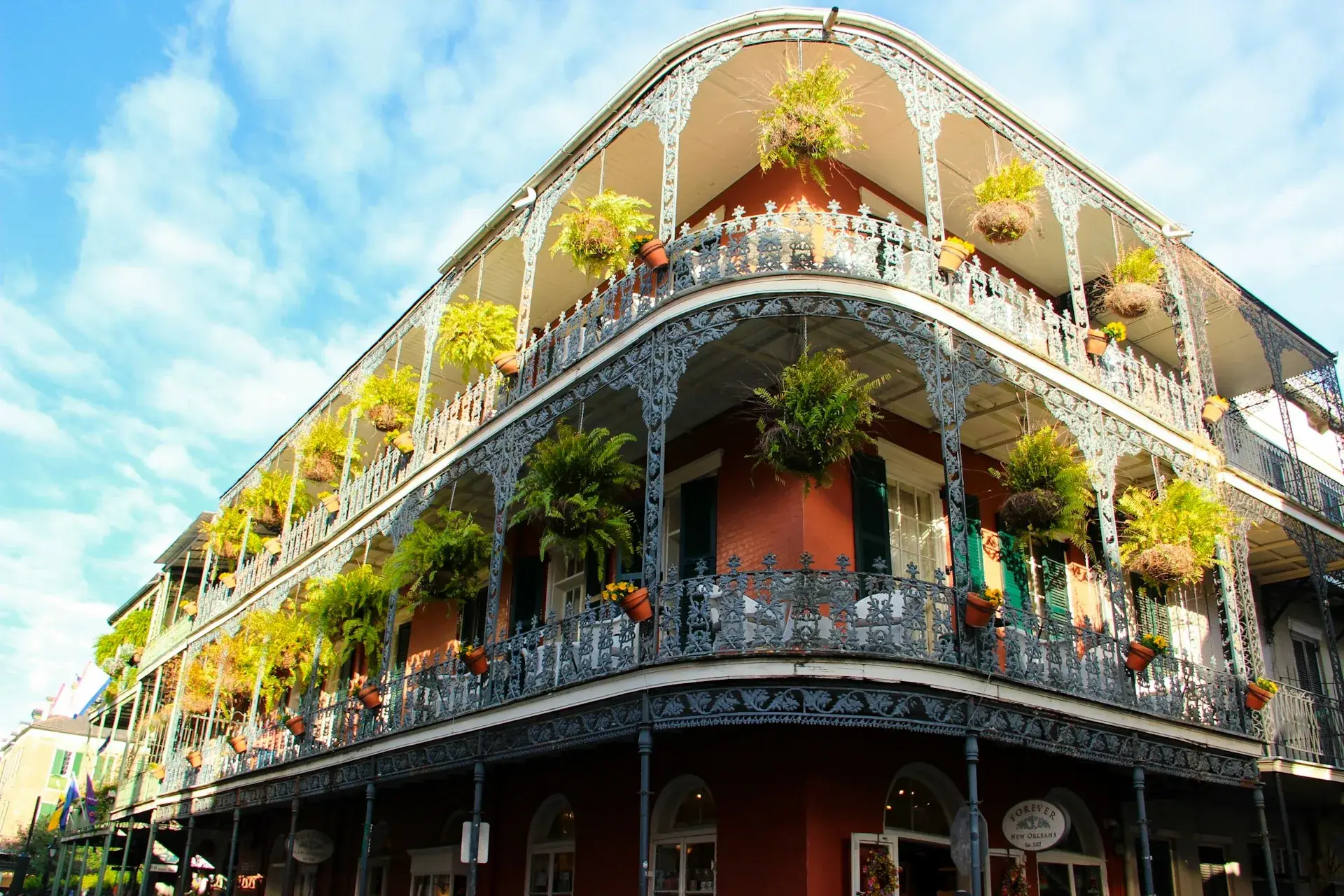
The United States is a country of superlatives: the soaring canyons of the Southwest, the redwood coast of California, the jazz and cuisine of the Deep South, and the skylines of New York and Chicago.
Whether you dream of a great American road trip, a national-parks circuit, or a long weekend in a single iconic city, we craft itineraries that match the country’s scale to your own pace.
When to go
The United States is closer to a continent than a country, so timing is really about the region you choose. This is the broad-brush calendar as we'd sketch it across the desk — when most of the map lines up, and when you follow the weather to one corner of it.
Spring brings mild, settled weather to most of the country, wildflowers in the desert Southwest and the national parks waking up before the summer crowds. Our favorite all-rounder for a multi-region trip.
Fall delivers warm days, cool evenings and brilliant foliage in the Northeast, with thinner crowds at the parks and comfortable city weather coast to coast.
High summer is peak season: long days and ideal conditions for the national parks and the Pacific Northwest, though it is hot and humid across the South and busy almost everywhere.
Winter varies widely by region: warm and sunny in Florida and the desert Southwest, ski season in the mountains, and quiet, atmospheric rates in the big cities, while the far north slows down.
Where to go
The United States is vast, closer to a continent than a single country, so the secret is to choose a few regions and let domestic flights link them rather than trying to see it all at once. These are the areas we weave together most often, each with its own landscape, cities and rhythm, from the skylines of the Northeast to the coasts and canyons of the West.
Region
The energy of Manhattan, world-class museums, theater and dining, with New England's historic towns, coastline and fall foliage an easy reach beyond the city.

Region
The nation's capital lays out its monuments, memorials and Smithsonian museums along the National Mall, with Virginia's history and the Blue Ridge close at hand.
Region
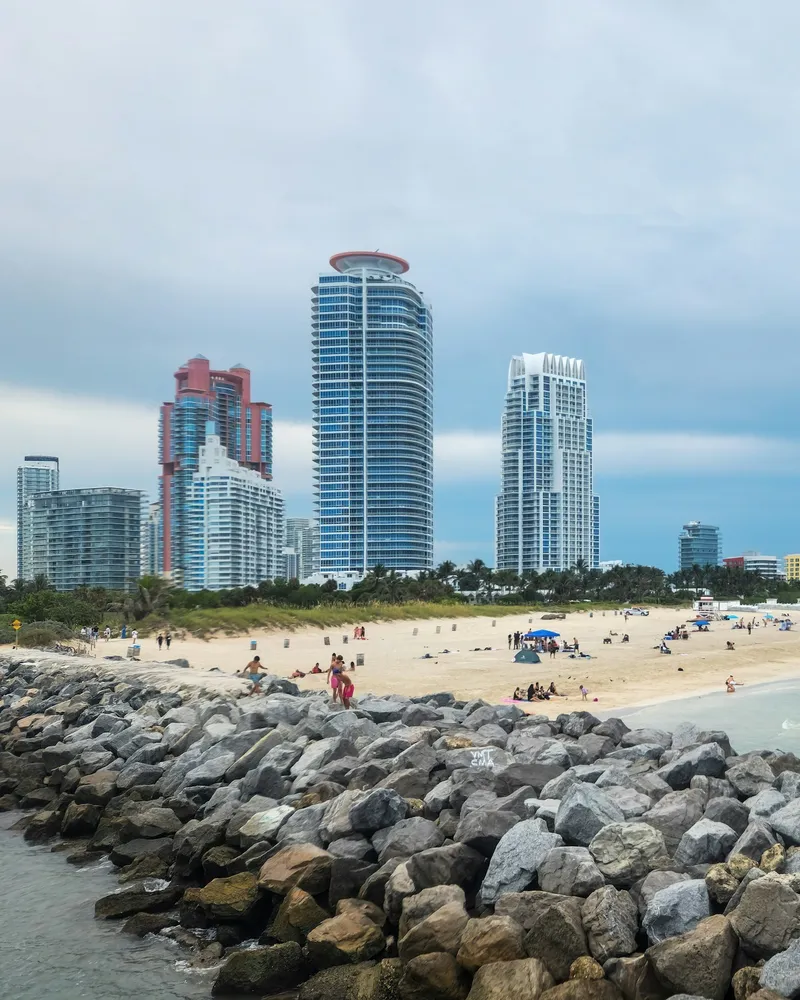
Miami's beaches and Art Deco glamour, the Florida Keys and the Everglades, plus the gracious charm of Charleston and Savannah further up the coast.
Region
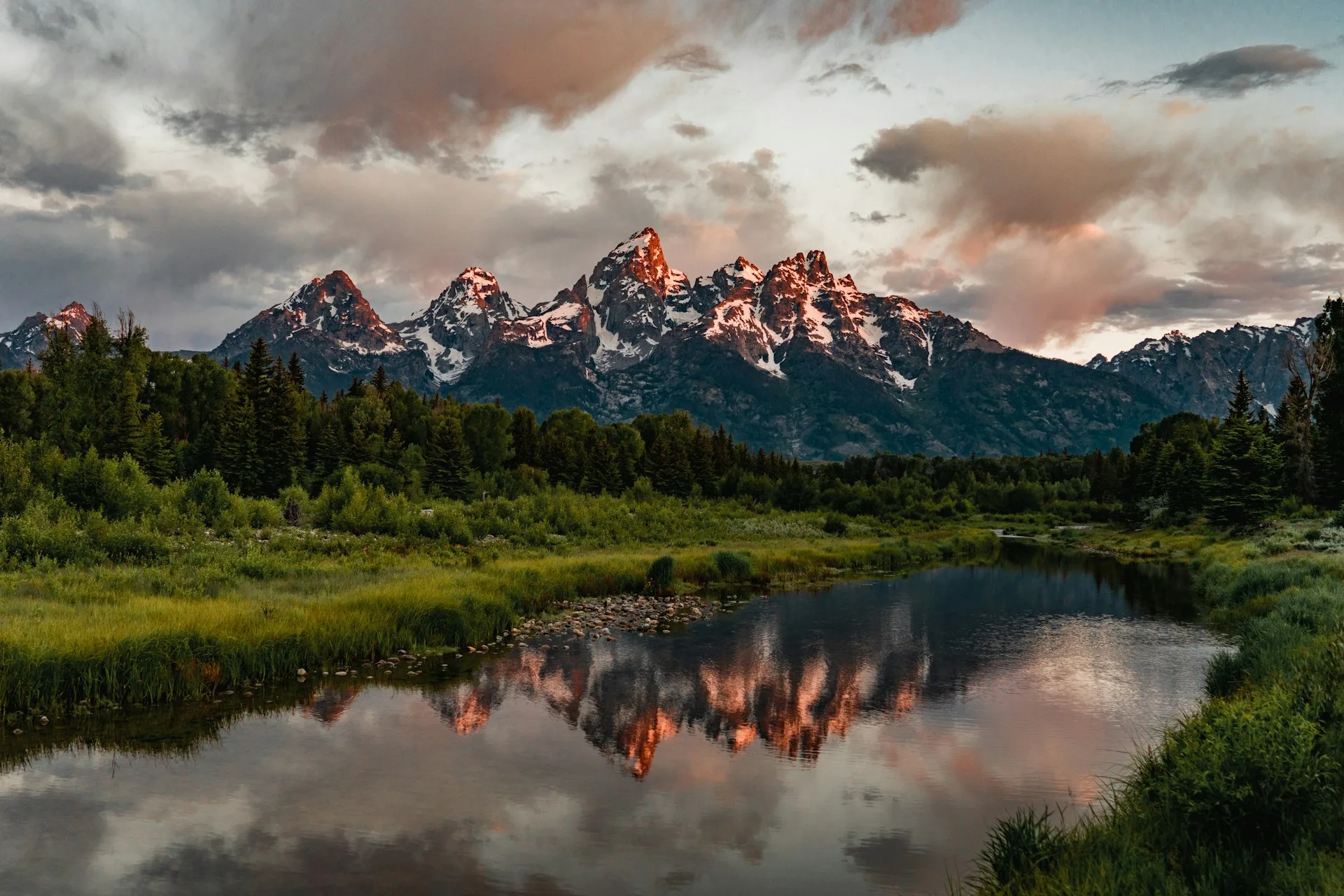
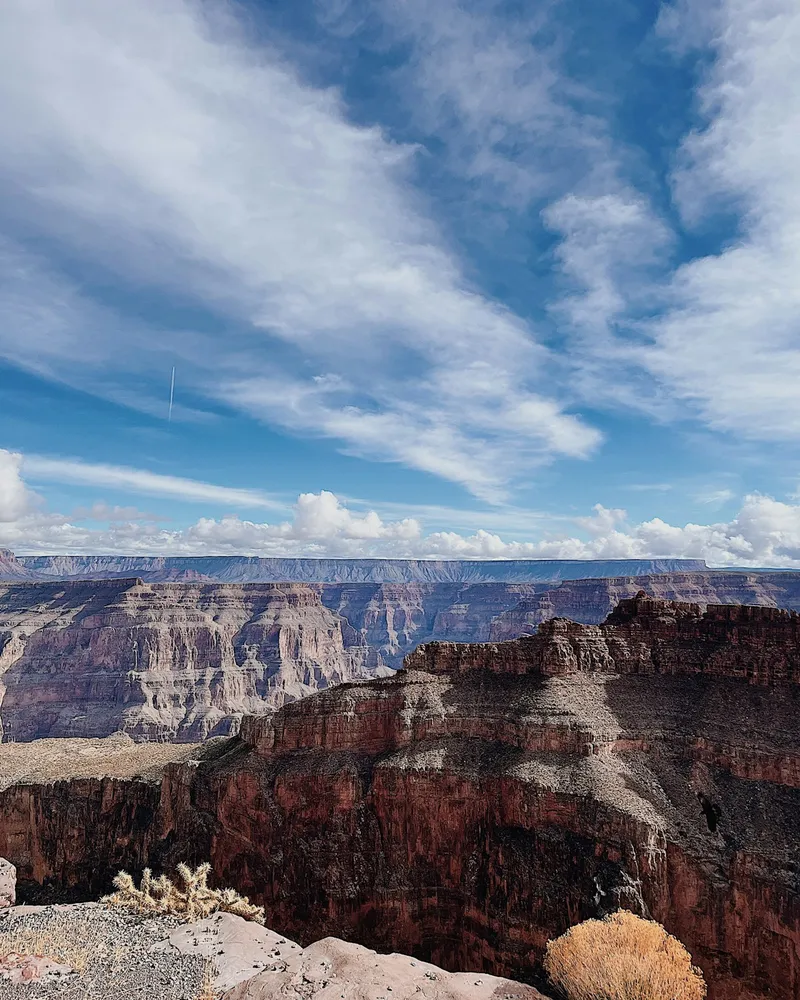
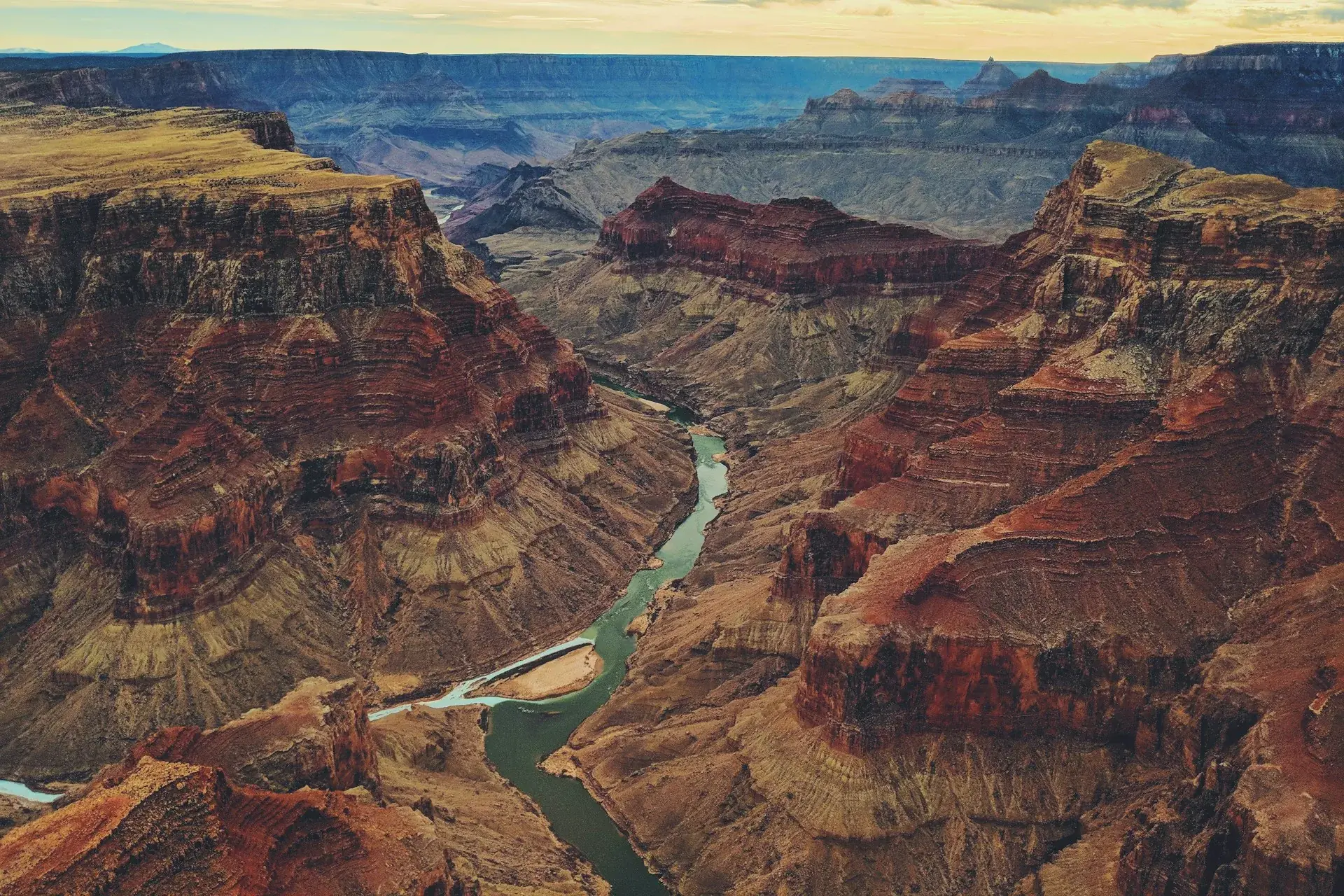
The Grand Canyon, red-rock country and a string of legendary parks, with Las Vegas, Route 66 and dramatic desert drives tying it all together.
Region
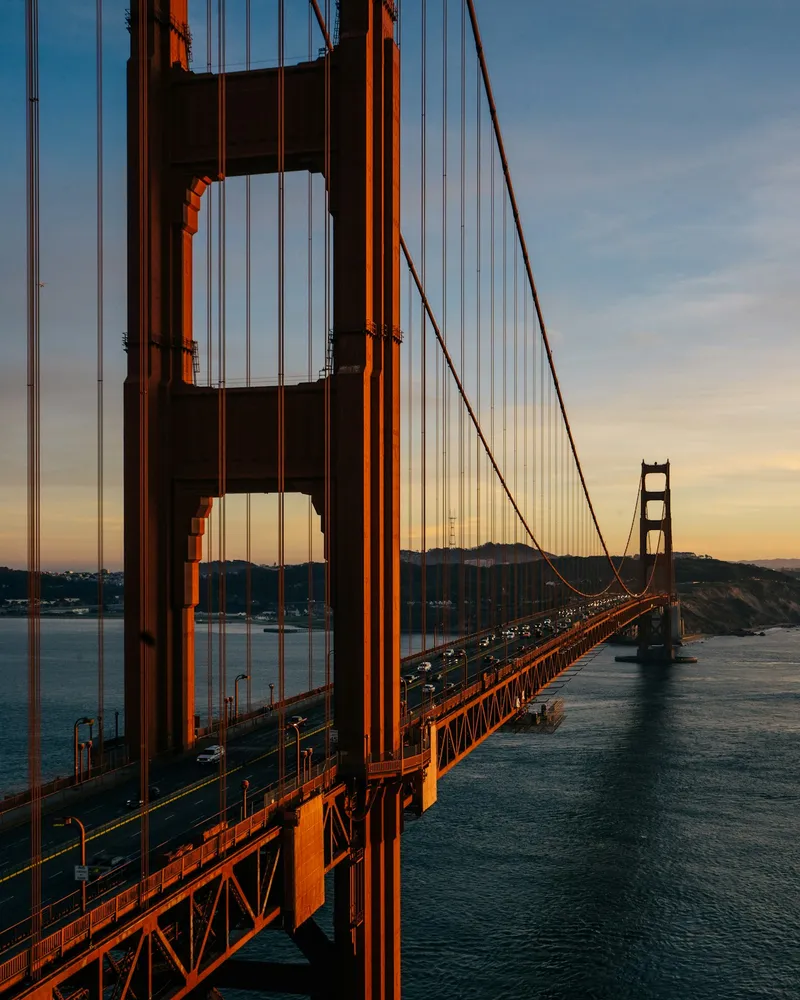
San Francisco and the Golden Gate, the cliffs and vineyards of the coast, Yosemite's granite walls and the long, sun-soaked drive south toward Los Angeles.
Region
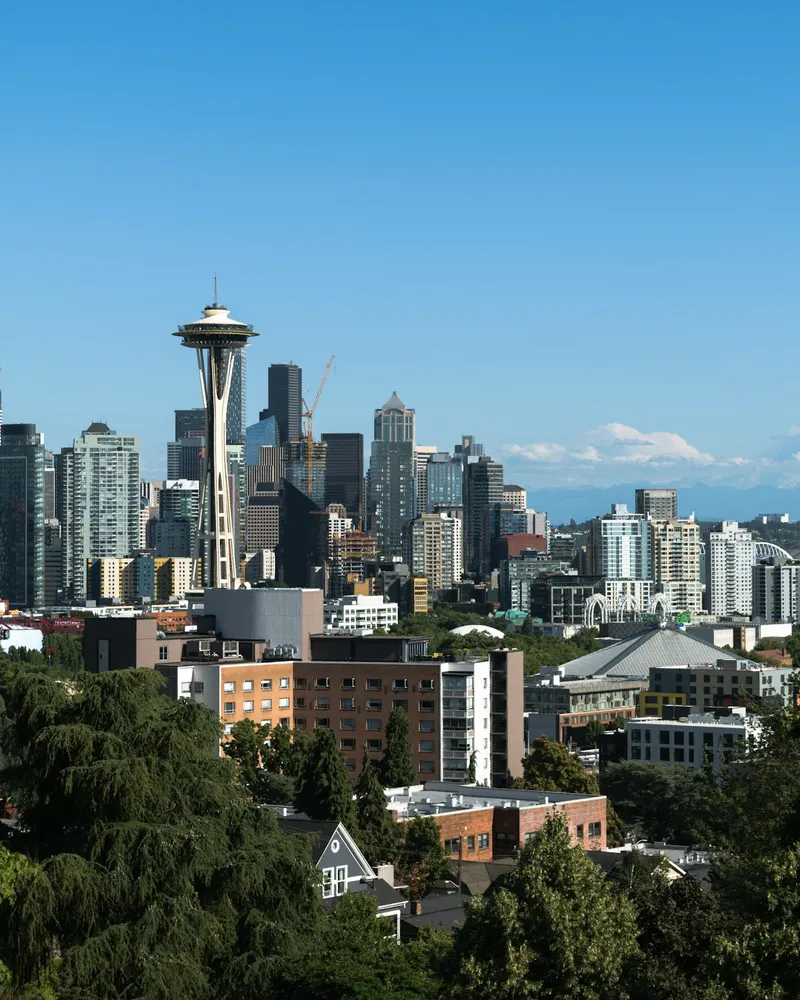
Seattle beneath Mount Rainier, evergreen forests and island-dotted waters, with Oregon's coast and the wines of the Willamette Valley a scenic drive away.
A sample journey
1 Open in Manhattan with the skyline, the museums and a Broadway evening, with time for Central Park and a neighborhood or two beyond the obvious sights.
2 A short hop or train ride south to the capital, for the monuments and memorials of the National Mall and the Smithsonian museums, most of them free.
3 Fly west to the desert: the vast scale of the Grand Canyon, red-rock drives and starlit nights, with Las Vegas or Sedona as a base.
4 On to San Francisco for the Golden Gate, the cable cars and the bay, with a day out to the wine country or down the coast.
5 Finish in Seattle beneath Mount Rainier, with Pike Place Market, the waterfront and an easy escape to the forests and islands of Puget Sound.
Every itinerary we build is bespoke: this is a starting point, not a package.
Getting around
Where to stay



Domestic flights, rental cars, rail tickets, park lodges and the timed-entry reservations several parks now require are all arranged as part of every itinerary — the logistics are handled before you arrive.
Good to know
Choose a region or two rather than trying to see the whole country, since the United States is roughly the size of a continent. A classic first visit pairs an East Coast city such as New York or Washington, D.C. with a western highlight like the Grand Canyon, California or the national parks, linked by a domestic flight. We build the route so each stop has room to breathe.
Spring, from April to June, and fall, from September to October, are ideal almost everywhere: mild weather, lighter crowds and beautiful light. Summer is peak season and excellent for the national parks and the Pacific Northwest, though hot and humid in the South. Winter is quiet and varies by region, warm in Florida and the desert, ski season in the mountains.
Both, and we usually combine them. Distances between regions are huge, so domestic flights are the sensible way to move from coast to coast or from a city to a far-off park. Once you arrive, a rental car unlocks the road trips and the national parks, while in the Northeast the Amtrak and Acela trains are an easy way to link New York, Washington, D.C. and Boston.
Well ahead for the famous parks. In-park lodges at the Grand Canyon, Yosemite and Yellowstone book up months in advance, and several parks now require timed-entry or vehicle reservations in peak season. We secure the lodging, the permits and the timing as part of your itinerary so the days flow smoothly.
Tipping is customary and expected: around 18 to 20 percent in restaurants, a few dollars for taxis and porters, and a dollar or two per drink at a bar. Sales tax is added at the register rather than shown on the price tag, distances and gas are measured in miles and gallons, and most visitors will need an ESTA or visa, which we will flag and explain before you travel.
From the journal
Destinations
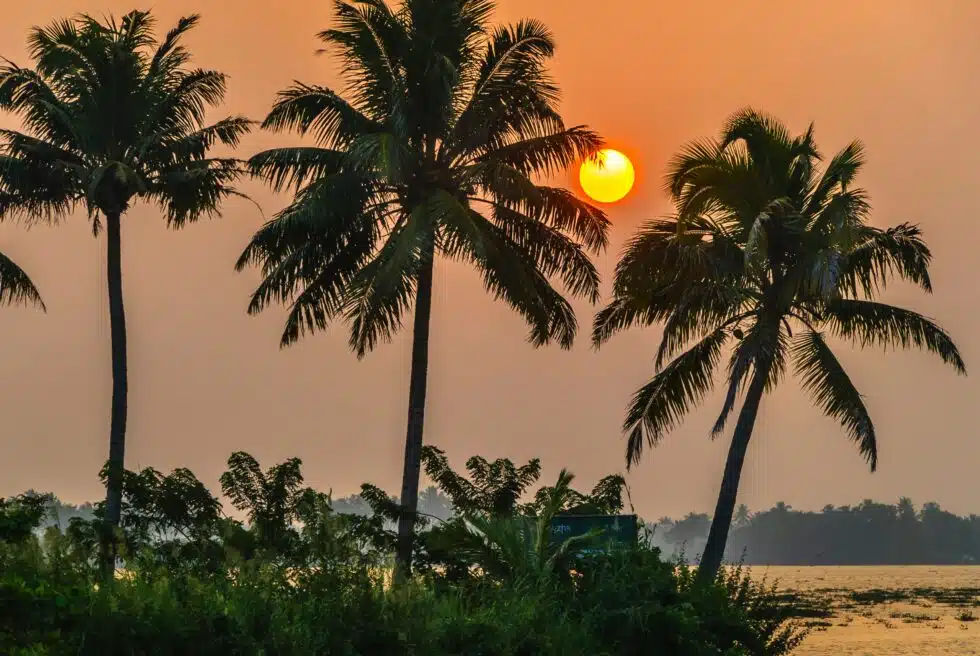
Azamara is a premium cruise line based in Miami, Florida, known for its focus on destination immersion experiences. The company operates four intimate, boutique-style ships:…
Read more →
River Cruises
River cruises are an excellent way for seniors to explore the beauty and history of the USA while enjoying comfort and convenience.
Read more →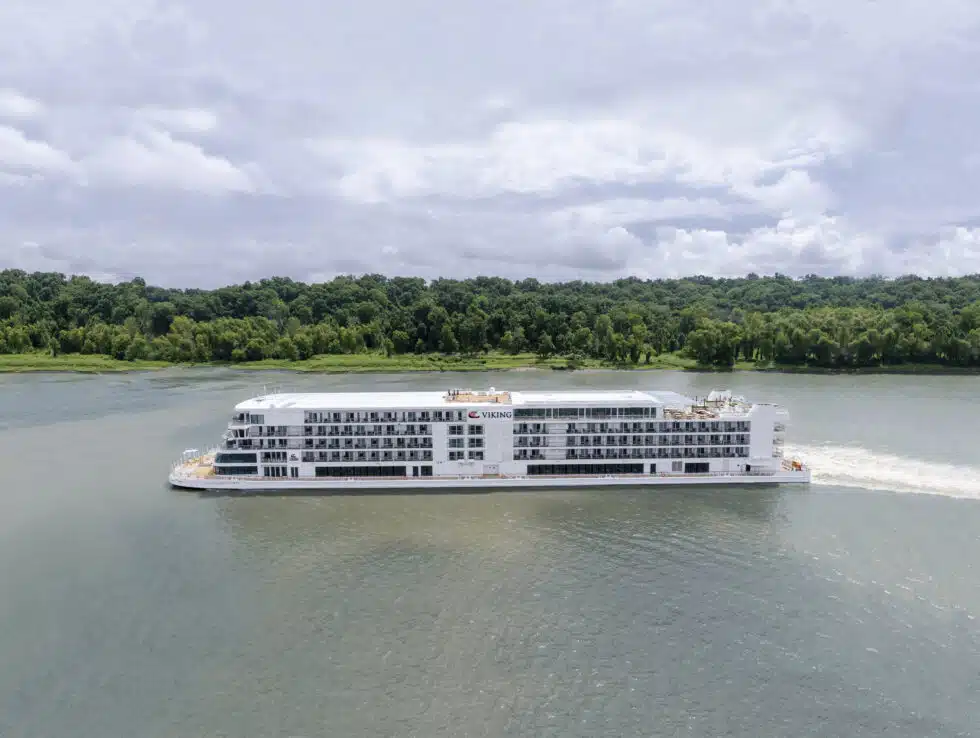
River Cruises
When it comes to finding the best river cruise in the USA, there are a few standout options that cater to different interests.
Read more →Ways to Explore
A private journey designed entirely around you, your pace, and your people.
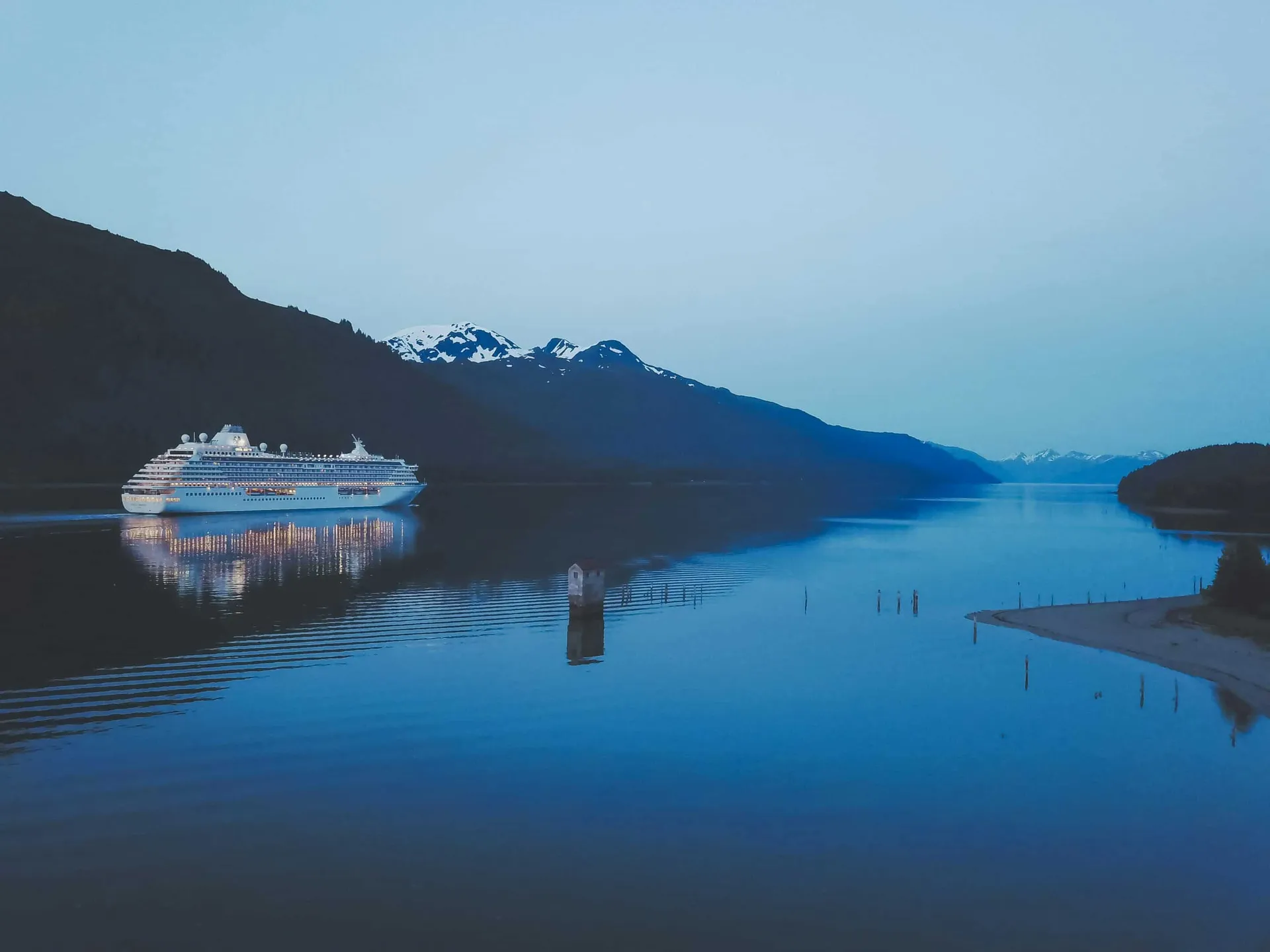
River, ocean and expedition voyages, from the Danube to Antarctica.

Expertly guided, end to end, with the world's finest local operators.

Effortless resort escapes; we cut through the haze to the right one.
Let's begin
Tell us your travel dates and what you love, and we'll handle every detail.
Plan Your TripSearch Chima Travel