

Rio de Janeiro
Rio de Janeiro runs on samba, and you feel it long before Carnival arrives. The rhythm spills out of the bars and old colonial streets of Lapa most nights of the week, drifts down from the rehearsal halls and hillside studios where the samba schools practice their year, and turns up wherever a few friends gather with a guitar, a tamborim and a cold drink. This is a living, everyday music, not a museum piece, and learning to feel it is the surest way into the soul of the city.
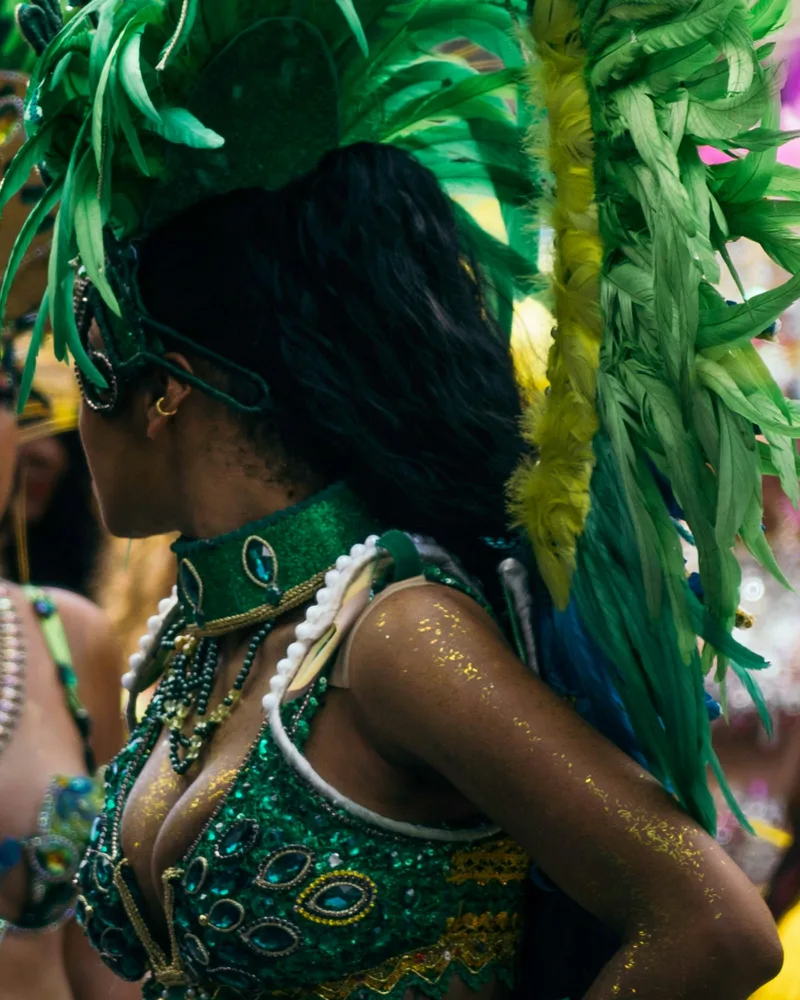
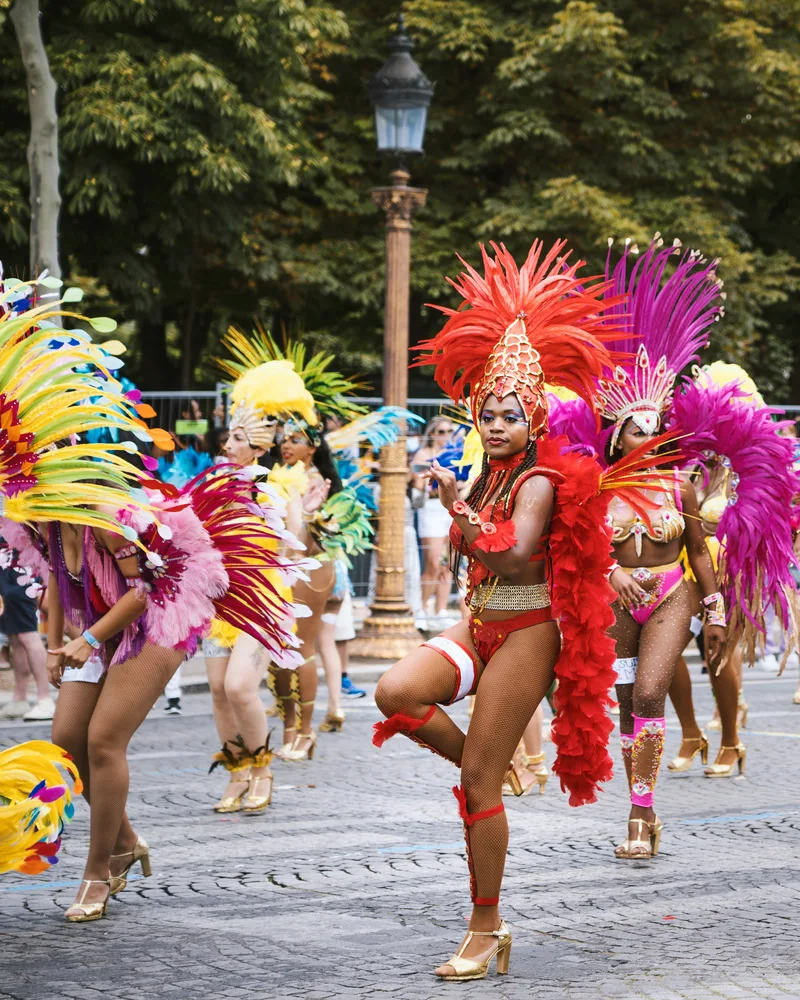
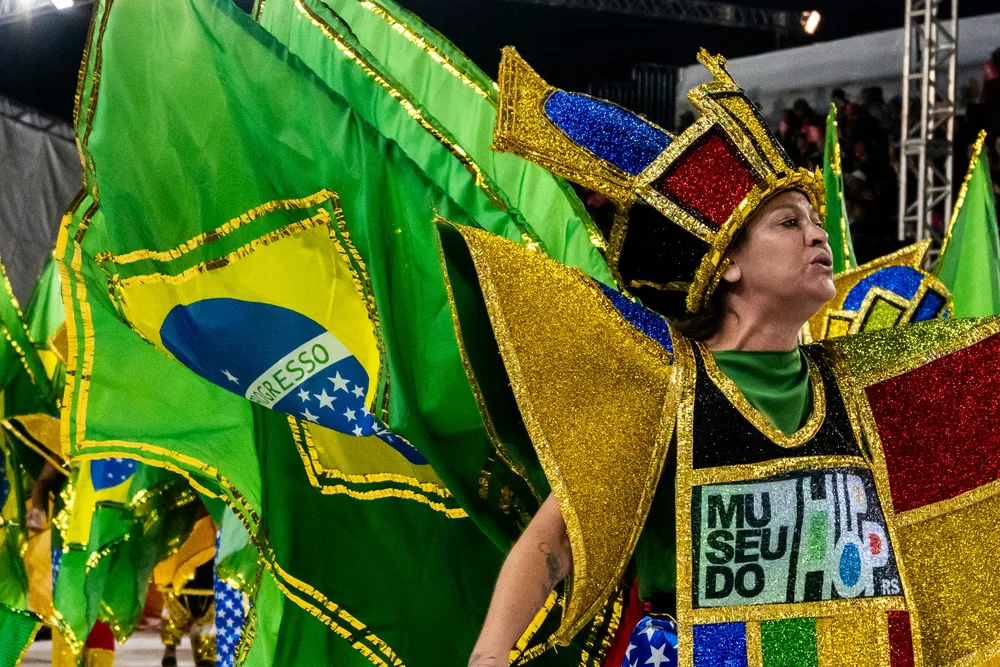
Then comes Carnival, and the whole city erupts. Each February or March the celebration builds to its dazzling climax at the Sambadrome, the great purpose-built parade avenue where the top samba schools compete through the night in an all-out spectacle of feathers, towering floats, thundering drum sections and thousands of costumed dancers. It is loud, joyful, fiercely contested and quite unlike anything else on earth, and watching a school pour down the avenue under the lights is the kind of memory that stays with travelers for life.
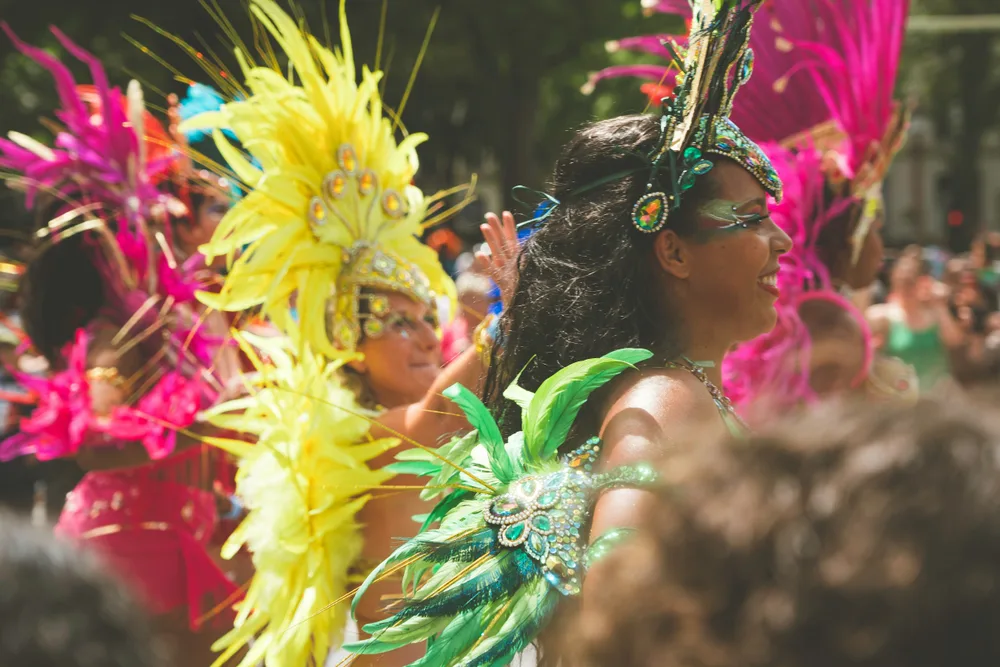
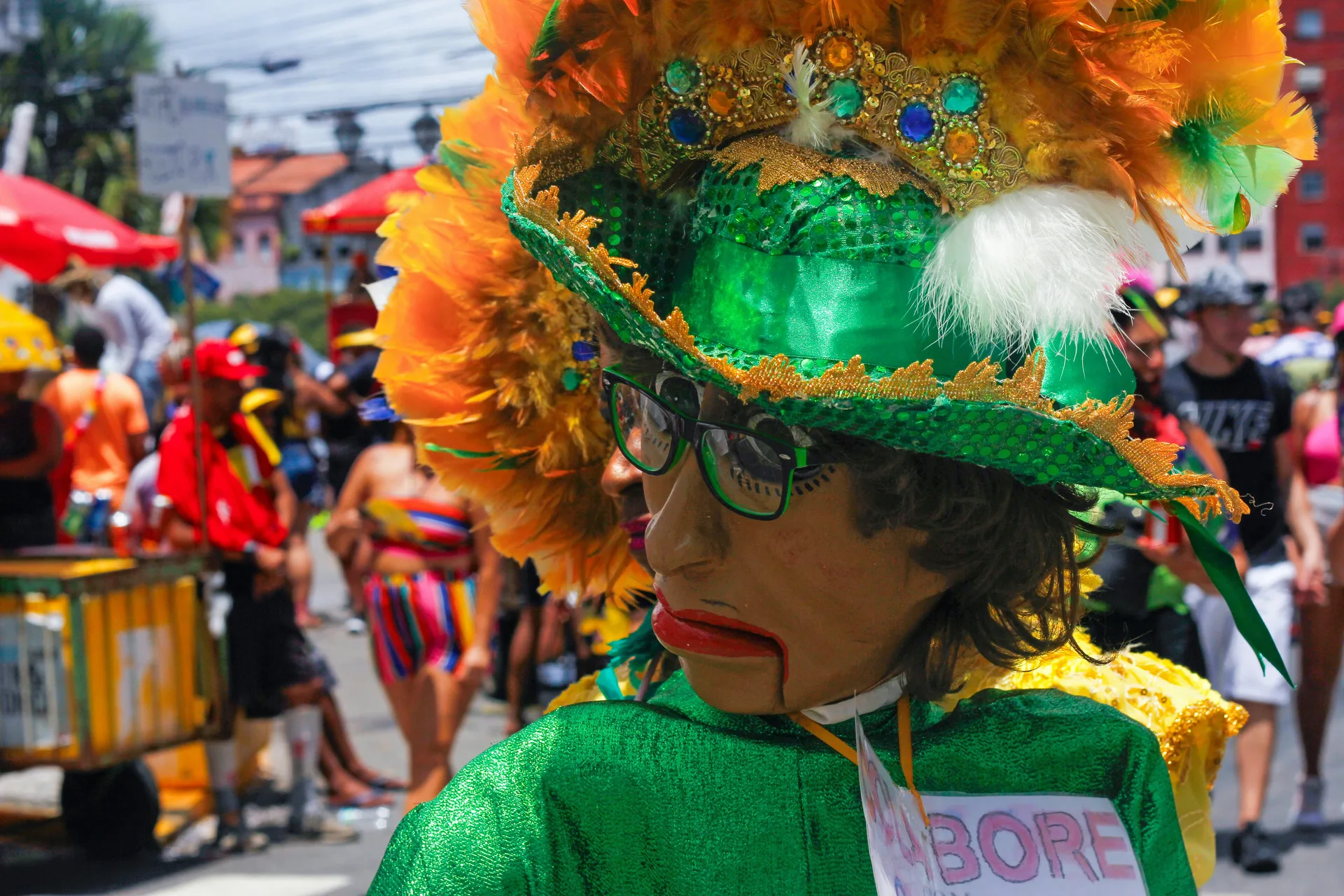
Beyond the Sambadrome, Carnival belongs to the streets. Hundreds of blocos, the free-roaming street parties, wind through the neighborhoods by day and into the evening, and millions of people dance along behind them in a wave of music and color. And even outside the Carnival weeks, the spirit is always within reach: a samba night in Lapa, a school rehearsal in the lead-up, or a live roda de samba where the circle forms and the city, as ever, finds a reason to dance.