Mato Grosso (the northern Pantanal, Porto Jofre)
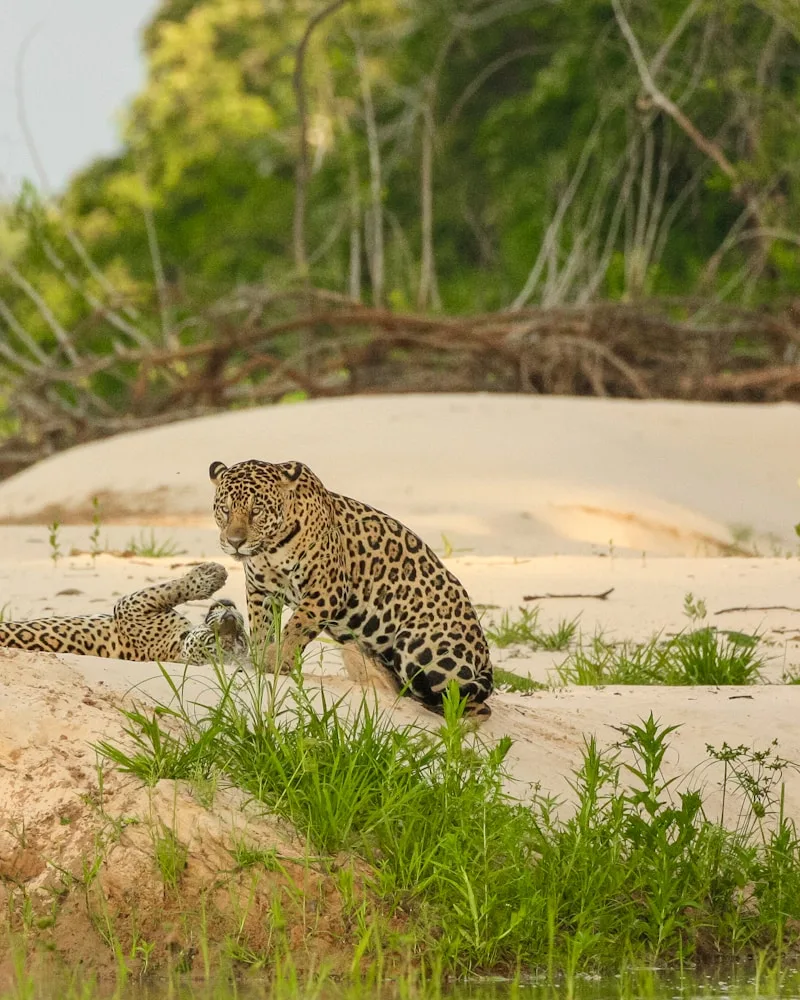
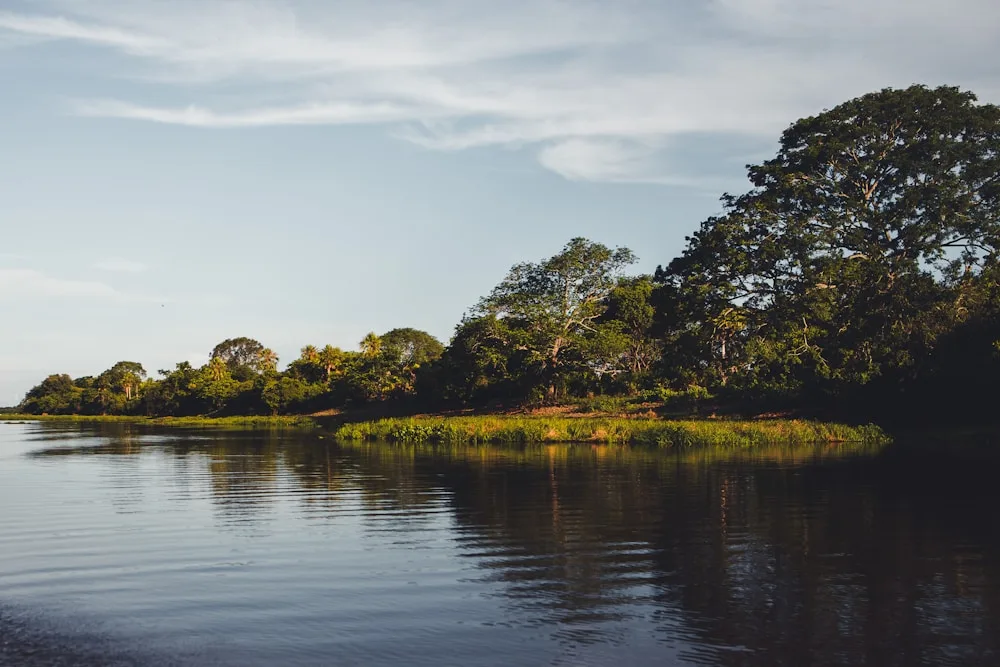
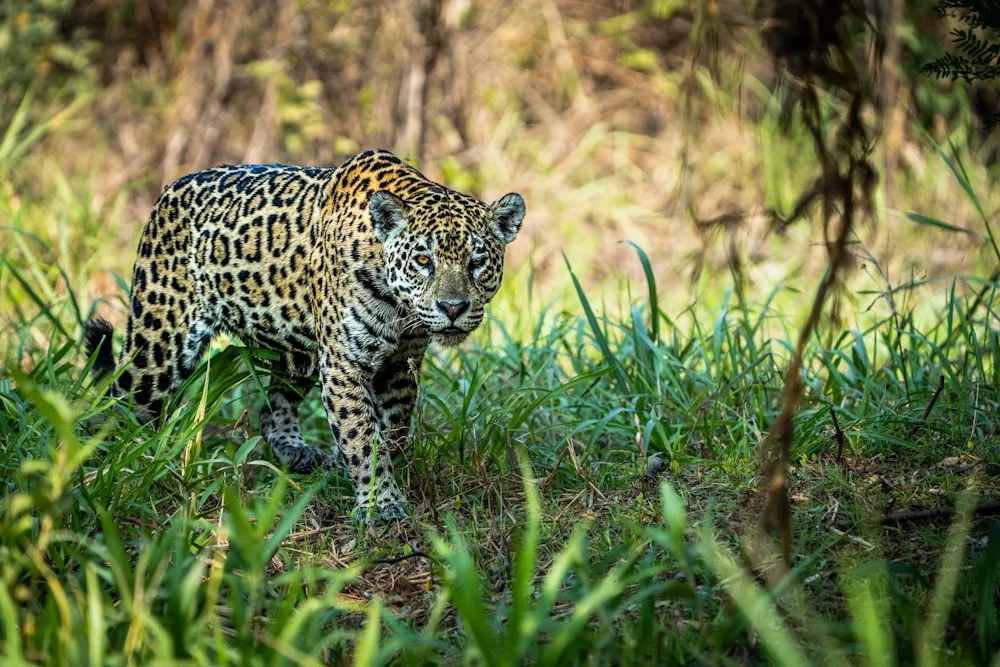
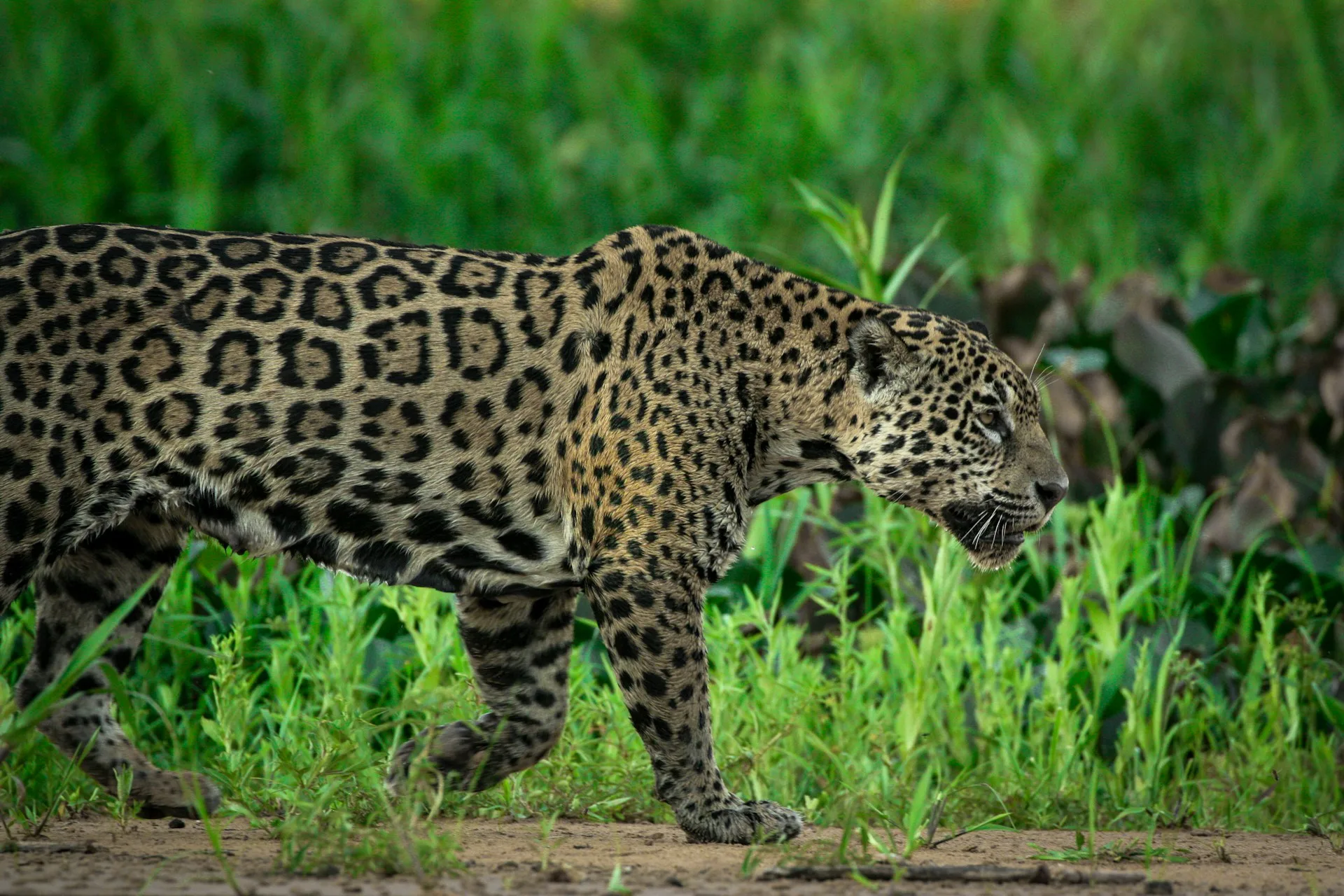
The Pantanal is the world's largest tropical wetland, a vast mosaic of rivers, marshes and seasonal floodplains spreading across the heart of South America, and it is quite simply the best place on earth to see a wild jaguar. While the cats of the Amazon stay hidden in dense forest, here in the open country of the northern Pantanal they come down to the rivers to hunt and to rest in the shade of the banks, and for a few golden months they can be watched in the wild as nowhere else. We send travelers out by boat from the little river outpost of Porto Jofre, drifting the quiet channels with a sharp-eyed guide to find them stretched along the sand or padding through the grass at the water's edge.
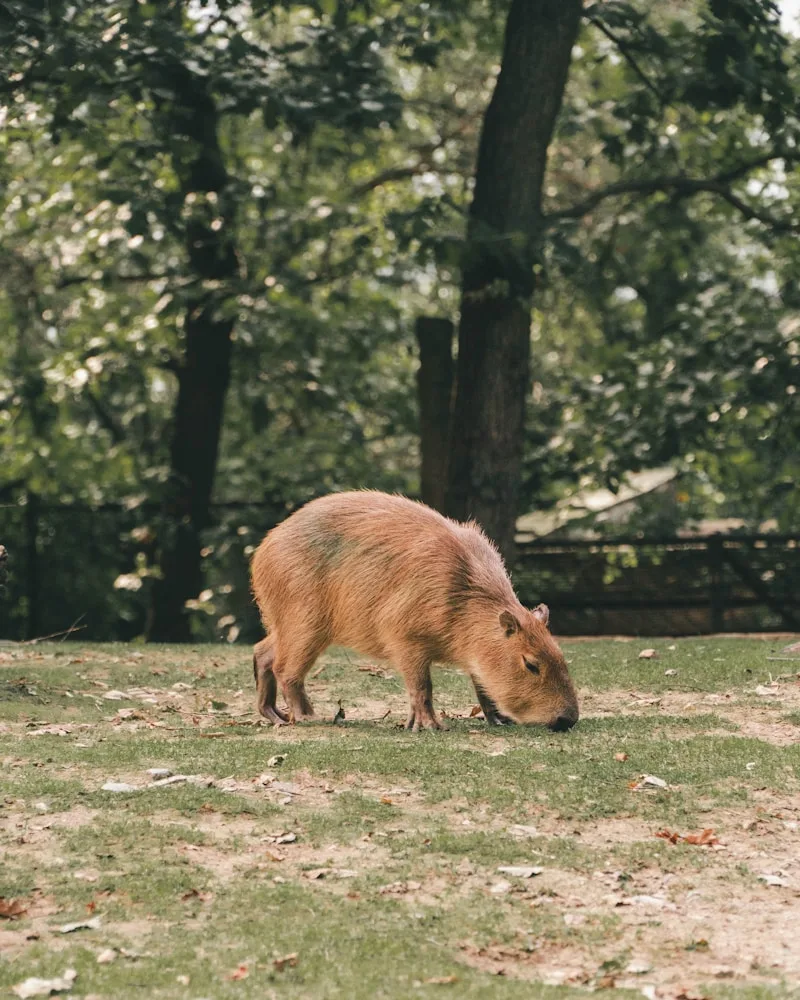
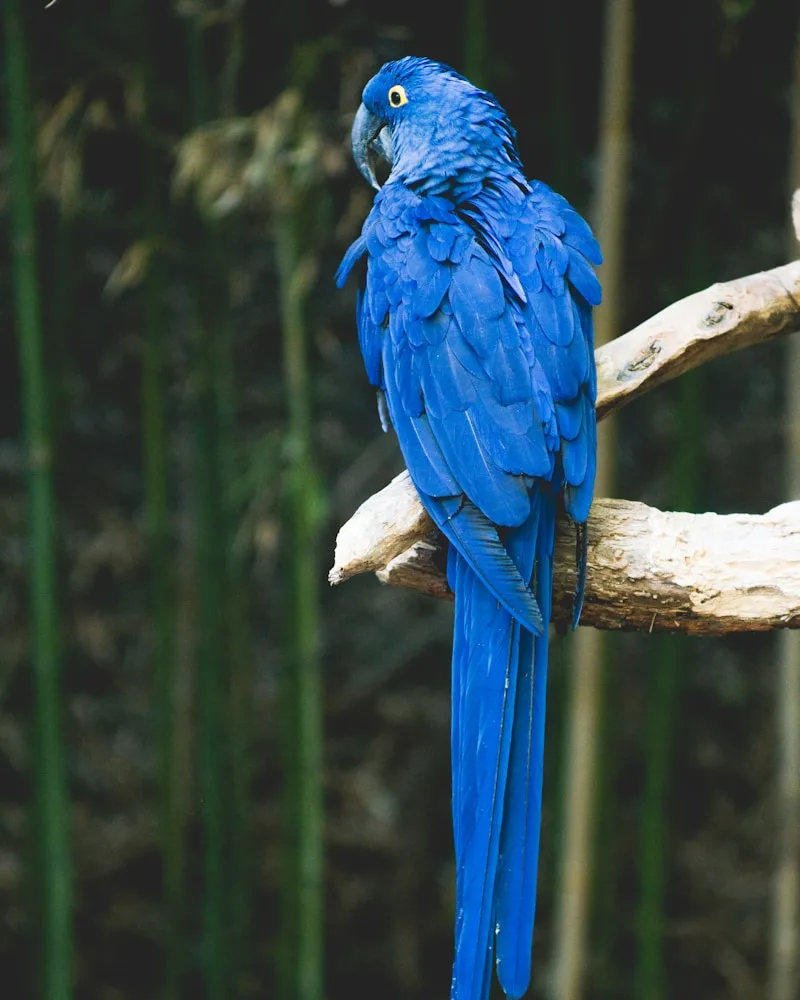
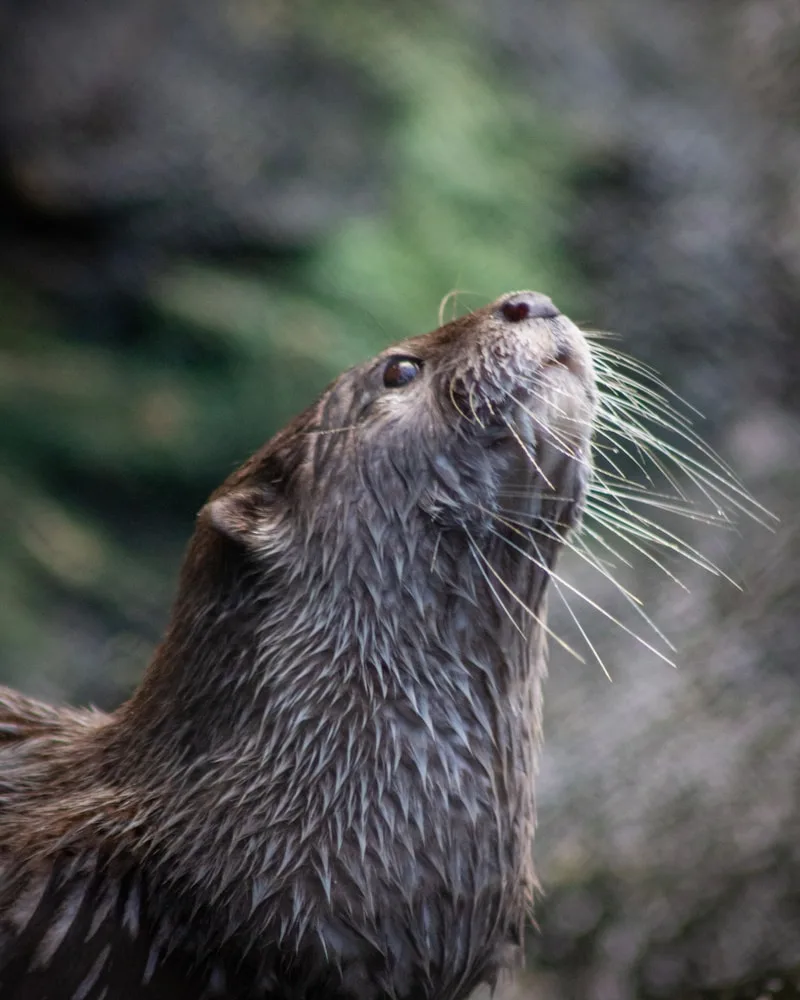
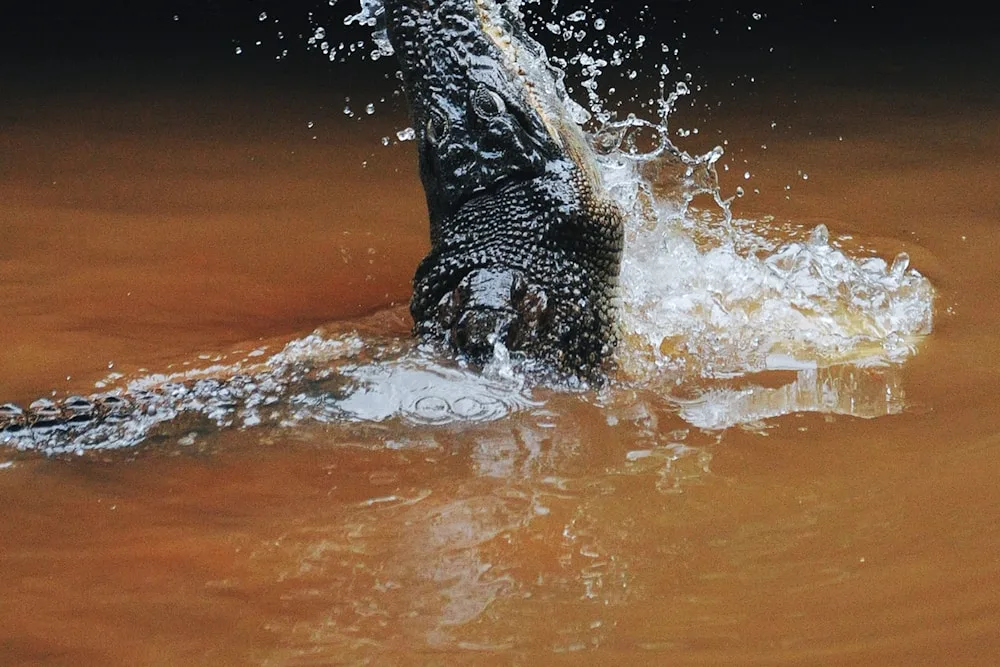
A jaguar may be the headline, but the Pantanal delivers a density of wildlife that genuinely rivals Africa. Caimans line the riverbanks in their hundreds, capybaras graze in family groups along the shore, and giant otters fish and squabble in noisy rafts in the shallows. Overhead, cobalt-blue hyacinth macaws cross the sky in pairs, while toco toucans, jabiru storks and hundreds of other bird species fill the trees and the marshes. This is a true safari, days spent reading the water and the light for the next sighting, and the sheer abundance of it all takes most travelers by surprise.
Timing is everything here, and the dry season from July to October is the prime window. As the floodwaters recede, the wildlife concentrates along the shrinking rivers and exposed sandbanks, the roads firm up, and the jaguars settle into the riverbank stretches that give the best sightings of the year. We build these days around the rhythm of the river, with early starts for the cool, active morning hours, long lazy middays back at the lodge, and golden afternoons back on the water, all arranged so you have the time and the patience that great wildlife watching rewards.