Region
Marrakech
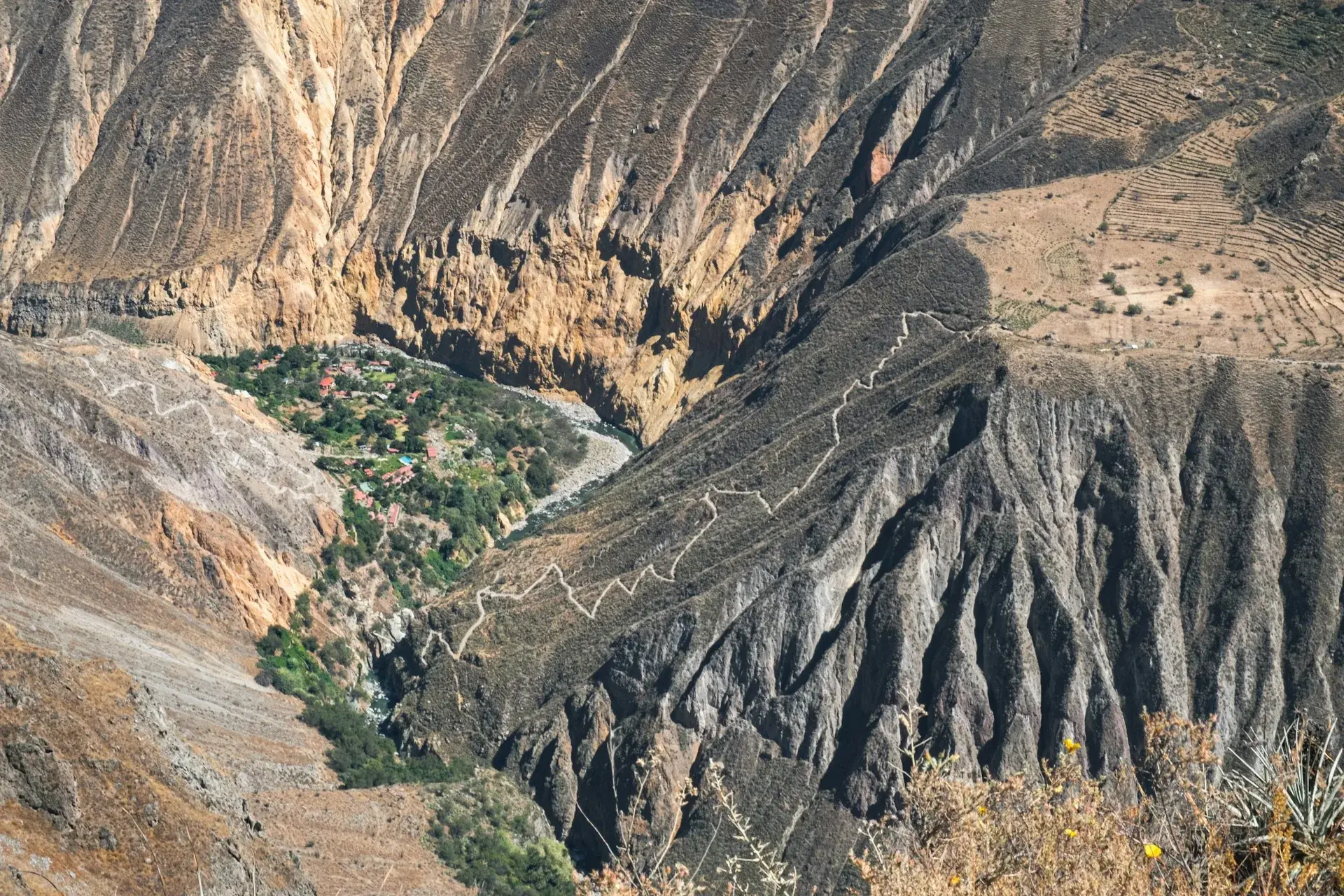
The Red City and its walled medina: the souks and spice markets, the gardens and palaces, and the great square of Jemaa el-Fnaa coming alive at dusk over mint tea and tagine.

By Continent
Europe Africa Asia North America South America Caribbean Australia & Oceania All destinationsOverview
From the canals of Venice to the black-sand coasts of Iceland, Europe rewards the curious traveler with centuries of art, architecture and unforgettable flavor, all within easy reach of one another.
View all EuropeOverview
From the dunes of the Sahara to the great plains of the Serengeti, Africa is a continent of staggering scale and singular encounters: a place where landscape, wildlife and culture meet at full intensity.
View all AfricaDestinations
Overview
Vast and varied, Asia spans snow-capped peaks and tropical coasts, neon megacities and silent temples. It is a continent that rewards both the first-time traveler and the lifelong returnee.
View all AsiaFeatured
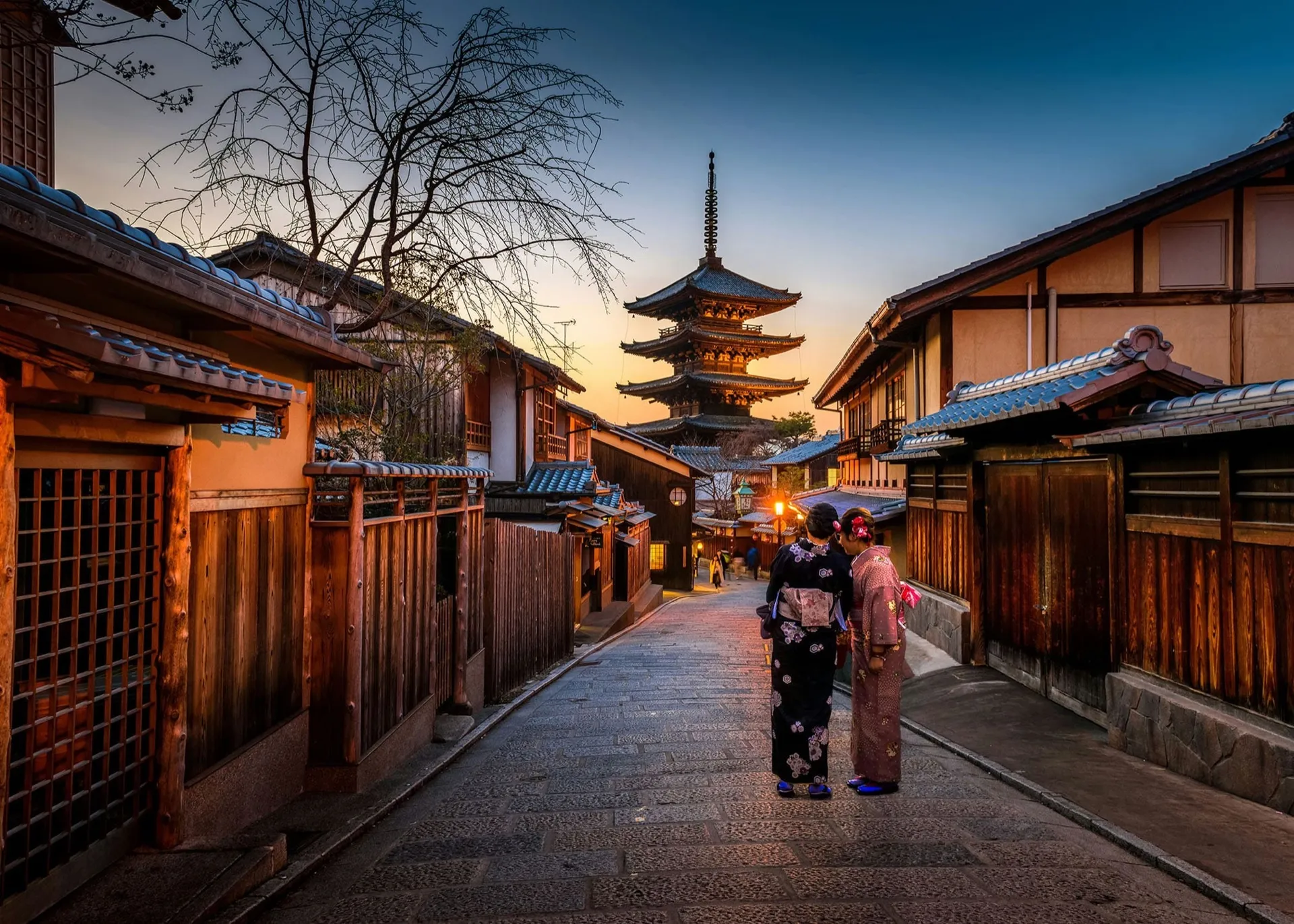 Japan · signature experience Kyoto
 Overview
Close to home and endlessly varied, North America ranges from desert canyons to alpine national parks, from world cities to quiet coastal towns: a continent that contains a dozen vacations within a single border.
View all North AmericaDestinations
Overview
A continent of extremes, from the high Andes and the vast Amazon to glacial Patagonia and the rhythm of its cities, South America rewards the adventurous traveler with some of the planet’s most dramatic scenery and deepest history.
View all South AmericaOverview
A scattering of islands across impossibly blue water, the Caribbean is the art of the easy day perfected: white sand, warm rhythm and hospitality that turns first-time visitors into lifelong returnees.
View all CaribbeanDestinations
Overview
From the Great Barrier Reef to the red heart of the outback, from the fjords of New Zealand to the scattered atolls of the South Pacific, Australia & Oceania offer some of the most remote and rewarding travel on earth.
View all Australia & OceaniaDestinations
Est. 1918 · four generations · 38 countries
How You Travel
River Cruises Ocean & Small-Ship Expedition Flights Tours & Escorted All-Inclusive All travel experiencesFeatured
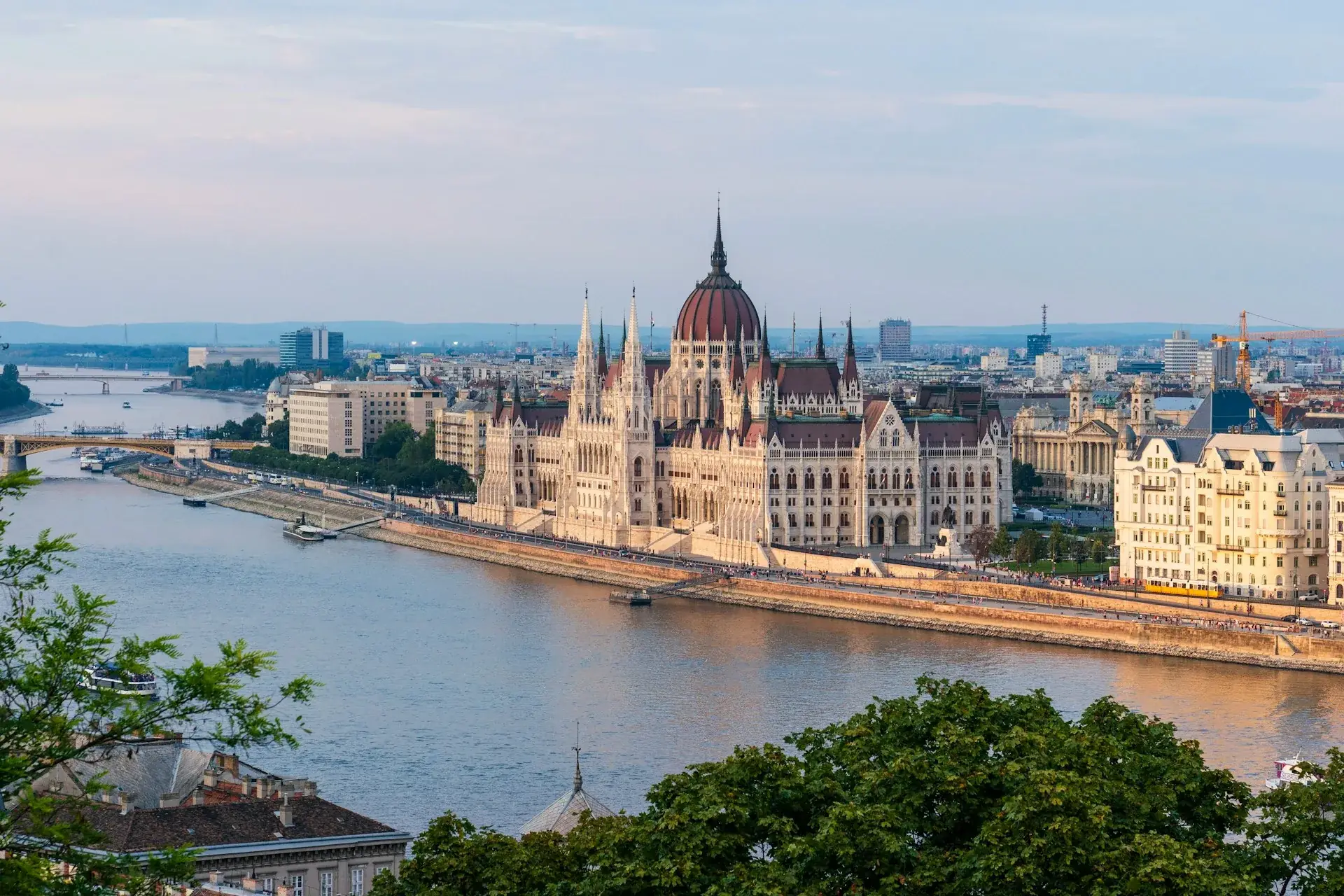 The Danube
 Featured
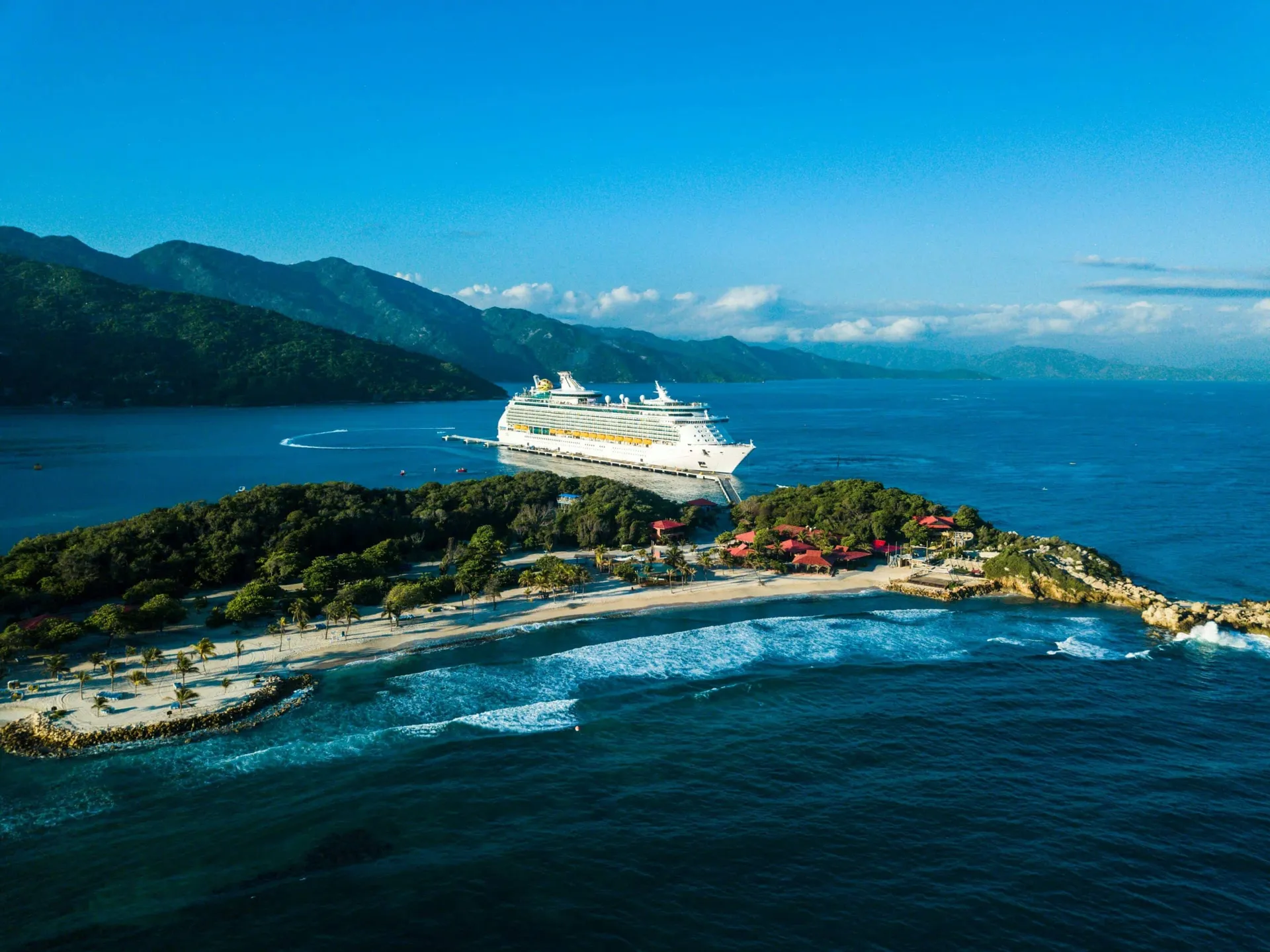 The Caribbean
 Featured
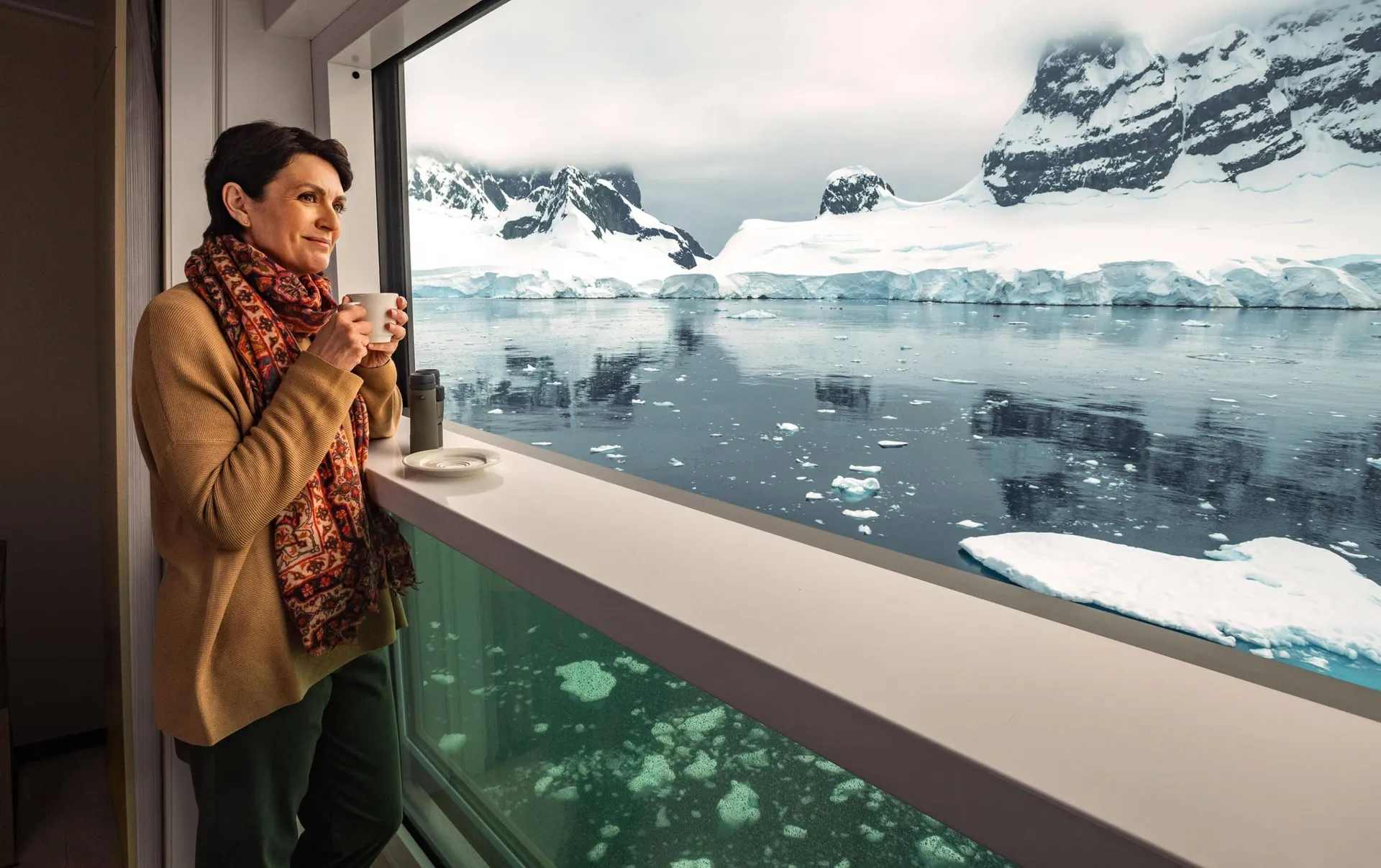 Antarctica
 Overview
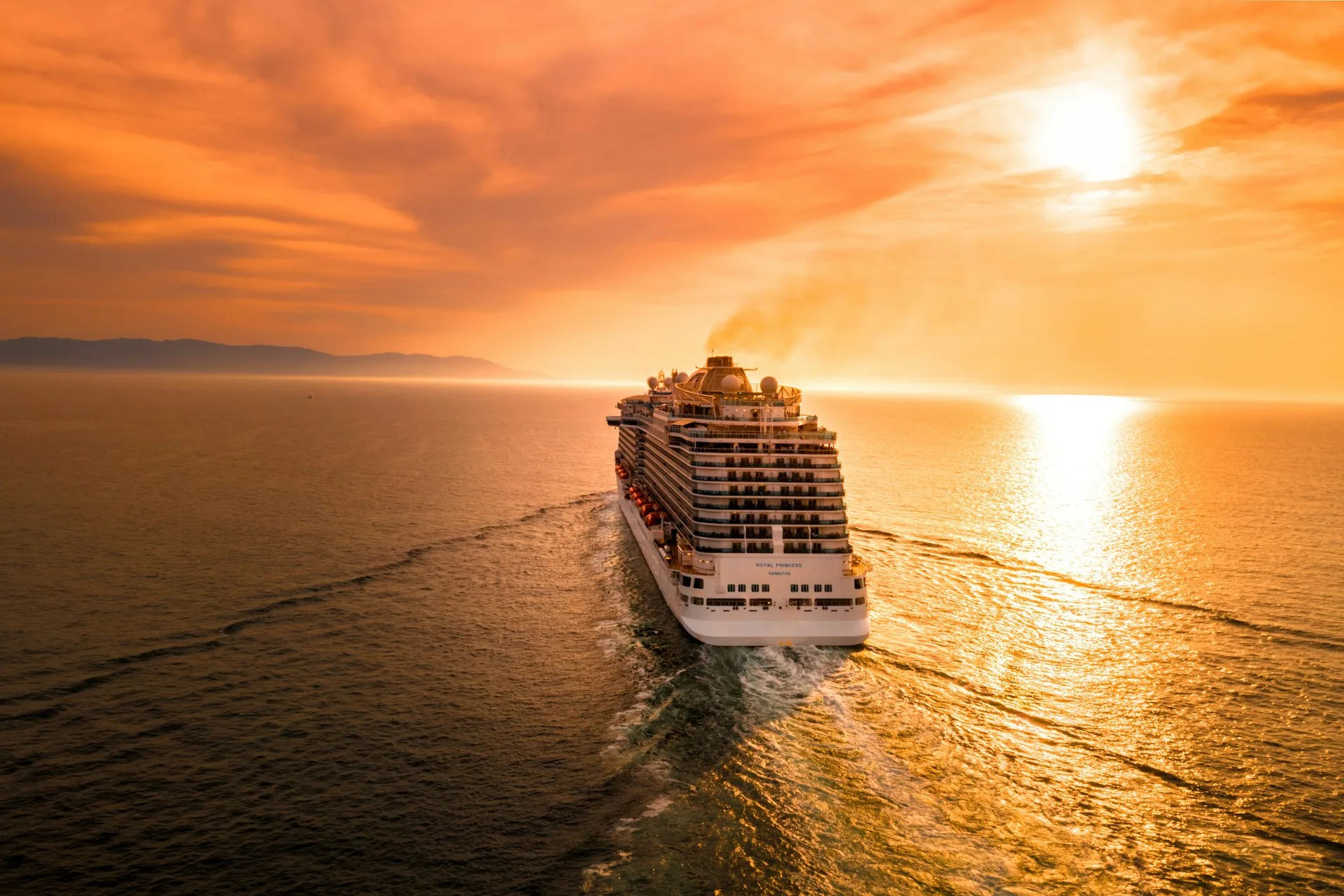
Premium-cabin fares, complex routings and around-the-world tickets, booked by people who fly for a living.
Explore flightsFeatured
 Flights
 Overview
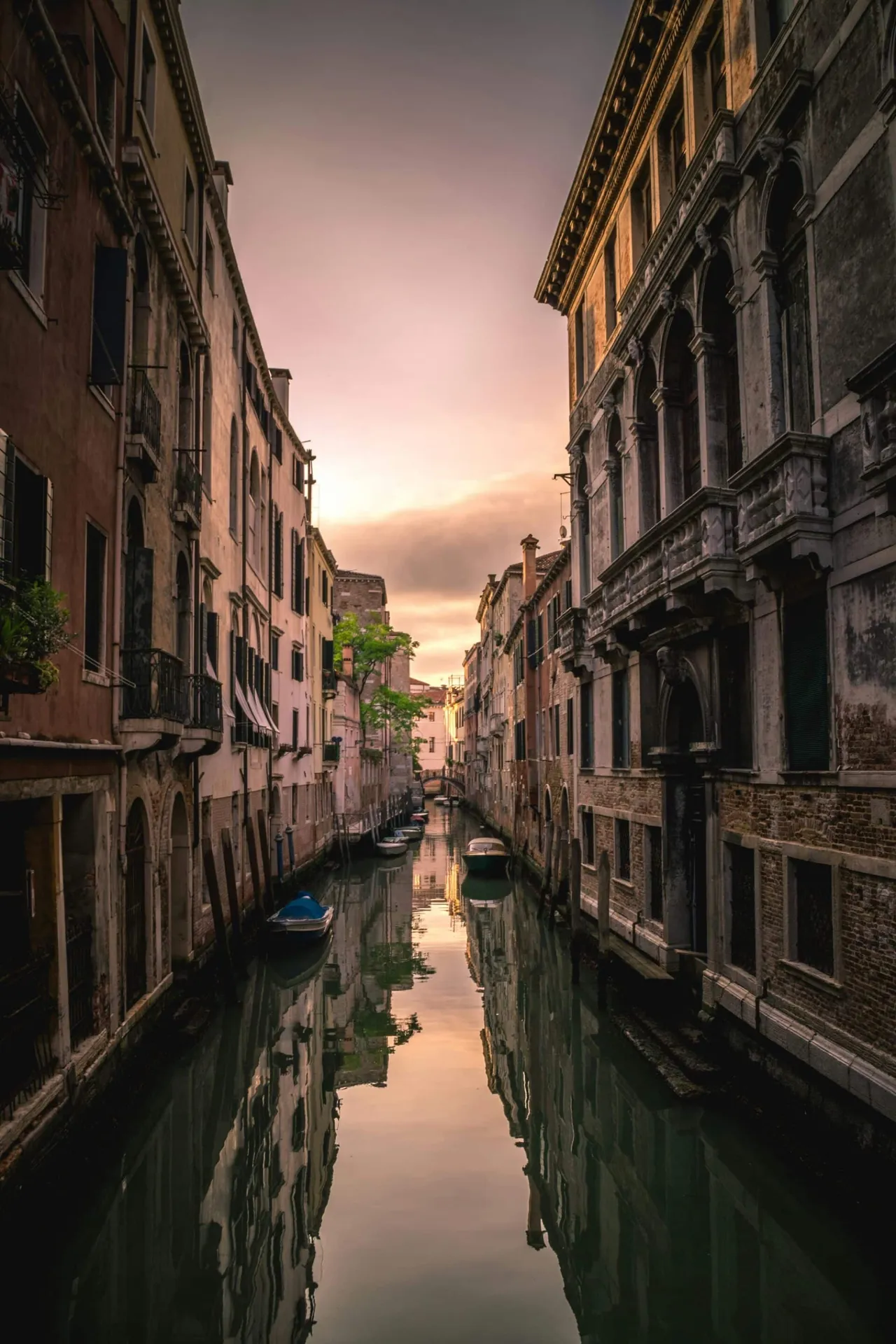
Expertly guided group departures and private escorted itineraries across the world's great regions.
Explore tours & escortedFeatured
 Tours & Escorted Journeys
 Overview
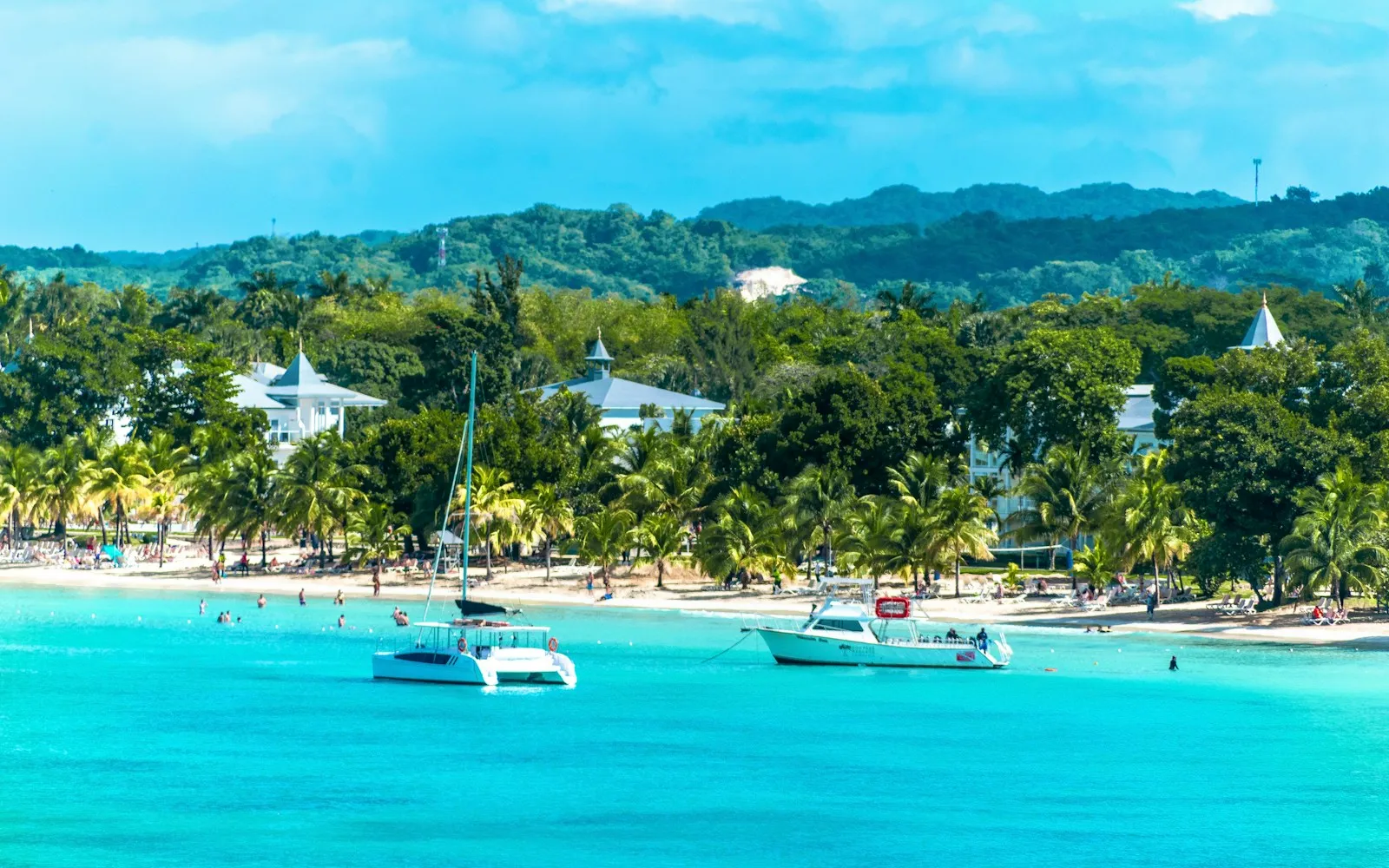
Beach and luxury all-inclusive escapes where flights, meals and more fold into a single, easy fare.
Explore all-inclusiveFeatured
 All-Inclusive Resorts
 River, ocean & expedition cruises · flights · tours · all-inclusive
Corporate travel
Destinations · Africa
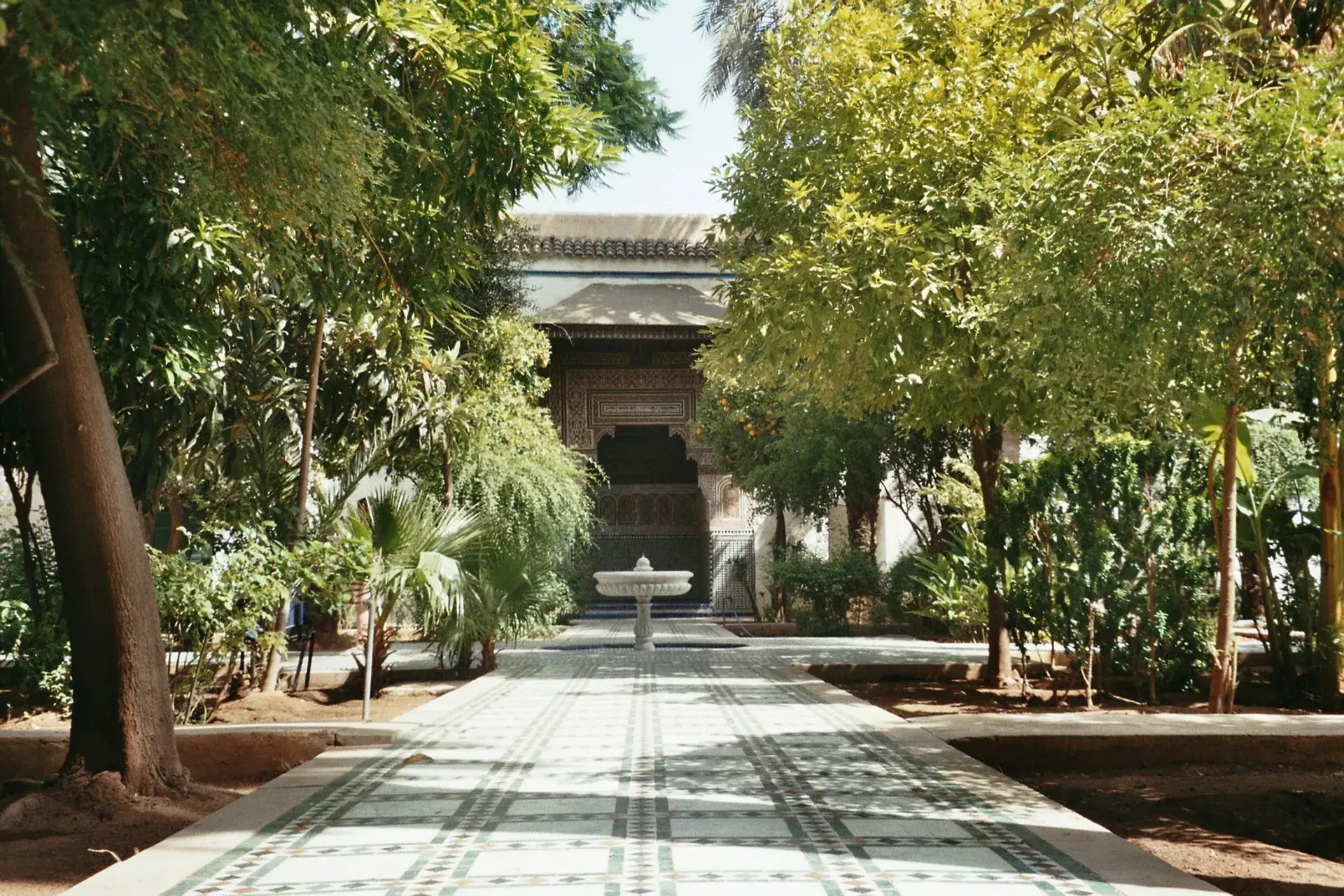
The kingdom in North Africa.
The country
Morocco is a land of stunning contrasts and captivating beauty, with a rich, vibrant culture deeply rooted in its history and traditions. From the bustling streets of Marrakech to the serene dunes of the Sahara, this North African kingdom offers a wealth of experiences for the curious traveler.
Explore ancient medinas and marvel at the intricate tilework of historic mosques and palaces. Wander colorful markets filled with spices, fabrics and treasures, haggle in the bustling souks, or ride a camel across the dunes at sunset.
Morocco is also known for a delicious cuisine that blends African, Arabic and European influences: tangy tagines, savory couscous and spicy harira soup, finished with sweet pastries and fresh-squeezed juice.
When to go
Morocco is really three climates at once — the medinas, the High Atlas and the Sahara — and the trick is timing the loop so none of them is at its worst. This is the calendar as we'd sketch it across the desk.
Mild, sunny days and wildflowers across the valleys, with the desert pleasant before the summer heat. Our favorite window for combining the cities, the mountains and the dunes.
The heat eases after summer, the light turns golden over the medinas, and desert nights are crisp but comfortable: an ideal stretch for the full north-to-south journey.
High summer is very hot inland and in the desert, so we lean toward the breezy Atlantic coast at Essaouira and the cooler heights of the Atlas, saving the Sahara for cooler months.
Winter brings mild, clear days in the cities and snow on the High Atlas peaks. Desert nights turn cold, so we pack accordingly and choose camps with proper heating.
Where to go
Morocco rewards travelers who let the landscape change beneath them, from imperial cities to mountain passes to the edge of the Sahara. These are the regions we weave together most often, each with its own rhythm, table and welcome, and we shape the route around the pace you have in mind.
Region
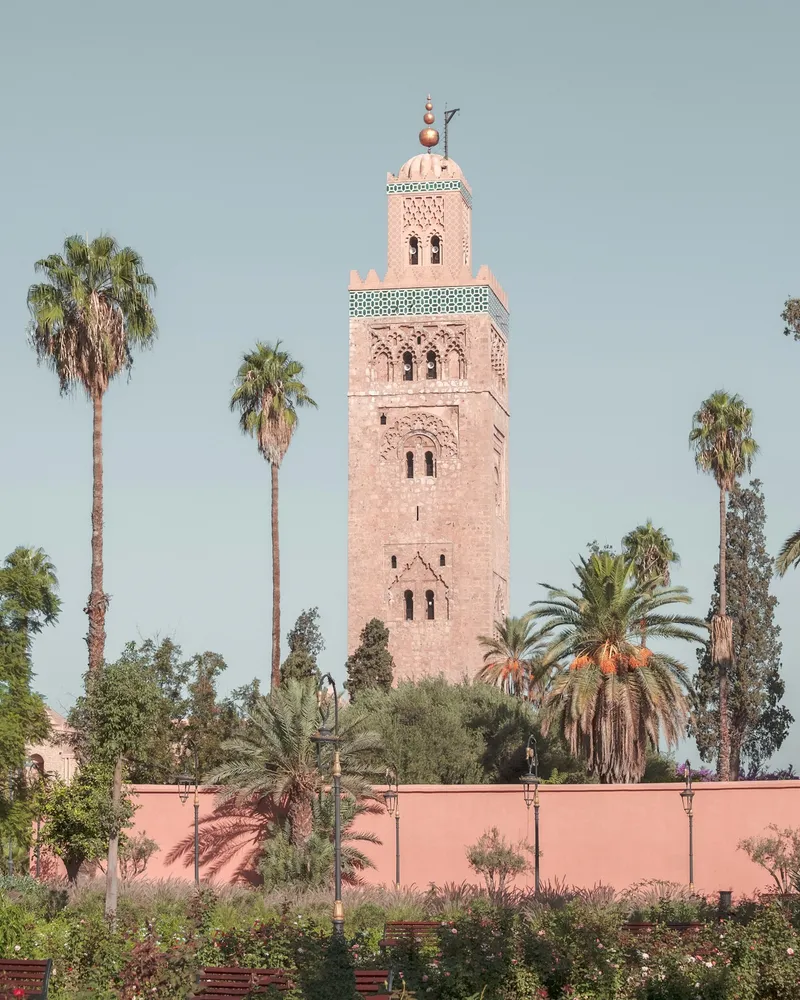
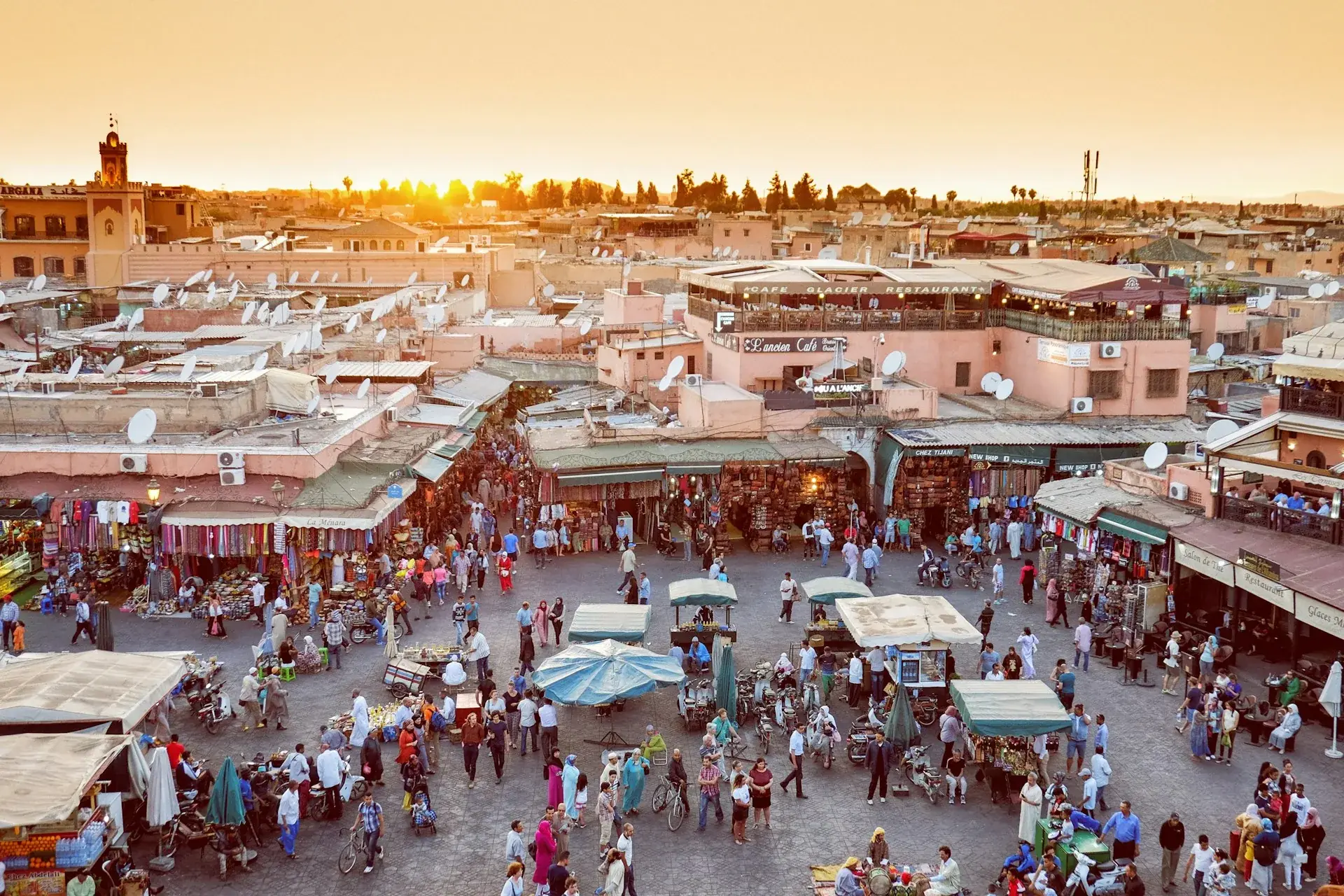
The Red City and its walled medina: the souks and spice markets, the gardens and palaces, and the great square of Jemaa el-Fnaa coming alive at dusk over mint tea and tagine.
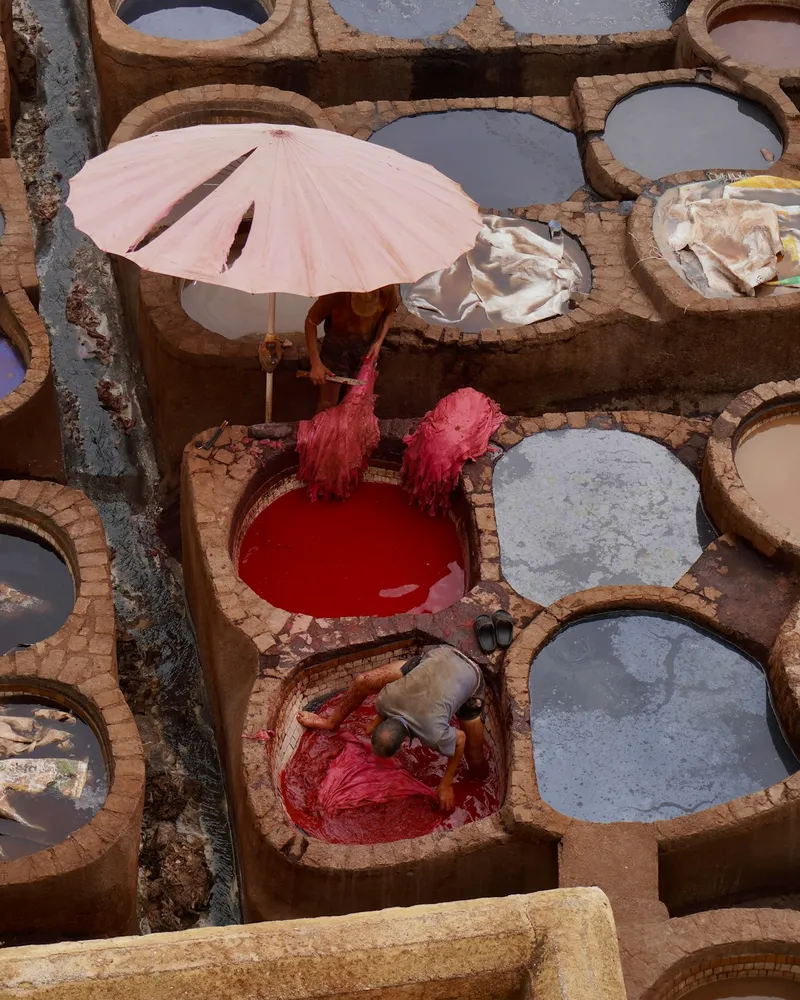
Region
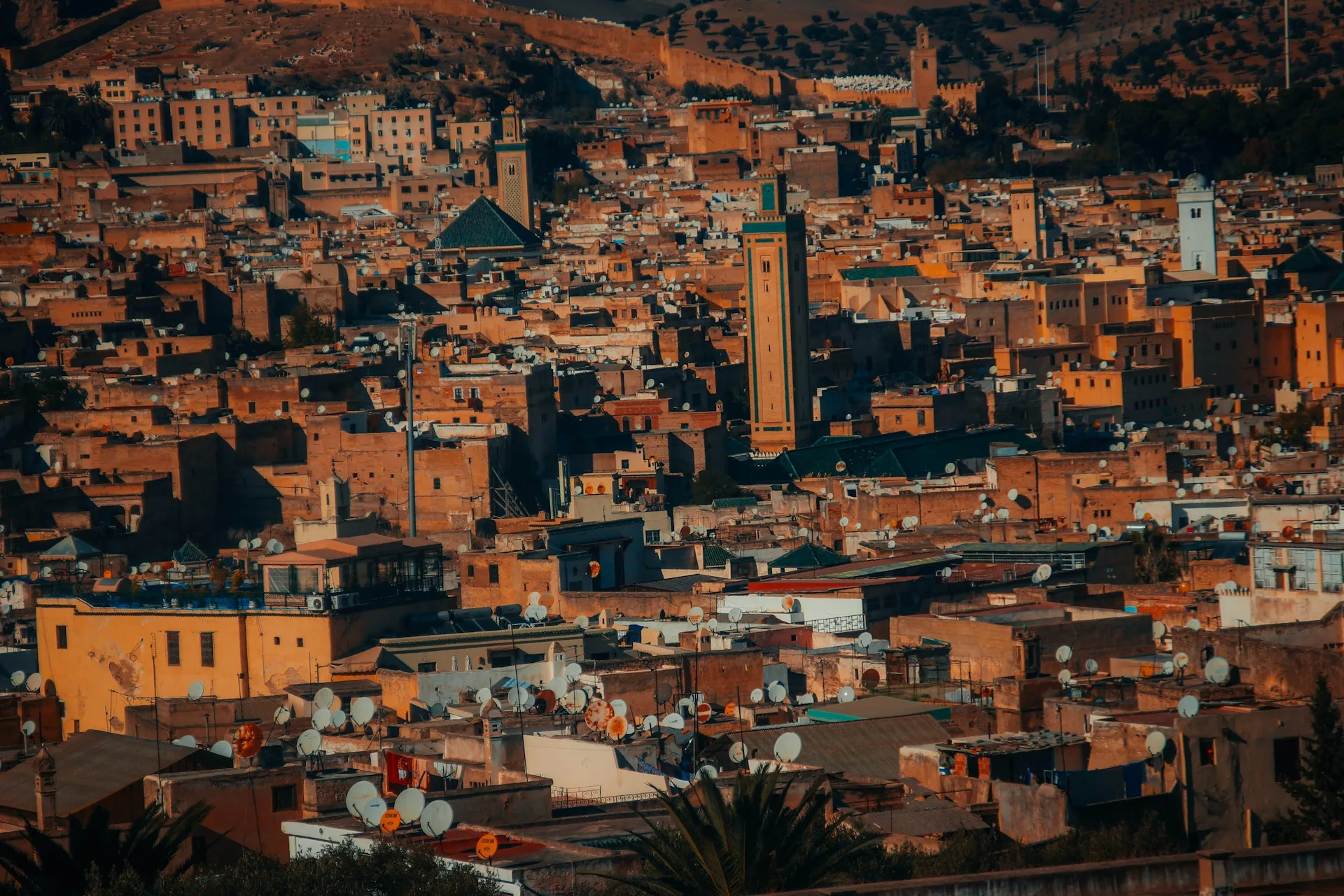
Fes guards the world's largest car-free medieval medina, a maze of artisan workshops and tanneries, alongside the imperial capitals of Meknes and Rabat and the Roman ruins of Volubilis.
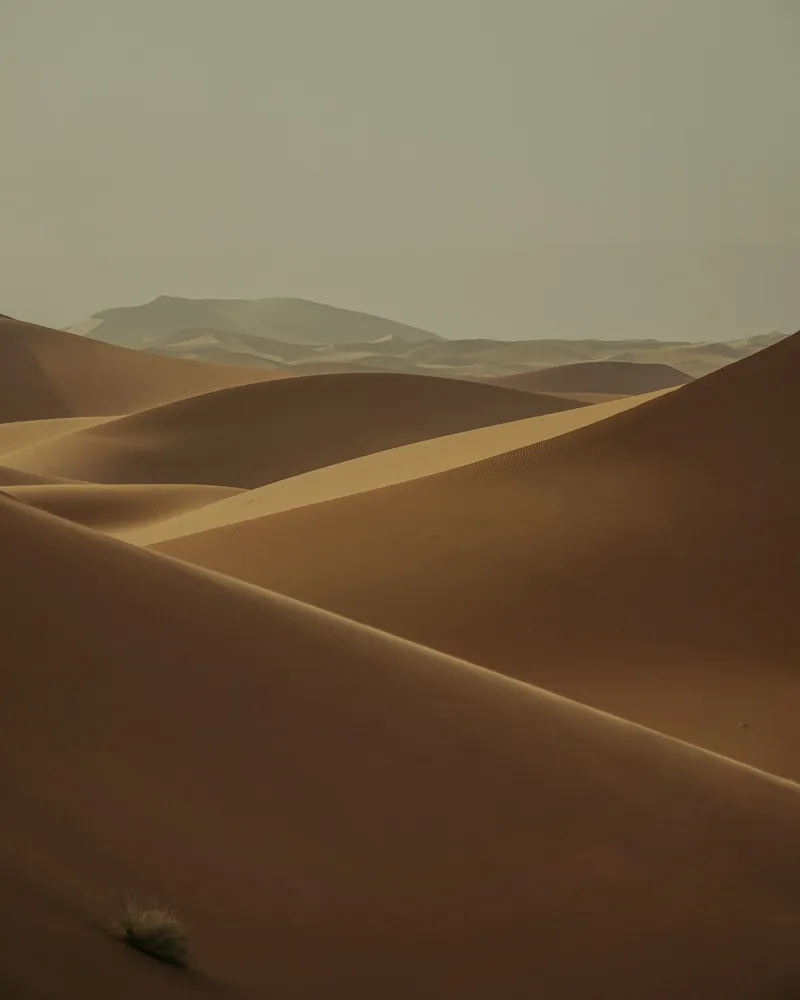
Region
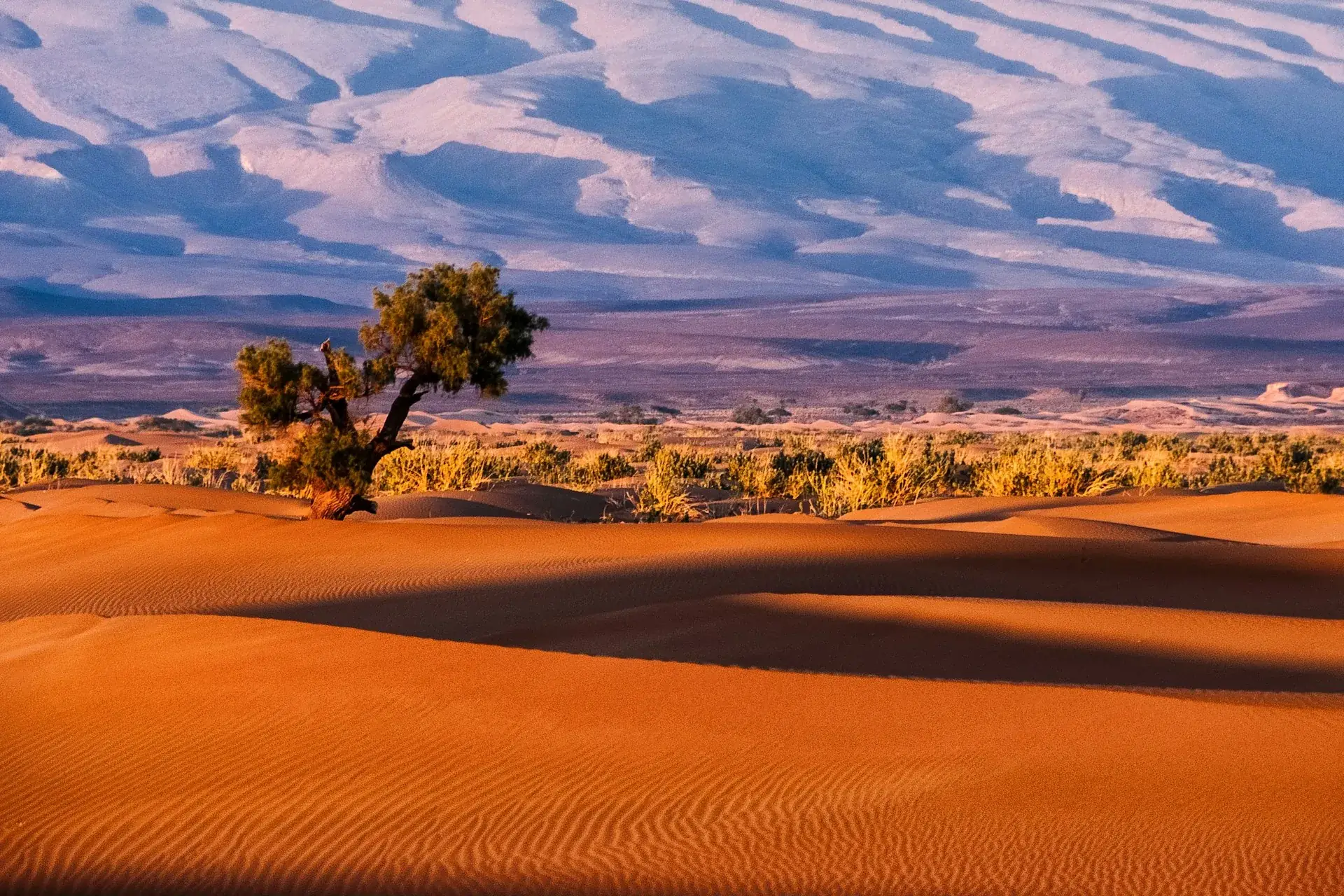
The great dunes of Erg Chebbi near Merzouga, reached over the High Atlas: camel treks into the sand, nights under vast skies, and the silence of the desert at dawn.
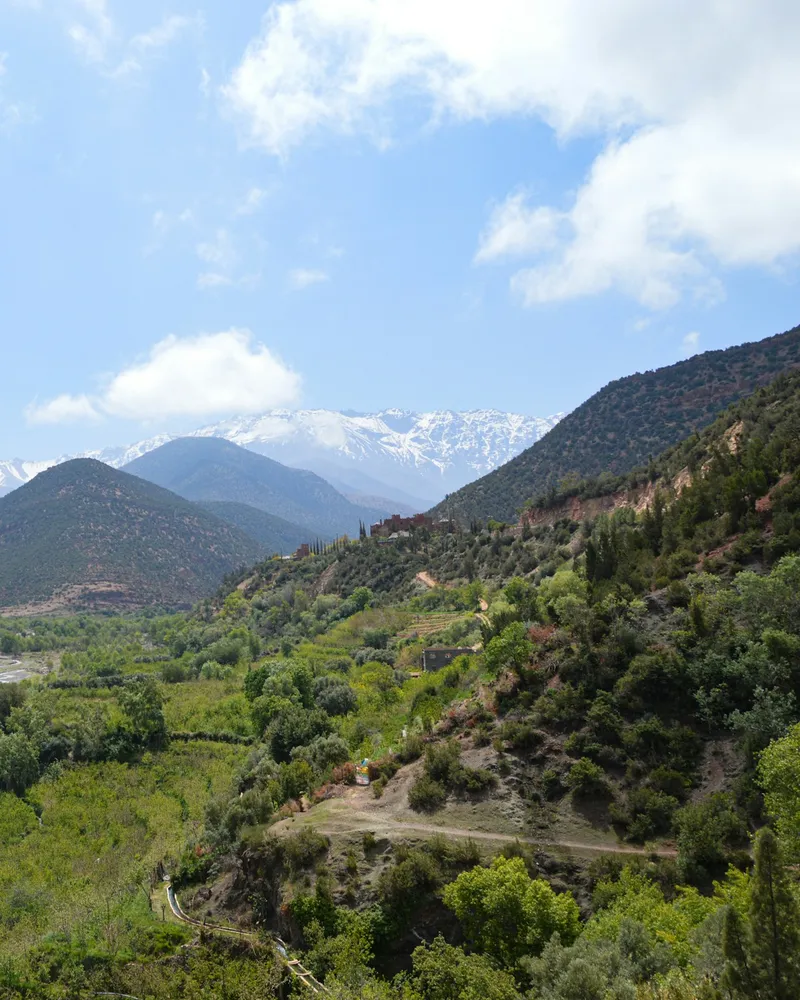
Region
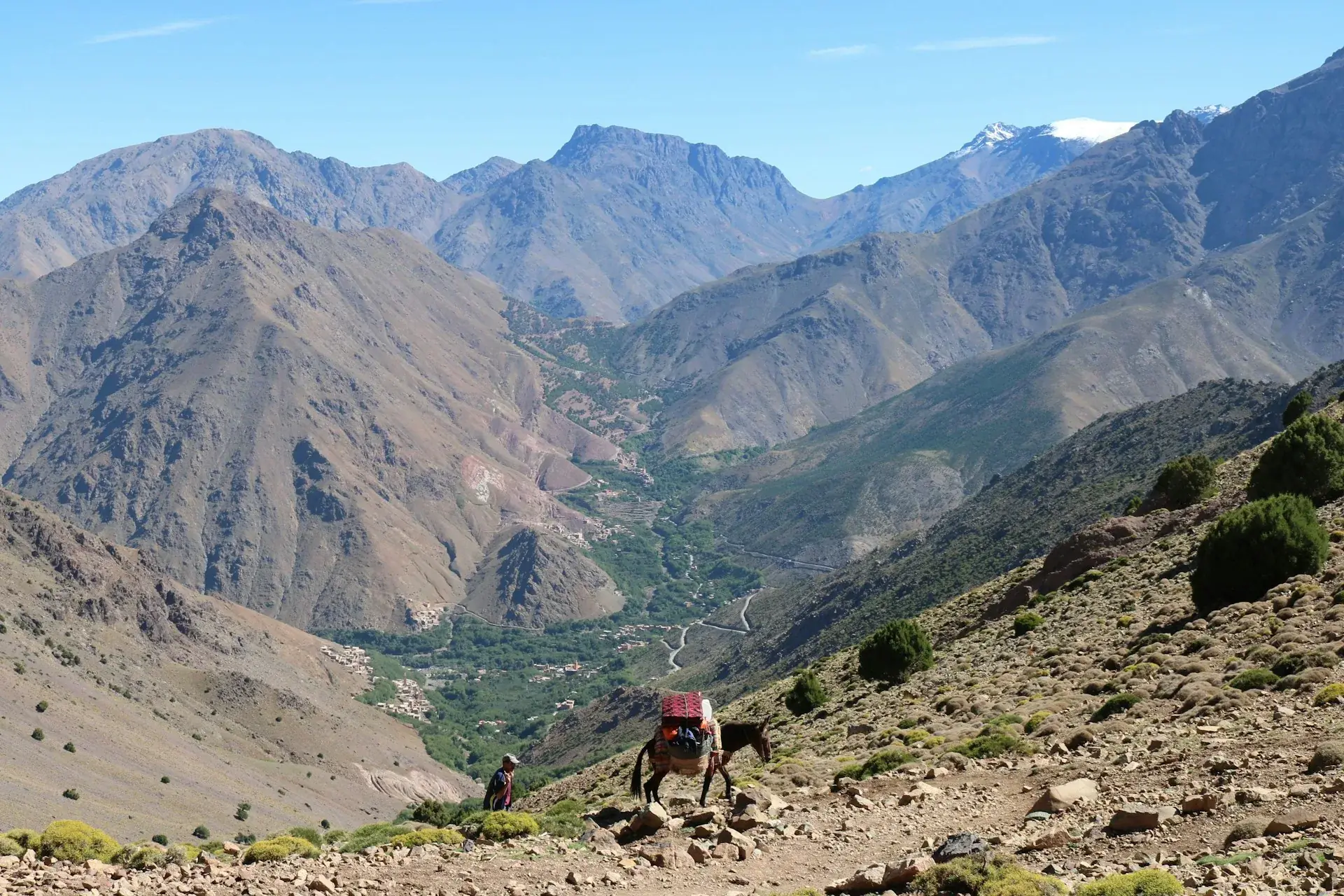
Snow-capped peaks, terraced valleys and Berber villages of pink earth, with the dramatic kasbah of Aït Benhaddou guarding the old caravan road to the south.
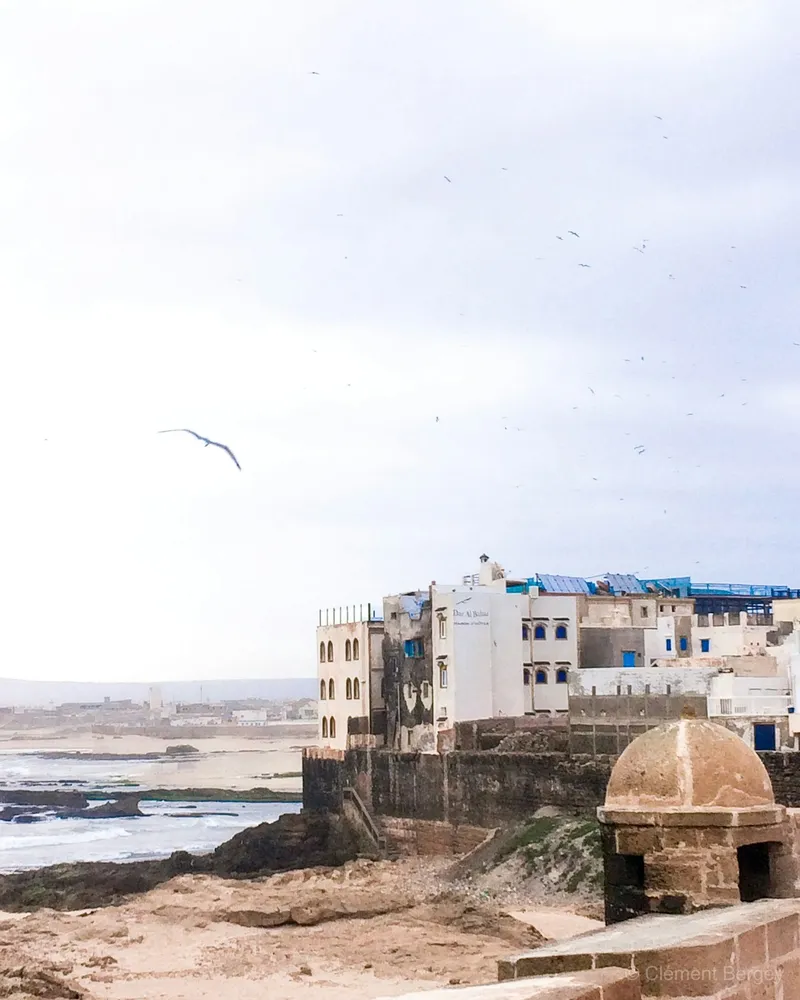
Region
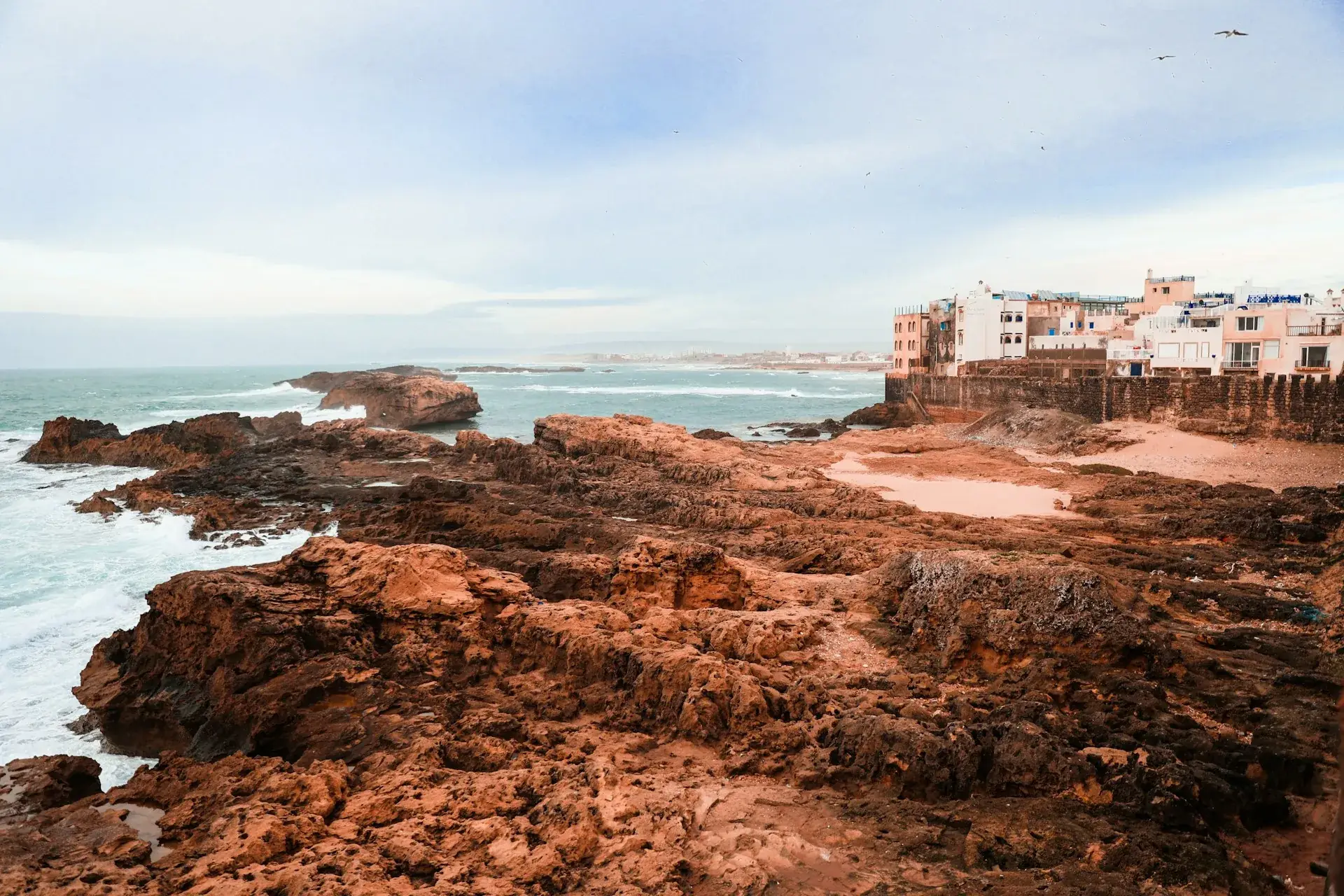
A breezy, whitewashed port on the Atlantic, with weathered ramparts, a working fishing harbor, fresh seafood and an easygoing pace that balances the intensity of the inland cities.
Region
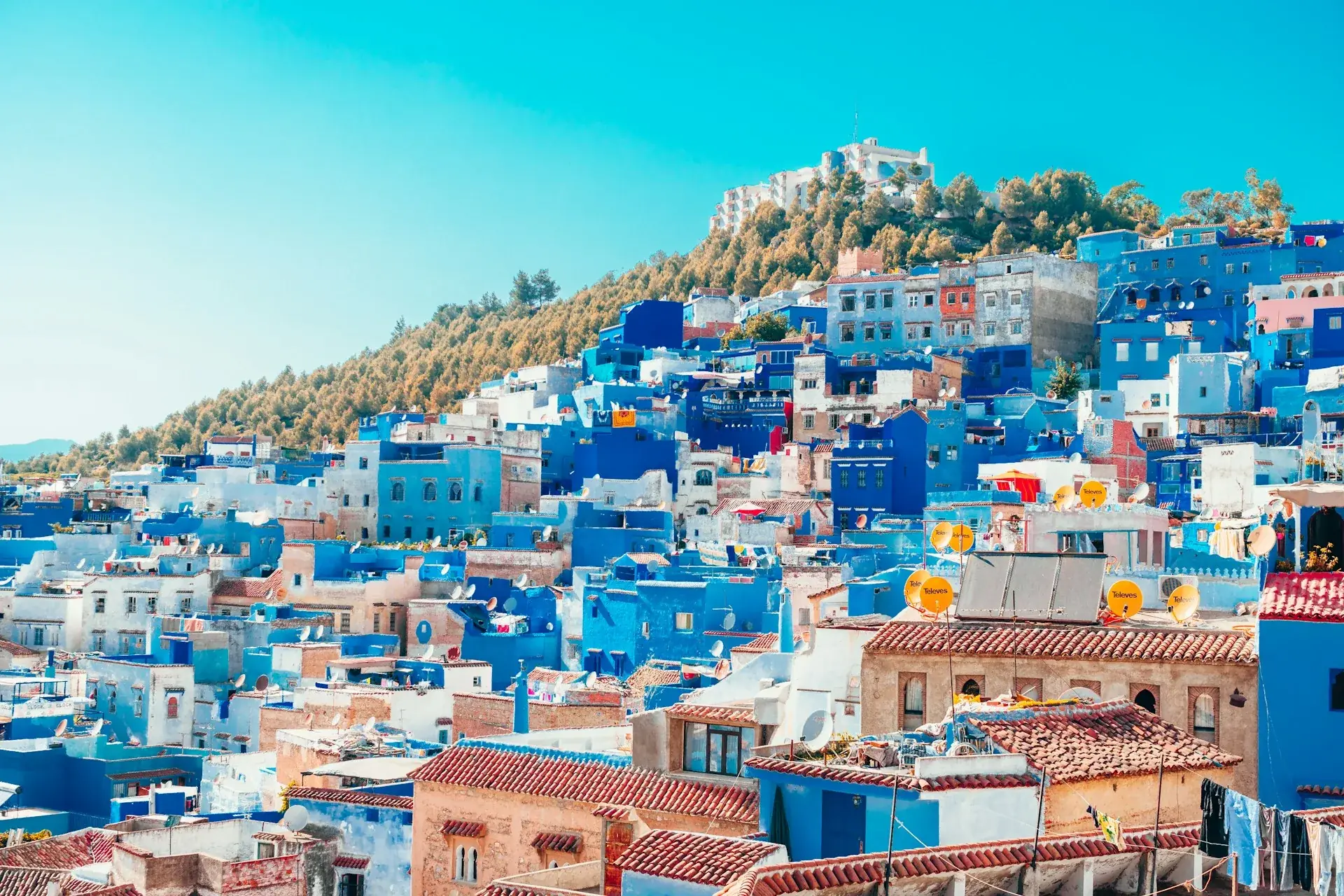
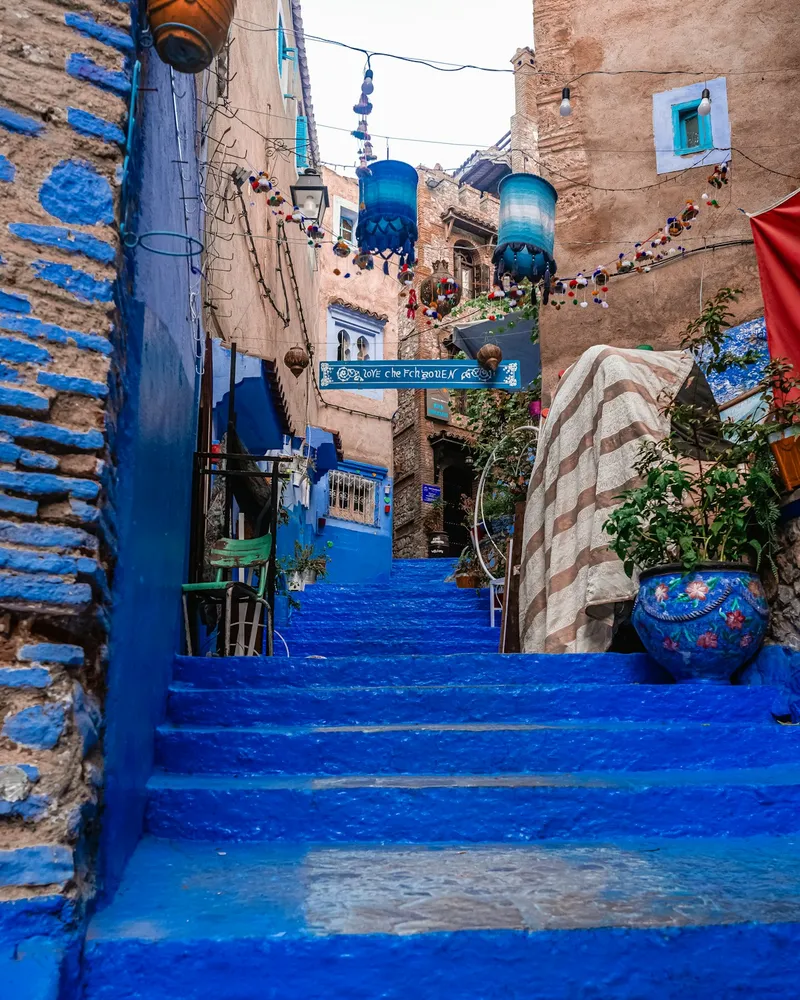
The blue-washed lanes of Chefchaouen tumble down the Rif Mountains, a photogenic, laid-back town within reach of Tangier and the green hills of Morocco's north.
A sample journey
1 Settle into a medina riad, then explore the souks, gardens and palaces, finishing with the theater of Jemaa el-Fnaa at dusk over mint tea and grilled specialties.
2 Cross the High Atlas by the Tizi n'Tichka pass, stopping in Berber villages, and reach the great earthen kasbah of Aït Benhaddou on the old caravan road.
3 Continue through gorges and palm oases to the dunes of Erg Chebbi, with a camel trek into the sand and a night at a desert camp beneath an enormous sky.
4 Lose yourself in the labyrinth of the Fes medina with a local guide, among tanneries, workshops and madrasas, with Meknes and Roman Volubilis within reach.
5 Finish in the blue-washed lanes of Chefchaouen in the Rif Mountains, a relaxed, photogenic close to the journey before the onward route home.
Every itinerary we build is bespoke: this is a starting point, not a package.
Getting around
Where to stay
The driver-guides, rail tickets, medina guides and desert-camp logistics are all arranged as part of every itinerary — the connections are settled long before you arrive.
Good to know
Seven nights lets you pair Marrakech with the High Atlas and a night in the desert, or focus on the imperial cities of Fes and Marrakech. Ten to twelve nights is the sweet spot for the classic loop: Marrakech, the Atlas and Aït Benhaddou, the Sahara at Merzouga, Fes and the north.
Spring, March to May, and autumn, September to November, are ideal, with mild days for the cities and comfortable desert nights. Summer is very hot inland and in the Sahara, so we favor the Atlantic coast then, while winter is pleasant in the cities but cold in the desert at night.
Yes, especially with a private guide and driver, which is how we arrange most trips. Local guides handle the language, the navigation of the medinas and the logistics between regions, so you can relax into the experience while traveling at your own pace and comfort level.
You reach the dunes near Merzouga in the late afternoon, often by camel, then settle into a tented camp for dinner under the stars and a sky full of them. Camps range from comfortable to genuinely luxurious, and nights can be cold outside the warmer months, so we choose camps with proper bedding and heating and pack layers.
Morocco is welcoming and relatively relaxed, and there is no need to cover your hair. We suggest modest, breathable clothing that covers shoulders and knees, especially in the medinas and smaller towns, with a layer for cool evenings and the desert. A little Arabic or French goes a long way, and asking before photographing people is always appreciated.
From the journal
Destinations
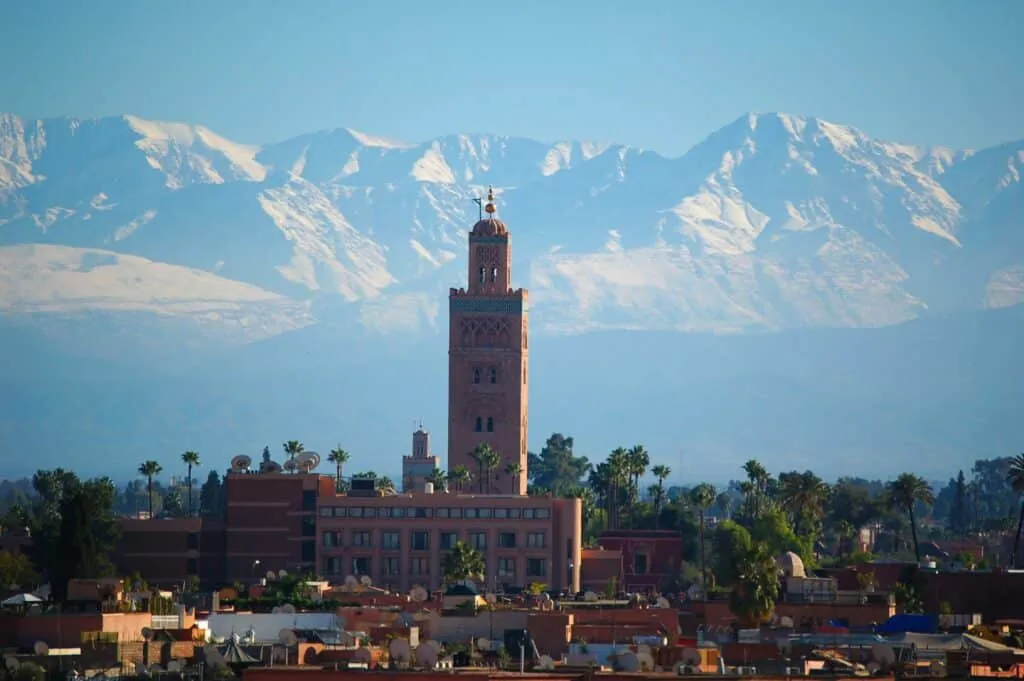
Warm days, cool desert evenings, and clear skies — when to visit the Red City, season by season.
March 2024 Read more →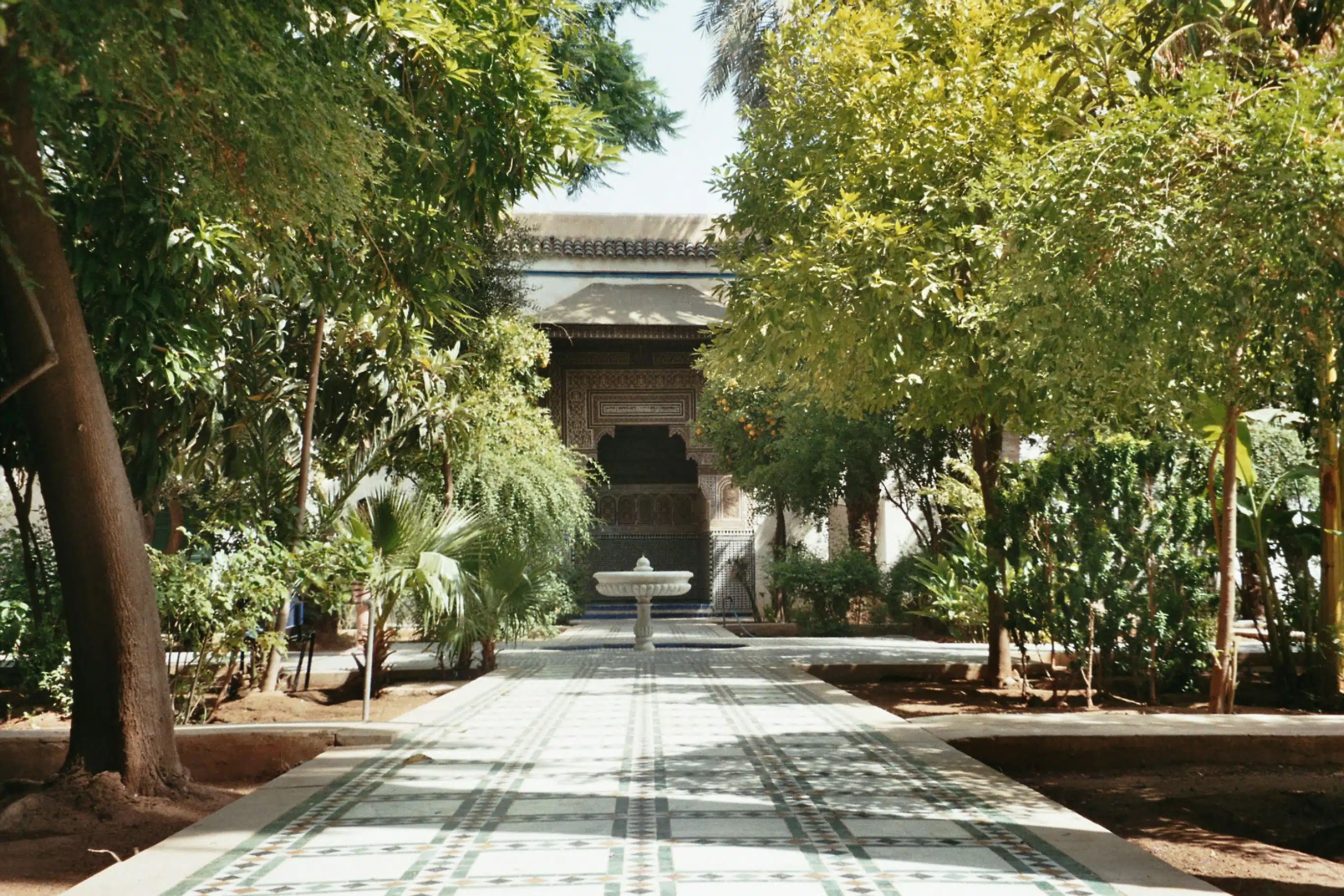
Destinations
Bahia Palace of Morocco, nestled in the vibrant city of Marrakesh, stands as a timeless testament to Moroccan architecture and heritage. Let us take you on a journey through…
Read more →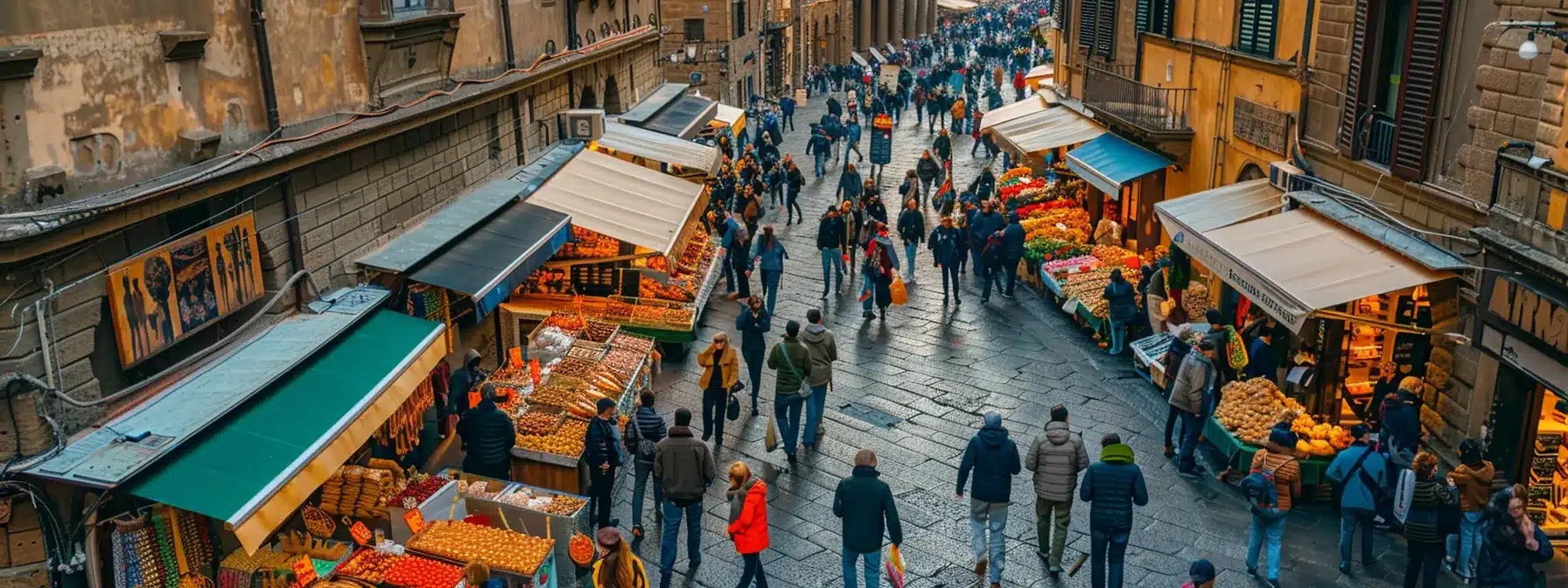
Destinations
Florence is a culinary paradise, renowned for its seasonal food festivals that showcase local flavors and traditions. This post will highlight essential festivals throughout…
Read more →Ways to Explore
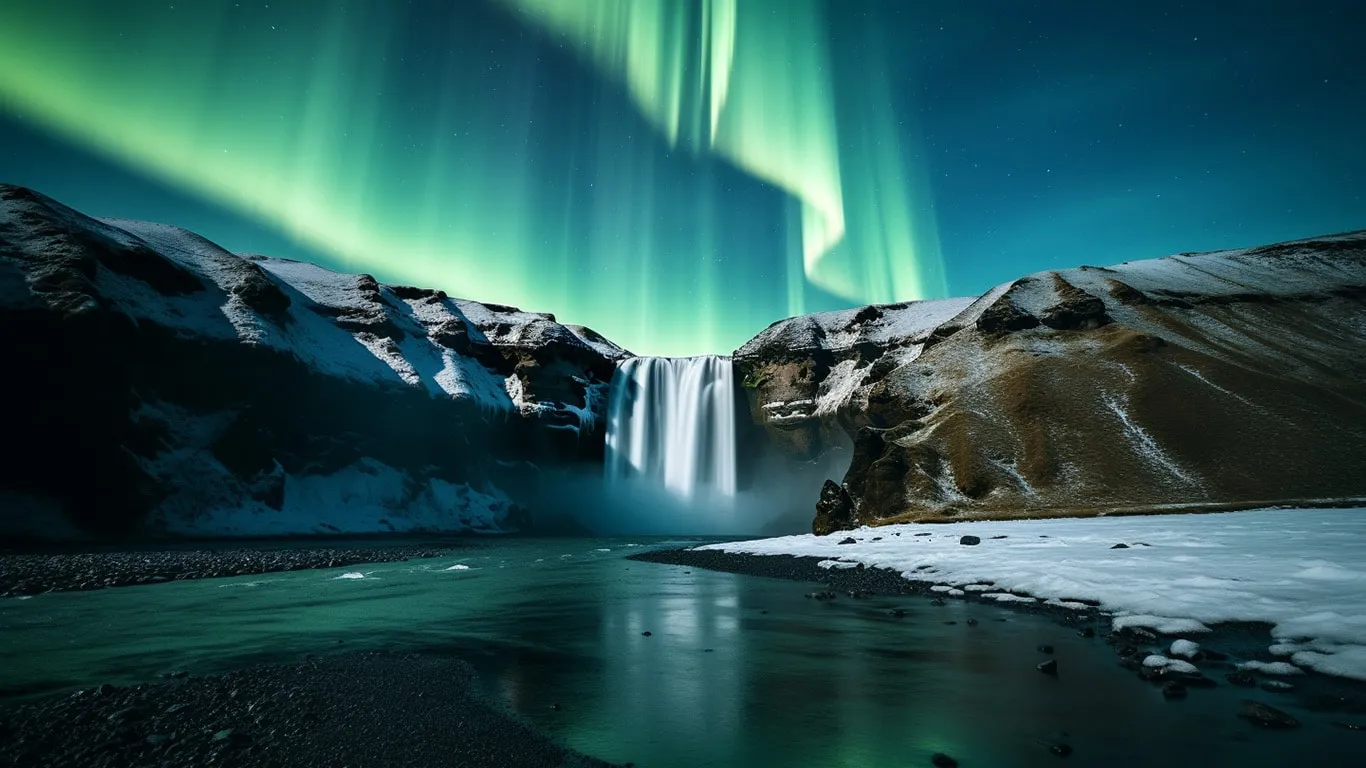
A private journey designed entirely around you, your pace, and your people.
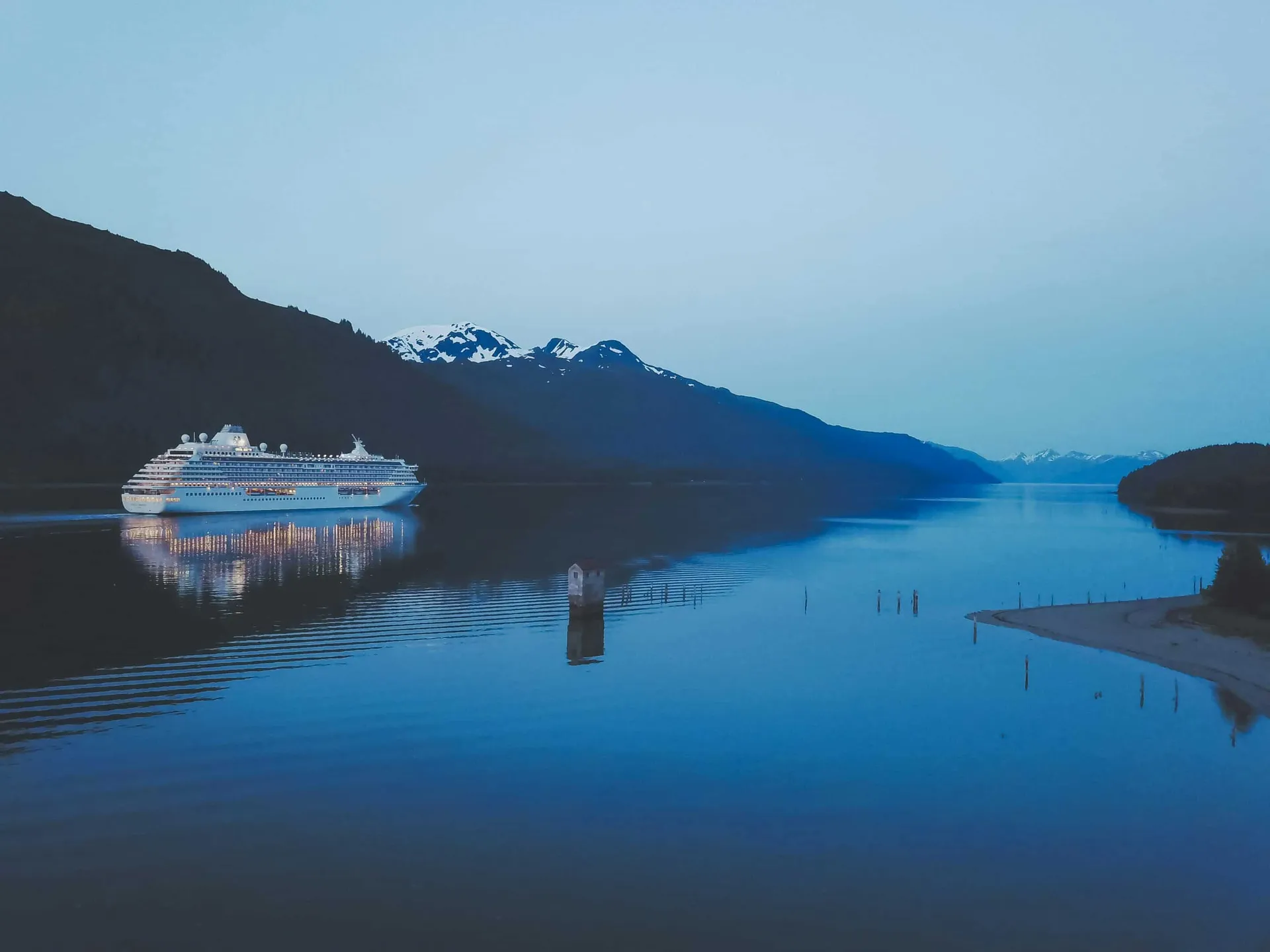
River, ocean and expedition voyages, from the Danube to Antarctica.
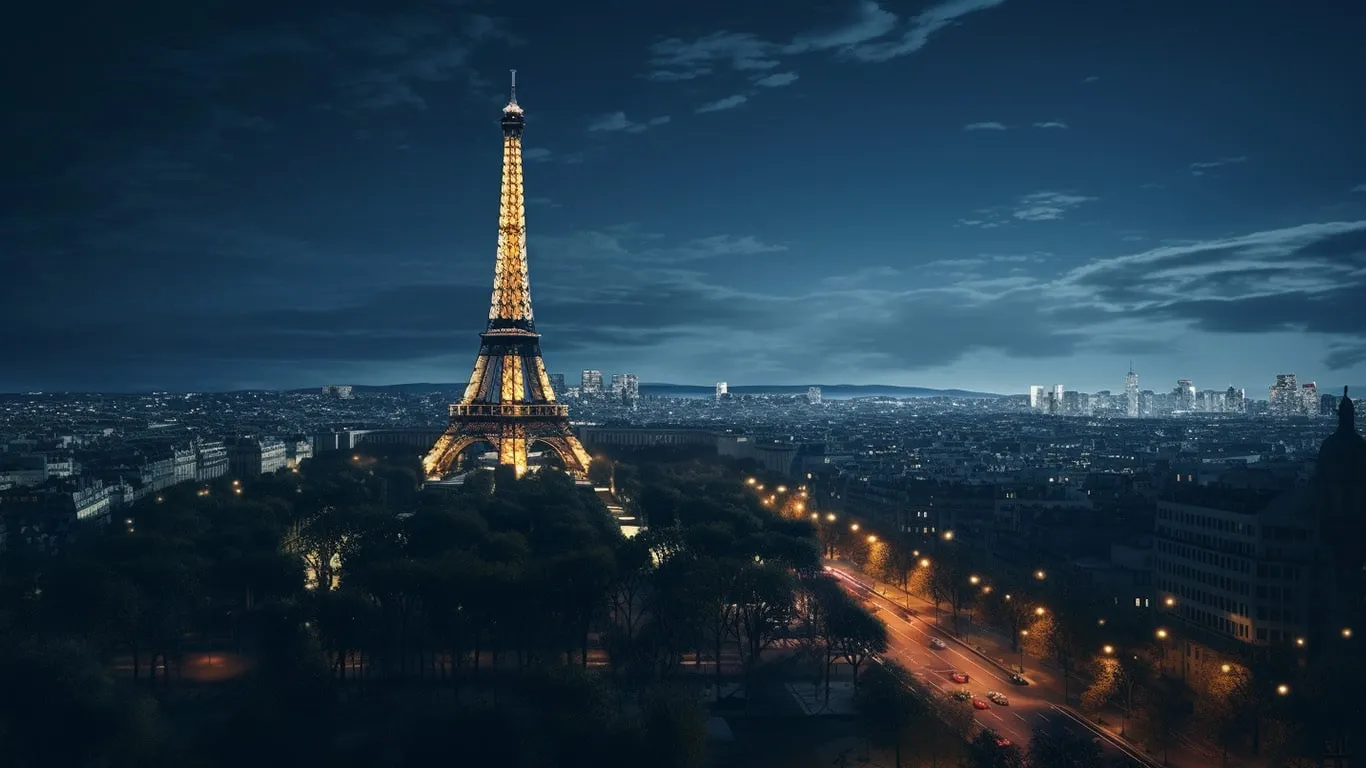
Expertly guided, end to end, with the world's finest local operators.
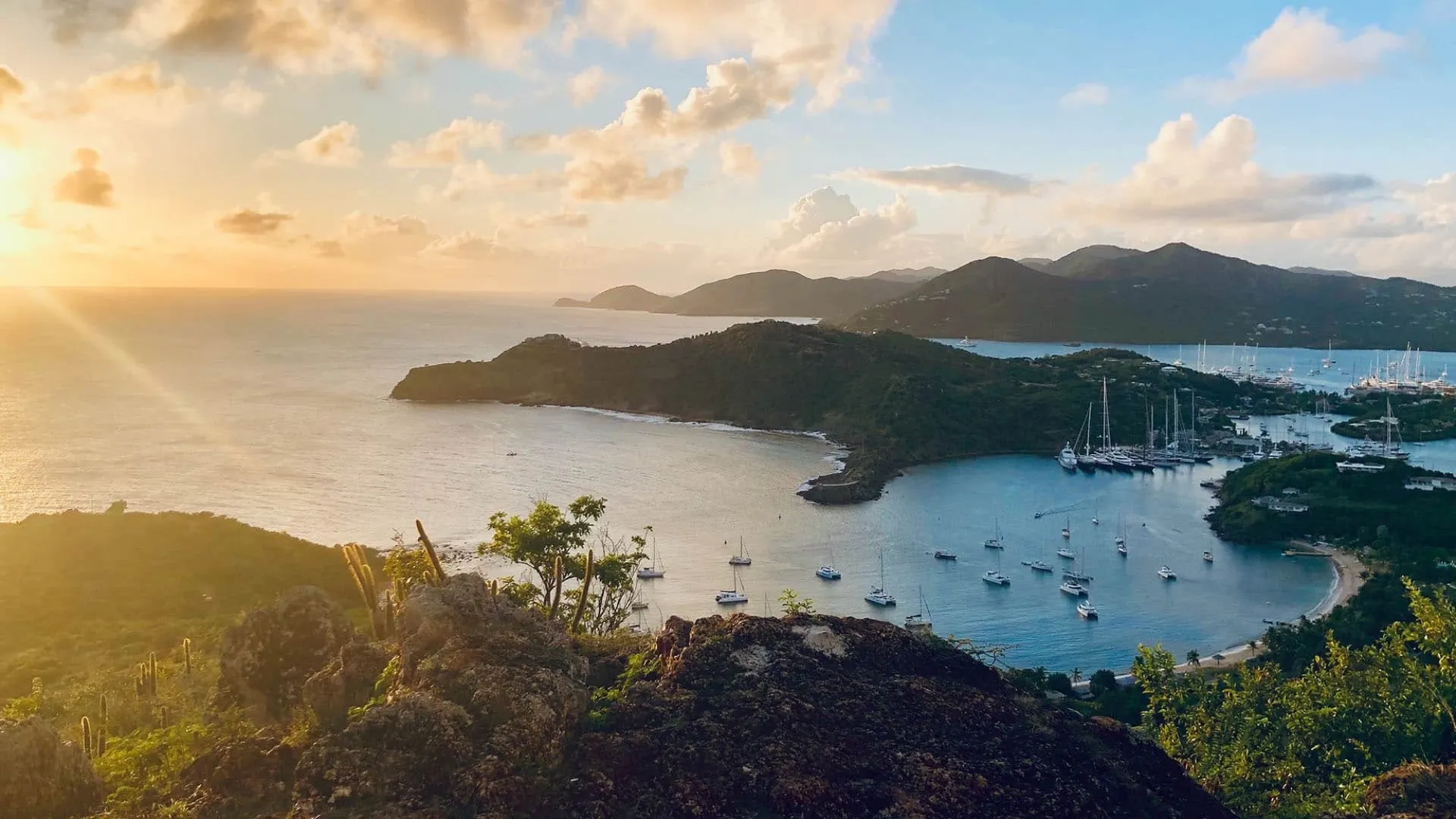
Effortless resort escapes; we cut through the haze to the right one.
Let's begin
Tell us your travel dates and what you love, and we'll handle every detail.
Plan Your TripSearch Chima Travel