Region
The Canadian Rockies
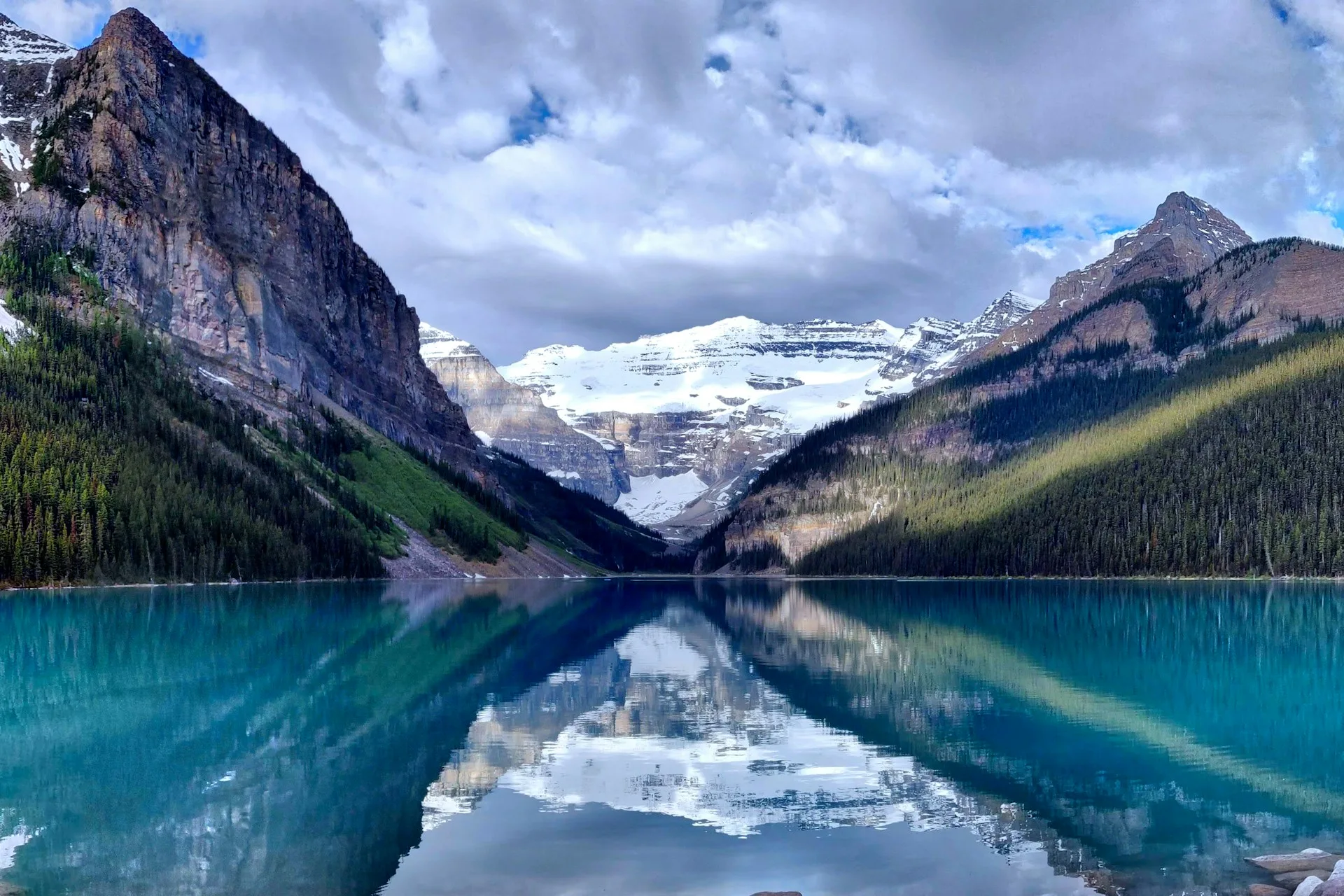
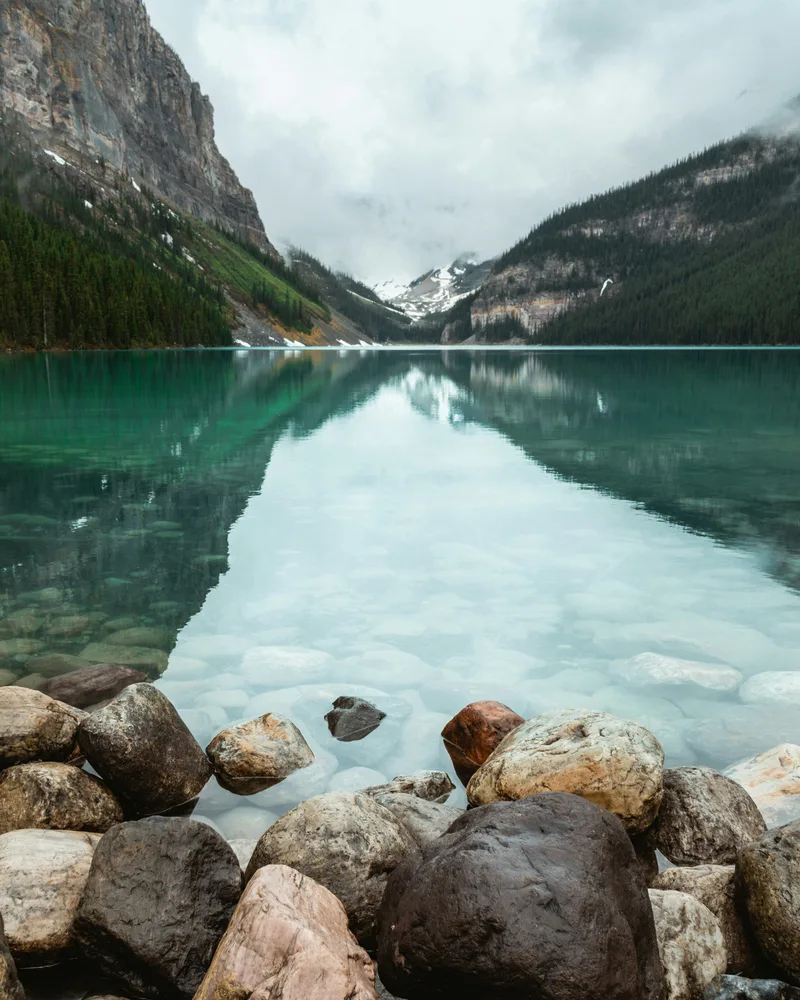
The crown jewel: Banff and Lake Louise, the turquoise glacier lakes, the Icefields Parkway to Jasper and a wildlife-rich wilderness of grizzlies, elk and soaring peaks.

By Continent
Europe Africa Asia North America South America Caribbean Australia & Oceania All destinationsOverview
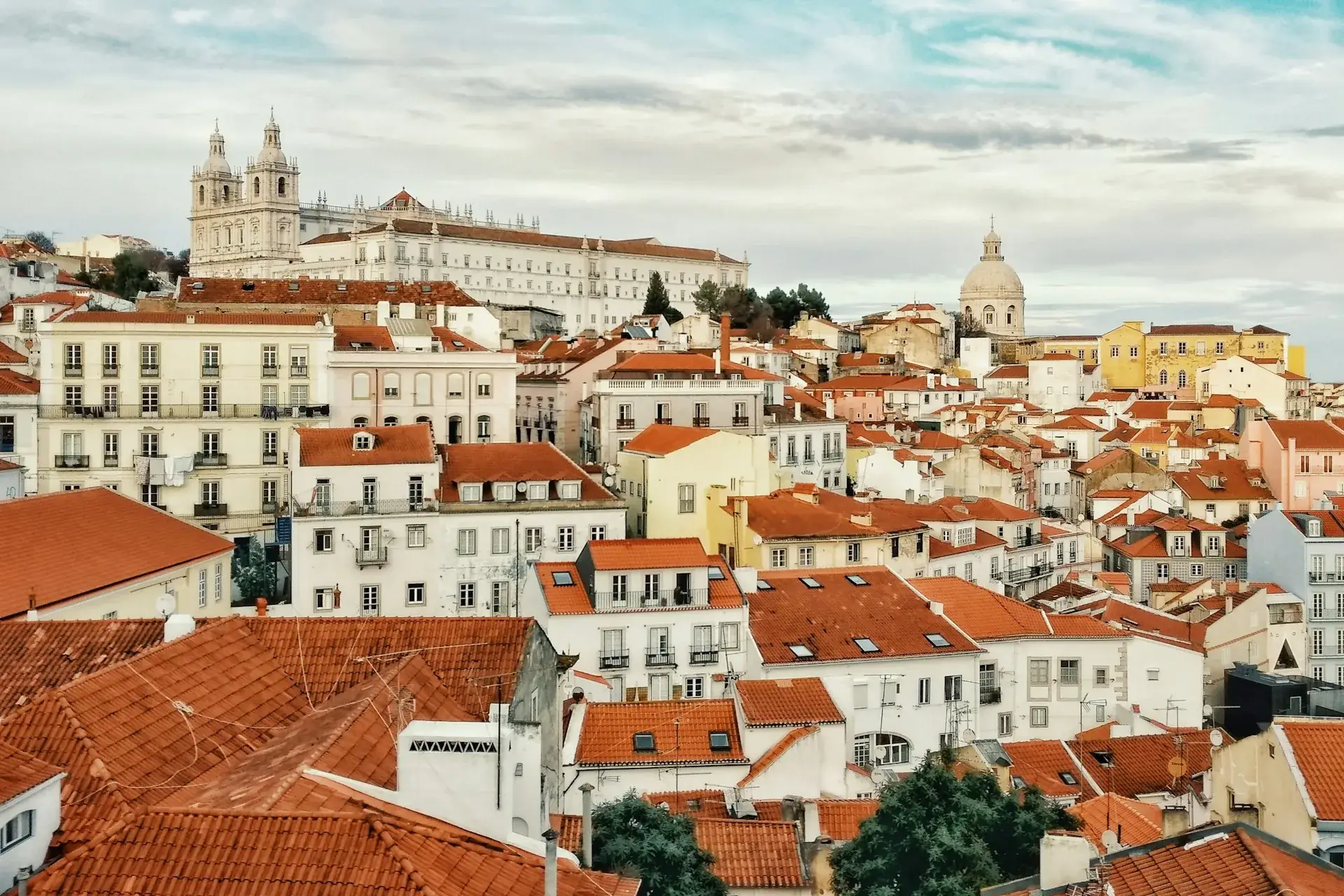
From the canals of Venice to the black-sand coasts of Iceland, Europe rewards the curious traveler with centuries of art, architecture and unforgettable flavor, all within easy reach of one another.
View all EuropeOverview
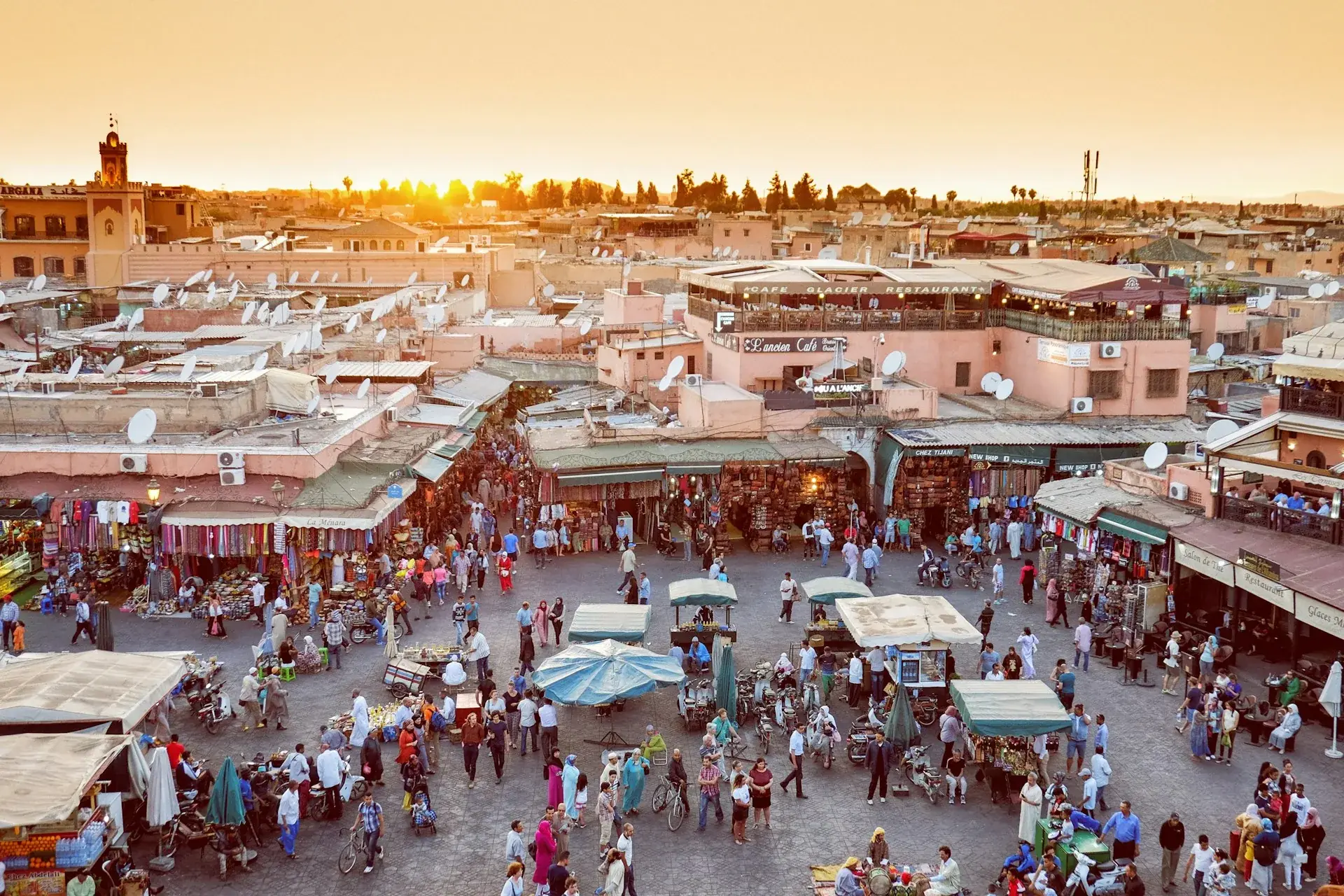
From the dunes of the Sahara to the great plains of the Serengeti, Africa is a continent of staggering scale and singular encounters: a place where landscape, wildlife and culture meet at full intensity.
View all AfricaDestinations
Overview
Vast and varied, Asia spans snow-capped peaks and tropical coasts, neon megacities and silent temples. It is a continent that rewards both the first-time traveler and the lifelong returnee.
View all AsiaFeatured
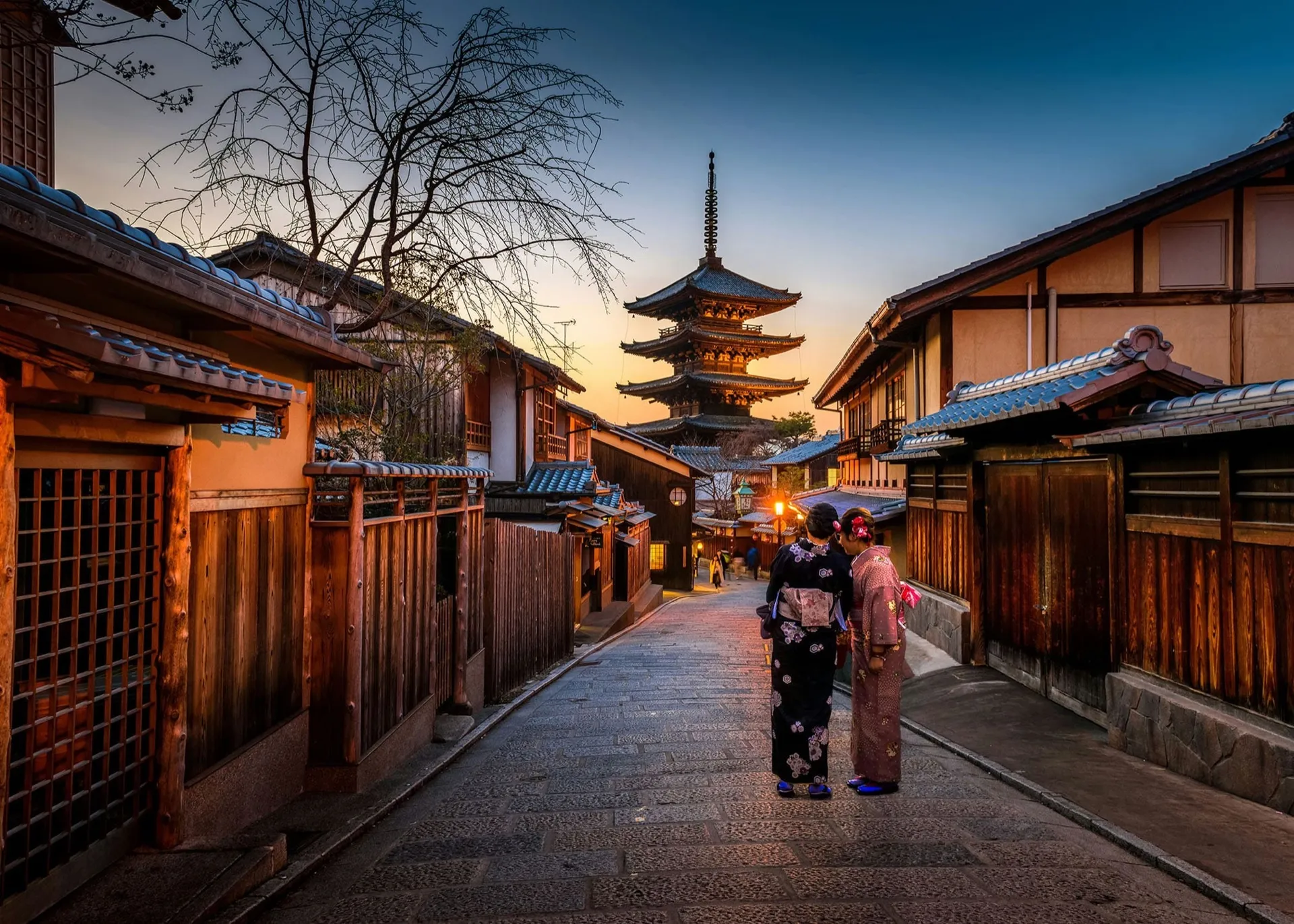 Japan · signature experience Kyoto
 Overview
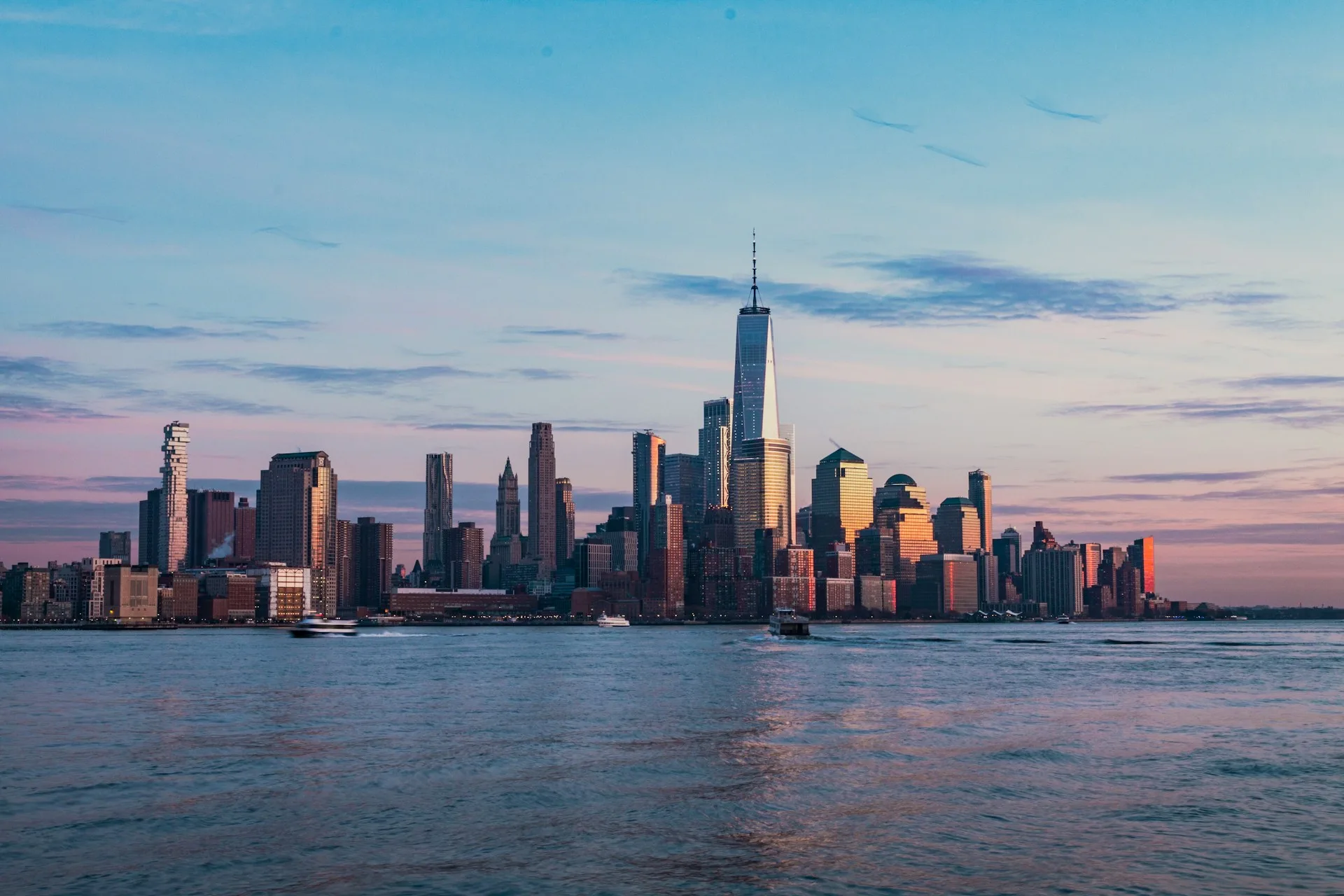
Close to home and endlessly varied, North America ranges from desert canyons to alpine national parks, from world cities to quiet coastal towns: a continent that contains a dozen vacations within a single border.
View all North AmericaDestinations
Overview
A continent of extremes, from the high Andes and the vast Amazon to glacial Patagonia and the rhythm of its cities, South America rewards the adventurous traveler with some of the planet’s most dramatic scenery and deepest history.
View all South AmericaOverview
A scattering of islands across impossibly blue water, the Caribbean is the art of the easy day perfected: white sand, warm rhythm and hospitality that turns first-time visitors into lifelong returnees.
View all CaribbeanDestinations
Overview
From the Great Barrier Reef to the red heart of the outback, from the fjords of New Zealand to the scattered atolls of the South Pacific, Australia & Oceania offer some of the most remote and rewarding travel on earth.
View all Australia & OceaniaDestinations
Est. 1918 · four generations · 38 countries
How You Travel
River Cruises Ocean & Small-Ship Expedition Flights Tours & Escorted All-Inclusive All travel experiencesFeatured
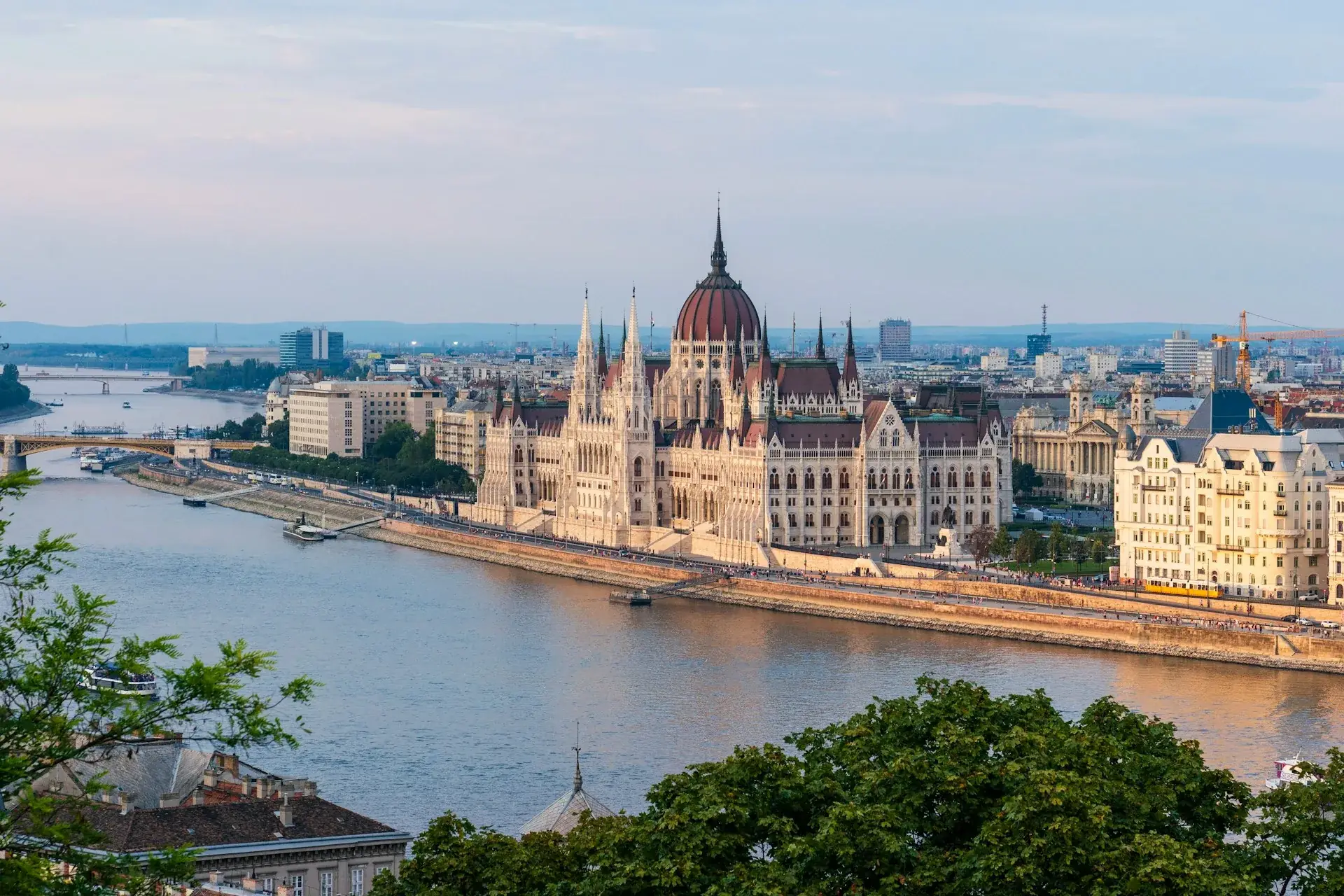 The Danube
 Featured
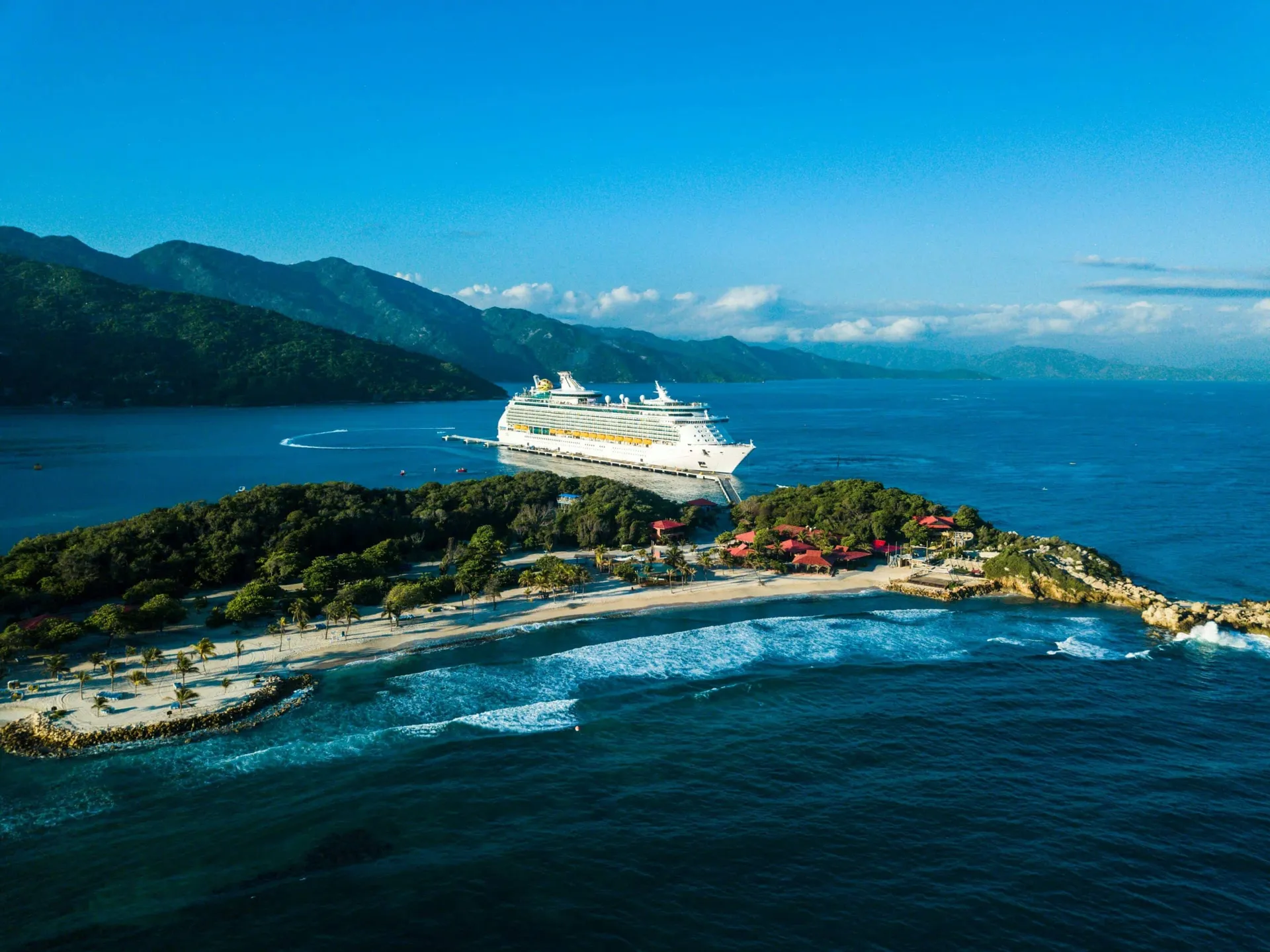 The Caribbean
 Featured
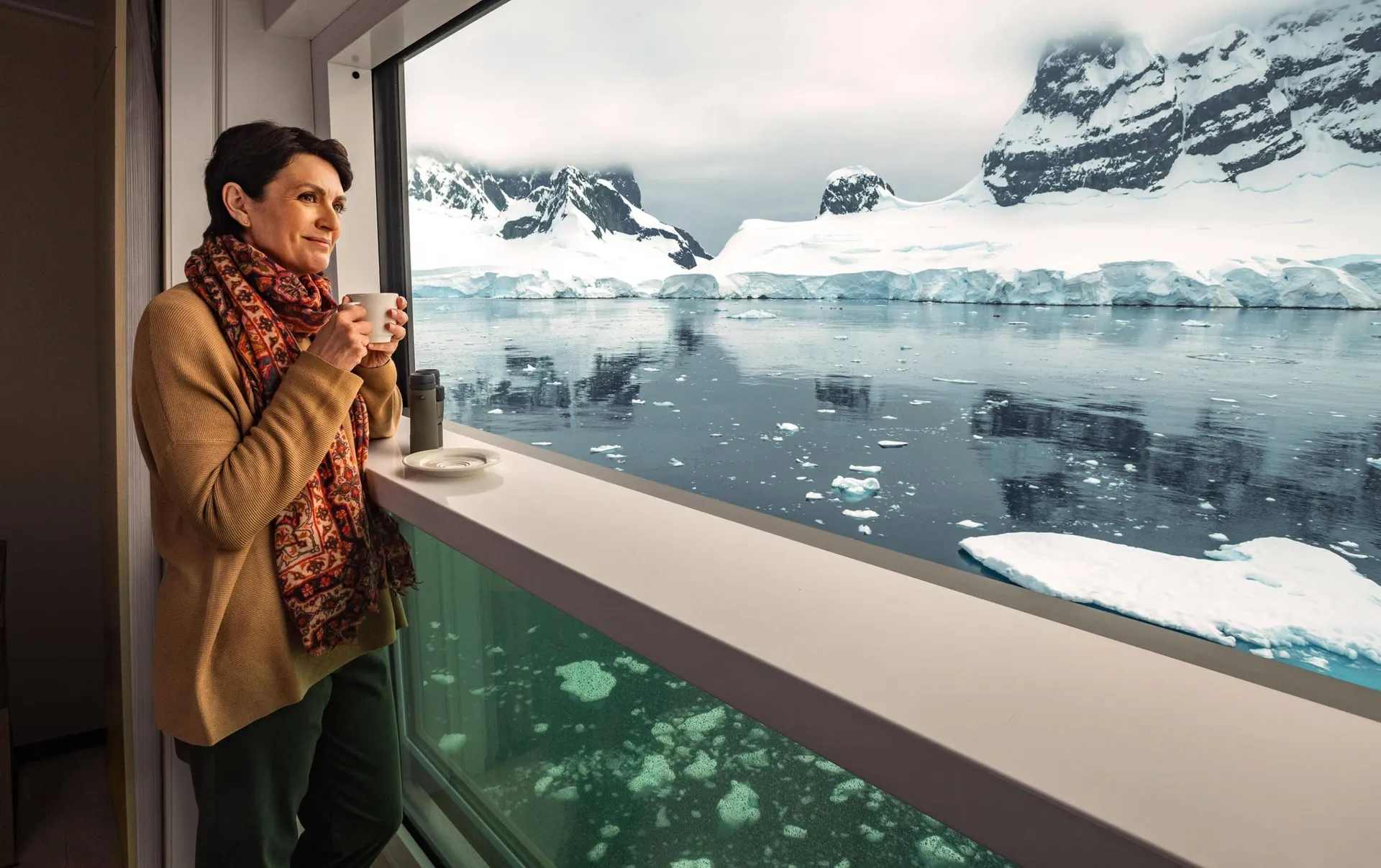 Antarctica
 Overview
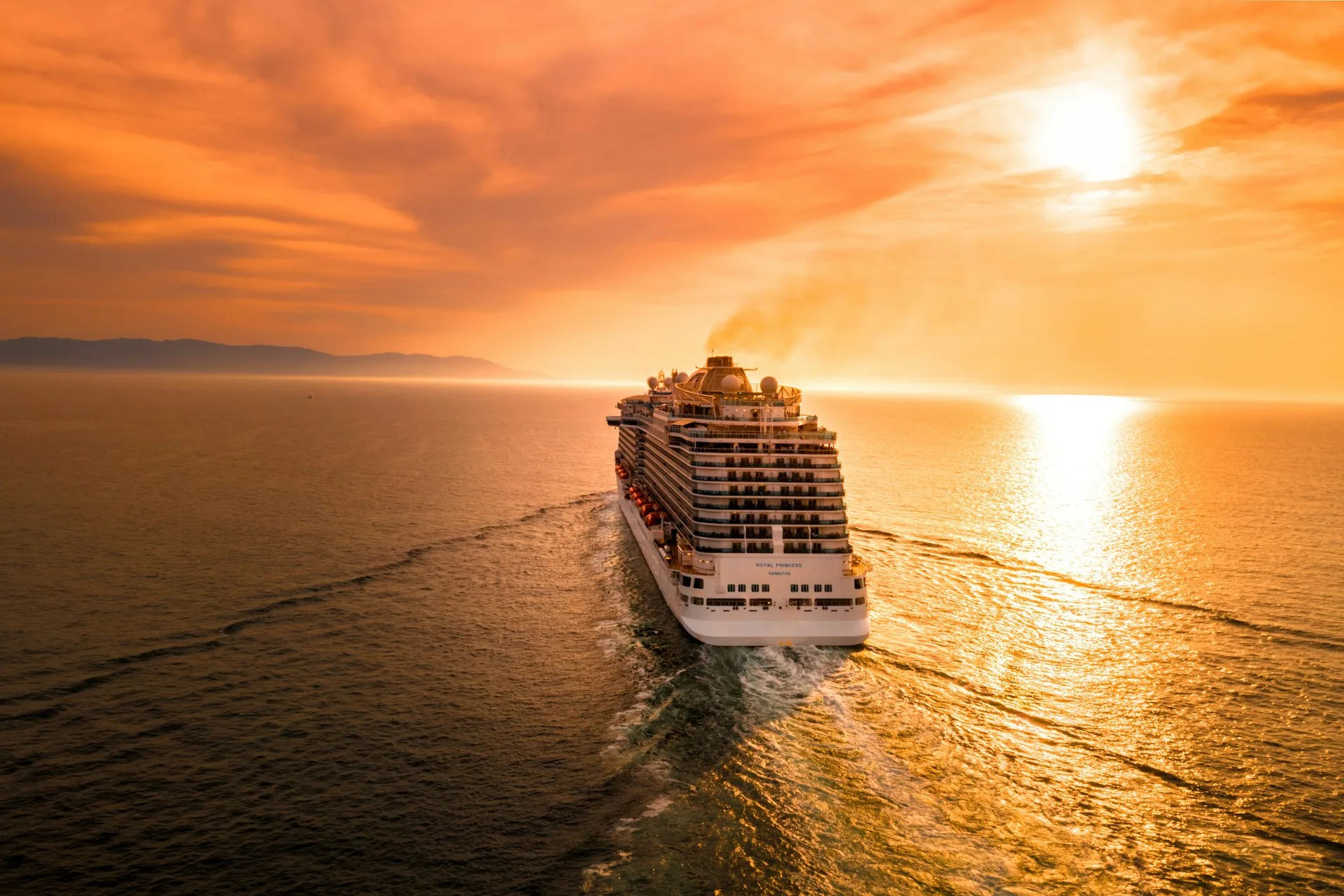
Premium-cabin fares, complex routings and around-the-world tickets, booked by people who fly for a living.
Explore flightsFeatured
 Flights
 Overview
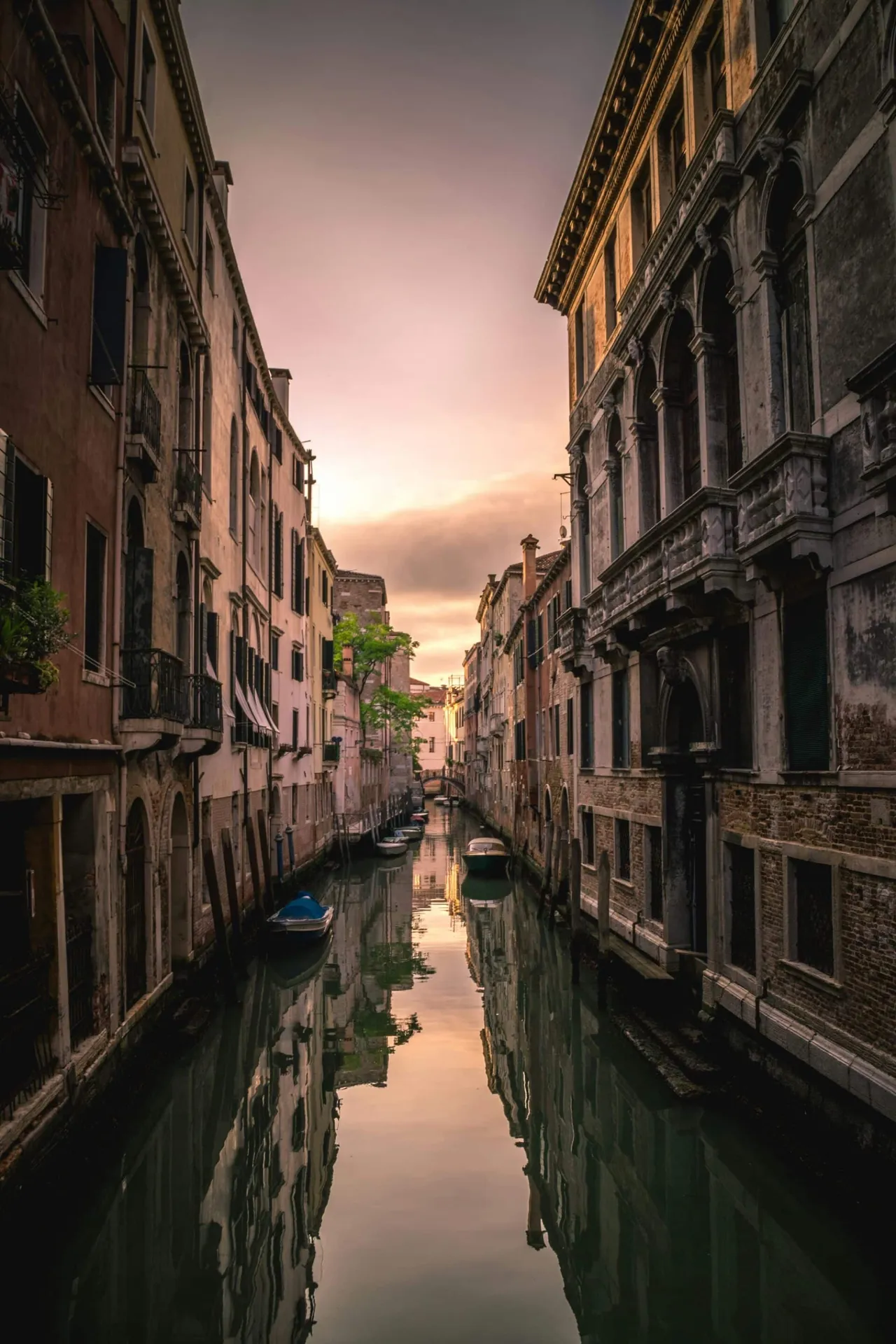
Expertly guided group departures and private escorted itineraries across the world's great regions.
Explore tours & escortedFeatured
 Tours & Escorted Journeys
 Overview
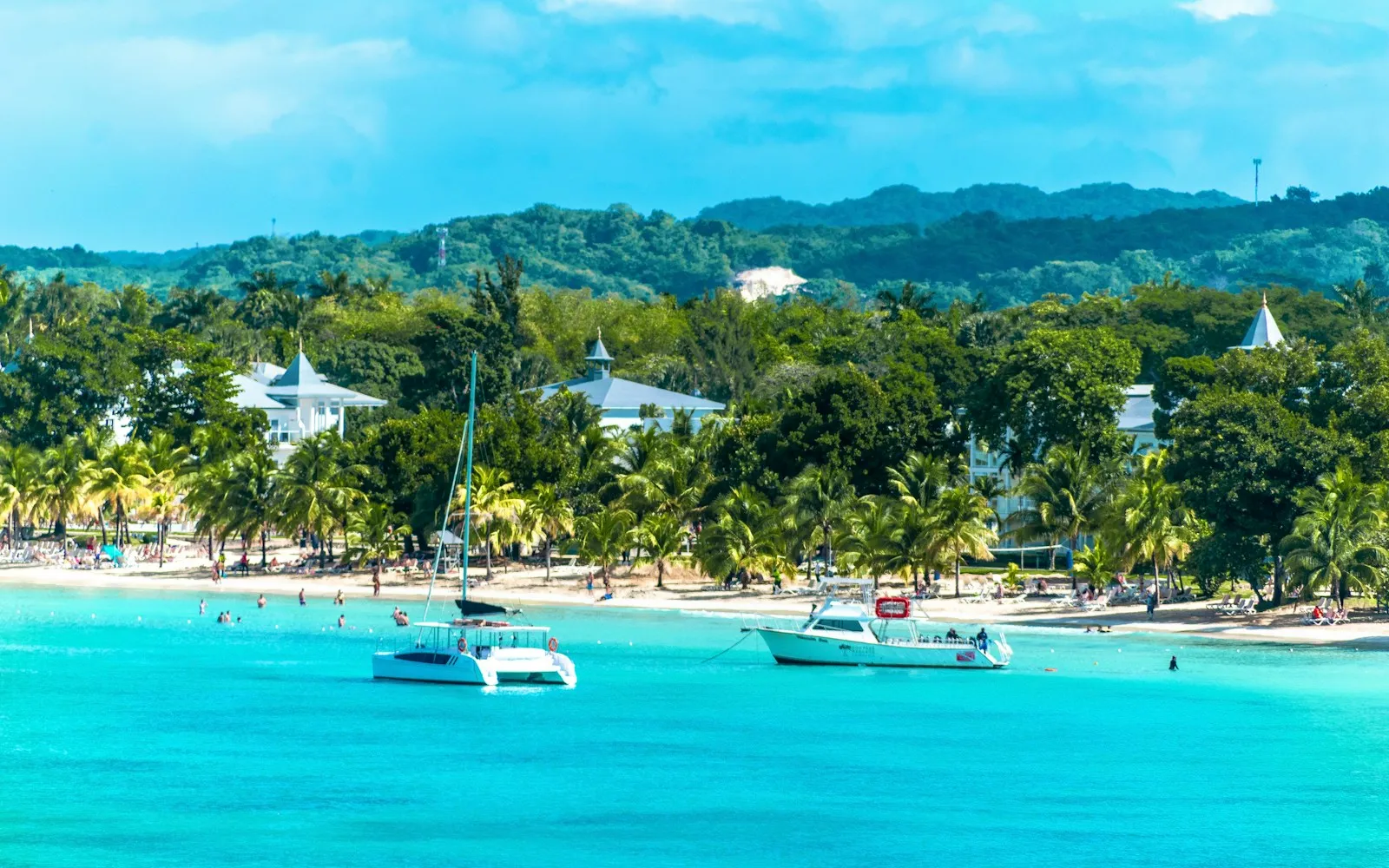
Beach and luxury all-inclusive escapes where flights, meals and more fold into a single, easy fare.
Explore all-inclusiveFeatured
 All-Inclusive Resorts
 River, ocean & expedition cruises · flights · tours · all-inclusive
Corporate travel
Destinations · North America
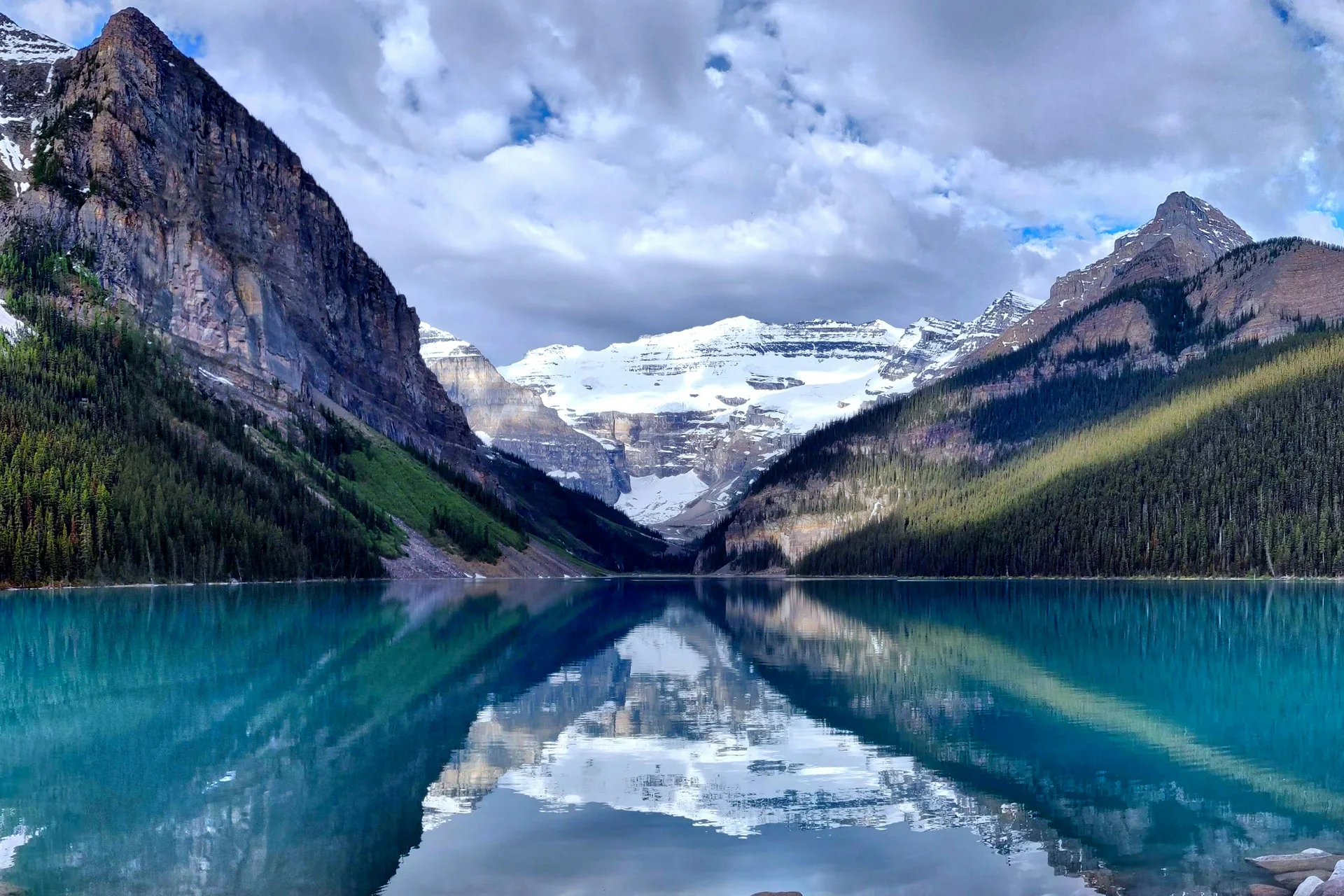
Glacier-fed lakes, towering Rockies & friendly cities.
The country
Canada travels on a scale that is hard to take in until you are standing in it. In the space of one trip you can paddle beneath the glaciers of the Canadian Rockies, ride a seaplane over the harbor in Vancouver, feel the spray of Niagara Falls and walk the cobbled lanes of Quebec City, a slice of old France set down on the edge of a vast northern wilderness.
What surprises most first-time visitors is how easily the wild and the civilized sit side by side. You can spend the morning watching for grizzly bears or spotting a moose at the water's edge, then be back in a sophisticated city for dinner that evening. The cities are clean, walkable and genuinely welcoming, and the open road between them is lined with some of the most cinematic scenery on the continent.
We design Canada itineraries that balance the headline national parks with the quieter moments in between: a sunrise canoe on a mirror-still lake, a drive along the Icefields Parkway with no other car in sight, a long table of fresh lobster on the Atlantic coast. However you want to travel it, we build the route so each stop has room to breathe.
When to go
Canada runs on short, glorious summers and long, snow-bright winters, with very little in between. This is the calendar as we'd sketch it across the desk — when the Rockies open up, when the maples turn, and when the country tips into deep cold and the skis come out.
Our favorite window for the Rockies: long days, warm weather, turquoise lakes at their most vivid and every mountain road and trail open. The prime season for Banff, Lake Louise, Jasper and the national parks.
Fall color sweeps the east, from the maples of Quebec and Ontario to the vineyards of the Niagara region, with crisp, clear days, thinner crowds and the first golden larches in the mountains.
Winter is for skiing in Whistler and the Rockies, frozen-lake magic and the chance of the Northern Lights in the north. Cold but spectacular, and ideal for a snow-focused trip if you pack for it.
The shoulder weeks on either side of winter: melting snow or the first freeze, fewer visitors and good value, though high passes and some trails open only later in spring. A quiet time for the cities between the seasons.
Where to go
Canada is the second-largest country on earth, so the secret is to choose a couple of regions and let scenic drives, the train and the occasional flight link them rather than trying to cross the whole continent at once. These are the regions we weave together most often, from the glacier-carved peaks of the west to the French-flavored cities of the east.
Region
The crown jewel: Banff and Lake Louise, the turquoise glacier lakes, the Icefields Parkway to Jasper and a wildlife-rich wilderness of grizzlies, elk and soaring peaks.
Region
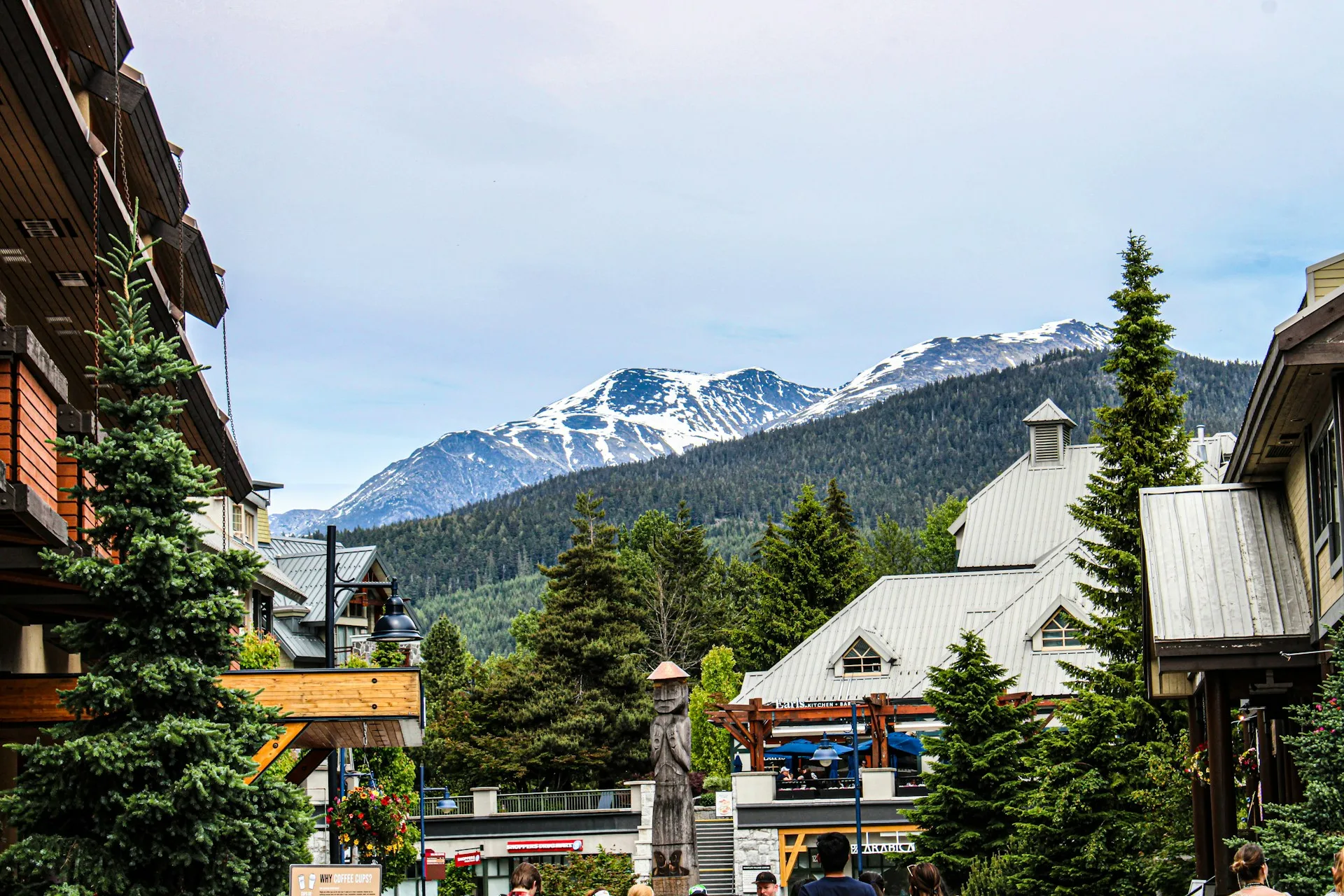
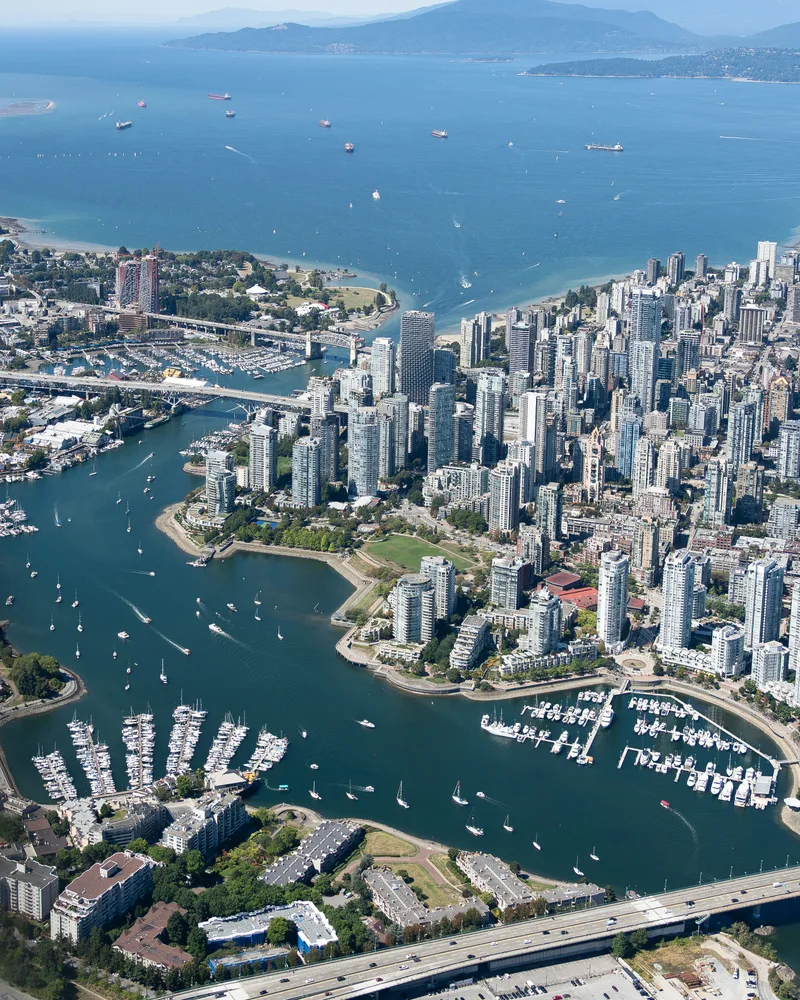
The relaxed Pacific gateway: Vancouver's harbor, Stanley Park and Granville Island, with the mountain-resort village of Whistler a stunning two-hour drive up the Sea-to-Sky Highway.
Region
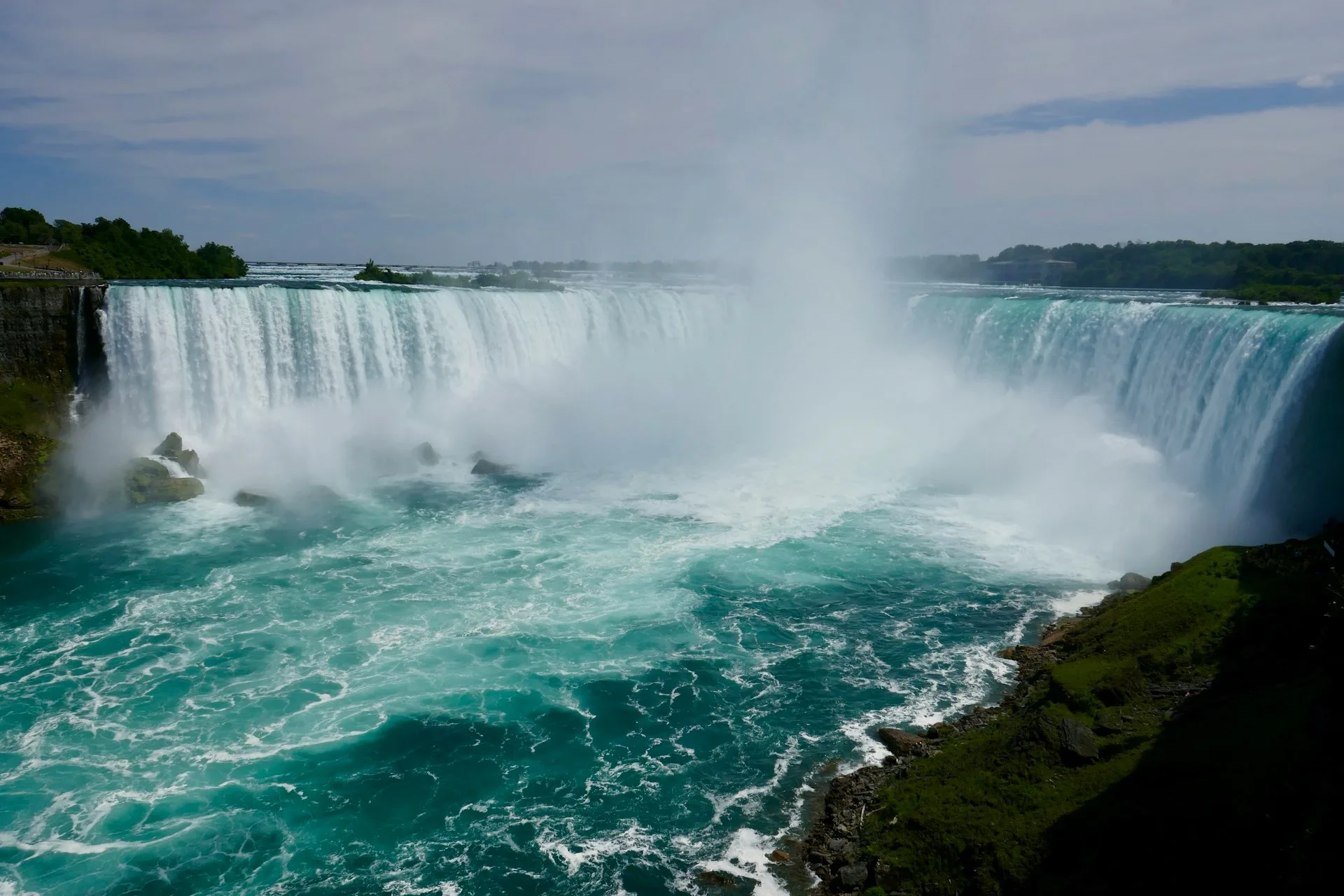
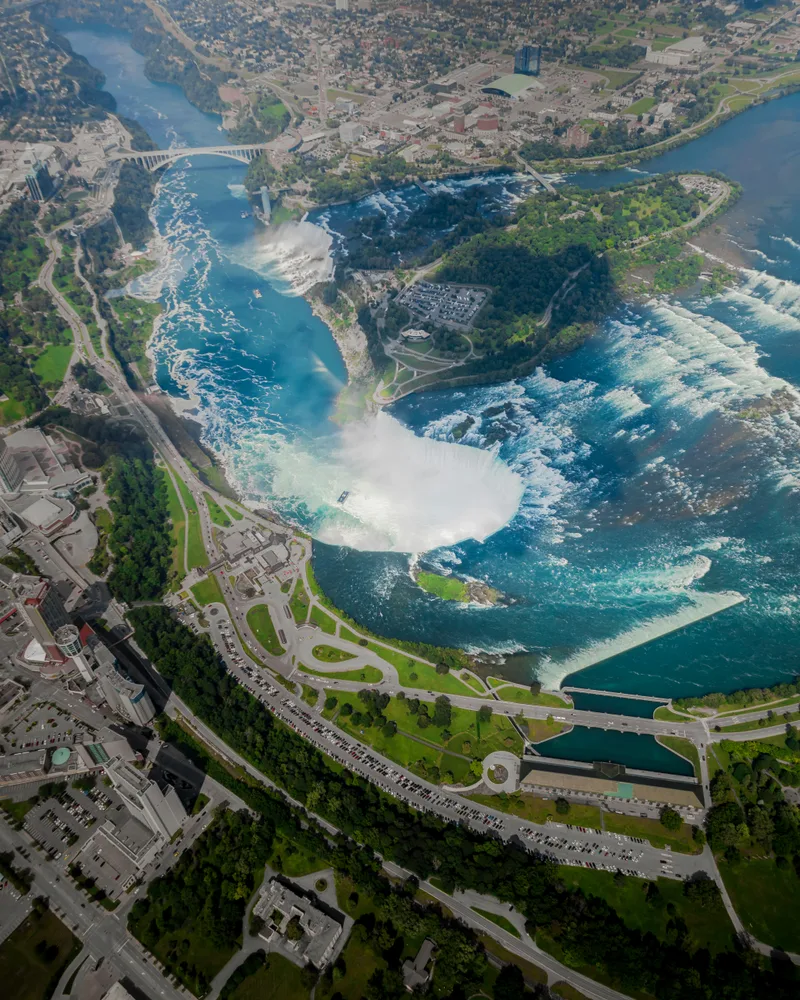
Canada's biggest, most multicultural city beneath the CN Tower, with the thundering cascade of Niagara Falls and the vineyards of wine country an easy day trip away.
Region
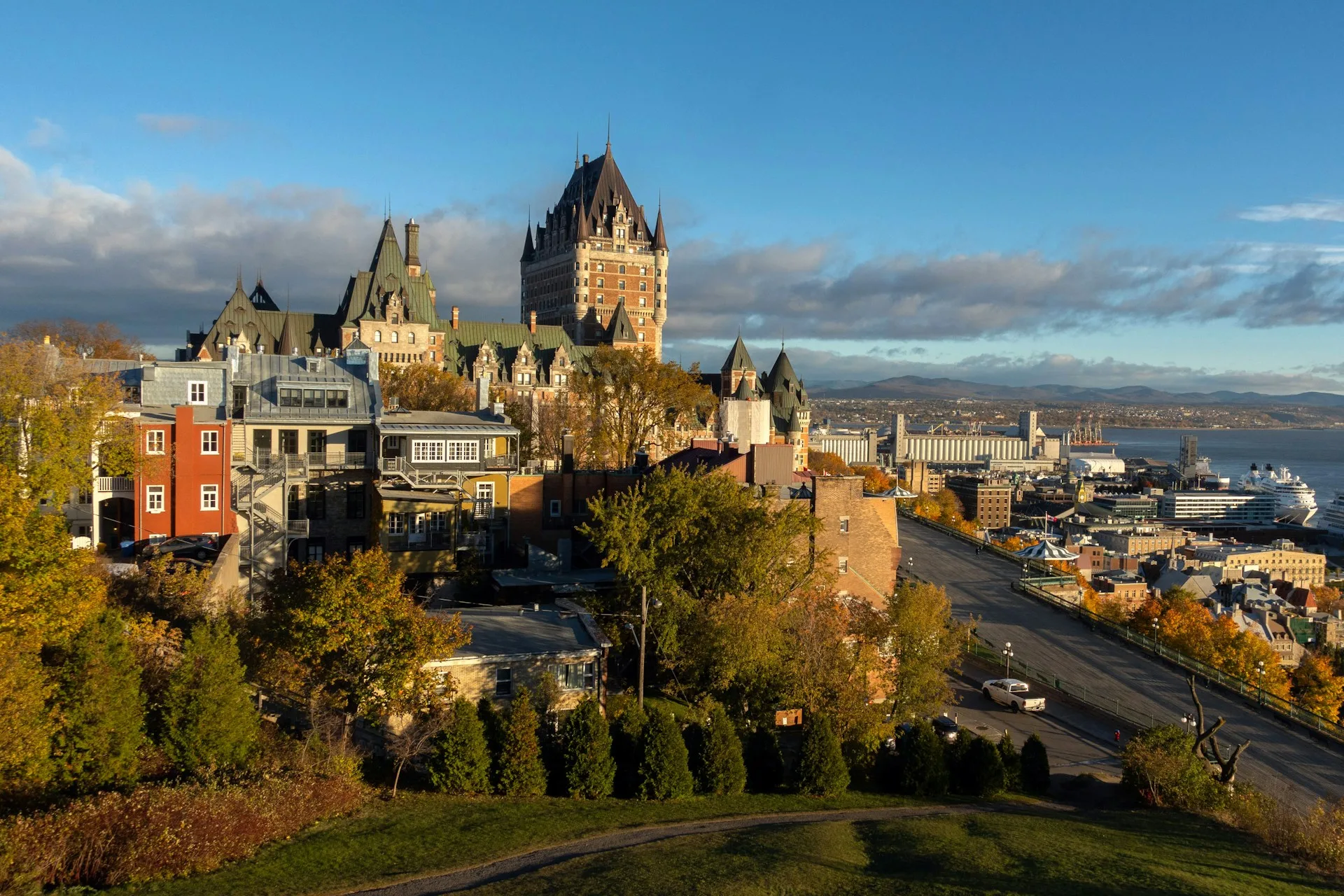
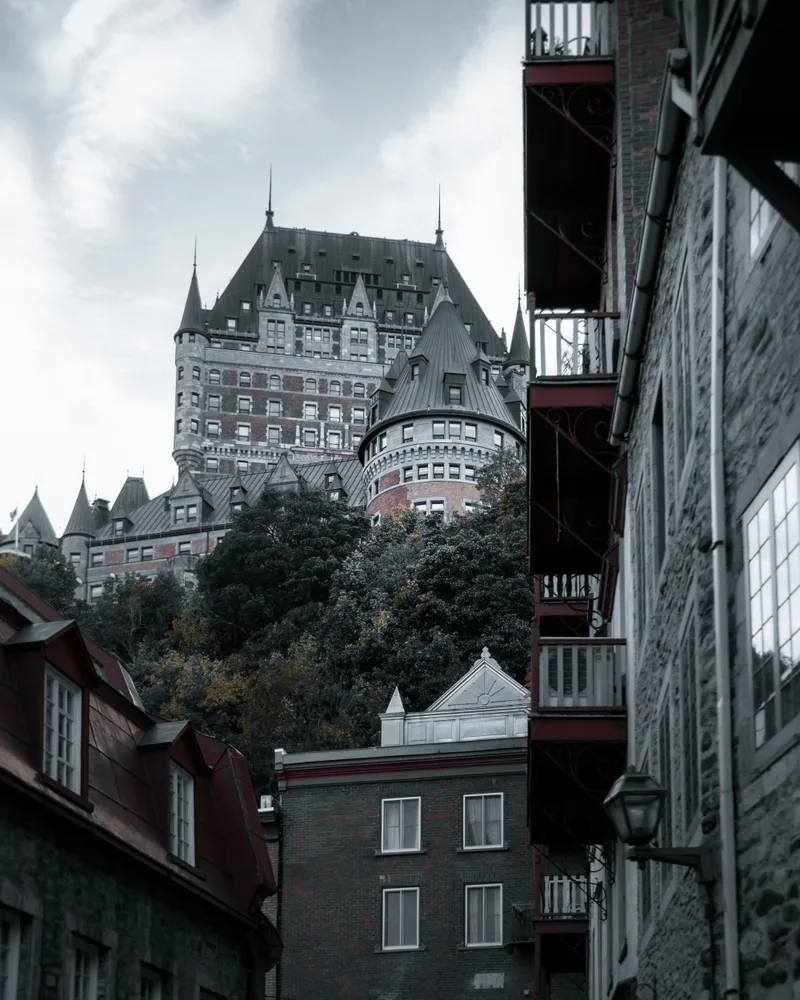
French Canada at its most romantic: the walled old town and Chateau Frontenac of Quebec City, and Montreal's cobbled Old Port, world-class dining and European soul.
Region
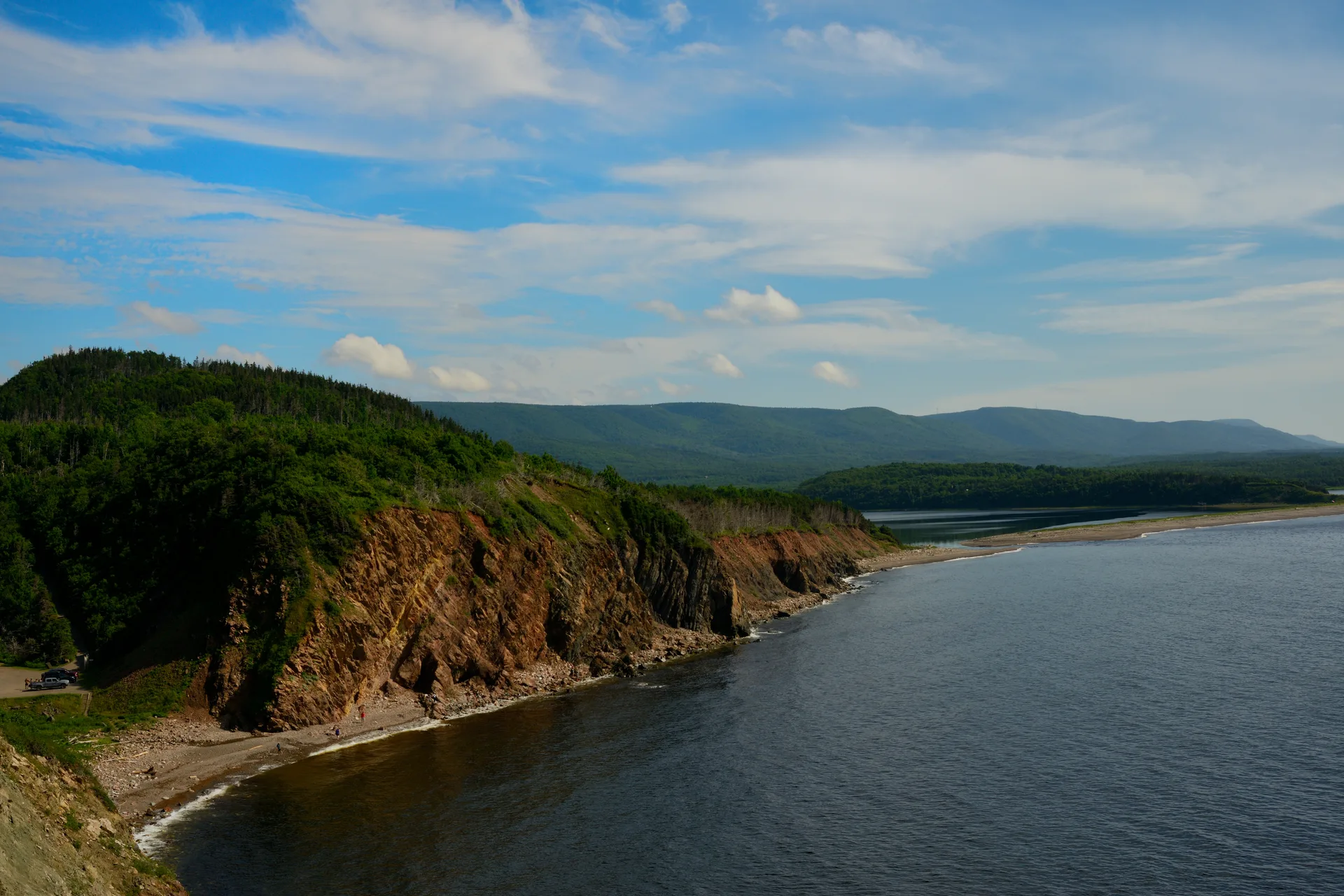
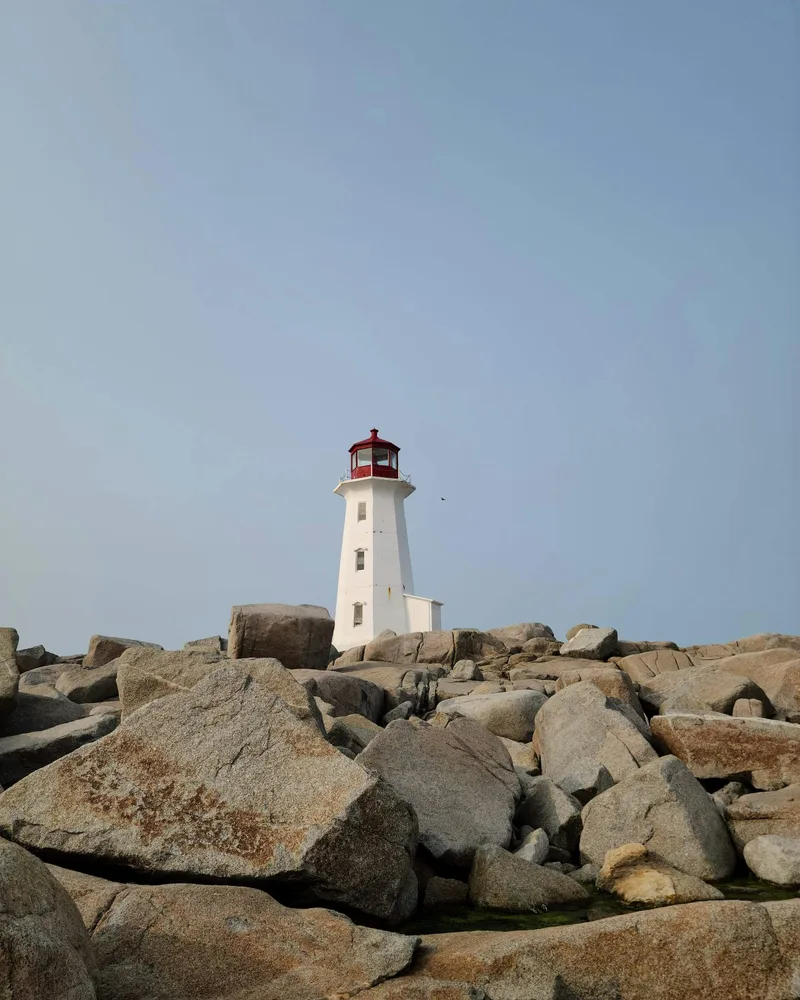
Atlantic Canada's salt-washed coast: the lighthouses and lobster shacks of Nova Scotia, the red cliffs of Prince Edward Island and the tides and trails of the Bay of Fundy.
A sample journey
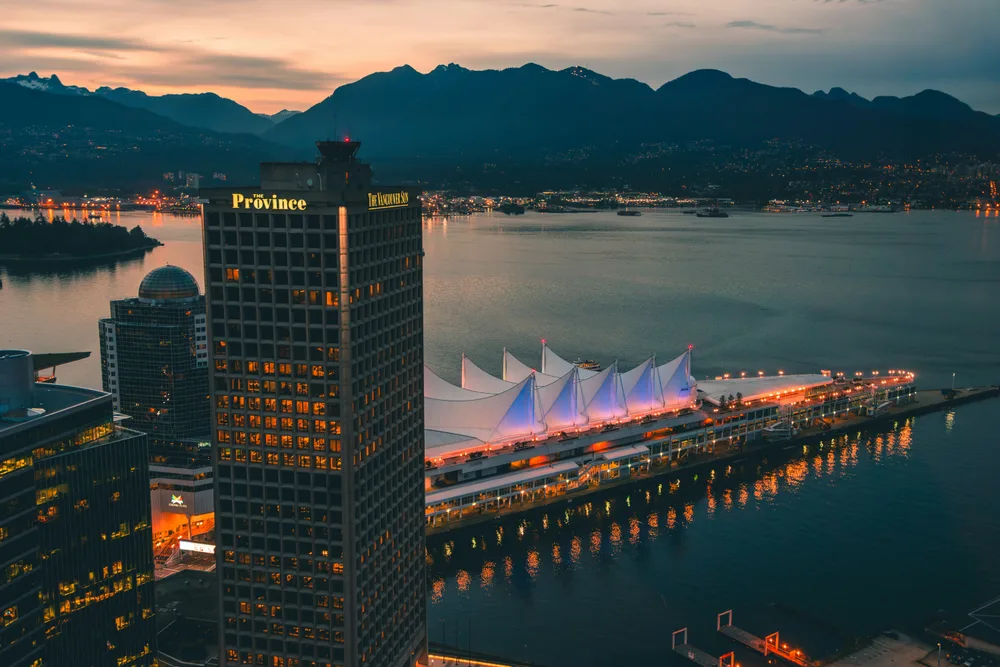 1
1 Begin on the Pacific in Vancouver: the seawall around Stanley Park, the stalls of Granville Island and the harbor floatplanes, then drive the Sea-to-Sky Highway up to the alpine village of Whistler.
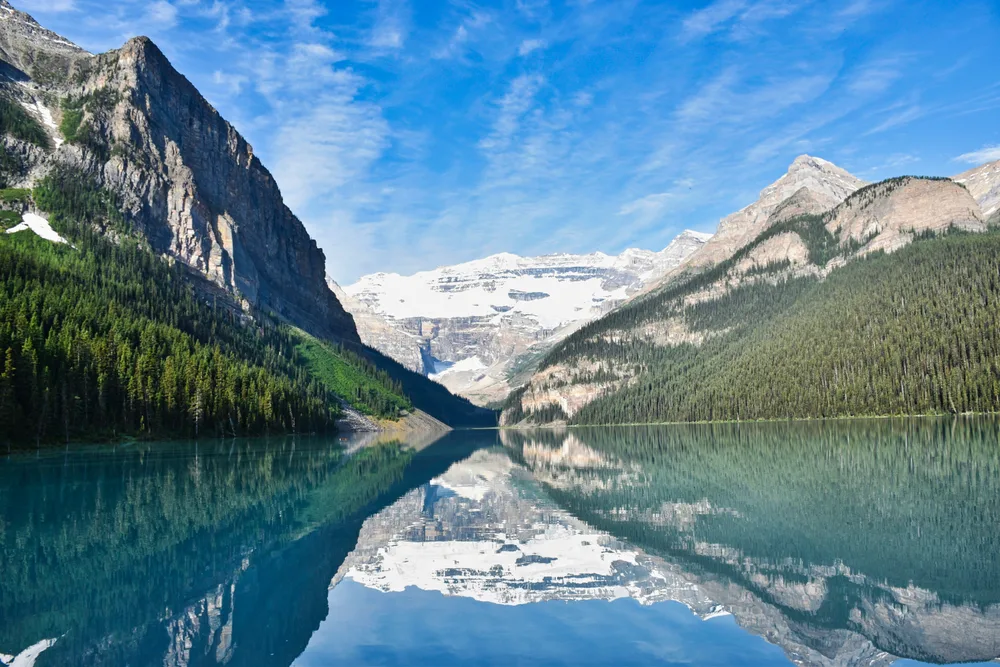 2
2 Fly to Calgary and into the mountains for the heart of the trip: Banff, the turquoise water of Lake Louise and Moraine Lake, and the glacier-lined Icefields Parkway north to Jasper.
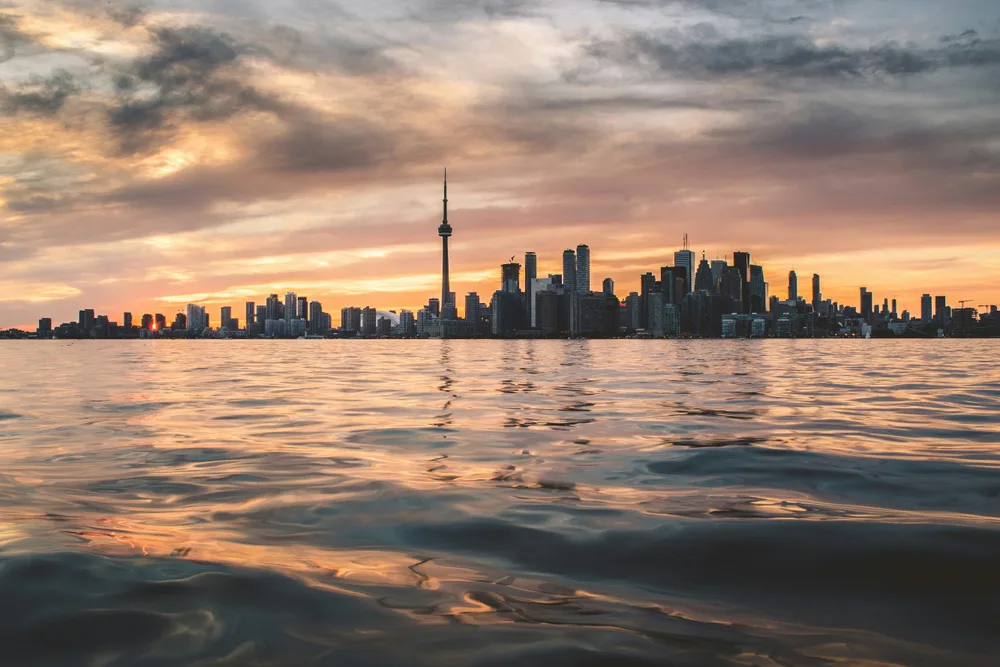 3
3 East to Toronto for the view from the CN Tower, the galleries and the multicultural neighborhoods, with a day trip to the thundering Niagara Falls and a tasting in the surrounding wine country.
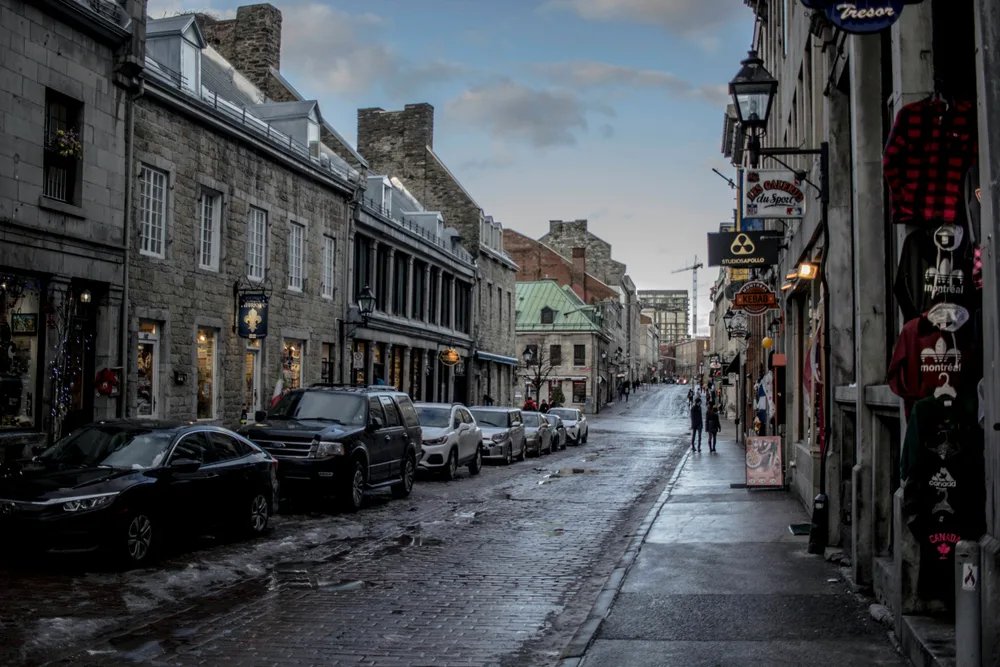 4
4 Finish in French Canada: the walled old town and Chateau Frontenac of Quebec City, then Montreal's cobbled Old Port, its markets and some of the best dining in the country.
Every itinerary we build is bespoke: this is a starting point, not a package.
Getting around
Where to stay
Internal flights, car hire, VIA Rail tickets, transfers and any wildlife or floatplane excursions are all arranged as part of every itinerary — the logistics are handled before you arrive.
Good to know
Nine to fourteen nights is the sweet spot, since the country is so large. A week and a half comfortably pairs the Canadian Rockies with one or two cities, while closer to two weeks lets you combine the western mountains with Toronto, Niagara and French Canada at an unhurried pace. We link the regions with short flights so you spend your time in the places, not in transit.
It depends on what you want. Summer, from June to September, is prime for the Rockies, the lakes and the national parks, with long, warm days. September and October bring brilliant fall color to the east. Winter, from December to March, is for skiing, frozen-lake scenery and the Northern Lights. We match the season to the trip you have in mind.
If you can, both, as they show two very different sides of Canada. The Canadian Rockies around Banff, Lake Louise and Jasper are the scenic headline, while Vancouver, Toronto, Quebec City and Montreal each have their own character and table. A short domestic flight links the western mountains to the eastern cities, and we often build an itinerary that combines them.
For the Rockies and the great scenic drives, a car makes a real difference, since the freedom to stop at a glacier lake, a viewpoint or a roadside elk is half the experience. The cities are best on foot and by transit, and the distances between regions are huge, so we usually combine a rental car for the mountains with domestic flights or the VIA Rail train between far-flung cities.
Very possibly, and it is one of the joys of a Canadian trip. The Rockies and the national parks are home to grizzly and black bears, elk, moose, bighorn sheep and more, often seen from the road or on a guided drive. We can build in a dedicated wildlife excursion, from a grizzly-viewing tour to a whale-watching trip on the coast, and always with safe, respectful distances.
From the journal
Cruises
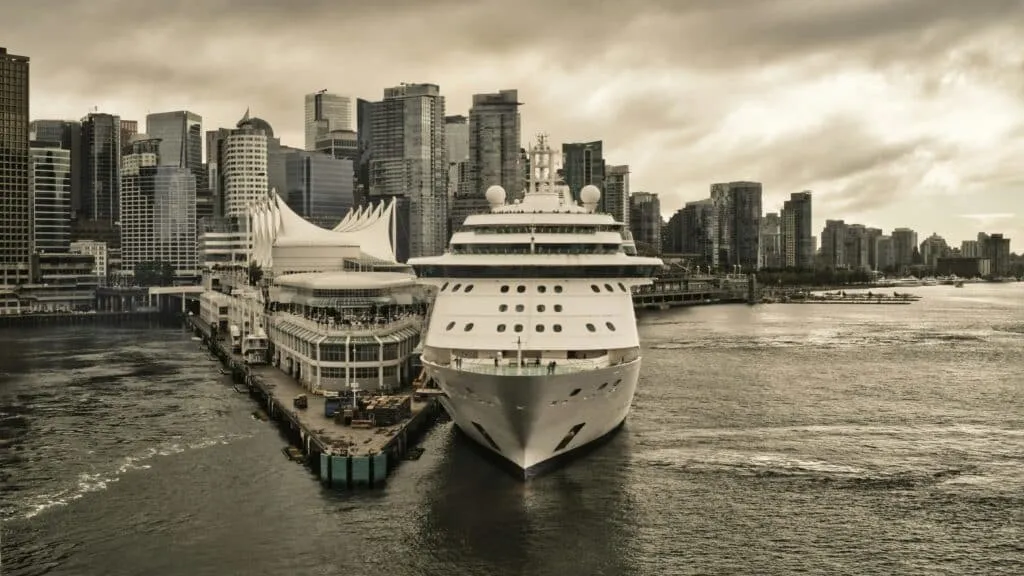
Find the best places to stay in Vancouver before your cruise, with options ranging from luxury to budget-friendly, all near Canada Place.
August 2024 Read more →
Destinations
The Rocky Mountaineer is a luxury train journey through the beautiful Canadian Rockies. The trip usually lasts two days, traveling from Banff to Vancouver with an overnight…
Read more →Ways to Explore
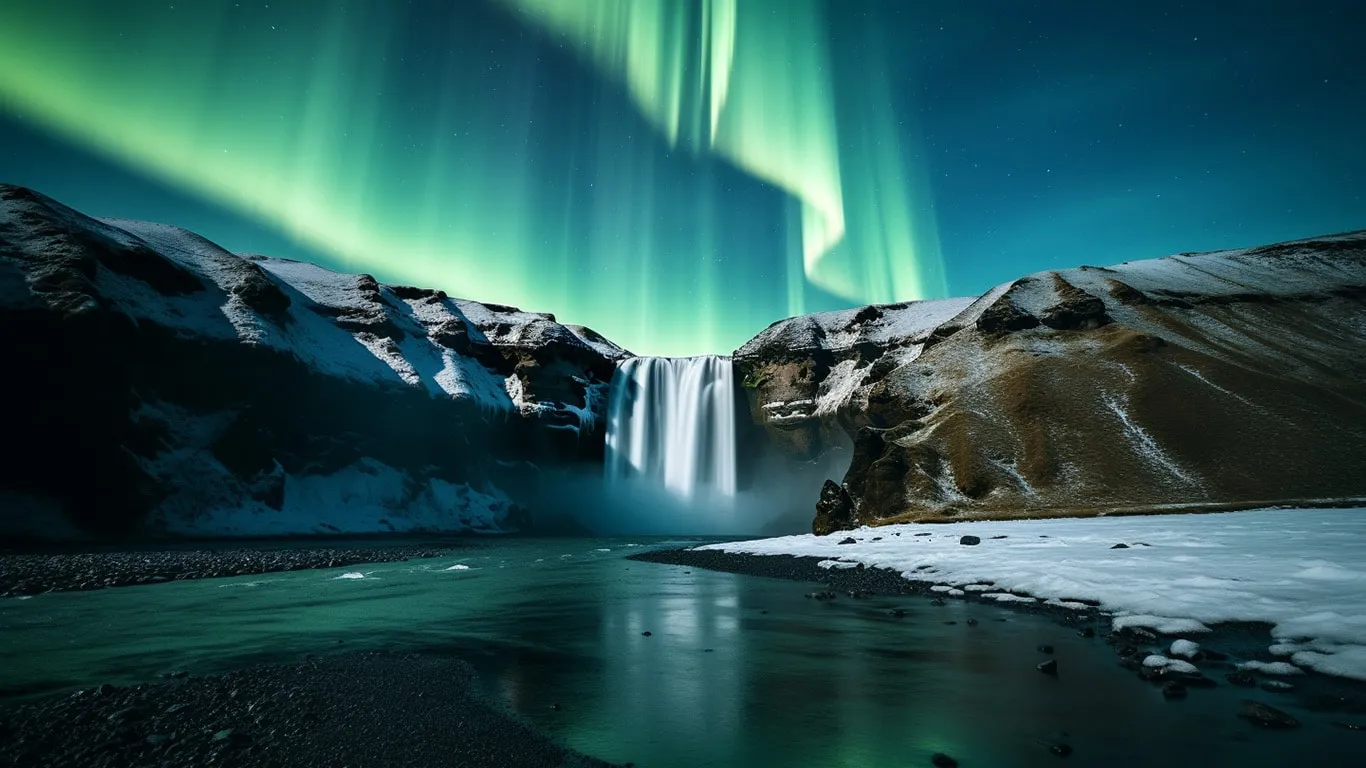
A private journey designed entirely around you, your pace, and your people.
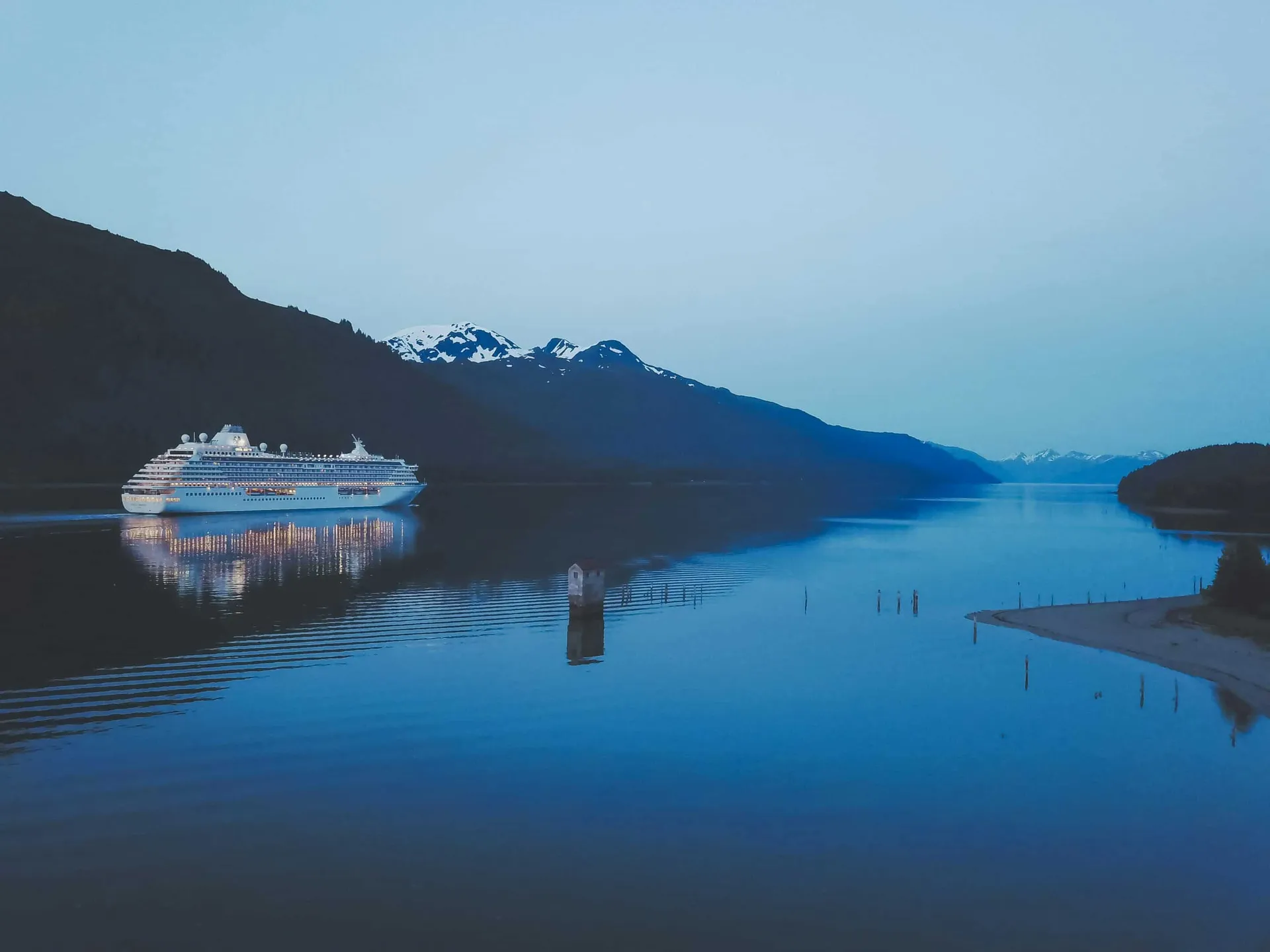
River, ocean and expedition voyages, from the Danube to Antarctica.
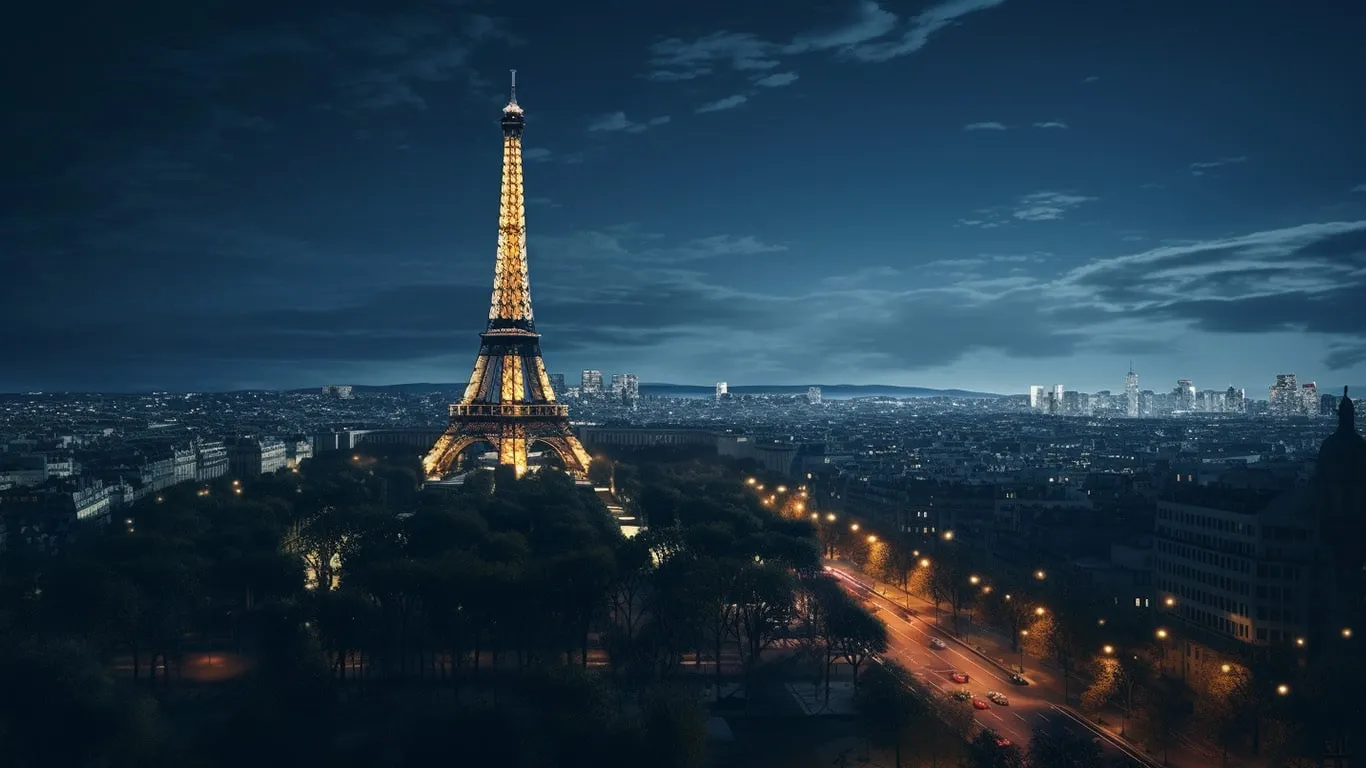
Expertly guided, end to end, with the world's finest local operators.
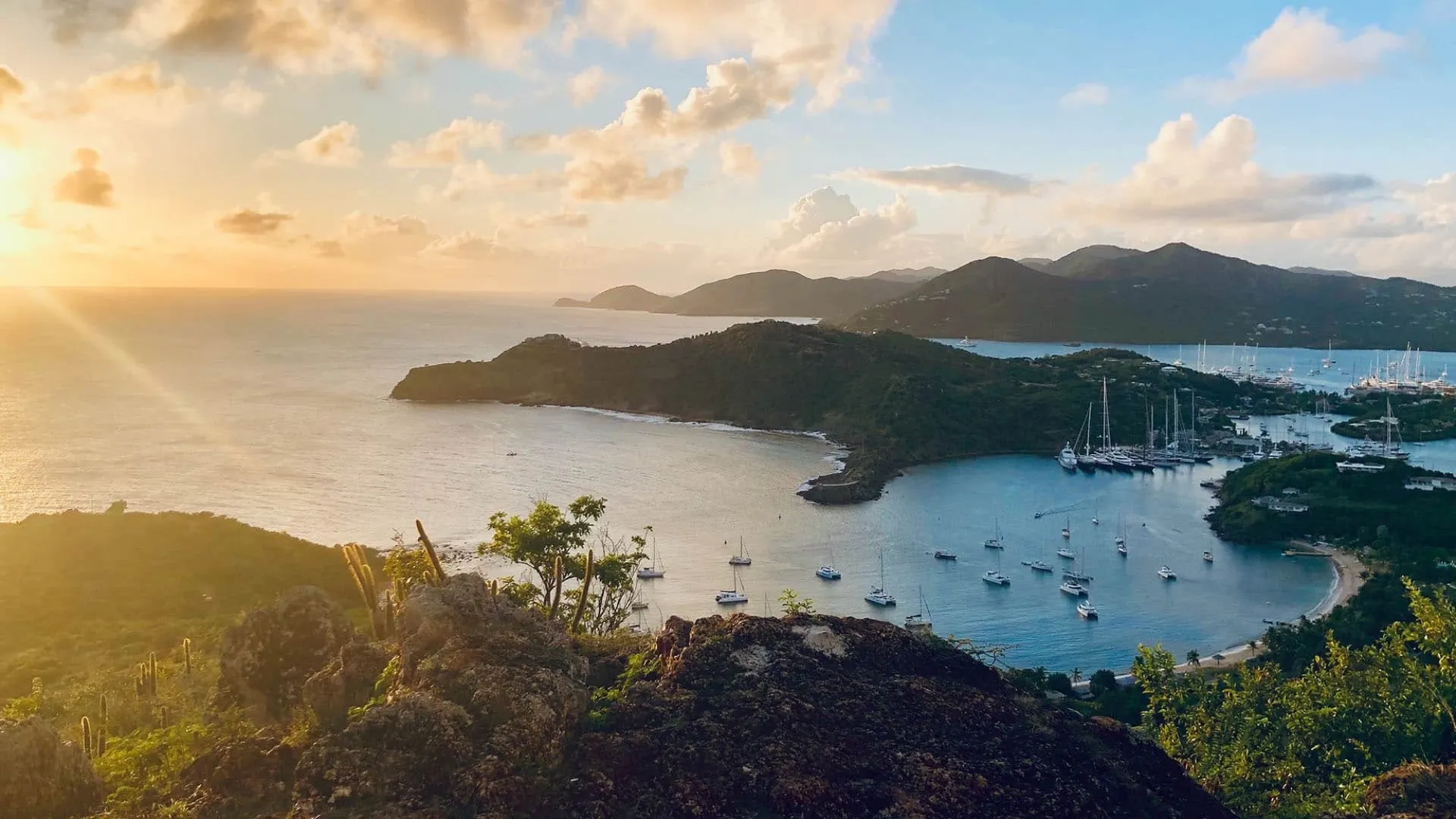
Effortless resort escapes; we cut through the haze to the right one.
Let's begin
Tell us your travel dates and what you love, and we'll handle every detail.
Plan Your TripSearch Chima Travel