Region
Seoul
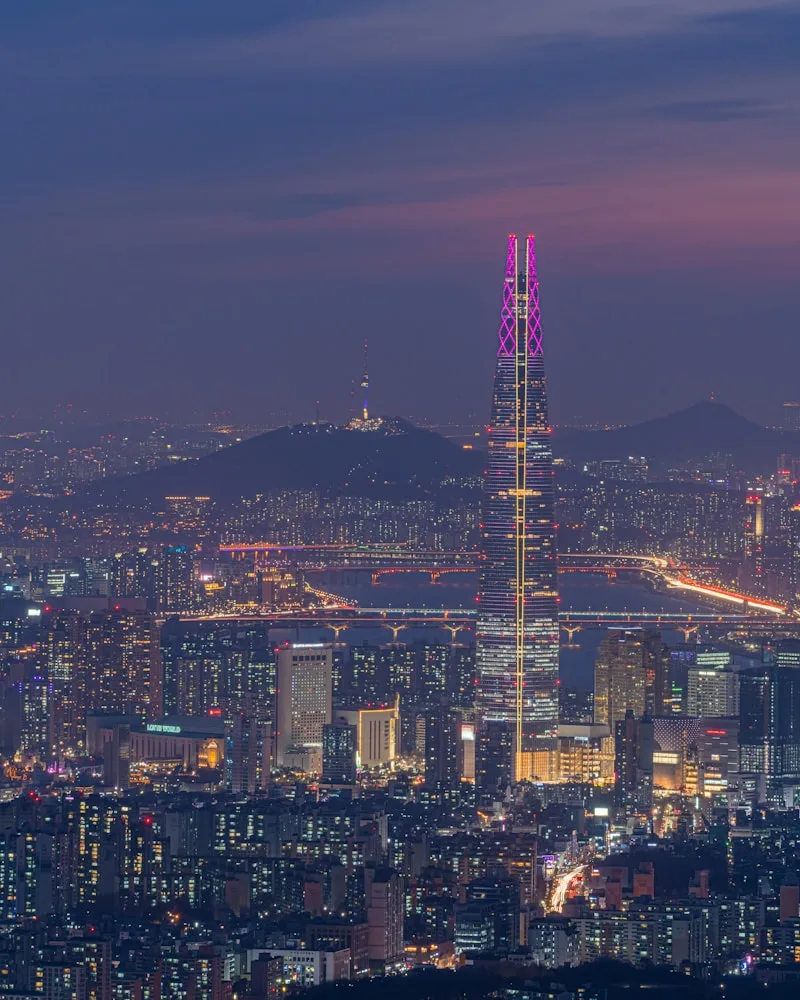
The dazzling capital, where royal palaces and hanok lanes sit beside neon shopping districts, riverside parks and the city-wide view from N Seoul Tower, all knit together by one of the world's best subways.

By Continent
Europe Africa Asia North America South America Caribbean Australia & Oceania All destinationsOverview
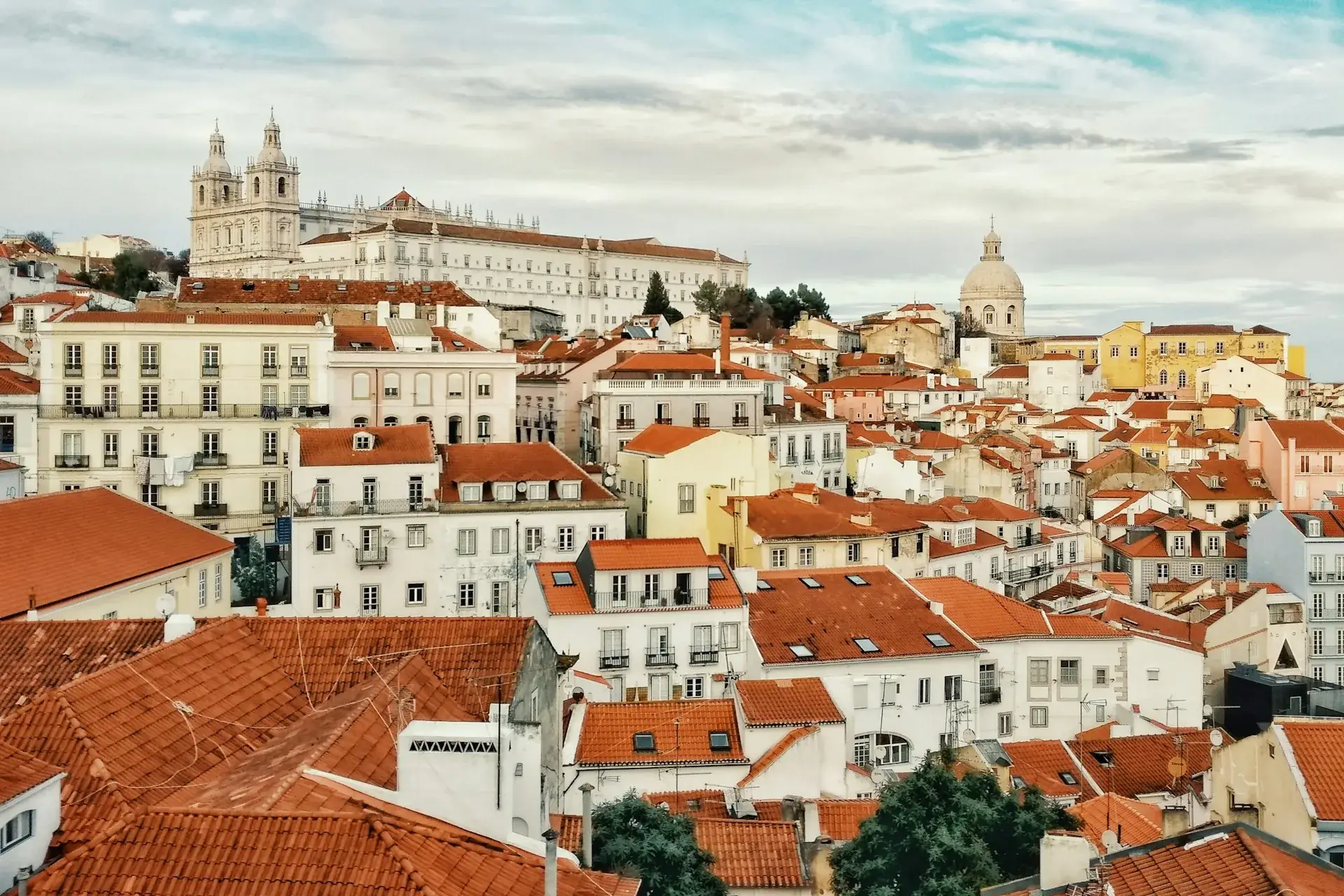
From the canals of Venice to the black-sand coasts of Iceland, Europe rewards the curious traveler with centuries of art, architecture and unforgettable flavor, all within easy reach of one another.
View all EuropeOverview
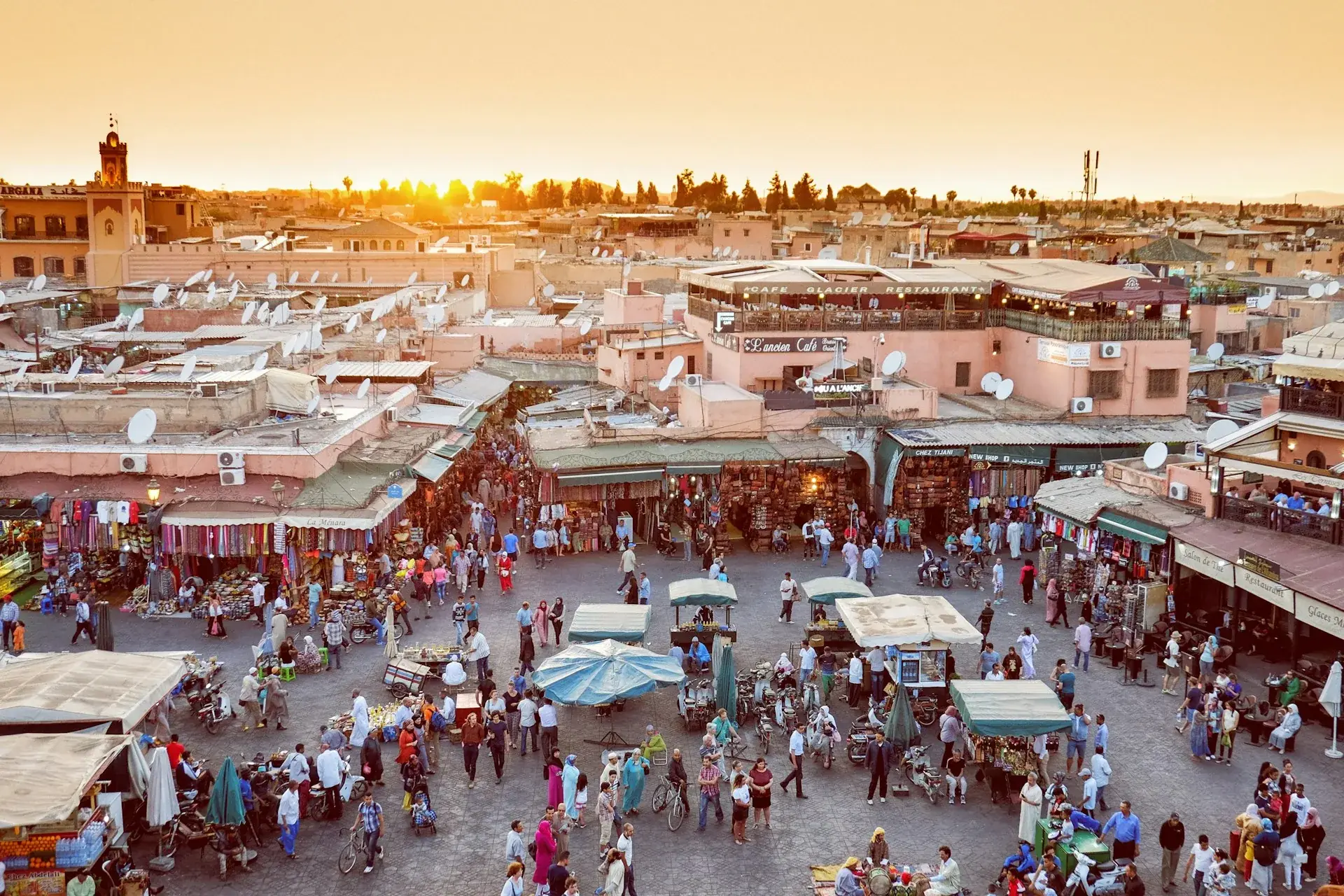
From the dunes of the Sahara to the great plains of the Serengeti, Africa is a continent of staggering scale and singular encounters: a place where landscape, wildlife and culture meet at full intensity.
View all AfricaDestinations
Overview
Vast and varied, Asia spans snow-capped peaks and tropical coasts, neon megacities and silent temples. It is a continent that rewards both the first-time traveler and the lifelong returnee.
View all AsiaFeatured
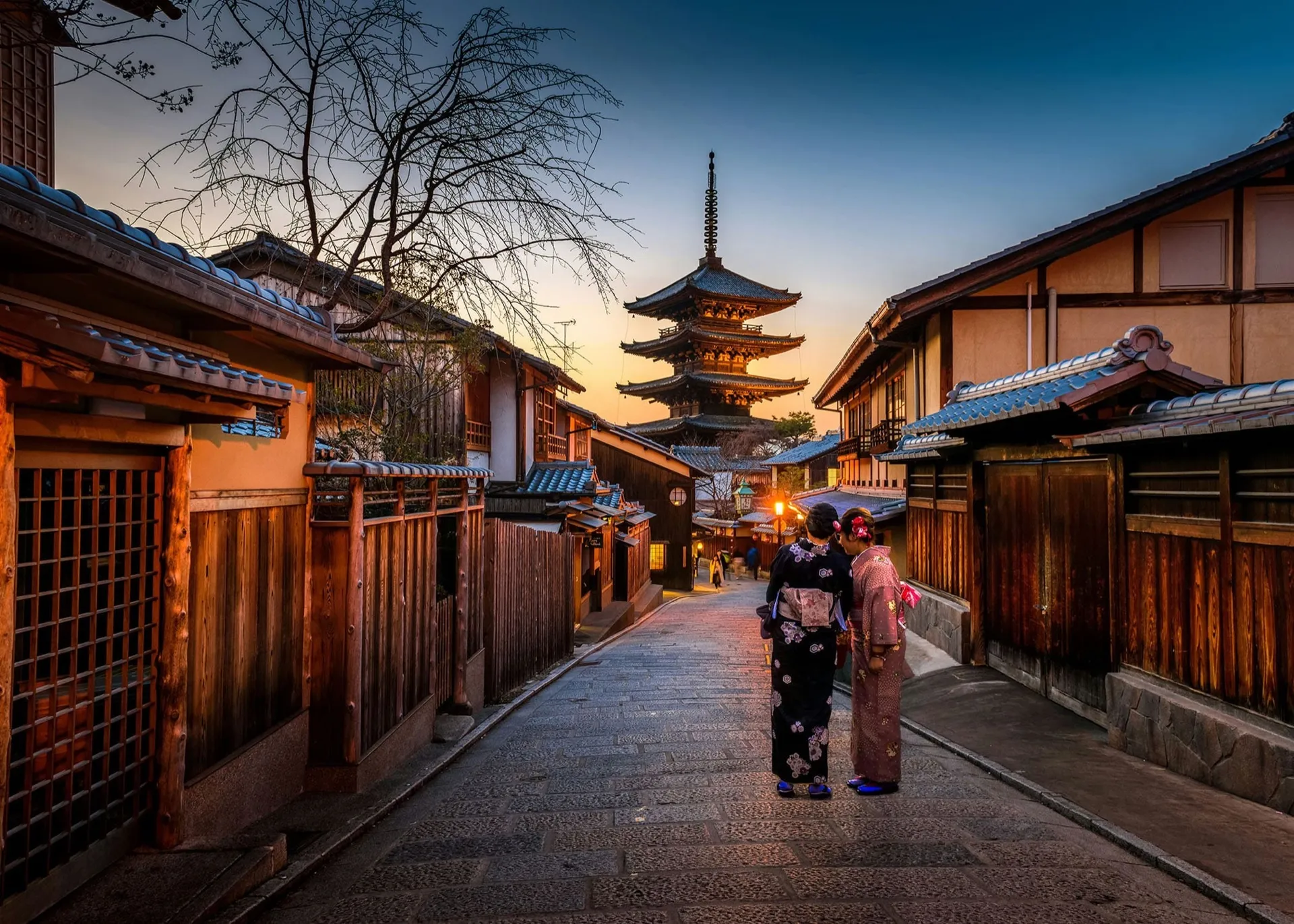 Japan · signature experience Kyoto
 Overview
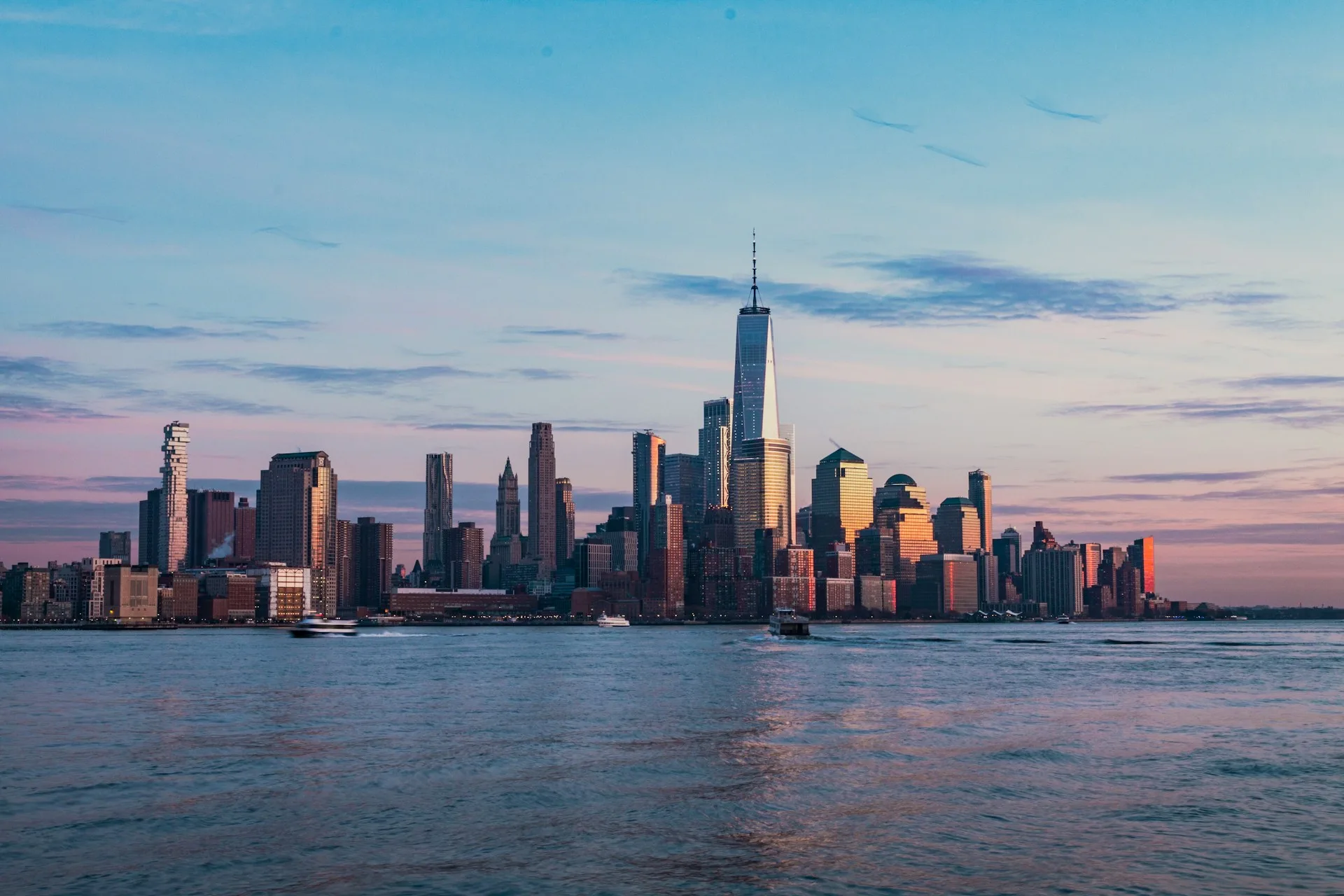
Close to home and endlessly varied, North America ranges from desert canyons to alpine national parks, from world cities to quiet coastal towns: a continent that contains a dozen vacations within a single border.
View all North AmericaDestinations
Overview
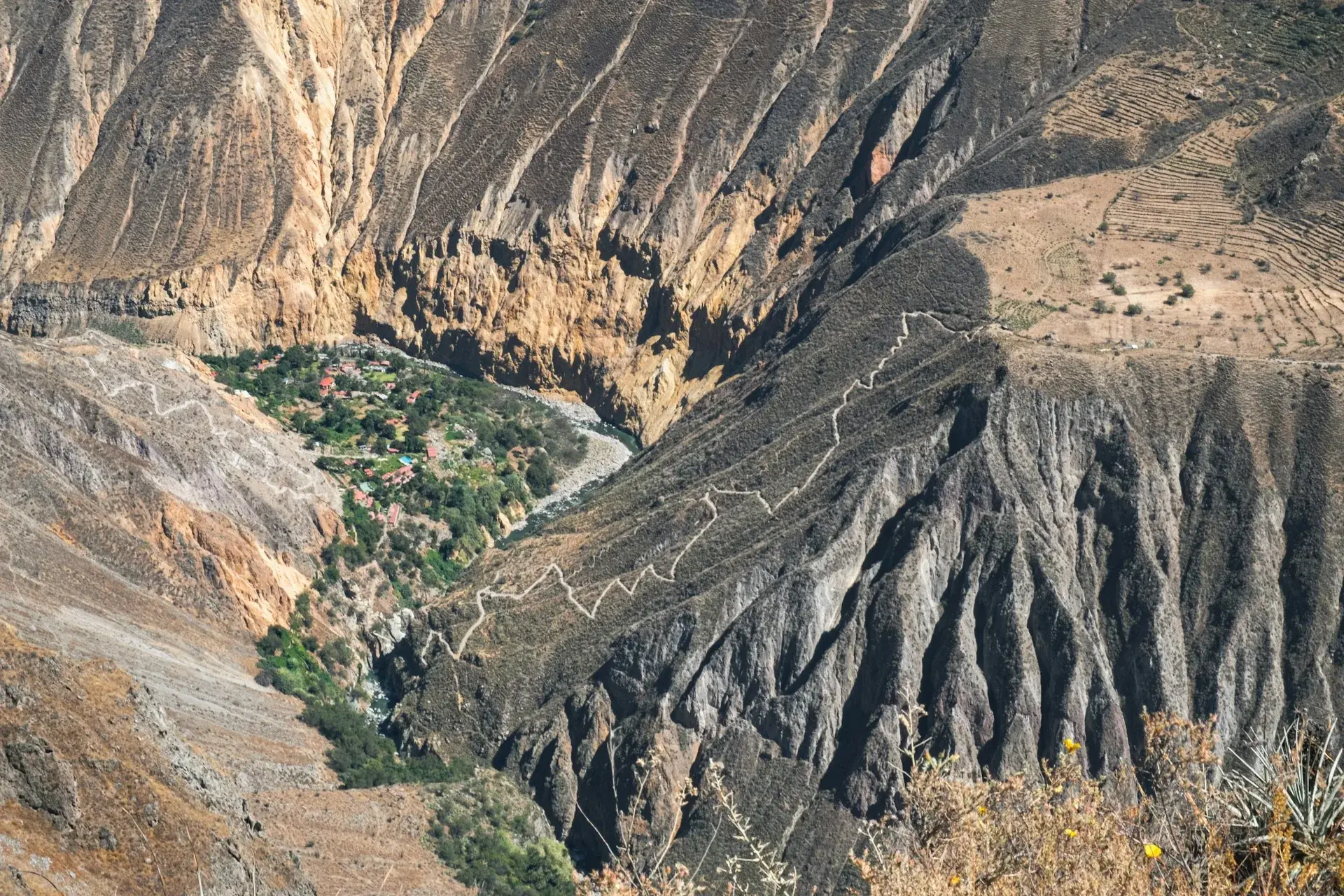
A continent of extremes, from the high Andes and the vast Amazon to glacial Patagonia and the rhythm of its cities, South America rewards the adventurous traveler with some of the planet’s most dramatic scenery and deepest history.
View all South AmericaOverview
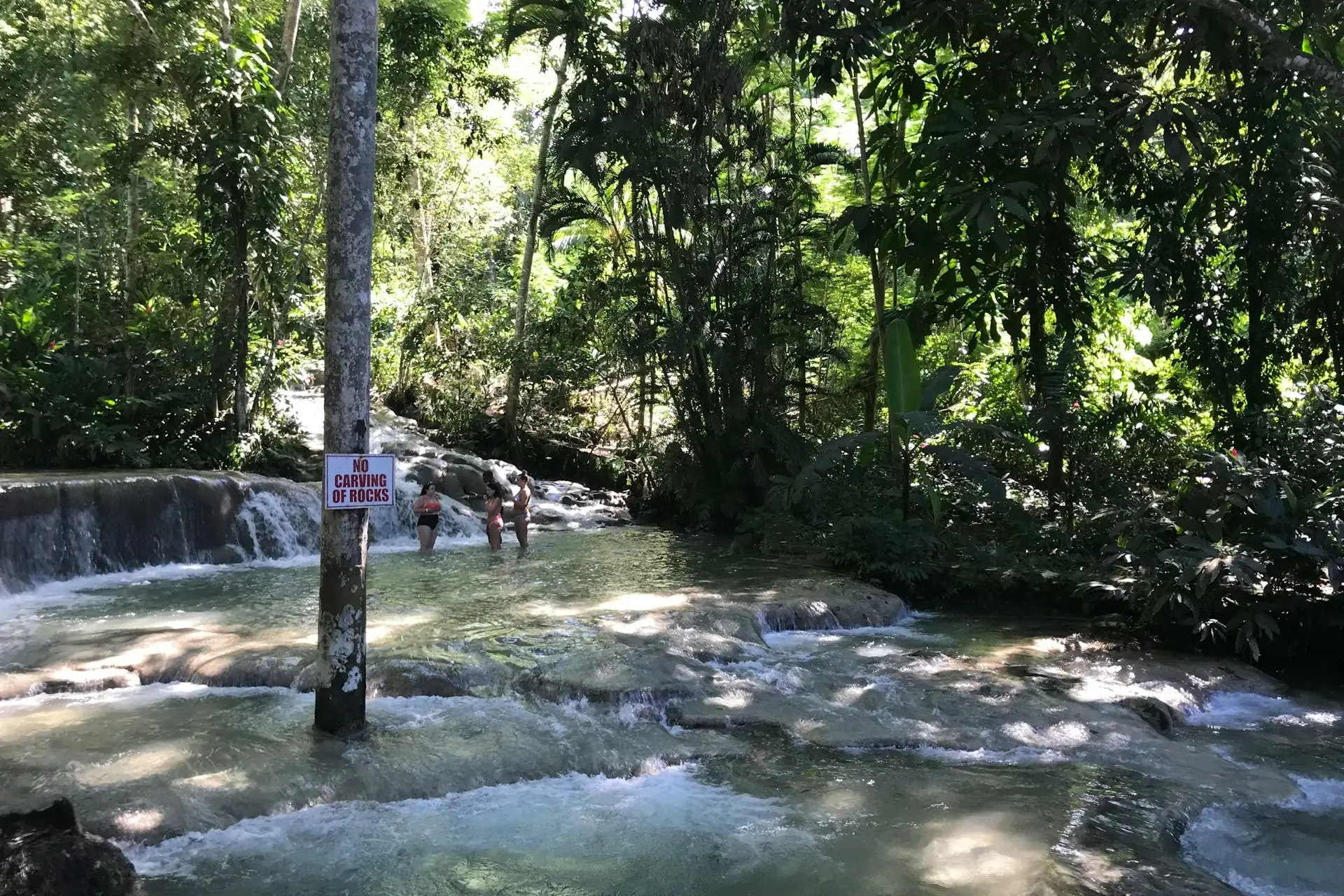
A scattering of islands across impossibly blue water, the Caribbean is the art of the easy day perfected: white sand, warm rhythm and hospitality that turns first-time visitors into lifelong returnees.
View all CaribbeanDestinations
Overview
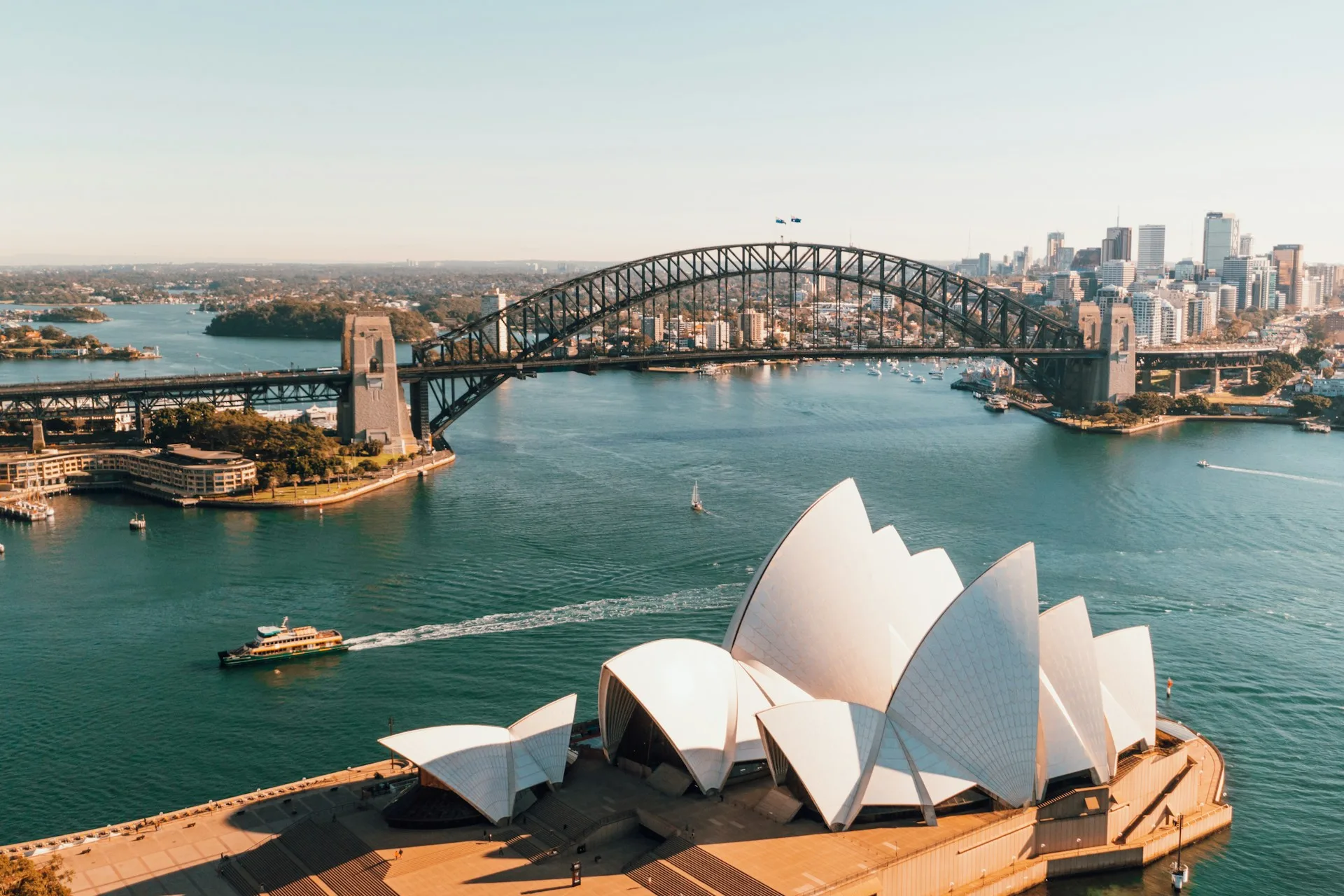
From the Great Barrier Reef to the red heart of the outback, from the fjords of New Zealand to the scattered atolls of the South Pacific, Australia & Oceania offer some of the most remote and rewarding travel on earth.
View all Australia & OceaniaDestinations
Est. 1918 · four generations · 38 countries
How You Travel
River Cruises Ocean & Small-Ship Expedition Flights Tours & Escorted All-Inclusive All travel experiencesFeatured
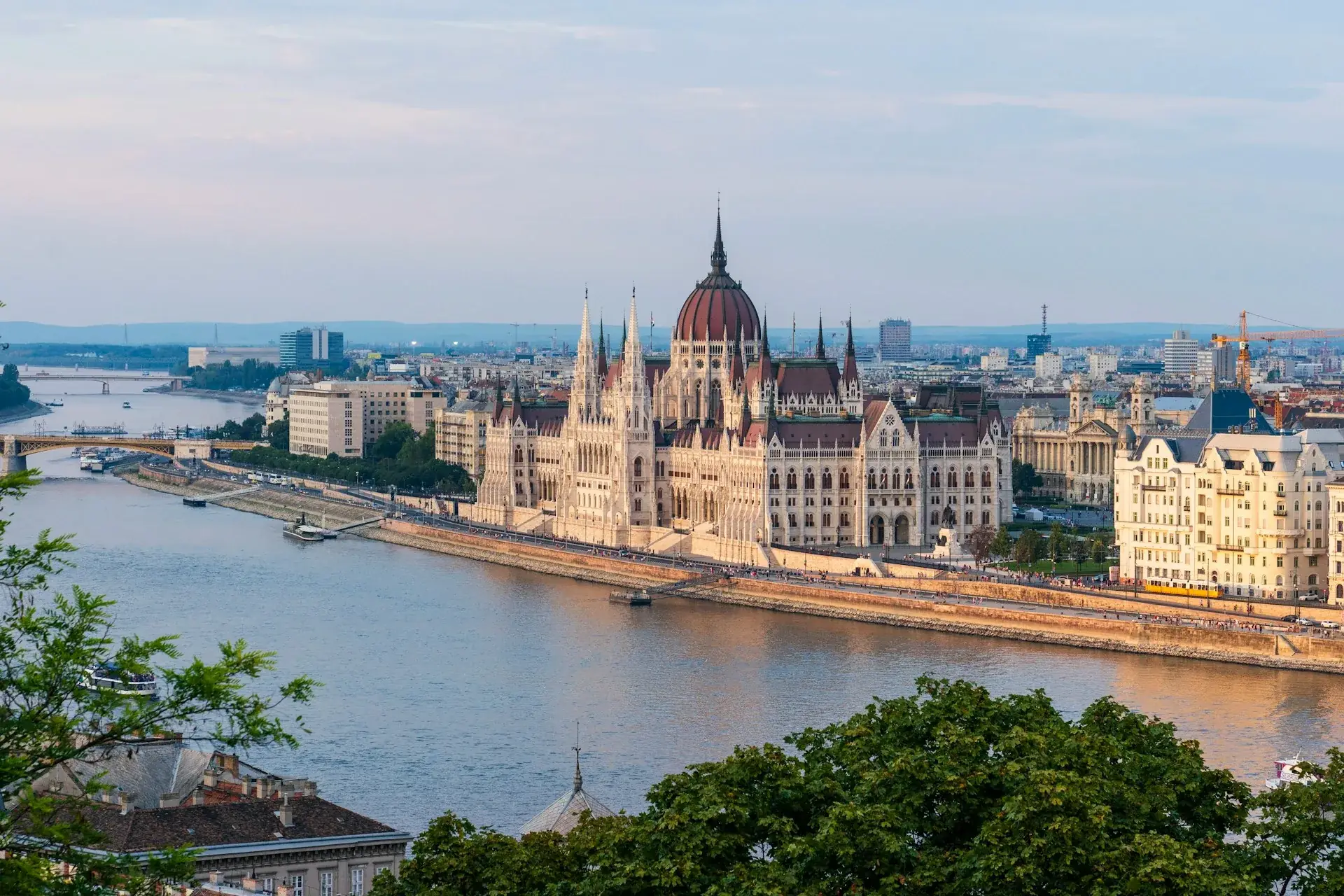 The Danube
 Featured
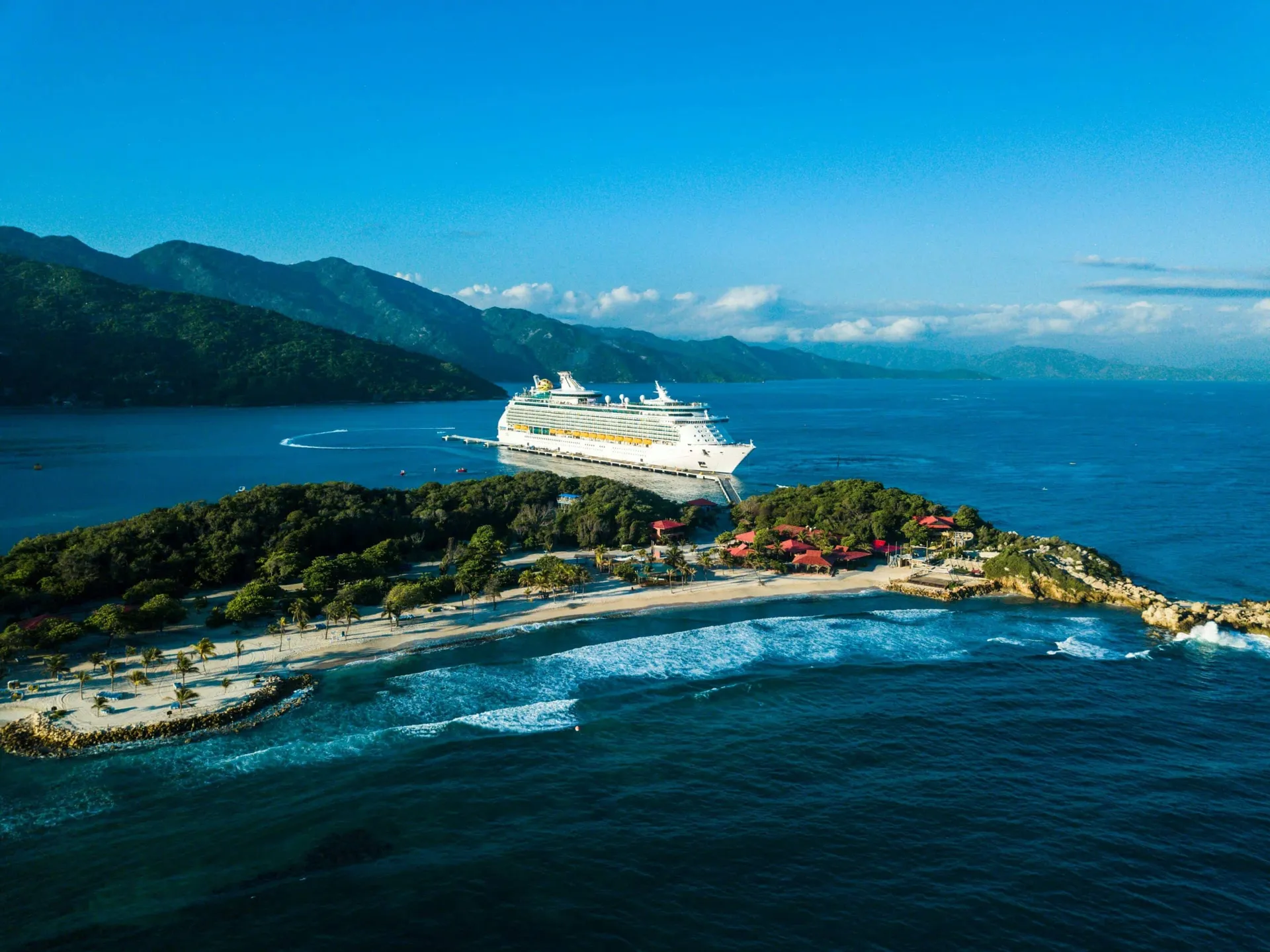 The Caribbean
 Featured
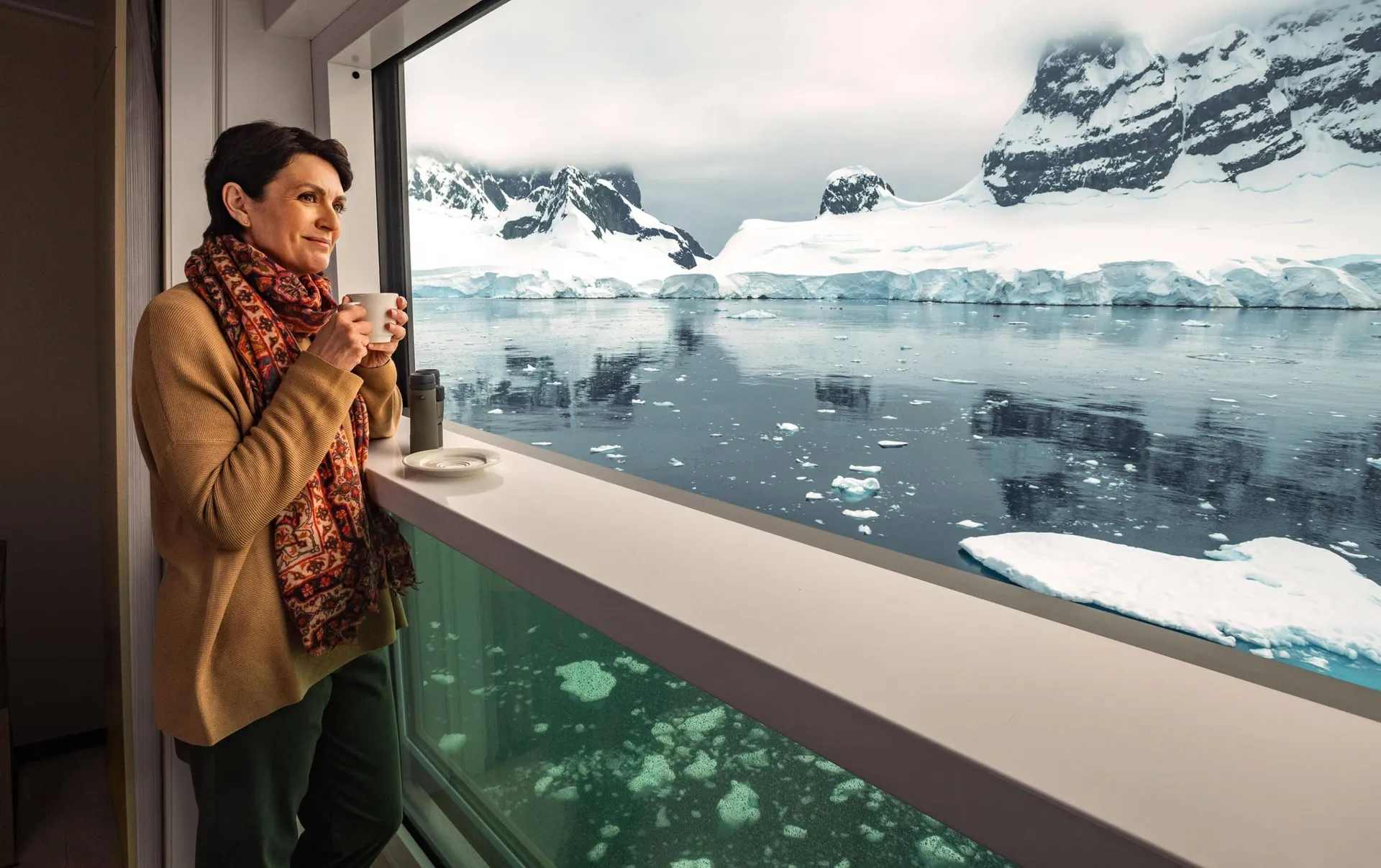 Antarctica
 Overview
Premium-cabin fares, complex routings and around-the-world tickets, booked by people who fly for a living.
Explore flightsFeatured
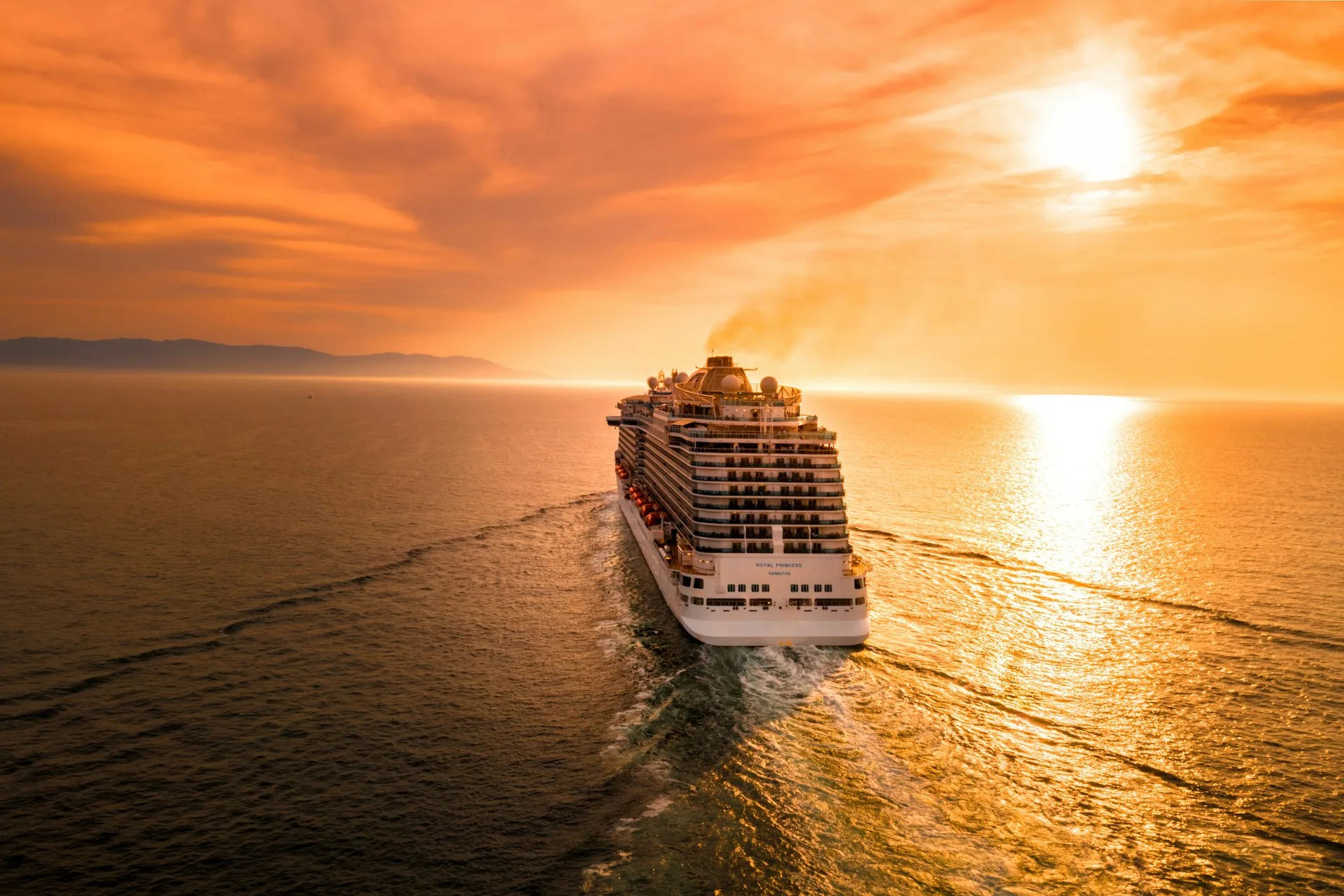 Flights
 Overview
Expertly guided group departures and private escorted itineraries across the world's great regions.
Explore tours & escortedFeatured
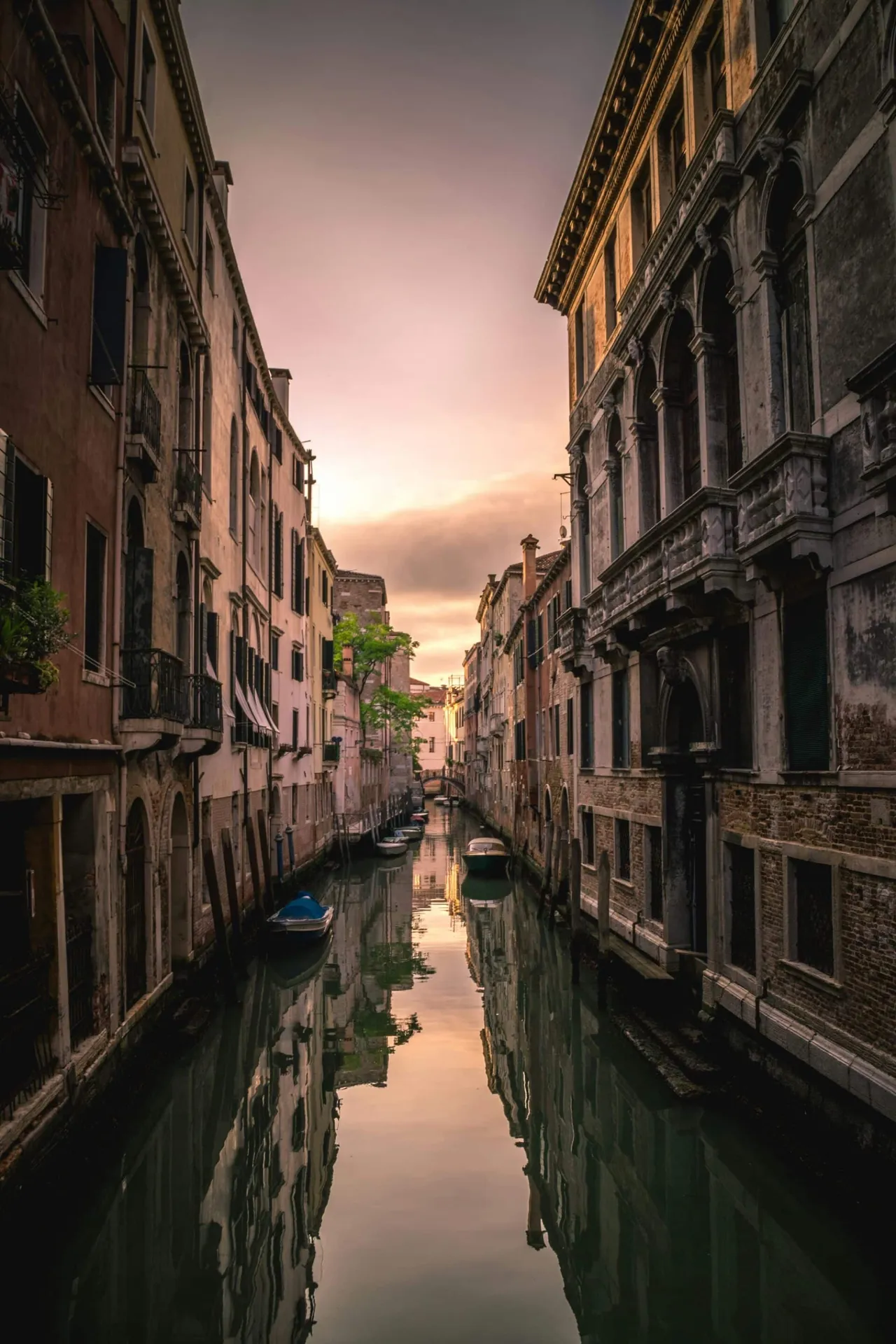 Tours & Escorted Journeys
 Overview
Beach and luxury all-inclusive escapes where flights, meals and more fold into a single, easy fare.
Explore all-inclusiveFeatured
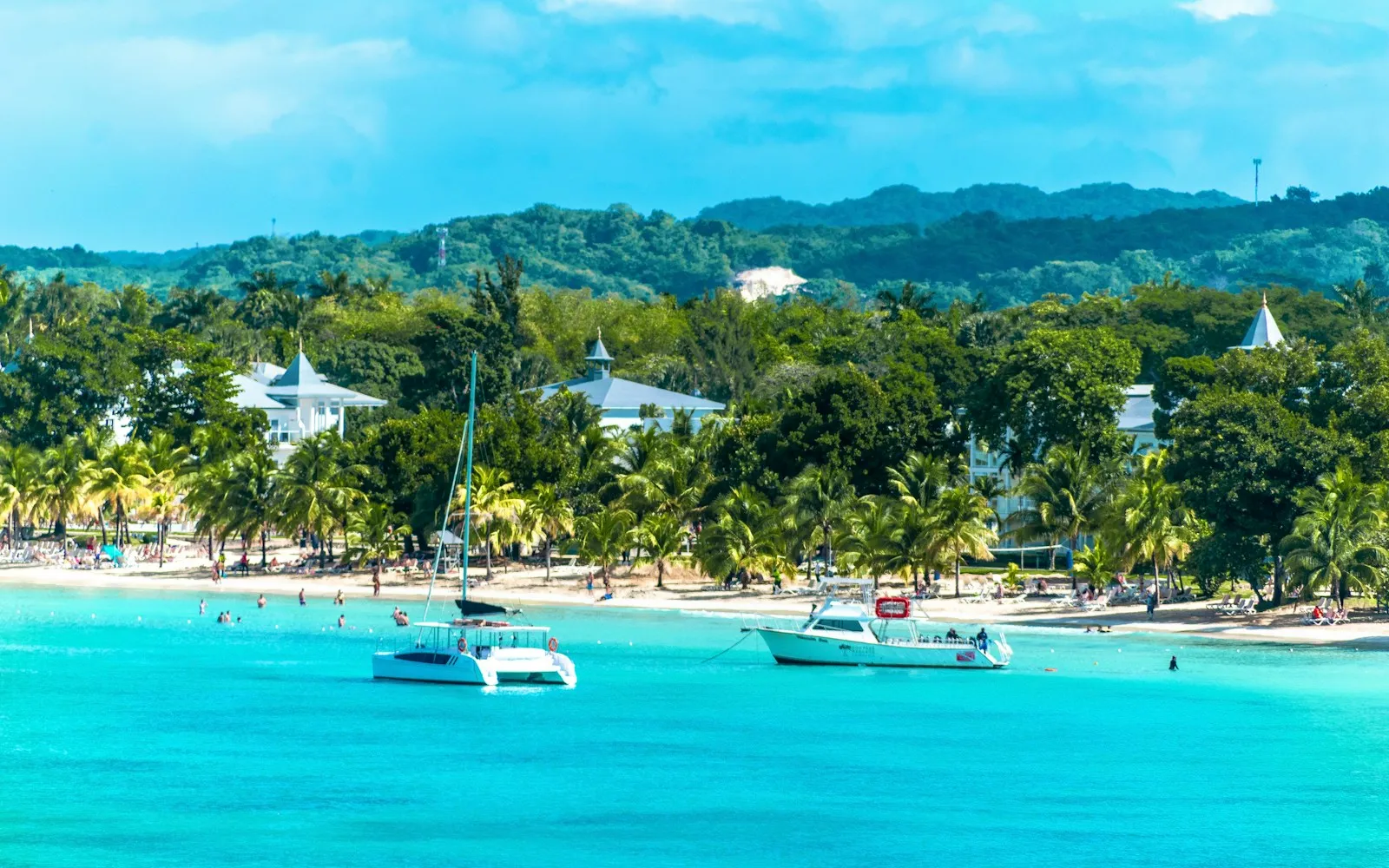 All-Inclusive Resorts
 River, ocean & expedition cruises · flights · tours · all-inclusive
Corporate travel
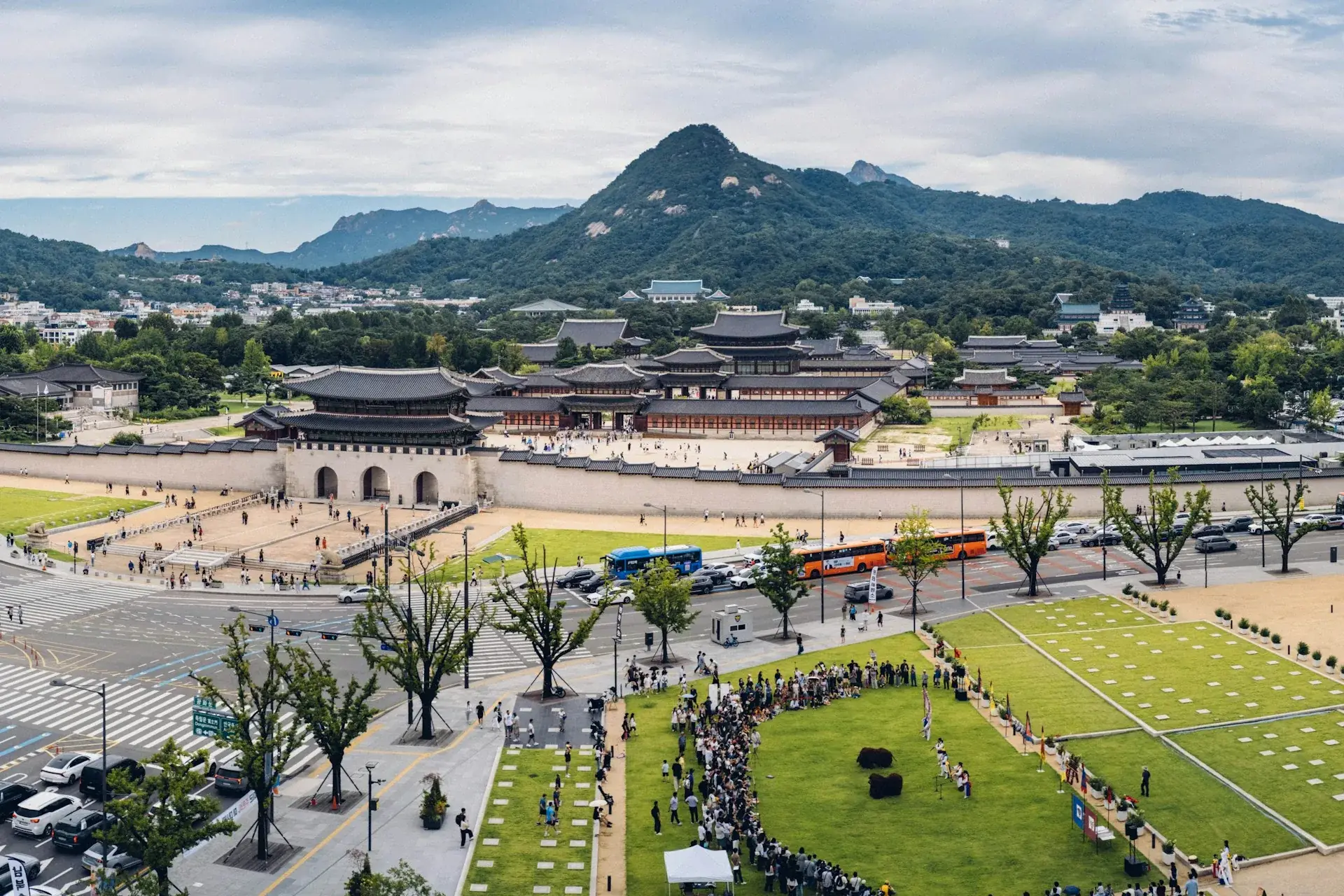
Destinations · Asia
Palace courtyards, mountain temples & late-night street food.
The country
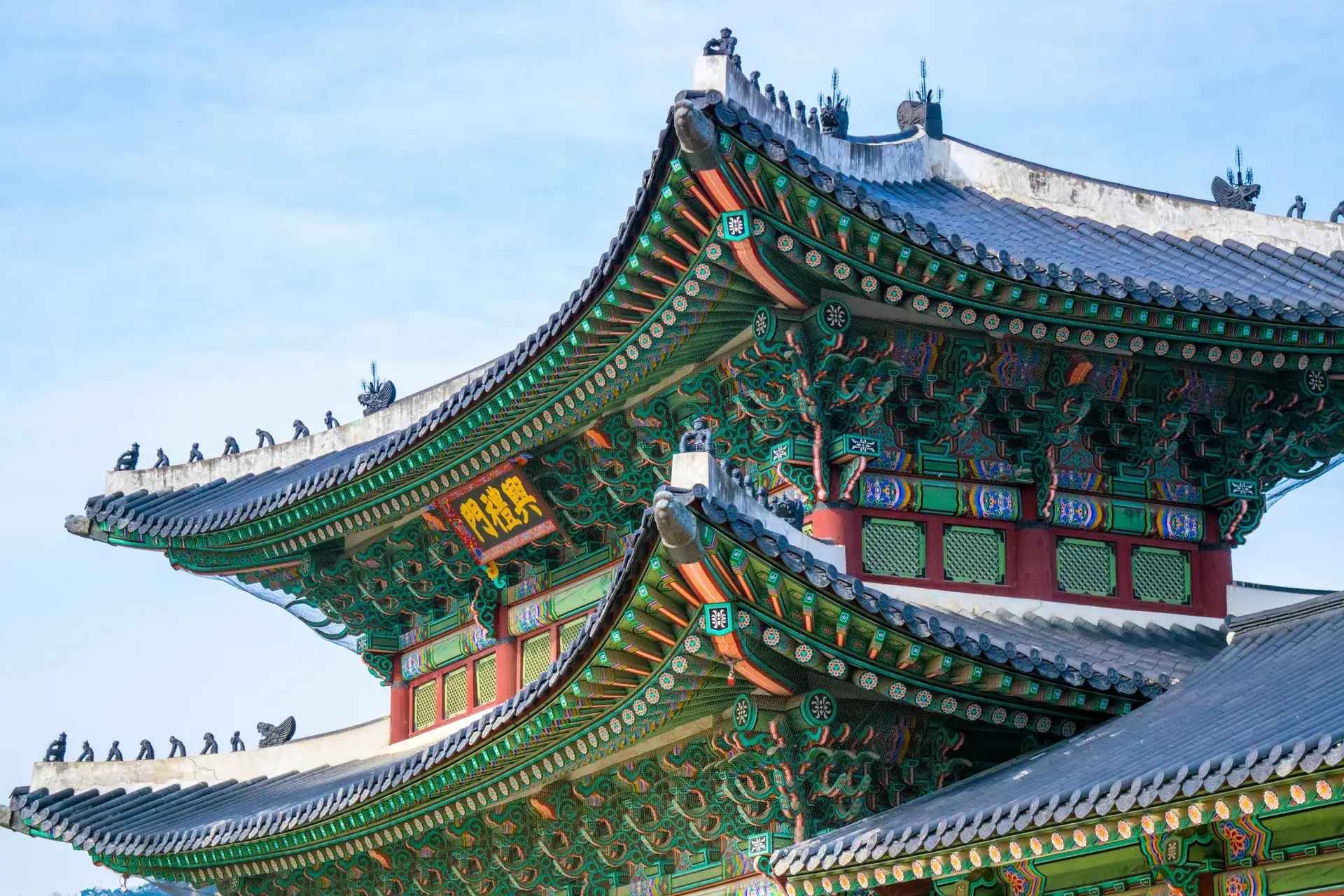
Few countries move between past and future as easily as South Korea. In the space of a week you can watch the changing of the guard before a five-hundred-year-old palace in Seoul, ride a bullet train south past rice paddies and pine-clad ridges, and stand on a volcanic clifftop on Jeju Island as the surf breaks below, all in a compact country roughly the size of Indiana.
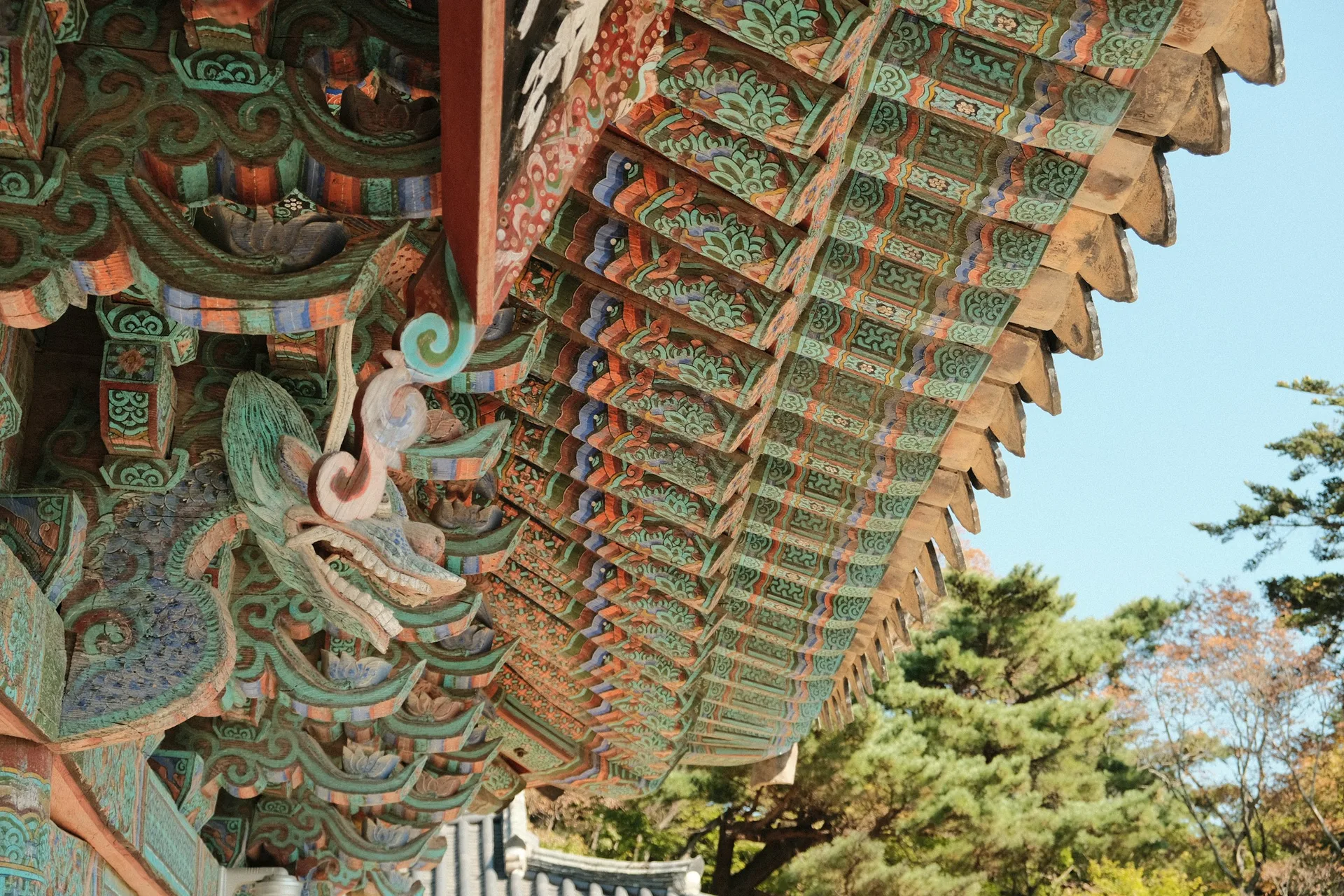
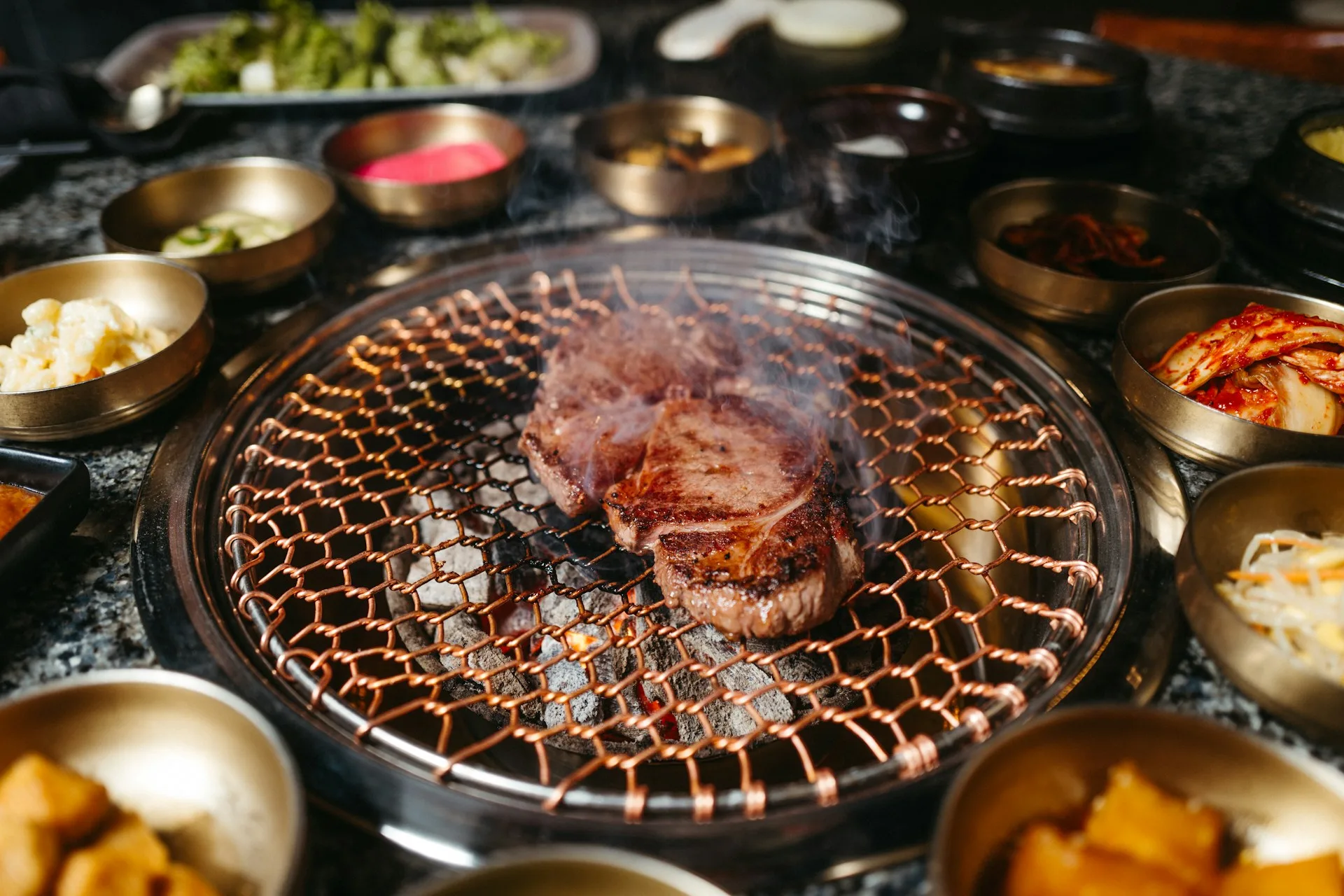
This is a place built around the table and the late hour. Meals are shared and generous, from a sizzling Korean barbecue passed around the grill to a midnight bowl of noodles in a neon-lit market; the country runs on energy and warmth, and the rhythm shifts from the buzzing all-night districts of Seoul to the slow temple mornings of the mountains. Learning to move between the two is half the pleasure.
We design South Korea itineraries that pair the headline sights with the quieter moments in between: a private morning at Gyeongbokgung before the crowds, a temple stay among the hills, a slow seafood lunch by the harbor in Busan. However you want to travel it, we build the route so each stop has room to breathe.
When to go
South Korea hangs its year on two short, brilliant peaks — the spring blossom and the autumn foliage — with a humid monsoon summer and a cold, dry winter between them. This is how we'd read the calendar across the desk, the two primes worth planning around and the green shoulders that reward flexible travelers.
Our favorite window: the cherry blossoms sweep north across the country, the palaces and riversides turn pink, and mild, bright days are ideal for pairing Seoul with the southern cities before the summer heat arrives.
The other great season, when crisp, clear days bring fiery autumn foliage to the mountain temples and national parks. Perfect for hiking, palace mornings and the harvest tables, all without summer's crowds and humidity.
The warm, green shoulder weeks on either side of the two peaks: comfortable for sightseeing and good value, with early spring and late autumn bookending the blossom and the foliage, though late June edges into the start of the humid, showery monsoon.
Midsummer is hot, humid and the season of monsoon rains, best spent on the coast or Jeju; winters are cold and dry, quiet and atmospheric in the palaces, with ski slopes within easy reach of Seoul.
Where to go
South Korea packs a remarkable range of landscapes and moods into a short train ride, from the high-energy capital to the ancient temples of the south and the volcanic coast of Jeju. These are the regions we weave together most often, each with its own scenery, table and pace, and we shape the route around the rhythm you have in mind.
Region
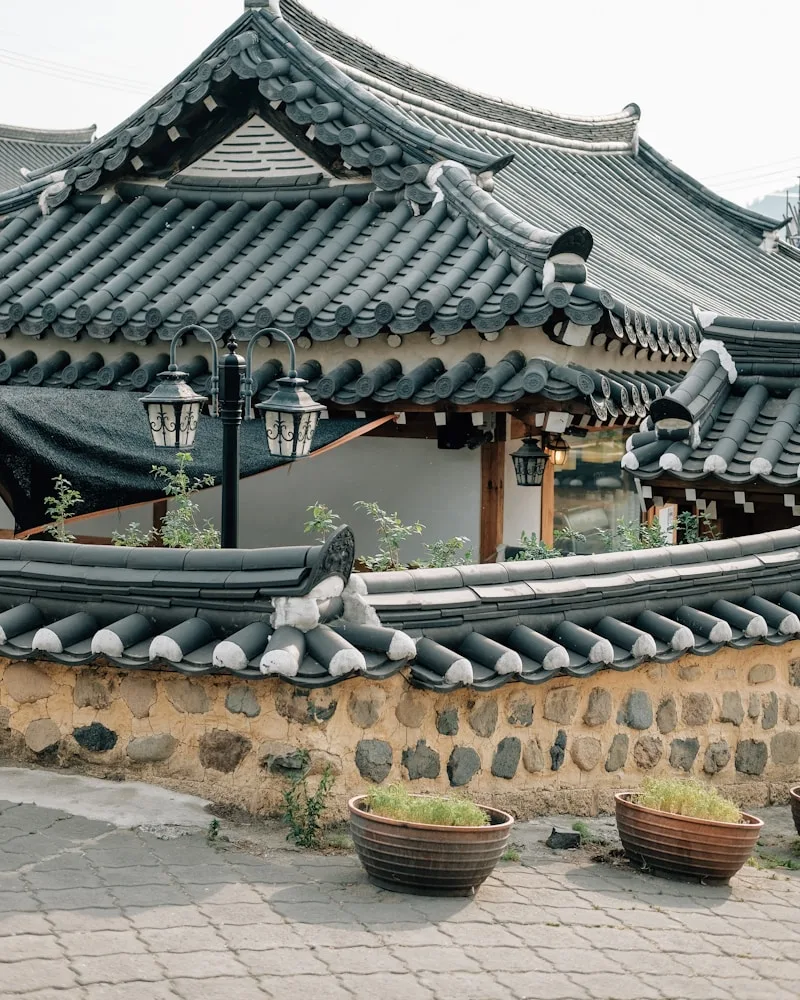
The dazzling capital, where royal palaces and hanok lanes sit beside neon shopping districts, riverside parks and the city-wide view from N Seoul Tower, all knit together by one of the world's best subways.
Region
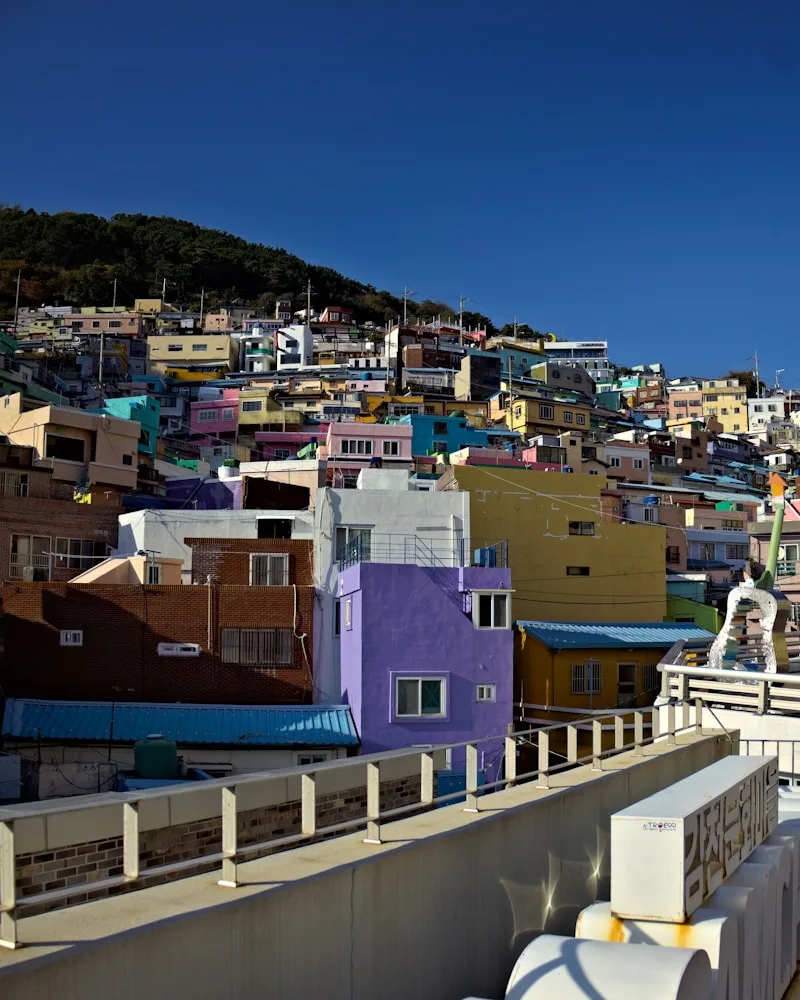
The breezy southern port city: the colorful hillside maze of Gamcheon Culture Village, the high-rises and sand of Haeundae Beach, clifftop temples and one of the great seafood markets of Asia.
Region
The ancient capital of the Silla kingdom, often called a museum without walls: grassy royal burial mounds, the serene Bulguksa temple and the Seokguram grotto, scattered across a gentle valley of pine and stone.
Region
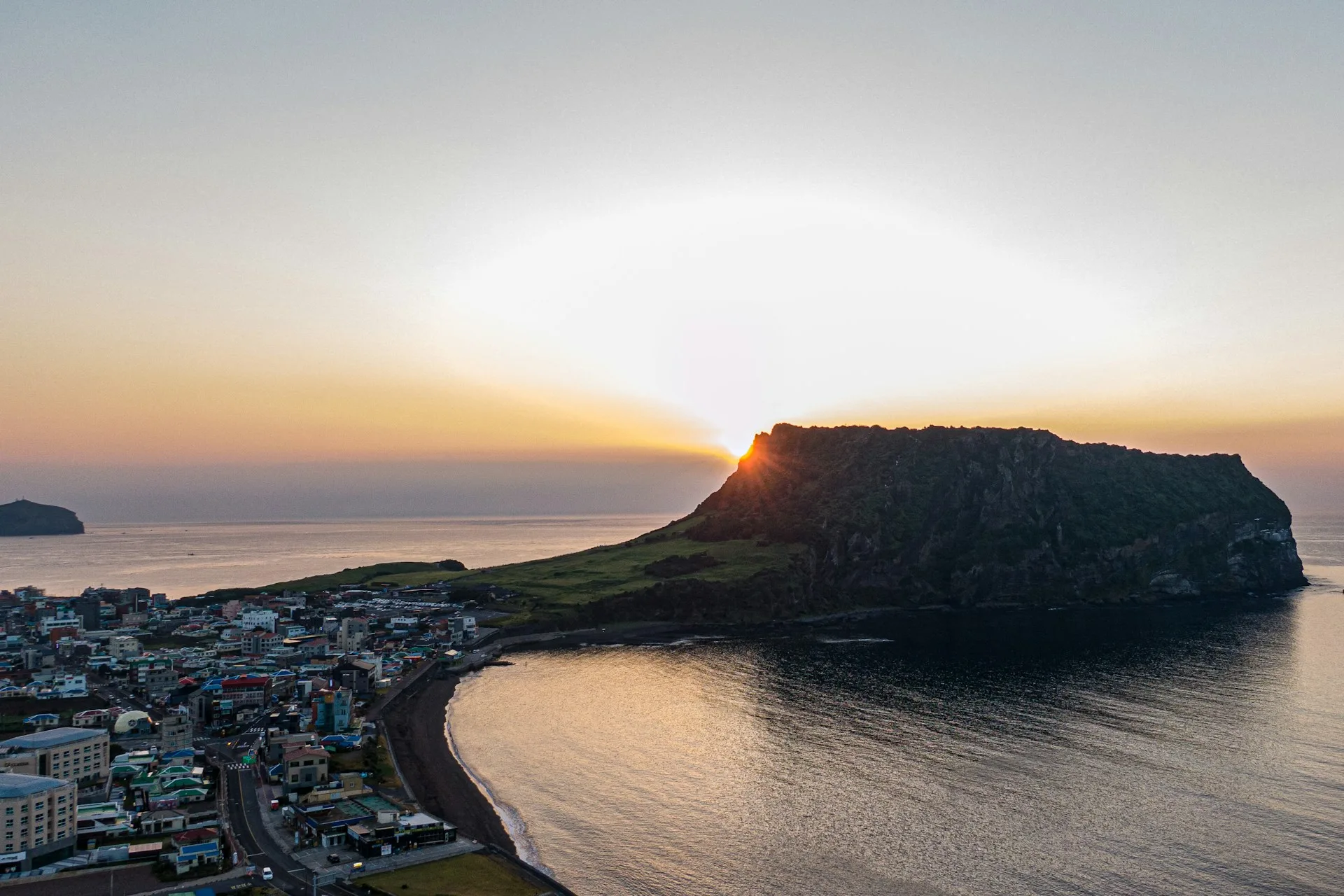
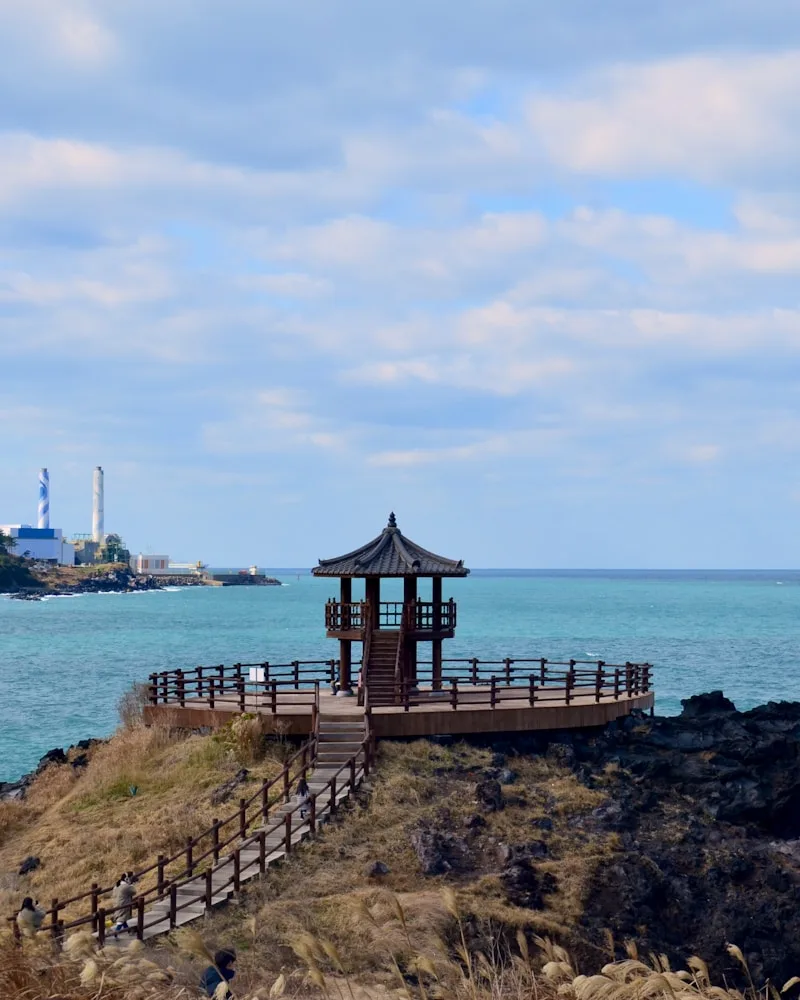
Korea's volcanic holiday island off the southern coast: lava-rock coastlines, waterfalls, the dormant cone of Hallasan rising at its center, and the famous haenyeo, the free-diving women of the sea.
Region
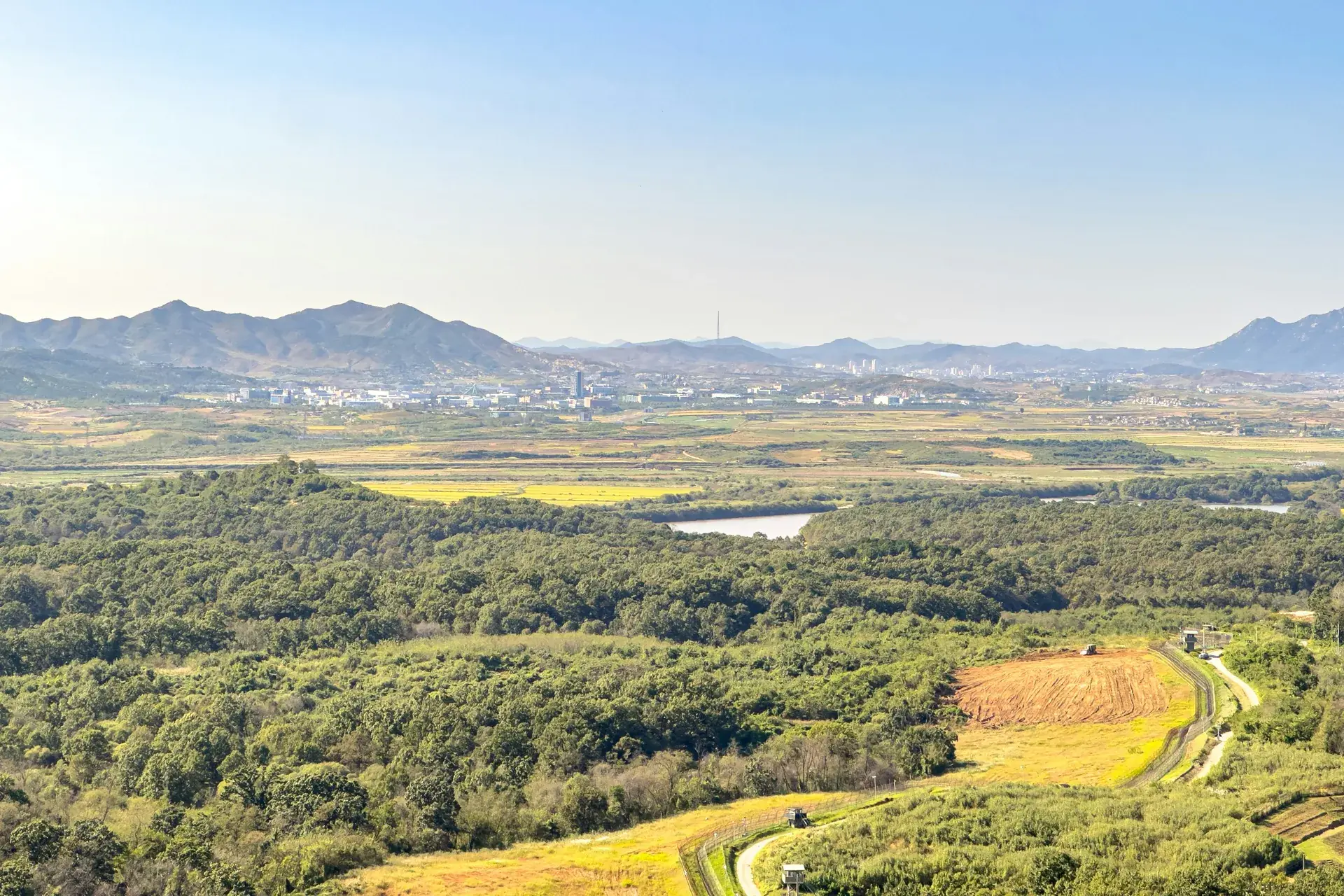
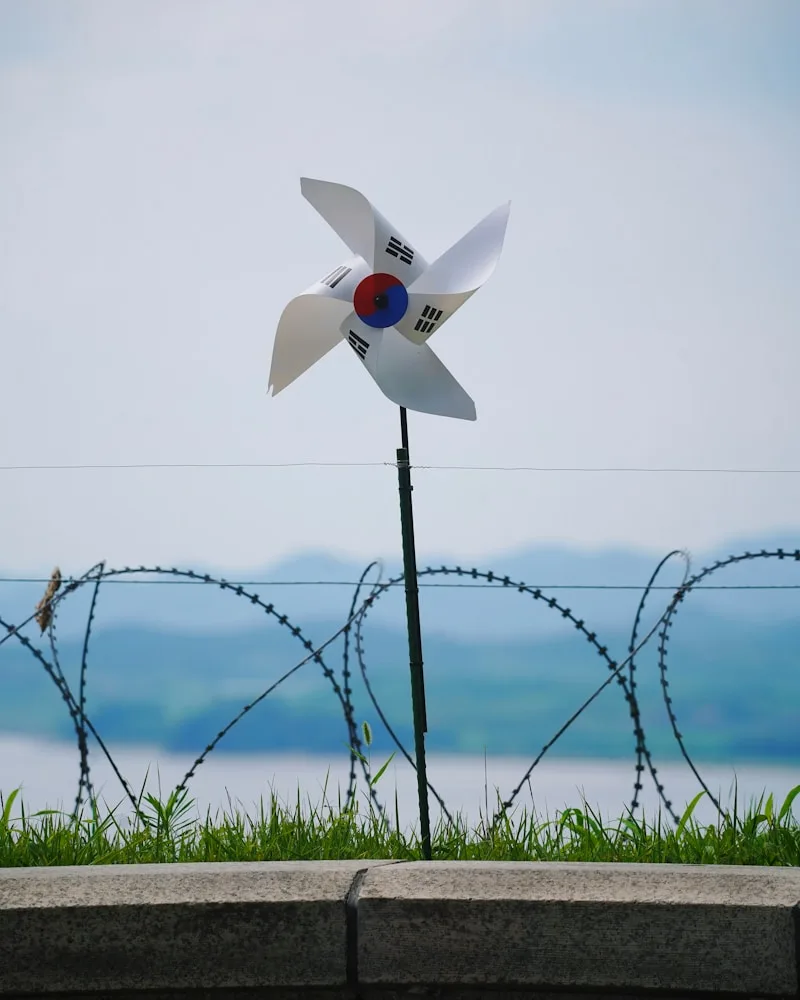
The heavily guarded border with North Korea, a short drive north of Seoul: observatories looking across the divide, infiltration tunnels and the JSA at Panmunjom, a sobering and unforgettable half-day.
A sample journey
 1
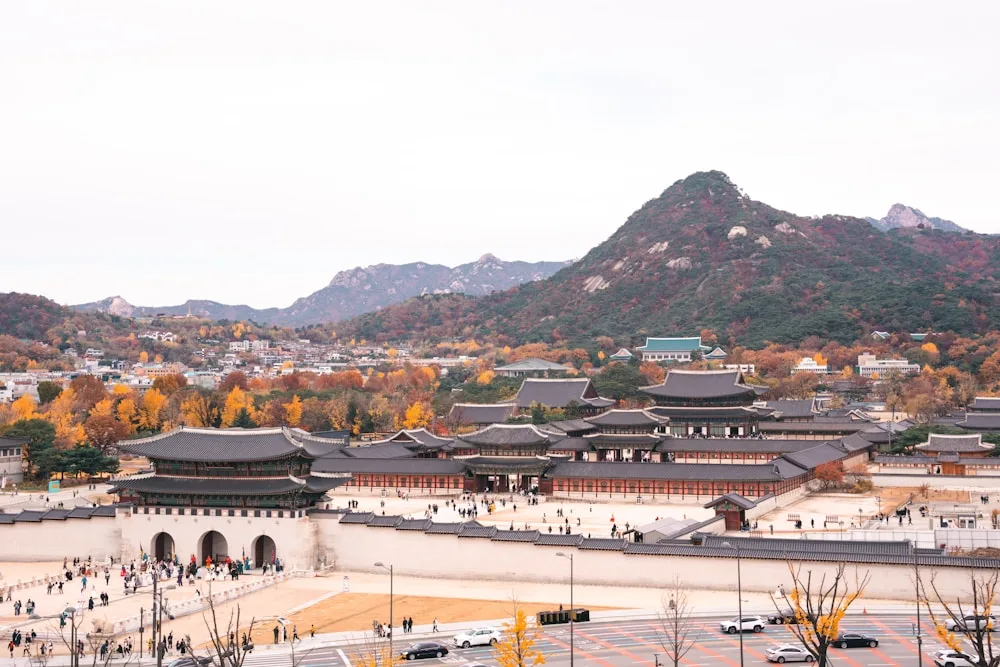
1 Begin in the capital: the grand courtyards of Gyeongbokgung and the changing of the guard, the hanok lanes of Bukchon, the view from N Seoul Tower and long evenings of Korean barbecue and street food in the buzzing night markets.
 2
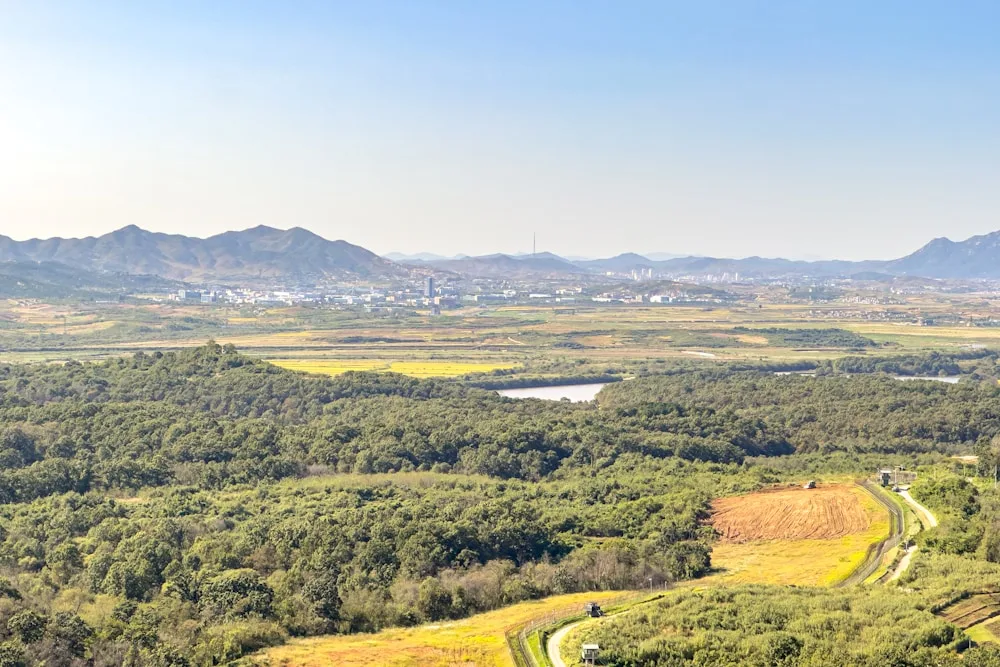
2 Take a guided day trip north to the border with North Korea: an observatory looking across the divide, one of the infiltration tunnels and, conditions permitting, the Joint Security Area at Panmunjom, a sobering counterpoint to the city.
 3
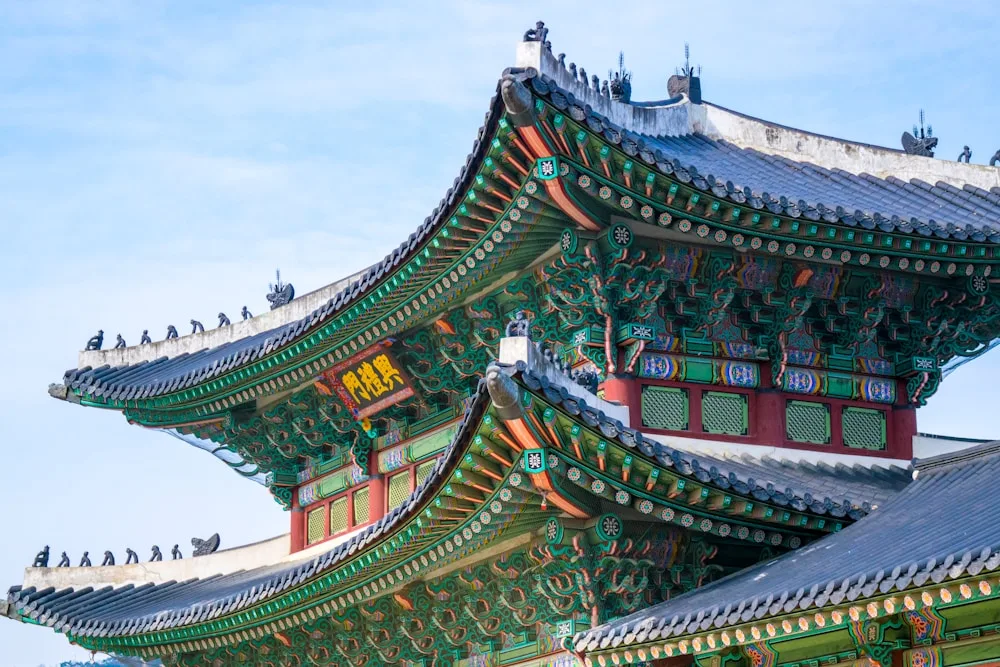
3 South by high-speed train to the ancient Silla capital: the grassy royal burial mounds, the serene hillside temple of Bulguksa and the Seokguram grotto, all set among a gentle valley often called a museum without walls.
 4
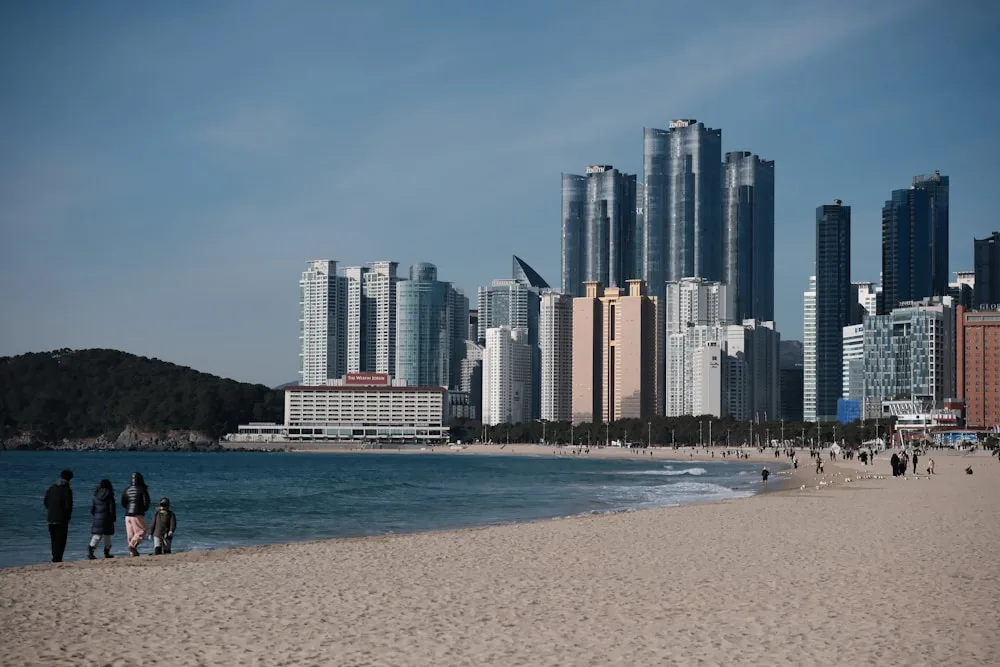
4 On to the southern port city: the colorful hillside lanes of Gamcheon Culture Village, a clifftop temple above the sea, the bustle of Jagalchi fish market and a relaxed afternoon on the sand at Haeundae Beach.
 5
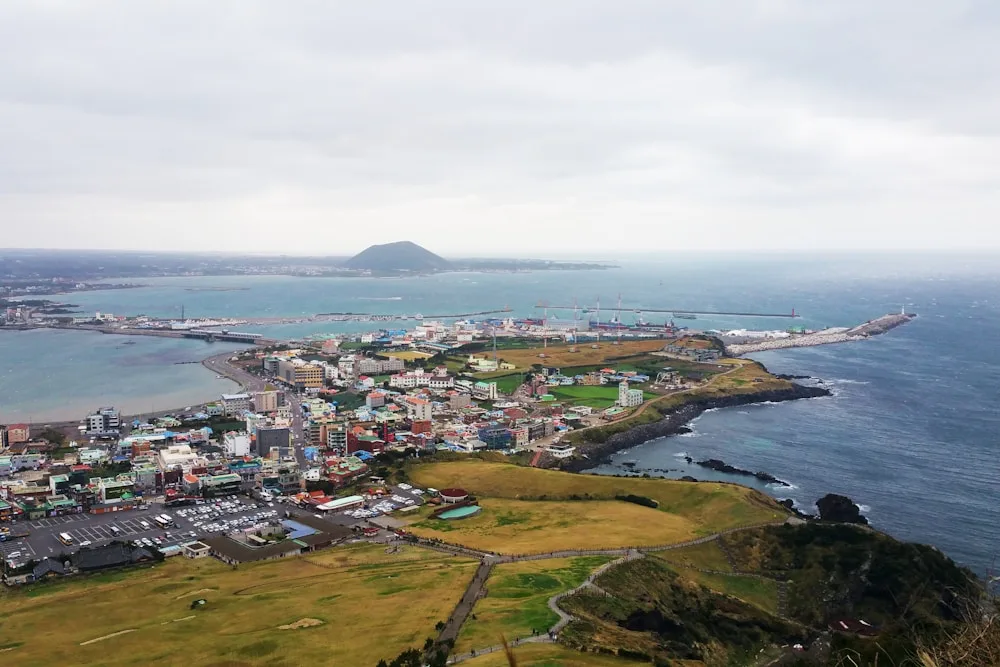
5 Finish with a short flight to Korea's volcanic holiday island: the sunrise crater of Seongsan Ilchulbong, lava-rock coastlines and waterfalls, and a last seafood feast prepared by the island's famous free-diving haenyeo.
Every itinerary we build is bespoke: this is a starting point, not a package.
Getting around
Where to stay
Rail tickets, the Jeju flight, transfers and driver-guides — including the DMZ permits and timing — are all arranged as part of every itinerary, so the logistics are handled before you arrive.
Good to know
Eight to twelve nights is the sweet spot. A week and a bit comfortably covers Seoul, Gyeongju and Busan by high-speed train, with a day trip to the DMZ; closer to two weeks lets you add Jeju Island, a temple stay or the national parks at an unhurried pace.
Spring (April) and autumn (October) are ideal: April brings the cherry blossoms sweeping north across the country, and October the fiery autumn foliage and crisp, clear days. Summers are hot, humid and the season of monsoon rains, while winters are cold and dry, quiet and atmospheric, with skiing within reach of Seoul.
Yes, more so than many first-timers expect. The KTX high-speed trains and city subways are clean, efficient and well signed in English, and a tap-and-go transit card covers it all. We still build our itineraries around private English-speaking guides for the palaces, the DMZ and the temples, which smooths the logistics and brings the history to life.
It is one of the most memorable half-days of any Korea trip and entirely safe, as the tours are carefully managed and run with official guides. You visit observatories looking across the border, an infiltration tunnel and, when access allows, the Joint Security Area at Panmunjom. Access to the JSA can open and close at short notice, so we confirm the current conditions and book the right tour in advance.
If you have the time, yes. Jeju is a short, frequent flight from Seoul or Busan and offers a complete change of pace: volcanic coastlines, waterfalls, the dormant peak of Hallasan and gentle beaches, all easily explored over two or three nights. It makes a relaxed finale after the cities, and we arrange the flights, hotel and a private driver-guide for the island.
Ways to Explore
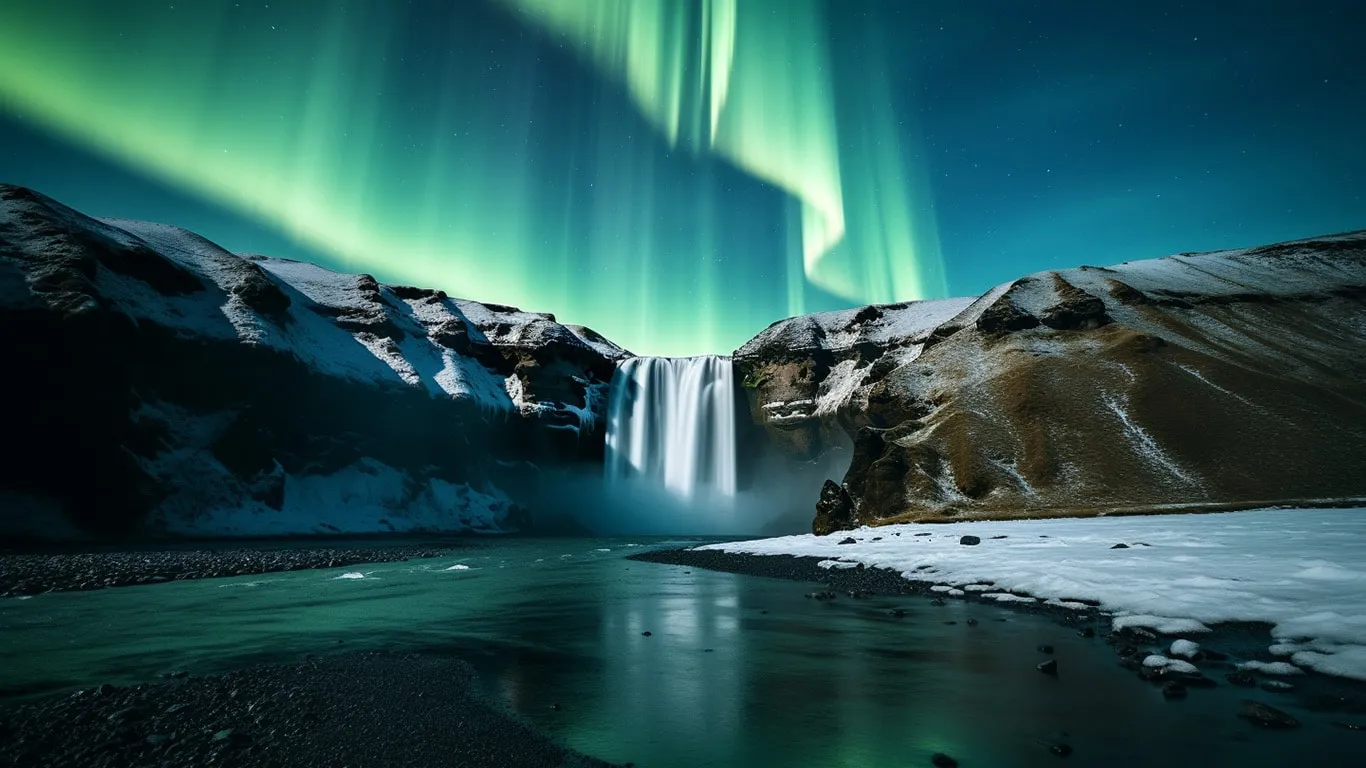
A private journey designed entirely around you, your pace, and your people.
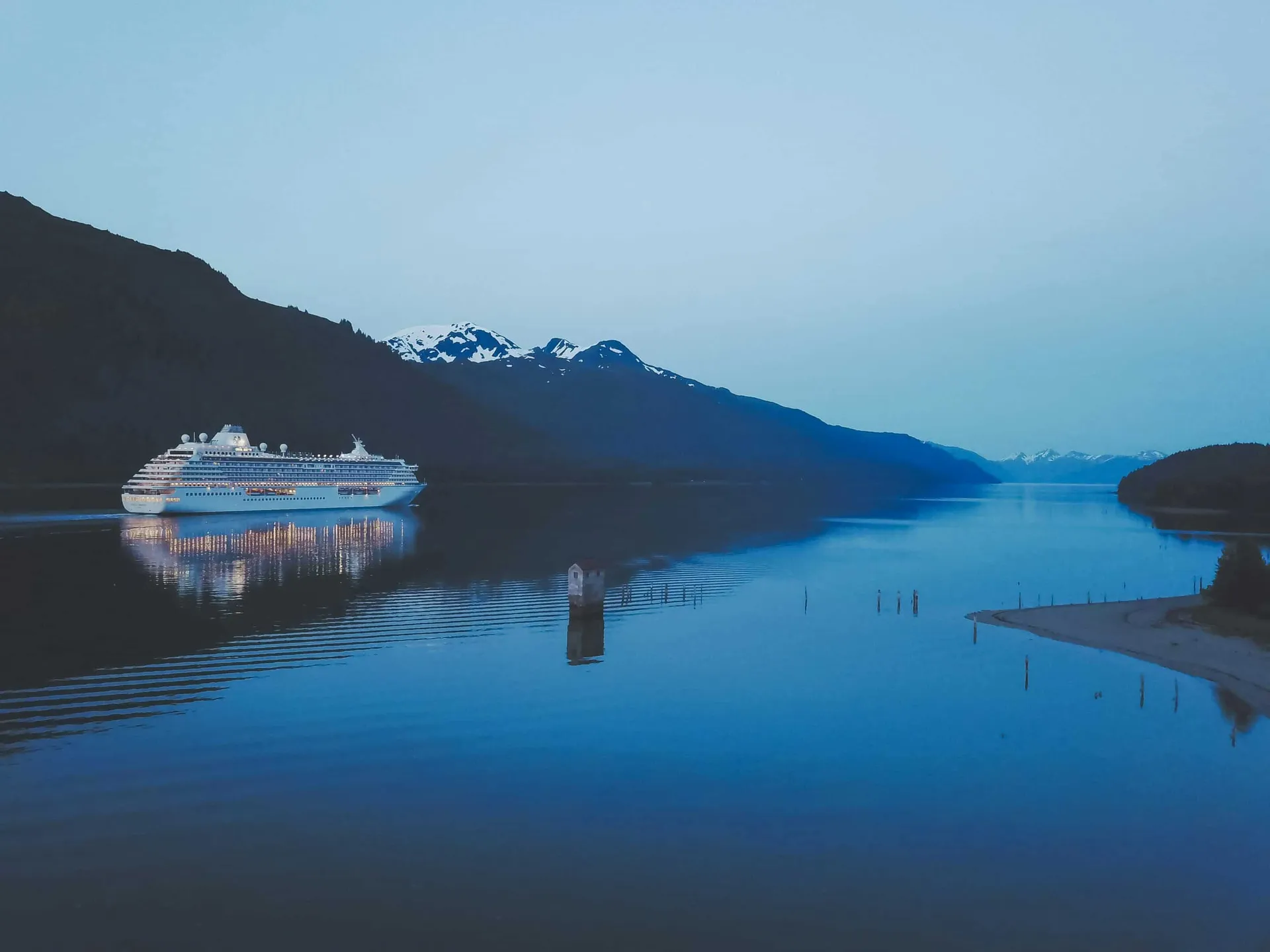
River, ocean and expedition voyages, from the Danube to Antarctica.

Expertly guided, end to end, with the world's finest local operators.
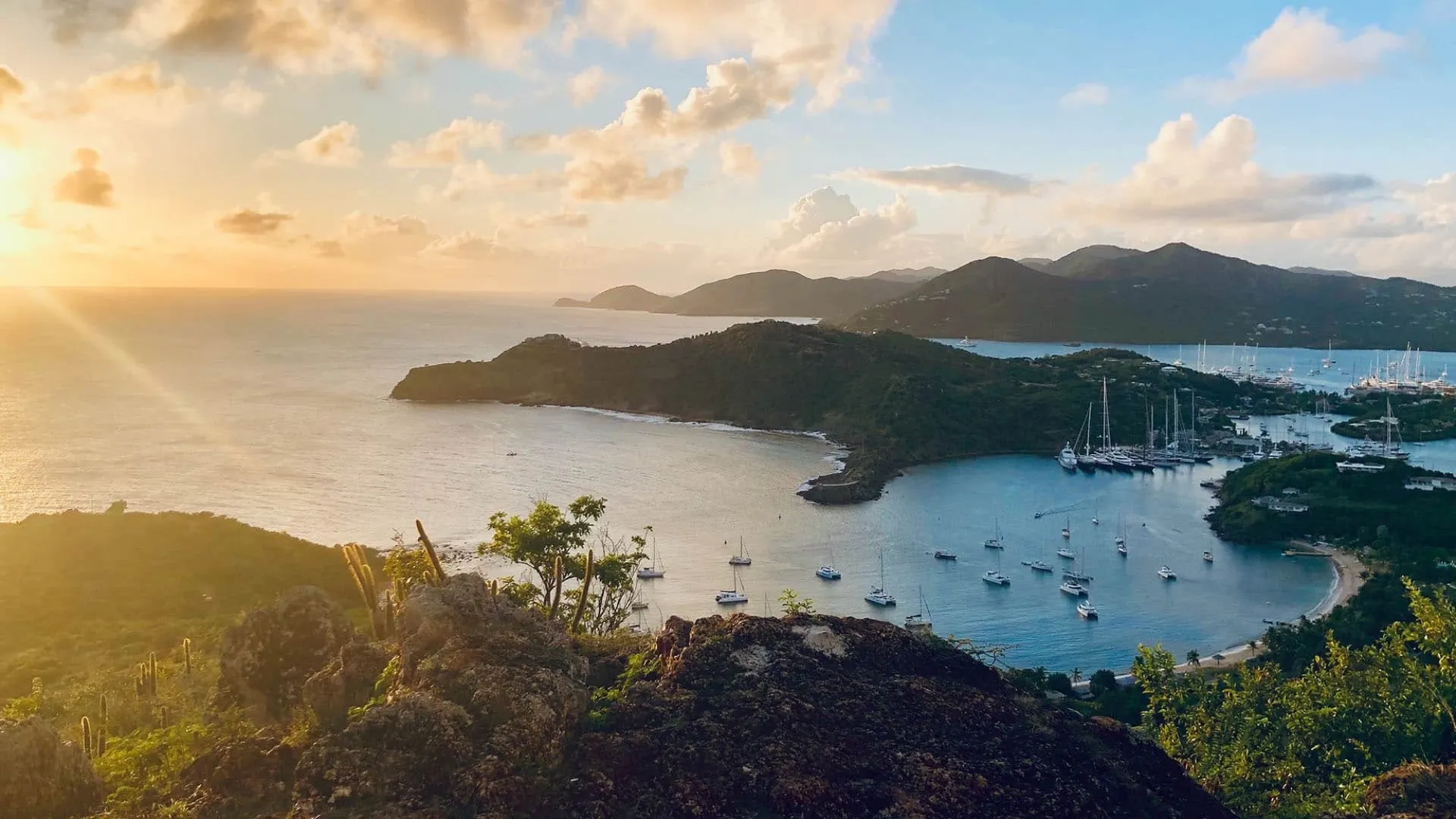
Effortless resort escapes; we cut through the haze to the right one.
Let's begin
Tell us your travel dates and what you love, and we'll handle every detail.
Plan Your TripSearch Chima Travel