
Seoul
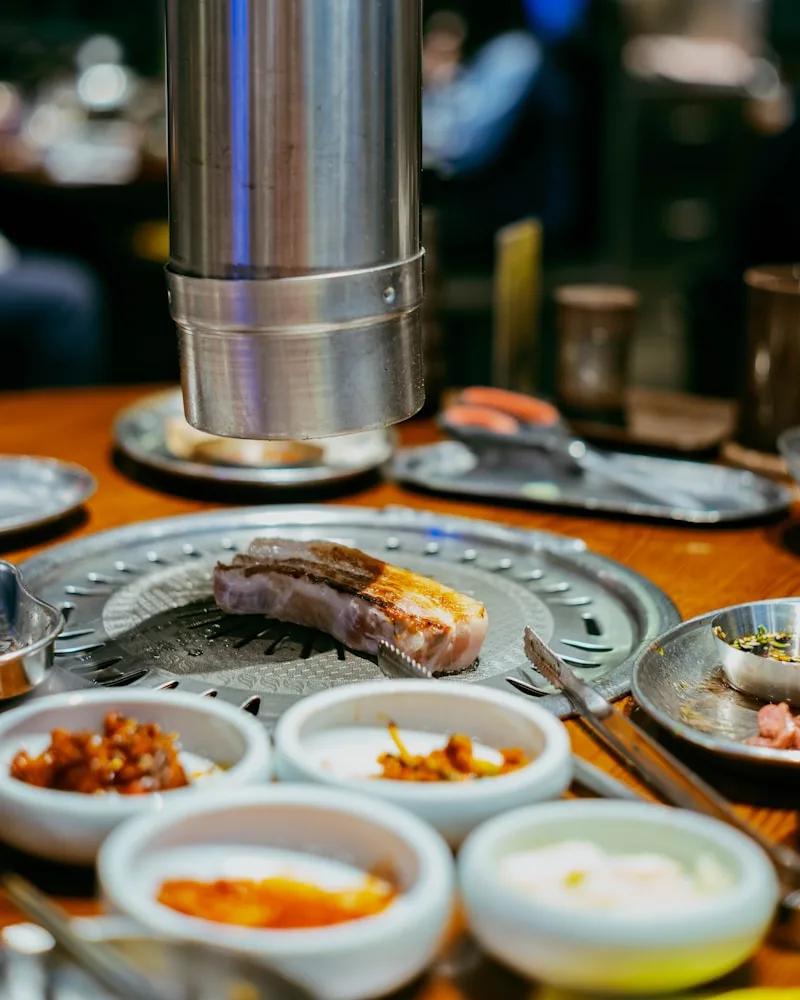
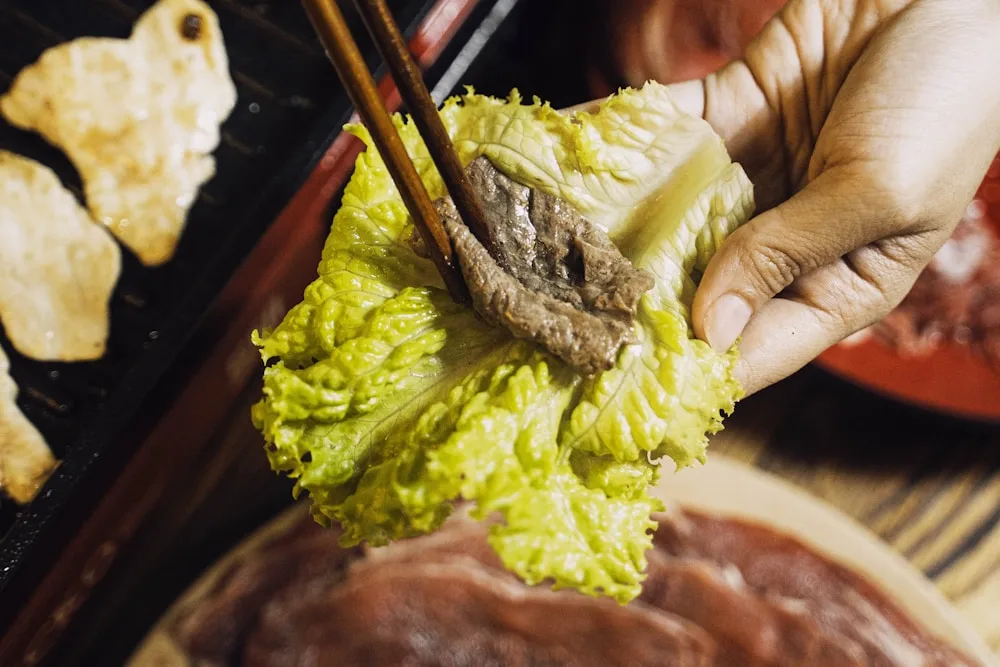
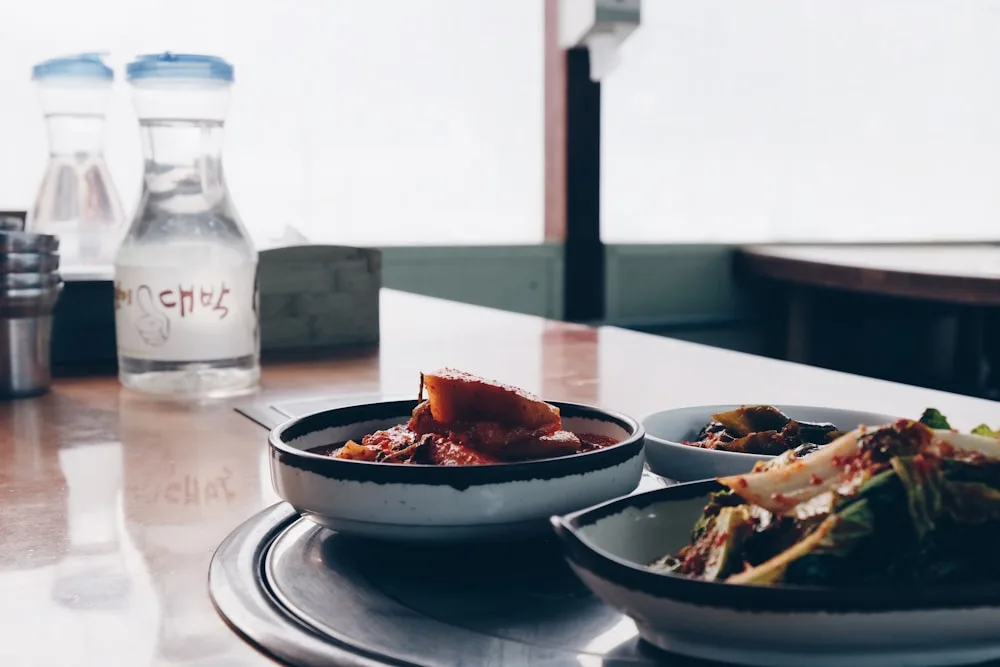
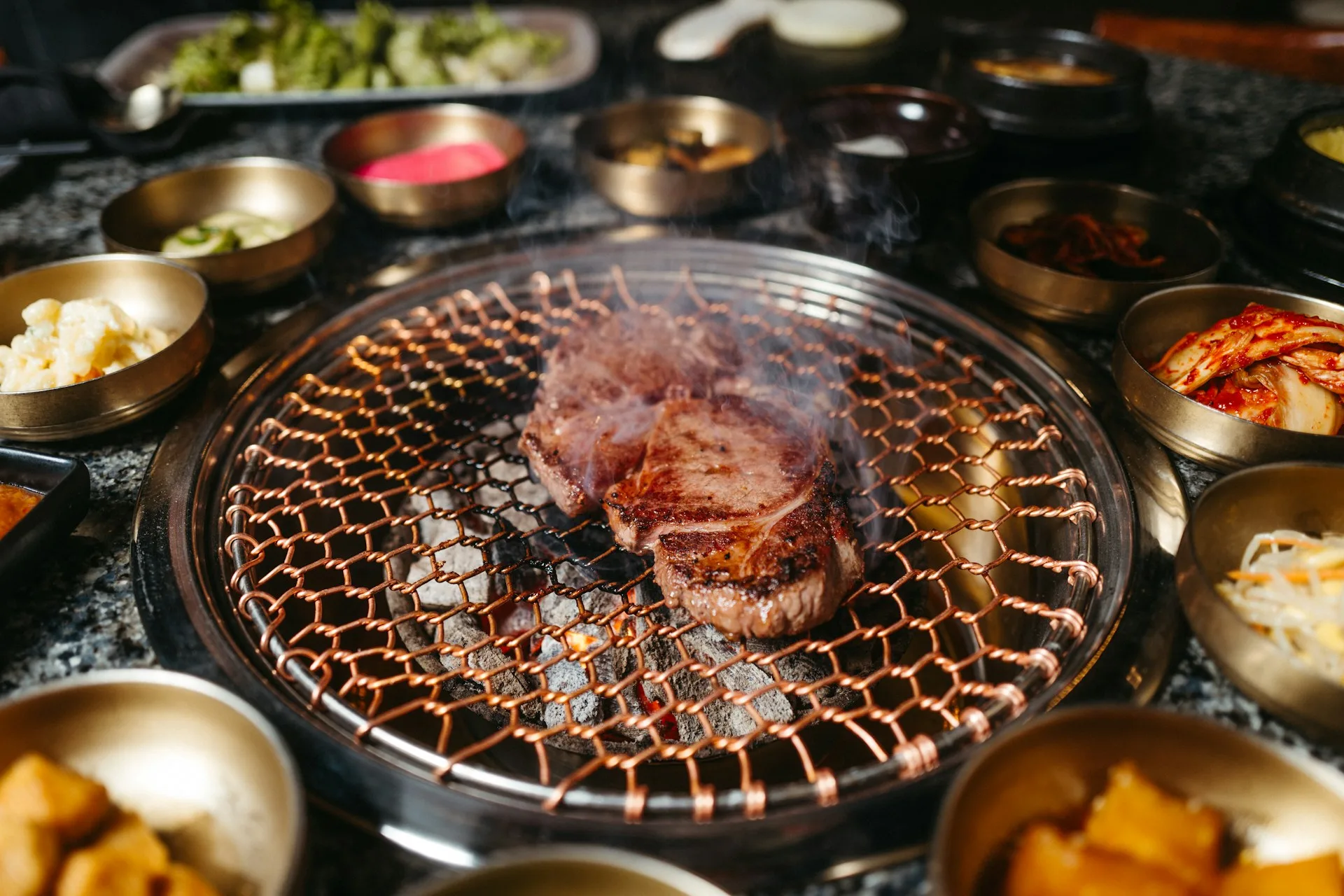
The real heart of Korean travel is not a monument but a table. Sit down to Korean barbecue and the meal becomes something you make together: a charcoal or gas grill set into the middle of the table, plates of marbled pork belly and marinated galbi sizzling under your eye, and a busy ring of banchan, the little free side dishes of kimchi, pickles and seasoned greens that are refilled as fast as you empty them. You snip the meat with scissors, tuck it into a leaf of lettuce with a smear of ssamjang, garlic and a slice of grilled chili, and eat it in one happy mouthful, the room loud and fragrant around you.
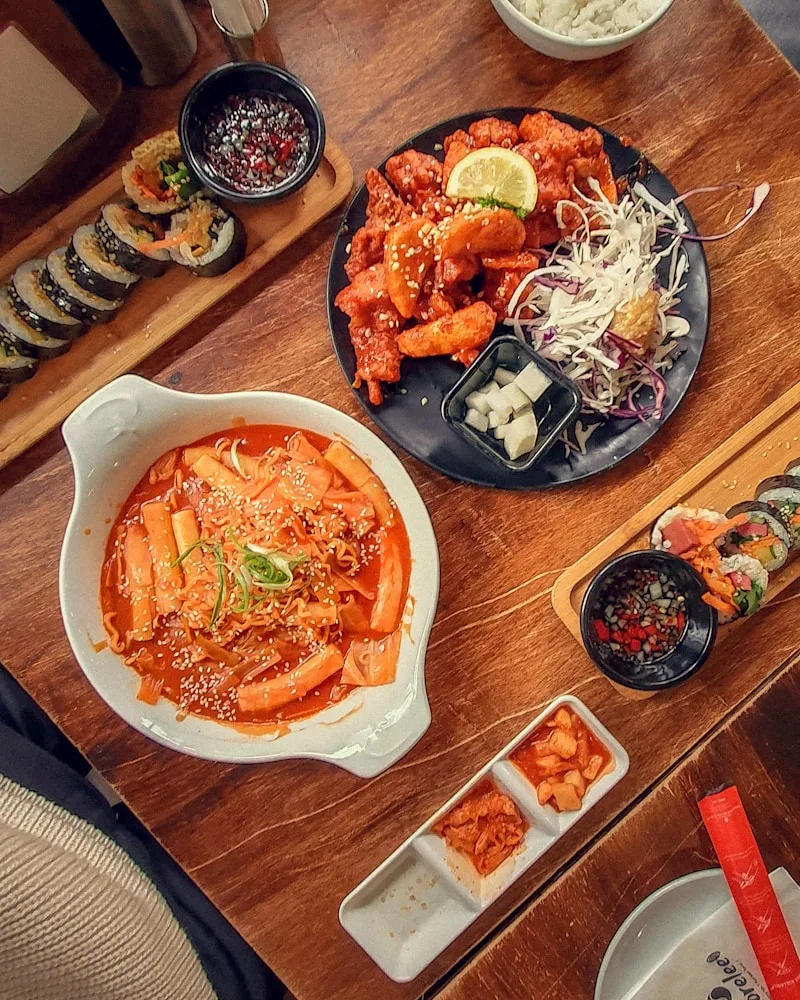
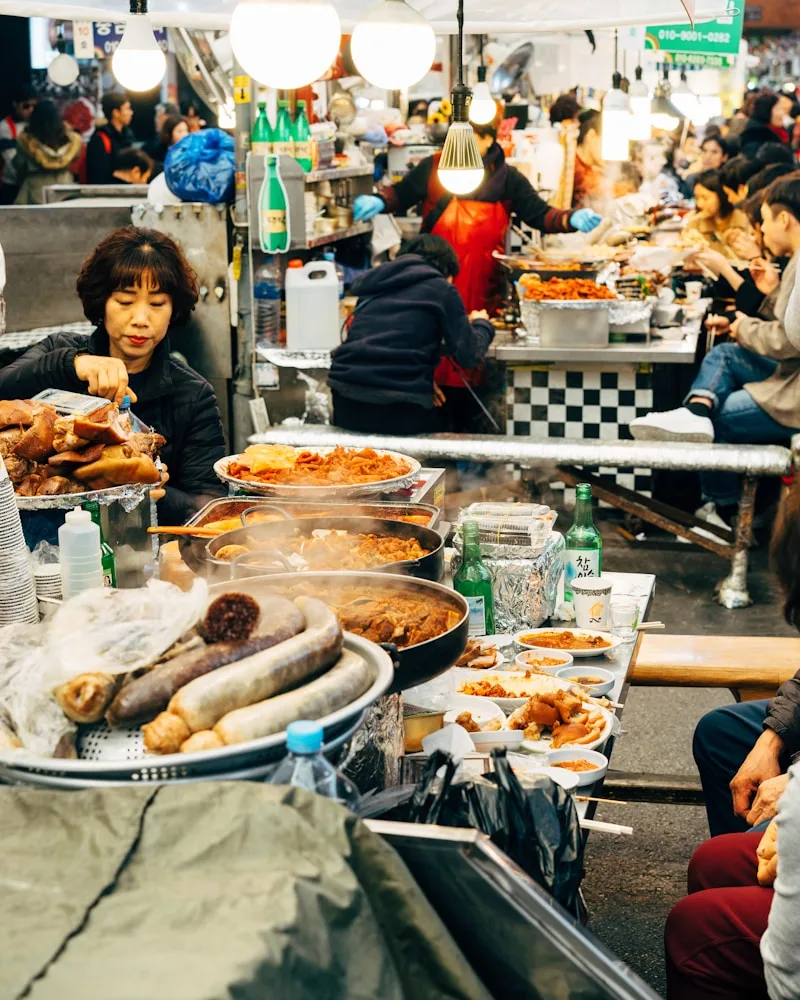
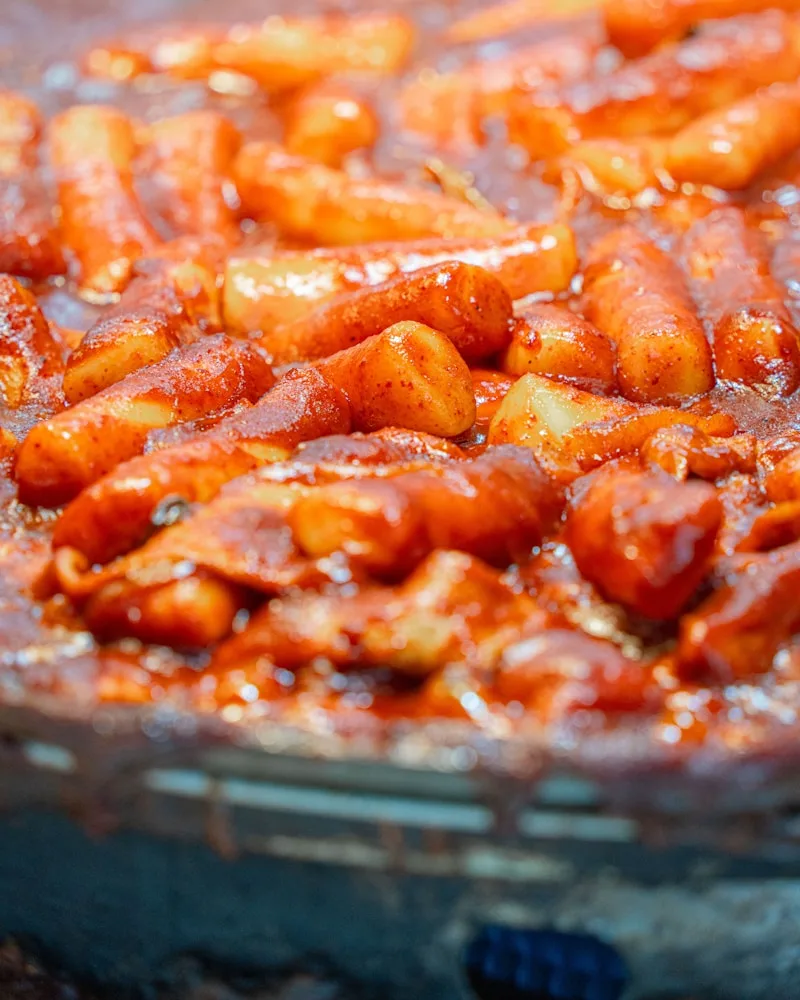
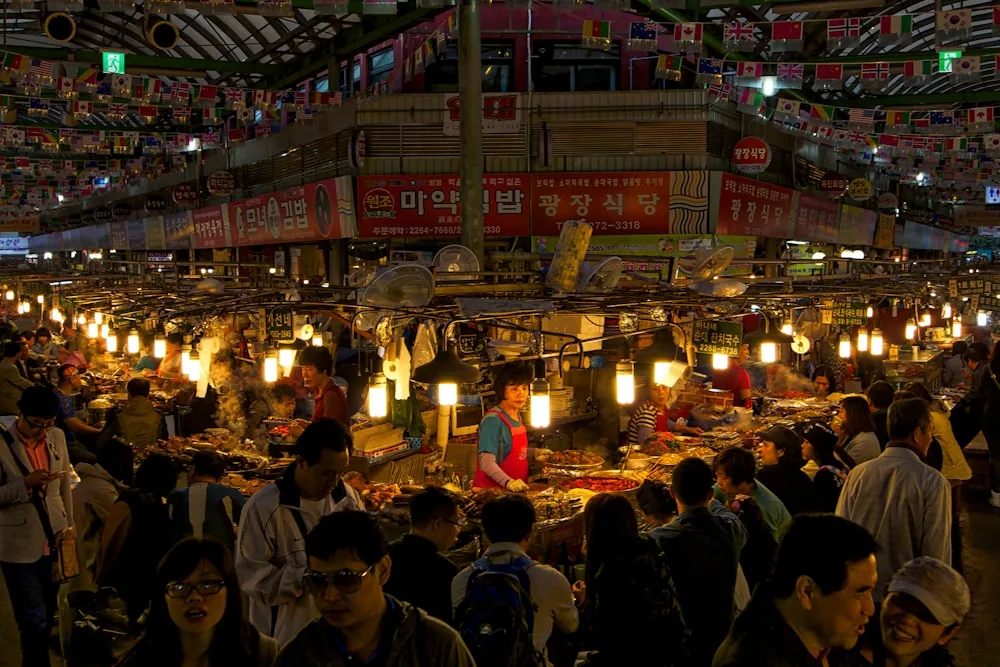
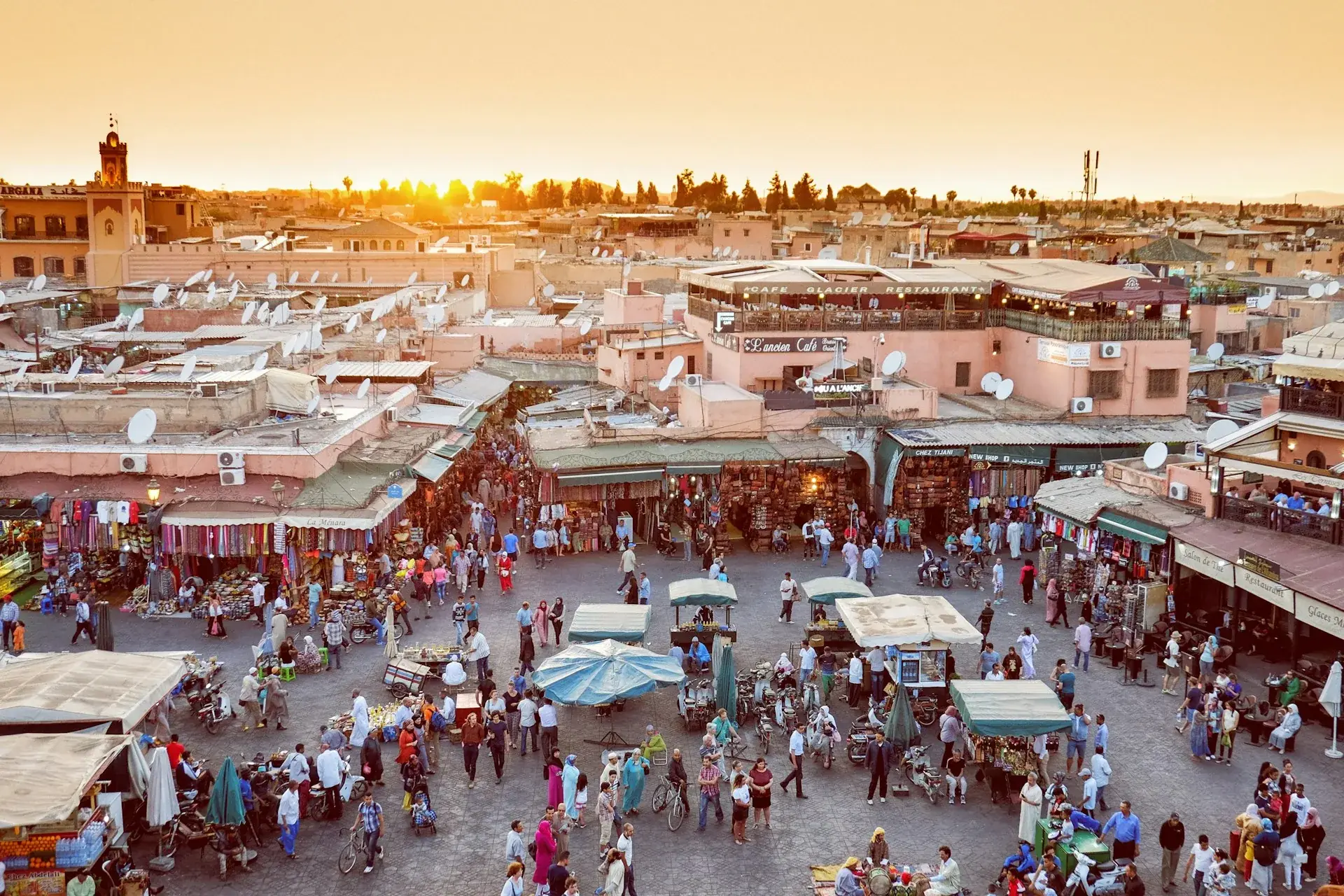
When the grill cools, the night is just getting going. Seoul's markets come alive after dark, and there is no better way to graze than to wander one with an empty stomach and a handful of cash. At old-school Gwangjang Market the stalls steam with mung-bean pancakes, knife-cut noodles and the famous gimbap, while neon-lit Myeongdong is wall to wall street food: chewy tteokbokki in fiery red sauce, fat mandu dumplings, skewers of fishcake, and hotteok, the griddled brown-sugar pancake that fogs the cold air with sweetness. You eat standing up, elbow to elbow, pointing at whatever smells best.
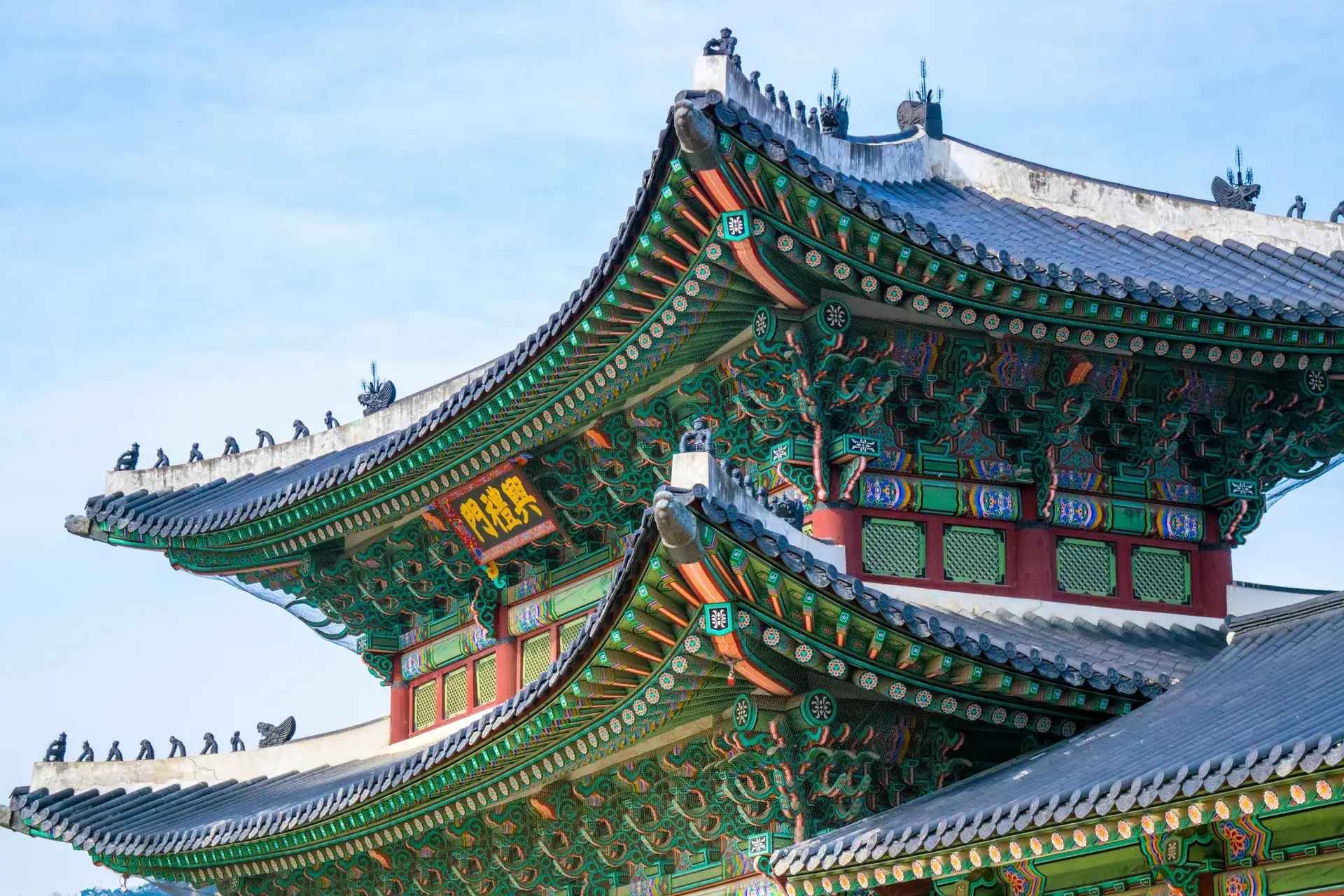
Threaded through it all is soju, the clear, gentle spirit that lubricates Korean nights, poured into little glasses and shared around the table or under a pojangmacha tent, the orange-canopied street stalls where friends linger over snacks and bottles into the small hours. It is social, generous and gloriously unpretentious, the side of Korea that no palace can show you. We build an evening like this into a Seoul itinerary, with a guide who knows which stall to queue for and how to read a barbecue menu, so the city's food culture opens up rather than passing you by.