

Gyeonggi Province (north of Seoul)
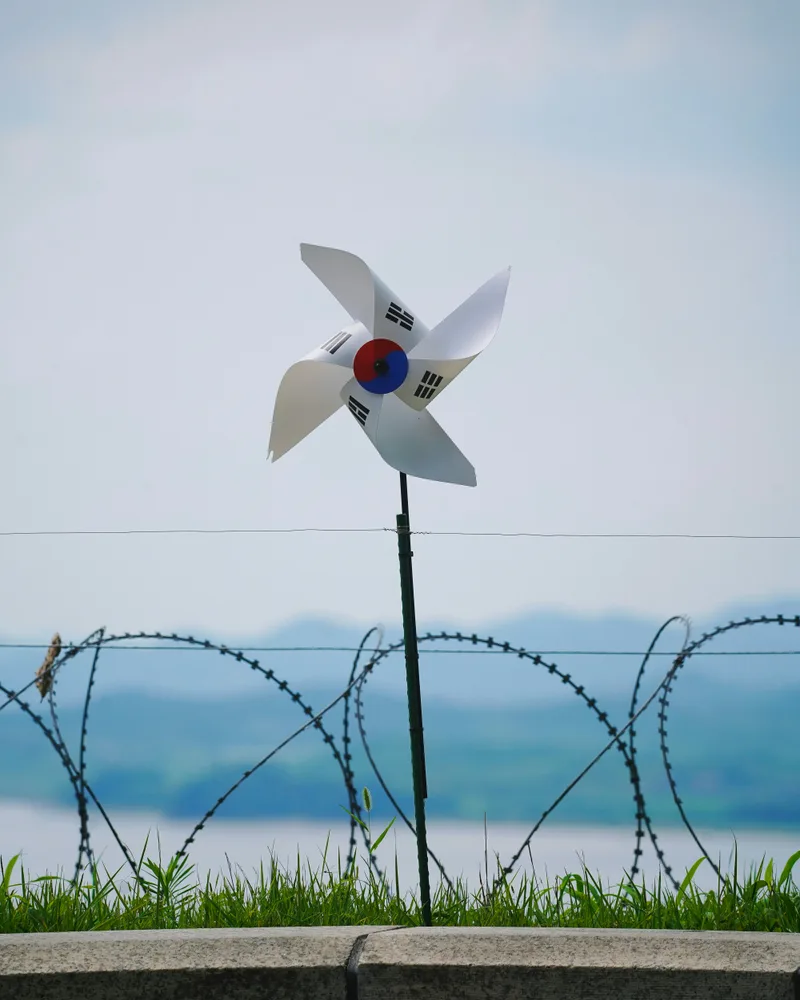
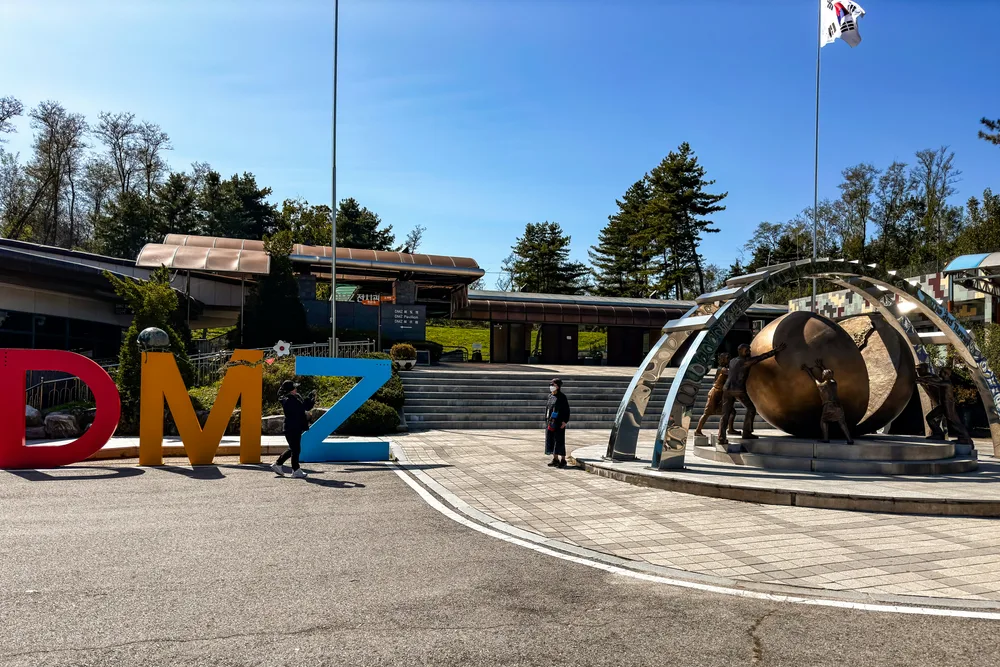
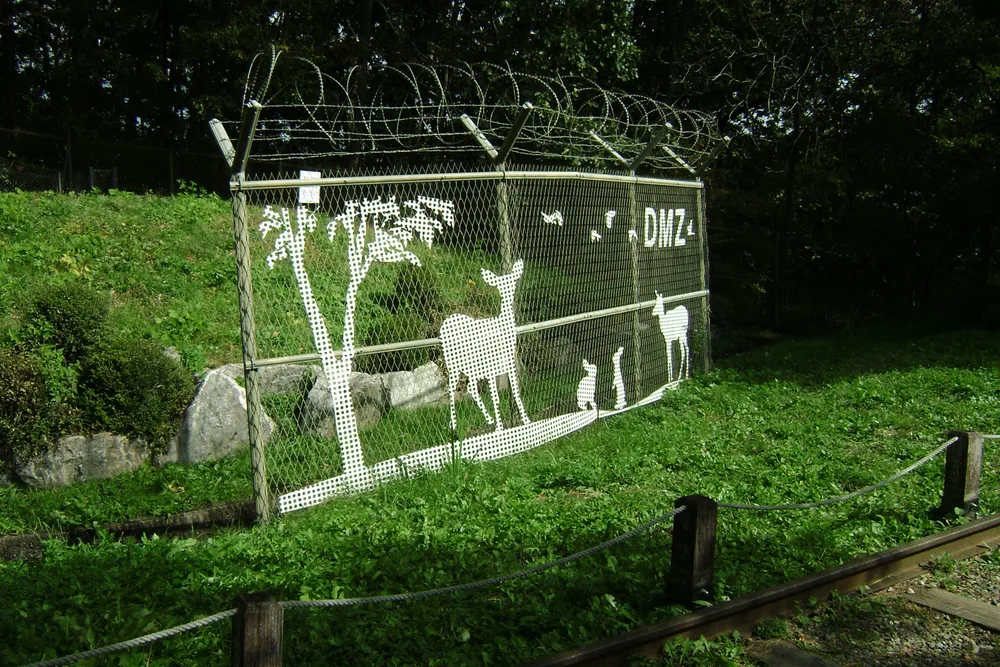
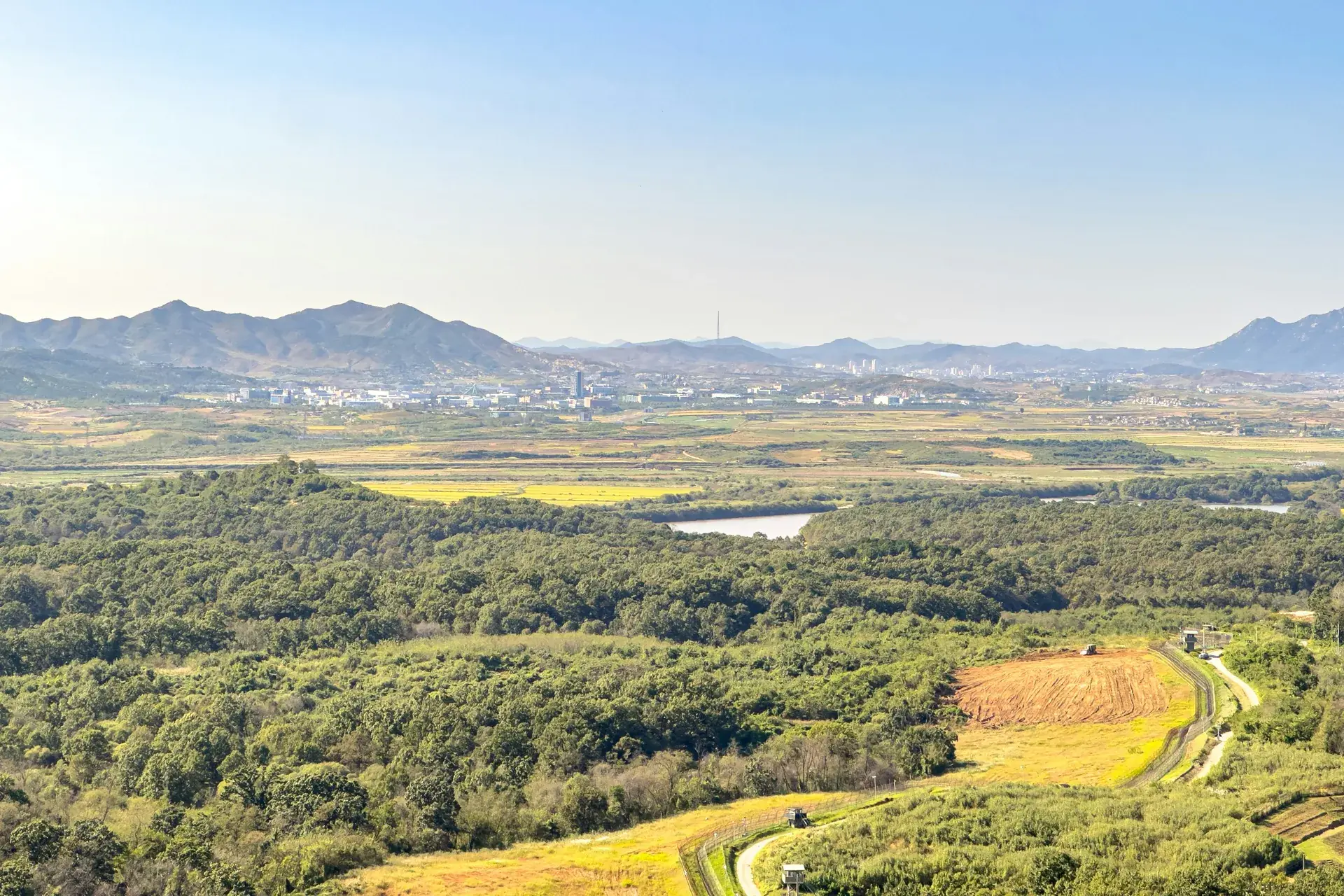
Just an hour north of Seoul, the city's energy falls away and the road runs into the quiet, watchful country of the Demilitarized Zone. The DMZ is a strip of land roughly two and a half miles wide that runs clear across the peninsula, the buffer that has separated North and South Korea since the armistice halted the Korean War in 1953. The fighting stopped, but no peace treaty was ever signed, and so this remains one of the most heavily fortified borders on earth: a place of watchtowers and wire where, paradoxically, the absence of people for seventy years has let the wild return, and cranes and deer now move through land no one else can enter.
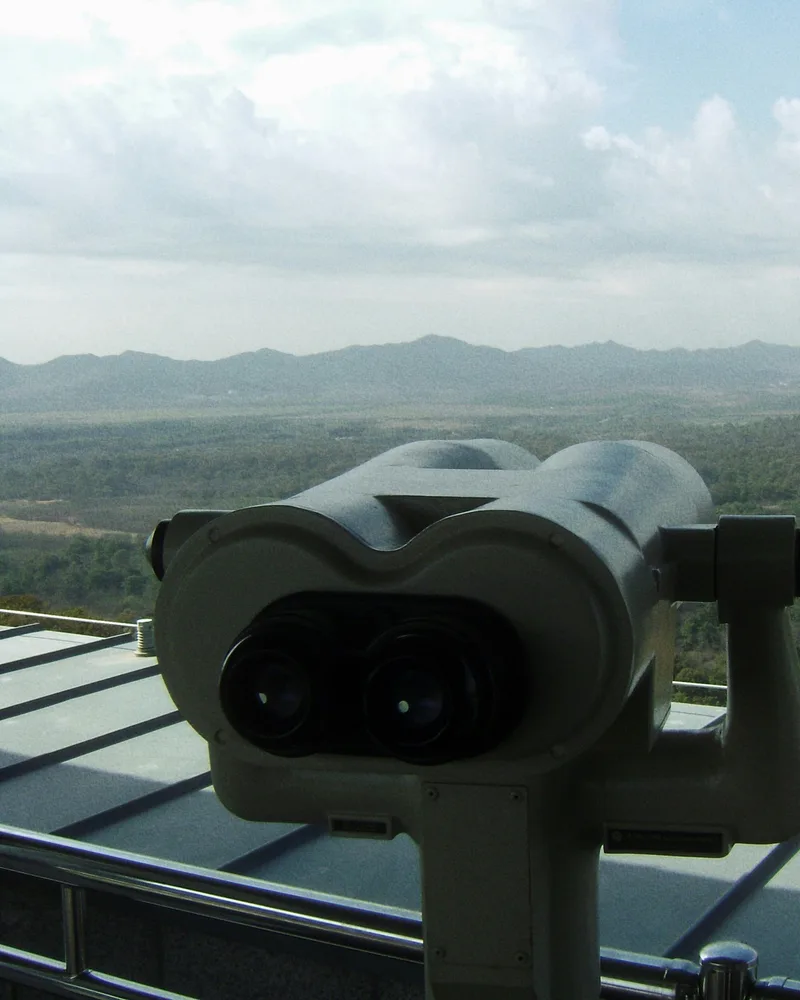
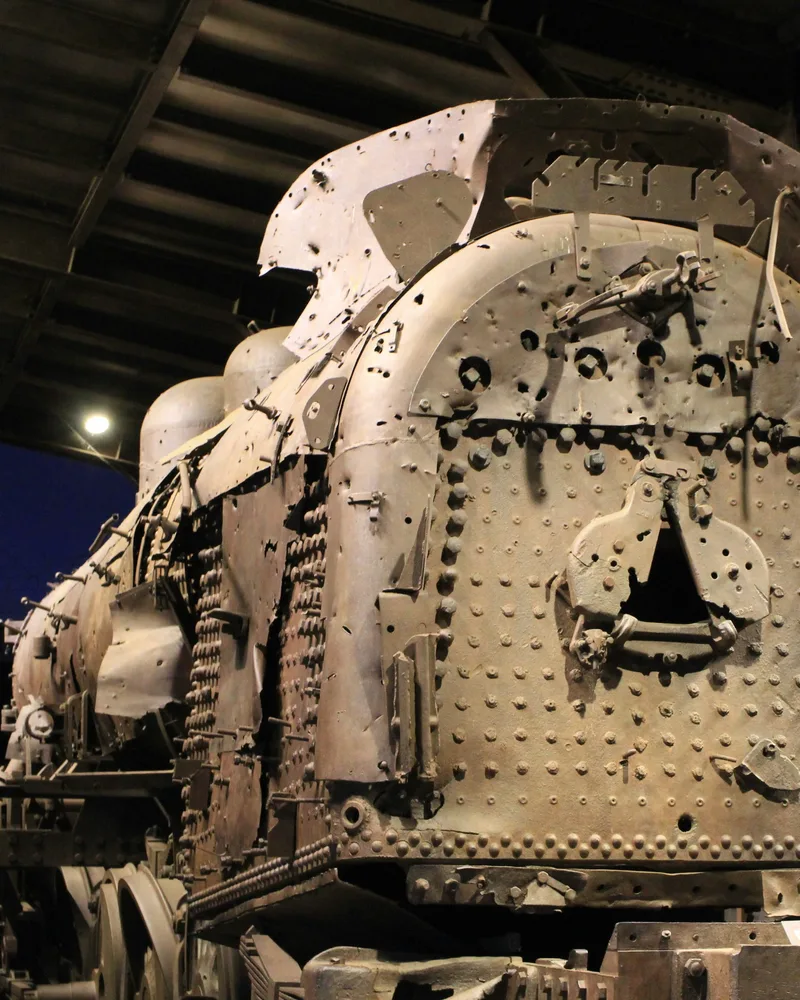
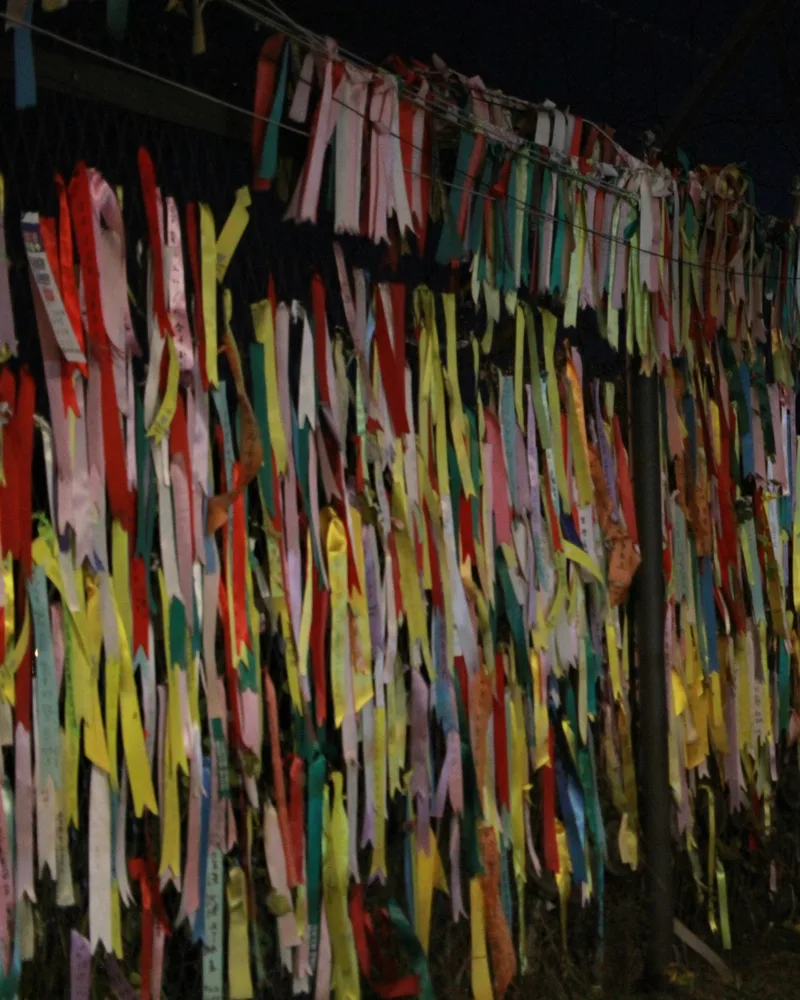
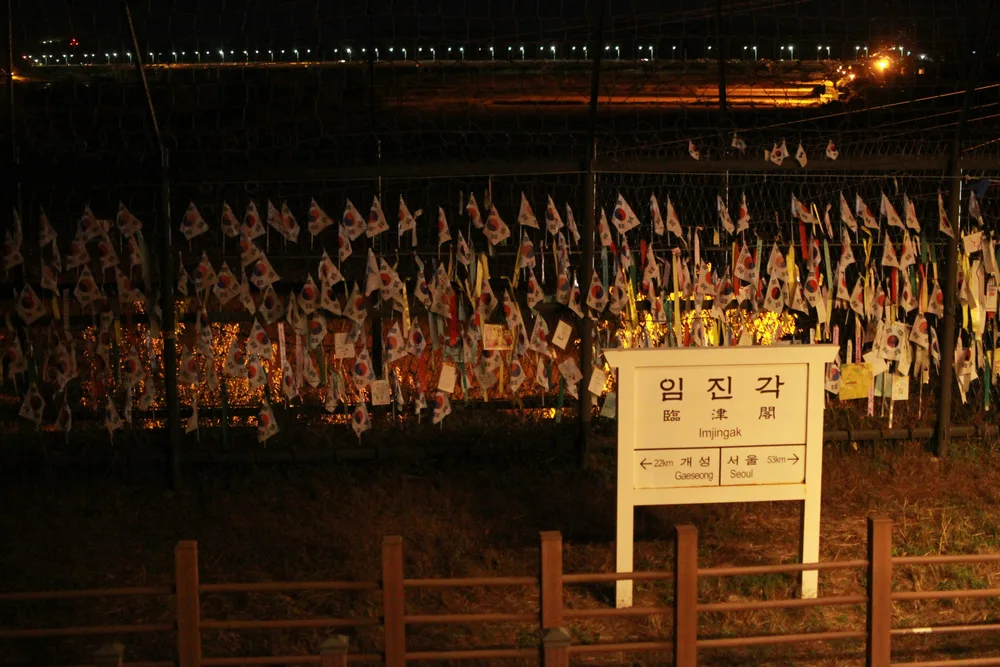
A visit is both sobering and quietly fascinating. From the Dora Observatory you look out across the buffer into North Korea itself, with the propaganda village and the distant city of Kaesong shimmering on the horizon through fixed binoculars. Below ground, you can walk into the Third Infiltration Tunnel, one of several dug by the North under the border and discovered by the South in the 1970s, a low, damp passage bored through solid granite. Nearby at Imjingak, the rusted hulk of a war-damaged locomotive and a fence tied with thousands of colorful ribbons speak to the families still separated by the line, each ribbon a wish for reunification.
We arrange the DMZ as a guided half or full day from Seoul, the only way it can be visited, with a knowledgeable guide to carry the history and a route timed to take in the observatory, the tunnel and the peace park at Imjingak without feeling rushed. It is a serious place rather than a sightseeing checklist, and we plan it that way: a thoughtful morning or day that puts the rest of your South Korea trip in a deeper context, and a chance to stand at the edge of a story that is still being written.