Jeju's Seongsan Sunrise Peak, South Korea

Jeju's Seongsan Sunrise Peak.

Jeju Island

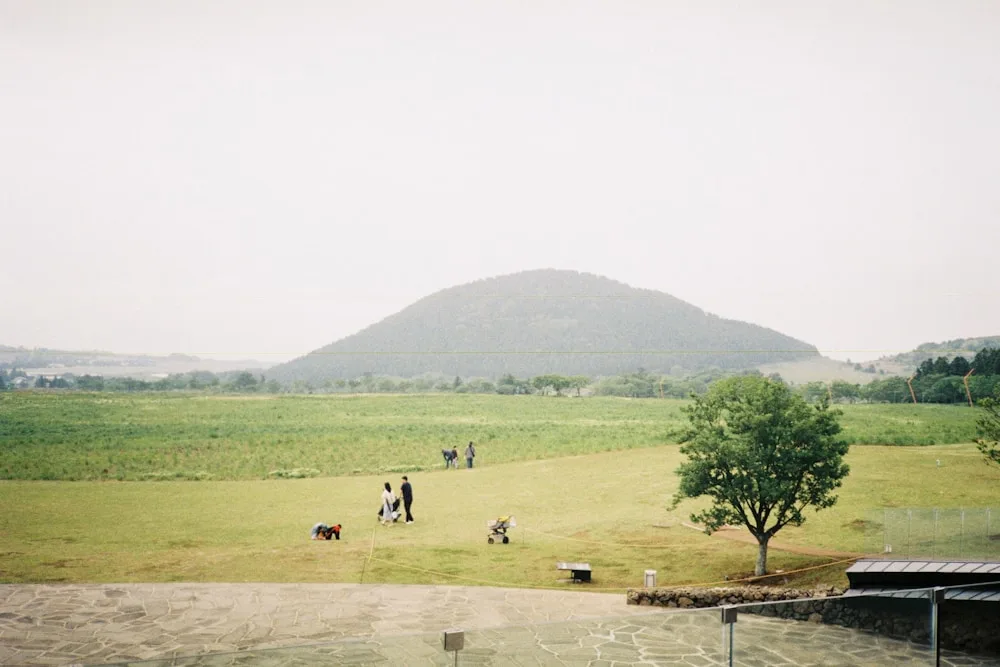
Off the southern tip of the Korean peninsula lies Jeju, a green volcanic island that has long been the country's favorite holiday escape. Shaped entirely by old eruptions, it is a place of black lava-rock walls, tangerine groves, soft sandy beaches and the gentle bulk of Hallasan, a dormant volcano and the highest mountain in South Korea, rising at its center. Warm, slow and a world away from the bustle of Seoul, Jeju is where Koreans come to breathe out, and it makes a wonderful few days at the end of a trip.

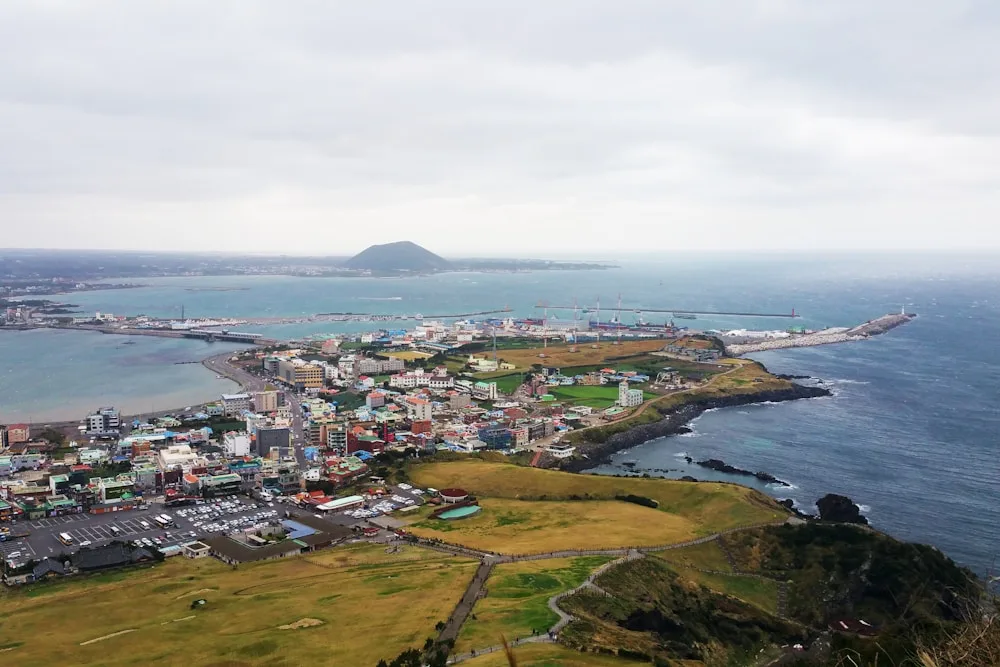
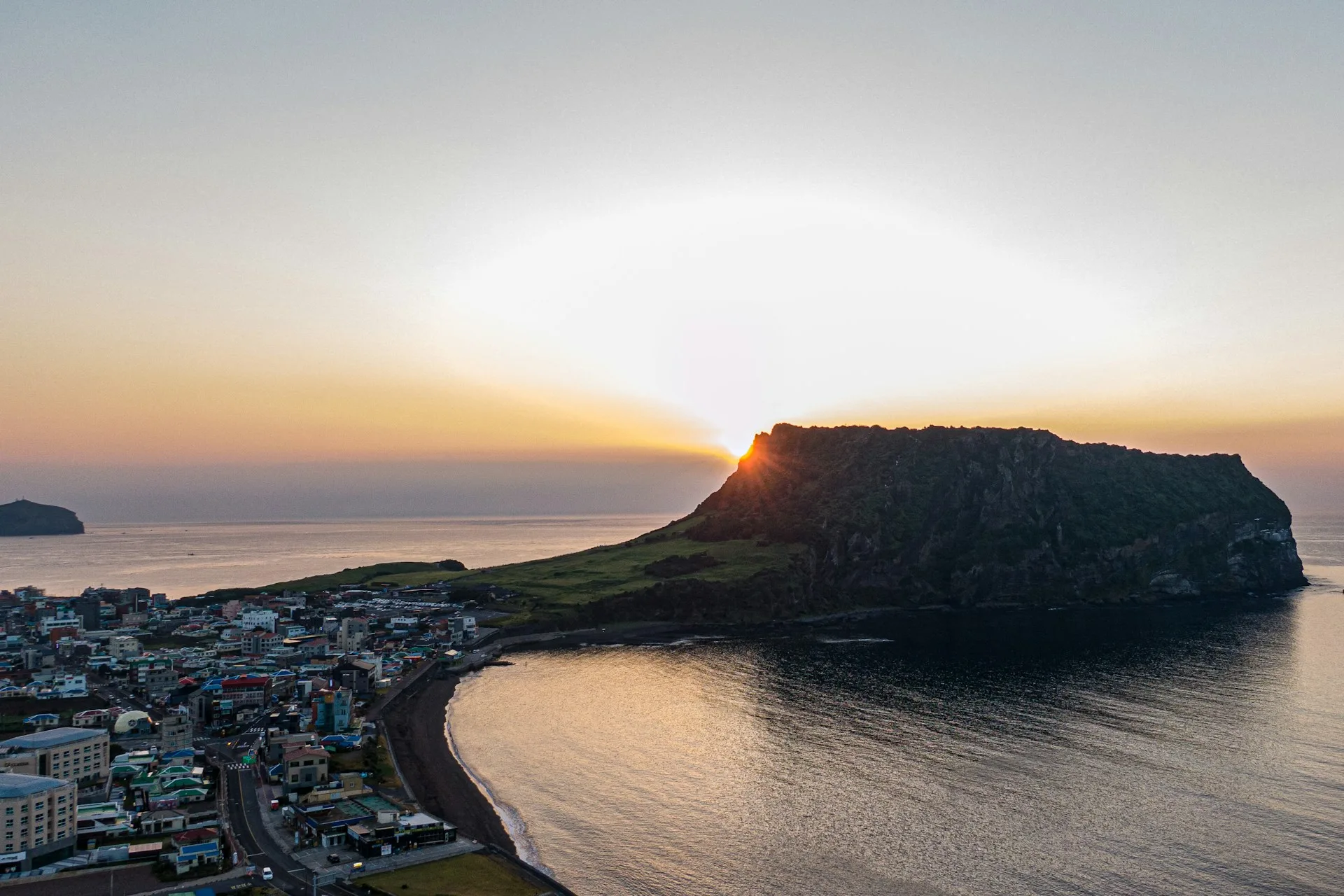
The island's most striking landmark stands on its eastern shore: Seongsan Ilchulbong, the Sunrise Peak. It is a vast tuff cone, a crater thrown up some five thousand years ago when lava met the sea, and it rises almost straight from the water in a great bowl of green-clad rock with a wide grassy crater at its summit. A UNESCO World Heritage site, it is one of the loveliest natural sights in Korea, and its name says exactly what to do with it: climb it for the sunrise.

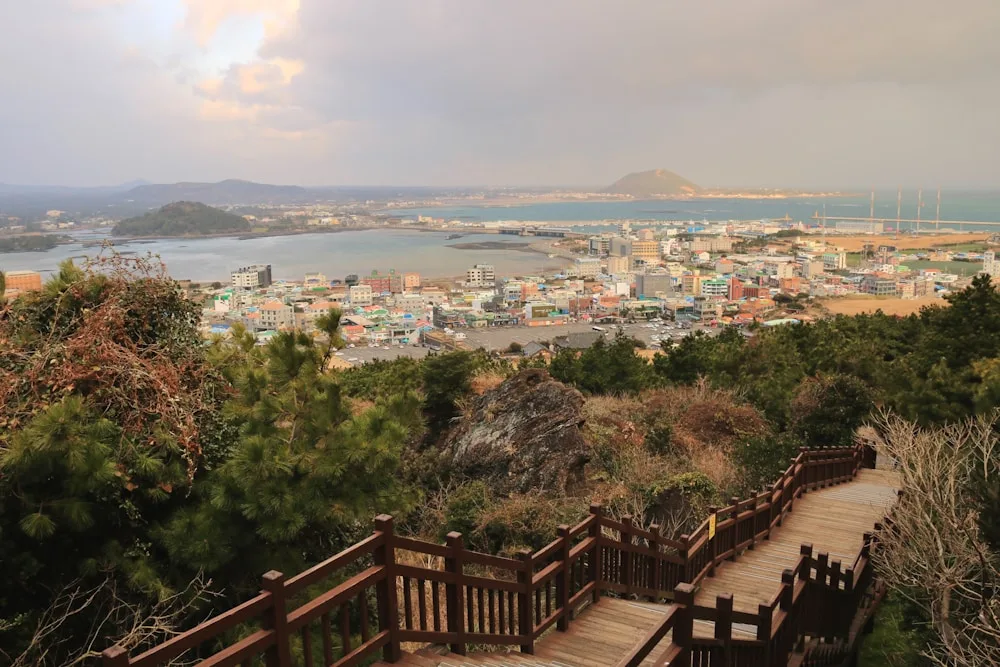
The walk up is short and steep, a well-built path of steps that brings you to the rim in twenty minutes or so, and from the top the island unrolls beneath you, the crater at your feet and the sea stretching away on every side. Beyond Seongsan, Jeju rewards a few unhurried days: waterfalls tumbling to the coast, the dark tunnels of the Manjanggul lava tube, the trails of Hallasan, and the haenyeo, the island's famous women free-divers who still gather seafood by hand from the cold water. We fold it all into an easy, scenic finale to a South Korea journey.
Where
Eastern Jeju Island
Getting there
A short flight from Seoul or Busan
Good for
Nature & sunrise
Pair it with
Hallasan & the Jeju coast

Where it is

On the map.

Seongsan Ilchulbong stands on the eastern shore of Jeju Island, a UNESCO World Heritage site reached by a short flight from the mainland and an easy drive around the coast.

Scroll or pinch to zoom

What you'll see

On the route.

Seongsan Ilchulbong rising from the sea, South Korea

Stop 01

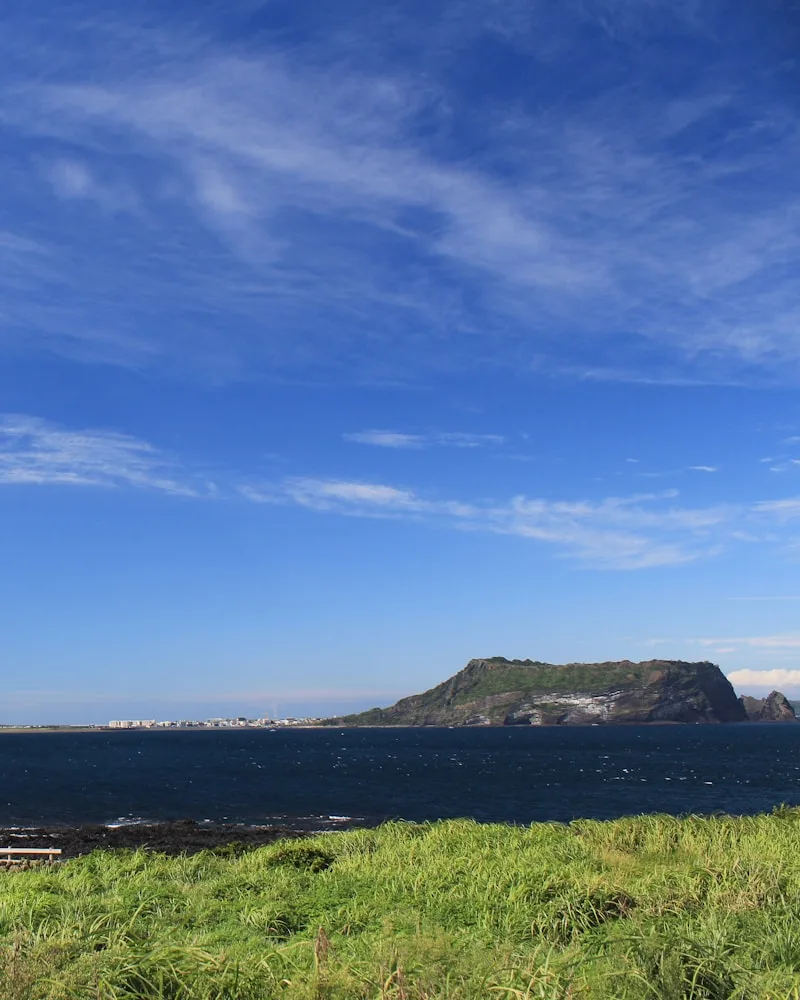
Seongsan Ilchulbong rising from the sea

The great tuff cone climbs almost straight from the water on Jeju's eastern shore, a green-clad crater that gives the Sunrise Peak its unmistakable silhouette.

Sunrise from the crater rim, South Korea

Stop 02

Sunrise from the crater rim

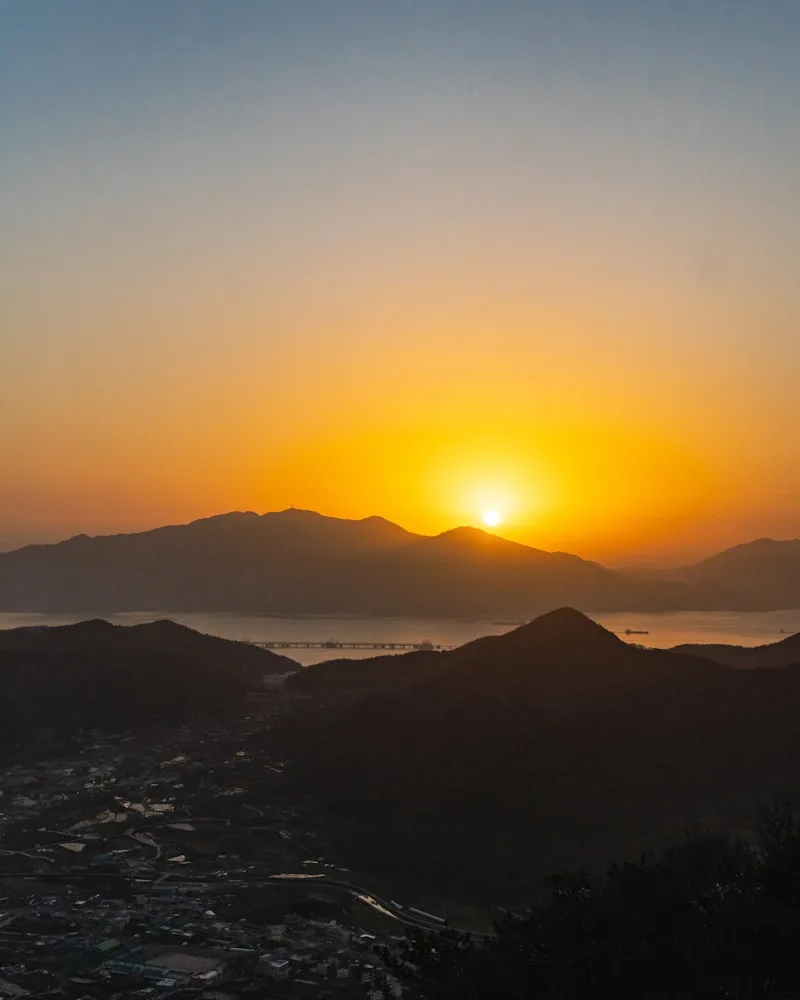
The reward for the early climb: the sun lifting over the sea and the island's hills, the moment the peak is named for and well worth setting an alarm.

The green volcanic coast, South Korea

Stop 03

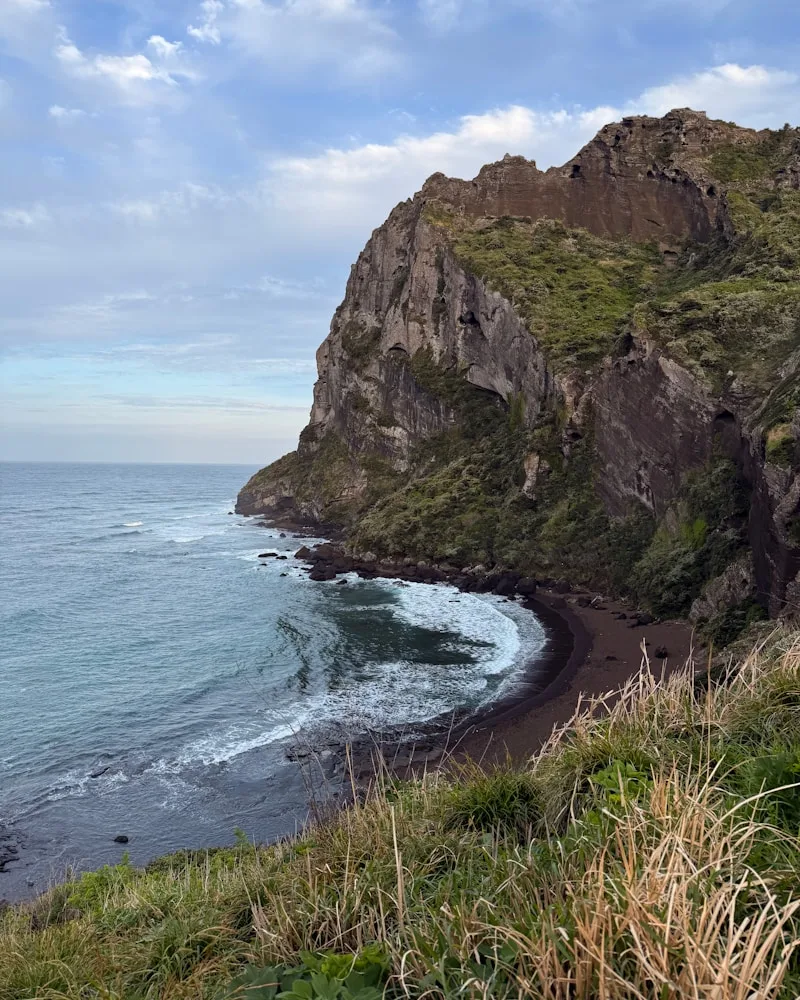
The green volcanic coast

Around the peak, Jeju's shoreline is all dark volcanic rock and grassy cliffs falling to the surf, the island's eruptive past written into every headland.

A Jeju waterfall, South Korea

Stop 04

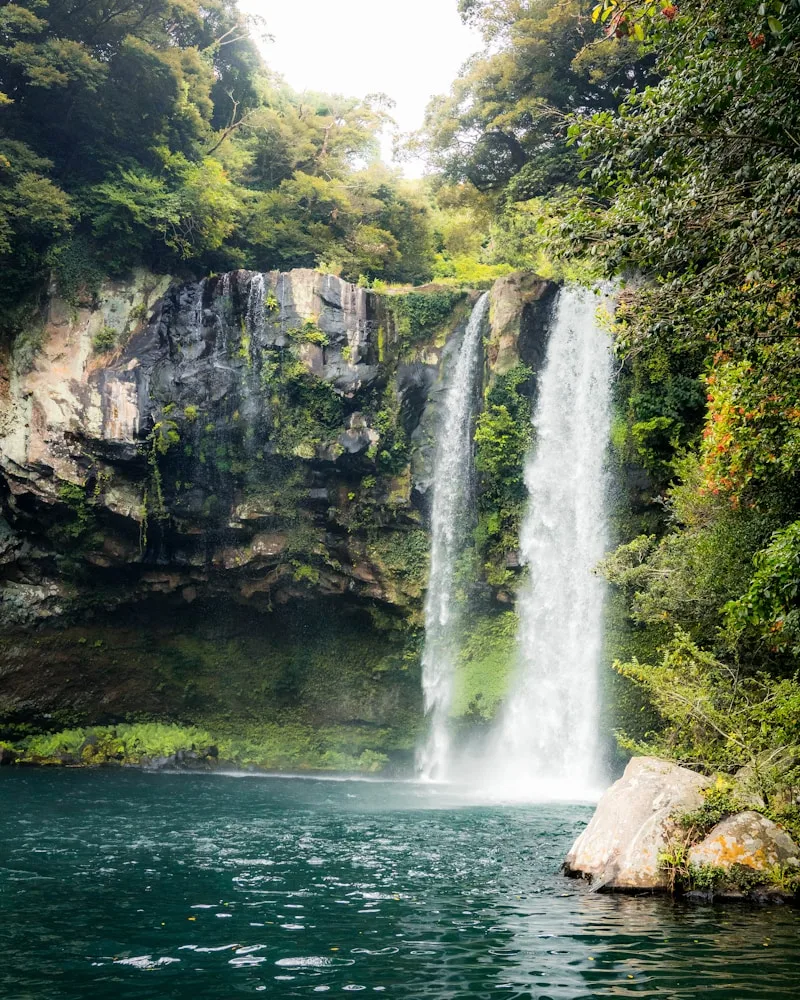
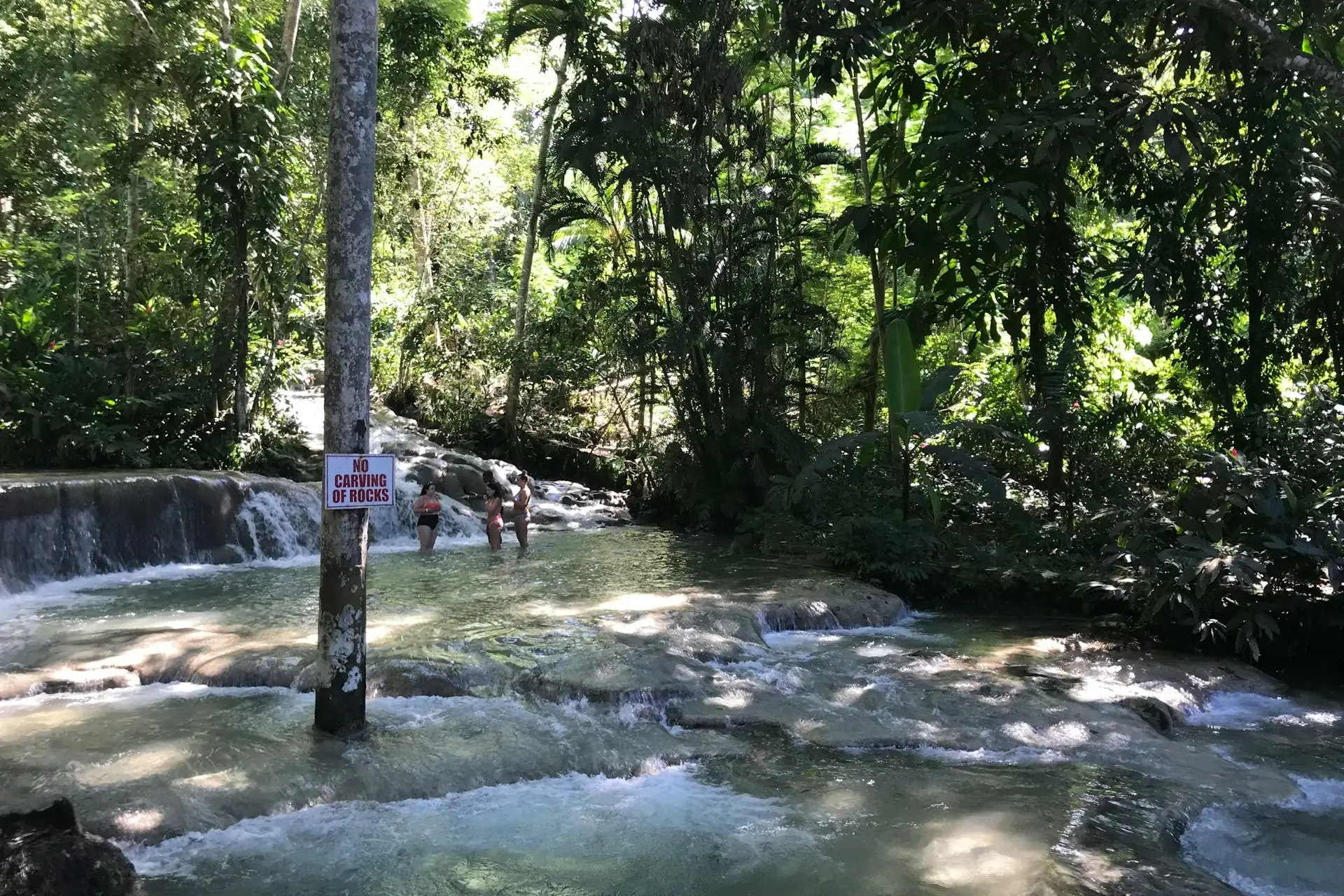
A Jeju waterfall

Inland and along the south coast, streams tumble over volcanic ledges into clear green pools, among the prettiest and most peaceful corners of the island.

Know before you go

The practical details.

The climb and the sunrise

Good to know

The climb and the sunrise

The path to the rim is short but steep, a stepped trail that takes around twenty to thirty minutes each way. As the name suggests, the magic is at dawn, so check the day's sunrise time and arrive in the dark to watch the light come up over the sea.

Getting around Jeju

Good to know

Getting around Jeju

Fly in to Jeju City, then plan to rent a car, as the island's sights are spread around its edges and public transport is slow. A loop of two or three days lets you take in Seongsan, the coast and the interior without rushing.

More of the island

Good to know

More of the island

Leave time beyond the peak for Hallasan's trails, the Manjanggul lava tube, the south-coast waterfalls and a glimpse of the haenyeo diving culture. Jeju is best enjoyed slowly, as a restful close to a South Korea trip.

Let's begin

Bring Jeju's Seongsan Sunrise Peak
to life.

Our advisors design South Korea journeys by hand. Tell us your dates and we'll do the rest.

Plan Your Trip