
Gyeongju (North Gyeongsang)
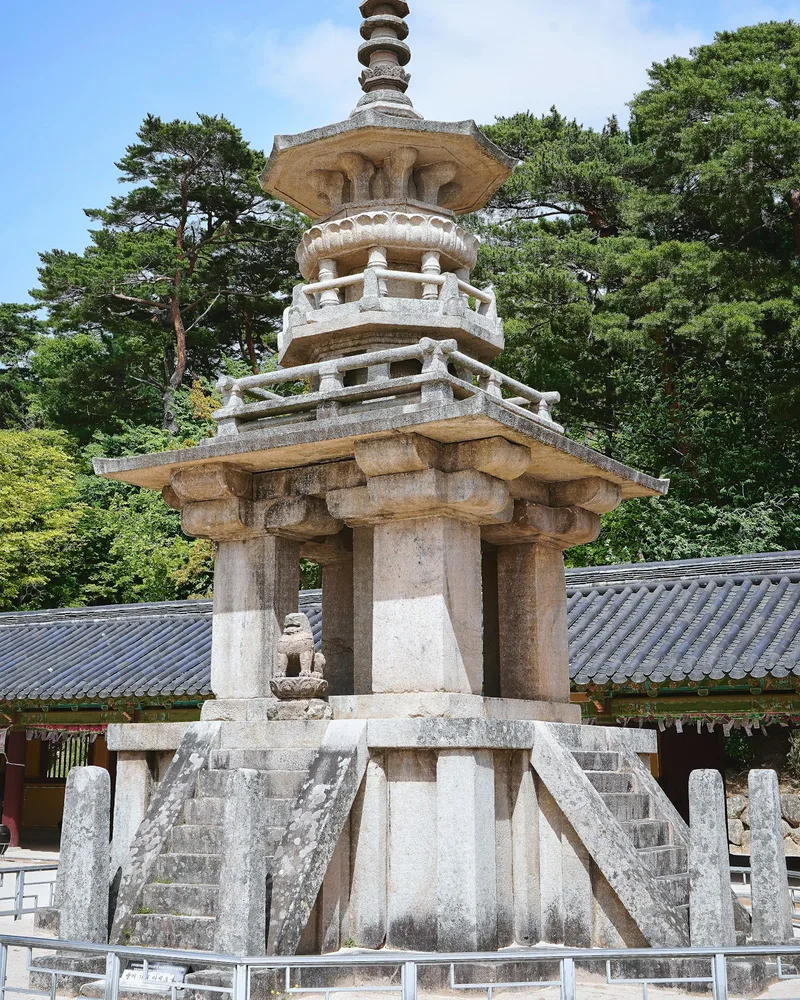
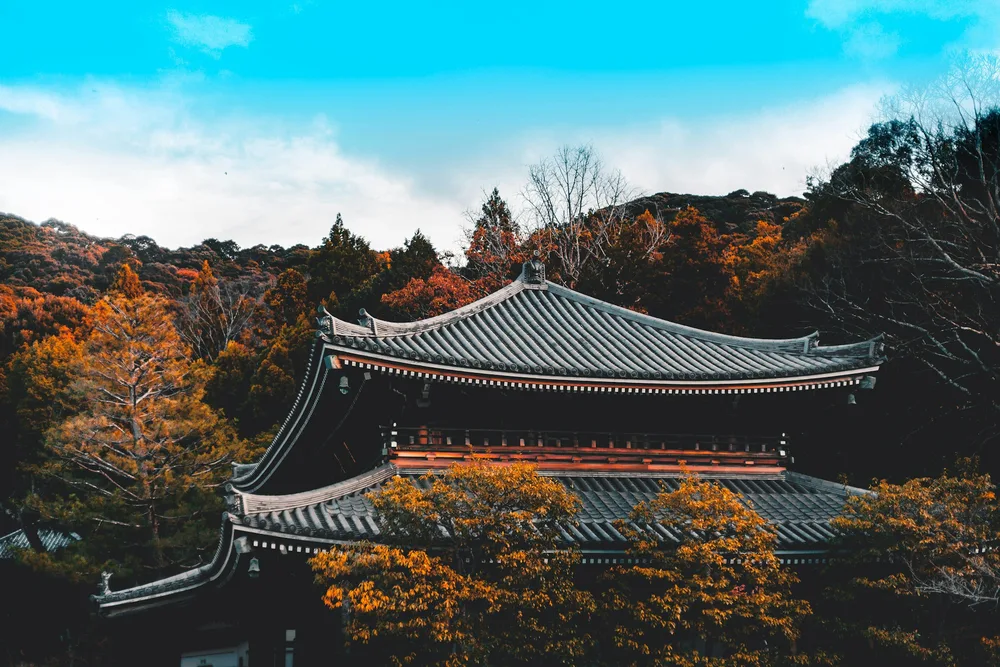
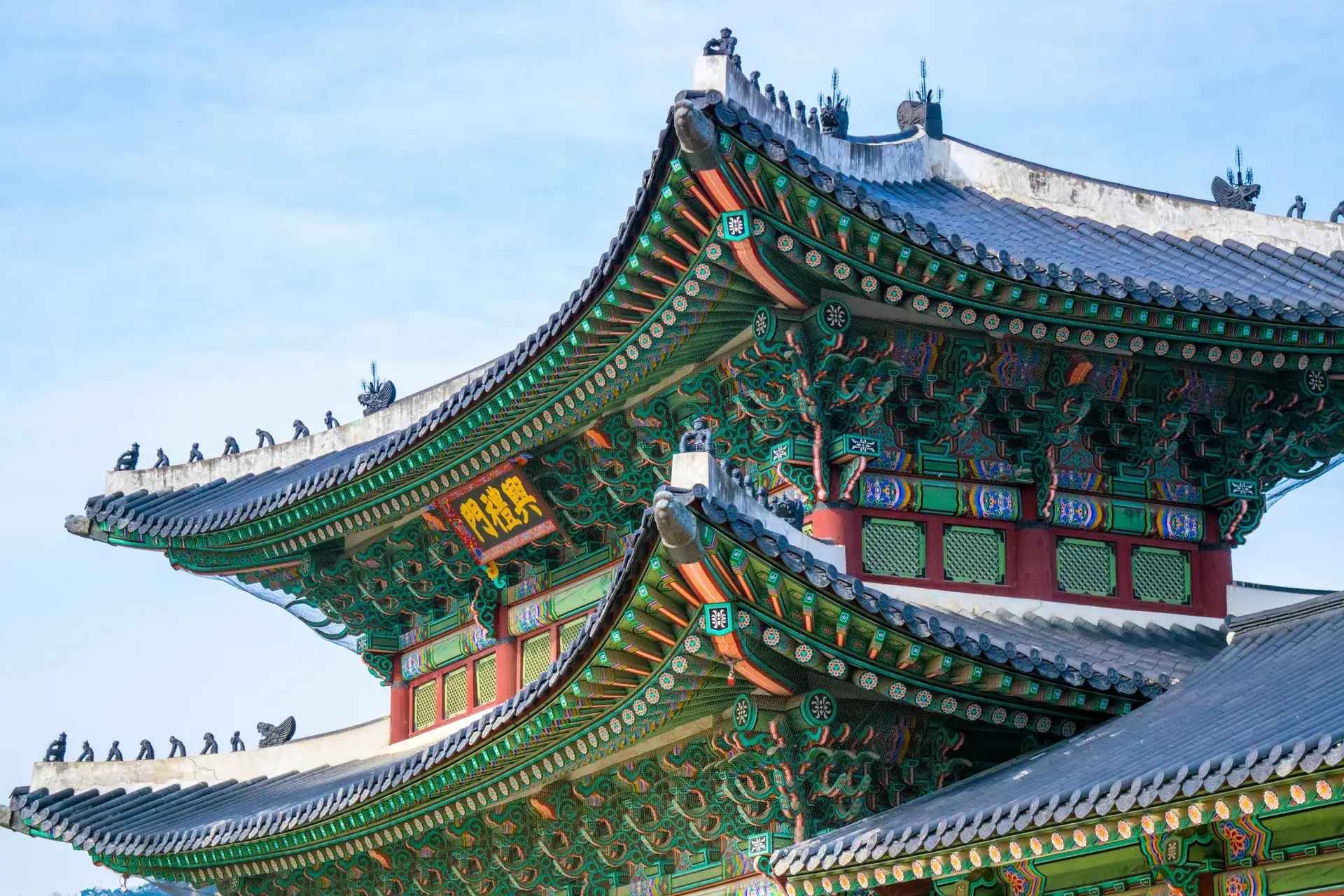
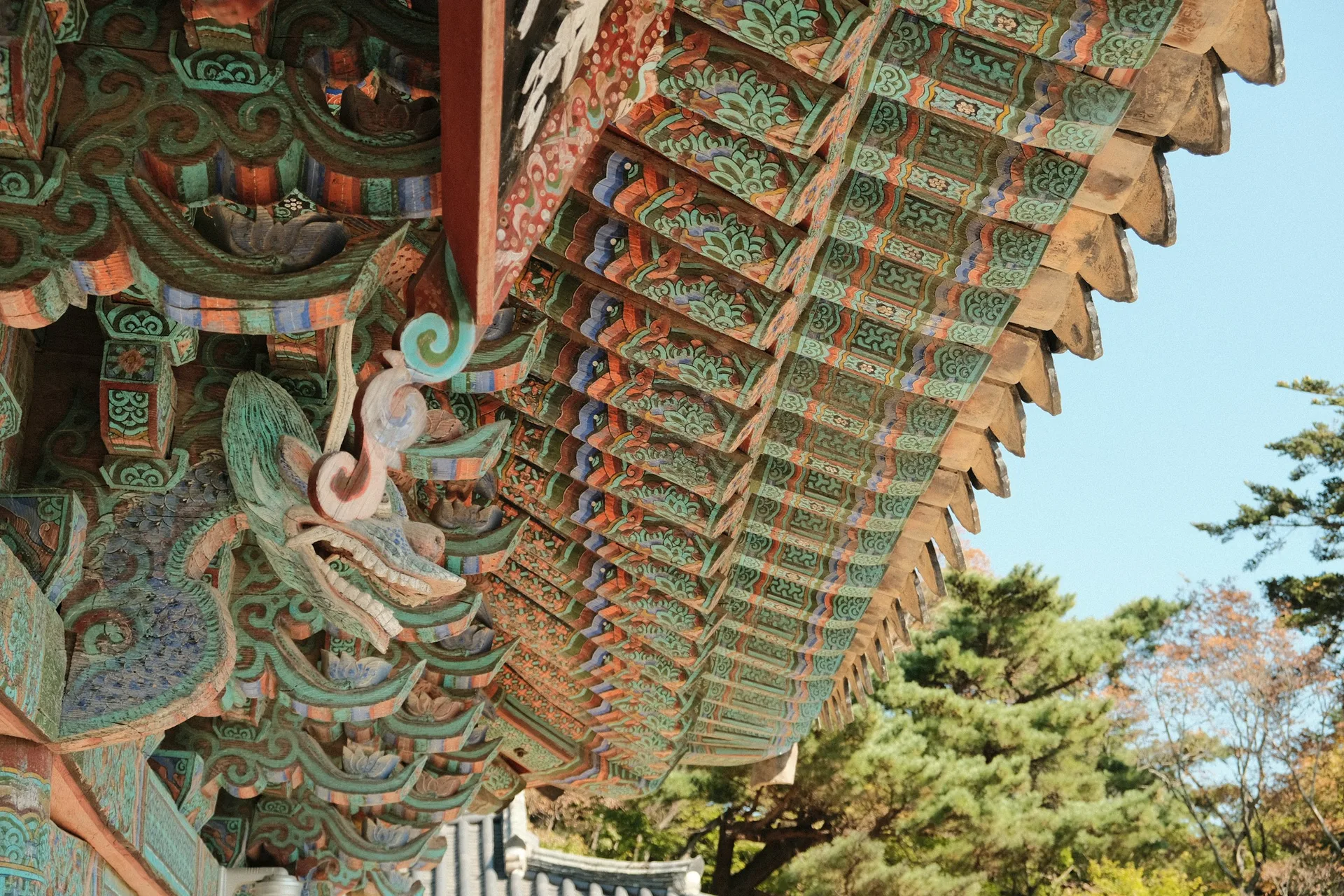
In the wooded hills above Gyeongju, the old capital of the Silla kingdom, stands Bulguksa, one of the most beautiful and revered temples in all of Korea. First raised in the sixth century and rebuilt in its present glory around the year 751, it is a masterwork of Silla-era stonework and painted timber, its terraces climbing the hillside past graceful bridges and twin stone pagodas that have stood for some thirteen hundred years. A UNESCO World Heritage site and still a living place of worship, Bulguksa is the kind of monument that rewards slowing down rather than rushing through.
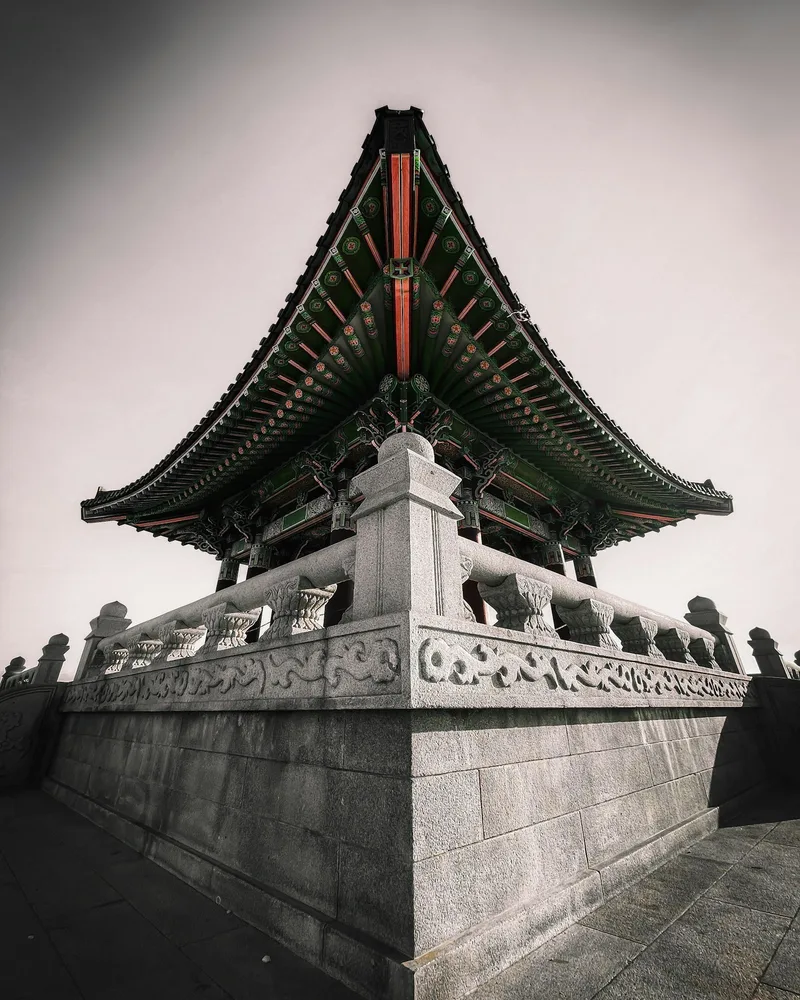
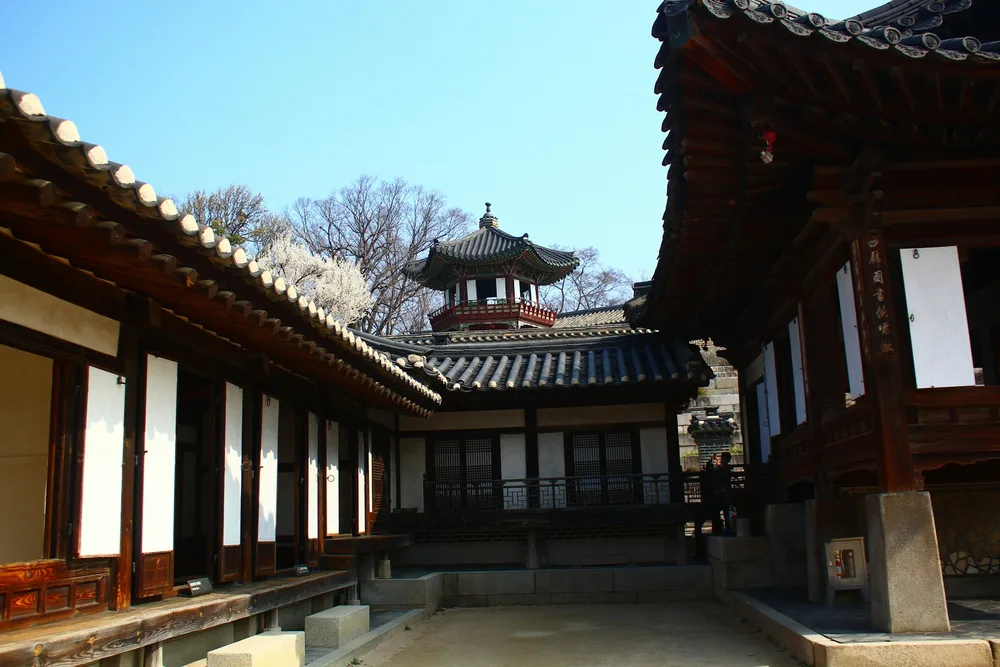
The loveliest way to know it is to stay the night. Many Korean temples open their gates to visitors through the templestay program, and to take part is to step briefly into the rhythm of monastic life. You sleep in simple shared quarters inside a working temple, rise in the dark for the dawn service as the great bell sounds across the courtyards, and pass the day in quiet meditation, a tea ceremony with a monk and the unhurried care of small chores. It is restful and grounding in a way a day visit can never quite be.
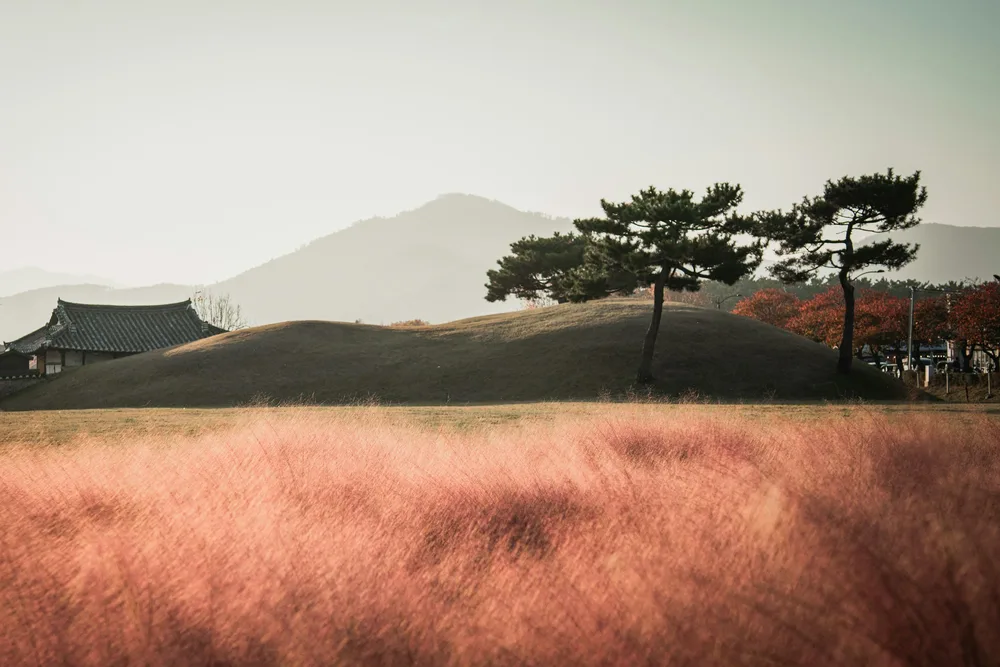
Between the sessions there is time to breathe. Meals are the famous temple food of Korea, an elegant vegetarian cuisine of mountain vegetables, rice and fermented sides prepared without garlic or onion and eaten in mindful silence. Beyond the gates, the historic city of Gyeongju spreads out like an open-air museum, its grassy royal tombs, ancient observatory and the serene Seokguram grotto all within easy reach. We weave a Bulguksa templestay into a South Korea journey as a soulful, slow counterpoint to the energy of Seoul.