








Bali

Destinations · Asia

Bali.

Rice terraces, clifftop temples & slow mornings of flower offerings.

Scroll

The country

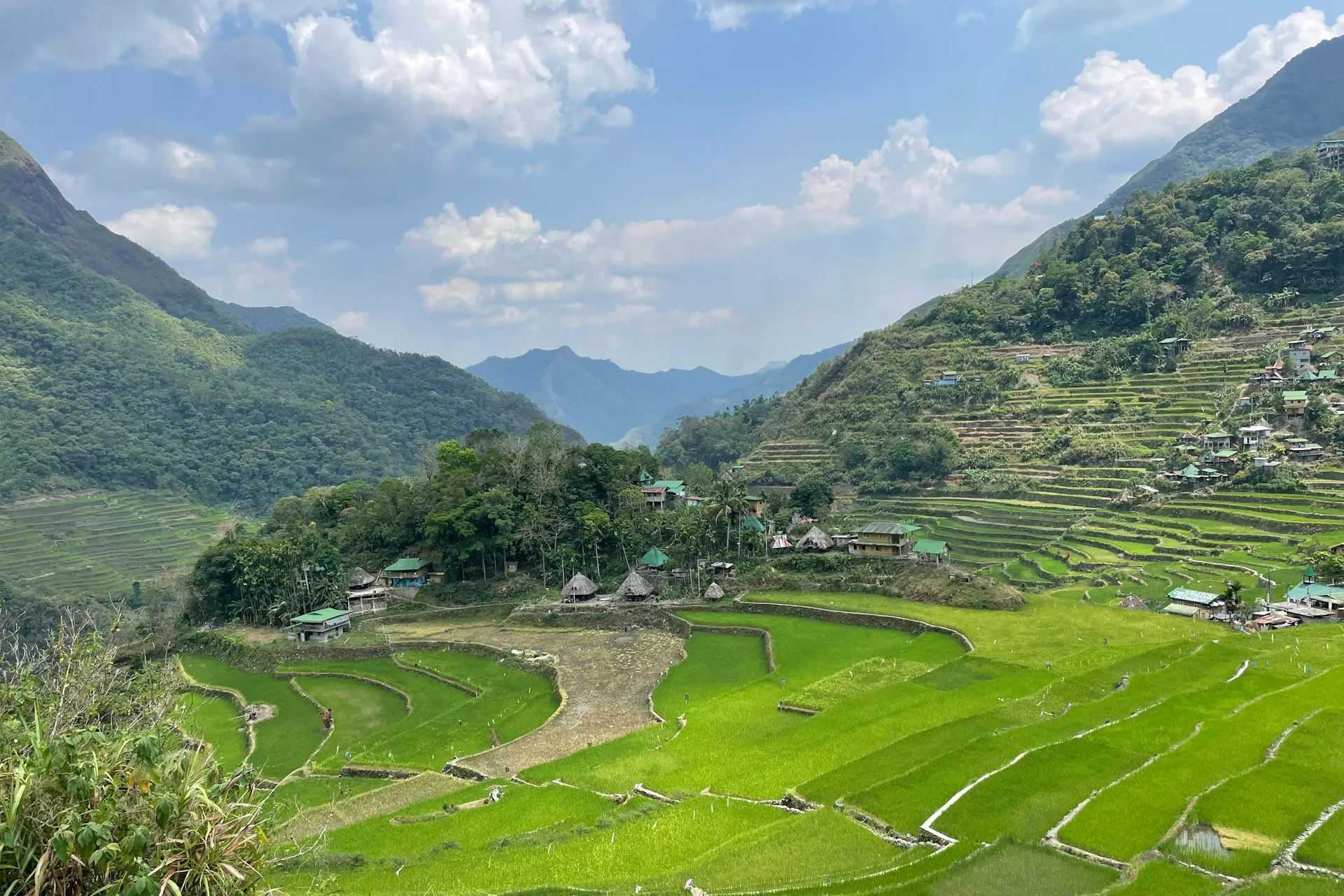
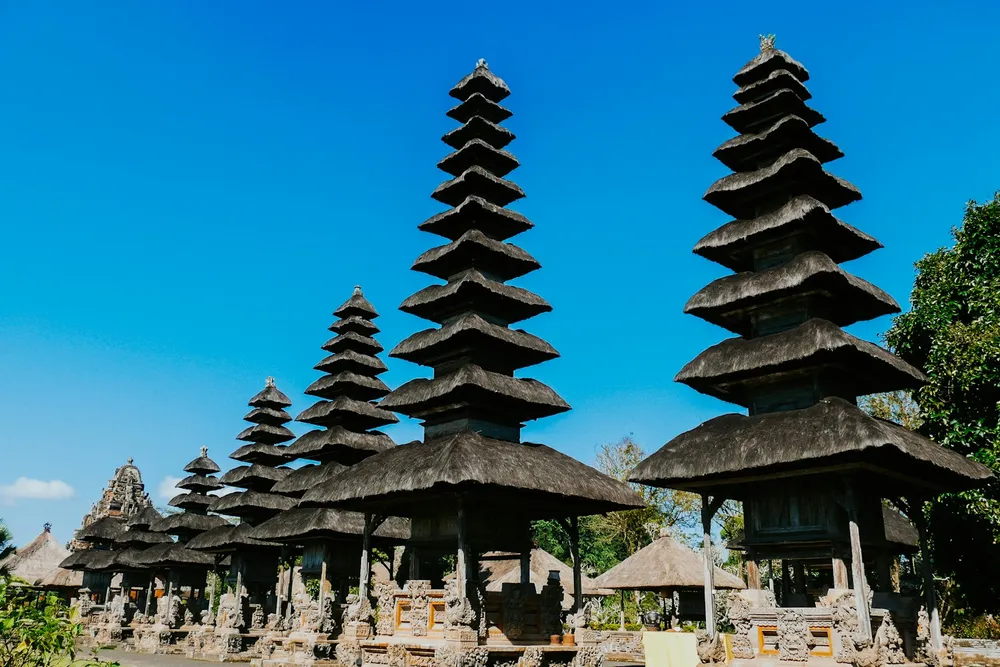
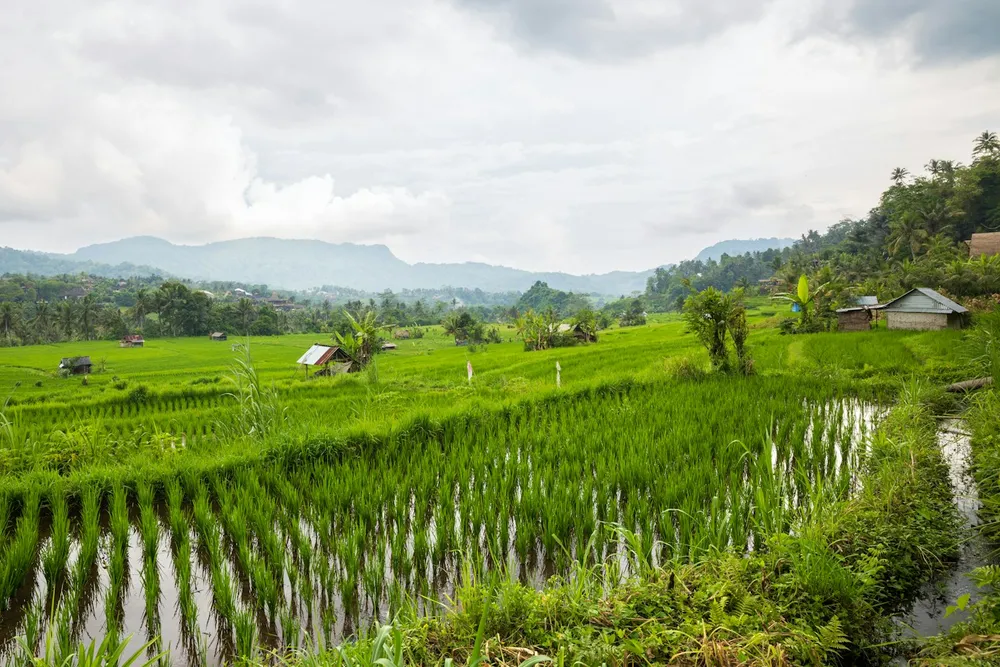
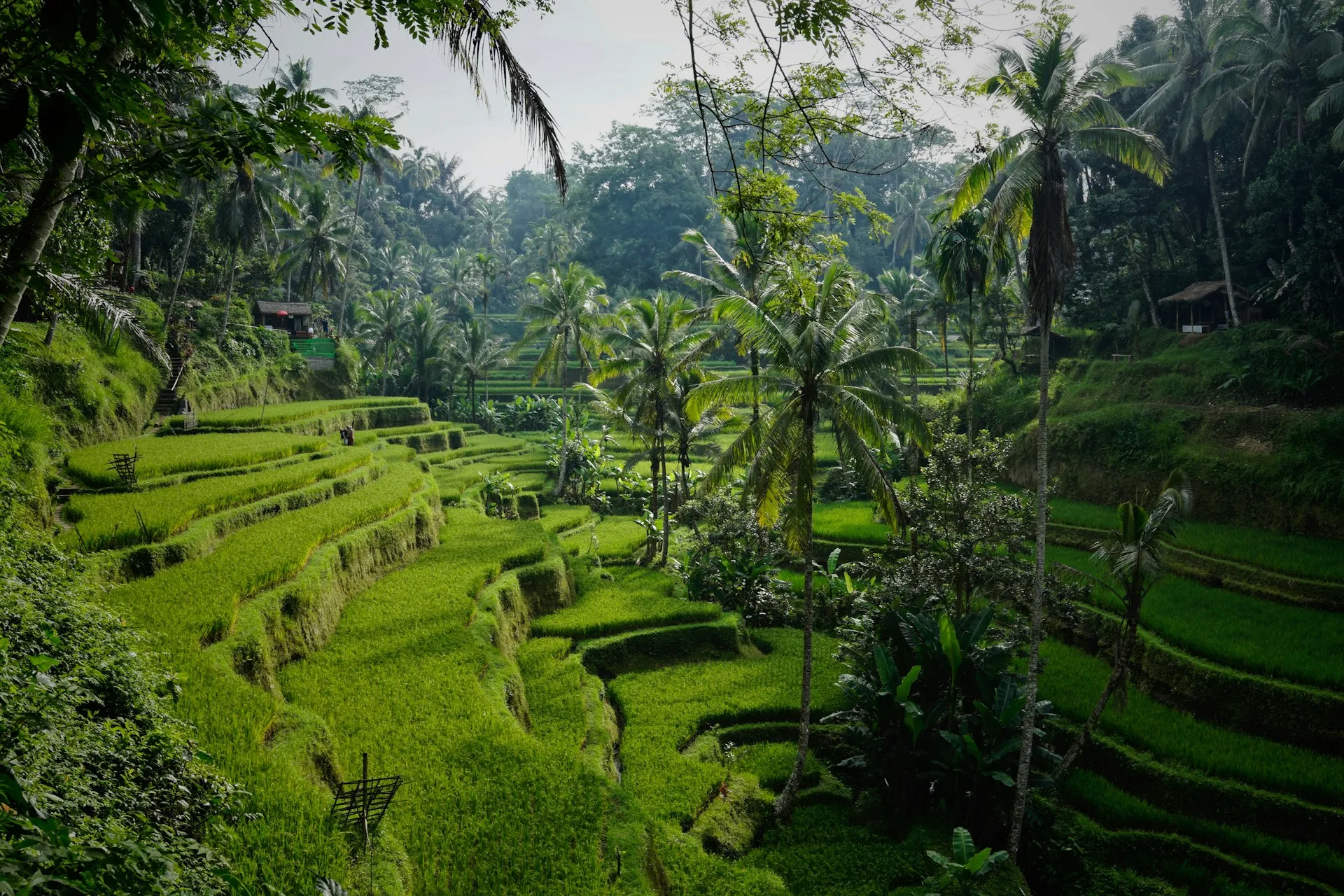
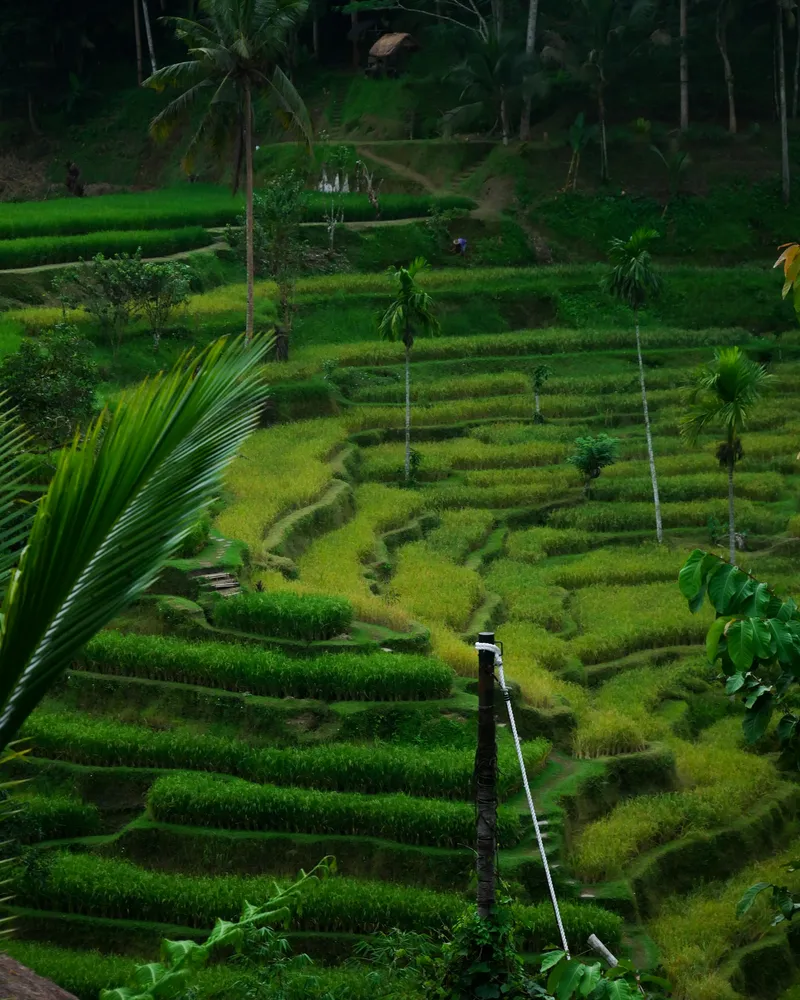
Bali is a small island with an outsized hold on the imagination, and the surprise for most first-time visitors is how much of the dream turns out to be true. Terraced rice paddies climb the hills in staircases of green, temples sit on sea cliffs and in the spray of waterfalls, and almost every morning begins with a small woven offering of flowers and rice set down on the doorstep. It is the one Hindu-majority island in Indonesia, and that faith shapes its days: processions close the road for a temple ceremony, the gamelan carries across the paddies at dusk, and the year turns on festivals rather than months.

It is also an island of very different moods packed close together. The south is beach clubs, surf breaks and the sunset cliffs of the Bukit; an hour inland, Ubud is a town of yoga decks, artists' studios and jungle ravines; the volcanic highlands around Mount Batur are cool and misty at dawn; and out to the east, the valleys of Sidemen and the limestone cliffs of Nusa Penida feel like a Bali from decades ago. The table runs from a smoky banana-leaf parcel at a roadside warung to a tasting menu with the paddies for a backdrop.

We design Bali itineraries that give each of those moods its own few days rather than racing between them: a private driver who knows the back roads, a sunrise on Batur before the crowds, a purification ritual with a Balinese guide who can explain what the water means. However you want to travel it, we build the route so the island's pace, slow and ceremonial, sets the tone.

Main hub
Denpasar & the south
Currency
Indonesian rupiah (Rp)
Ideal trip
9–12 nights
Best for
Temples, rice terraces & surf

When to go

The best time to visit Bali.

Bali sits eight degrees south of the equator, so the year divides into a dry season and a wet one rather than four seasons, and the temperature barely moves. The dry months from May to October are the ones to plan around, with the shoulders on either side of the July–August peak the sweet spot for weather, prices and space; the wet season is greener, quieter and far from a washout. This is how we read the calendar across the desk.

Jan Feb Mar Apr May Jun Jul Aug Sep Oct Nov Dec

Prime season Shoulder Quieter & better value

May–June & September–October

Our favorite windows: dry, sunny days with a breeze off the ocean, the paddies at their greenest in May and June, calm seas for the crossing to Nusa Penida, and the island noticeably quieter and better value than it is in the midsummer peak.

July–August

The heart of the dry season and the most reliable weather of the year, with cool, clear nights in the highlands and the big surf swells on the Bukit. It is also the busiest and priciest stretch, so the best villas and Ubud's finest tables book out months ahead; we plan early and build in the quieter corners.

April & November

The turn of the seasons, and often underrated: April dries out quickly with lush landscapes and thin crowds, while November brings the first afternoon showers but warm seas and good value, with the ceremonial calendar often lining up with Galungan processions in the villages.

December–March

The wet season: hot, humid and green, with short, heavy afternoon downpours that clear as quickly as they arrive, and January and February the wettest months. Mornings are often bright, Ubud and the spas come into their own, and the Christmas and New Year weeks are a short, lively exception to the quiet.

Where to go

The regions of Bali.

Bali is only about 90 miles across, but a drive of an hour or two moves you between worlds: from the beach clubs of the south to the paddies around Ubud, the volcanic rim of the highlands and the slow valleys of the east. These are the regions we combine most often, each with its own light, table and pace, and we shape the route around the balance of beach, culture and countryside you have in mind.

Ubud

Region

Ubud

The island's cultural heart in the green hills an hour north of the coast: terraced paddies, artists' villages, the monkey forest, jungle-ravine resorts and a food scene that runs from warung to tasting menu, with the big volcanoes an easy morning's drive beyond.
Seminyak & Canggu

Region

Seminyak & Canggu

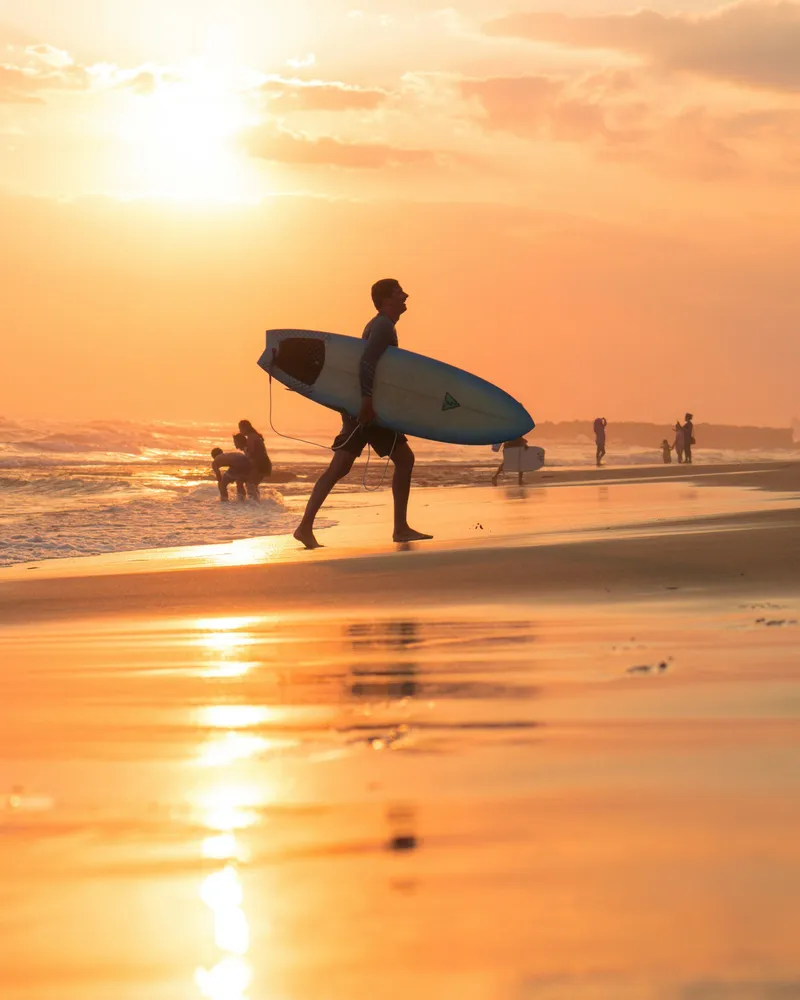
The stylish southwest coast: long gray-sand beaches, surf schools and sunset beach clubs, boutique villas tucked behind the lanes, and the best of the island's cafés, boutiques and restaurants, with Canggu's rice fields still showing between the new builds.

Uluwatu & the Bukit

Region

Uluwatu & the Bukit

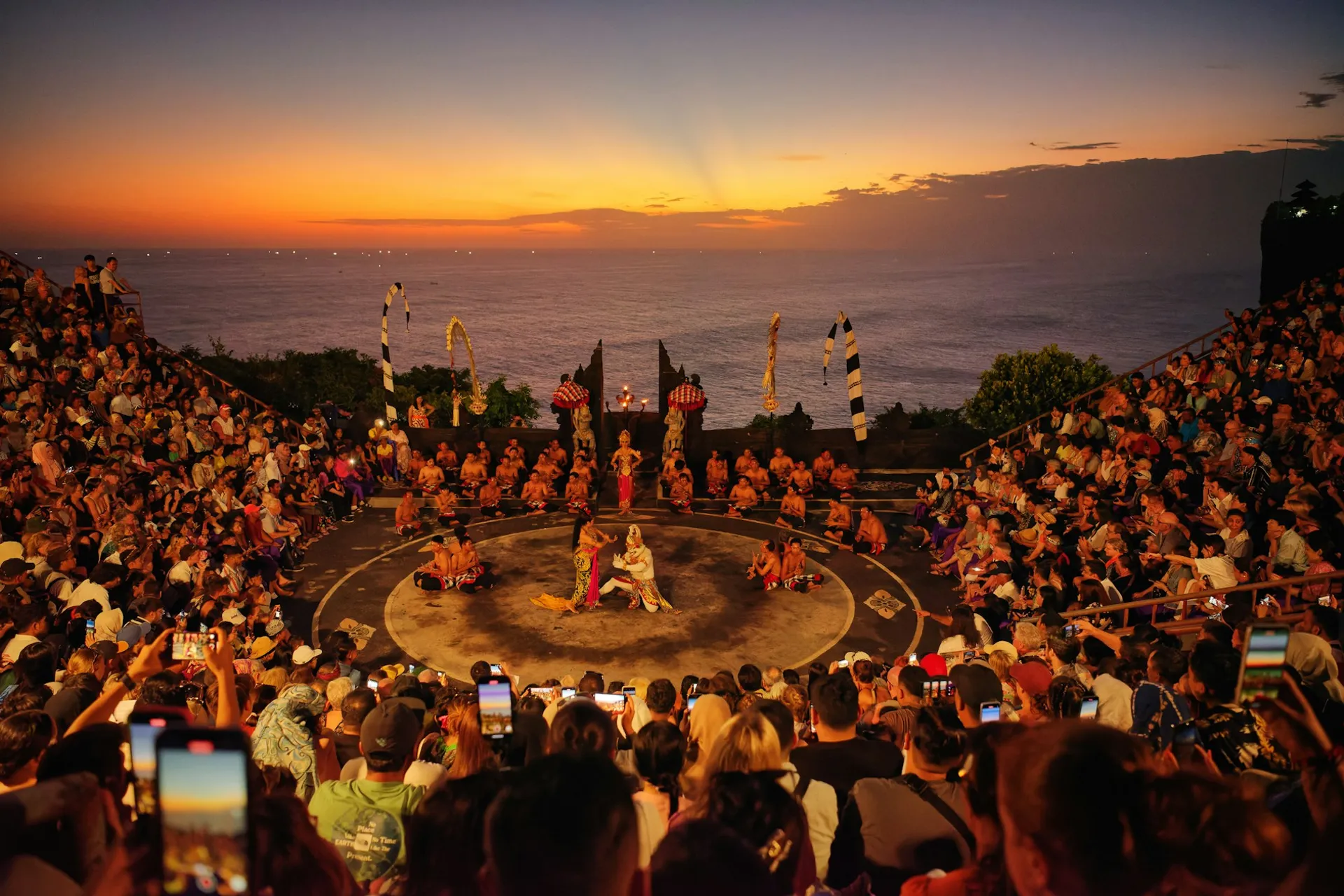
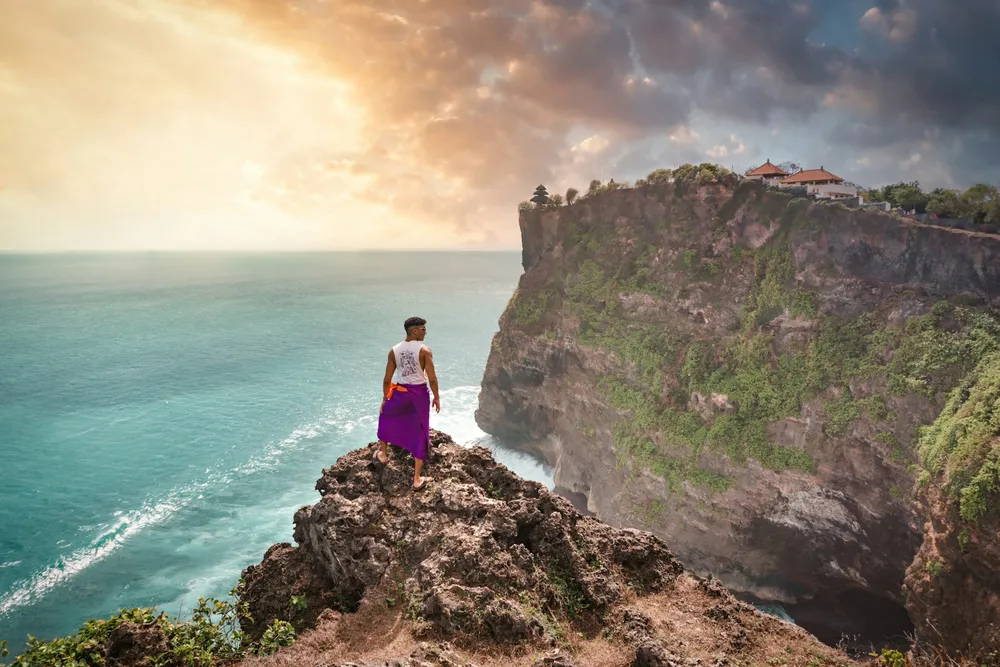
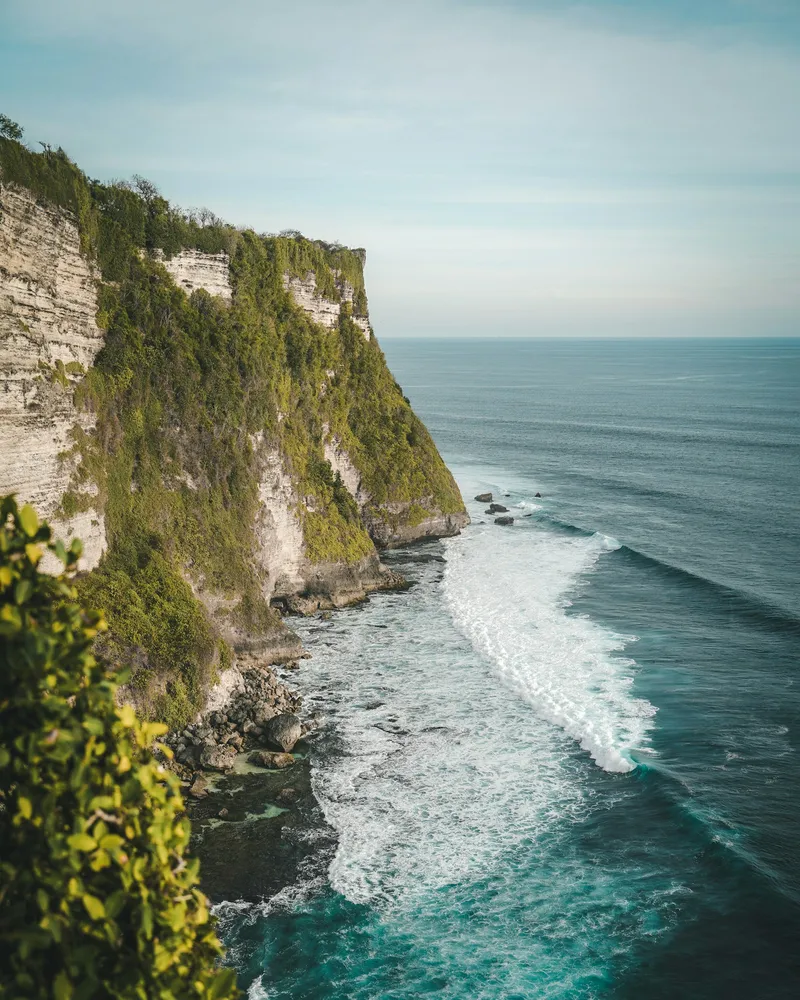
The limestone peninsula at Bali's southern tip, where sheer cliffs drop to world-class surf breaks and hidden white-sand coves, the clifftop temple of Pura Luhur Uluwatu stages the kecak dance at sunset, and the island's most dramatic resorts hang over the Indian Ocean.

Nusa Penida & the islands

Region

Nusa Penida & the islands

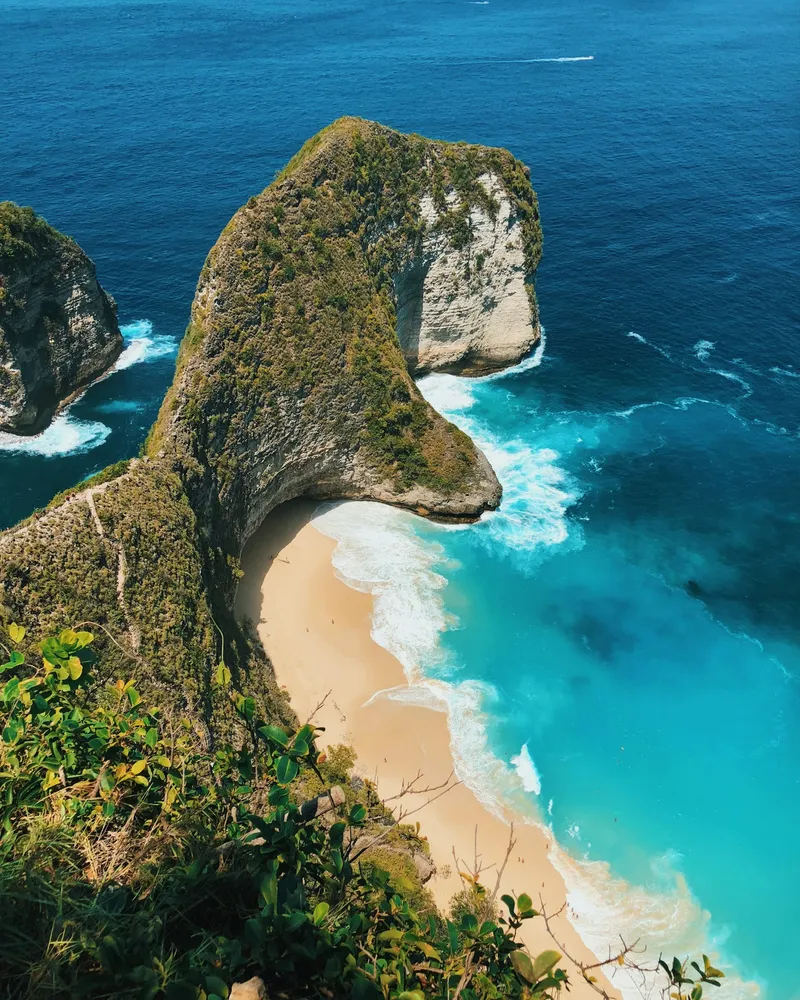
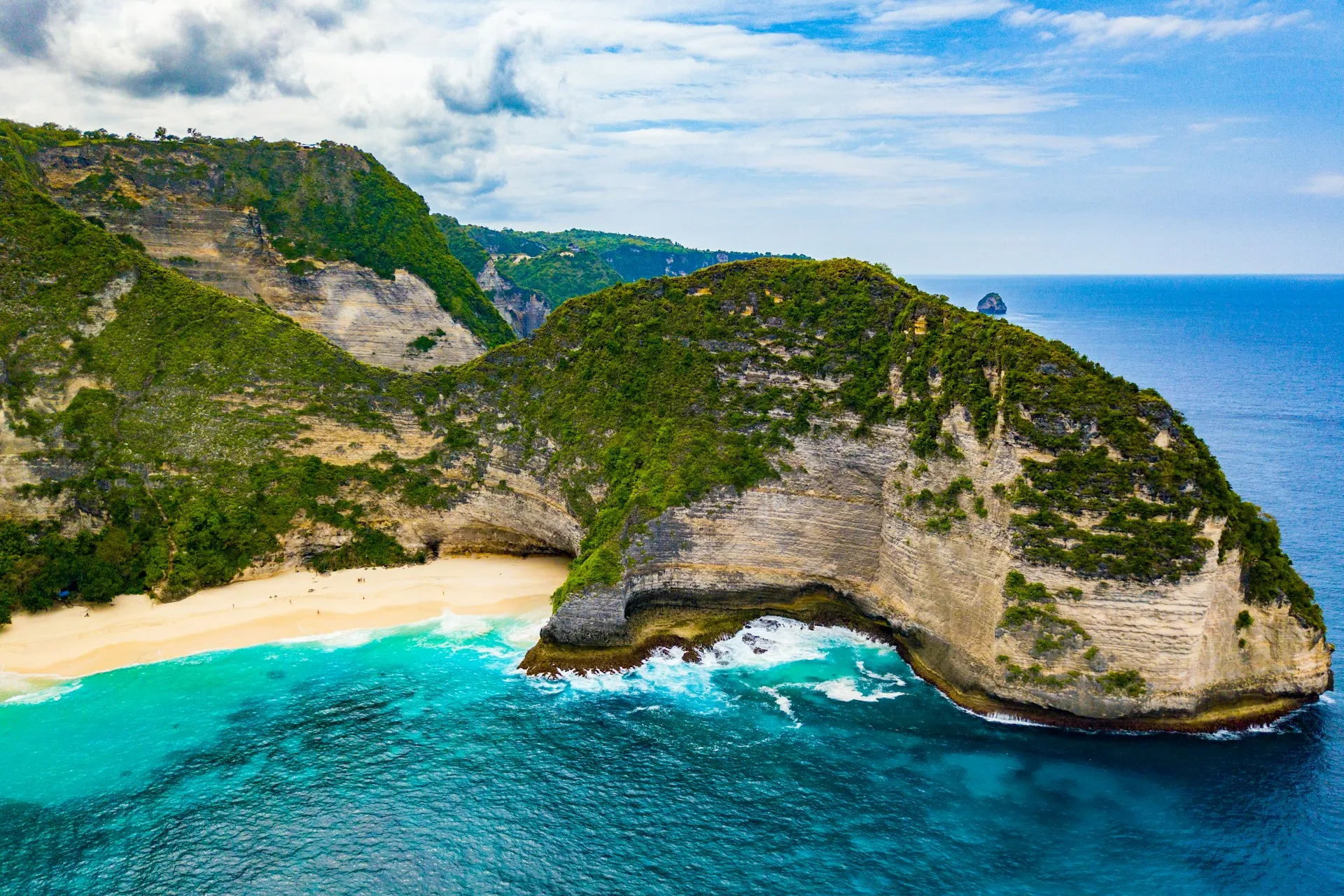
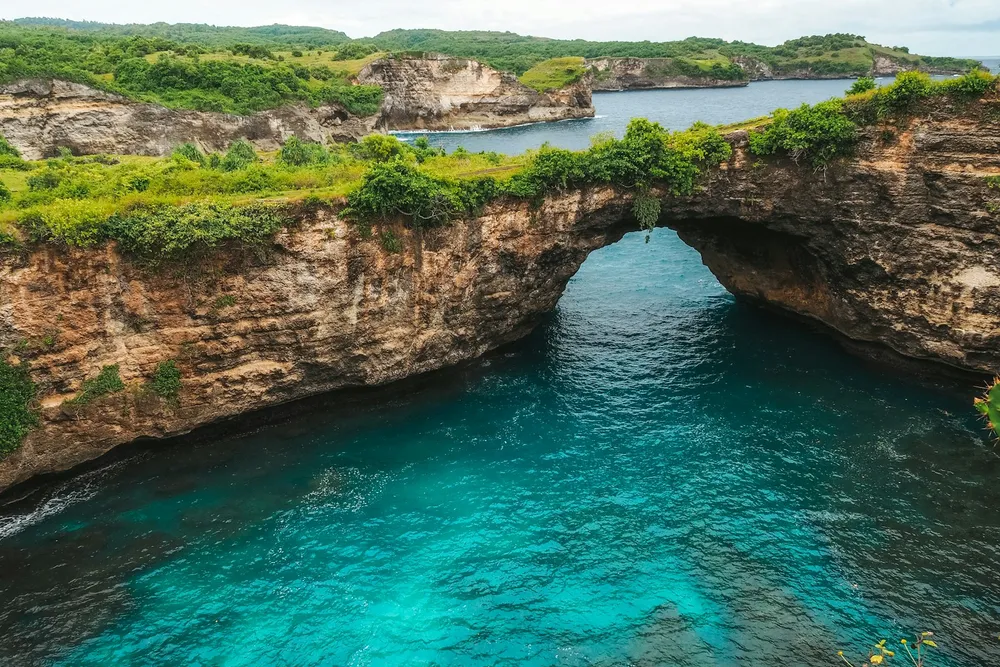
A rugged limestone island a 45-minute fast boat off the southeast coast, home to the T-rex-shaped cliff at Kelingking, the natural arch of Broken Beach and manta rays in the clear water, with laid-back Nusa Lembongan and tiny Ceningan next door.

Sidemen & the east

Region

Sidemen & the east

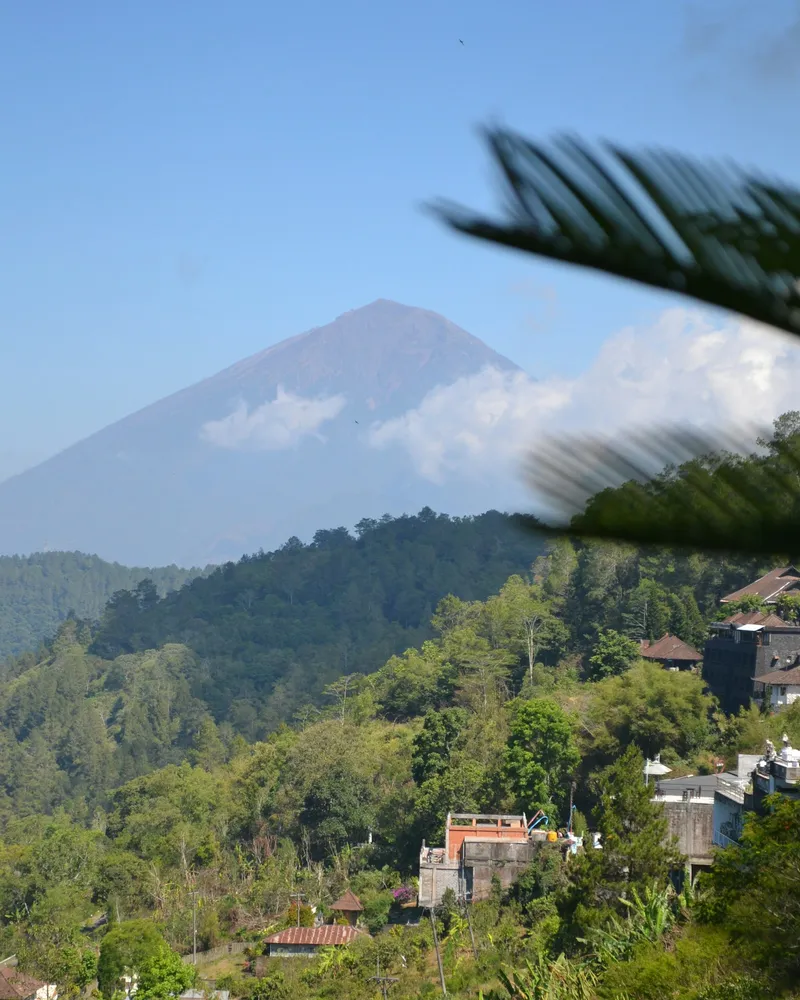
The quiet, old Bali of the east: the Sidemen valley's terraces beneath the cone of Mount Agung, the water palaces at Tirta Gangga and Ujung, the mother temple of Besakih on the volcano's slopes and the black-sand fishing coast around Amed and Candidasa.

A sample journey

One way to spend a week in Bali.

  1. Seminyak & Canggu 1
    Days 1–2

    Seminyak & Canggu

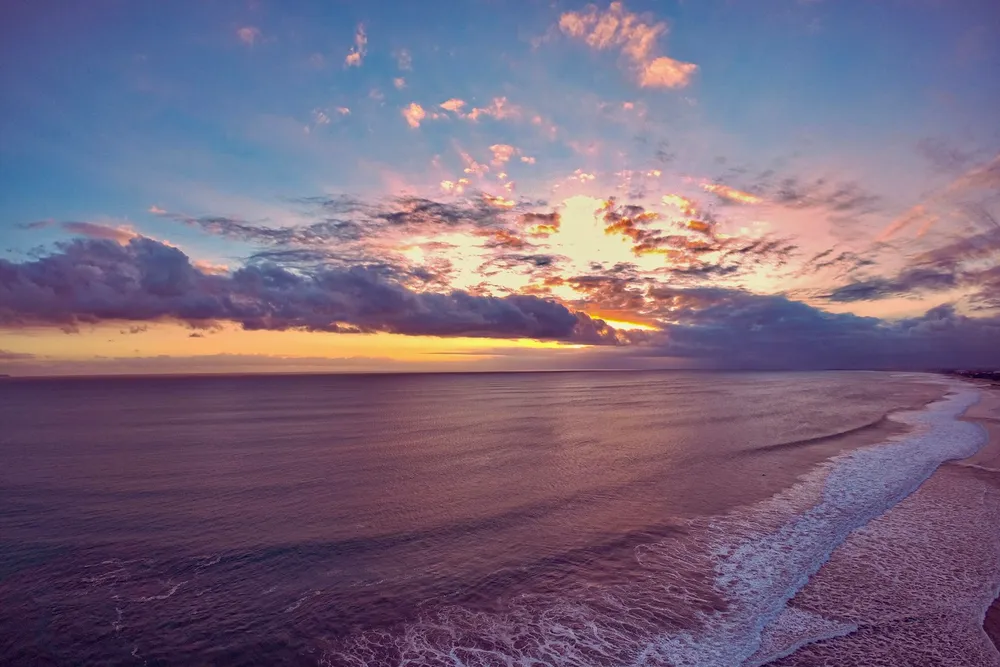
    Land in the south and ease in on the southwest coast: a villa behind the beach, a long first lunch, a surf lesson or a beach-club afternoon at Canggu, and sunset from the sand with the island's best restaurants a short walk away.

  2. Uluwatu & the Bukit 2
    Day 3

    Uluwatu & the Bukit

    Drive south onto the limestone peninsula for a hidden cove or two below the cliffs, then the clifftop temple of Pura Luhur Uluwatu at golden hour and the kecak fire dance as the sun drops into the Indian Ocean, followed by grilled seafood on the sand at Jimbaran.

  3. Ubud 3
    Days 4–6

    Ubud

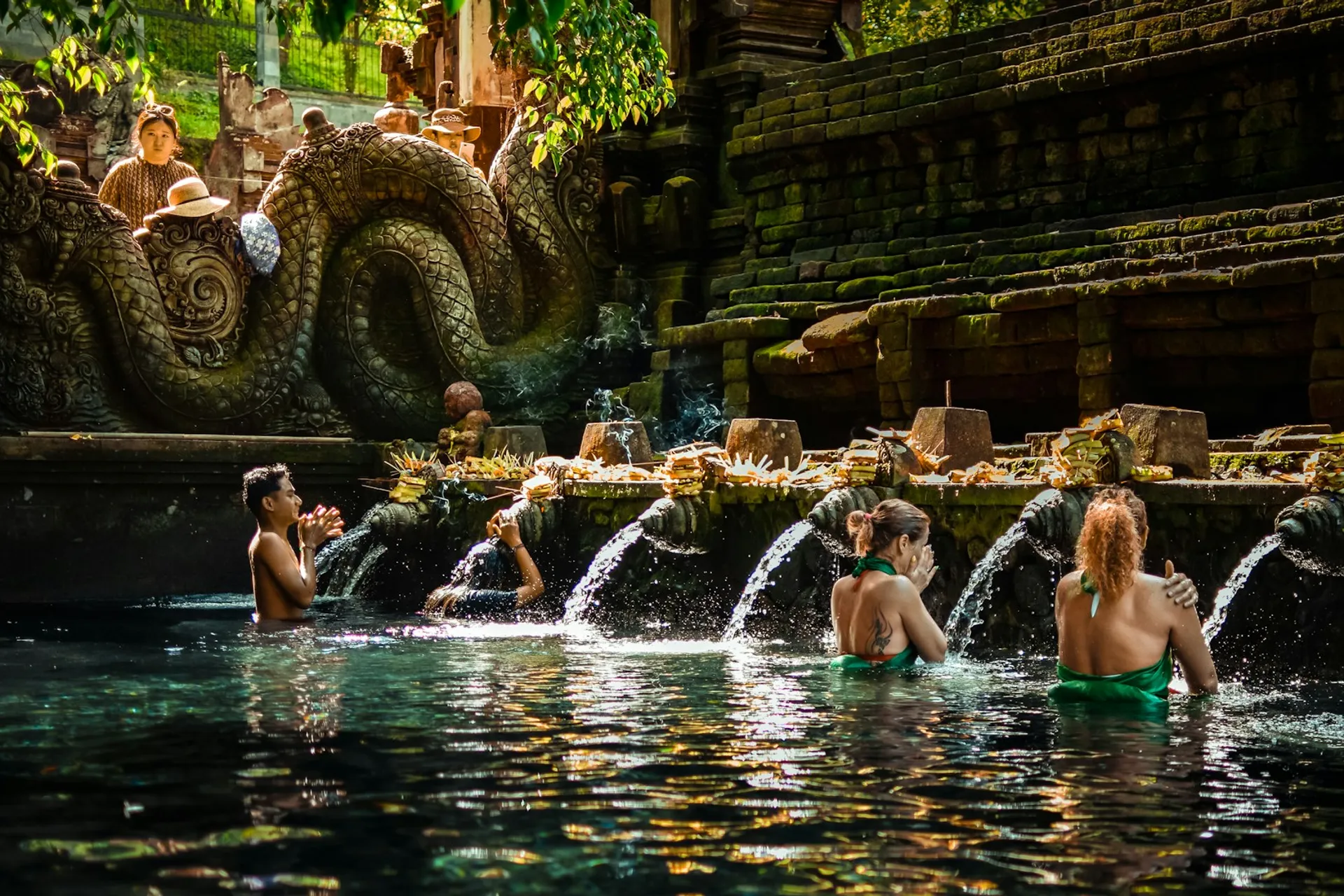
    Inland to the cultural heart of the island: a dawn walk along the Campuhan Ridge, the rice terraces at Tegallalang and Jatiluwih, a purification ritual at the holy springs of Tirta Empul and a cooking class in a village compound, with evenings at a jungle-edge resort above the Ayung River.

  4. Mount Batur & the highlands 4
    Day 7

    Mount Batur & the highlands

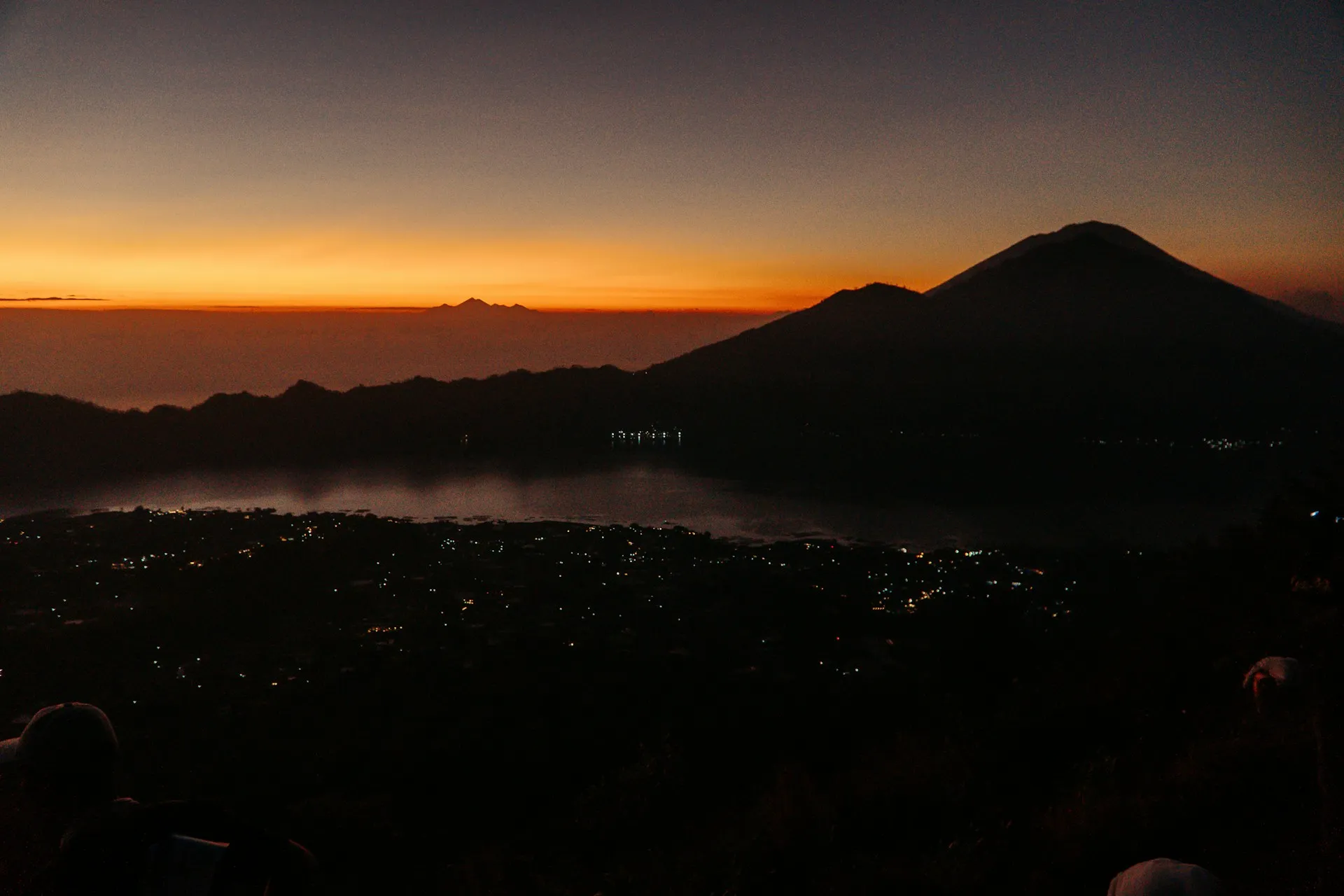
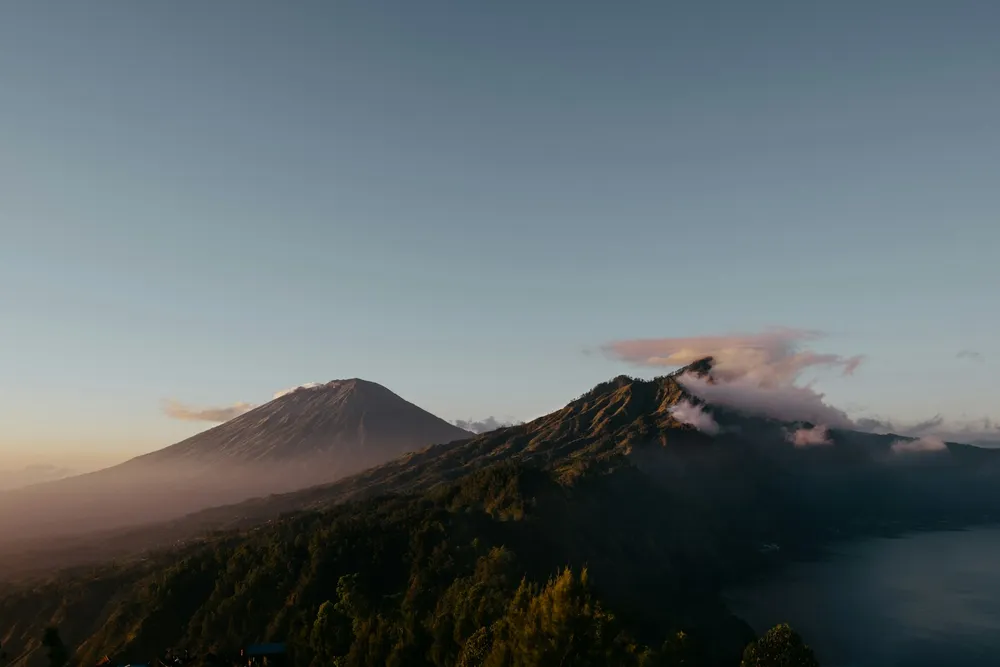
    A pre-dawn start for the sunrise trek up Mount Batur, the active volcano rising from its caldera lake, then a soak in the hot springs on the shore and a slow drive along the crater rim at Kintamani before dropping east into the valleys.

  5. Sidemen & the east 5
    Days 8–9

    Sidemen & the east

    Settle into the quiet Sidemen valley beneath Mount Agung: walks through the terraces to a weaver's workshop, the water palace of Tirta Gangga, the mother temple at Besakih and a morning of snorkeling over the wreck and reefs off the Amed coast.

  6. Nusa Penida 6
    Day 10

    Nusa Penida

    Finish with the fast boat across to Nusa Penida: the T-rex cliff at Kelingking, the arch of Broken Beach, snorkeling with manta rays off the southwest coast and a last swim at Crystal Bay before the evening crossing back and a final night by the sea.

Every itinerary we build is bespoke: this is a starting point, not a package.

Getting around

By private driver

Seminyak → Ubud in about 1½ hours

Bali has no rail and the roads are narrow and busy, so a private car with a knowledgeable Balinese driver is the backbone of every itinerary we plan. Distances look short on a map, but allow for traffic in the south; the reward is a driver who knows the back roads, the warungs and the ceremony schedule.
Within each base

On foot, by hotel shuttle & ride-hailing app

Ubud's center, Seminyak's lanes and the beach road at Canggu are walkable, most resorts run shuttles, and the local ride-hailing apps work well in the south for short hops. We keep each base to a few days so you settle in rather than commute.
By fast boat to the islands

Sanur → Nusa Penida in about 45 minutes

Nusa Penida and Lembongan are reached by fast boat from the harbor at Sanur, a short, sometimes bouncy crossing that we time for calm morning seas. On Penida itself the roads are rough and steep, so a private driver meets you at the pier.

Where to stay

Ubud
Ubud
We favor the jungle-ravine resorts along the Ayung River and the villages just north of town for views over the paddies and real quiet, or a boutique stay close to the center if you want the galleries, yoga studios and restaurants on foot.
Seminyak & Canggu
Seminyak & Canggu
A private pool villa in the lanes behind Seminyak's beach puts the restaurants, boutiques and sunset clubs within a short stroll, while Canggu suits surfers and younger travelers who want a café-and-beach rhythm with rice fields out the back.
Uluwatu & the Bukit
Uluwatu & the Bukit
This is where the island's grand clifftop resorts gather above the Indian Ocean, from honeymoon hideaways to the big beach-and-spa addresses around Jimbaran Bay, with the temple and the surf coves a few minutes away by car.
Sidemen & the east
Sidemen & the east
A small lodge or villa in the Sidemen valley, with terraces running down to the river and Mount Agung filling the window, is our favorite antidote to the south; Candidasa and Amed on the coast add snorkeling and a slow seaside pace.
Nusa Penida & the islands
Most travelers see Penida on a long day trip, but an overnight on the island or on neighboring Nusa Lembongan, where simple beachfront bungalows and a few polished villas look back toward Bali, lets you reach the cliffs before the day boats arrive.

Your driver, the island transfers, the Nusa Penida boat and the early-morning Batur and Uluwatu timings are all arranged as part of every itinerary, so the logistics are handled before you arrive.

Good to know

Bali travel questions.

How many days do you need in Bali?

Nine to twelve nights is the sweet spot. That gives you a few nights on the coast to recover from the long flight, three or four in Ubud for the terraces, temples and food, and time for the highlands, the east and a day on Nusa Penida without feeling rushed. A week works if you keep to two bases, and two weeks lets you add Lombok, the Gili Islands or Java's temples.

When is the best time to visit Bali?

The dry season runs from roughly May to October, and the shoulder months of May, June, September and October are our favorites: dry, sunny and noticeably quieter and better value than the July–August peak, which has the most reliable weather but the biggest crowds and highest villa rates. The wet season from November to March brings short, heavy afternoon downpours and the greenest landscapes, with January and February the wettest.

Do Americans need a visa for Bali?

Bali is part of Indonesia, and US citizens can obtain a visa on arrival for short tourist stays of up to 30 days, which can also be arranged online before you fly to save time at the airport. There is a small tourist levy for Bali itself, and your passport must be valid for at least six months beyond your arrival date. Requirements change from time to time, so we confirm the current rules and walk you through them before you travel.

Should I stay in Ubud or on the coast?

Both, in the right order. We usually start with two or three nights near the beach in Seminyak, Canggu or on the Bukit to unwind after the flight, then move inland to Ubud for the culture, the countryside and the cooler evenings, and often finish in the east or on the islands for a slower, quieter close. Bali's distances are short enough that moving bases every few days feels natural rather than tiring.

Is Bali a good destination for families and honeymoons?

It is one of the best in Asia for both. Families love the villa-with-a-pool lifestyle, gentle beaches at Sanur and Nusa Dua, the monkey forest and the rice-paddy walks, while couples come for the clifftop and jungle resorts, private spa pavilions and sunset dinners on the sand. We tailor the pace and the bases to who is traveling, and a private driver makes the whole island easy with children in tow.

What should I know about temple etiquette and ceremonies?

Balinese temples ask that you wear a sarong and sash, which are usually provided at the gate, and that you cover shoulders and knees and avoid climbing on shrines or stepping over offerings. Ceremonies are a constant part of life here and visitors are generally welcome to watch respectfully from the edge. Our guides brief you on the day, and if your dates fall on Nyepi, the Day of Silence in March, we plan around the 24 hours when the island closes entirely.

Let's begin

Design your
Bali escape.

Tell us your travel dates and what you love, and we'll handle every detail.

Plan Your Trip