
Ubud & the central hills
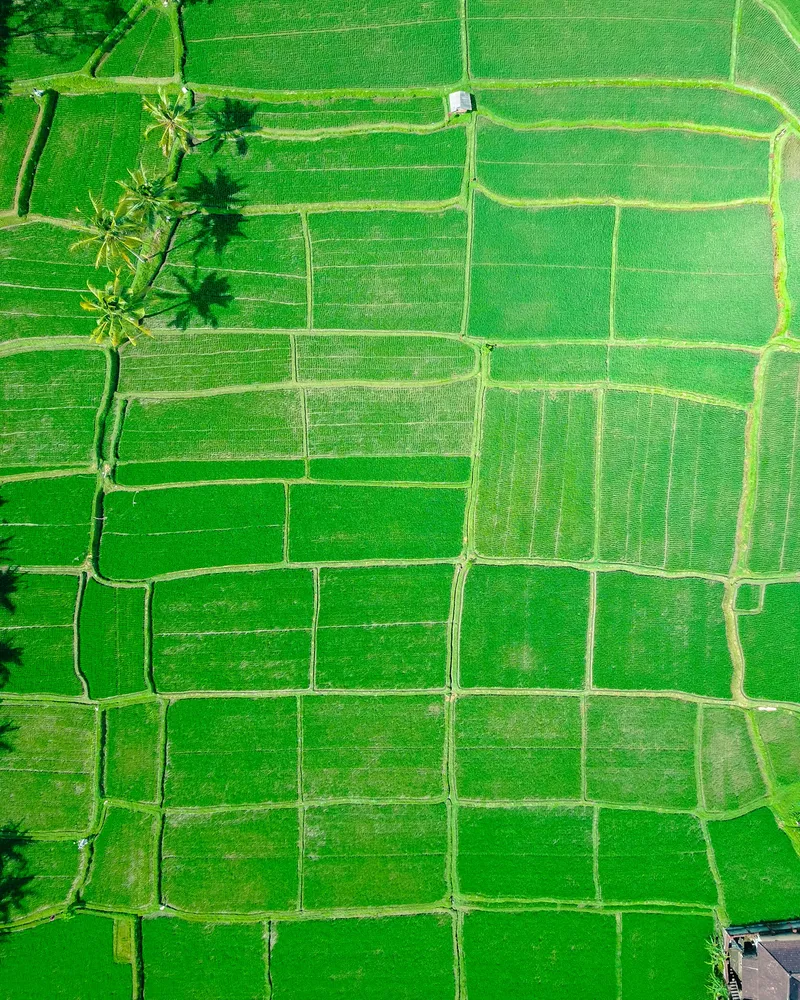
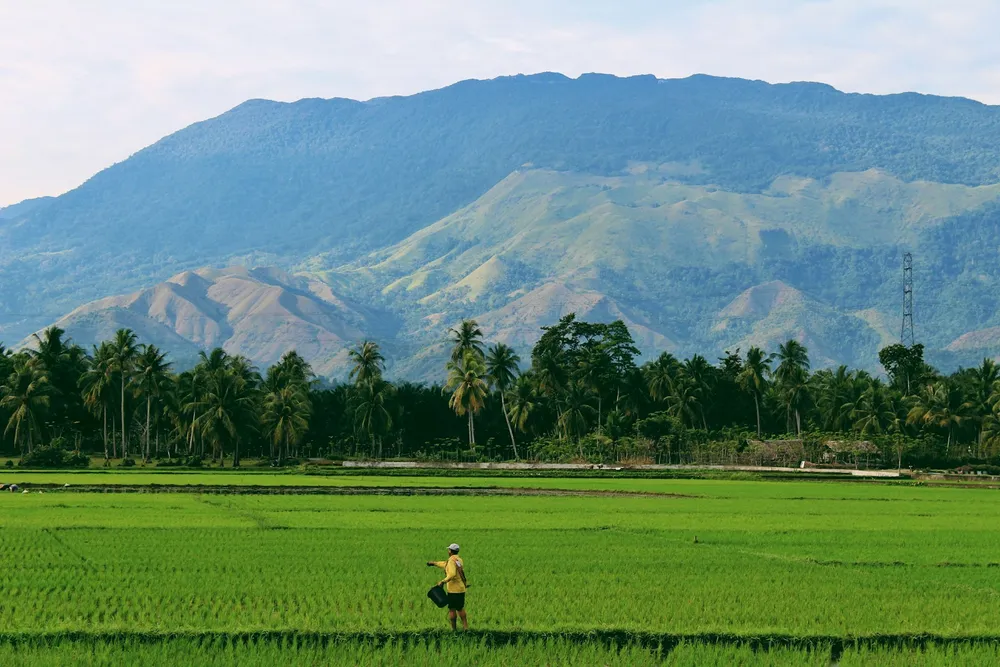
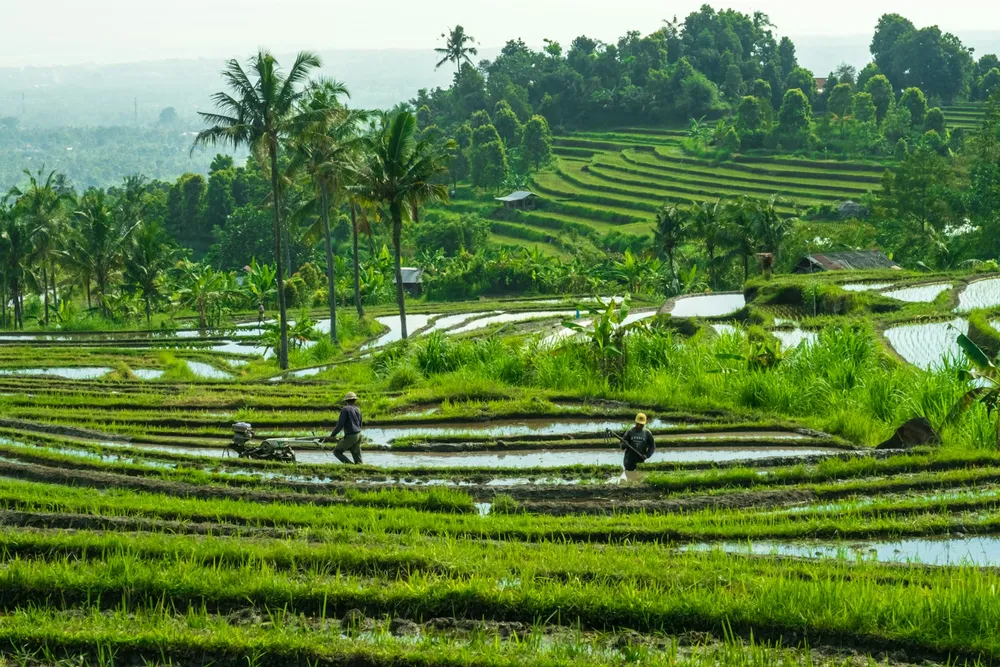
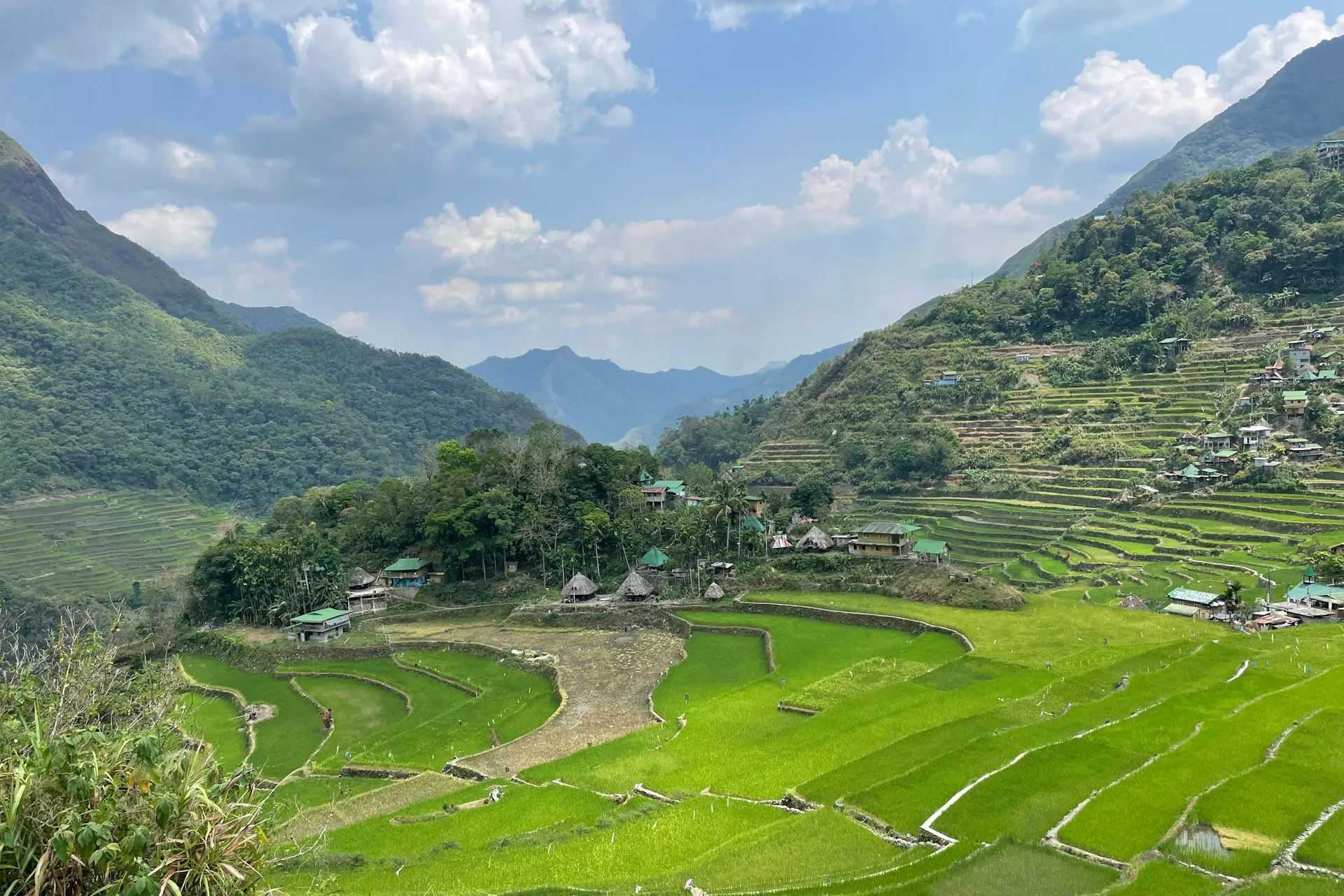
The rice terraces are the image of Bali most people carry in their heads before they arrive, and the remarkable thing is that the real ones are better. They are not a view so much as a working landscape: a system of carved hillsides and cooperative irrigation called subak, kept running by village water temples for a thousand years and recognized by UNESCO for it. Water moves from the volcanoes down through a thousand channels, each paddy spilling into the next, and the colors shift with the cycle, from mirror-flat flooded fields to electric green shoots to the gold of harvest, so the terraces are never quite the same twice.
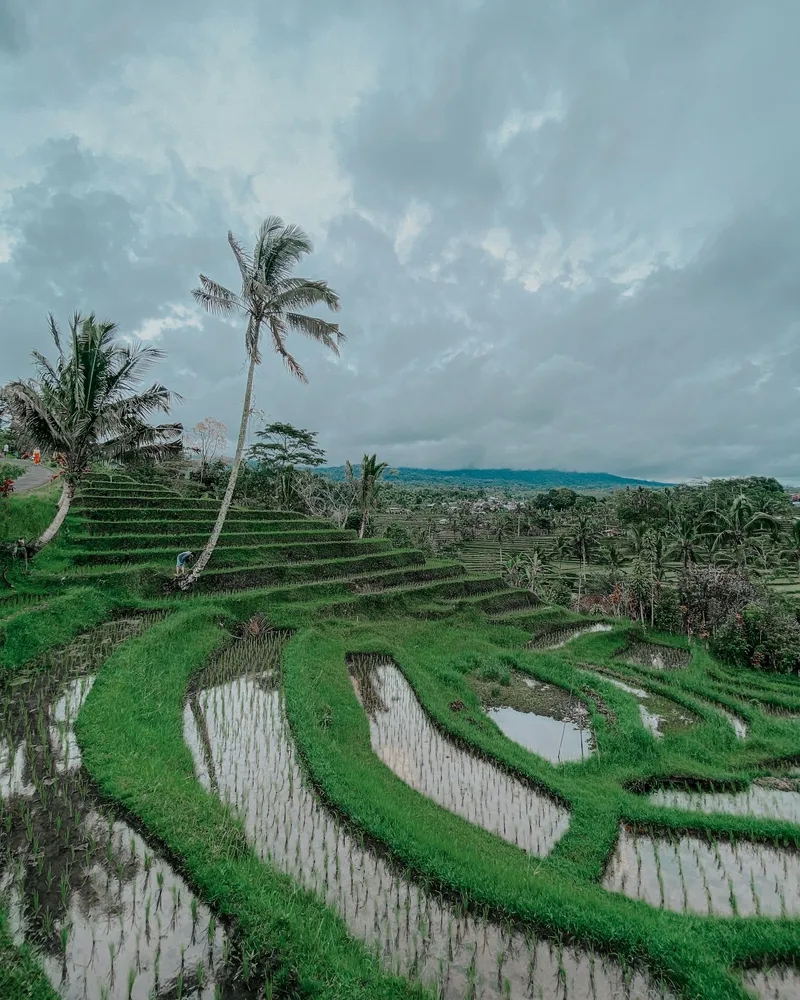
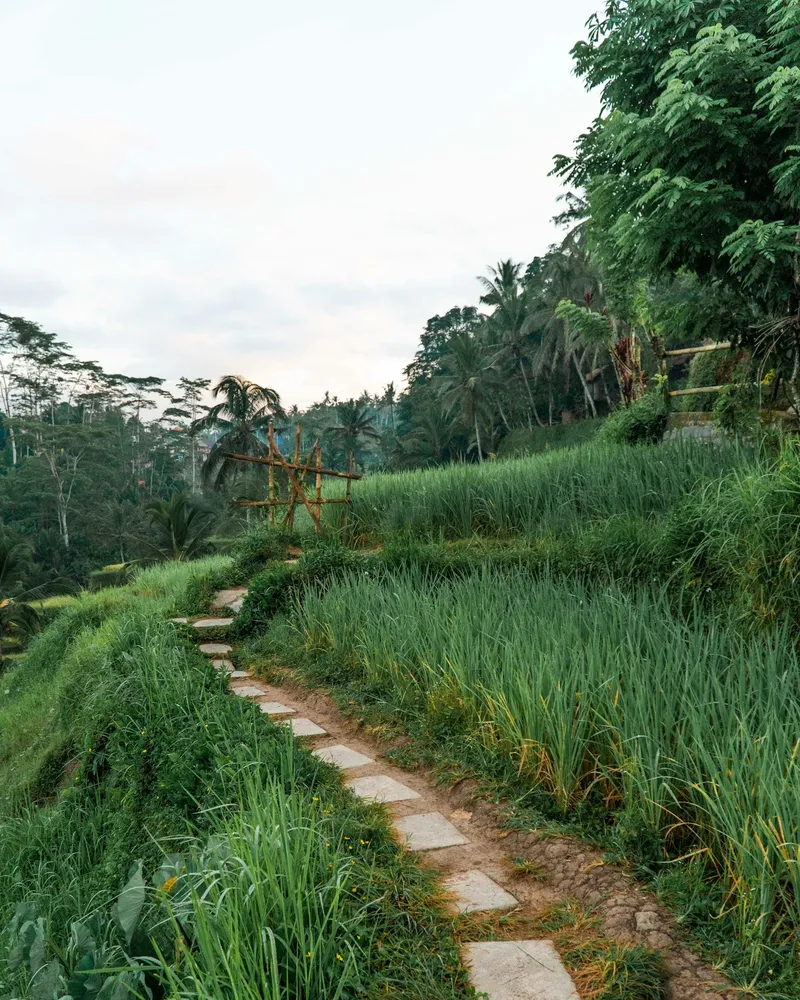
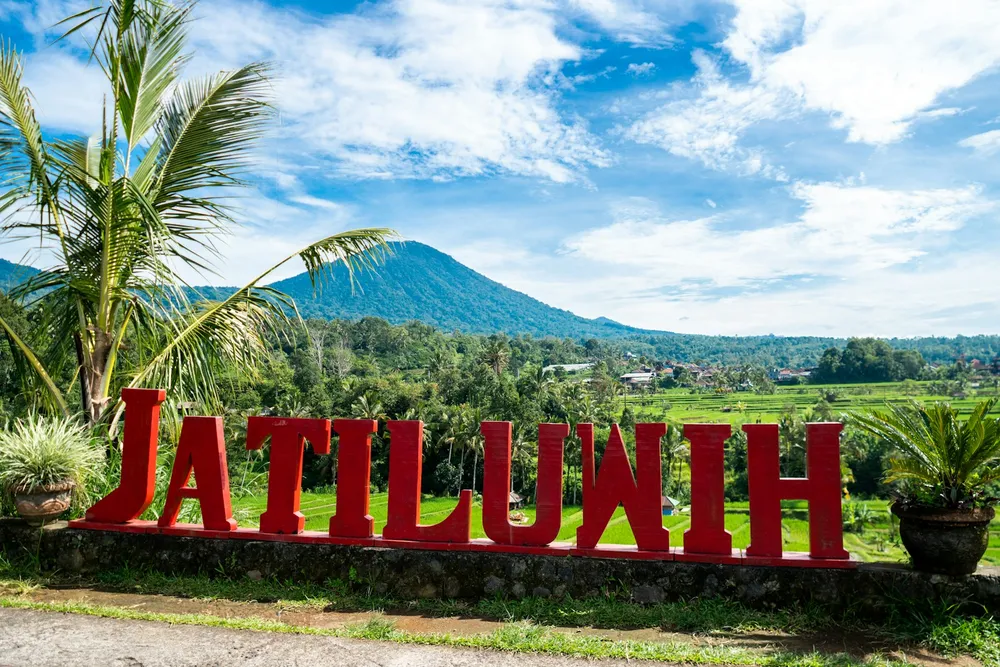
Two sites anchor the day. Tegallalang, twenty minutes north of Ubud, is the postcard: a steep, intimate amphitheater of terraces folded into a narrow valley, with palm trees on the ridgelines and café terraces along the road above. It is busy by mid-morning, so we go early, when the light is low and the farmers are already in the fields. Jatiluwih, an hour further into the foothills of Mount Batukaru, is the opposite in scale, a vast sweep of terraces rolling across the hillsides as far as you can see, with walking trails of an hour or three through the paddies and barely a crowd in sight.
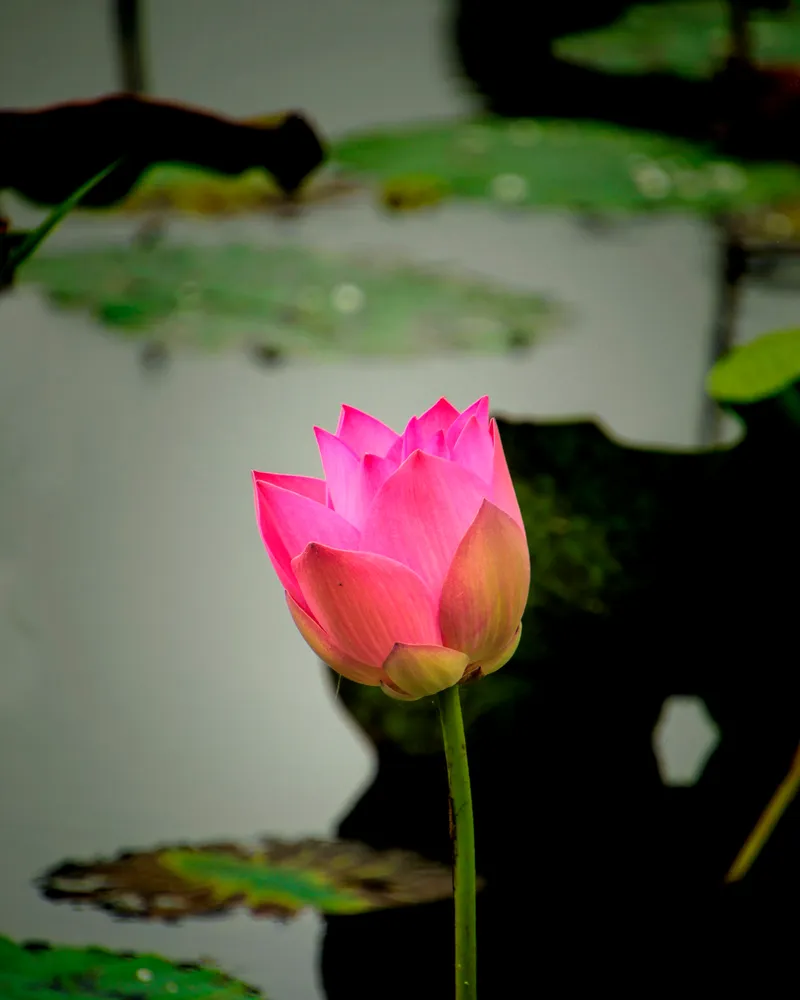
Back in Ubud, the Campuhan Ridge Walk is the town's own slice of this: a paved path along a grassy spine between two river gorges, best at sunrise before the heat, with the tall grasses catching the light and the valley dropping away on both sides. We pair it with the town itself, the lotus pond at the Saraswati temple, the painters' studios of Penestanan and the lanes of the market, so the day moves from landscape to the culture that shaped it. A driver, an early start and a good guide make the difference between seeing the terraces and understanding them.